How soy_aria_cruz Made This Police Uniform AI Portrait and How to Recreate It
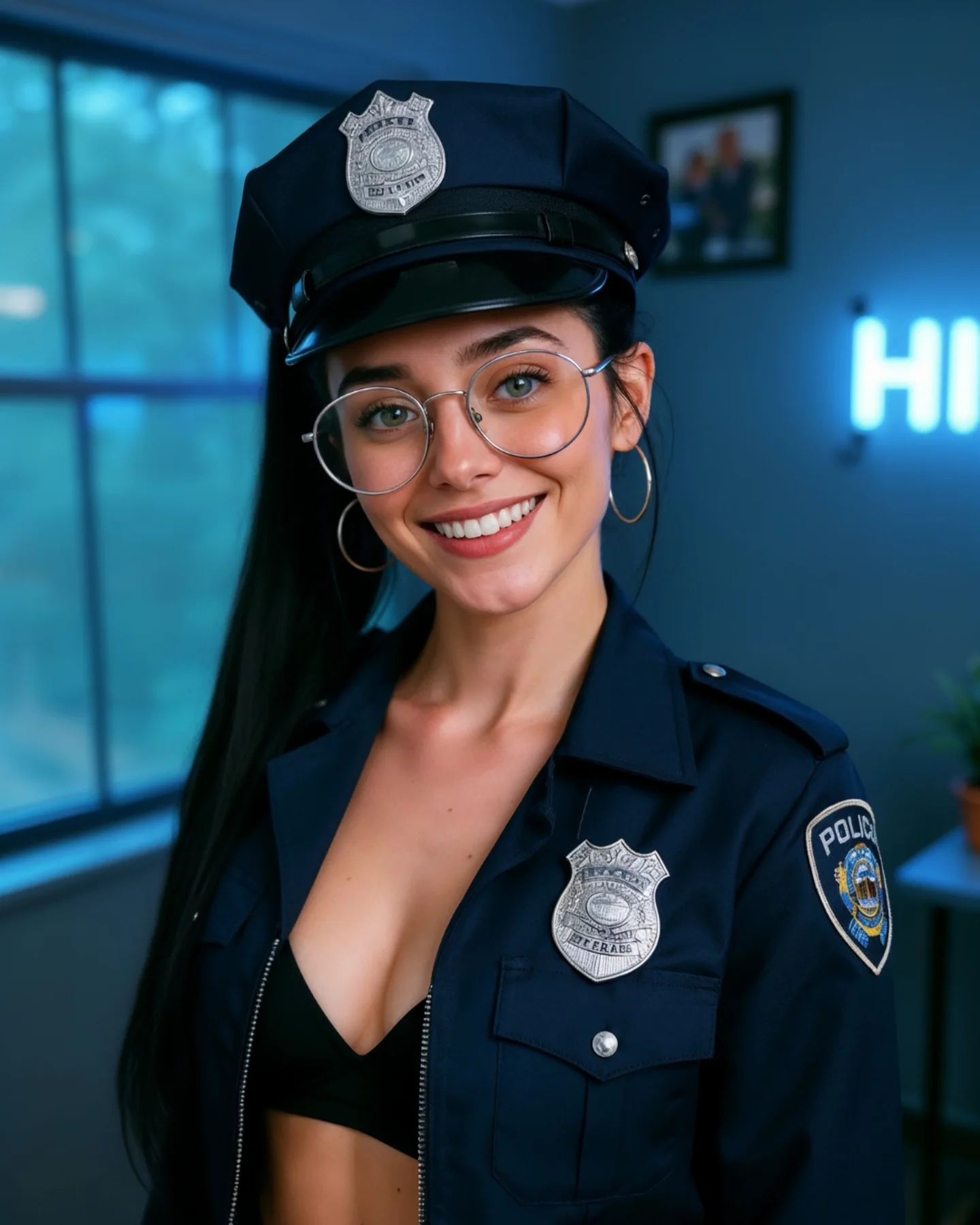
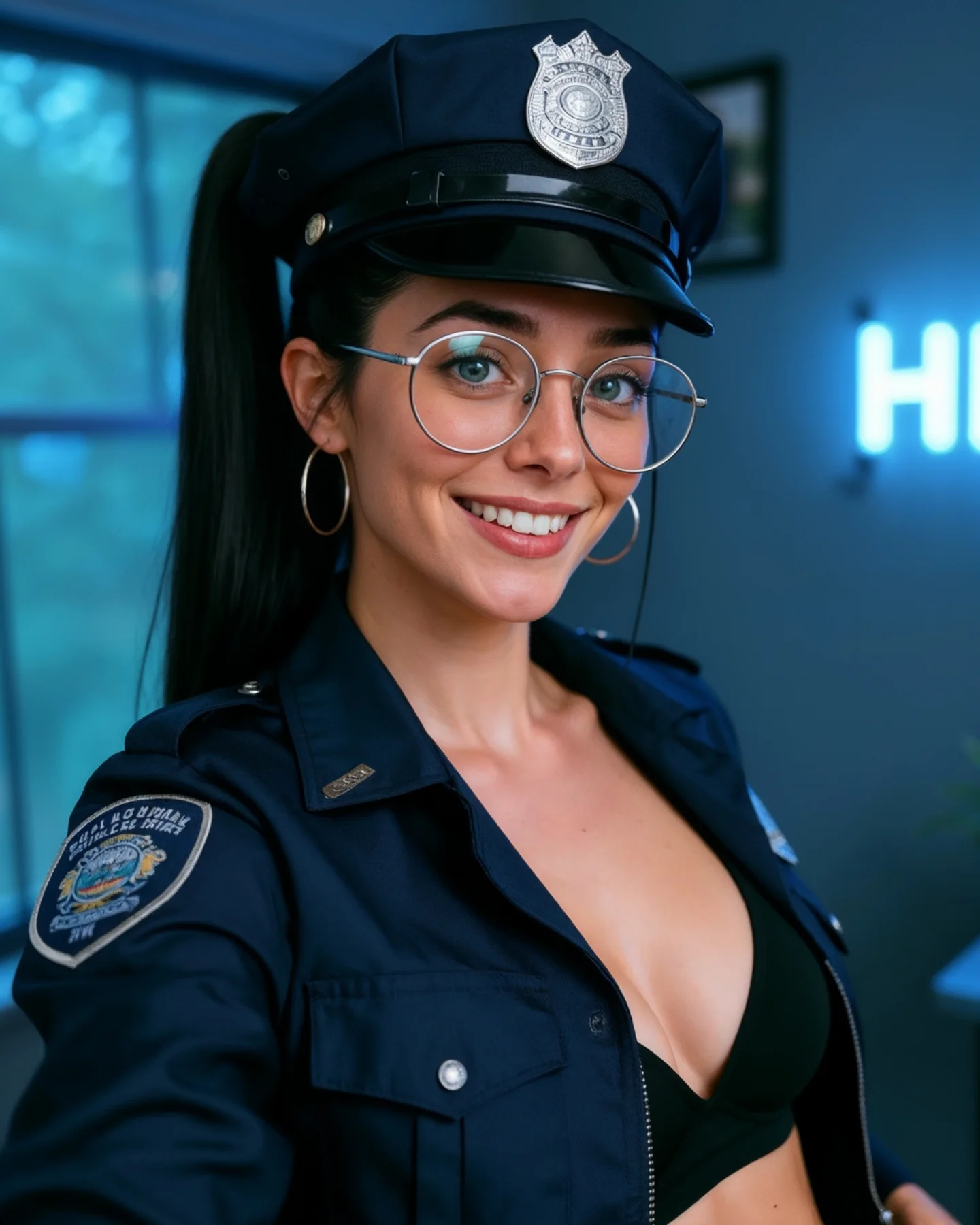
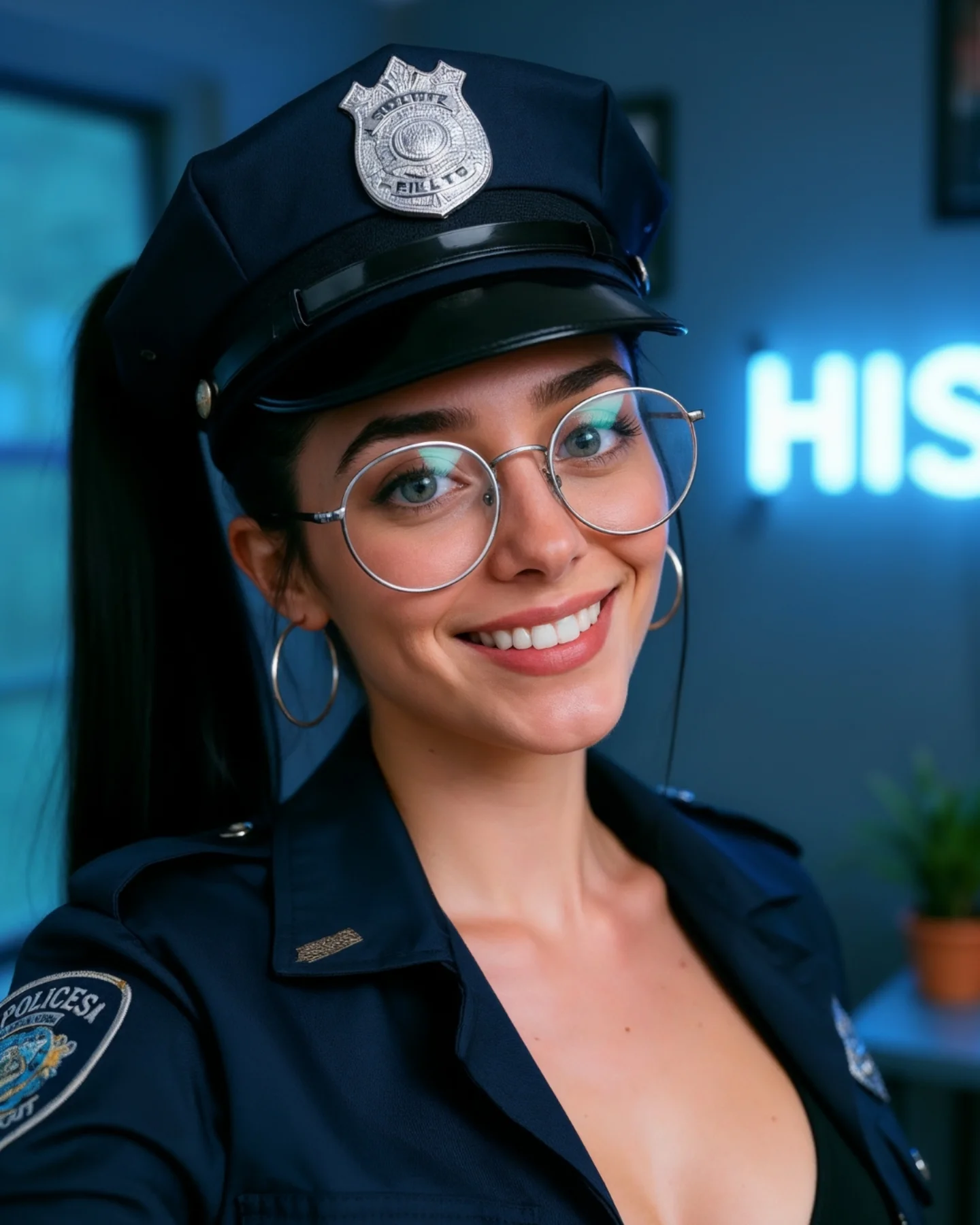
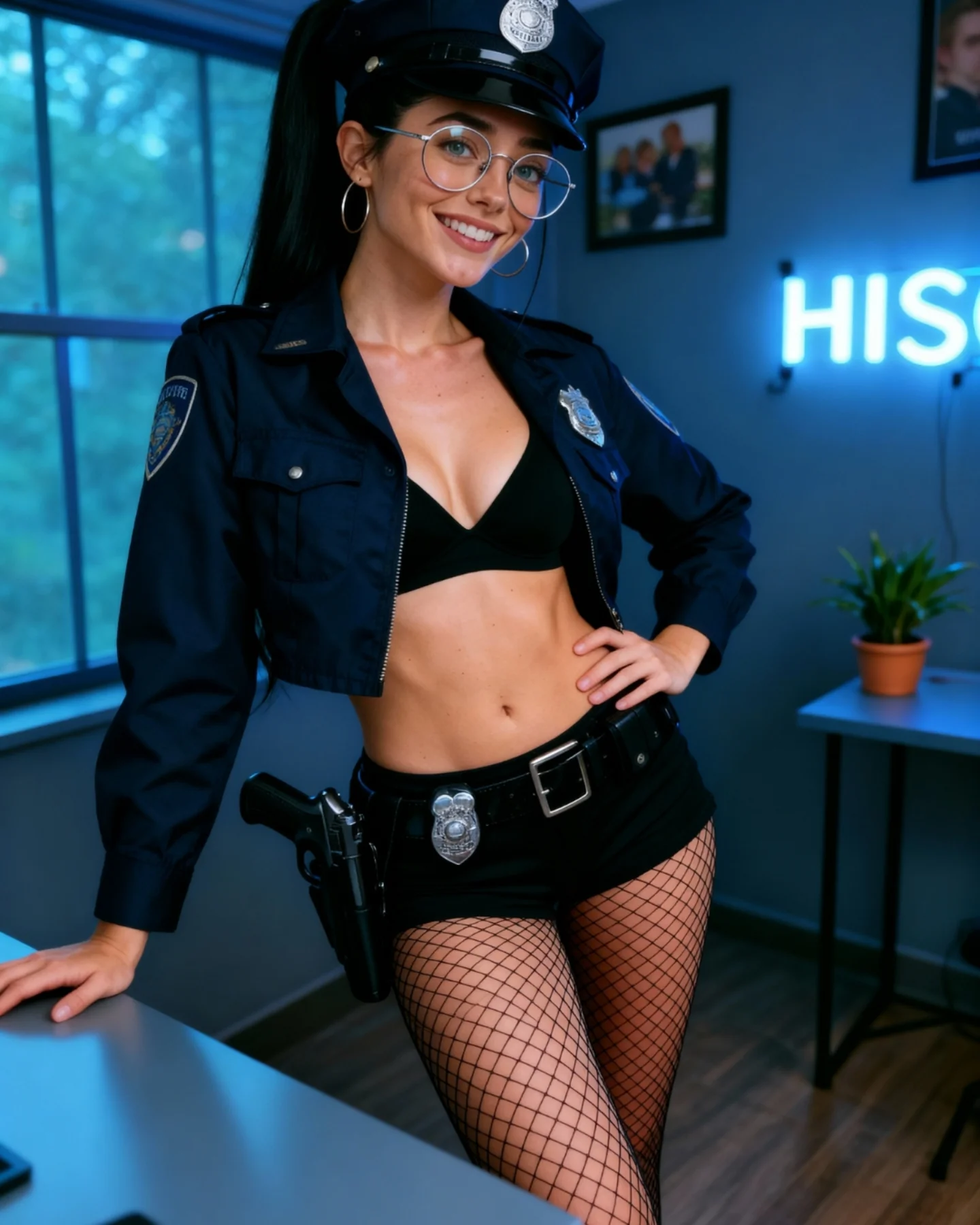
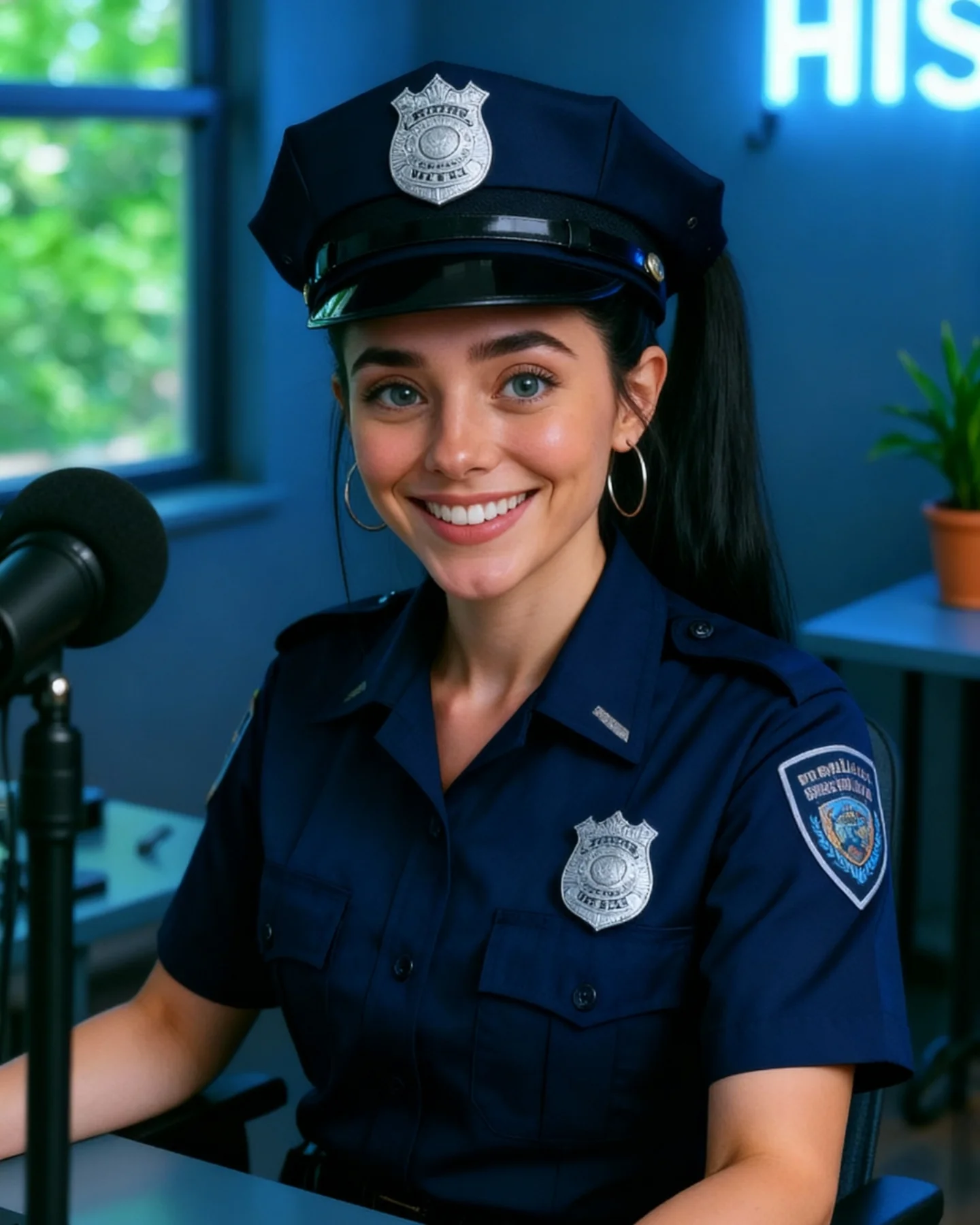
This image works because it keeps the idea readable without overbuilding the scene. The police-inspired costume is obvious from the hat, chest badge, and shoulder patch, but the environment does not pretend to be a real station or an action sequence. That restraint is useful. It turns the image into a themed portrait instead of a messy genre imitation.
For creators, the key lesson is that costume-led portraits often perform better when the setting stays soft and modern. Here, the room remains blurred and simple, which keeps attention on the face and the uniform details. The image feels like character styling rather than roleplay theater. That makes it easier to post on a normal creator feed without breaking the visual language too hard.
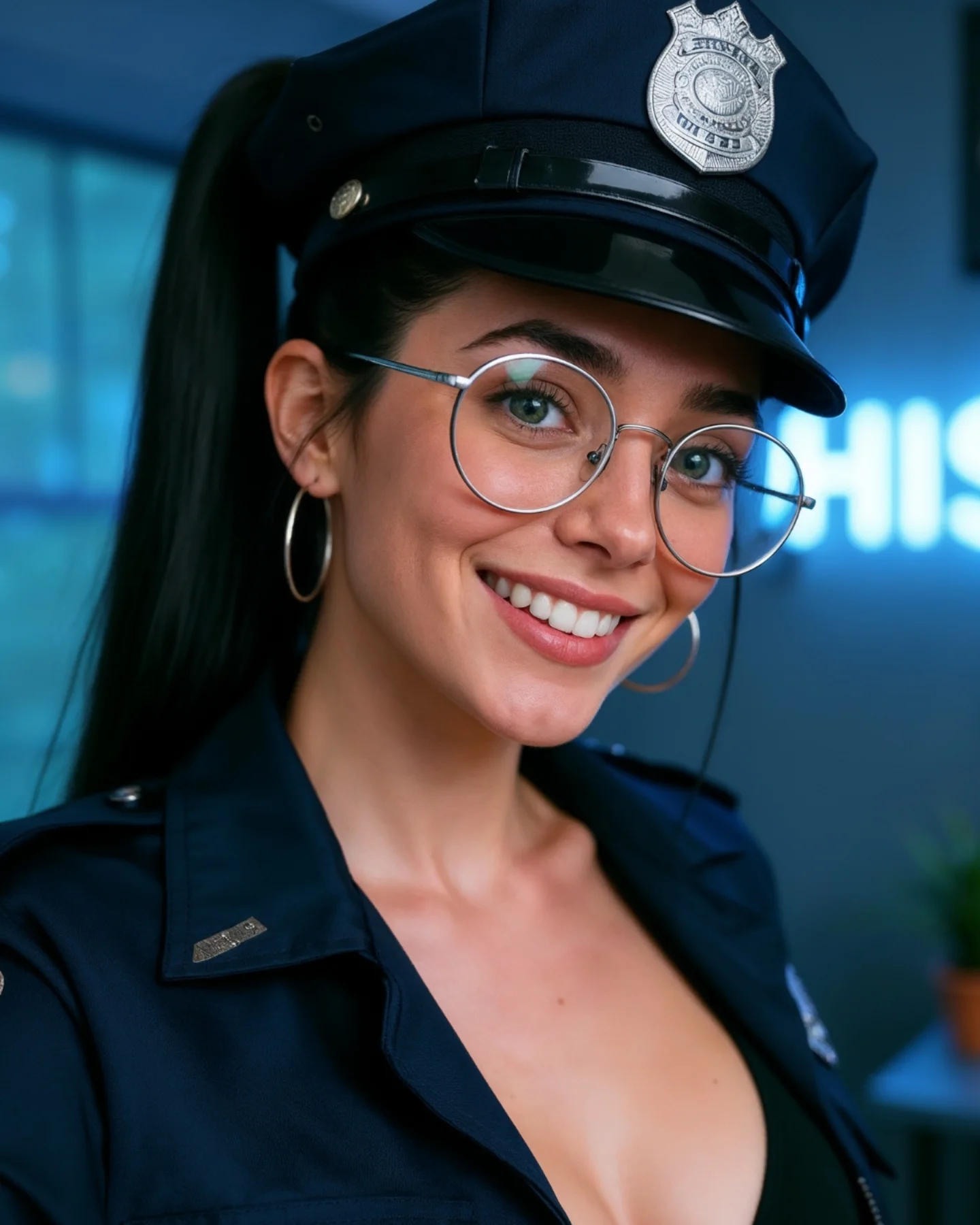
The smile also matters. A stern expression would push the portrait toward cliché. The warm face keeps the image socially friendly and more consistent with creator-driven content. Instead of “look at this costume,” the frame says “here is a playful, polished themed look.”
Why This Kind of Themed Portrait Performs
The first reason is instant recognition. Hats, badges, and patches are high-speed visual signals. The viewer does not need to think long to understand the concept. Fast recognition is useful on social because it lowers the time needed to decide whether to stop scrolling.
The second reason is balance. The costume is specific, but the room is vague. The face is warm, but the styling remains polished. This kind of balance keeps themed portraits from feeling too costume-party or too coldly cinematic. It lands in a more usable social-media middle ground.
The third reason is detail concentration. Because the background is soft, small costume details such as the cap badge, shirt pocket, glasses, and patch become the points of inspection. That gives the image enough visual reward without adding clutter.
| Signal | Evidence (from this image) | Mechanism | Replication Action |
|---|
| Fast concept recognition | Police cap, chest badge, and shoulder patch identify the theme immediately | Quick recognizability improves stop power in the feed | Use two or three unmistakable costume cues instead of building a full scene |
| Soft environment restraint | Blurred room, neon glow, and window light keep the background unobtrusive | A simple environment stops the costume from becoming theatrical | When styling a themed portrait, underplay the background instead of matching it literally |
| Friendly expression | The smile keeps the image open rather than intimidating | Warmth broadens appeal and makes niche styling more approachable | Use an inviting facial expression when the wardrobe already carries the concept |
| Focused detail zones | Badges, glasses, and fabric seams stay readable while everything else softens | Concentrated detail gives viewers places to inspect without crowding the frame | Prioritize accessory precision and background softness together |
Where This Aesthetic Fits Best
This style works best for themed creator portraits, character-inspired prompt showcases, cosplay-adjacent content that wants to stay polished, and indoor portrait posts where the goal is persona rather than full narrative worldbuilding. It is especially useful when you want a recognizable theme but do not want the image to feel like a movie still.
- Best fit: character-inspired creator posts. Themed wardrobe adds novelty while the face remains the center.
- Best fit: cosplay-lite prompt examples. The image shows how to suggest a role without building a full set.
- Best fit: indoor portrait branding with a twist. The room stays familiar, so the costume reads as a styling choice rather than a scene change.
- Best fit: realism tests. Badges, glasses, dark fabric, and mixed indoor lighting are all useful quality checkpoints.
- Best fit: social-first themed content. It feels strong enough to catch attention but simple enough for a normal feed.
It is less useful for hard realism, documentary role depiction, or cinematic action narratives. The strength here is clean themed portraiture, not story-heavy world simulation.
Transfer Recipes
- Pilot-uniform version. Keep: soft indoor room and theme-first clothing cues. Change: hat shape, insignia, palette. Slot template:
themed indoor portrait, recognizable {uniform type}, blurred creator-room background, friendly polished expression - Detective-inspired version. Keep: minimal environment and direct portrait framing. Change: wardrobe pieces, accessories, color system. Slot template:
character-inspired portrait indoors, simple room background, key costume signals, social-media realism - Sci-fi officer version. Keep: role readability without environmental overload. Change: insignia design, material finish, room lighting accent. Slot template:
clean themed portrait, indoor blurred backdrop, identifiable {role styling}, approachable expression, realistic detail
The Aesthetic Read
The strongest visual decision is keeping the costume dark navy while letting the room stay blue-gray and softly lit. That creates tonal cohesion instead of hard contrast. The whole image feels cooler and calmer, which helps the portrait stay polished rather than loud.
The second smart choice is the glasses. They soften the authority implied by the uniform and give the face a more modern creator identity. Small personal markers like that are useful when working with strongly coded wardrobe themes because they keep the subject from becoming anonymous.
The chest opening and visible inner top add a slightly casual, styled feel, but the image avoids leaning too far into exaggeration. That moderation is important. The portrait remains readable and socially usable because it stays balanced.
| Observed | Why it matters | How to recreate it |
|---|
| Dark navy uniform against a cool room | Keeps the palette cohesive and avoids costume-party harshness | Match wardrobe temperature to the environment instead of forcing contrast |
| Glasses and hoop earrings | Add personal identity markers that soften the uniform theme | Include one or two creator-style accessories inside themed portraits |
| Cap badge and shoulder patch | Make the role legible immediately | Use a few strong insignia cues instead of many props |
| Soft neon room blur | Supports modern atmosphere without distracting from the face | Let the room suggest lifestyle context rather than role-play literalism |
| Warm smile | Balances the authoritative costume coding | Use an approachable expression when the wardrobe is already strong |
Prompt Technique Breakdown
To recreate this image well, think in four systems: costume recognizability, creator identity, background restraint, and tonal moderation. Many weak outputs overcommit to the theme and end up looking like a police-drama still. This image works because it stops short of that. It stays in portrait territory.
| Prompt chunk | What it controls | Swap ideas (EN, 2-3 options) |
|---|
| Uniform cues | Fast role recognition | police-style cap and badge; shoulder insignia; dark navy structured shirt |
| Creator identity | Keeps the portrait feeling personal | round glasses; hoop earrings; high ponytail and warm smile |
| Room restraint | Prevents the theme from becoming theatrical | blurred home studio; soft window light; subtle neon room glow |
| Palette coherence | Keeps the image polished rather than loud | cool blue-gray room tones; deep navy clothing; silver detail accents |
| Expression softness | Broadens appeal and humanizes the role styling | friendly smile; approachable confidence; relaxed themed portrait |
| Detail concentration | Gives viewers inspection points | sharp badges; glasses reflections; fabric seams and patch detail |
The biggest drift point is environmental overreach. If you add too many role-specific props like patrol cars, desks, or weapons, the portrait loses its clean social-media usefulness. Keep the room generic and the costume specific.
How to Iterate Without Turning It Into a Gimmick
Lock three things first: the navy costume cues, the glasses-and-smile identity, and the blurred room. Once those are stable, refine badge detail, cap shape, or light color. If you start adding more props or sharper background detail too early, the image will become heavy and less elegant.
Use a one-change rule. If the portrait feels too generic, strengthen the insignia. If it feels too costume-party, soften the room and expression. If it feels too official, reintroduce the creator identity through glasses, earrings, and smile. Small changes keep the image balanced and social-first.
- Run 1: Solve the centered portrait, smile, and creator identity markers.
- Run 2: Add the police-style cap, shirt structure, badges, and patch.
- Run 3: Refine the room blur, window light, and neon glow.
- Run 4: Tune fabric realism, glasses reflections, and cap badge detail without adding more scene clutter.
If the output becomes too official or role-play heavy, append a correction like themed indoor creator portrait, clean social-media styling, not a documentary police scene. If it becomes too plain, strengthen the uniform signals rather than adding extra props. The image works because it stays readable and balanced.