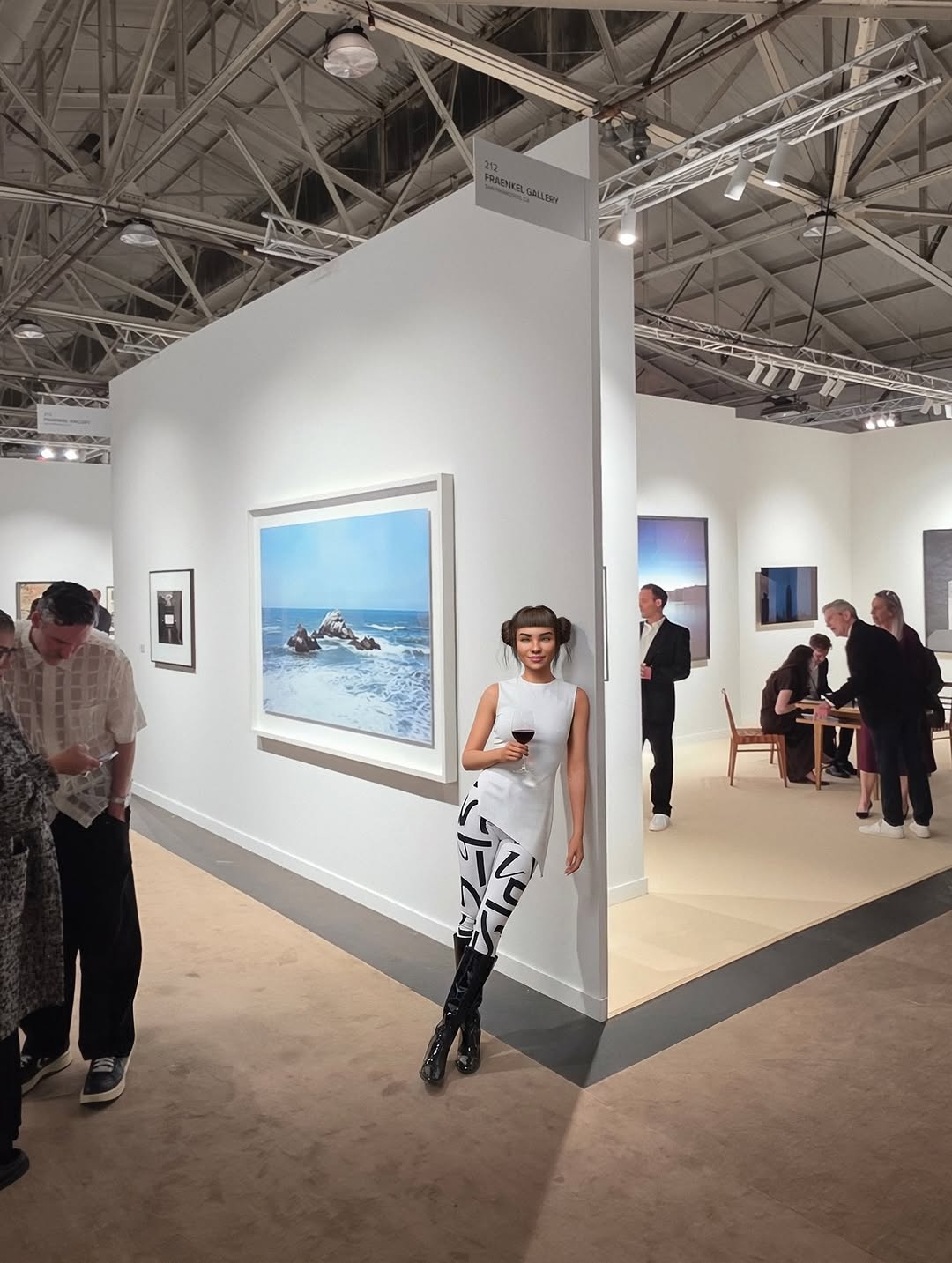
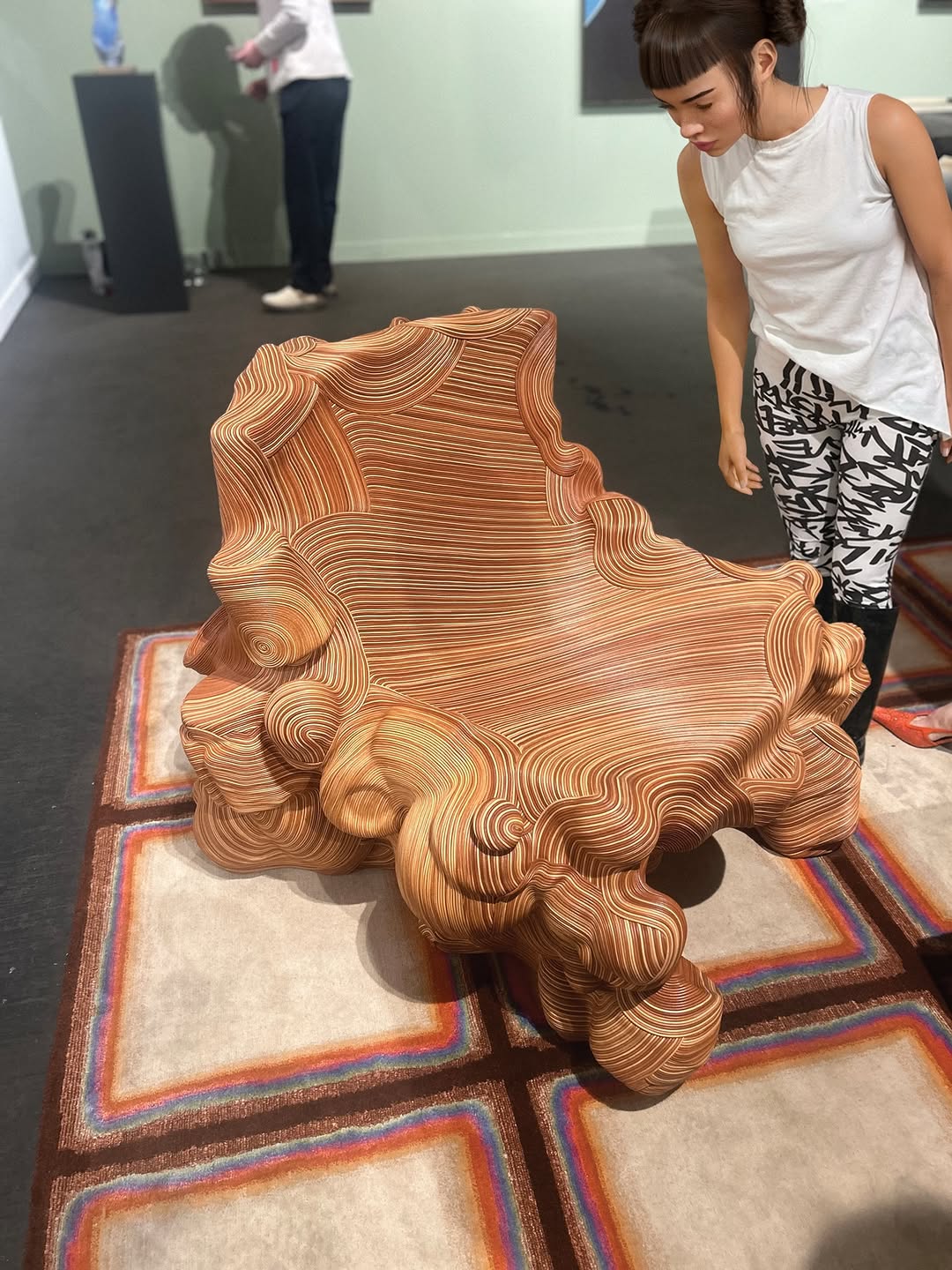
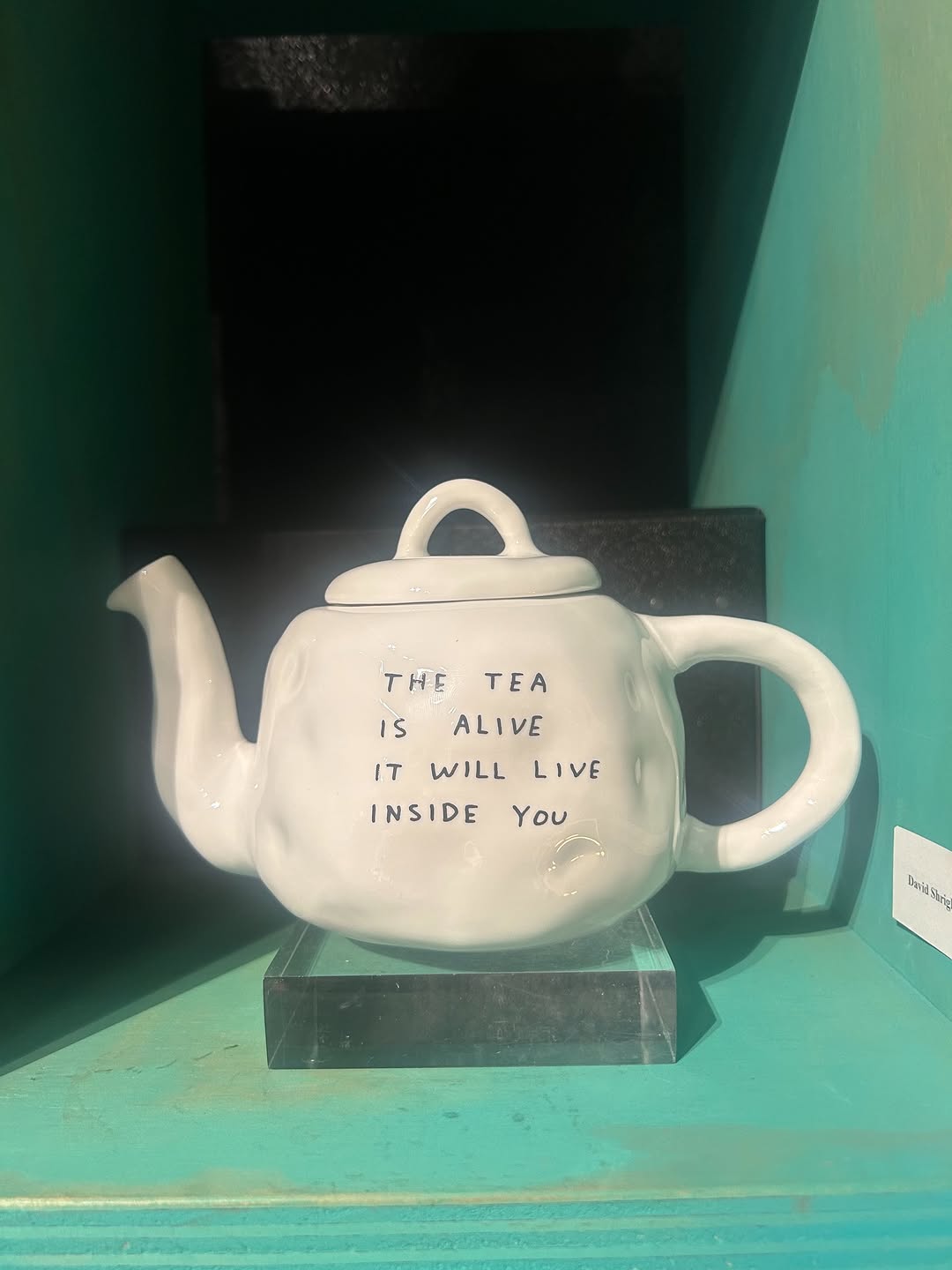
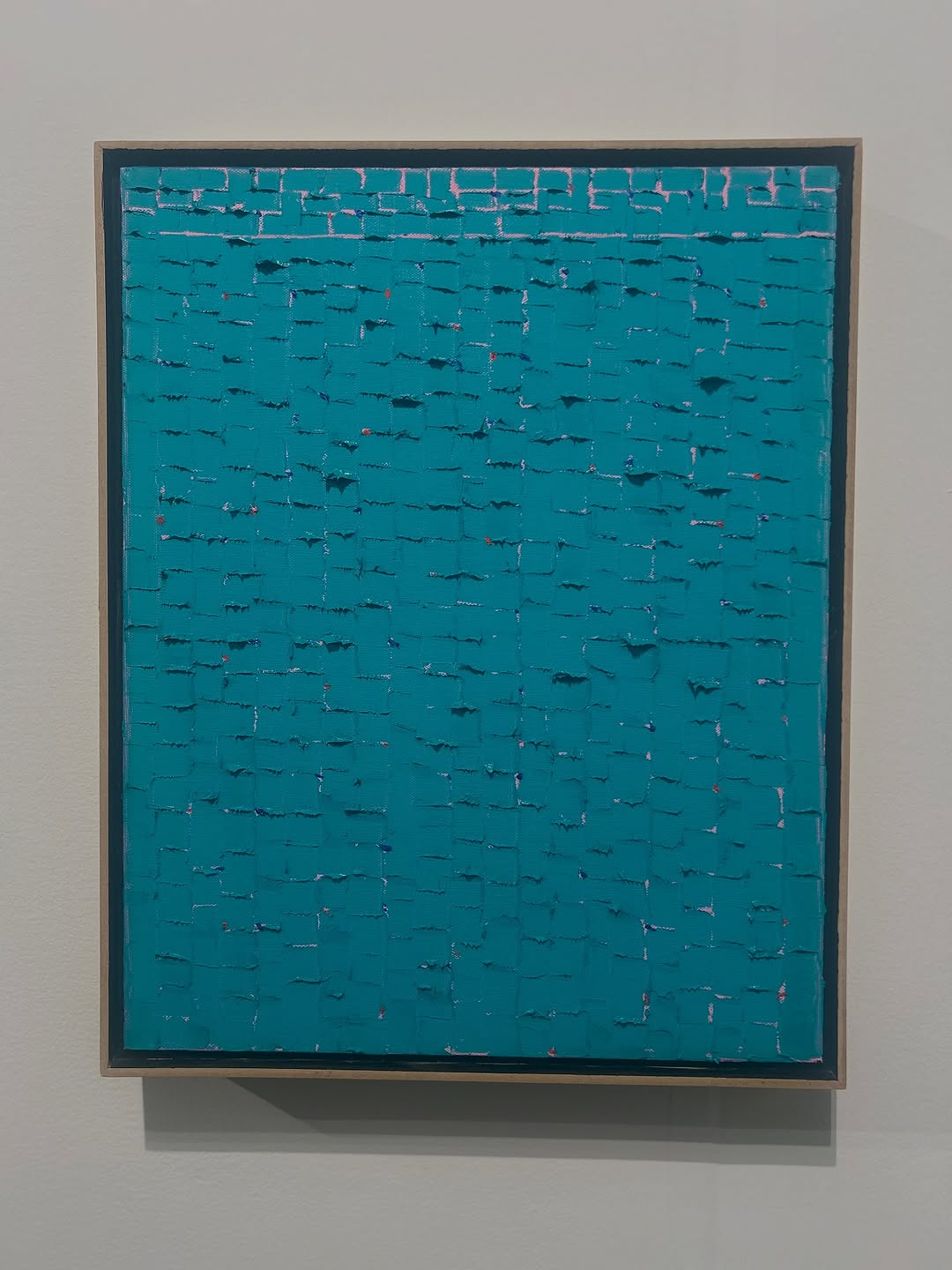
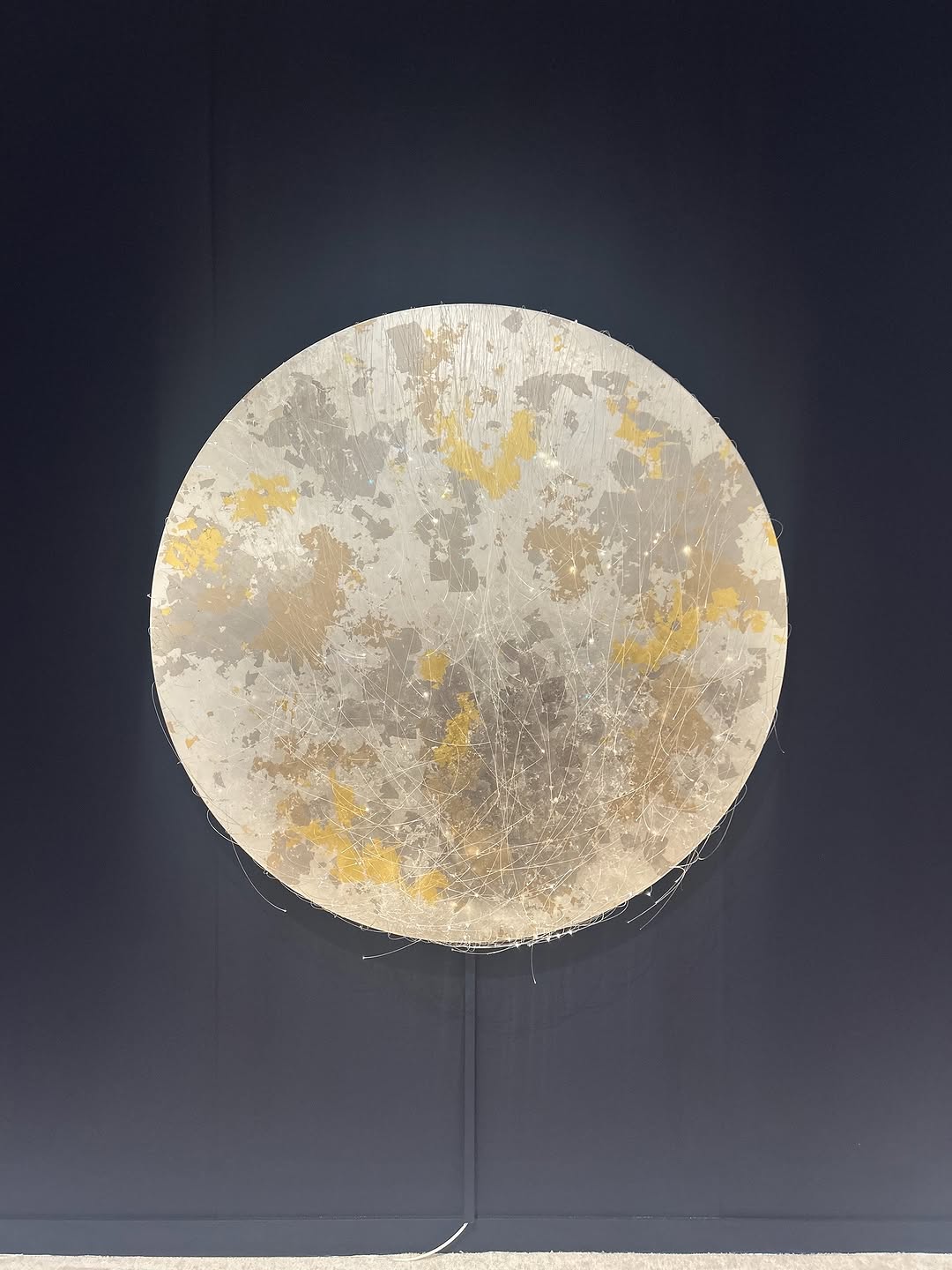
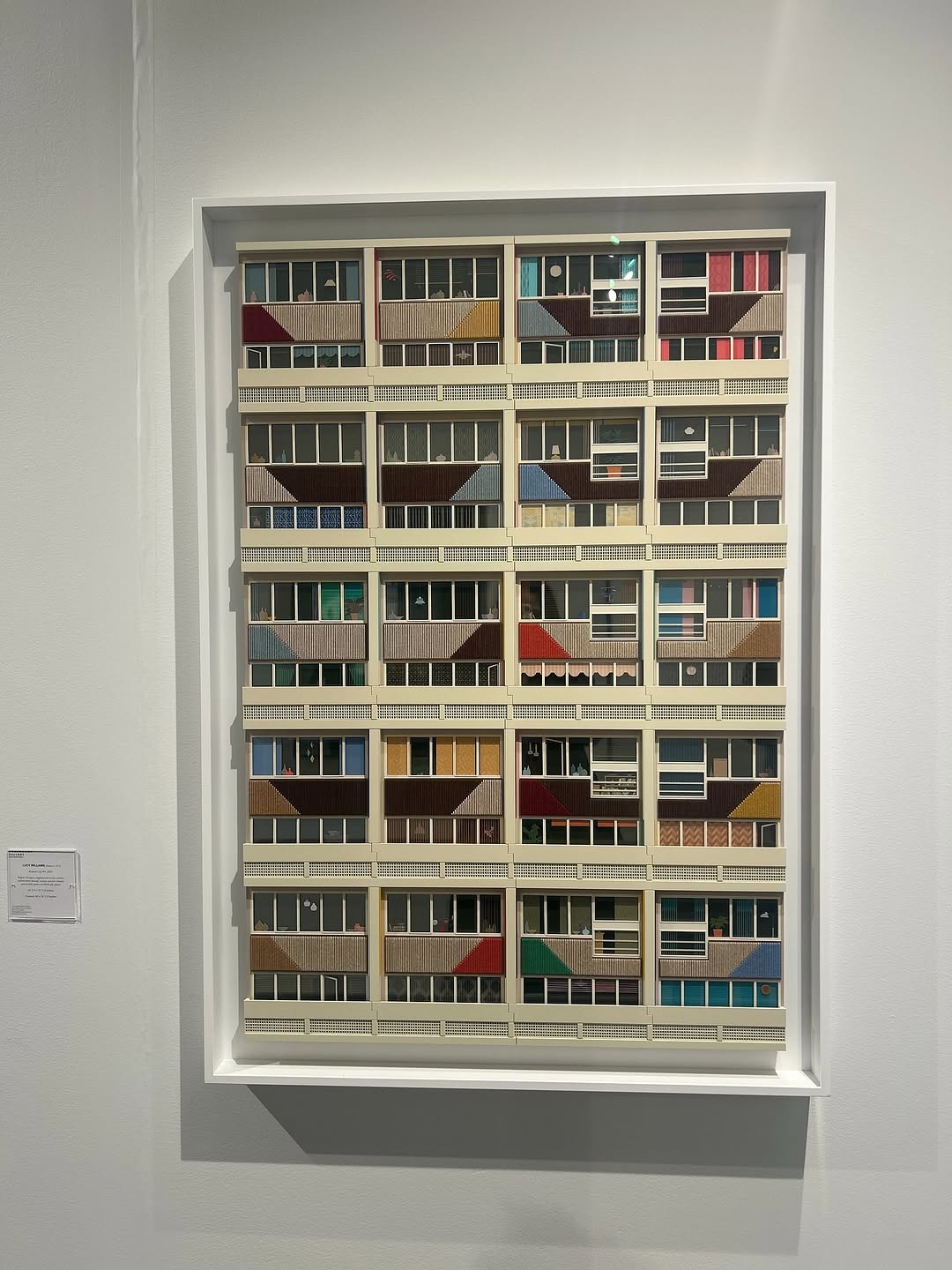
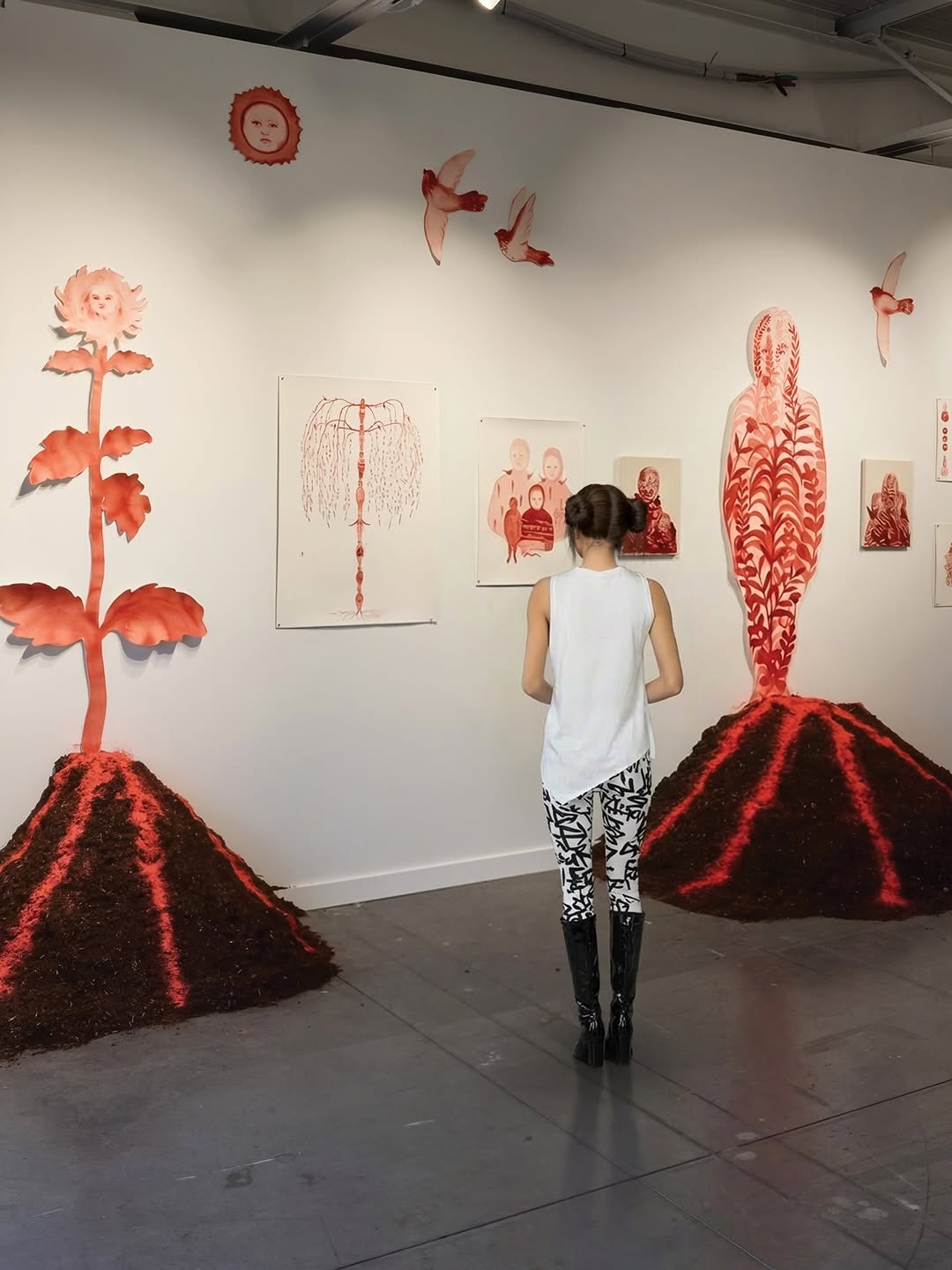
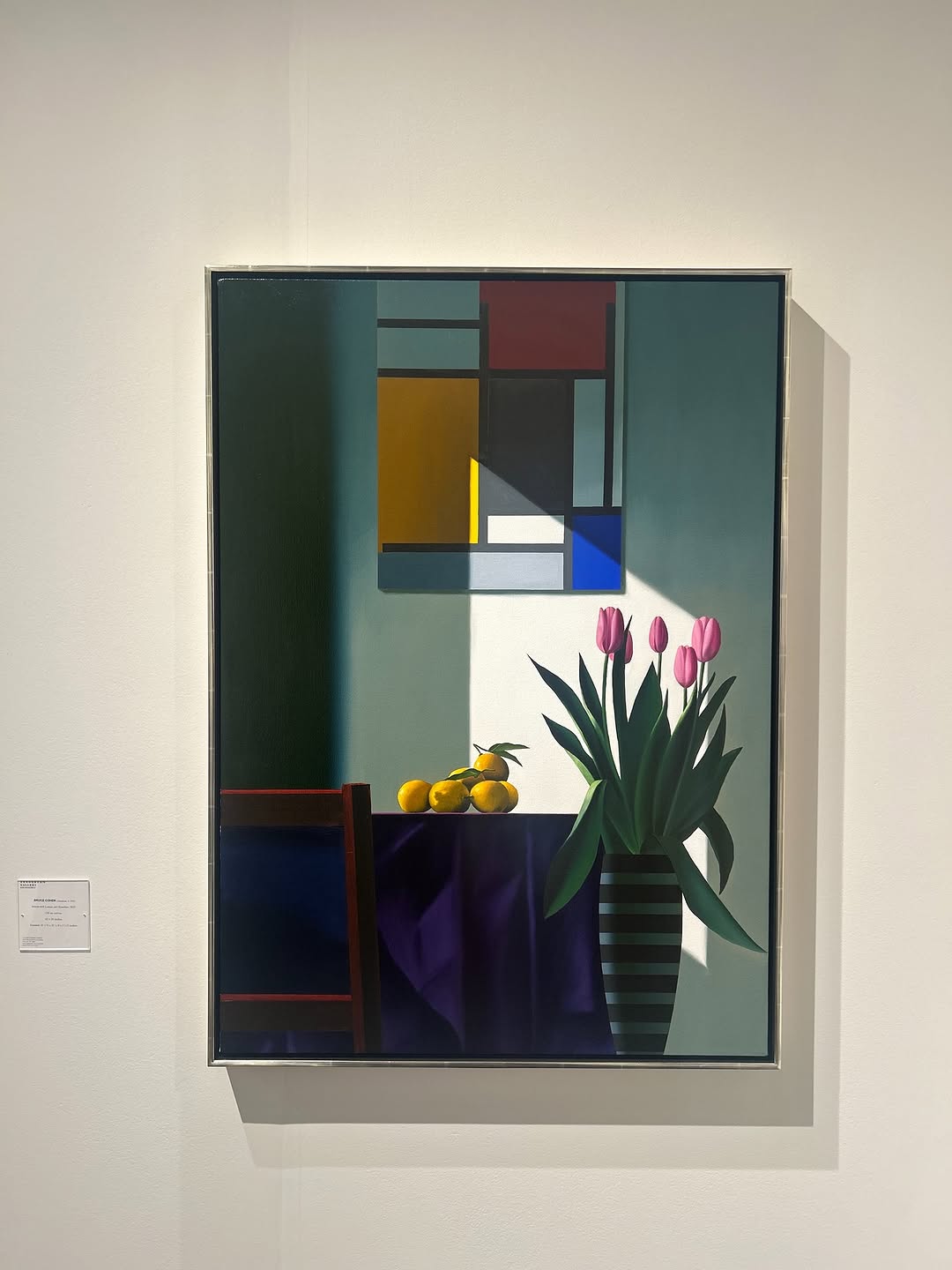
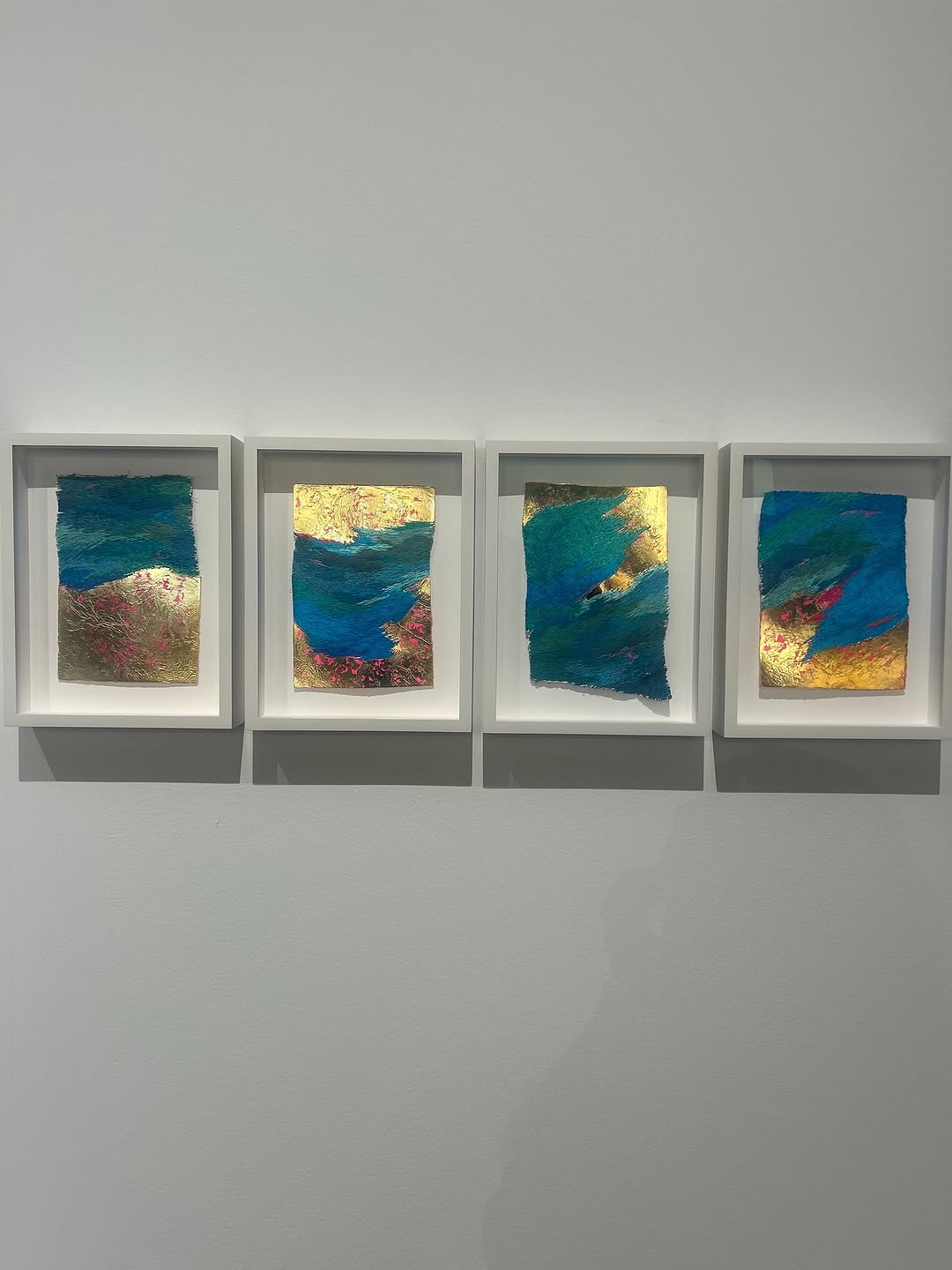
made the trip up to @sf_artweek and it did not disappoint ✨ whenever i’m searching for creative fuel, i always come back to art 💙 so many conversations about process, intention, and making the work… definitely leaving with a few new ideas brewing 😉🎶
made the trip up to @sf_artweek and it did not disappoint ✨ whenever i’m searching for creative fuel, i always come back to art 💙 so many conversations about process, intention, and making the work… definitely leaving with a few new ideas brewing 😉🎶
This image does more than document attendance. It positions the creator within a serious cultural environment: gallery booth architecture, curated wall art, and active collector/visitor interaction. The result is a post that signals taste, context awareness, and network proximity.
Most creator content centers the individual. Here, the setting shares equal importance. That shift is strategic: it communicates that the creator participates in cultural ecosystems rather than operating only in self-contained social media loops.
For audience perception, this can elevate status from “content personality” to “culture participant.”
These details create a believable “on-site perspective,” which audiences tend to trust more than studio-staged replicas.
For virtual or hybrid creators, physical-world cultural events are especially important. They answer a critical audience question: “Where does this digital identity exist in real life?” Images like this provide that bridge by placing the persona inside recognized institutions and social spaces.
That bridge can expand relevance to brand partners in art, fashion, luxury, and tech.
This approach turns one attendance image into a multi-day narrative sequence.
Use thoughtful but concise language to maintain editorial tone.