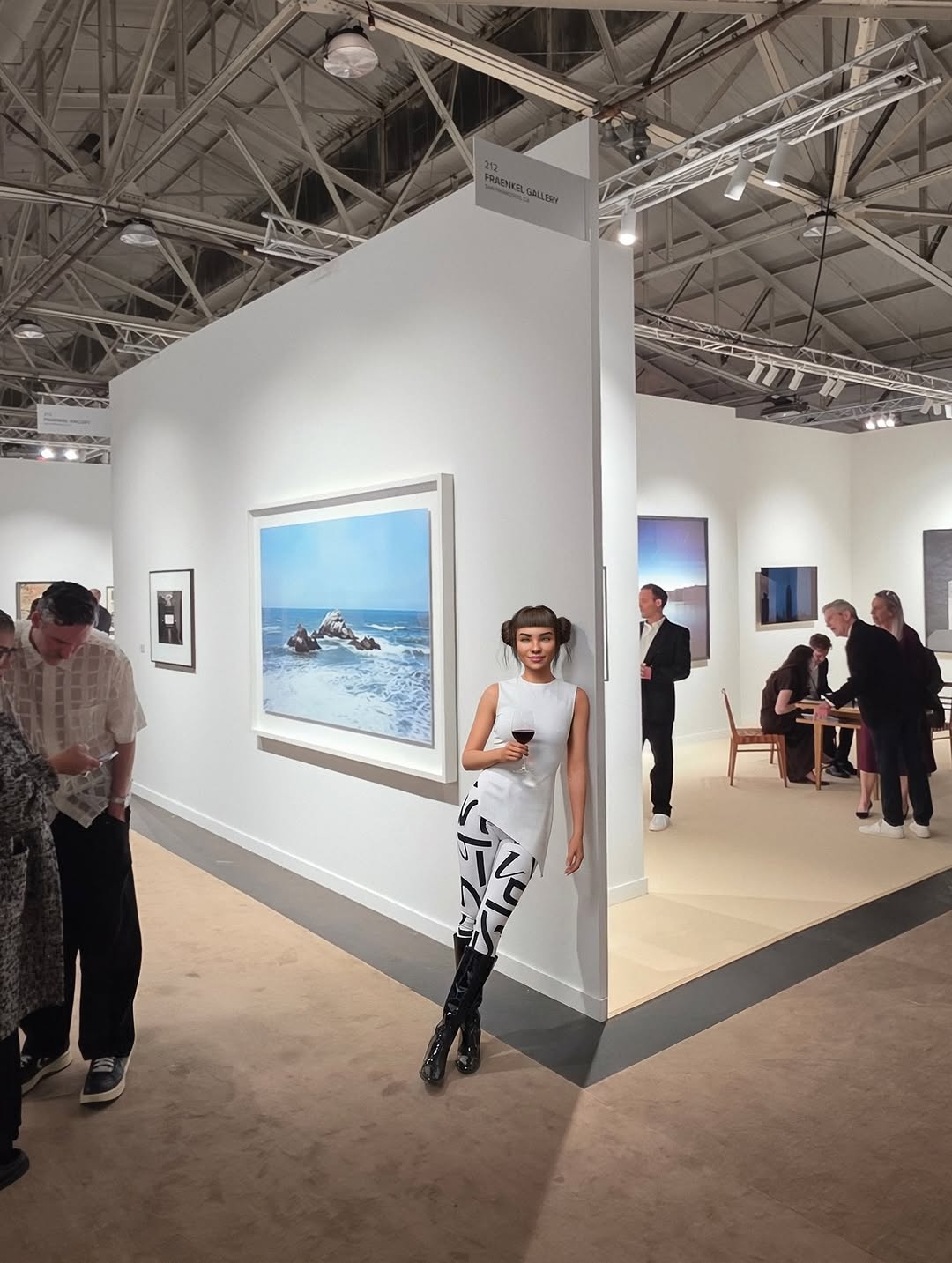
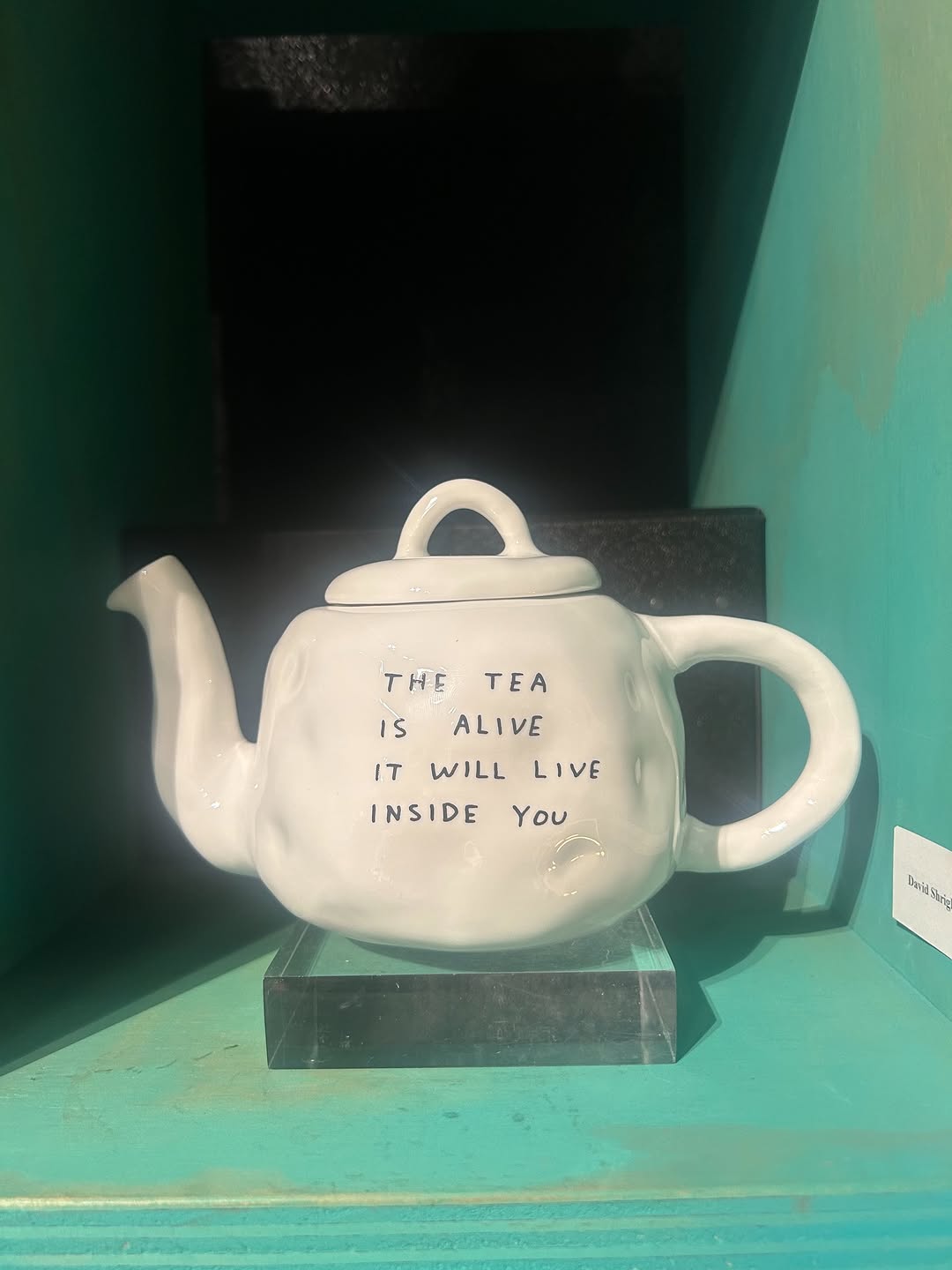
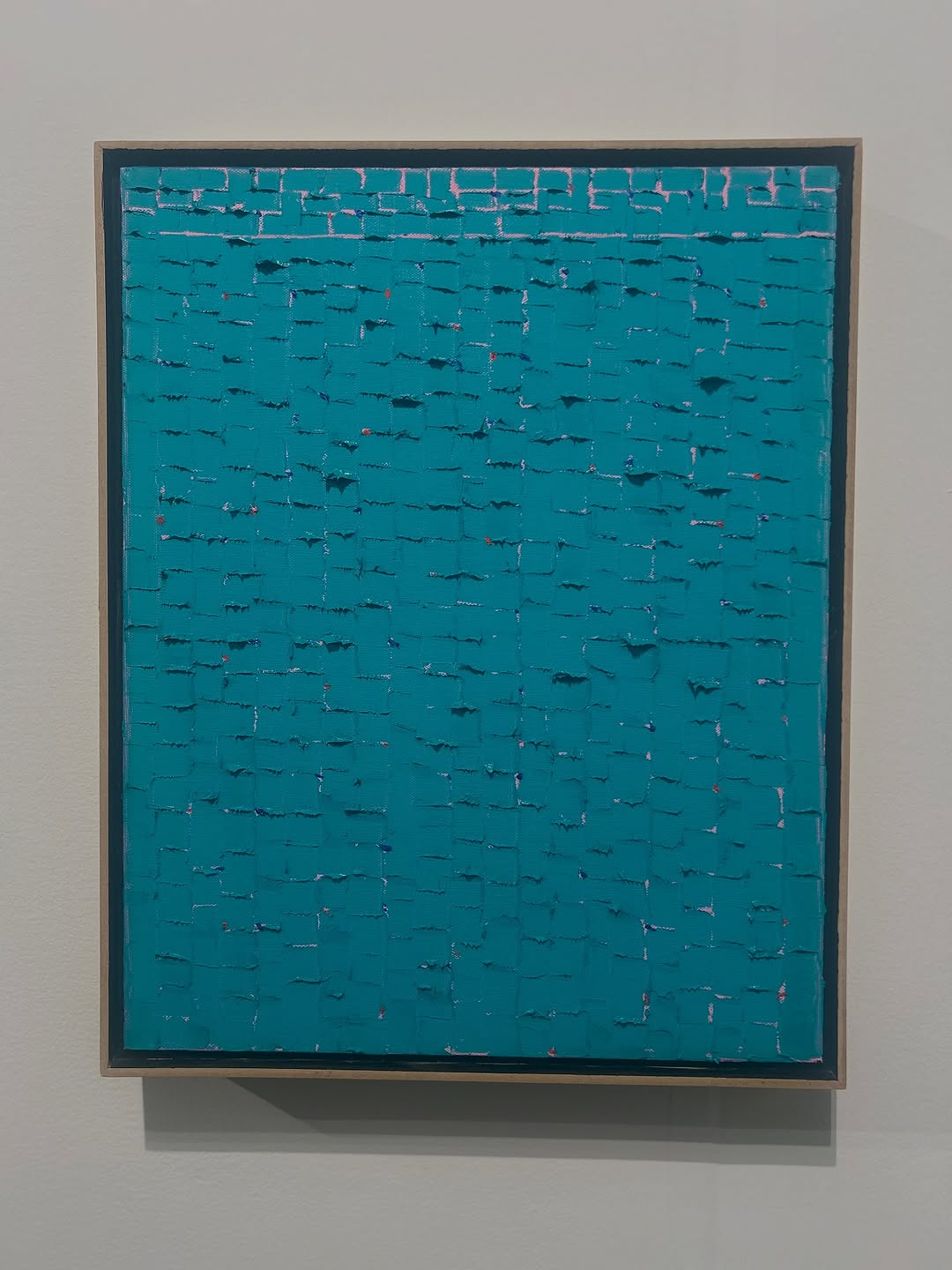
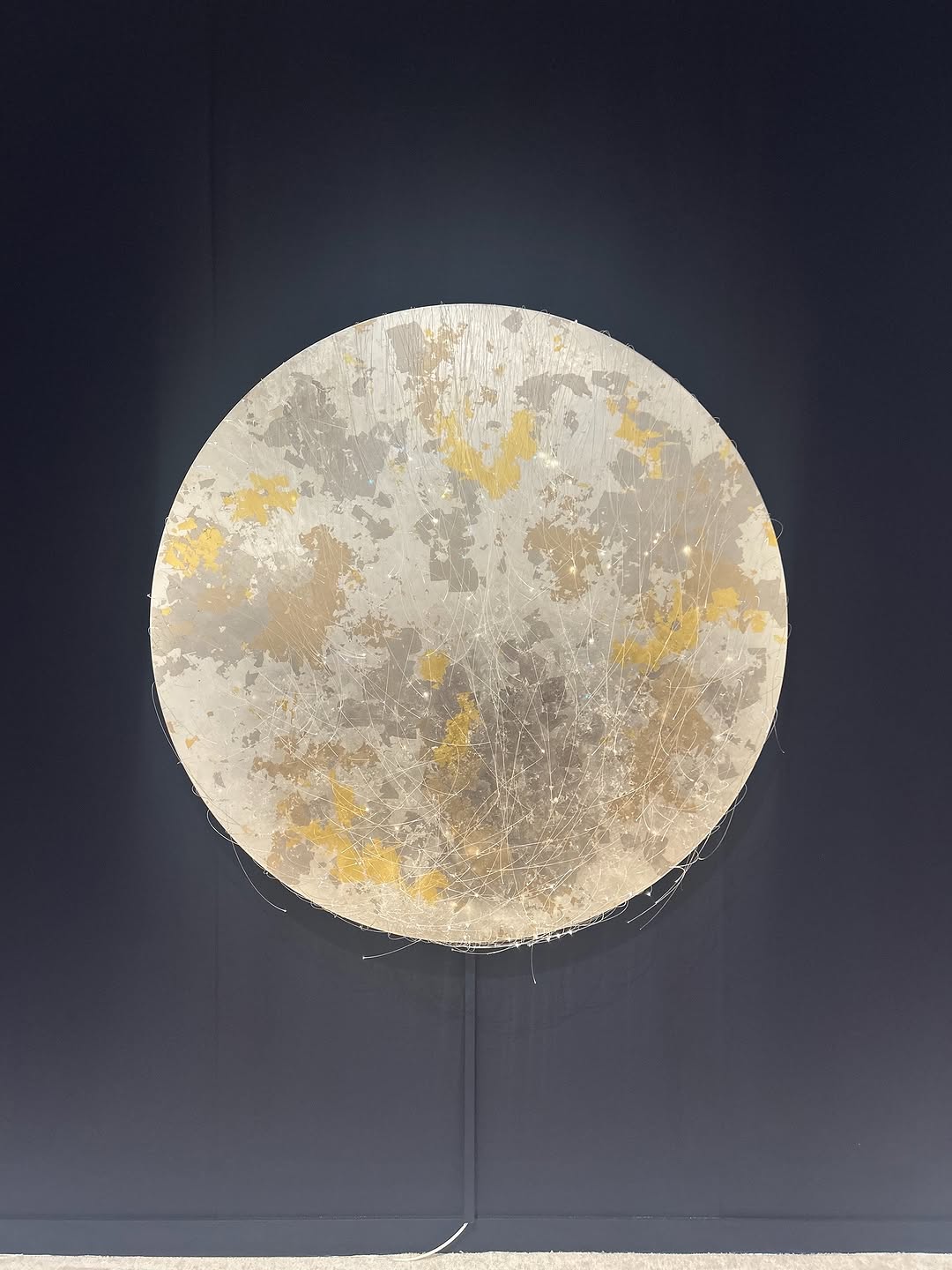
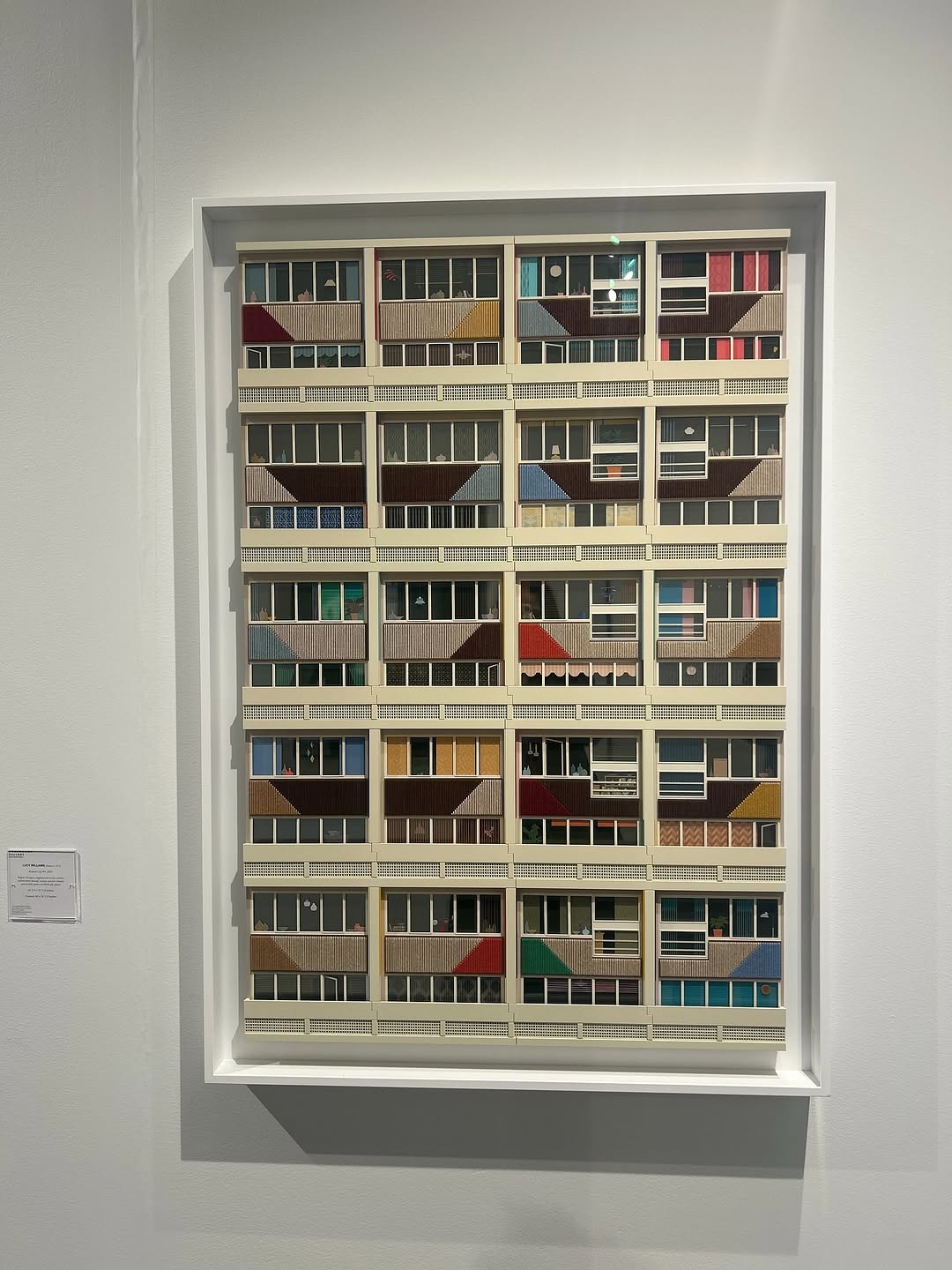
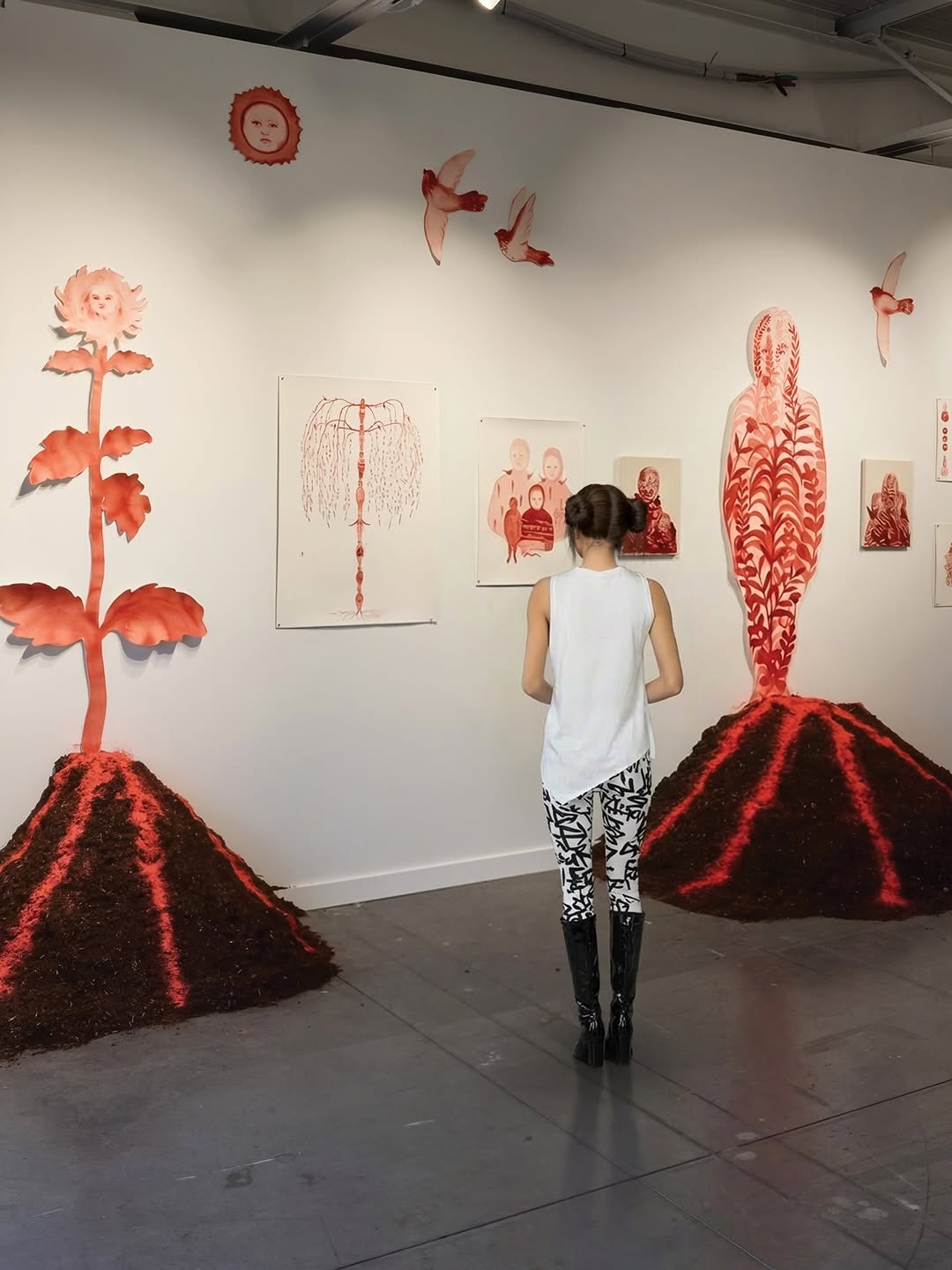
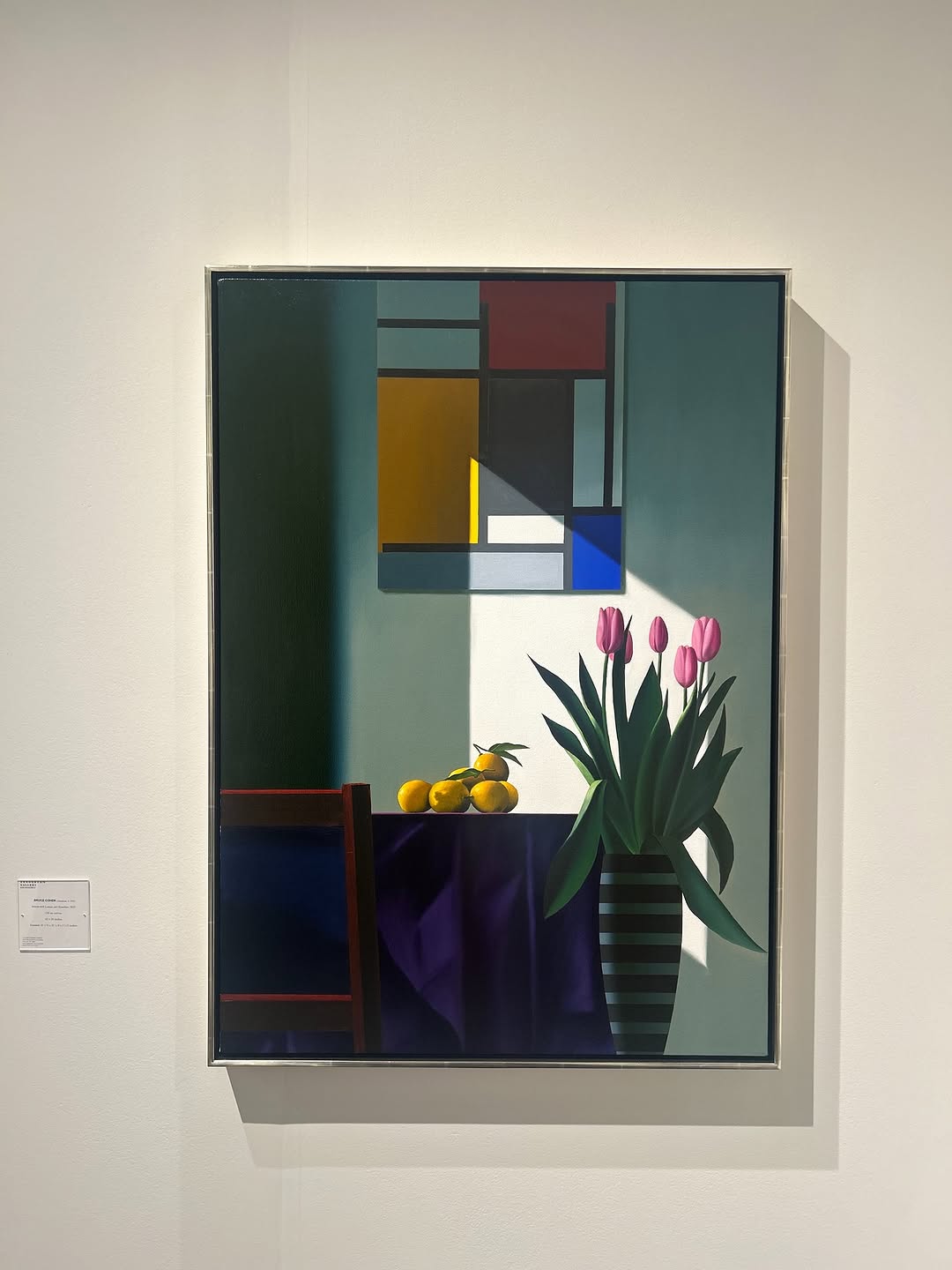
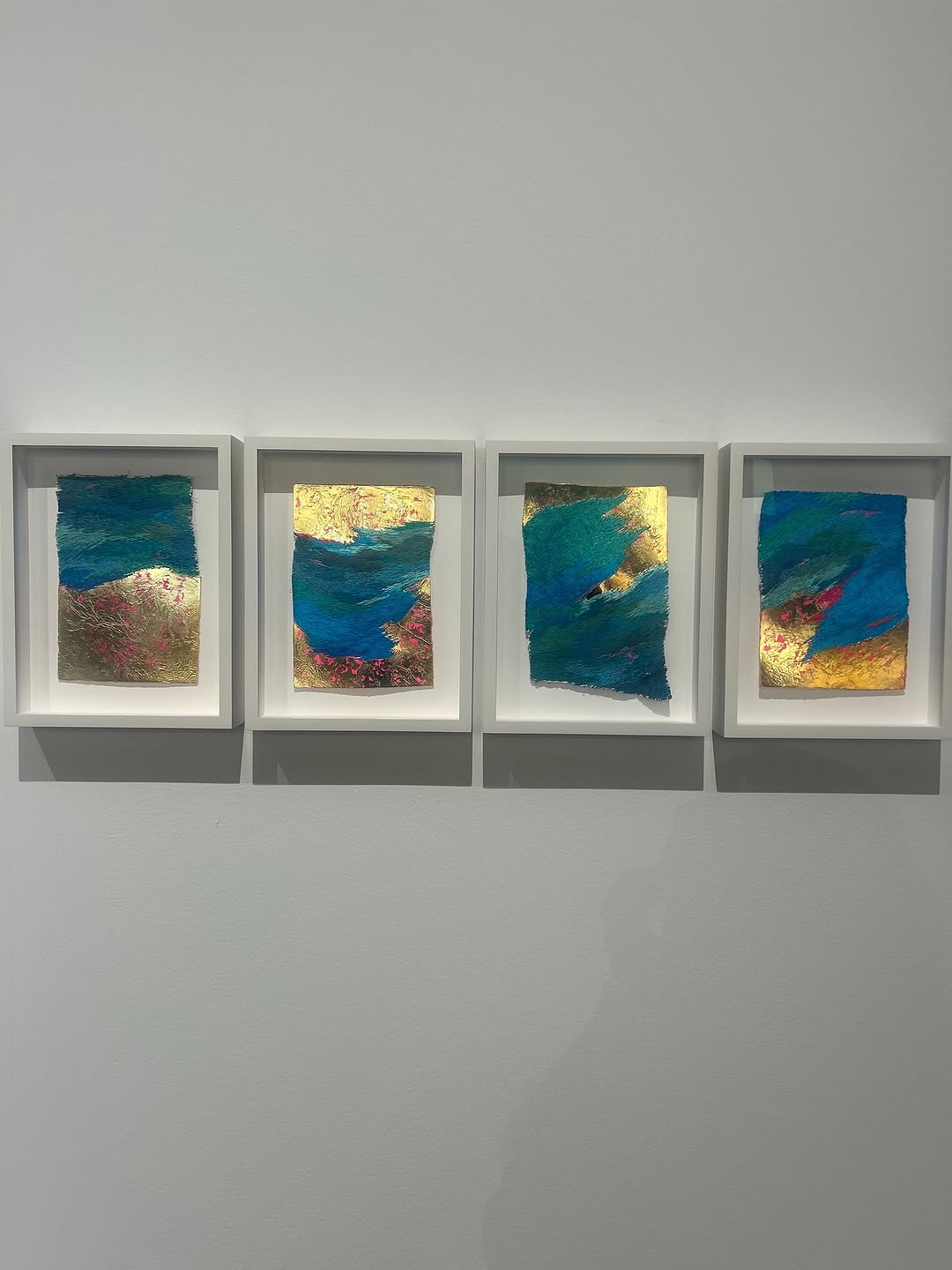
made the trip up to @sf_artweek and it did not disappoint ✨ whenever i’m searching for creative fuel, i always come back to art 💙 so many conversations about process, intention, and making the work… definitely leaving with a few new ideas brewing 😉🎶
made the trip up to @sf_artweek and it did not disappoint ✨ whenever i’m searching for creative fuel, i always come back to art 💙 so many conversations about process, intention, and making the work… definitely leaving with a few new ideas brewing 😉🎶
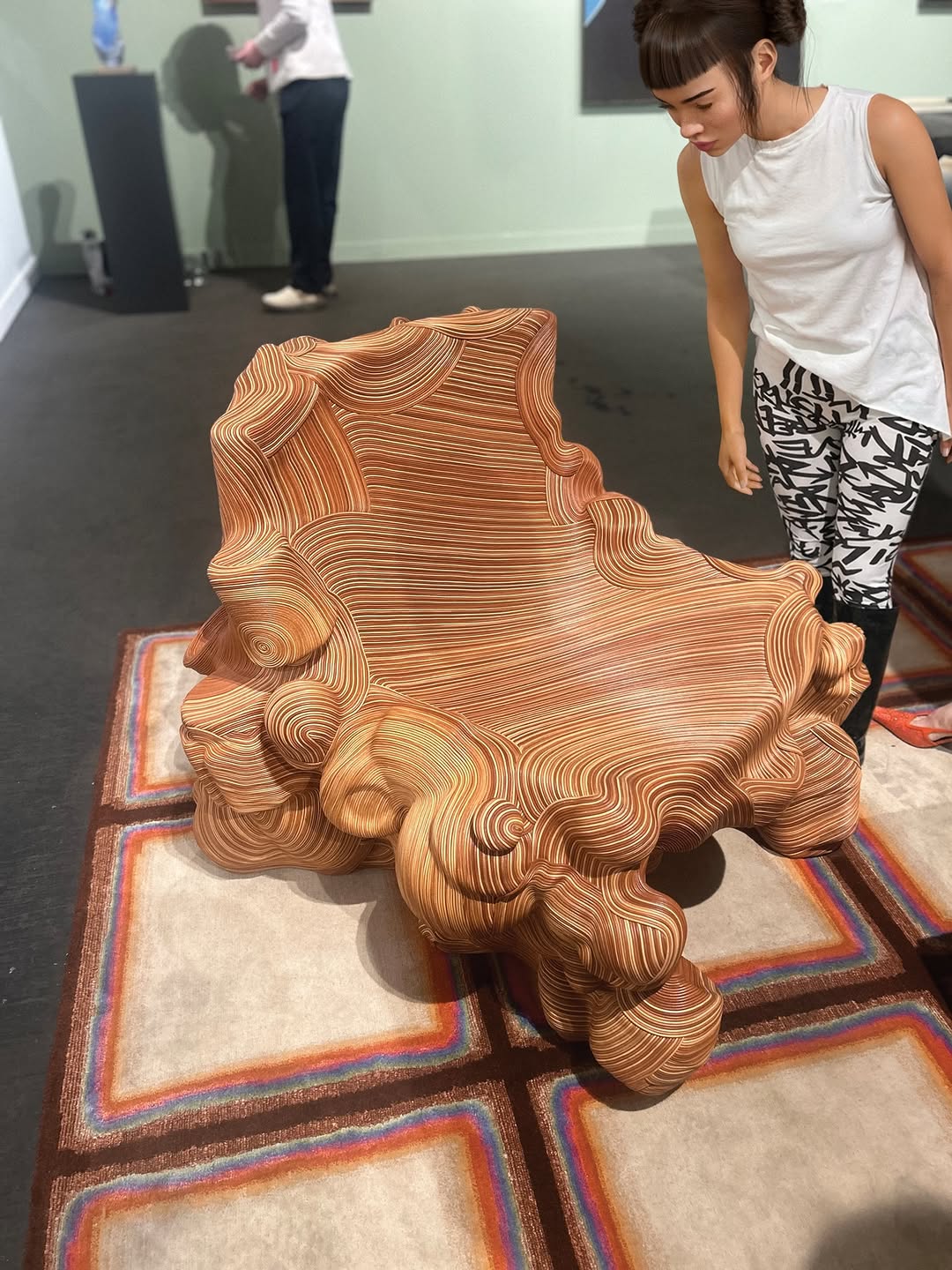
This frame documents a powerful category crossover: a chair-like object that reads as both furniture and sculpture. The layered contour surface and exaggerated organic geometry push the piece beyond utility, making it ideal for design-focused social storytelling.
Most furniture is read by function first. This object is read by form first. Its dense line pattern and cloud-like massing interrupt normal expectations of what a chair should look like. That visual disruption creates immediate curiosity and encourages closer inspection.
The observer’s leaning posture reinforces this curiosity and guides audience behavior (“look closer”).
The central narrative is ambiguity: Is this meant to be used, or contemplated? That tension is valuable content territory because it triggers discussion and personal interpretation. Design audiences respond strongly to objects that challenge everyday categories and propose new relationships between craft, technology, and usability.
These framing choices make the documentation informative, not just aesthetic.
This sequence can convert casual views into high-quality design conversation.