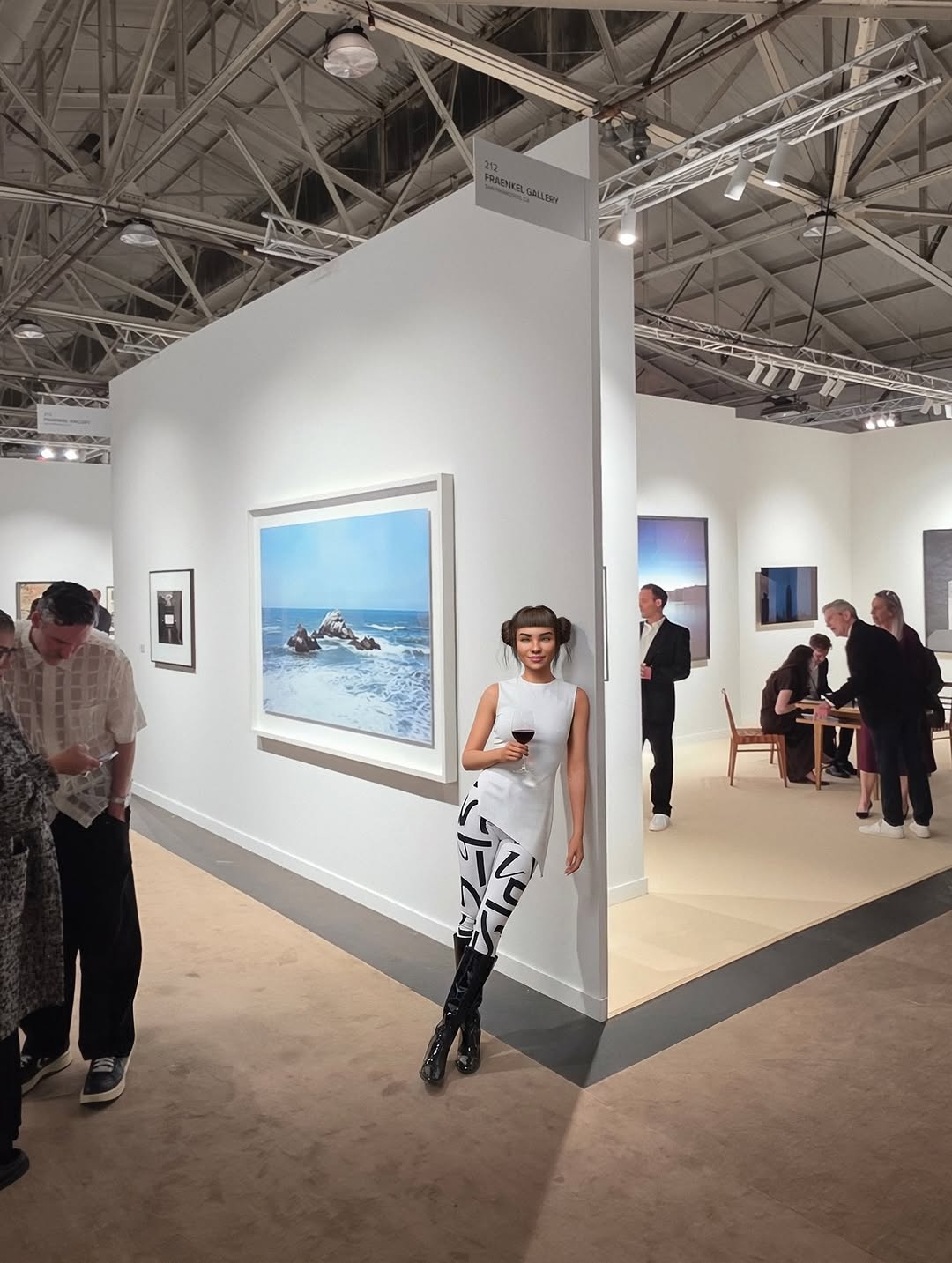
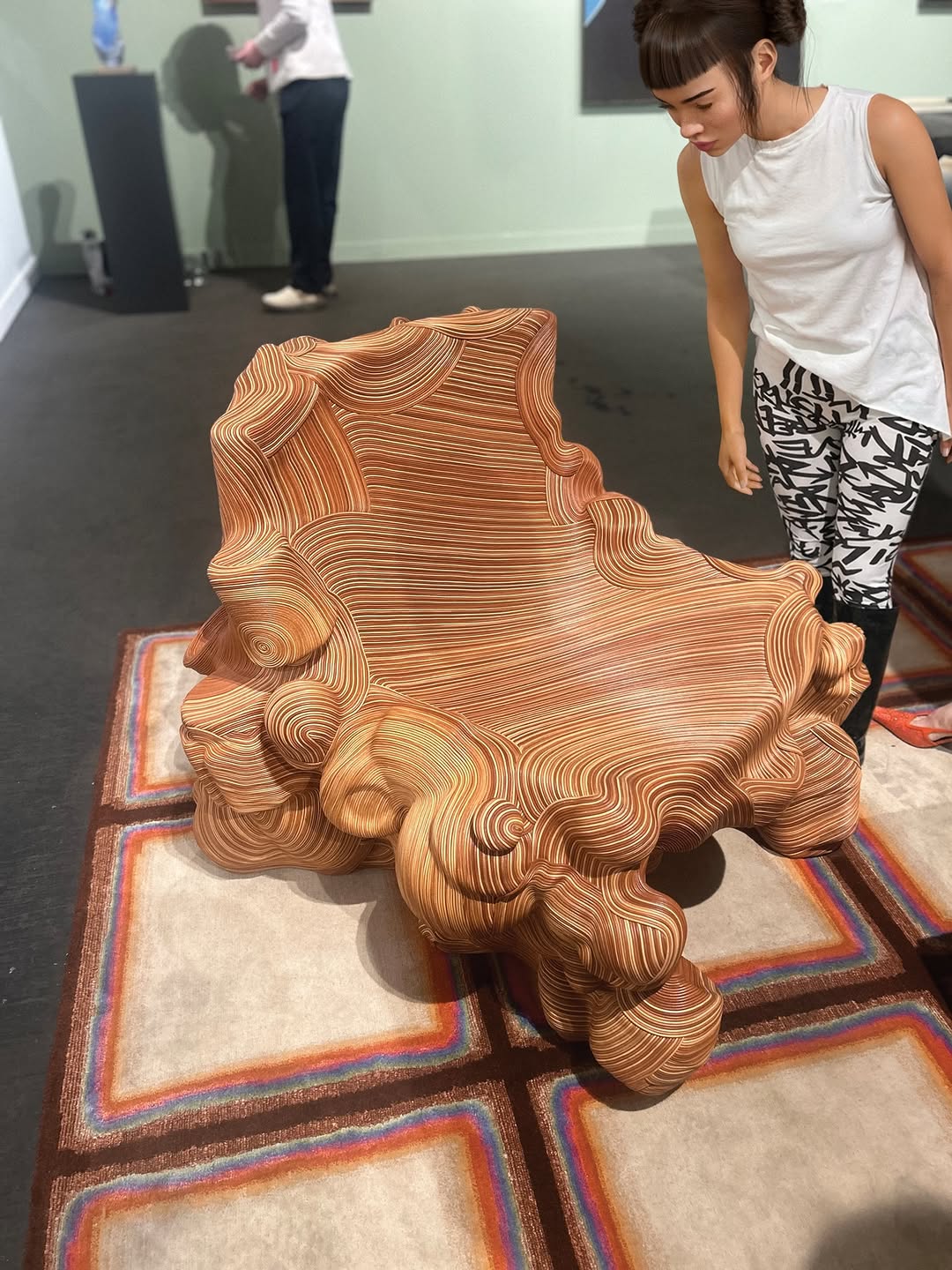
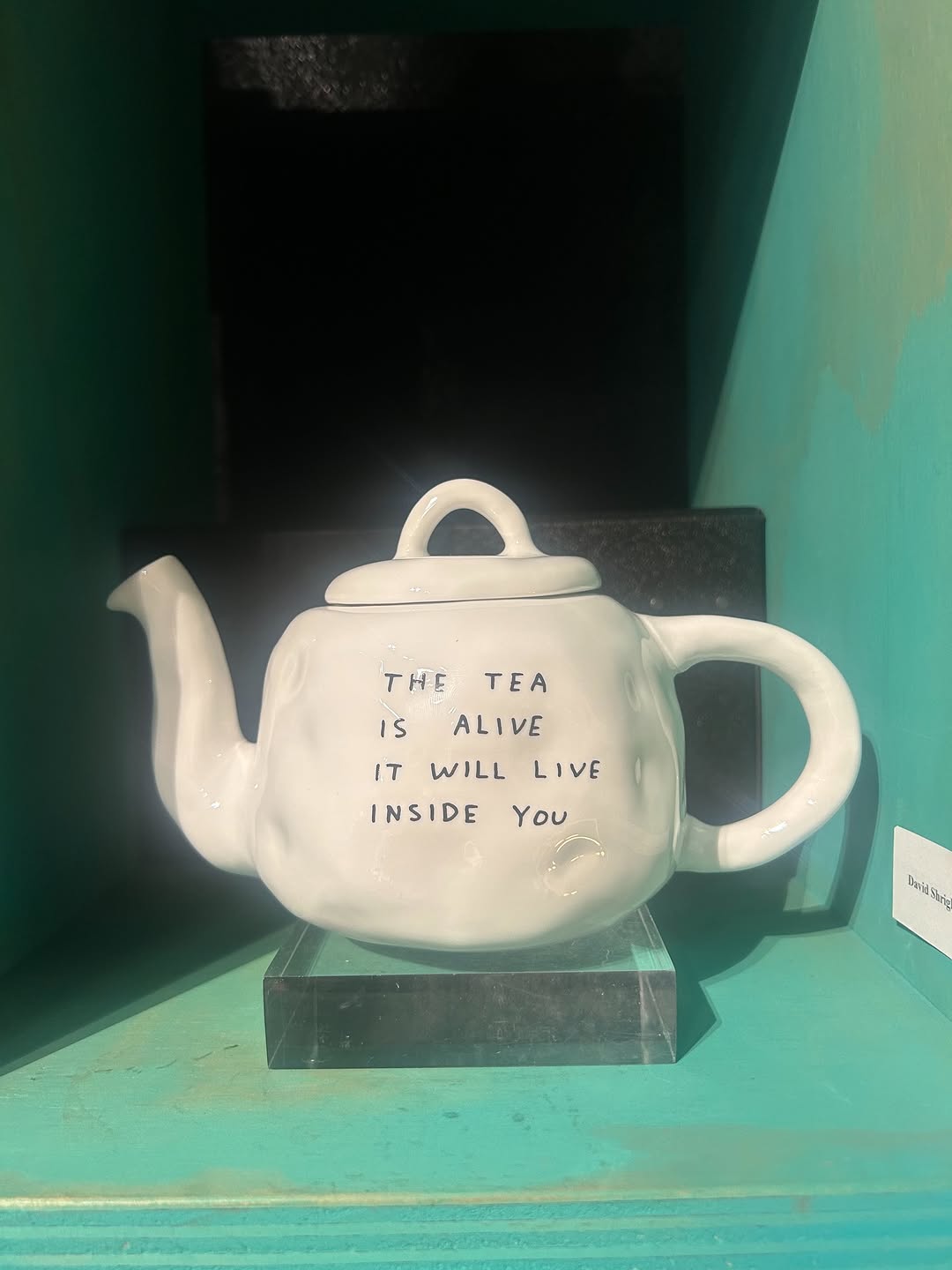
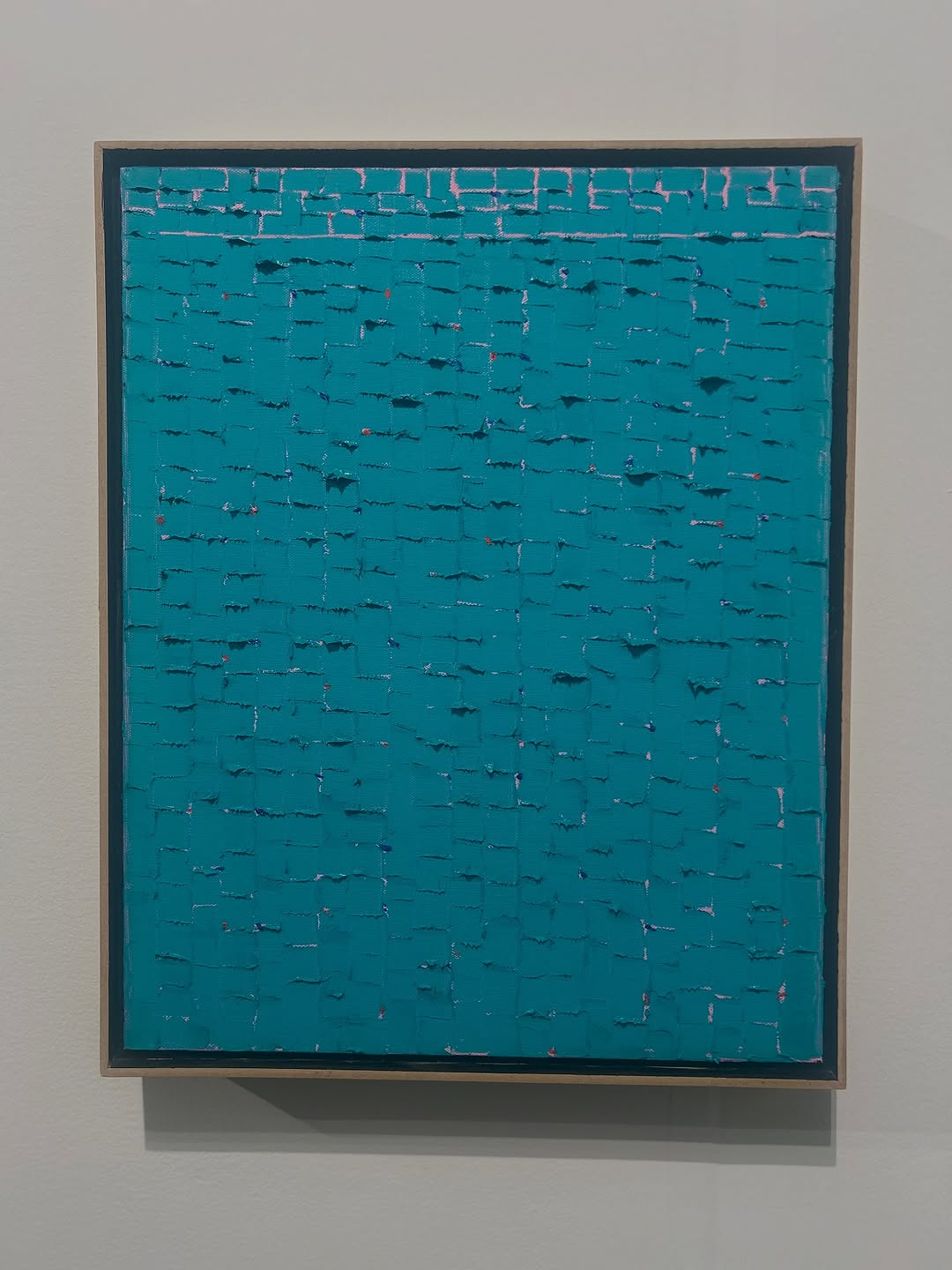
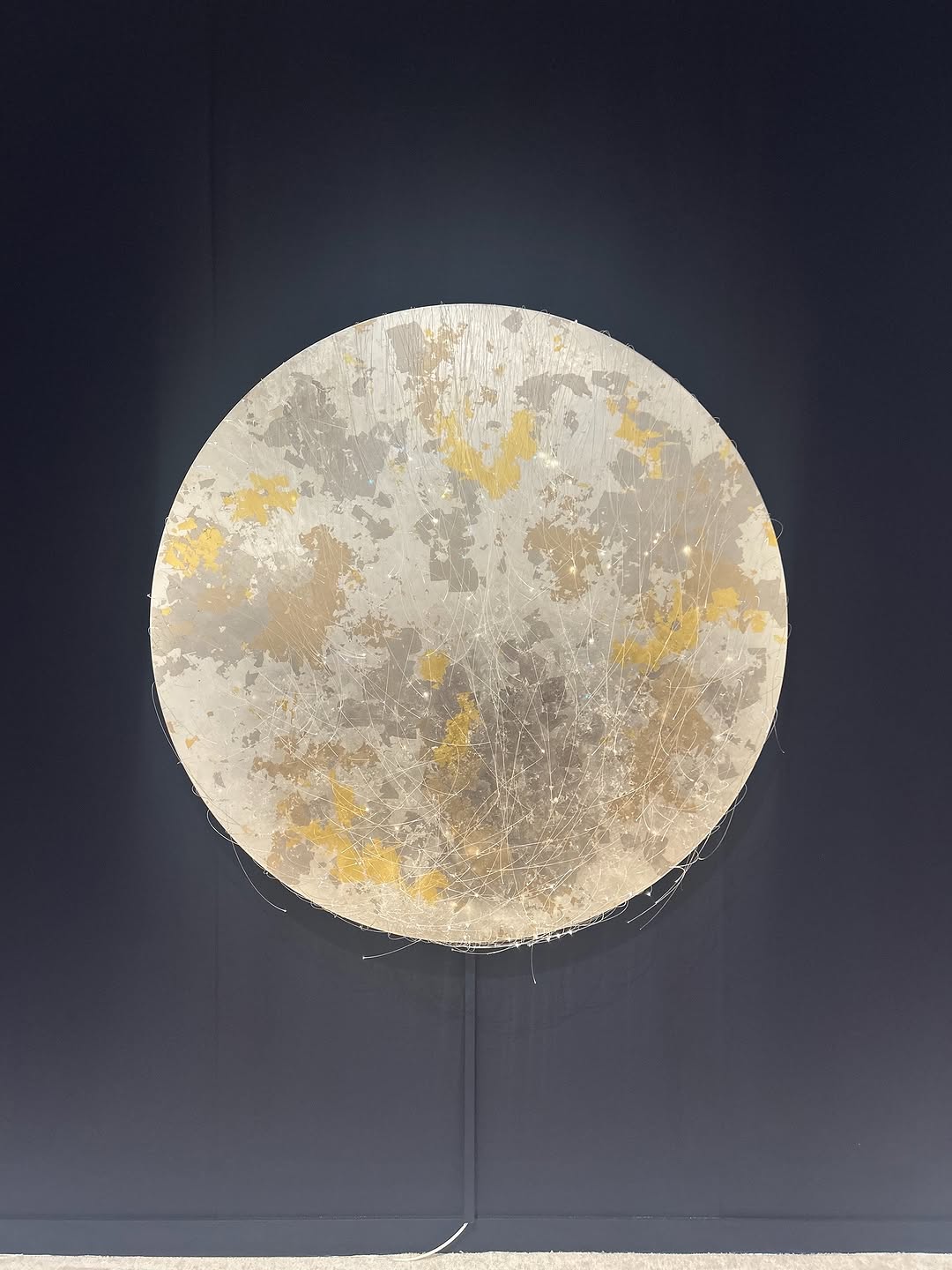
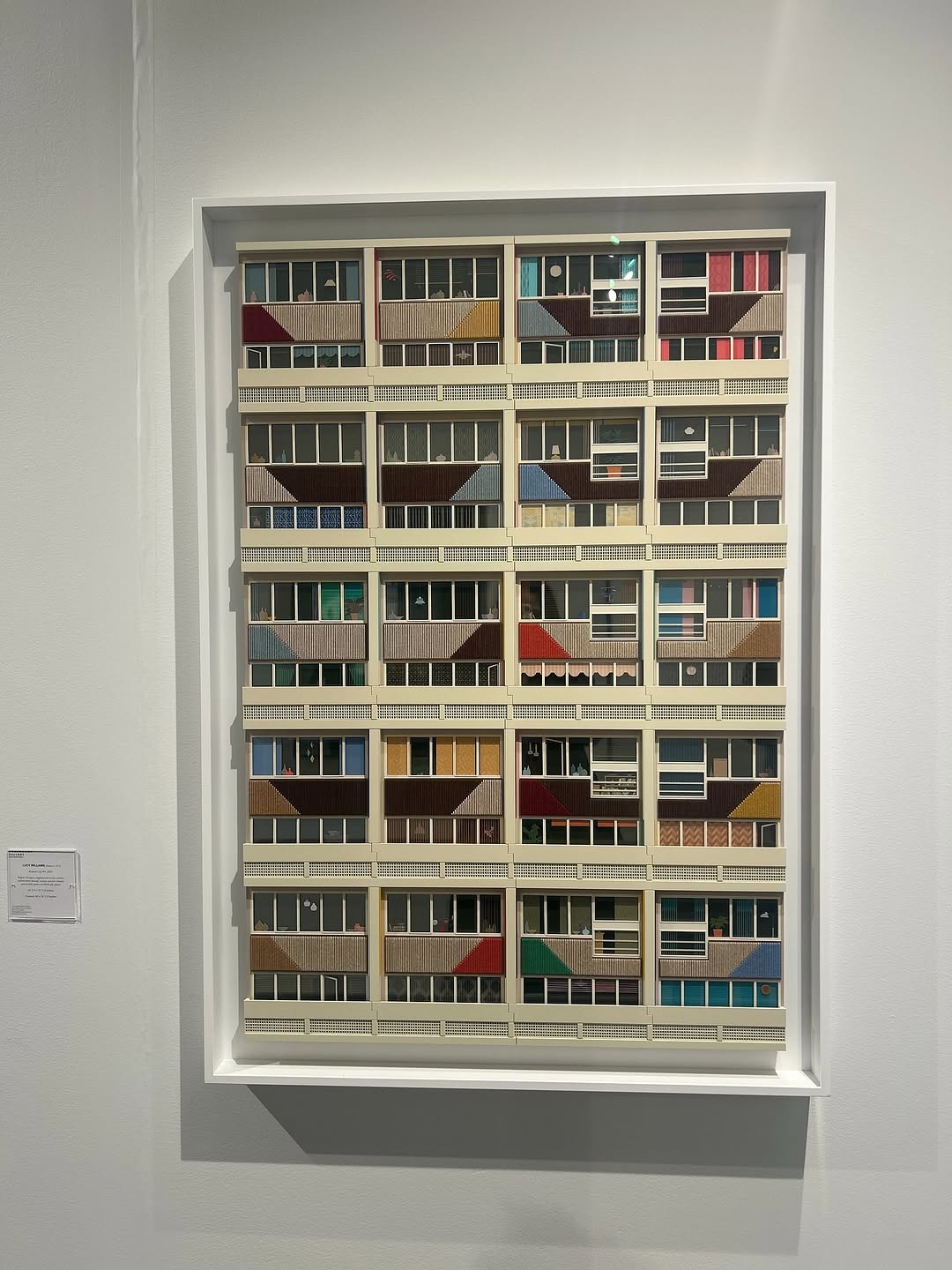
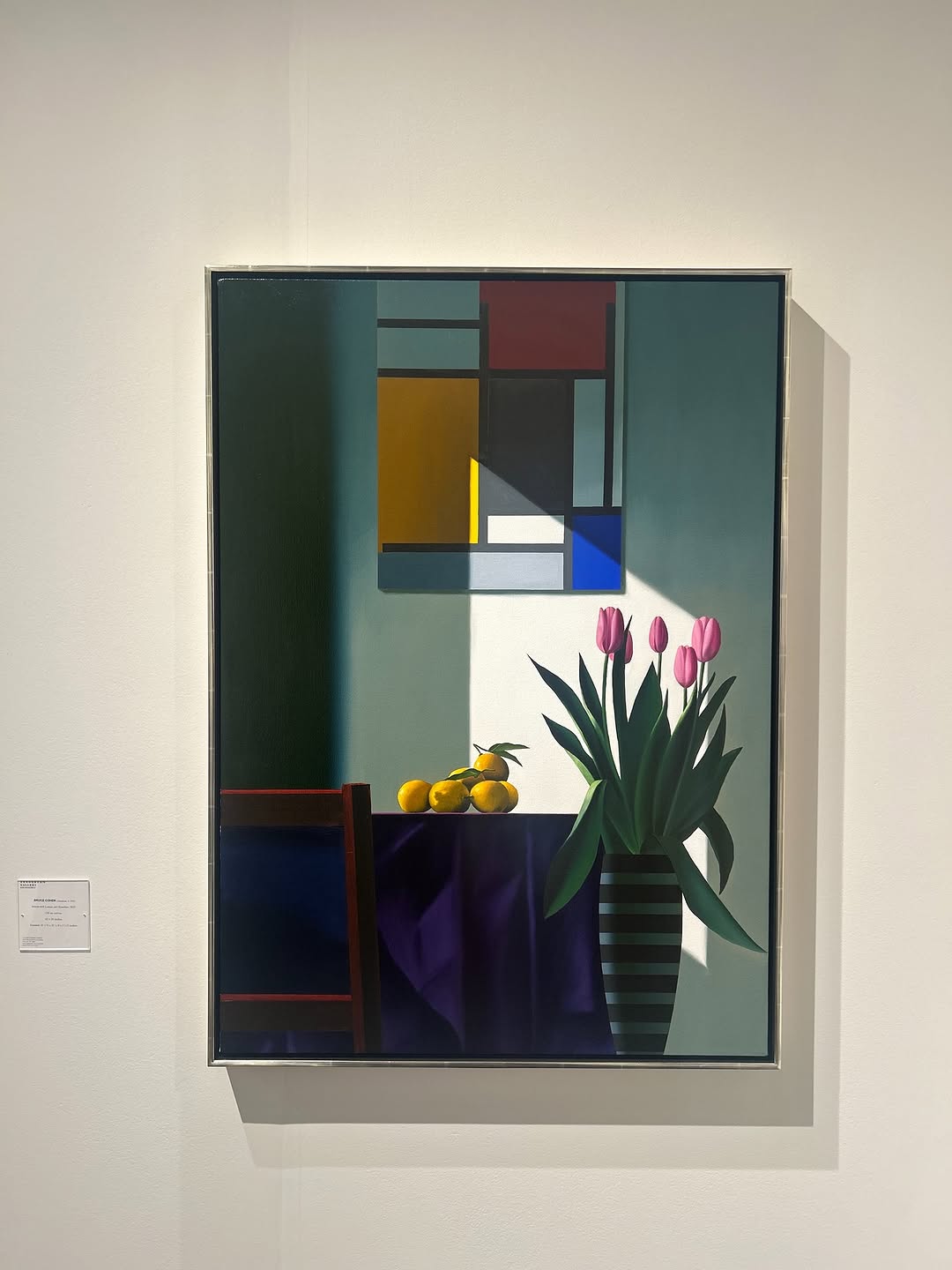
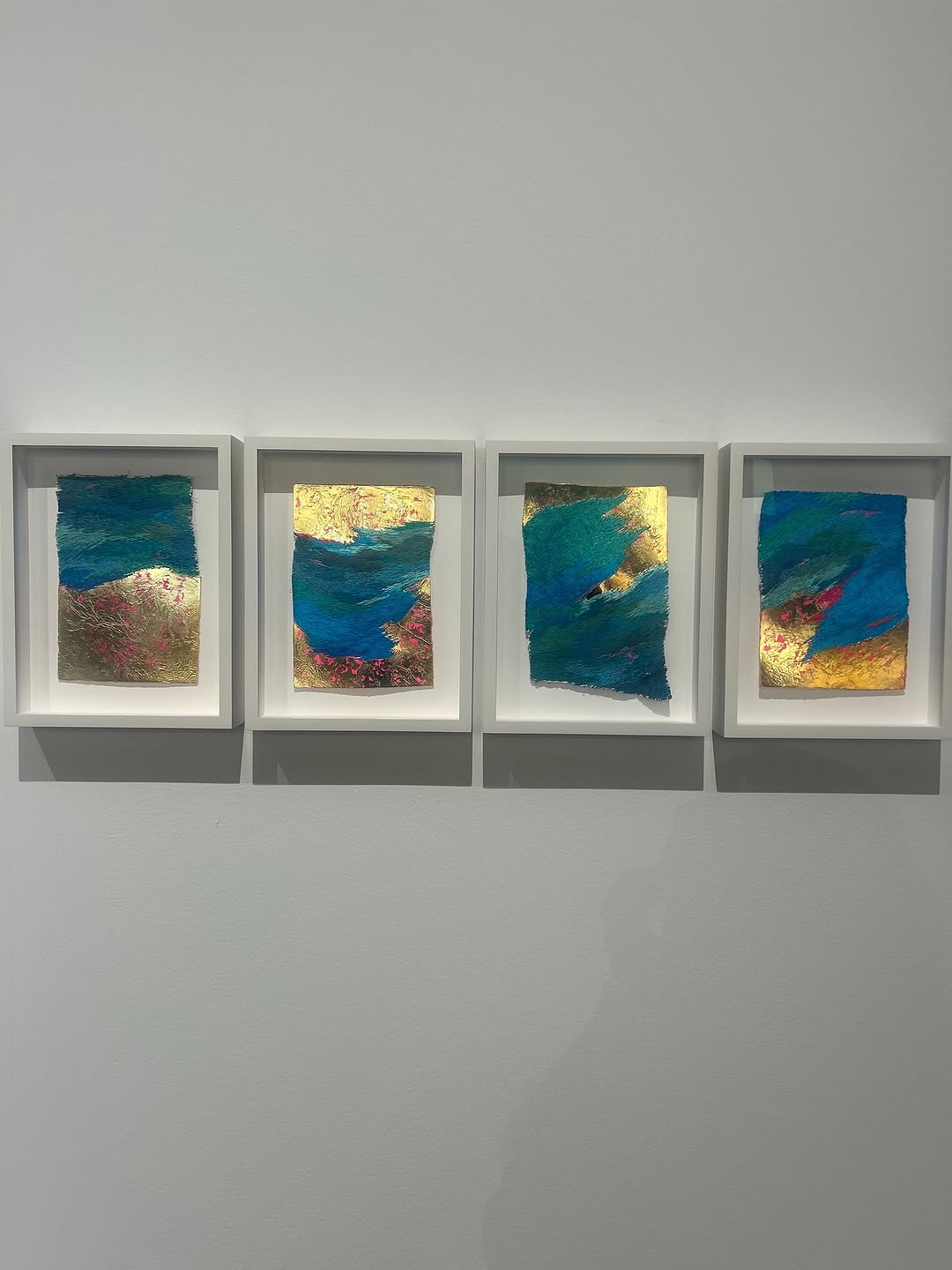
made the trip up to @sf_artweek and it did not disappoint ✨ whenever i’m searching for creative fuel, i always come back to art 💙 so many conversations about process, intention, and making the work… definitely leaving with a few new ideas brewing 😉🎶
made the trip up to @sf_artweek and it did not disappoint ✨ whenever i’m searching for creative fuel, i always come back to art 💙 so many conversations about process, intention, and making the work… definitely leaving with a few new ideas brewing 😉🎶
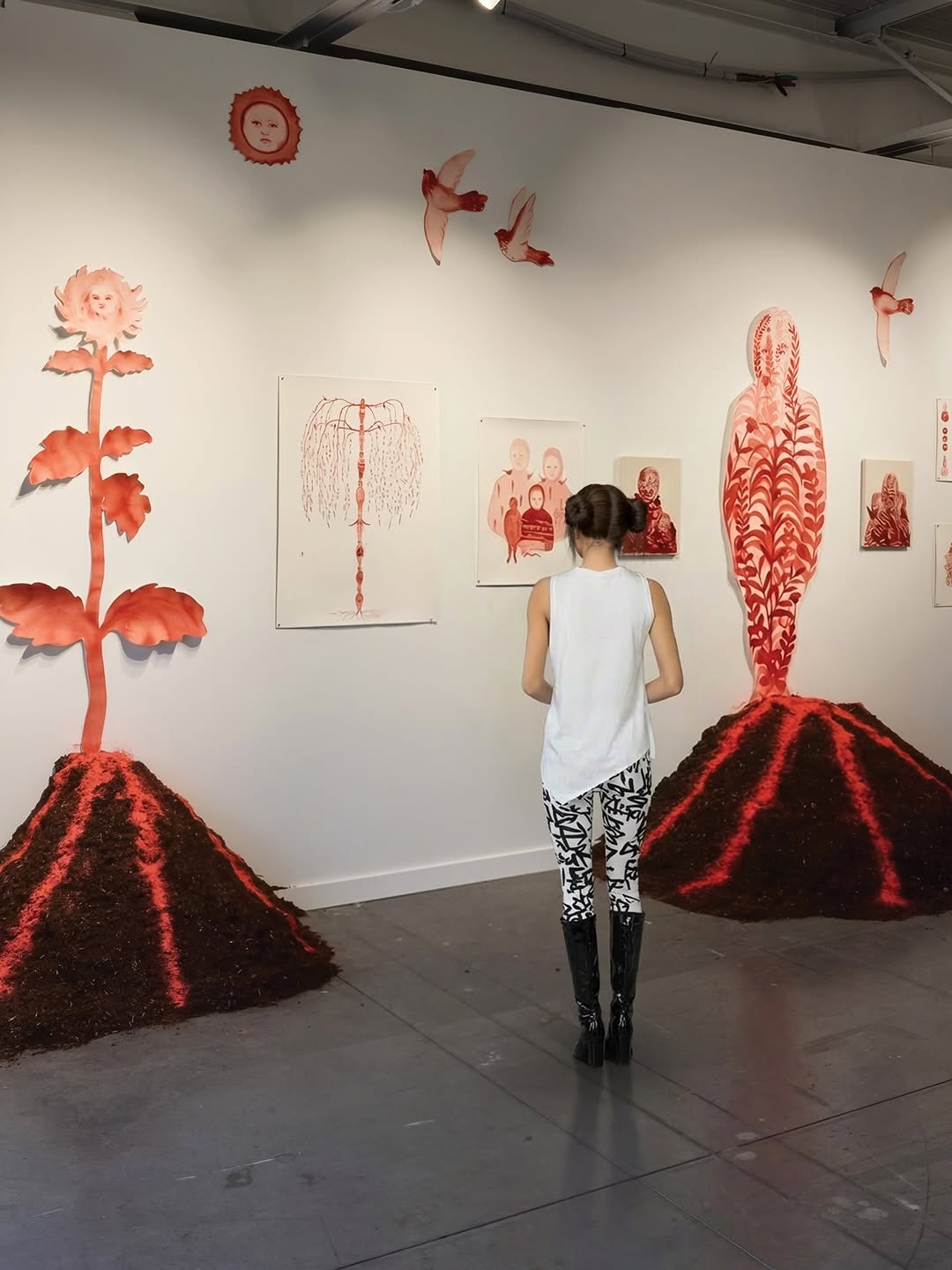
This image is effective because it captures viewing behavior, not just attendance proof. The subject is turned away from camera, positioned as an observer inside a vivid red installation environment. That choice shifts focus from personal styling to cultural interaction.
Back-view frames create perspective alignment: the audience sees what the subject is seeing. This generates immersion and makes the post feel less performative. In cultural content, that often reads as more sincere and intellectually engaged.
Instead of “look at me in a gallery,” the message becomes “look at this work with me.”
The red-black mound forms, vertical organic motifs, and floating elements suggest a symbolic narrative world. The wall is not a simple painting display; it functions like a scene. By photographing both artwork and viewer in one frame, the content communicates scale, atmosphere, and emotional density more effectively than close-up details alone.
For creators, posts like this support a more layered identity:
This can attract collaborations from design, museum, fashion, and editorial sectors.
Sequencing context first, details second improves audience comprehension and engagement quality.
Thoughtful, concise captions pair best with visually complex art documentation.