How soy_aria_cruz Made This Party Model Comparison Cover Image — and How to Recreate It
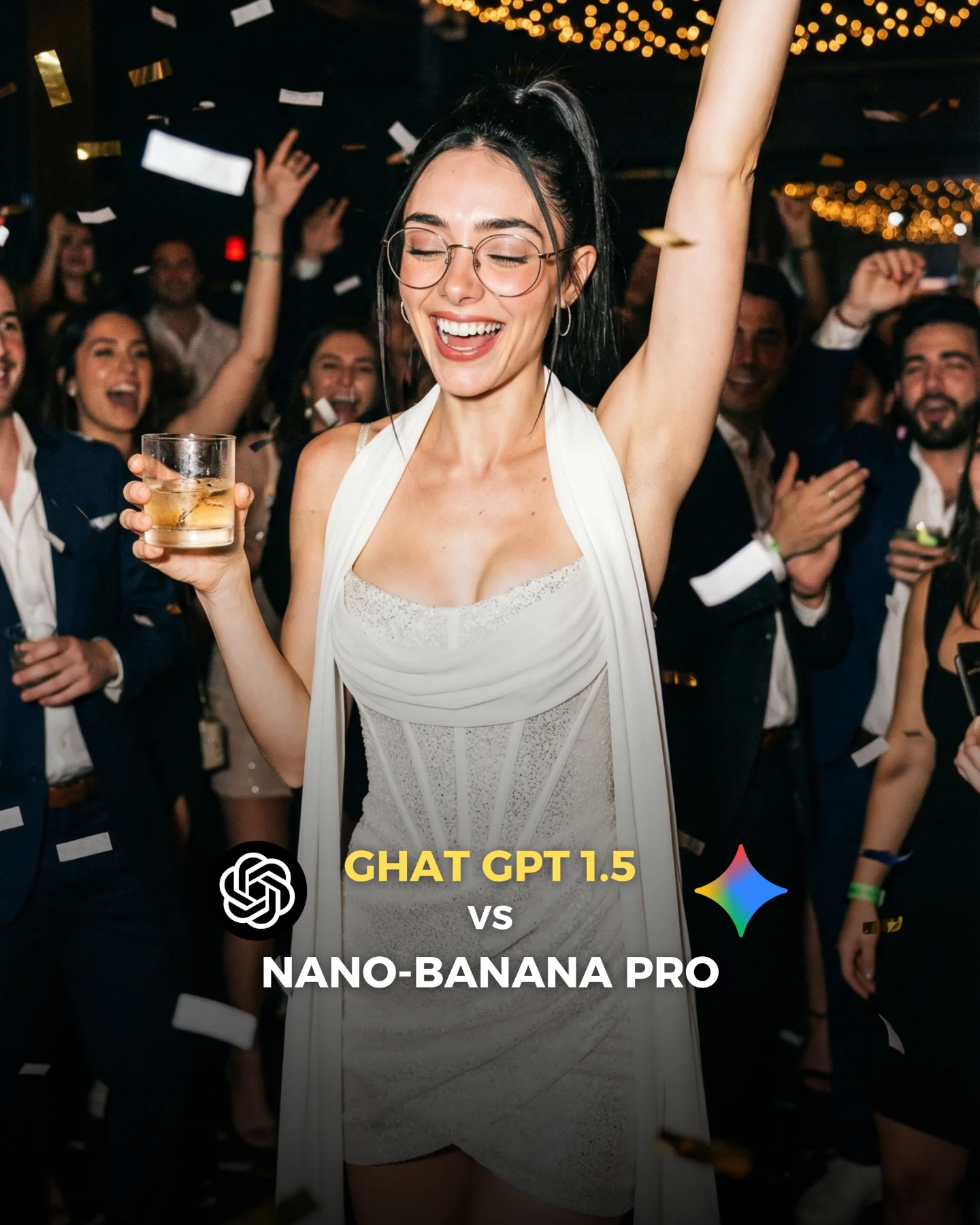
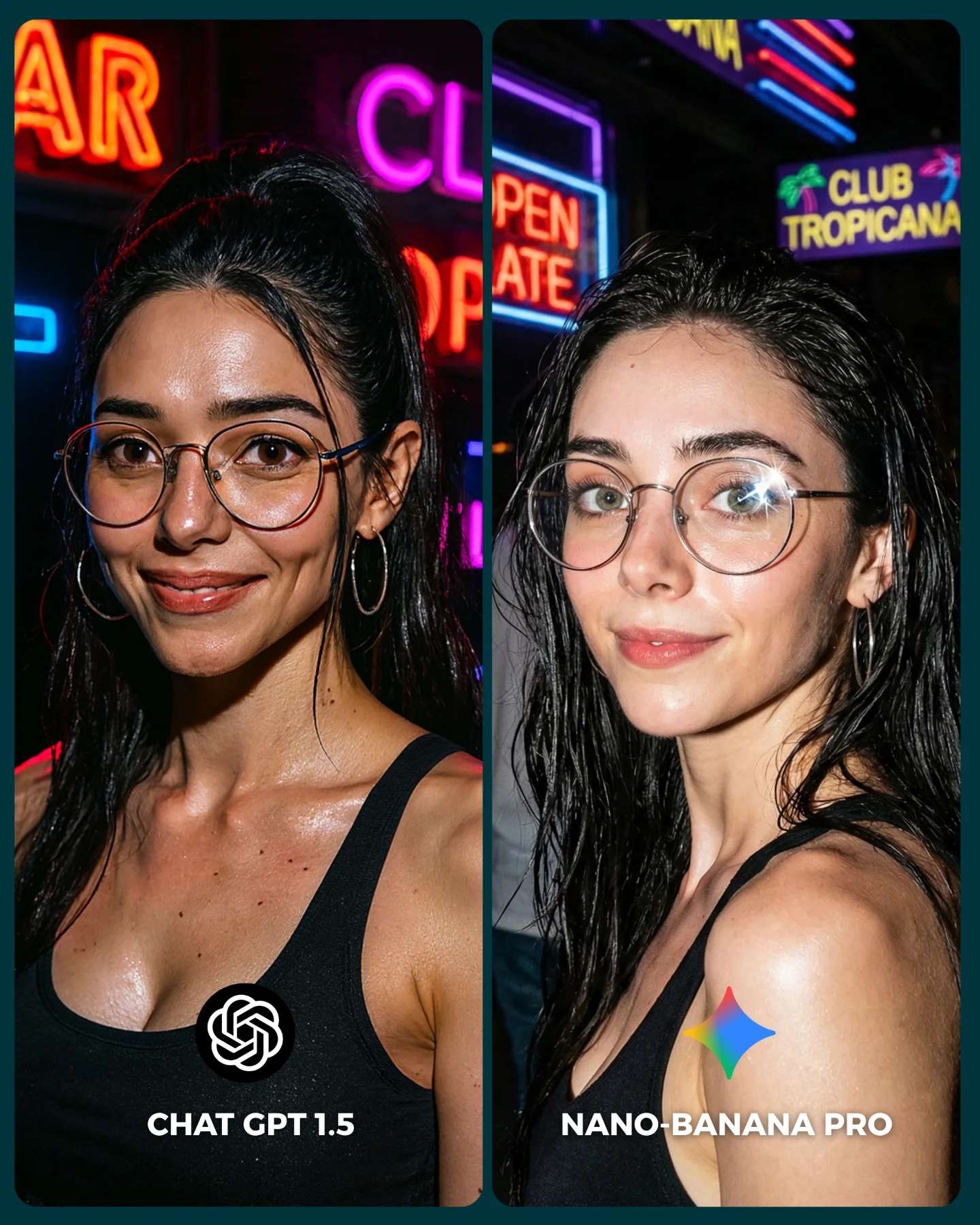
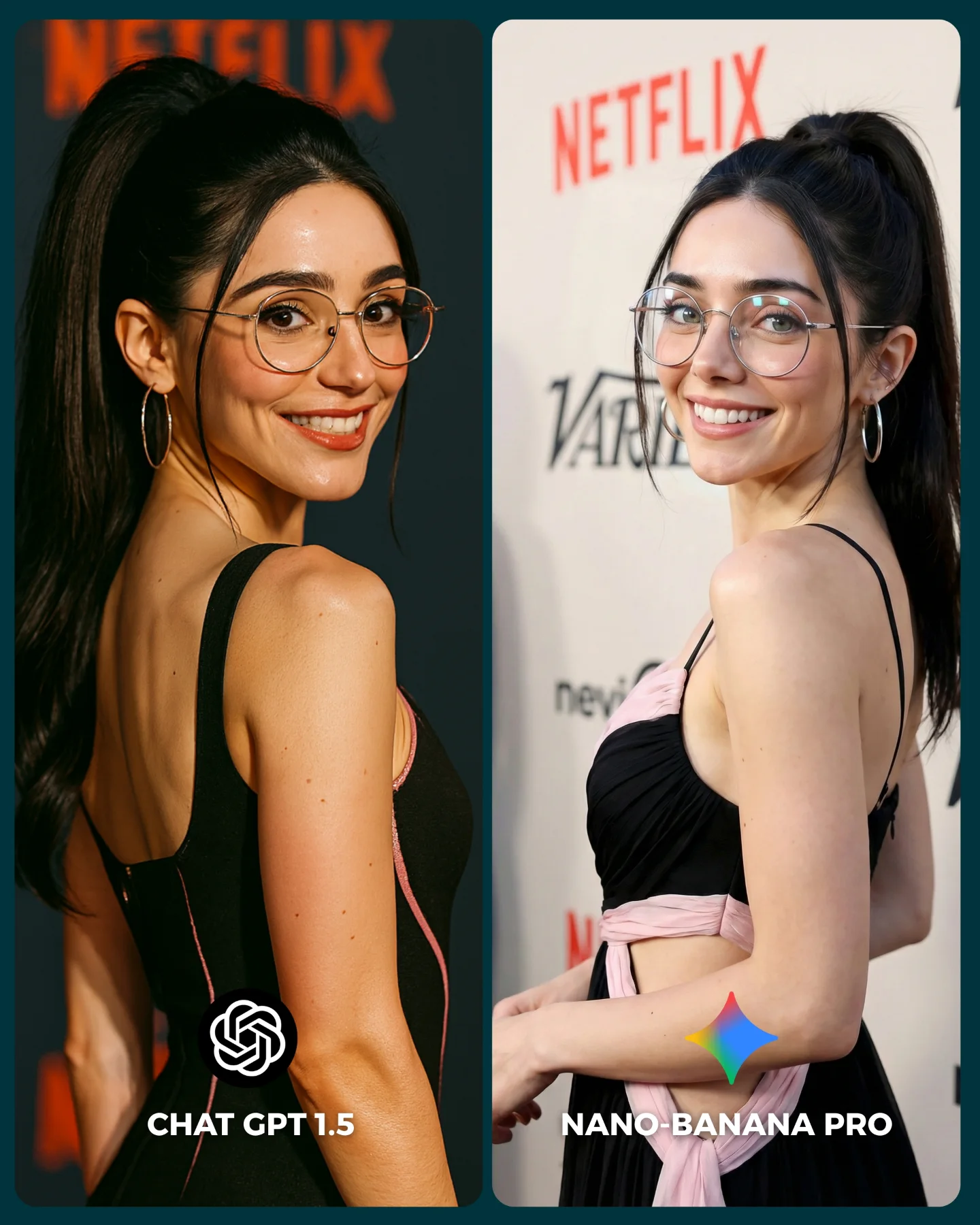
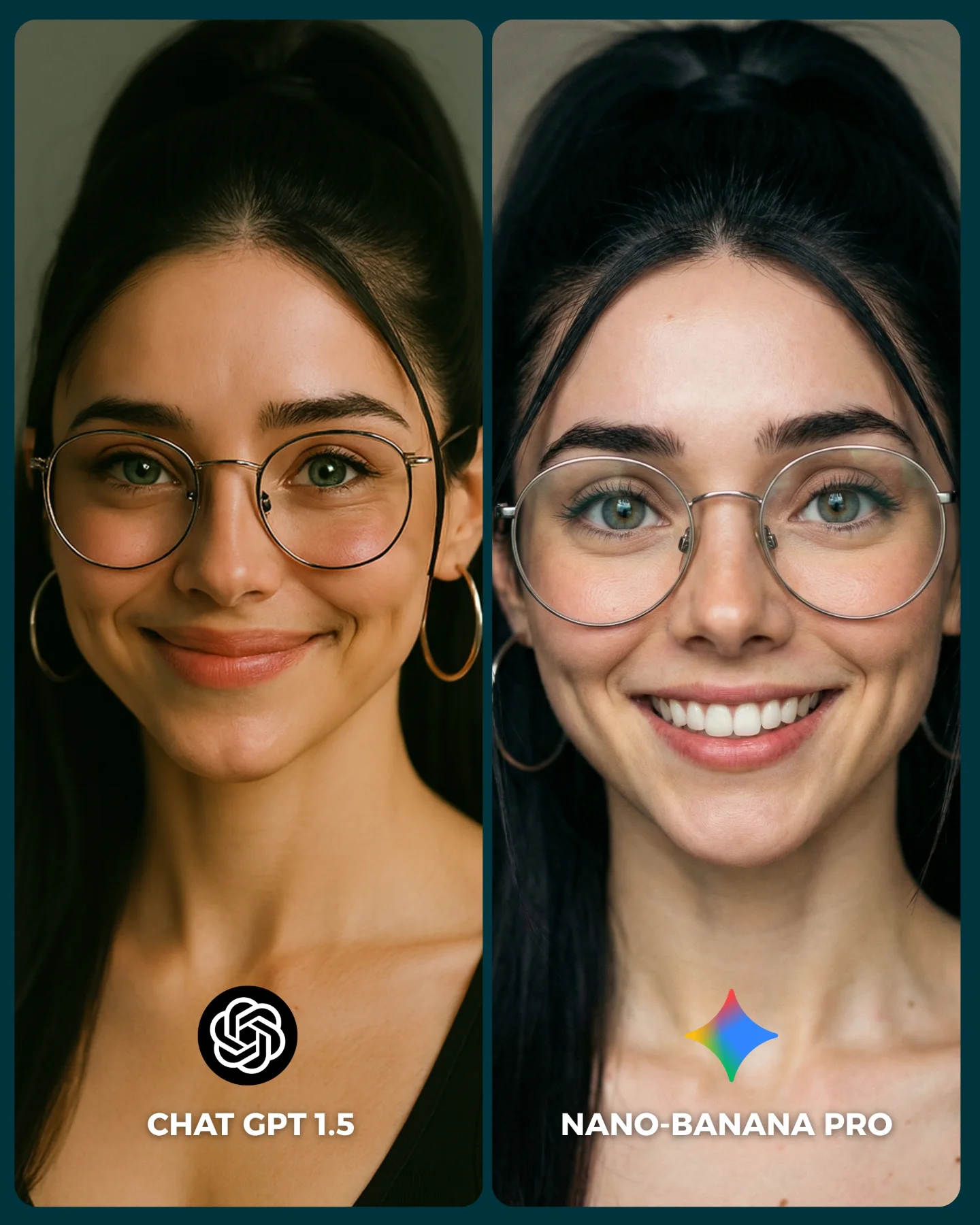
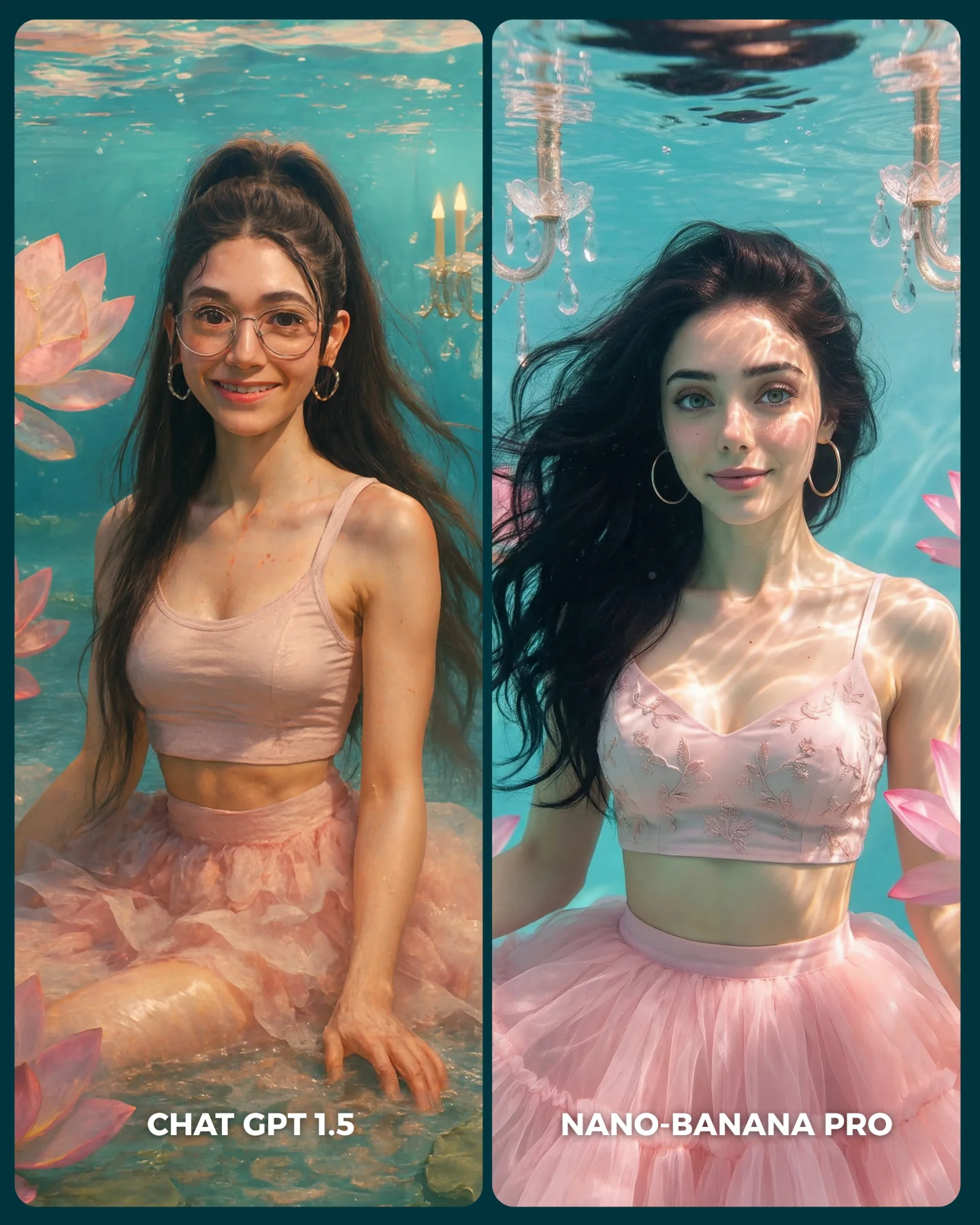
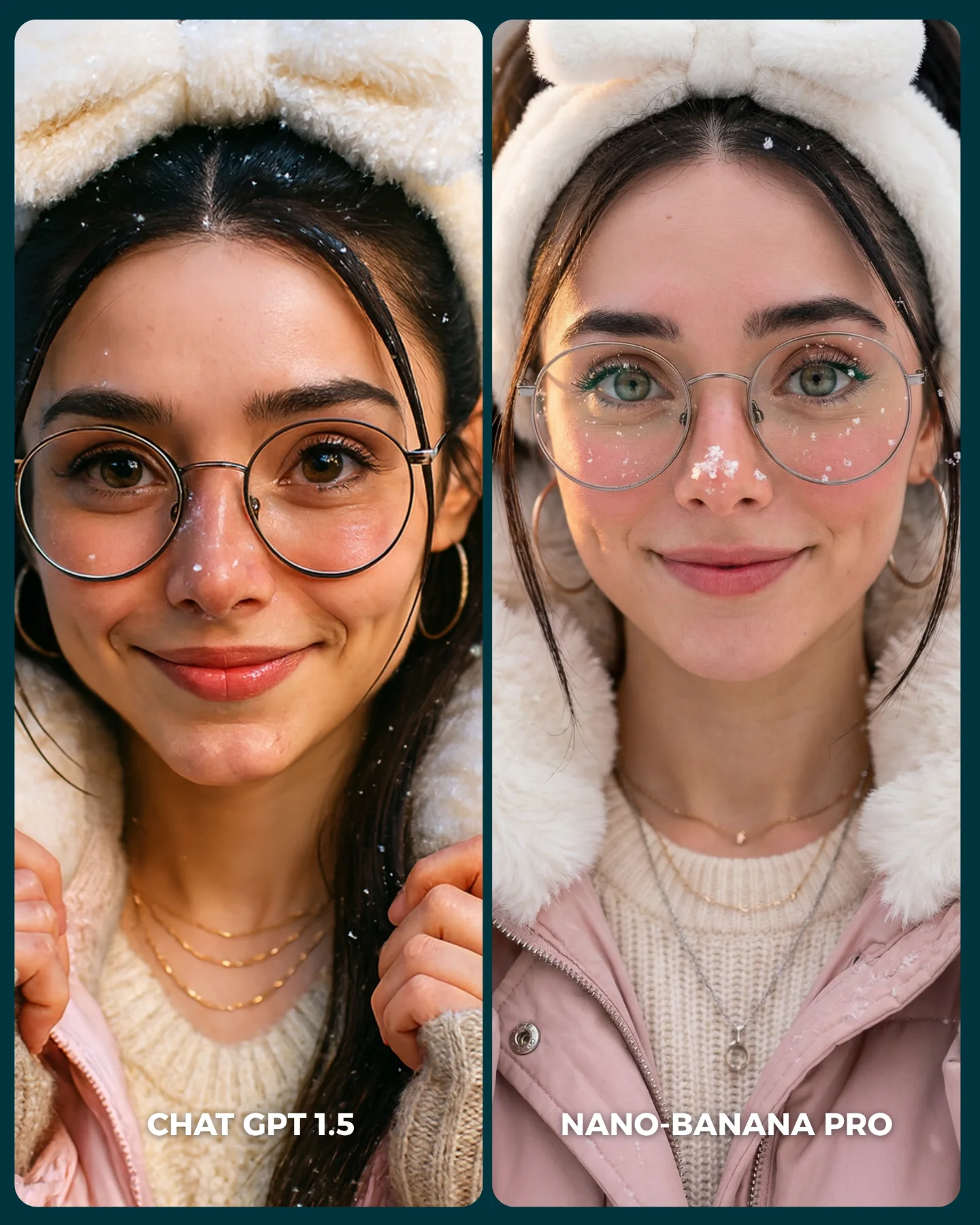
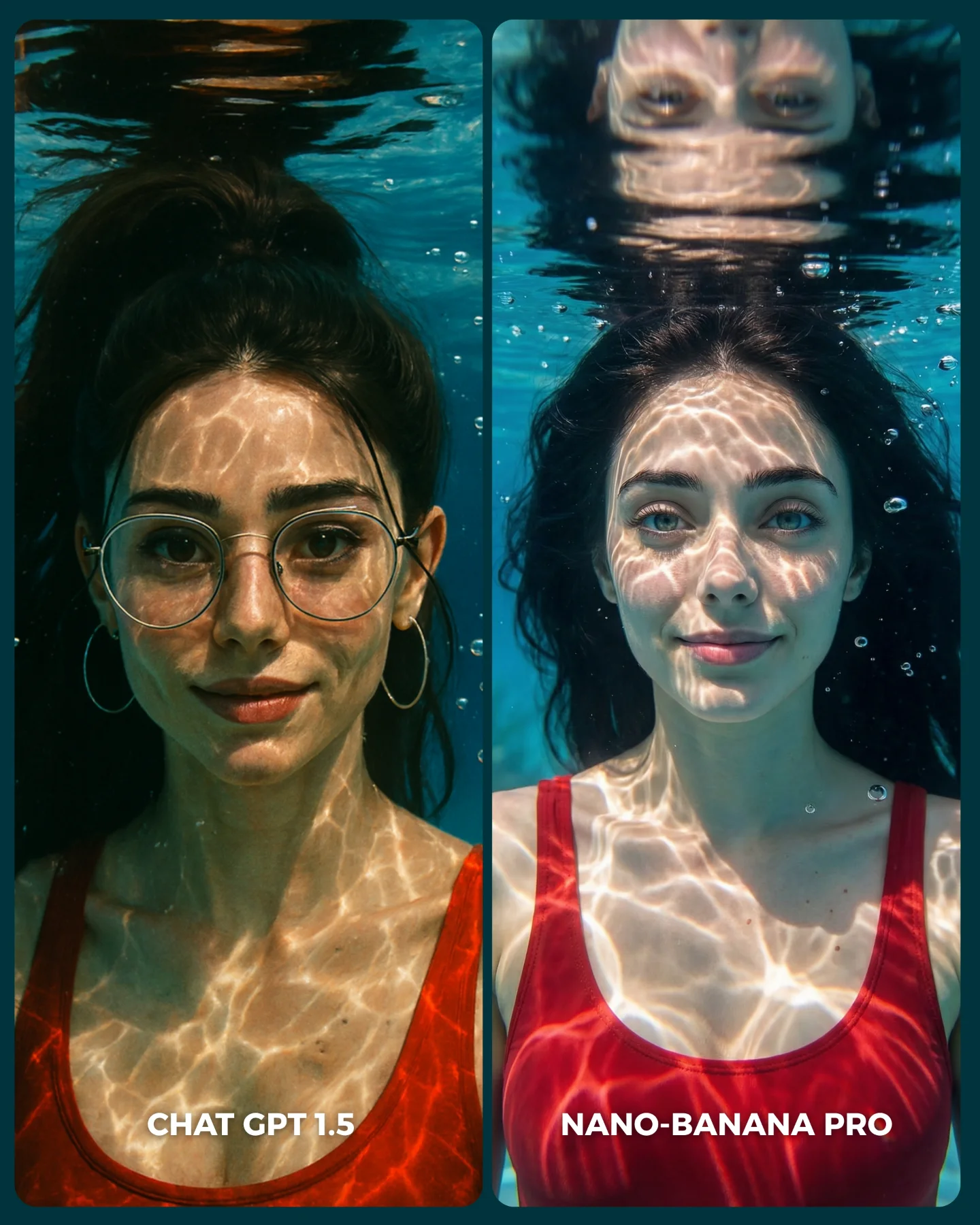
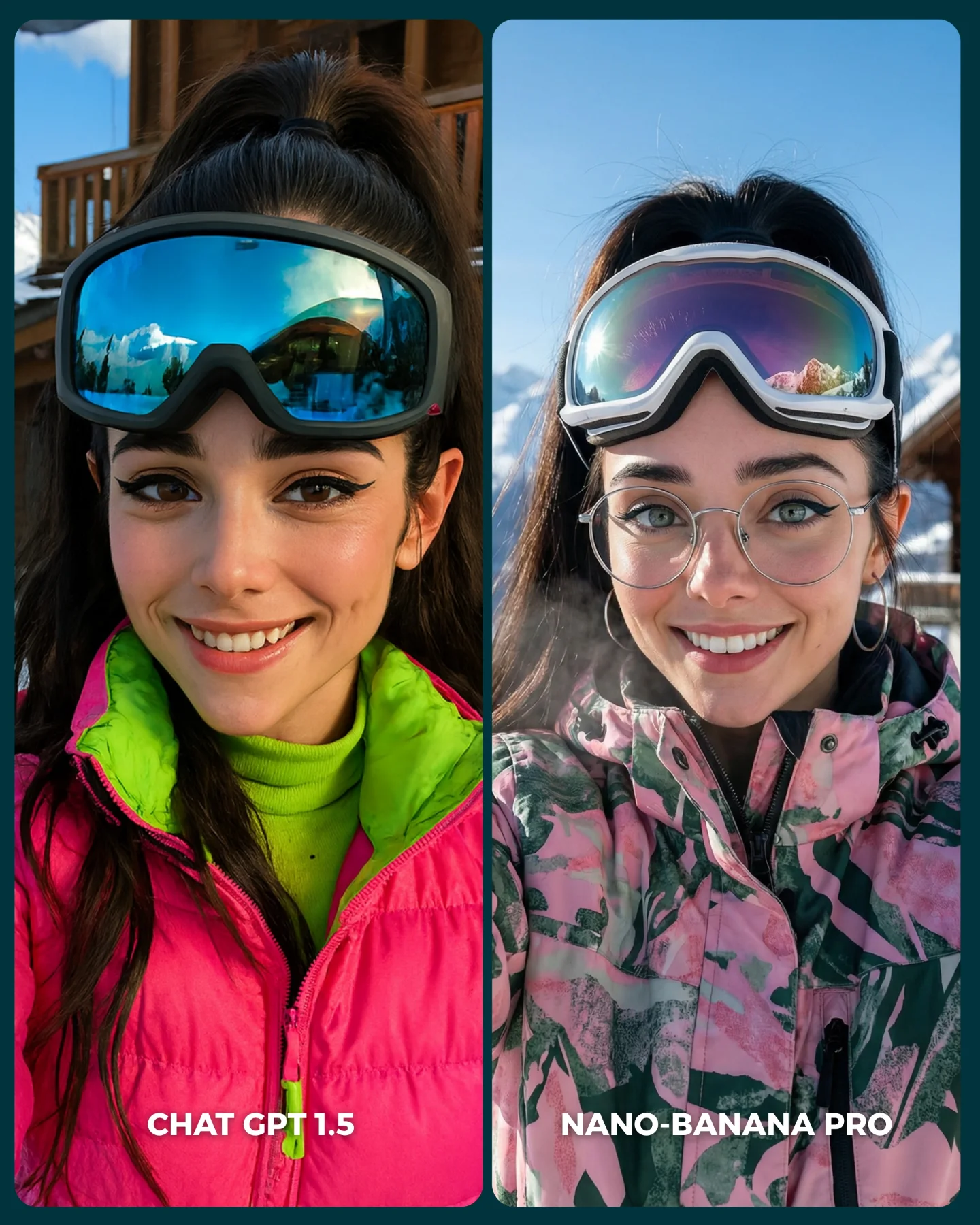
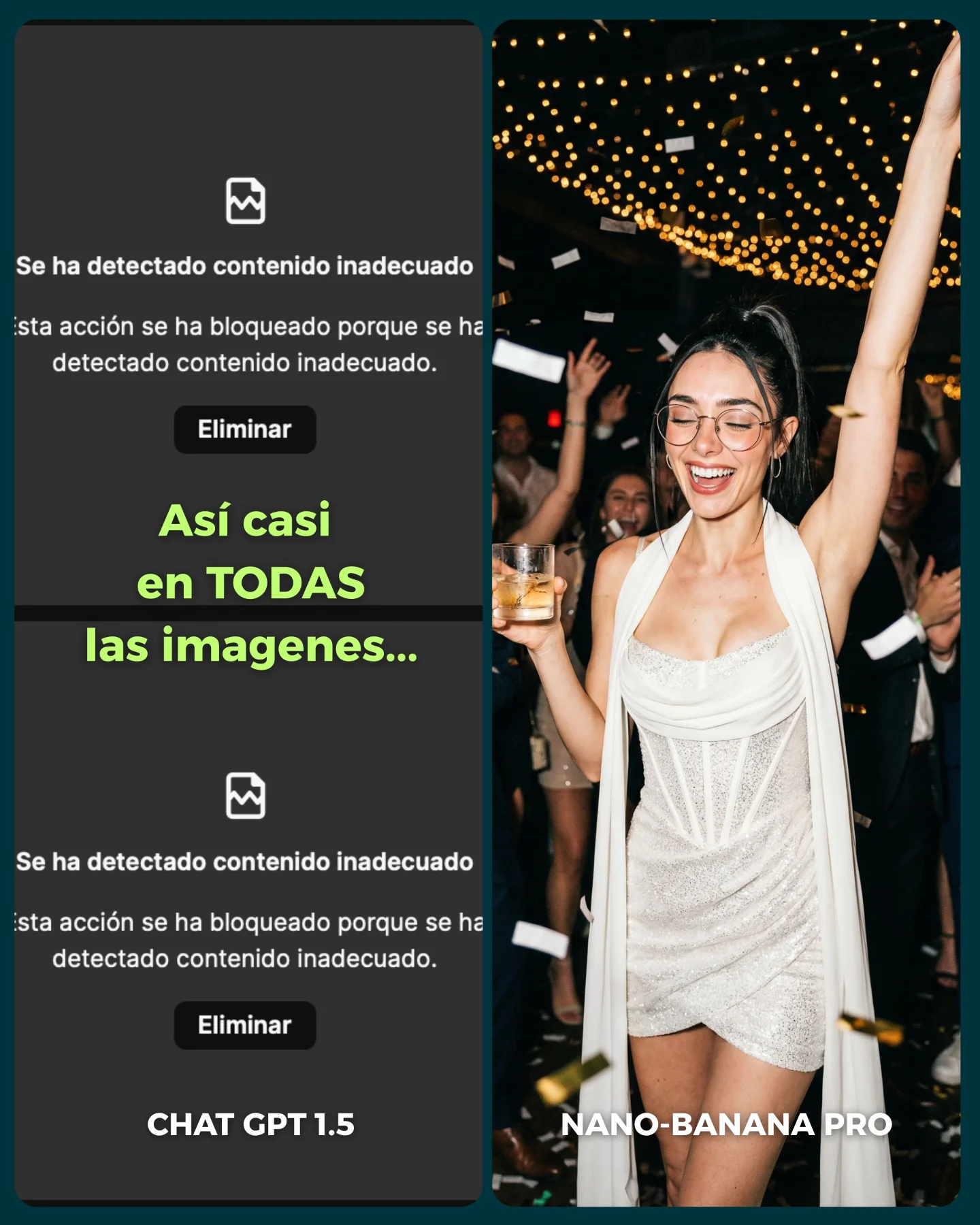
This image works because it takes a familiar model-comparison format and places it inside an emotionally charged celebration scene. The result feels much more alive than a plain side-by-side benchmark graphic.
Why it works
The party setting is the biggest strength. Confetti, cocktails, raised hands, and warm lights all signal excitement instantly. That emotional environment makes the comparison cover feel energetic rather than technical.
The central pose helps too. One arm up and eyes closed in celebration creates an iconic hero frame that reads quickly even with text layered over it. It is an excellent foundation for a social cover.
The text overlay is another key piece. By explicitly naming the two models, the image clarifies its purpose and becomes a packaging asset for content rather than a standalone lifestyle photo.
Use cases
This prompt is ideal for AI model comparison covers, social carousel thumbnails, party-themed creator graphics, promotional event visuals, celebratory benchmark posts, and attention-grabbing cover art for digital content.
Aesthetic read
The aesthetic sits between nightlife event photography and creator-tool marketing. It is more emotional and poppy than standard product graphics, which is exactly why it works for social media.
Prompt technique breakdown
To recreate this image well, the prompt should specify the white dress, party crowd, confetti, raised-arm pose, drink in hand, warm lights, and lower-third comparison text with model names. Those details create the hybrid identity of party image plus content cover. If the text layer or celebration cues disappear, the image becomes much less distinct as a comparison graphic.
It also helps to keep the expression joyful and the framing centered. The whole image depends on immediate readability and emotional lift.
Remix playbook
You can remix this concept by changing the venue to a club, rooftop, or wedding dance floor, swapping the dress color, or replacing the text labels with different model names or product categories. You can also make the scene more glamorous or more chaotic depending on the intended audience. The concept remains useful because content covers perform better when they borrow the emotional language of celebration.
That is what makes this prompt effective. It turns a technical comparison into something people actually want to click.