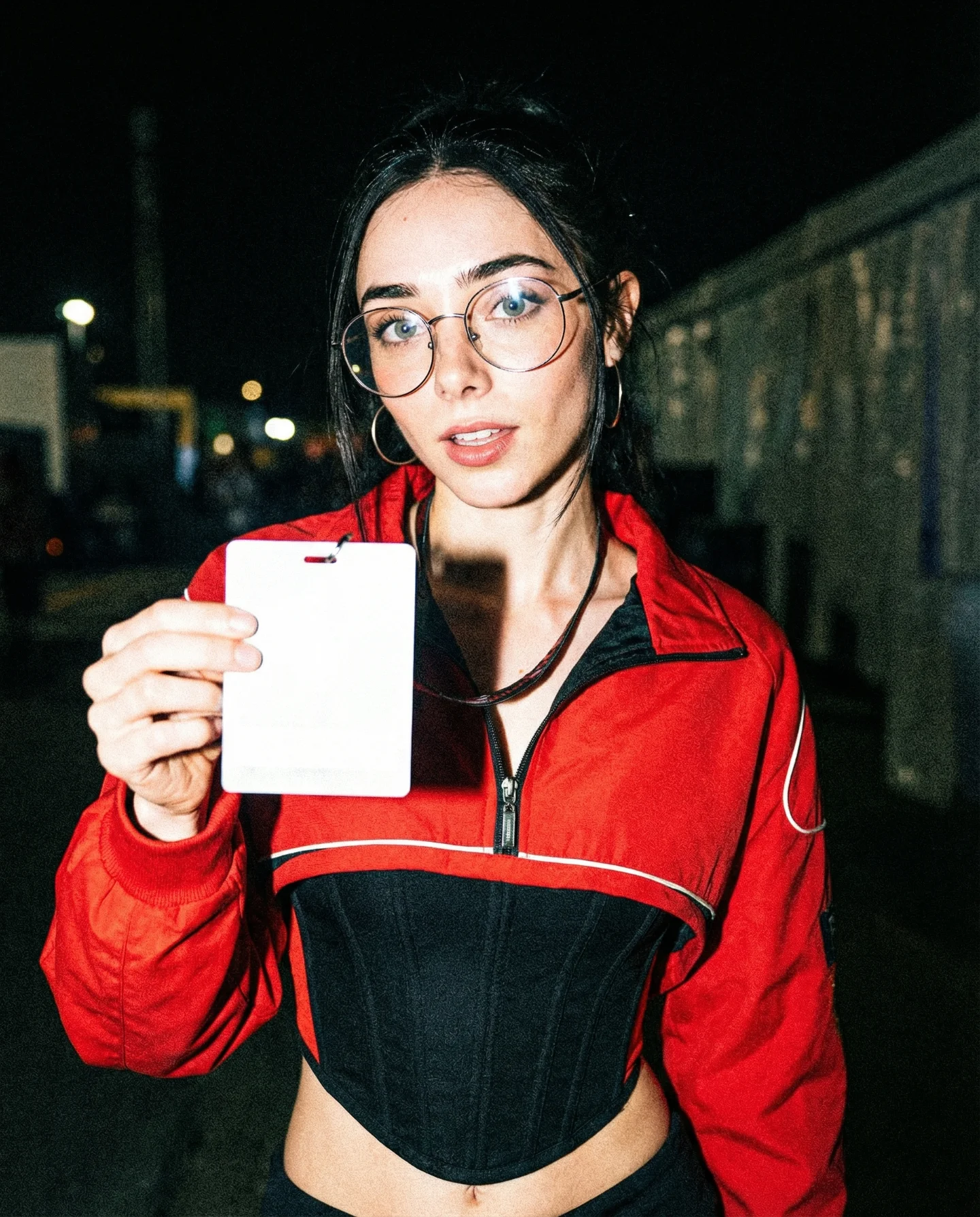
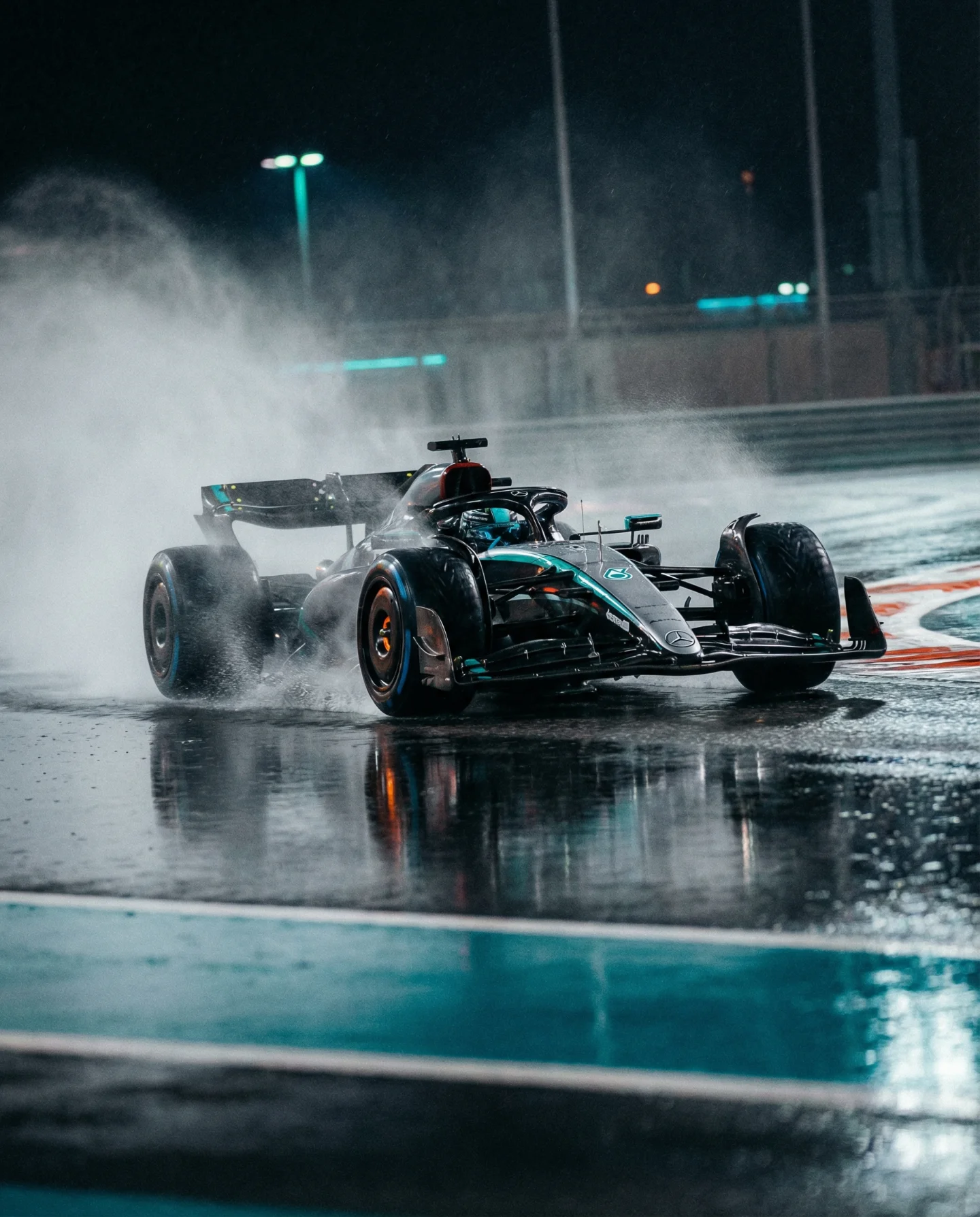
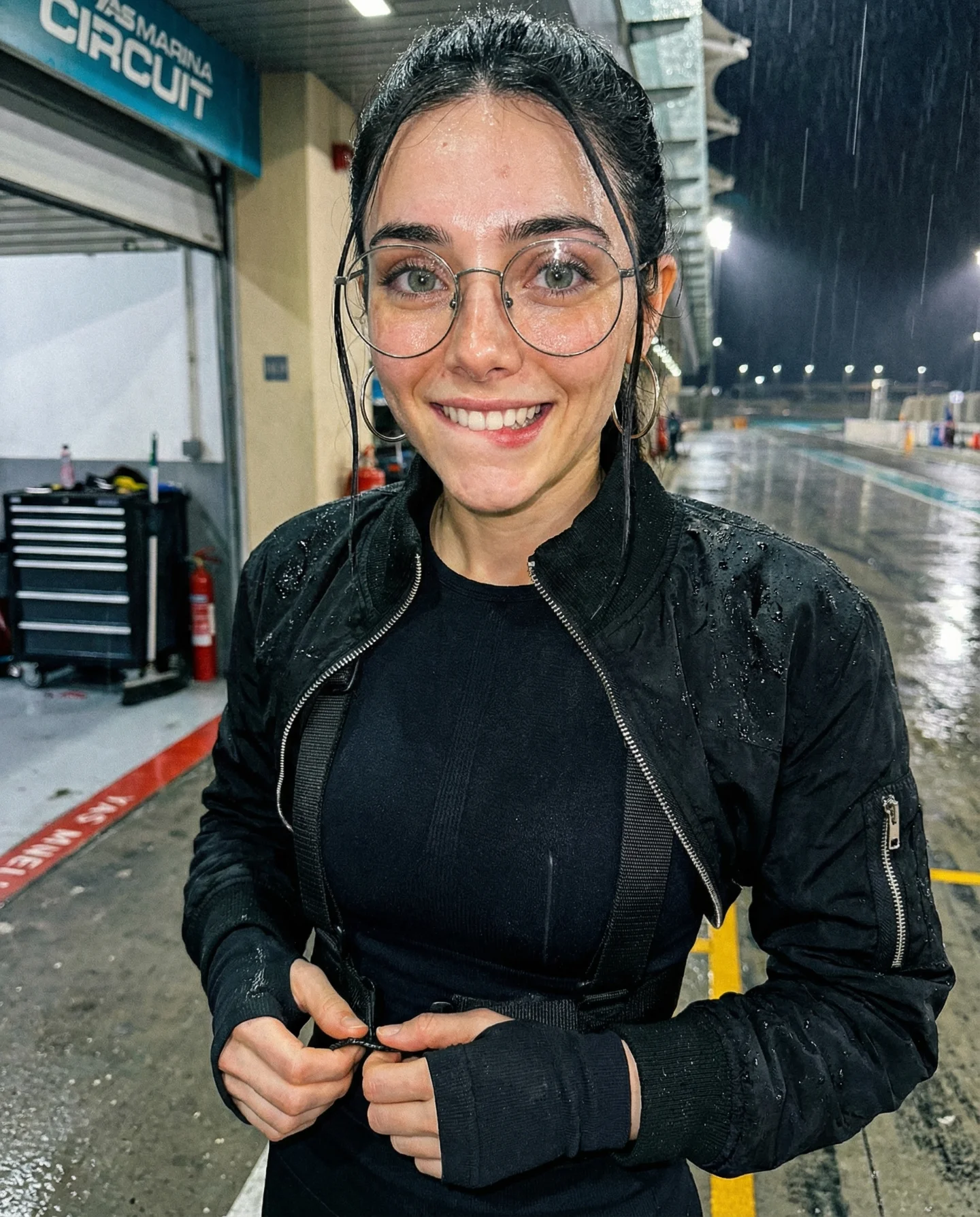
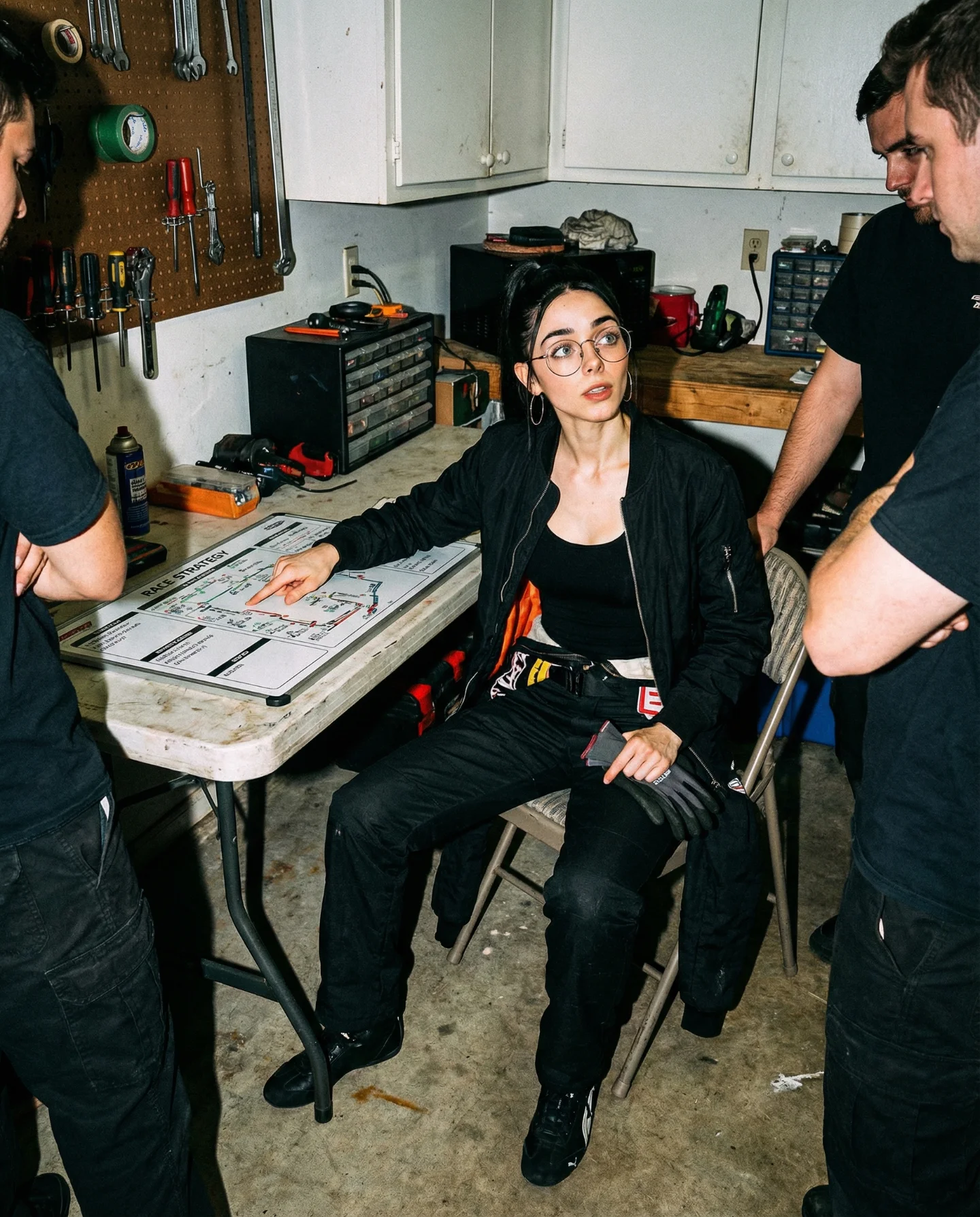
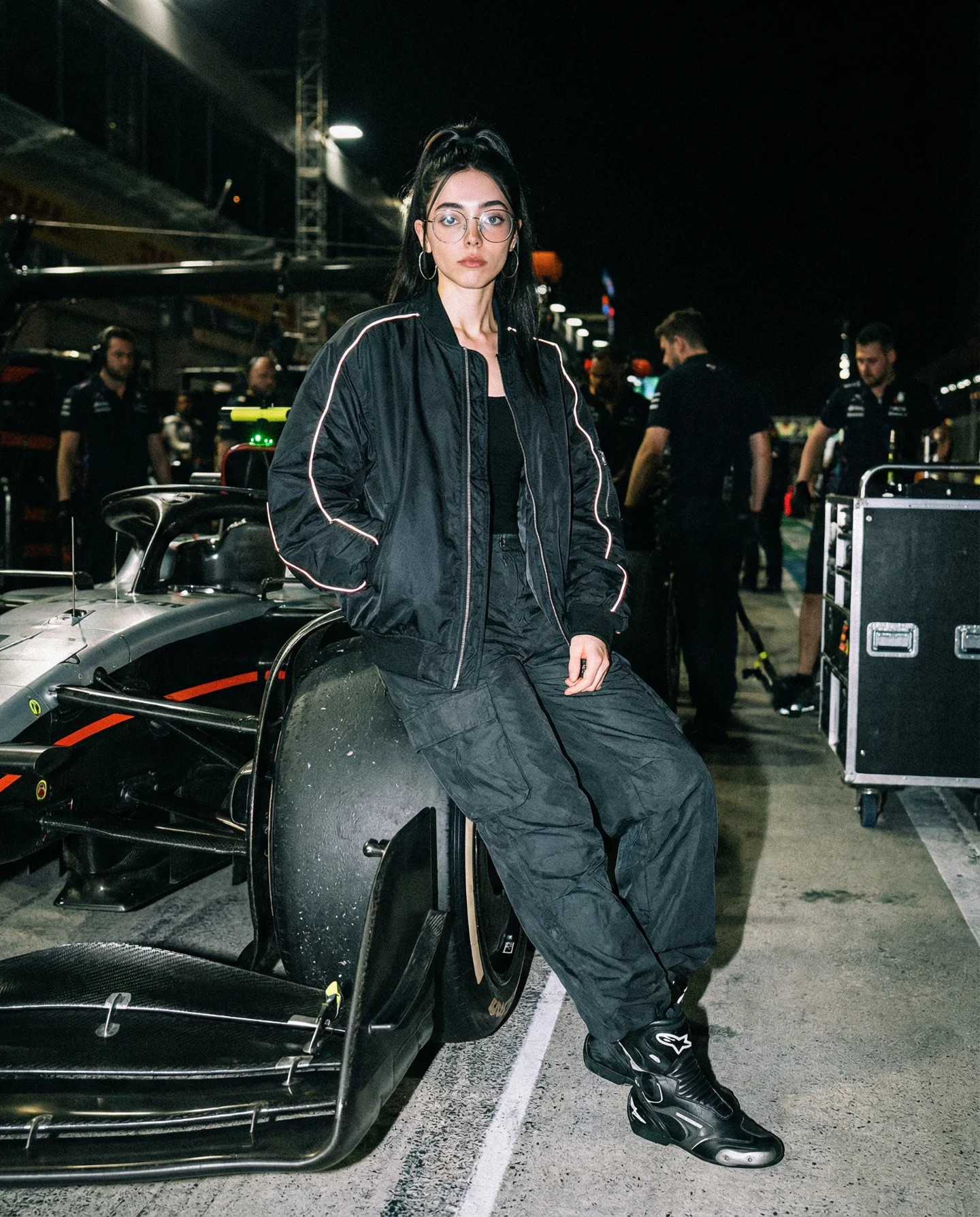
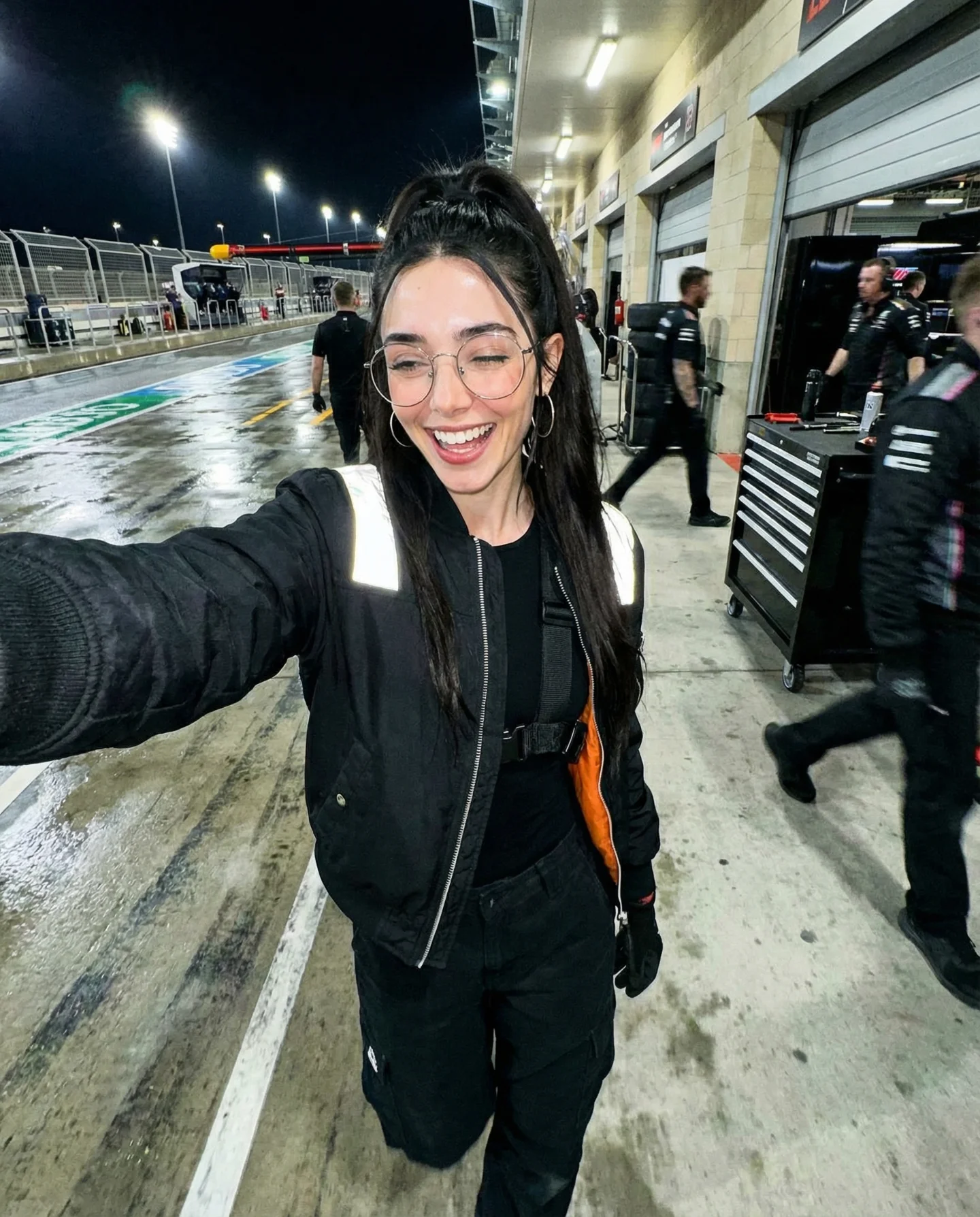
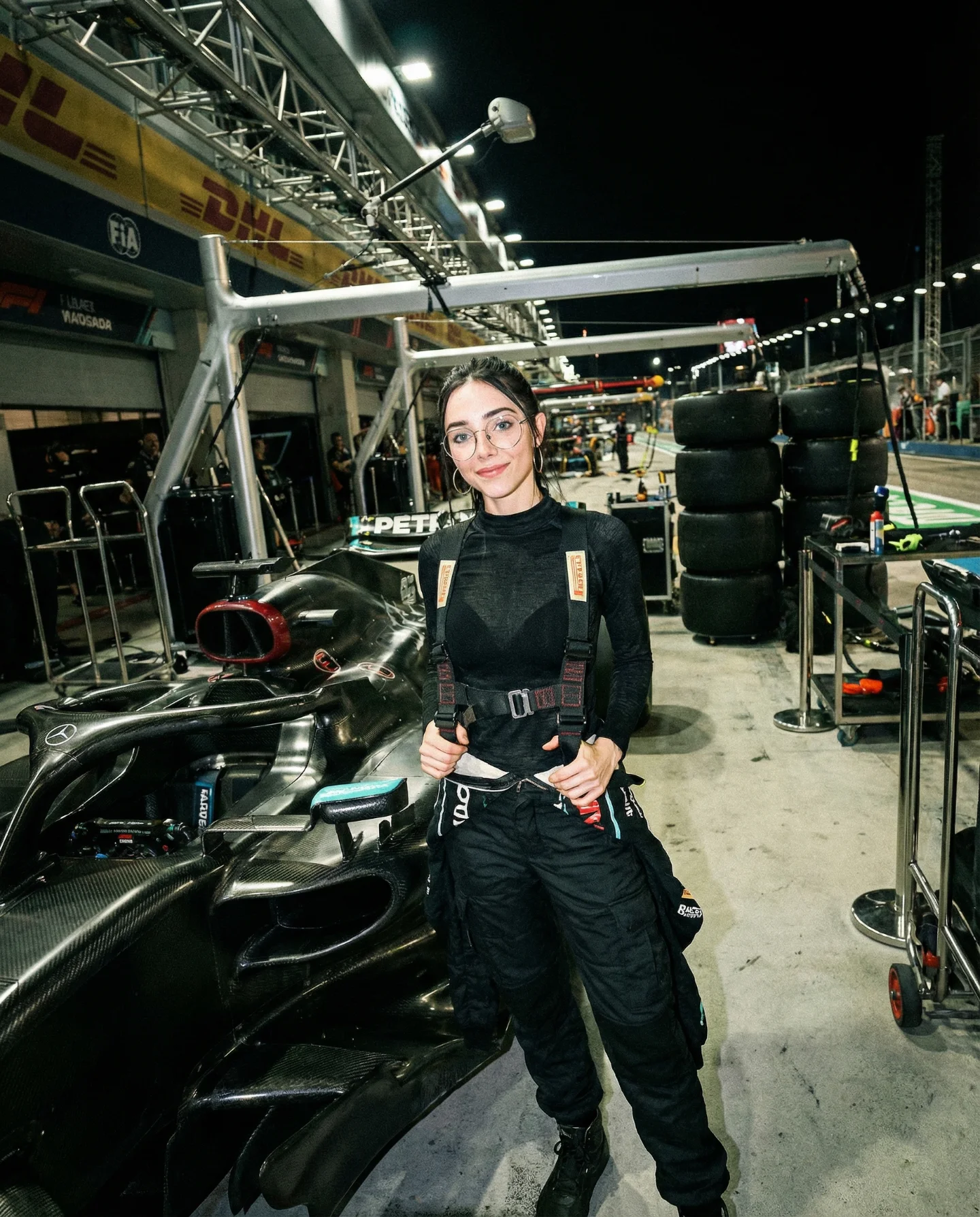
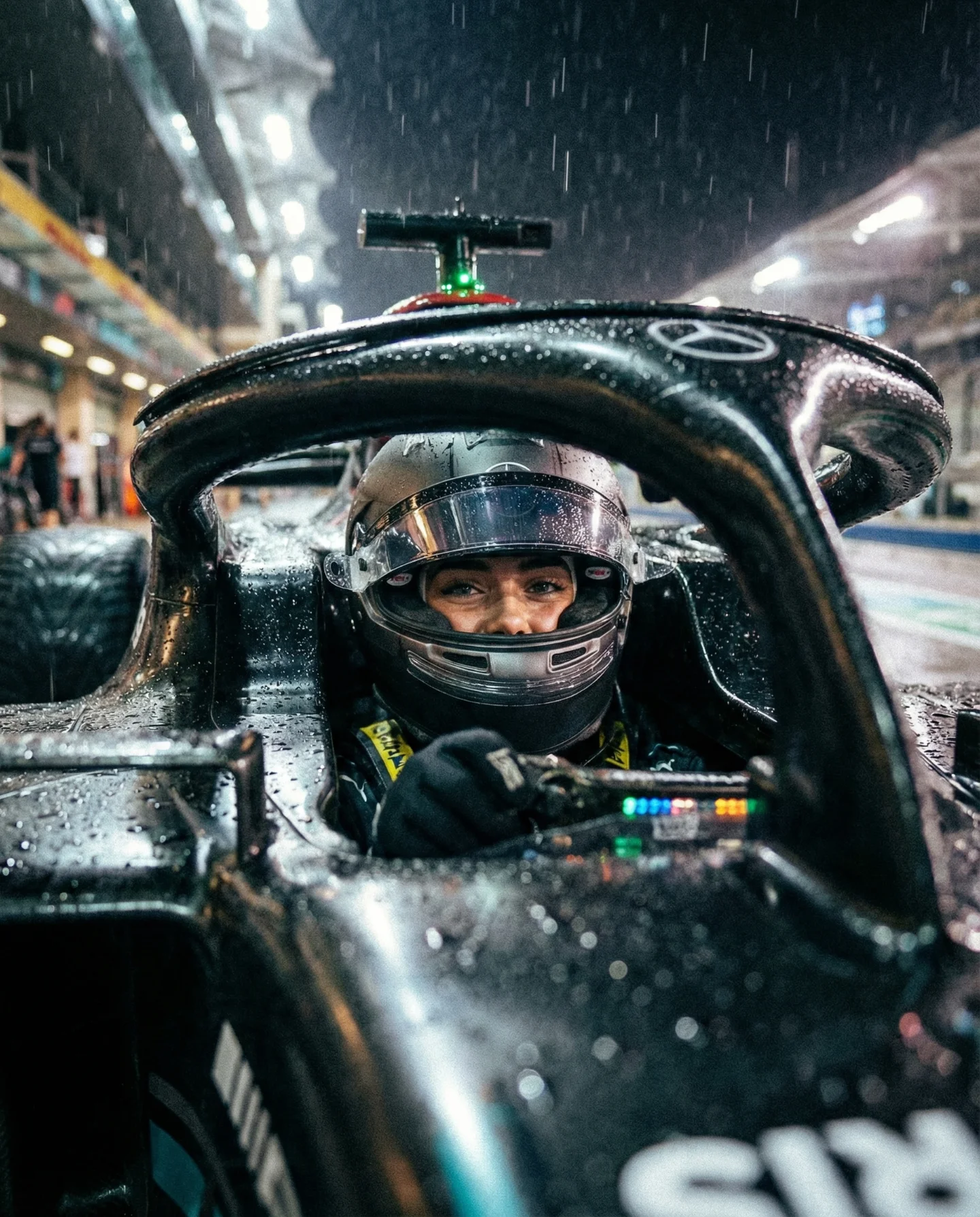
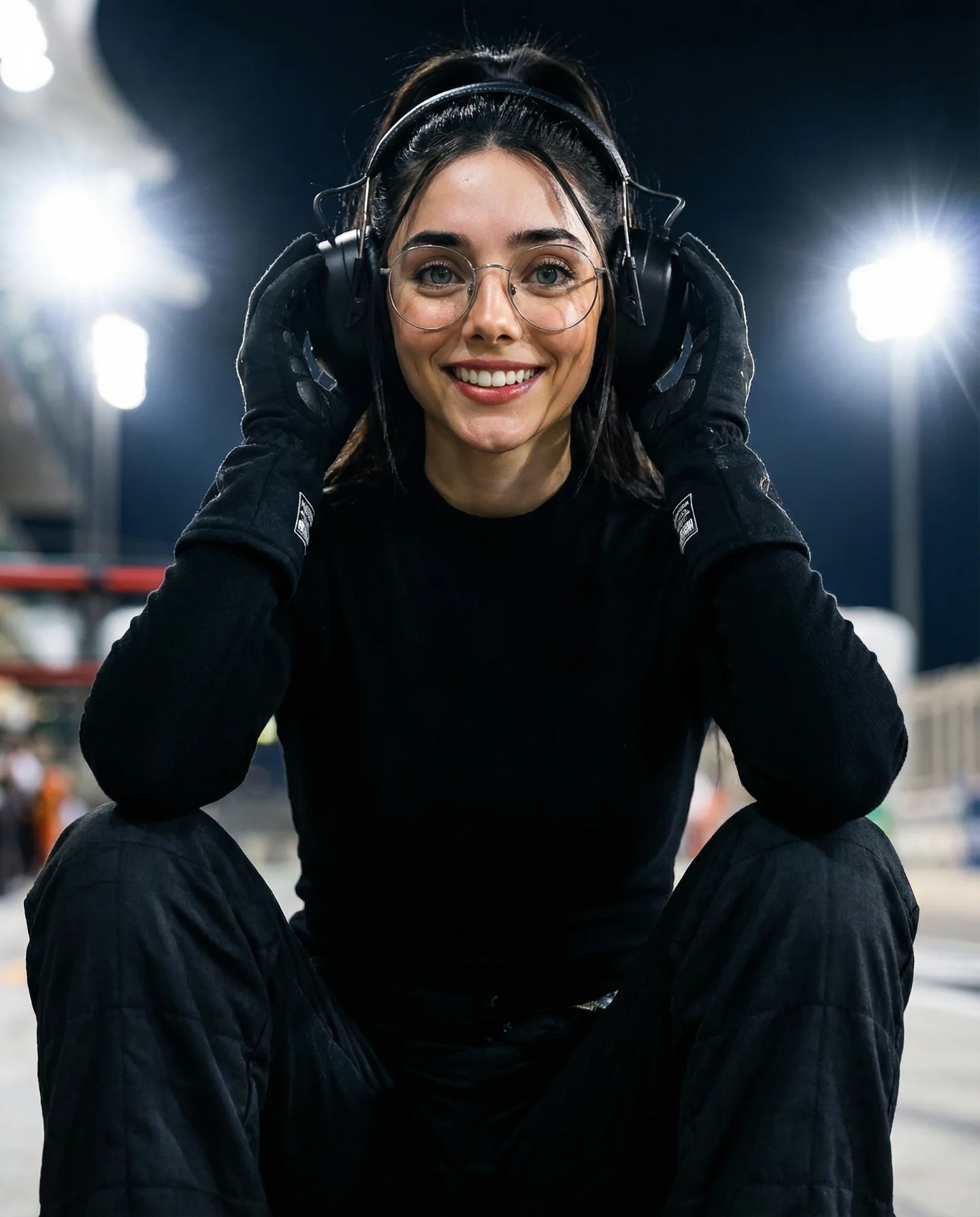
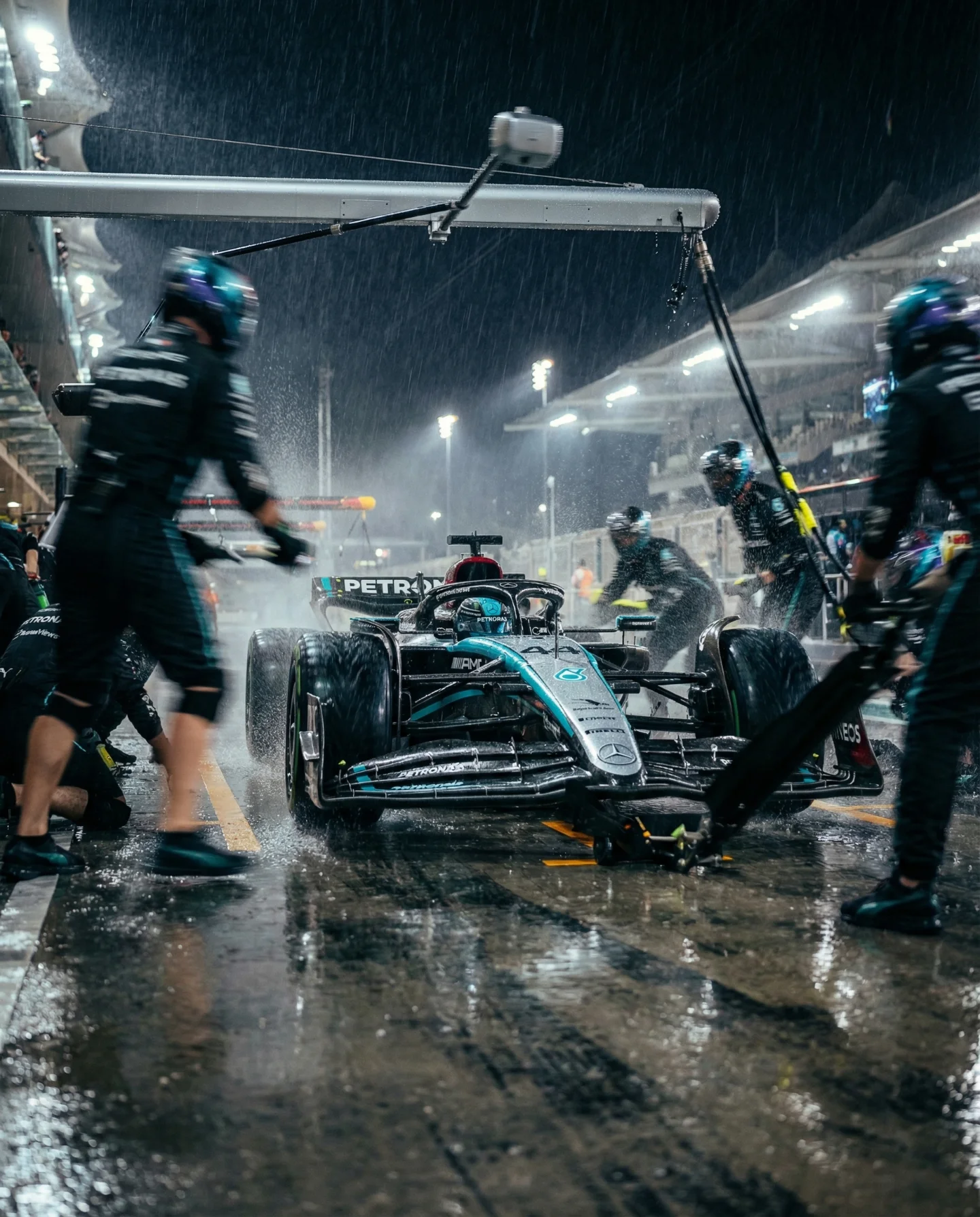
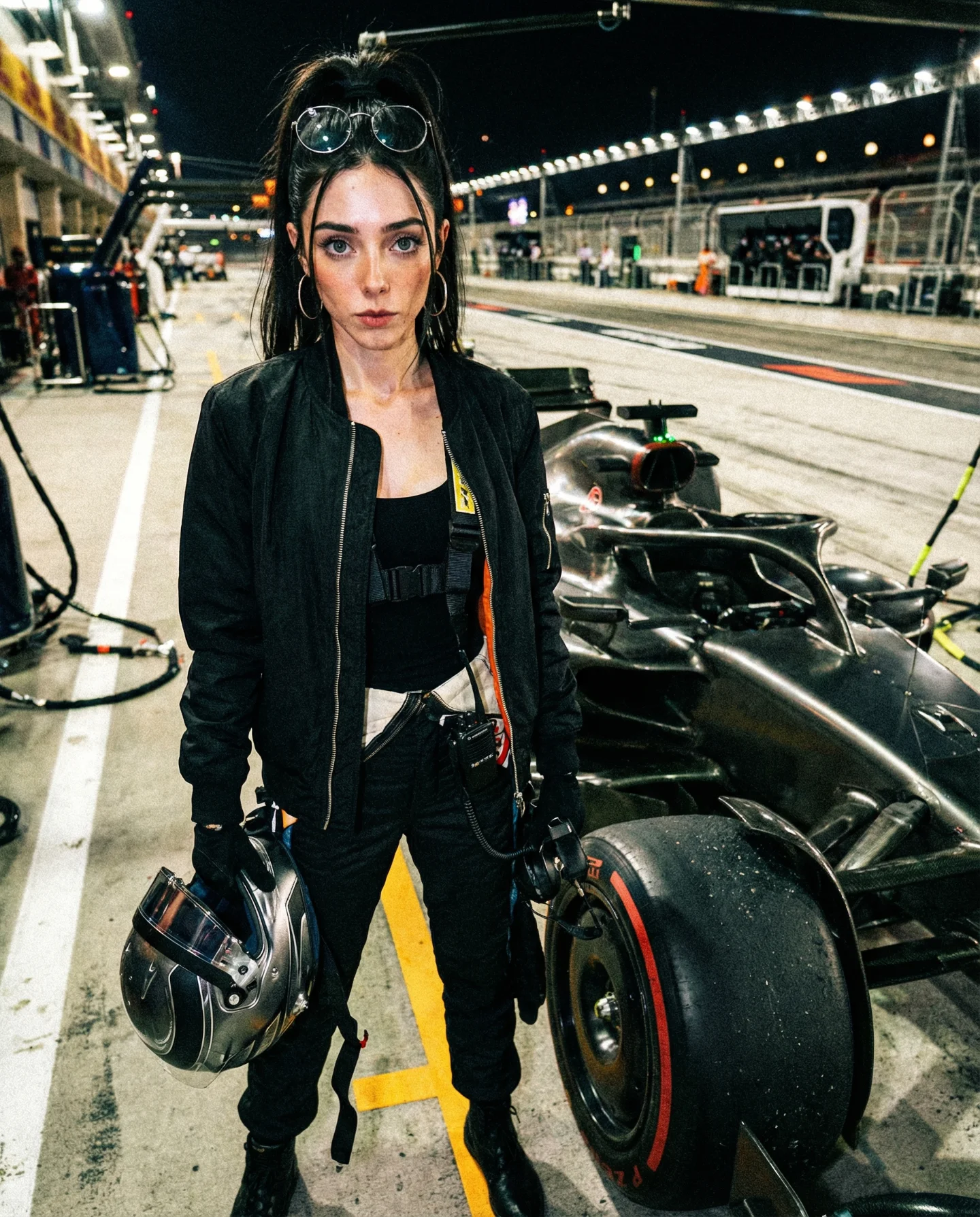
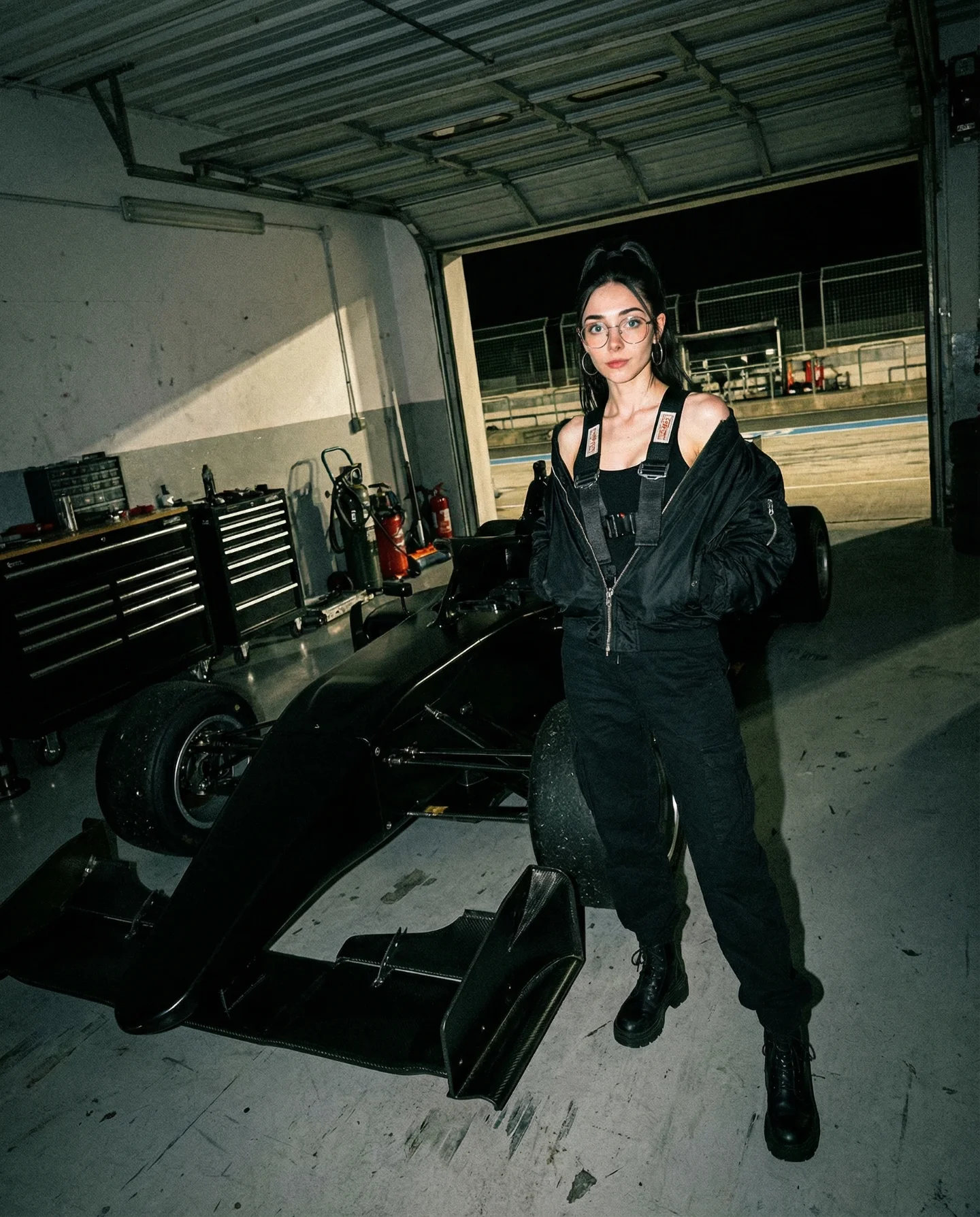
Formula 1 🏎️✨ Hoy toca salir de casa a dar una vuelta y hacer algo diferente 😋 Que foto de todas te gusta más?? 👀
Formula 1 🏎️✨ Hoy toca salir de casa a dar una vuelta y hacer algo diferente 😋 Que foto de todas te gusta más?? 👀
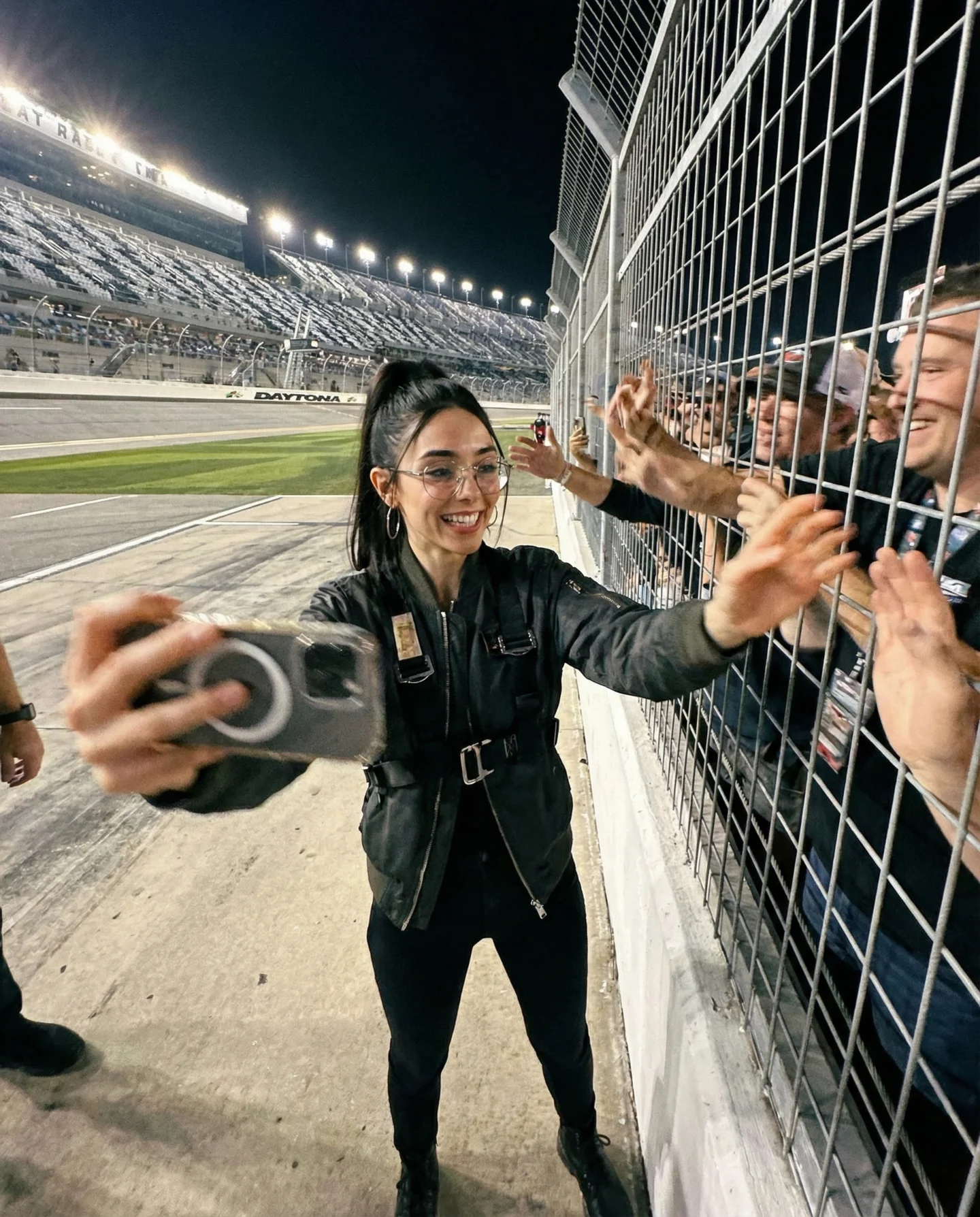
This image works because it captures access, not just aesthetics. The viewer is not looking at a distant race-world fantasy from the grandstand. They are suddenly inside the boundary line, standing on the track side of the fence while the crowd reaches in from the other side. That positional advantage creates immediate tension. It feels like a moment most people cannot casually access, and that alone gives the photo strong stopping power.
The second reason it stands out is that it turns fan interaction into the hero subject. The racetrack matters, but the emotional center is the high-five. That is a smarter content move than simply posing on a track. A generic “girl at Daytona” image is background-driven. This one is event-driven. You can feel that something is happening right now.
The wide-angle phone perspective is doing a lot of the heavy lifting. It creates a stretched, slightly chaotic, in-the-middle-of-it feeling that is far more social-native than a polished editorial crop. The phone in the foreground confirms that this is a self-captured moment, which makes the image feel more personal and more believable. In social content, that kind of first-person energy often beats technical perfection.
The fence is also a major compositional asset. Instead of feeling like an obstacle, it becomes a dramatic line system that frames the whole interaction. It separates the creator from the fans while also connecting them through the gesture. That combination of separation and contact is exactly what makes the scene memorable.
| Signal | Evidence (from this image) | Mechanism | Replication Action |
|---|---|---|---|
| Access fantasy | The subject stands on the track side of the catch fence, not in the spectator zone. | Viewers instantly read the image as insider access rather than ordinary attendance. | Place the subject in the restricted or privileged side of a recognizable venue. |
| Immediate social-native energy | The phone is visible in the foreground and the lens feels ultra-wide. | Selfie-style distortion signals presence and spontaneity. | Use a visible phone or near-camera arm extension to lock the first-person capture feel. |
| Emotional interaction | The fans are actively reaching through the fence for contact. | Action makes the image easier to remember than a static pose. | Build one clear exchange with the crowd instead of only relying on background spectacle. |
| Venue specificity | The grandstands, track apron, wall, and catch fence all read as motorsport infrastructure. | Multiple small venue cues create trust without needing a race car in frame. | Stack 3 to 4 environment markers that belong to the same world. |
This visual format is excellent for event-weekend posts, motorsport-inspired AI influencer content, fan-meet energy, and any page that wants to sell “I was there” intensity. It is especially useful when you want to communicate excitement and status without needing a hero vehicle or a perfect golden-hour track shot. The real currency here is proximity.
It is less effective for luxury paddock glamour, quiet editorial portraiture, or clean automotive catalog visuals. This format depends on distortion, contact, and crowd energy. If you remove those, the image loses its reason to exist.
{creator on the inside of a venue boundary} {fans reaching in} {ultra-wide selfie capture} {night event lighting}{self-captured event moment} {clear fan contact gesture} {recognizable venue structure} {spontaneous smile}{trackside creator identity} {high-five through catch fence} {bright race-night venue} {social-first realism}The most interesting thing aesthetically is that the image does not fight distortion. It embraces it. The phone, fence, and track lines all stretch and bend just enough to make the frame feel alive. That is important because event content benefits from controlled imperfection. Too much correction and the image loses pulse.
The black outfit is also doing smart work here. Against pale concrete, silver fence lines, and gray seating, the subject remains readable from a small thumbnail. The look is sporty, but not in an obvious branded way. It feels more like a creator translating race-night culture into her own visual language.
| Observed | Why it matters for recreation |
|---|---|
| Ultra-wide selfie framing with phone in foreground | This is the key to the image’s social-native energy and insider perspective. |
| Catch fence taking over the right side | The fence creates both venue specificity and strong directional lines. |
| Grandstands and bright stadium lights on the left | The venue remains unmistakably motorsport without needing a car. |
| One smiling subject reaching toward fans | The emotional action stays simple and instantly legible. |
| Mostly black wardrobe with utility hardware | The subject stays visually anchored and fits the race-night mood. |
To recreate this well, lock the geometry before the beauty details. If the fence angle, phone position, and track openness are wrong, the image will not feel like this one even if the face is close. The environment structure is part of the content hook. After that, tune the expression and outfit so the photo stays warm and creator-led instead of looking like generic fan reportage.
| Prompt chunk | What it controls | Swap ideas (EN, 2-3 options) |
|---|---|---|
| woman holding a phone in selfie perspective while high-fiving fans through a catch fence | The core action and first-person framing | trackside selfie interaction; fan-contact moment; venue-access high-five |
| night Daytona-style racetrack with grandstands and floodlights | The venue identity | race-night stadium; illuminated track access area; motorsport arena lighting |
| black utility jacket with buckles, black fitted pants, black boots | The silhouette and styling tone | motorsport streetwear; dark event outfit; technical casual styling |
| glasses, hoop earrings, high ponytail, big smile | The repeatable subject identity markers | creator signature details; friendly expressive face; polished but candid look |
| ultra-wide smartphone lens distortion | The social realism and energetic perspective | fisheye phone feel; stretched handheld perspective; close camera arm extension |
| fans behind the fence with outstretched hands | The emotional crowd signal | audience reaching in; barrier-side interaction; spontaneous event contact |
Baseline lock three things first: the fence geometry, the visible phone, and the night-stadium venue. Those are the non-negotiables. Then stabilize the smile and gesture. Only after that should you tweak outfit details or fan count.
Use the one-change rule. If the image loses the selfie feel, fix that before touching wardrobe. If the fan interaction is weak, fix the hands before tuning the background. This frame depends on momentum, and momentum is easy to lose when too many variables change at once.