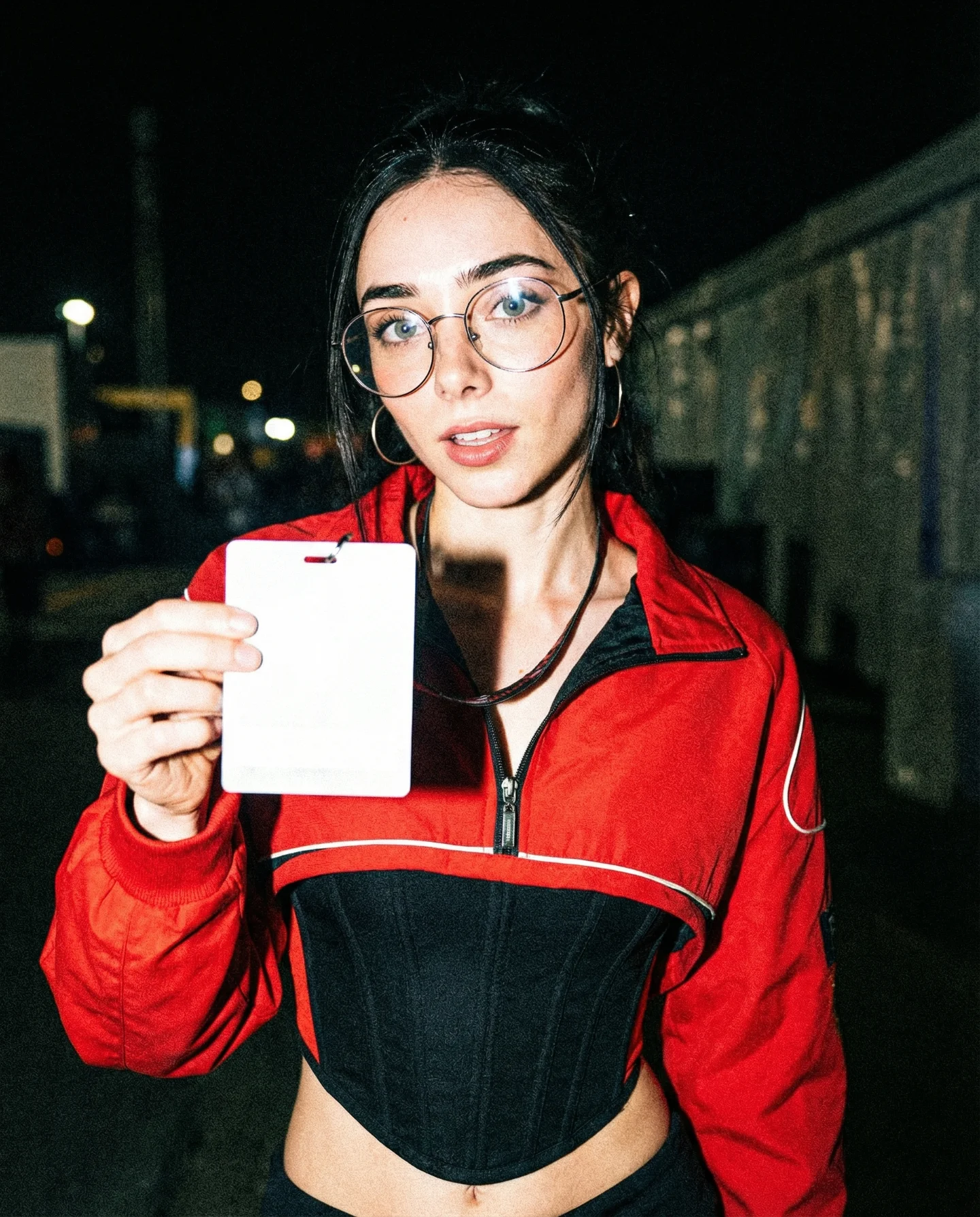
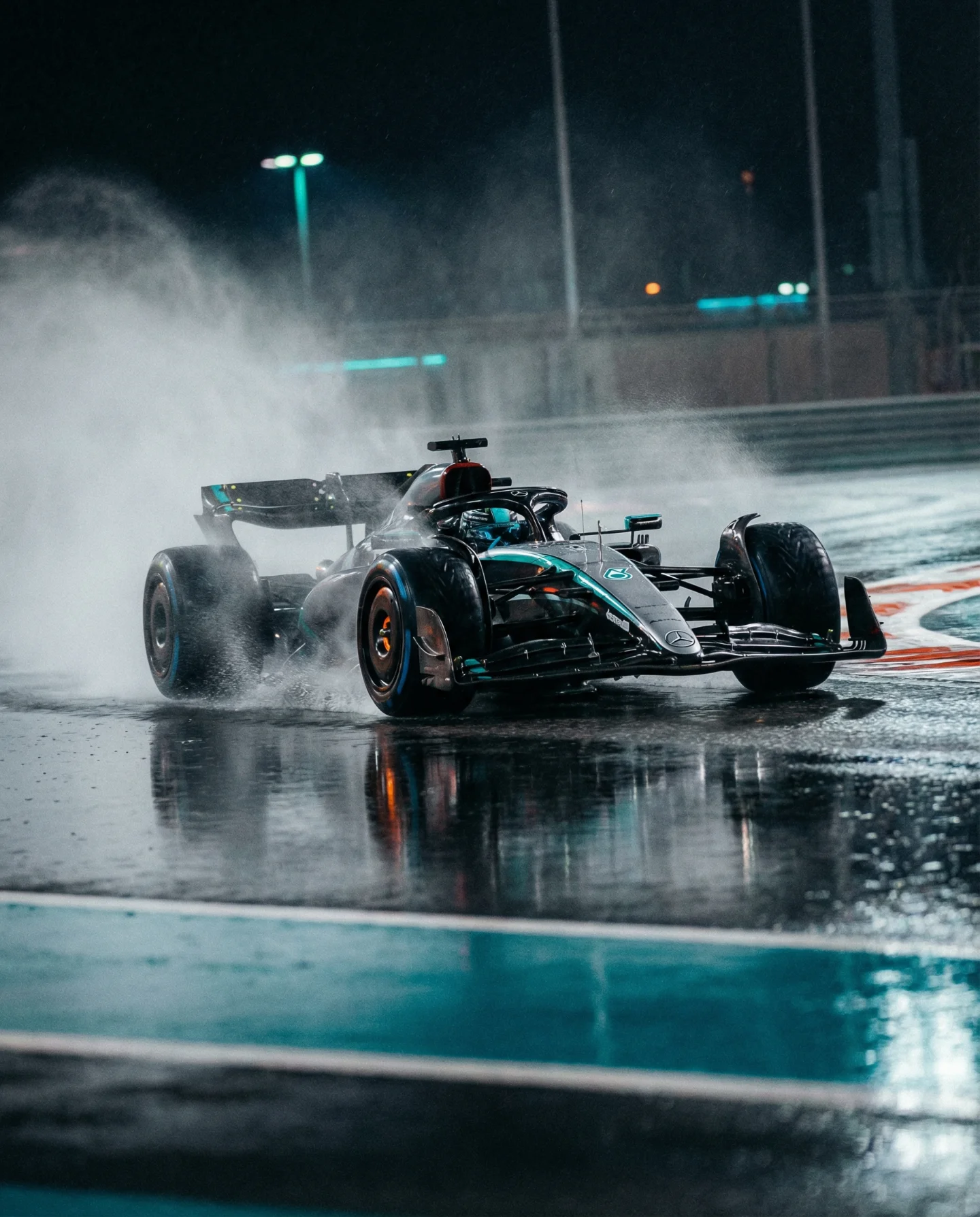
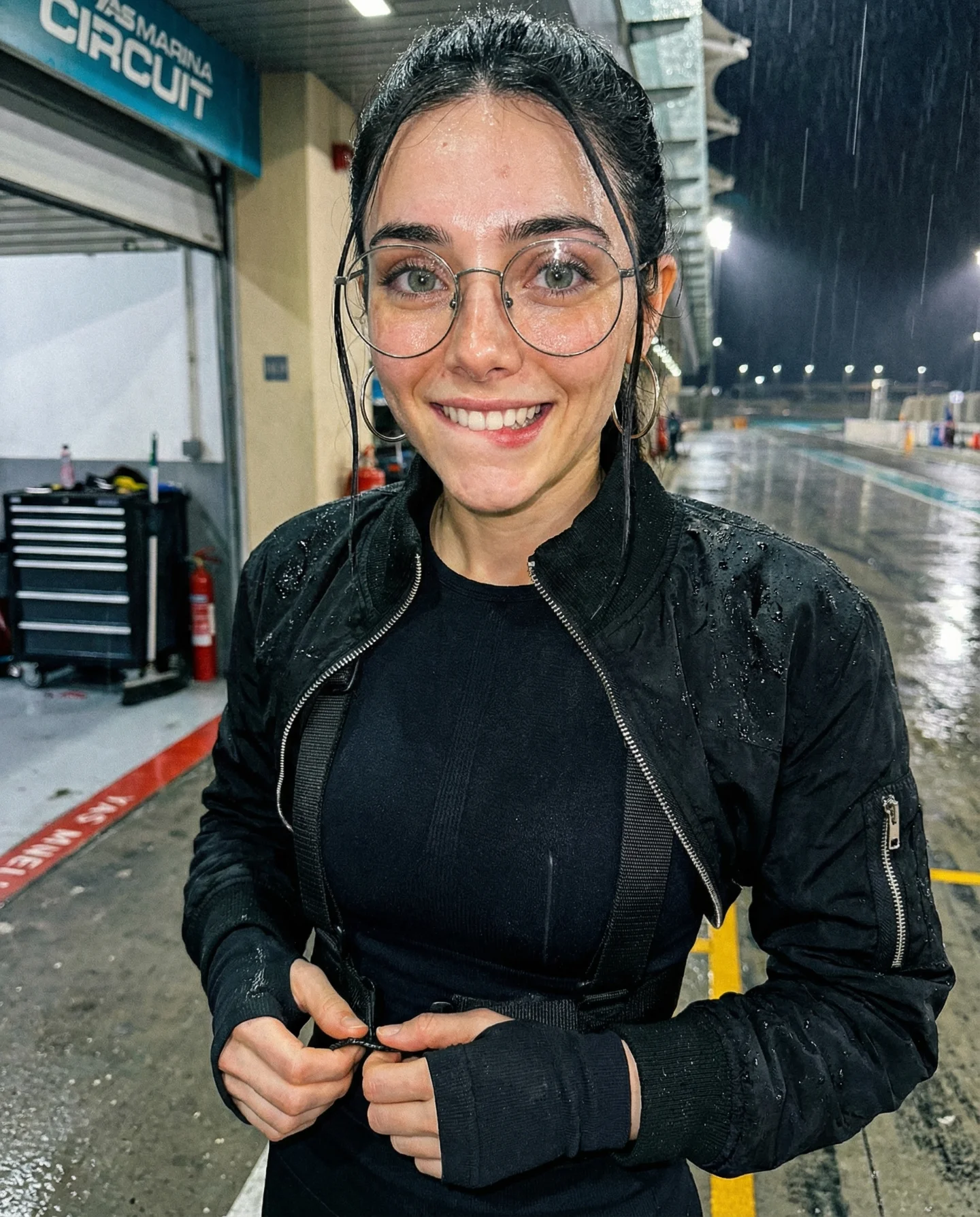
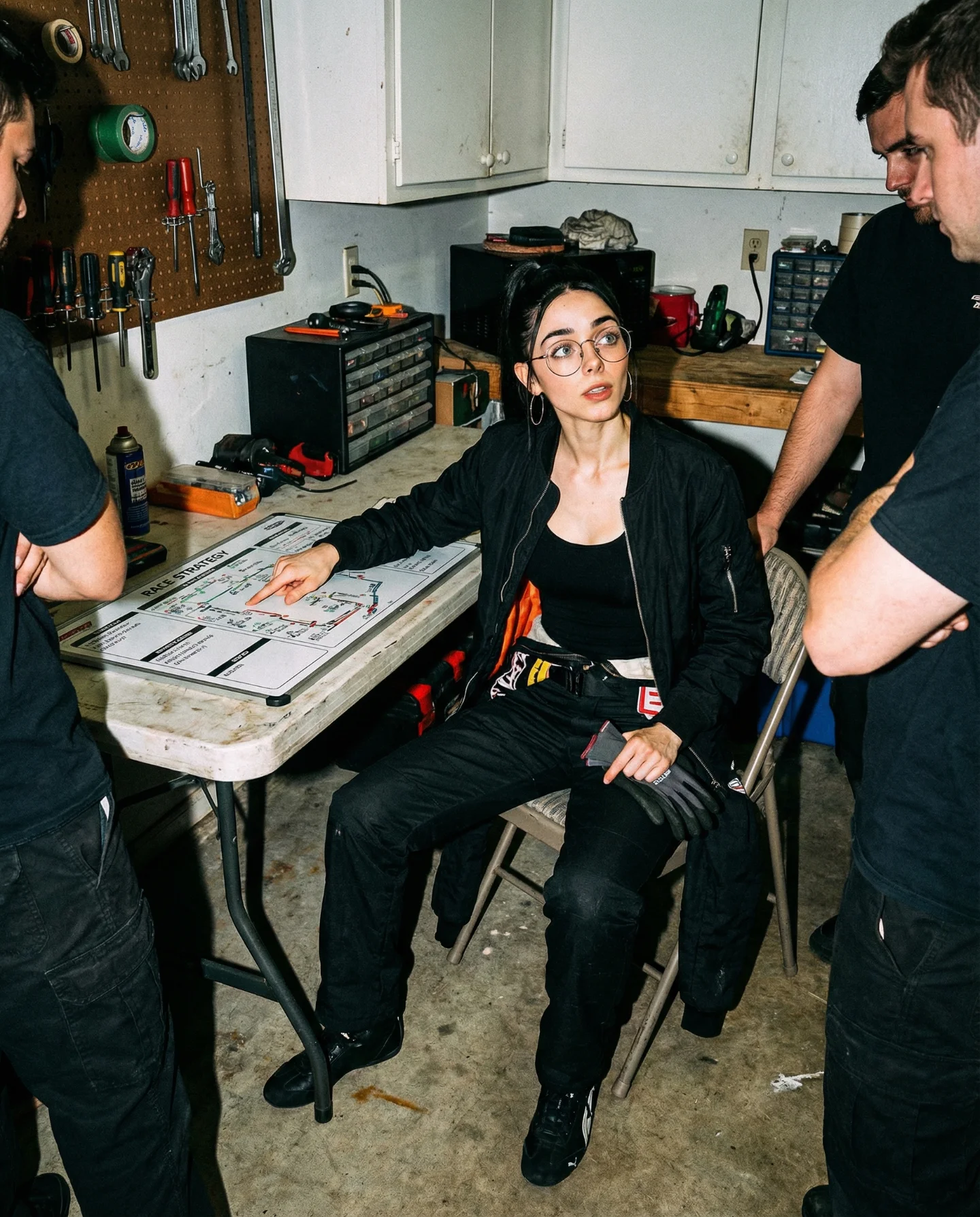
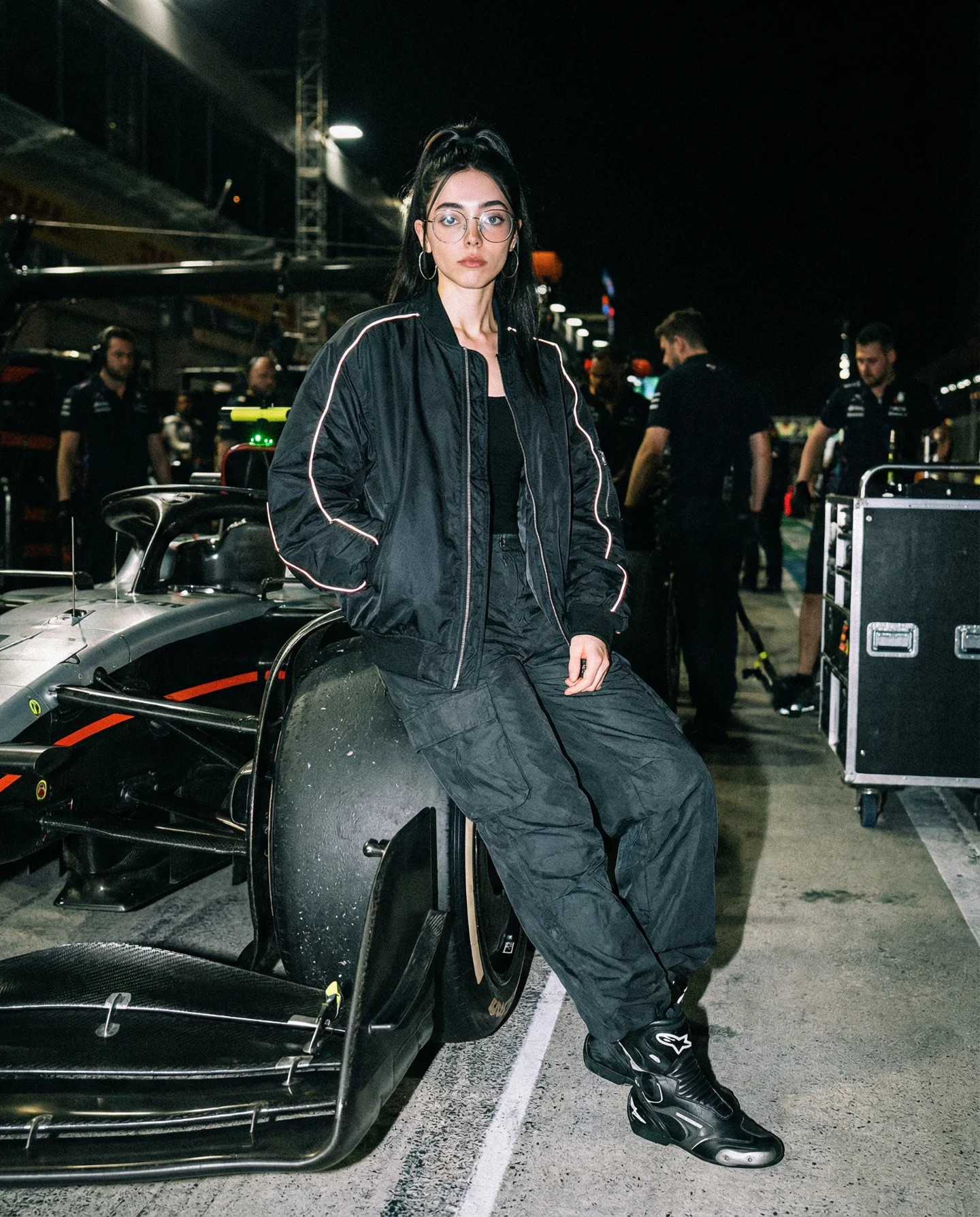
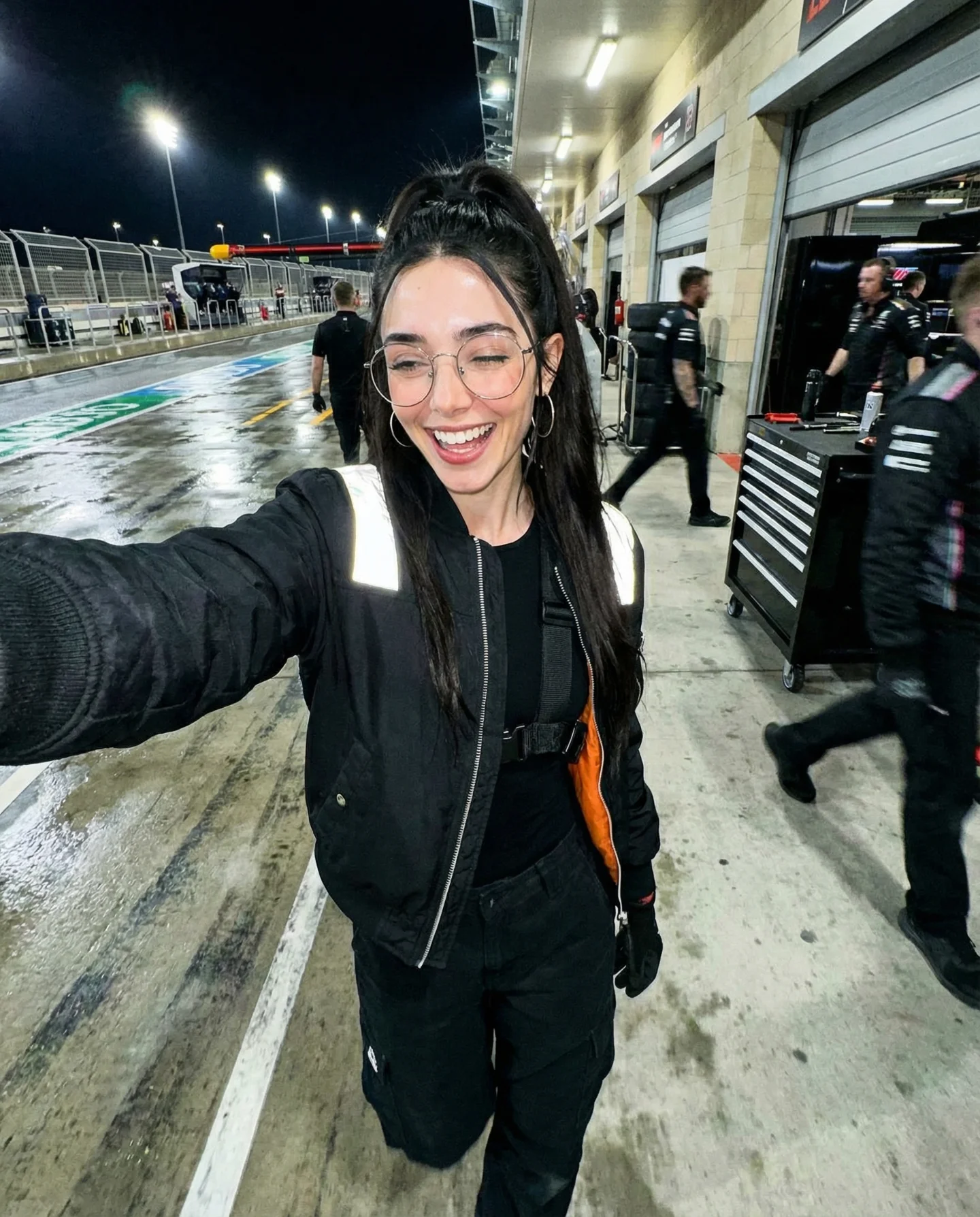
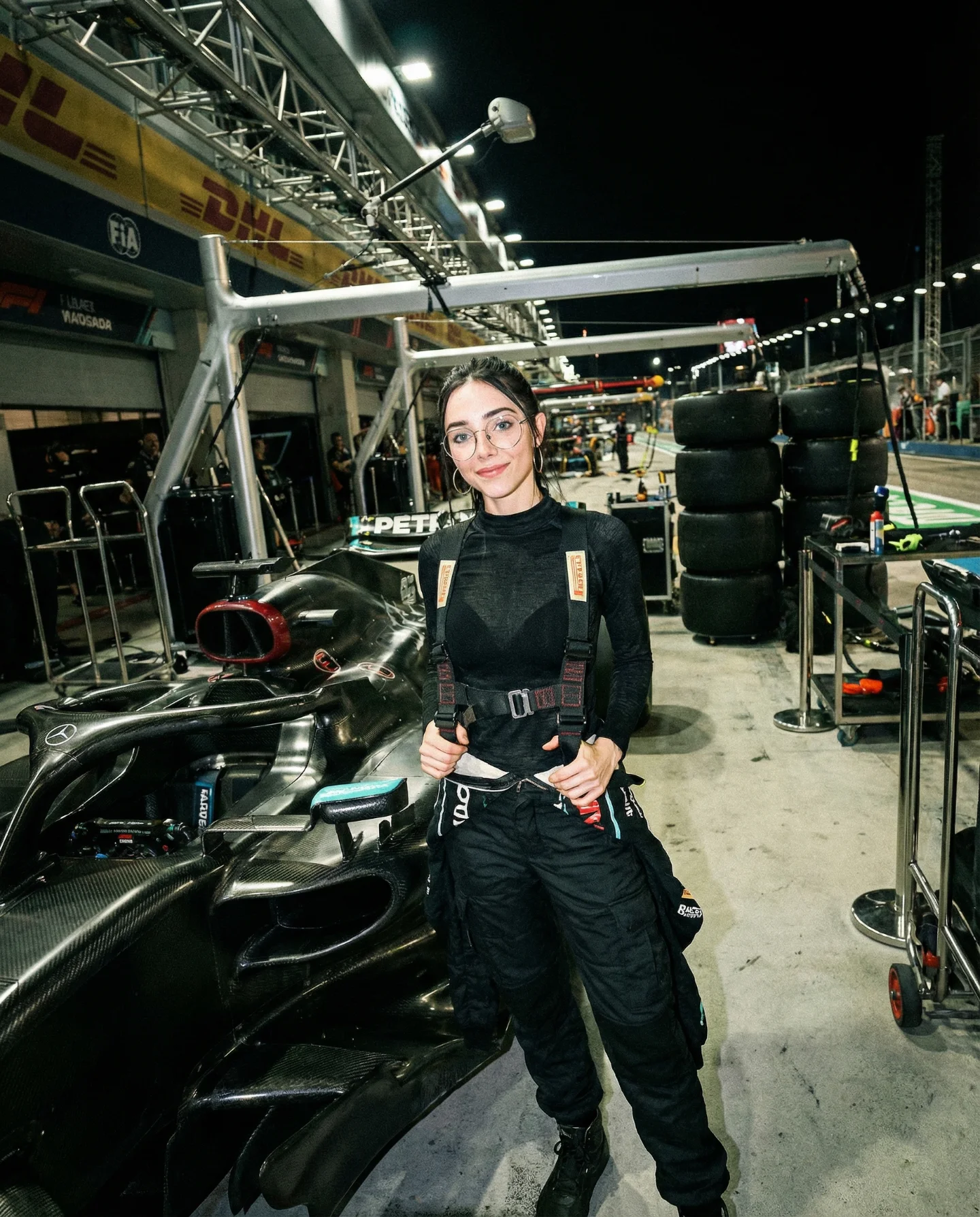
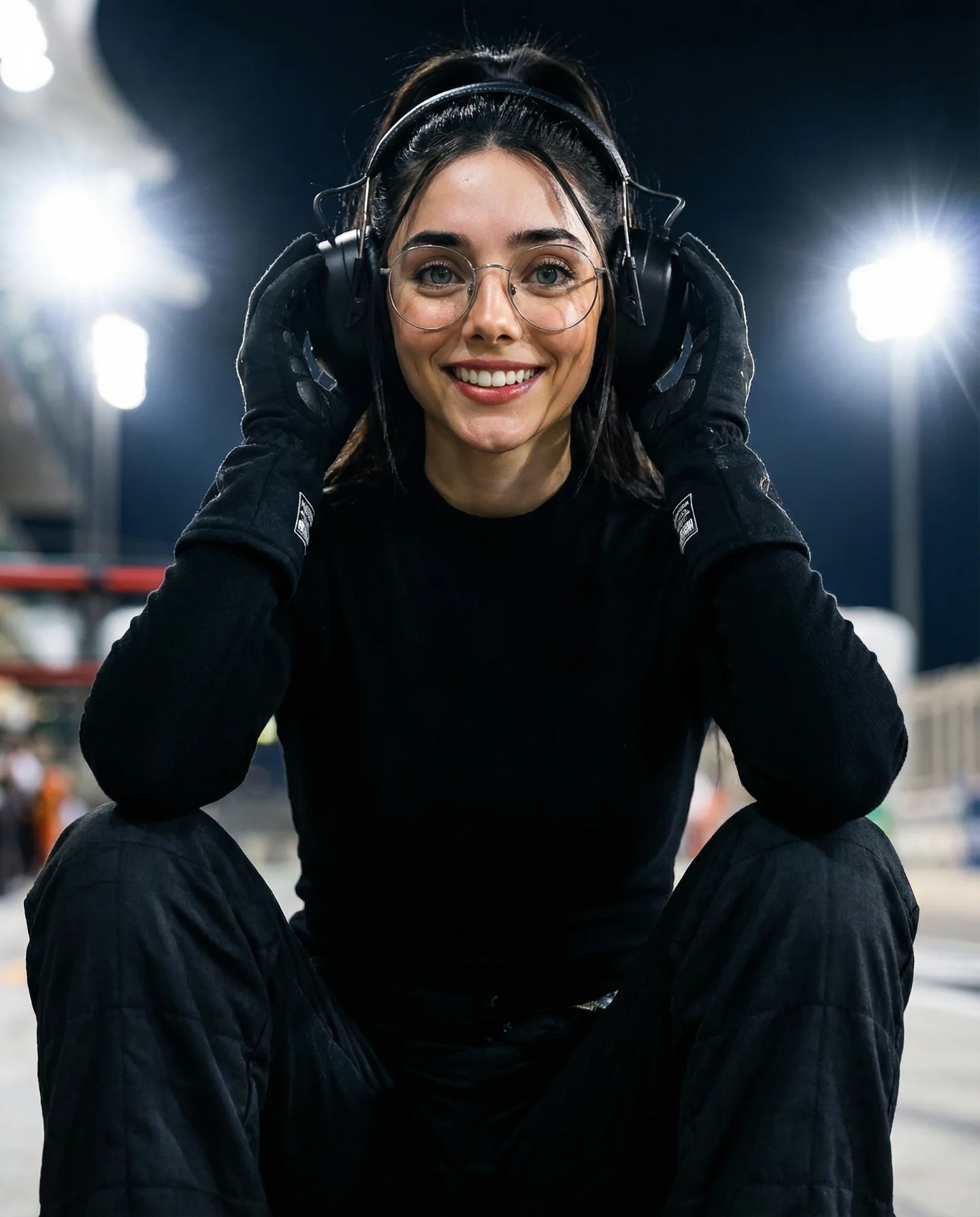
Formula 1 🏎️✨ Hoy toca salir de casa a dar una vuelta y hacer algo diferente 😋 Que foto de todas te gusta más?? 👀
Formula 1 🏎️✨ Hoy toca salir de casa a dar una vuelta y hacer algo diferente 😋 Que foto de todas te gusta más?? 👀
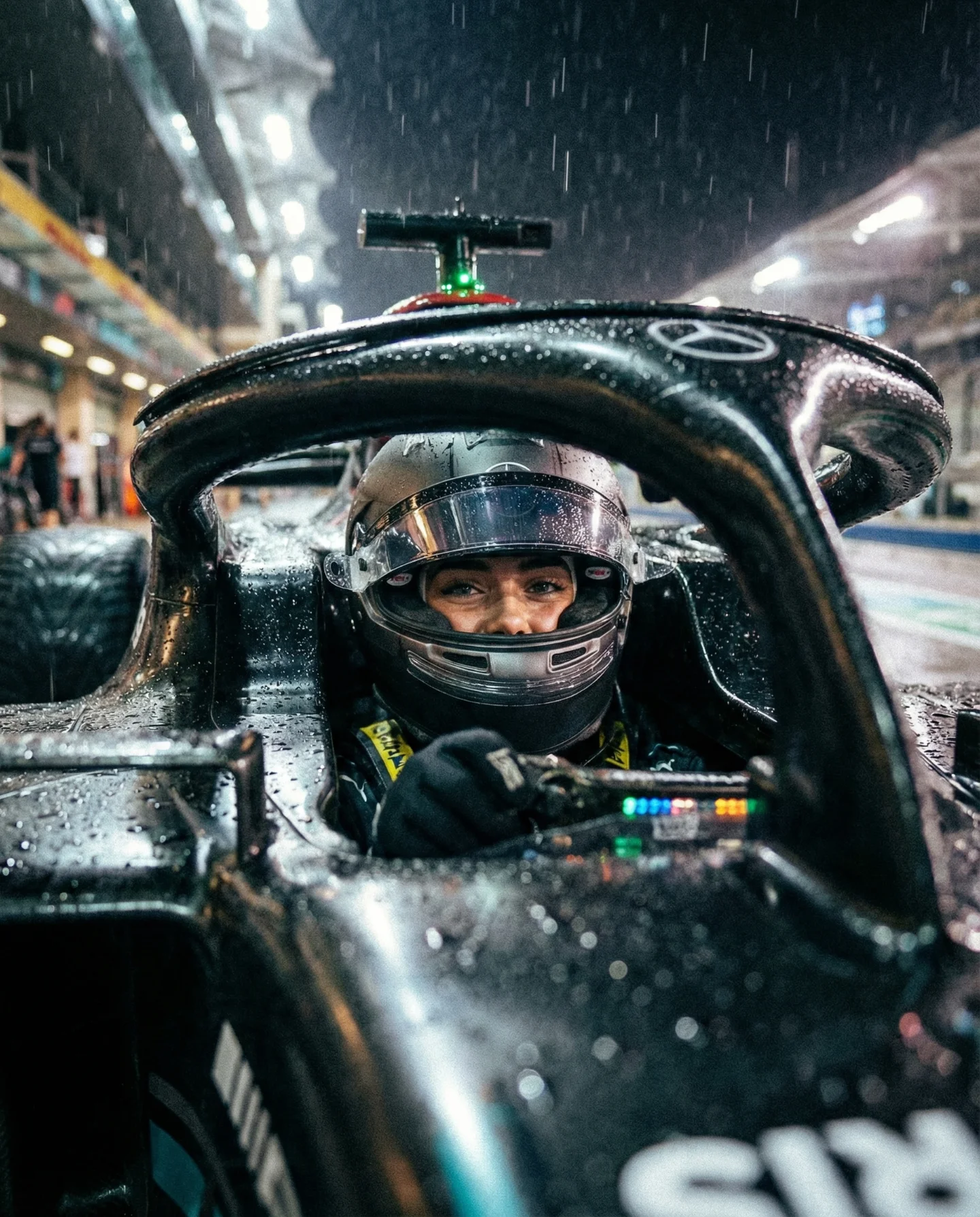
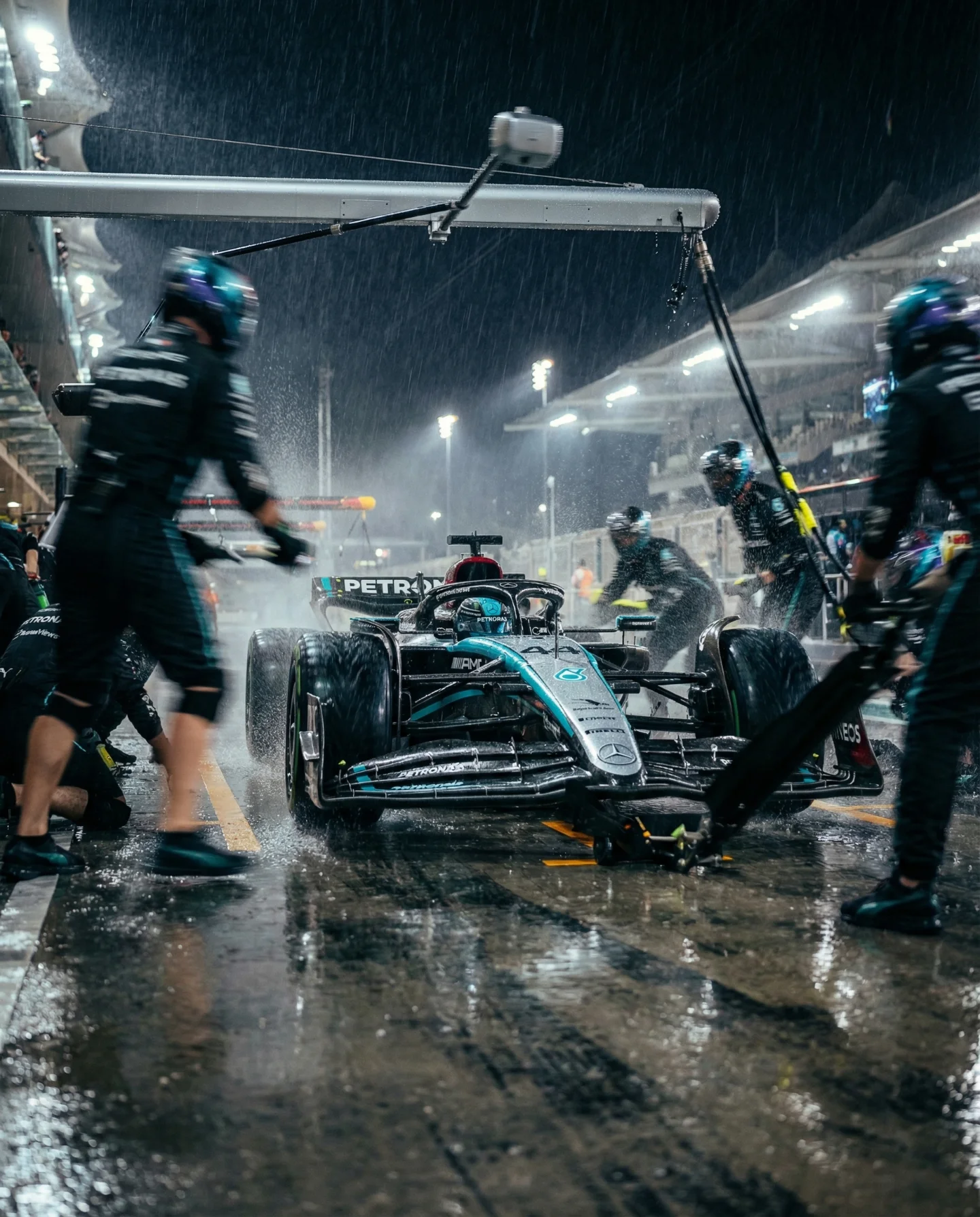
This image works because it compresses machine, weather, and human focus into one very tight frame. The car is huge in the foreground, the halo encloses the driver, and the rain adds motion and texture everywhere. You do not have to see the whole track to understand the stakes. The cockpit itself becomes the story.
The eyes are especially important. Even with the helmet on, the face remains visible enough to create connection. That human point inside all the wet carbon fiber is what makes the image emotionally effective. Without the eyes, it would just be a technical car shot. With them, it becomes a portrait of concentration under pressure.
The rain is doing more than adding atmosphere. It changes the entire surface language of the car. Every piece of black bodywork becomes reflective, every droplet catches light, and the machine suddenly looks alive in a different way. Dry carbon fiber reads sleek. Wet carbon fiber reads dramatic.
This is why rainy motorsport imagery can feel more cinematic than dry daylight racing photos. The water adds texture, scale, and urgency. In prompt terms, the rain needs to be described as visible and active, not just implied. It is one of the key visual engines of the image.
The halo is not just a technical safety structure here. It works compositionally like a dark arch framing the driver’s face. That makes the image much stronger. It creates a built-in boundary around the eyes and helmet, guiding the viewer exactly where to look first.
This is a useful reminder that mechanical features can become compositional tools. In motorsport imagery, parts of the car are not just context. They can actively shape the way the photograph works.
The paddock lights are doing the same job that museum spotlights or city neon would do in other genres, but here they stay grounded in realism. They strike the helmet, bodywork, and wet lane surface just enough to create contrast and depth. The reflections make the scene feel expensive and immediate without pushing it into artificial stylization.
The best part is that the light remains believable. It feels like actual pit-lane illumination, not a cinematic setup pretending to be one. That realism is essential because the power of the image comes from how plausible it feels.
To recreate this image well, the prompt should focus on the close cockpit angle, visible eyes through the visor, wet black bodywork, falling rain, and bright paddock lights. If you describe only a Formula car in the rain, the result may become too wide or too generic. The intimacy of the angle is what makes this image special.
It also helps to emphasize that this is a documentary-style motorsport moment rather than a glossy ad. The mood should be serious, concentrated, and weather-driven. That keeps the image from drifting into artificial race-poster aesthetics.
This prompt direction works well for Formula-inspired visual storytelling, sports atmosphere studies, high-intensity motorsport portraits, and prompt libraries built around rain, machinery, and human focus. It is especially effective when you want a vehicle image that still feels deeply personal.
It is also a great example of how you do not need speed motion blur or action on track to create tension. A stationary cockpit, a wet night, and a visible pair of eyes can be more powerful than the race itself.