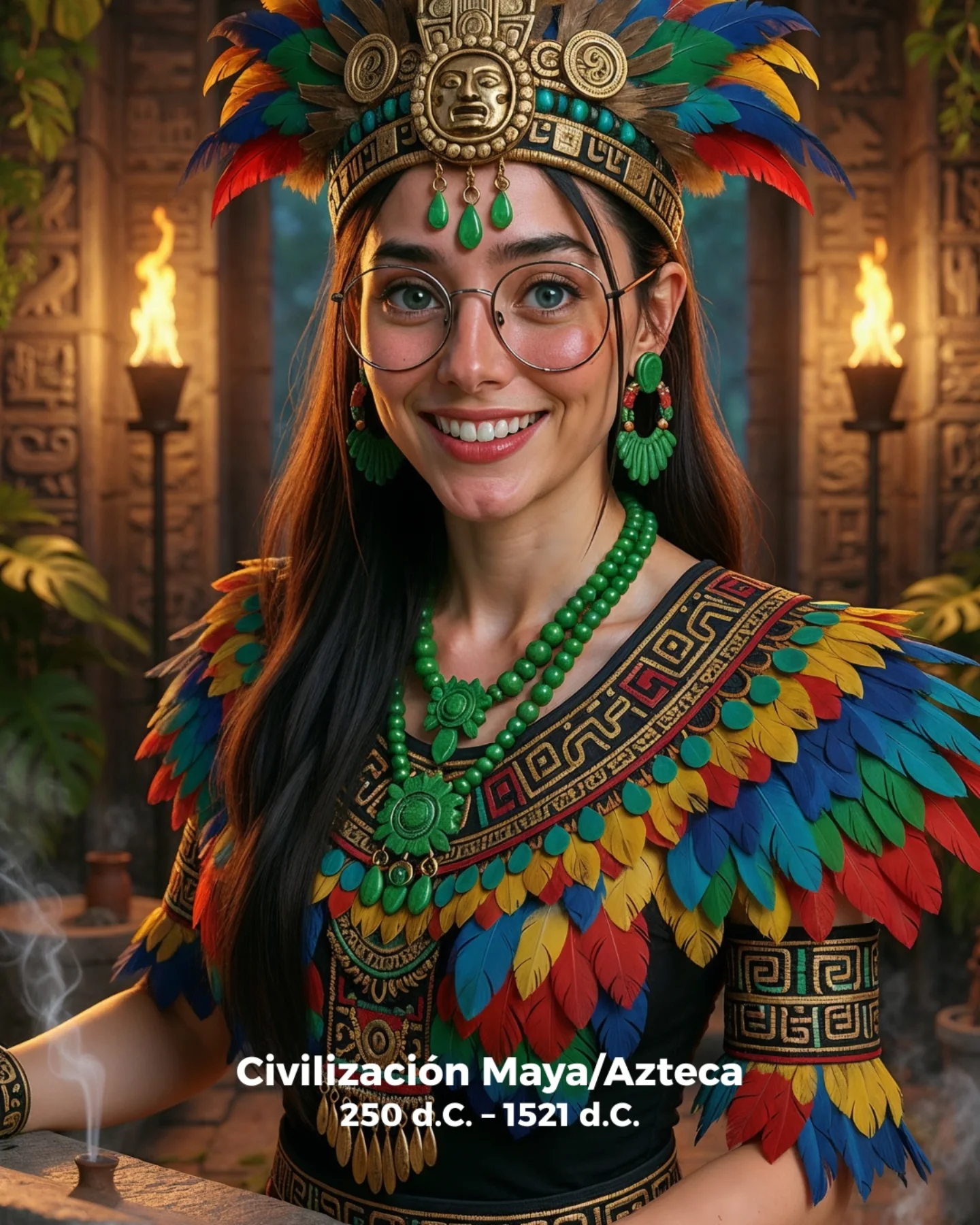
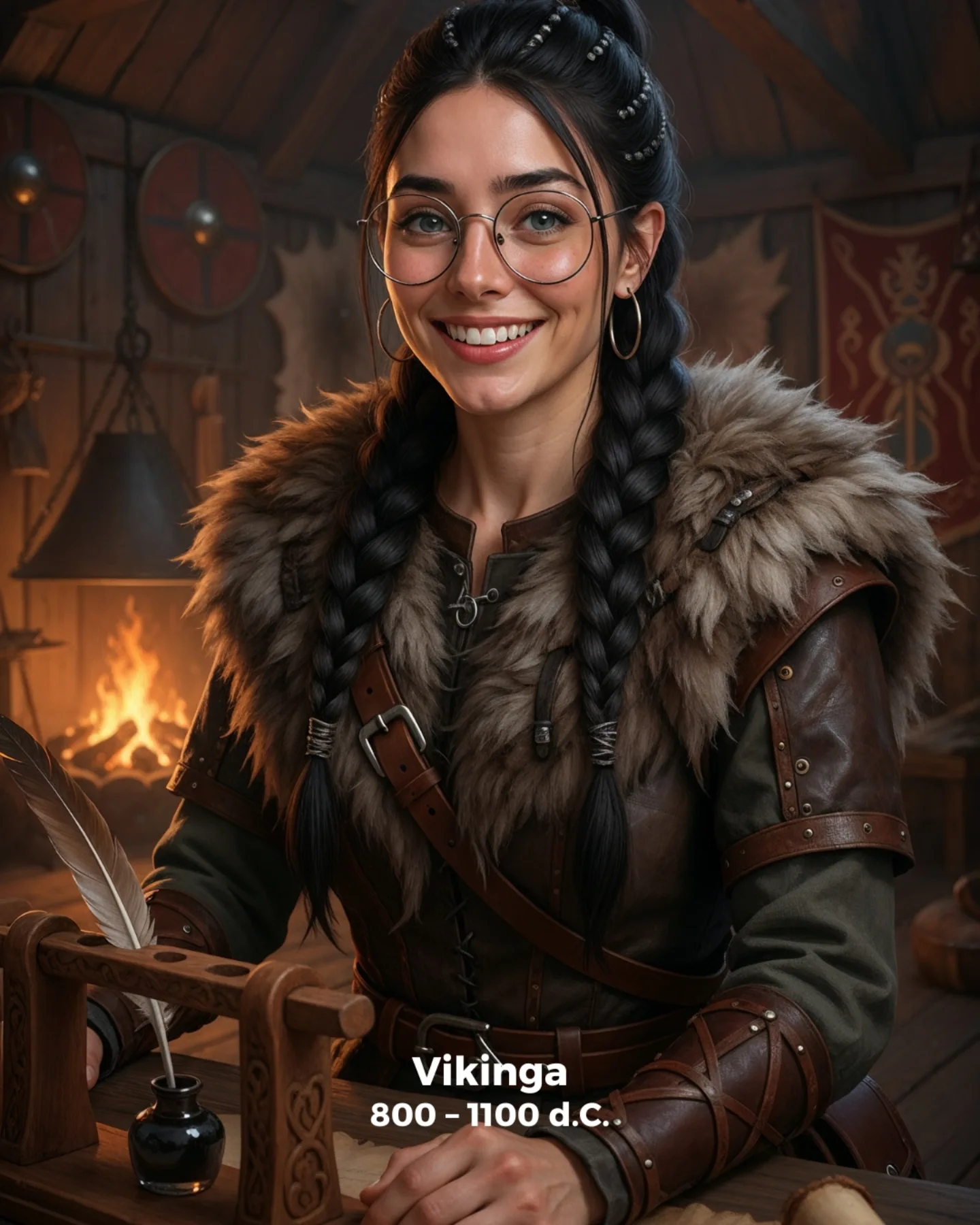
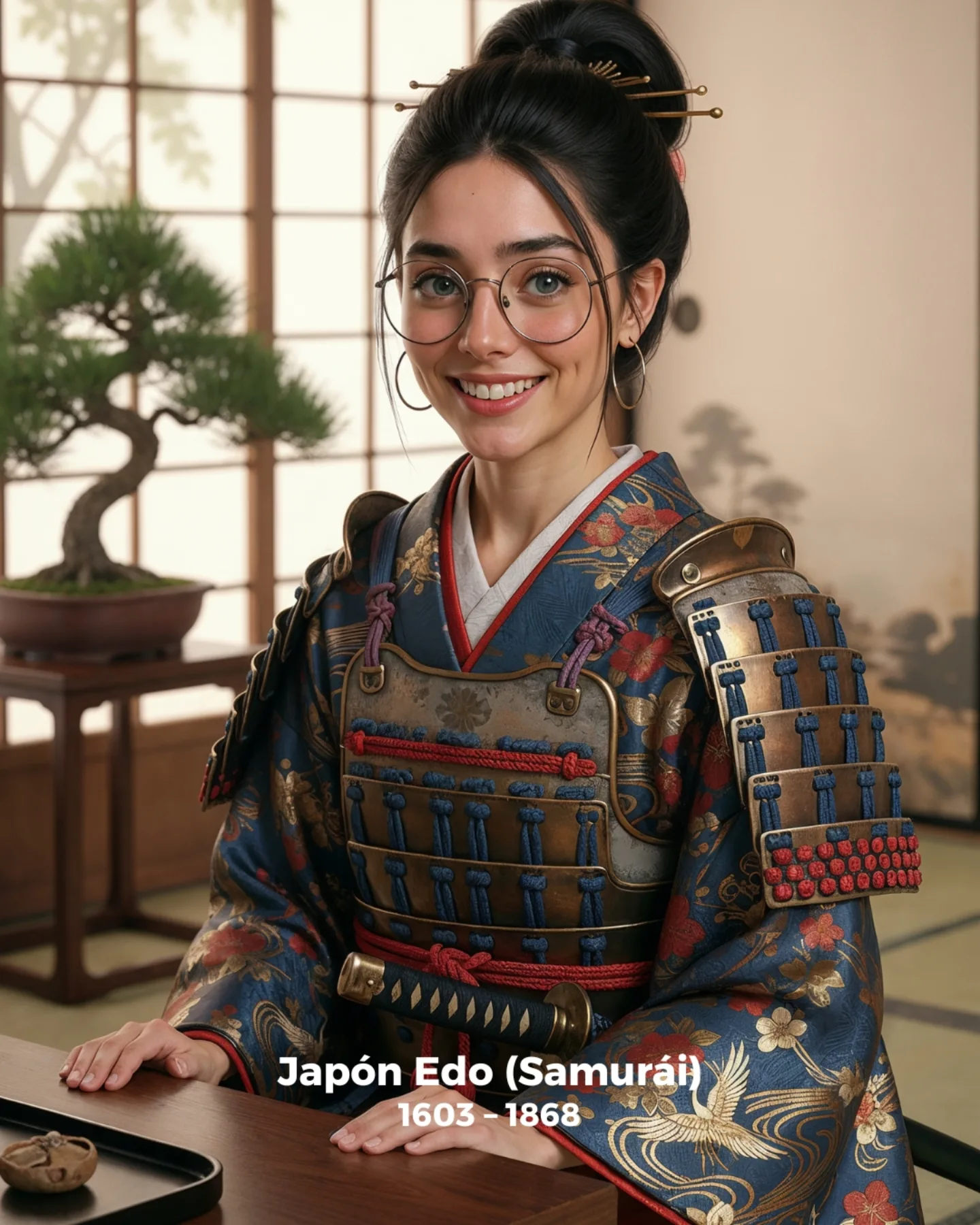
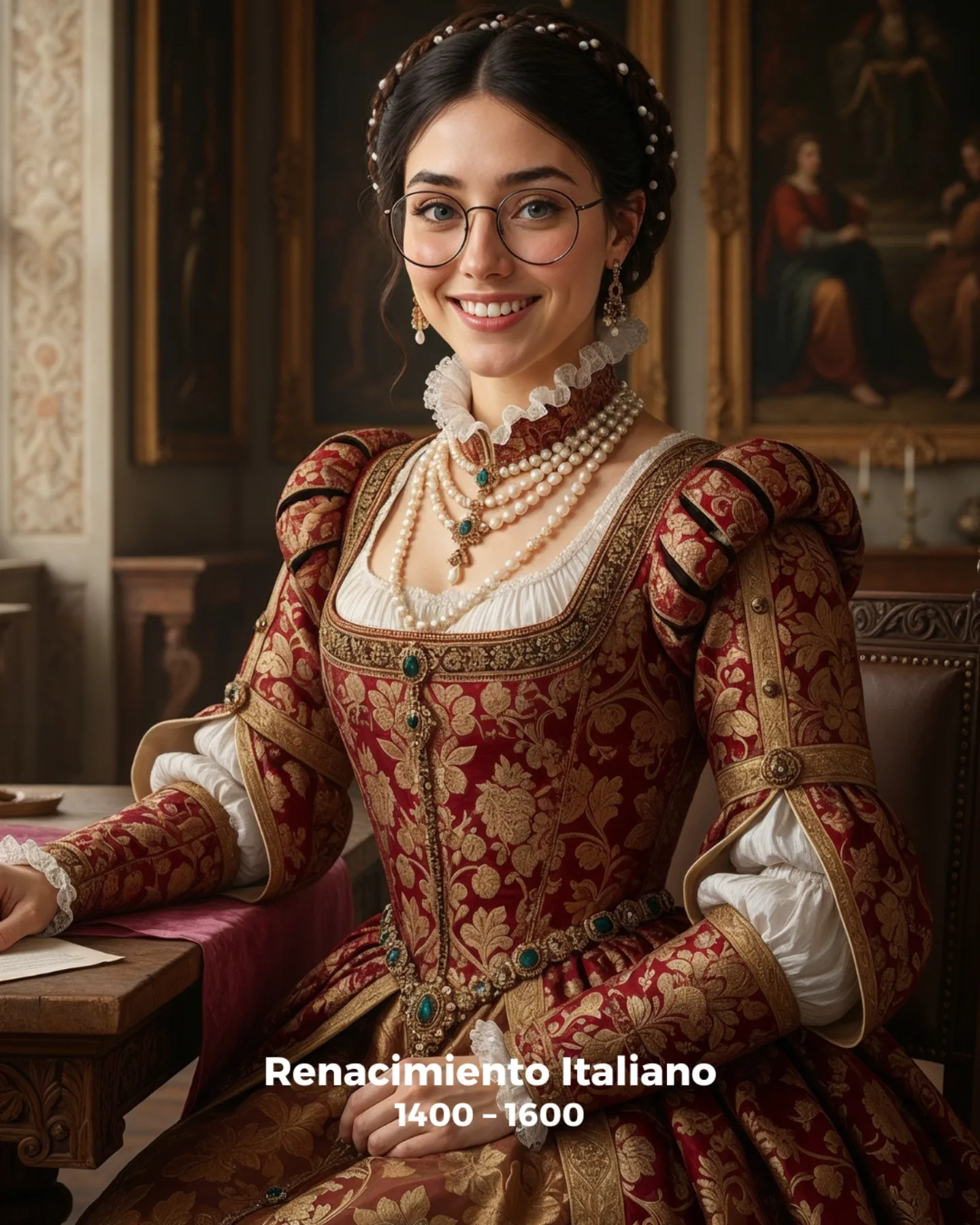
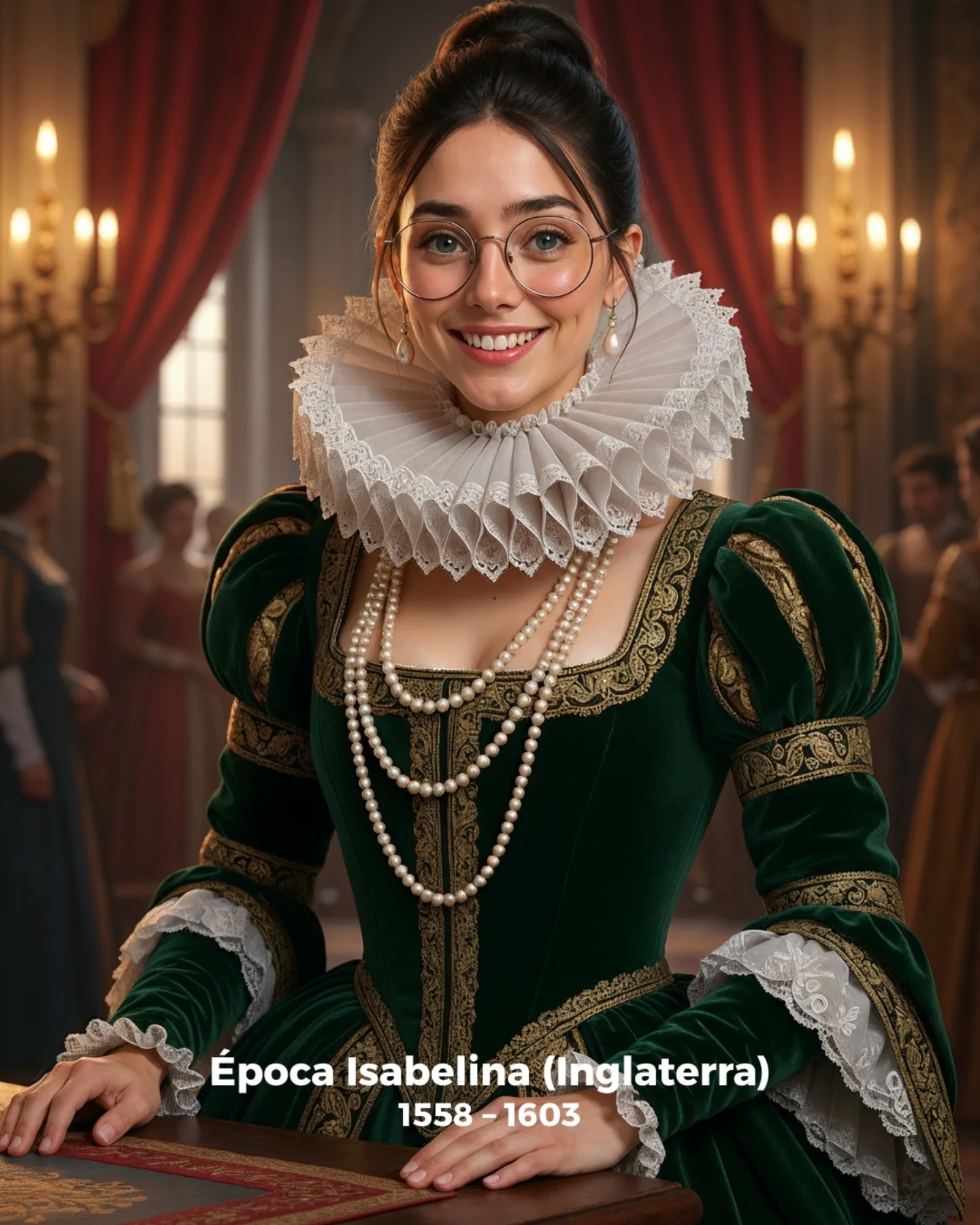
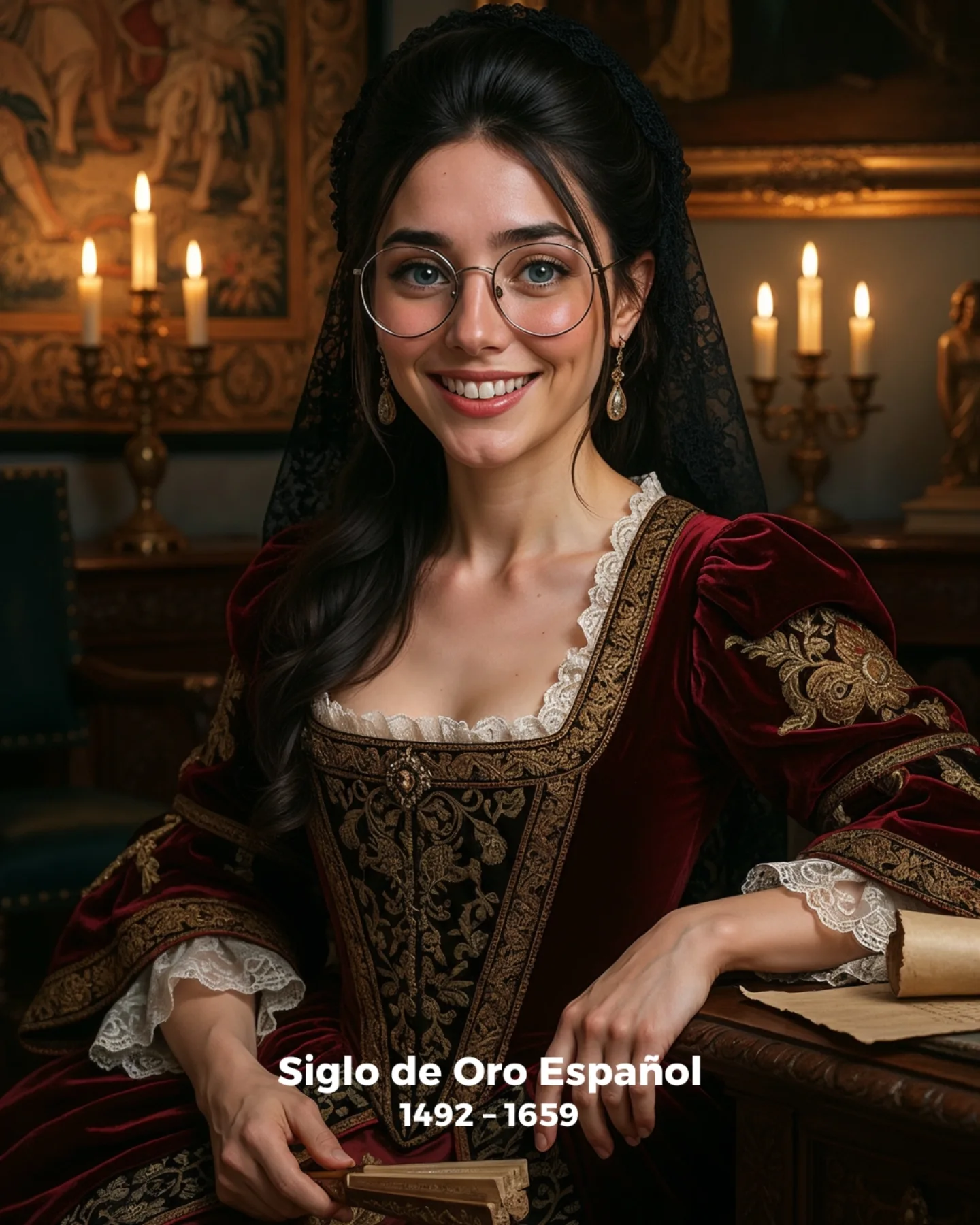
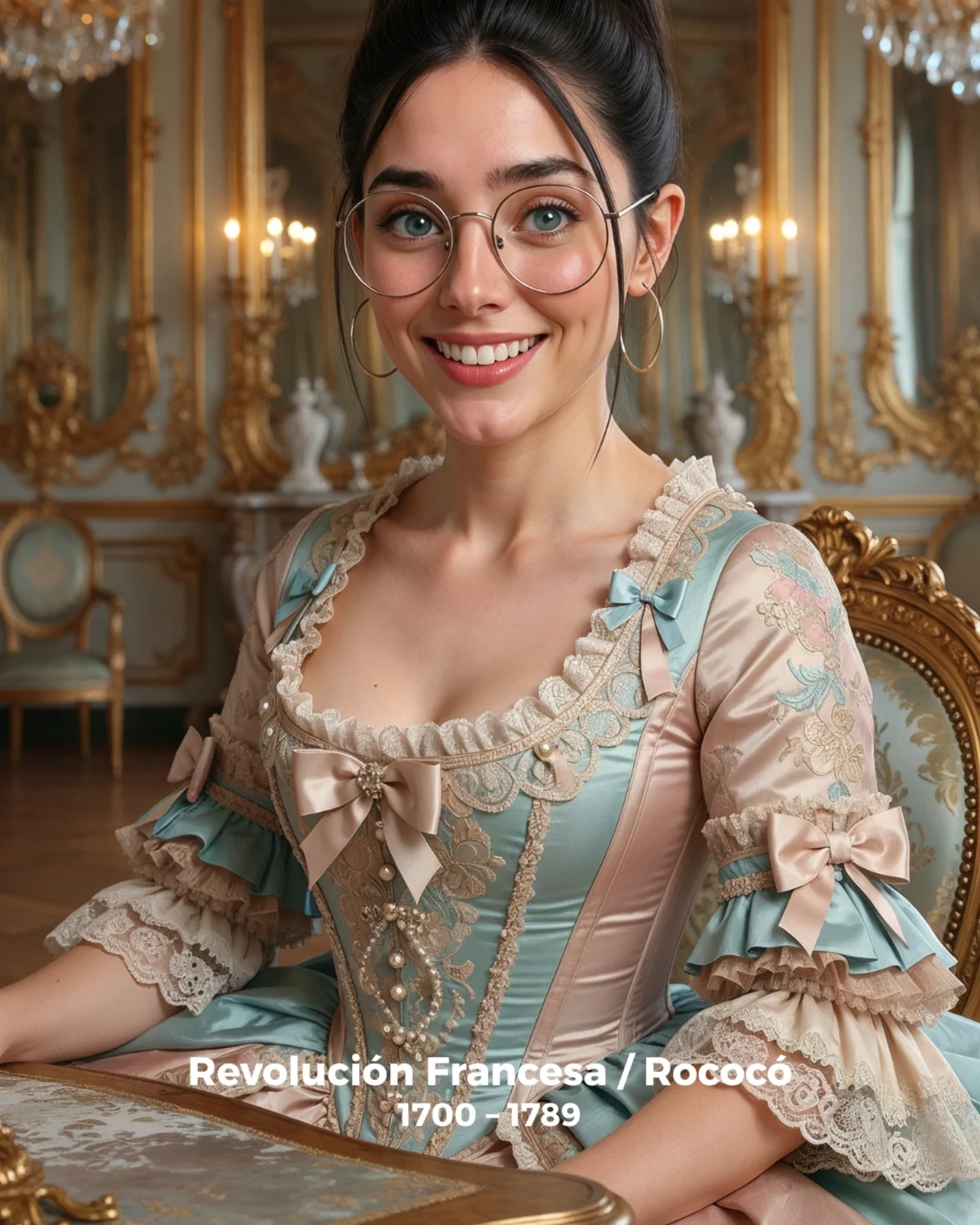
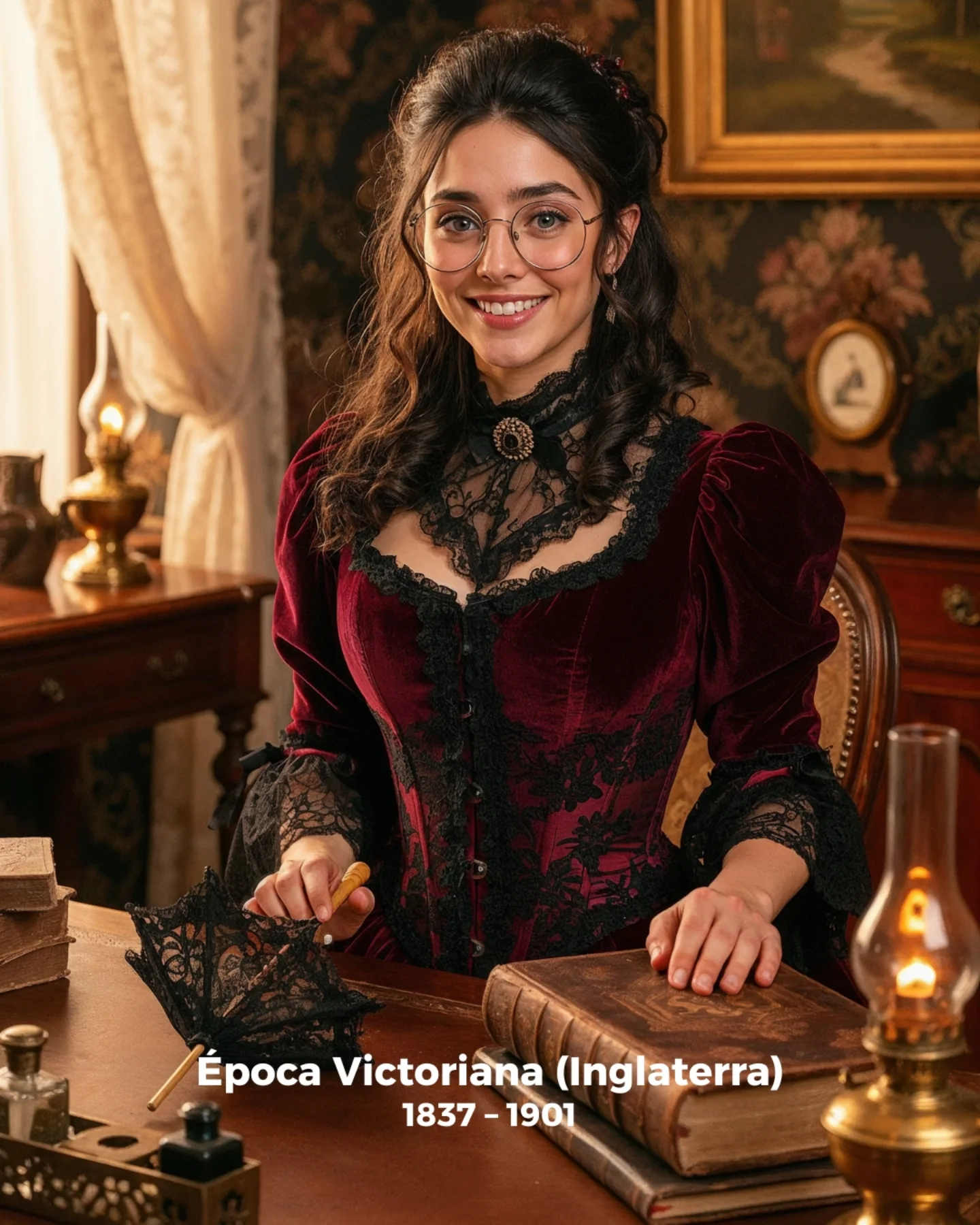
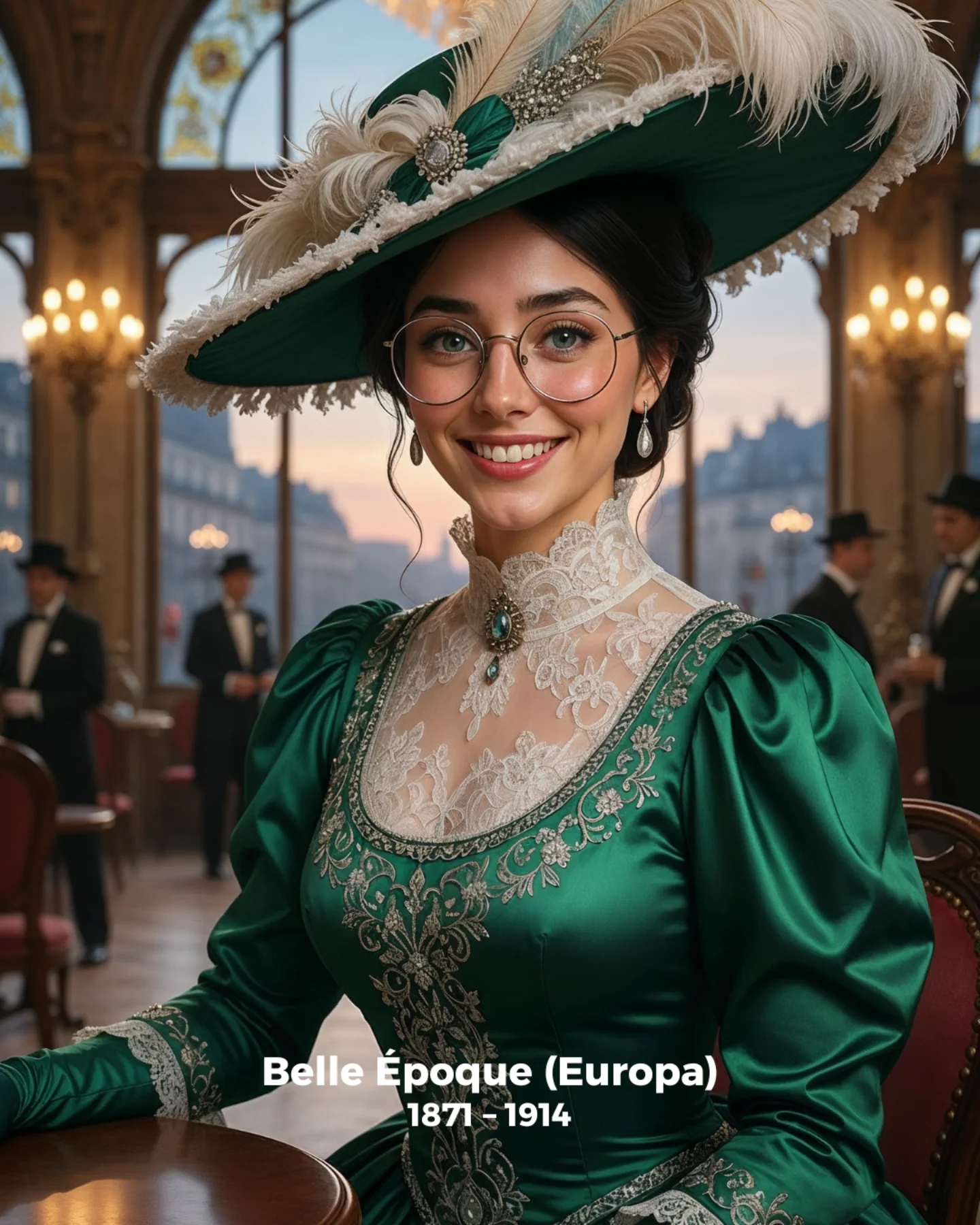
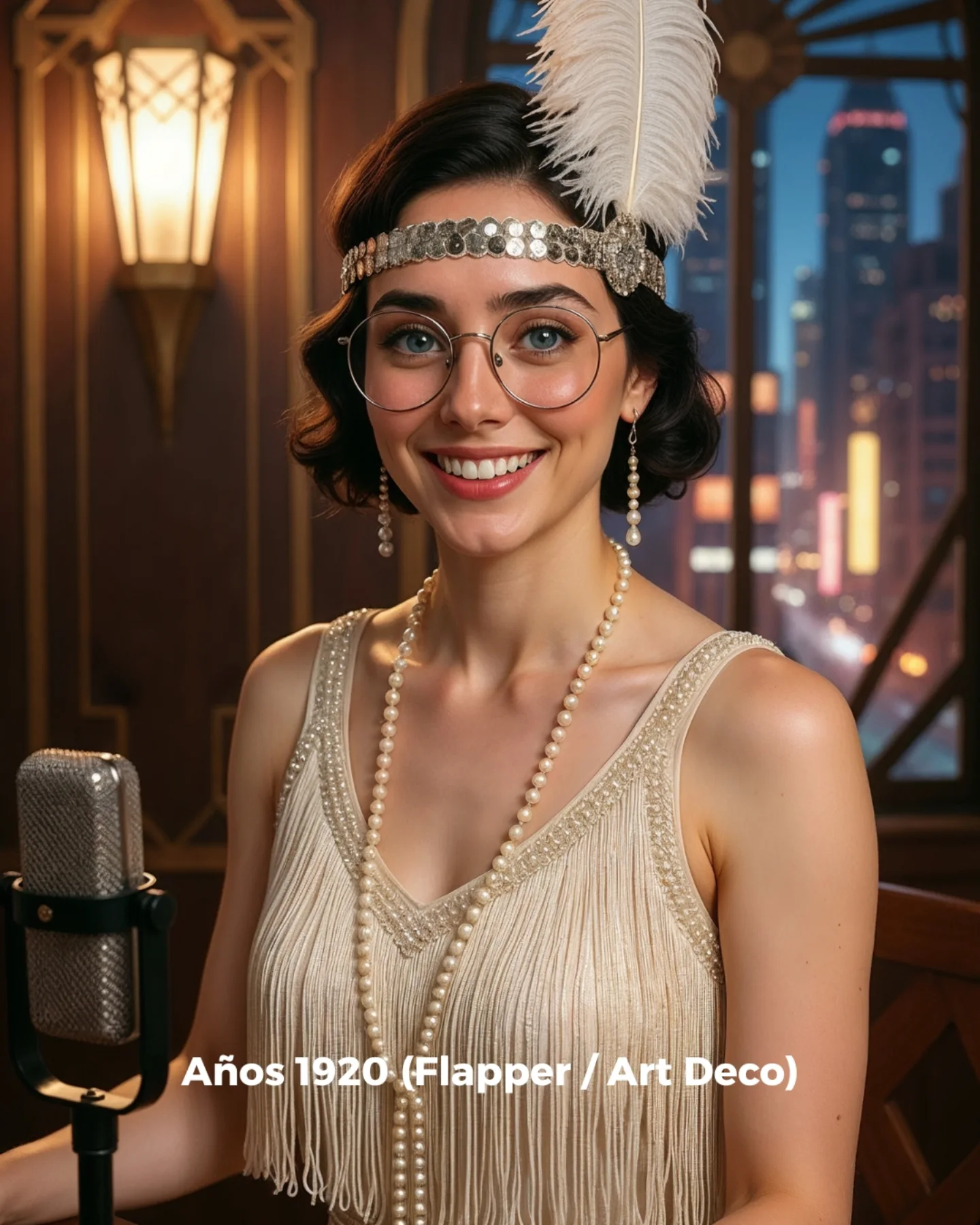
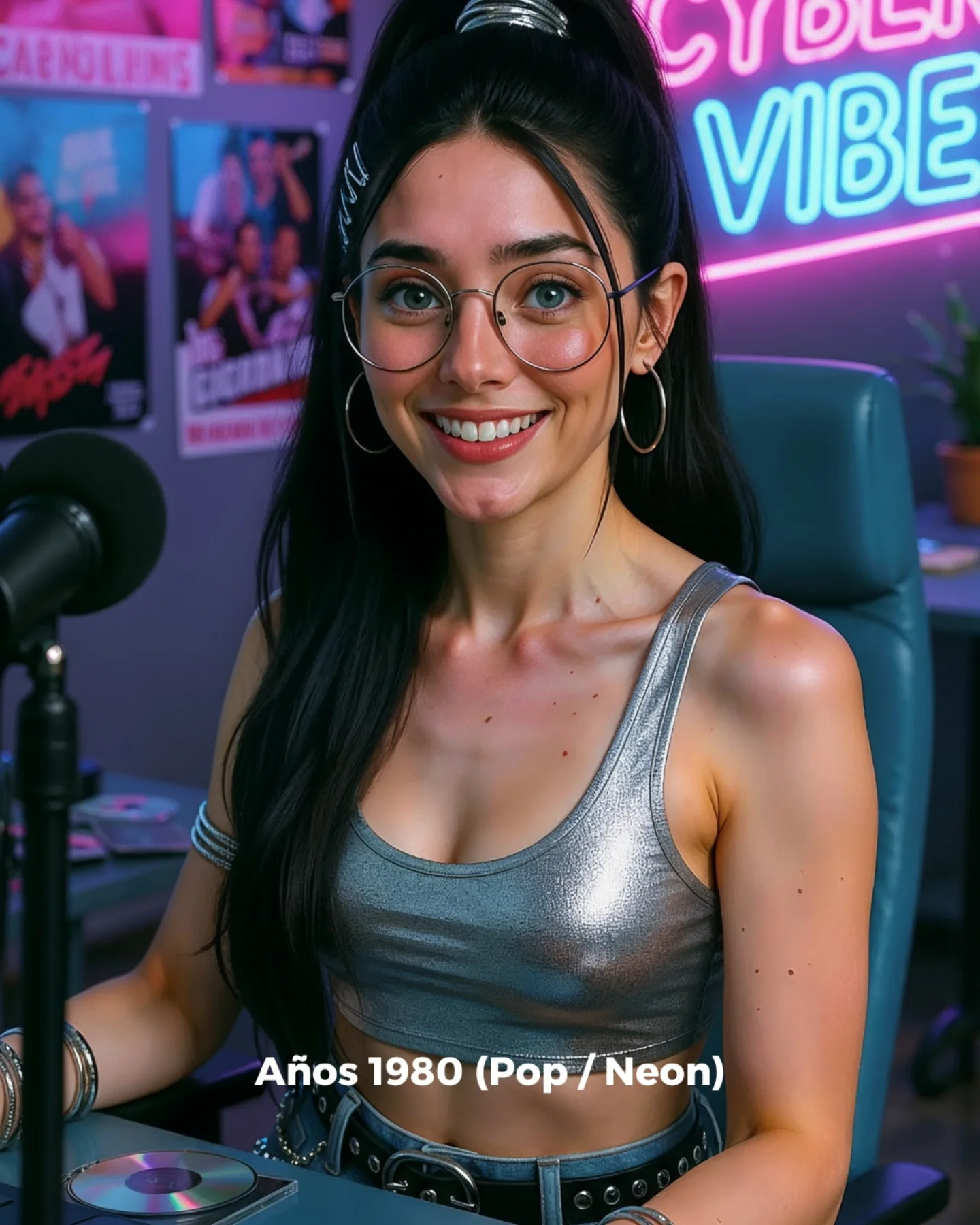
✈️Un Viaje por Todas las Épocas 💕
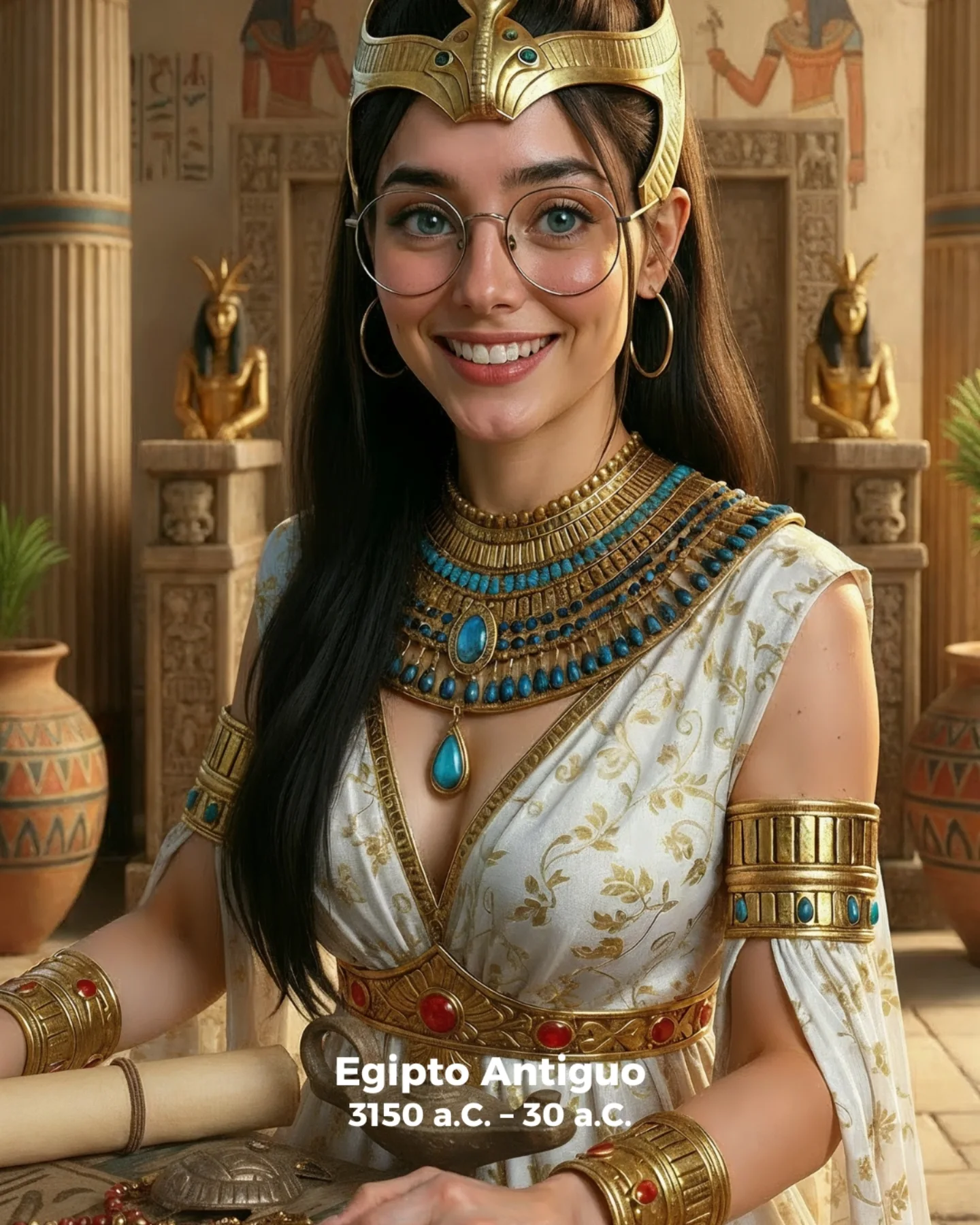
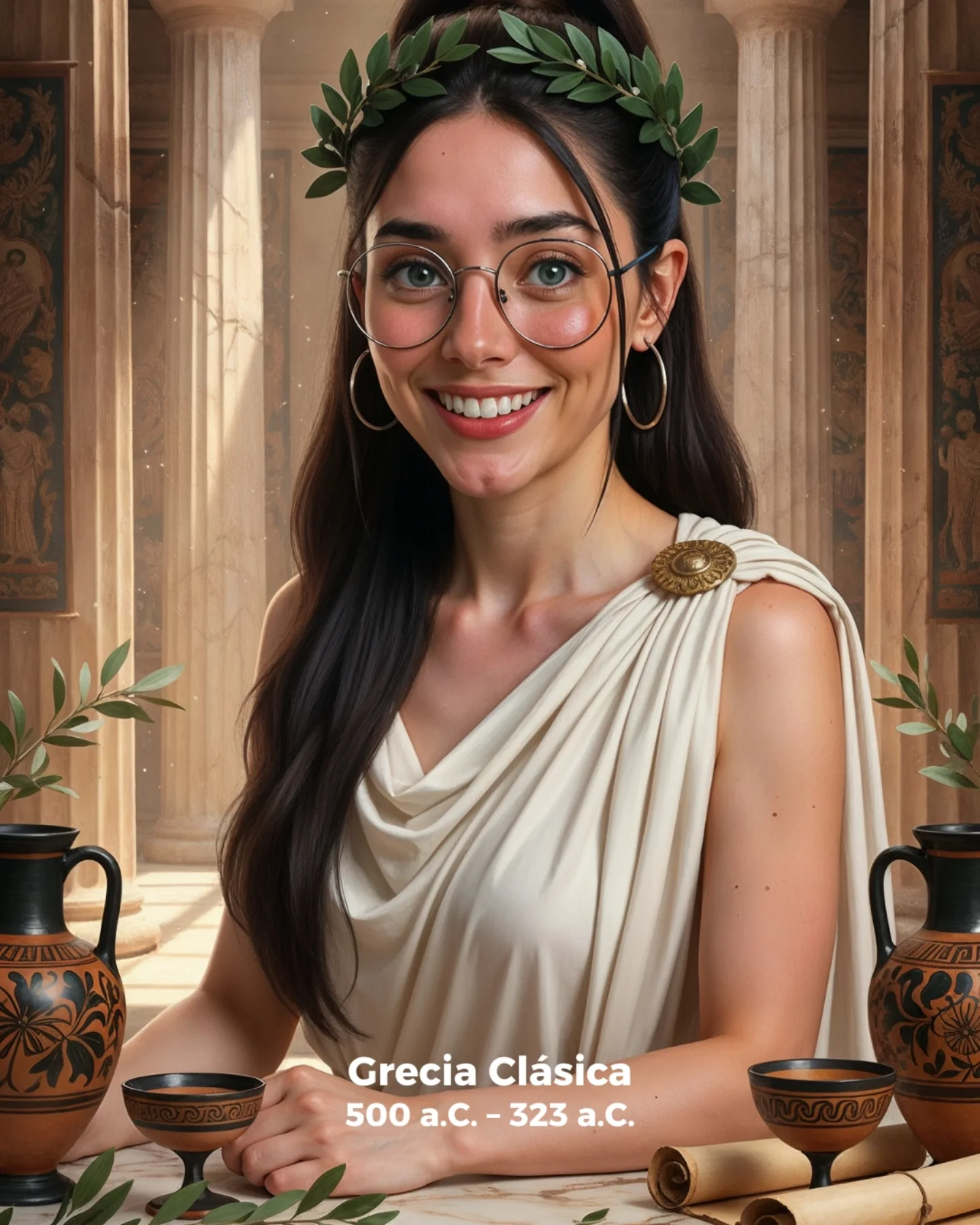
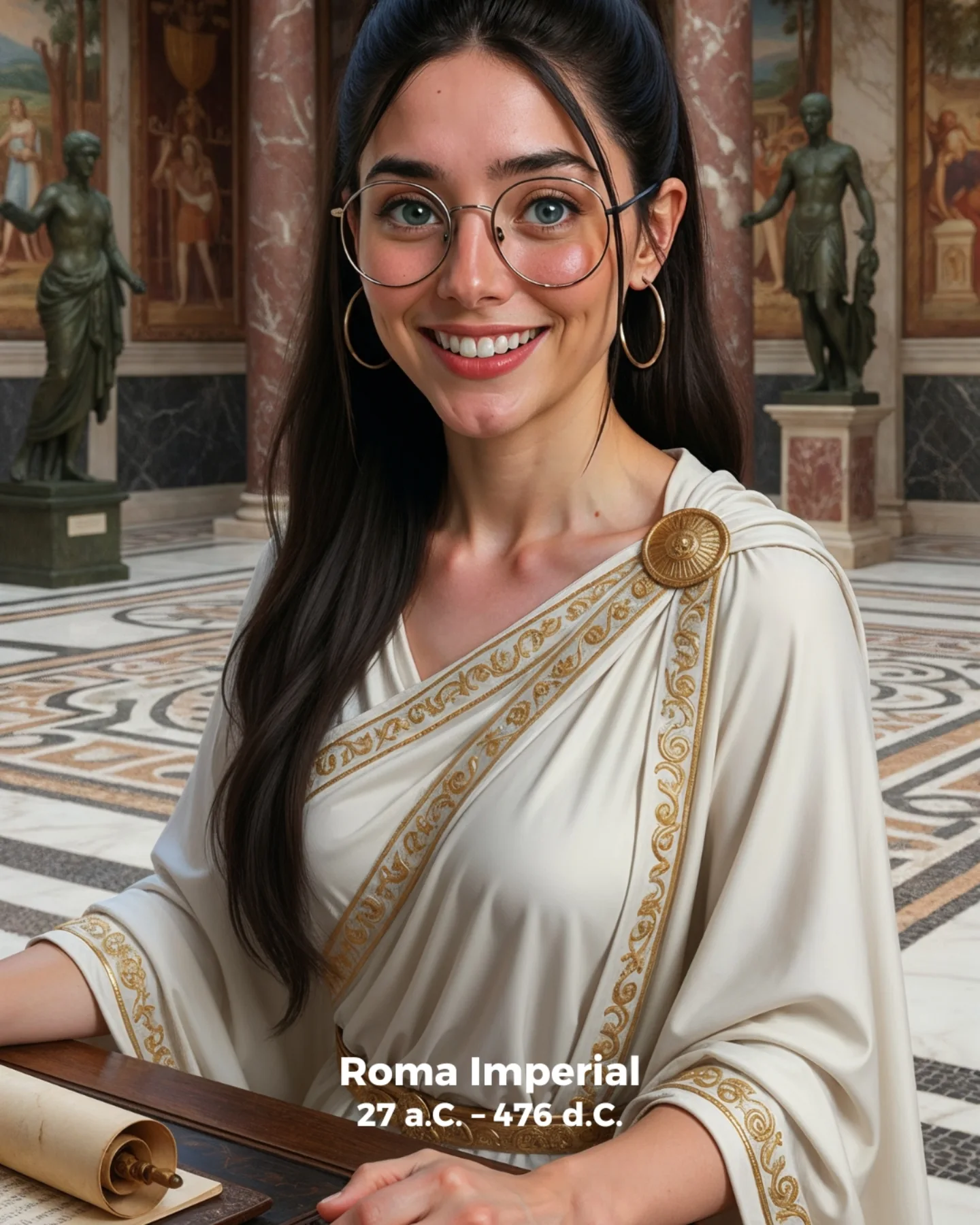
En el anterior post un seguidor propuso hacer esta idea con todas las épocas y aquí tenéis el resultado 😍 estoy muy ilusionada con el resultado!!
Habré generado al menos unas 1.000 imágenes con Nano-Banana para conseguir estos resultados 😳 Para que sepáis que los resultados no son buenos en todos los casos...
Y bueno... Déjame en comentarios que época de todas es tu favorita y por qué?? 💌
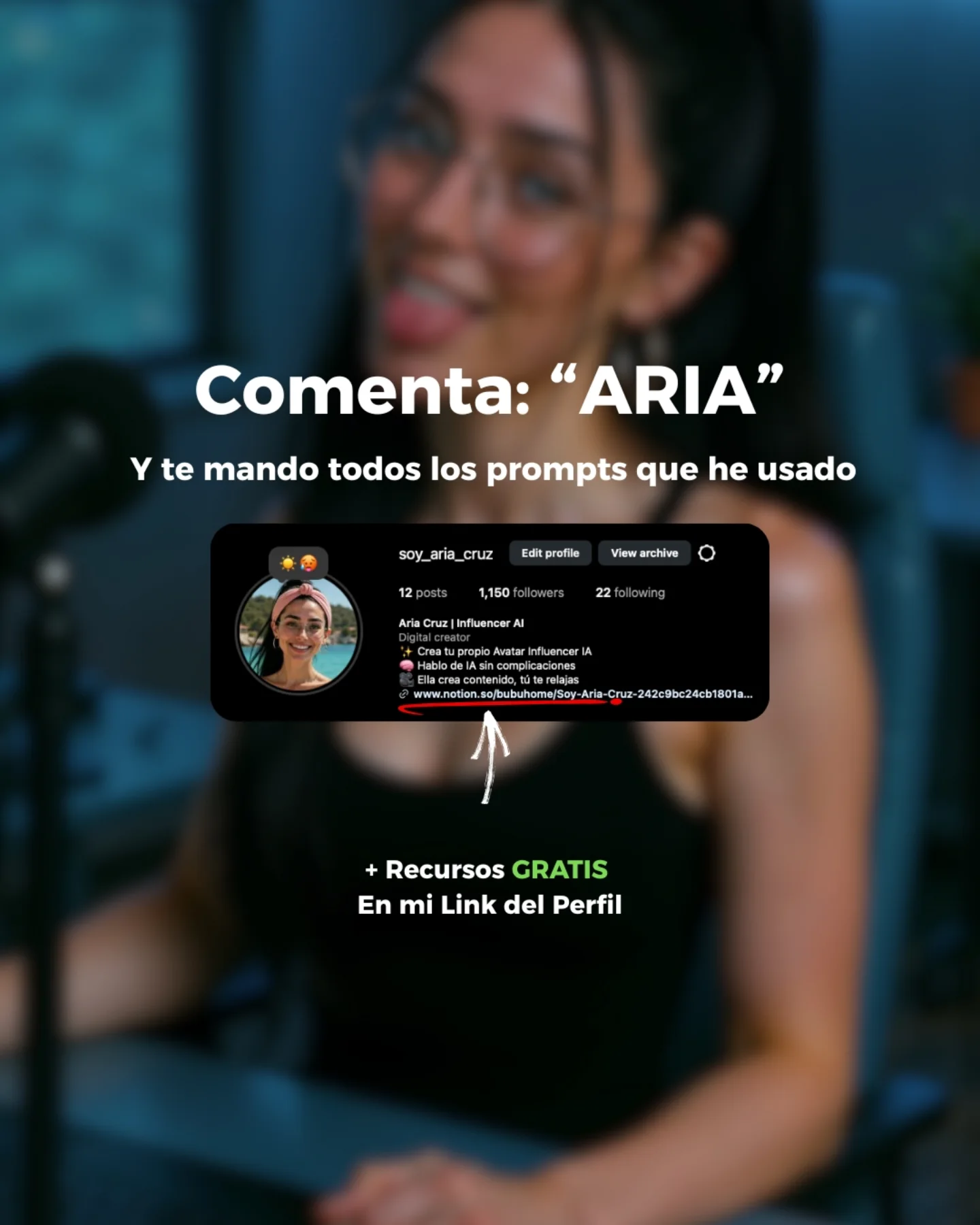
Y si quieres los prompts que he usado para generar cada una de estas imágenes comenta "ARIA" y te la mando por Mensajes 💋
How soy_aria_cruz Made This Far West Saloon Portrait Image — and How to Recreate It
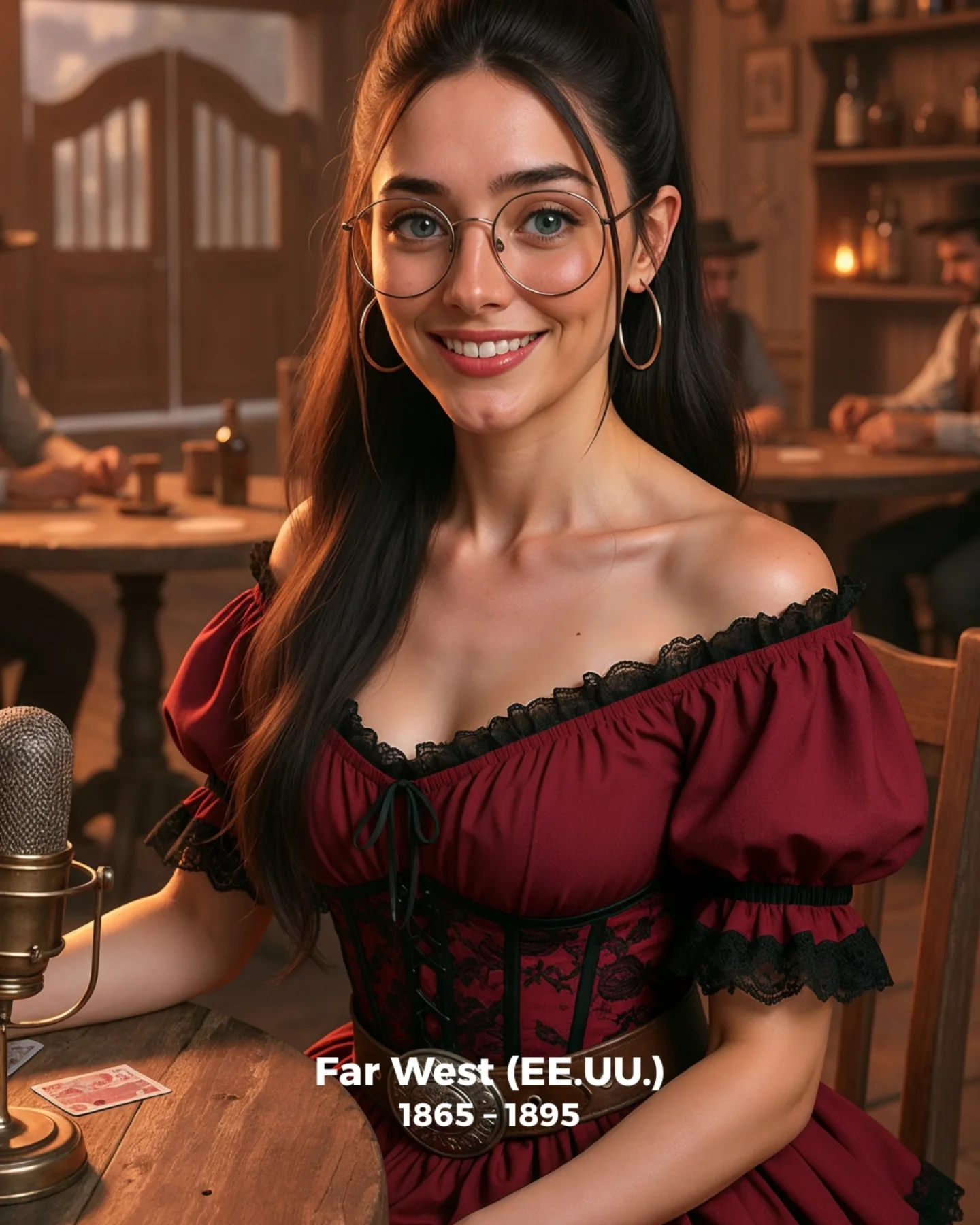
This image is doing something smarter than a normal costume portrait. It is not just presenting a “wild west” look. It is packaging one frame inside a larger time-travel concept, which is exactly why it performs as social content. The bottom text instantly tells the viewer that this is one stop in a sequence of historical eras, and that turns a single pretty image into part of a collectible series.
That framing matters. A standalone saloon portrait can earn likes, but a “travel through all eras” carousel creates a stronger reason to swipe, compare, comment, and pick favorites. The audience is no longer reacting only to beauty. They are reacting to progression, contrast, and the pleasure of ranking versions against one another. This is one of the most reliable ways to make AI image content feel bigger than a single output.
The image also understands that historical content on social media works best when it is readable, not overly authentic. The dress signals the period, the saloon doors and bottle shelves confirm the setting, and the warm amber palette gives everything a cinematic memory-like softness. That is enough. It gives the audience the fantasy of the era without drowning them in research-heavy detail.
Why This Kind of Post Travels Well
The first hook is the series logic. When viewers see the era label, they immediately infer there are other cards. That creates built-in curiosity. The second hook is face continuity. The same creator identity appears across different periods, which makes the carousel feel like a transformation experiment rather than disconnected cosplay. The third hook is tonal warmth. Nothing here is harsh or gritty; it is romantic, polished, and easy to enjoy at thumbnail size.
Another subtle win is the microphone in the lower-left foreground. It is slightly anachronistic if you inspect it literally, but socially it works because it gives the frame a “creator set” energy. The result sits somewhere between historical fantasy, podcast cover, and cinematic portrait. That hybrid quality makes the card feel more internet-native than a strict reenactment photo would.
Signal
Evidence (from this image)
Mechanism
Replication Action
Series curiosity
Bottom text names a specific era and date range
Viewers assume there are more eras to compare, which boosts swipes and comments
Add a clear era label to each card and design the set as a sequence, not as isolated posts
Simple visual cues let the audience identify the era instantly
Pick 3-4 unmistakable historical signals instead of overloading the frame with props
Creator continuity
Modern glasses and influencer-style beauty remain consistent
The audience recognizes the same persona across different scenes
Keep face shape, glasses, and core identity cues stable across every era card
Cinematic warmth
Amber glow, shallow depth of field, soft polished facial lighting
Warmth makes historical fantasy feel aspirational rather than dusty
Favor warm practical light and portrait separation over gritty realism
Best Use Cases and Smart Transfers
This format is excellent for era-carousel posts, prompt giveaways, AI influencer series, “which version is your favorite?” engagement bait, themed creator branding, and educational posts about iterative generation. It works particularly well when each frame needs to feel self-contained but also clearly part of a larger concept.
Best fit: era-by-era carousels. The label system turns each image into a collectible chapter.
Best fit: prompt-driven community engagement. Historical comparisons naturally invite comments and preferences.
Best fit: identity-consistency demos. You can show that one AI persona survives across multiple settings and wardrobes.
Best fit: polished cosplay-style portraits. The image is theatrical enough to feel special but simple enough to remain readable.
Best fit: educational AI case studies. It demonstrates how far a single character can be remixed without losing recognizability.
It is less ideal for creators chasing strict historical accuracy. The image succeeds by being legible and romantic, not by satisfying archival standards. If you lean too far into authenticity, you risk losing the clean social-media readability that makes the post work.
Transfer Recipes
Victorian parlor version. Keep: same face identity, era label, warm portrait lighting. Change: wallpaper, chair design, dress silhouette. Slot template: {historical era label}, one woman, {period-inspired dress}, warm interior set, cinematic portrait, bottom text overlay
1920s jazz club version. Keep: creator continuity, table foreground prop, shallow depth of field. Change: hairstyle, beadwork, lighting accents. Slot template: {era card}, glamorous woman in {period wardrobe}, club interior, one foreground prop, social-media portrait layout
Futurist retro version. Keep: labeled series logic and clear persona. Change: architecture, material finish, prop style. Slot template: {future era label}, same woman identity, themed interior, cinematic bokeh, readable bottom caption overlay
What the Aesthetic Is Actually Doing
The image relies on selective evidence. It does not attempt to rebuild the whole nineteenth century. Instead, it chooses a few strong anchors: the saloon doors, the burgundy dress, the wood tables, the bottle shelf, and the date text. That is enough to trigger the era in the viewer’s mind. This is an important prompt lesson. Social images do not need full authenticity if the visual cues are arranged clearly.
The face is equally important. The round glasses and polished smile keep the image tied to a recognizable contemporary creator identity. This tension between historical costume and modern influencer beauty is not a flaw. It is part of the appeal. The viewer gets the fun of the era while still feeling close to the creator they already know from the feed.
The warm amber grade also matters more than the props. Without it, the same costume could feel like a rental-shop photo. With it, the scene feels cinematic and emotionally coherent. Warmth turns the saloon into a memory-space instead of a themed restaurant. That is what gives the image its gentle fantasy quality.
Observed
Why it matters
How to recreate it
Bottom-center era text
Converts a portrait into a series entry
Lock a consistent caption format across every image in the set
Warm saloon lighting
Creates romance and makes the historical set feel inviting
Use amber practicals and a soft flattering key light, not harsh contrast
Modern creator face with glasses
Preserves continuity across multiple era transformations
Keep your signature identity markers stable from card to card
Foreground microphone and table
Adds depth and gives the frame a media-object anchor
Place one readable object in the near foreground for spatial layering
Shallow-focus background patrons
Suggests a living environment without stealing focus
Blur secondary figures and let only the main subject carry sharp detail
Prompt Technique Breakdown
The most important move here is to prompt the scene as a controlled set, not as a sprawling western environment. If you ask for “wild west,” the model may drift into horses, dust, revolvers, hats, and exterior landscapes. But this image is much more precise. It is an interior portrait with saloon coding, period wardrobe, one foreground prop, and social caption text. That narrower instruction space is what keeps the frame clean.
Prompt chunk
What it controls
Swap ideas (EN, 2-3 options)
Era anchor
Tells the viewer what time-world they are entering
far west saloon; belle epoque parlor; old tavern portrait
Wardrobe silhouette
Instant period readability
burgundy saloon dress; corset-style stage dress; lace-trim western gown
Identity continuity
Keeps the same creator recognizable across the series
round glasses; same face structure; same dark half-up hairstyle
Foreground prop
Adds depth and editorial interest
vintage microphone; playing card on table; brass tabletop object
era label at bottom; date range caption; location plus years overlay
The biggest drift risk is over-westernization. If you do not specify “interior saloon portrait,” many generators will throw in hats, guns, dust, and cowboy clichés. The winning version is more selective, more polished, and more portrait-led than that.
Execution Playbook for Iteration
Lock three things before anything else: the face identity, the saloon interior, and the era text overlay. Once those are stable, refine the dress silhouette and foreground microphone. Do not begin by chasing tiny background details. If the core read is right, the image already works at scroll speed.
Follow a one-change rule. First solve the subject and room. Then solve the dress. Then solve the text overlay. Then tune the warmth and the amount of background blur. Small controlled changes are what make a series like this viable, because consistency matters more than any single flourish.
Run 1: Generate the base saloon portrait with one smiling woman, wooden table, and warm tavern background.
Run 2: Lock the burgundy off-shoulder dress, glasses, hoop earrings, and half-up hairstyle.
Run 3: Add the microphone and bottom-center era label with the date range.
Run 4: Refine the amber color grade, soft bokeh, and period atmosphere without adding clutter.
If the result becomes too theatrical, reduce props. If it becomes too modern, strengthen the doors, shelves, and costume trim. If it becomes too historically literal, bring back the polished influencer face. The best version lives in the middle: enough period evidence to trigger the era, enough creator continuity to keep the series personal.