How soy_aria_cruz Made This Ancient Egypt Portrait Image — and How to Recreate It
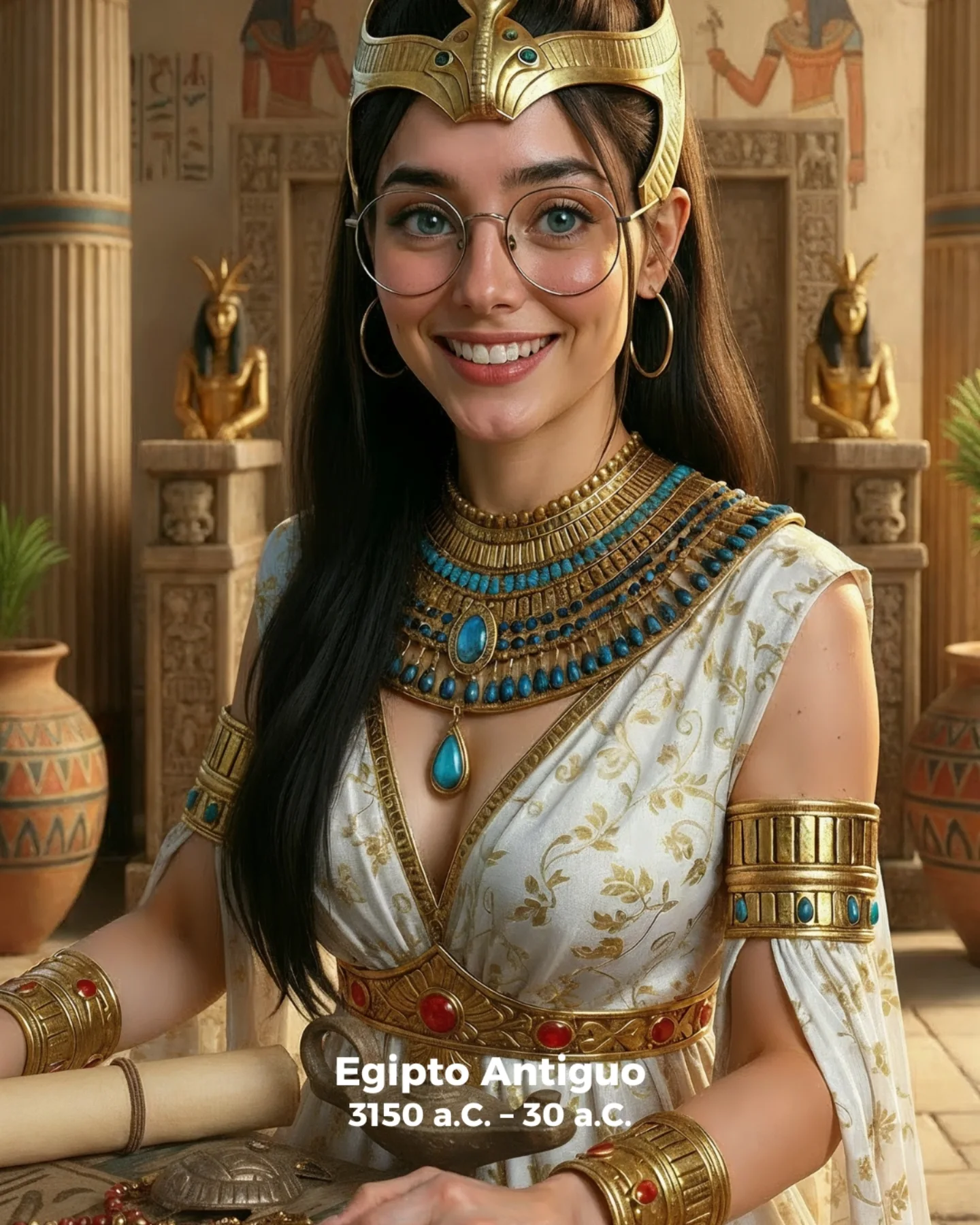
This image works because it does not try to become a museum reconstruction. It stays readable as creator content first, and that is exactly why it works. The historical markers are strong and immediate: the gold headpiece, blue-and-gold collar, temple columns, hieroglyphic wall art, papyrus scroll, and seated statues. But the face remains contemporary and recognizable, which helps the whole concept feel like a personal journey through time rather than a generic period illustration.
That balance is what makes era-series content so effective. If you go too far into pure historical detail, the creator disappears. If you stay too modern, the era does not register. This image sits in the productive middle. The costume and set establish Ancient Egypt quickly, while the glasses, smile, and familiar identity signals keep the character consistent across the series.
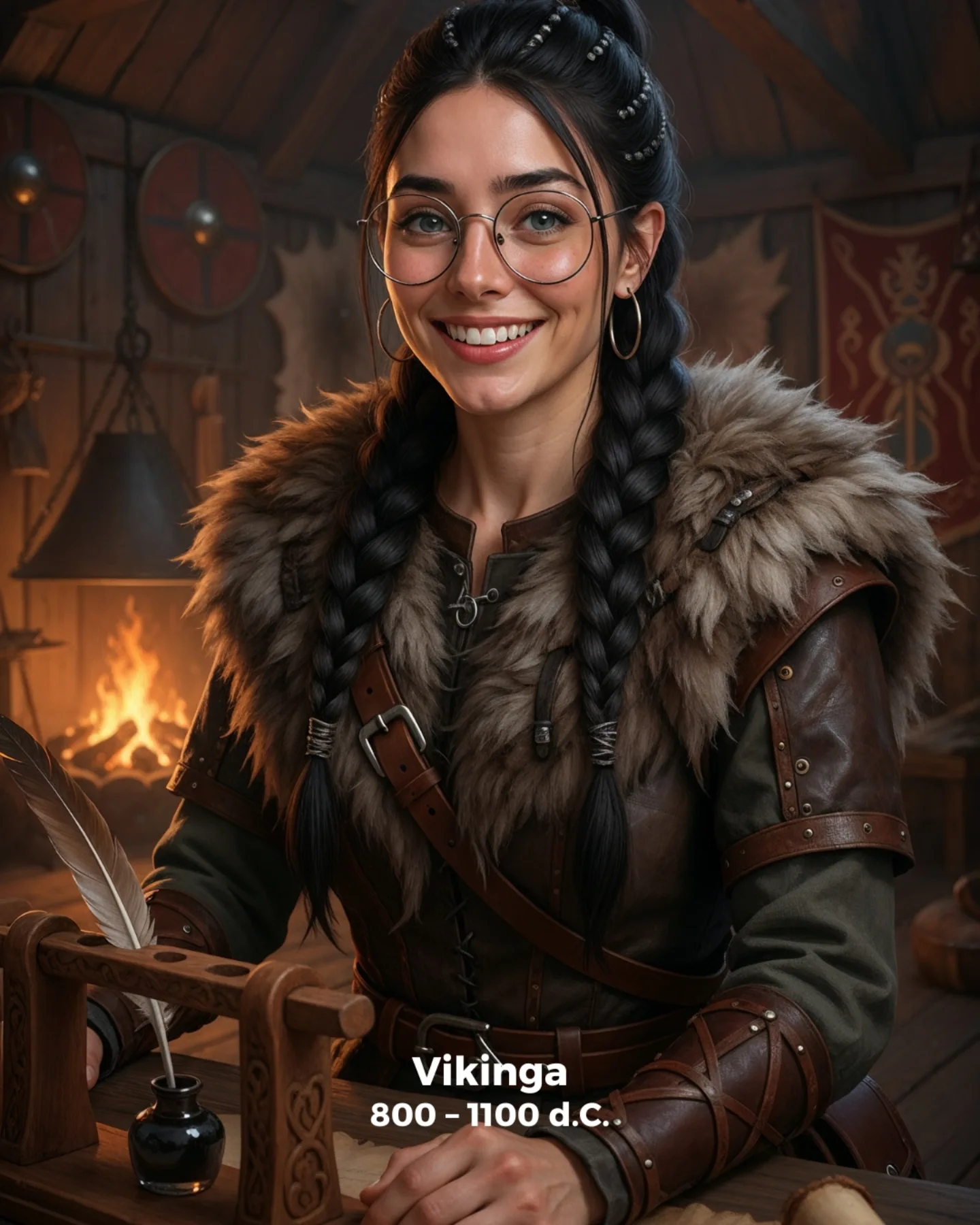
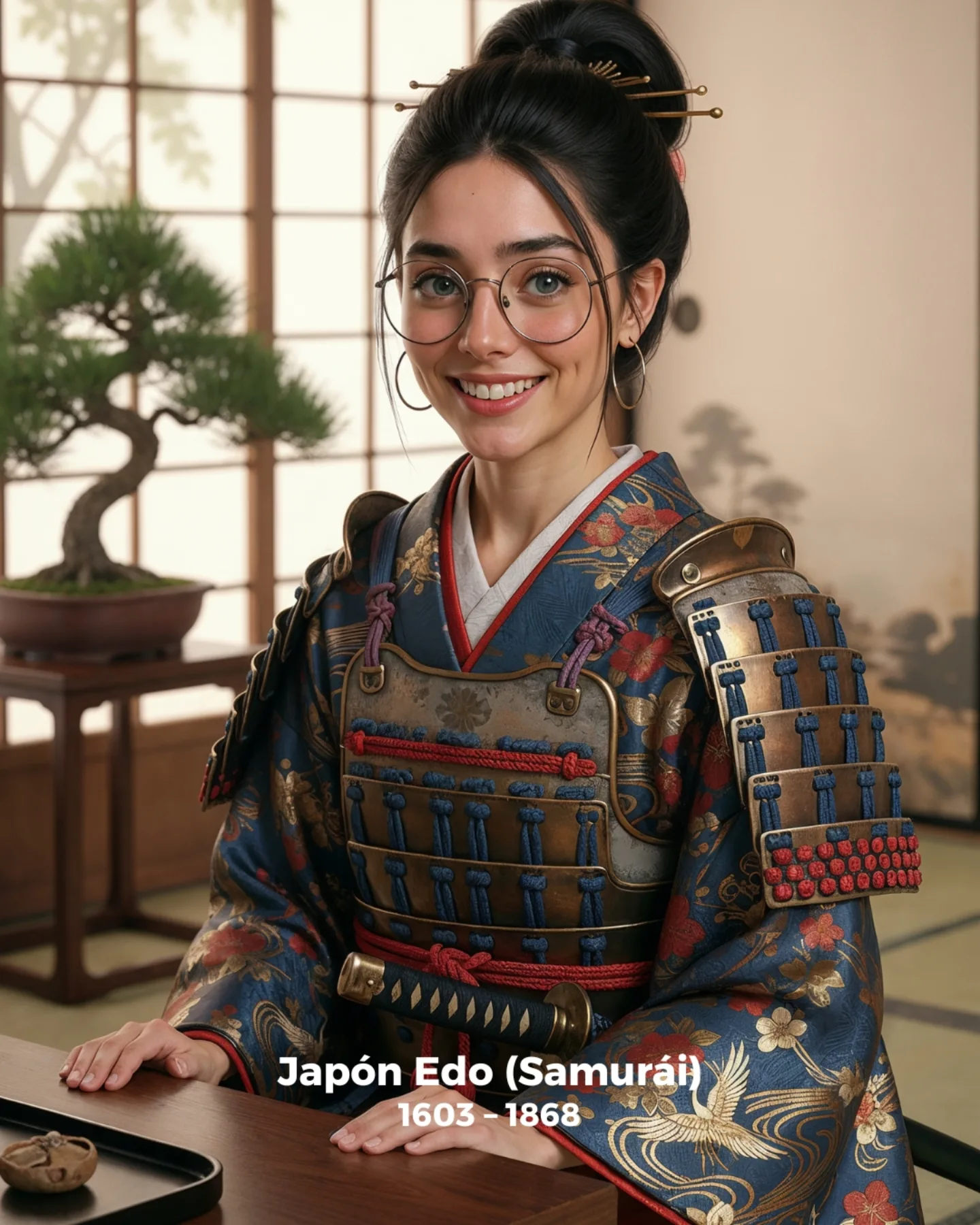
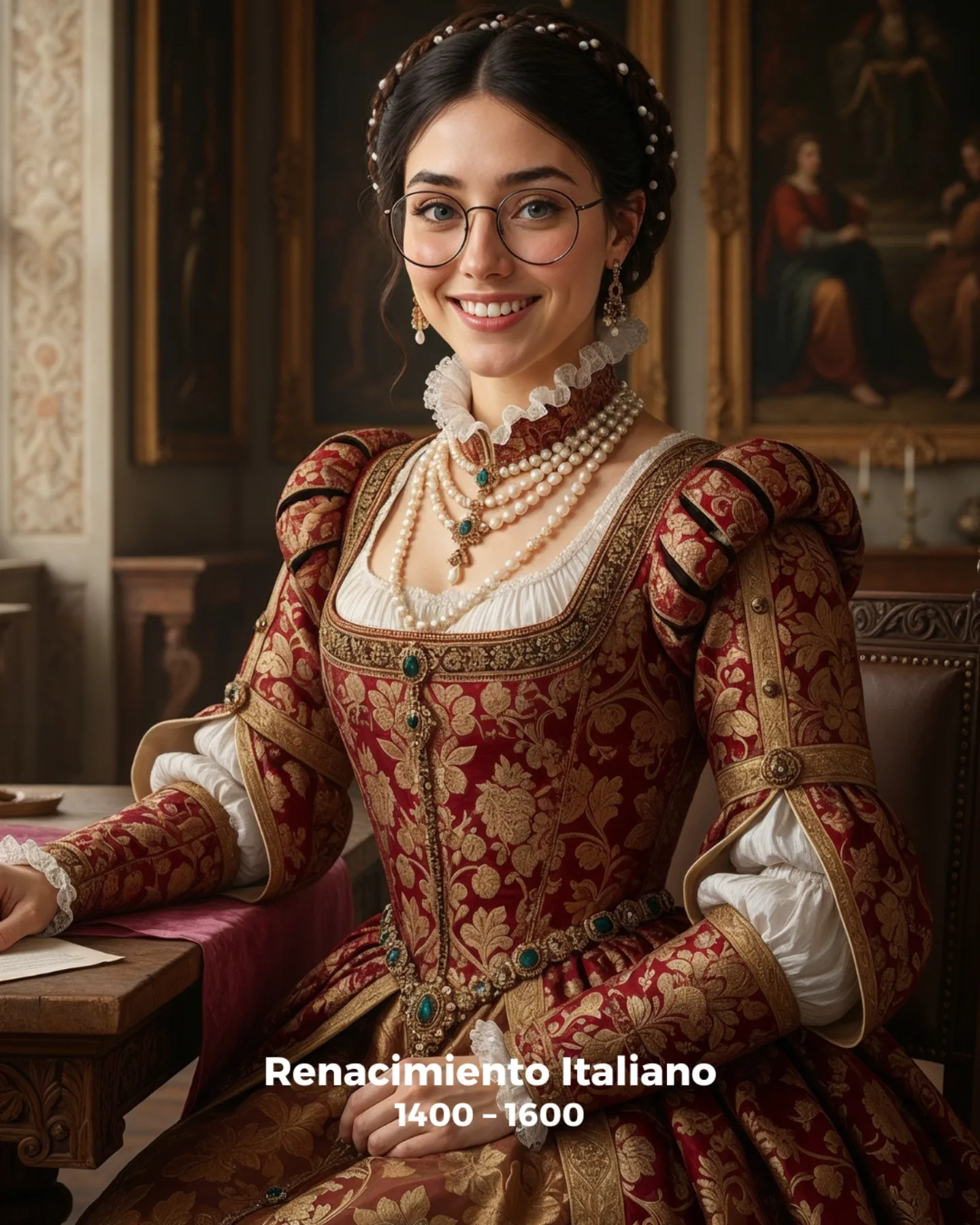
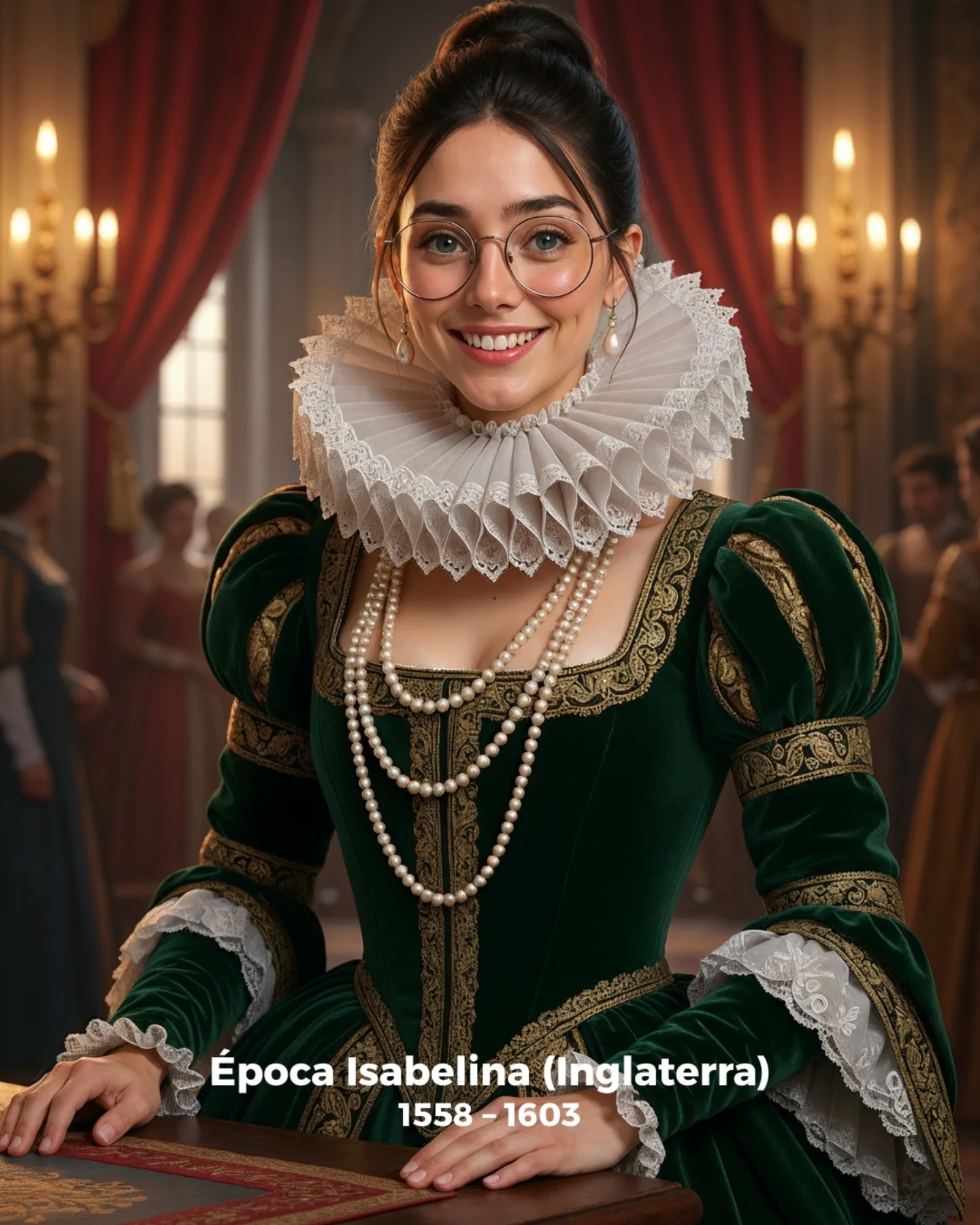
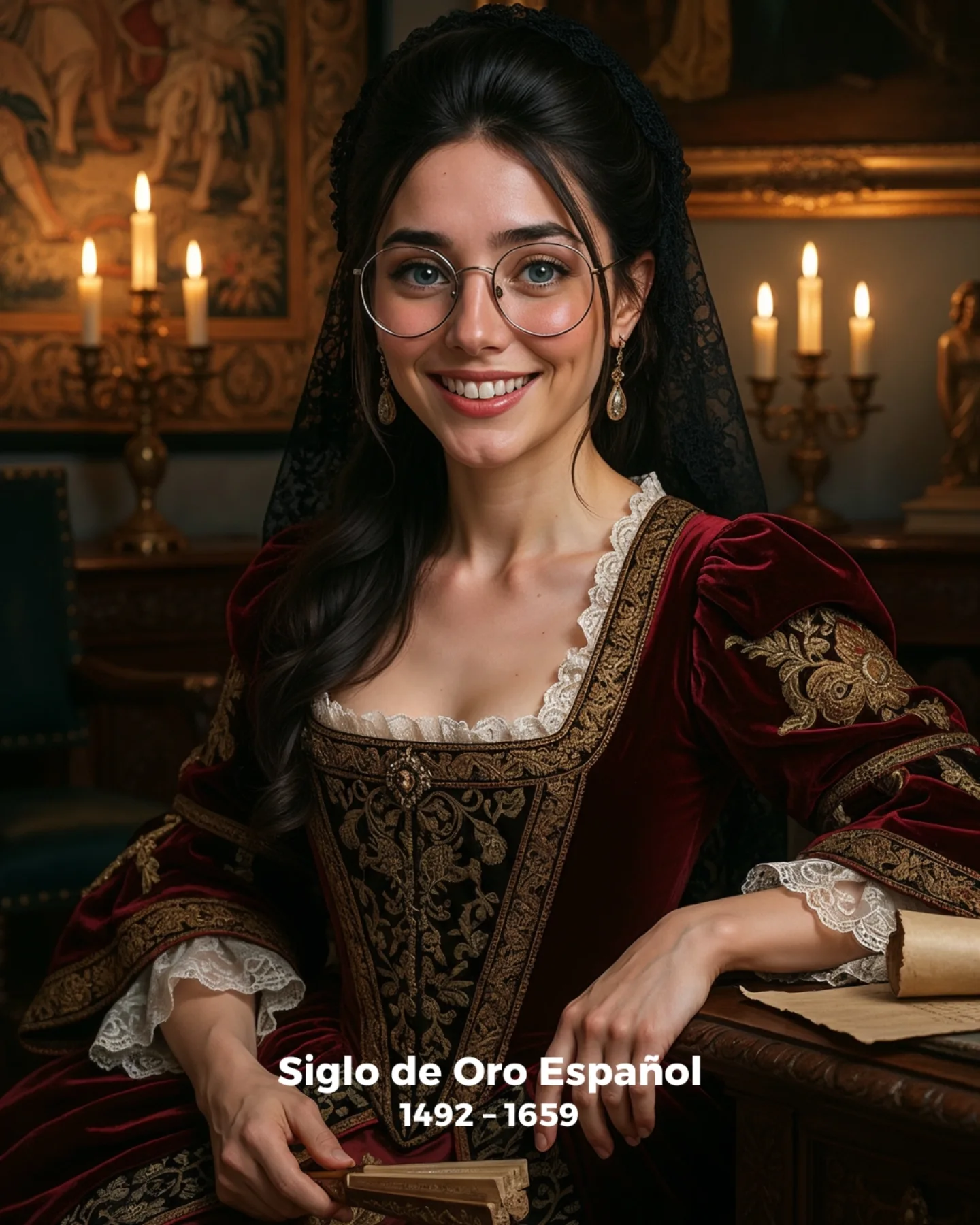
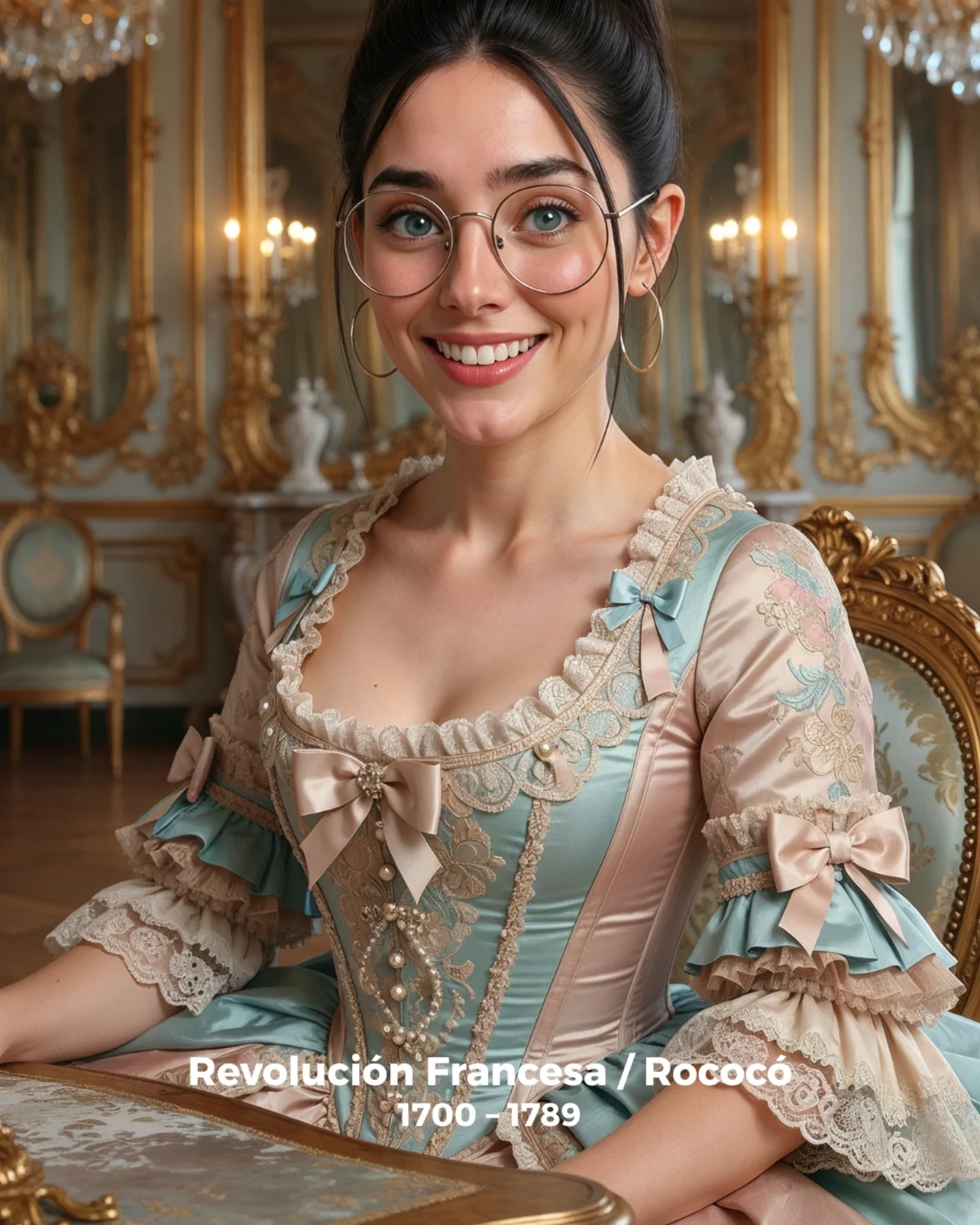
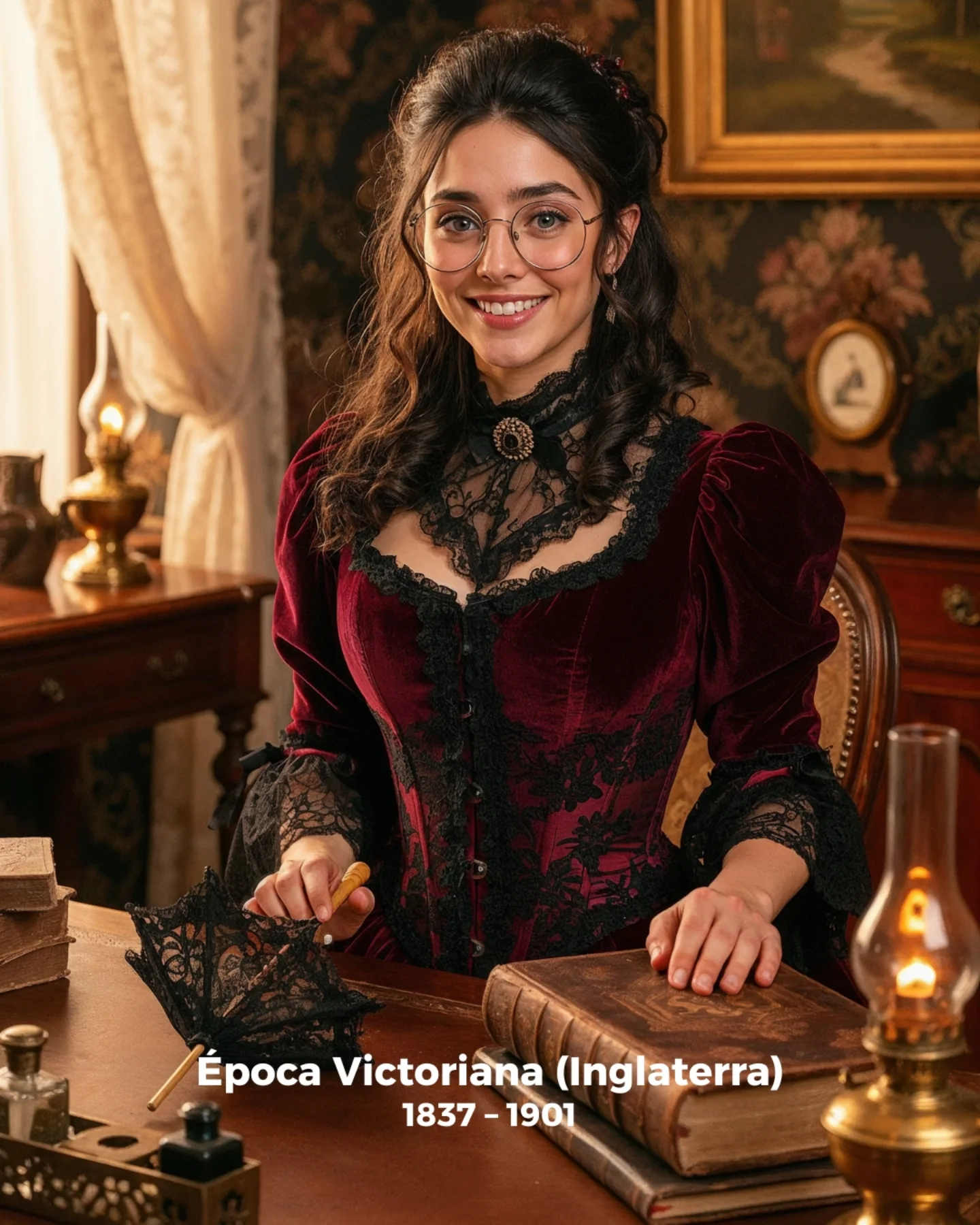
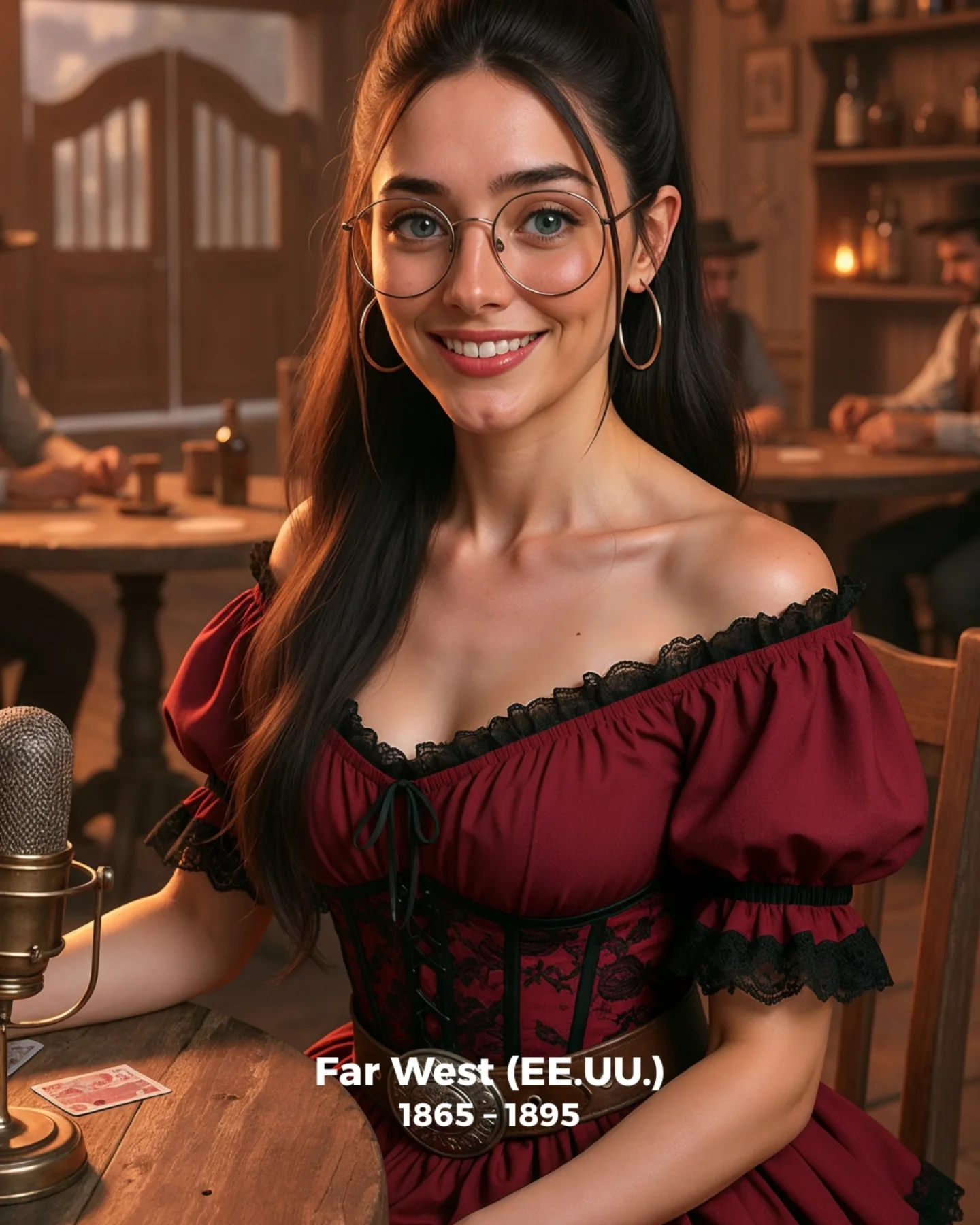
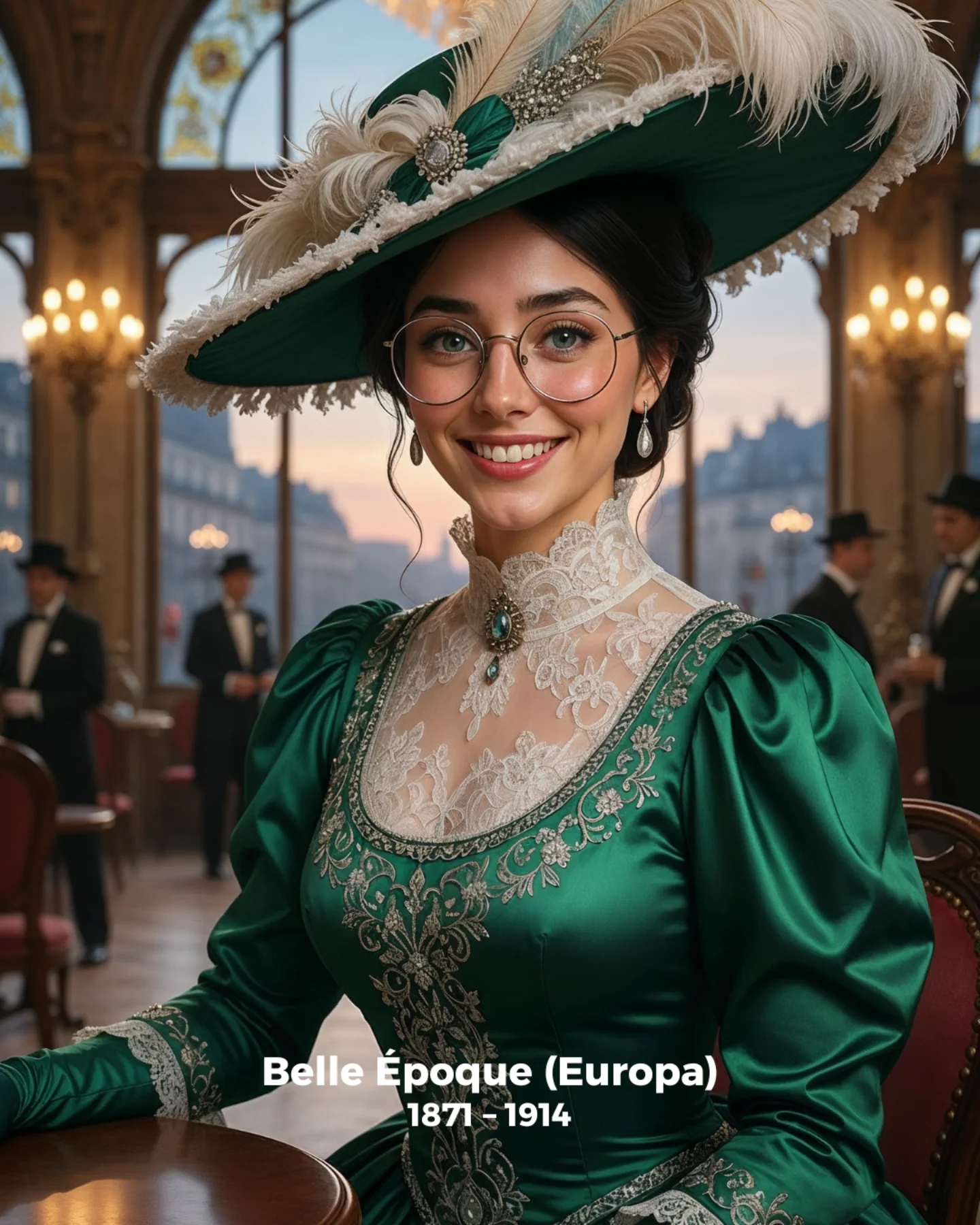
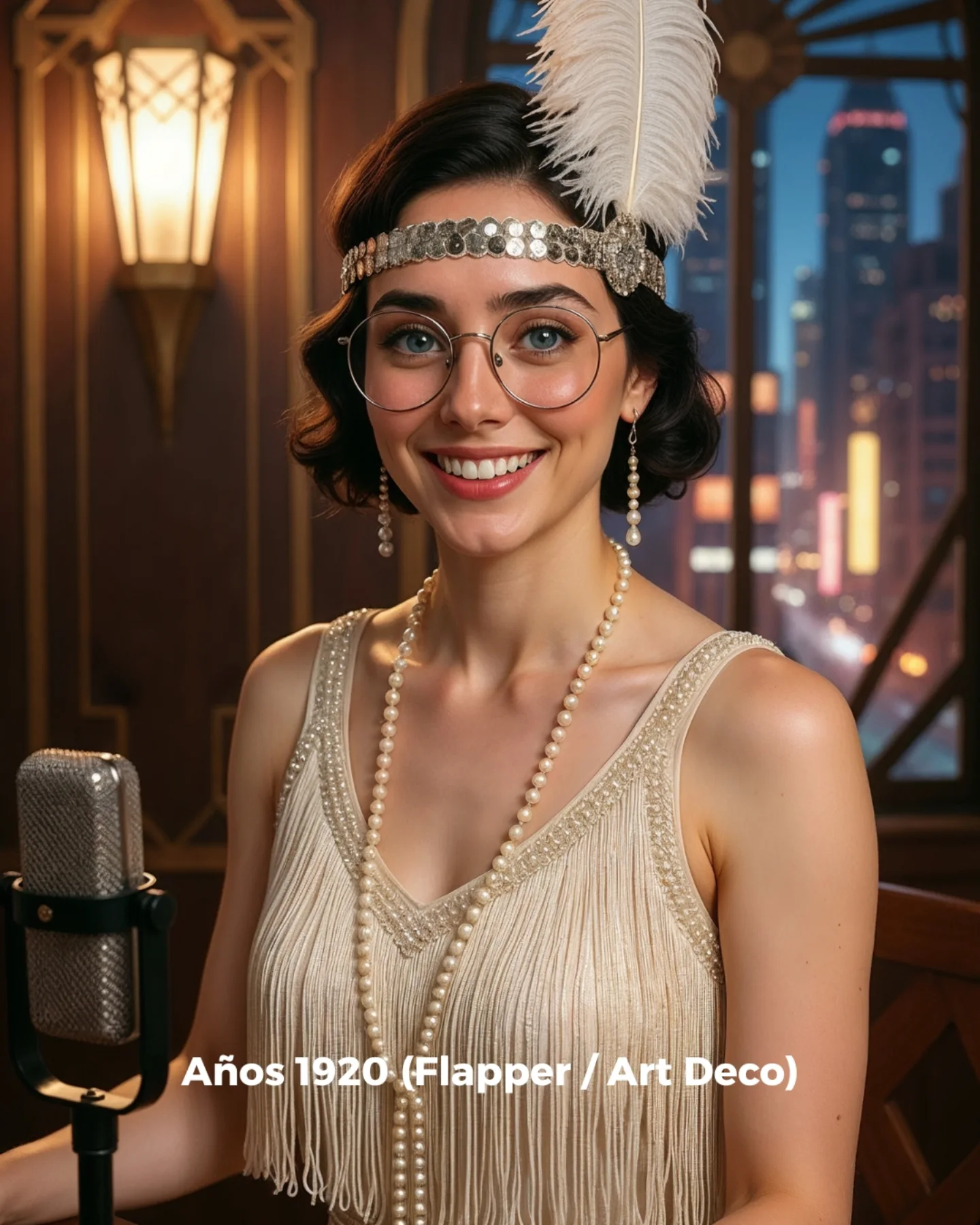
The label at the bottom also matters more than it seems. In a multi-era series, text anchors help viewers process the concept fast. They turn the image from “historical-inspired portrait” into “one stop on a timeline.” That makes the post easier to comment on, compare, and save. It is not just pretty. It is organized.
| Signal | Evidence (from this image) | Mechanism | Replication Action |
|---|
| Fast era recognition | Headpiece, broad collar, hieroglyphic setting, papyrus scroll, gold statuary | Multiple iconic period signals make the era legible immediately | Use 4 to 6 unmistakable historical markers instead of relying on costume alone |
| Identity continuity | Glasses, smile, face shape, and hair remain recognizable | Keeps the creator consistent across different time periods | Preserve a few signature face or accessory traits when building era transformations |
| Timeline packaging | Bottom label names the era and date range | Turns the image into part of a series rather than a one-off fantasy portrait | Add concise era labels when publishing multi-period comparison sets |
Best-fit use cases
- Time-travel portrait series, because the era is instantly readable and the identity stays intact.
- Historical prompt pages, because the image demonstrates how to combine person consistency with period styling.
- Educational social content, because viewers can compare different eras visually without extra explanation.
- Prompt giveaway posts, because labeled historical transformations are easy to discuss and rank.
Less ideal: strict academic reconstruction, minimalist portrait studies, or everyday lifestyle content. This image is designed for narrative transformation, not neutrality.
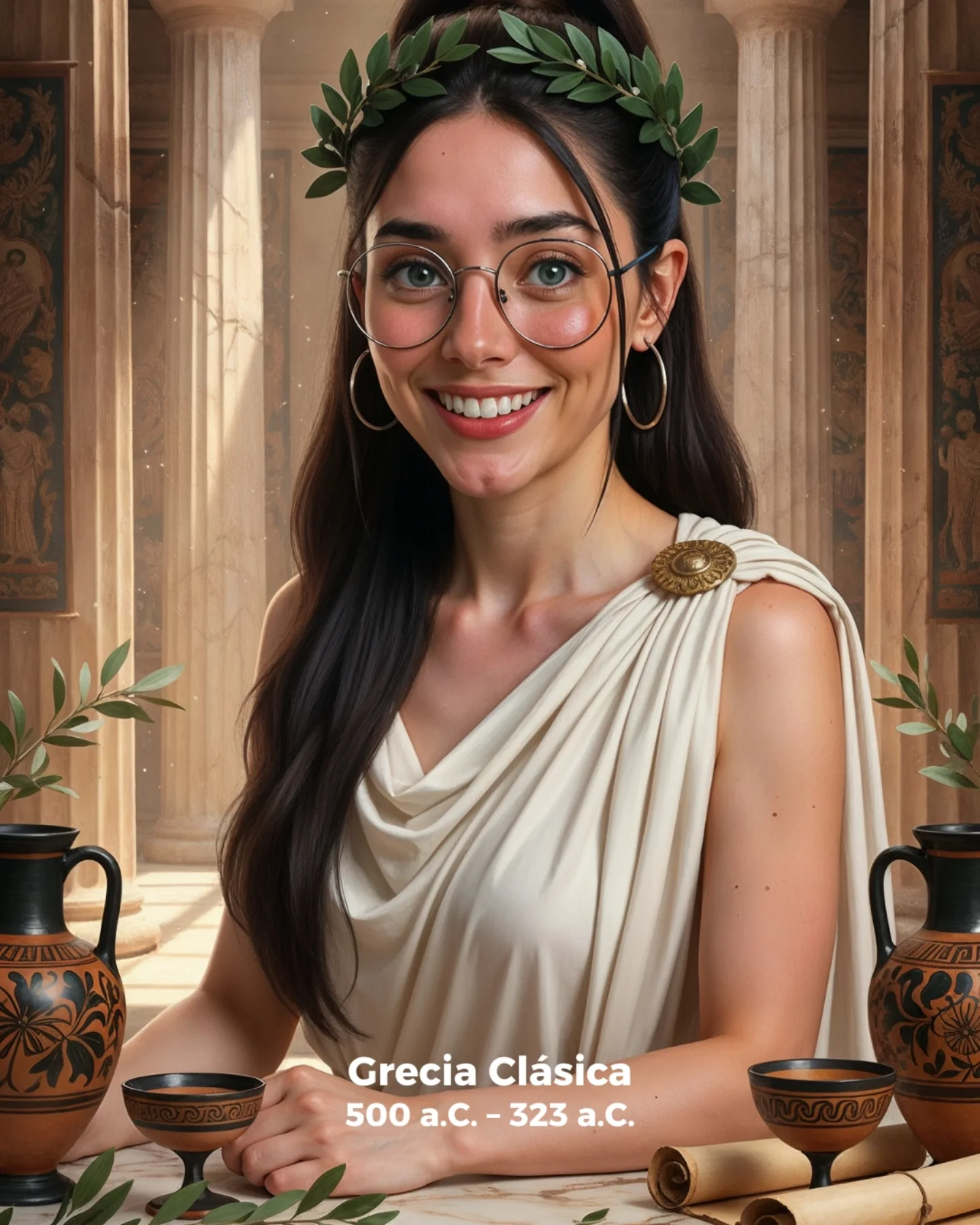
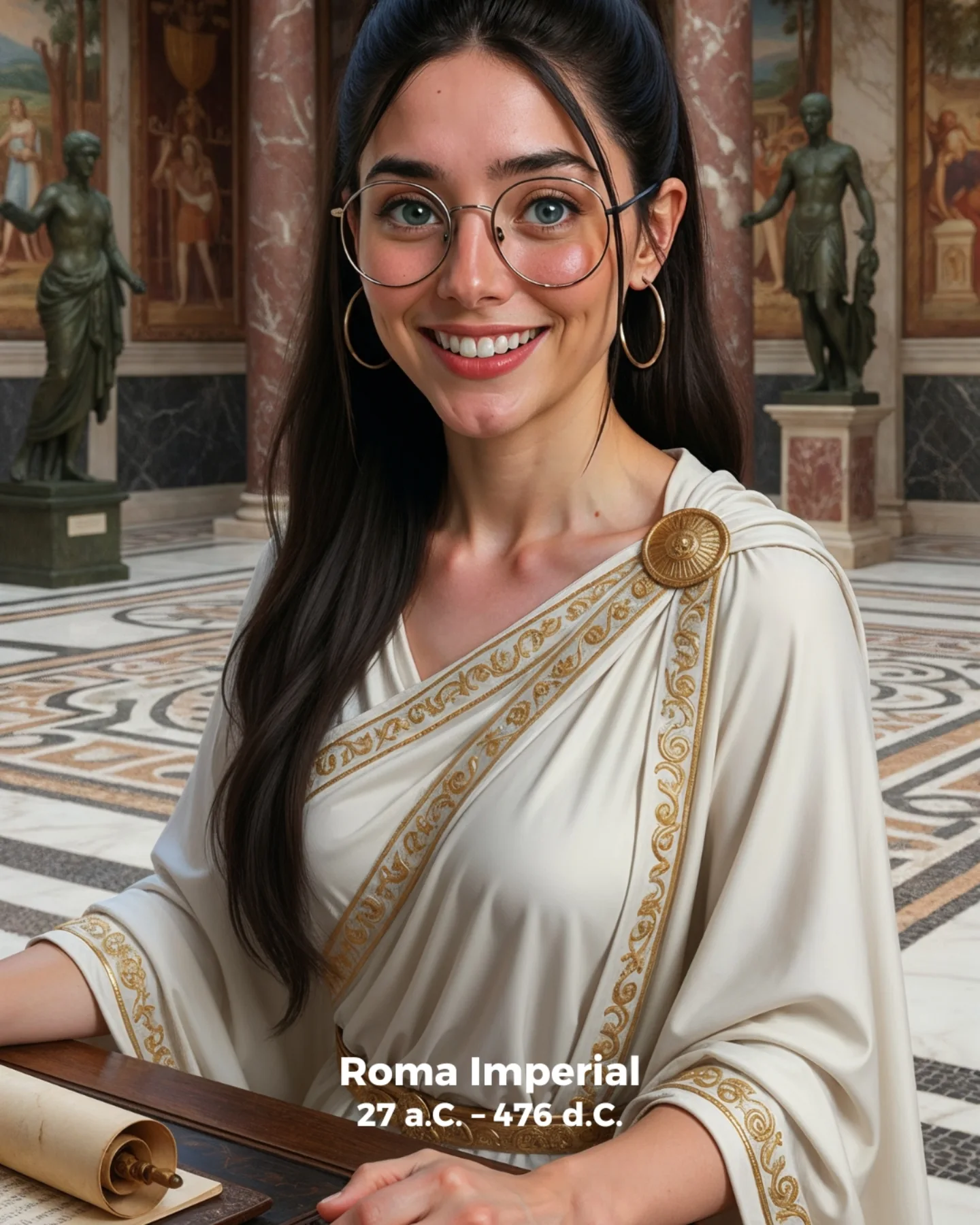
To adapt the idea, keep the identity anchors, keep the historical icon signals, and keep the era label. Then move the same character through other periods. The same structure can work for Ancient Rome, the Renaissance, the 1920s, or the 1980s if each era gets a few unmistakable visual cues. Slot template: {same recognizable person} reimagined in {specific era} with {4-6 iconic period markers} and a {timeline label}.
Aesthetic read
The image succeeds aesthetically because it mixes richness with clarity. The jewelry is intricate, the set has plenty of carved detail, and the palette is warm and luxurious. But the composition stays centered and calm, which stops the frame from becoming overloaded. For creators, this is a useful lesson in historical styling: when the wardrobe is ornate, the pose and composition should often get simpler.
The blue-and-gold collar is especially effective because it concentrates the era signal near the face. That means the image still reads at thumbnail size. In social content, that matters. Historical details that sit too far from the face often get lost on the feed.
| Observed | Why it matters |
|---|
| Gold crown and broad blue-gold collar | Deliver immediate Ancient Egypt recognition near the face |
| Temple-like interior with hieroglyphic wall art | Supports the period setting without requiring a wide shot |
| Papyrus scroll on the table | Adds a concrete historical prop that enriches the era story |
| Glasses and modern facial identity preserved | Keep the creator recognizable across the time-travel series |
| Bottom era label and date range | Make the image function as part of a timeline sequence |
Prompt technique breakdown
| Prompt chunk | What it controls | Swap ideas (EN, 2–3 options) |
|---|
| same woman identity with glasses retained across eras | Series consistency | same face with signature earrings, same braid silhouette, same smile pattern |
| Ancient Egypt crown, broad collar, armbands, jeweled belt, embroidered white dress | Period costume recognition | Roman draped gown, medieval brocade dress, Renaissance embroidered bodice |
| temple interior with columns, hieroglyphics, statues, and papyrus | Historical environment support | palace courtyard, tomb chamber, ceremonial hall |
| warm golden light and centered portrait composition | Luxury tone and social-media readability | sunlit sandstone glow, torchlit interior, museum-gallery warmth |
| bottom label with era name and date range | Timeline-series packaging | small period tag, museum-card footer, decade badge |
How to iterate without losing the core
Lock these three things first: the recognizable face identity, the era-defining costume cluster, and the label format. Those are the identity anchors. Then change only one or two variables per run.
- Baseline run: keep the same Egyptian setting and make sure the era reads instantly without losing the creator’s identity.
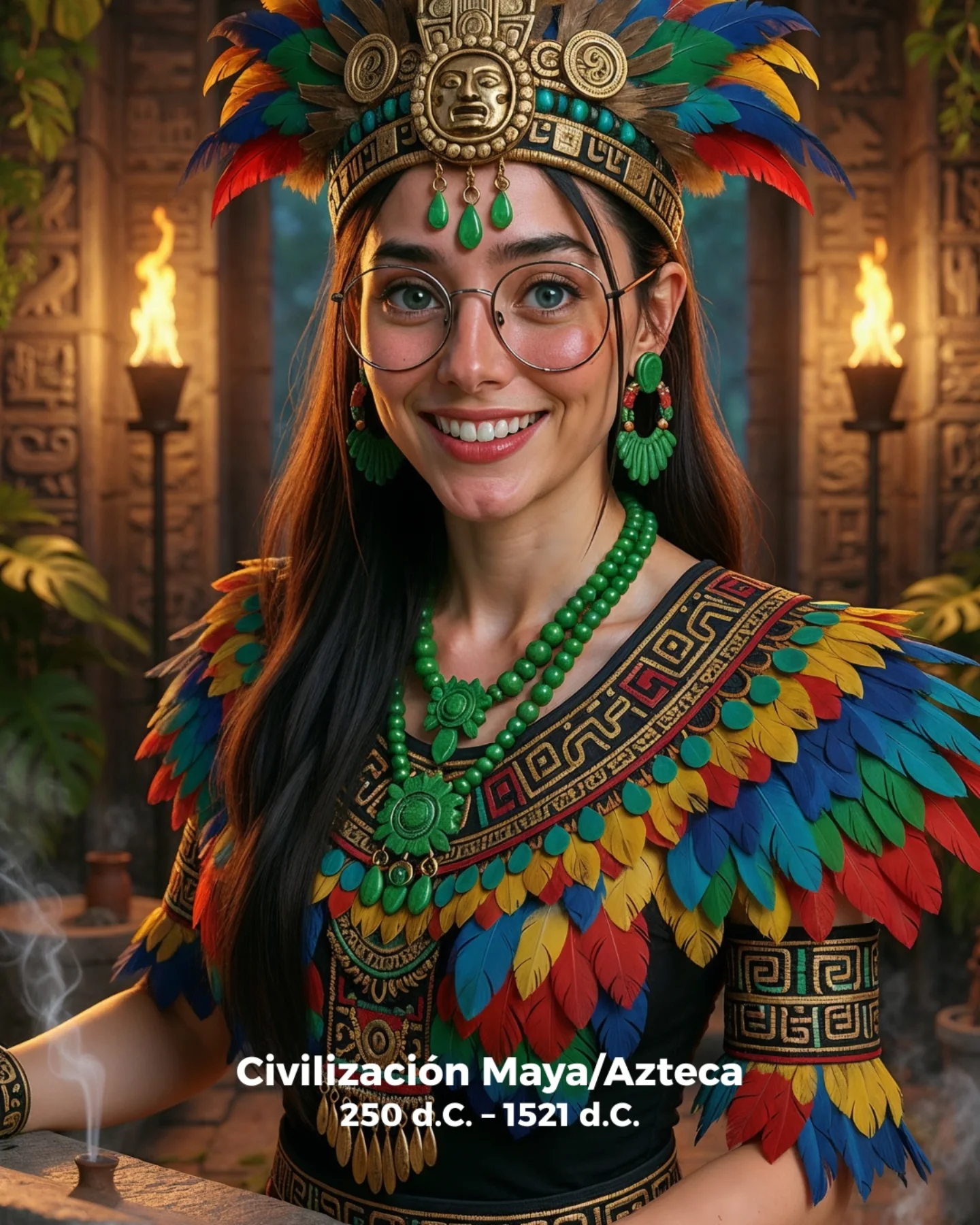
- Second run: keep the face and label structure but move to another historical era to compare how portable the transformation format is.
- Third run: keep the period fixed and change only the setting, such as temple hall versus palace chamber, to test environmental influence.
- Fourth run: keep the whole timeline format and build a sequence of 5 to 10 eras so viewers can compare them as a set.
If the image starts feeling generic, the first thing to inspect is usually the era-signaling objects. Historical portraits fail when the costume is “inspired” but the props and environment do not reinforce the same period story.