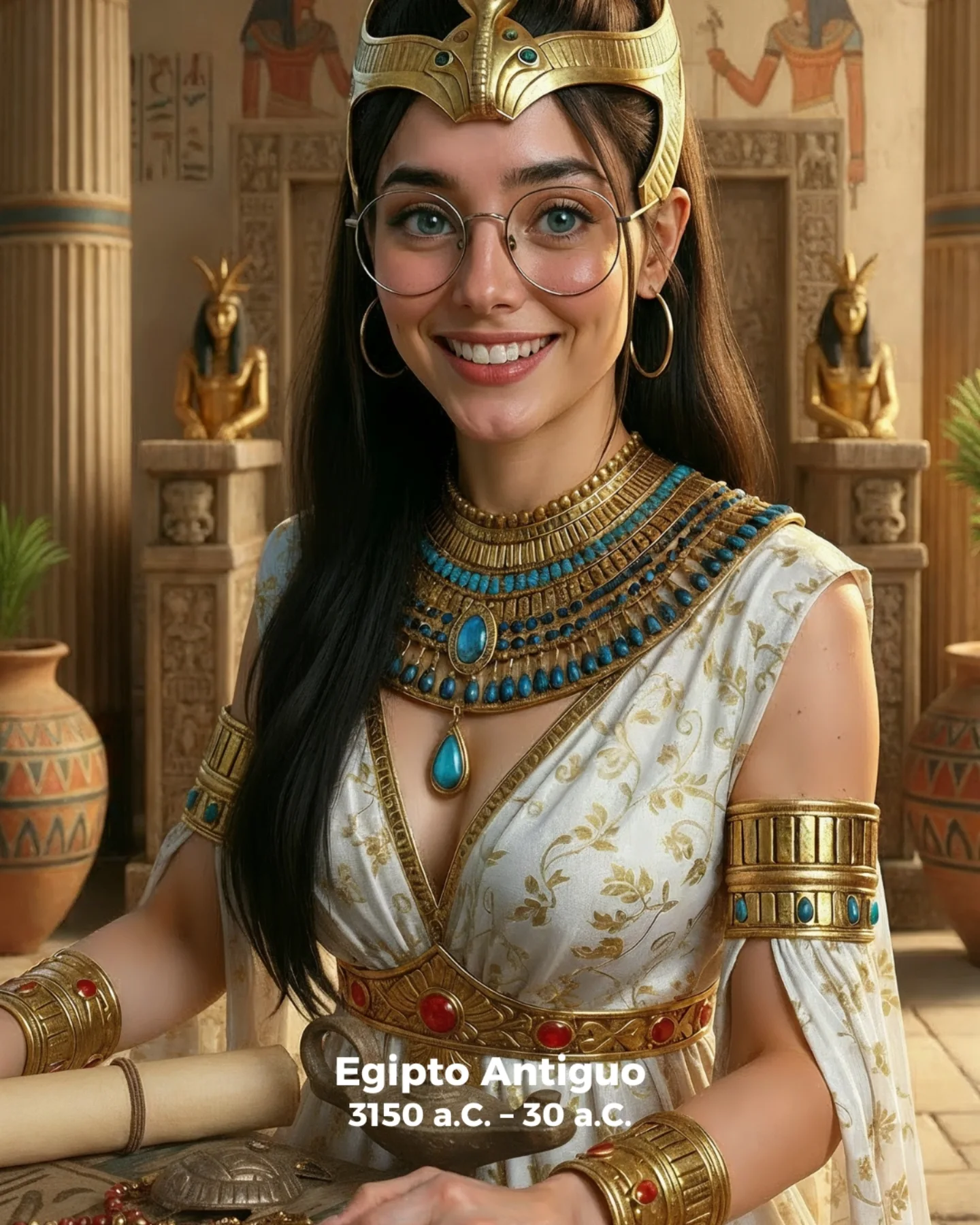
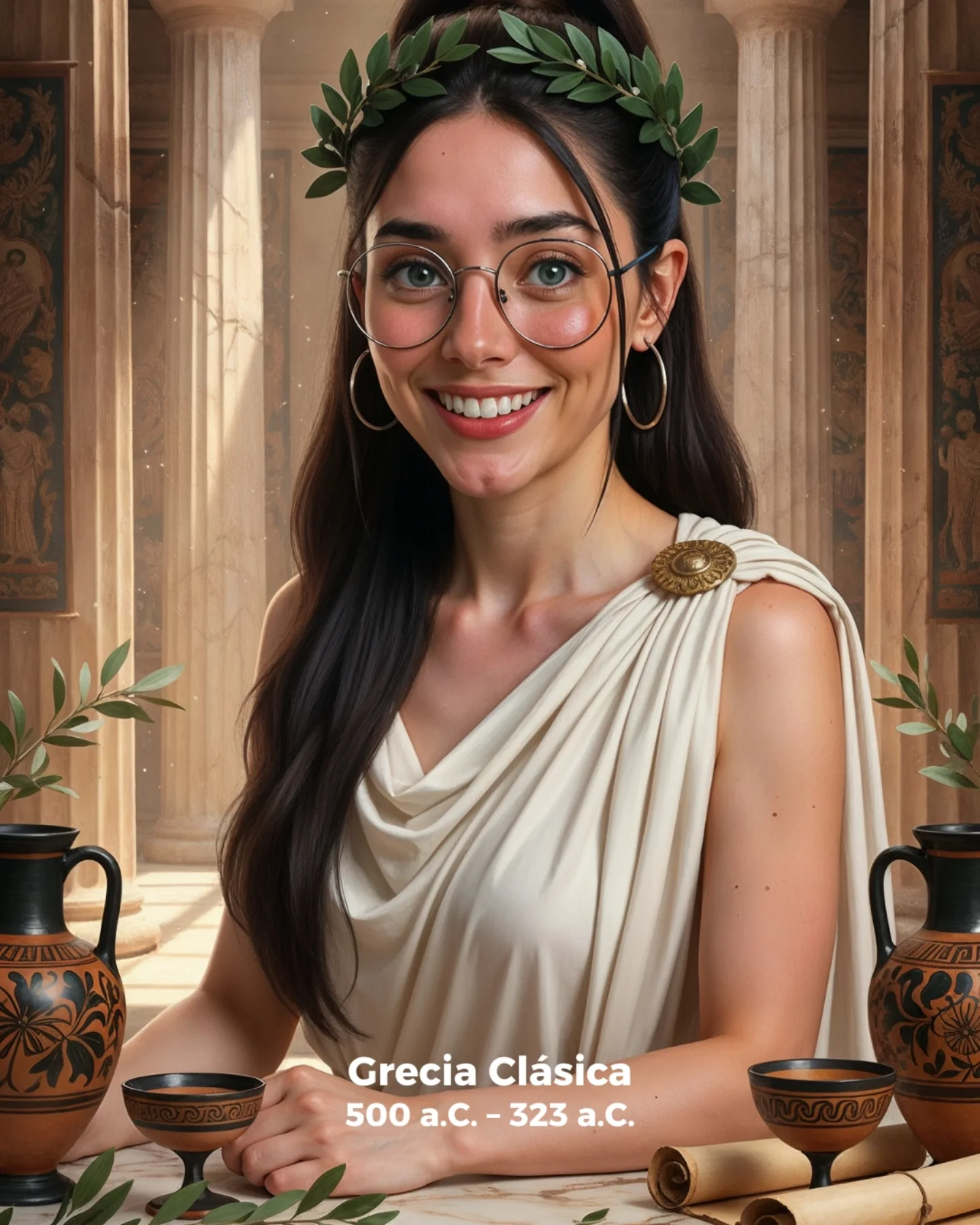
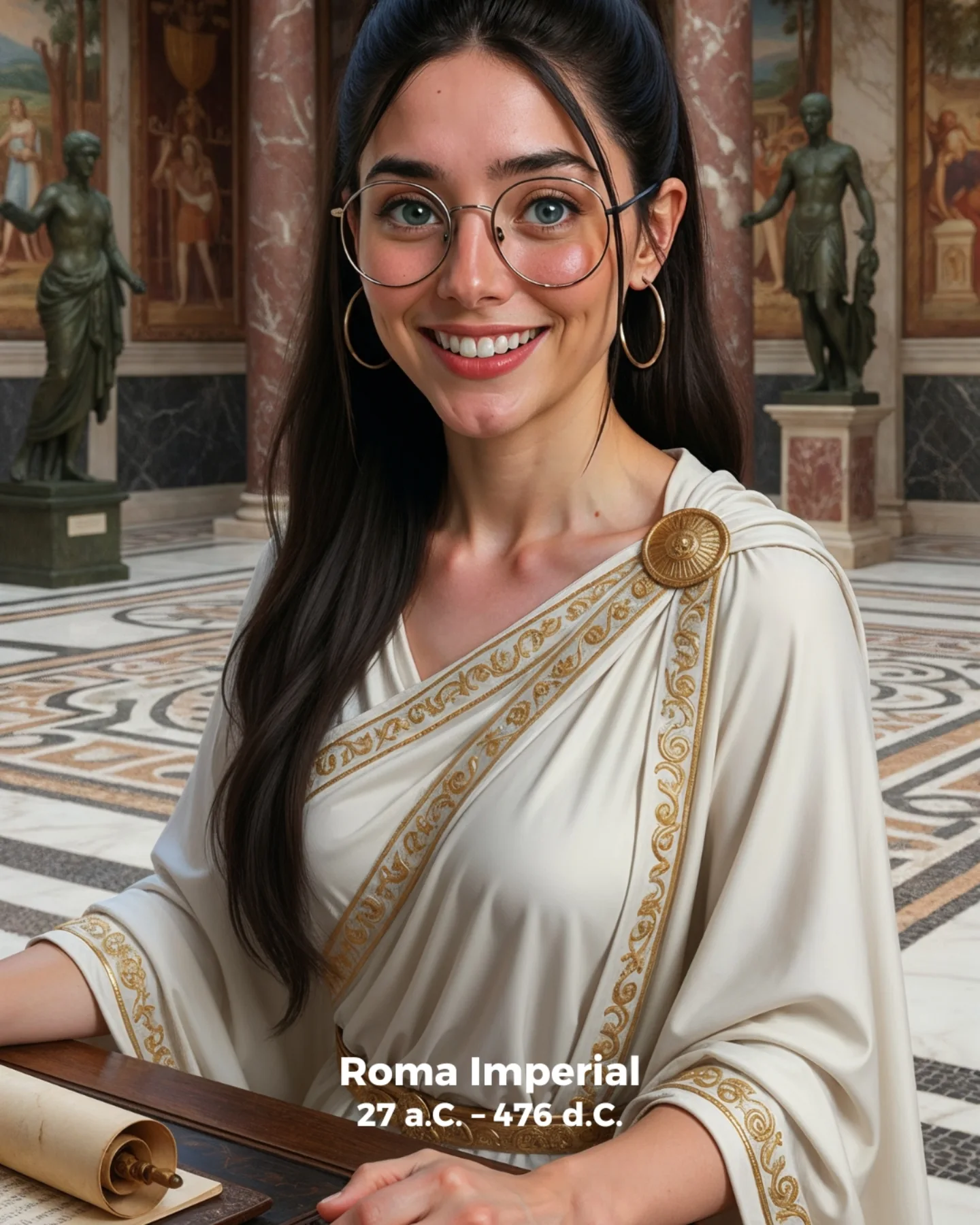
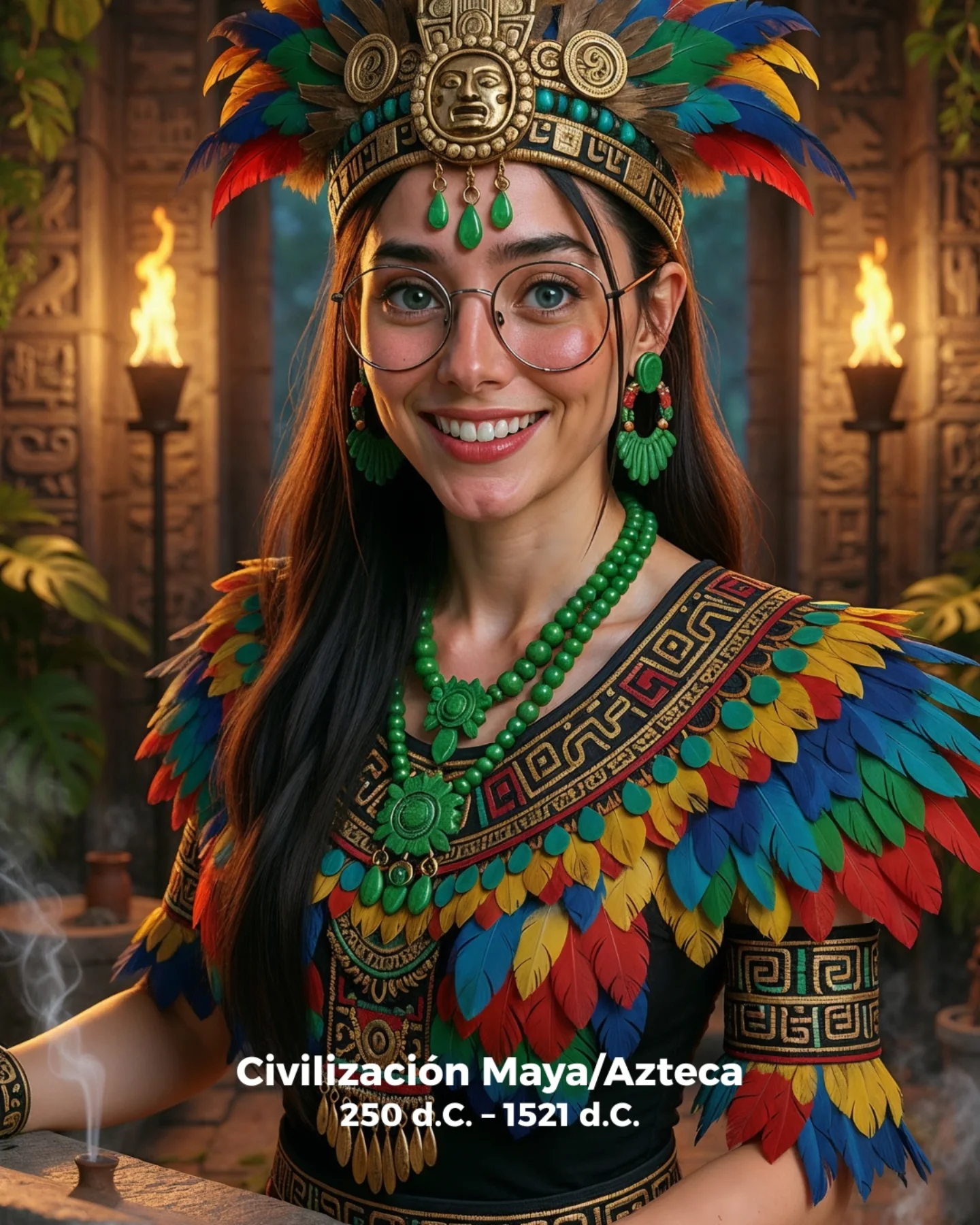
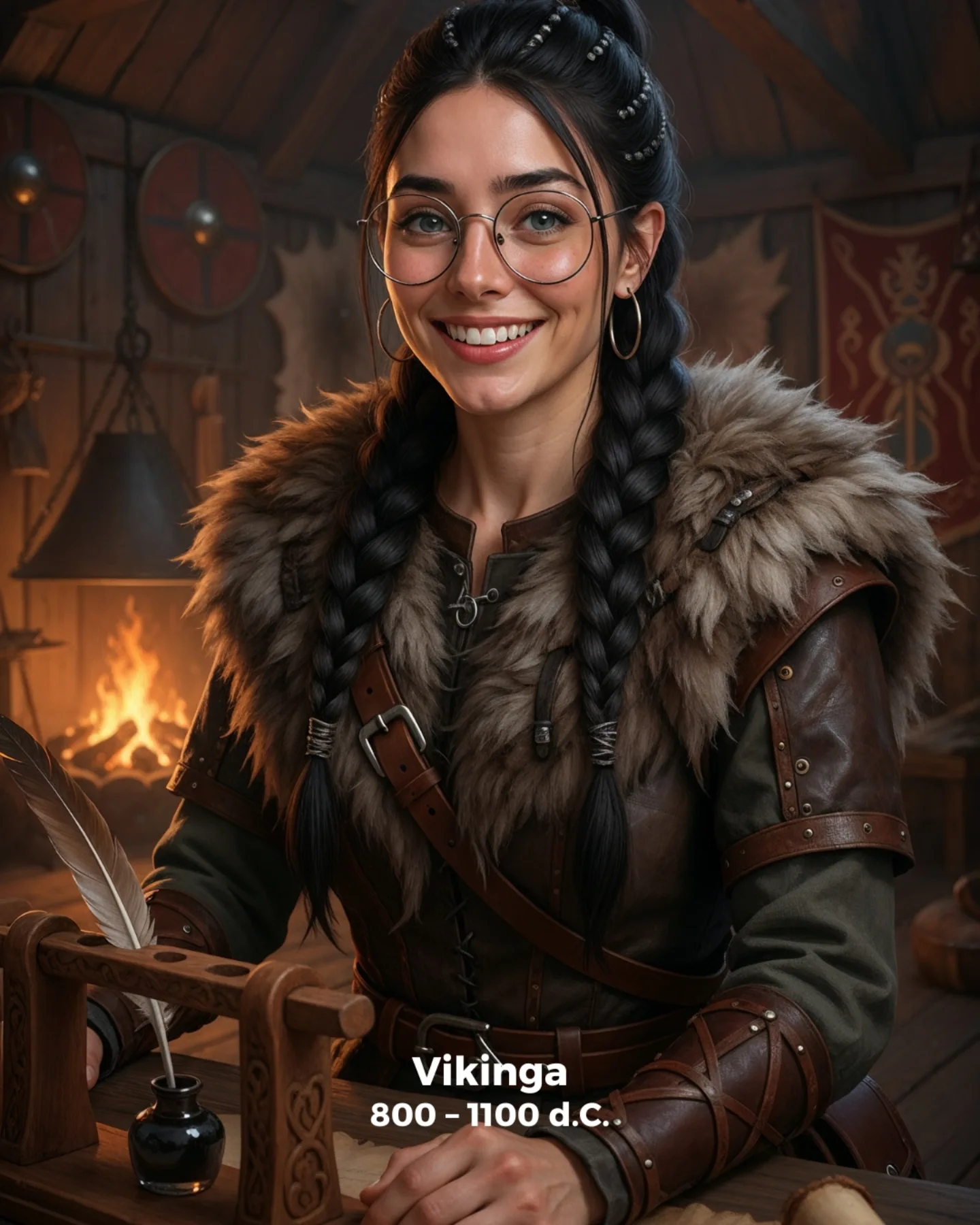
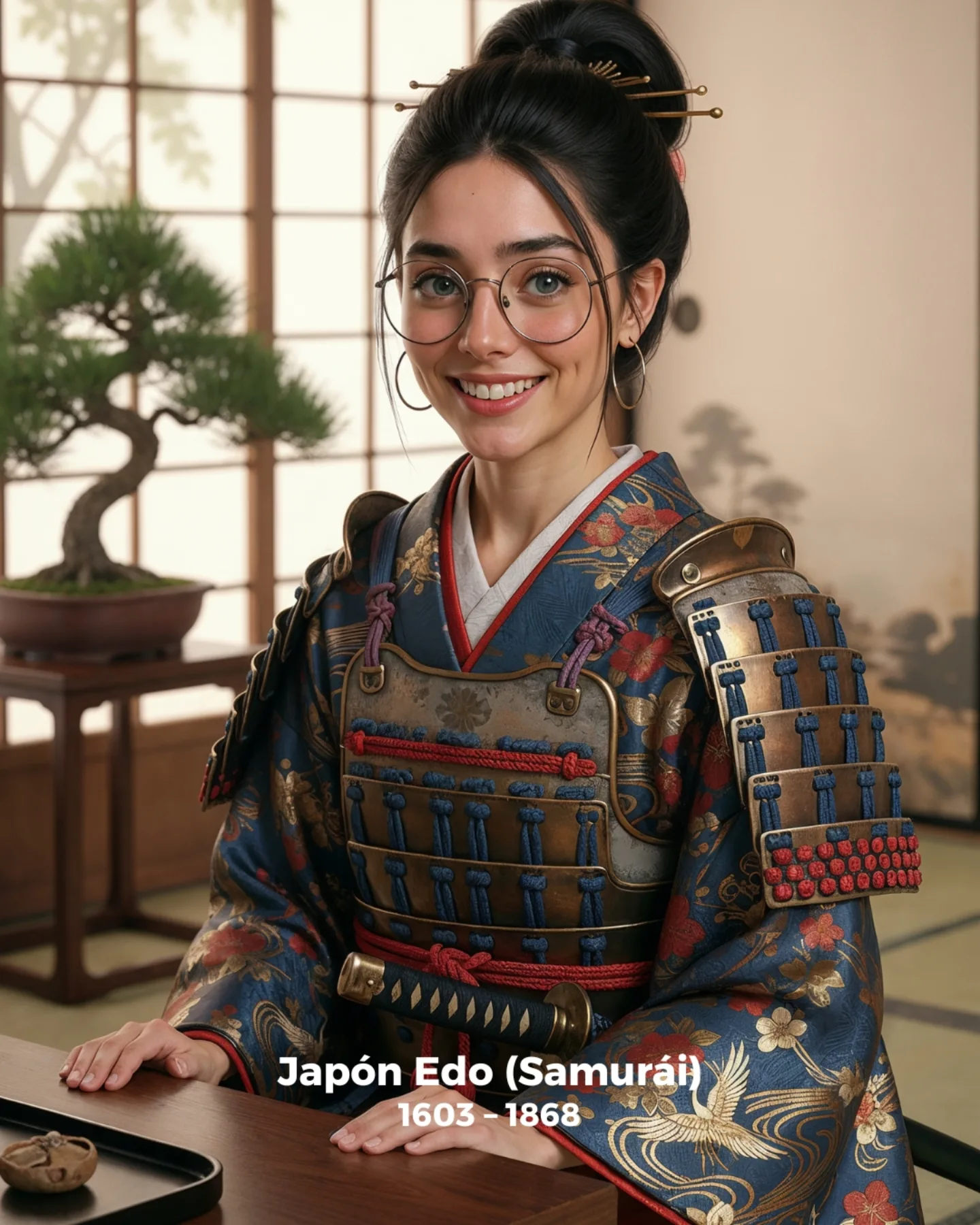
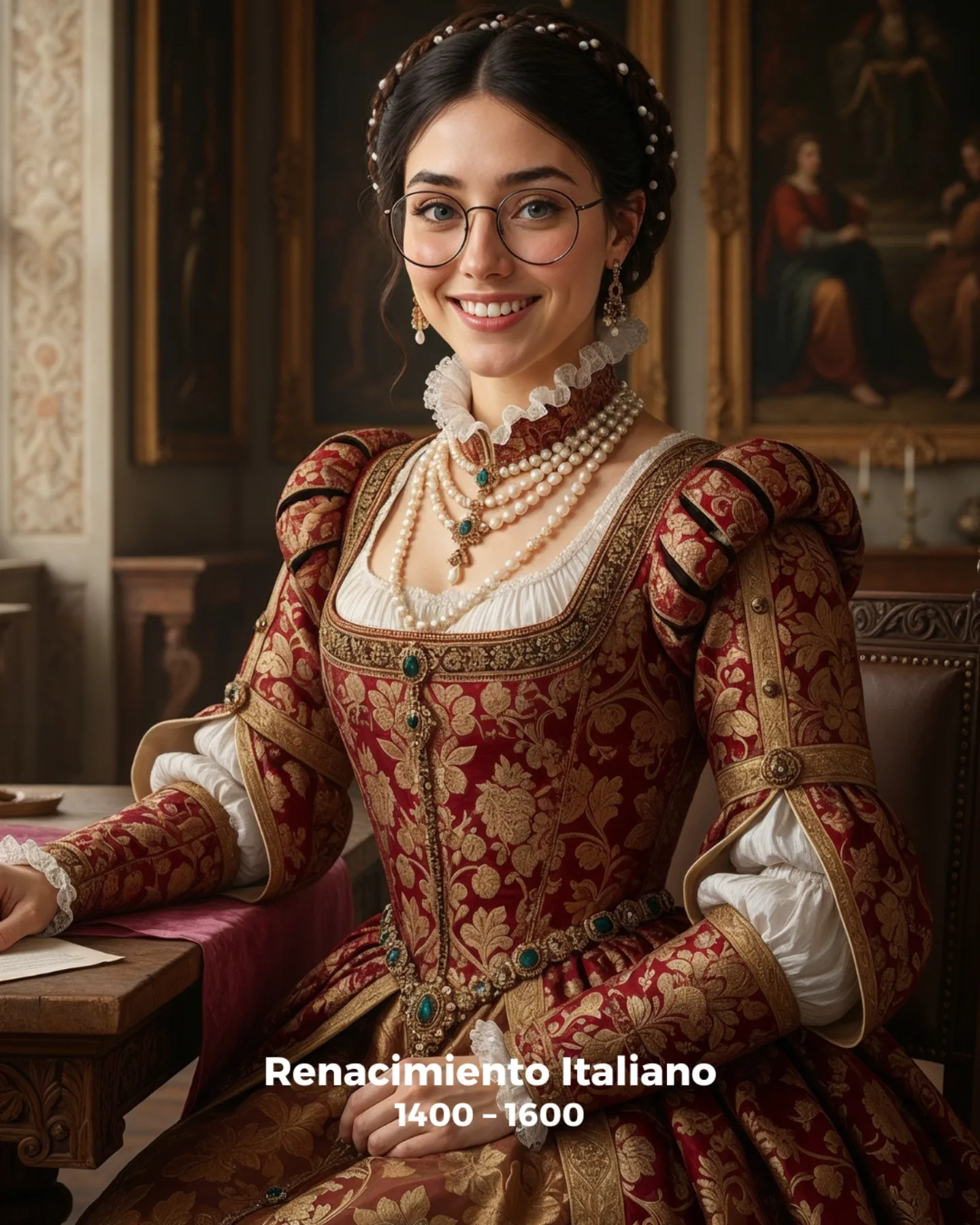
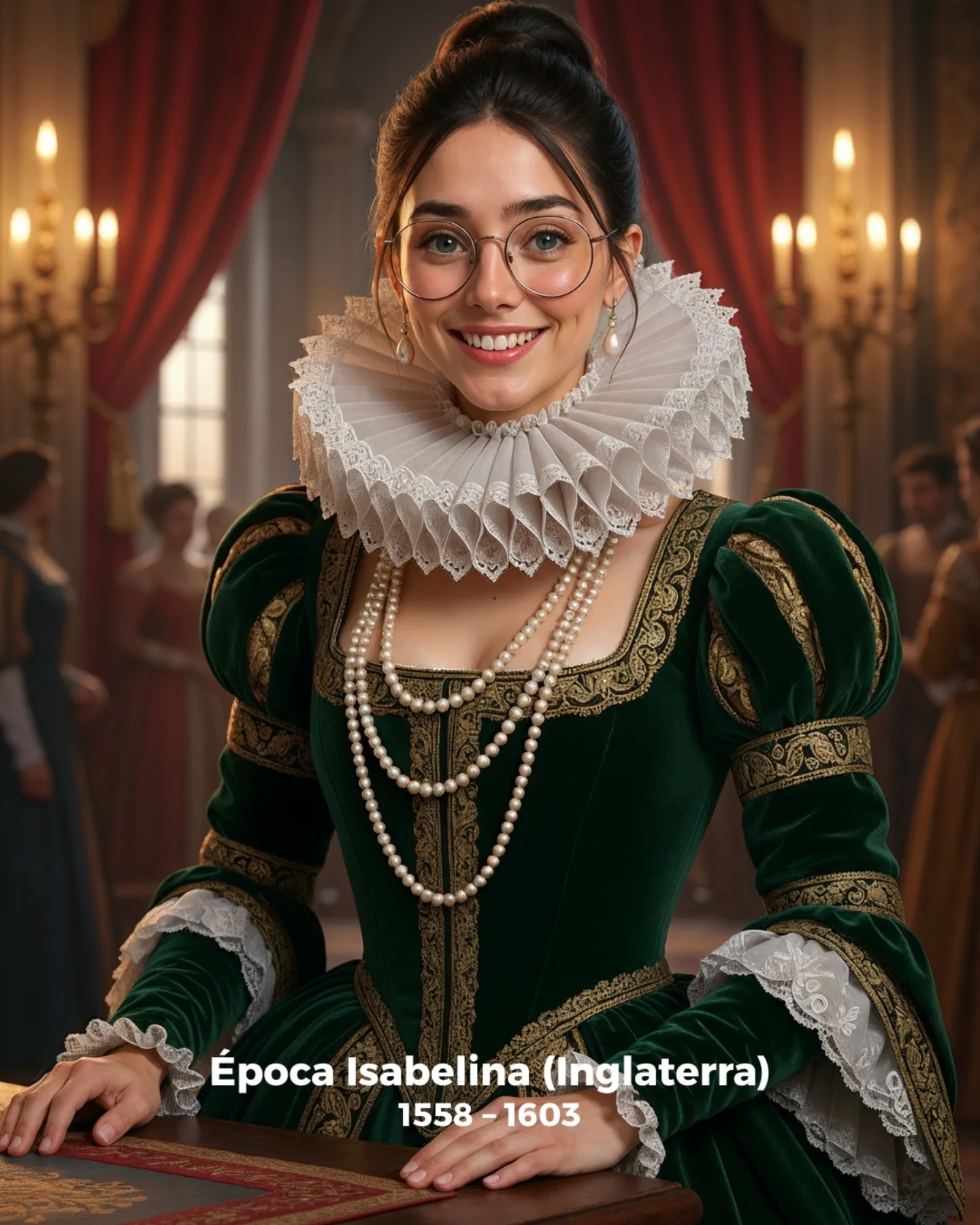
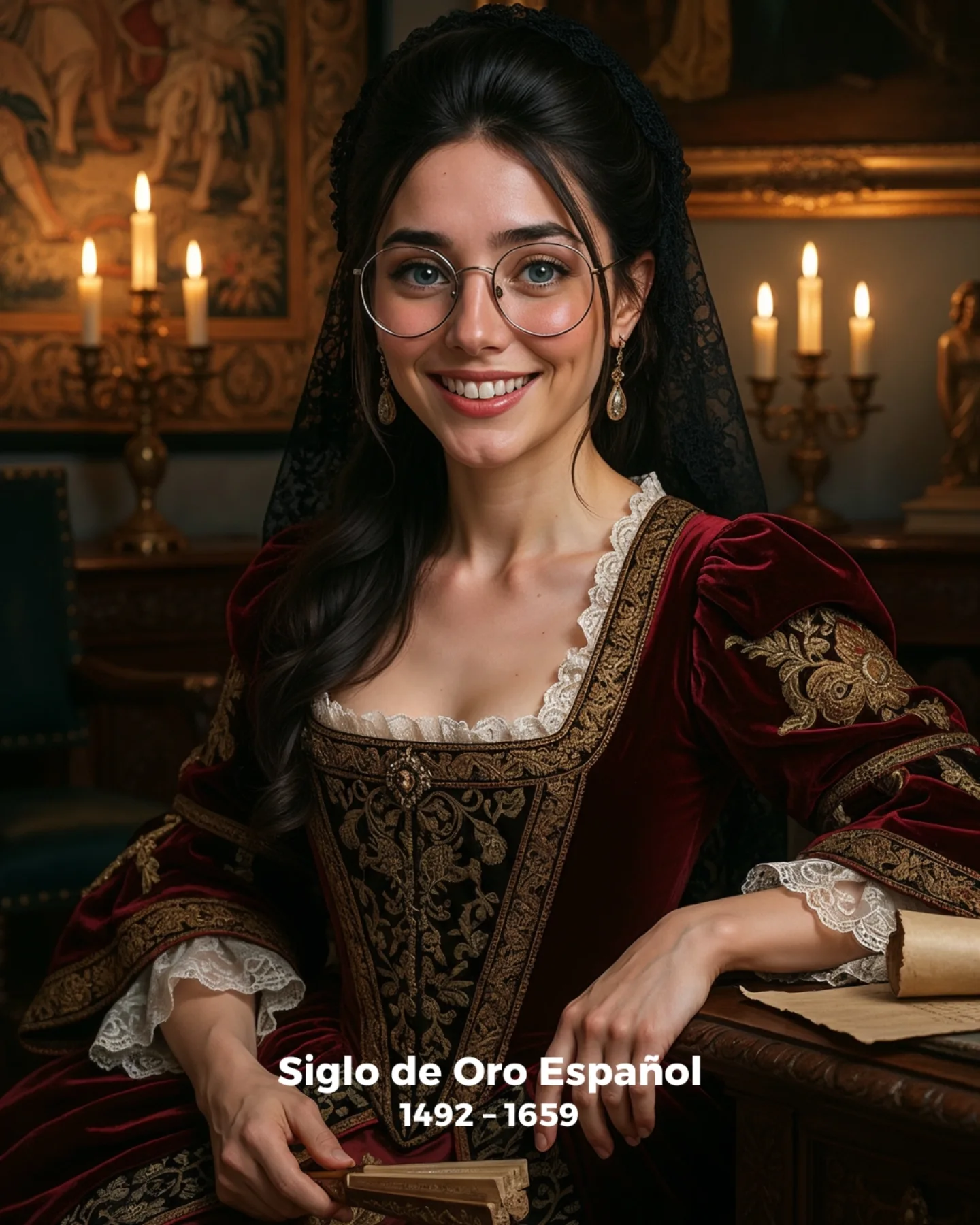
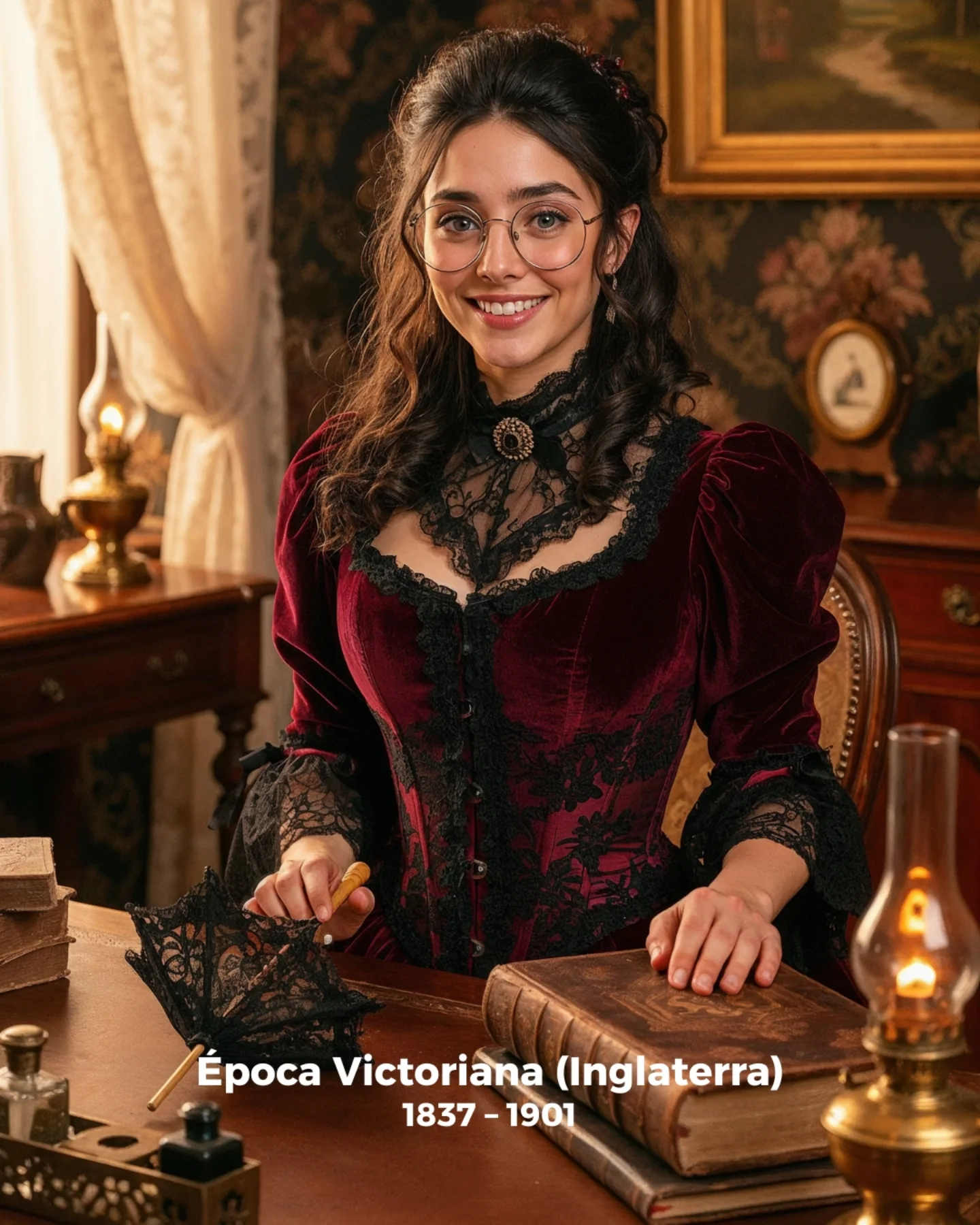
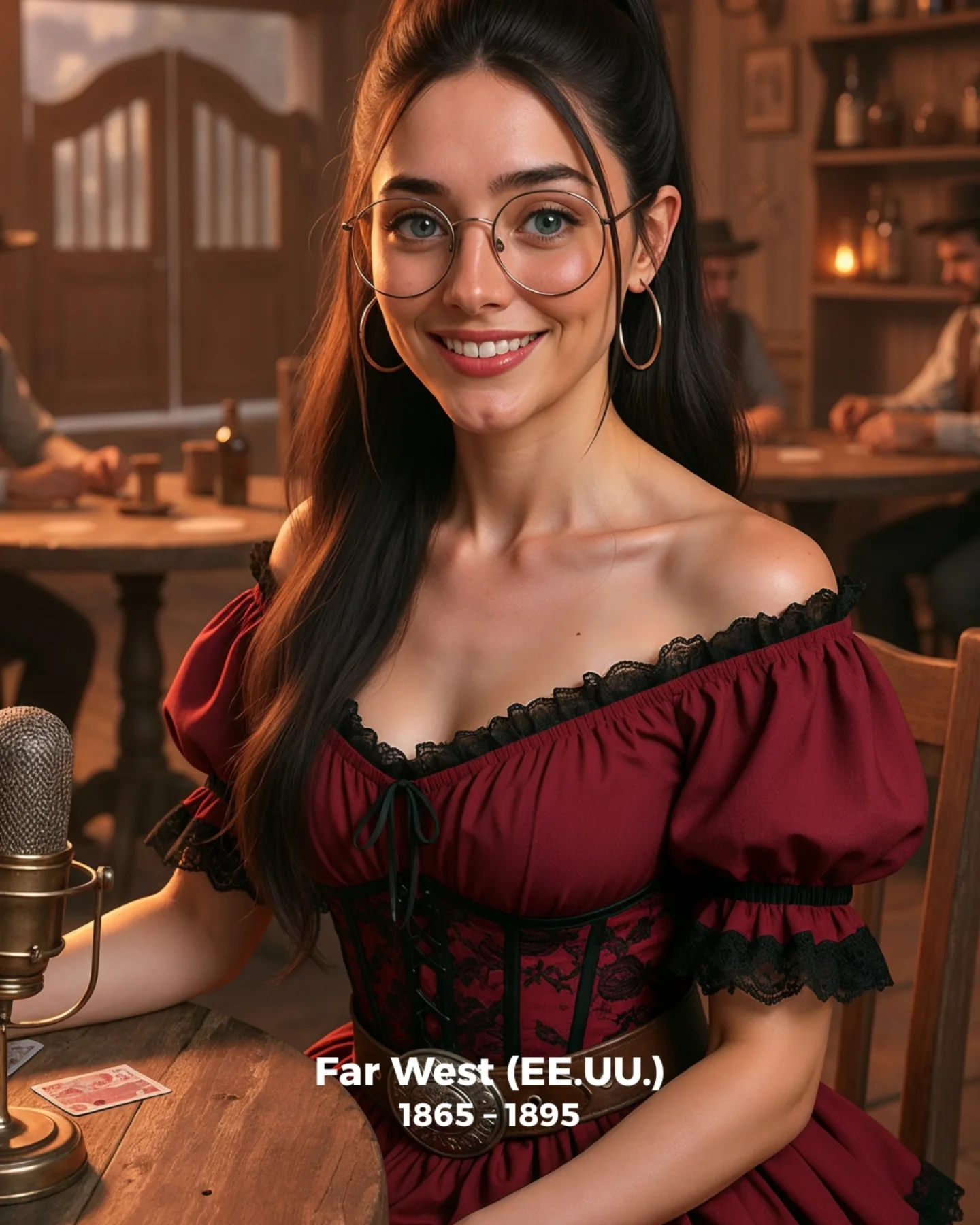
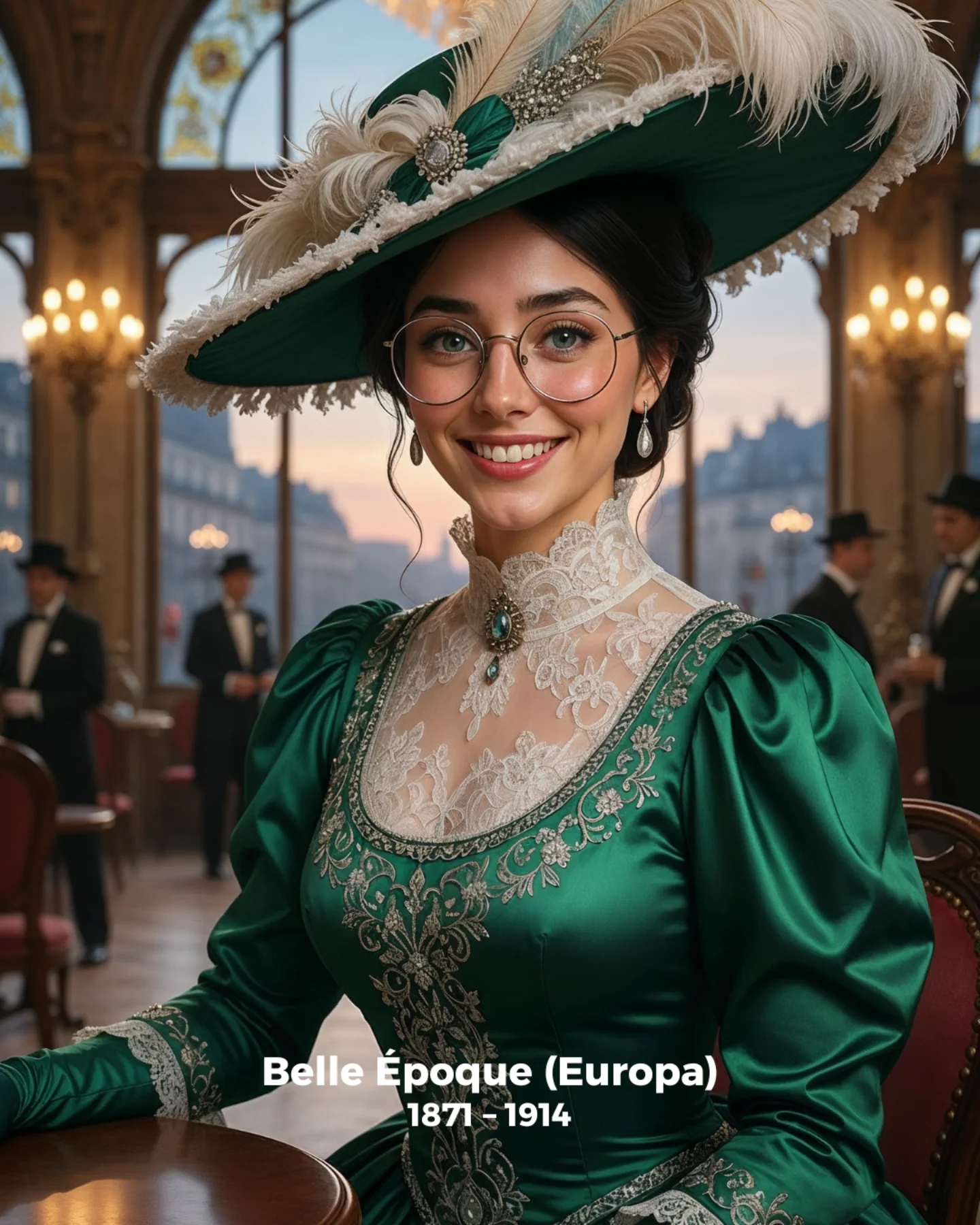
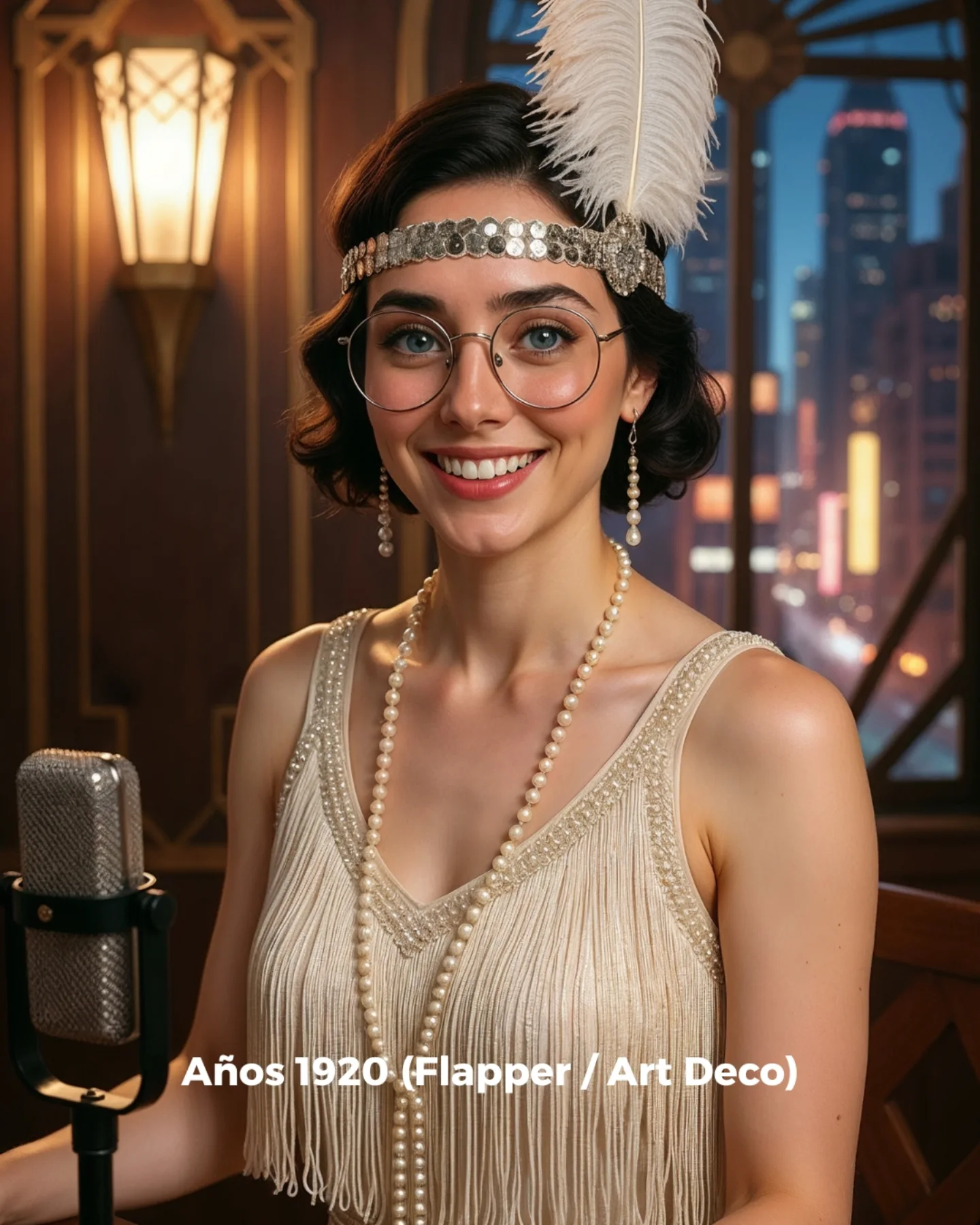
✈️Un Viaje por Todas las Épocas 💕
En el anterior post un seguidor propuso hacer esta idea con todas las épocas y aquí tenéis el resultado 😍 estoy muy ilusionada con el resultado!!
Habré generado al menos unas 1.000 imágenes con Nano-Banana para conseguir estos resultados 😳 Para que sepáis que los resultados no son buenos en todos los casos...
Y bueno... Déjame en comentarios que época de todas es tu favorita y por qué?? 💌
Y si quieres los prompts que he usado para generar cada una de estas imágenes comenta "ARIA" y te la mando por Mensajes 💋
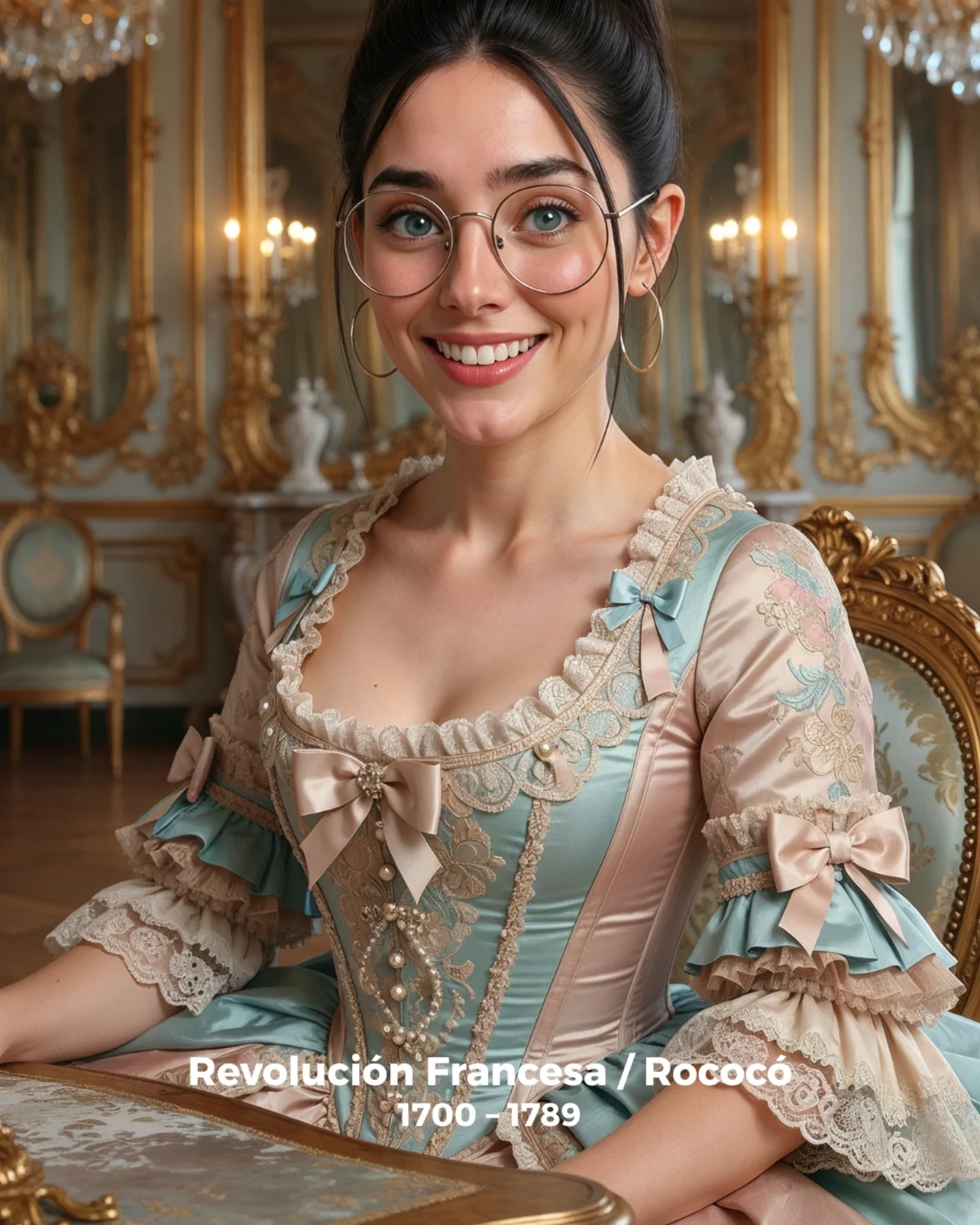
How soy_aria_cruz Created This Rococo Court Portrait AI Art
This image succeeds because it treats historical style as atmosphere, not costume parody. The gown, lace, bows, gilded room, and candlelit elegance instantly place the viewer in a Rococo world, but the portrait still feels clean and readable to a modern audience. That balance is difficult. If you push too hard toward historical excess, the image becomes theatrical. If you underplay the era, it loses identity. This one sits in a useful middle ground.
For creators, that is the big lesson. Historical AI images work best when they borrow the visual grammar of the period while preserving the emotional clarity of modern social portraiture. The image feels ornate, but the face remains approachable. That is why it feels more shareable than a strict museum-style recreation.
Why the image holds attention
The strongest mechanism here is high-density detail with low visual confusion. There is a lot to look at: embroidery, pearls, lace cuffs, bows, gilded walls, candlelight, carved furniture. But everything belongs to the same world, so the frame still feels coherent. That kind of detail richness is valuable because it rewards a second look without making the image messy.
The second strength is the color palette. Soft blue and blush pink against warm gold ornament creates a gentle but luxurious contrast. It feels expensive without becoming heavy. For social performance, this matters. Historical content often goes too brown, too dark, or too stiff. This one stays light enough to feel inviting.
Signal
Evidence (from this image)
Mechanism
Replication Action
Strong era coding
Lace-heavy pastel court dress, gilded salon, and candlelit décor all point to Rococo immediately
Viewers understand the historical reference without explanation
Use 3-4 unmistakable period markers instead of vague “historical elegance” wording
Detail-rich but readable styling
Bows, pearls, embroidery, and ruffles add density while the face remains clear
The image feels premium and collectible rather than cluttered
Concentrate complexity in coordinated fabric details rather than scattered props
Modern-social facial clarity
The smile and direct readability keep the portrait approachable
Historical content becomes easier to connect with on a feed
Preserve a clean contemporary portrait feel even inside a period setting
Where this style fits best
This type of image is ideal for historical-fashion prompt packs, time-travel portrait series, AI pages experimenting with era shifts, and creators building visually rich educational or entertainment content around fashion history. It is especially effective when each frame represents a different time period in a way that feels memorable at a glance.
It is less useful for strict historical reenactment audiences who expect maximum period accuracy. The glasses and modern facial presentation introduce a deliberate contemporary bridge. That is part of the charm here, but it also means the image is a creative reinterpretation more than a museum-grade reconstruction.
Best fit: time-travel portrait series. Why fit: the image instantly communicates one era with strong visual signals. What to change: swap the decorative language by century while keeping the portrait logic stable.
Best fit: fashion-history creators. Why fit: the outfit does most of the storytelling and remains highly readable. What to change: highlight one defining garment feature per period.
Best fit: social AI showcase pages. Why fit: the image is ornate enough to stop the scroll but clean enough to read quickly. What to change: rotate settings from salons to streets, courts, or studios by era.
Not ideal: strict historical-purity pages. Reason: the image intentionally keeps a modern face identity and glasses.
Not ideal: minimal lifestyle feeds. Reason: the ornate décor and gown styling dominate the frame.
Transfer recipes
Keep: one subject, one clearly coded era dress, and one period-rich room. Change: Rococo to Regency, Victorian, Edwardian, or Belle Epoque. Slot template: "{subject} styled in {era dress} inside {matching historical interior}"
Keep: soft luxury lighting and a waist-up seated portrait. Change: the era color palette and trim language. Slot template: "{historical portrait} emphasizing {signature fabric and trim of the era}"
Keep: modern-readable face plus rich period styling. Change: the mood from smiling to solemn or curious while preserving the same room logic. Slot template: "{time-travel portrait} with {emotion} in {specific historical setting}"
What the image gets right aesthetically
The image succeeds because every layer supports the same fantasy of refinement. The lace and ribbons are not random decoration. They echo the ornate furniture and the gilded moldings behind them. That repetition makes the image feel composed instead of simply embellished.
The portrait also benefits from not being overly dark. Many historical interiors are prompted with too much candlelit drama, which crushes detail. Here, the room stays warm and luminous enough for the textures to remain visible. That is a better choice for social content, where subtle textile work often matters more than atmosphere alone.
Observed
Why it matters for recreation
Pastel blue-and-blush Rococo gown with bows and lace
Provides immediate era recognition and visual richness
Gilded salon background with chandeliers and candelabras
Anchors the image in a specific social world
Waist-up seated portrait framing
Keeps the focus on face and bodice detail without overcrowding the scene
Warm luminous lighting
Preserves texture and makes the image more inviting on social feeds
Modern glasses on a period-styled face
Create the time-travel twist that keeps the image fresh
Prompt chunks worth locking first
If you want to recreate this type of image, start with the era-defining dress and room language before you add emotion or extra ornament. The image works because the historical category is obvious from the first second.
morning salon light, candle-and-window mix, soft evening amber glow
waist-up seated portrait
Social readability and focus on dress construction
standing half-body portrait, chair-side pose, mirrored salon portrait
bottom era label text
Educational and social packaging
Regency 1800-1820, Victorian 1837-1901, Belle Epoque 1871-1914
An iteration path that keeps the period clear
Lock these three things first: the Rococo dress silhouette, the gilded salon setting, and the warm readable lighting. Those are the core era anchors. After that, refine embroidery, jewelry, and facial tone one step at a time.
Run 1: stabilize the dress shape, bows, lace, and basic room identity.
Run 2: refine the embroidery, pearl detailing, and sleeve ruffles.
Run 3: improve gilded décor, chandelier glow, and the softness of the palette.
Run 4: remix the century while preserving the same time-travel portrait structure.
If the output feels too generic, strengthen the trim language and room ornament. If it feels too costume-like, simplify one decorative layer and let the face breathe more.