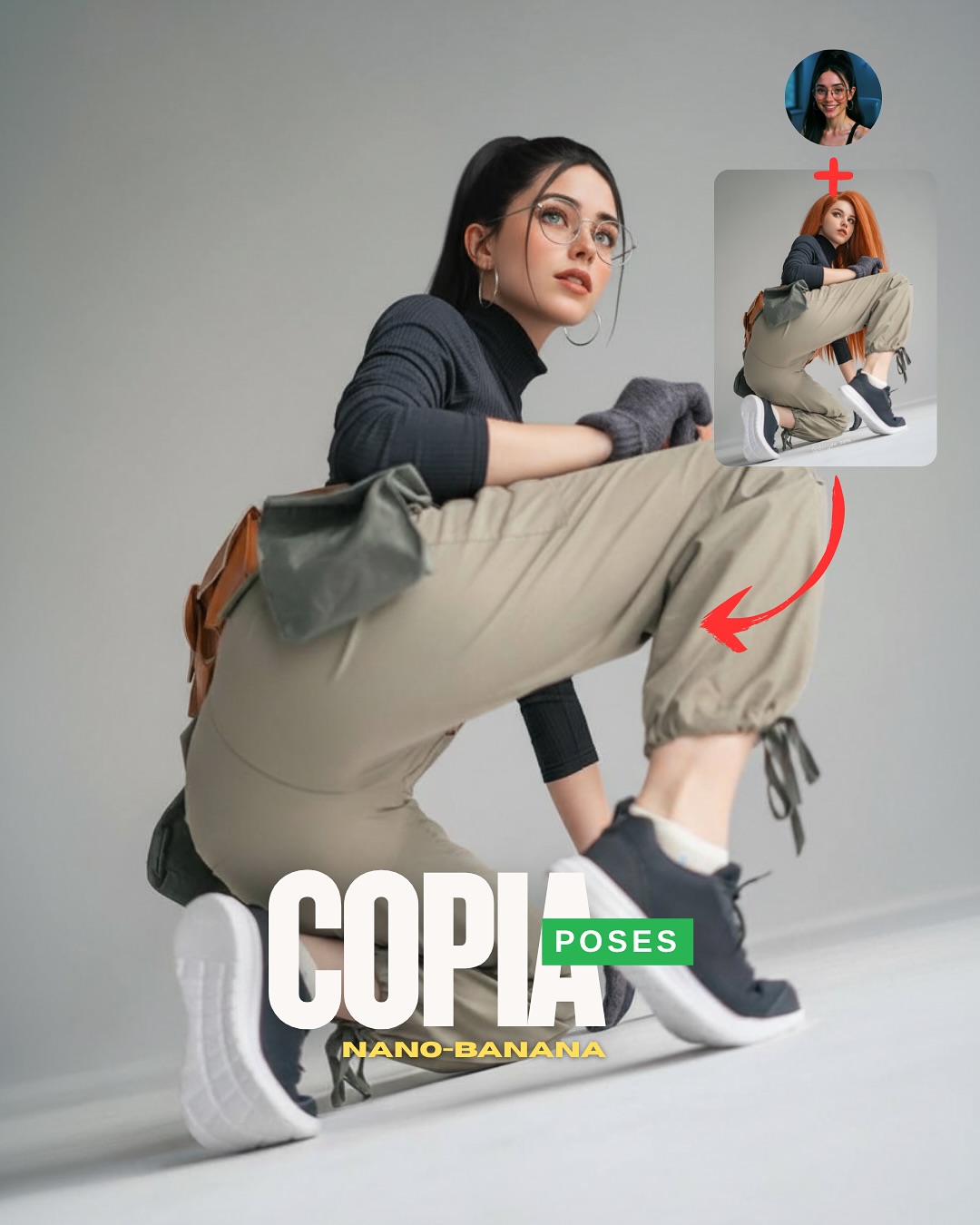
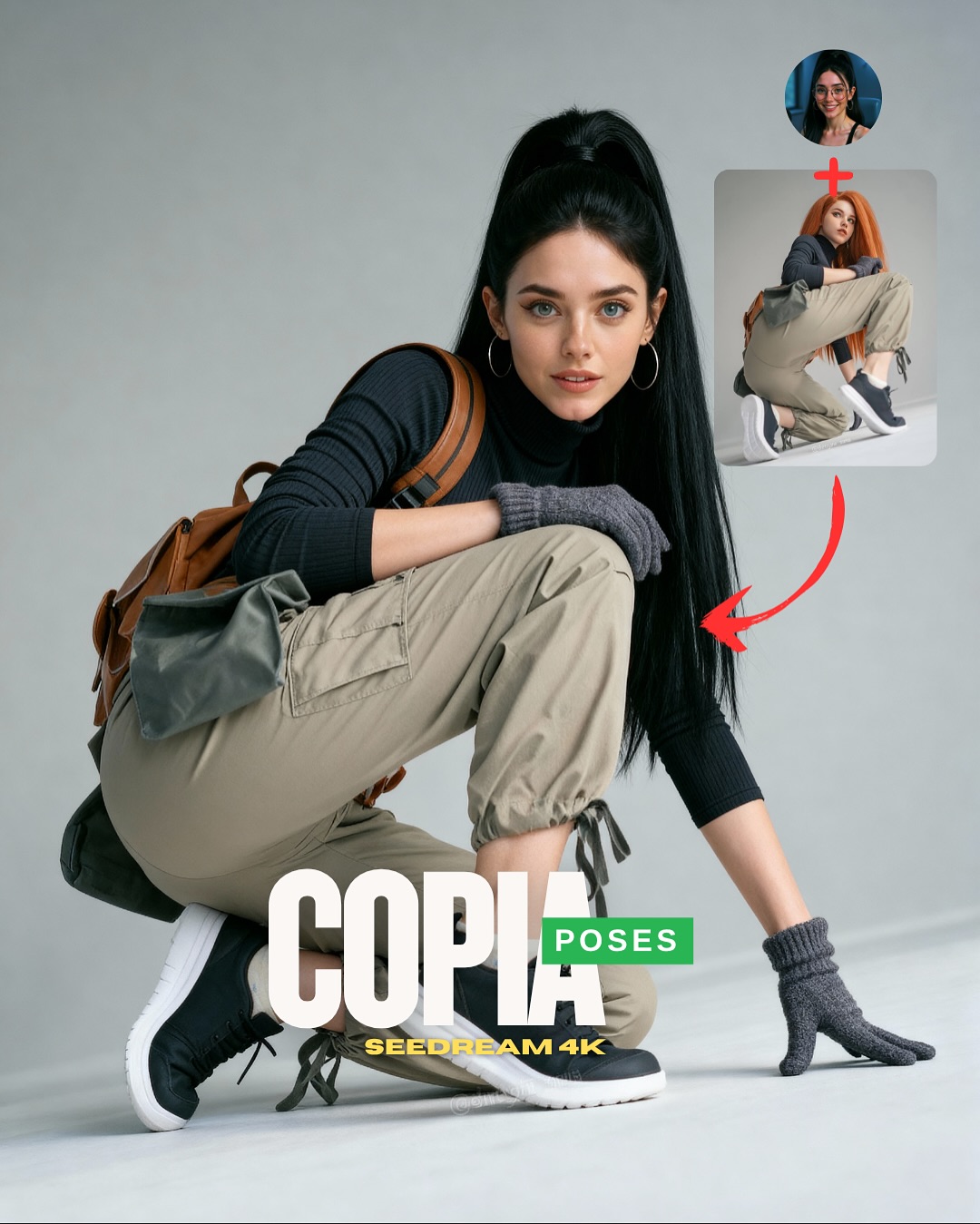
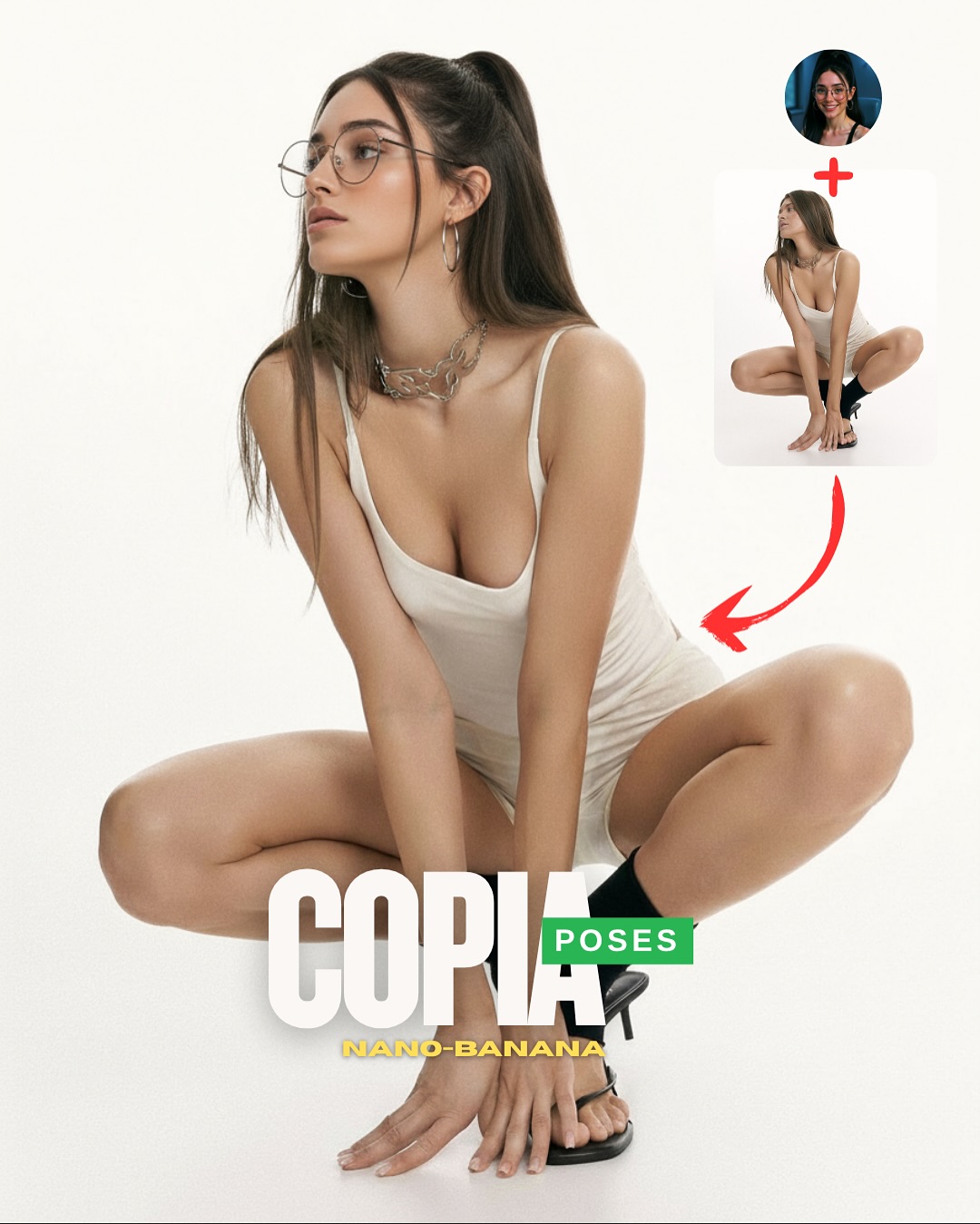
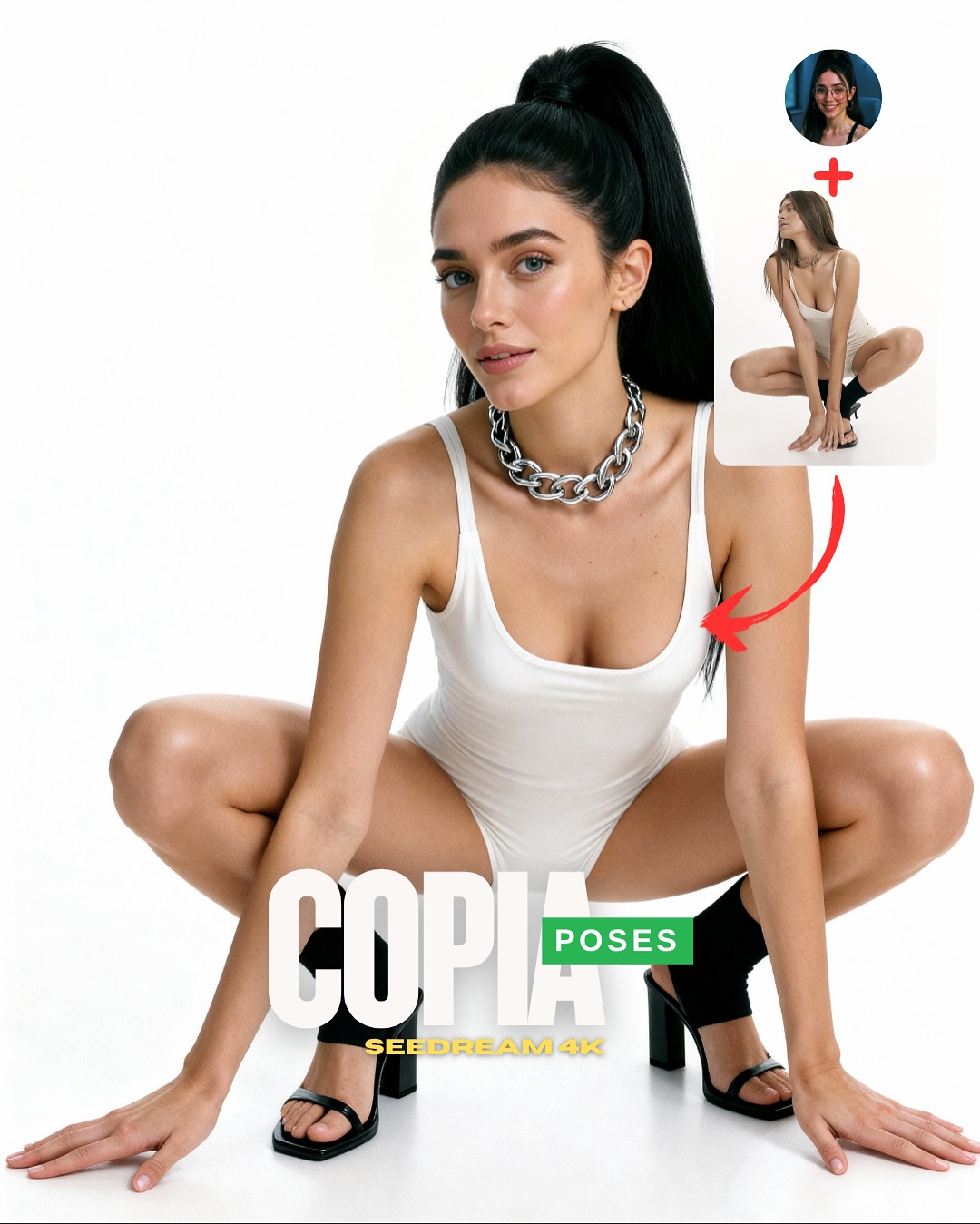
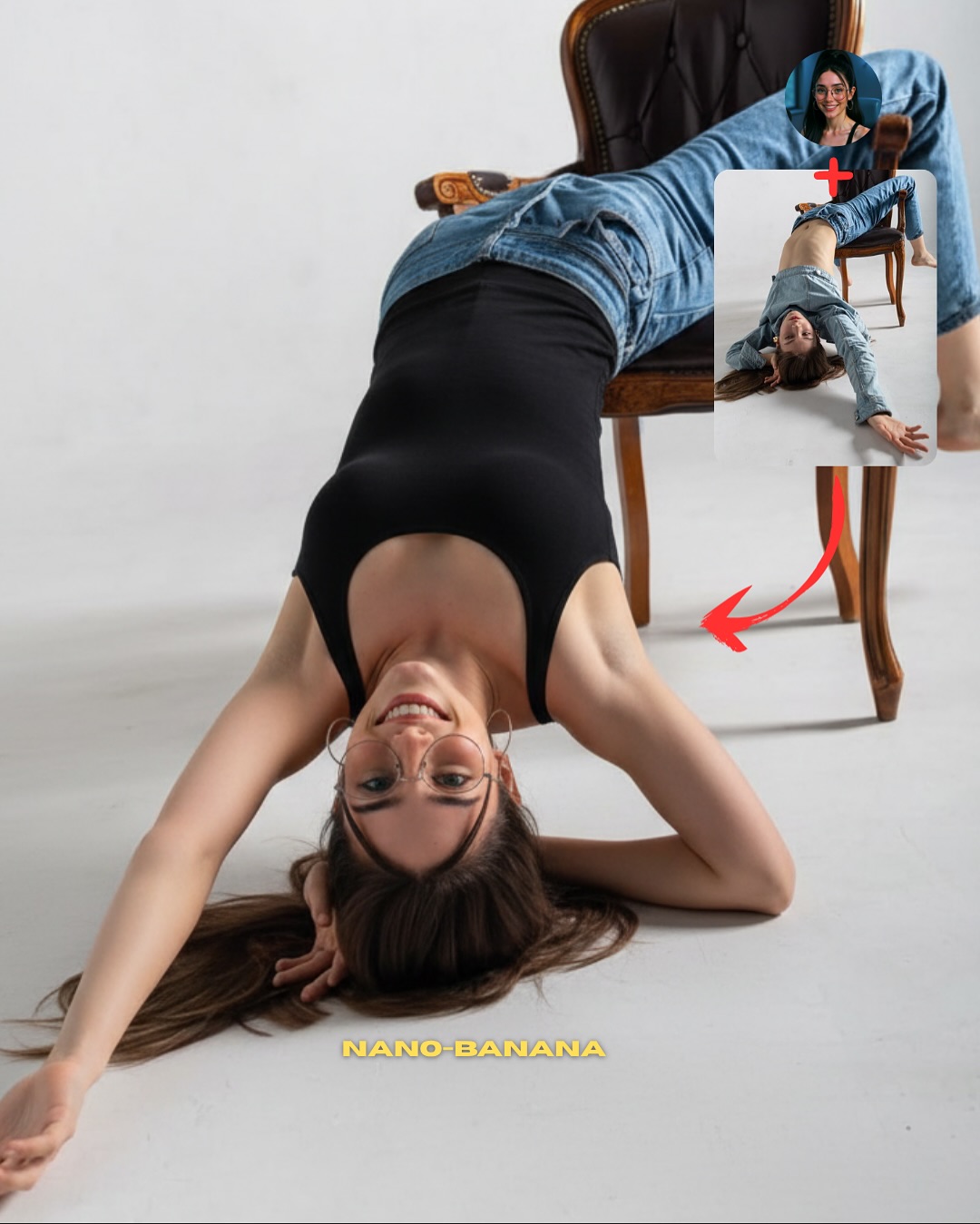
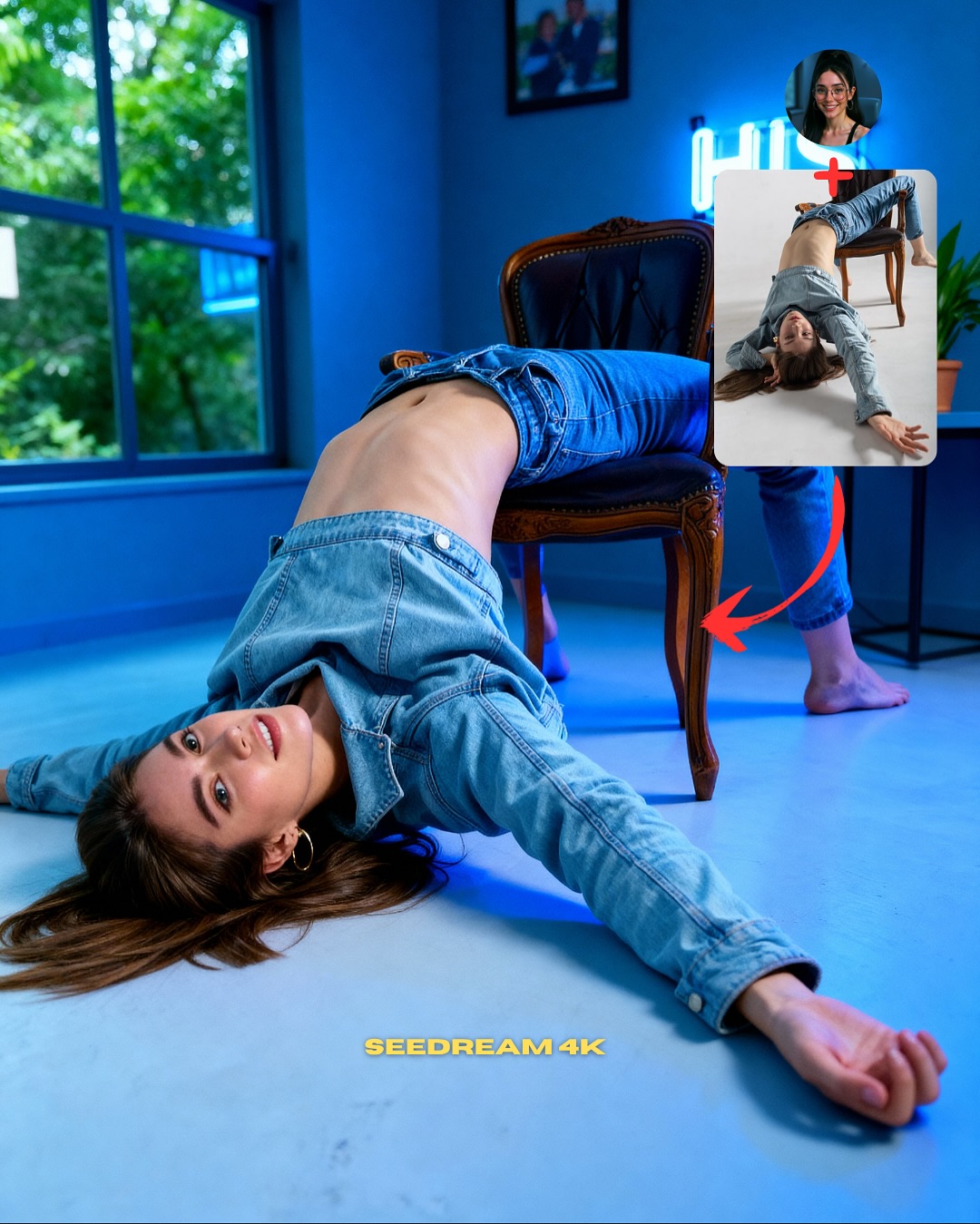
Transfiere Poses a tu Influencer IA 💕
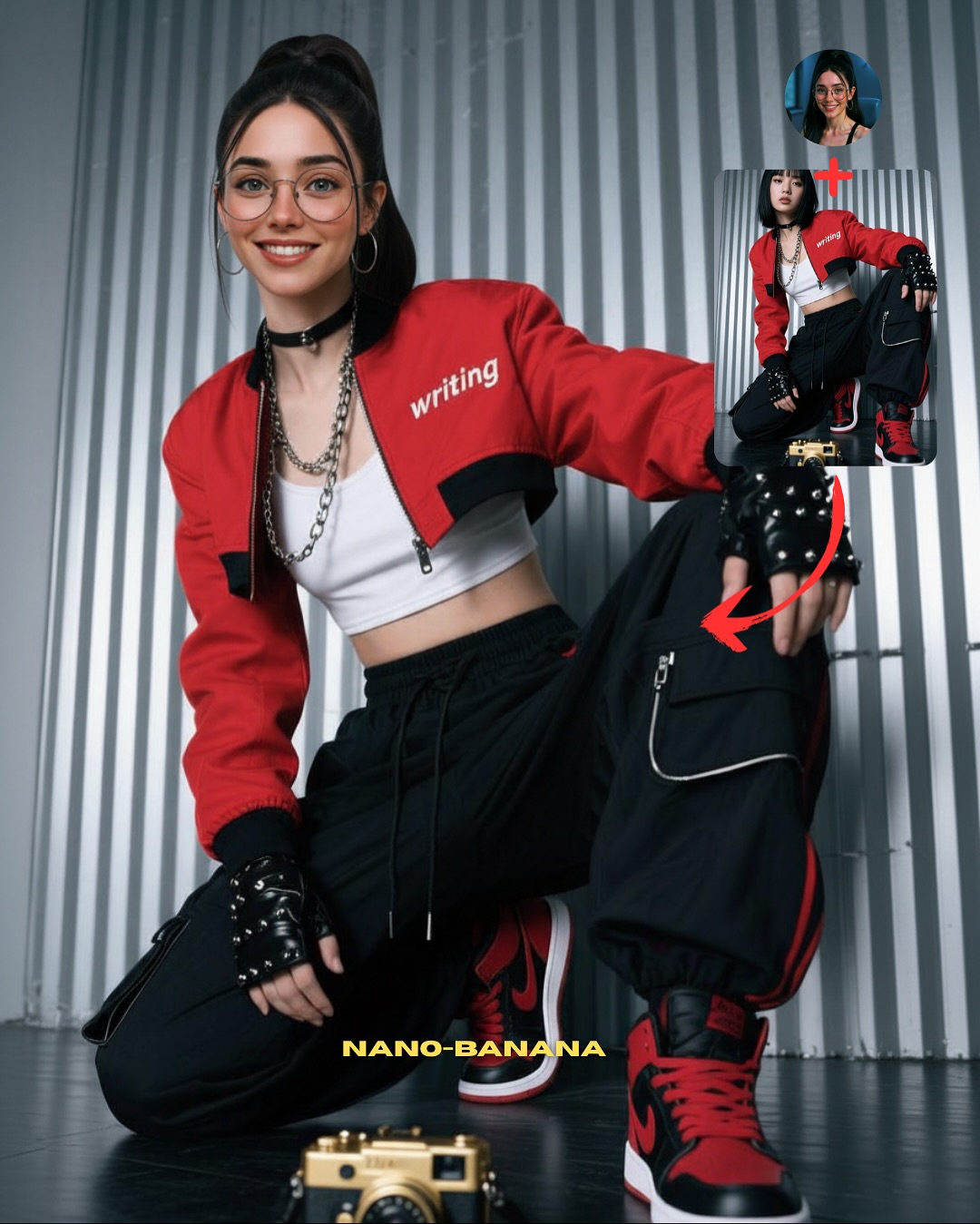
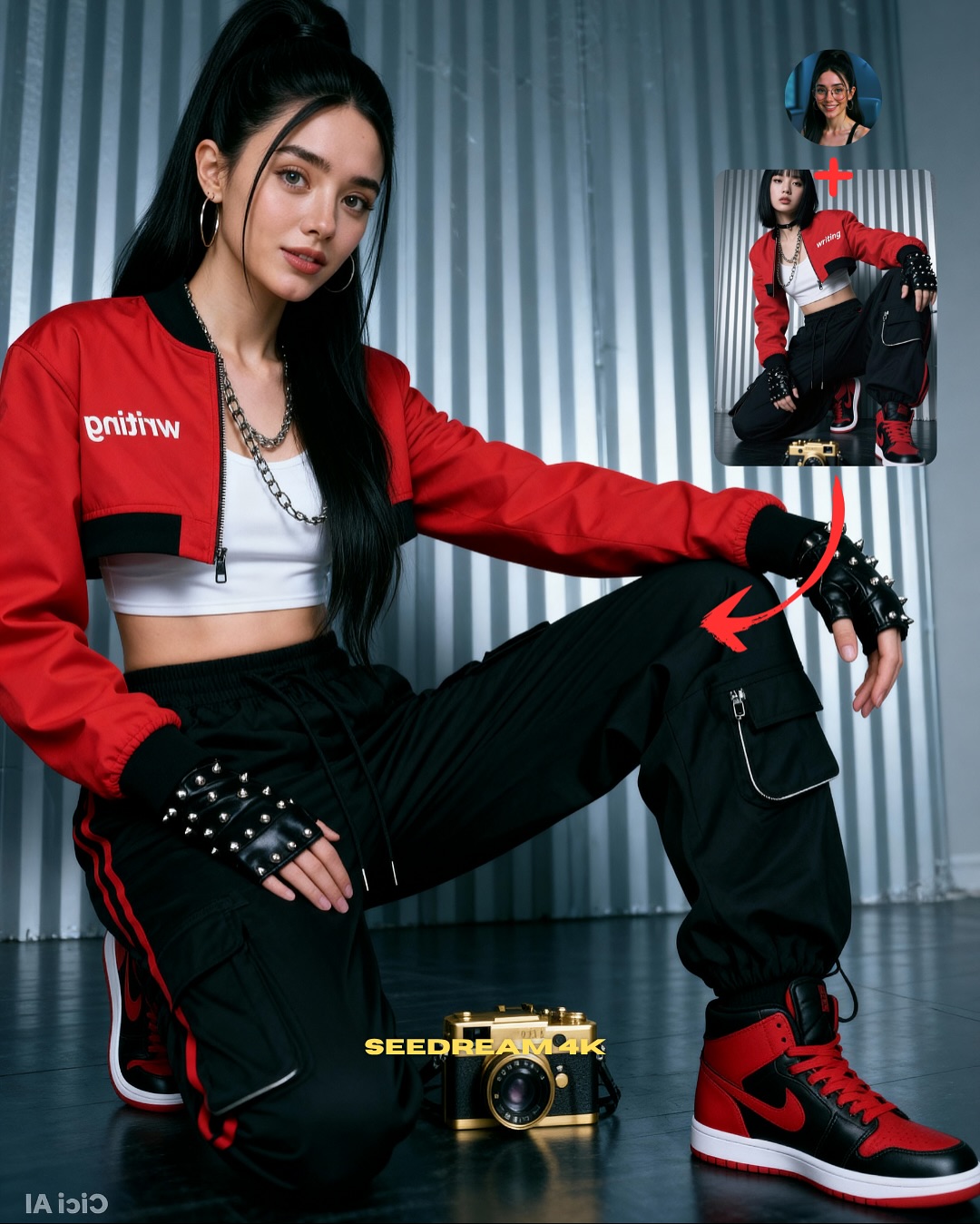
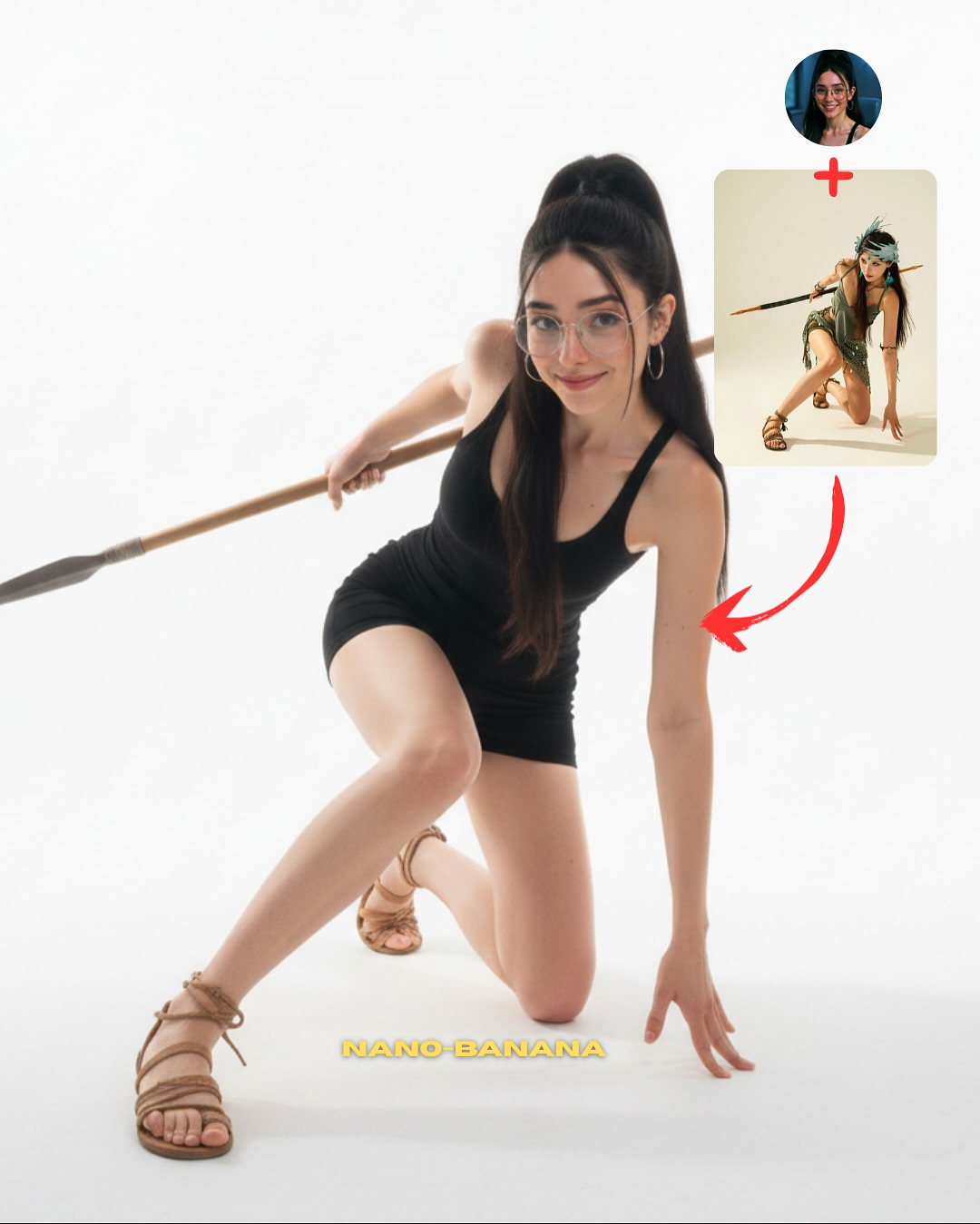
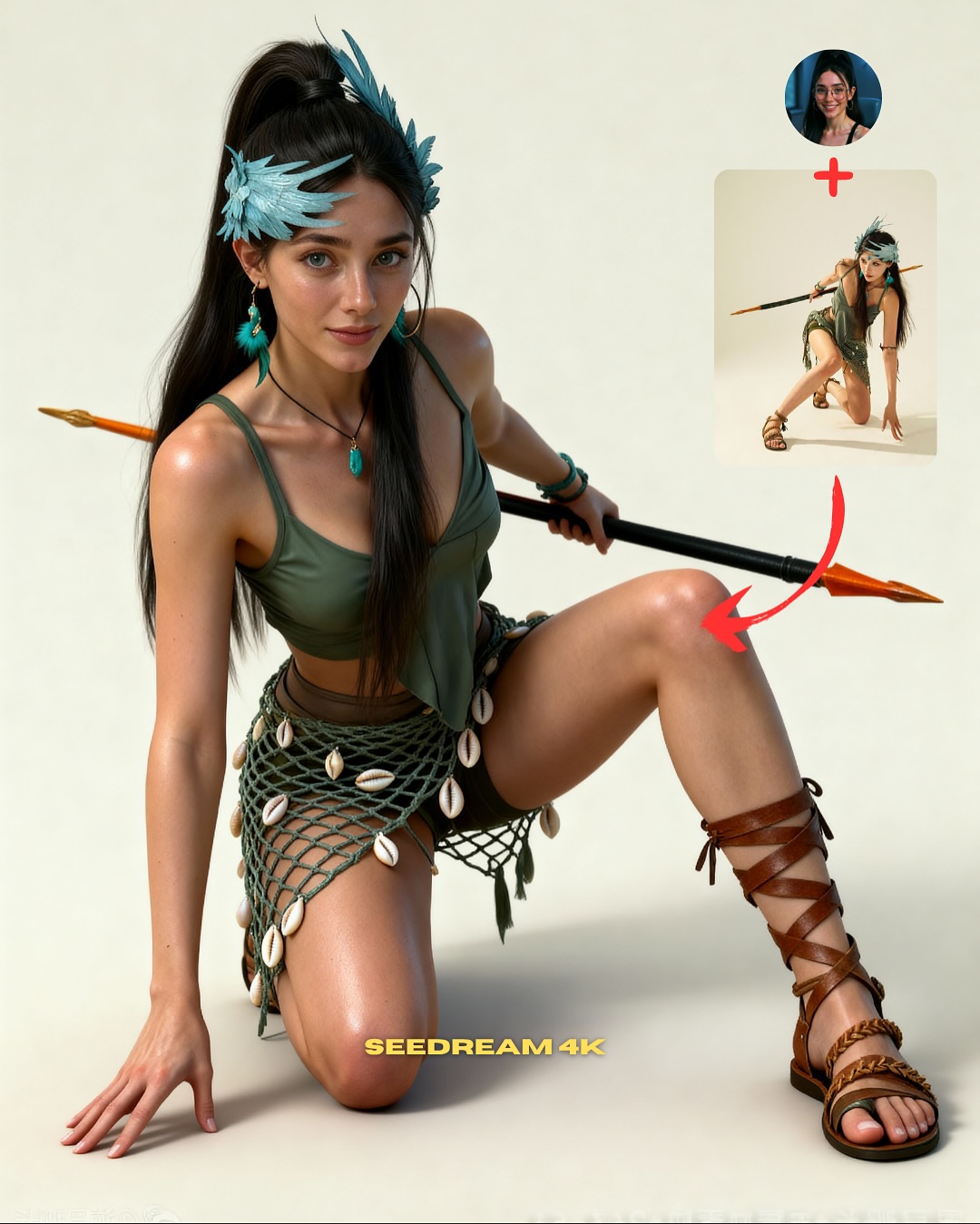
Como sé que conseguir transferir la pose que buscas es complicado y requiere muchas pruebas fallidas (y créditos gastados para nada 😅), aquí te dejo varias imágenes con sus prompts para que puedas usarlas con tus propias imágenes 🙊
Cómo usarlo:
1️⃣ Imagen 1 = tu foto o la de tu influencer IA.
2️⃣ Imagen 2 = la pose que quieres recrear.
3️⃣ Genera en Nano-Banana o Seedream 4K y haz 4–8 intentos para elegir el mejor resultado.
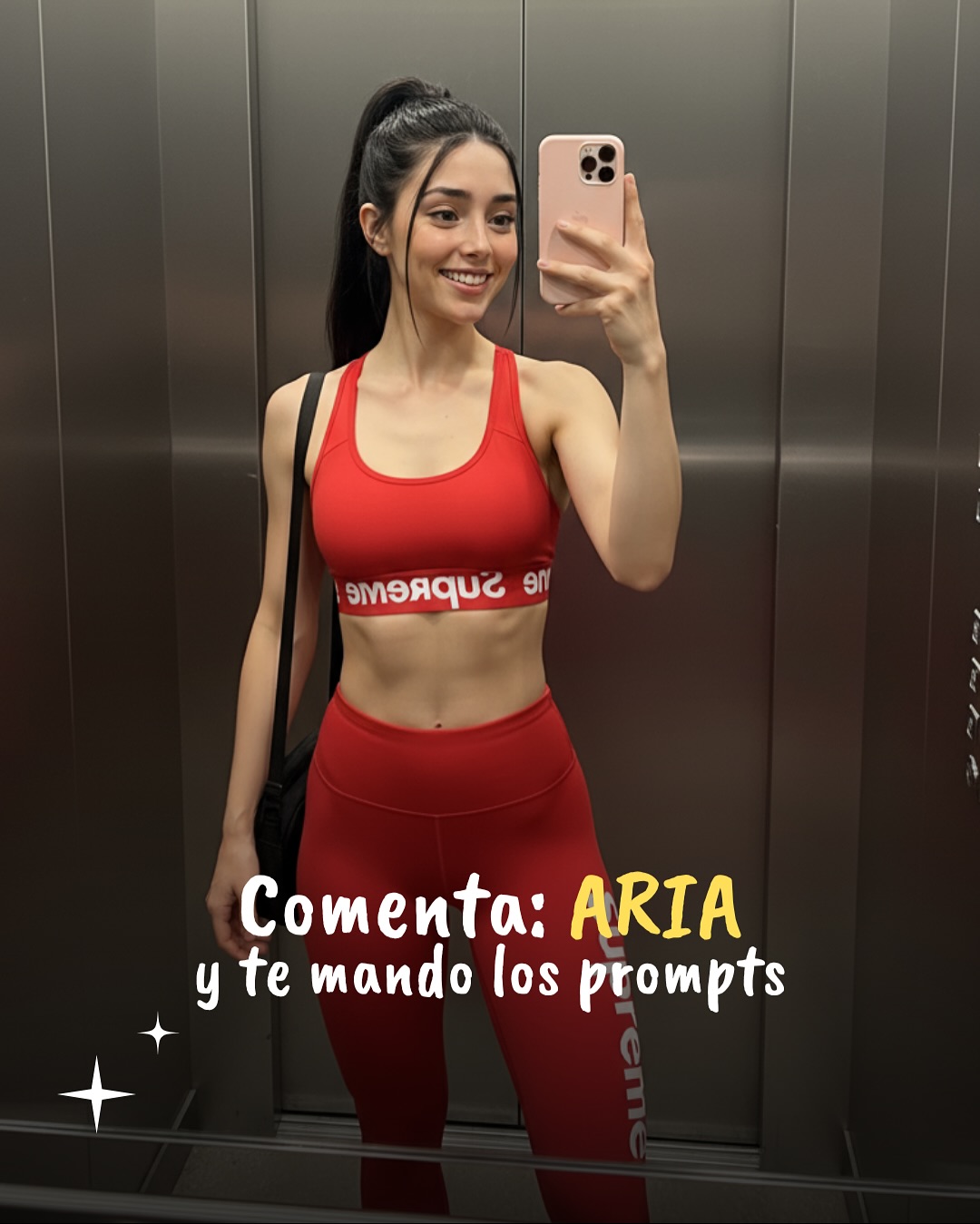
Si quieres todos los Prompts comenta “ARIA” y te lo paso 💌
How to Create a Low Angle Crouch Pose Tutorial AI Image
This image is valuable because it isolates a pose that feels dynamic without becoming chaotic. The subject is crouched low, one knee lifted toward the lens, one hand near the floor, and the whole body arranged in a way that creates shape from every angle. That is exactly the kind of pose creators struggle to rebuild manually. When a reference frame makes the geometry obvious, it stops being just a cool image and becomes a practical tool.
The scene also benefits from extreme restraint. The studio is blank, the palette is limited, and the clothing is simple enough to keep attention on the body mechanics. That matters for pose-transfer education. If the environment is noisy, creators start copying aesthetics instead of structure. Here, the structure is the point, which makes the image much more reusable.
Why The Pose Reads So Well
The strongest decision is the low camera angle. It turns the raised knee and shoe into major foreground elements, which makes the pose feel dimensional instead of flat. The second strong decision is how the limbs are separated. You can clearly read where the weight is, where the folded leg sits, where the balancing hand lands, and where the head is oriented. That clarity is rare in more casual pose references.
Another reason the frame works is that the styling supports the pose rather than competing with it. The fitted black top and tapered cargo pants make the body lines easy to follow. Even the gloves and sneakers help by emphasizing hand placement and foot direction. Everything in the outfit is serving pose readability.
Signal
Evidence (from this image)
Mechanism
Replication Action
Clear body geometry
The raised knee, grounded hand, folded leg, and lifted gaze are all easy to identify
Readable mechanics make the pose easier to transfer into new scenes and outfits
Write body placement explicitly in your prompt instead of relying on vague terms like “dynamic crouch”
Perspective drama
The shoe sole and bent leg are enlarged by the low-angle camera
Camera position adds energy without needing extra motion or props
Lock the camera low to the floor whenever you want a pose to feel more sculptural
Minimal noise
The studio background is empty and the outfit palette stays restrained
Reducing distractions makes the pose the main object of study
Use a seamless backdrop for pose references when education is the primary goal
Supportive styling
Fitted top, cuffed pants, gloves, and sneakers all reveal limb direction clearly
Simple garments make weight distribution and silhouette easier to read
Choose clothing that traces the body shape instead of hiding it with volume
What Makes The Aesthetic Useful Beyond The Tutorial
Even though this image is practical, it still feels stylish. The low perspective, the upward gaze, and the clean studio space give it a modern editorial quality. That is important because creators are more likely to save and reuse pose references that already look aspirational. Utility alone is not enough. The reference has to feel worth copying.
The image also shows a useful middle ground between streetwear and studio fashion. It is polished, but not overstyled. That makes it flexible. The same pose could be remixed into sporty campaigns, techwear portraits, dance references, or urban character shots with only a few changes in wardrobe and setting.
Observed
Why it matters for recreation
Foreground shoe enlarged by low angle
Creates depth and instantly communicates where the camera should sit
One hand near the floor for balance
Makes the crouch believable and stabilizes the pose mechanically
Upward face orientation
Adds attitude and prevents the pose from feeling closed off or defensive
Fitted top plus tapered pants
Keeps the body lines easy to trace and transfer accurately
Neutral seamless studio backdrop
Turns the image into a clean reference that can be adapted to many new concepts
Best Uses, Weak Uses, And Transfers
Best for pose-transfer tutorials because the geometry is clear and the camera angle is easy to specify.
Best for streetwear, sneaker, or urban-editorial prompts where body shape and shoe emphasis matter.
Best for character-intro shots that need attitude without requiring movement blur or action effects.
Best for creator education around low-angle composition and weight-bearing poses.
This format is less ideal for elegant gown styling, crowded scenes, or emotional close portraits. It depends on full-body readability and on the viewer being able to parse limb placement quickly.
Transfer Recipes
Keep: low-angle crouch geometry, empty background, shoe-forward perspective. Change: swap the outfit for techwear, dance rehearsal clothes, or athleisure. Slot template: "{subject} in a low crouch, one knee toward camera, one hand bracing the floor, {wardrobe}, minimal background"
Keep: upward gaze and raised-knee silhouette. Change: move from studio to rooftop, subway platform, or concrete parking garage. Slot template: "{location} low-angle crouch portrait, upward gaze, strong foreground shoe, clear body lines"
Keep: clean pose logic and restrained palette. Change: adapt the concept into gaming character intro, dance poster, or sneaker ad. Slot template: "{use case} pose reference, low camera angle, crouched body geometry, empty negative space"
Prompt Technique Breakdown
Prompt chunk
What it controls
Swap ideas (EN, 2-3 options)
Pose mechanics
Defines whether the crouch looks real or collapses into awkward anatomy
one knee raised to lens; both feet grounded squat; one hand floor brace with torso twist
Camera placement
Controls how dramatic and dimensional the body looks
floor-level low angle; slight upward tilt; knee-height side angle
Wardrobe clarity
Determines how easy the silhouette is to read
fitted turtleneck and joggers; athletic crop top and cargos; sleek bodysuit and sneakers
Hand role
Anchors weight distribution and pose believability
hand bracing floor; hand touching knee; hand hanging free for balance
Expression direction
Adds tone without breaking the pose
focused upward gaze; slight smirk; neutral editorial stare
Background minimalism
Keeps the image reference-friendly and remixable
gray seamless studio; pale concrete wall; white cyclorama
Execution Playbook For Remixing It
Start by locking three things: the exact crouch geometry, the floor-level camera angle, and the clean background. Those are the structural pieces that make the pose useful. If any of them drift, the image stops functioning as a reliable transfer reference.
Then iterate in this order:
First solve the body mechanics: raised knee, planted hand, folded leg, and head angle.
Next refine footwear and pant shape so the lower-body perspective reads cleanly.
Then tune the facial identity and eyewear without changing the body structure.
Finally experiment with environment and styling if you want to convert the pose into a finished concept piece.
This order matters because pose transfer usually fails at the body stage, not the styling stage. Get the skeleton of the image right first.