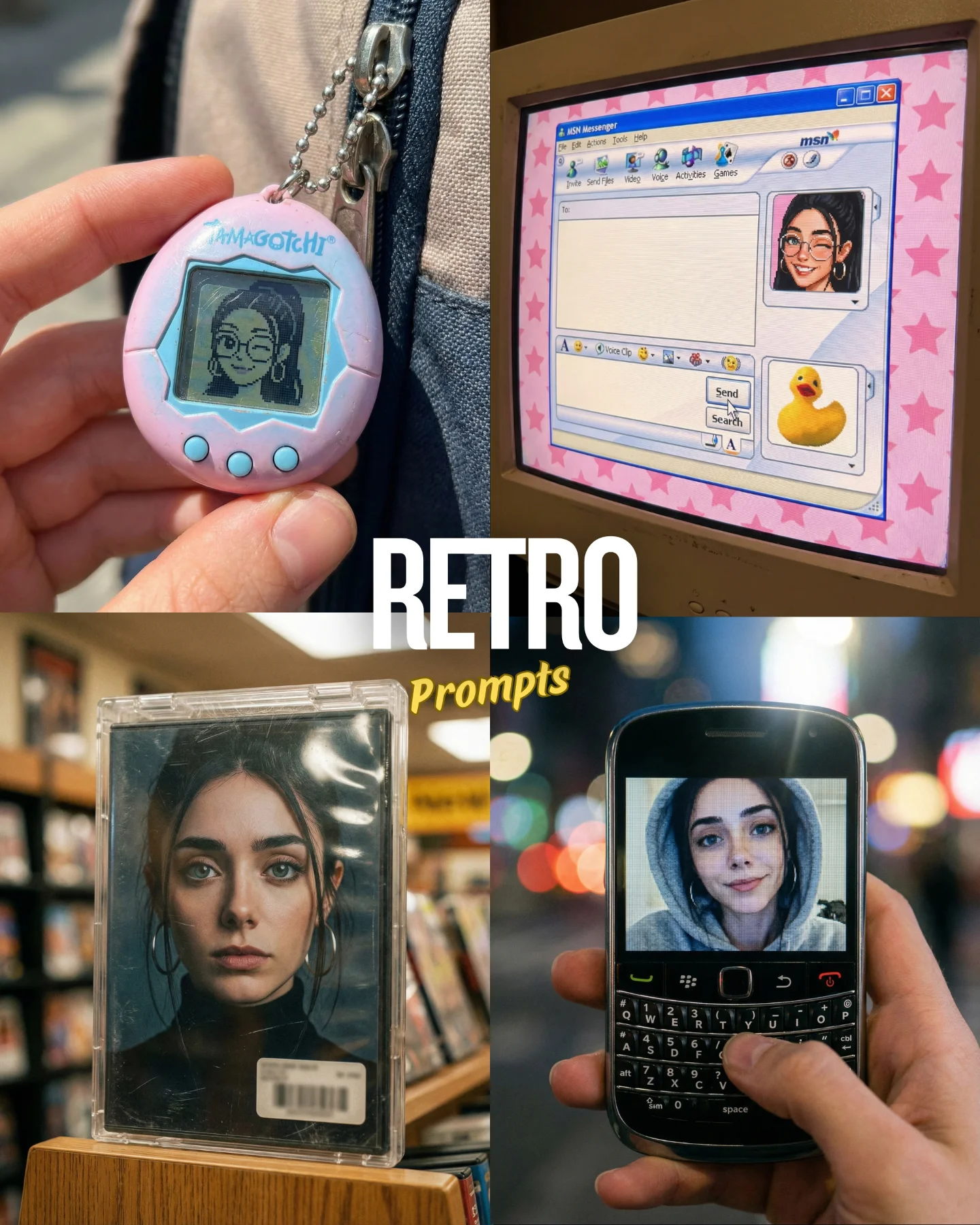
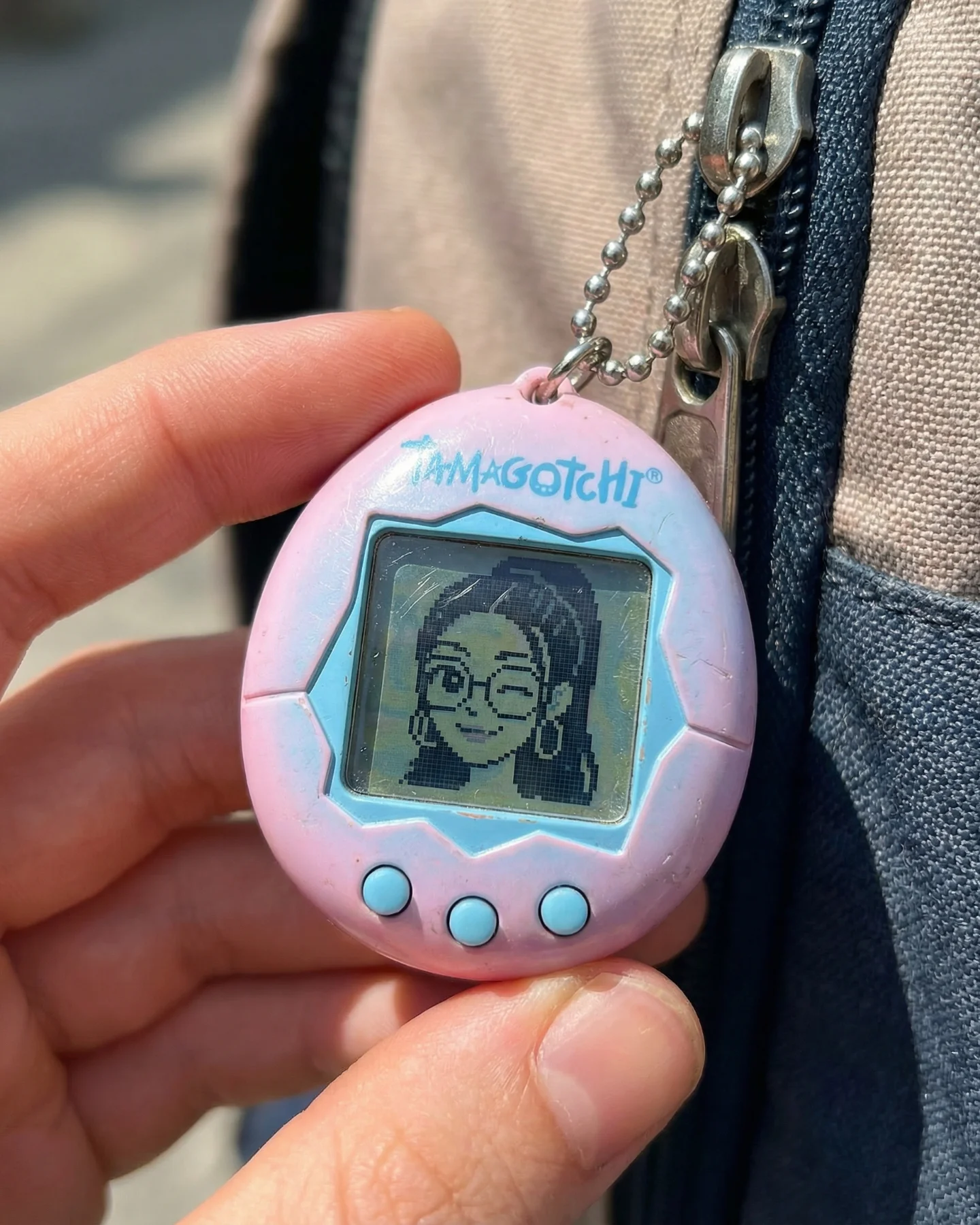
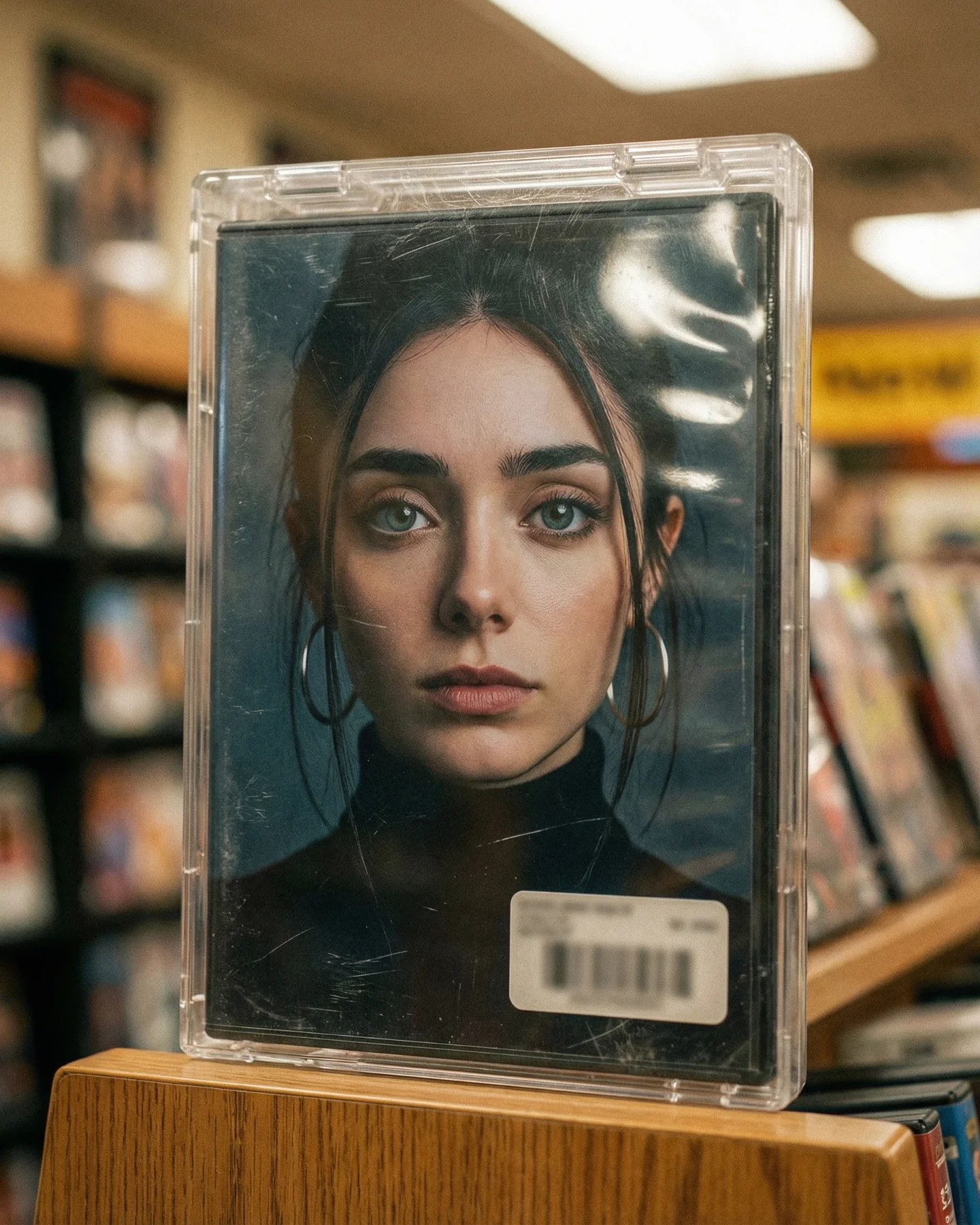
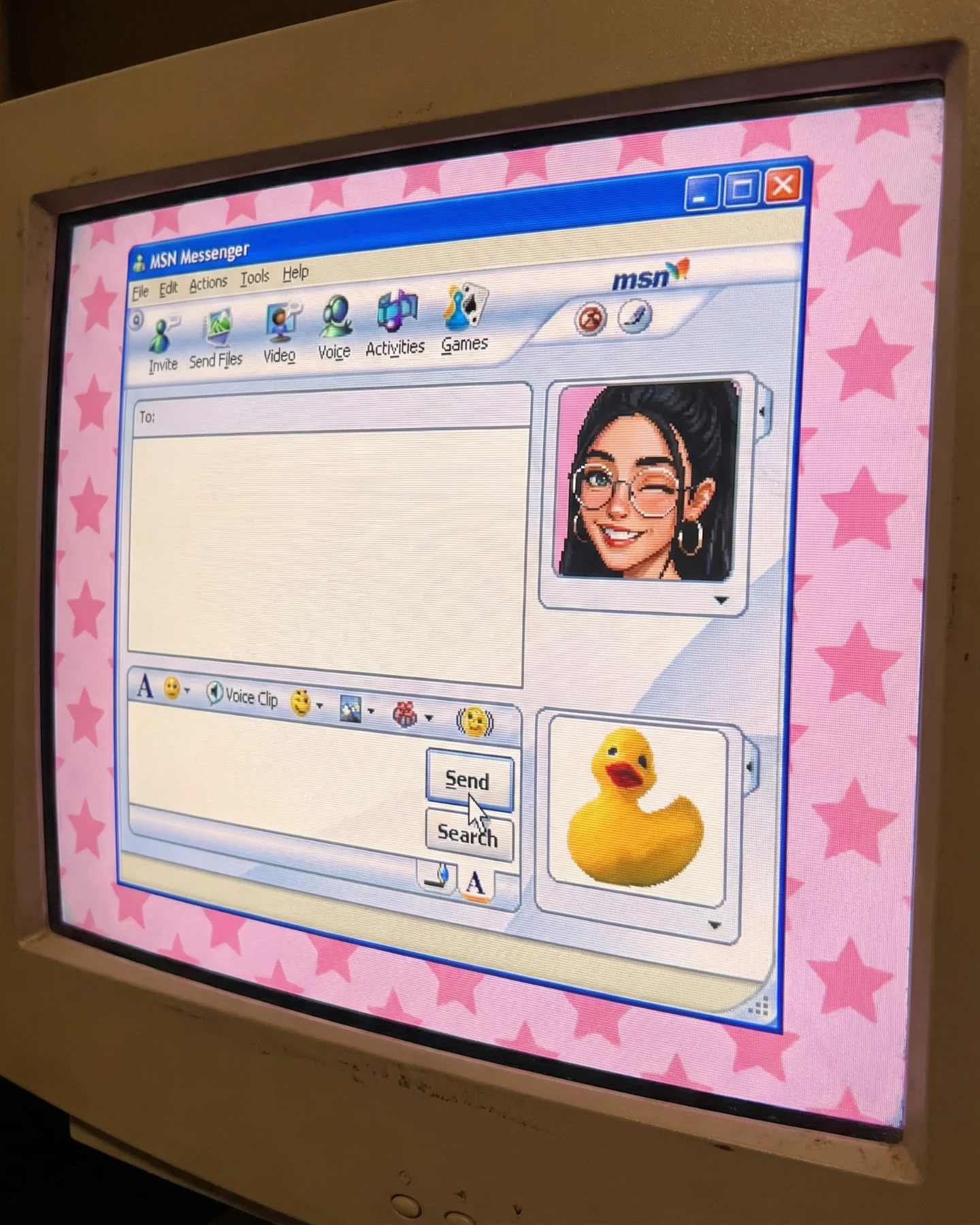
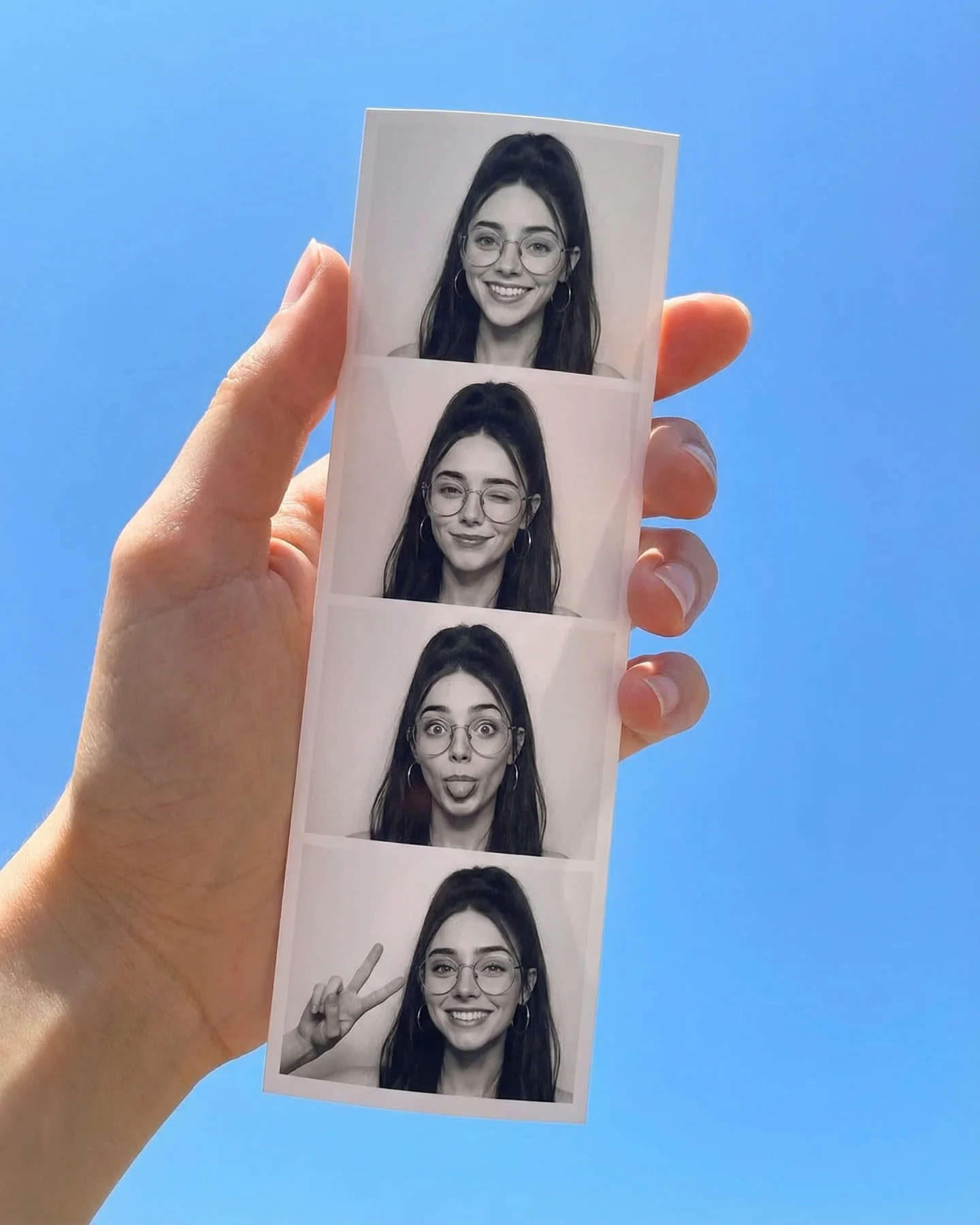
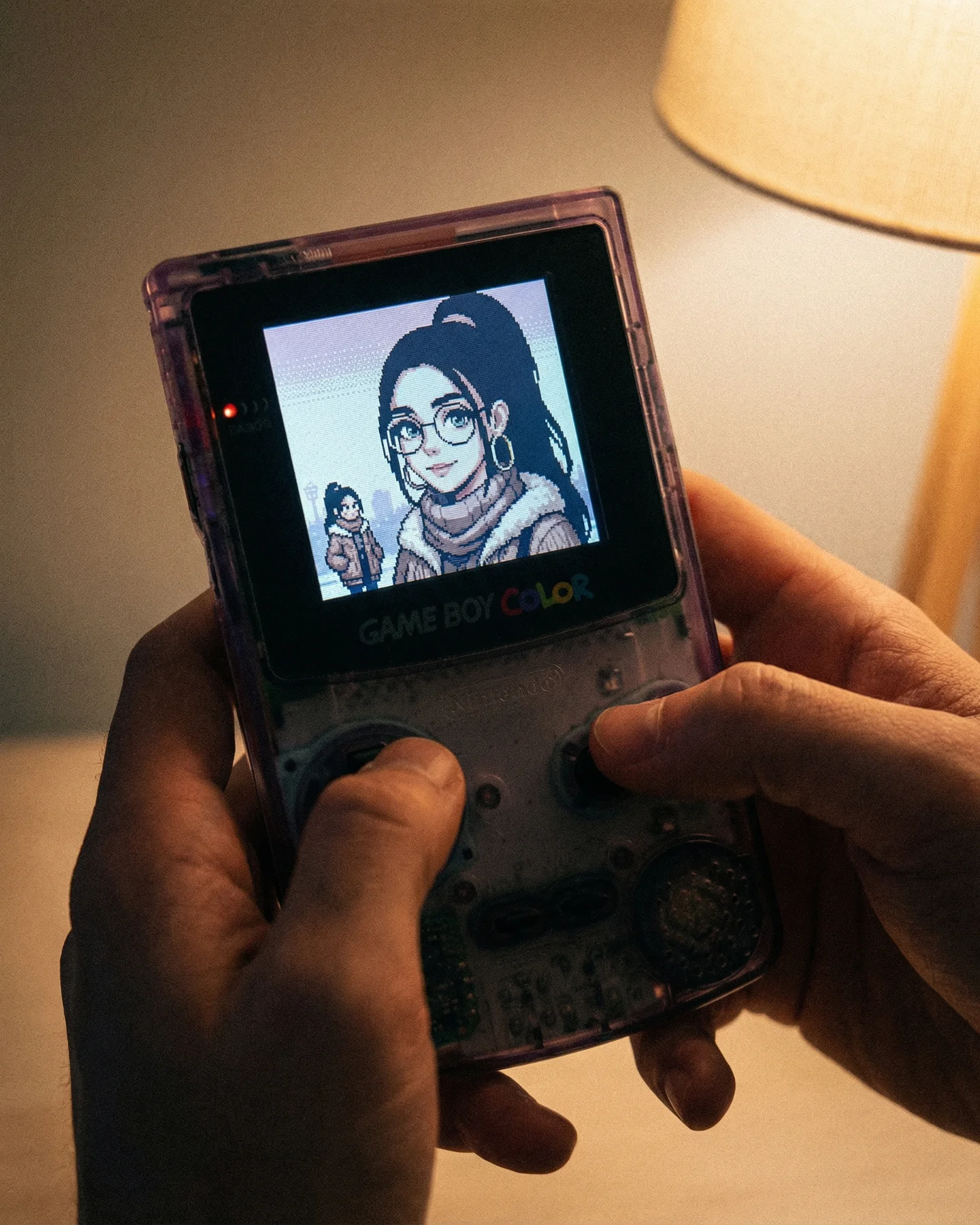
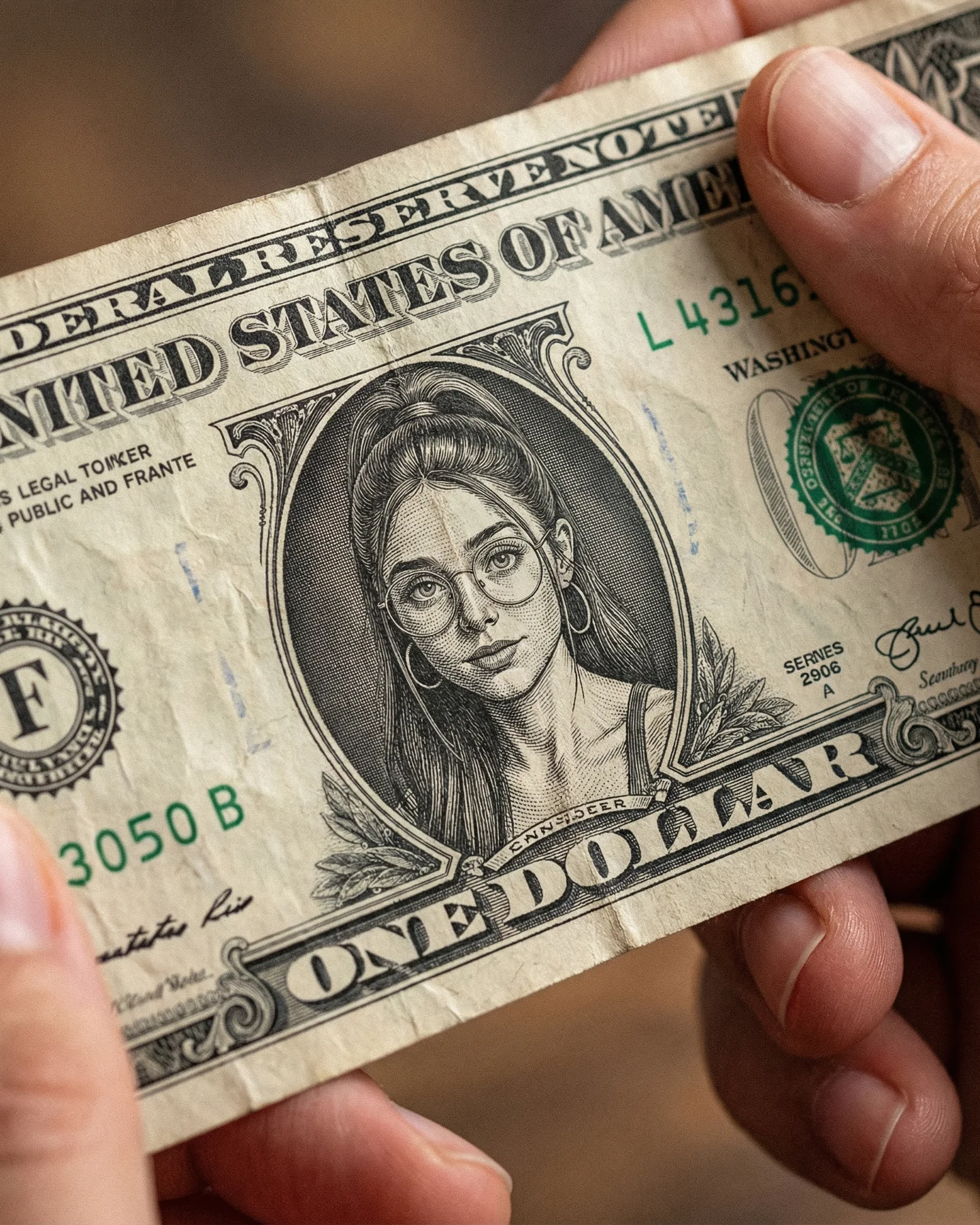
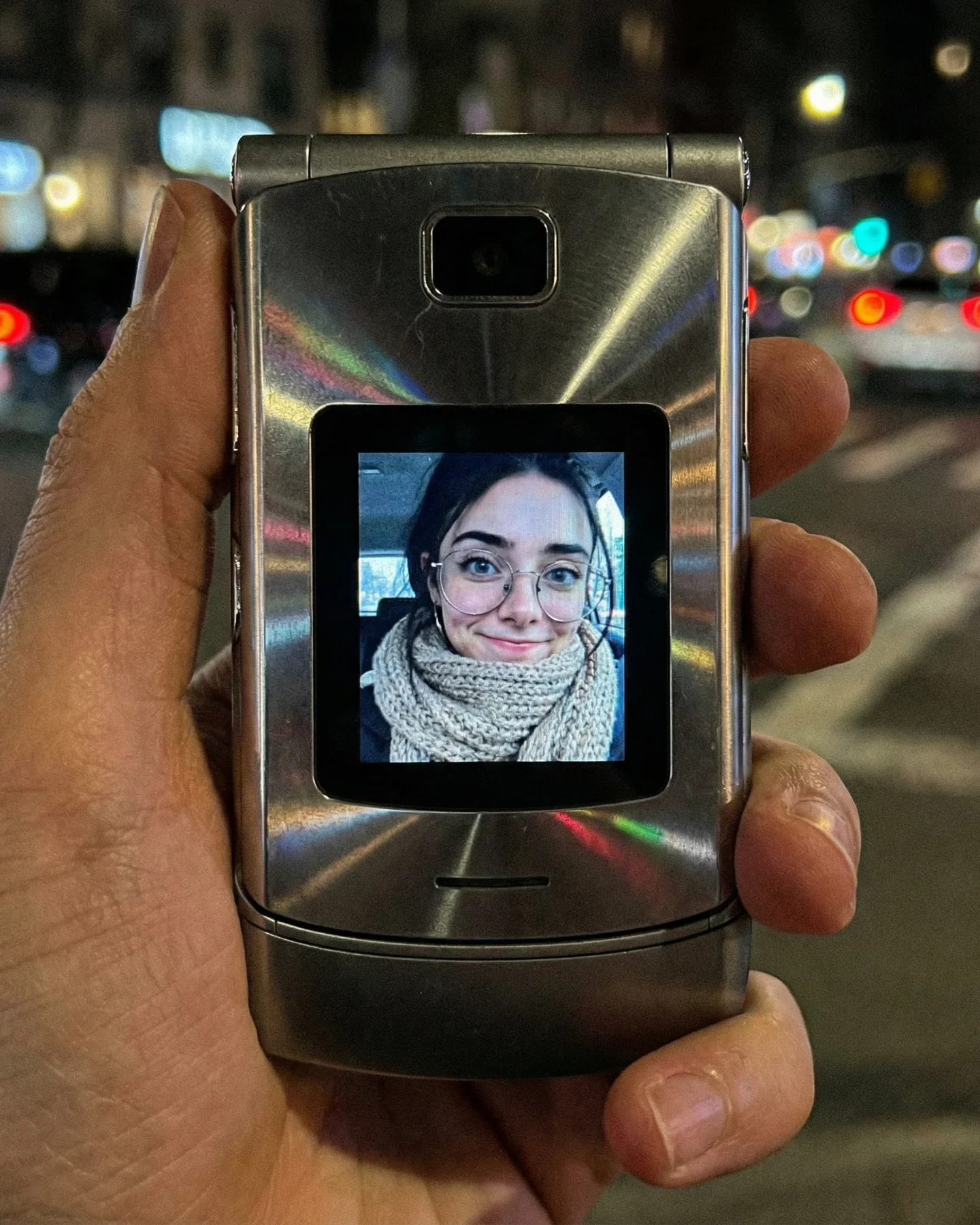
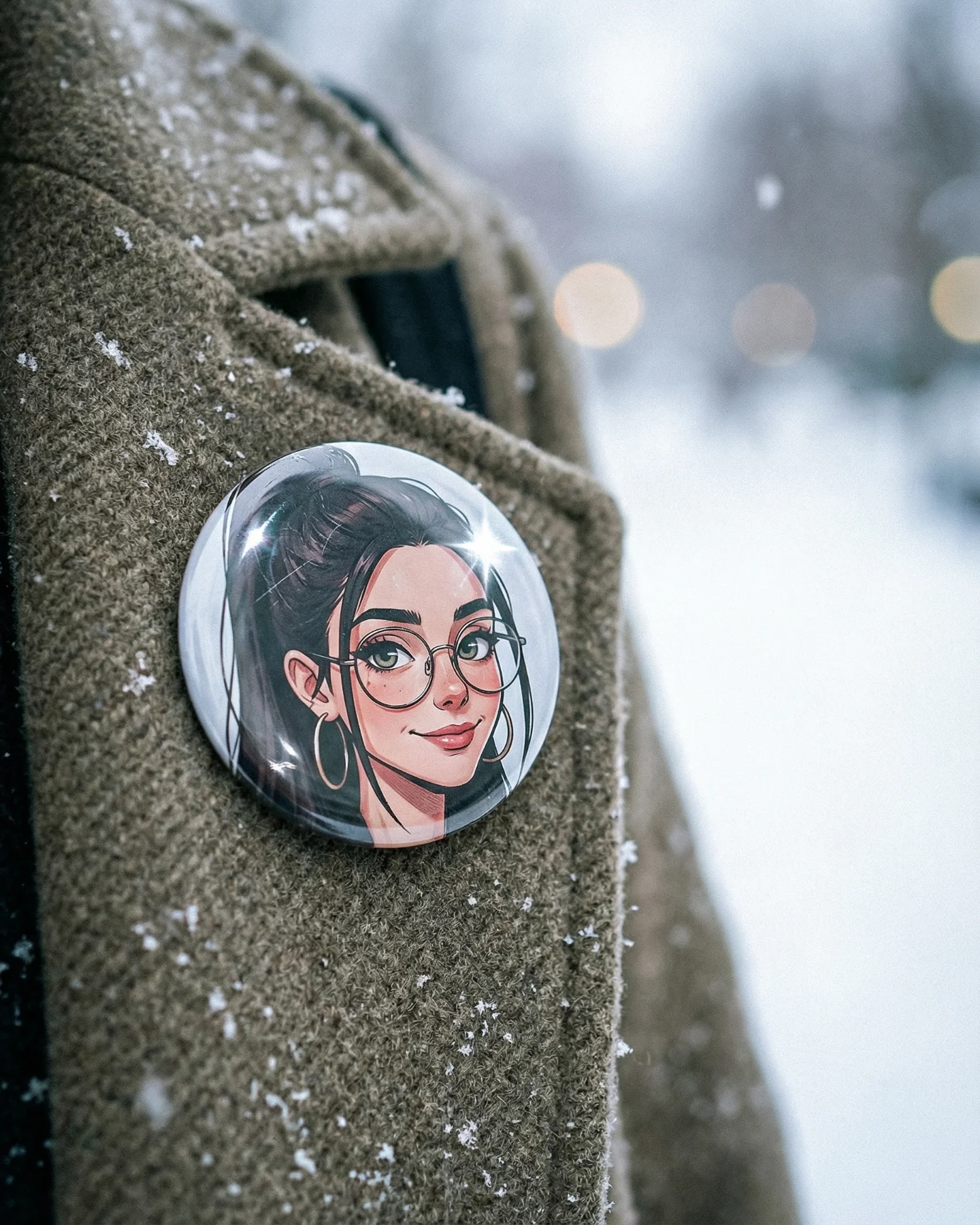
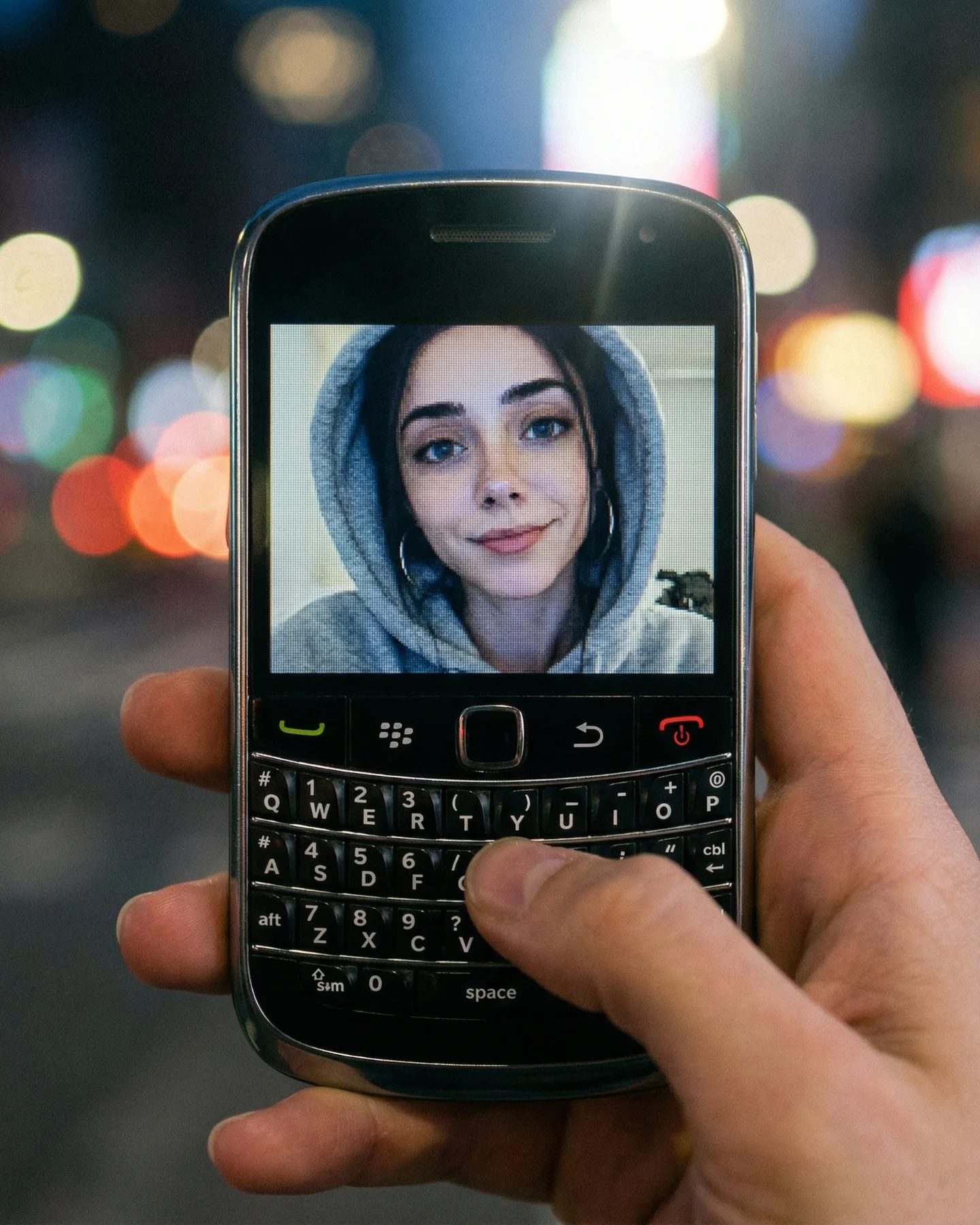
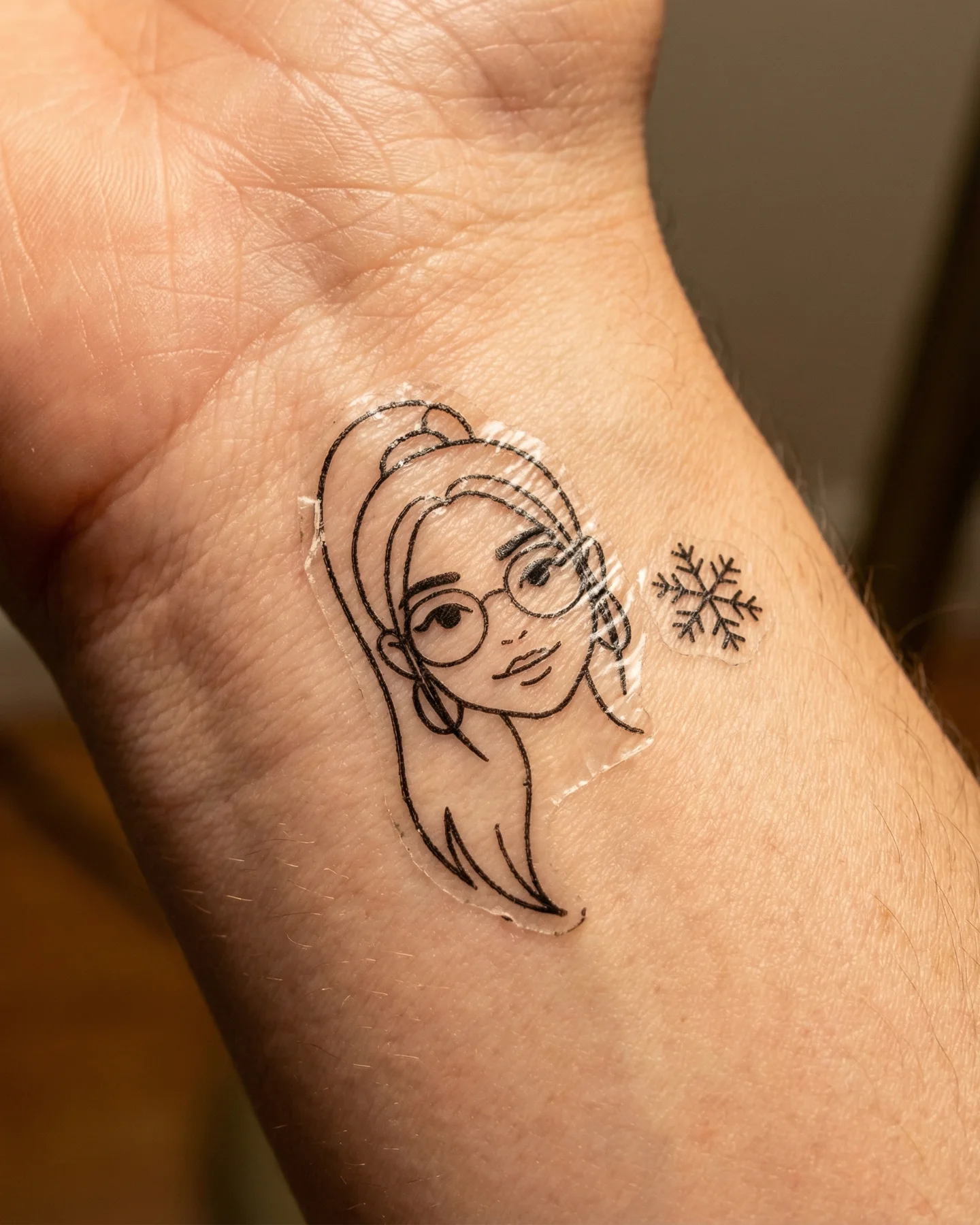
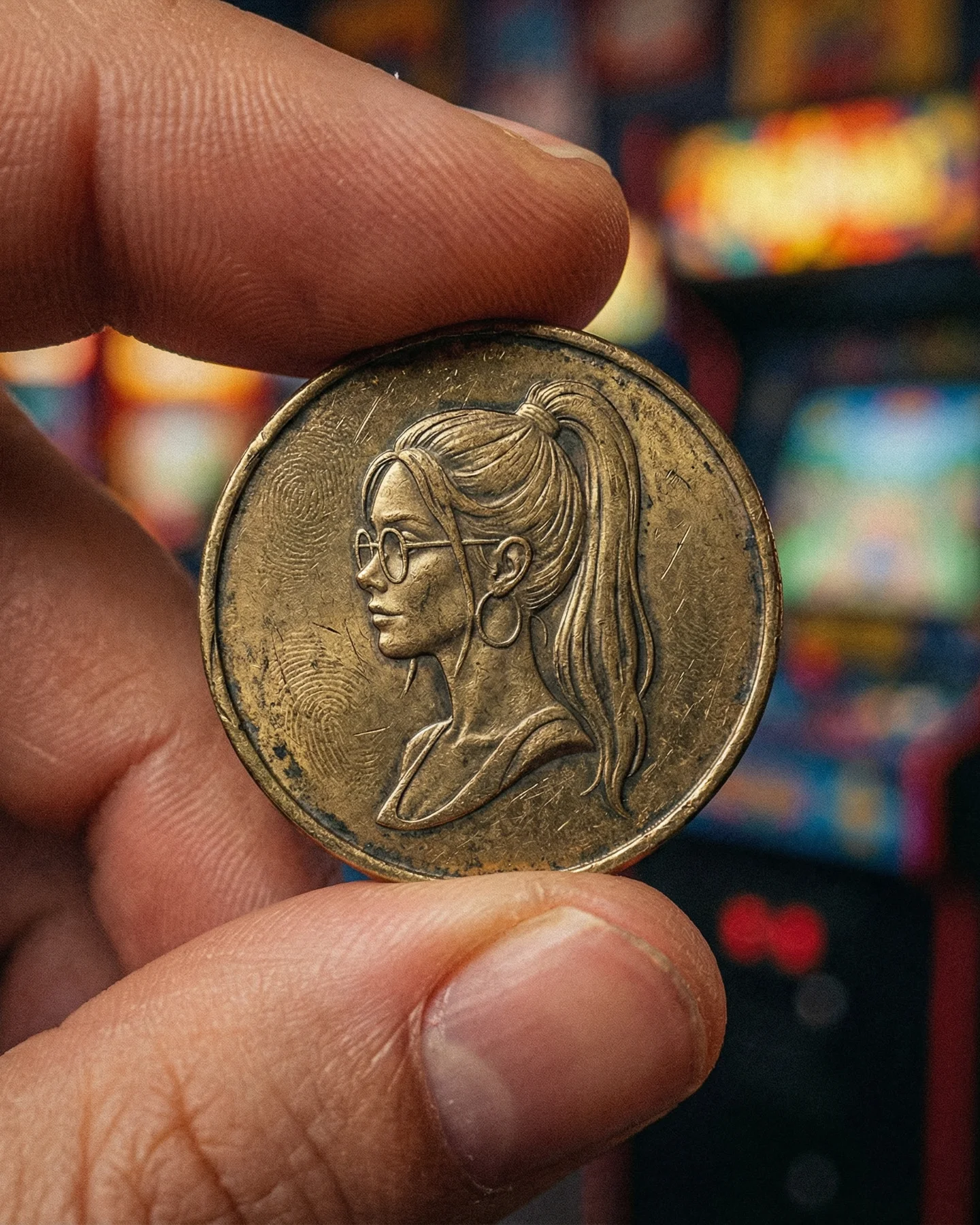
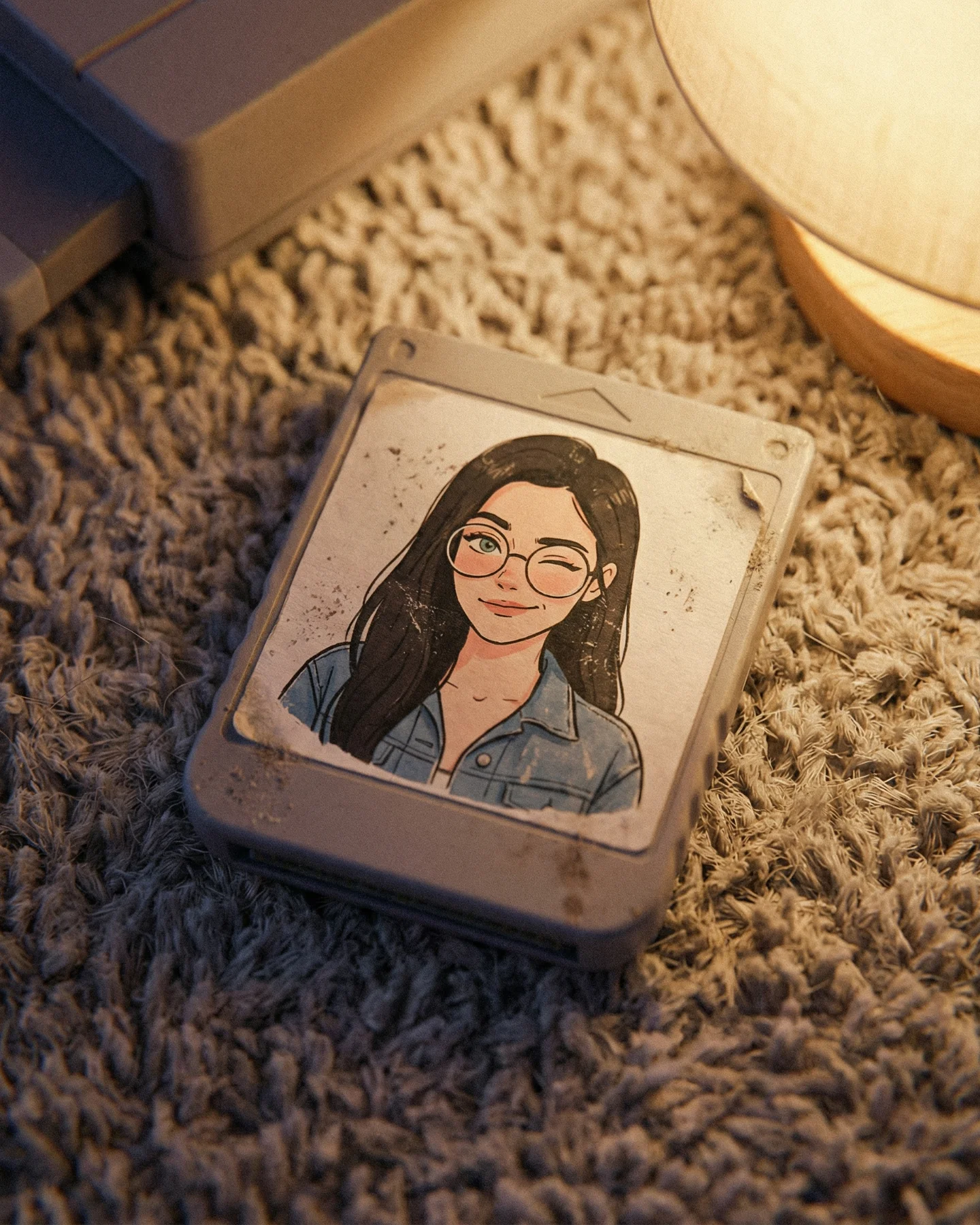
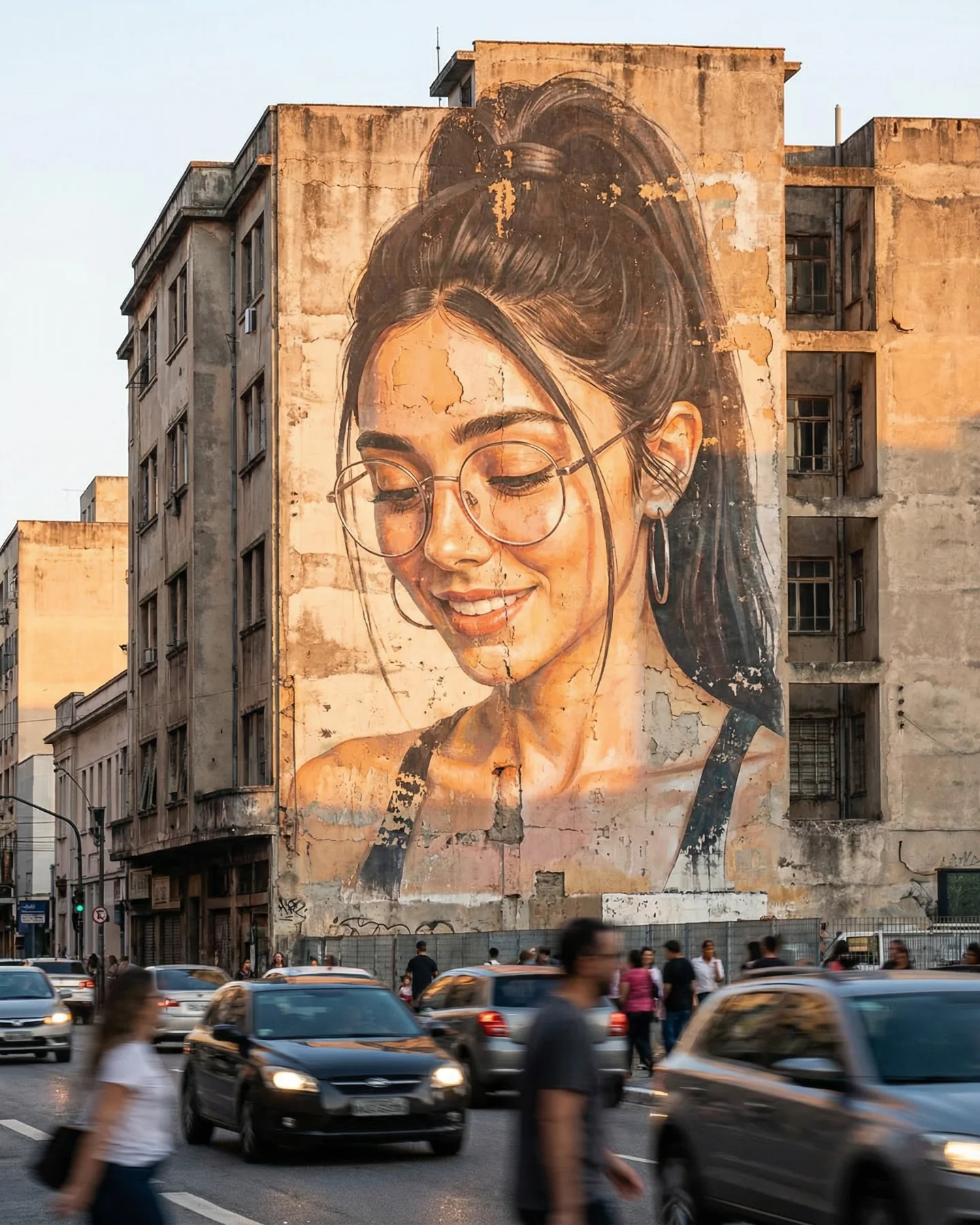
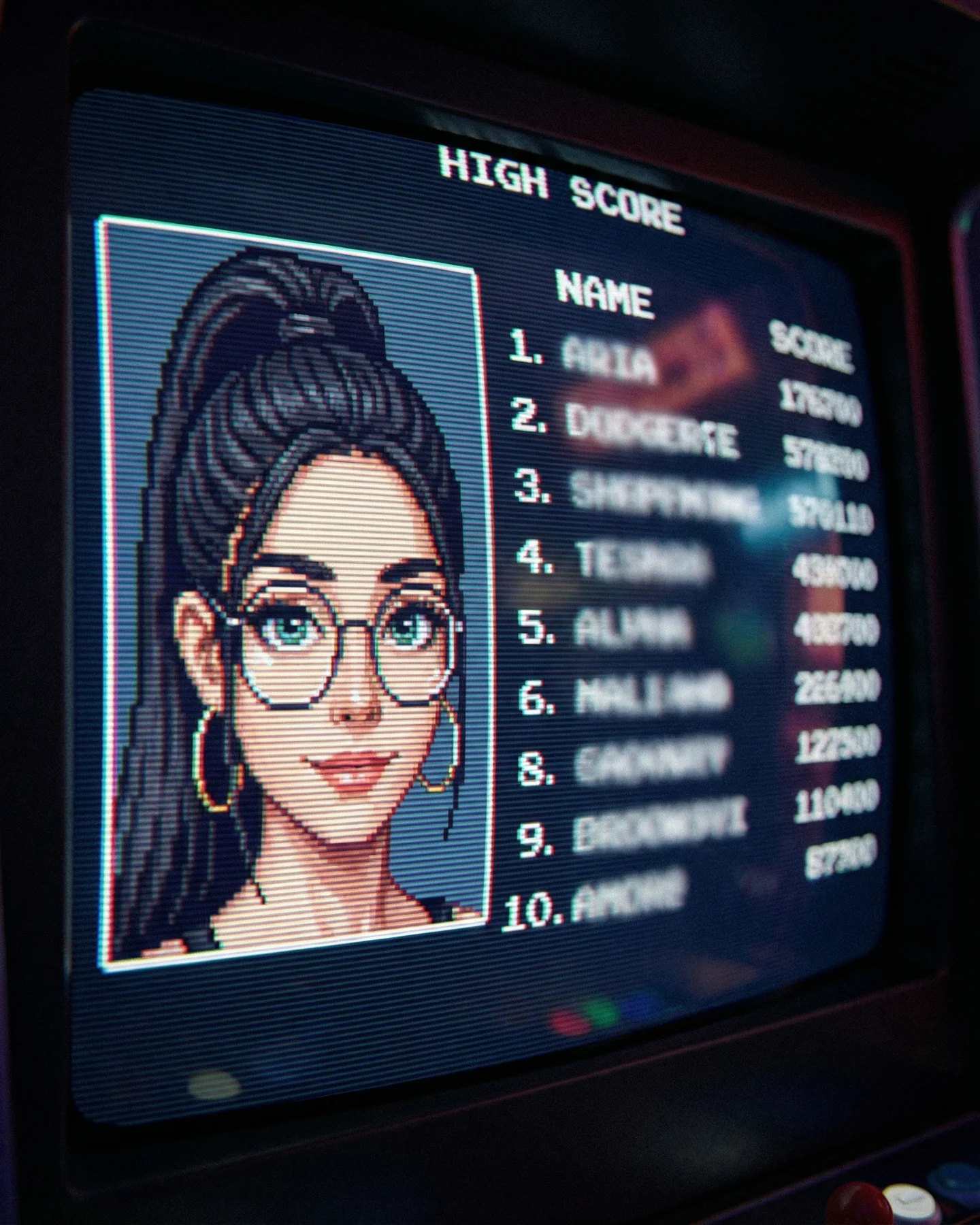

Retro Prompts 🕹️ 💡Idea from: @ai_vitaminc_ Te suena algo de esto?? 👀 Ahora lo llaman "Retro" El tiempo vuela pero los recuerdos se quedan... 🥹 Comenta "ARIA" y te paso los prompts 💌
Retro Prompts 🕹️ 💡Idea from: @ai_vitaminc_ Te suena algo de esto?? 👀 Ahora lo llaman "Retro" El tiempo vuela pero los recuerdos se quedan... 🥹 Comenta "ARIA" y te paso los prompts 💌
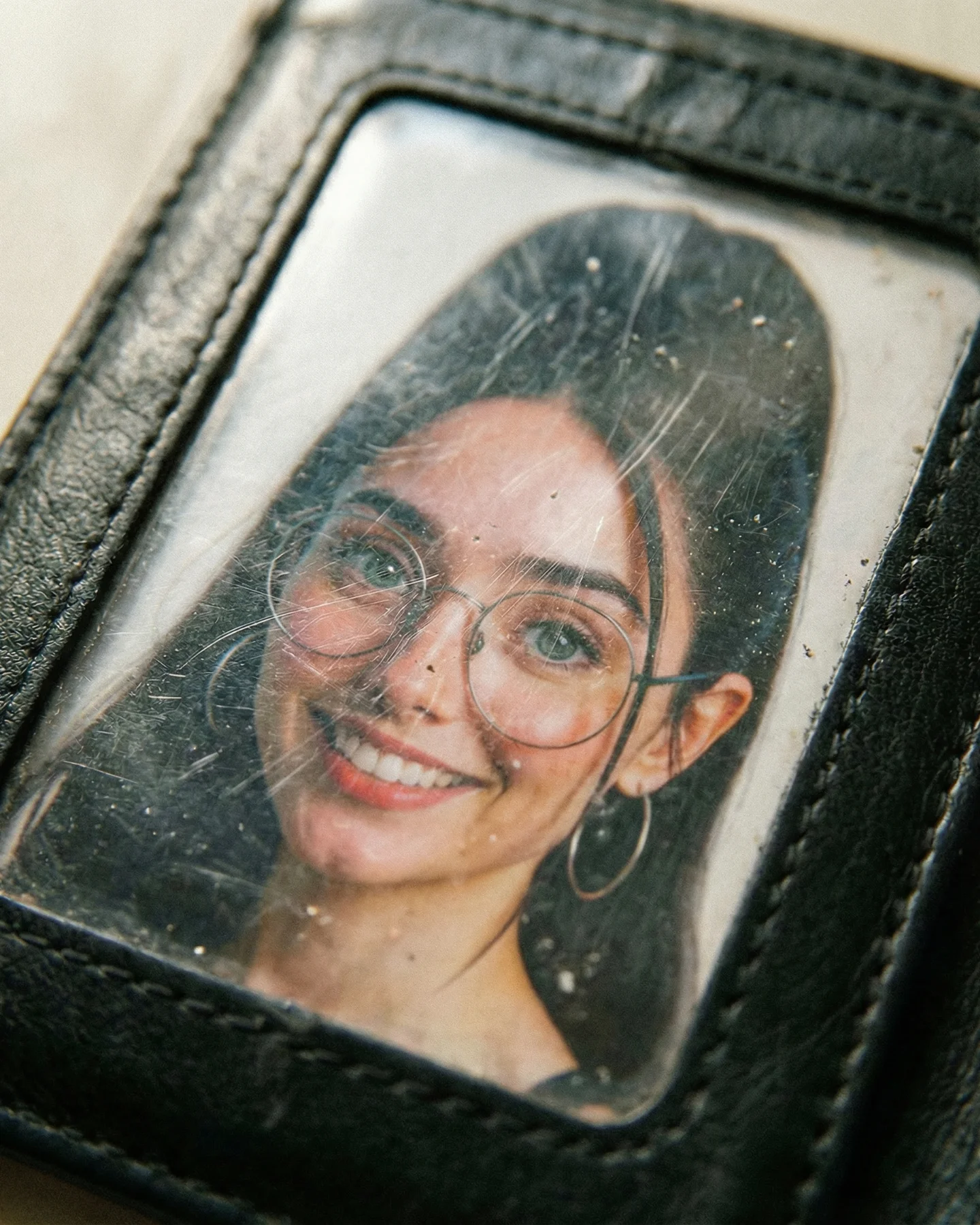
This image works because it transforms a simple portrait into a memory object. A smiling face alone is ordinary. A smiling face trapped behind scratched plastic in an old wallet window is something else entirely. It suggests time, use, and attachment. The viewer is not just looking at a person. They are looking at a thing that has been carried around, opened, closed, and kept for years. That difference gives the image emotional weight.
The second reason it performs is that the nostalgia is tactile. The scratches on the plastic, the leather grain, and the soft cloudiness over the portrait are doing more work than any dramatic styling could. Retro images become stronger when the aging feels physical instead of decorative. Here the wear is the storytelling device.
The format creates a double read. First, the viewer recognizes a face. Then they realize the face is not directly photographed in the present moment, but seen through a worn object. That small delay changes the feeling of the image. It introduces intimacy. It feels less like content and more like evidence of a personal history.
The scratches are especially important because they partially interrupt the portrait instead of framing it cleanly. That interruption makes the viewer inspect the image more closely. In social terms, this is useful. Micro-obstacles often increase attention when the base image is simple and emotionally legible.
| Signal | Evidence (from this image) | Mechanism | Replication Action |
|---|---|---|---|
| Memory-object framing | The portrait is embedded inside an old leather wallet window. | An everyday object turns a face into a story artifact. | Place the portrait inside something people associate with long-term personal storage. |
| Tactile nostalgia | The plastic window is scratched, cloudy, and visibly worn. | Physical wear gives the image emotional credibility. | Add use marks that feel accumulated over time, not stylized on top. |
| Soft emotional readability | The woman’s smile still comes through clearly behind the wear. | The image stays warm even while the texture adds distance. | Keep the face readable enough that the viewer connects emotionally first. |
| Close-up intimacy | The frame crops tightly around the wallet and portrait. | Macro proximity makes the object feel personal and held close. | Use a near-macro crop so the object fills most of the frame. |
This format is strong for retro prompt pages, nostalgia aesthetics, sentimental identity remixes, and any content that benefits from “found object” storytelling. It also transfers well to yearbook photos, locket portraits, old plastic keychains, bus passes, cassette inlays, photo booth strips, and worn magazine cutouts. The transferable idea is not the wallet itself. It is the emotional upgrade that happens when a face is reframed as something carried through time.
It is less effective for luxury portraiture, ultra-clean branding, or high-fashion editorials. The value of this image comes from imperfection. If you remove the wear and the object context, the concept collapses into a generic headshot.
{portrait photo} embedded in {personal object} with {aged surface texture} in a macro close-up{nostalgic face image} preserved inside {used personal archive object} under {scratched or faded cover}{memory object close-up} where {identity portrait} is partly mediated by texture, wear, and timeThe image feels strong because the materials are doing the acting. The smile matters, but the leather and plastic are what make the scene memorable. This is a useful lesson for retro content. Nostalgia does not only come from color grading or era references. It often comes from surface damage, softness, and the sense that an object has survived daily use.
The tilt of the wallet also helps. A perfectly straight-on image would feel archival. The slight angle makes it feel discovered in the present. That small compositional choice turns the object from documentation into atmosphere.
| Observed | Why it matters for recreation |
|---|---|
| Portrait visible behind scratched plastic | This is the key texture layer that creates the nostalgic mediation effect. |
| Black stitched leather border around the image | The wallet frame gives the portrait emotional context and age. |
| Warm soft lighting across the surface | The object feels intimate instead of cold or commercial. |
| Close diagonal crop | The composition makes the item feel personal and tactile. |
| Readable smiling face despite surface wear | The image keeps warmth while still preserving visual damage. |
To recreate this well, define the material stack first: leather border, scratched plastic layer, printed portrait beneath. If you only ask for an old wallet photo, the result will usually be too generic. The emotional effect depends on layered visibility. After that, specify the portrait markers so the face remains consistent through the texture.
| Prompt chunk | What it controls | Swap ideas (EN, 2-3 options) |
|---|---|---|
| old black leather wallet with stitched clear photo window | The base object and nostalgia frame | aged ID holder; worn photo-wallet insert; vintage personal wallet detail |
| scratched transparent plastic covering the portrait | The key tactile aging effect | cloudy plastic wear; scuffed protective layer; handled scratched cover |
| smiling young woman with glasses, ponytail, and hoop earrings | The face identity markers | recognizable creator portrait; warm retro headshot; specific nostalgic face cue |
| macro close-up with shallow depth of field | The intimacy and object emphasis | near-macro framing; tactile object crop; memory-item close shot |
| soft warm indoor lighting | The emotional tone and material readability | gentle nostalgia light; diffused home light; warm sentimental illumination |
| single object only, no cards or extra props | Keeps the idea clean and focused | isolated wallet detail; one memory object; restrained artifact shot |
Baseline lock the wallet frame, scratched plastic, and portrait readability first. Those three controls define the whole image. Then refine leather aging and the exact smile. Leave background warmth and edge falloff until the end.
Keep the one-change rule strict. If the plastic looks wrong, fix that before touching the background. If the object stops reading as a wallet, fix the border and stitching before refining the portrait. This image wins on material truth more than on complexity.