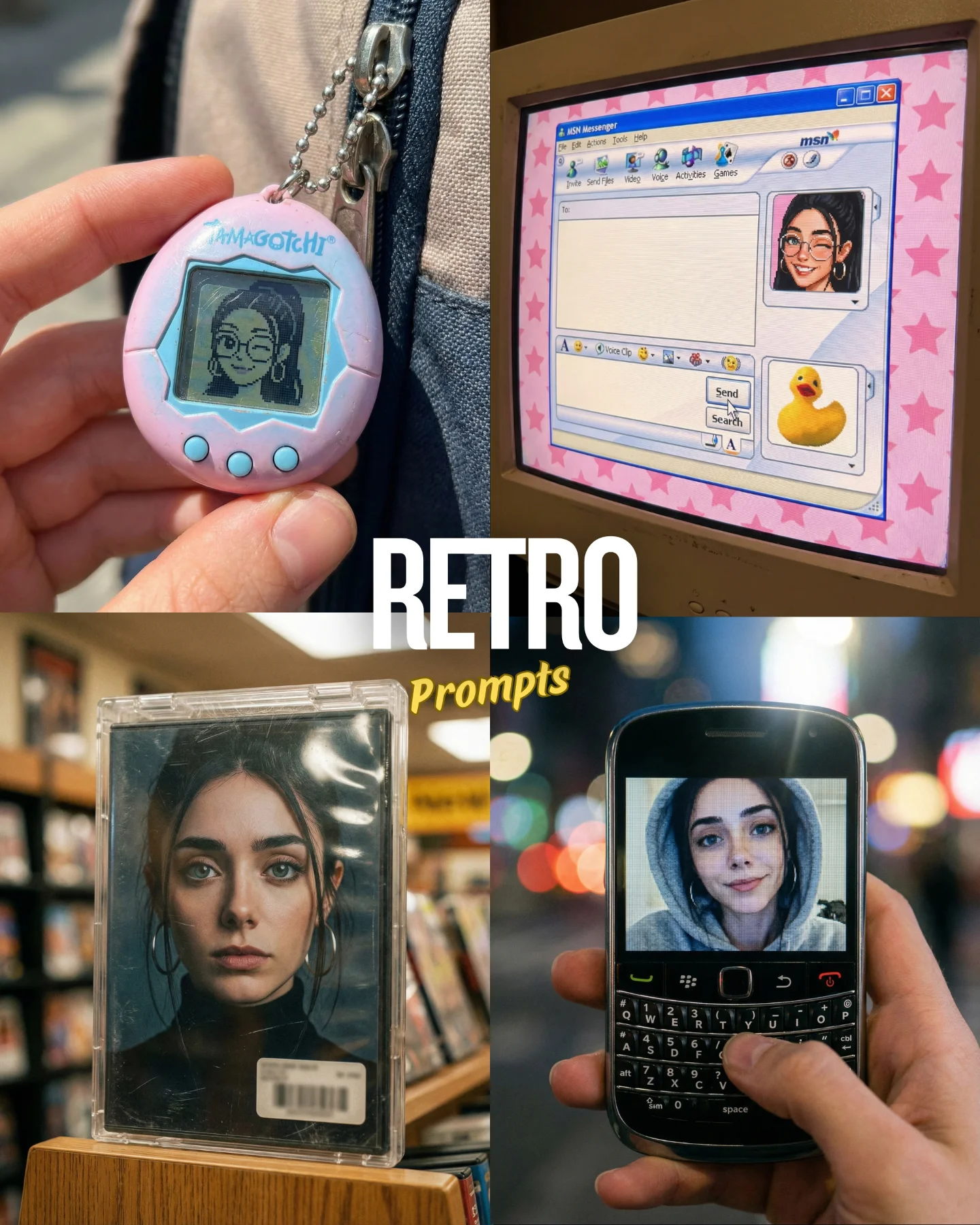
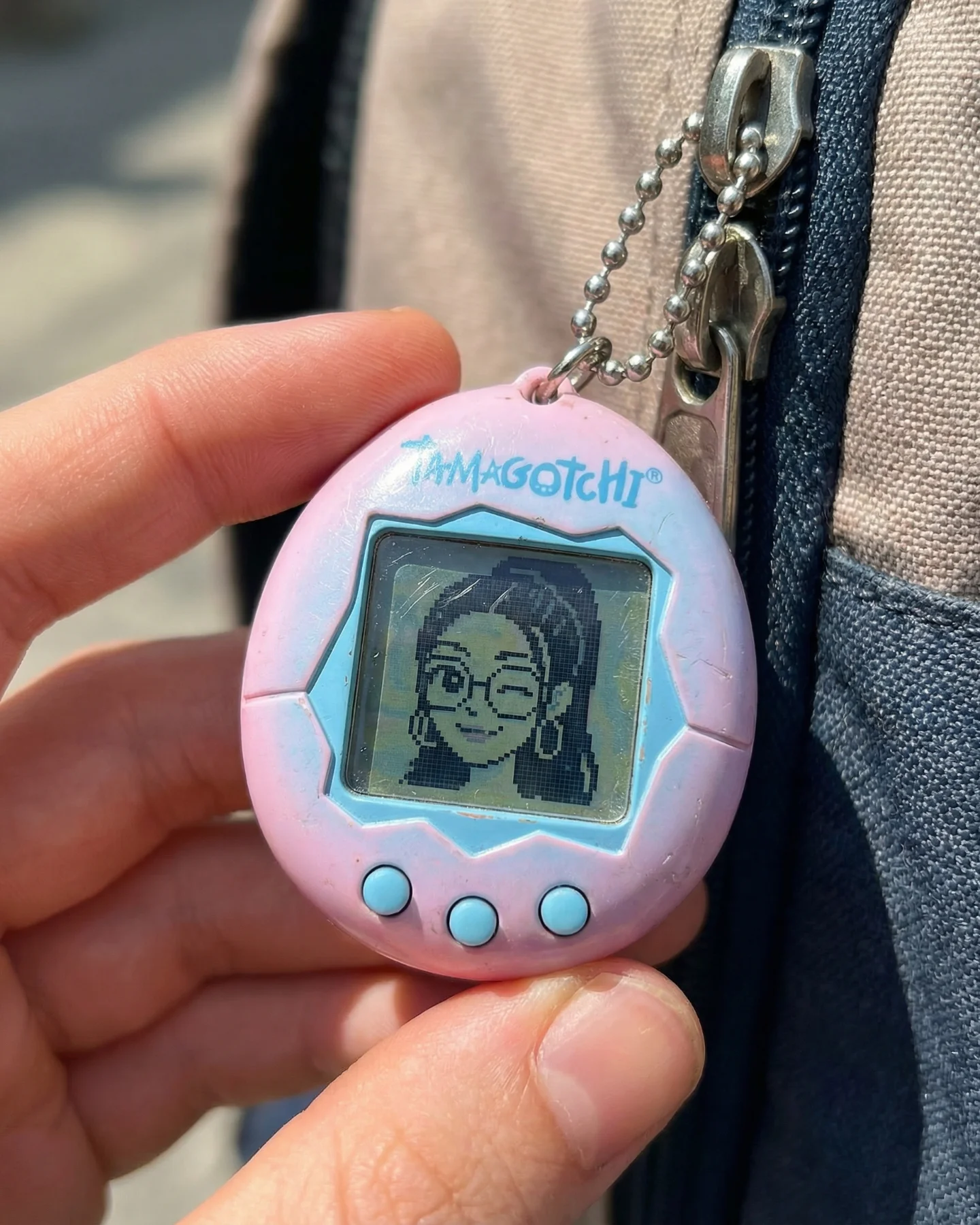
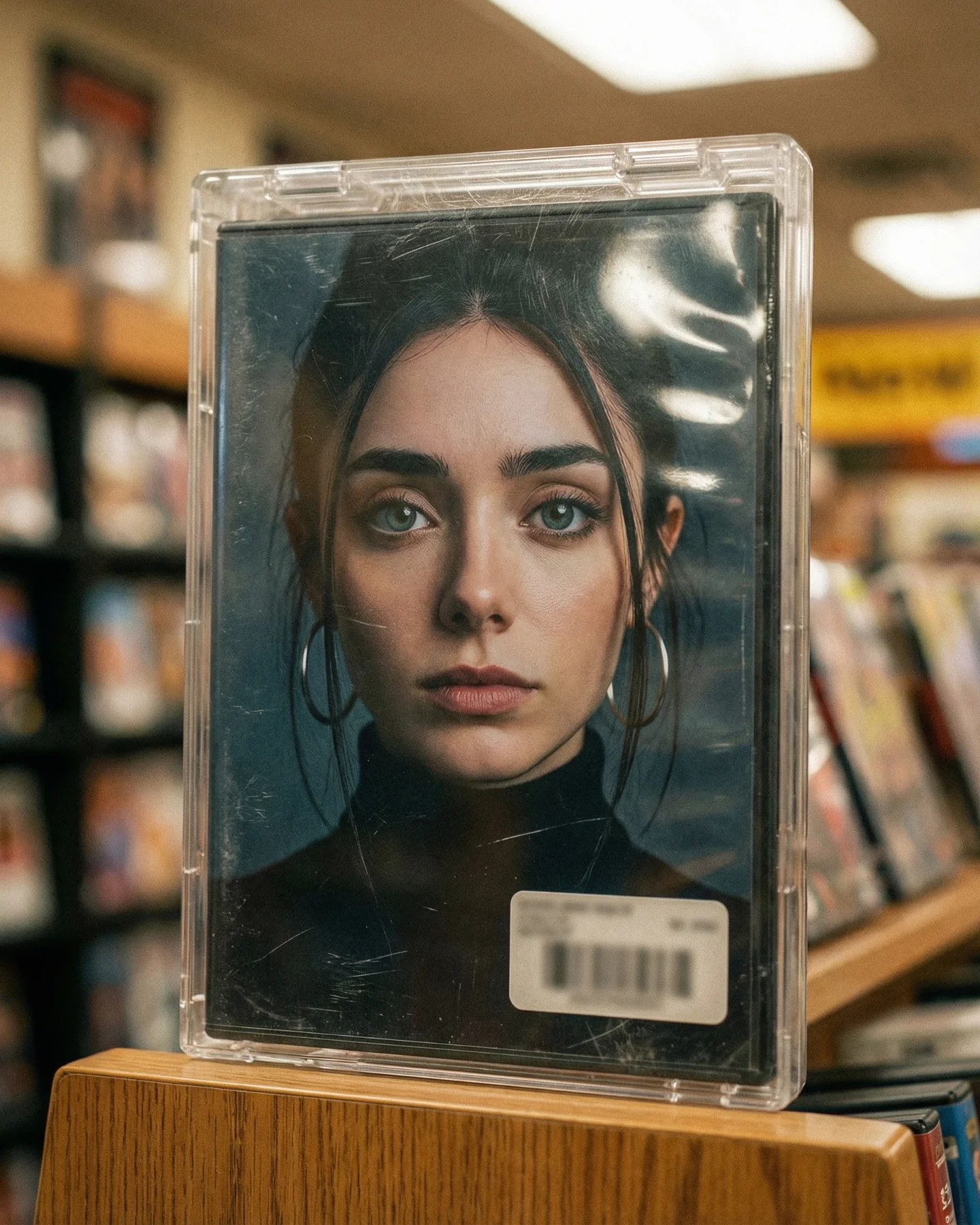
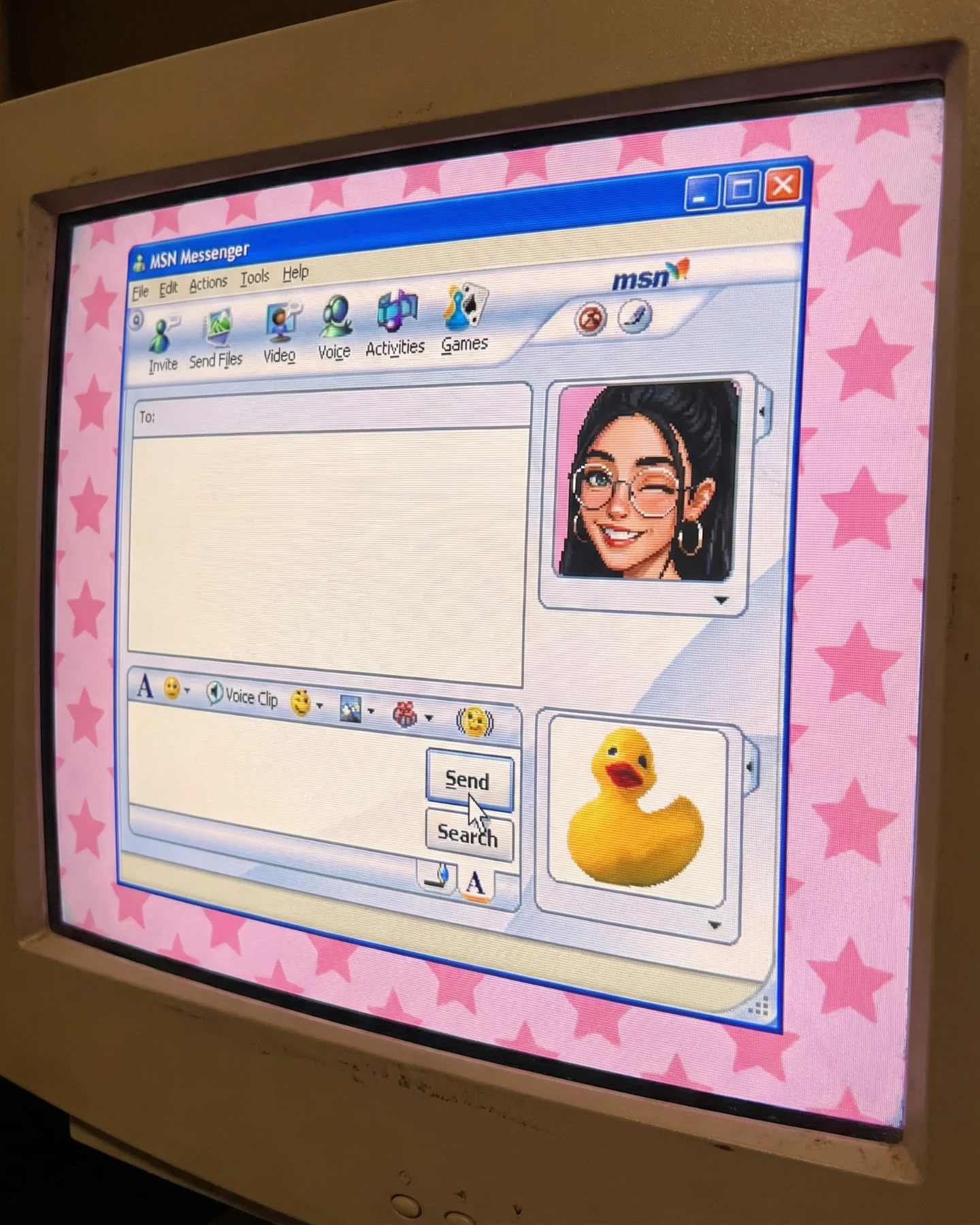
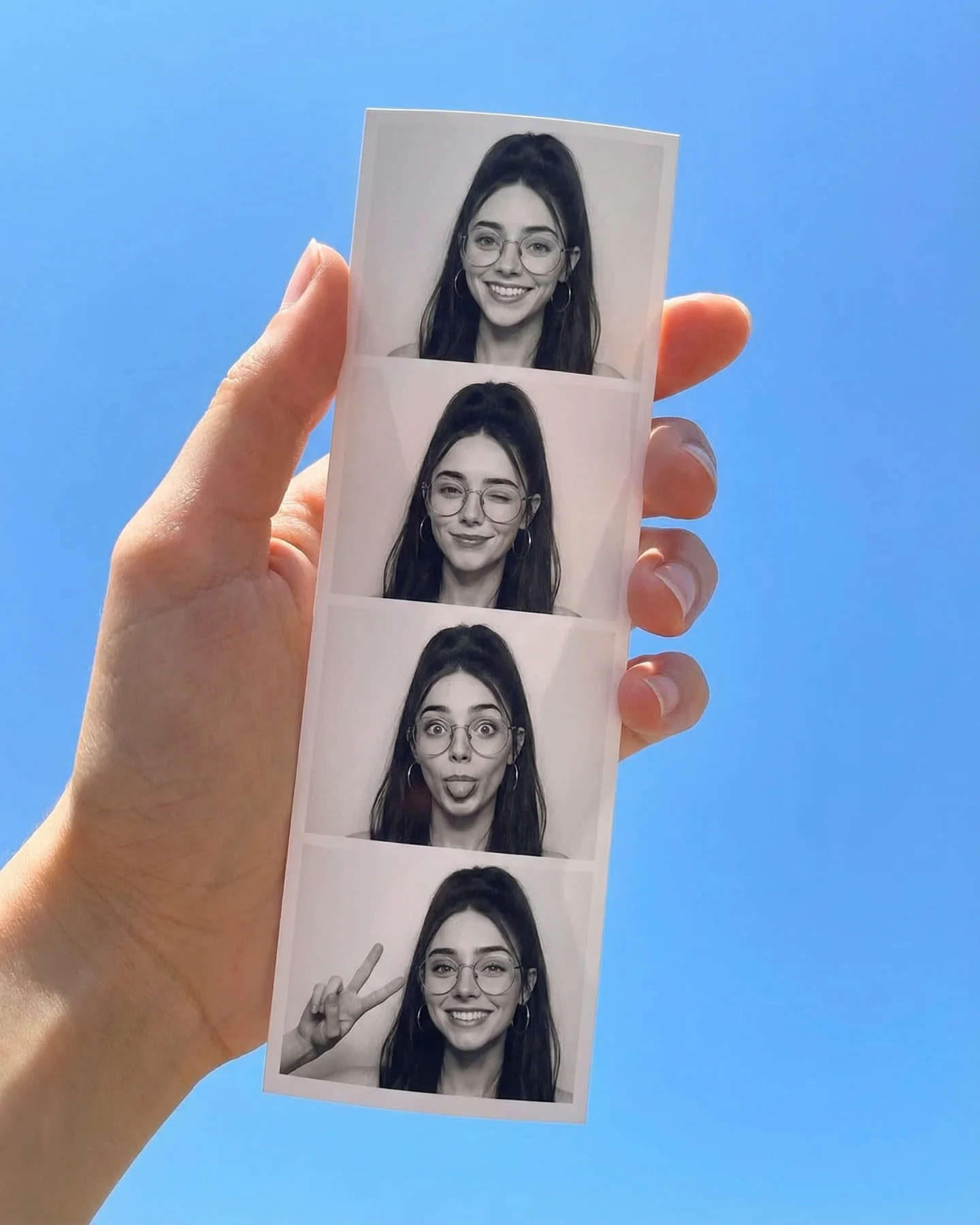
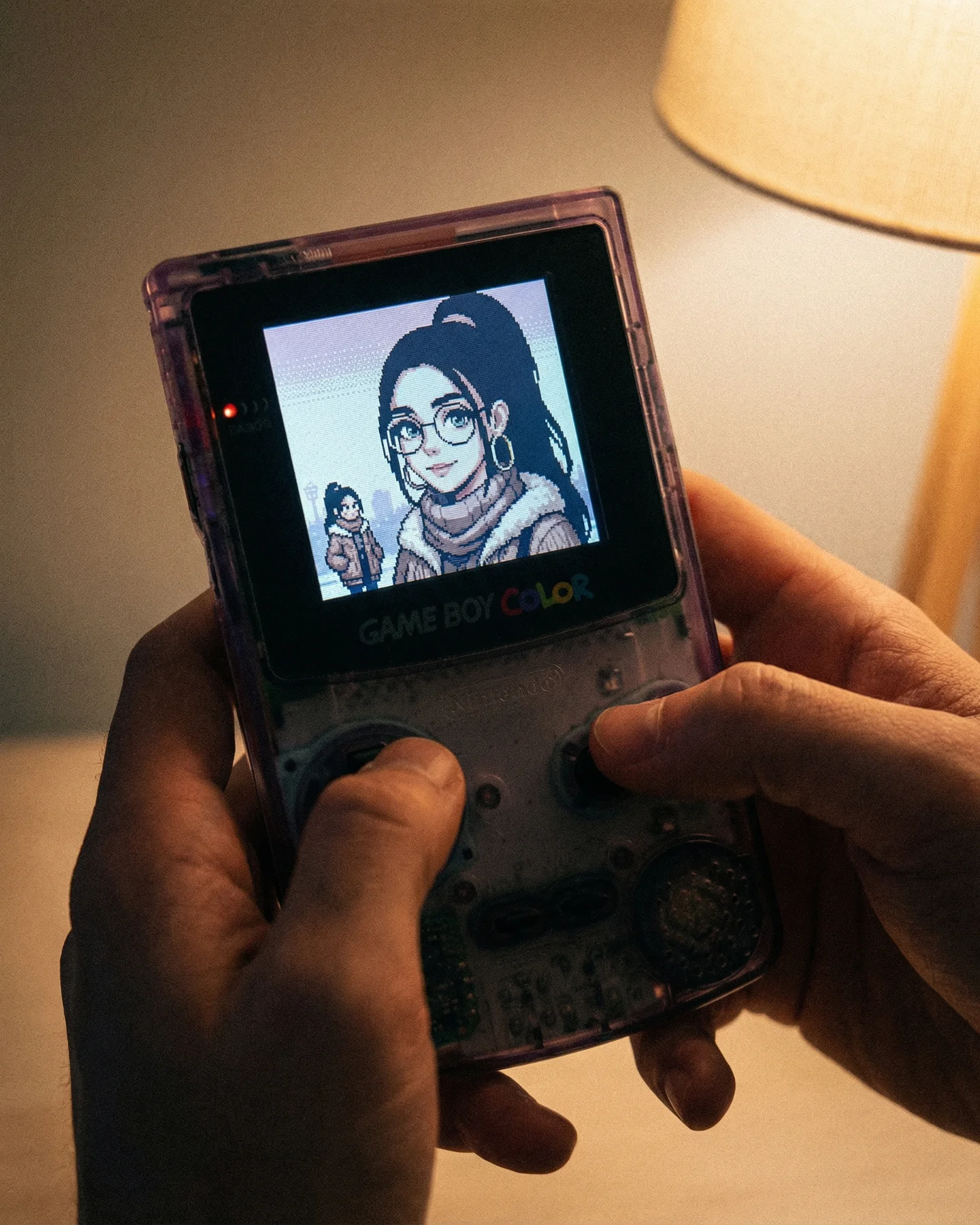

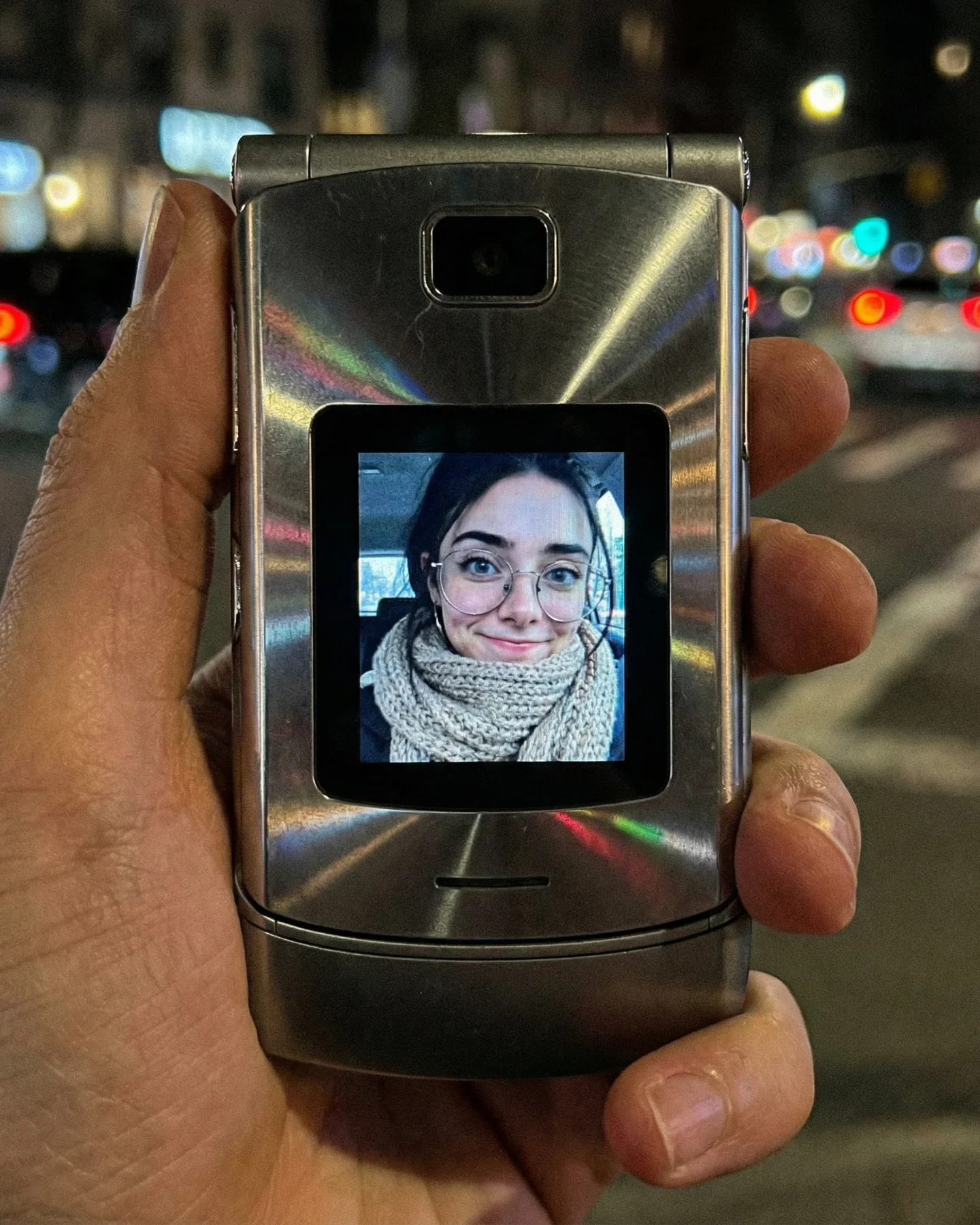

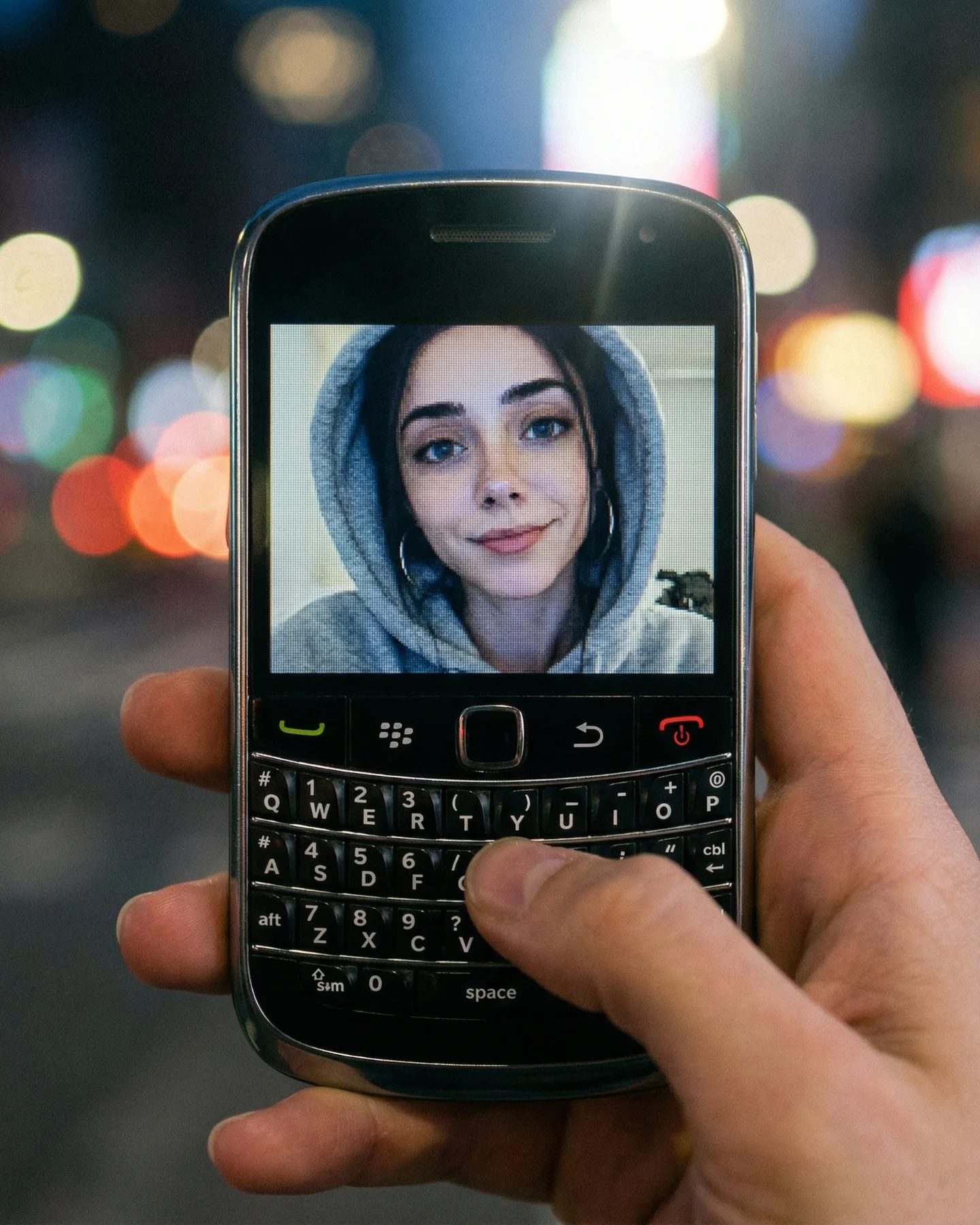

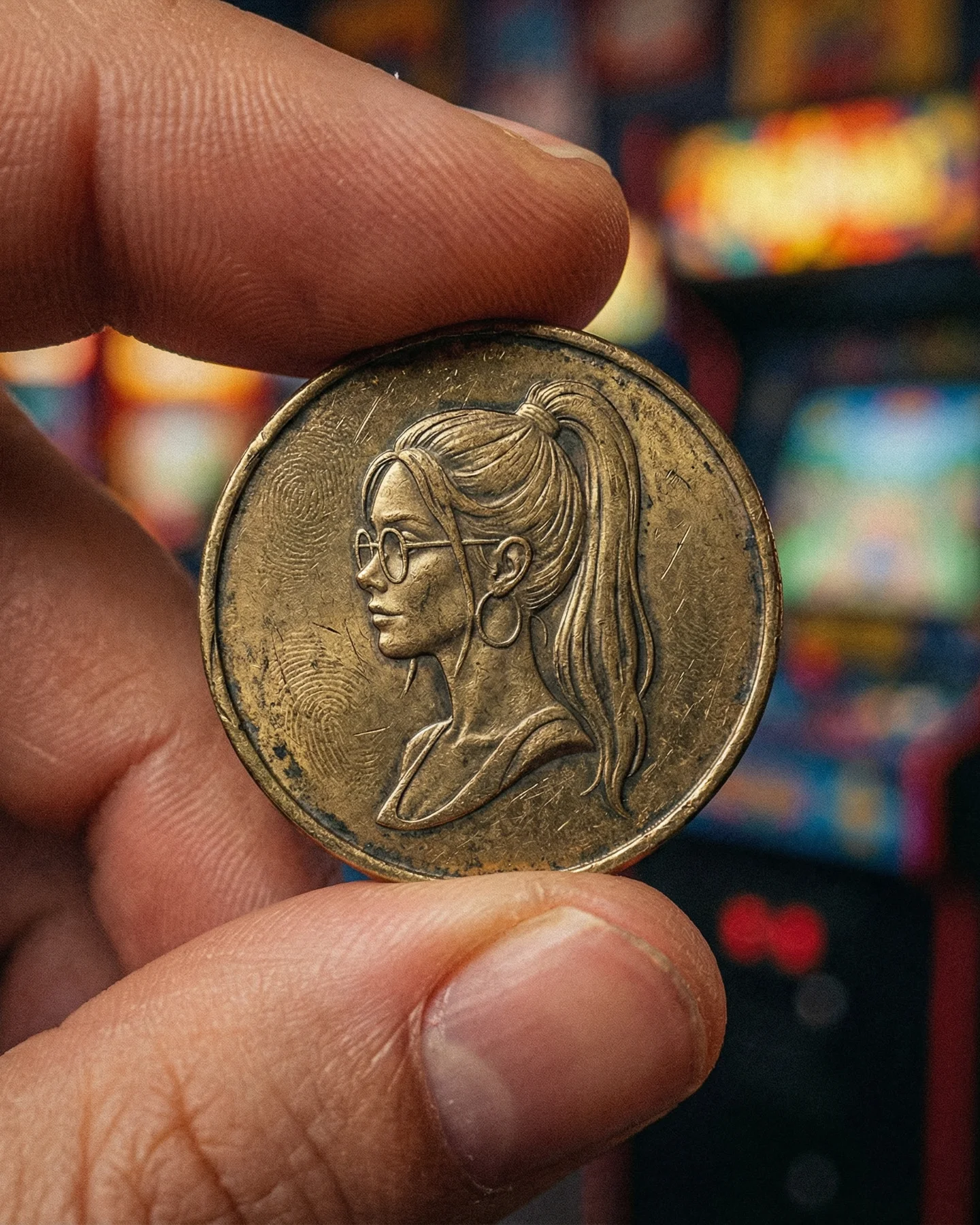

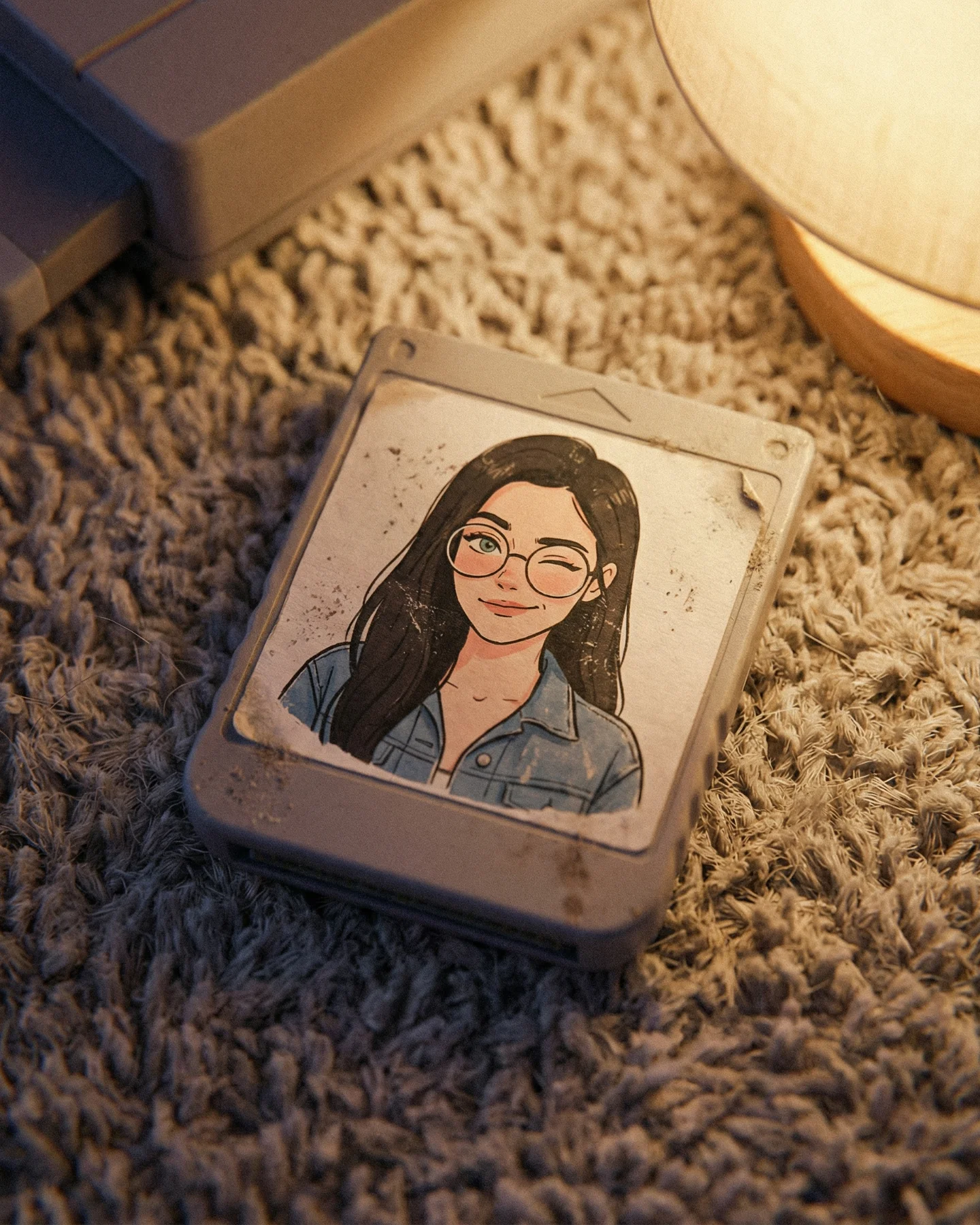



Retro Prompts 🕹️ 💡Idea from: @ai_vitaminc_ Te suena algo de esto?? 👀 Ahora lo llaman "Retro" El tiempo vuela pero los recuerdos se quedan... 🥹 Comenta "ARIA" y te paso los prompts 💌
Retro Prompts 🕹️ 💡Idea from: @ai_vitaminc_ Te suena algo de esto?? 👀 Ahora lo llaman "Retro" El tiempo vuela pero los recuerdos se quedan... 🥹 Comenta "ARIA" y te paso los prompts 💌
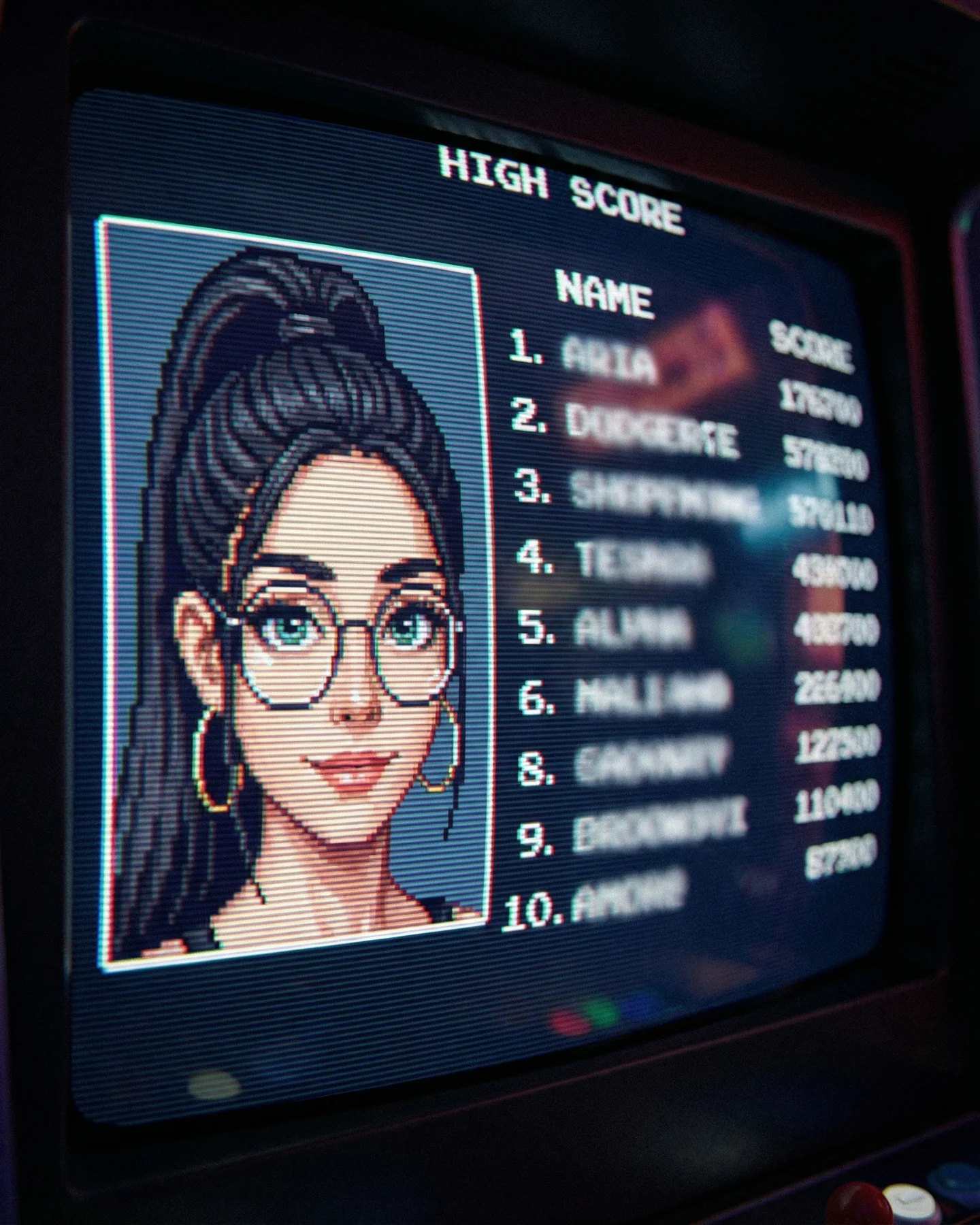
This image hits because it combines two powerful internet instincts at once: nostalgia and status. The CRT arcade screen triggers memory, but the leaderboard structure introduces hierarchy. That changes the emotional feel of the image. It is not just “remember this old aesthetic.” It is “remember this world, and imagine yourself winning inside it.” That shift matters because status-coded nostalgia usually performs better than passive nostalgia.
The portrait on the left side is doing equally important work. By turning the creator into a pixel character and placing her beside the score table, the image personalizes the whole reference. It feels like an old game screen, but it also feels like a creator-specific universe. That is exactly the kind of visual concept that can lift SEO content above generic moodboard imagery.
The biggest driver here is the fantasy of being the top line on an old leaderboard. Recognition and aspiration arrive together. Then the CRT texture closes the loop. Scanlines, glow, and screen curvature make the nostalgia feel physical rather than theoretical. Viewers are not just seeing pixel art; they are seeing it inside the hardware language that made those images emotionally sticky in the first place.
| Signal | Evidence (from this image) | Mechanism | Replication Action |
|---|---|---|---|
| Status-coded nostalgia | “ARIA” appears at the top of the high-score list | The image links memory to achievement, which increases emotional pull | Make the creator the winner inside the retro system, not just an observer of it |
| Avatar embodiment | Pixel-art portrait of the creator is shown beside the ranking | Turns the aesthetic into a character world instead of a generic scene | Use a custom avatar or persona insert that is visually tied to the creator |
| Hardware authenticity | Curved CRT screen with visible scanlines and glow | Physical display texture deepens the nostalgia response | Show the retro device, not only the on-screen artwork |
| Compact information density | Portrait, rank, text, and scores all fit in one frame | Gives the viewer multiple reasons to stay on the image for a second read | Combine one emotional icon with one readable system element like scores, stats, or levels |
This format is less effective for audiences that want sleek futurism or minimal design systems. The charm comes from texture, clutter, and the slightly chunky logic of old interfaces.
{CRT display} {creator pixel avatar} {retro status panel} {arcade glow}{vintage game screen} {pixel persona} {numeric readout} {authentic CRT texture}{arcade leaderboard} {creator identity insert} {ranked names and scores} {retro cabinet photo}The image works visually because it balances clarity and decay. The text is readable enough to reward attention, but the screen texture keeps it from feeling sterile. The avatar portrait is also a smart choice. Human faces still anchor attention even in pixel form, so the image keeps emotional access while remaining fully inside the retro style system.
The dark surroundings matter more than they first appear. By letting the cabinet and room fall into shadow, the image gives all the emotional weight to the glow of the screen. That is how old arcade memories often live in people’s minds anyway: not as full rooms, but as islands of light in the dark.
| Observed | Why It Matters For Recreation |
|---|---|
| Curved CRT screen photographed at an angle | Creates physical nostalgia and prevents the image from feeling like a flat mockup |
| Pixel-art creator portrait in bordered panel | Adds identity and emotional focus to the retro system |
| Readable high-score table with first-place winner | Introduces competitive status and gives the frame a story engine |
| Visible scanlines and slight analog blur | Supports era authenticity better than perfect digital sharpness |
| Dark arcade surroundings with soft neon reflections | Creates atmosphere while keeping attention on the screen itself |
| Prompt chunk | What it controls | Swap ideas (EN, 2-3 options) |
|---|---|---|
| vintage CRT arcade monitor showing a high-score screen | Hardware frame and nostalgic anchor | retro cabinet screen; old arcade display; glowing curved CRT monitor |
| pixel-art brunette avatar with glasses and hoop earrings | Creator embodiment inside the game world | 8-bit profile portrait; retro heroine avatar; custom pixel character |
| HIGH SCORE list with ARIA at number one | Status narrative and readout system | leaderboard panel; score ranking table; winner list screen |
| dark arcade ambience with subtle neon reflections | Mood and environmental support | low-light cabinet glow; moody game-room darkness; retro arcade lighting |
| visible scanlines, bloom, and curved-screen softness | Analog realism and anti-mockup texture | CRT phosphor glow; screen-line texture; photographed arcade display |
| white retro font on blue-gray game interface | Period-correct UI language | classic arcade text; simple 8-bit menu styling; old-school score screen |
Lock the CRT hardware, the pixel portrait, and the leaderboard first. Those are the three pillars. Then iterate narrowly.
If the image starts to feel like a poster rather than a found arcade moment, reduce the design cleanliness and strengthen the photographed-hardware cues.