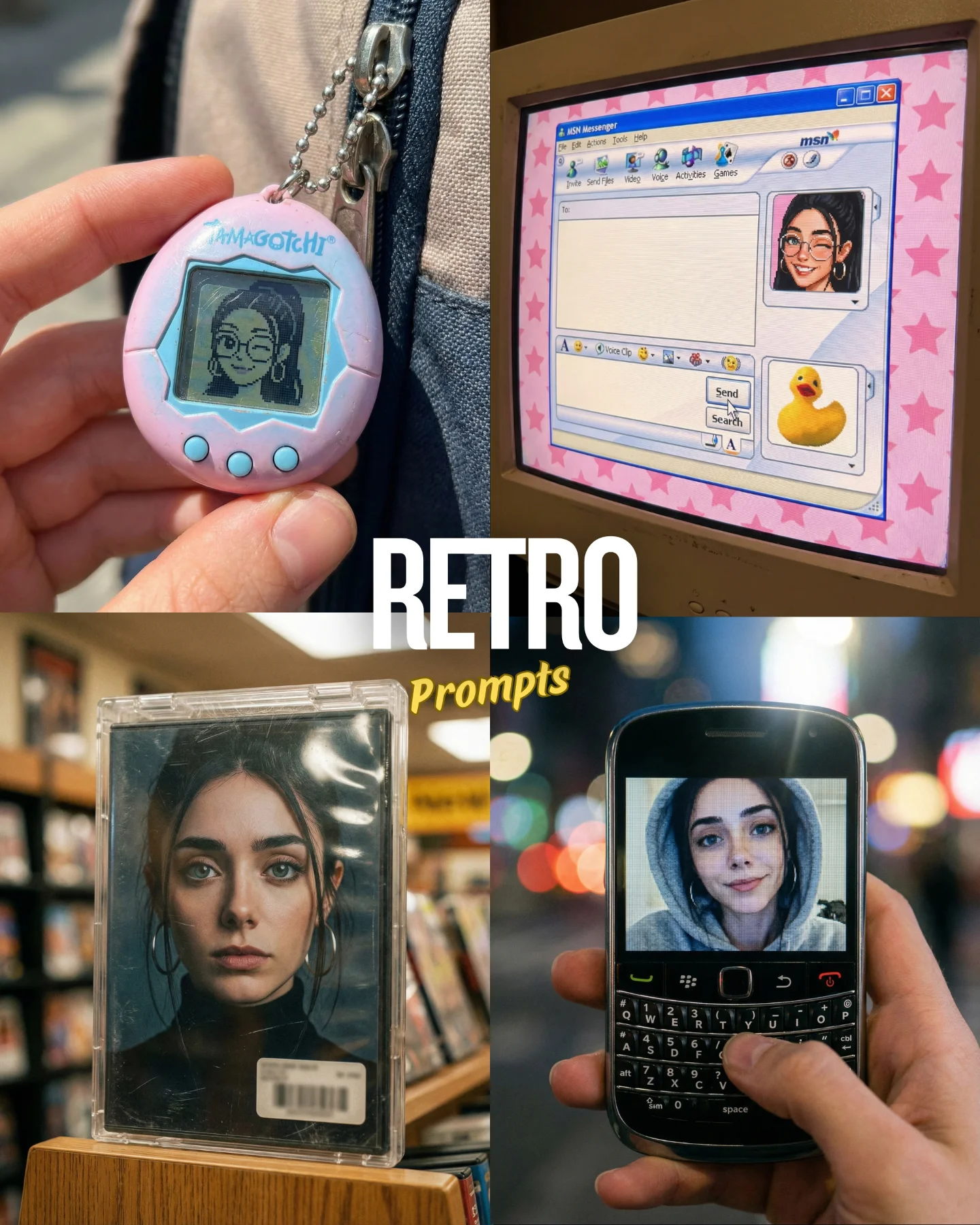
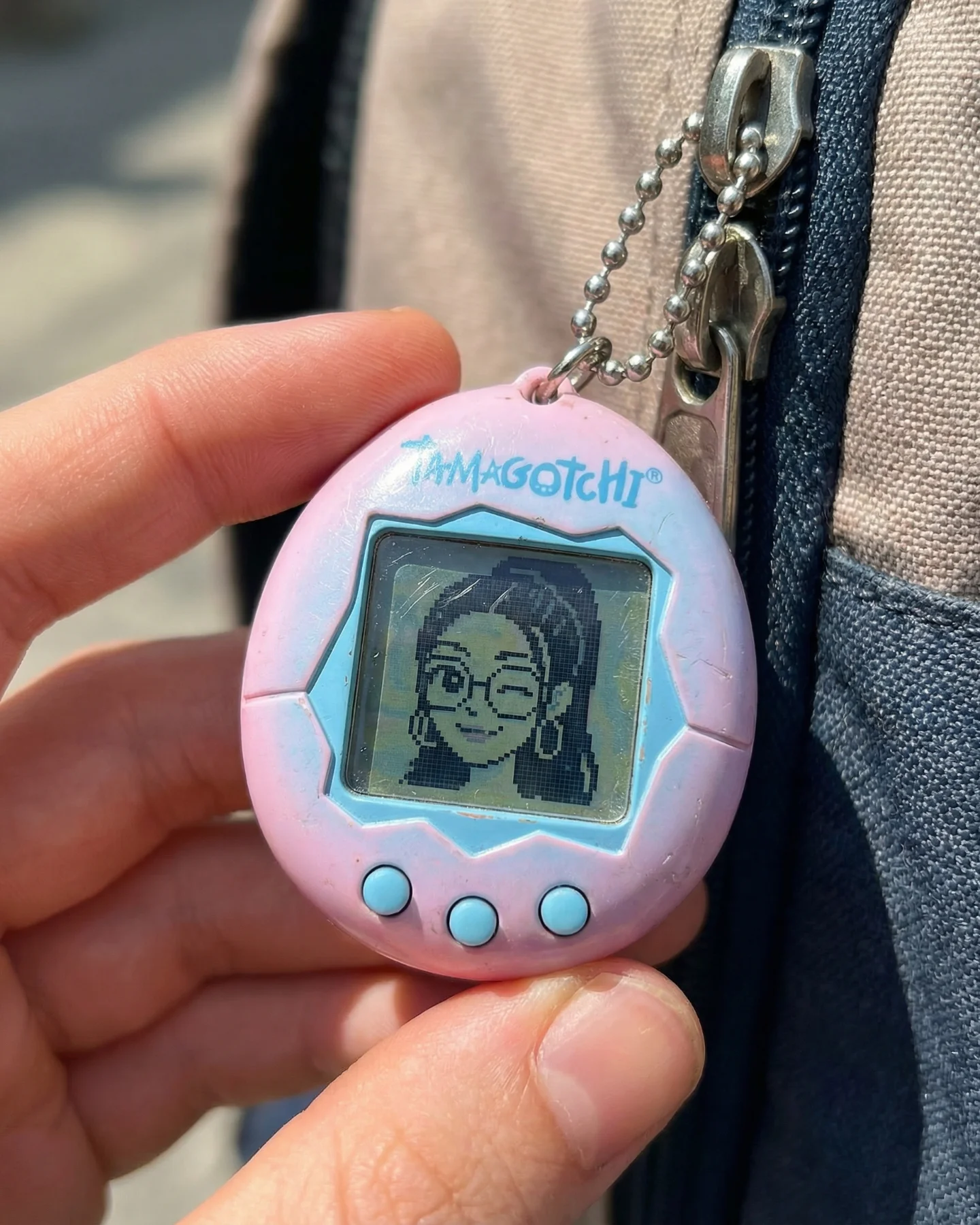
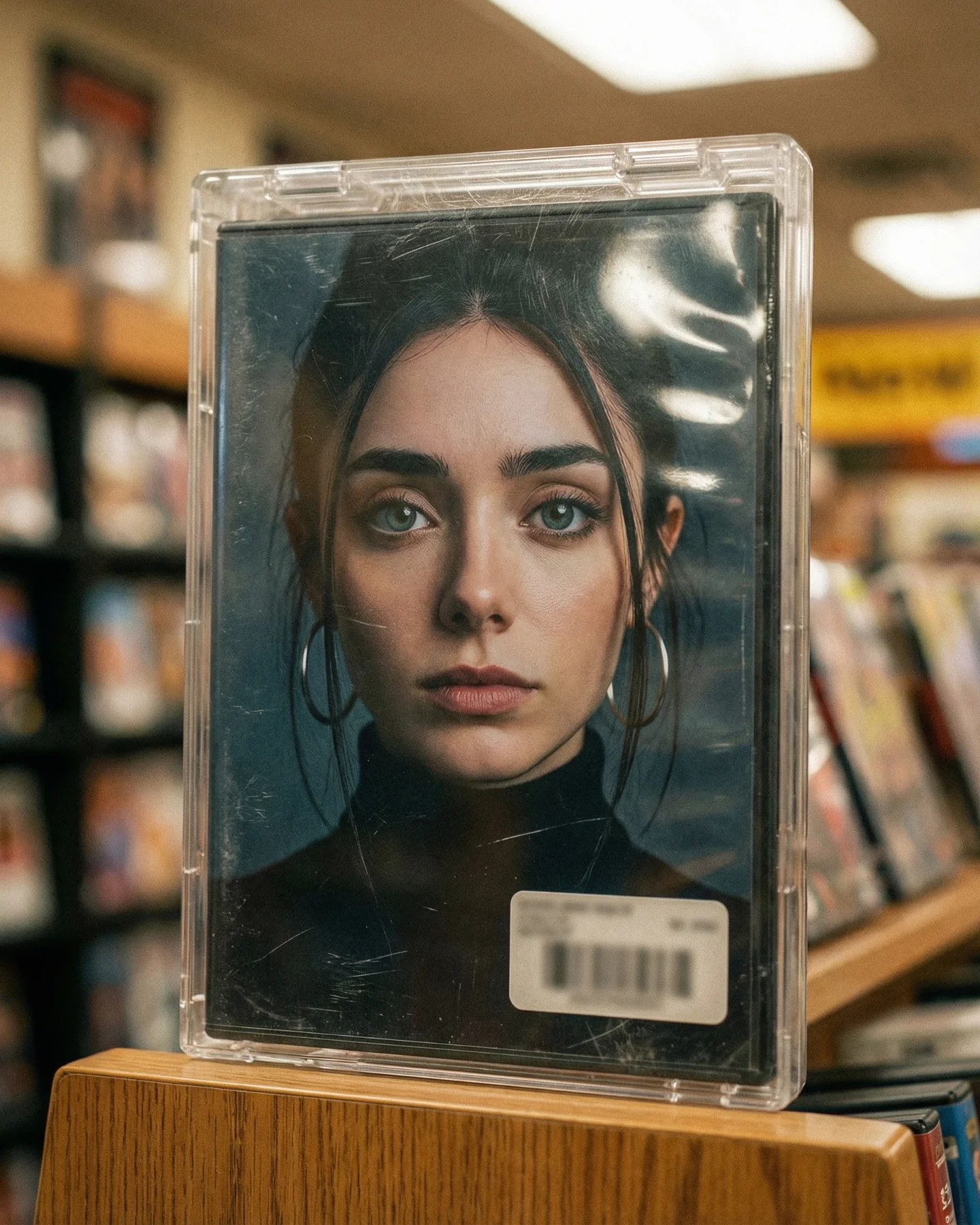
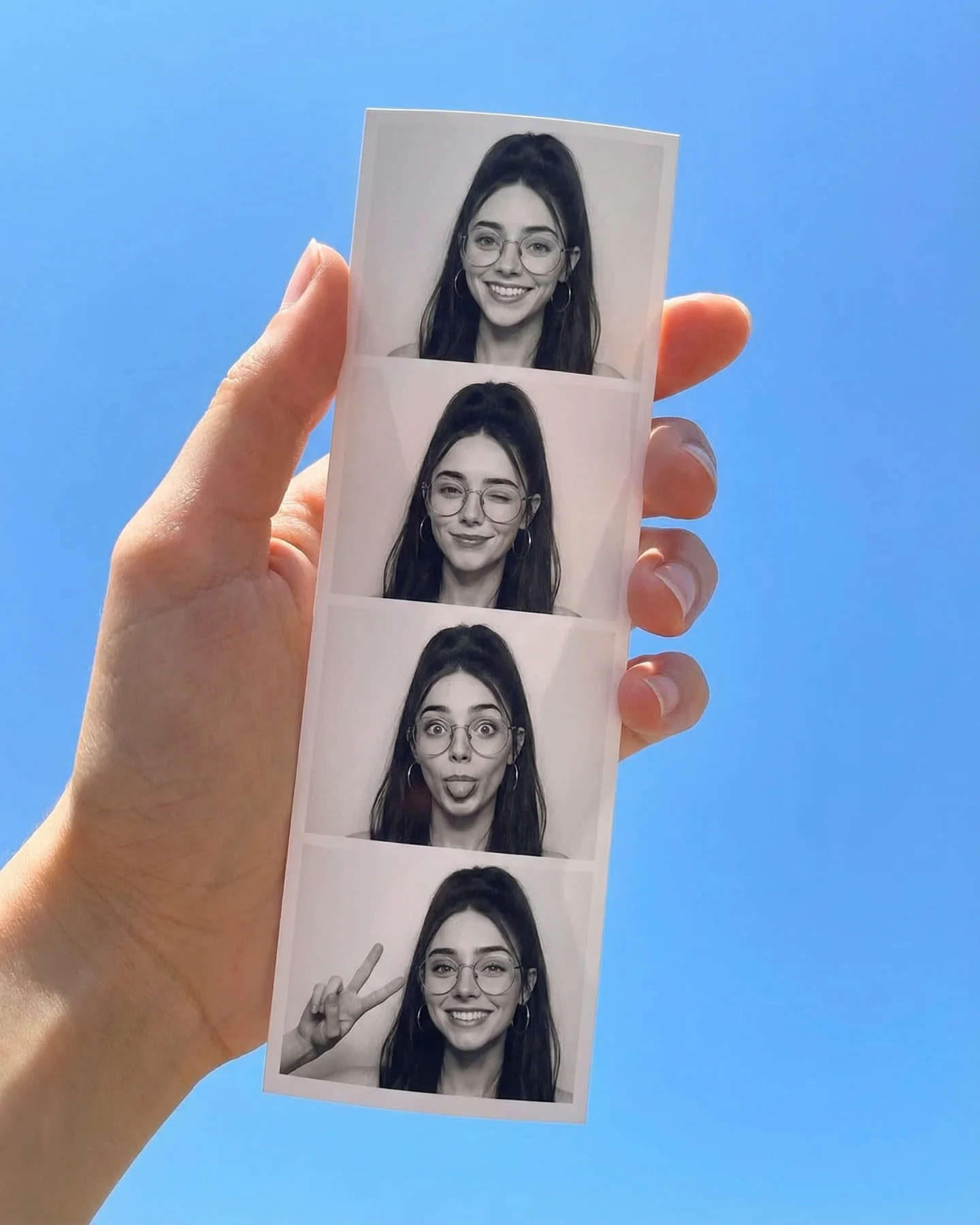
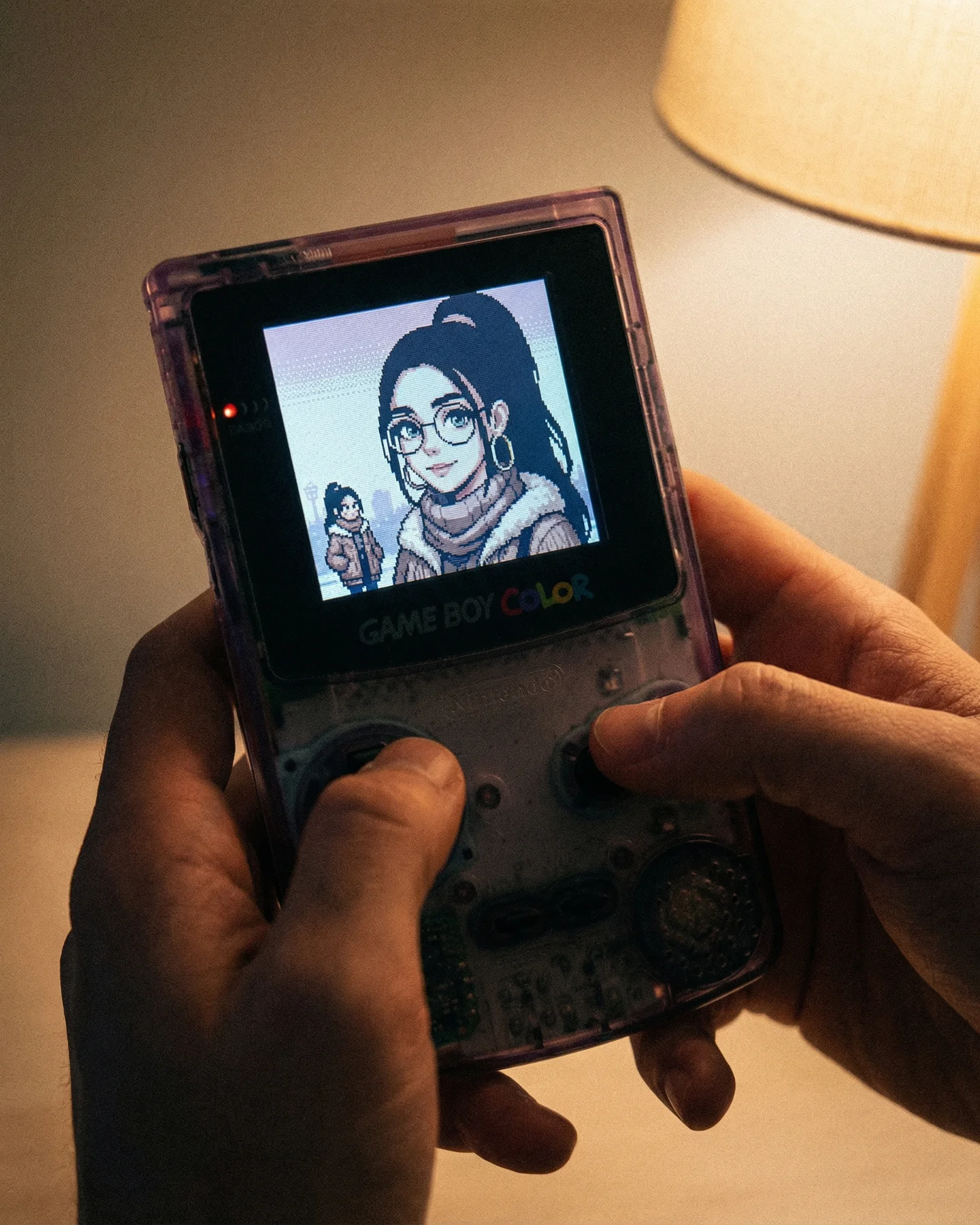
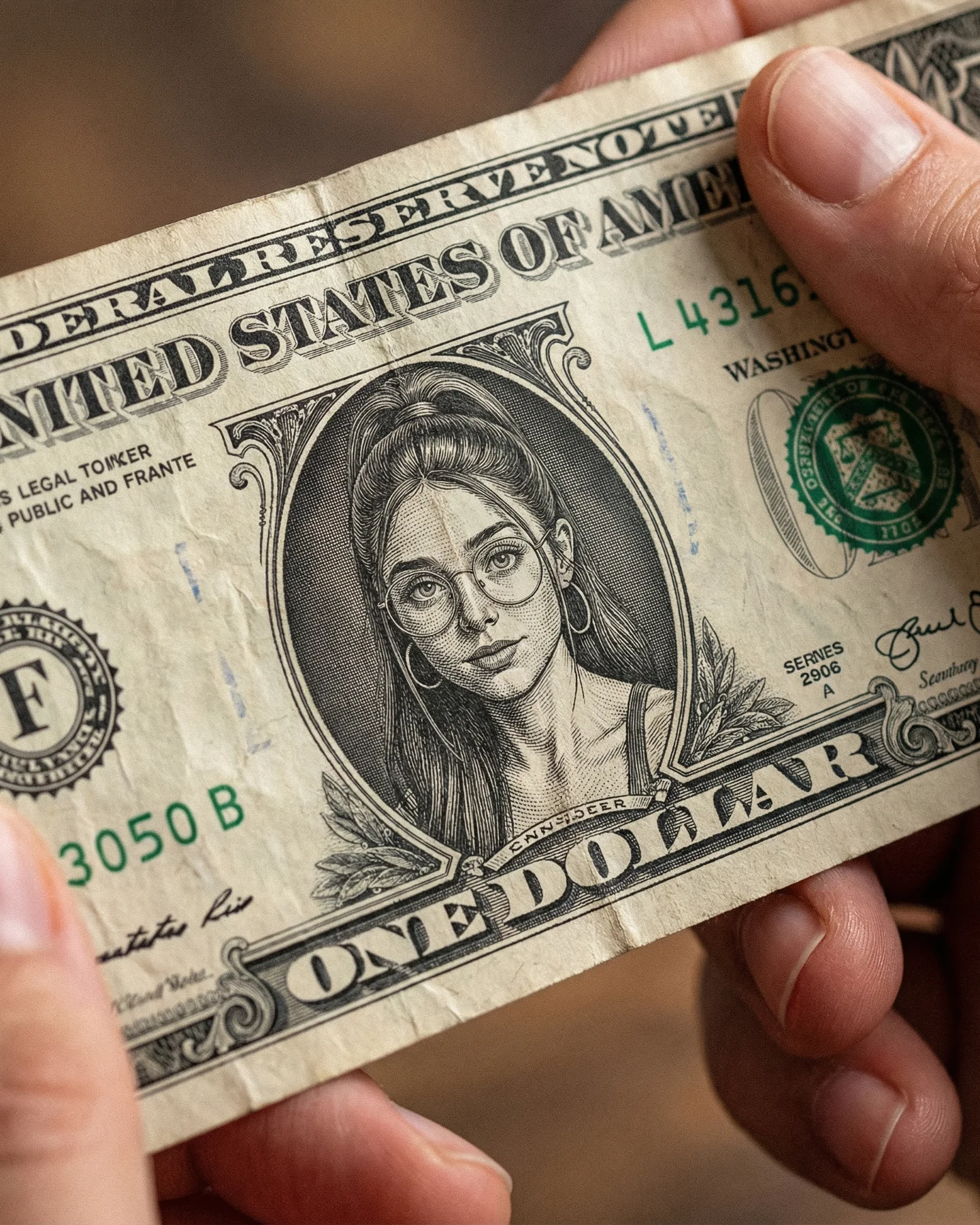
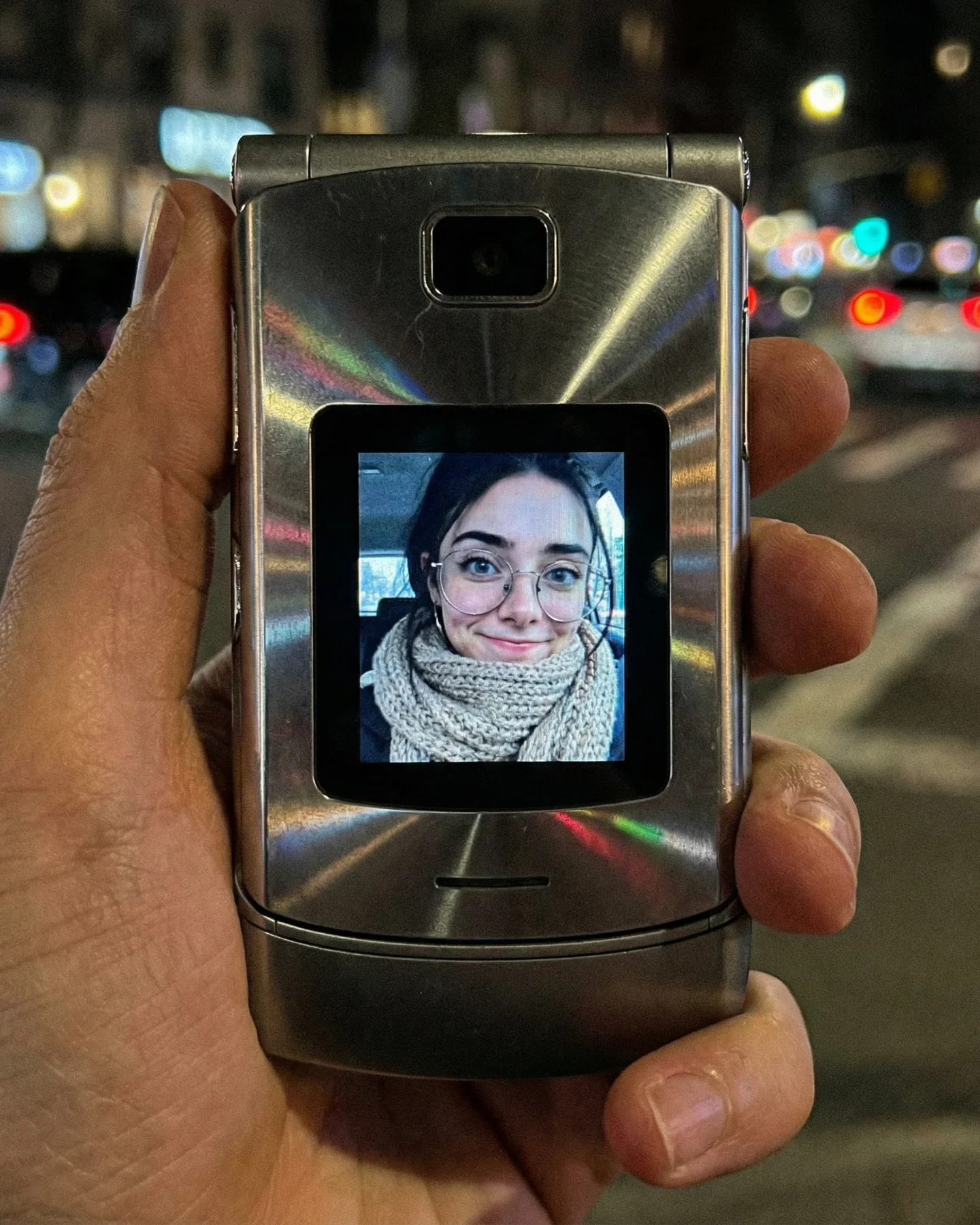

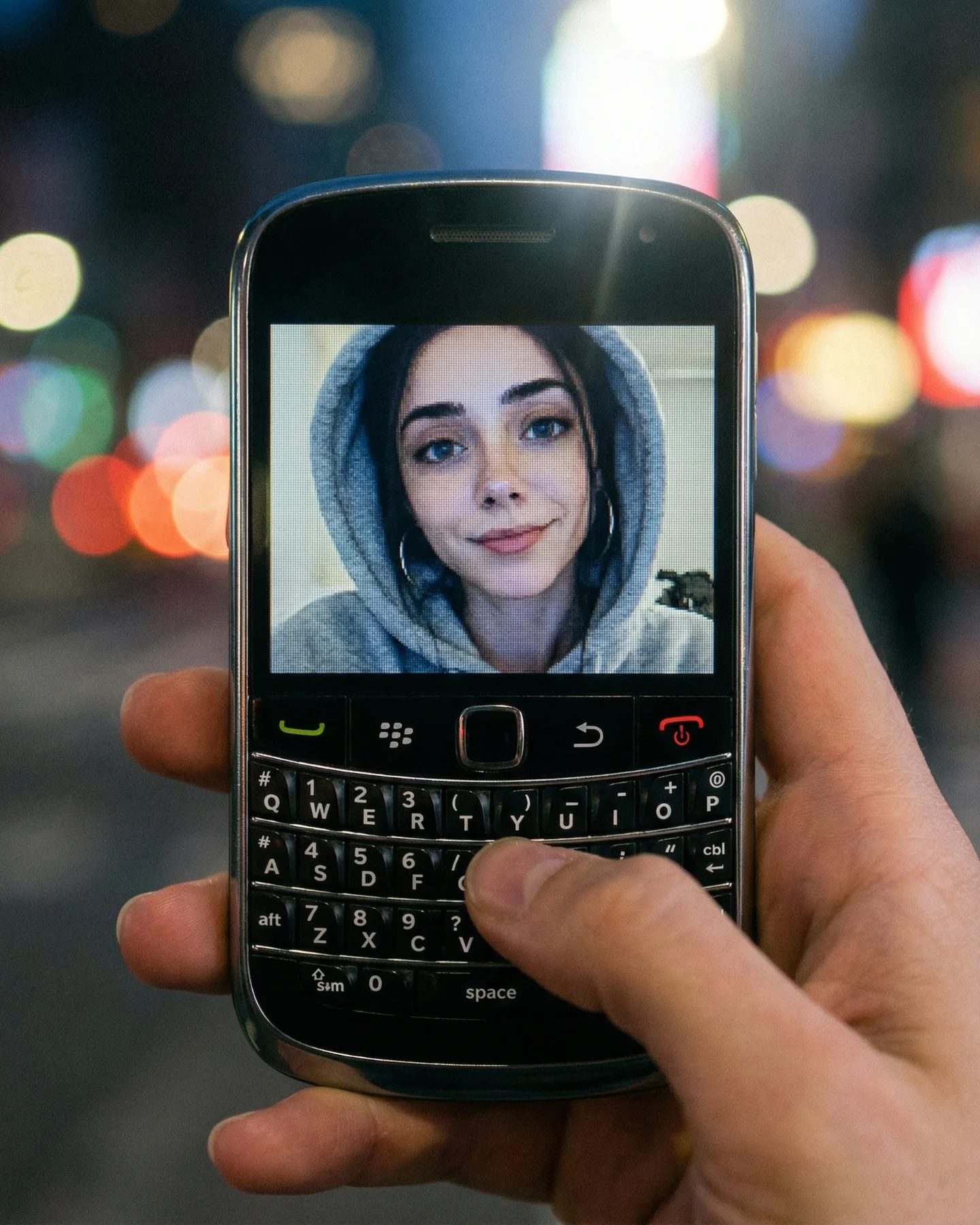
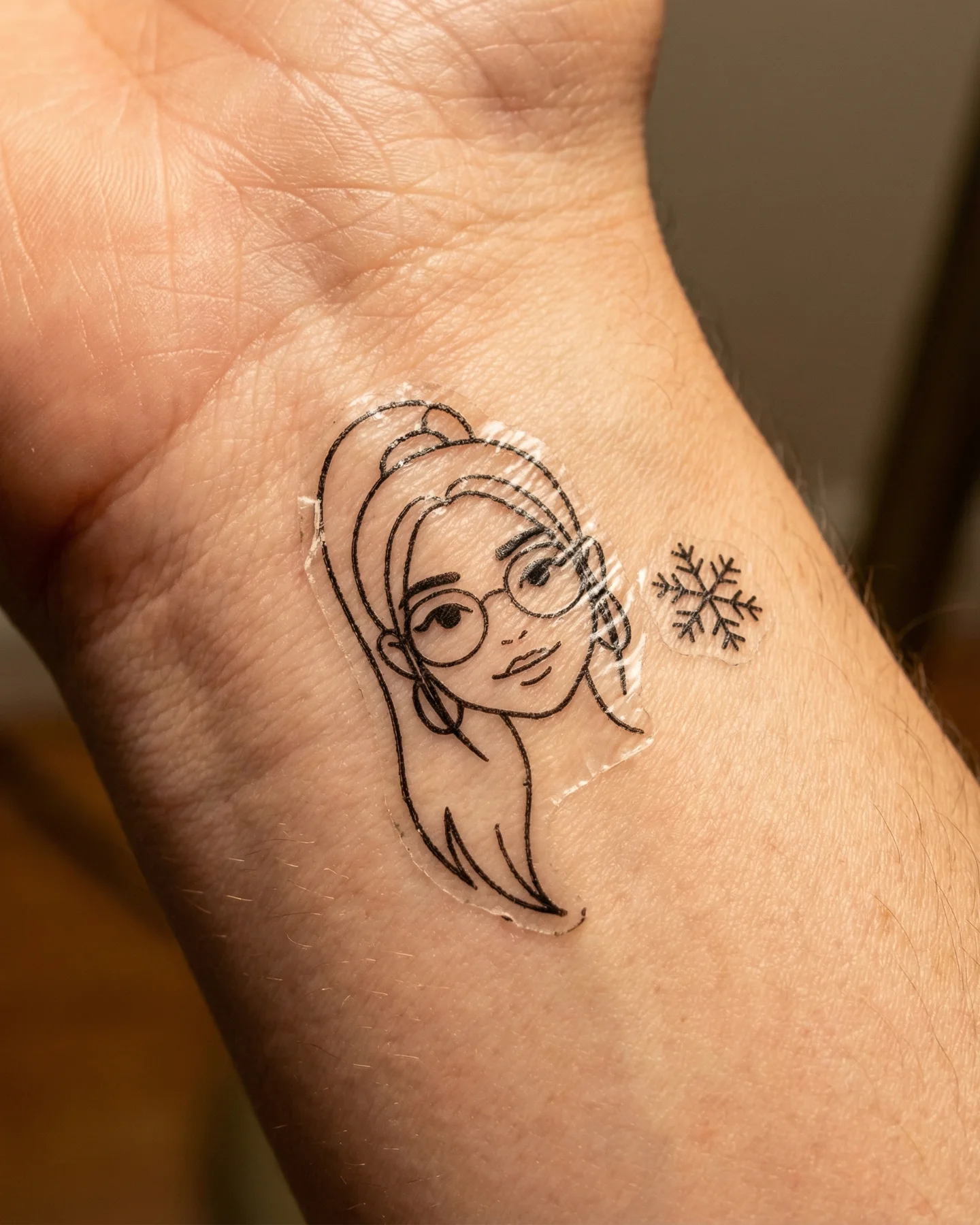
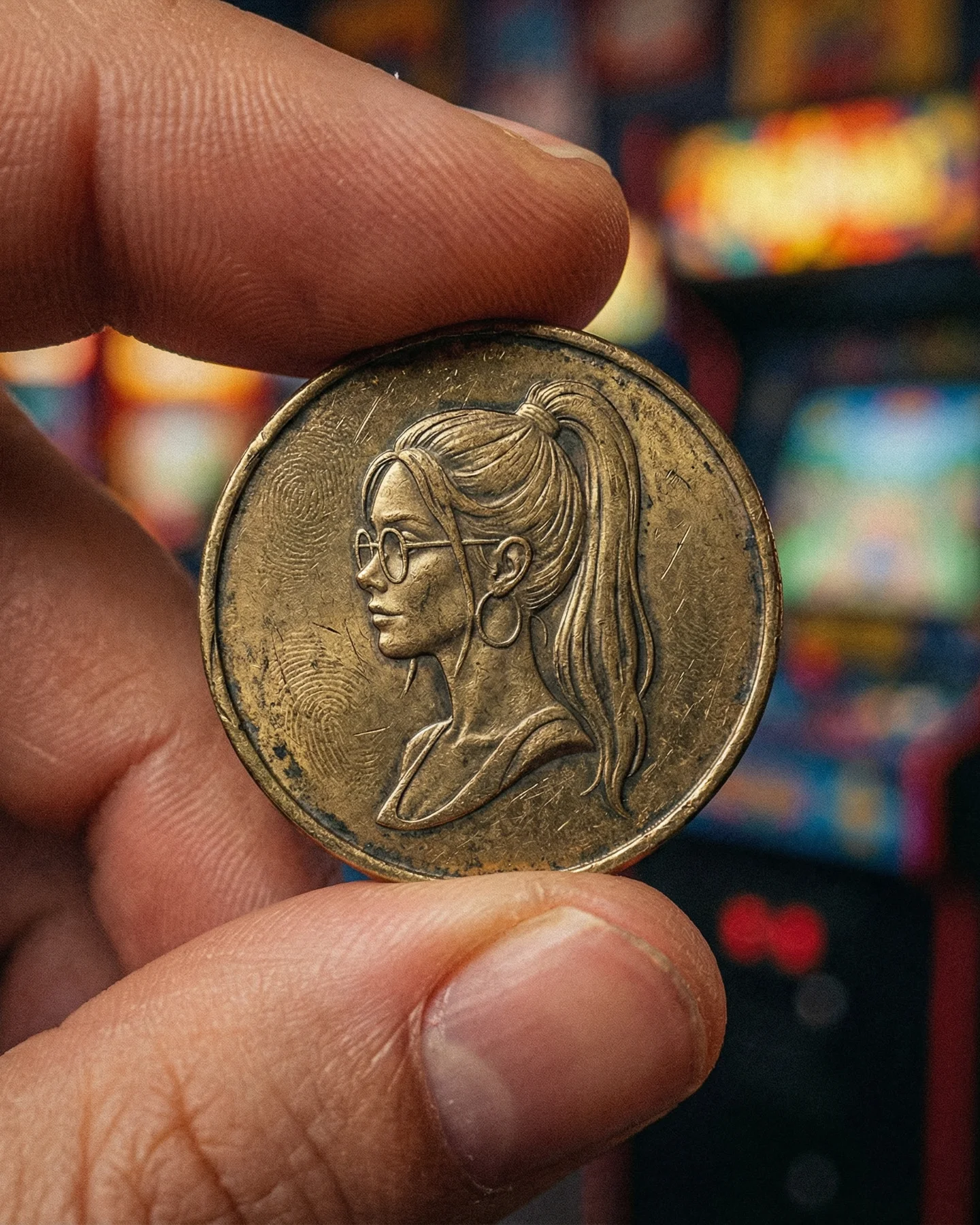
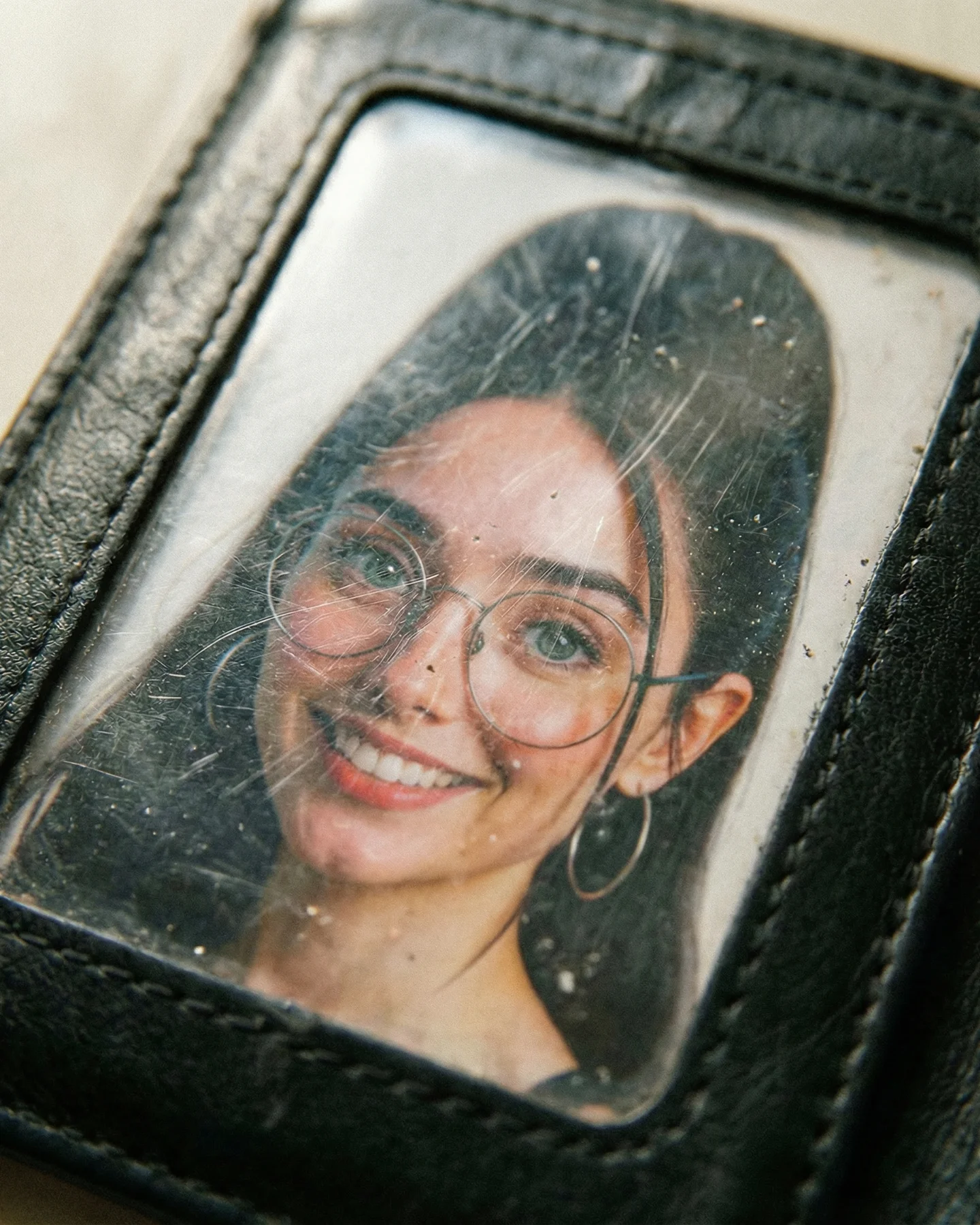

Retro Prompts 🕹️ 💡Idea from: @ai_vitaminc_ Te suena algo de esto?? 👀 Ahora lo llaman "Retro" El tiempo vuela pero los recuerdos se quedan... 🥹 Comenta "ARIA" y te paso los prompts 💌
Retro Prompts 🕹️ 💡Idea from: @ai_vitaminc_ Te suena algo de esto?? 👀 Ahora lo llaman "Retro" El tiempo vuela pero los recuerdos se quedan... 🥹 Comenta "ARIA" y te paso los prompts 💌
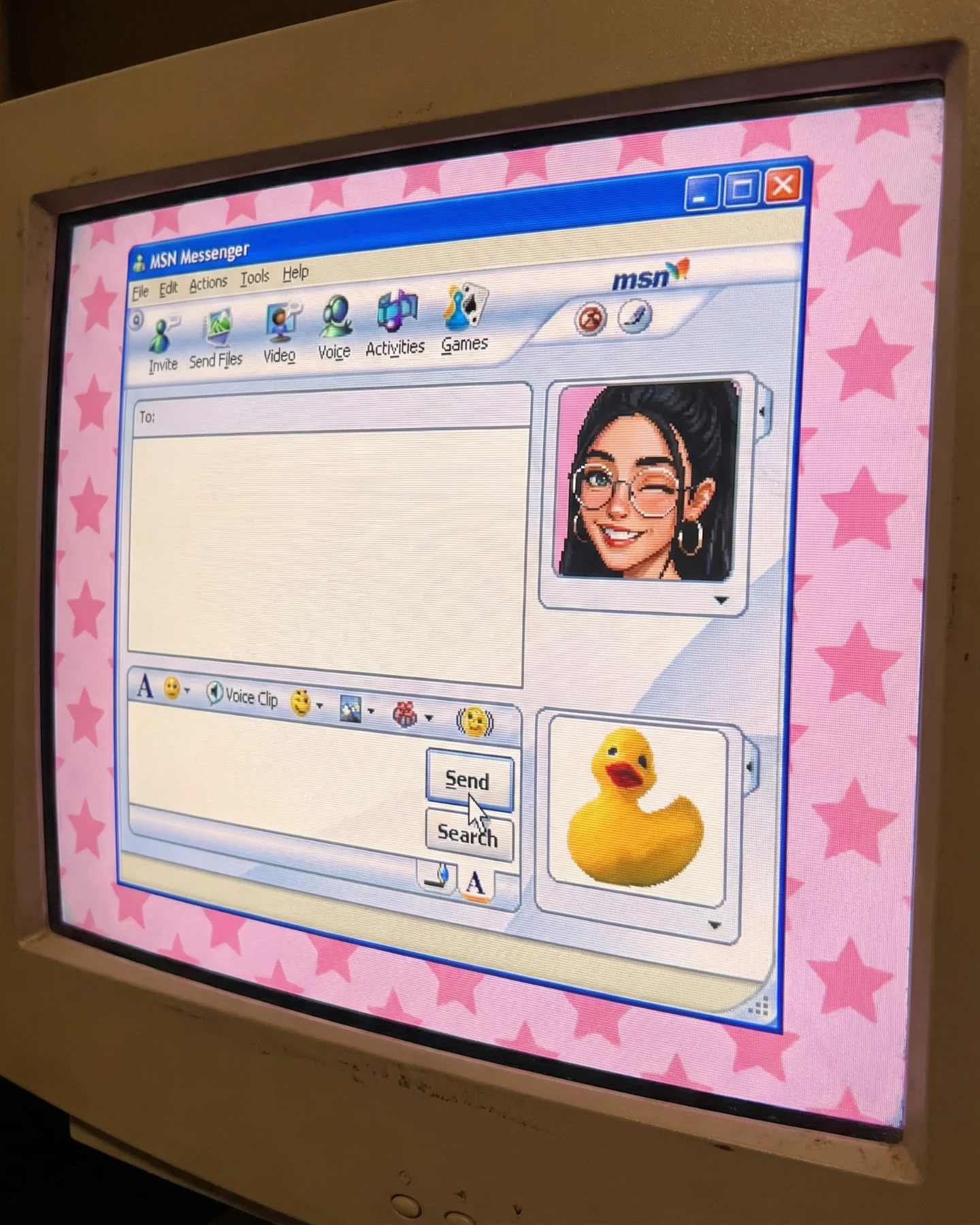
This image works because it does not just reference nostalgia. It recreates an entire interaction system that people remember emotionally. The CRT monitor, the blue MSN-style toolbar, the pink star wallpaper, the chunky buttons, and the duck image all push the viewer into memory mode immediately. That is a stronger mechanism than generic “retro vibes,” because it activates recognition through interface details, not only through color grading.
For creator SEO, that matters a lot. Nostalgia-heavy posts often get attention because viewers do not simply admire them, they mentally participate in them. They remember their own messenger windows, old desktop setups, custom icons, and internet rituals. The image becomes conversational by default. That is exactly why this kind of visual language can perform far beyond a technically prettier but emotionally thinner design.
The first key driver is interface nostalgia. People who recognize MSN Messenger do not only see software. They see a social era. The second driver is character insertion. By placing the creator’s illustrated avatar inside the chat window, the image personalizes the nostalgia instead of leaving it as a generic museum object. Then the yellow rubber duck and pink star backdrop add playful internet-chaos energy, which keeps the frame from feeling cold or archival.
| Signal | Evidence (from this image) | Mechanism | Replication Action |
|---|---|---|---|
| Specific-era interface cue | Blue MSN Messenger style window and toolbar icons | Recognition happens instantly for the target audience | Use one unmistakable legacy interface instead of a vague “retro computer” theme |
| Personalized nostalgia | Creator avatar appears inside the messenger panel | The image becomes identity content, not just aesthetic reference | Insert the creator persona into the old system in a believable way |
| Playful accessory signal | Yellow rubber duck sticker/image in the lower panel | Small whimsical details increase memorability and shareability | Add one playful object that feels period-correct or internet-cute |
| Hardware authenticity | Photographed on a real-looking CRT monitor with glow and softness | Physical screen texture makes the nostalgia feel embodied and real | Keep the old hardware visible instead of presenting a flat digital export |
This approach is weaker for audiences with no emotional memory of early chat software or for brands aiming at sleek futurism. The charm comes from dated friction, rounded UI clutter, and lovable visual tackiness.
{legacy interface} {creator avatar} {cute accessory} {CRT photo capture}{old desktop screen} {personalized profile art} {Y2K wallpaper} {retro hardware glow}{retro UI system} {creator character insert} {toy-like internet details} {physical screen texture}The strongest visual choice here is that the image is not too clean. The screen glow, slight blur, and photographed-pixel texture do important work. They keep the image grounded in physical nostalgia instead of turning it into a sterile imitation. The monitor bezel also matters more than it seems. Without the heavy cream-colored frame, the image would lose much of its era signal.
The second win is color strategy. Pink stars, blue UI bars, cream monitor plastic, and the yellow duck create a playful palette that feels deeply internet-native to the era. It is sweet, slightly tacky, and very memorable. That is exactly the point. When retro content gets too tasteful, it often stops feeling true.
| Observed | Why It Matters For Recreation |
|---|---|
| Bulky CRT monitor photographed at an angle | Gives the nostalgia a physical container and immediate era recognition |
| Blue MSN-style title bar and toolbar | Anchors the image in a very specific software memory |
| Pink star wallpaper around the interface | Adds playful Y2K visual clutter that feels socially authentic |
| Illustrated creator avatar inside chat panel | Transforms nostalgia into personalized creator content |
| Yellow duck image in a secondary panel | Provides one sticky whimsical detail that people remember and mention |
| Prompt chunk | What it controls | Swap ideas (EN, 2-3 options) |
|---|---|---|
| beige CRT monitor showing an MSN Messenger style interface | Hardware identity and software-era anchor | old desktop monitor; bulky curved-screen CRT; vintage chat computer |
| pink star wallpaper, blue toolbar, rounded retro window chrome | Y2K color language and interface charm | pastel internet layout; early-2000s desktop theming; candy-colored chat UI |
| cartoon brunette avatar with glasses inside contact panel | Personalization and creator insertion | winking profile icon; illustrated contact portrait; custom buddy icon |
| yellow rubber duck image in lower panel | Playful micro-detail and memorability | cute sticker panel; toy icon insert; nostalgic internet trinket image |
| photographed screen glow, scanline texture, slight softness | Physical realism and anti-mockup texture | analog screen bloom; photographed CRT texture; soft glass reflection |
| dim room, monitor as main light source | Mood and period-authentic screen emphasis | bedroom desktop glow; low-light retro setup; screen-lit room |
Lock the CRT hardware, the messenger interface, and the pink-star background first. Those are the non-negotiables. Then iterate in layers.
If the result looks too polished, the fix is usually less vector cleanliness and more physical-screen imperfection, not more decorative elements.