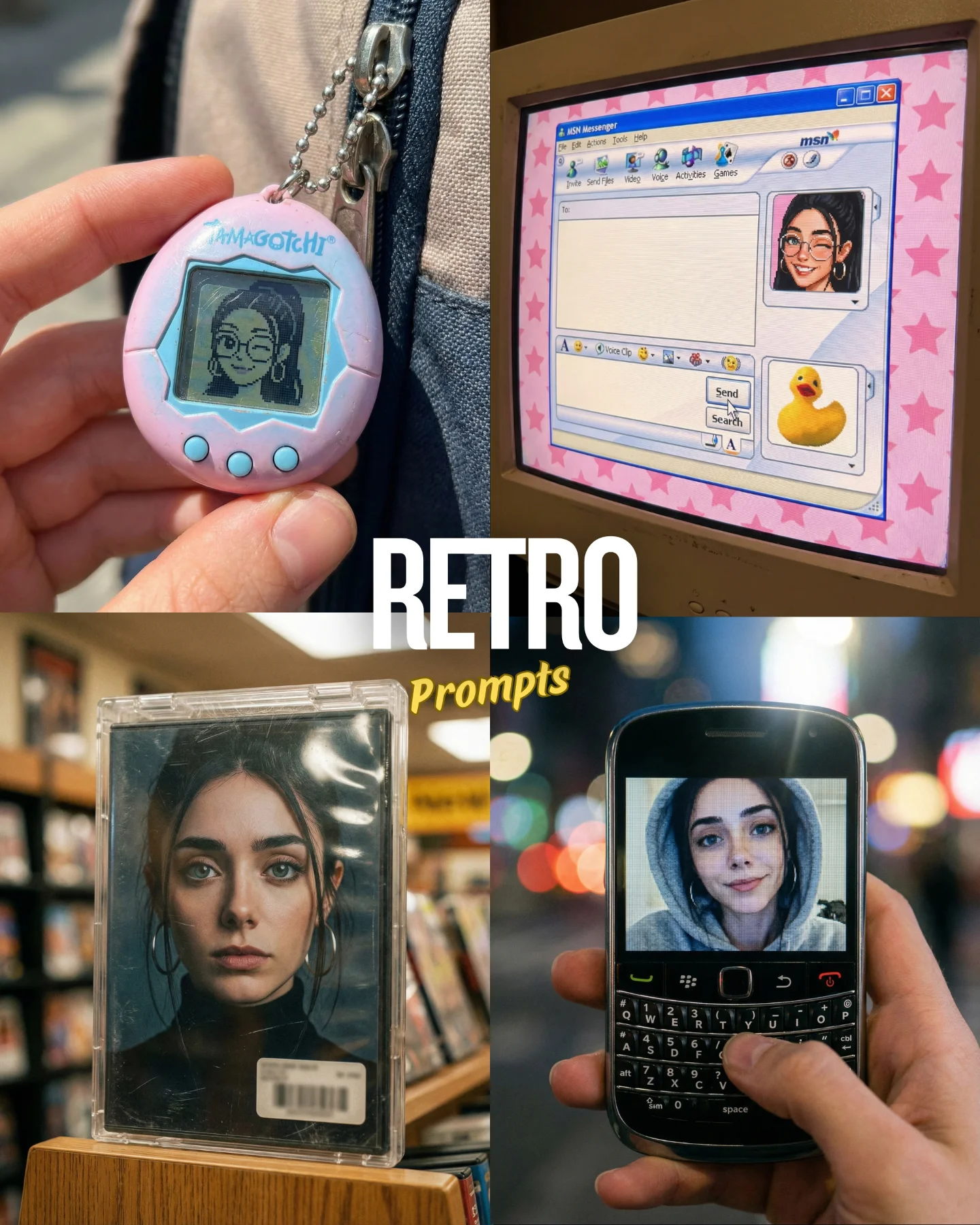
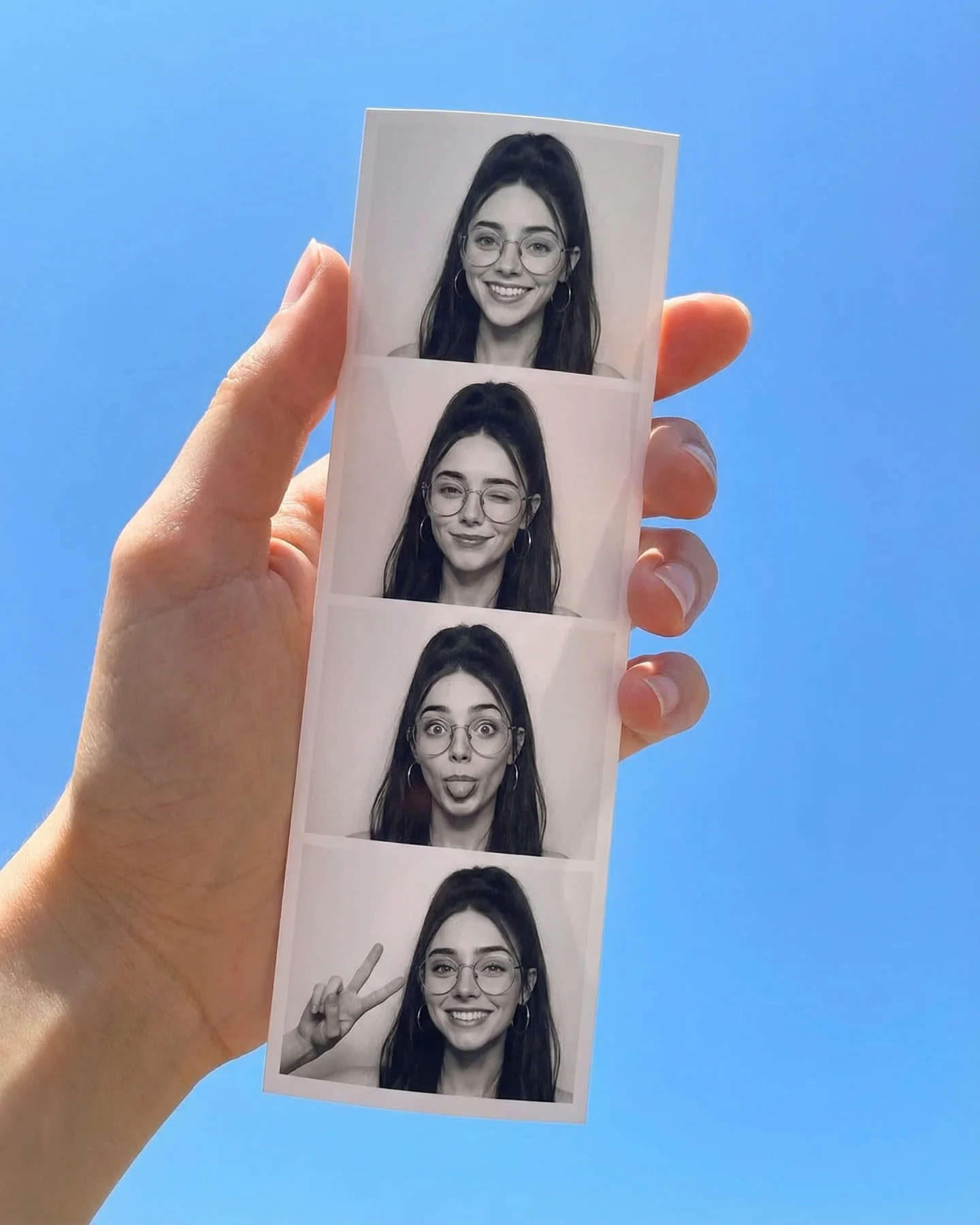
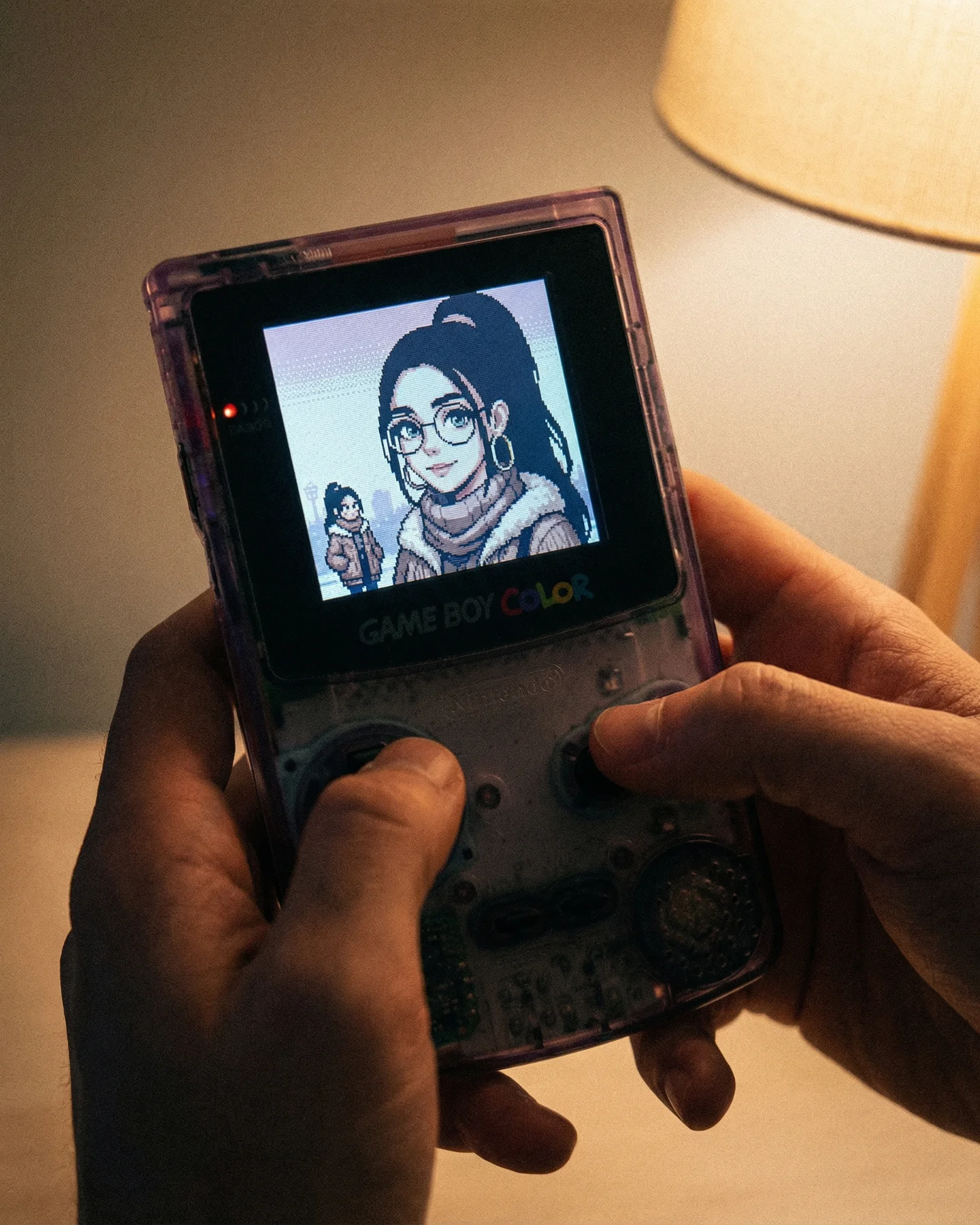
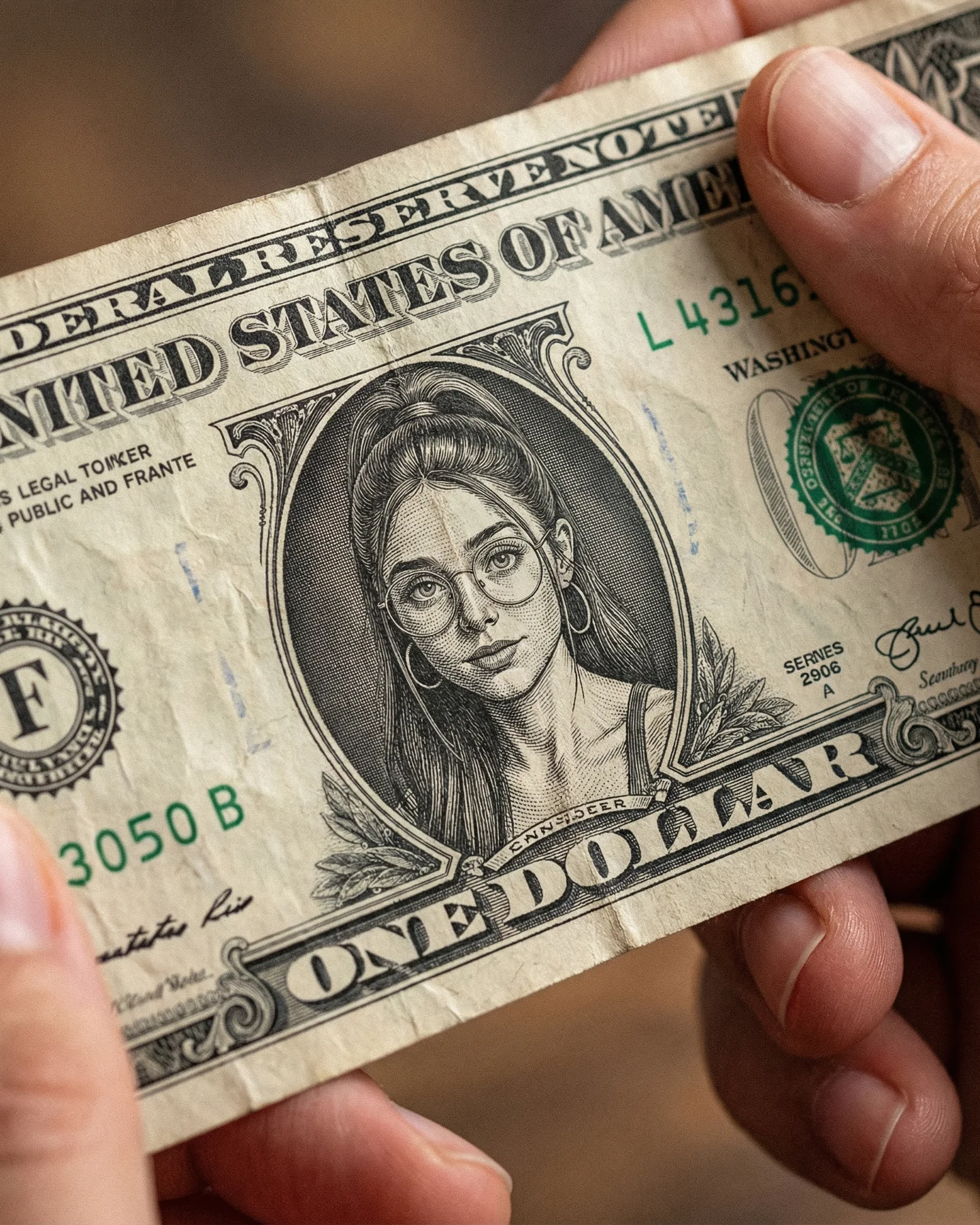
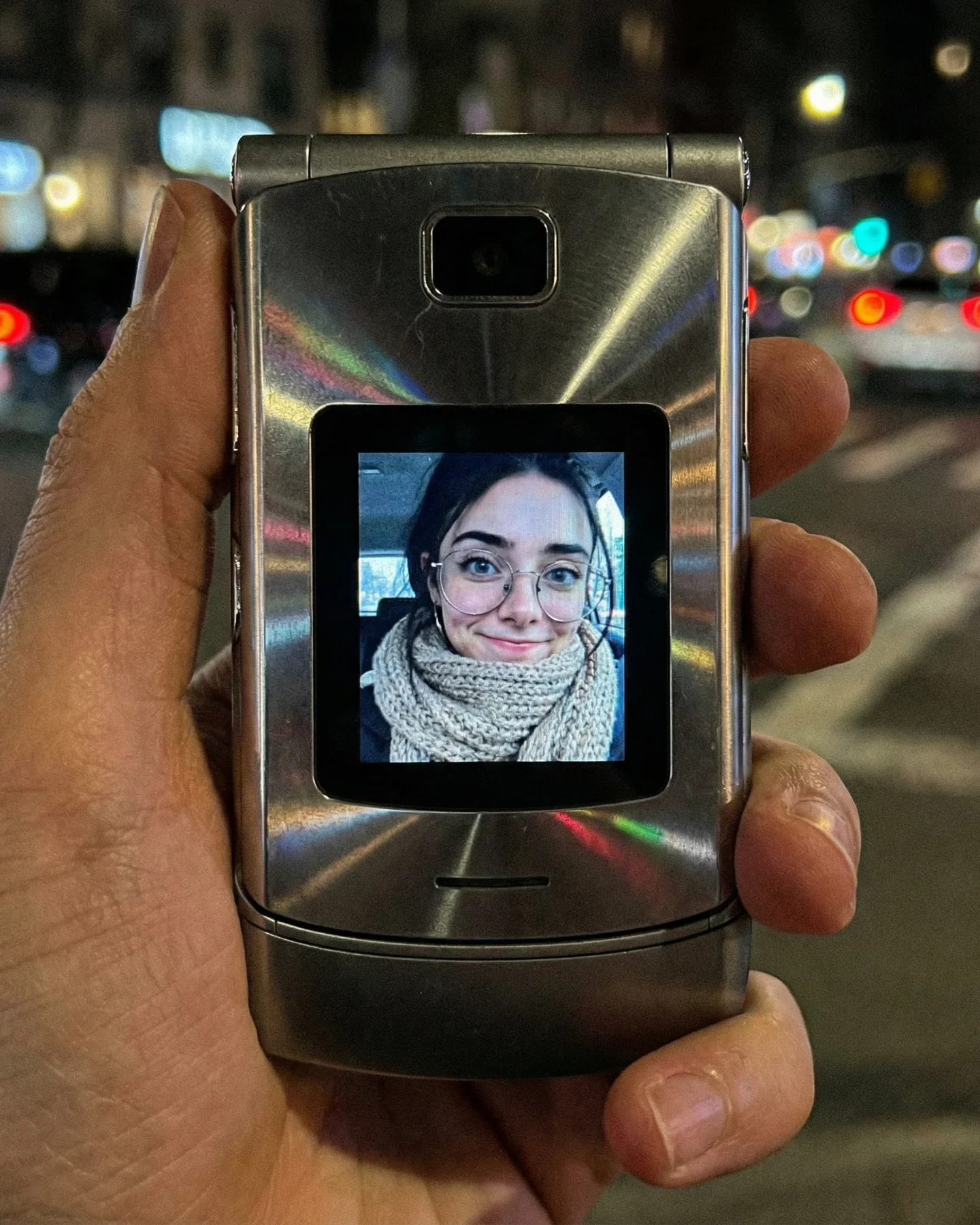

Retro Prompts 🕹️ 💡Idea from: @ai_vitaminc_ Te suena algo de esto?? 👀 Ahora lo llaman "Retro" El tiempo vuela pero los recuerdos se quedan... 🥹 Comenta "ARIA" y te paso los prompts 💌
Retro Prompts 🕹️ 💡Idea from: @ai_vitaminc_ Te suena algo de esto?? 👀 Ahora lo llaman "Retro" El tiempo vuela pero los recuerdos se quedan... 🥹 Comenta "ARIA" y te paso los prompts 💌
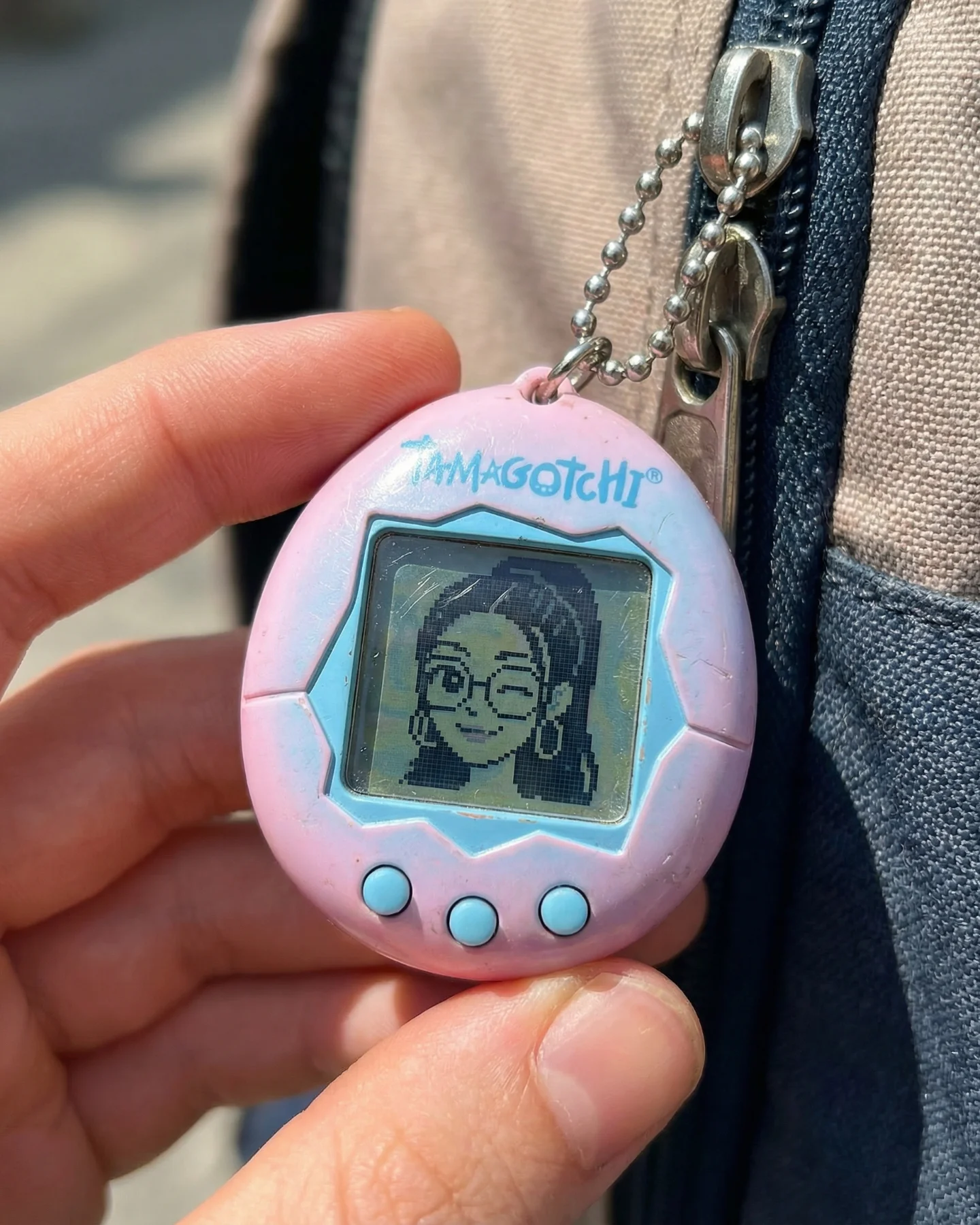
This image works because it chooses one object that can carry an entire era by itself. A lot of retro content becomes vague very quickly. It leans on color grading, old fonts, or generic “vintage” styling without naming a real memory trigger. This frame does the opposite. The Tamagotchi is specific, tactile, and instantly recognizable. That specificity is why the image feels personal instead of performatively nostalgic.
The smartest part is that the object is not isolated on a studio table. It is attached to a backpack zipper and lightly held by a hand, which makes it feel used, carried, and lived with. That changes the emotional read. Instead of saying “look at this old thing,” the image says “this memory still travels with me.” For creators, that is a much stronger nostalgia move.
The little pixel portrait on the screen is another excellent detail. It updates the device just enough to connect the retro object with the current creator identity. That bridge between old interface and present-day self is what makes the post feel contemporary rather than museum-like.
| Signal | Evidence (from this image) | Mechanism | Replication Action |
|---|---|---|---|
| Specific memory trigger | Recognizable pink Tamagotchi with physical buttons and chain | One iconic object activates nostalgia faster than broad retro styling | Choose a single era-defining device or toy instead of many generic references |
| Lived-in context | Device attached to a backpack zipper and held by fingers | The object feels personal and still in use | Show the nostalgic item in a real carrying or handling situation |
| Past meets present | Pixel avatar on the screen resembles the creator identity | The image bridges childhood tech with current self-expression | Update the object with one personalized detail without changing its core design |
This approach works well for Y2K prompt packs, digital nostalgia series, retro tech moodboards, and creator feeds built around small memory objects. It also transfers to flip phones, MP3 players, Nintendo handhelds, sticker-covered point-and-shoot cameras, and old keychain games.
It is less effective for broad “retro room” scenes when the goal is emotional precision. The strength here is one-object clarity.
{iconic retro gadget} {attached to everyday bag or keys} {handheld close-up} {natural daylight}{nostalgic object} {modern self-reference} {soft background blur} {memory-driven realism}{retro accessory} {lived-in placement} {close-up realism} {specific era signal}The image is strong because the palette stays simple: pastel pink, pale blue, silver metal, and navy fabric. That softness makes the object feel even more like a kept memory. The close crop also helps. There is no room for distraction, so the plastic shell, the pixel screen, and the zipper texture become the whole story. It is a small image, but it feels emotionally full because every visible detail points to the same era.
| Prompt chunk | What it controls | Swap ideas (EN, 2-3 options) |
|---|---|---|
| pastel pink Tamagotchi on a zipper | Primary nostalgia object and context | silver flip phone charm; translucent Game Boy close-up; MP3 player clipped to a bag |
| pixel portrait on the screen | Personalization and present-day connection | pixel pet animation; tiny menu screen; simple heart icon display |
| handheld daylight close-up | Intimacy and casual realism | on-desk window light close-up; in-pocket pullout shot; mirror-side handheld macro |
| worn plastic and zipper texture | Tactile authenticity | scuffed handheld console shell; scratched phone case; soft fabric pencil pouch texture |
Lock these three things first: the iconic retro object, the lived-in carrying context, and the close crop. Those are the memory anchors. If they drift, the image becomes generic product content.