

Retro Prompts 🕹️ 💡Idea from: @ai_vitaminc_ Te suena algo de esto?? 👀 Ahora lo llaman "Retro" El tiempo vuela pero los recuerdos se quedan... 🥹 Comenta "ARIA" y te paso los prompts 💌
Retro Prompts 🕹️ 💡Idea from: @ai_vitaminc_ Te suena algo de esto?? 👀 Ahora lo llaman "Retro" El tiempo vuela pero los recuerdos se quedan... 🥹 Comenta "ARIA" y te paso los prompts 💌
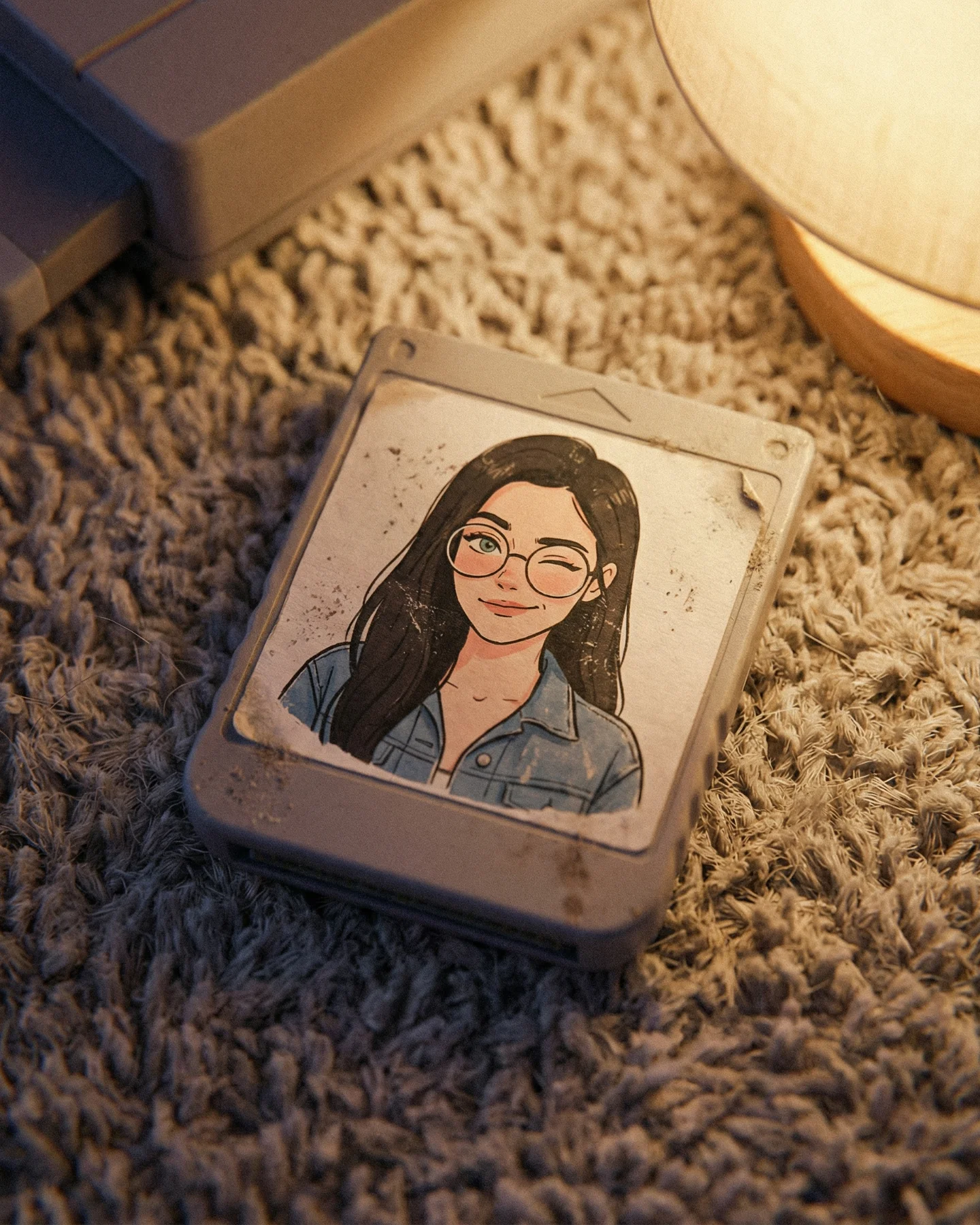
This image works because the object is small, but the feeling attached to it is large. A worn floppy-style disk or old storage cartridge carries immediate associations with past technology, old files, forgotten games, and personal archives. By placing an illustrated portrait on it, the object stops being generic hardware and becomes something more intimate, like a tiny container for memory.
The warm carpet and bedside-lamp light push that feeling even further. Instead of presenting retro tech in a museum or a sterile product shot, the image puts it back into a lived-in domestic space. That is what makes it feel personal instead of merely nostalgic.
The lamp lighting is essential because it changes the emotional temperature of the scene. Under cold light, the disk would feel like a technical artifact. Under warm evening light, it feels like a keepsake. The difference is subtle but important. One version says obsolete device. The other says remembered life.
The warm light also helps the carpet texture come alive, which adds softness around the hard plastic object. That softness balances the rigid geometry of the disk and keeps the image from feeling too mechanical.
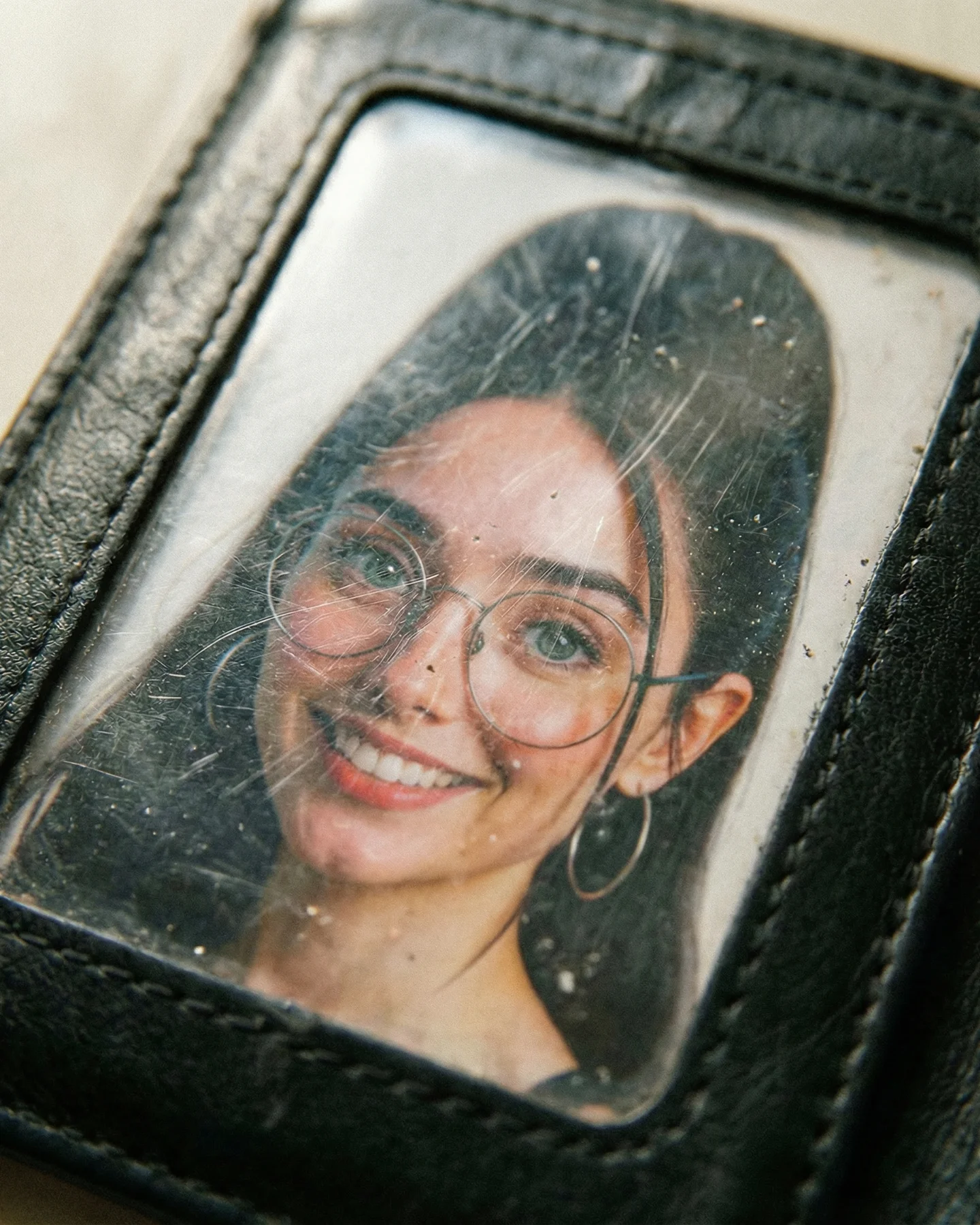
The portrait on the label gives the whole scene its identity. Without that, the image would still be visually nice, but it would be emotionally generic. The illustrated girl with glasses and a wink suggests personality, ownership, and story. It feels like someone customized the object, and that act of customization is what makes the disk feel human.
This is a useful prompt principle: if you want an object-based image to feel intimate, give the object a trace of a person. A face, a doodle, a label, or handwriting can shift the entire reading of the scene.
The carpet matters because it signals bedroom, floor, childhood room, or cozy domestic corner immediately. Hard surfaces would feel colder and more technical. The shaggy textile makes the scene tactile and emotional. It suggests the object was set down casually and rediscovered, not carefully staged on a product table.
That is important for retro prompts. The strongest nostalgic images usually place old objects back into spaces that feel lived in. The memory is not only in the device. It is in the texture around it.
To recreate this image well, the prompt should describe the worn storage object, the illustrated portrait label, the plush carpet, and the warm lamp glow together. If the light or environment is underspecified, the image may drift into generic retro hardware photography. The comfort of the room is part of the concept.
It also helps to keep the tone soft and sentimental rather than ironic or hyper-stylized. This is not about making old tech look cool in an aggressive way. It is about making it feel remembered.
This prompt direction works well for retro-memory collections, nostalgic still-life libraries, analog-digital crossover imagery, and creator content about older media objects and lost files. It is especially effective when you want a quiet image that feels reflective instead of flashy.
It is also a strong reminder that tech nostalgia is often less about the machine itself and more about where it lived in our lives. The carpet, lamp, and gentle wear on the object tell that story beautifully.