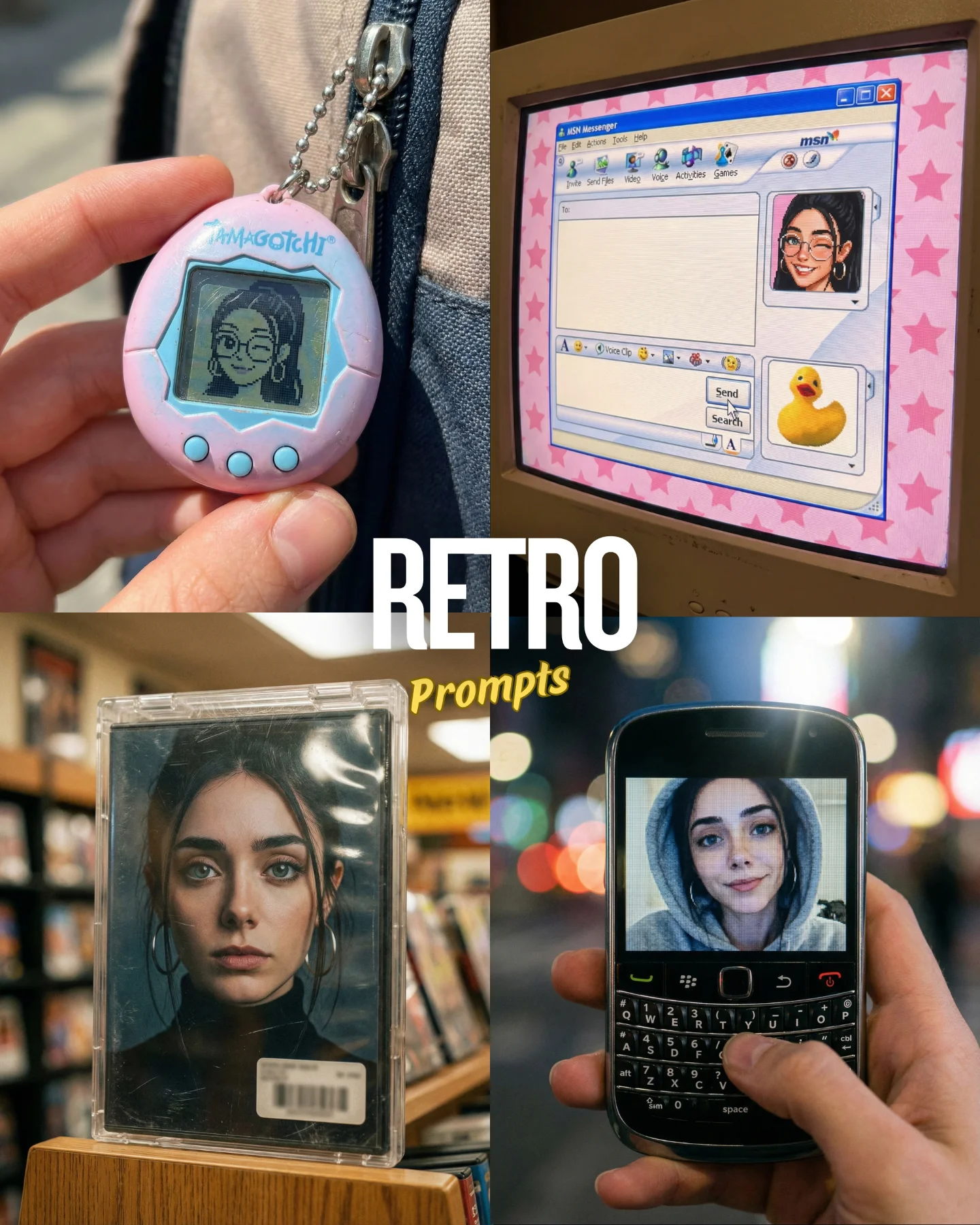
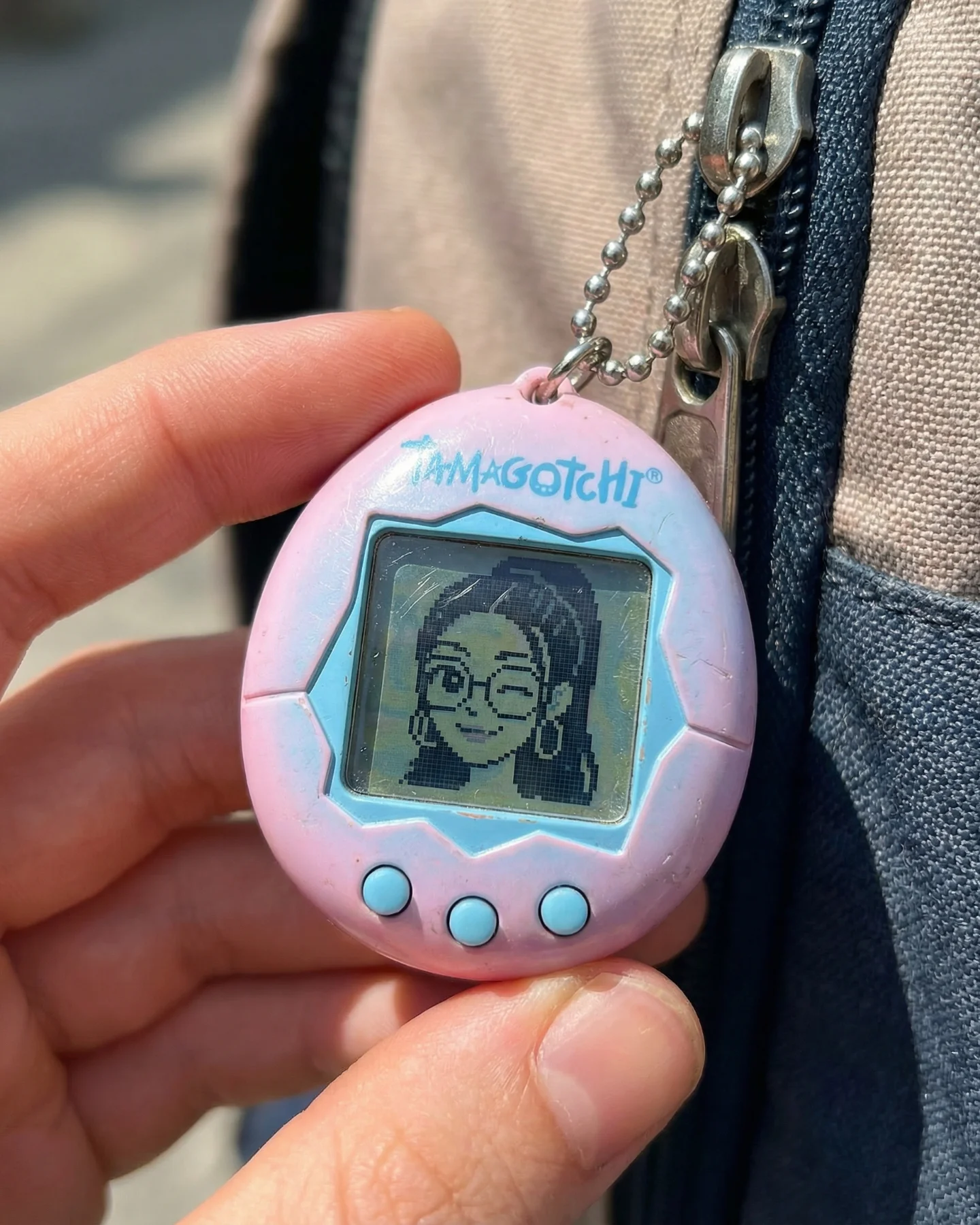
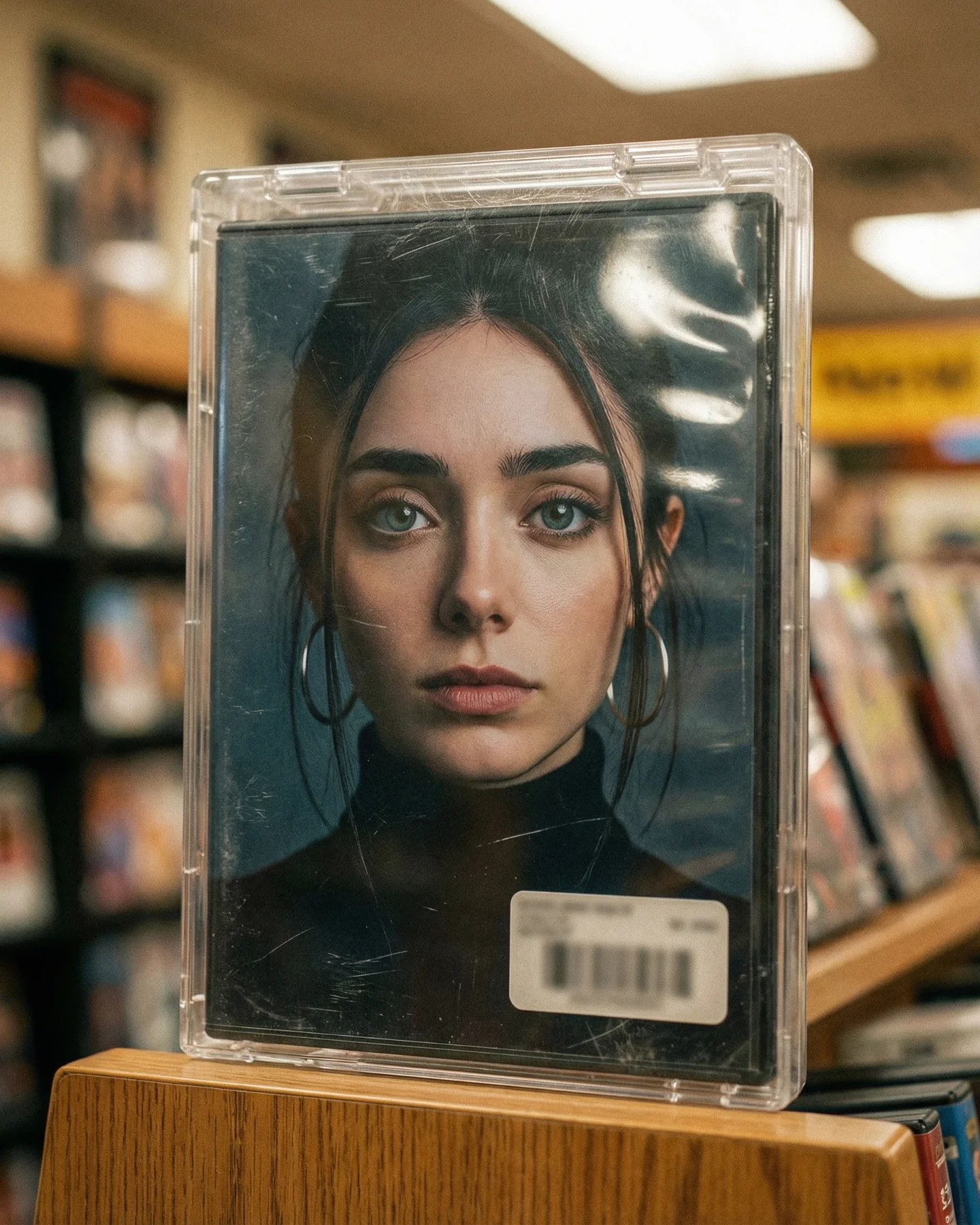
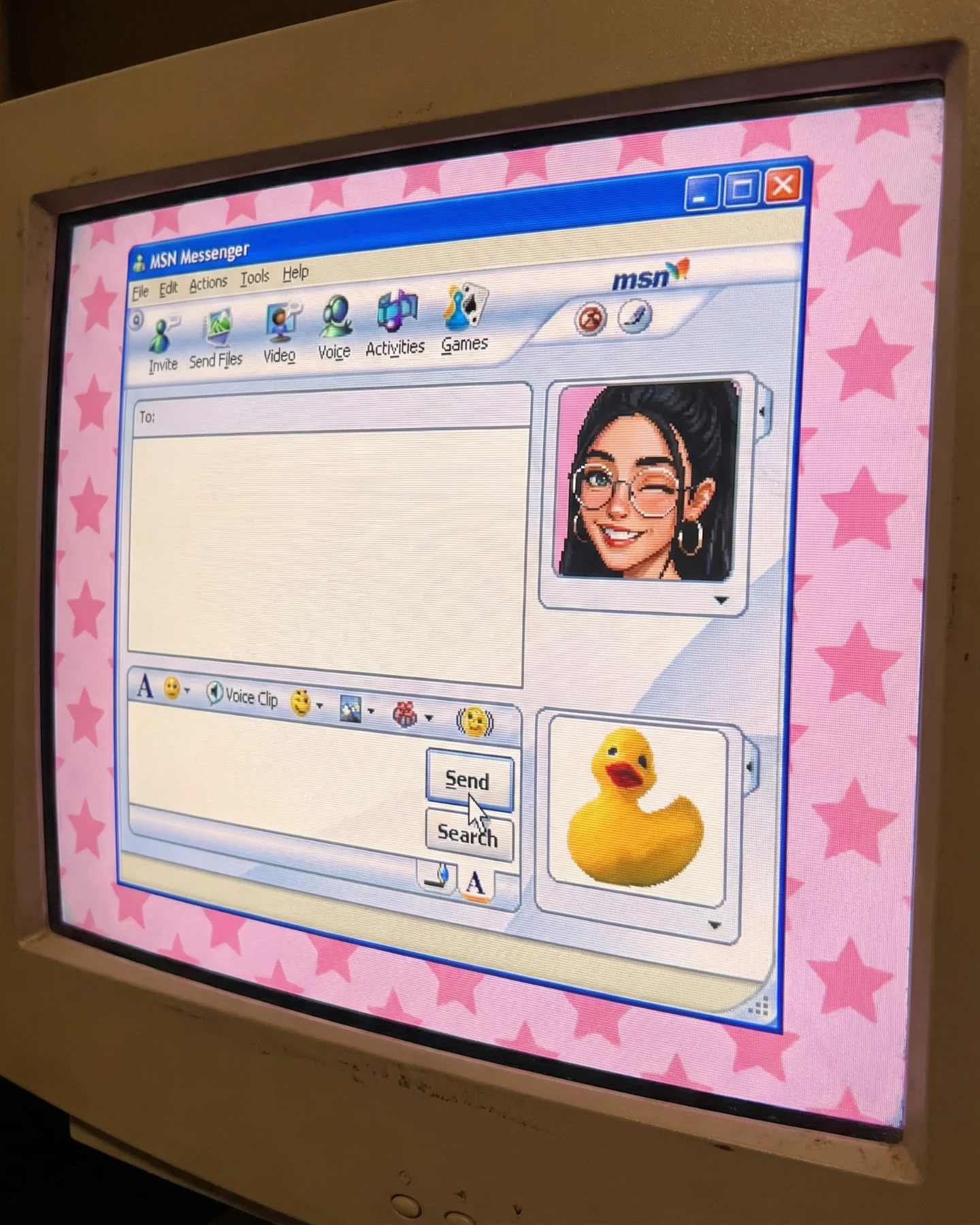
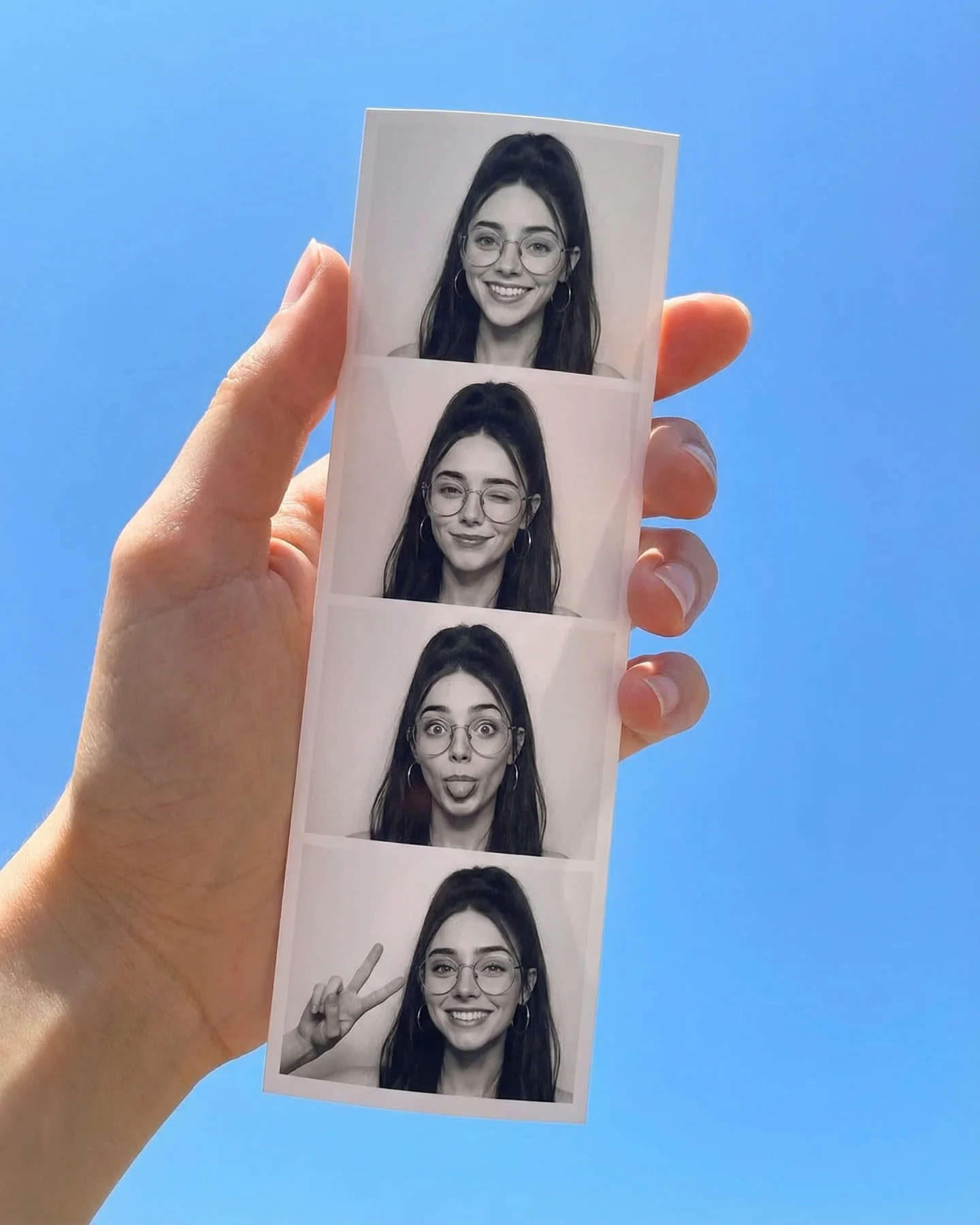
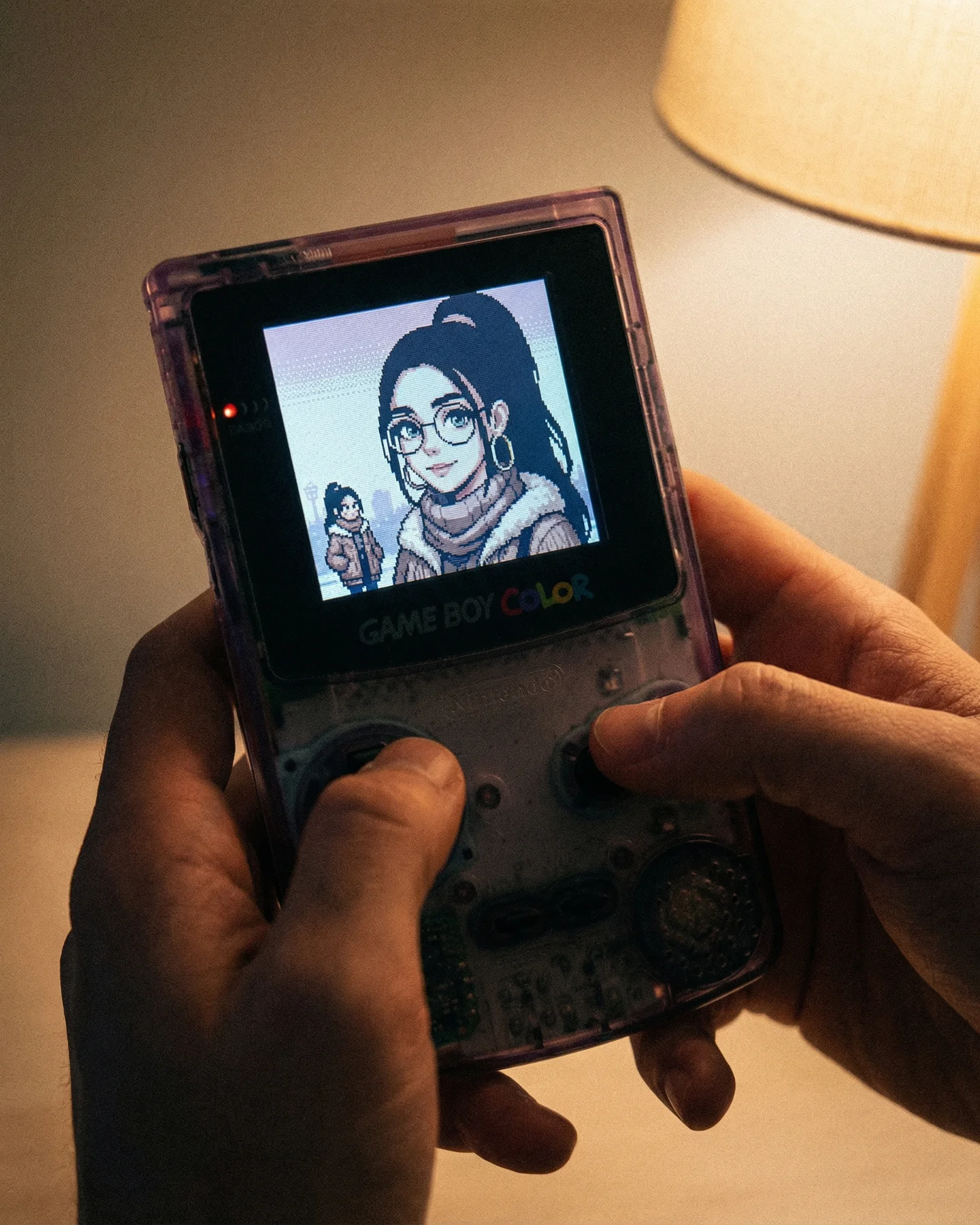
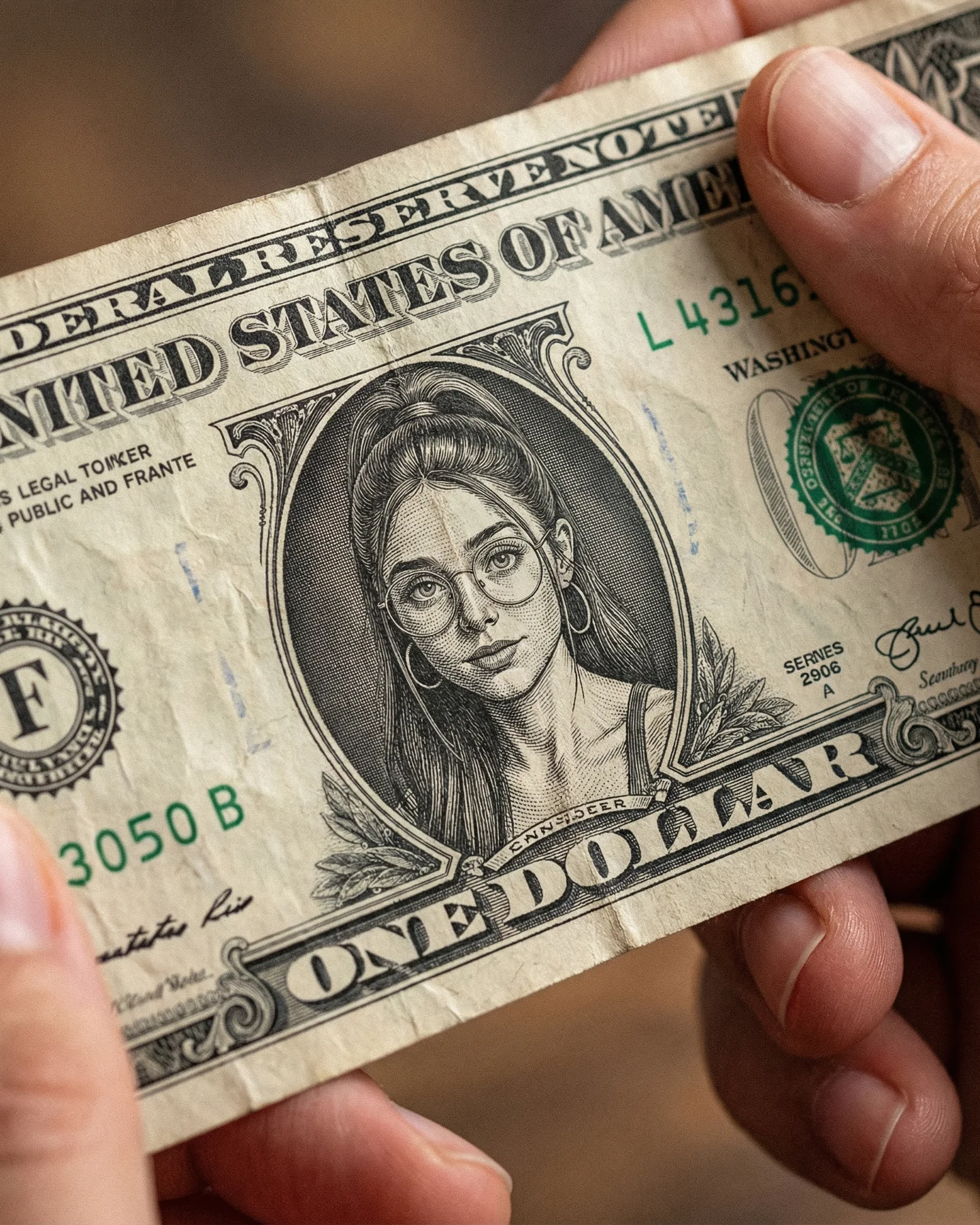
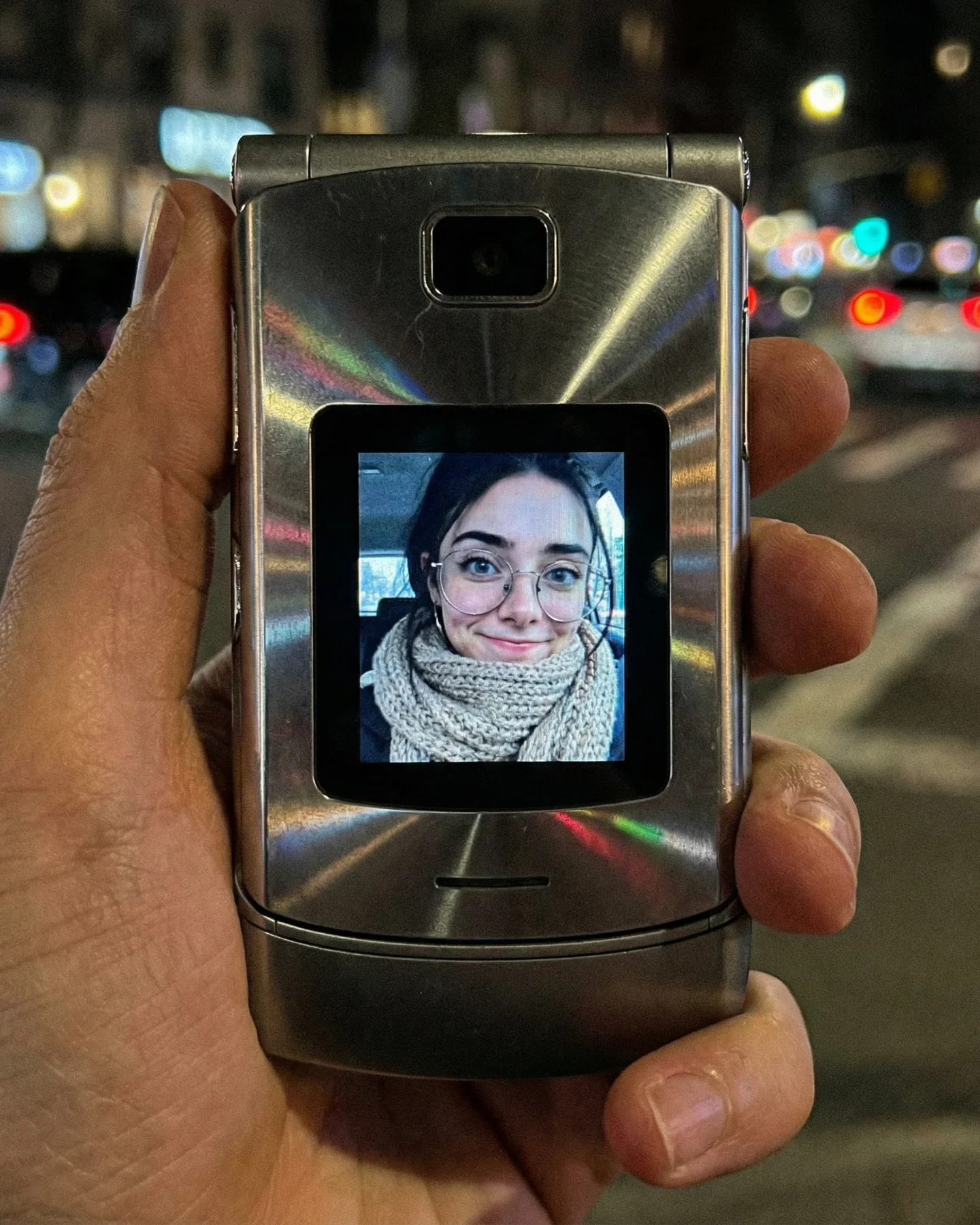

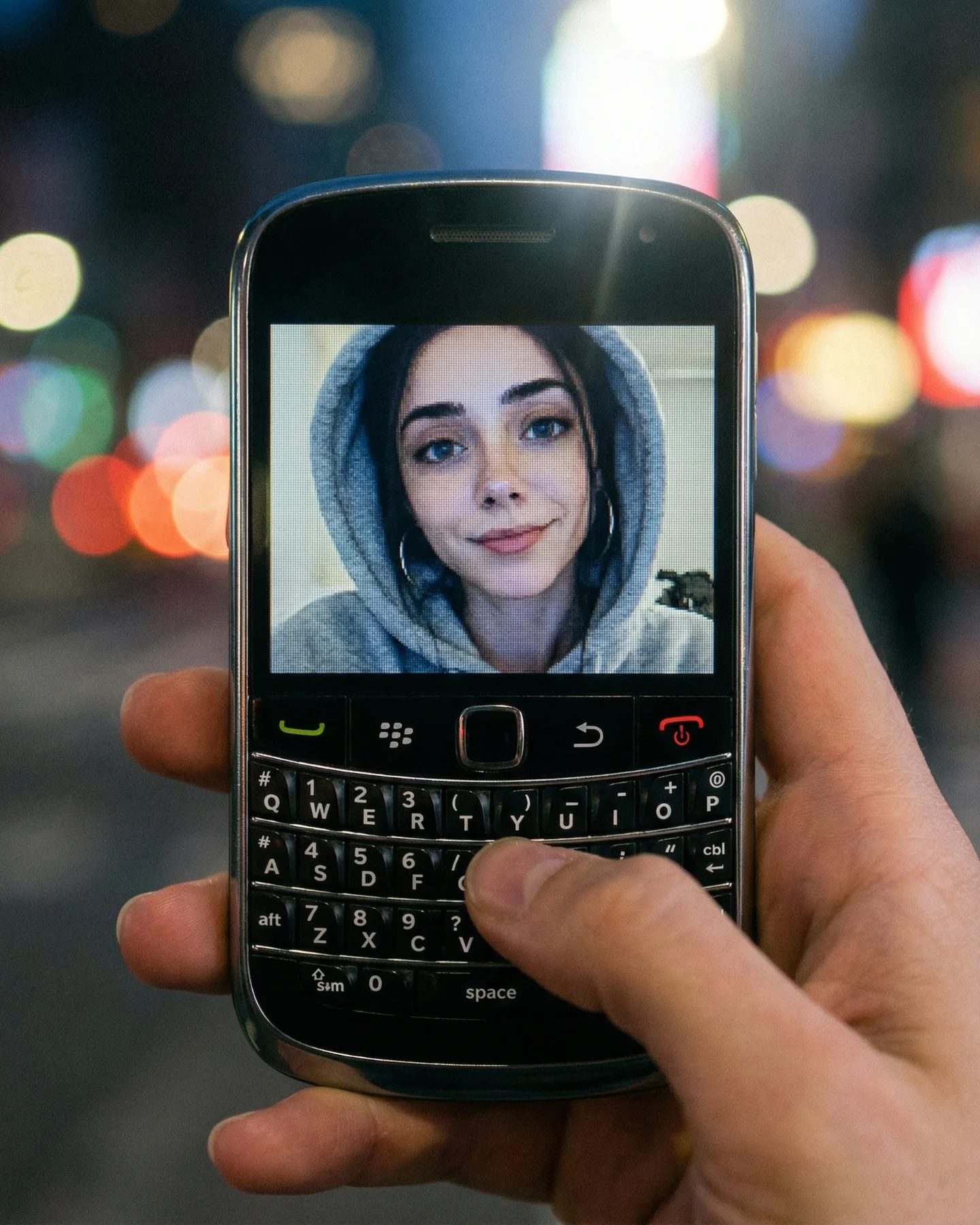
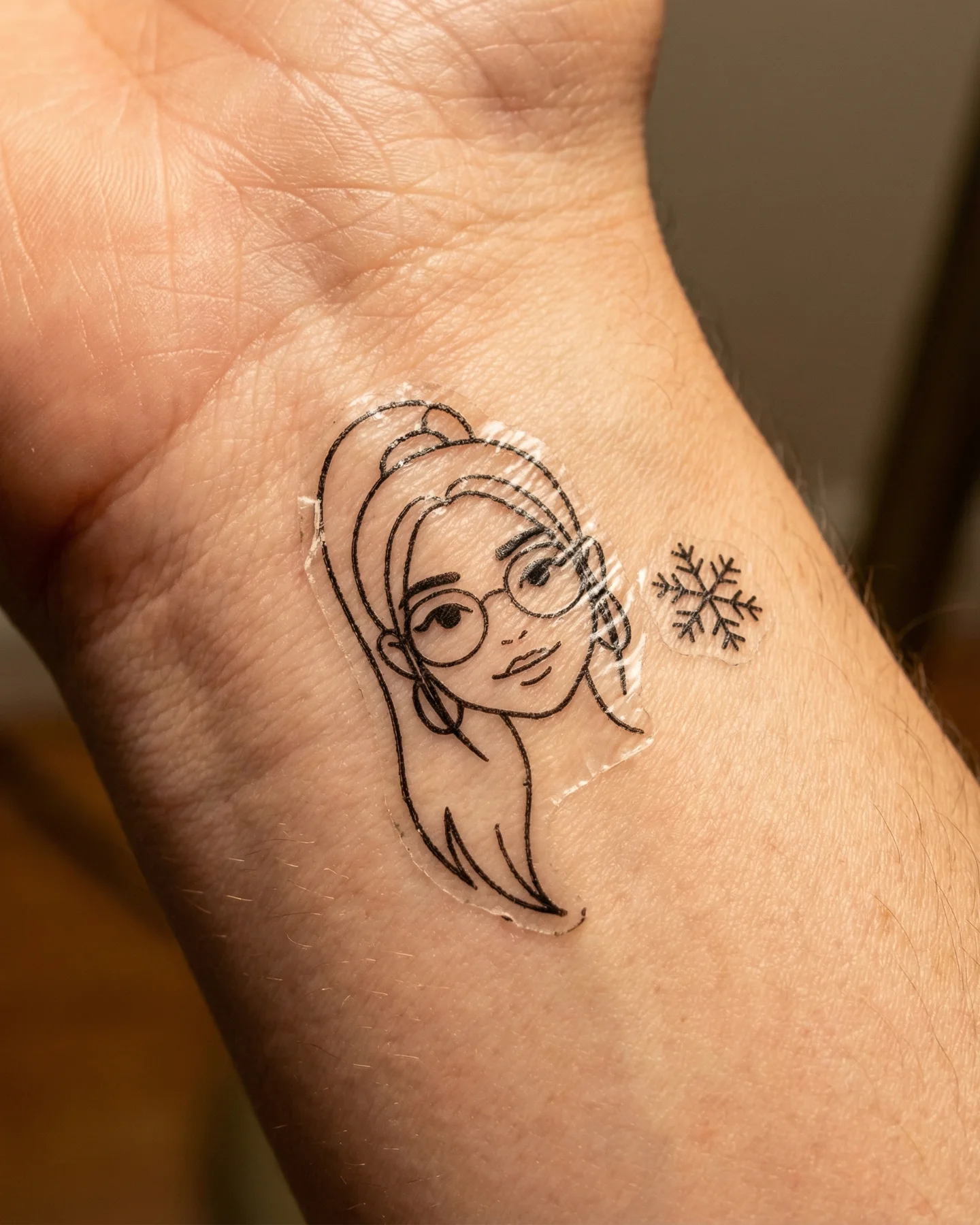
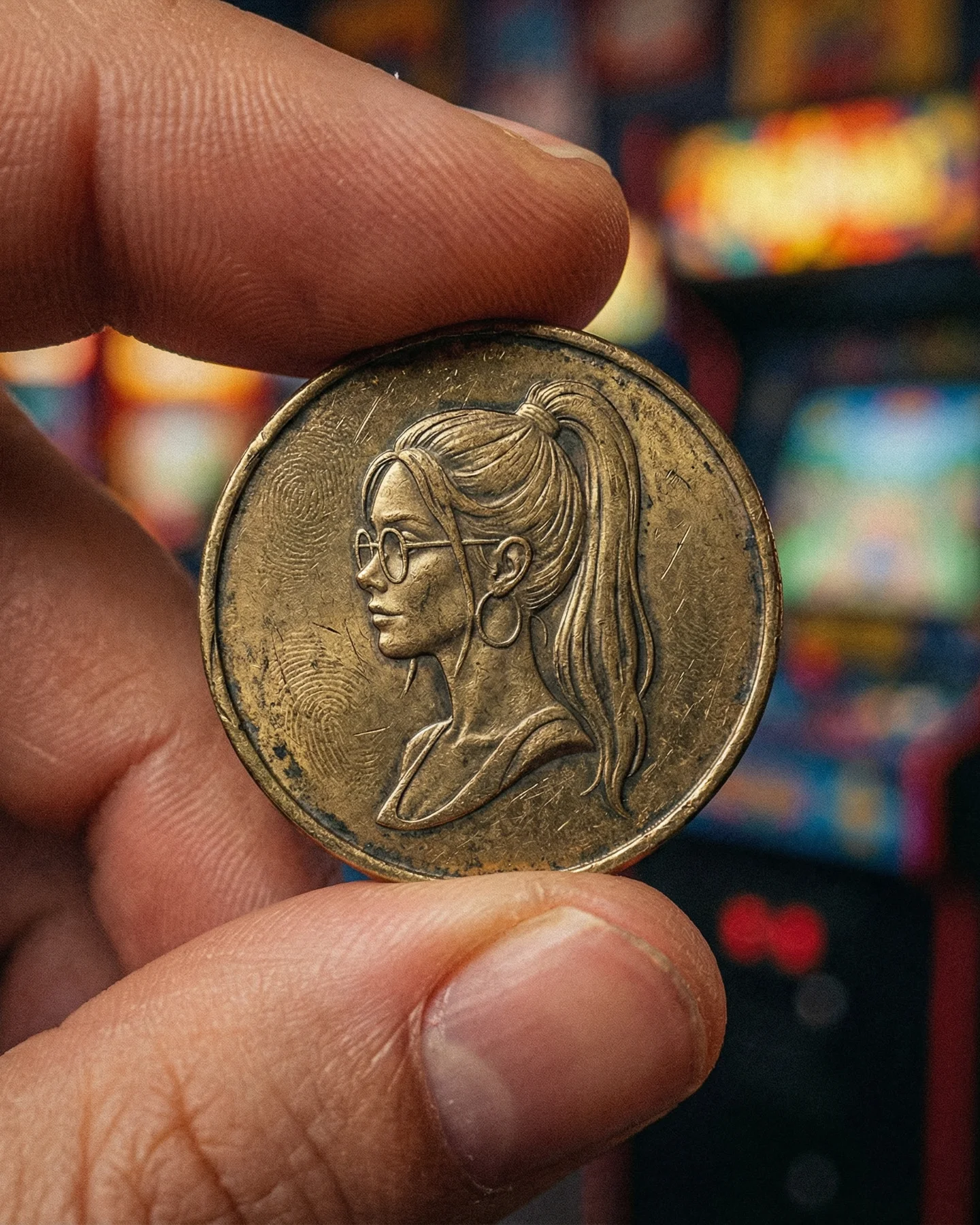
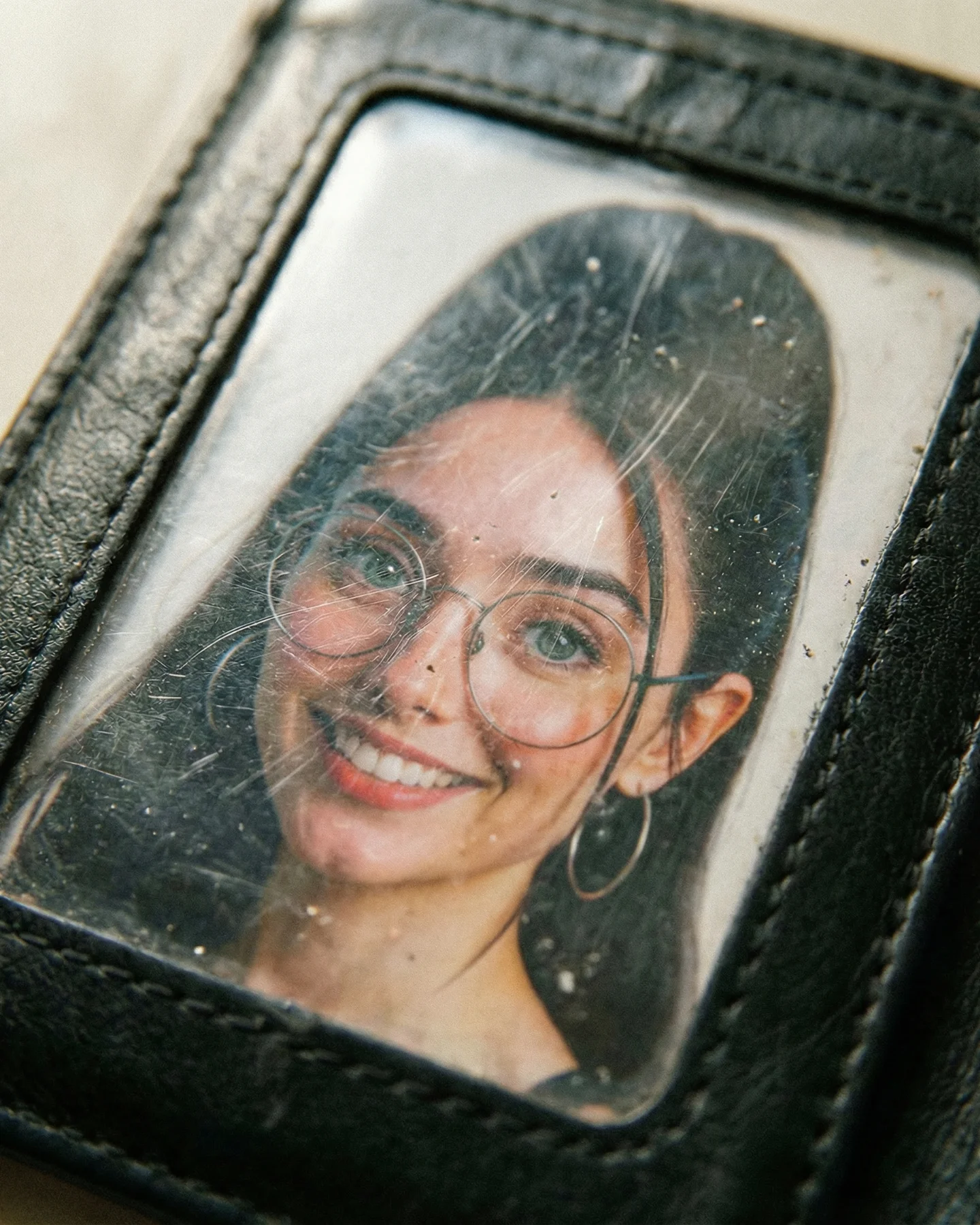
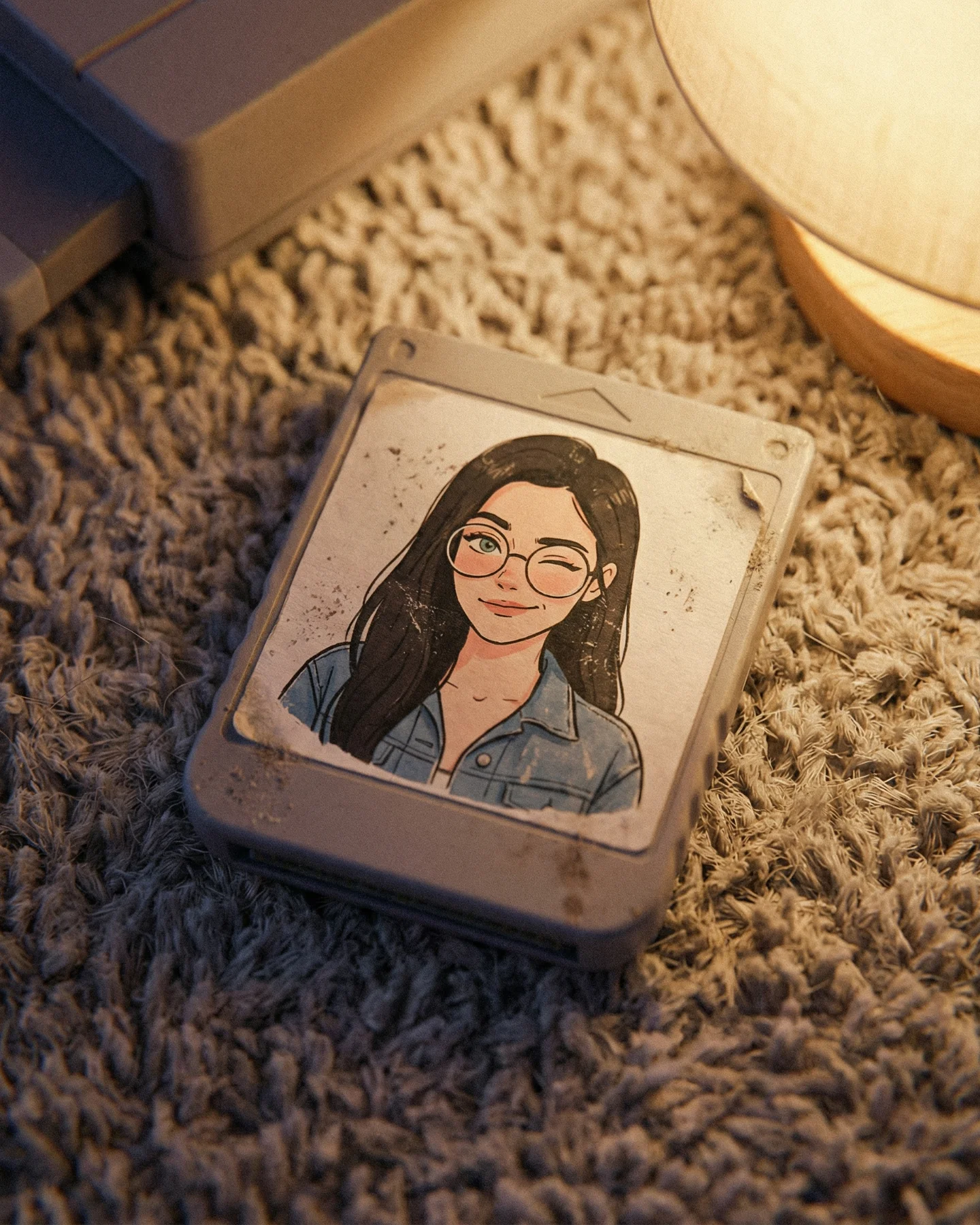
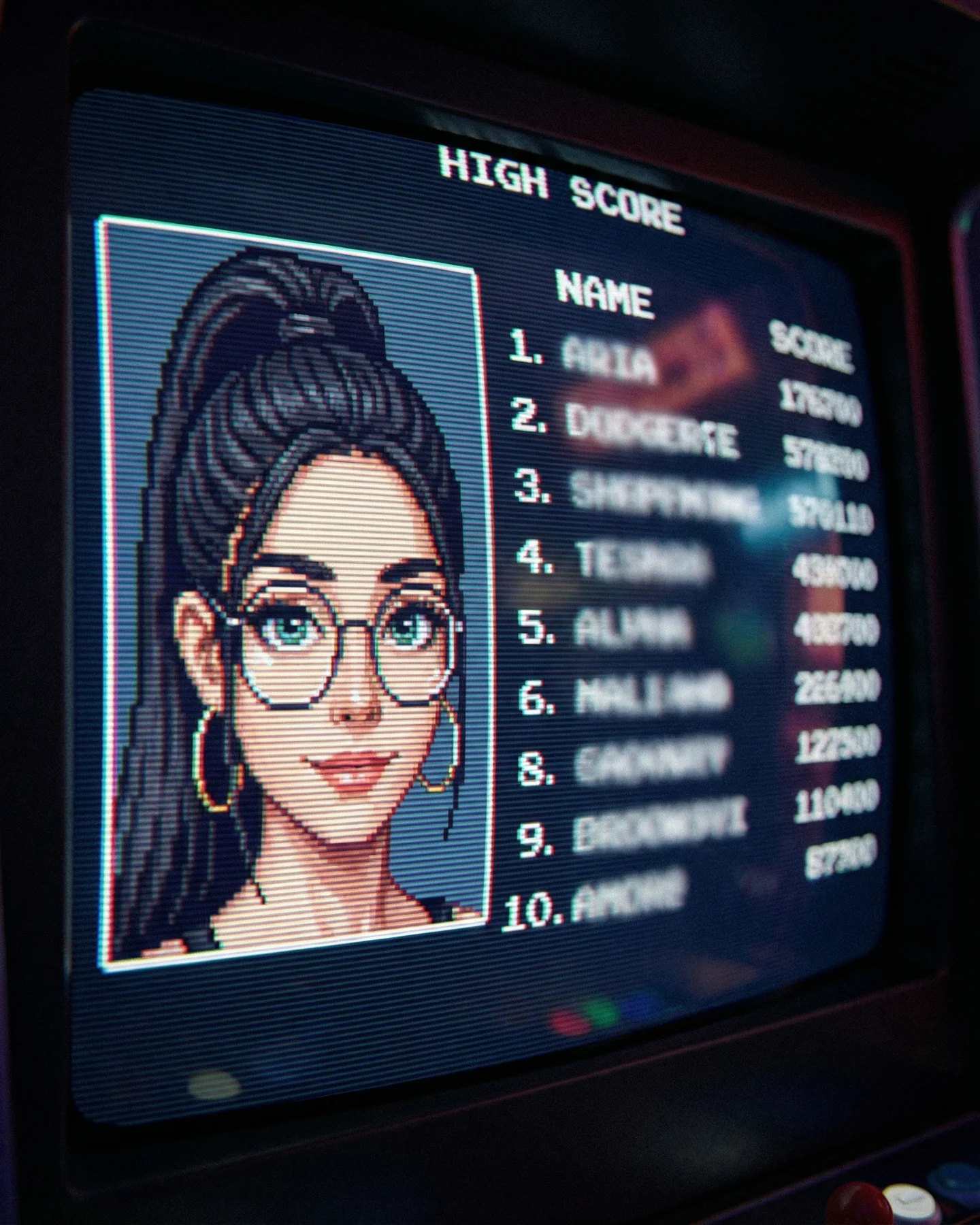
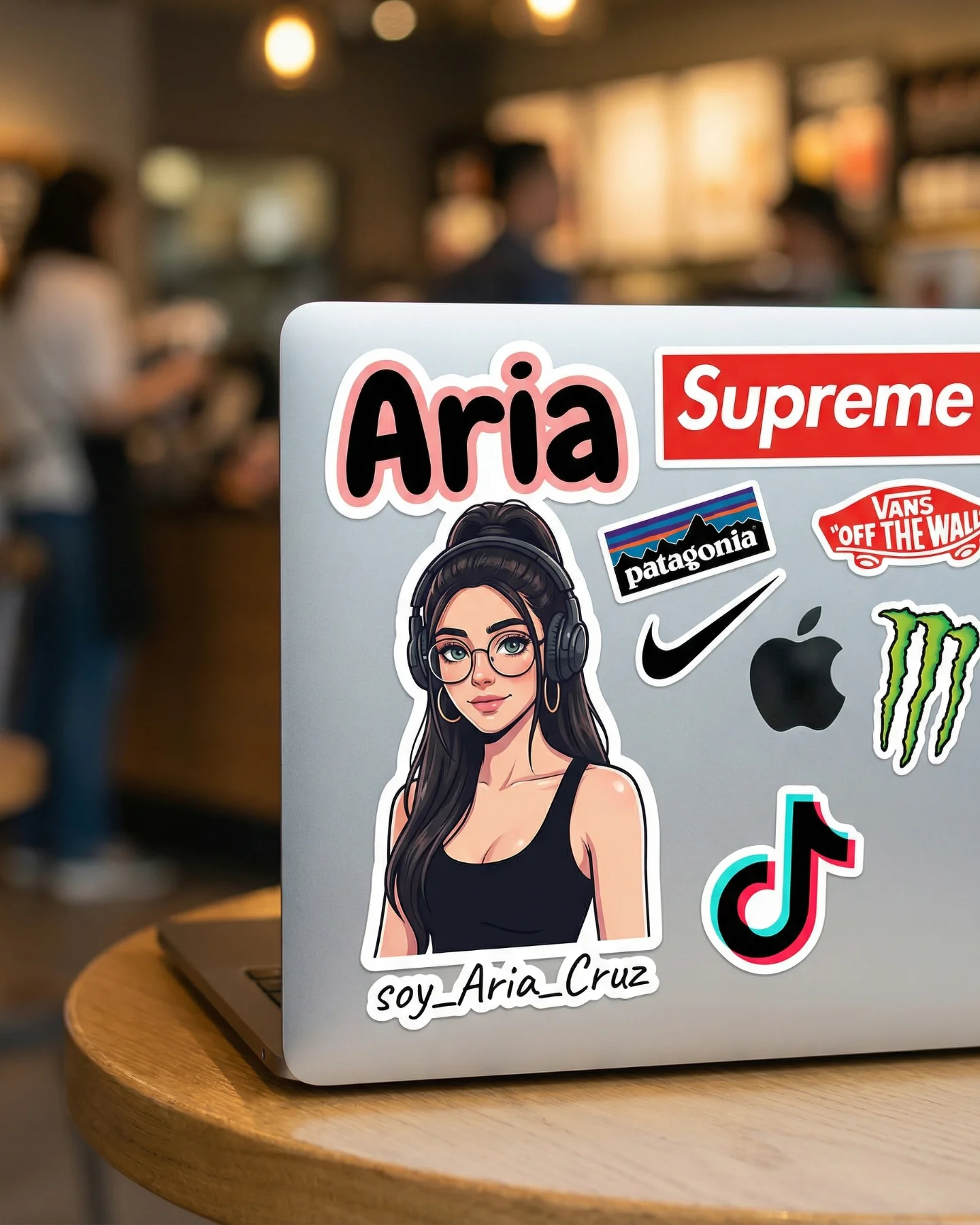
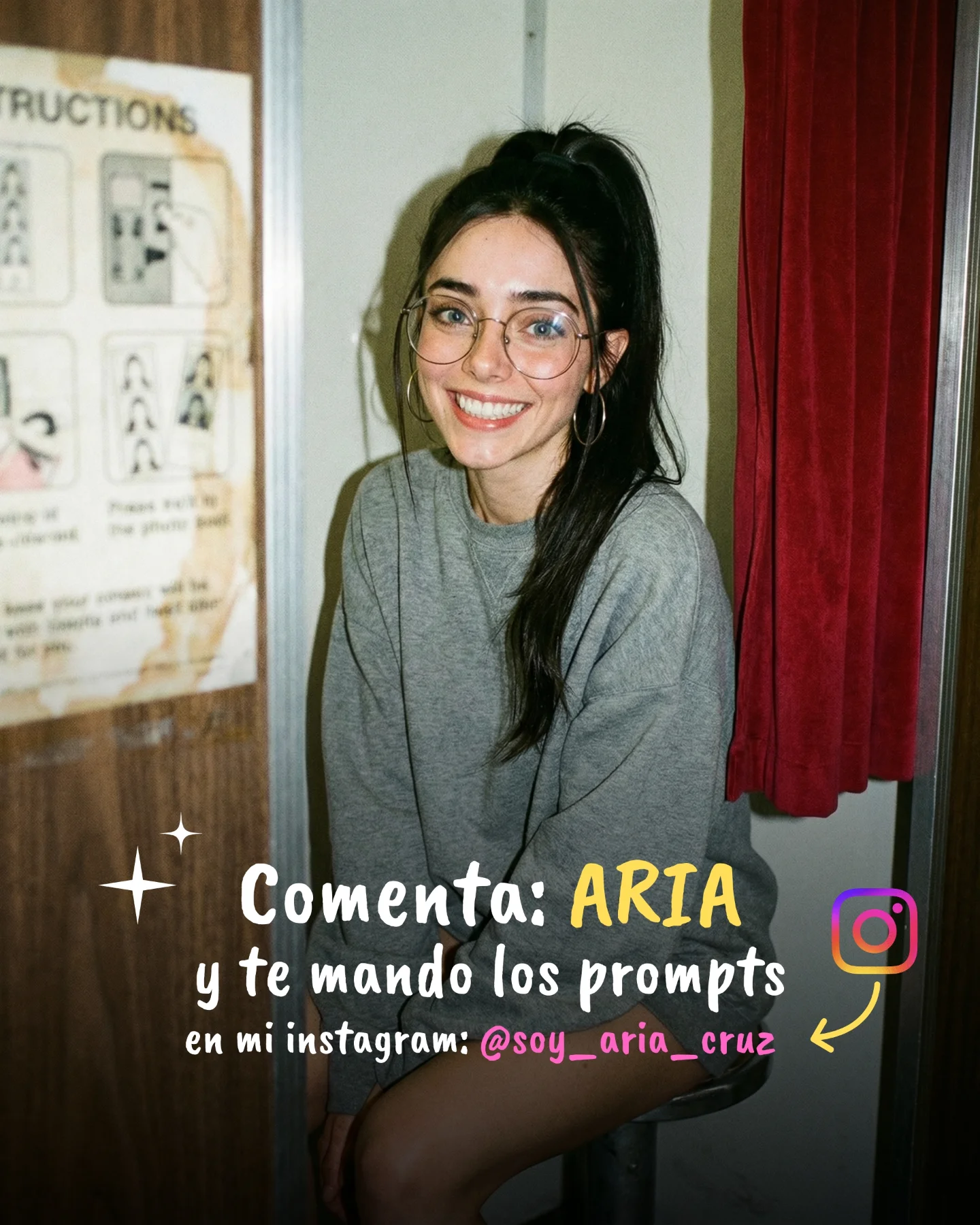
Retro Prompts 🕹️ 💡Idea from: @ai_vitaminc_ Te suena algo de esto?? 👀 Ahora lo llaman "Retro" El tiempo vuela pero los recuerdos se quedan... 🥹 Comenta "ARIA" y te paso los prompts 💌
Retro Prompts 🕹️ 💡Idea from: @ai_vitaminc_ Te suena algo de esto?? 👀 Ahora lo llaman "Retro" El tiempo vuela pero los recuerdos se quedan... 🥹 Comenta "ARIA" y te paso los prompts 💌
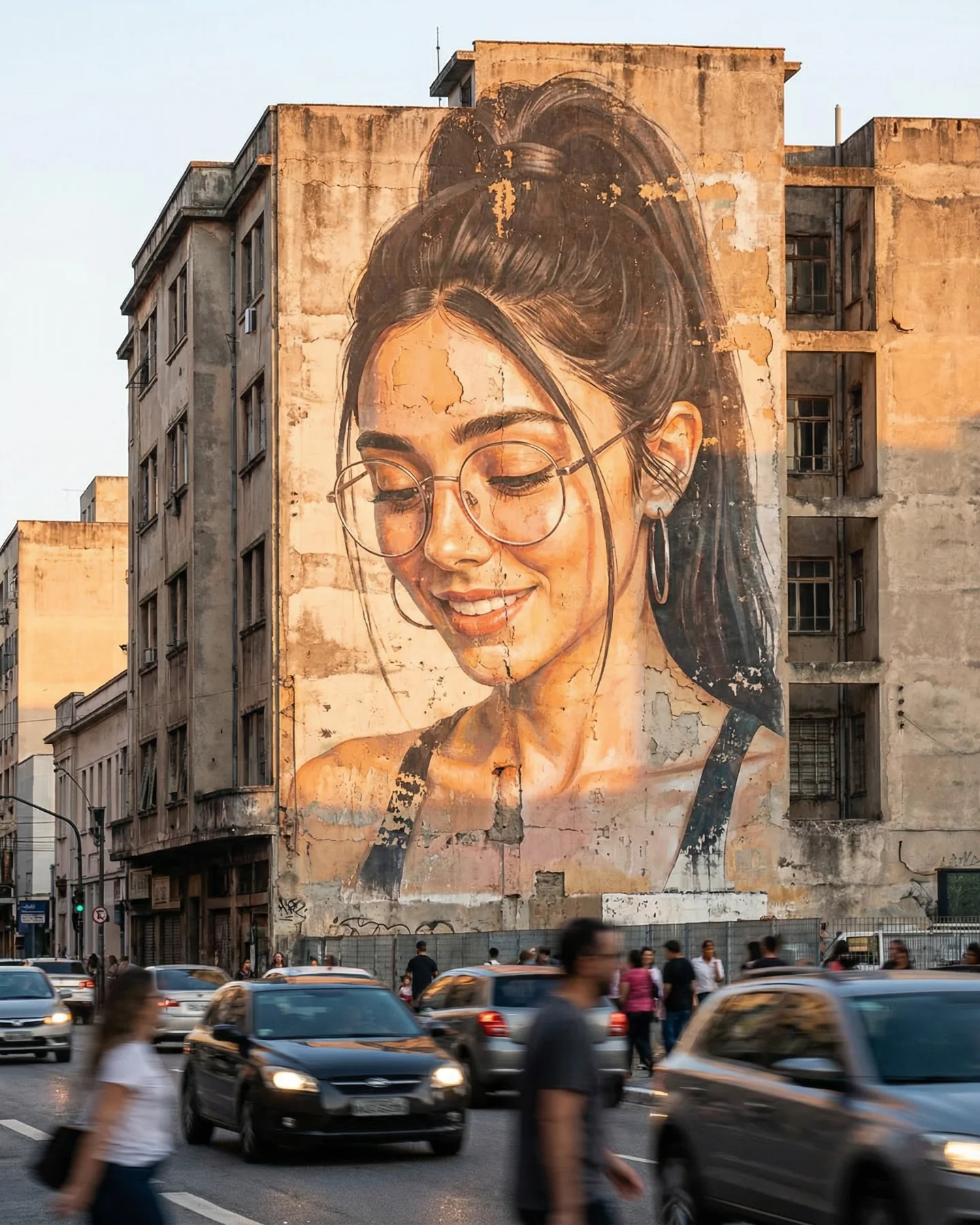
This image works because it combines human tenderness with architectural scale. The mural itself is gentle and intimate, but it is placed on a huge weathered building facing a noisy street. That contrast gives the scene both emotional warmth and urban force.
The cracked facade is a major part of the appeal. Instead of hiding the age of the building, the mural uses it. Peeling plaster, stains, and rough wall texture become part of the artwork, which makes the portrait feel lived into the city rather than imposed on it.
The street activity below is equally important. Cars and pedestrians provide movement, realism, and scale. They remind the viewer that this is public art inside ordinary urban life, not a controlled gallery piece.
The expression on the mural also matters. A soft downward smile gives the enormous portrait emotional accessibility and keeps it from feeling intimidating despite its size.
This prompt is ideal for urban art editorials, street-art documentation, public mural concepts, city-branding visuals, architectural photography moodboards, and AI image prompts built around civic-scale portrait illustration.
The aesthetic sits between documentary city photography and monumental mural art. It feels less polished than commercial public art renderings, which is part of why it feels convincing and alive.
To recreate this image well, the prompt should specify the weathered apartment facade, giant female mural with glasses and ponytail, cracked paint texture, moving traffic, pedestrians, and warm afternoon city light. Those details create the balance between monumentality and realism. If the building becomes too clean or the street too empty, the image loses much of its urban truth.
It also helps to preserve the mural’s painterly integration with the wall texture. That is a key part of what makes the scene believable and memorable.
You can remix this concept by changing the mural style from realistic to graphic, moving the setting to a dense Latin American or Mediterranean street, adding scaffolding or posters, or shifting the light to blue hour for a moodier effect. You can also turn the subject into a historical figure or local icon to create stronger civic narrative. The concept remains useful because mural-on-building imagery naturally connects portraiture, architecture, and public life.
That is what makes this prompt effective. It turns a city block into a canvas and makes scale itself part of the storytelling.