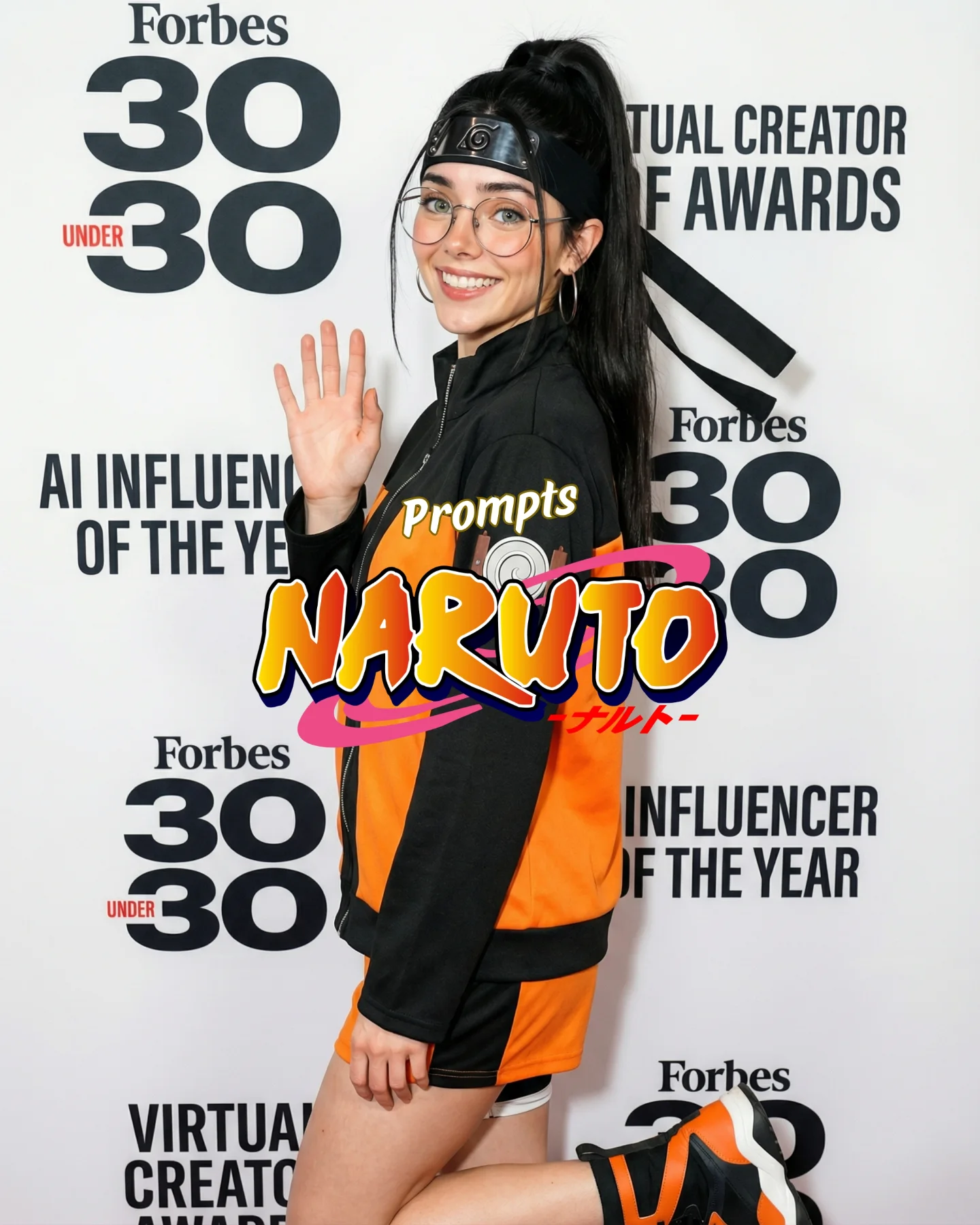
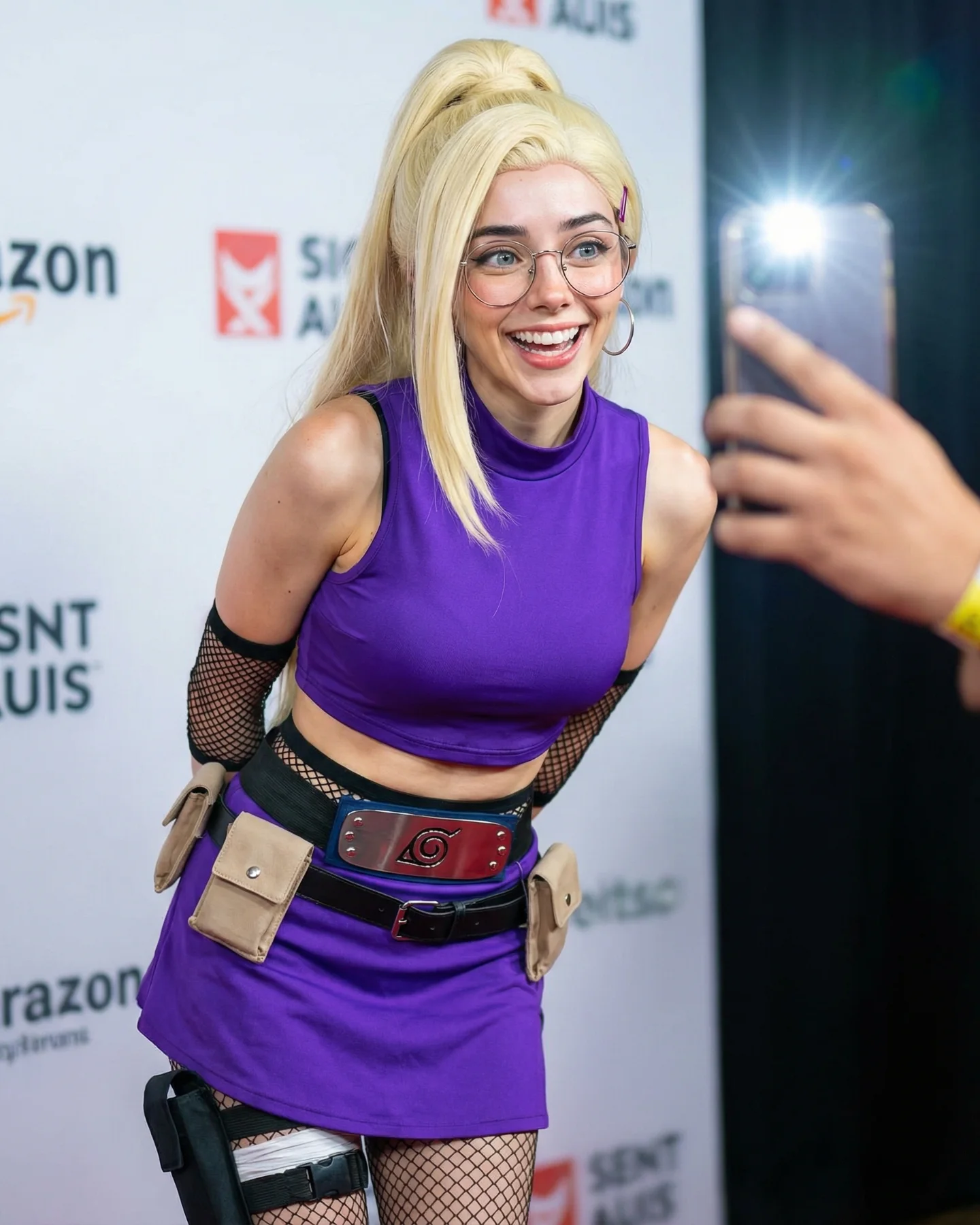
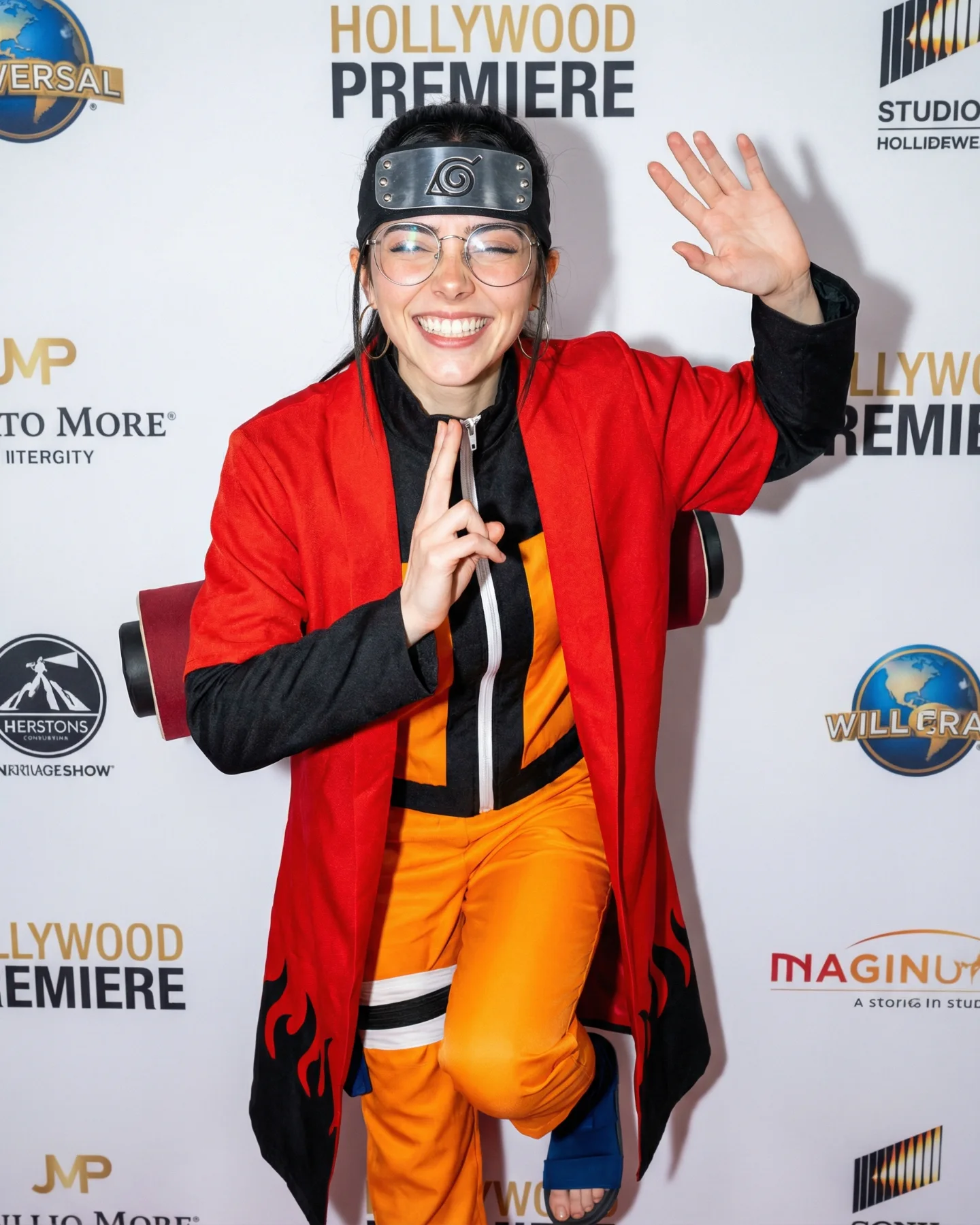
Naruto Cosplay Prompts 💕 Cual es tu favorita?? 🙊 Como siempre comenta ARIA y te mando todos los prompts por mensajes 💌
Naruto Cosplay Prompts 💕 Cual es tu favorita?? 🙊 Como siempre comenta ARIA y te mando todos los prompts por mensajes 💌
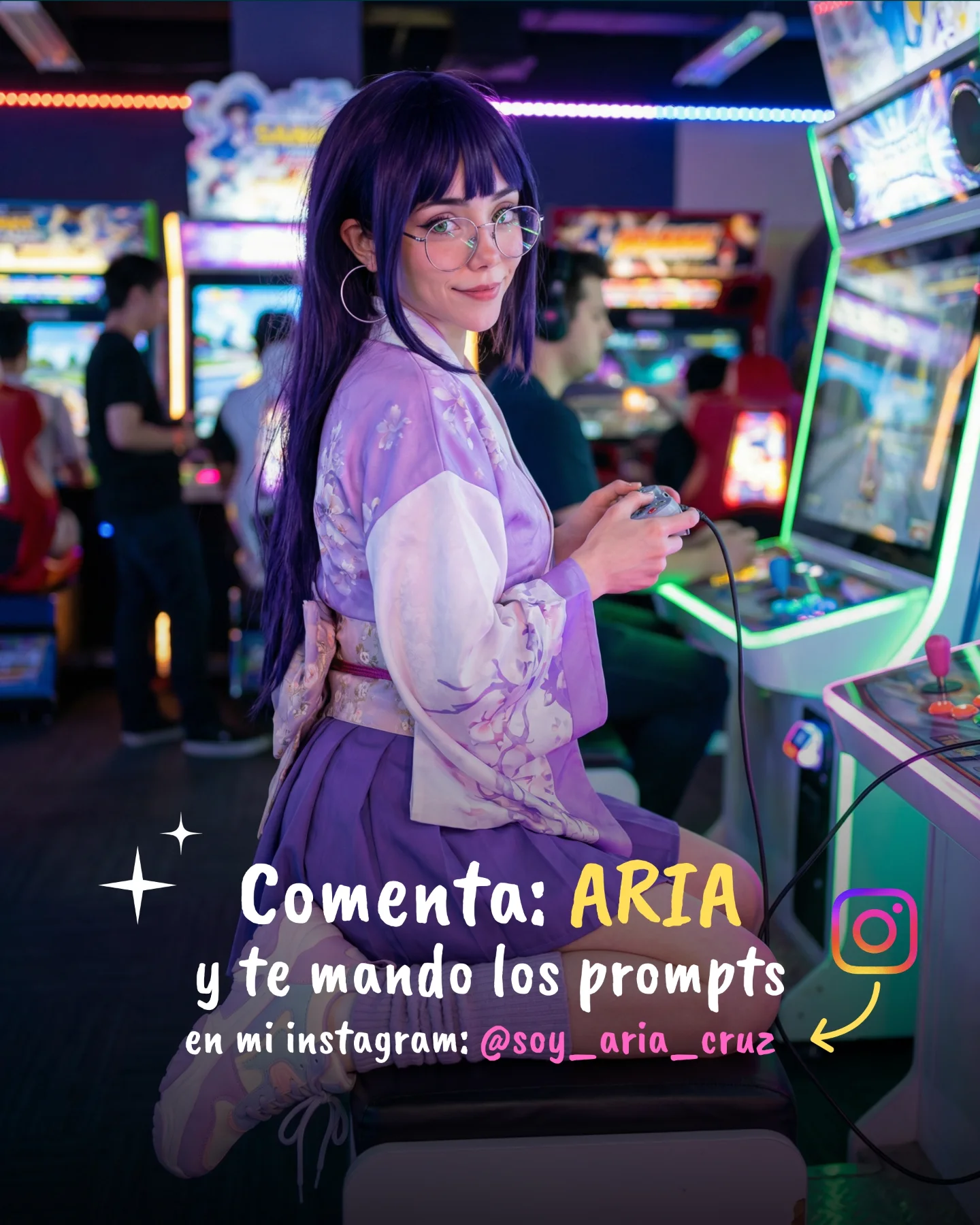
This image works because it combines softness and stimulation in the same frame. The subject is styled in a delicate lavender anime-inspired look with floral kimono cues, long purple hair, and glasses that make the portrait feel approachable rather than aggressive. Around her, the arcade environment does the opposite. It is loud, bright, colorful, and full of electronic energy. That contrast gives the image immediate tension, and tension is one of the fastest ways to create stop value.
For creators, the image is useful because it proves that cosplay does not always need to be staged in lore-accurate worlds to work. Instead of recreating a battlefield, village street, or fantasy setting, it drops a character-coded aesthetic into a modern entertainment space. The result feels more current, more social-media-native, and much easier to remix for other creators who want fandom energy without building a huge production.
The most effective move in the image is taking an anime-inspired costume and placing it inside an arcade. That relocation creates novelty instantly. The viewer understands the cosplay first, then realizes the environment is not what they expected. It is not a cherry blossom street, a shrine, or an anime convention backdrop. It is a neon game hall. That switch makes the image feel less like a character imitation and more like a creator concept.
The seated pose helps as well. Instead of standing and presenting the outfit head-on, the subject is caught mid-play, turned toward the machine and then looking back. This adds story without making the scene too complex. It suggests interaction, which makes the image feel alive. For feed content, that is often more effective than a static hero pose.
| Signal | Evidence (from this image) | Mechanism | Replication Action |
|---|---|---|---|
| Unexpected setting for cosplay | Kimono-inspired anime styling appears inside a busy neon arcade | Context shift creates surprise and helps the image stand apart from standard fandom posts | Place the character-coded outfit in a modern space that adds contrast instead of matching it literally |
| Interactive storytelling | The subject is seated at the machine and appears to be playing while glancing back | The image reads as a moment, not just a pose | Give the subject a real action to perform so the body language feels motivated |
| Color harmony with environment | Lavender wardrobe and purple hair echo the pink-blue arcade lighting | The subject belongs in the scene visually even though the concept is unexpected | Match part of the costume palette to the environment's light sources |
| Softness against noise | Gentle expression and flowing costume silhouette contrast with bright machines and screens | This keeps the frame readable even in a visually busy space | Use a calm pose and clean facial styling when the background is highly active |
The costume is doing exactly enough. The floral lavender garment and purple hair clearly signal anime influence, but the styling remains soft and wearable. It does not overstack props, weapons, or armor. That restraint is useful because the arcade already supplies the visual excitement. If both costume and setting tried to be maximal at the same time, the image would become noisy very quickly.
The glasses also matter. They pull the image slightly closer to creator reality and slightly away from pure fantasy. Small details like that can help fandom photos travel beyond niche audiences because they make the subject feel more like a person inhabiting an aesthetic rather than a character swallowed by it.
This approach is less ideal for serious combat interpretations, lore-faithful recreations, or dramatic battle posters. The arcade premise shifts the mood toward playful and urban, which is exactly why it works here.
The image is aesthetically effective because it balances three different systems at once: costume, lighting, and environment. The costume carries softness, the lighting carries excitement, and the environment carries texture and social context. None of the three overwhelms the others. That balance is hard to achieve, and it is exactly what makes the frame feel cohesive instead of random.
The composition supports that balance too. The arcade cabinet on the right gives the image a strong structural edge, while the subject's turned body keeps the pose fluid. The background players remain visible enough to sell the location but soft enough not to compete. That is a useful pattern for creators: when the setting is busy, depth control matters almost as much as styling.
| Observed | Recreate implication |
|---|---|
| Subject sits sideways and looks back at the camera while holding arcade controls | Use an interaction-first pose instead of a front-facing static portrait. |
| Lavender costume and purple hair echo the surrounding neon light palette | Align the wardrobe with the environment so the concept feels intentional, not pasted in. |
| Arcade cabinets frame the right side and extend deep into the background | Let real location geometry shape the composition when you want instant environmental richness. |
| The face remains calm and readable despite a very active background | Keep expression and makeup controlled when the setting is already loud. |
| Promotional text overlays exist in the source but are not part of the photographic concept | Explicitly remove all source text contamination during generation or remixing. |
The key to generating this image well is to define the social space clearly and to reject the source overlay text aggressively. If you only ask for “anime cosplay girl in arcade,” the result may drift into generic cyberpunk, poster art, or text-heavy ad imagery. The stronger route is to specify a real arcade, a seated interaction, soft kimono styling, and a clean image with no social overlay artifacts.
| Prompt chunk | What it controls | Swap ideas (EN, 2-3 options) |
|---|---|---|
| young woman with glasses and long purple hair in soft lavender kimono-inspired cosplay | Main subject identity and costume tone | gentle anime heroine styling; pastel cosplay creator look; soft fandom fashion portrait |
| seated at a neon arcade machine, looking back over her shoulder while playing | Pose logic and story action | arcade interaction portrait; gaming hall candid cosplay; seated machine-play pose |
| real arcade hall with glowing cabinets, colorful screens, and blurred players in the background | Location realism and depth | retro arcade interior; game-room nightlife scene; entertainment hall with cabinets |
| soft neon spill lighting with clear face detail and no gritty darkness | Mood and exposure balance | bright playful neon portrait; colorful arcade ambient glow; polished nightlife realism |
| remove all source text overlays, social icons, arrows, and promotional stickers | Cleanup and anti-contamination control | clean image only; no typography; no social UI graphics |
Start by locking three things: the arcade environment, the over-the-shoulder seated pose, and the soft purple-lavender styling. Those are the image bones. Then use the one-change rule. Change one or two variables per run so the concept stays readable and you can actually learn which piece is carrying the result.
A solid four-step sequence is this. First, generate the exact arcade cosplay setup with clean lighting and no text overlays. Second, keep the pose fixed and test different machine colors or cabinet densities. Third, keep the environment fixed and only change the costume silhouette from kimono-soft to more structured school-uniform or idol styling. Fourth, keep both environment and outfit fixed while changing expression from soft smile to cool detachment. That progression keeps the image coherent while giving enough variation for a strong prompt set.