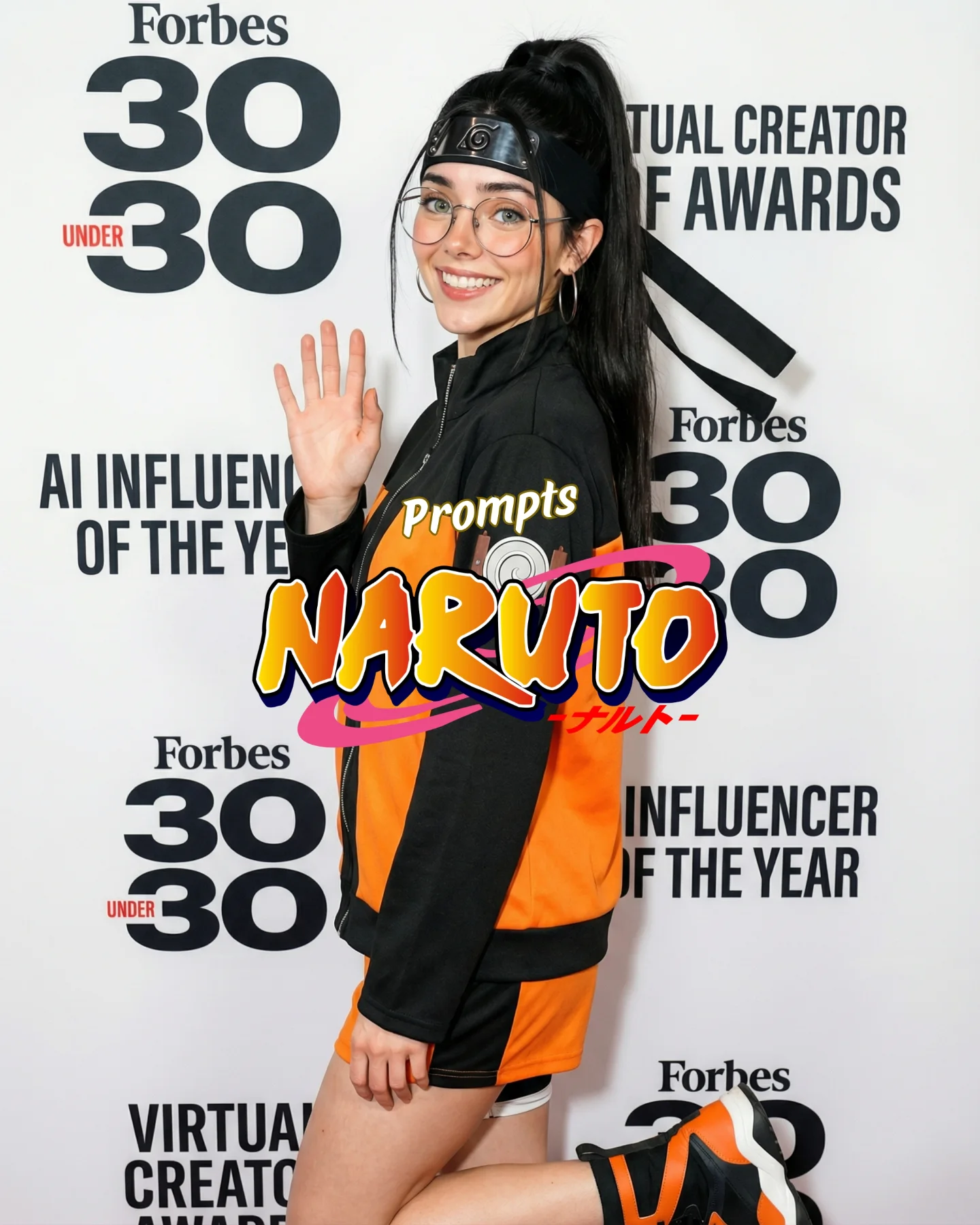
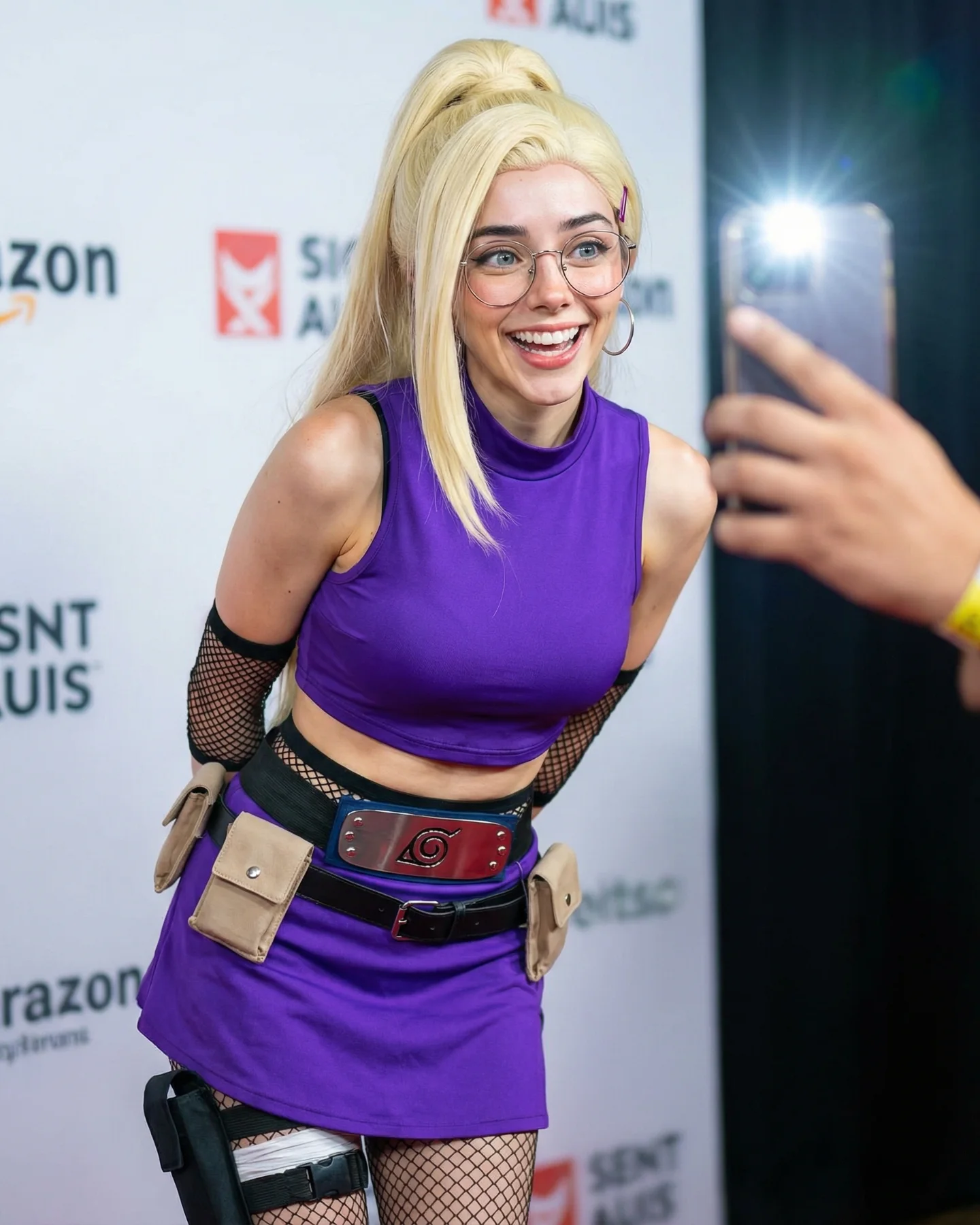
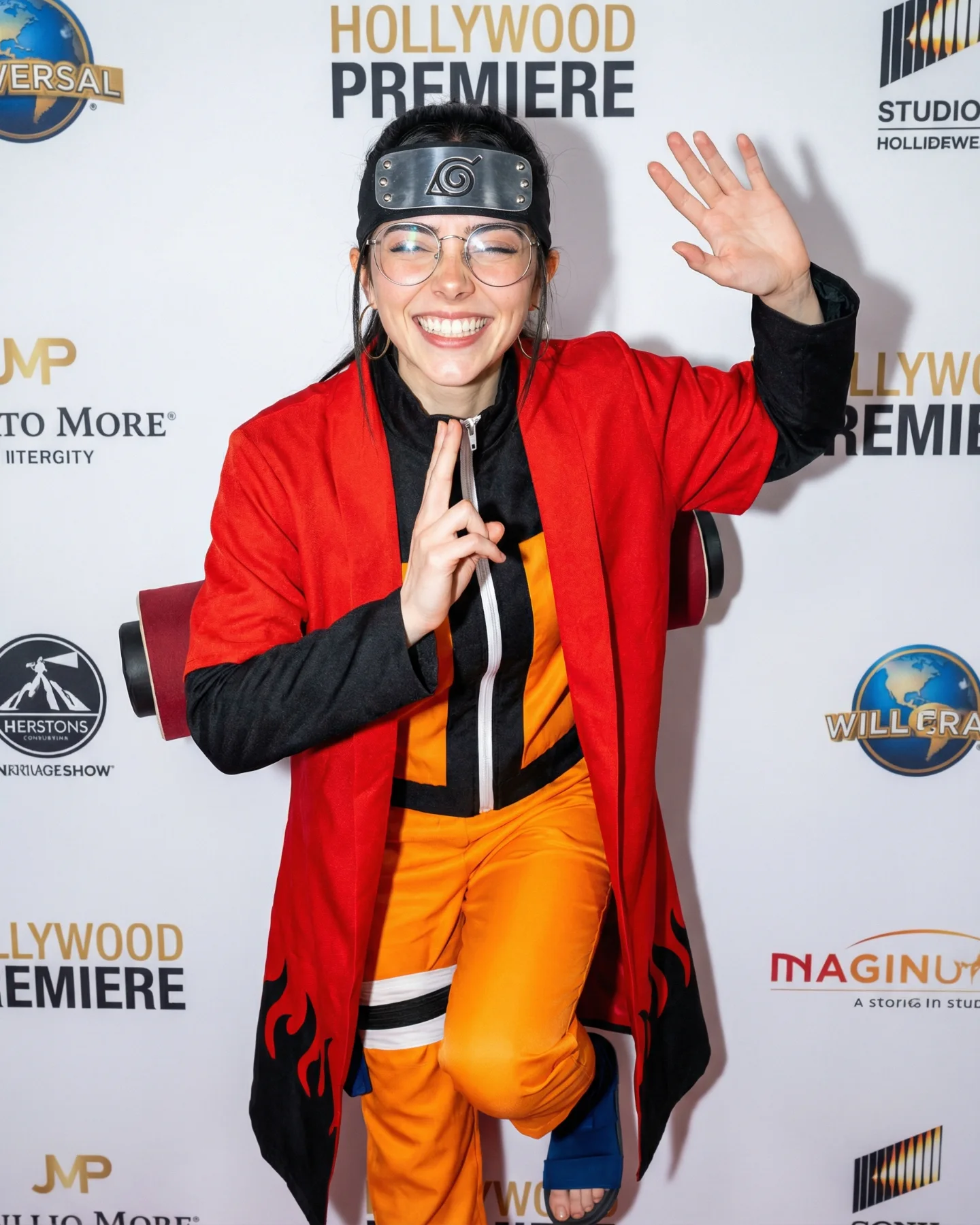
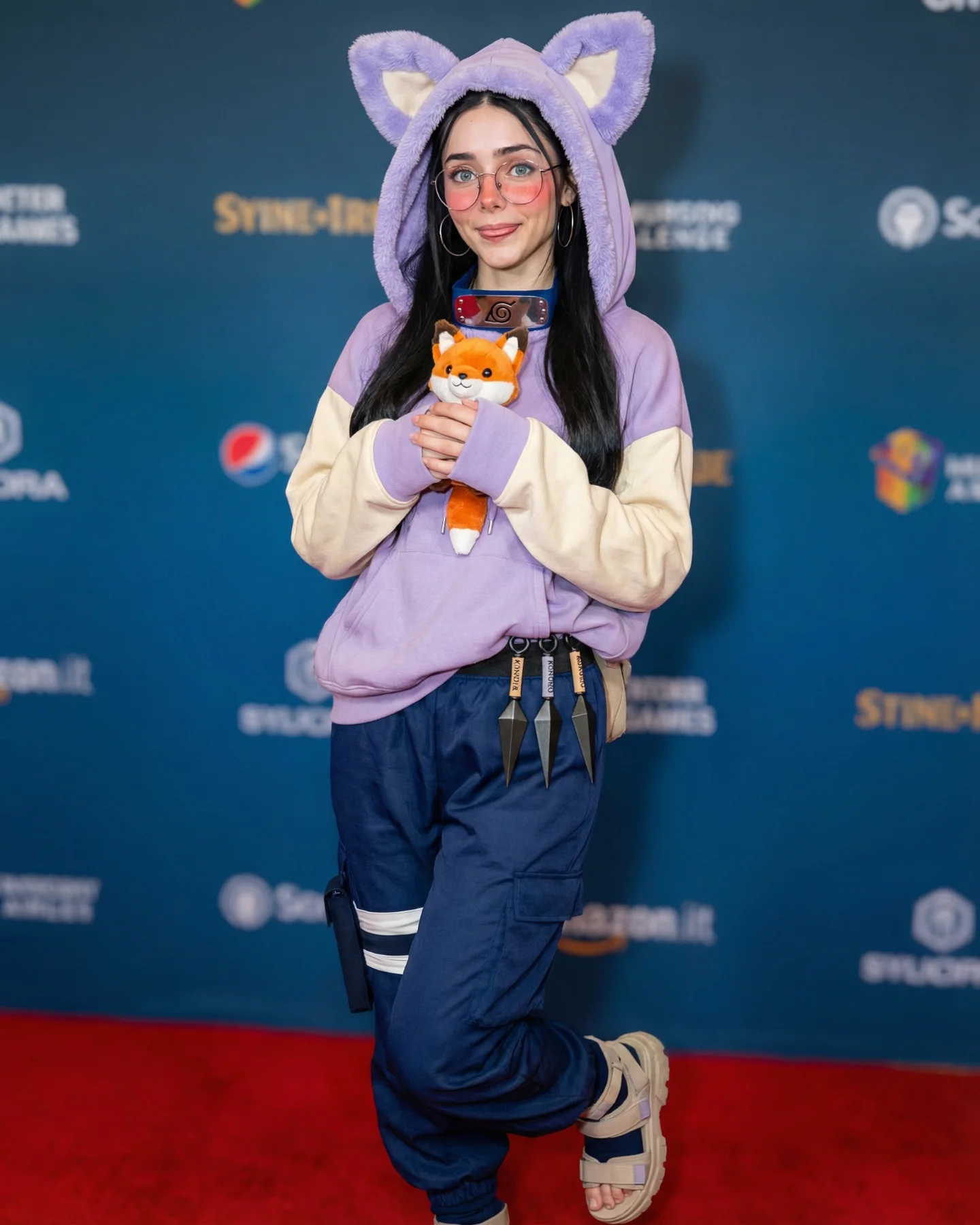
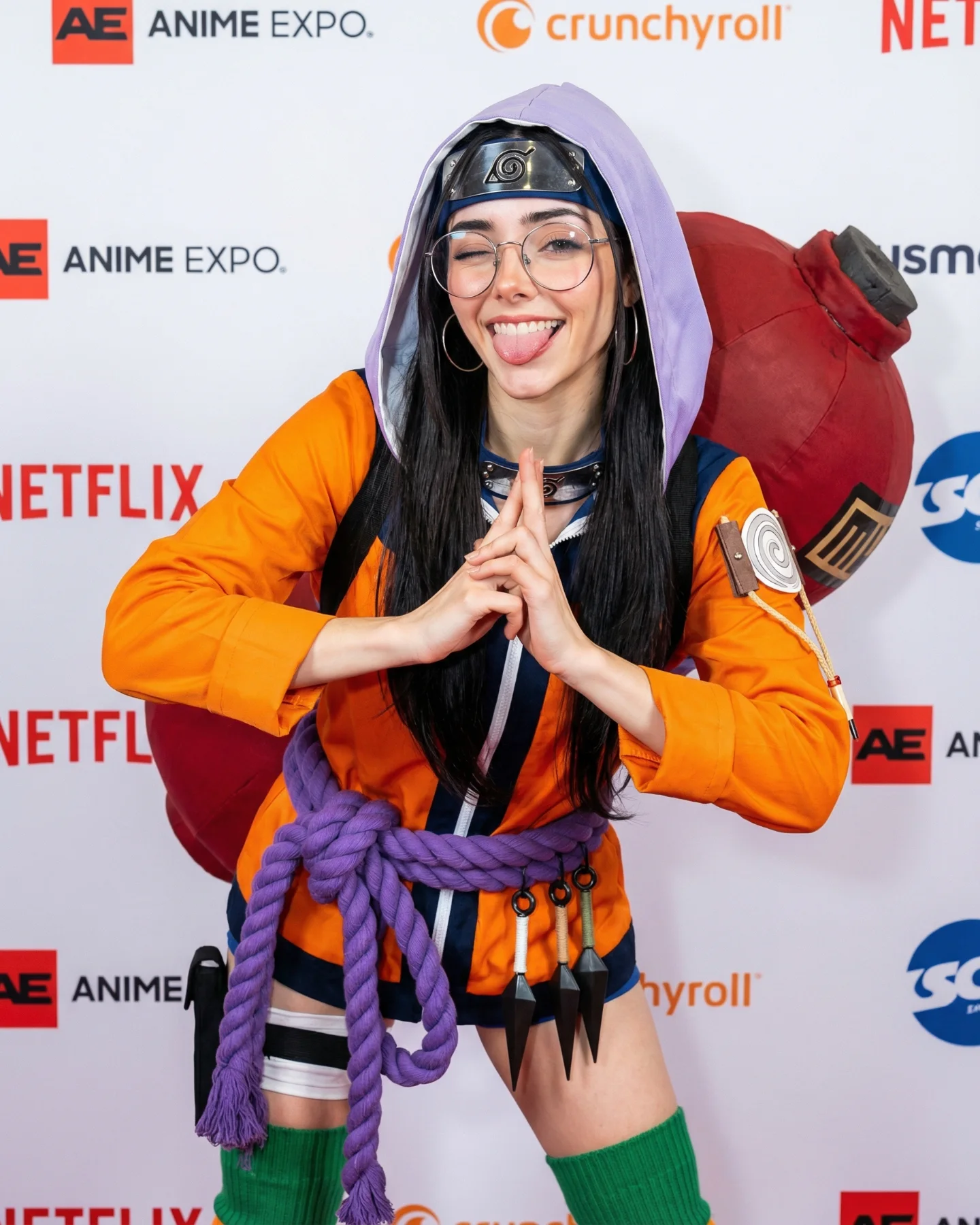
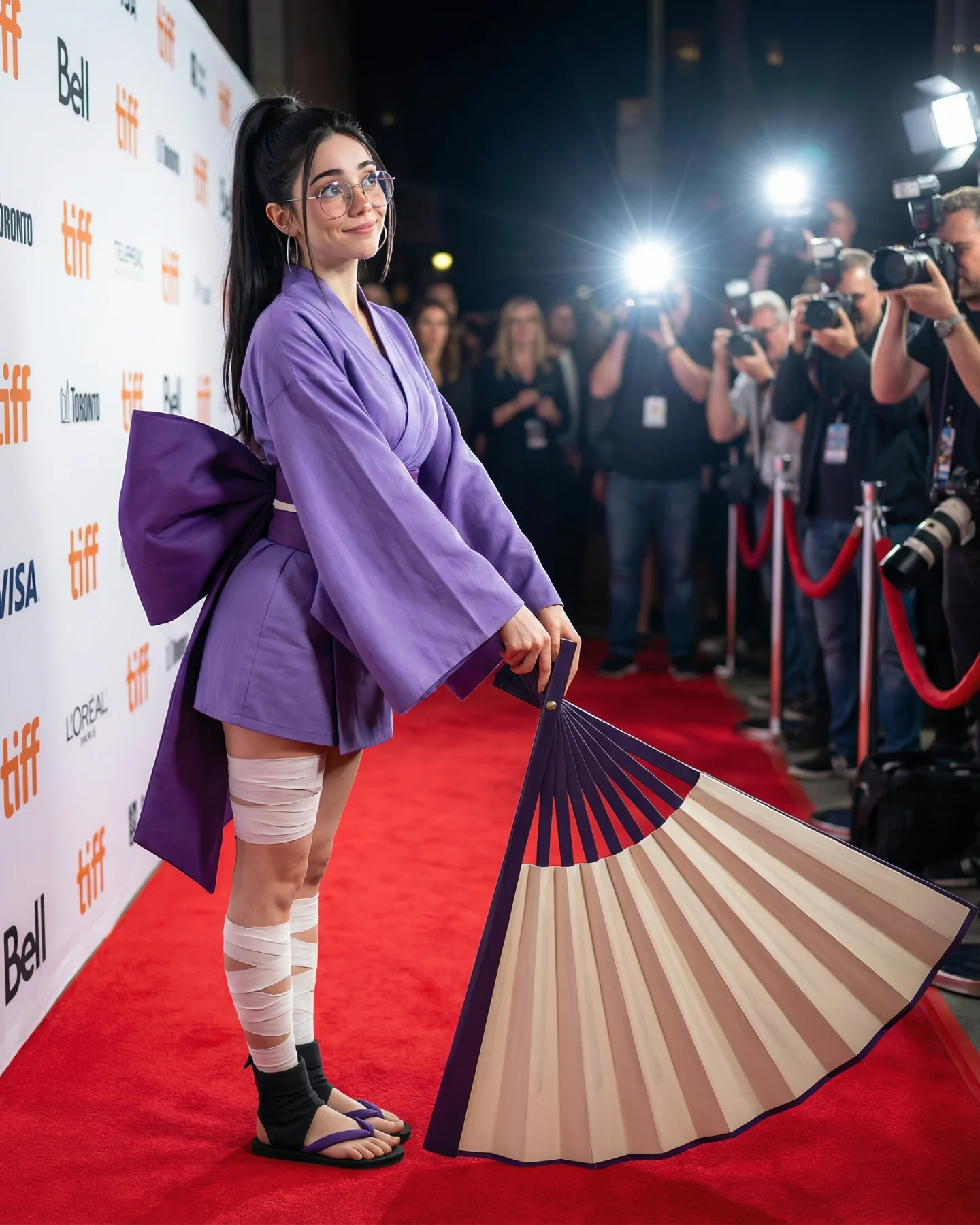
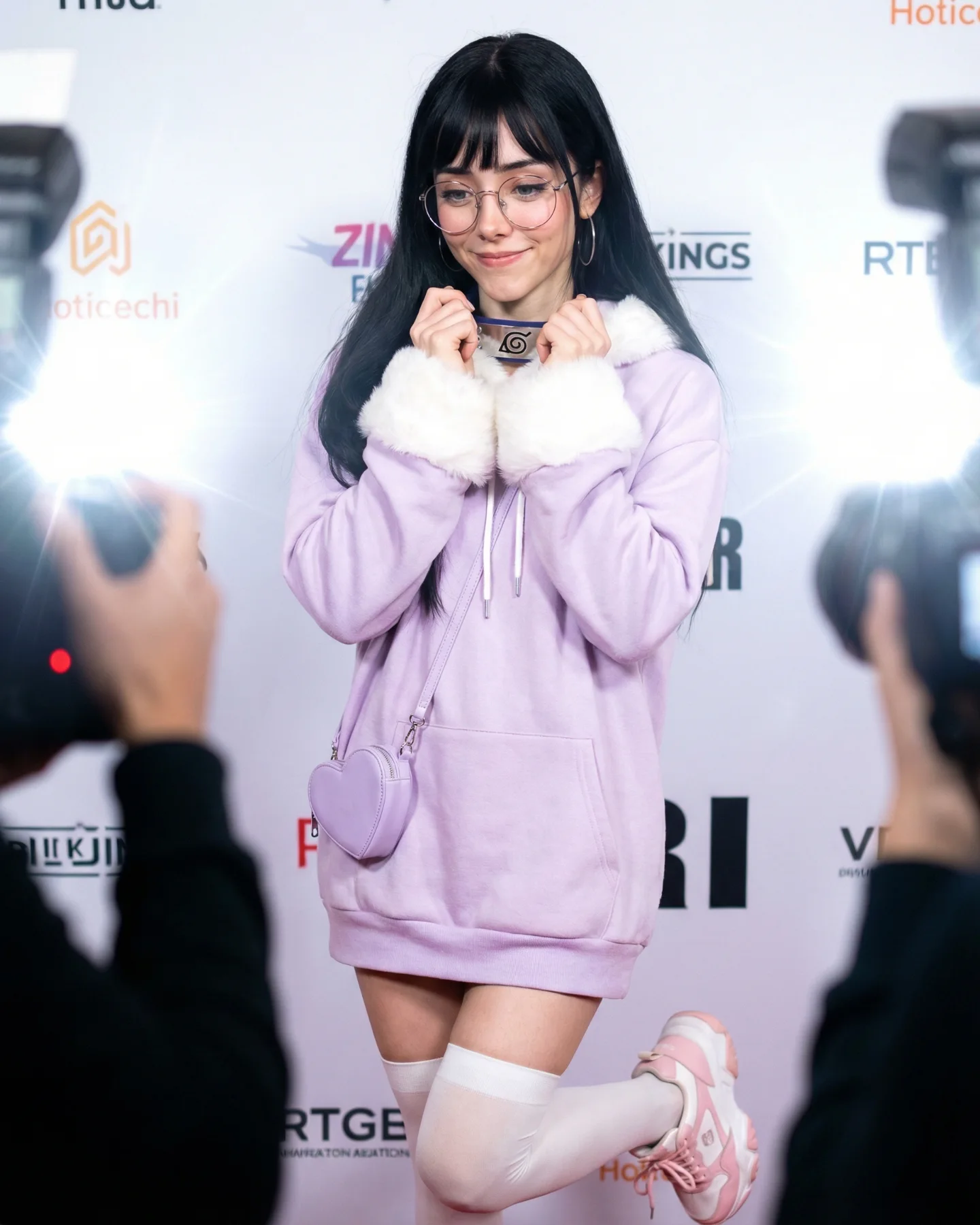
Naruto Cosplay Prompts 💕 Cual es tu favorita?? 🙊 Como siempre comenta ARIA y te mando todos los prompts por mensajes 💌
Naruto Cosplay Prompts 💕 Cual es tu favorita?? 🙊 Como siempre comenta ARIA y te mando todos los prompts por mensajes 💌
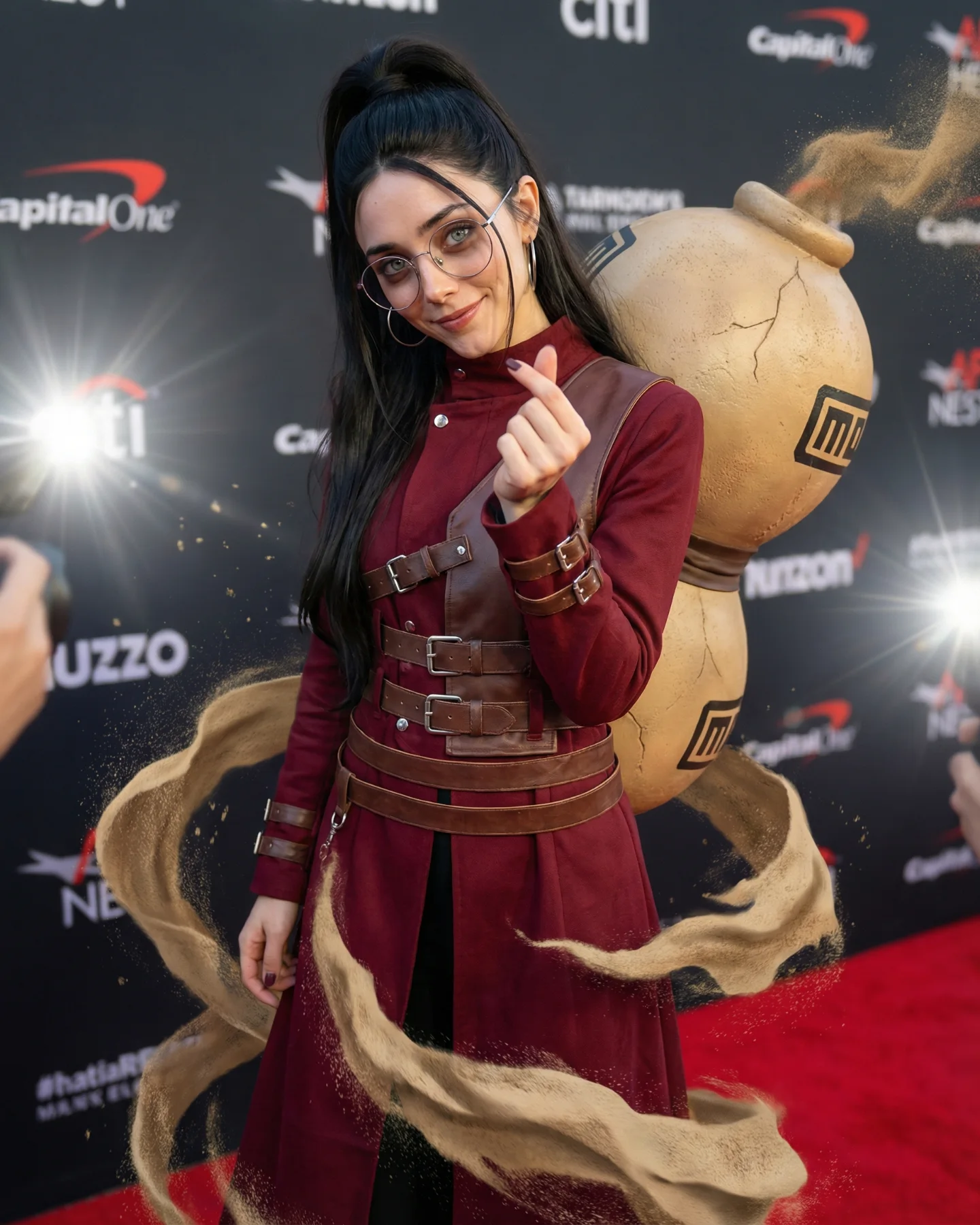
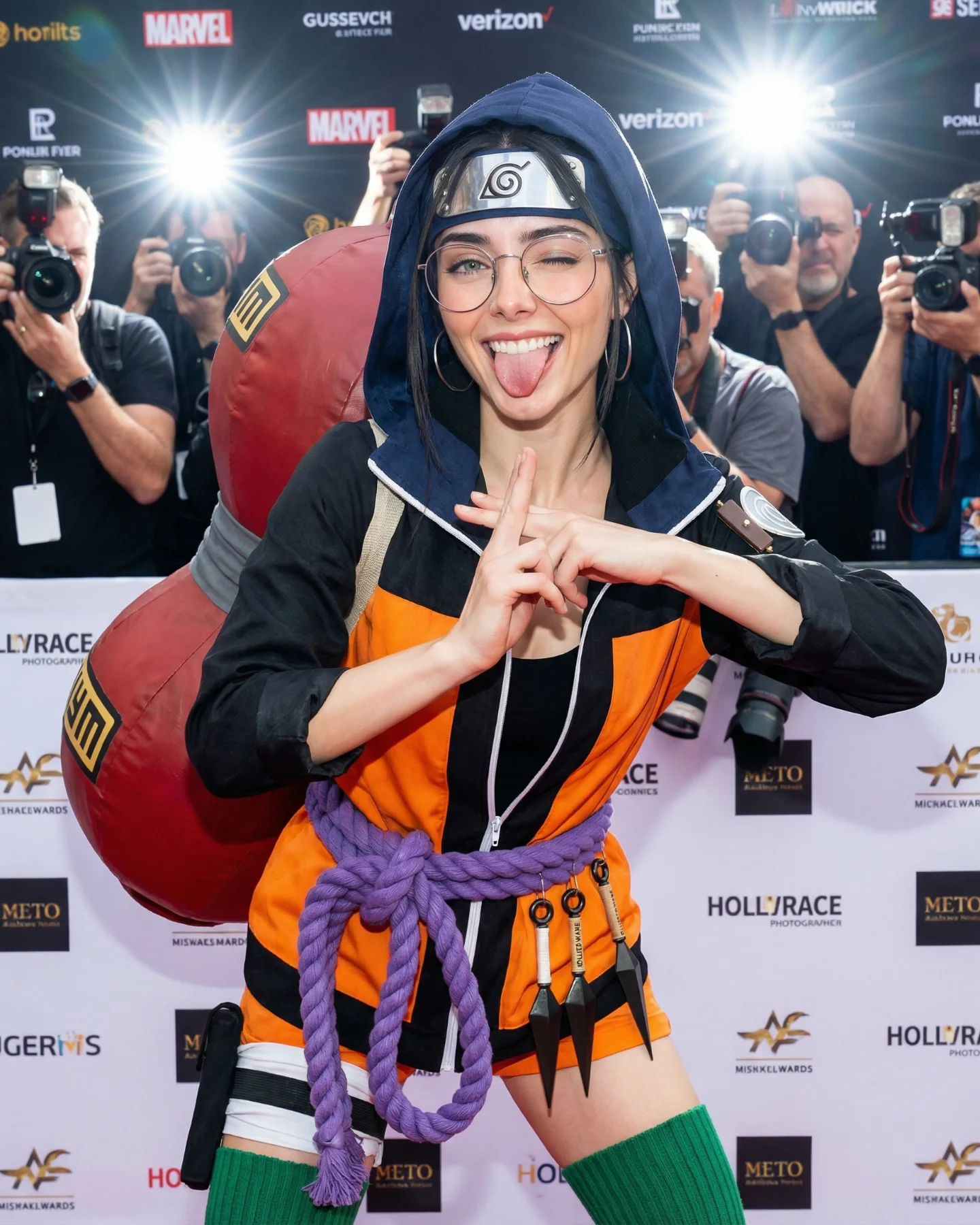
This image works because it refuses to stay in one category. It is clearly rooted in Naruto iconography, but it does not present the character as a battle recreation. Instead, it imagines a fandom red-carpet moment. The subject is dressed in a Gaara-inspired silhouette with belts and a sand gourd, yet she stands in front of a media wall with flash bursts and makes a finger-heart gesture. That collision between character seriousness and celebrity playfulness gives the image a very different kind of energy.
For creators, this matters because cosplay content can easily become repetitive when it only tries to copy the source material more faithfully. This image takes another route. It translates fandom into a social-media-native format that feels glamorous, readable, and slightly ironic. That is one of the strongest ways to make a known character feel fresh again. Instead of asking how to duplicate the anime exactly, it asks how the character would look if they had to work a press line.
The image gets attention because two visual languages meet in the same frame. One is Naruto symbolism: sand, gourd, tactical belts, earthy textures, and a controlled character silhouette. The other is red-carpet visual culture: sponsor wall, camera flashes, poised posture, and a flirty hand gesture. The viewer reads one system first, then notices the other, and that double recognition creates a stronger stopping power than a straightforward cosplay portrait would.
The finger-heart is especially important here. It softens the image just enough to make it socially current. Without it, the picture would lean harder into dark fandom drama. With it, the subject becomes more creator-like and more platform-friendly. This is a strong reminder that a tiny gesture can completely reposition the tone of a costume image.
| Signal | Evidence (from this image) | Mechanism | Replication Action |
|---|---|---|---|
| Fandom recognition with a twist | Large sand gourd, sand effects, and Gaara-like costume cues appear in a red-carpet setup | Viewers get character recognition plus novelty at the same time | Keep one unmistakable character prop but move the scene into an unexpected format |
| Celebrity-style framing | Media wall backdrop, flash bursts, and red carpet signal public event glamour | The image borrows prestige from fashion-event language | Use a step-and-repeat or press-wall environment when you want cosplay to feel elevated |
| Modern social gesture | Finger-heart near the face changes the emotional reading immediately | A small contemporary pose makes the character feel more shareable and less stiff | Swap severe combat gestures for one light, current, audience-friendly hand cue |
| Strong silhouette logic | Belts, coat shape, and giant gourd create a memorable outline even before details are read | Silhouette readability improves scroll-stop performance on image-first platforms | Build around one large back prop and one clear garment structure rather than too many details |
The styling is smart because it abstracts Gaara rather than copying him mechanically. The burgundy dress-coat and brown belt architecture keep the character cues alive, but the final look is still flattering on a human body in a real event context. That is a more flexible and often more viral strategy than exact replication. Exact cosplay can impress fans, but fashion-forward interpretation can reach both fans and people who simply like strong styling.
The backdrop does more than provide context. It also strips away distracting world-building. Because the scene is reduced to a media wall, the eye can focus on costume, gesture, and prop hierarchy. That is useful for creators designing AI prompts too. A neutral event setting can actually make character styling hit harder than a fully narrative environment.
This structure is less ideal for immersive lore scenes, battle recreations, or cinematic fan posters. The red-carpet premise pulls the image away from in-world storytelling. That is a feature here, not a bug, but it is worth knowing when to use it.
The image is dramatic, but carefully so. The gourd is oversized, the sand swirls are theatrical, and the outfit is cinched and sculptural. Yet the expression and pose remain calm. That contrast keeps the frame from tipping into melodrama. It also helps the image feel premium. Premium character styling often comes from editing the emotional tone, not just from adding more costume complexity.
The sand effect is another smart choice. It introduces motion and identity without forcing a literal action scene. Instead of showing an attack or a transformation, it acts like a visual accent around the lower frame. That is a useful move when you want energy but still need the portrait to read clearly in a feed.
| Observed | Recreate implication |
|---|---|
| The gourd is large enough to reshape the entire upper silhouette from behind | Choose one oversized character prop that changes the body outline, not just the details. |
| Burgundy outfit and brown straps create a dark, coherent fashion palette | Keep the costume colors focused if the prop and effects are already strong. |
| Flash bursts appear at the frame edges against a sponsor backdrop | Use event cues to communicate glamour and public attention quickly. |
| Finger-heart gesture softens a severe character concept | Add one playful modern cue to make heavy fandom styling more socially readable. |
| Sand ribbons animate the bottom of the frame without obscuring the costume | Use effects as framing accents rather than as the main event when portrait clarity matters. |
To recreate this image well, the prompt needs to define the format before the fandom. If you start only with “Gaara cosplay woman,” many systems will push toward desert battles, anime effects, or literal character recreation. The more precise route is to specify that this is a red-carpet fashion translation of the character. Once that frame is locked, the prop and costume details can land correctly.
| Prompt chunk | What it controls | Swap ideas (EN, 2-3 options) |
|---|---|---|
| young woman with glasses in a burgundy Gaara-inspired belted coat look | Identity and costume translation | anime couture character styling; villain-chic fandom fashion; elevated ninja-inspired formalwear |
| large cracked sand gourd strapped on the back | Instant character recognition and silhouette | oversized hero prop; symbolic back accessory; fandom anchor object |
| red carpet media wall with camera flash bursts | Setting and prestige framing | press-line backdrop; event sponsor wall; fandom gala photo area |
| finger-heart gesture and confident soft smile | Emotional repositioning and social friendliness | playful press-pose; flirty fan-service gesture; light celebrity-style expression |
| sand ribbons swirling across the lower frame | Motion accent and thematic reinforcement | subtle elemental effect; controlled dust motion; thematic foreground sweep |
Lock three things first: the red-carpet backdrop, the oversized gourd, and the belted burgundy silhouette. Those are the image bones. Then apply the one-change rule. Change only one or two knobs per run so the transformation remains readable.
A good sequence is this. First, generate the exact Gaara-inspired press-wall look with sand swirls and flash bursts. Second, keep the setting fixed while changing only the gesture, moving from finger-heart to neutral pose or raised hand. Third, keep the pose fixed and test alternate fandom archetypes with equally strong back props. Fourth, keep the prop and event structure fixed while shifting the outfit from structured coat to softer dress or blazer-based styling. This keeps the core concept intact while helping you learn which elements are truly essential.