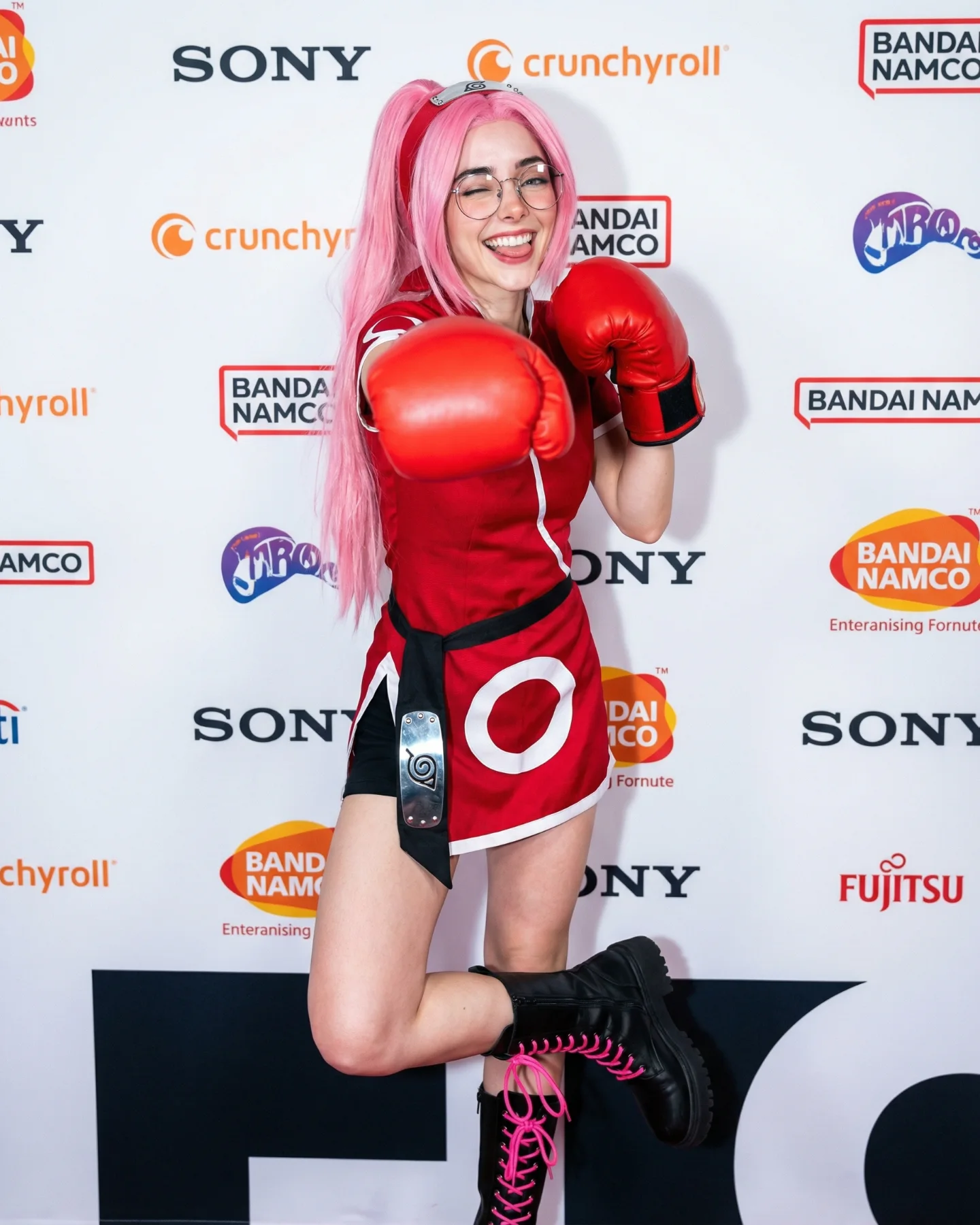
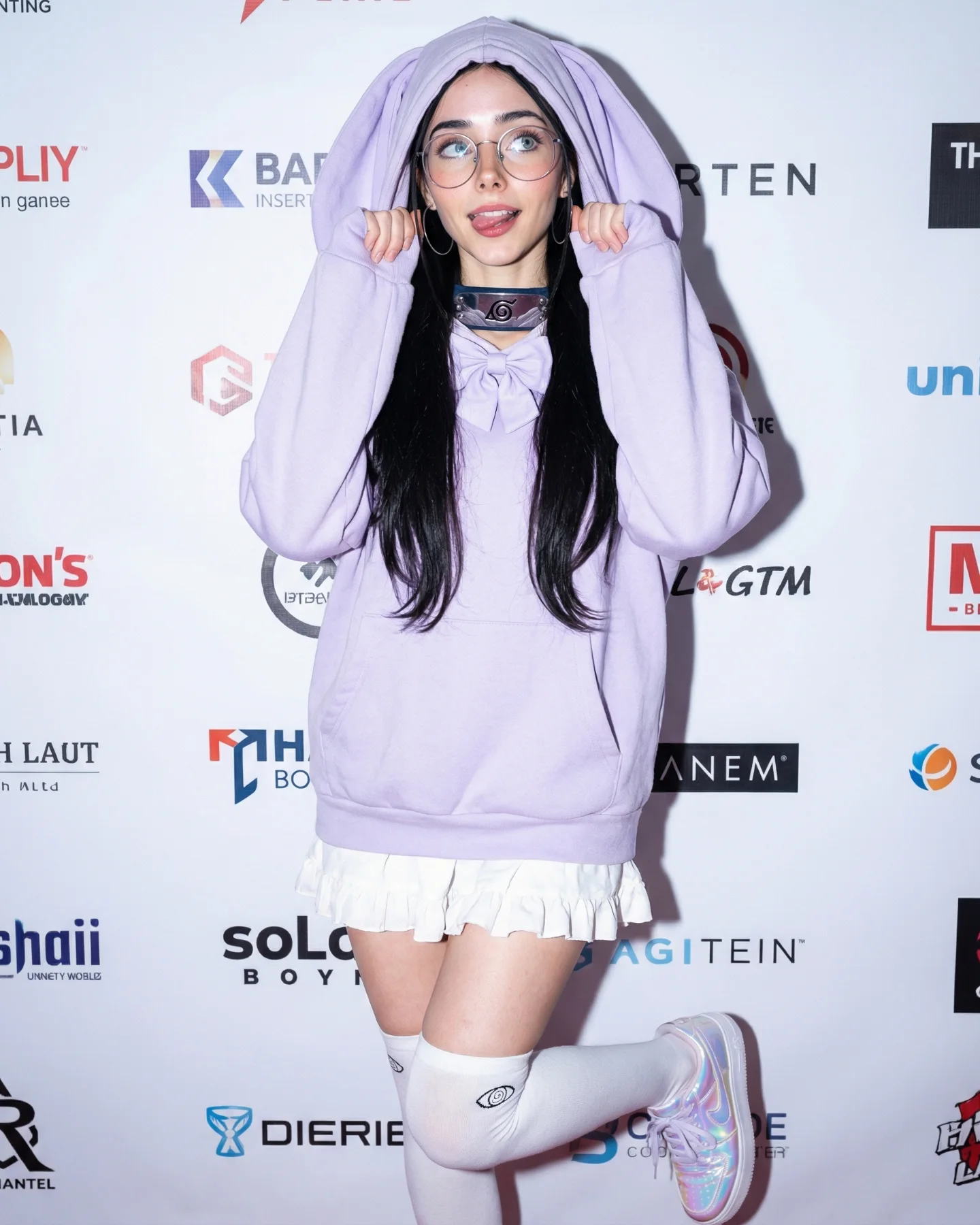
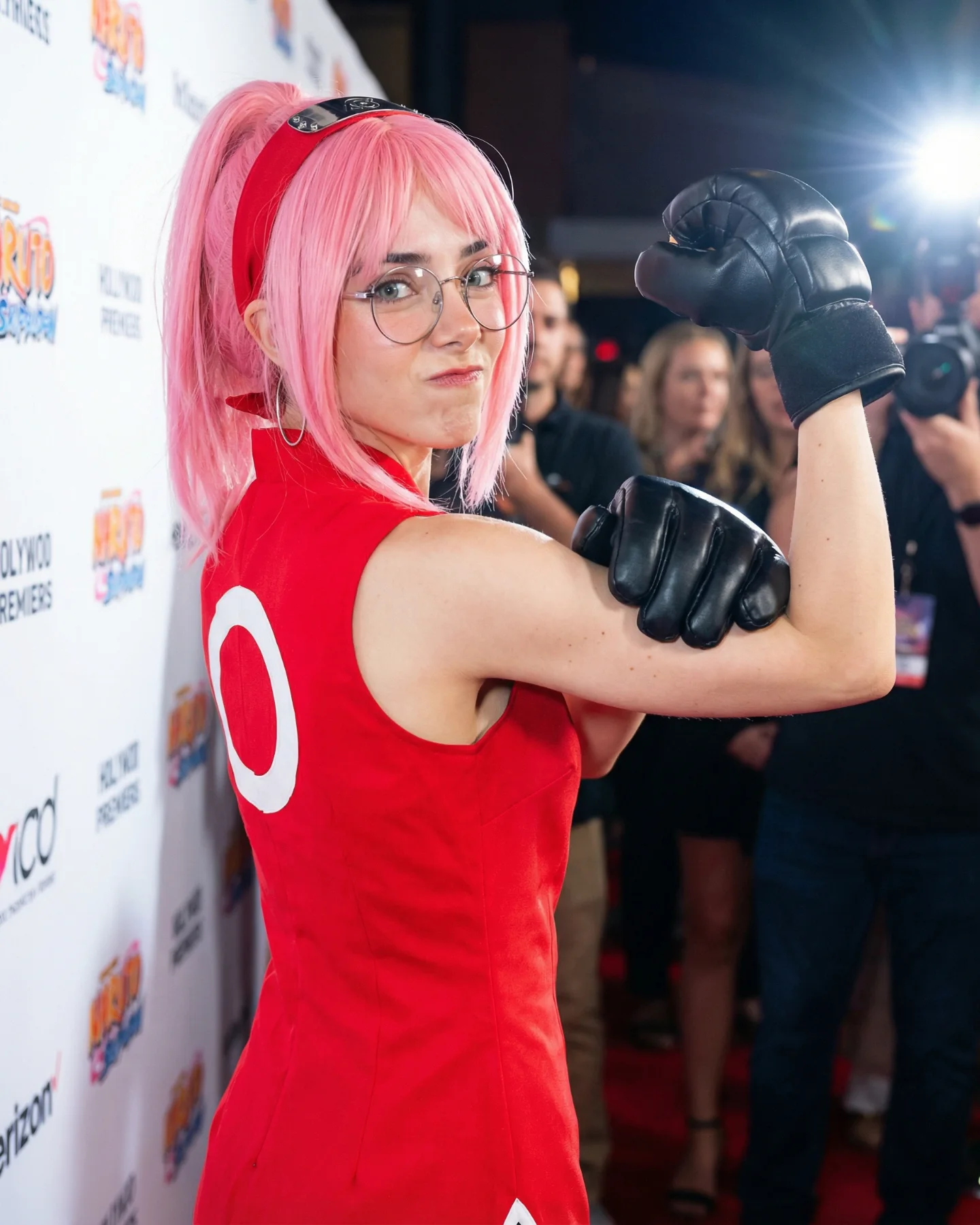
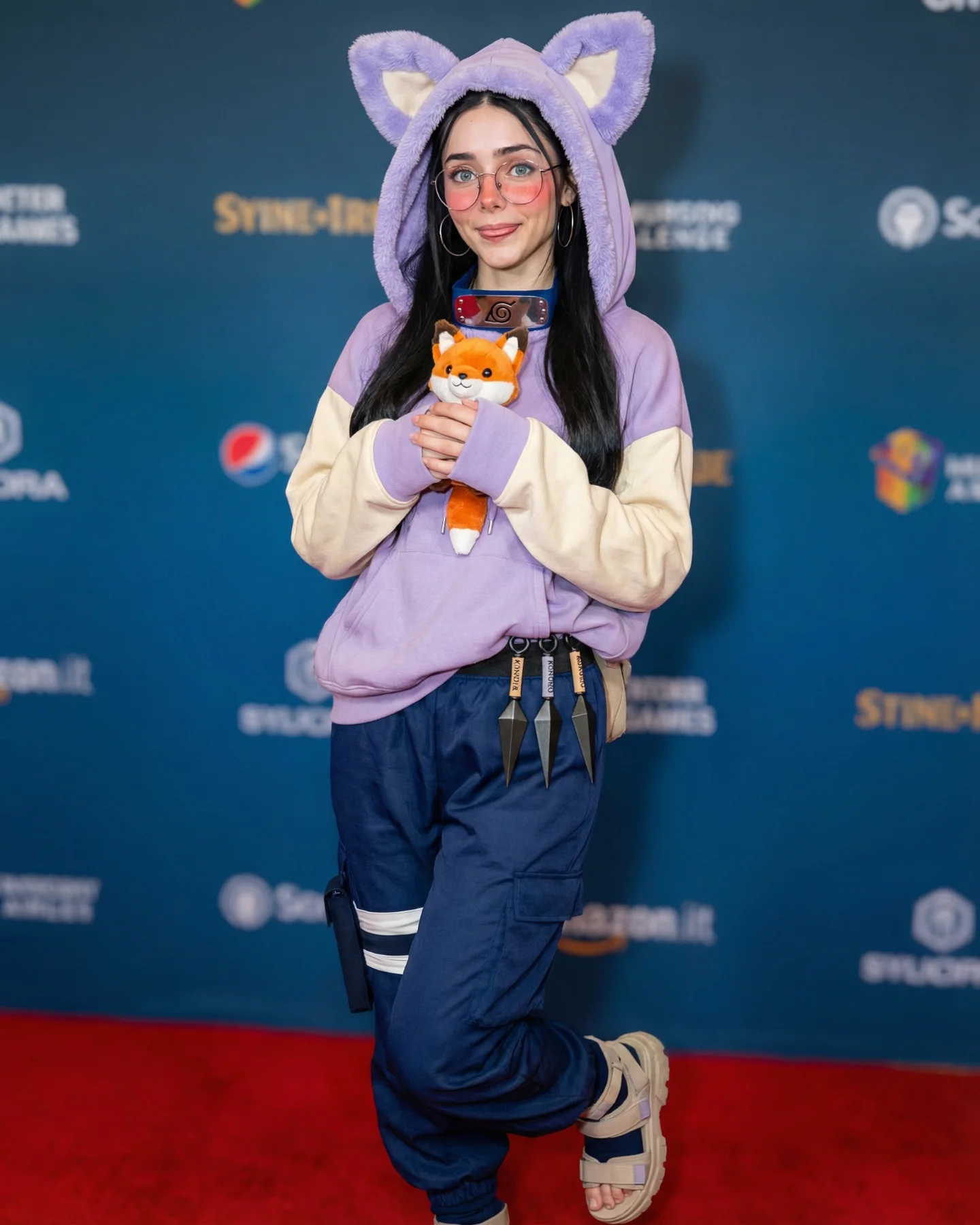
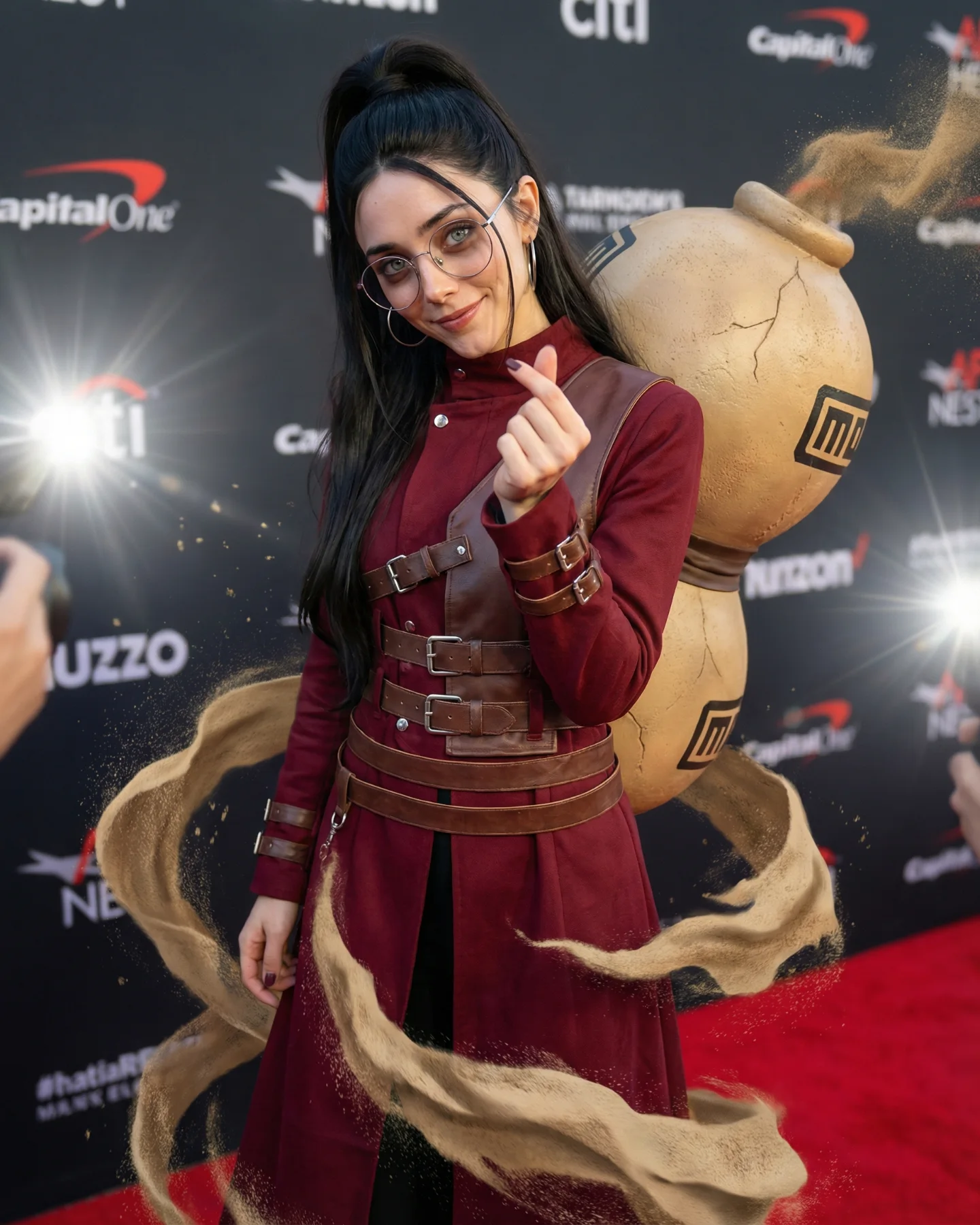
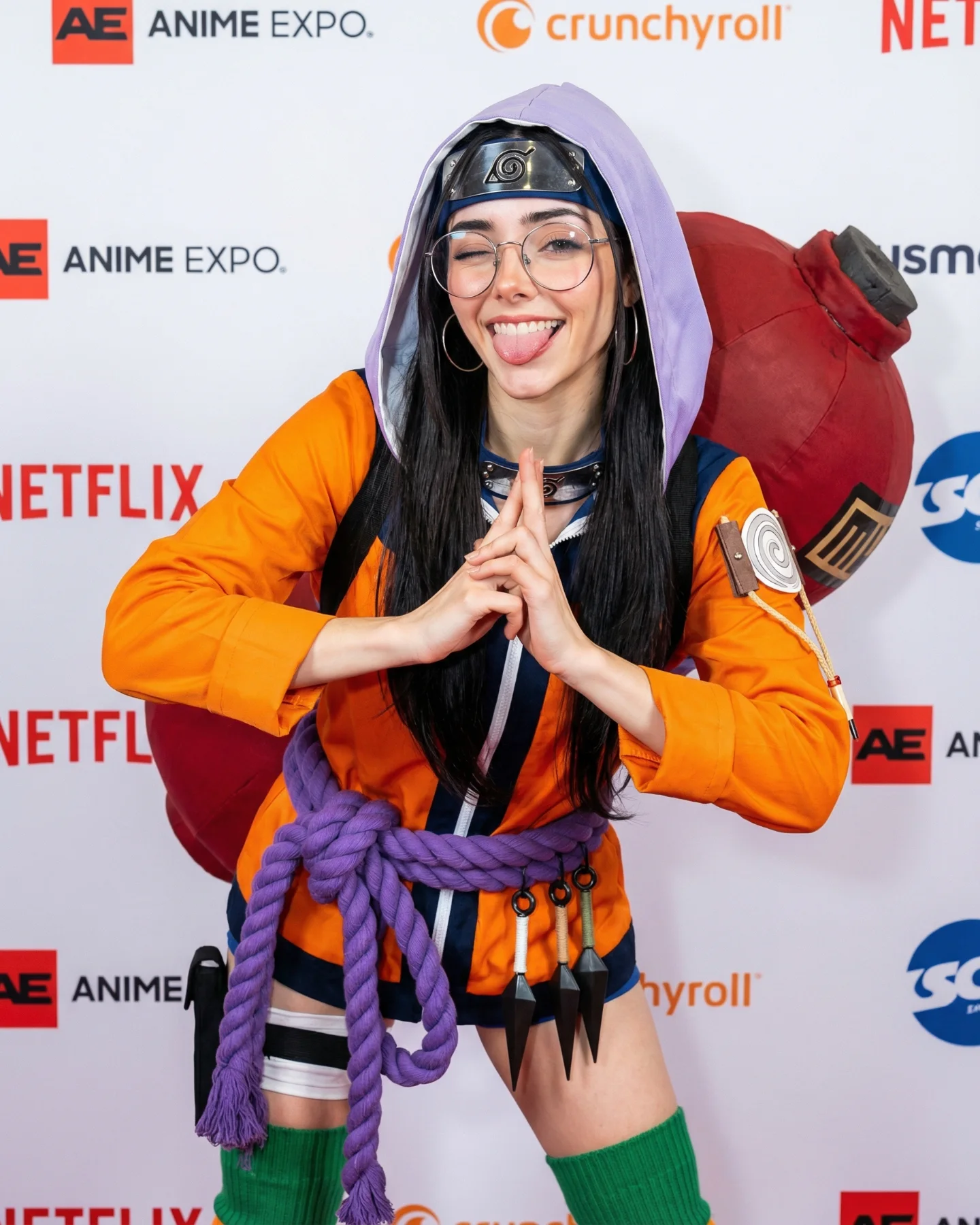
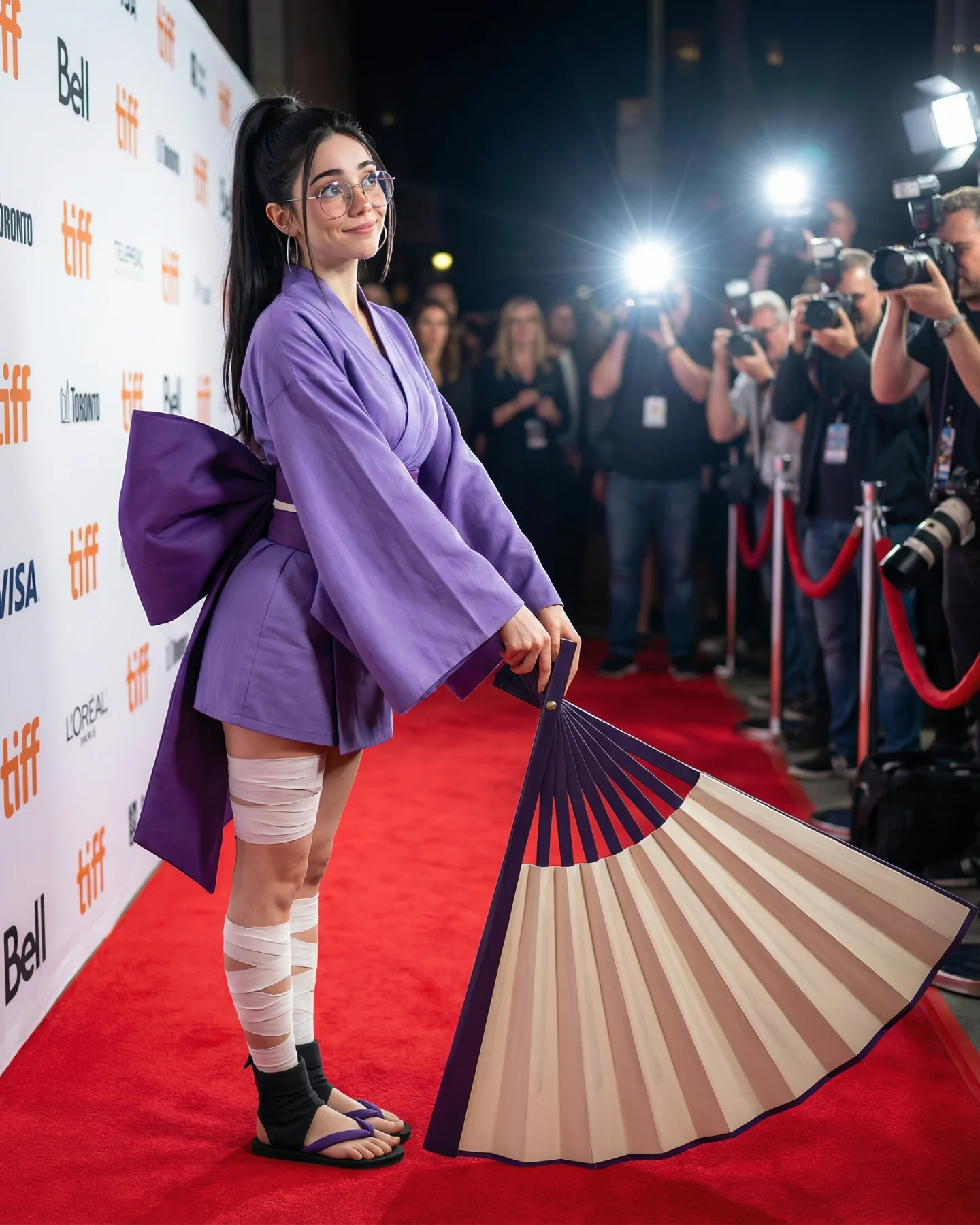
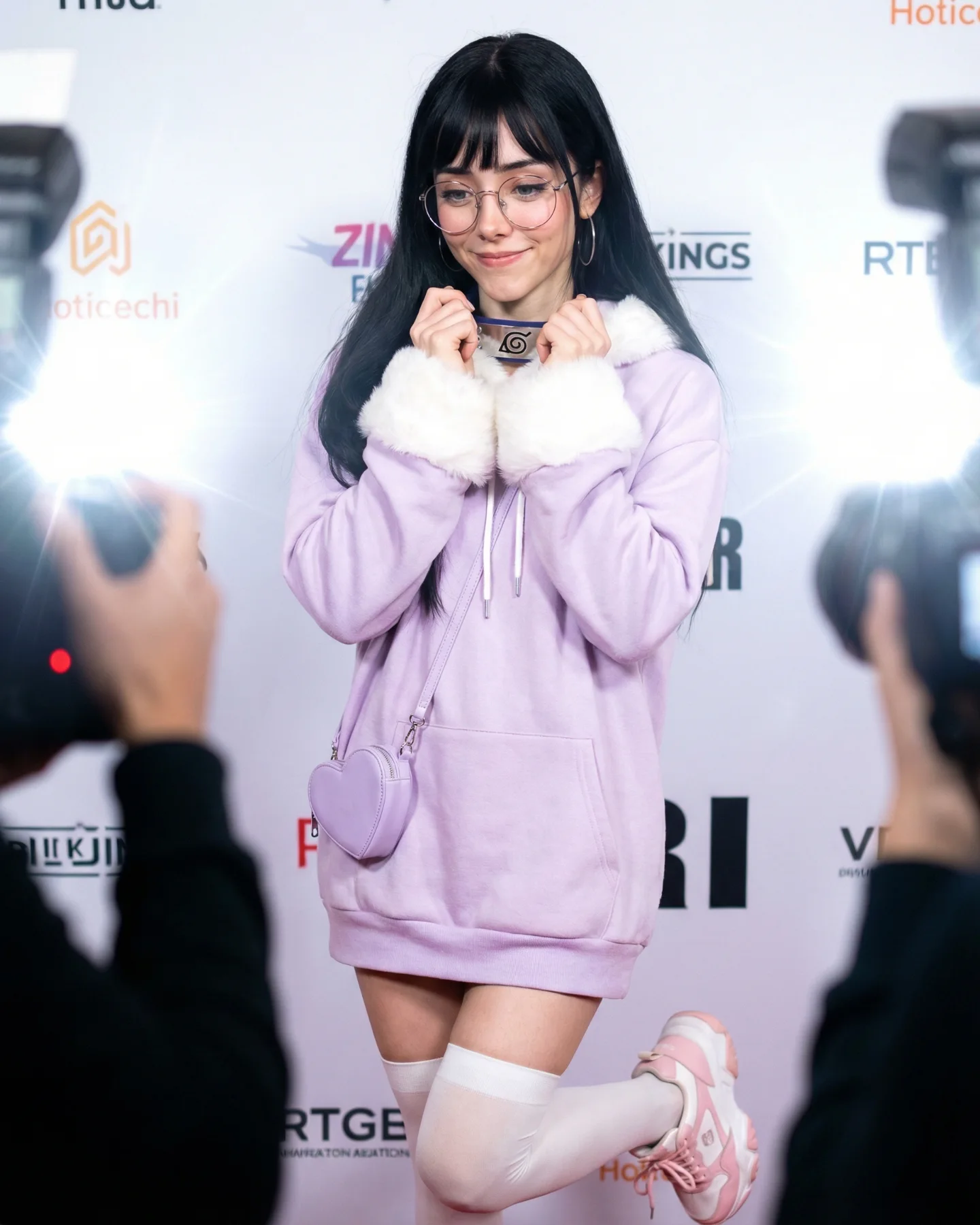
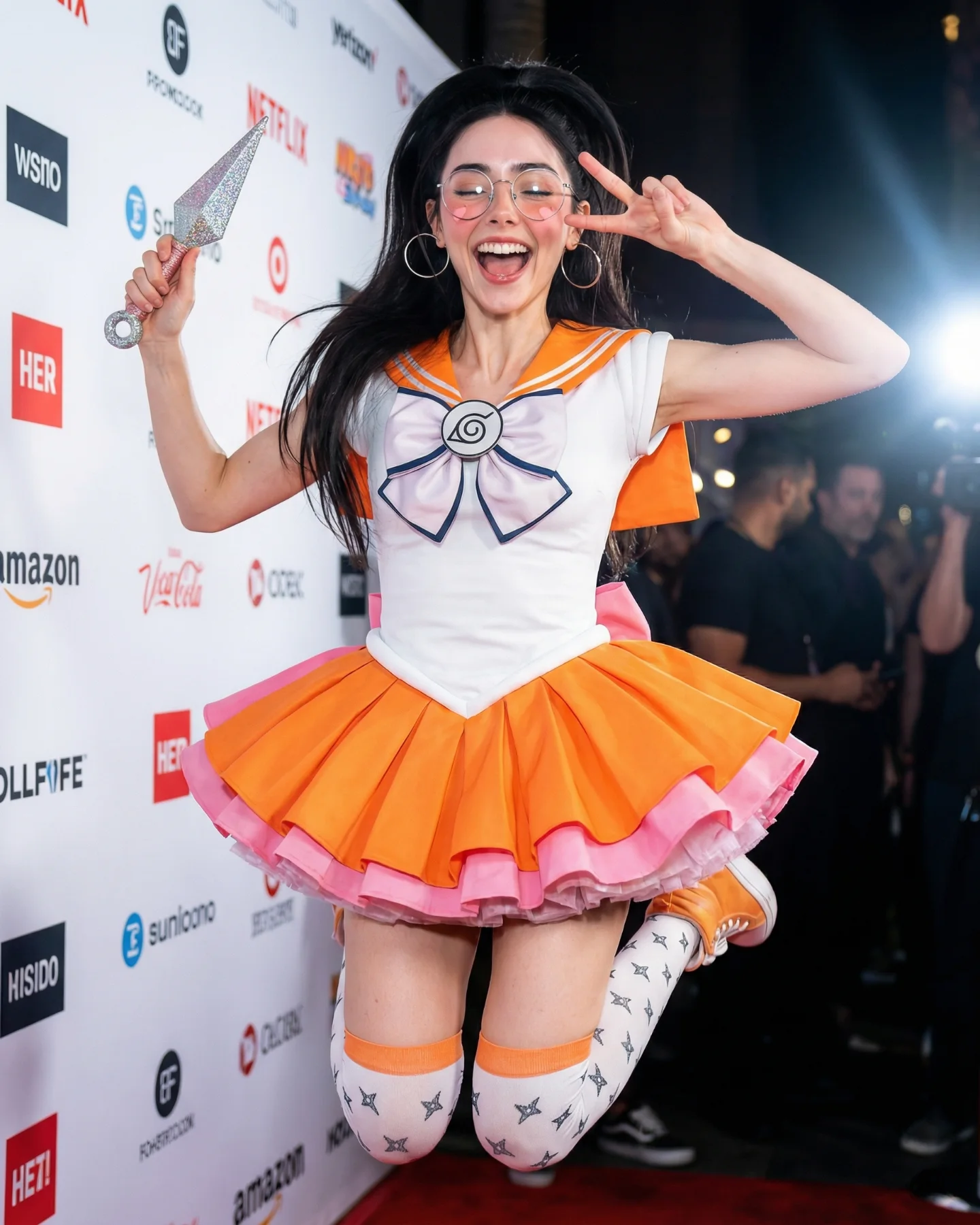
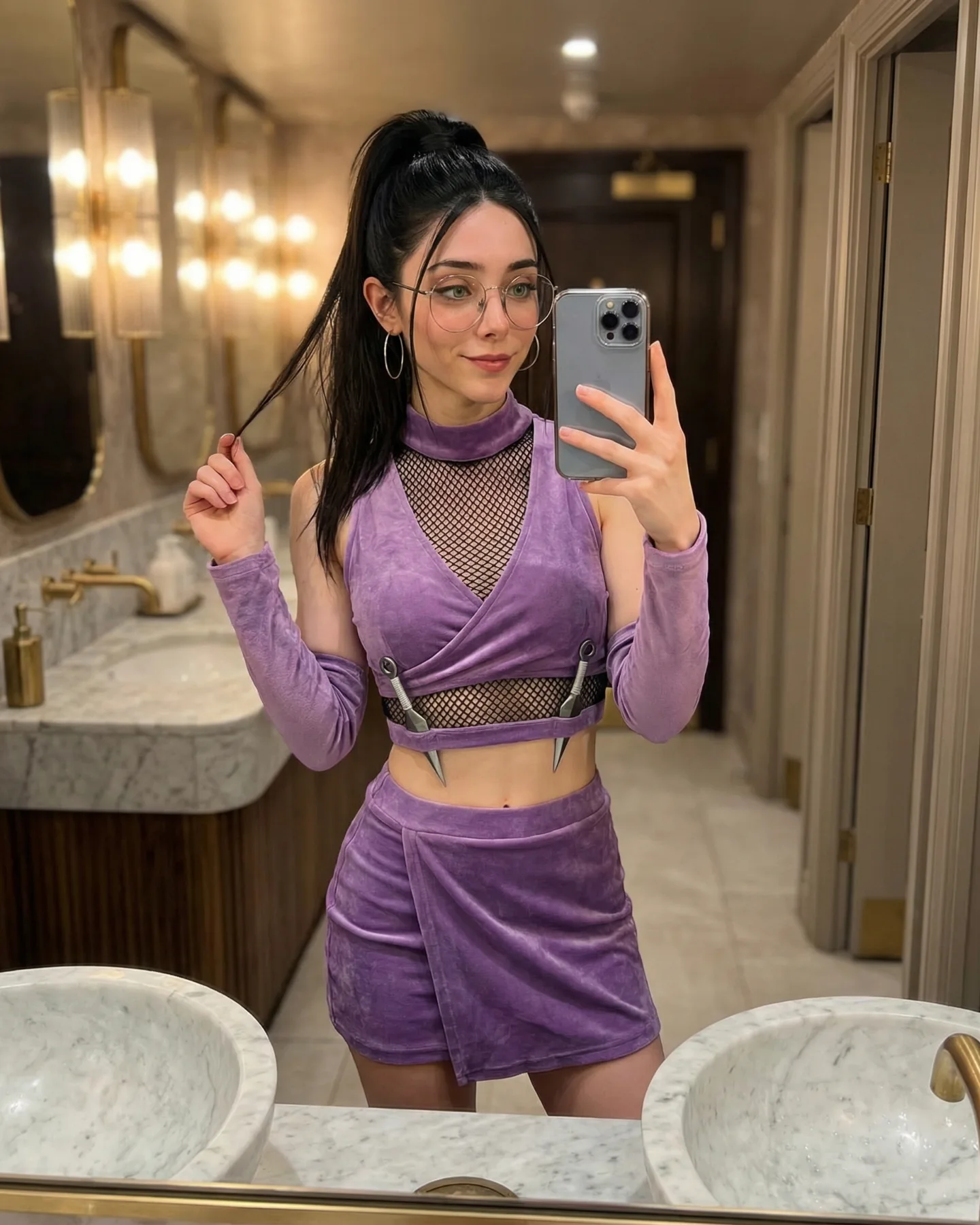
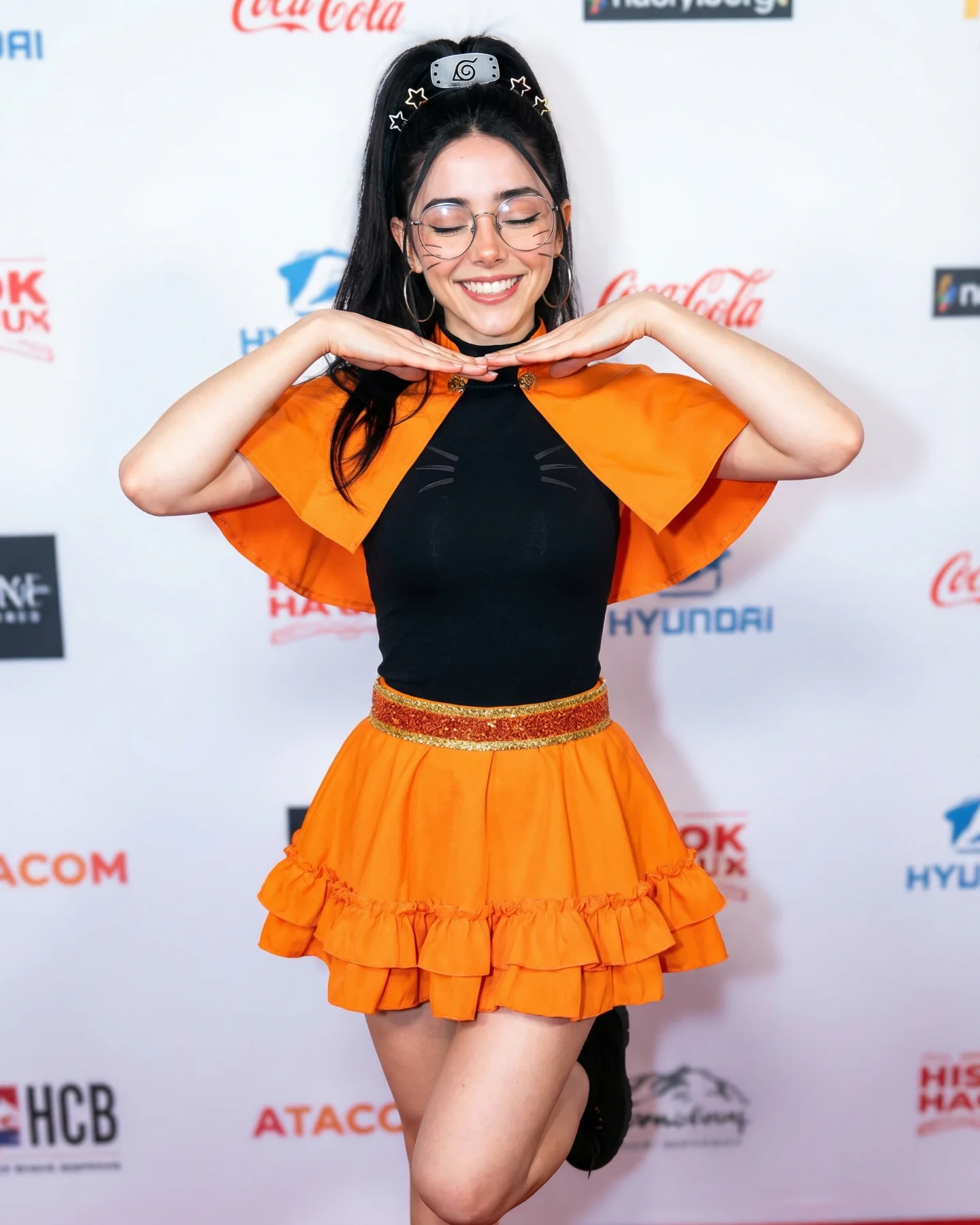
Naruto Cosplay Prompts 💕 Cual es tu favorita?? 🙊 Como siempre comenta ARIA y te mando todos los prompts por mensajes 💌
Naruto Cosplay Prompts 💕 Cual es tu favorita?? 🙊 Como siempre comenta ARIA y te mando todos los prompts por mensajes 💌
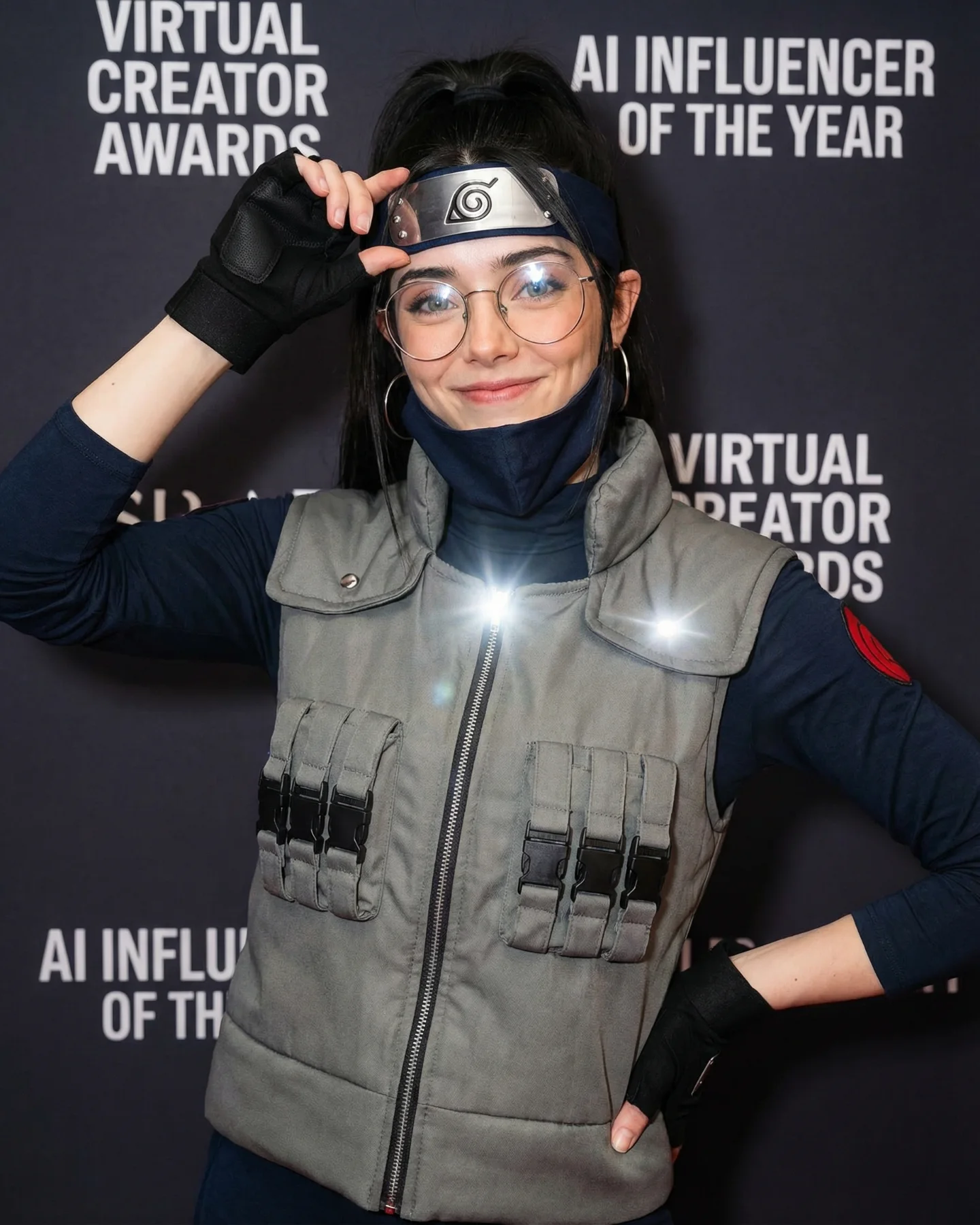
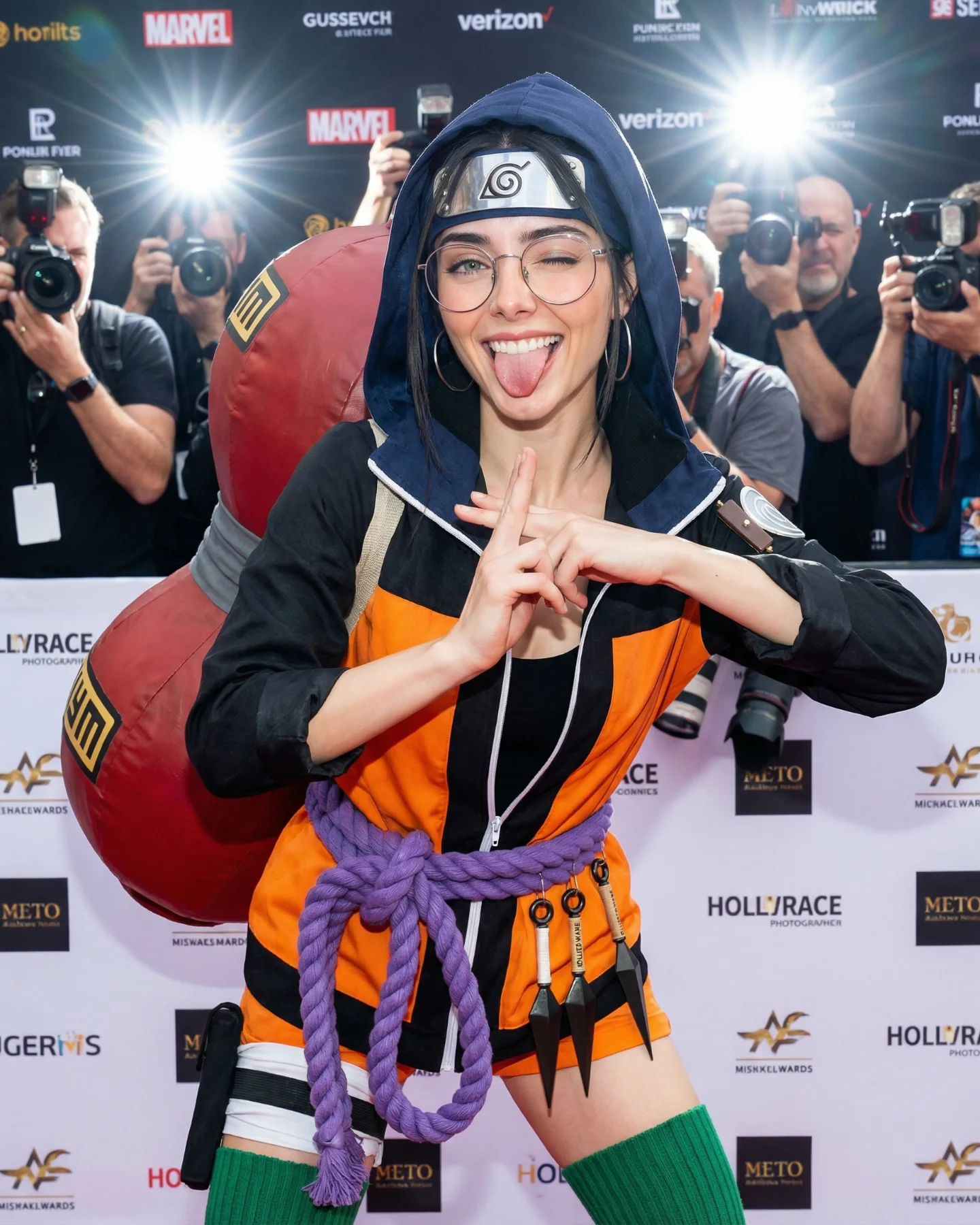
This image is effective because it does not place the character inside the world of the series. Instead, it places the character inside a creator-event world. That shift matters. It lets the cosplay function not only as fandom recognition, but also as brand-facing public identity. The result feels like a character archetype being translated into the language of modern creator culture.
For creators, this is a smart move because awards-wall portraits are naturally readable. They simplify the environment, make the silhouette easy to judge, and let the costume do the work. When the character is already visually strong, a flat branded backdrop can actually improve the post by removing noise.
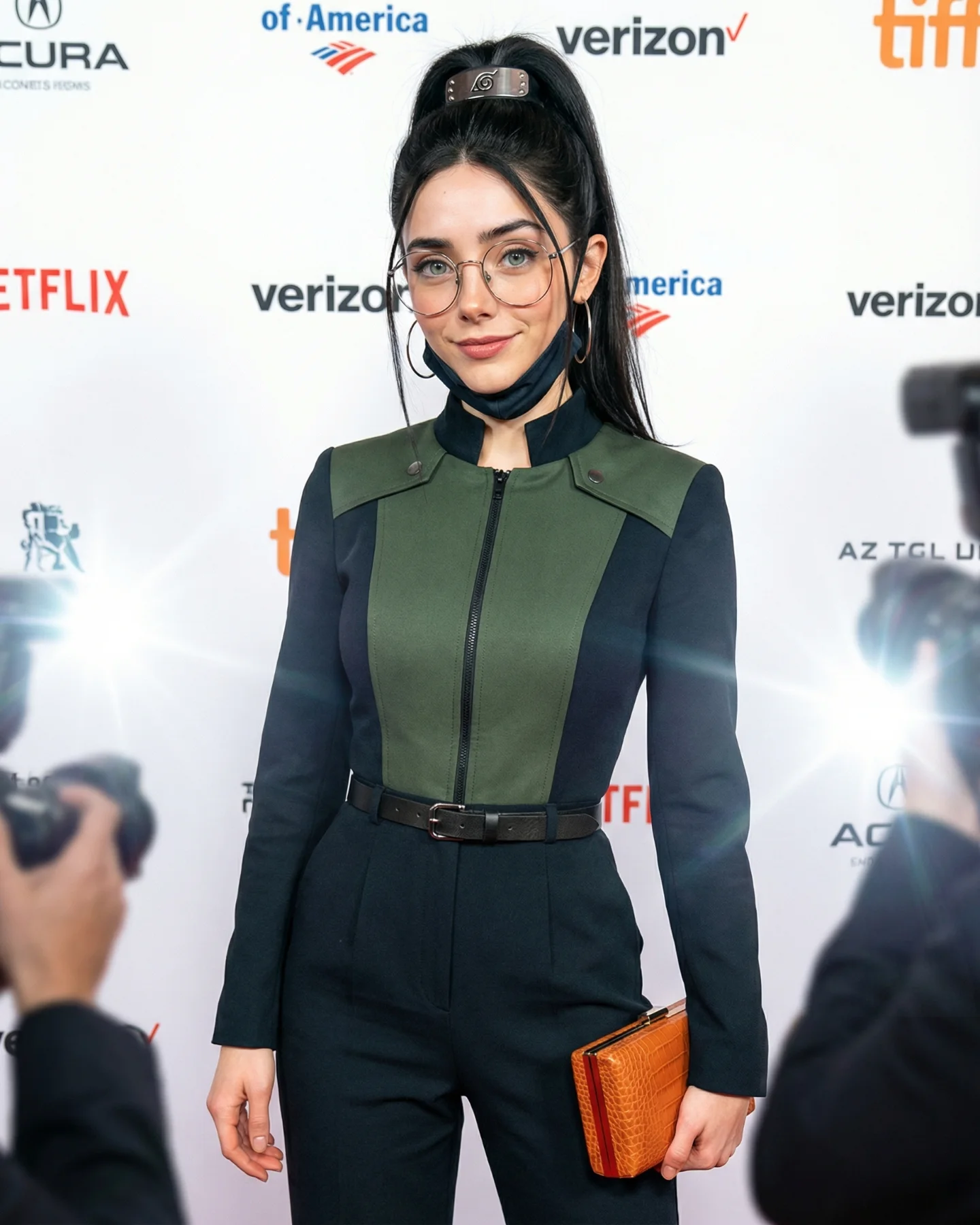
The strongest choice is the gesture at the forehead protector. It gives the image a very specific pose without becoming theatrical. That small action makes the frame feel more intentional than a generic standing portrait, and it reinforces the character identity in a simple, scalable way. This is exactly the kind of gesture creators should look for when building reusable cosplay prompt systems.
| Signal | Evidence (from this image) | Mechanism | Replication Action |
|---|---|---|---|
| Franchise-to-event translation | Kakashi-coded styling placed on a branded awards-wall backdrop | Moving a character into a real social setting makes the content feel newer and more shareable | Keep the strongest character markers and move them into a modern public format |
| Fast recognition | Leaf headband, face covering, tactical vest, dark gloves | High-signal accessories let viewers decode the reference instantly | Use 3-4 unmistakable character markers before adding secondary detail |
| Pose precision | One hand lifting the forehead protector and one hand on the hip | A small controlled gesture adds specificity without destabilizing the frame | Choose one character-anchored hand action that can be repeated across variants |
This kind of image works especially well for convention portraits, fandom x creator-brand crossover posts, prompt pages comparing character translations into real-world settings, and comment-driven social covers. It is also useful for AI education because it shows how to isolate a character’s strongest identity signals. It is less suitable for immersive in-world scenes, because the awards wall intentionally removes the fictional environment.
Three transfer recipes work especially well. Keep the event-wall setting, the one iconic hand gesture, and the strongest character accessories. Change the franchise, the text on the backdrop, and the costume color balance. Template one: {character-coded costume} posed as {awards-wall portrait} with {signature hand gesture}. Template two: {anime reference} translated into {creator-event aesthetic}. Template three: {high-signal accessories} placed against {clean branded backdrop}.
Aesthetically, the image works because it lets graphic contrast do the heavy lifting. The black background, white text, and gray-green vest create a very clean visual hierarchy. That means the viewer can identify the costume immediately without needing cinematic lighting or elaborate set dressing.
The glasses are also important here. They preserve the creator’s recognizable identity inside the cosplay, which helps the image feel like a transformation rather than a total replacement. That balance is often what makes AI-influencer cosplay content more shareable: the character comes through, but the creator does not disappear.
| Observed | Why it matters |
|---|---|
| Black media wall with repeated white text | Keeps the frame clean and socially legible |
| Leaf headband and face mask combination | Deliver immediate Kakashi-style recognition |
| Hand adjusting the forehead protector | Adds character-specific intent without overcomplicating the pose |
| Round glasses still visible | Preserve creator identity inside the cosplay translation |
| Prompt chunk | What it controls | Swap ideas (EN) |
|---|---|---|
| awards-wall event backdrop | Public-setting clarity and modern creator framing | convention wall, fan expo step-and-repeat, premiere carpet backdrop |
| Leaf headband + face mask + vest | Core Kakashi-style recognition | Akatsuki cloak block, Hokage robe block, school-uniform ninja remix |
| one hand lifting the headband | Character-specific pose logic | peace sign near eye, hand seal, glove adjustment |
| bright event flash lighting | Readability and polished social-photo realism | paparazzi flash, softer event lighting, stage-side media light |
| glasses kept visible under cosplay | Creator identity continuity | clear eyewear, sunglasses variant, no-glasses fully in-character version |
Lock three things first: the branded backdrop, the headband-mask-vest signal set, and the key hand gesture. Then change one variable at a time. A strong sequence is:
This order matters because the image wins by fast recognizability. Once the signal accessories or clean backdrop disappear, the frame loses most of its strength.