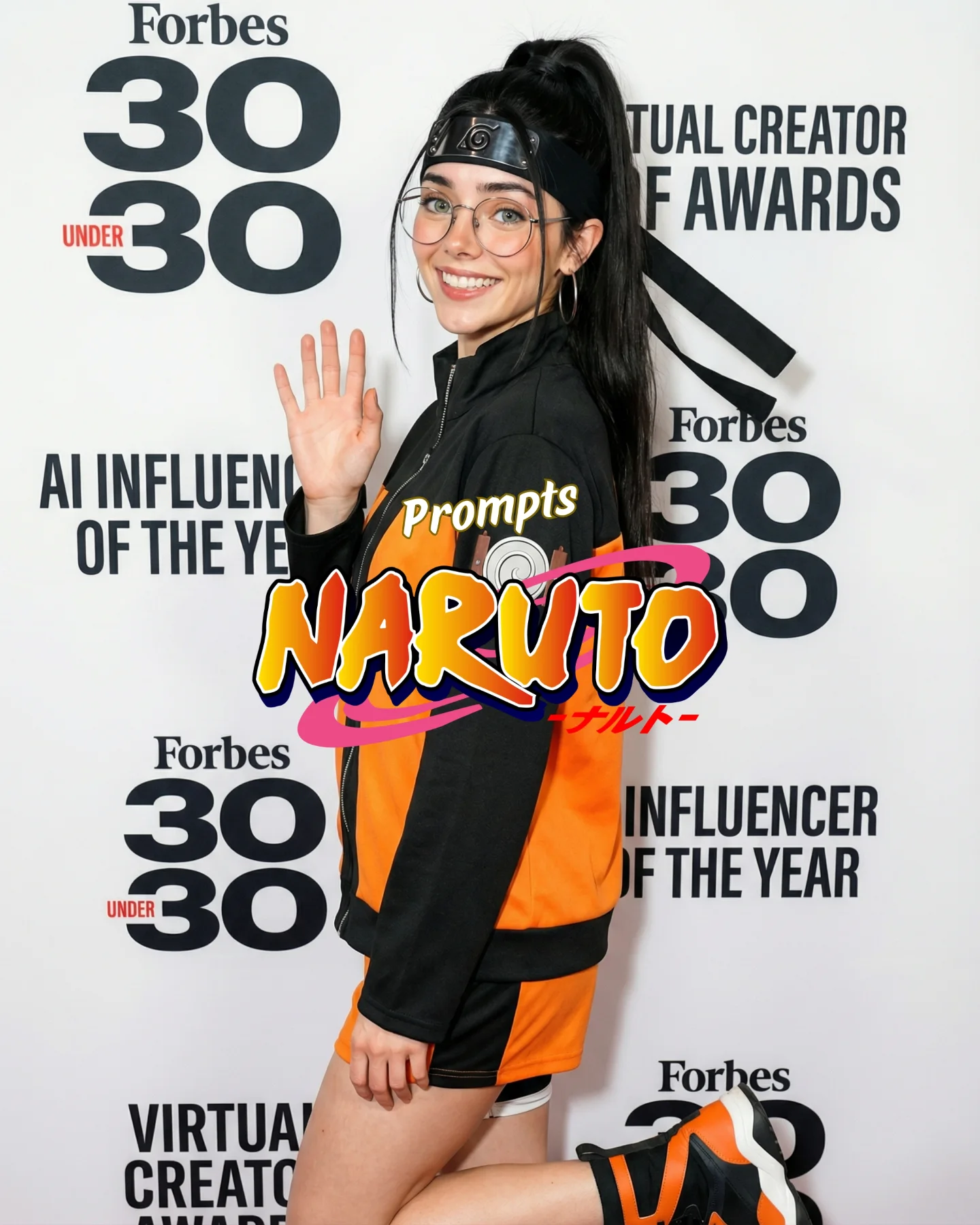
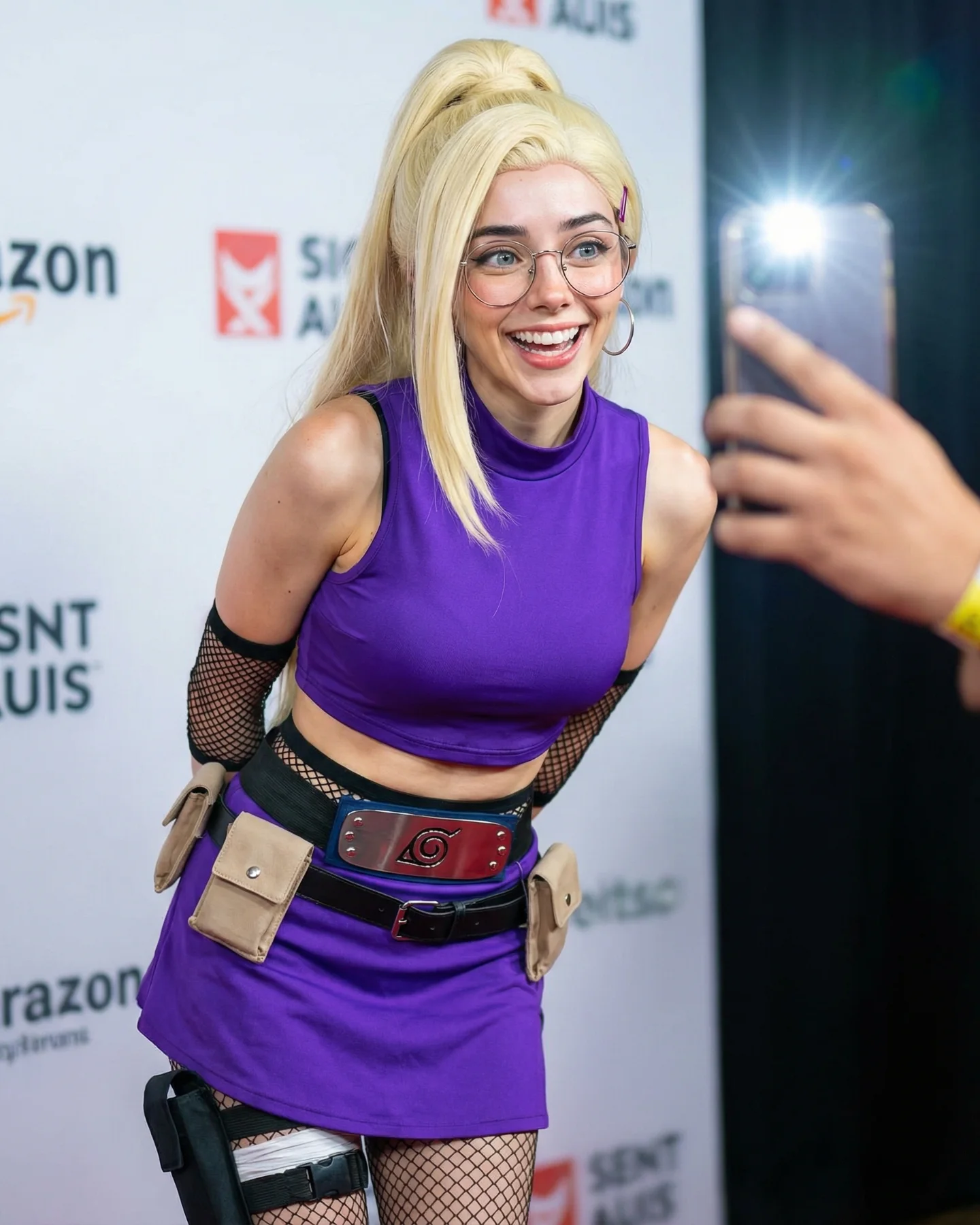
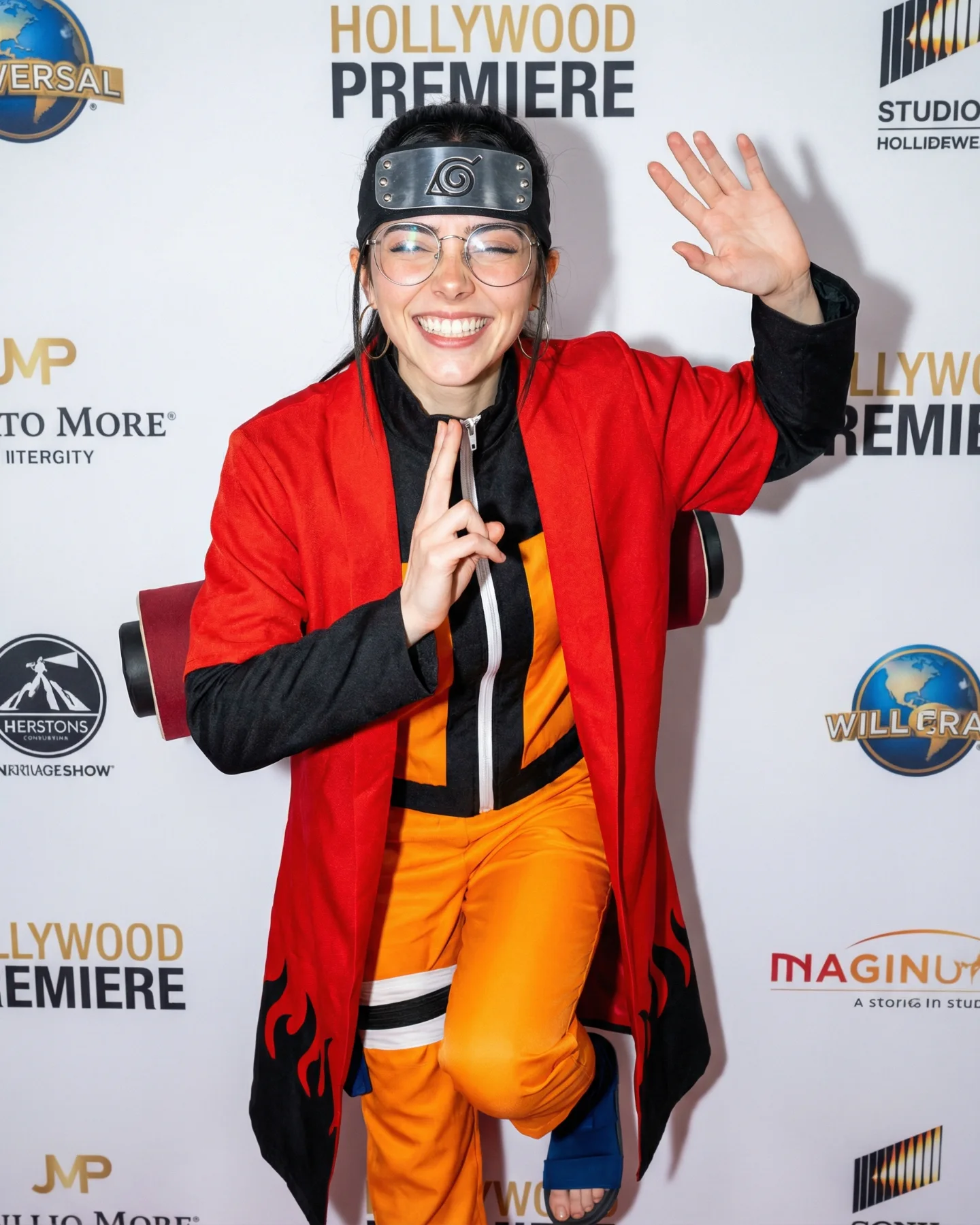
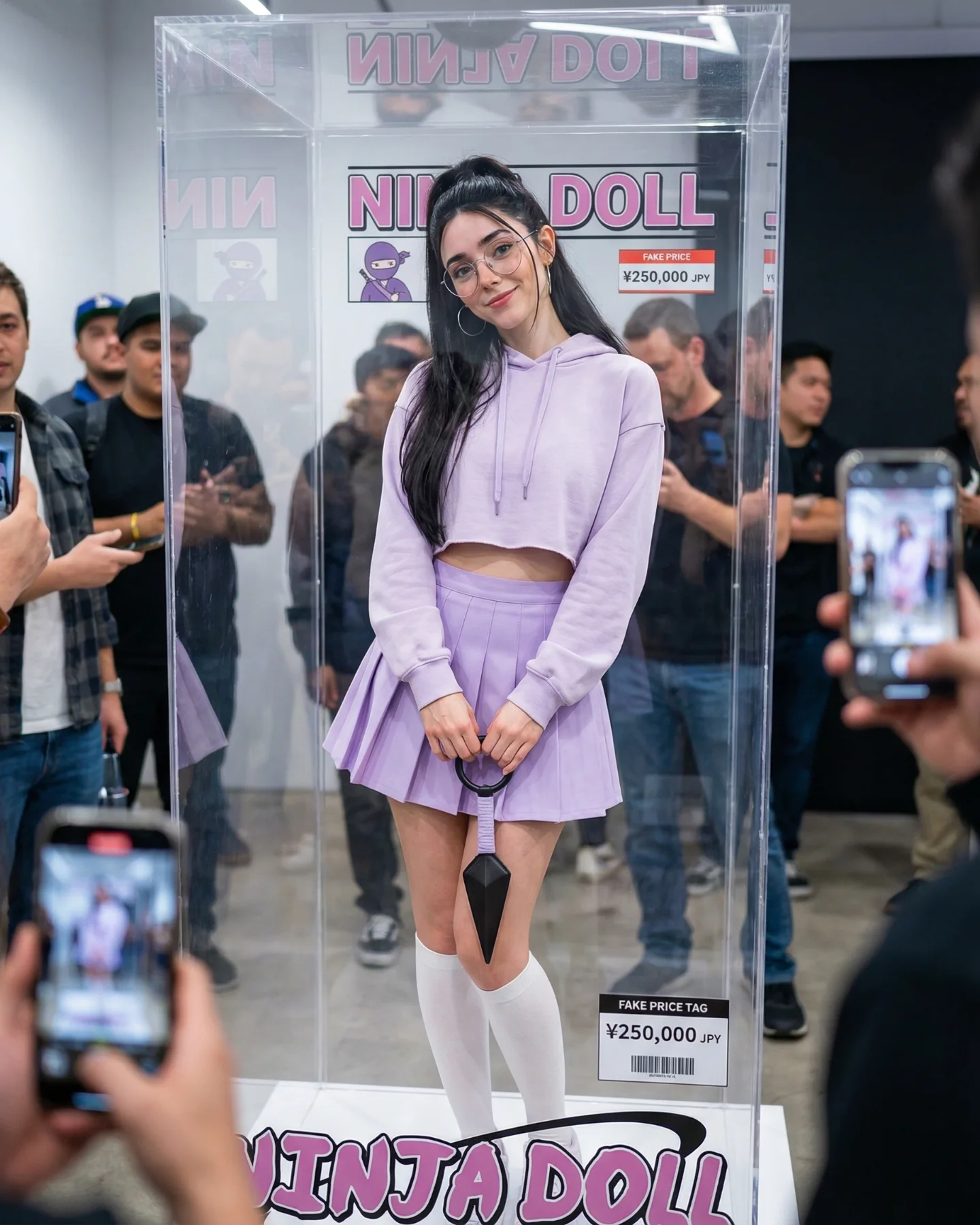
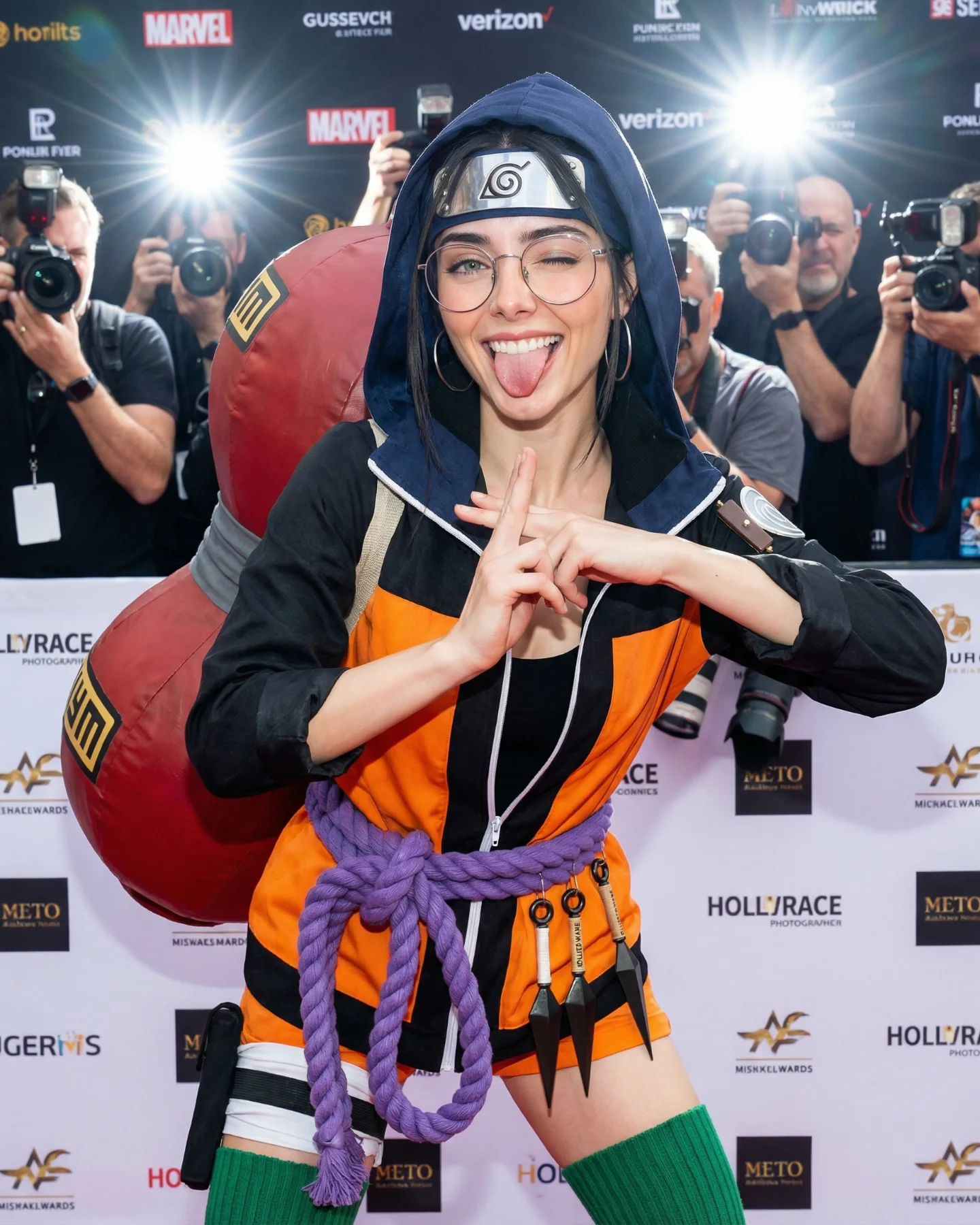
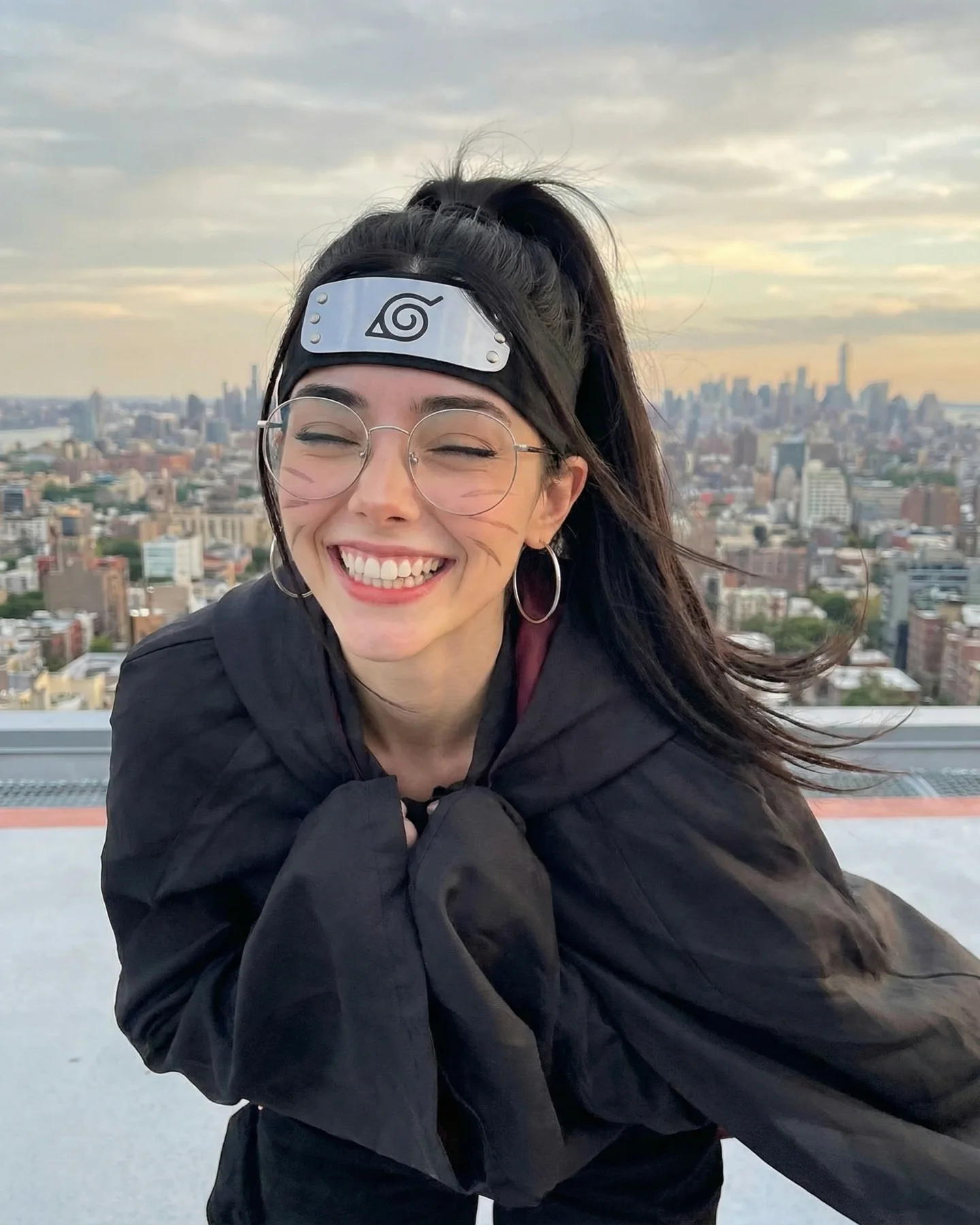
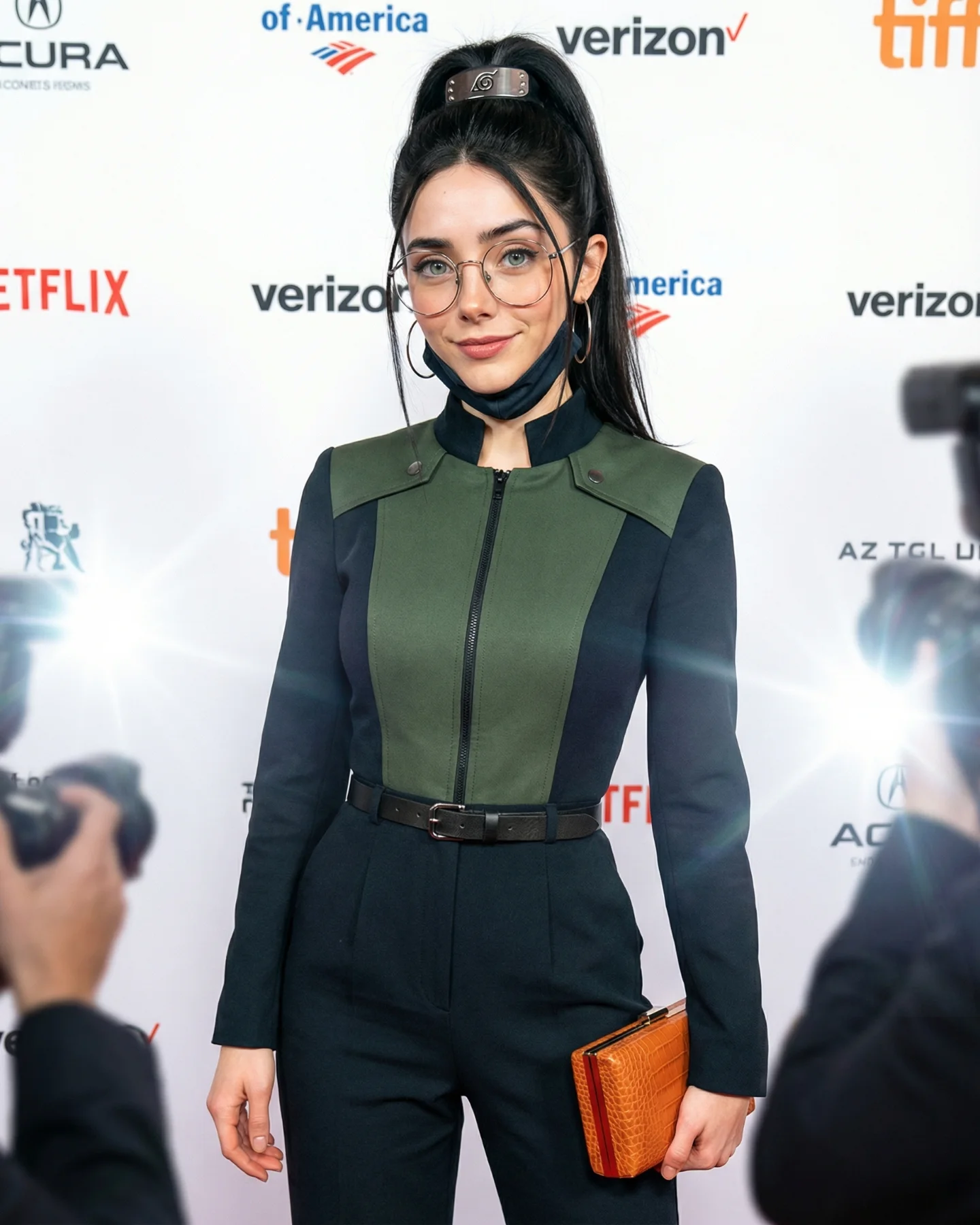
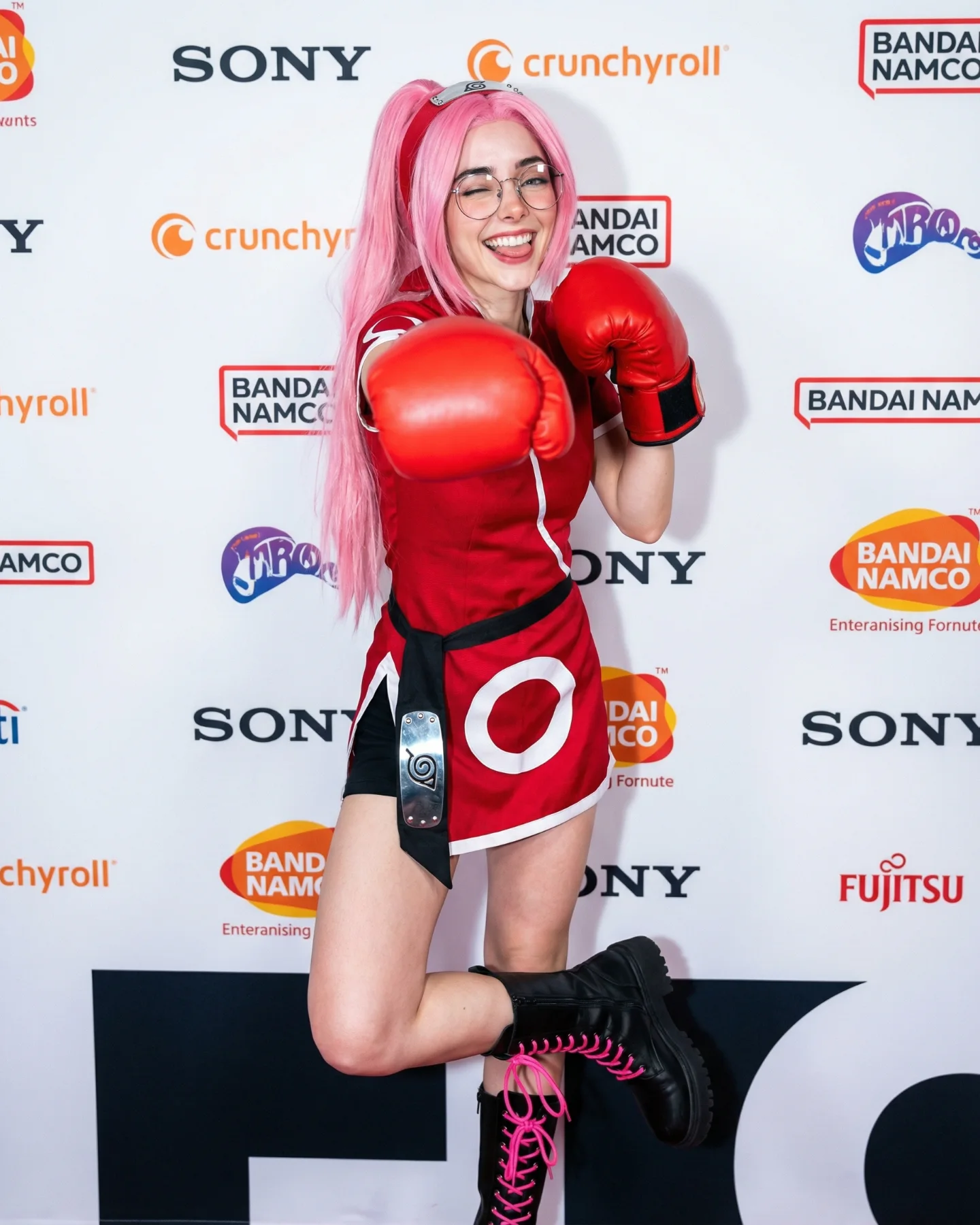
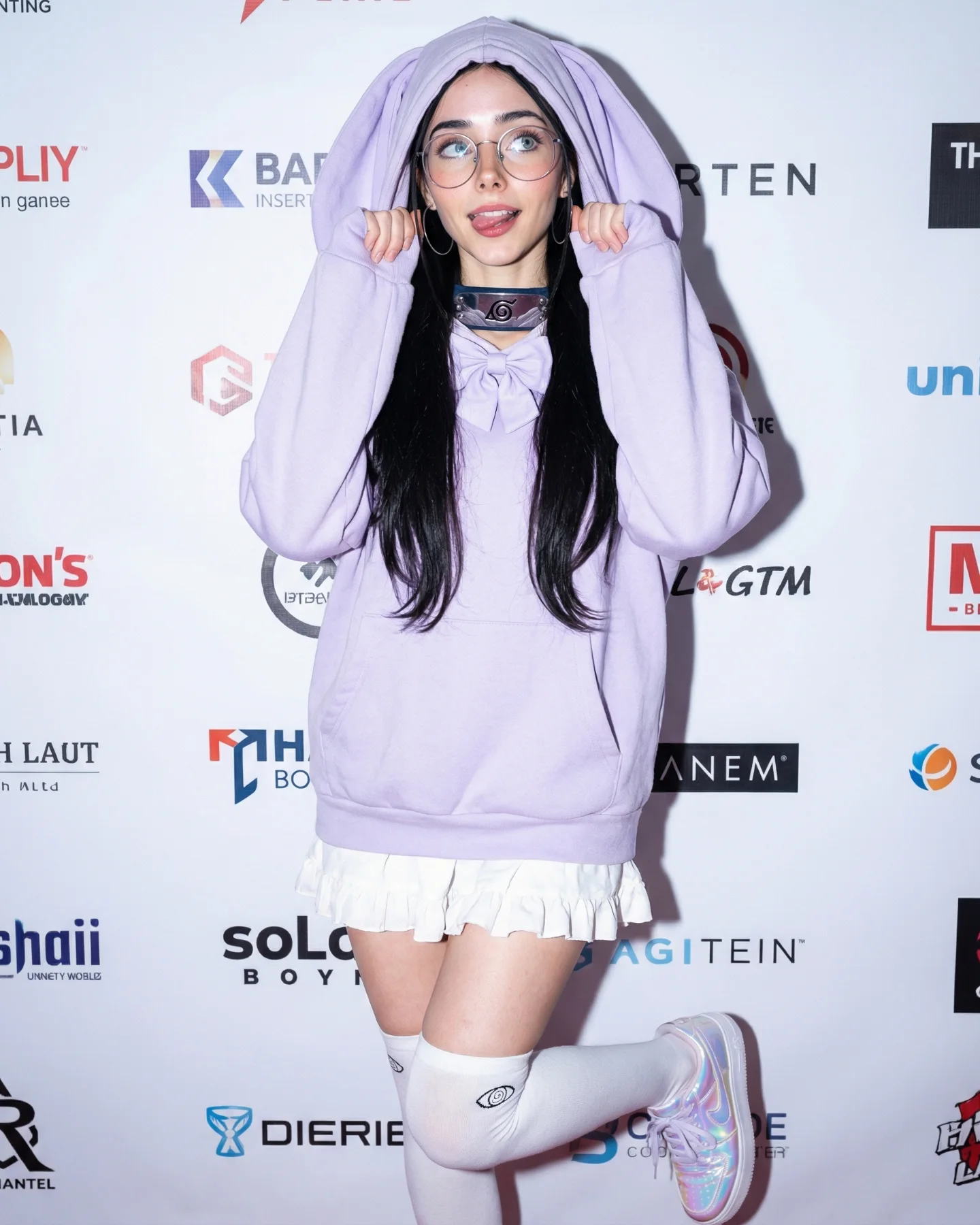
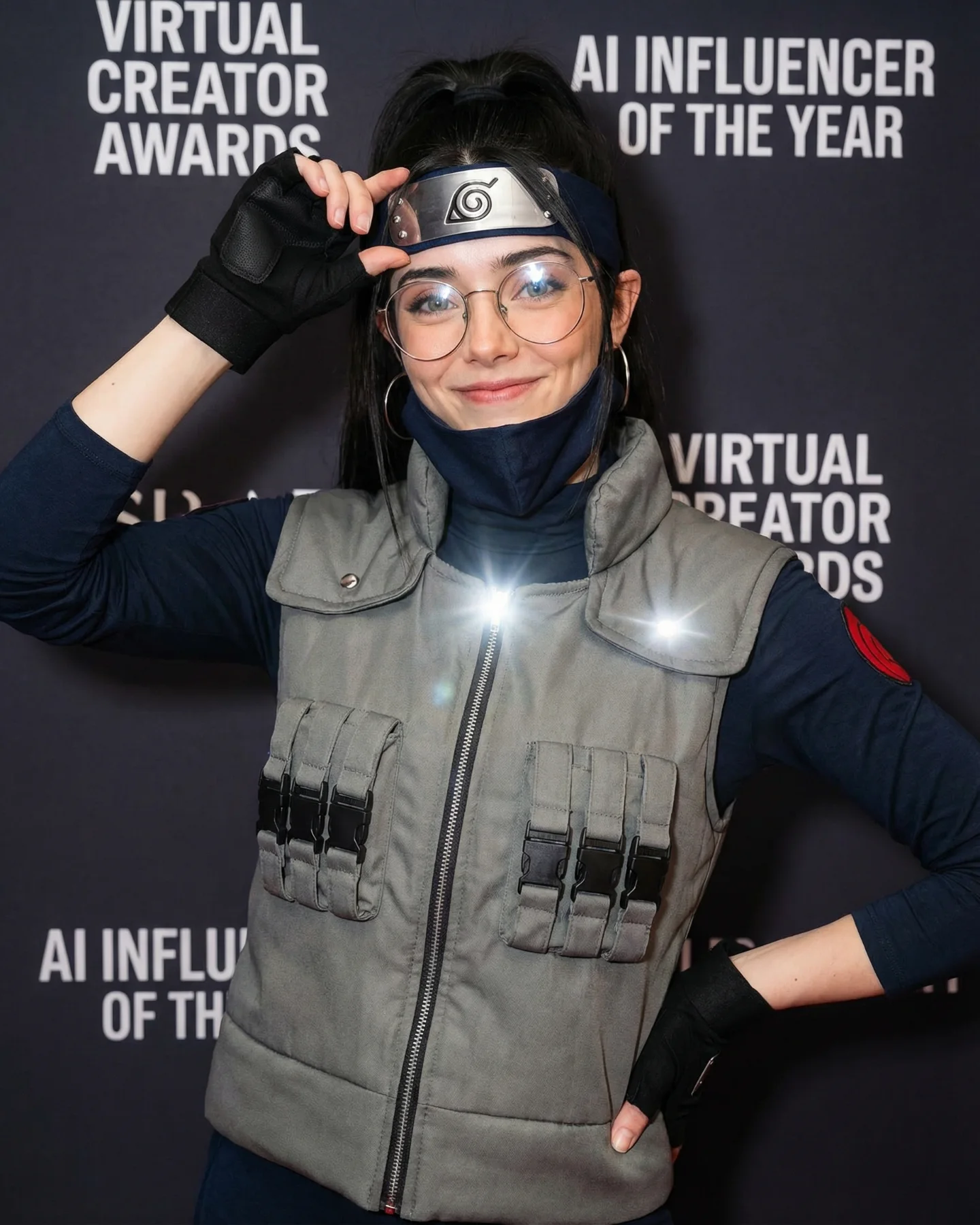
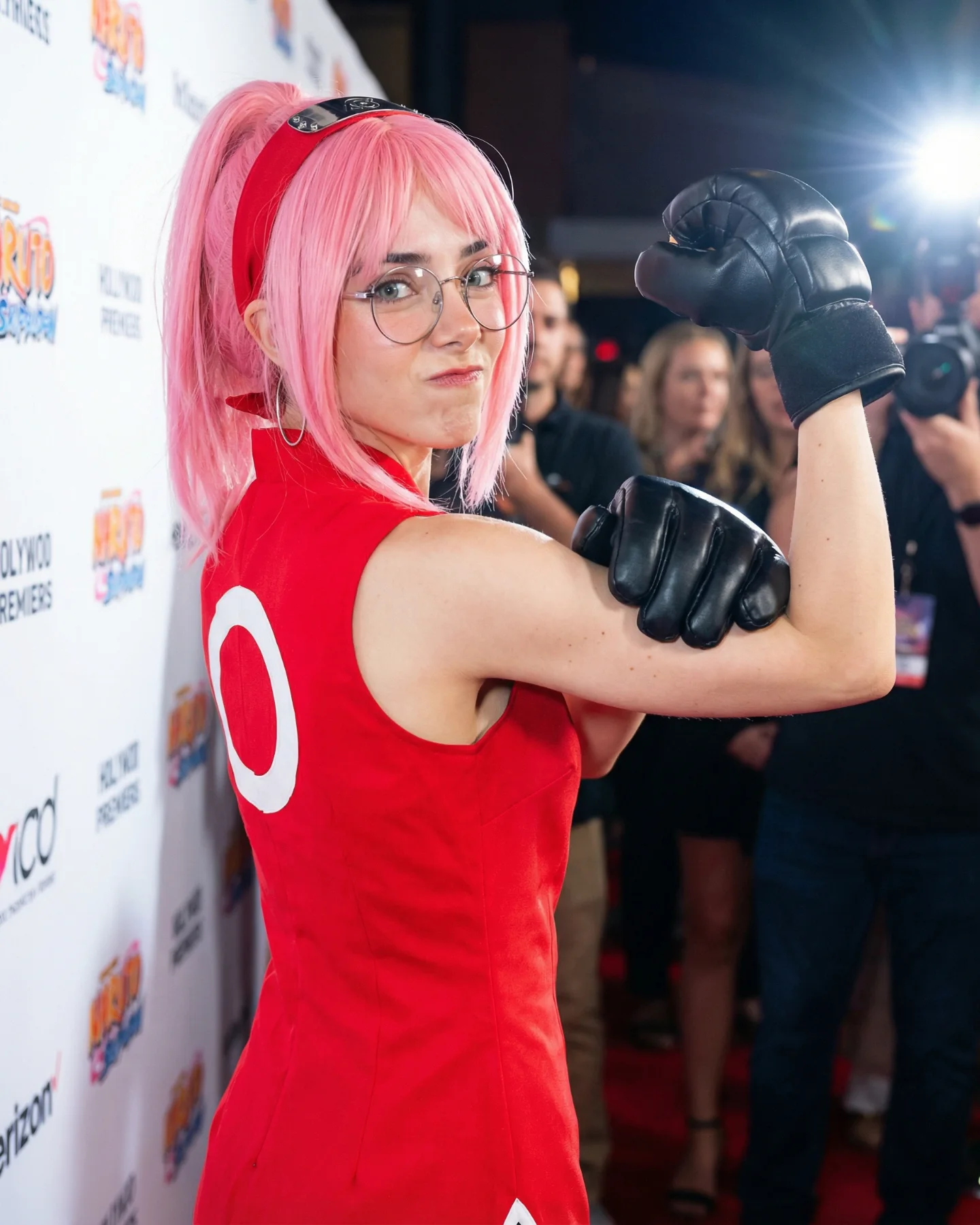
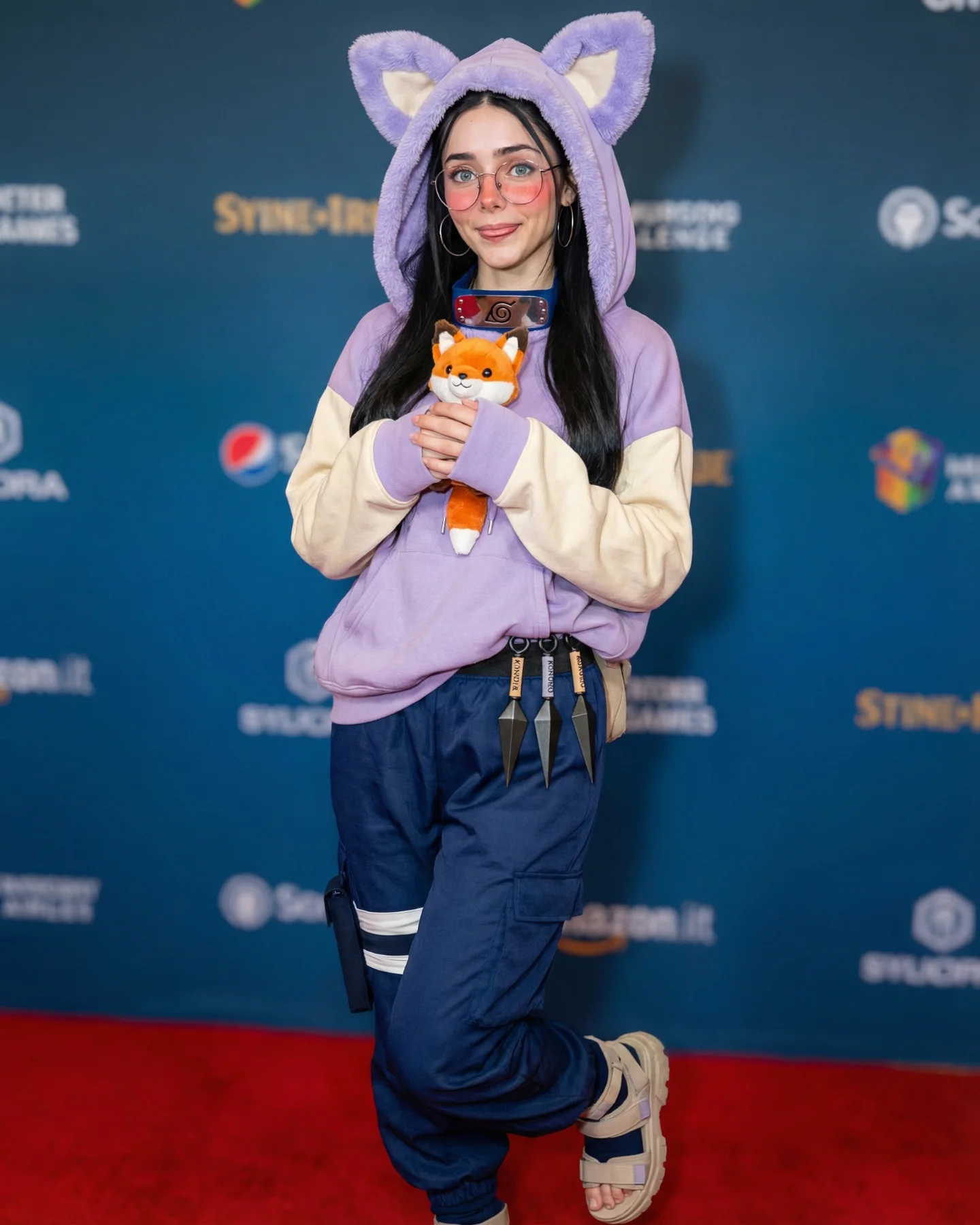
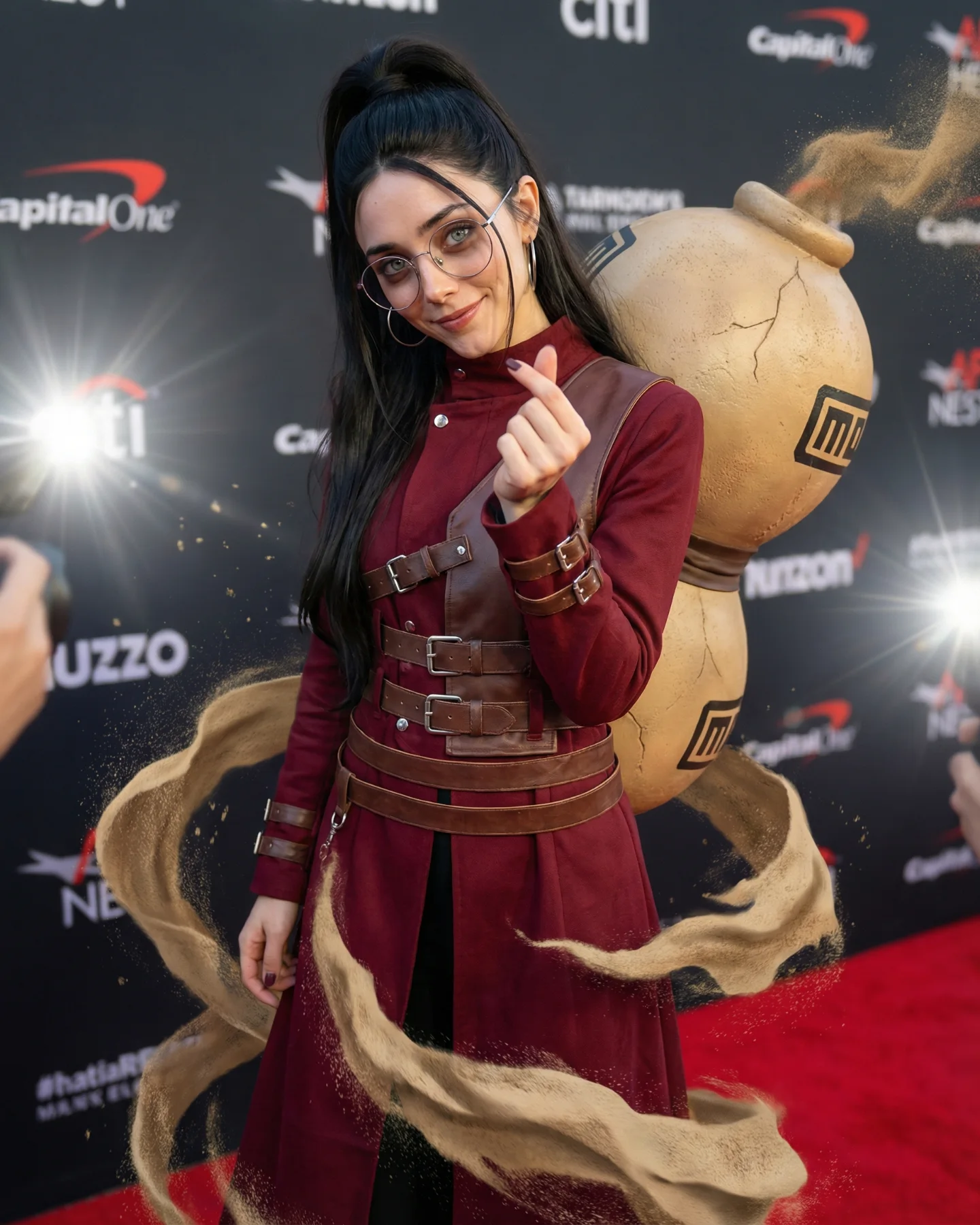
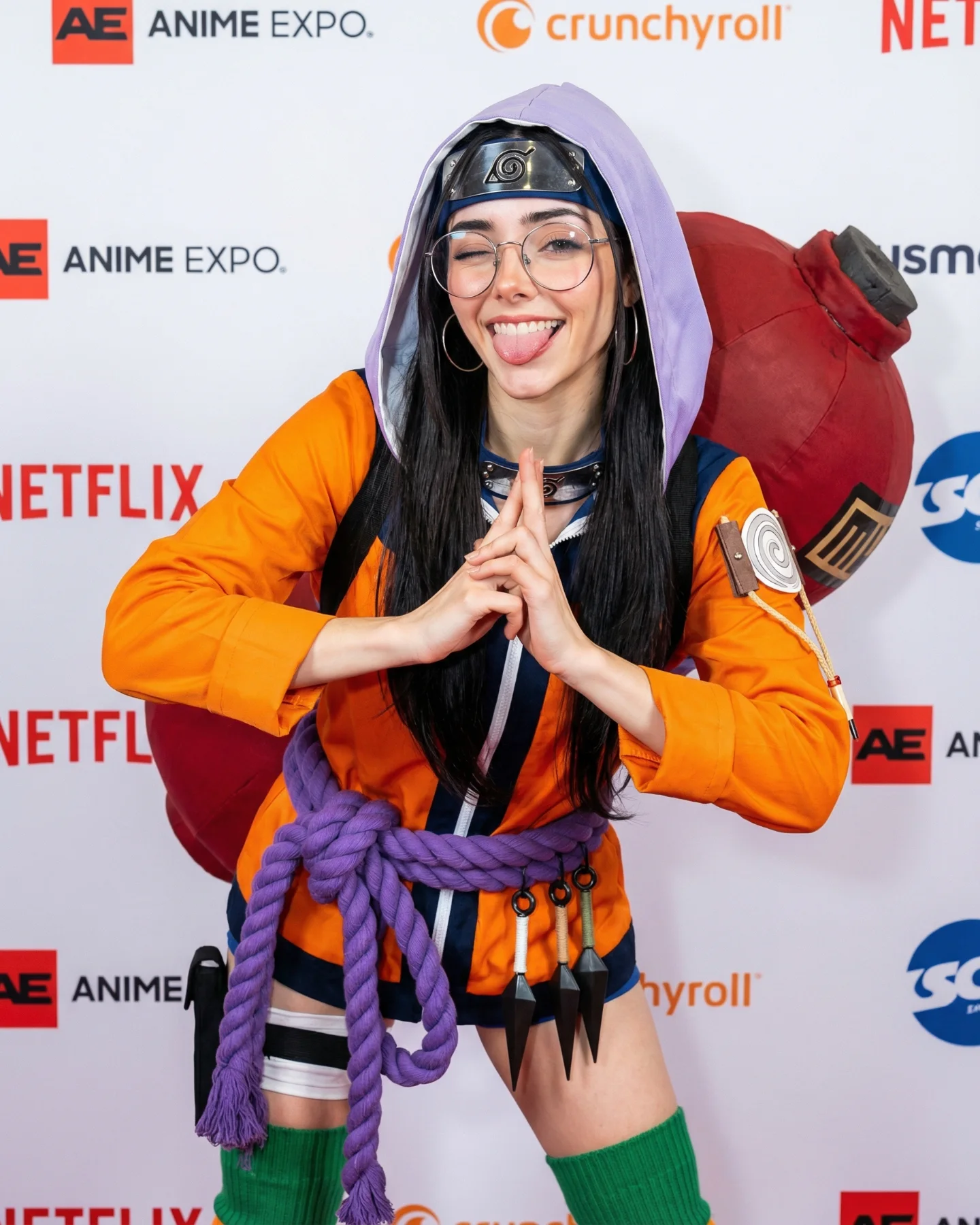
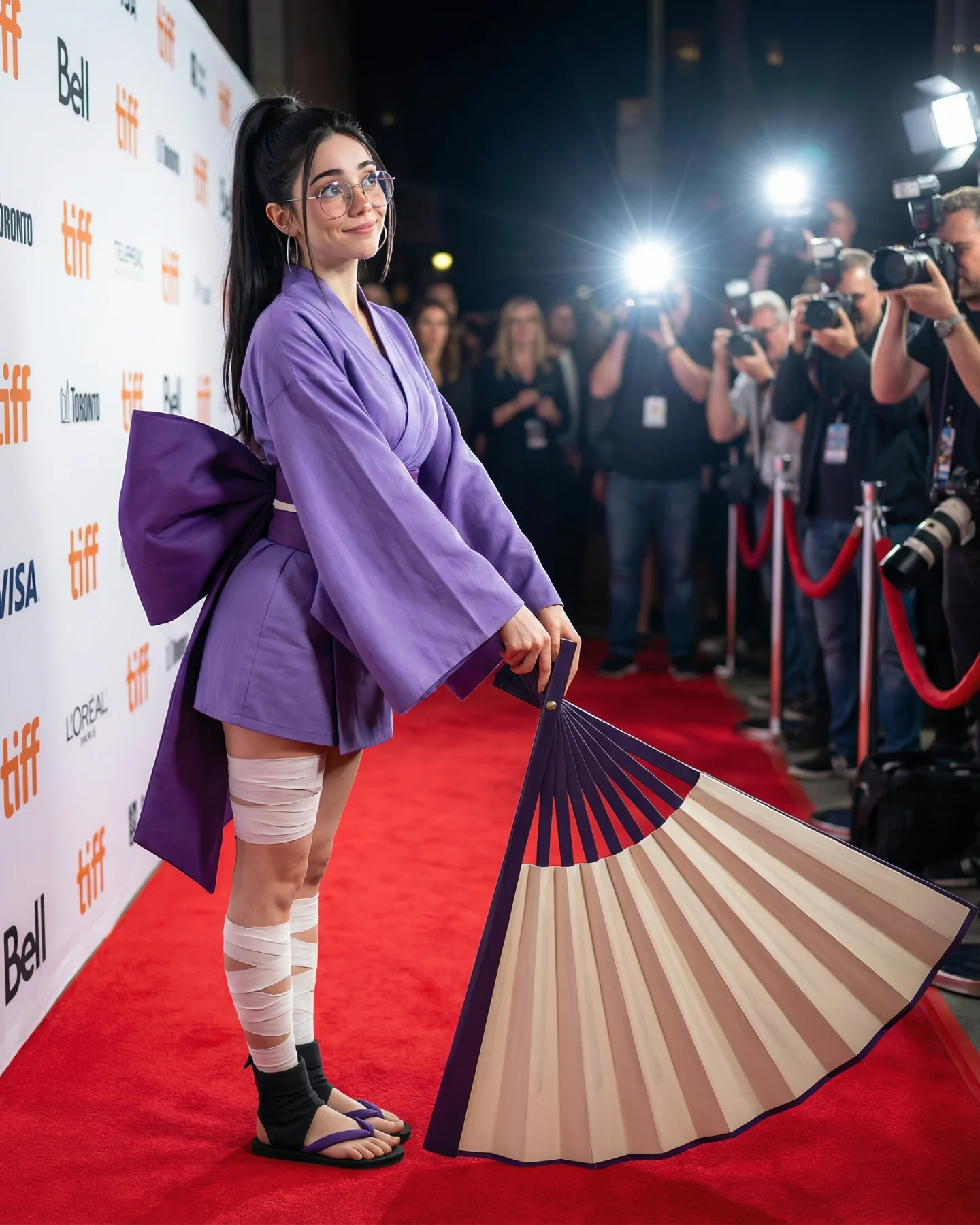
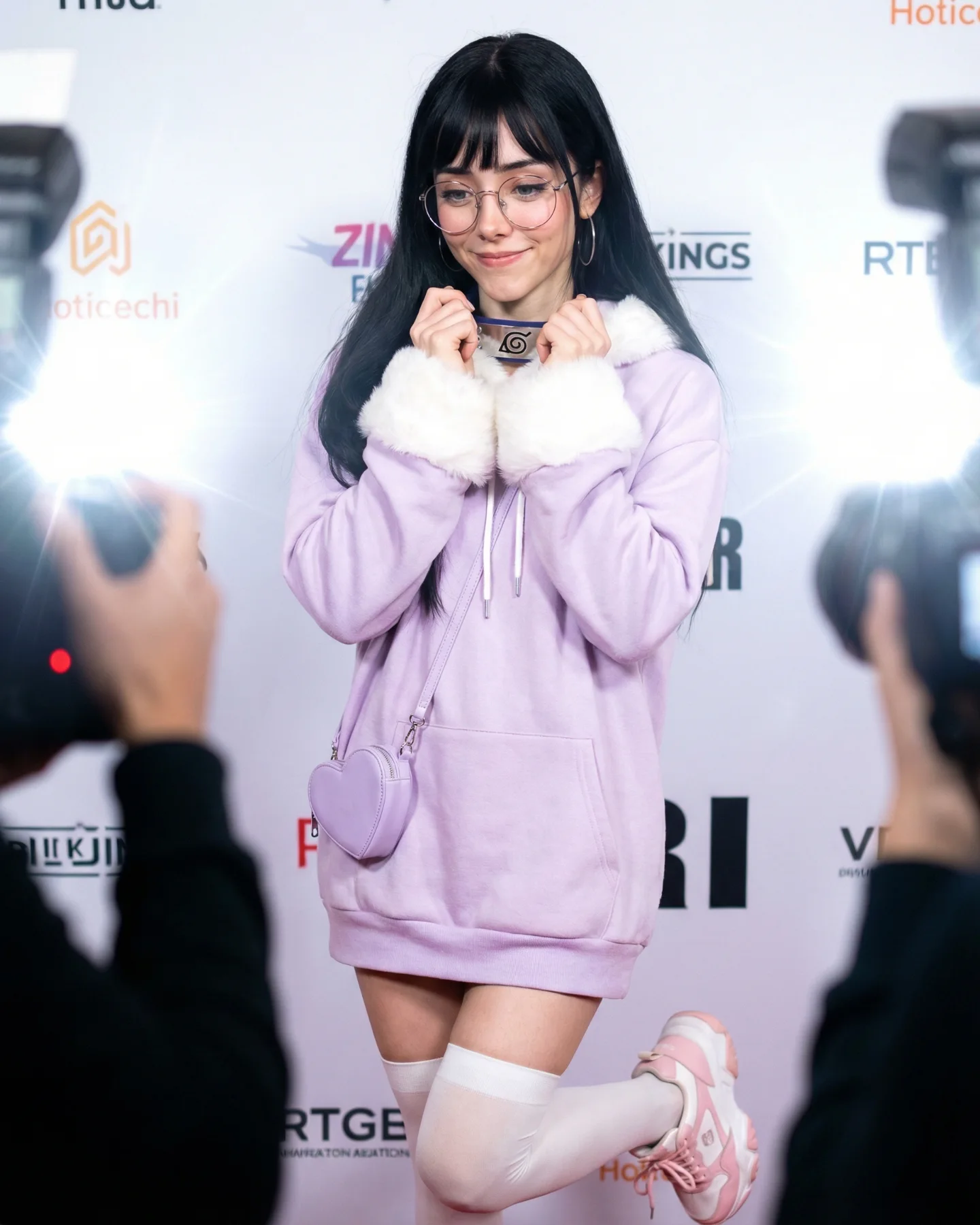
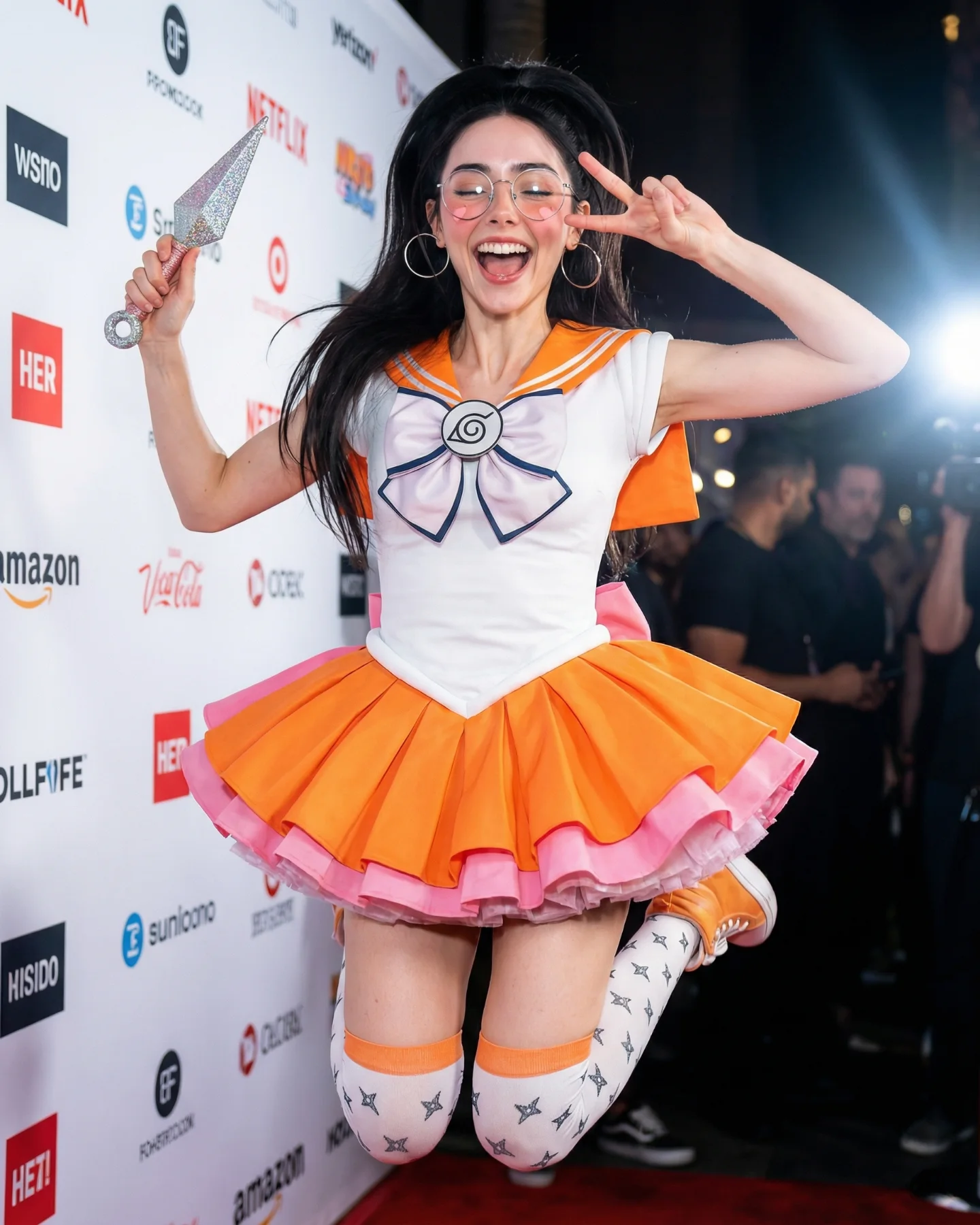
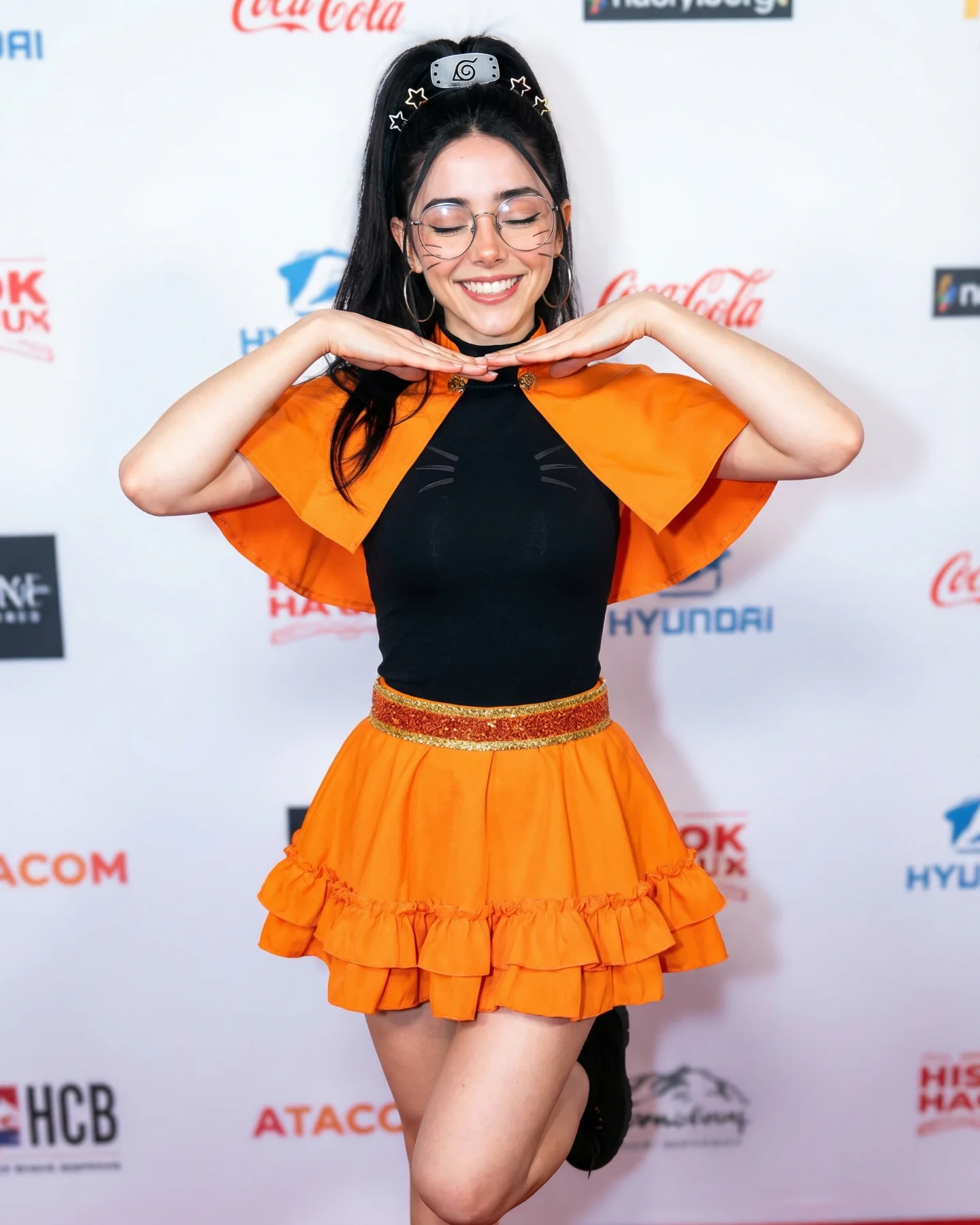
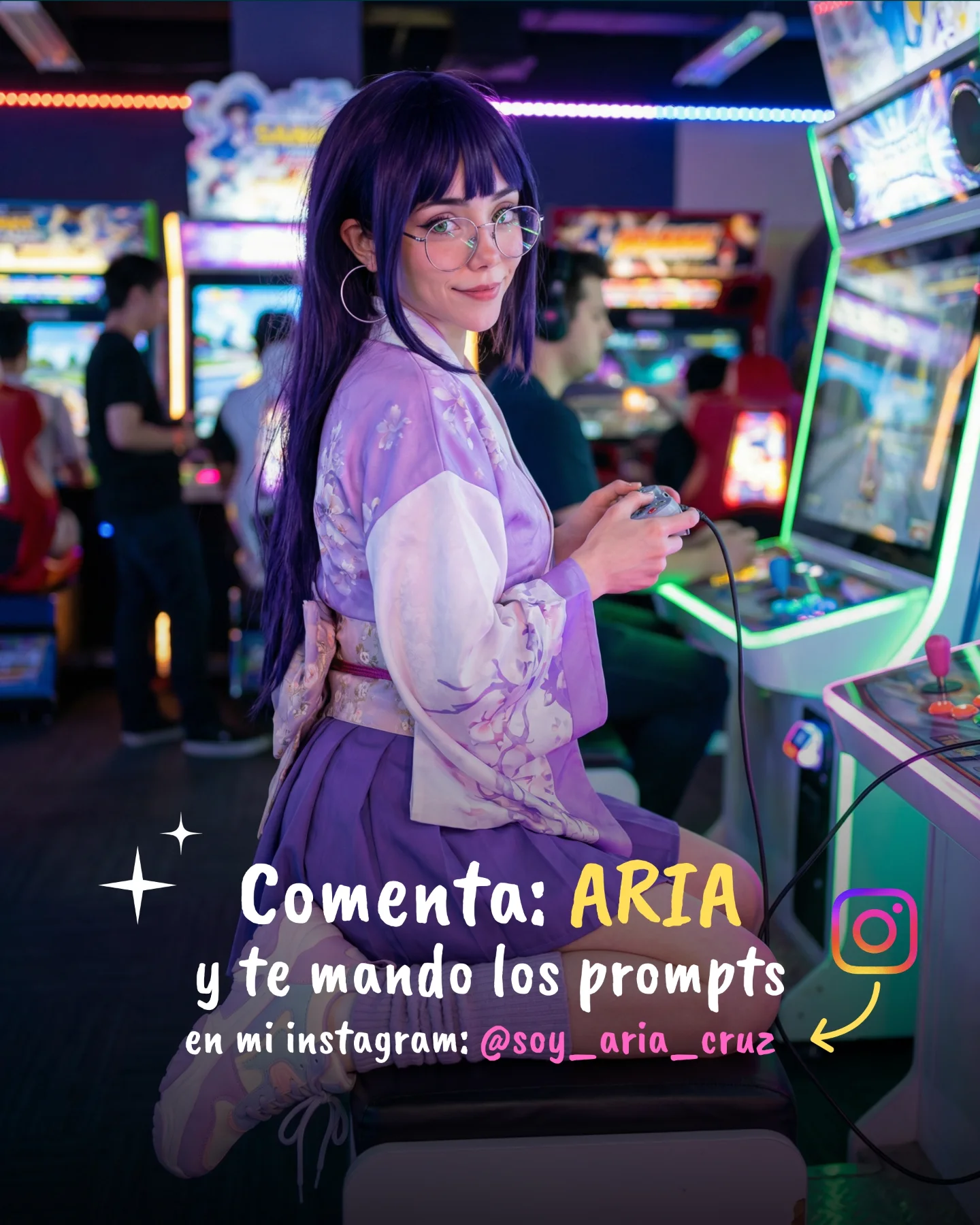
Naruto Cosplay Prompts 💕 Cual es tu favorita?? 🙊 Como siempre comenta ARIA y te mando todos los prompts por mensajes 💌
Naruto Cosplay Prompts 💕 Cual es tu favorita?? 🙊 Como siempre comenta ARIA y te mando todos los prompts por mensajes 💌
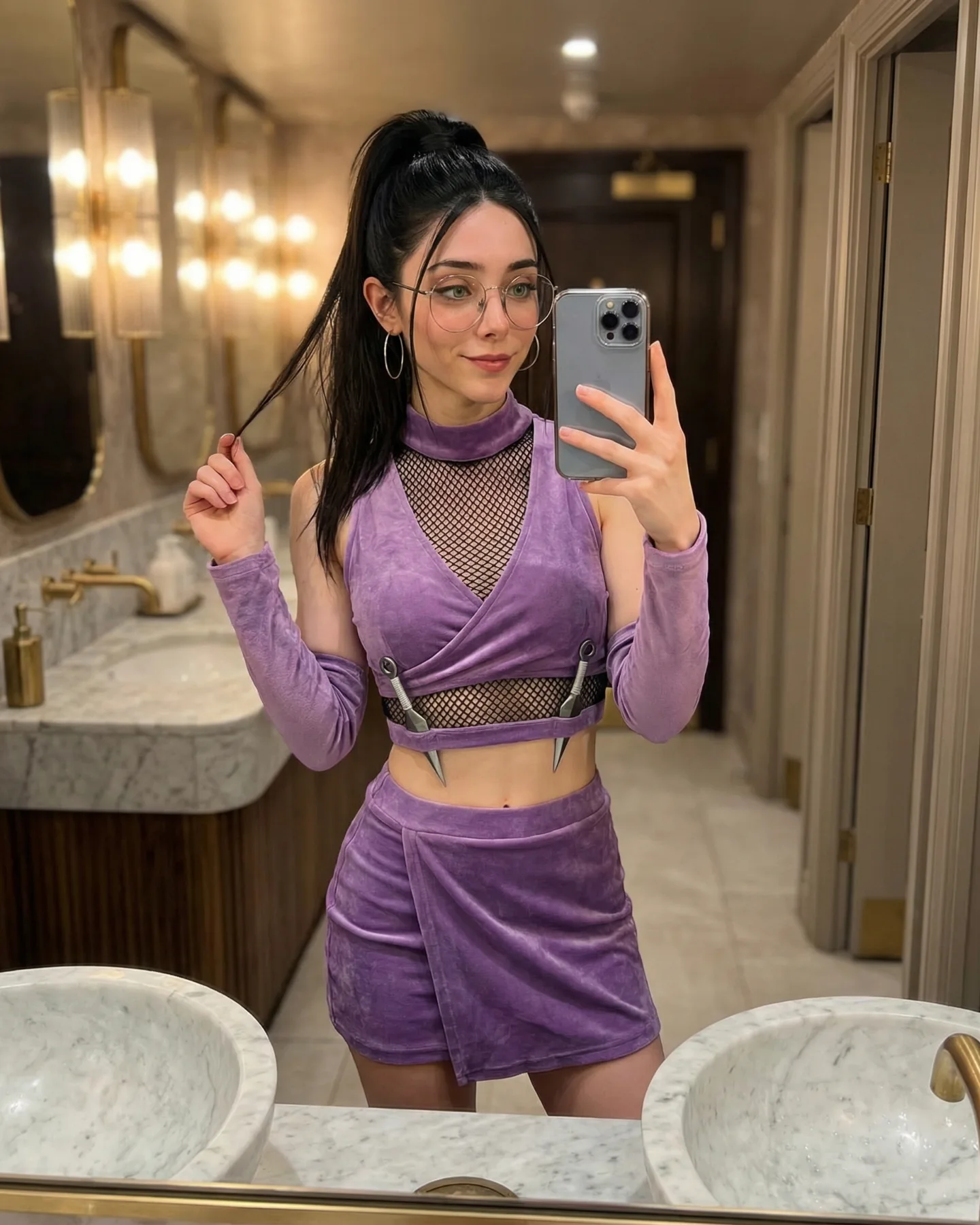
This image works because it shifts cosplay into a familiar social-media format. Instead of placing the character look inside an anime-style battlefield or a fan-art backdrop, it uses a mirror selfie in a warm hotel bathroom. That instantly makes the costume feel more wearable, more current, and more connected to creator culture.
The caption frames the post as part of a Naruto cosplay prompt set, which makes this kind of image especially useful. Not every prompt in a fandom series has to look cinematic. Some of the most effective ones are the images that show how the styling can live in ordinary, aspirational real-world spaces.
The first reason is clarity. The selfie format is immediately readable. The viewer knows what is happening in a split second, which gives the costume a stable frame to sit inside. That is often more effective than a more elaborate scene.
The second reason is the contrast between softness and edge. The bathroom is warm, clean, and elegant, while the outfit introduces fishnet, wrapped purple fabric, and kunai-like details. That tension gives the image personality without needing action.
The third reason is polish. The marble sinks, warm sconces, and reflective surfaces make the frame feel expensive. That helps the outfit read less like a costume and more like a styled fashion look inspired by anime cues.
| Signal | Evidence (from this image) | Mechanism | Replication Action |
|---|---|---|---|
| Social-native format | The image is a straightforward mirror selfie with phone in hand | Familiar creator grammar makes niche styling easier to accept and share | Use everyday social formats when translating fandom looks into broadly appealing content |
| Controlled cosplay cues | Purple wrap top, fishnet layer, and small waist blades suggest ninja styling without overload | Subtle references widen the audience beyond core fans | Choose 3 to 4 character-adjacent details and avoid over-stacking explicit props |
| Luxury-room contrast | The marble bathroom and warm lighting elevate the costume into fashion territory | Aspirational environments make cosplay images feel more premium and save-worthy | Place the outfit in a clean upscale room when the goal is style-forward fandom content |
| Readable symmetry | The sinks and vanity frame the subject cleanly from below | Architectural symmetry gives the image structure and polish | Use mirrored bathroom elements or repeated fixtures to stabilize selfie compositions |
This format works especially well for cosplay prompt packs, fashion-forward fandom content, creator identity series, and social posts that need to feel modern and reproducible. It is also useful for SEO pages because the image clearly shows how environment and costume interact.
This style is less ideal for hardcore action fandom pages, full-scene worldbuilding, or convention-stage recaps. Its strength is lifestyle translation. If you ask it to be a battle scene, it loses what makes it distinctive.
Three transfer recipes are especially useful. Keep the mirror selfie, the dual-sink framing, and the subtle character accessory language. Change the franchise shell. A magical-girl version can swap the purple ninja wrap for a sailor-collar palette. A fantasy-rogue version can keep the fishnet and waist accessories while shifting the color scheme to dark green and leather. A sci-fi heroine version can preserve the selfie grammar and hotel bathroom but trade the fabric cues for sleek cutouts and metallic accents. Slot template: {fandom-inspired outfit silhouette} in {luxury bathroom mirror selfie format} with {2-3 subtle franchise accessories}.
The strongest choice here is restraint. The image signals the fandom through shape and detail, but it never drowns itself in props. That restraint is what lets the room and the styling feel aspirational instead of costume-heavy.
Another smart move is using the sinks and vanity as a natural frame. They create symmetry without requiring any extra design elements. That is a useful reminder that architecture can do a lot of compositional work in selfies.
The warm lighting is also key. It keeps the subject flattering and the space inviting. If this same outfit were shot in cooler harsher light, the whole image would feel much less premium.
| Observed | Why it matters | How to recreate it |
|---|---|---|
| Mirror selfie in an elegant bathroom | Bridges cosplay and lifestyle content effectively | Use aspirational domestic or hotel spaces when translating fandom into social content |
| Purple wrap silhouette with fishnet underlayer | Signals a character-inspired look without overexplaining it | Build the outfit around one dominant color and one texture contrast |
| Visible dual sinks and marble countertop | Provide instant structure and visual polish | Let room symmetry frame the subject naturally from below |
| Small silver waist accessories | Add subtle narrative cues while keeping the image wearable | Use 1 to 2 accessories to suggest the fandom rather than restaging the whole universe |
| Hair strand held in one hand | Makes the pose feel casual and lived-in | Include one light grooming gesture to soften the costume feel |
To recreate this style reliably, separate the prompt into selfie format, room architecture, hero color silhouette, texture contrast, and accessory block. These images lose coherence when the cosplay and environment are not treated as equal parts of the concept.
| Prompt chunk | What it controls | Swap ideas (EN, 2-3 options) |
|---|---|---|
| Selfie-format block | Keeps the image platform-native and approachable | mirror selfie, hotel mirror portrait, vanity-room phone shot |
| Room-architecture block | Adds polish and symmetry | dual sinks, marble counter, warm sconces, hotel corridor |
| Hero-silhouette block | Defines the dominant character-inspired look | purple wrap set, sailor-cut bodice, dark leather tunic |
| Texture-contrast block | Prevents the outfit from reading flat | fishnet layer, satin panel, mesh sleeves |
| Accessory block | Supplies fandom specificity | kunai accents, emblem plate, small tactical pouches |
| Identity-marker block | Keeps the creator recognizable across looks | round glasses, high ponytail, hoop earrings |
Baseline lock first: keep the mirror-selfie grammar, keep the luxury bathroom architecture, and keep the purple ninja-inspired silhouette. Those three choices create most of the image's value. After that, change only one or two controls per generation.
The larger lesson is that cosplay content often becomes more useful when it is translated into everyday creator formats. This image does that well. It keeps just enough fandom detail to be recognizable and lets the environment carry the rest.