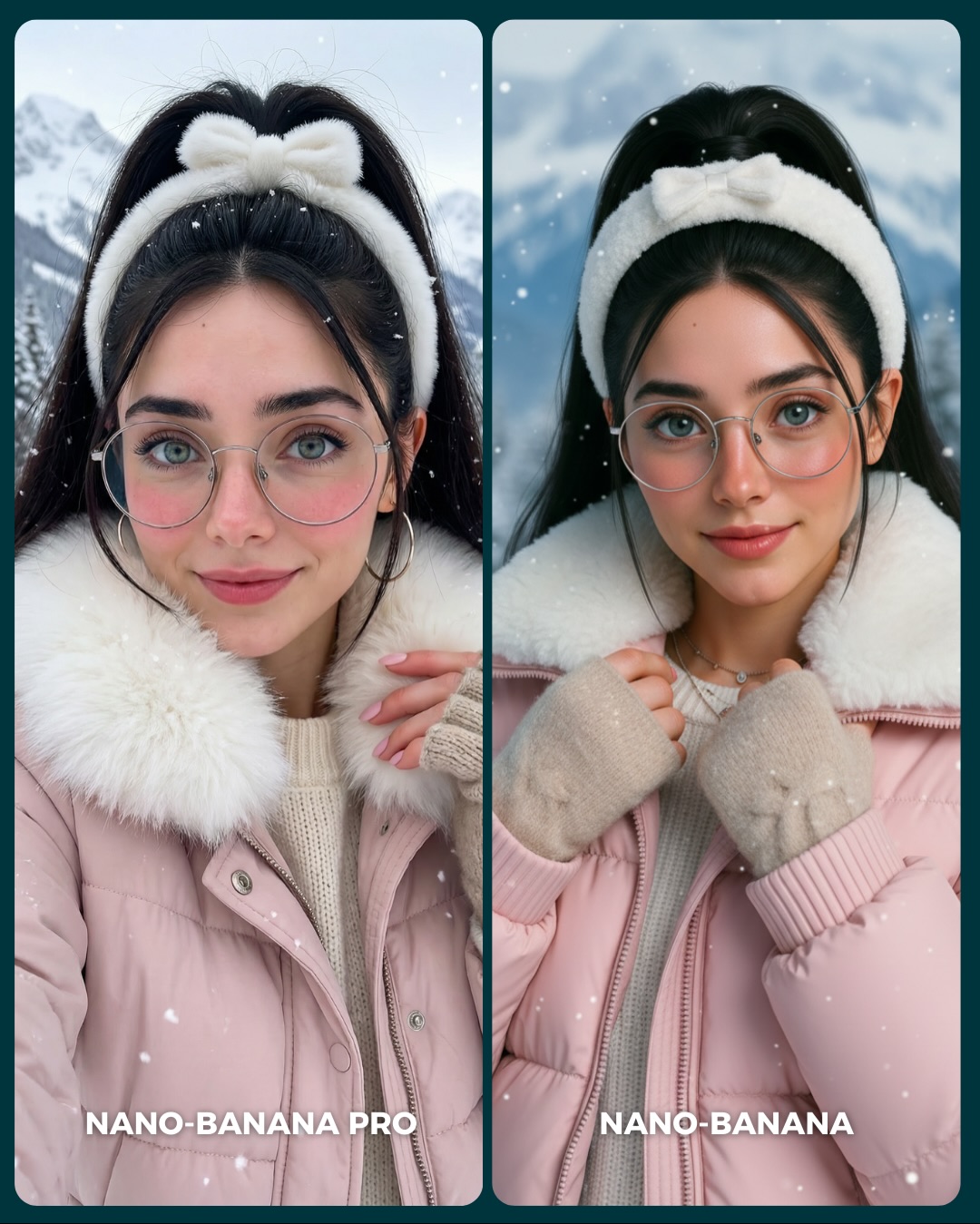
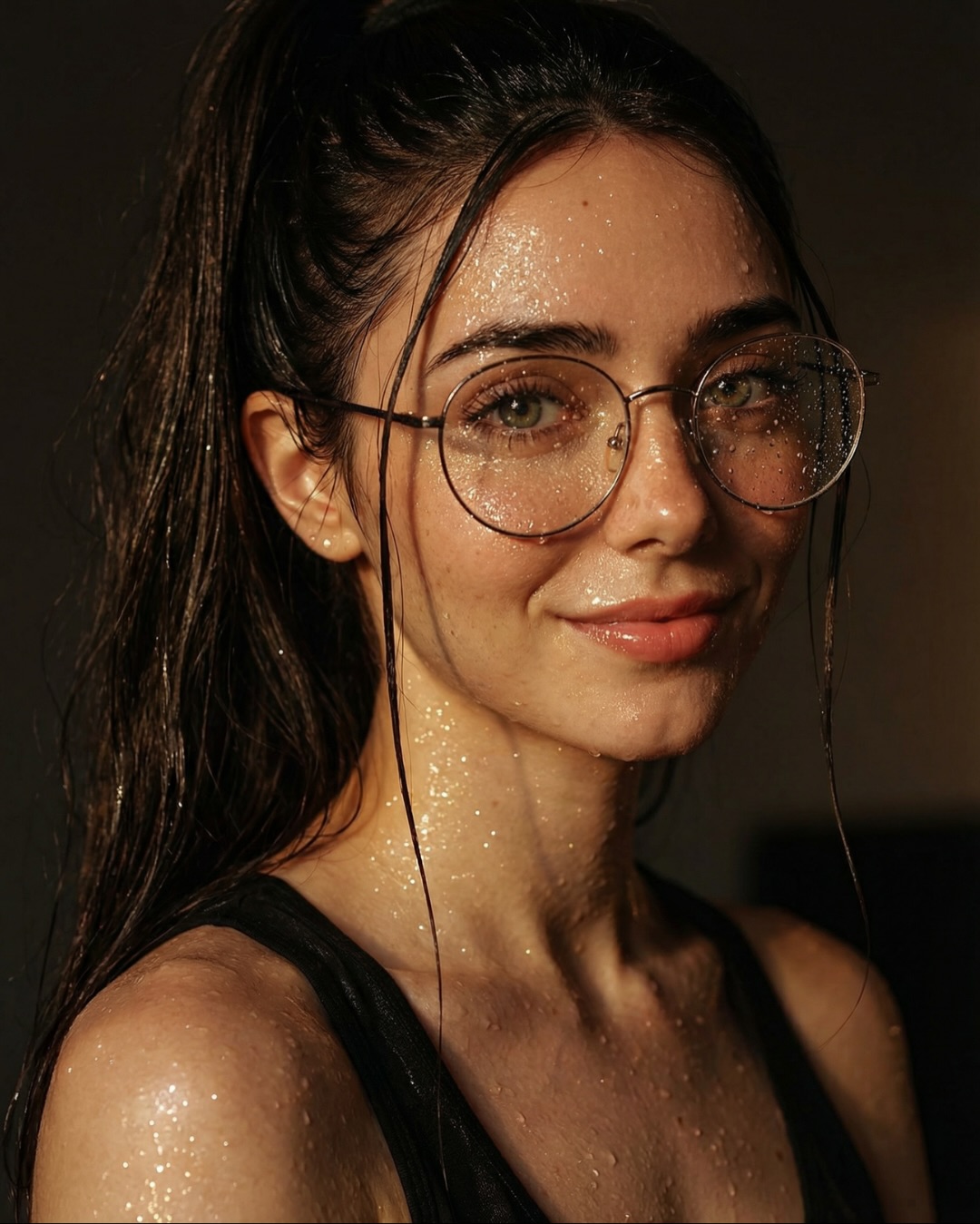
How to Create an Extreme Face Detail Comparison AI Image
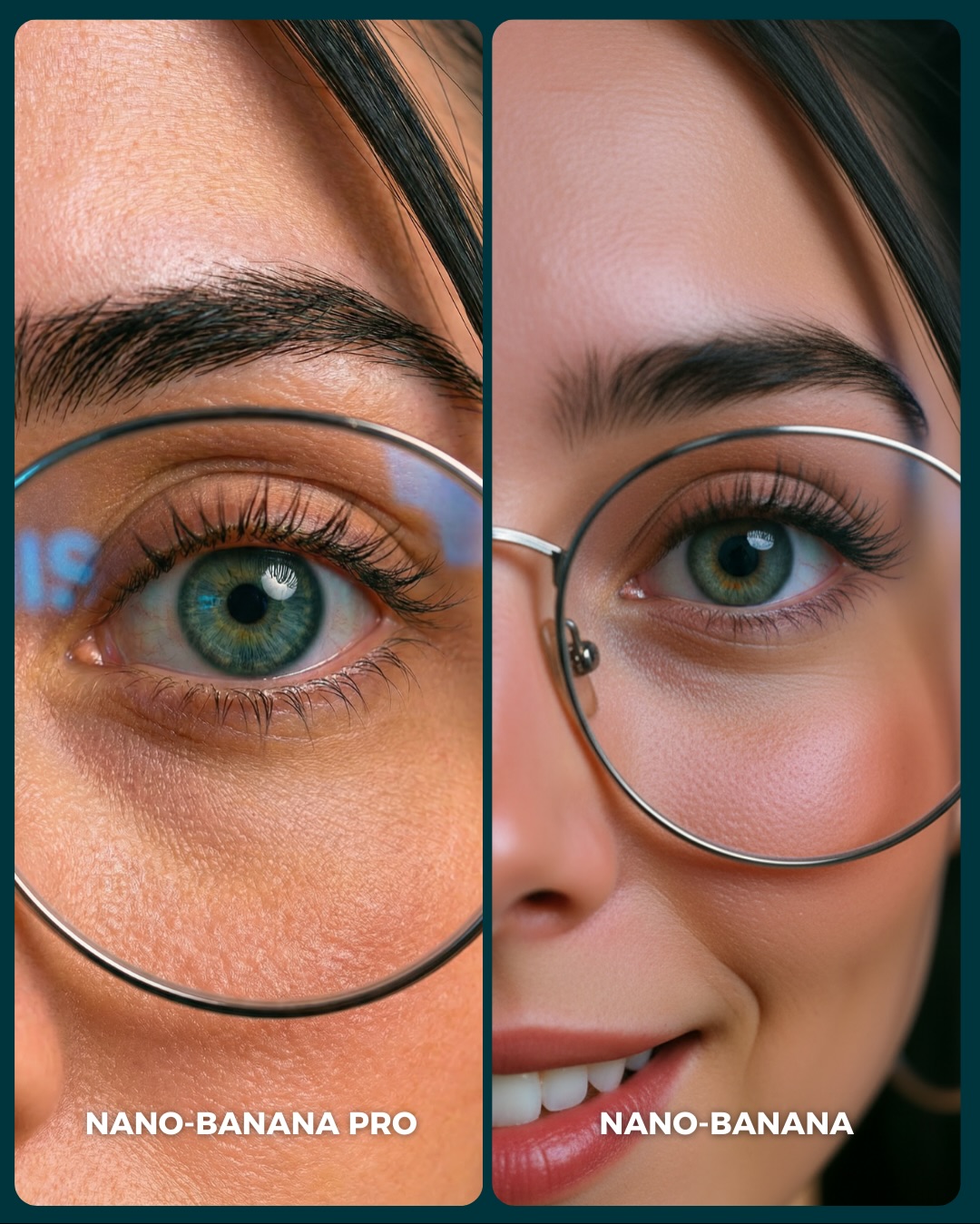
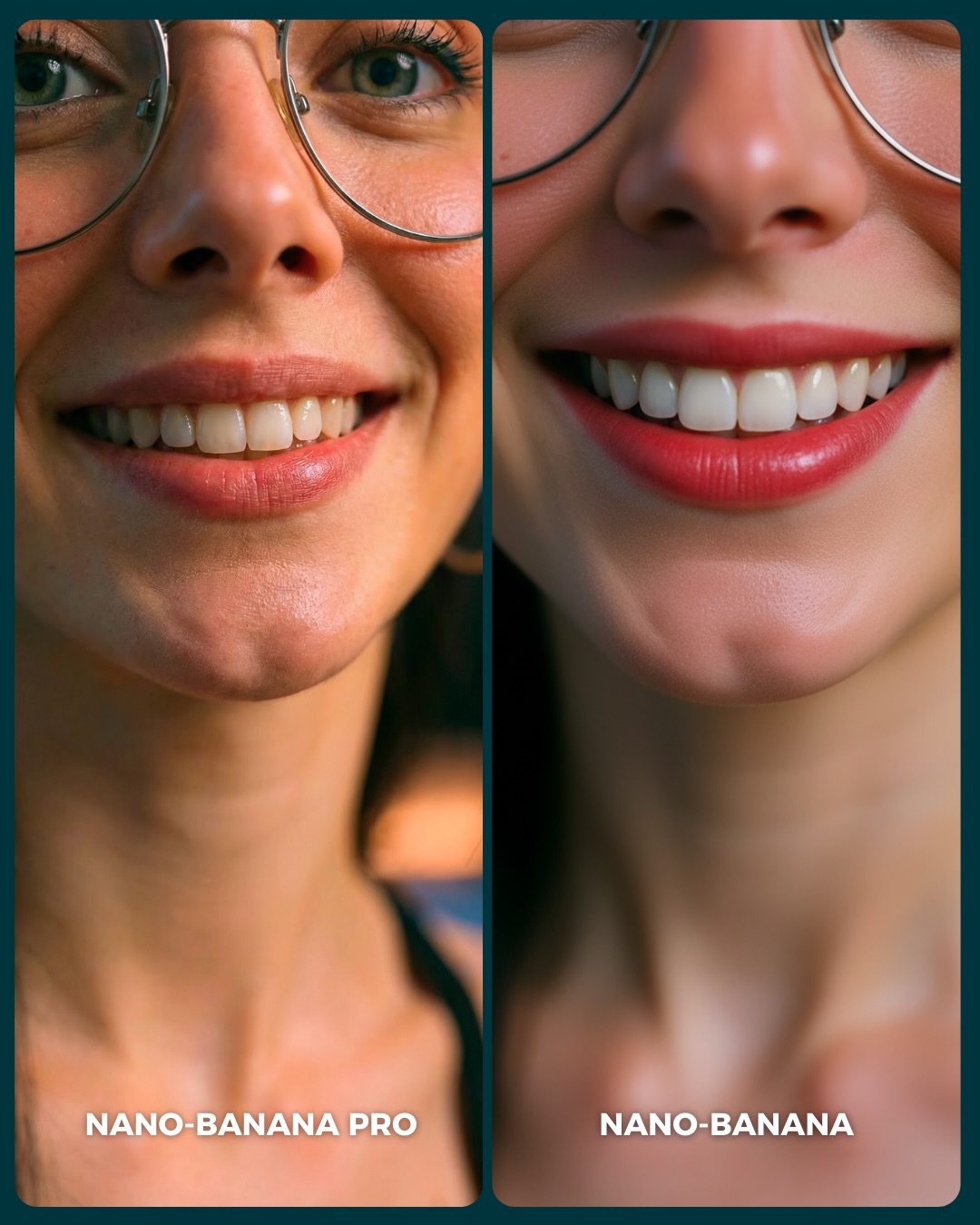
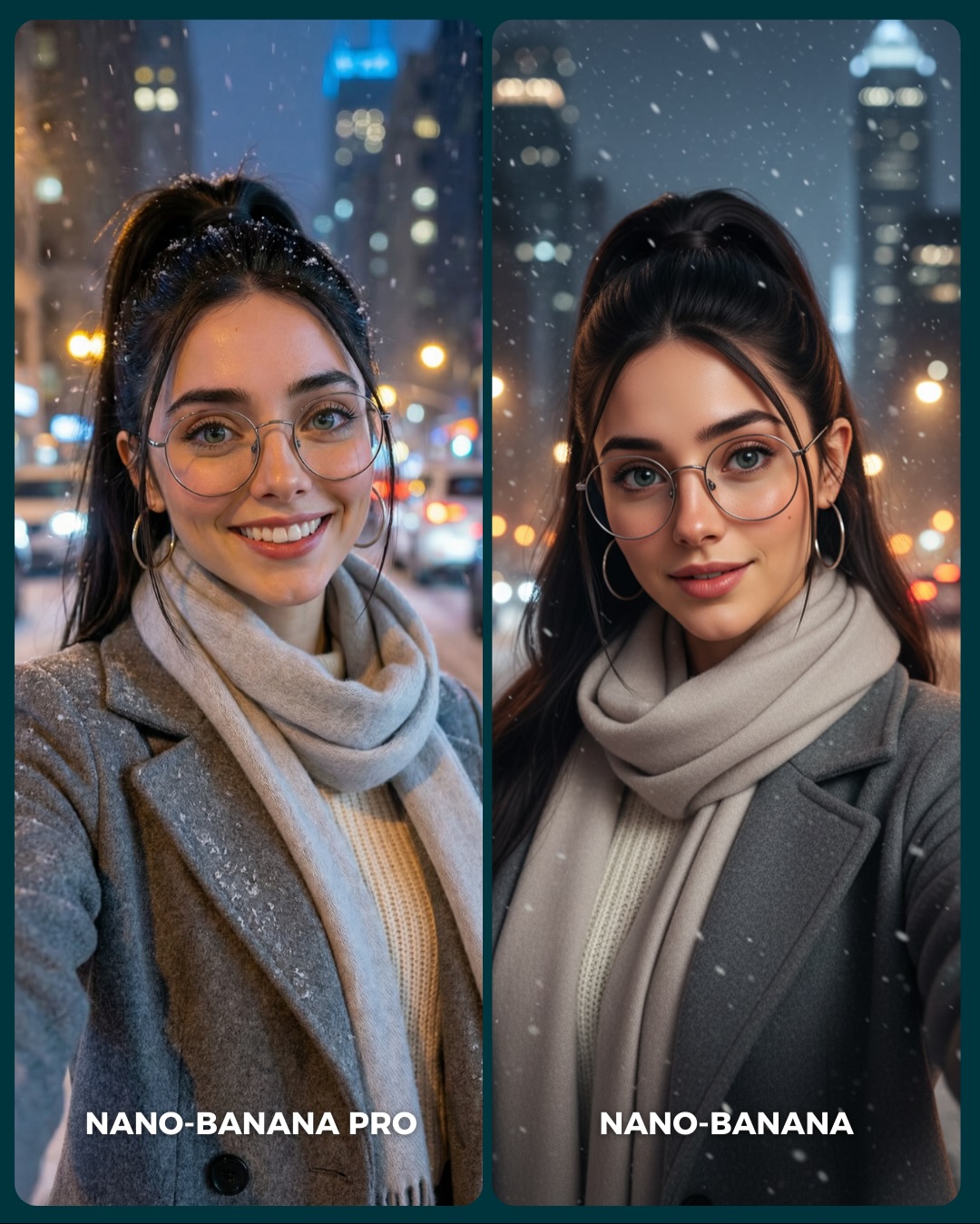
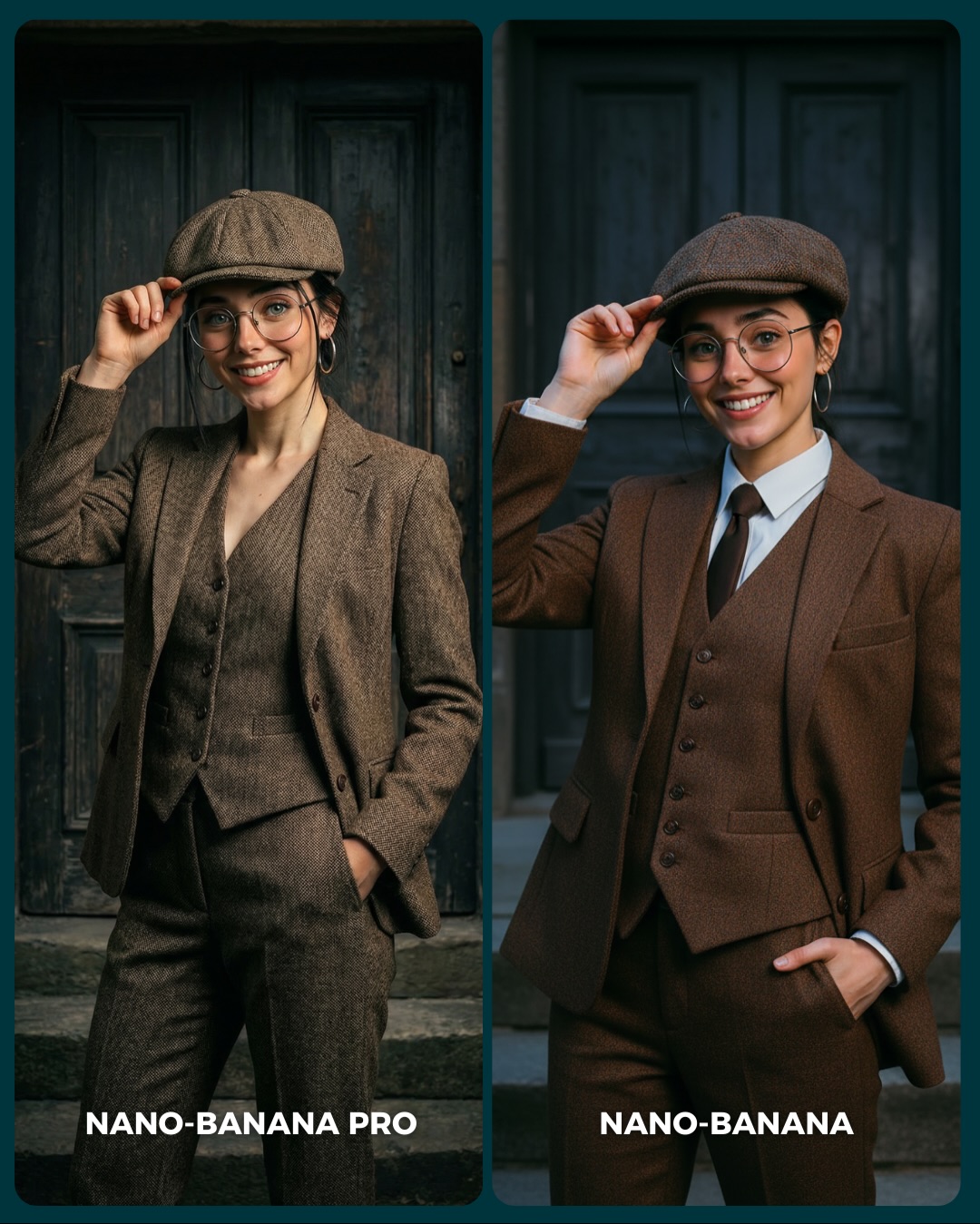
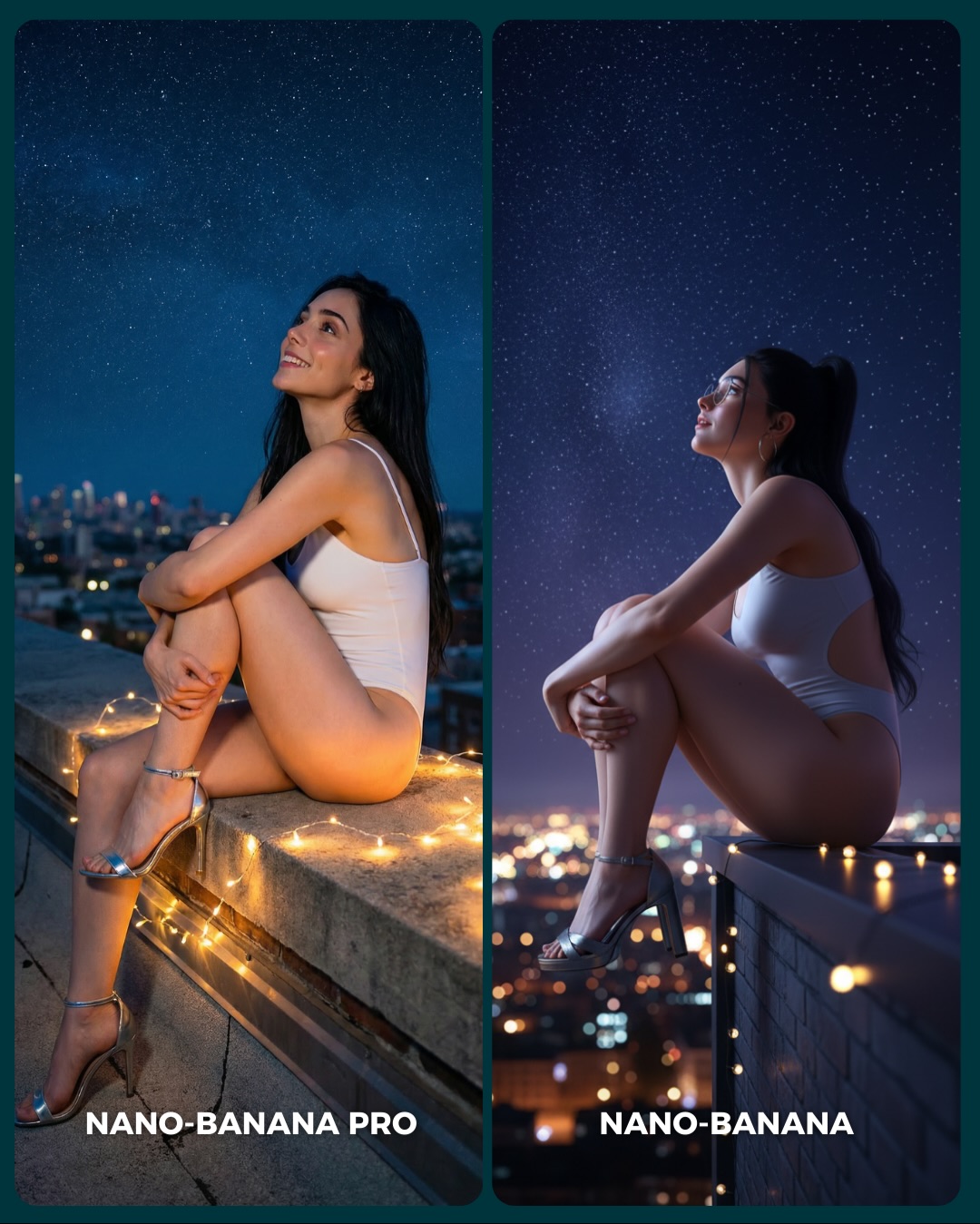
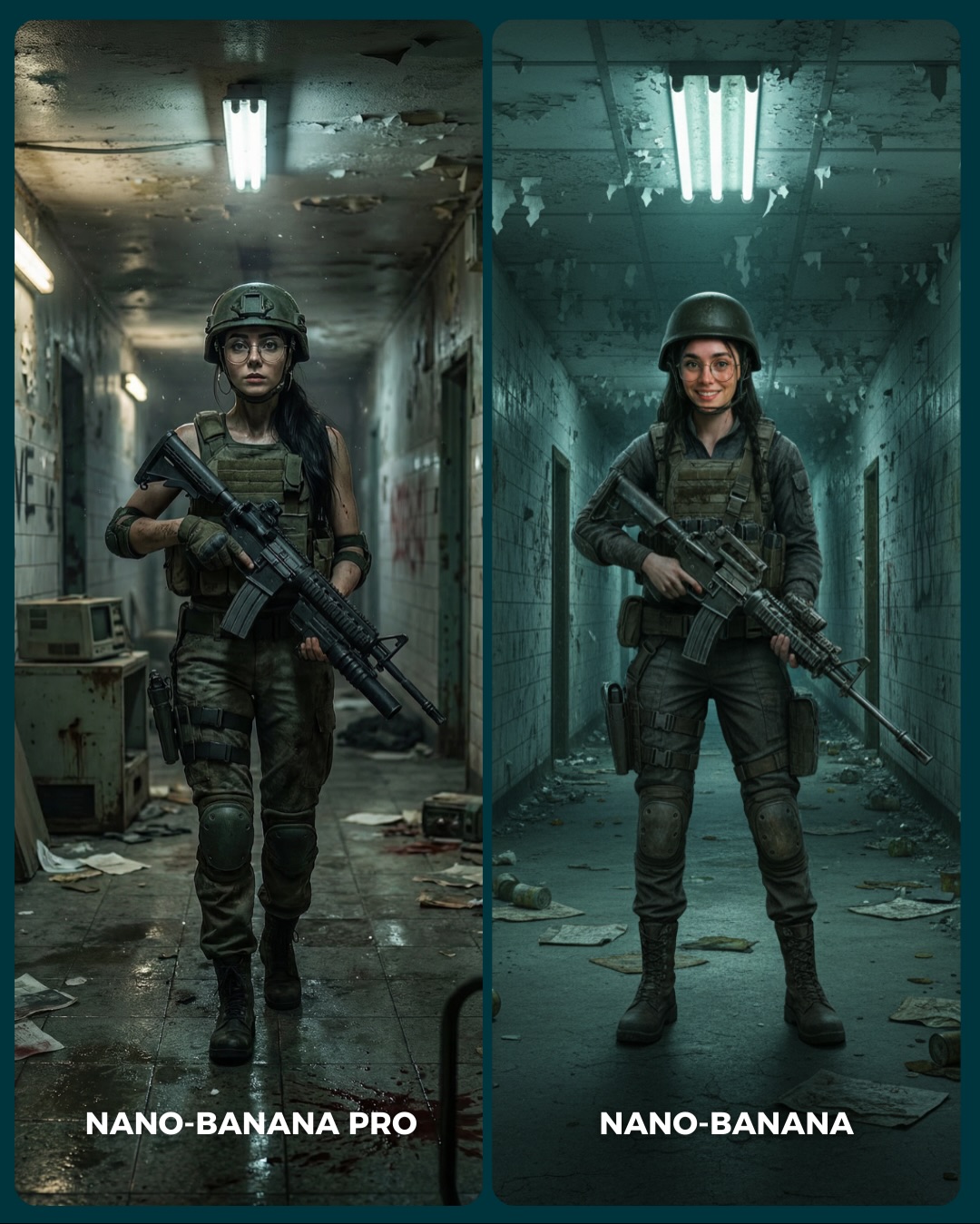
This image works because it compares one of the hardest things for portrait models to handle convincingly: subtle human facial detail at very close range. By zooming this far in, tiny differences become impossible to ignore.
Why it works
The eye is the perfect focal point. Humans are extremely sensitive to how eyes, lashes, brows, and skin around the eye are rendered, so even small quality differences are immediately legible.
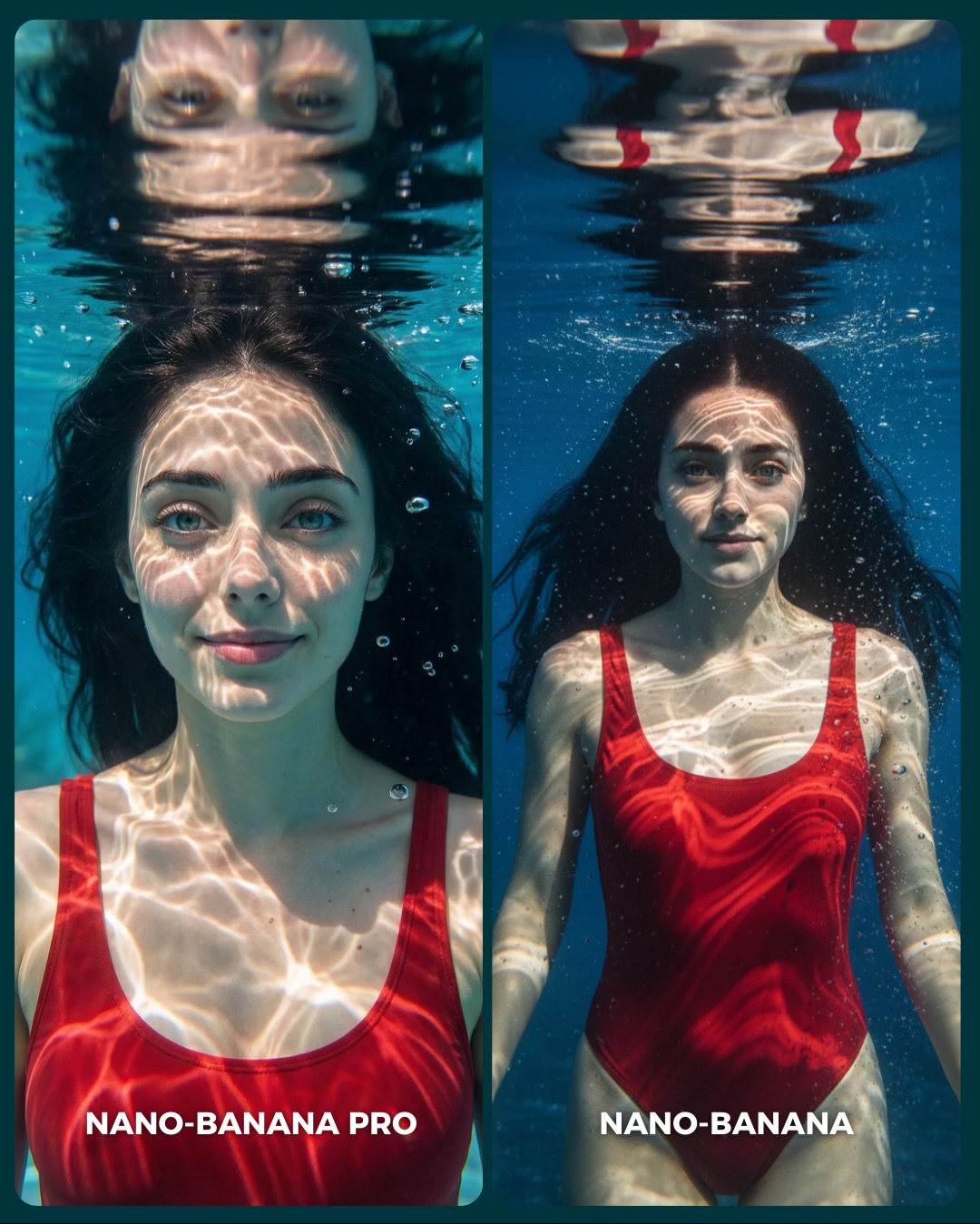
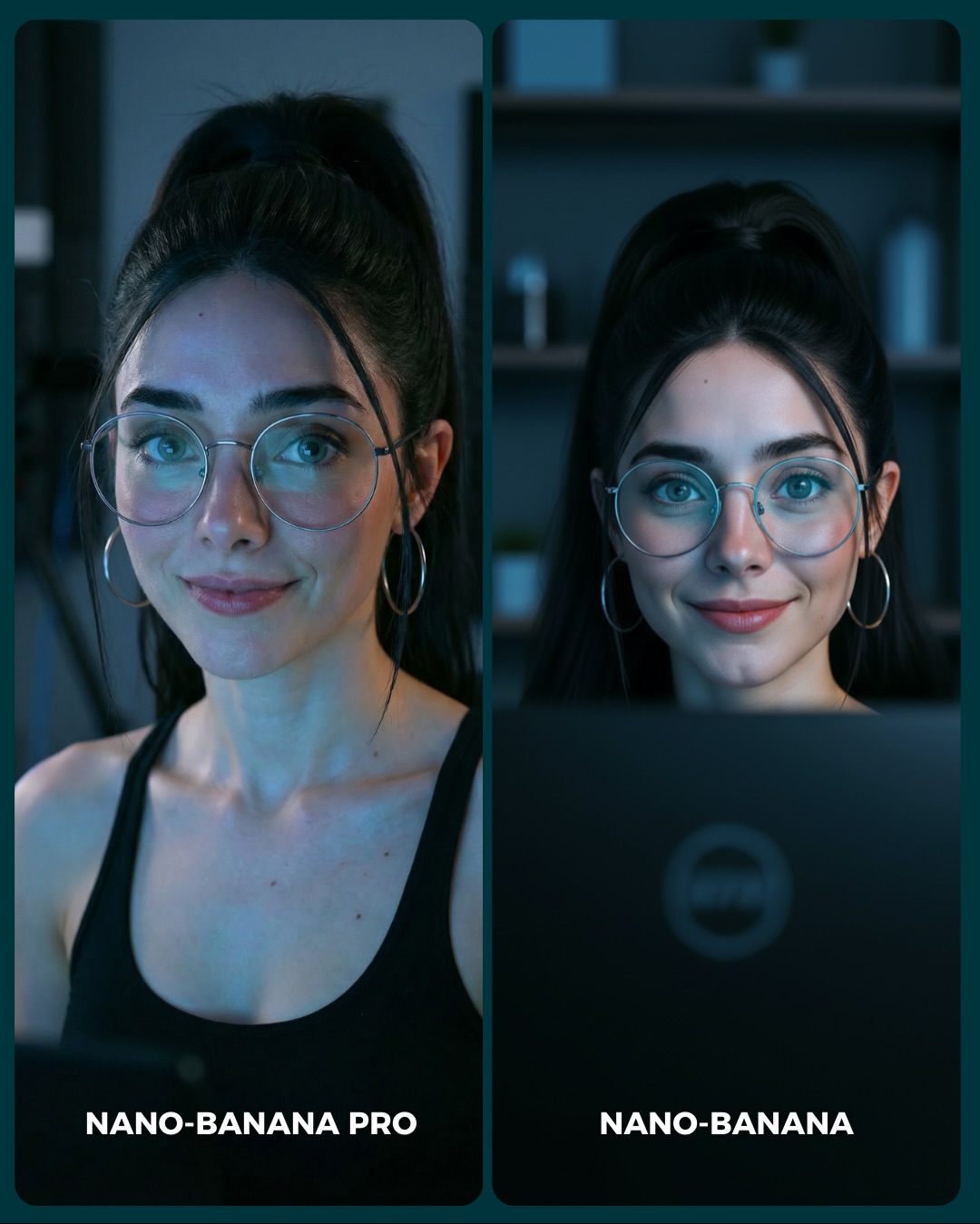
The side-by-side crop structure also helps. Because both panels focus on nearly the same region of the face, the viewer can compare skin texture, sharpness, pore detail, and realism without distraction.
The contrast between left and right is valuable. One side emphasizes micro-detail and realism, while the other leans into smoother beauty rendering. That makes the comparison meaningful, not just decorative.
Use cases
This prompt is ideal for AI portrait benchmark covers, model-comparison posts, facial-detail analysis graphics, beauty-rendering tests, technical social carousels, and content focused on evaluating fine-grained image quality.
Aesthetic read
The aesthetic sits between beauty-editorial macro photography and technical benchmark design. It is more intimate than most comparison graphics, but more analytical than standard portrait imagery.
Prompt technique breakdown
To recreate this image well, the prompt should specify the extreme close-up eye crop, round glasses frame, green iris, left-right model labeling, visible skin pores, lashes, and soft frontal light. Those details make the comparison useful and focused. If the crop is looser or the texture too smoothed on both sides, the image loses its evaluative value.
It also helps to keep the background absent and the color palette natural. The point is to examine facial rendering, not overall scene design.
Remix playbook
You can remix this concept by comparing different ages, skin types, makeup levels, or lighting styles, or by changing the crop to lips, hands, or hairline for different technical tests. You can also expand it into a grid with more models. The concept remains useful because extreme crops expose differences that broader portraits often hide.
That is what makes this prompt effective. It turns microscopic visual fidelity into a clear and interesting comparison graphic.