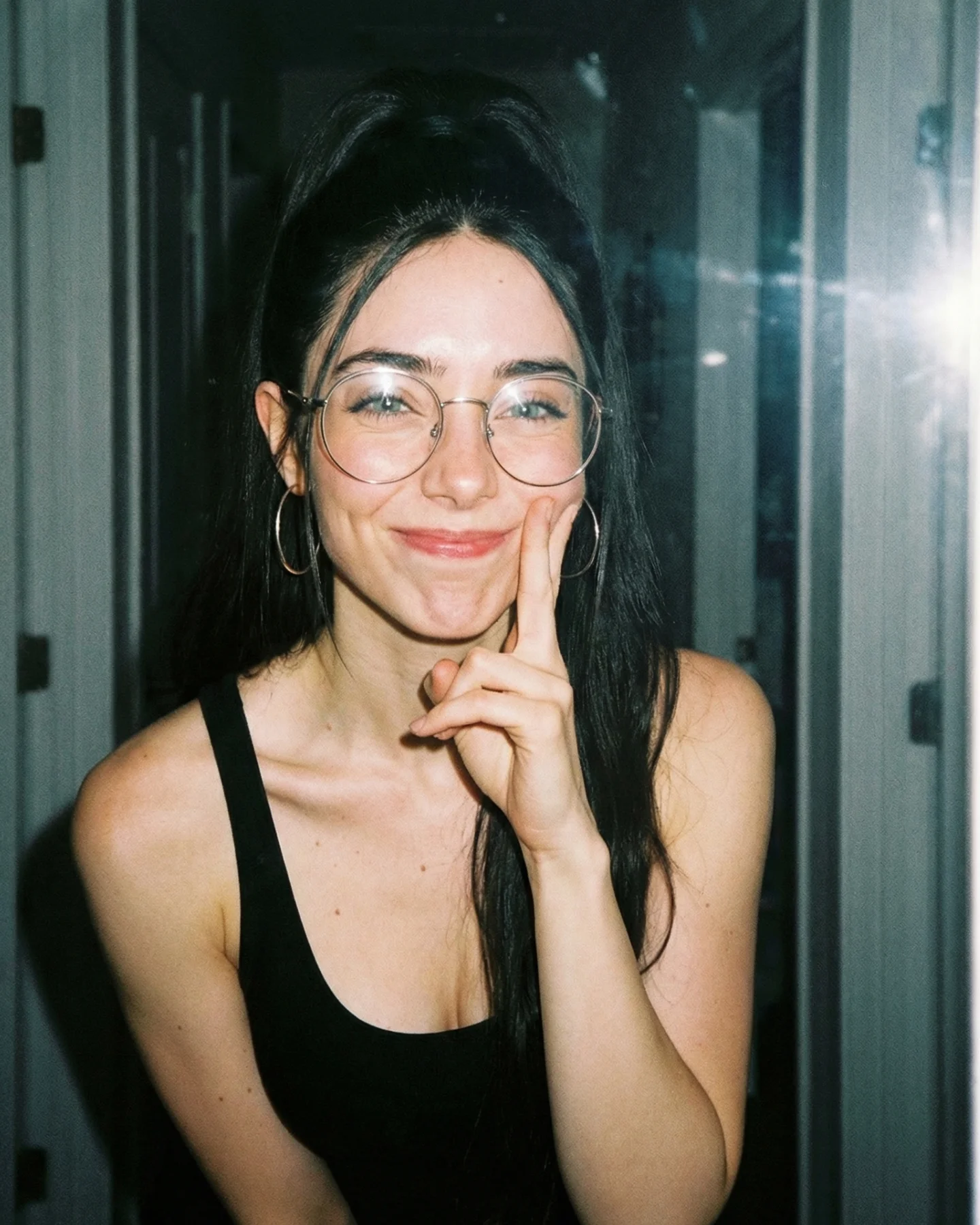
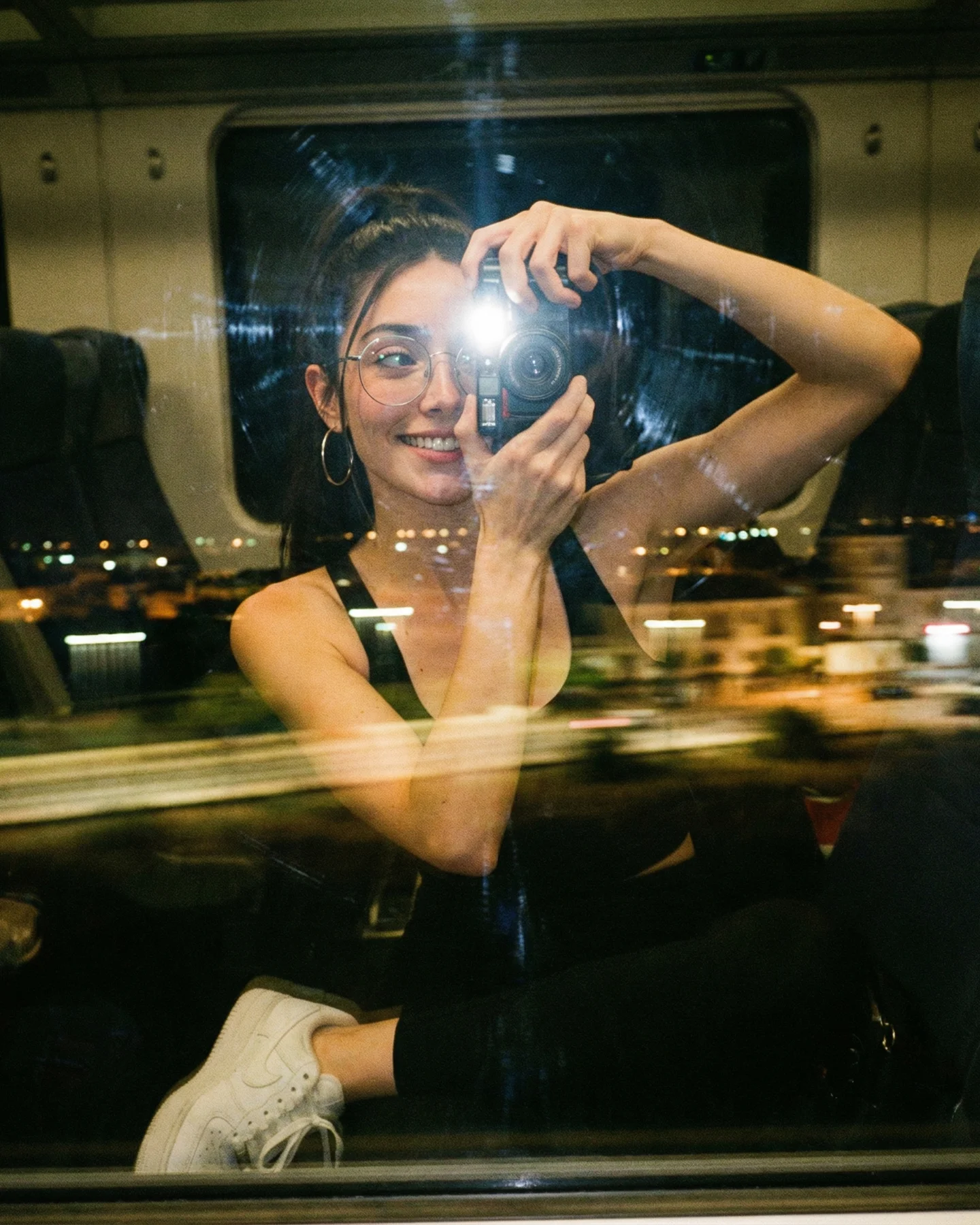
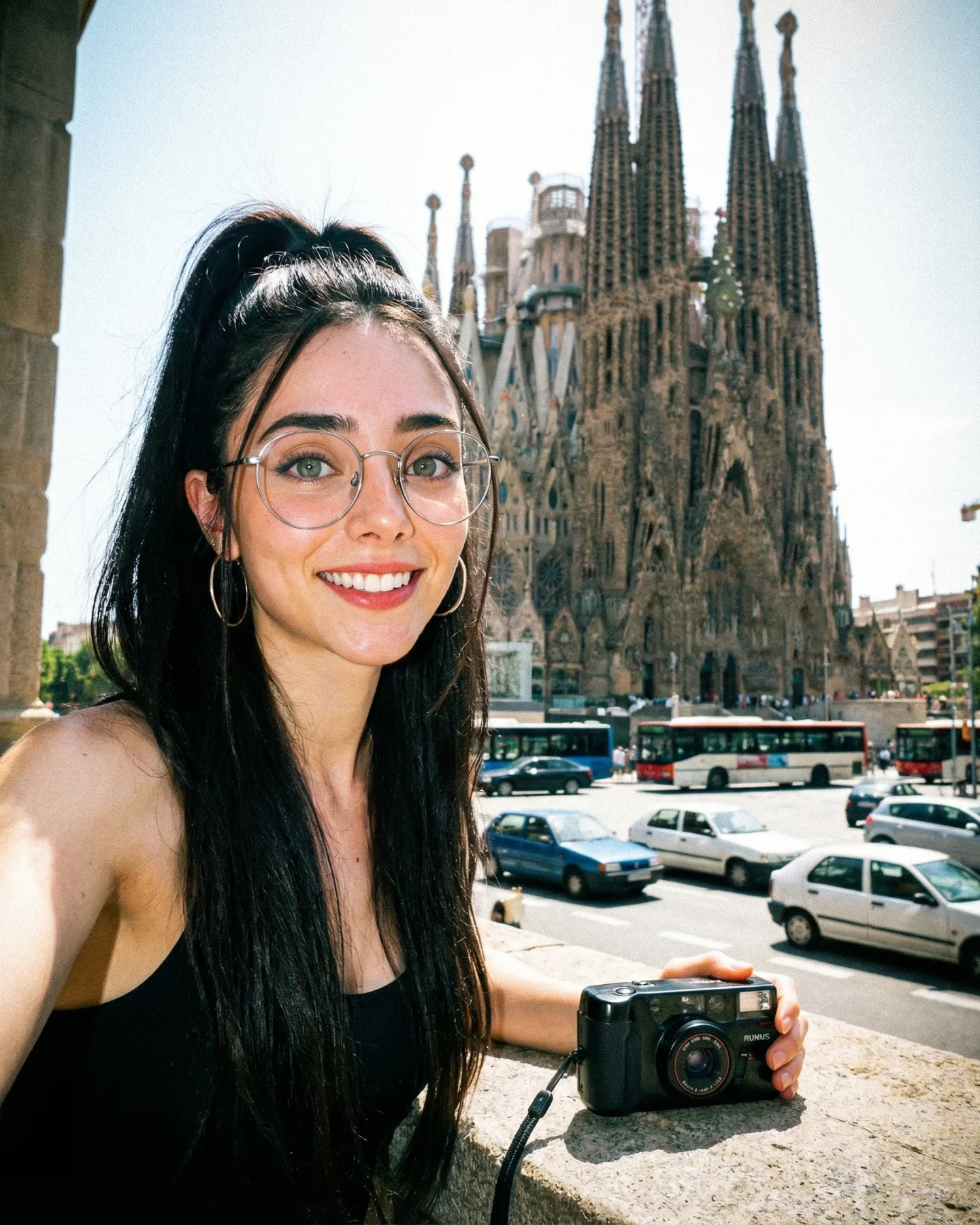
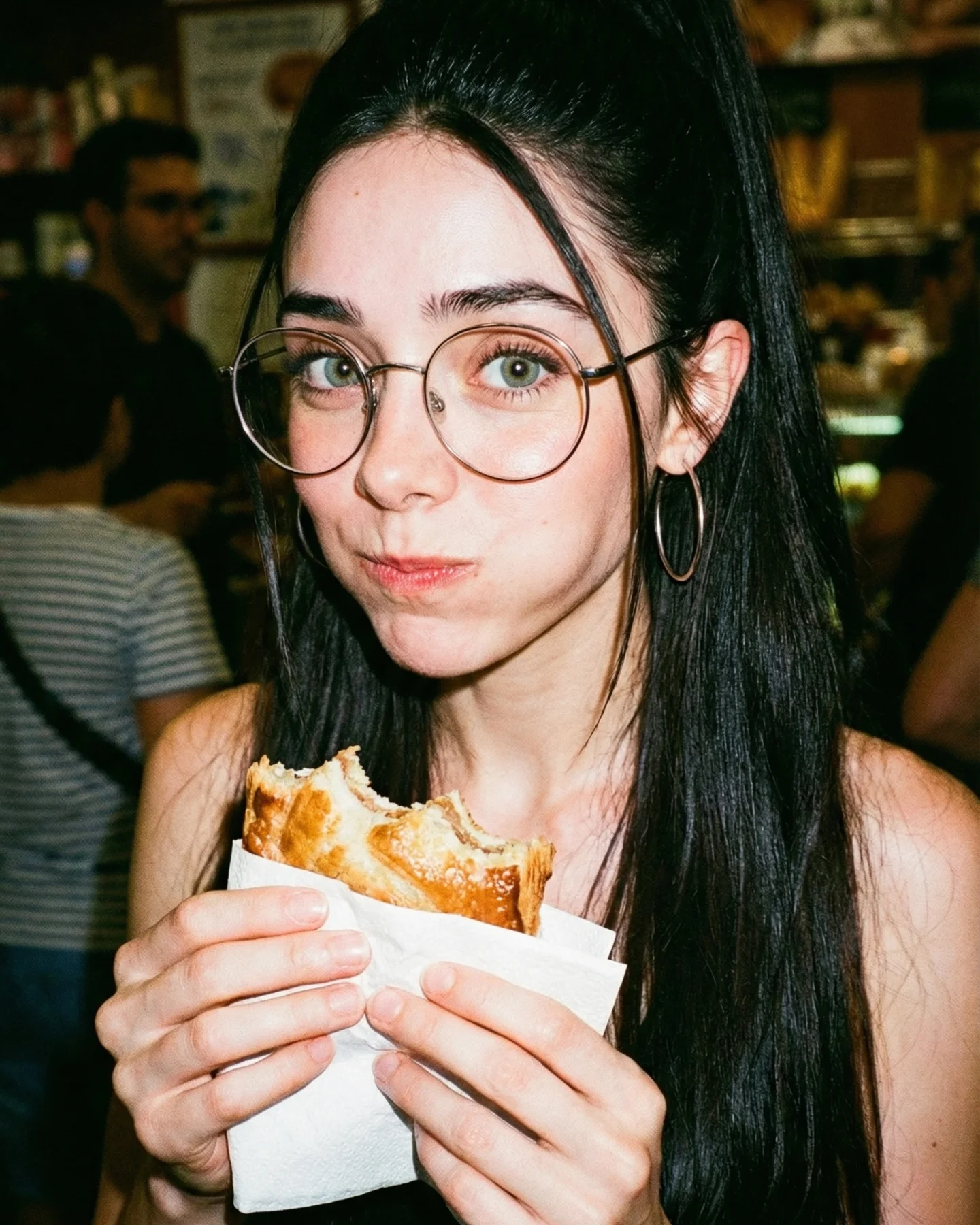
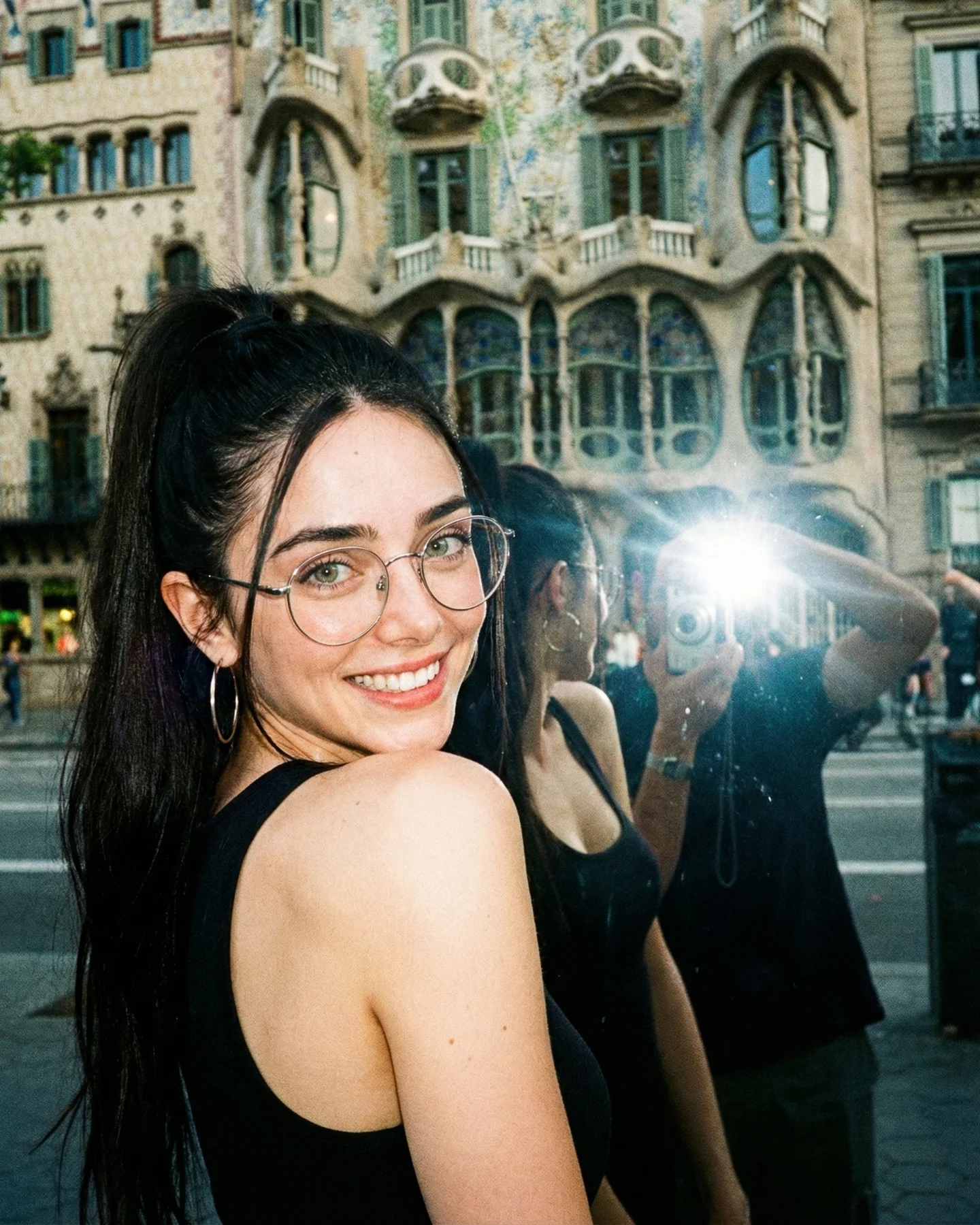
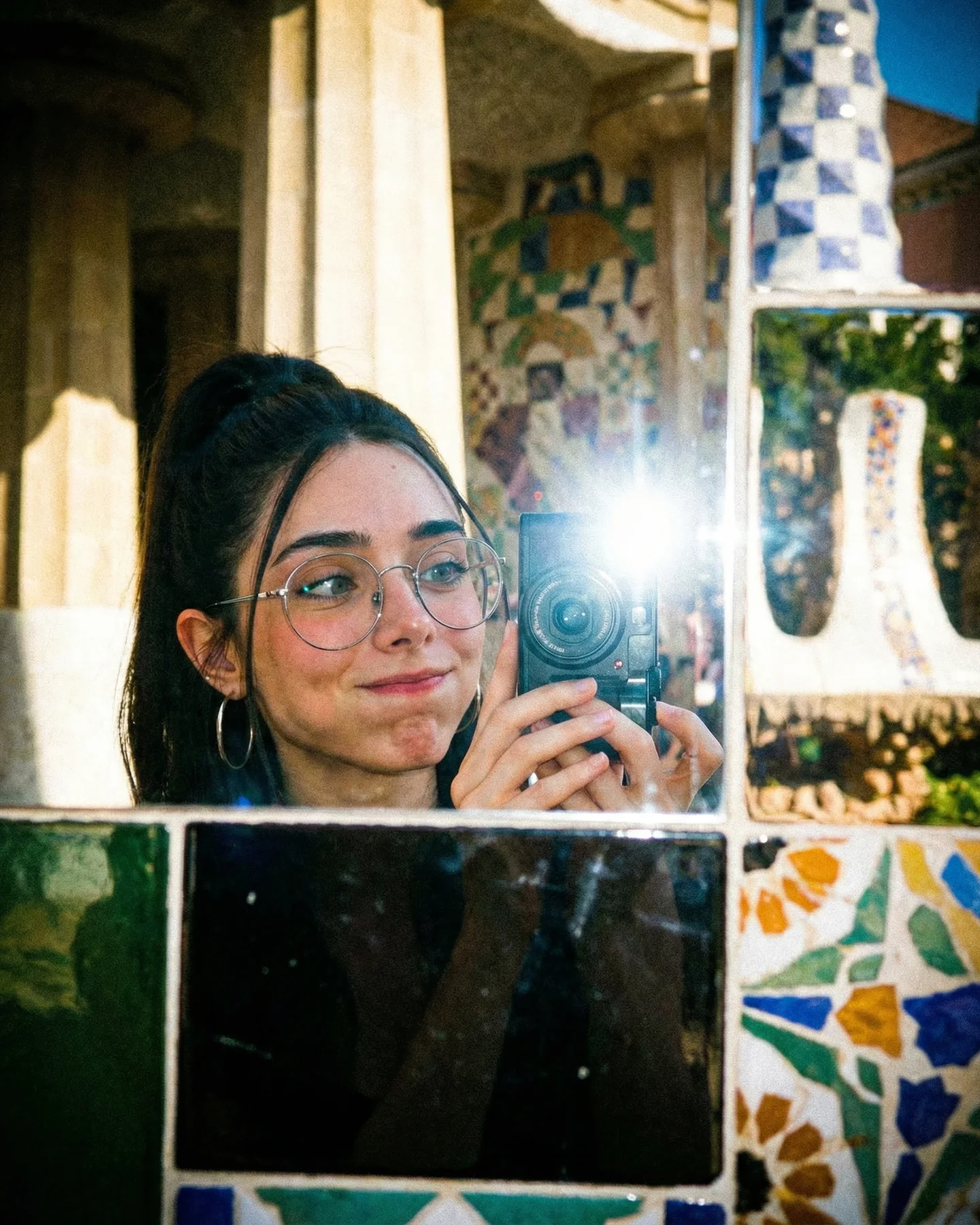
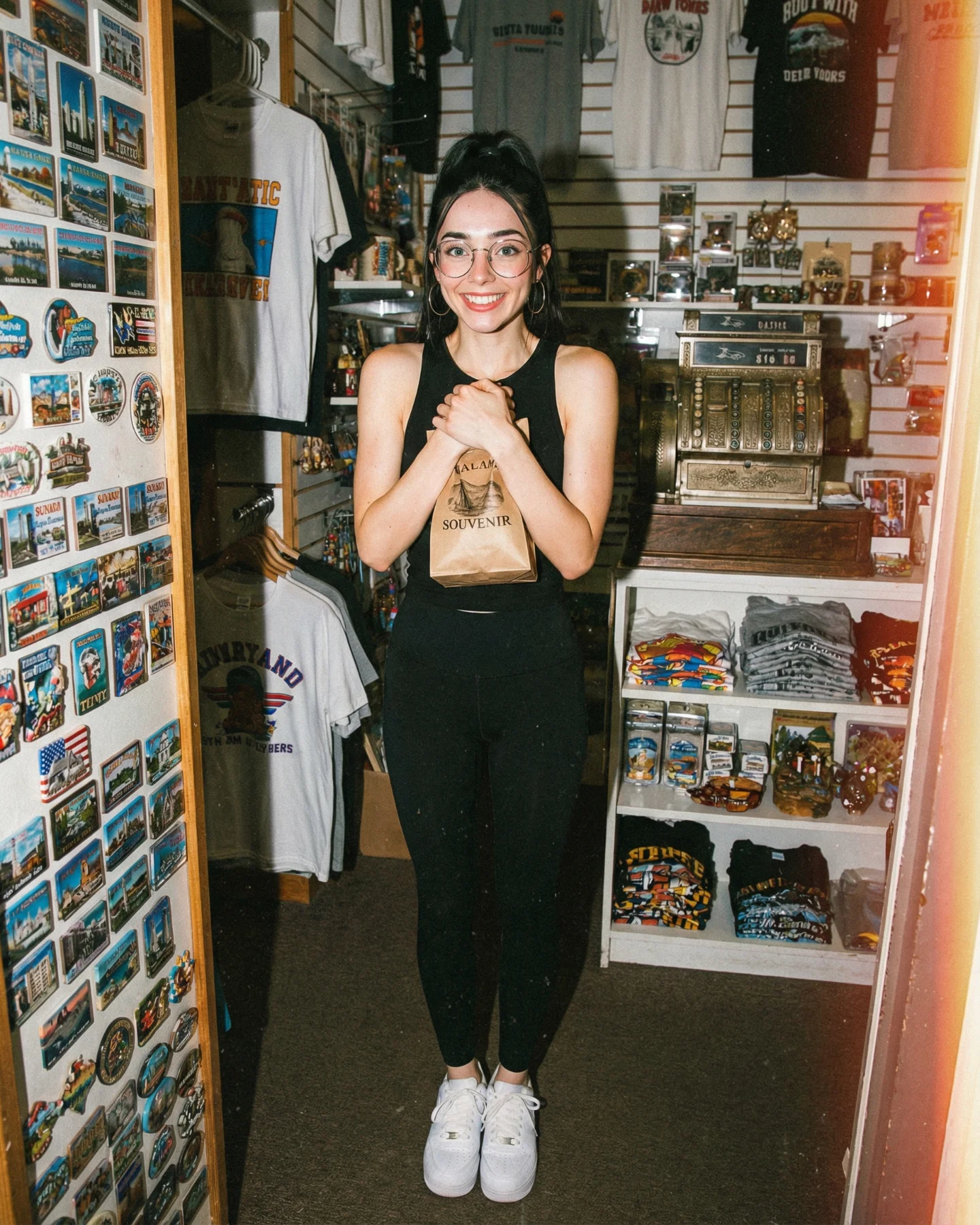
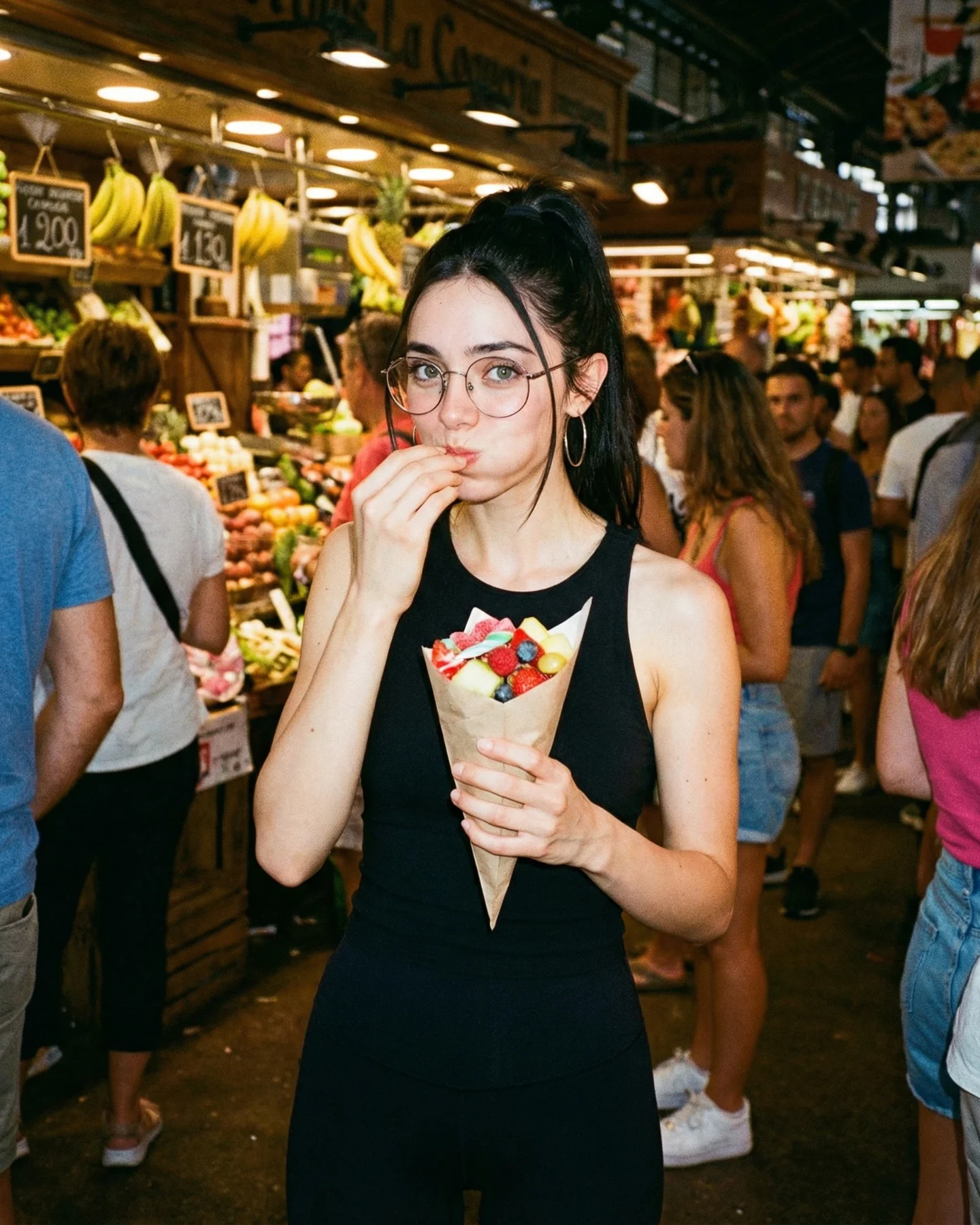
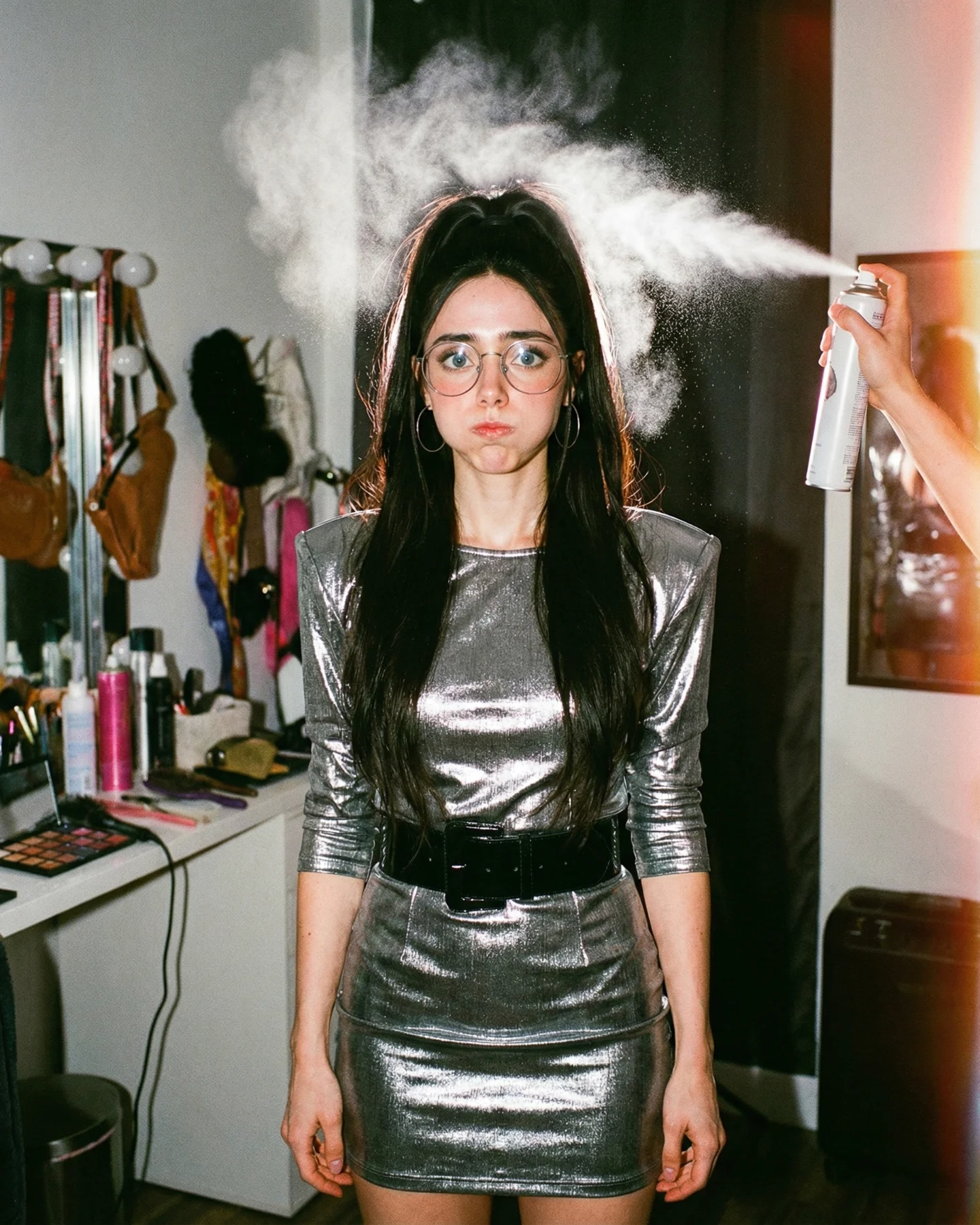
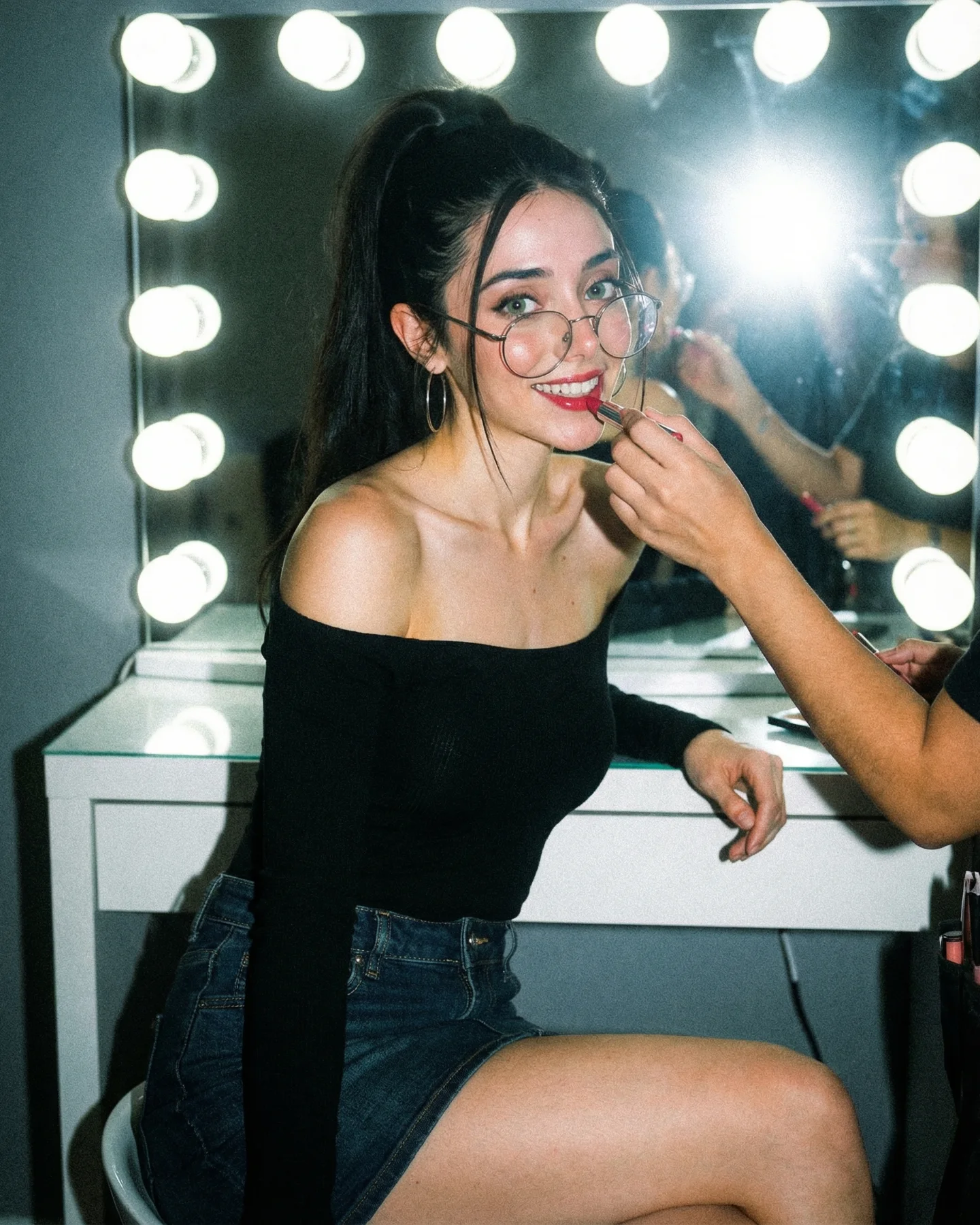
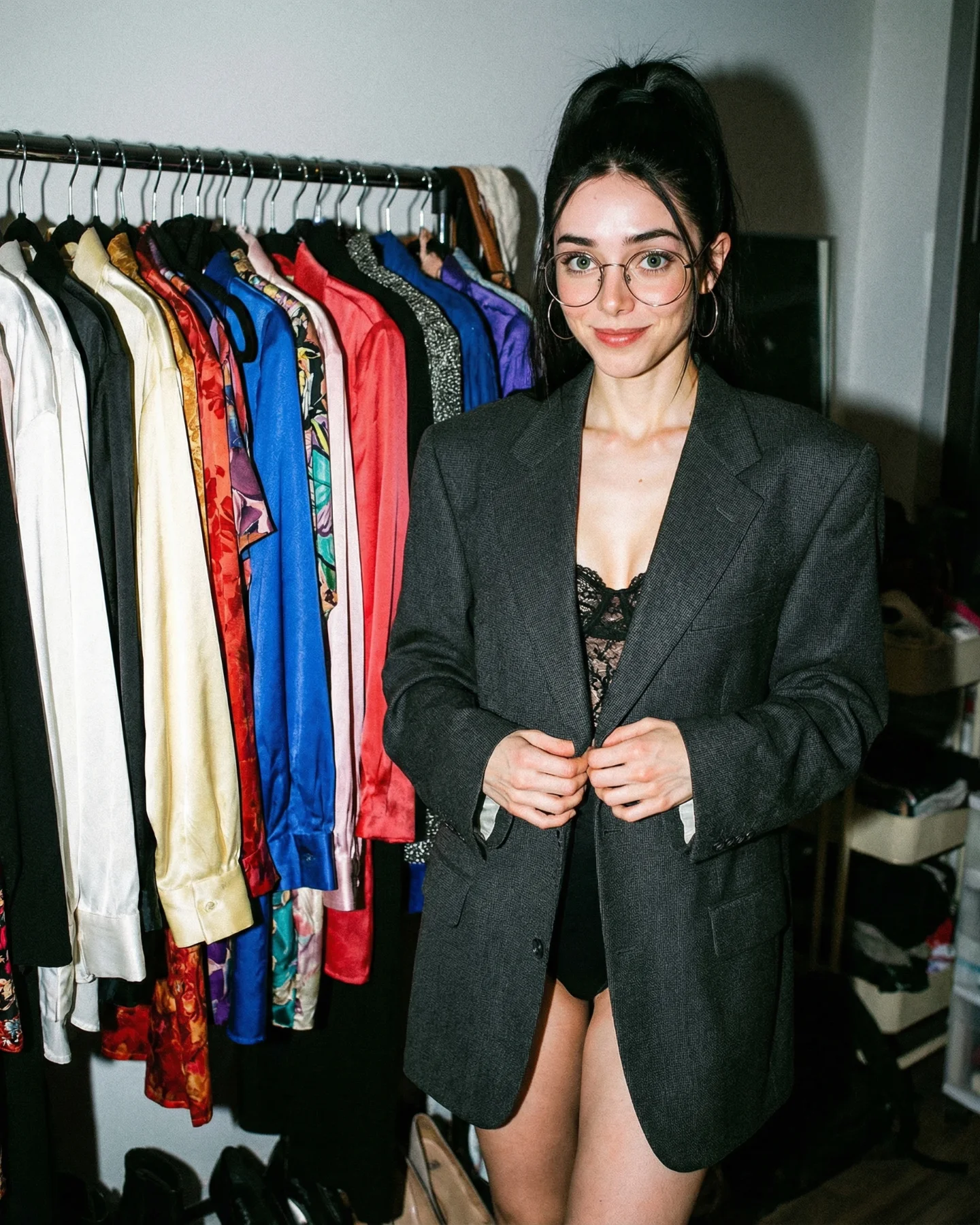
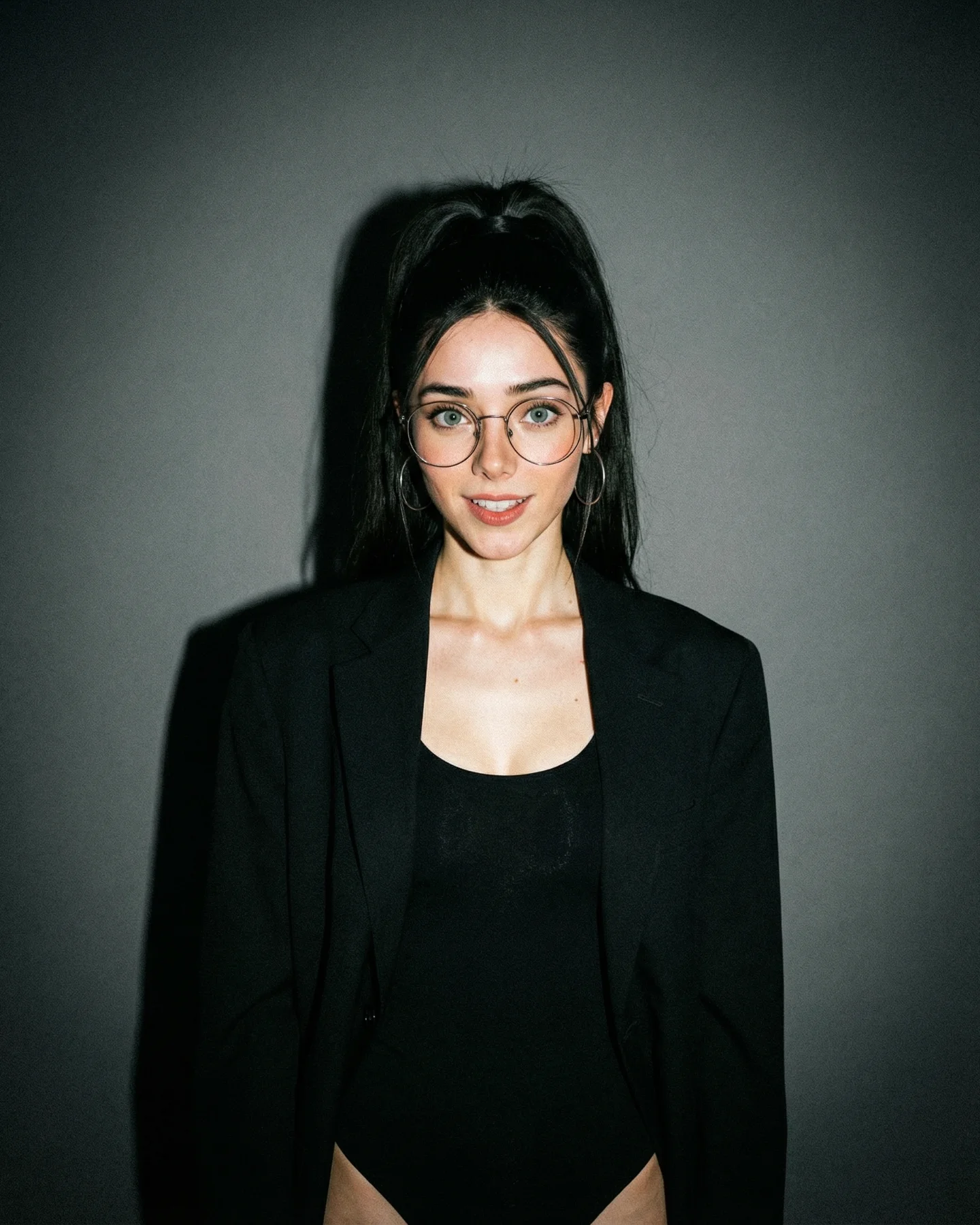
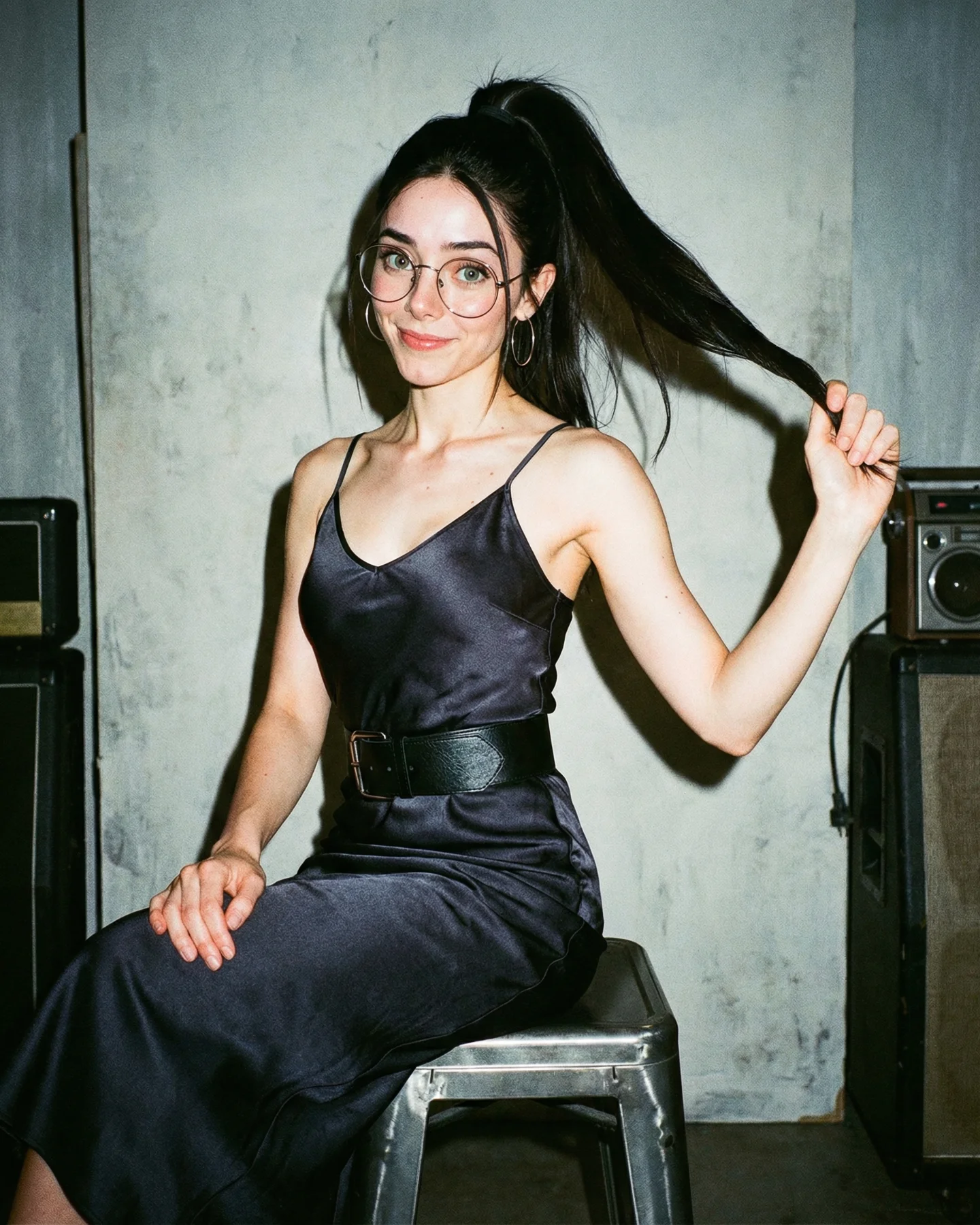
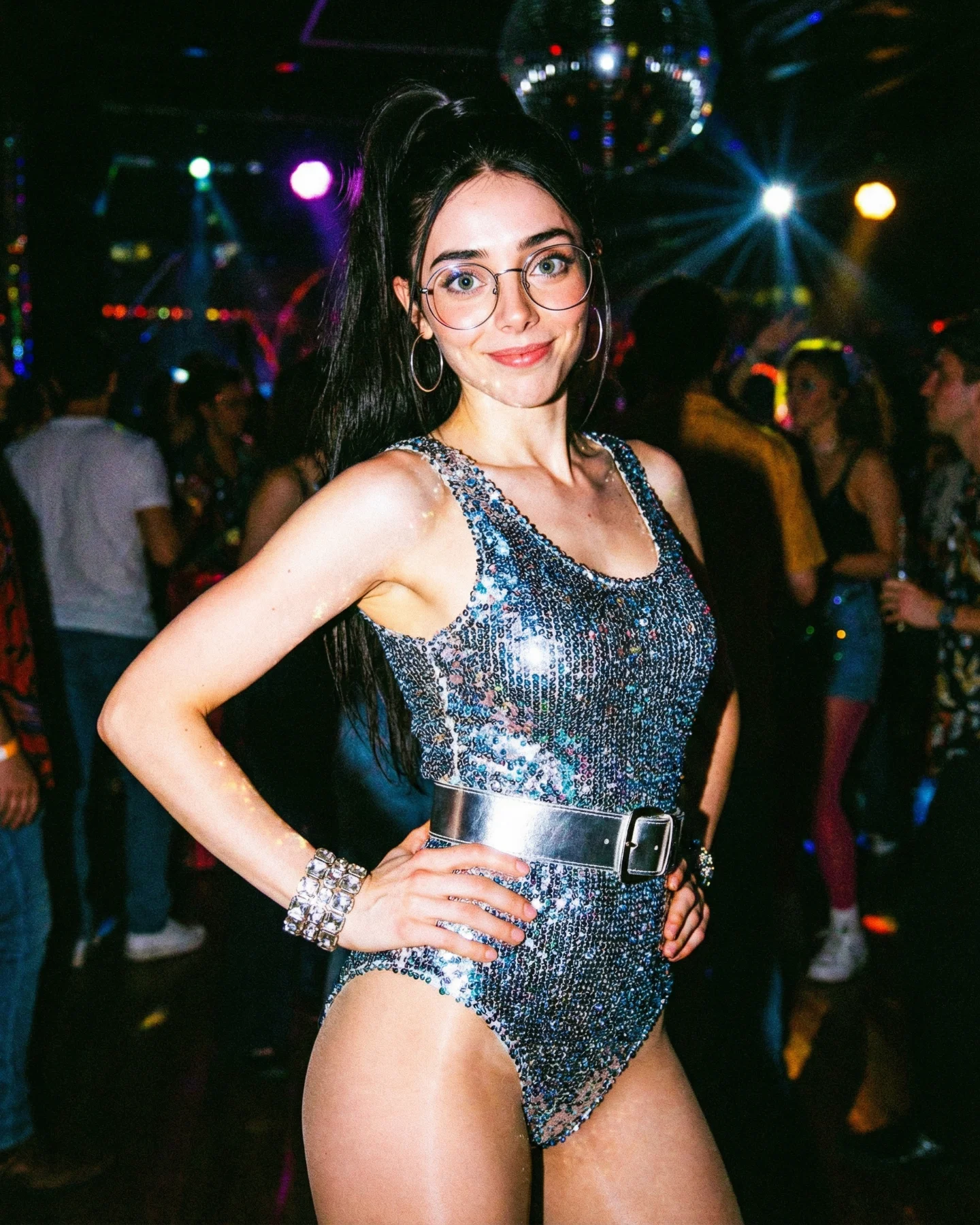
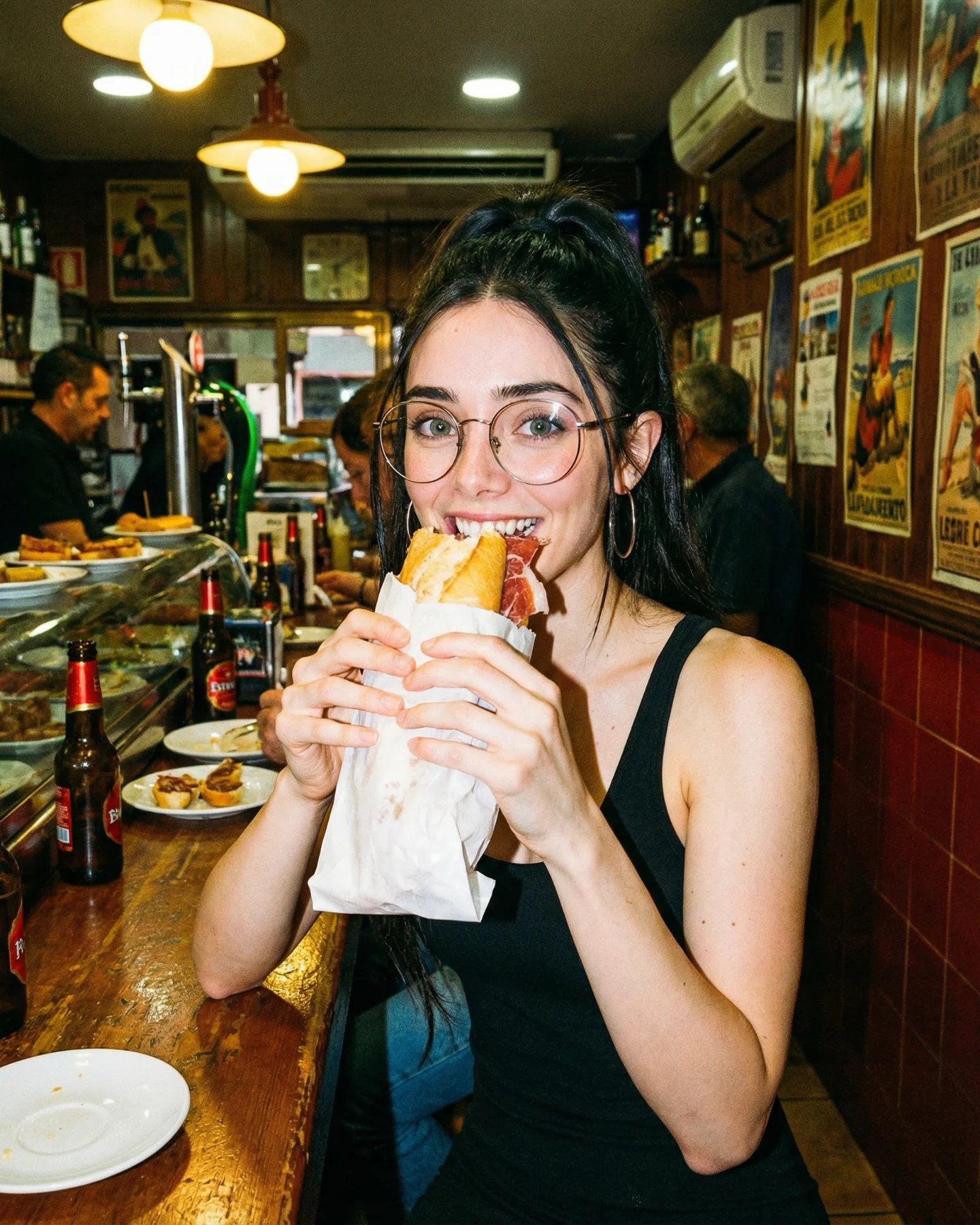
Fotografía estilo 1980s - Prompts 💕
Os dejo por aquí una colección de prompts de imágenes al estilo de los años 80 🫶🏽
La IA que usé para crear este tipo de imágenes es Nano Banana Pro 🙊
Feliz vacaciones a todos, espero que lo paséis genial con la familia y amigos 🥰
Comenta "ARIA" si quieres los prompts y te los mando por mensaje 💌
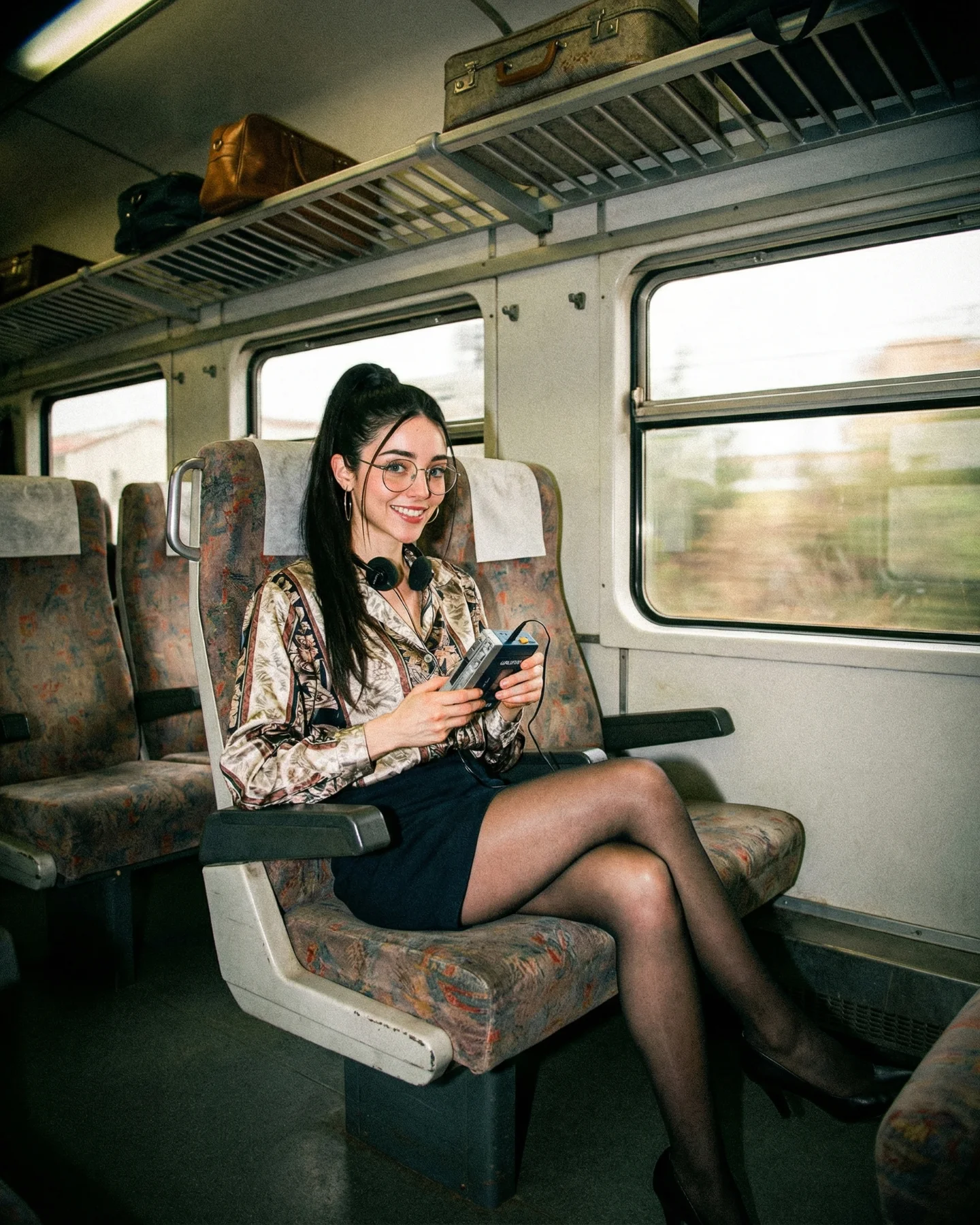
How soy_aria_cruz Made This 1980s Train Cabin AI Portrait — and How to Recreate It
This image works because it uses a highly specific environment to carry nostalgia instead of relying on generic “retro” signals alone. The old train seats, luggage rack, worn wall panels, and blurred landscape outside the window immediately place the viewer in a world that feels before-now. That specificity is what makes the image persuasive. Without the train, the outfit would just be vintage-inspired styling. With the train, it becomes a time-stamped scene.
The second reason it performs is that the styling stays believable. The blouse, skirt, tights, and headphones feel like a polished commuter or travel look, not a costume-store version of the 1980s. That restraint matters. Retro content tends to perform better when it feels lived-in and observed rather than exaggerated for obviousness.
Why This Kind of Nostalgia Reads Well
The strongest hook is not the fashion, but the setting. The train cabin is full of cues people do not usually see anymore, or only associate with older travel memories. Those cues activate nostalgia faster than a single item of clothing could. Then the blouse and portable device confirm the era mood without shouting.
The posture also helps. She is not acting out a dramatic scene. She simply looks like someone caught during a train ride. That everydayness is powerful. Nostalgia is often more convincing when it is attached to routine rather than spectacle.
Signal
Evidence (from this image)
Mechanism
Replication Action
Specific period environment
Train seats, luggage rack, and old baggage frame the subject immediately.
Environmental cues create stronger era recognition than styling alone.
Use one location that already carries decade memory before adding fashion.
Believable retro styling
The patterned blouse and skirt feel period-aware without becoming parody.
Subtle accuracy is more immersive than exaggerated cliché.
Choose 2 to 3 era-correct wardrobe pieces and keep the rest grounded.
Everyday nostalgia
The subject simply sits and smiles during transit.
Routine moments often feel more emotionally authentic than staged drama.
Anchor the image in a normal action like commuting, traveling, or waiting.
Motion through the window
The outside scenery blurs lightly while the subject remains still.
The train feels real and active rather than museum-like or static.
Let the environment show movement while keeping the portrait clean.
Best Use Cases and Transfers
This format is ideal for decade-style prompt pages, retro travel aesthetics, analog commuter portraits, and content about everyday nostalgia. It also transfers well to buses, waiting rooms, motels, airport lounges, diners, and other ordinary spaces that carry period texture. The transferable pattern is simple: one recognizable time-coded environment, one casually dressed subject, and one small era-specific object.
Best for 1980s or retro-travel prompts: the train itself does most of the temporal work.
Best for low-drama nostalgia aesthetics: the image feels human and plausible, not theatrical.
Best for creator-led retro fashion: the face stays central while the environment enriches the story.
Best for SEO around “vintage commute” or “retro travel” visuals: the concept is very specific and easy to explain.
It is less effective for loud synthwave styling, high-fashion retro fantasy, or generic “old-timey” content. The value here is observed realism. If you make it too neon or too costume-like, the train’s authenticity gets wasted.
Not ideal for maximal 80s parody: the image works because it stays grounded and wearable.
Not ideal for present-day tech nostalgia mixes: modern devices would break the spell quickly.
Not ideal for crowd scenes: a single subject helps the commuter mood feel intimate.
Three Transfer Recipes
Retro transit portrait. Keep: one subject, one old transport interior, and one small period object. Change: decade and transport mode. Slot template (EN): {subject in era-aware outfit} seated inside {time-coded transit space} holding {small period-correct personal object}
Everyday nostalgia frame. Keep: routine posture and environmental detail. Change: room type and wardrobe family. Slot template (EN): {ordinary moment} inside {specific remembered place} with {subtle decade styling}
Soft period realism. Keep: authentic setting and restrained fashion. Change: light temperature and material palette. Slot template (EN): {period-inspired portrait} grounded by {realistic environment cues} rather than exaggerated nostalgia tropes
Aesthetic Read
The image feels convincing because almost every material belongs to the same era logic. The upholstery pattern, the metal rack, the worn wall panels, the blouse sheen, and the simple device all point in the same direction. That kind of agreement between surfaces is what makes retro imagery feel like memory instead of styling exercise.
The daylight is also important. It keeps the image from sliding into retro-nightlife cliché. This is not a club, it is a commute or a trip. That choice broadens the emotional range of the image and makes it calmer and more lived-in.
Observed
Why it matters for recreation
Old train upholstery and overhead luggage rack
The location becomes instantly period-coded and memorable.
Patterned silky blouse with black skirt and tights
The styling reads as retro yet wearable, not exaggerated.
Retro headphones around the neck and handheld device
Small props quietly confirm the era and commuter narrative.
Soft motion blur outside the windows
The train feels active and real, not staged.
Warm friendly smile in a normal seated pose
The image remains approachable and emotionally grounded.
Prompt Technique Breakdown
To recreate this image well, start with “young woman sitting in an old train carriage” before adding anything about the 1980s. The setting is the anchor. Then layer the blouse, tights, headphones, and handheld device. If you reverse the order, the result often drifts into vague retro fashion with no sense of place.
Prompt chunk
What it controls
Swap ideas (EN, 2-3 options)
young woman seated in an older passenger train carriage
no modern devices, no extra passengers, no synthwave neon
Keeps the retro effect plausible and restrained
grounded nostalgia; single-subject realism; non-parody period image
Remix Steps
Baseline lock the train cabin, the blouse-and-skirt styling, and the window motion first. Those are the structural controls. Then solve the headphones and the handheld device. Only after that should you refine upholstery wear or luggage details.
Run 1: establish the subject seated alone in an older train carriage with windows to the right and luggage rack overhead.
Run 2: correct the patterned blouse, black skirt, sheer tights, and heeled shoes so the outfit feels period-aware but believable.
Run 3: add the headphones around the neck and the small handheld cassette-player-like device to strengthen the commuter story.
Run 4: refine upholstery texture, luggage shape, and exterior motion blur while keeping the overall mood calm and authentic.
Keep the one-change rule strict. If the cabin starts looking modern, fix the seats and rack before touching the face. If the image becomes too stylized, simplify the color and preserve the daylight travel feel. This scene wins through subtle consistency.