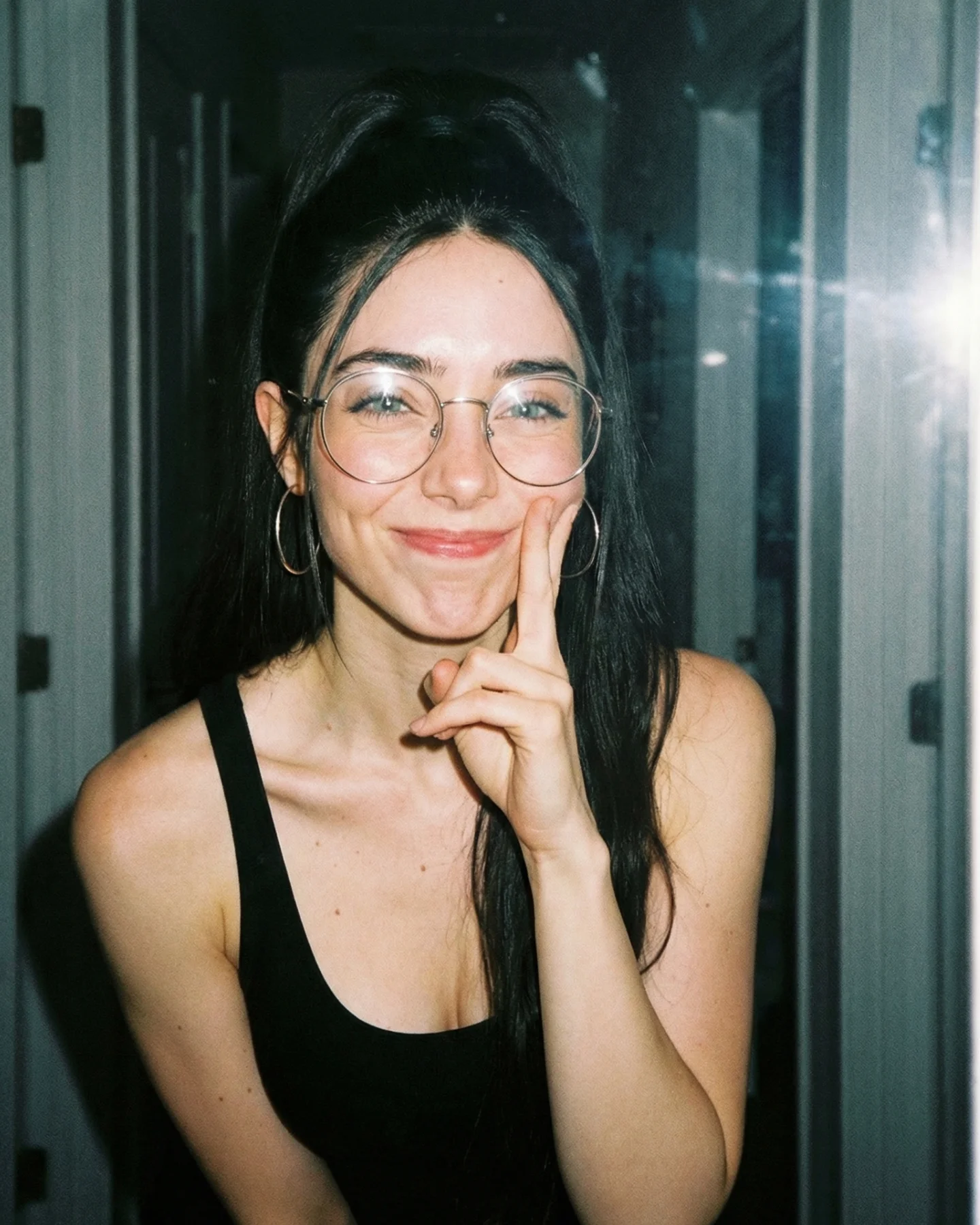
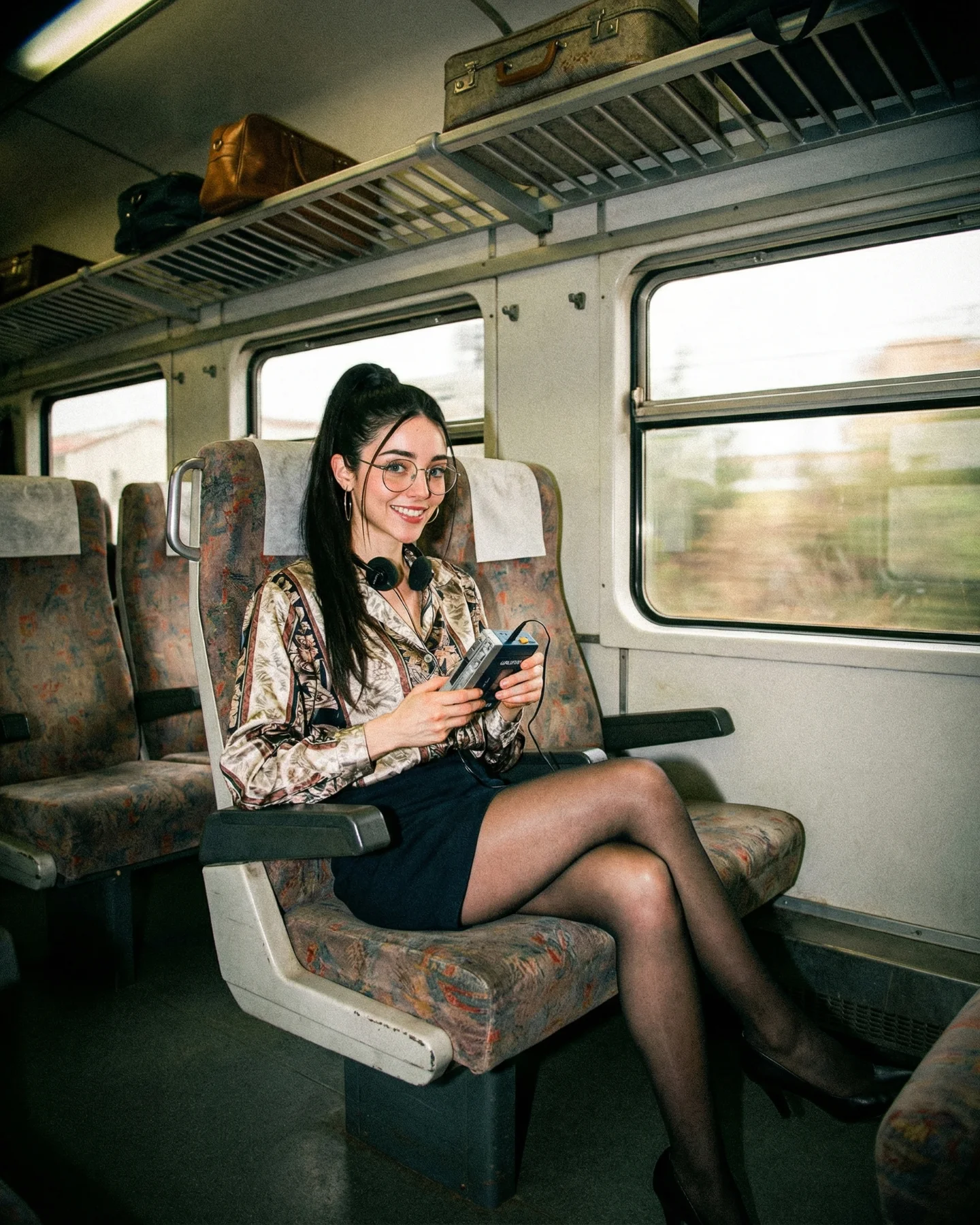
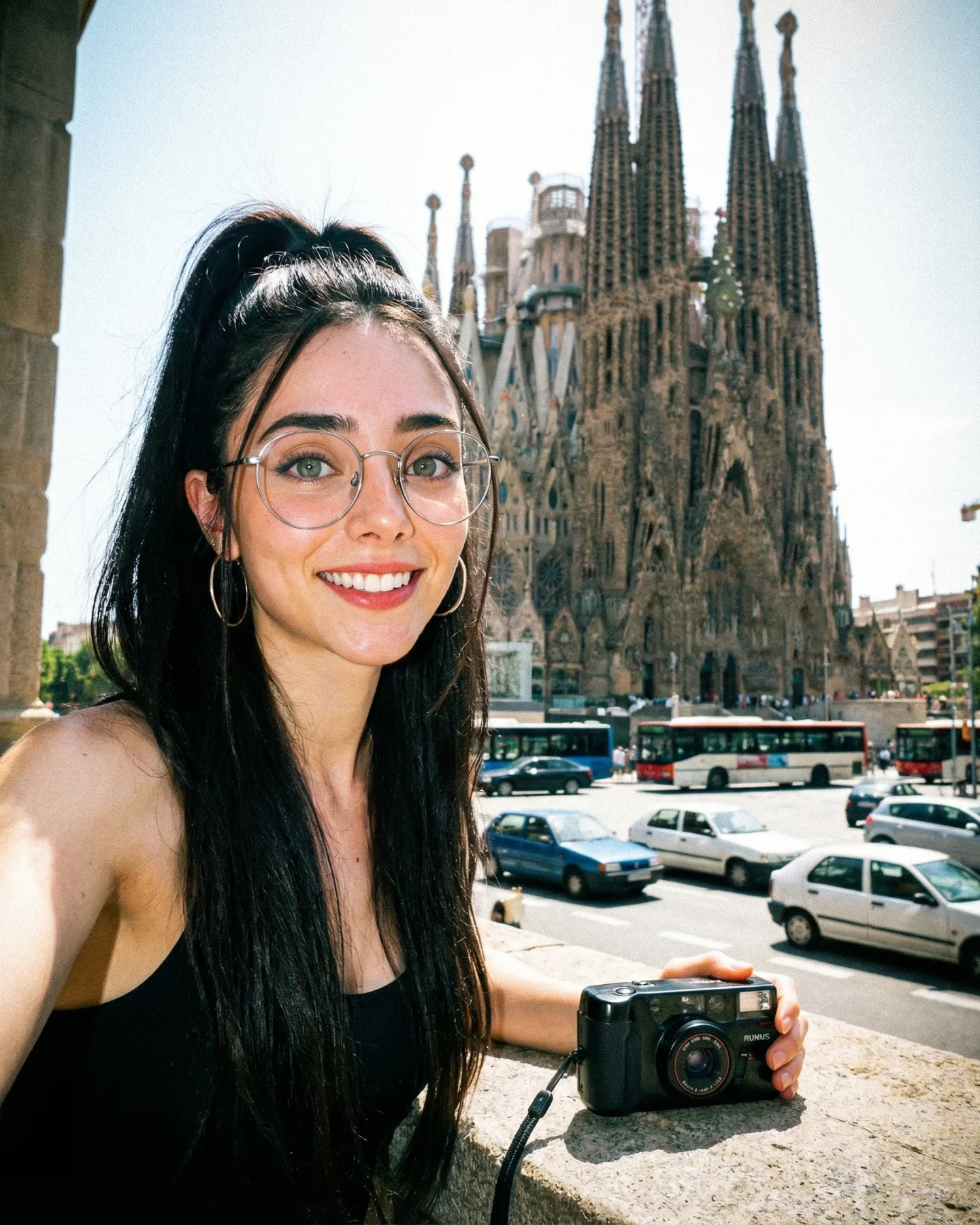
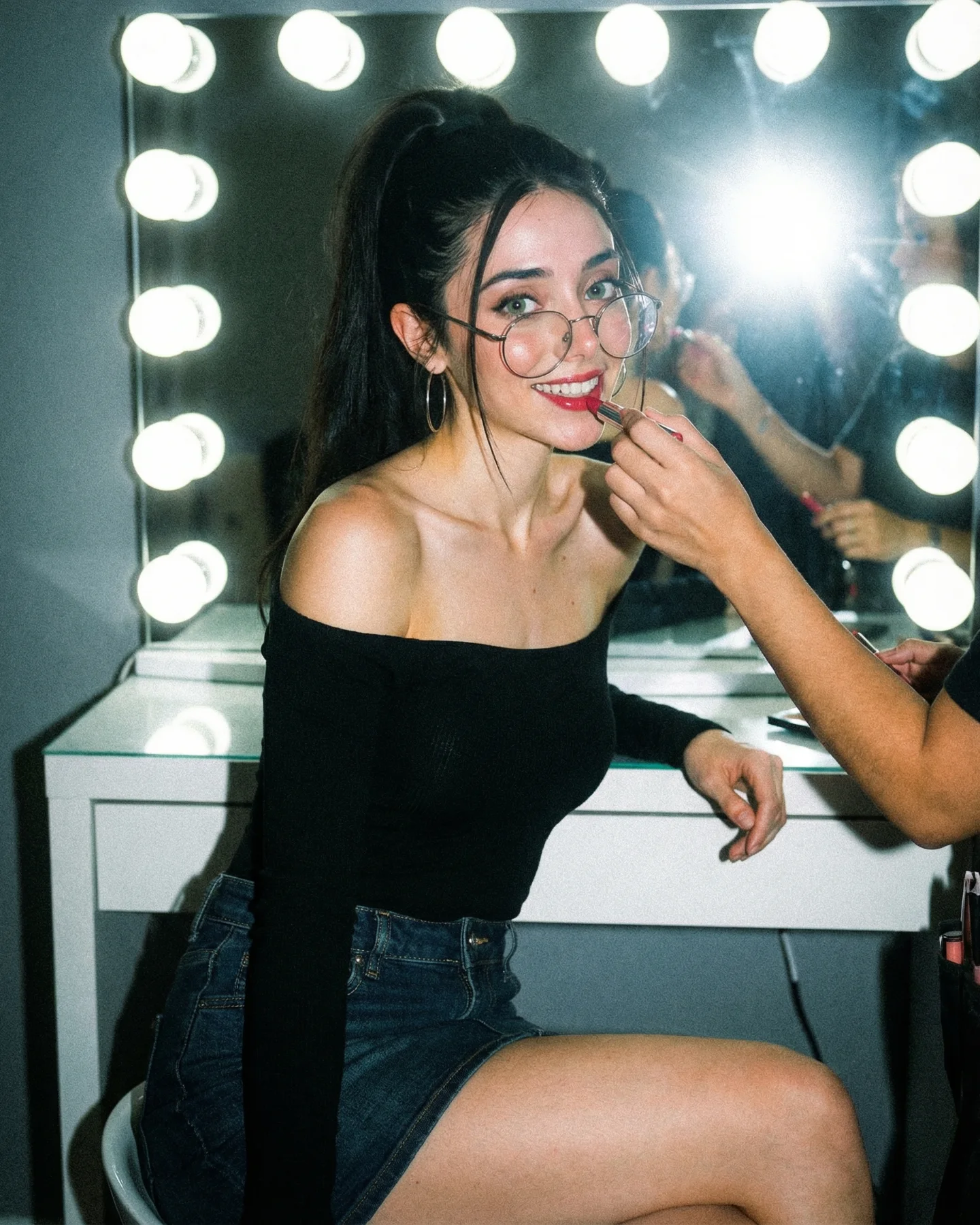
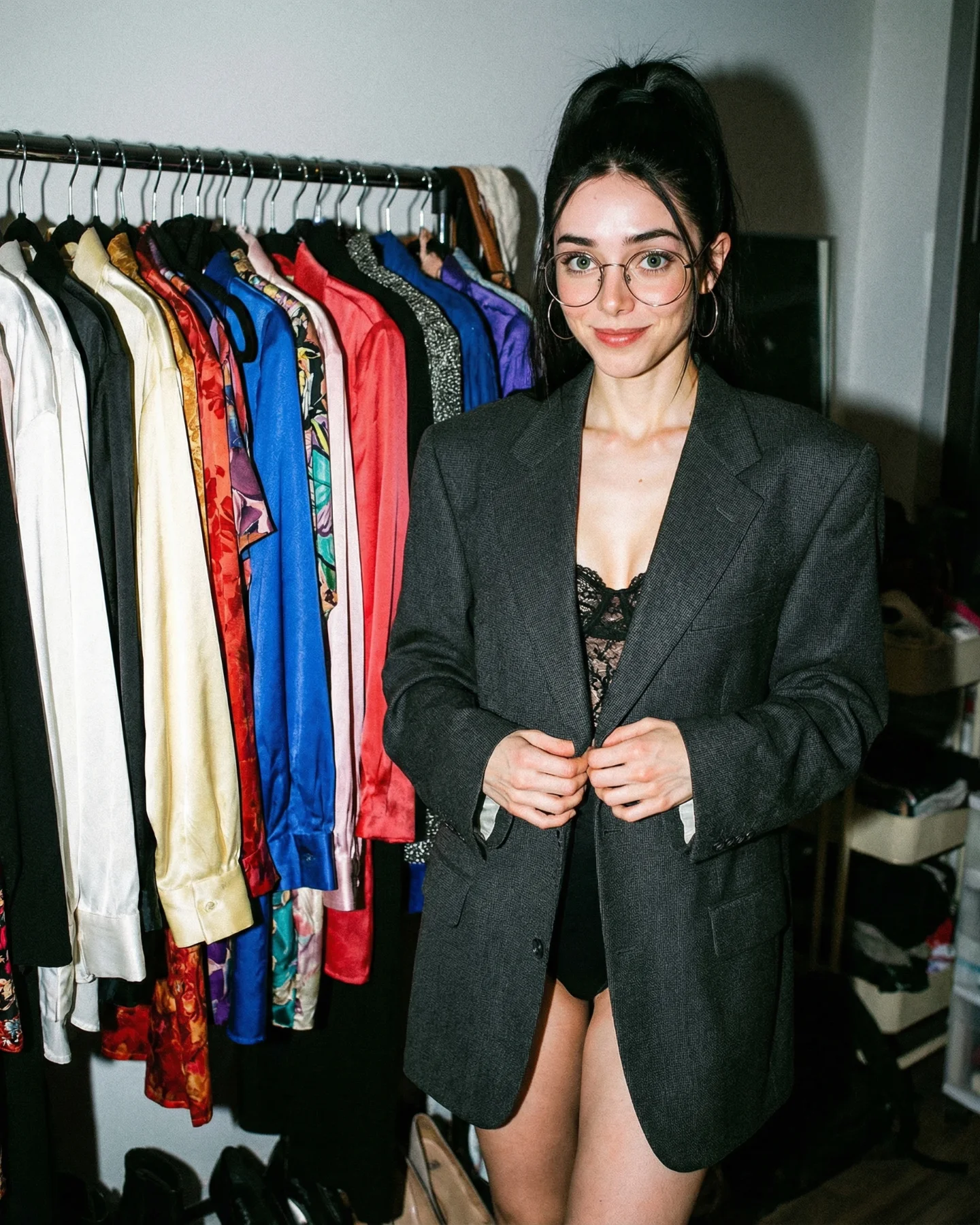
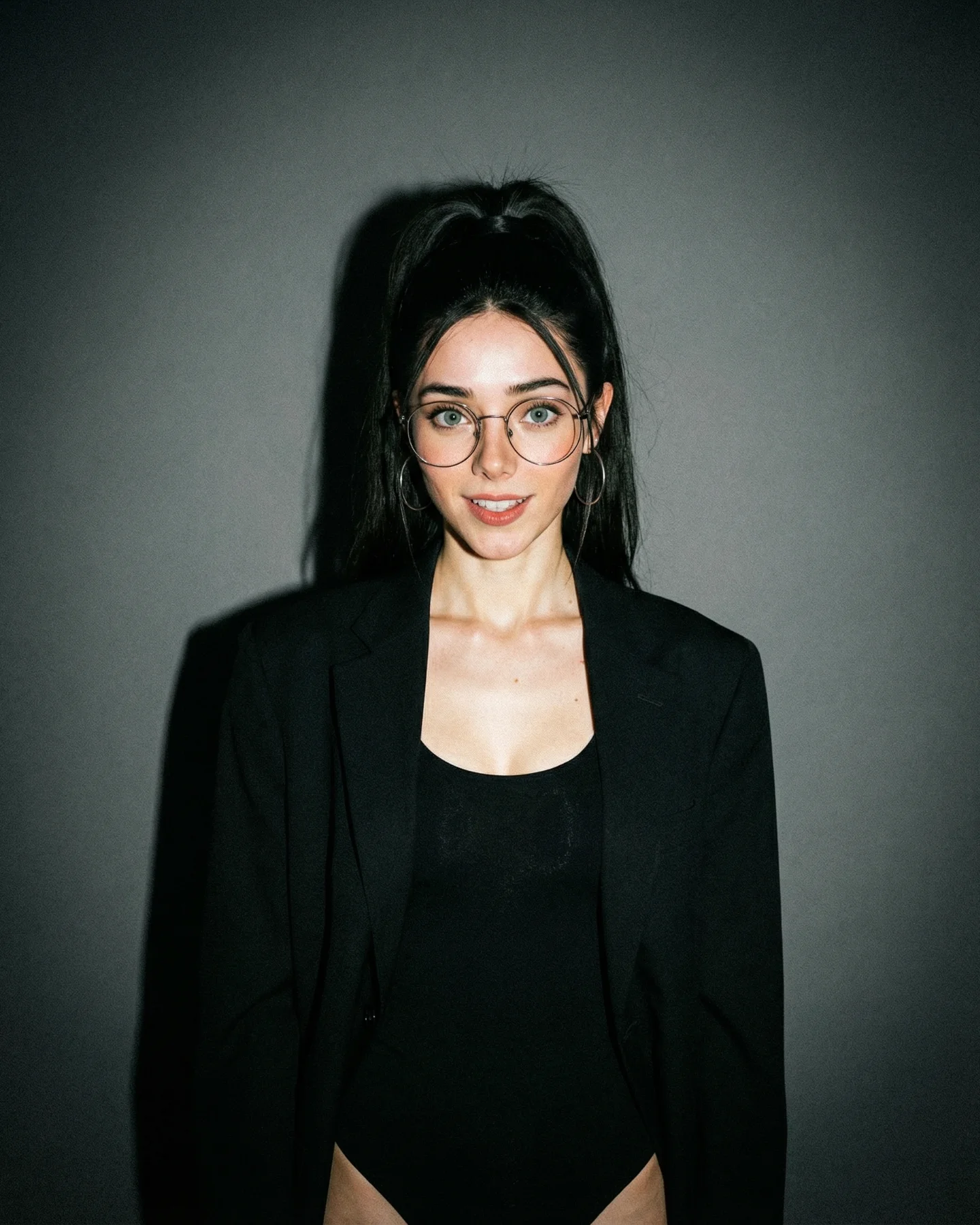
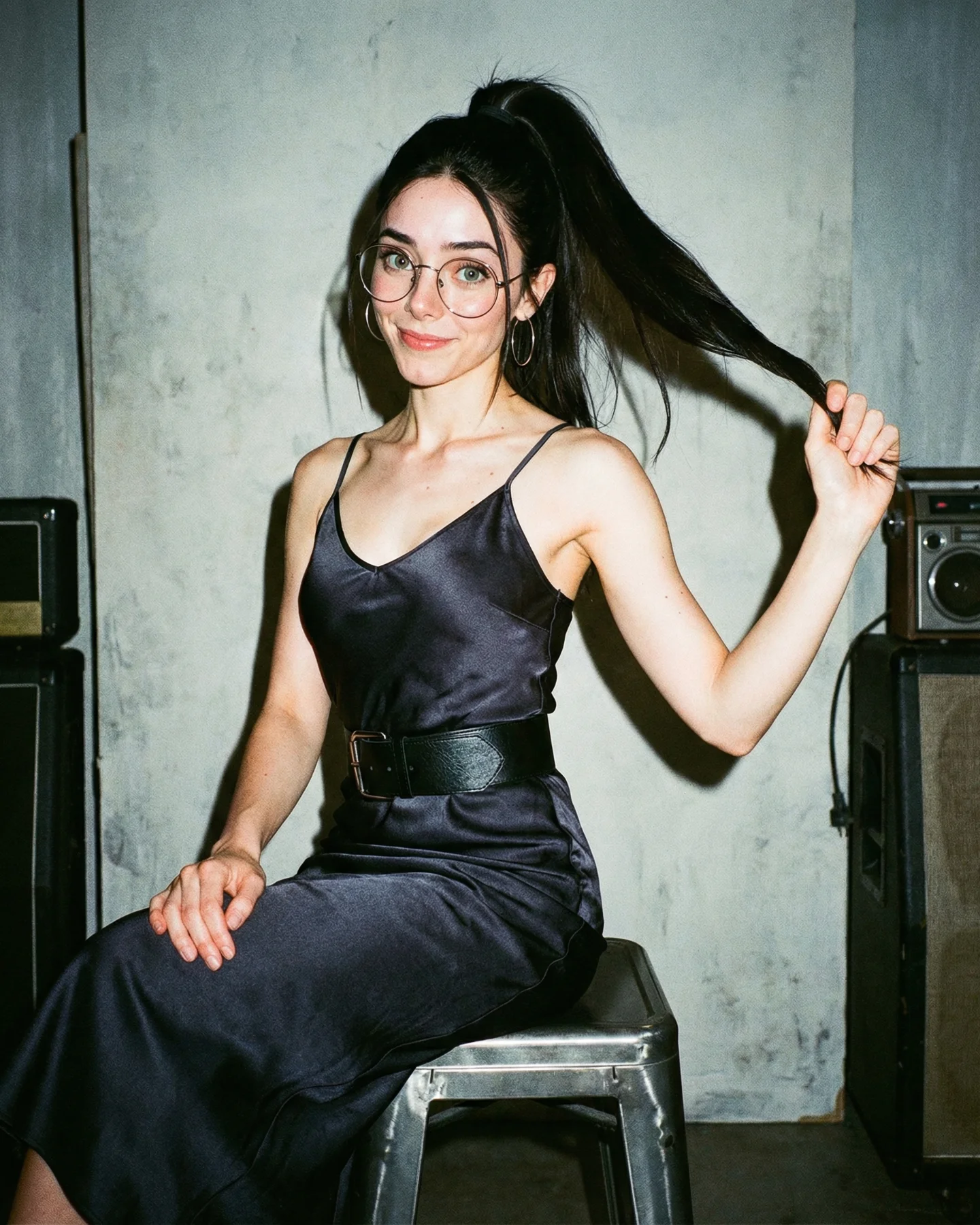
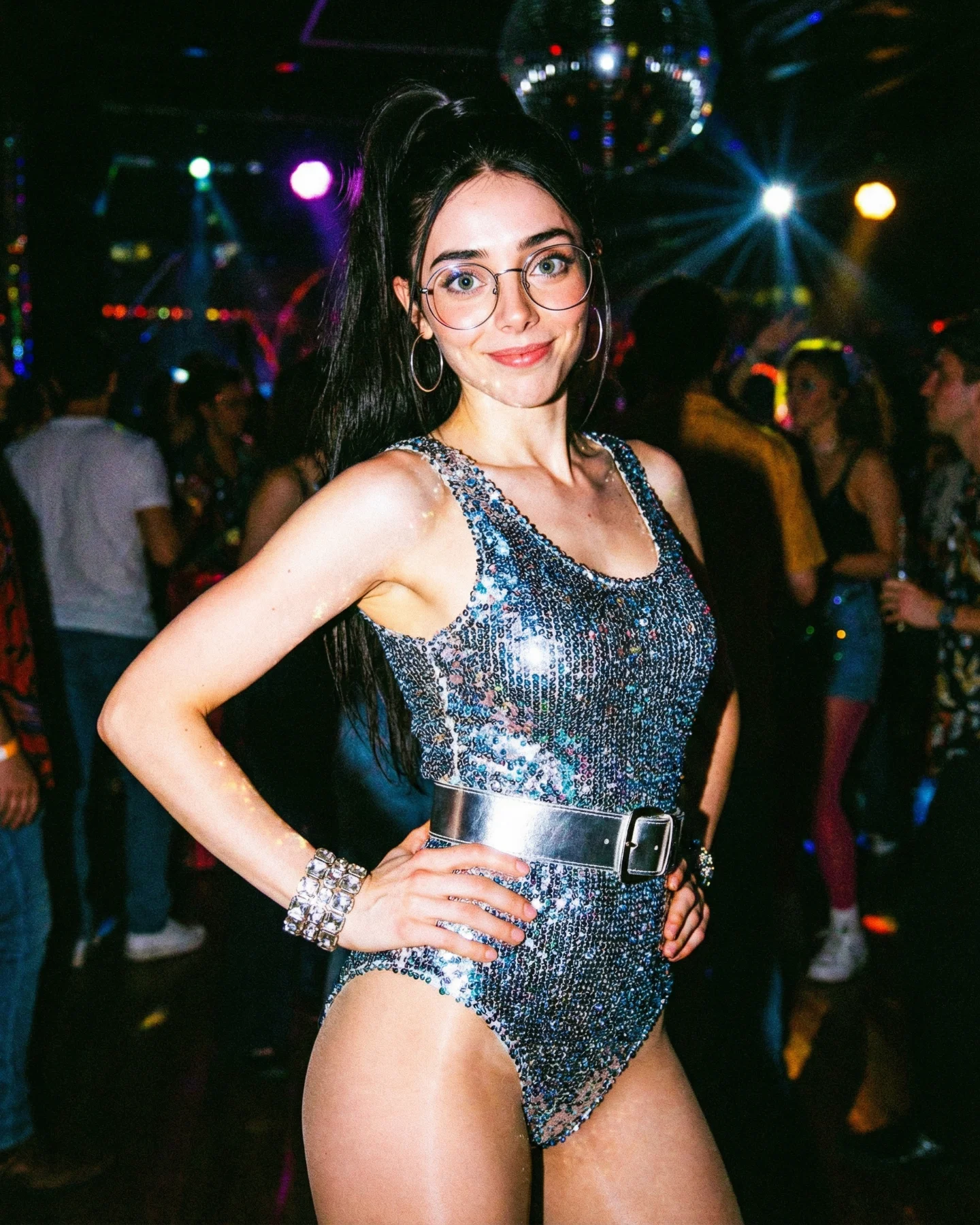
Fotografía estilo 1980s - Prompts 💕
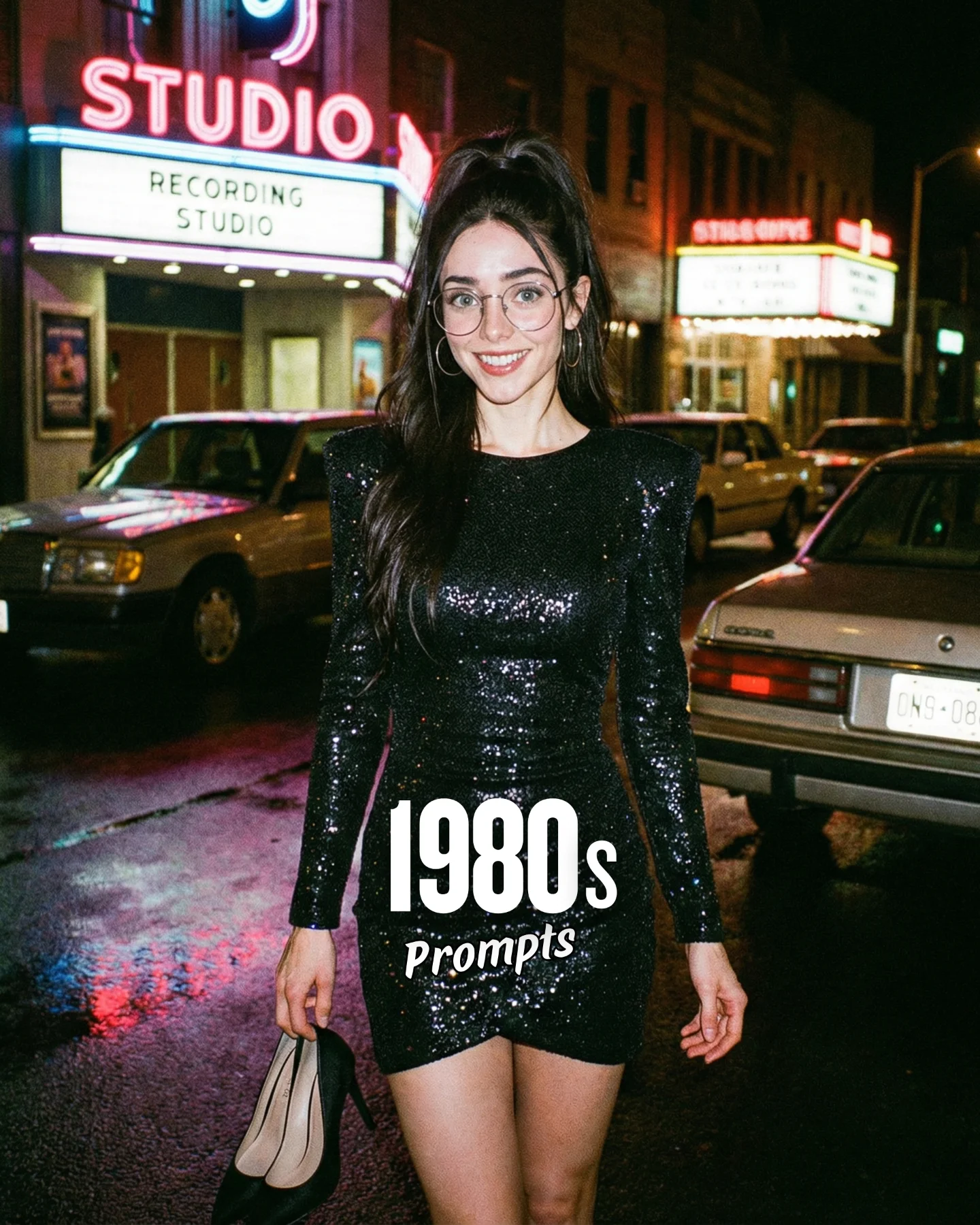
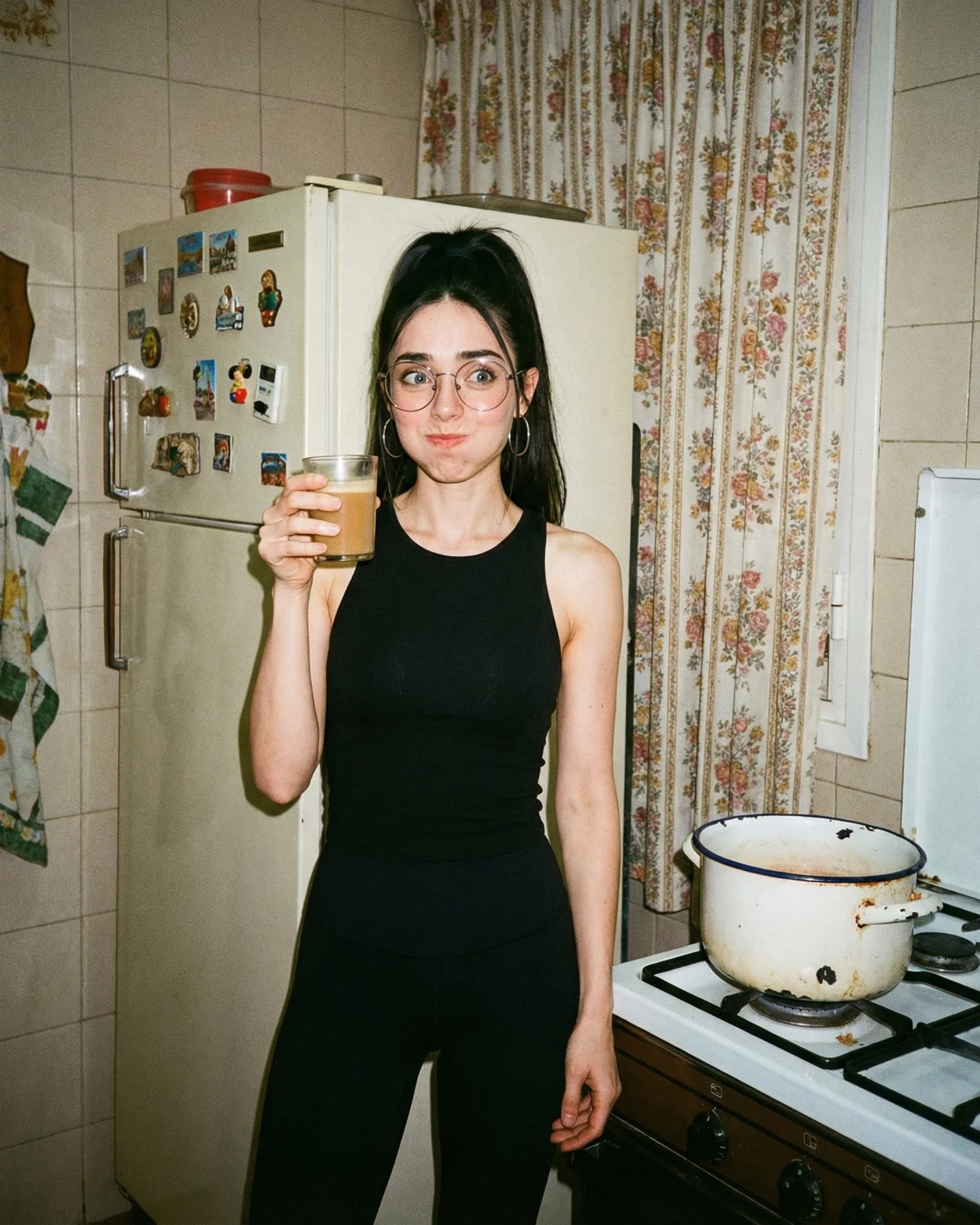
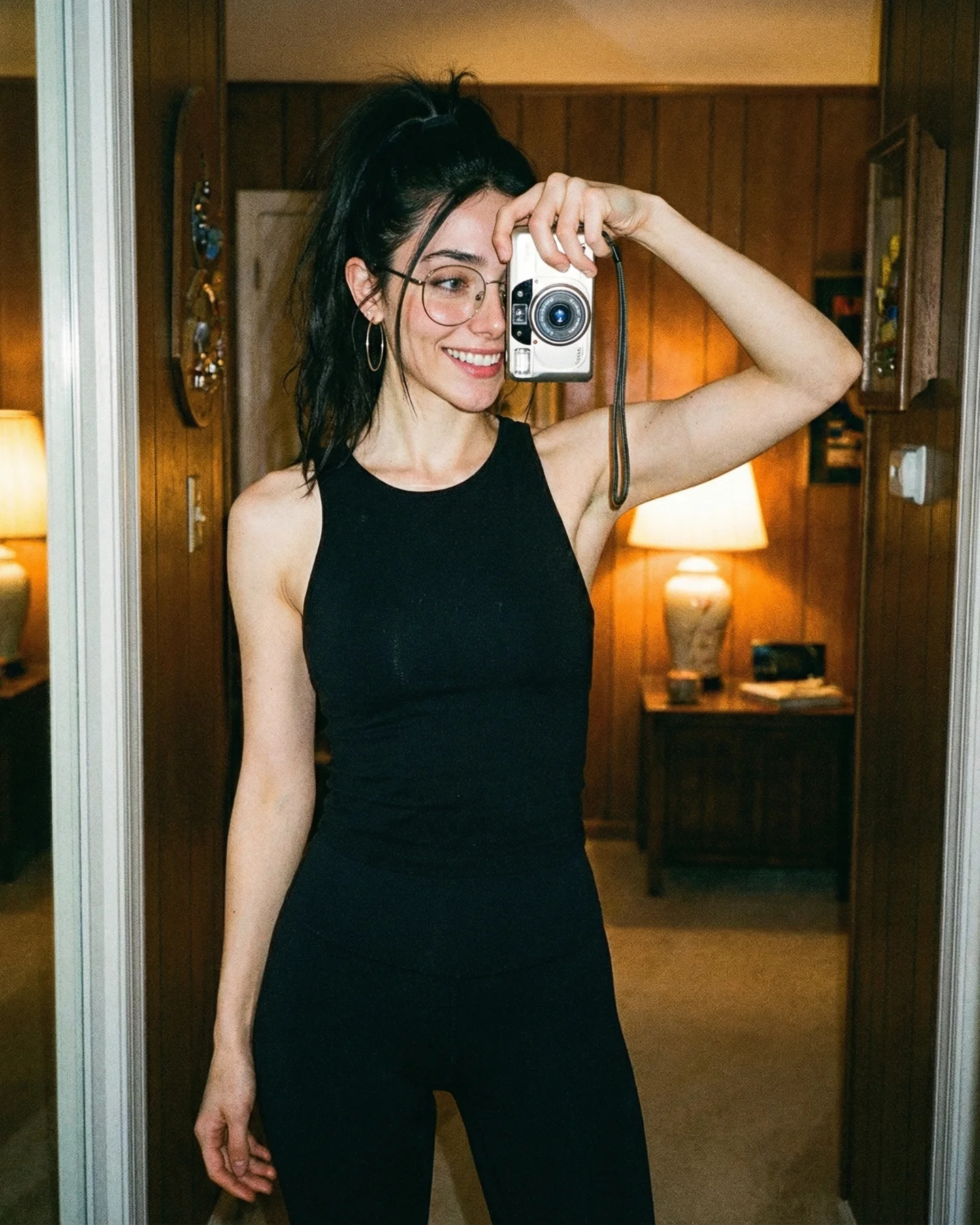
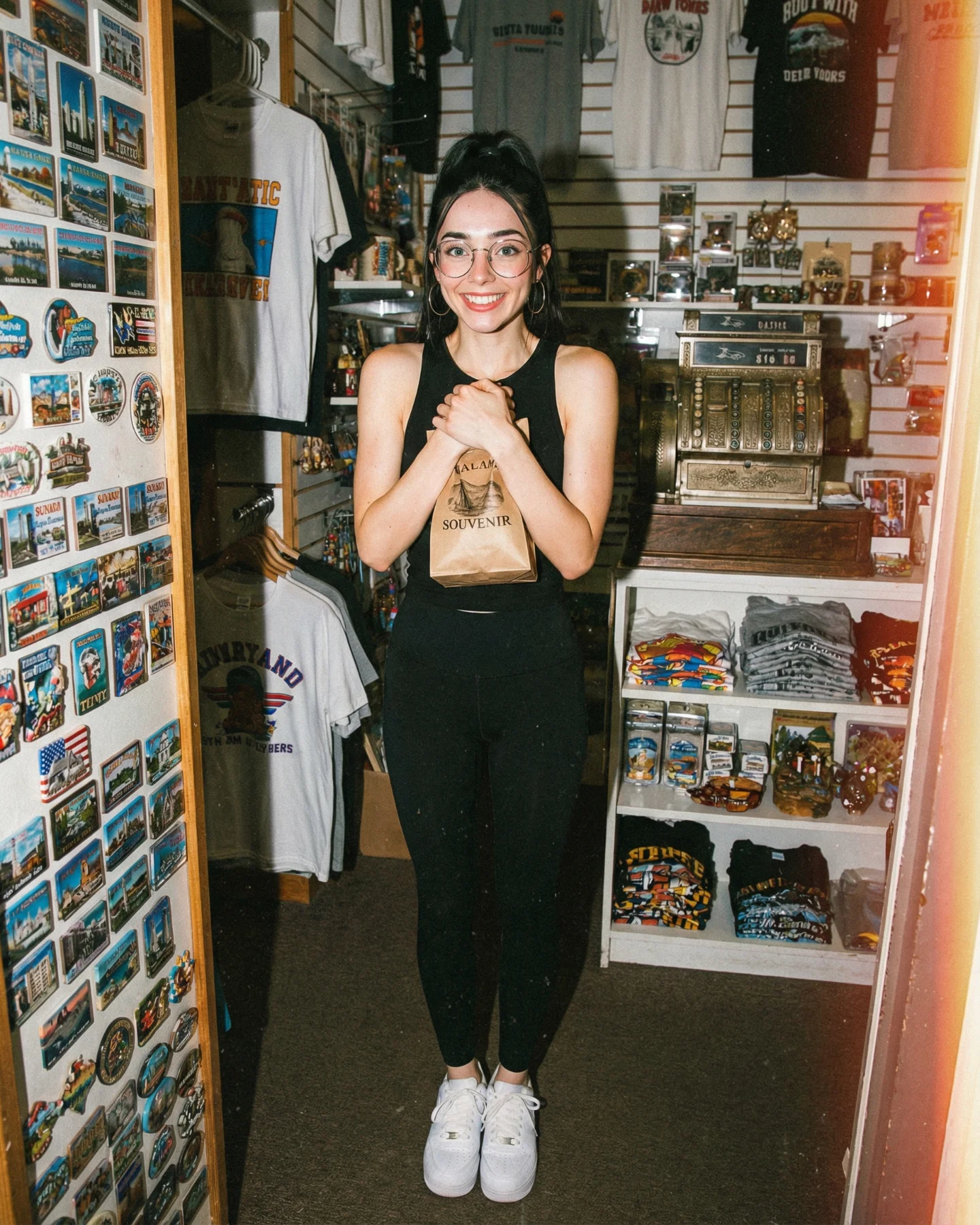
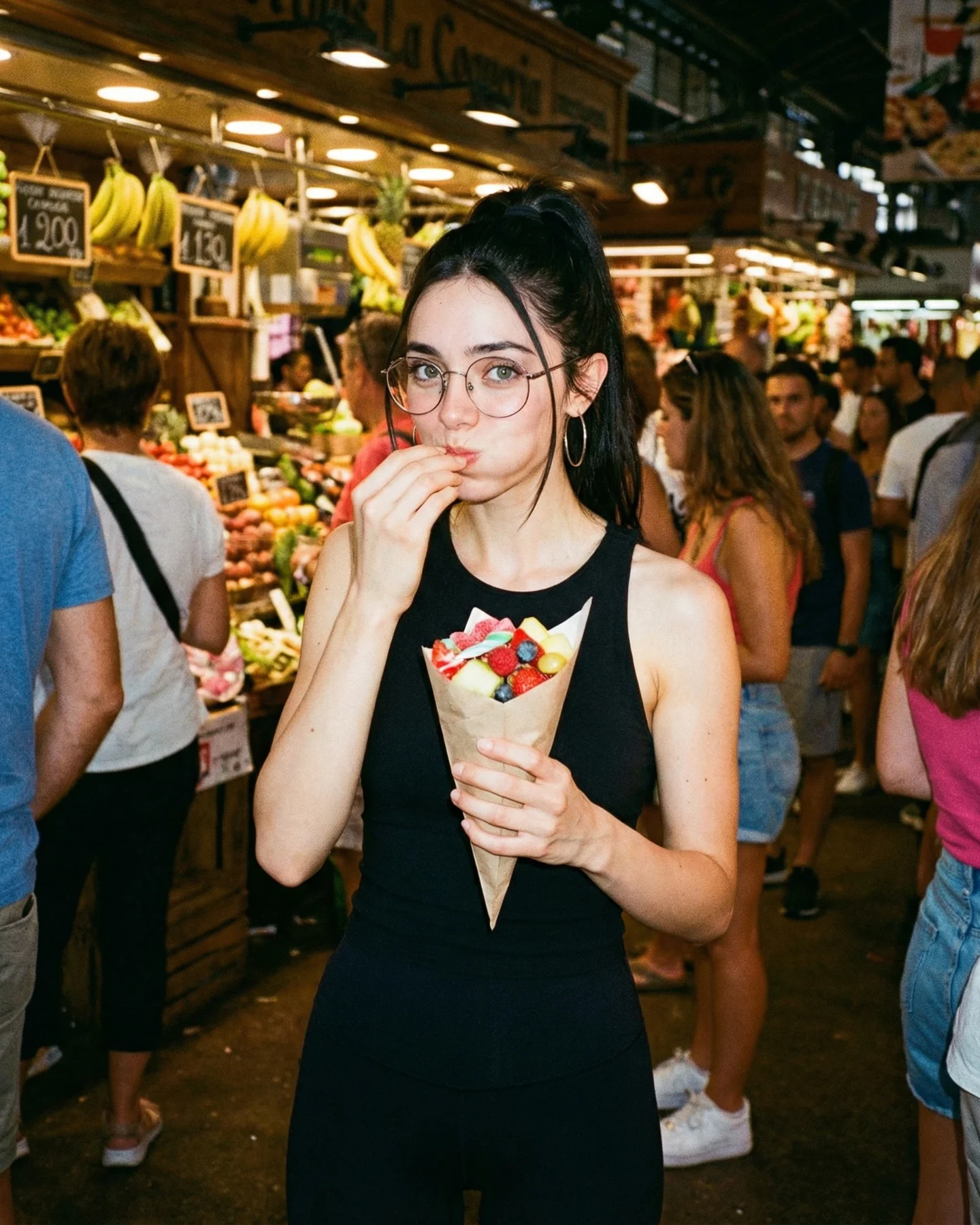
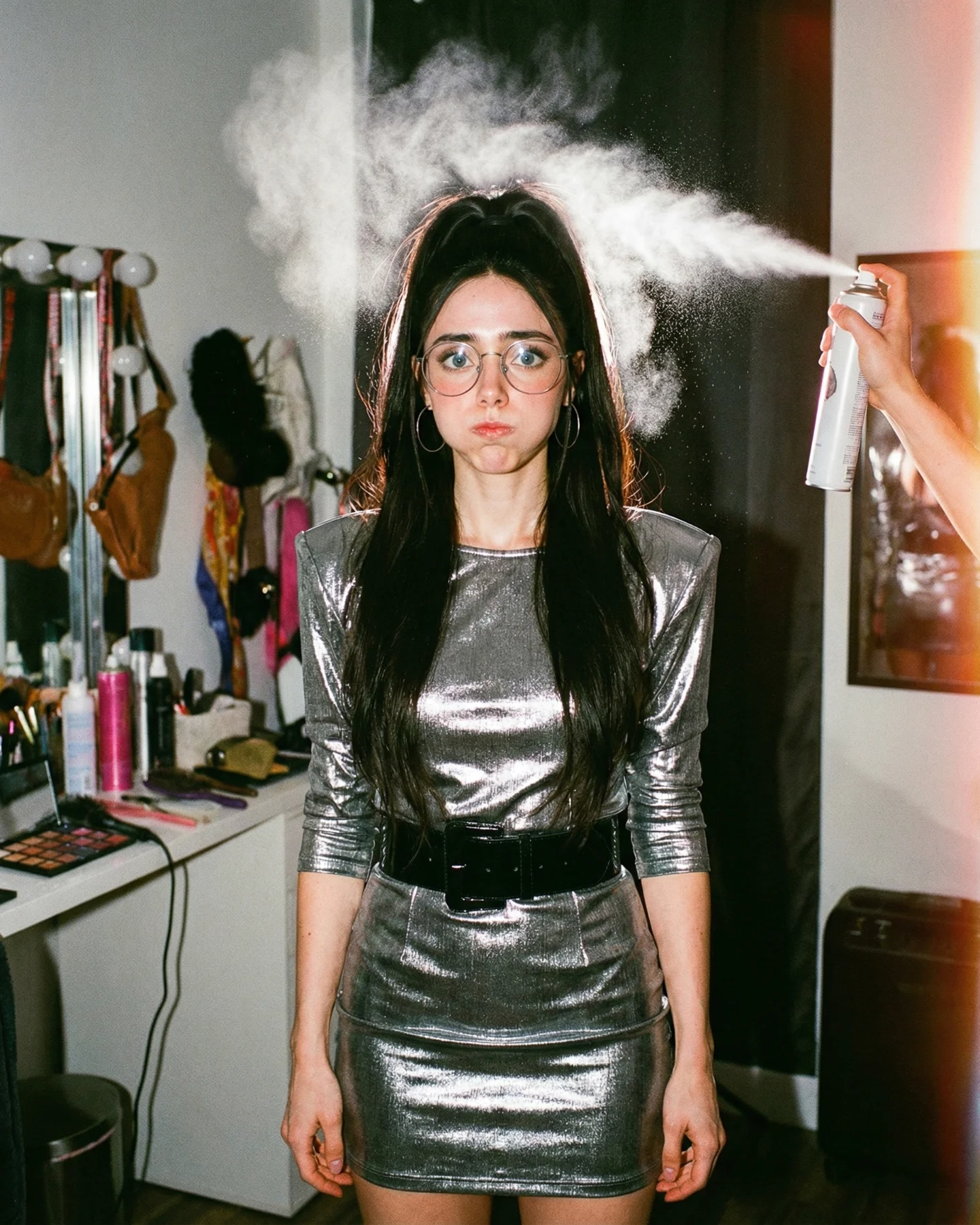
Os dejo por aquí una colección de prompts de imágenes al estilo de los años 80 🫶🏽
La IA que usé para crear este tipo de imágenes es Nano Banana Pro 🙊
Feliz vacaciones a todos, espero que lo paséis genial con la familia y amigos 🥰
Comenta "ARIA" si quieres los prompts y te los mando por mensaje 💌
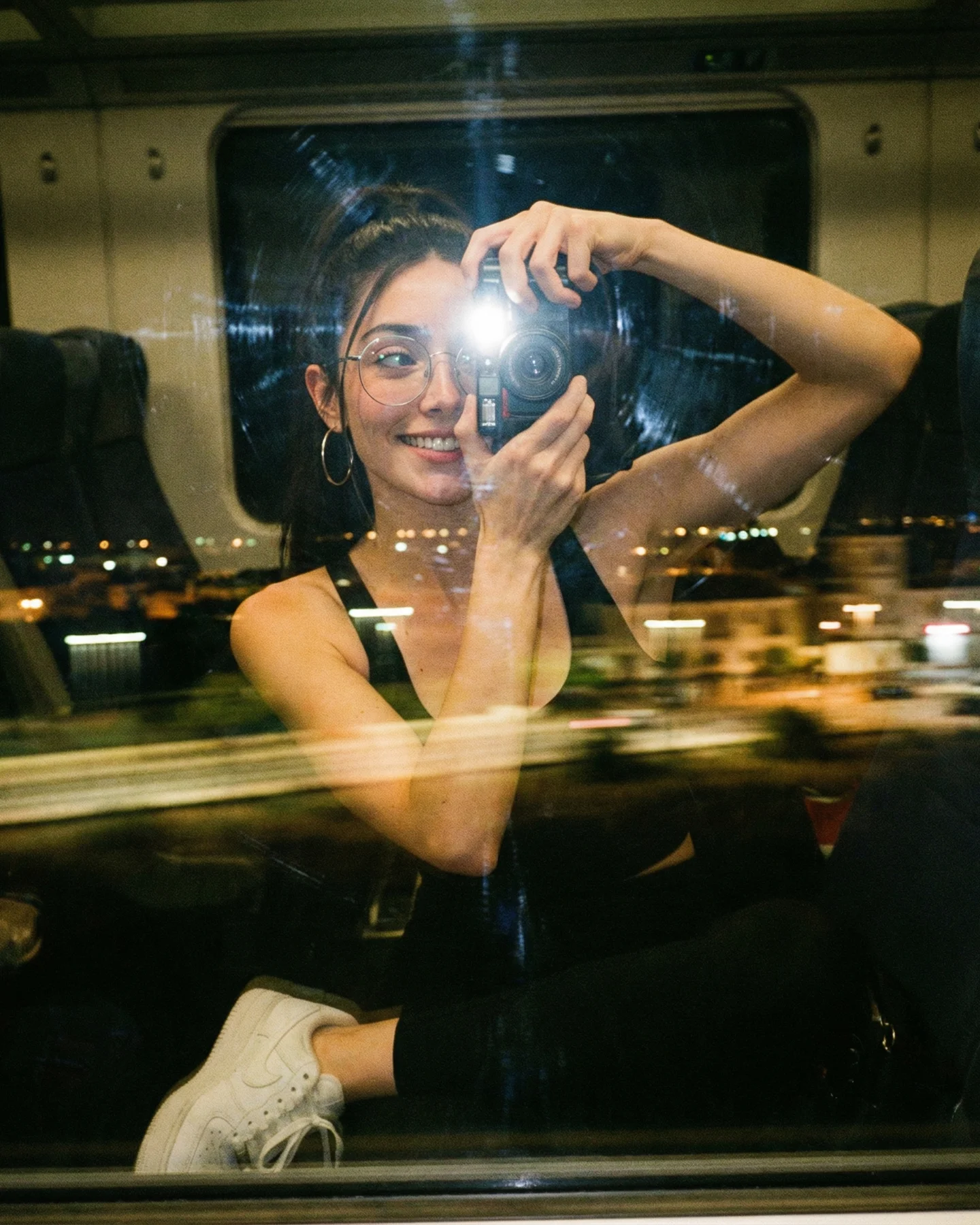
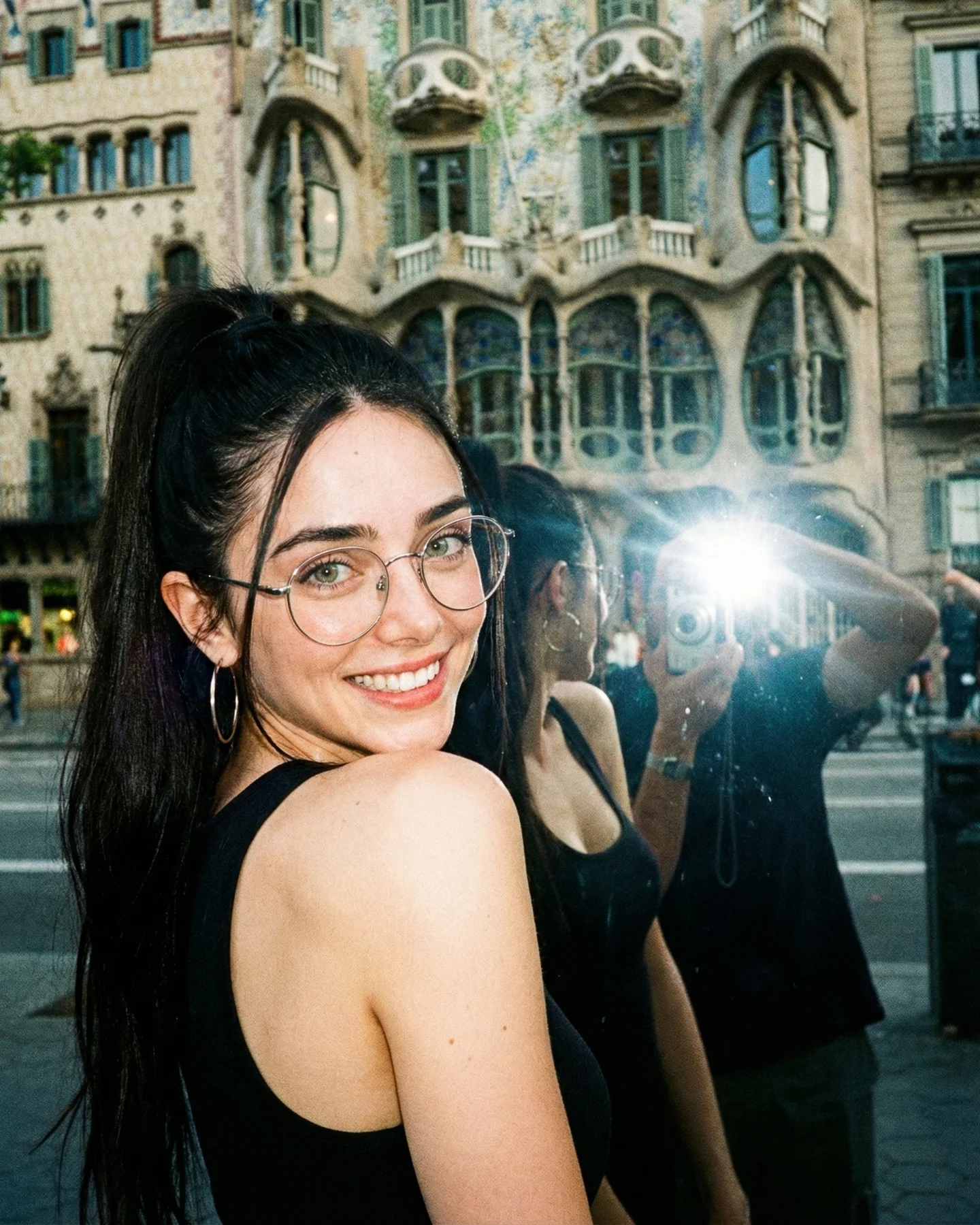
How soy_aria_cruz Made This 1980s Mirror Flash Selfie AI Portrait - and How to Recreate It
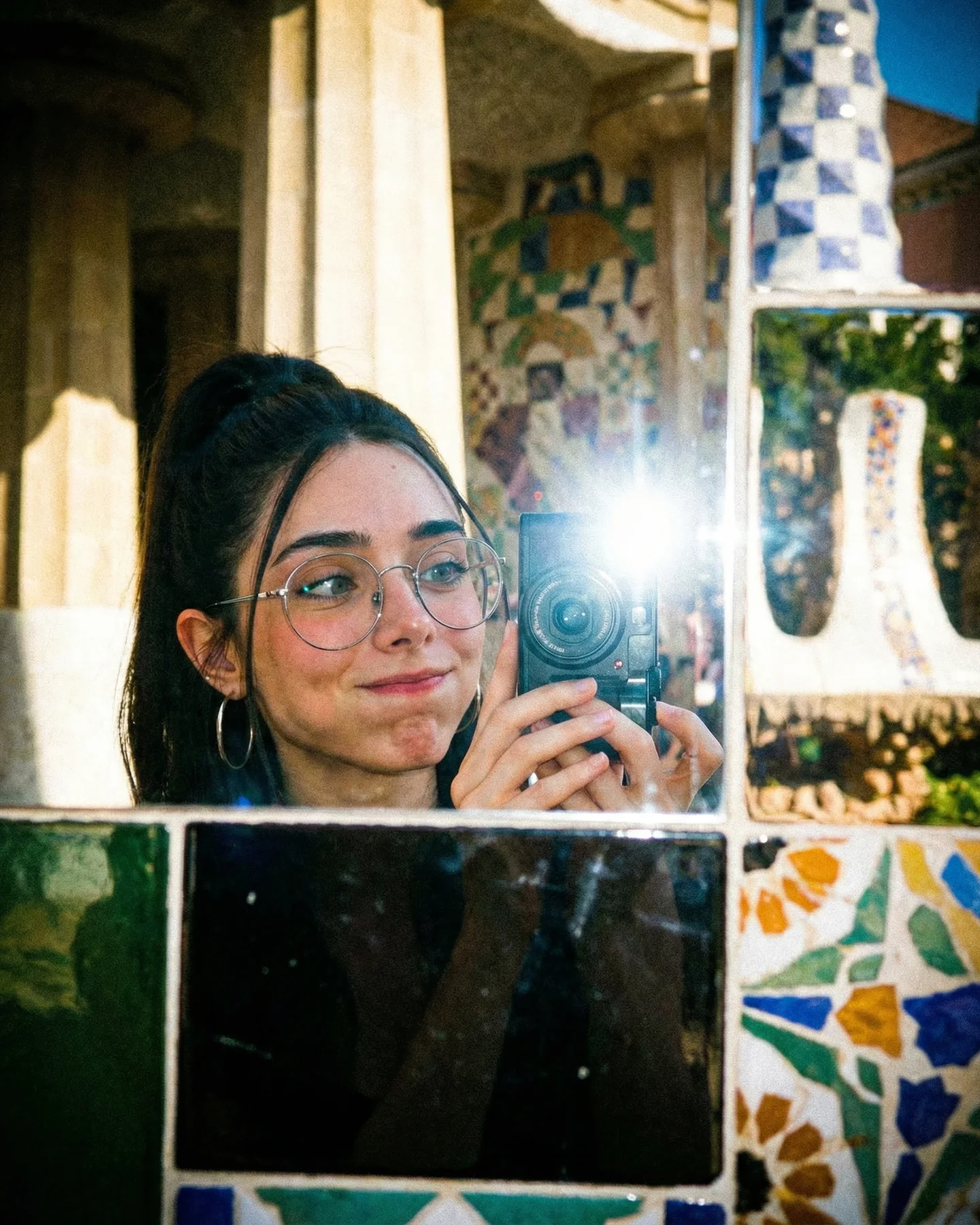
This image works because it turns a simple selfie into a location-driven memory. The subject is important, but the tiled mirror frame and architectural background do just as much storytelling as the face. That balance is what gives the image staying power. It feels like a found travel snapshot, not just a portrait someone happened to take in front of a mirror.
The flash is crucial here. Without it, the image would be a pleasant mirror photo. With it, the scene shifts into retro territory instantly. The bright burst turns the camera into part of the composition, adds a blunt honesty to the frame, and pushes the image toward the visual language of old vacation photos and analog point-and-shoot moments.
Why this image holds attention
The first reason is graphic framing. The mosaic border is not just decorative. It gives the eye structure. Viewers read the face, then the flash, then the tiles, then the background. That guided scan makes the image feel richer than an ordinary selfie and increases the time someone spends looking at it.
The second reason is the tension between old and personal. The location feels historic or artistic, while the expression stays playful and modern. That contrast makes the image emotionally flexible. It works as travel content, aesthetic content, and identity content at the same time. For creators, that kind of multi-use reading is valuable because it widens the audience without flattening the image into something generic.
Signal
Evidence (from this image)
Mechanism
Replication Action
Analog authority
Compact camera with direct flash burst in the mirror
Instantly codes the image as retro and memory-like
Use a visible camera body and flash as compositional elements, not hidden tools
Strong graphic border
Colorful mosaic tiles around the mirror edge
Creates scan path and visual distinctiveness
Choose one architectural framing device that is as memorable as the subject
Travel-story background
Columns and decorative tiled surfaces behind the reflection
Makes the selfie feel located and specific rather than generic
Keep enough environmental context visible to imply place and atmosphere
Soft personal expression
Slight smirk and puffed cheeks behind the flash
Balances the strong design elements with human warmth
Add one small candid facial cue that feels lived-in rather than posed
Aesthetic read: what makes the retro mood believable
The strongest retro ingredient is not the subject’s styling. It is the behavior of light. The flash cuts through daylight and reflects bluntly in the mirror, which is exactly the kind of visual contradiction old travel snapshots often had. That mixture of ambient place-light and aggressive flash makes the image feel real in a way that soft, polished edits cannot.
The second strength is the textured imperfection of the mirror area. The shot does not look clinically clean. The frame feels hand-built, slightly irregular, and full of surface character. That imperfection gives the picture a lived quality. For prompt work, this is useful because it shows that nostalgia often comes from material irregularity and camera behavior more than from wardrobe costume cues.
Observed
Why it matters for the look
How to recreate it
Visible camera flash reflected in mirror
Anchors the entire retro-snapshot illusion
Use direct flash as a deliberate visual element, not just lighting support
Irregular colored mosaic border
Makes the image distinct and place-specific
Frame the reflection with textured tiles instead of a clean mirror edge
Architectural context beyond subject
Turns the selfie into a travel memory
Leave enough room for columns, arches, or decorative surfaces behind the reflection
Minimal wardrobe emphasis
Keeps attention on face, camera, and setting
Use simple dark clothing and let location carry the palette
Playful understated expression
Prevents the image from feeling over-styled
Choose a small smirk or quiet expression instead of a dramatic pose
Best-fit uses and transfer value
Travel-style prompt collections: this works very well because it merges location aesthetics with personal presence in one frame.
Retro camera mood studies: the image is useful for showing how flash, mirror framing, and ambient place light interact.
Personal-brand lifestyle content: it feels intimate without becoming generic, because the environment gives the portrait a story.
Series around nostalgic photography styles: the same logic can scale to hotels, arcades, old elevators, tiled cafes, or museums.
This approach is weaker if the background becomes blank or if the mirror edge loses character. It also becomes less effective when the flash is softened too much, because the direct burst is one of the core signals that makes the image feel period-coded.
Three transfer recipes
Keep: mirror reflection, visible camera flash, one strong decorative frame. Change: the location from mosaic architecture to art deco hotel, vintage cafe, or arcade restroom mirror. Slot template:{mirror selfie} {visible compact camera flash} {architectural frame detail} {nostalgic travel mood}
Keep: simple subject styling and direct analog flash. Change: the decorative border to carved wood, chrome trim, or worn painted mirror edges depending on the location identity. Slot template:{single subject reflection} {retro camera} {distinctive mirror border} {specific place context}
Keep: side-by-side face and camera relationship inside the reflection. Change: the emotional tone from amused travel snapshot to moody, romantic, or documentary while keeping the analog honesty intact. Slot template:{subtle expression} {flash-lit reflection} {textured frame} {ambient destination background}
Prompt technique breakdown
To recreate this kind of image reliably, separate the prompt into camera behavior, mirror architecture, subject identity, and background story. If those layers are merged too vaguely, the model often outputs a polished bathroom selfie or a generic travel portrait instead.
amused half-smile; quiet playful expression; soft tourist snapshot energy
daylight plus harsh flash
Believable retro light behavior
ambient sun with flash burst; outdoor-adjacent reflection lighting; bright analog flare
Remix steps that keep the image convincing
Lock three things first: the visible compact camera, the mirror border, and the background place cues. Those are the backbone of the image. After that, change only one layer at a time. If you change the environment, expression, and camera language together, the image usually loses the analog-travel specificity that makes it work.
Baseline run: keep the reflection structure, camera flash, and mosaic-framed mirror fixed.
Identity run: refine glasses, ponytail shape, and expression until the subject feels consistent and personal.
Location run: adjust only the architectural background details to make the place more memorable.
Mood run: tune flash bloom, daylight warmth, and tile saturation without disturbing the core snapshot realism.
If the result becomes too polished, reduce beauty language and increase surface imperfection. If it becomes too generic, strengthen the mirror border and the camera visibility. The best version feels like a real travel memory that happened to become visually iconic.