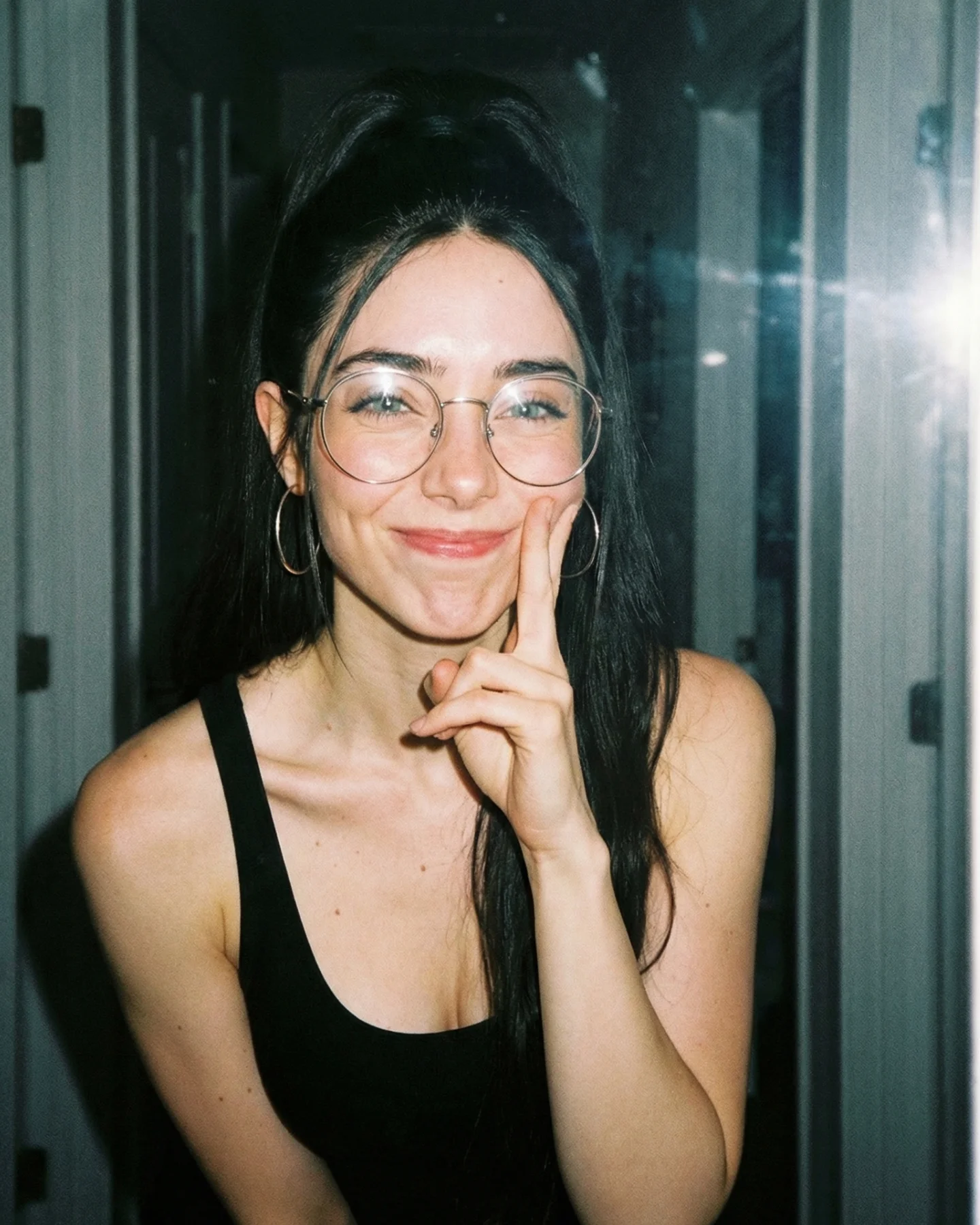
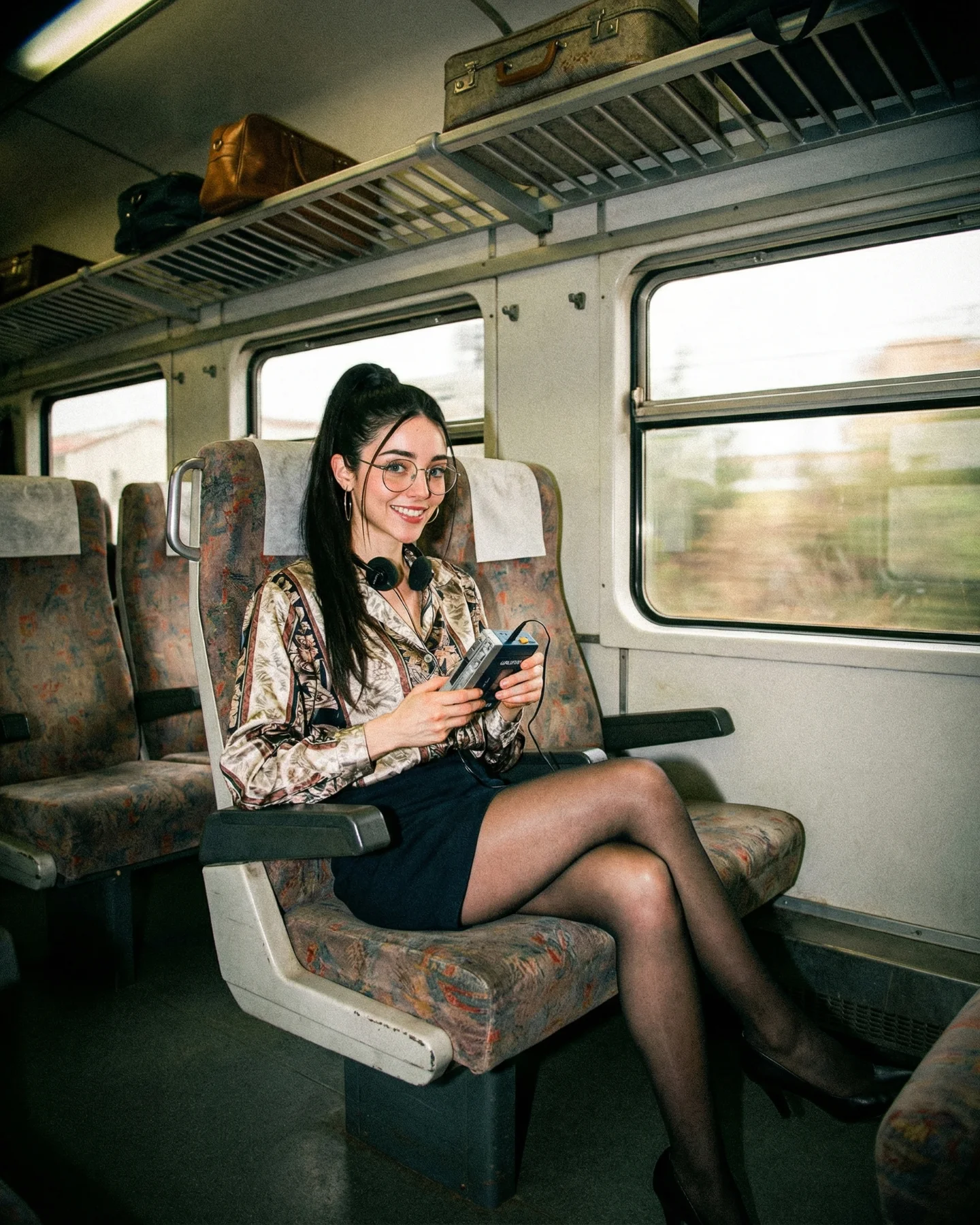
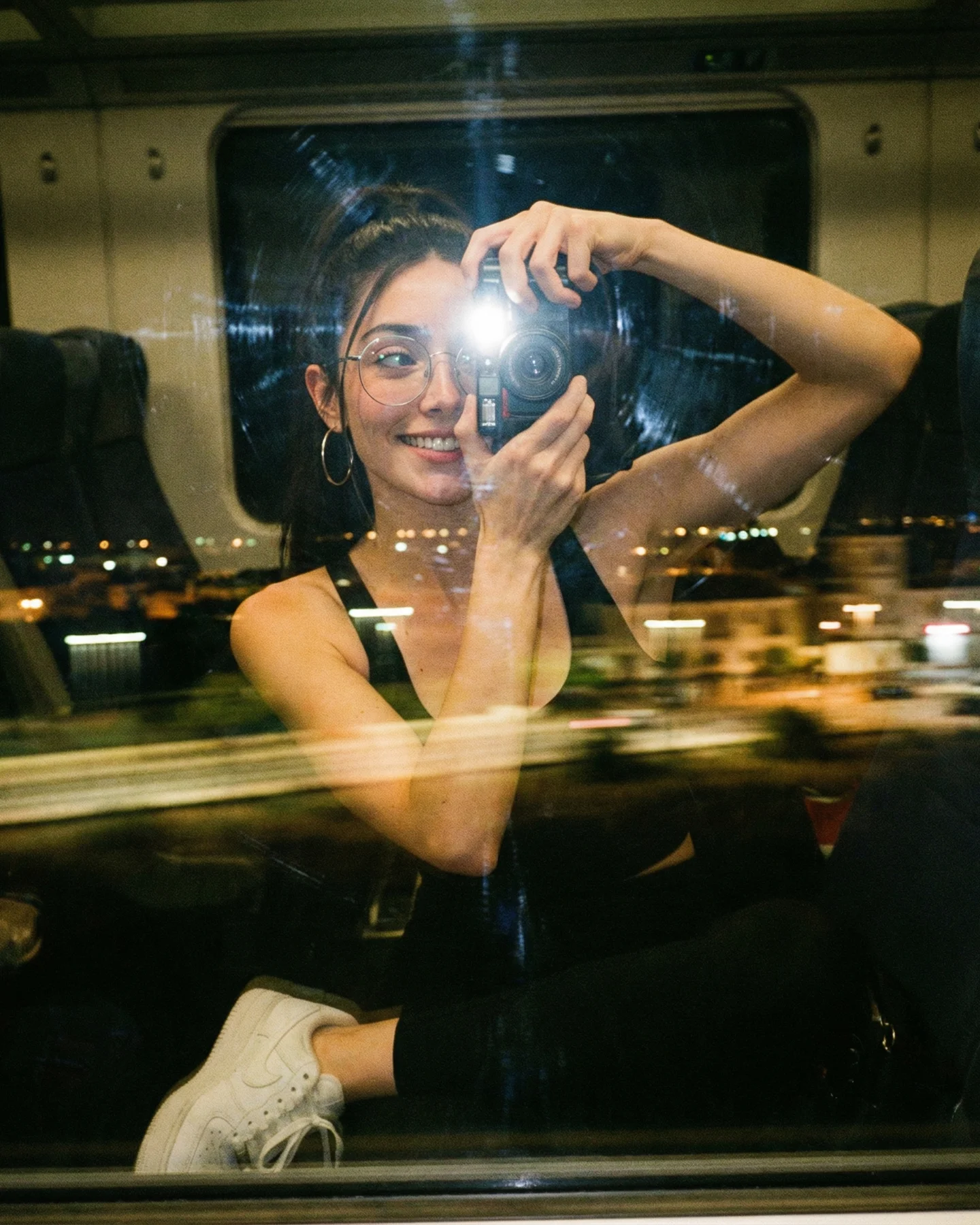
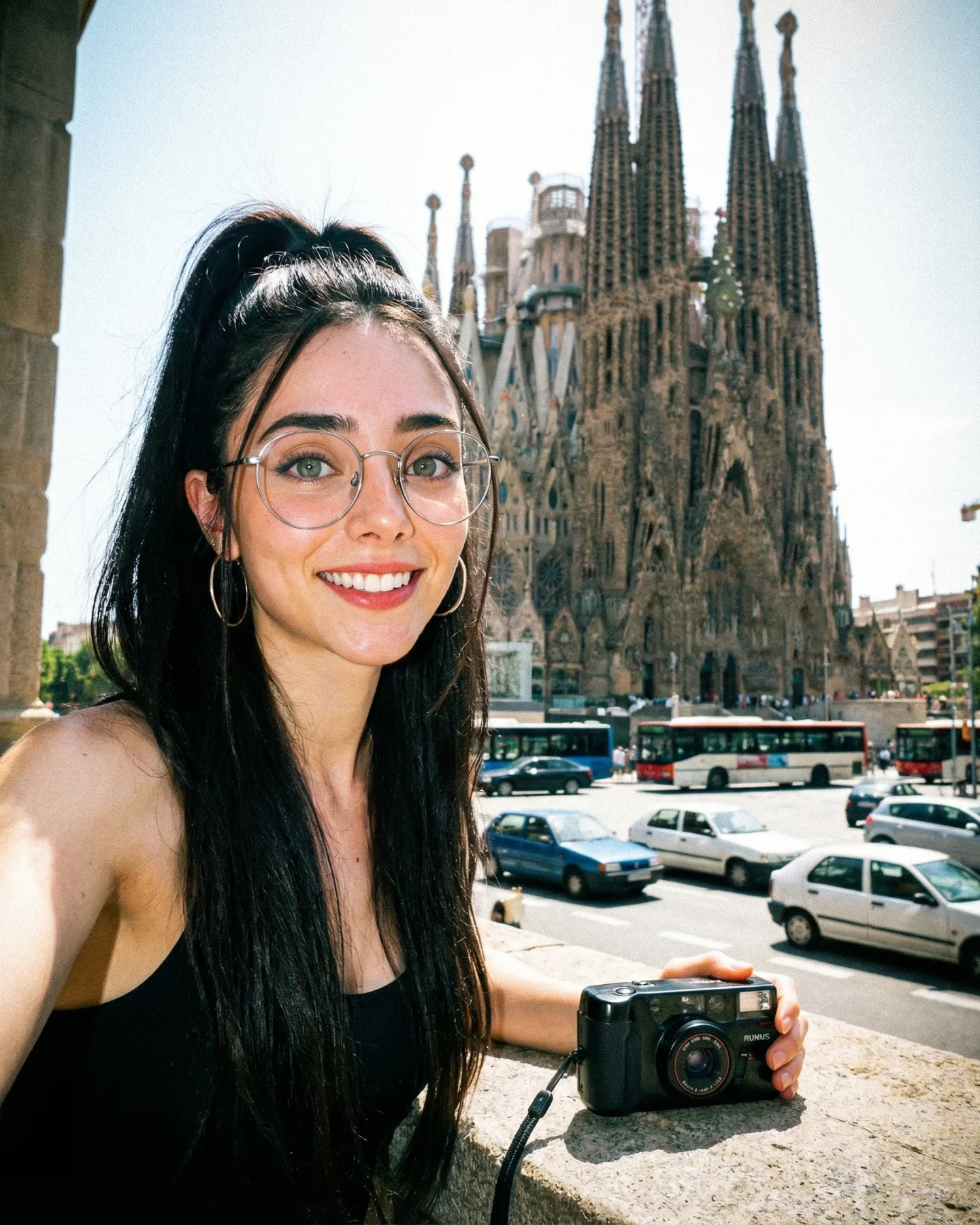
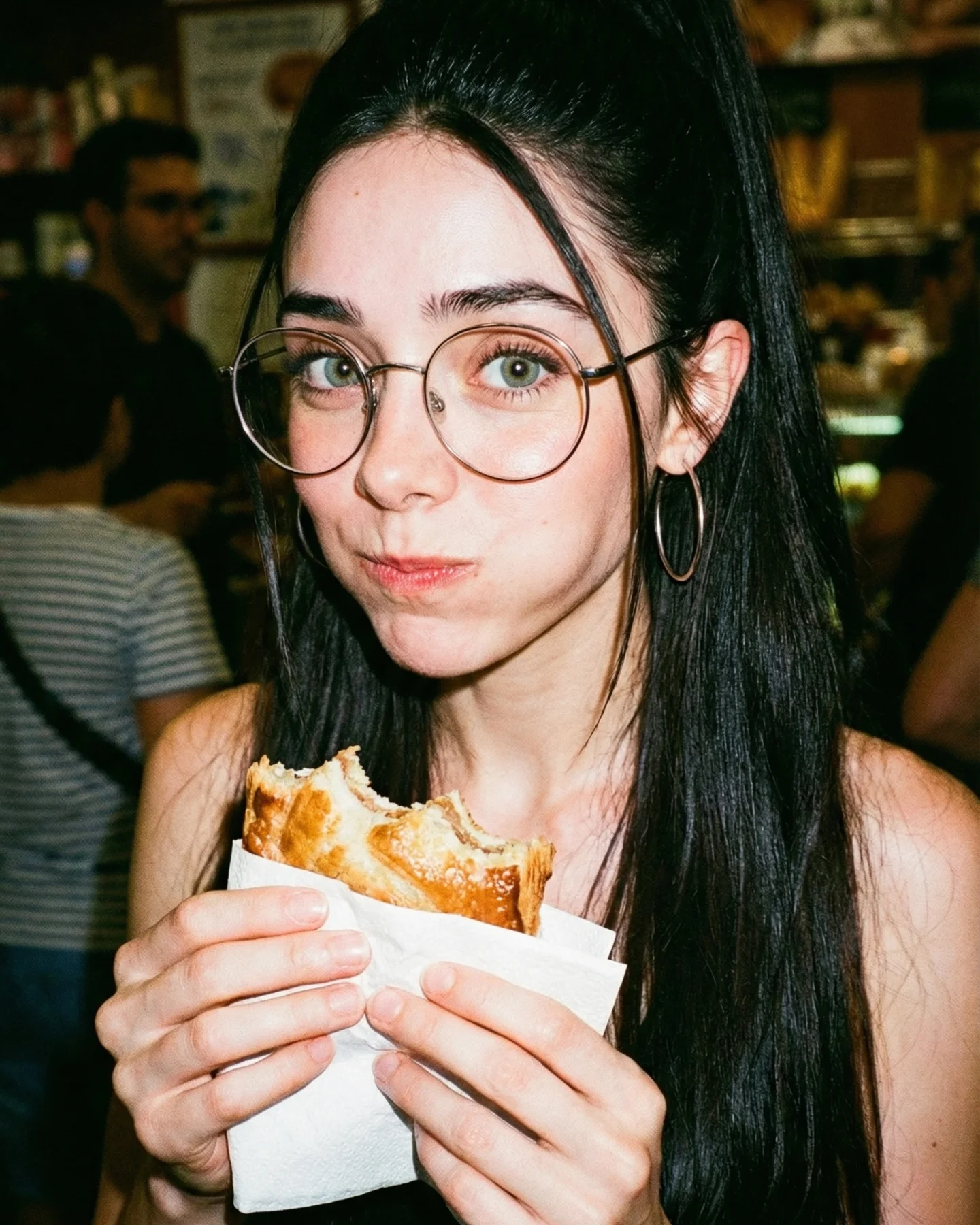
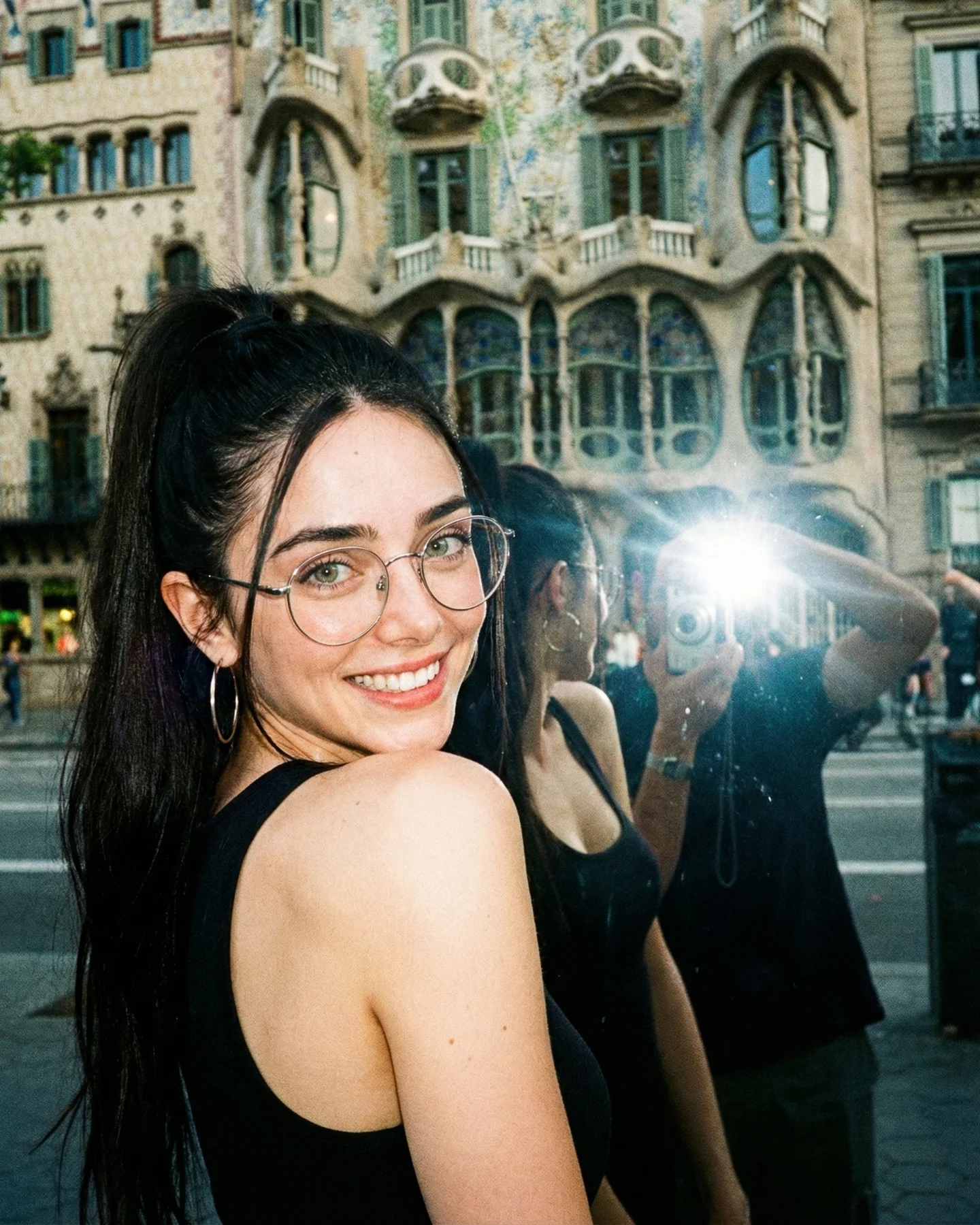
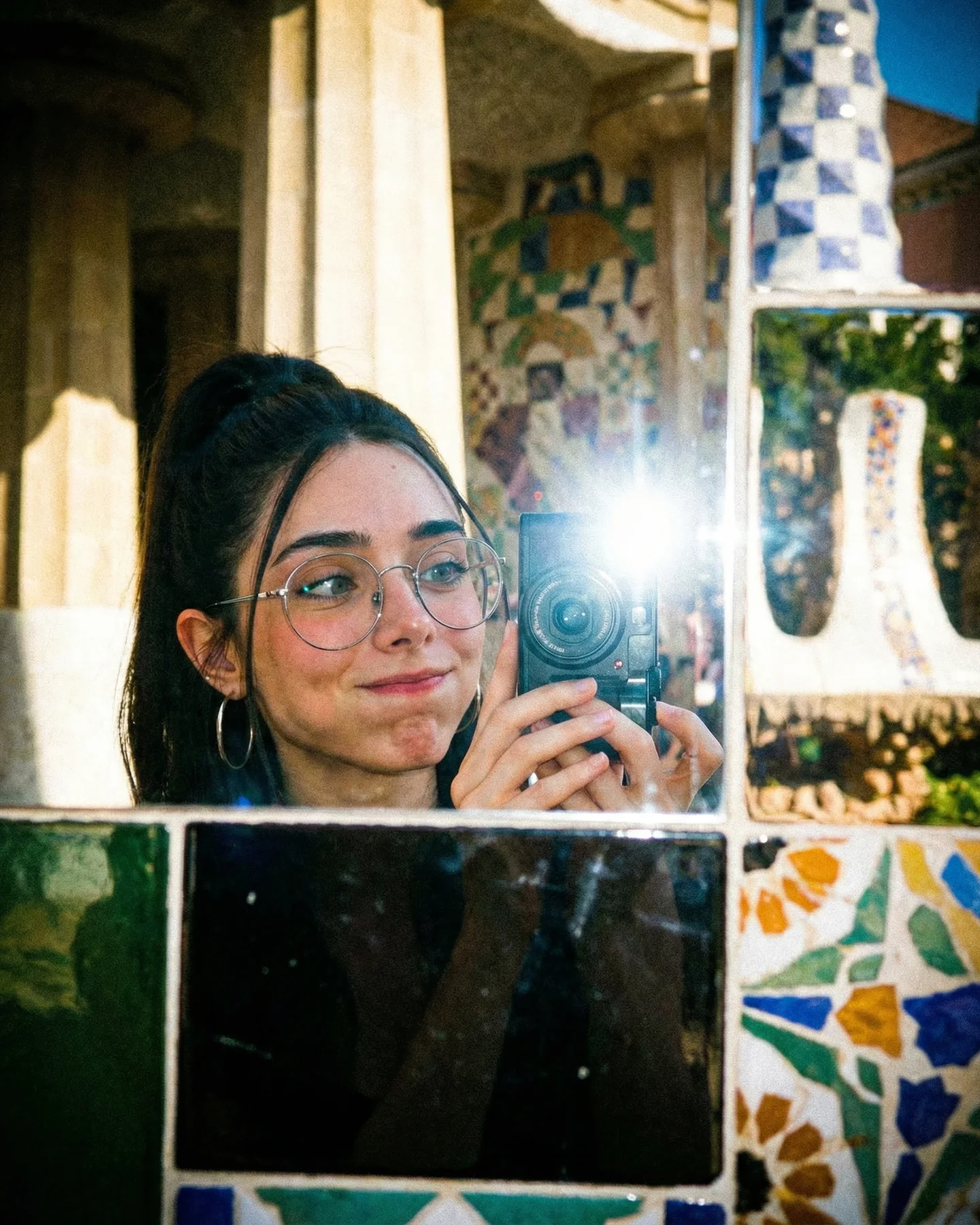
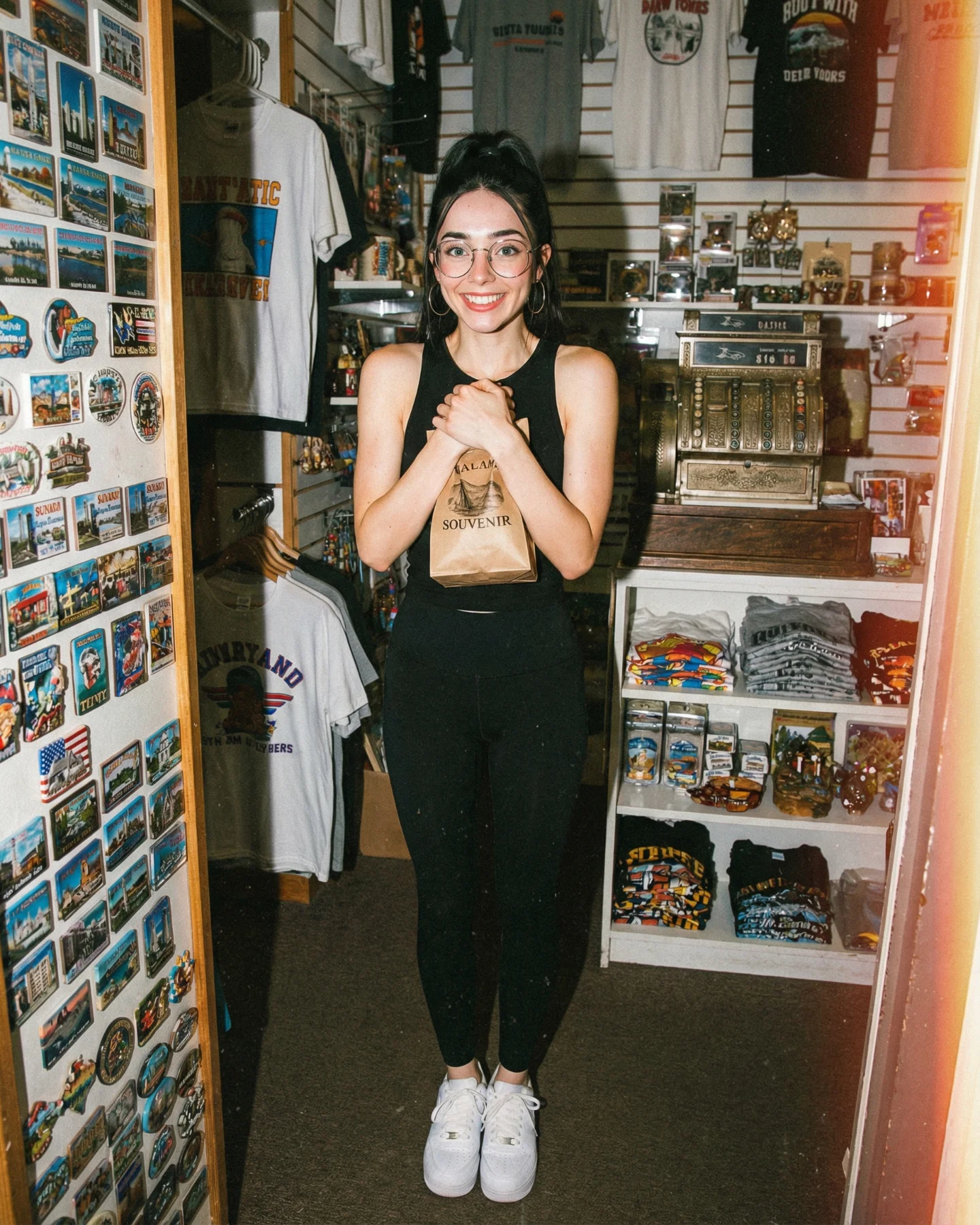
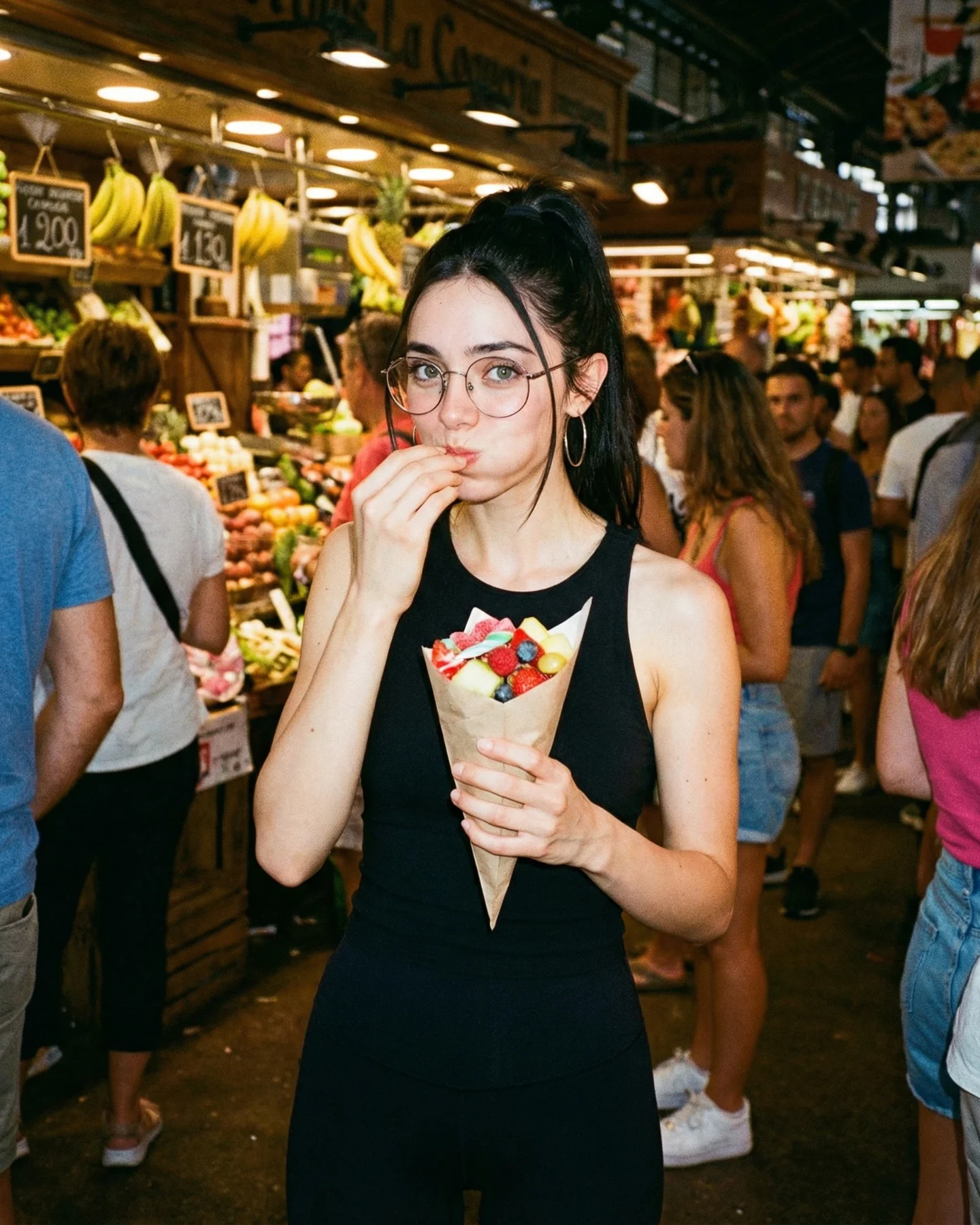
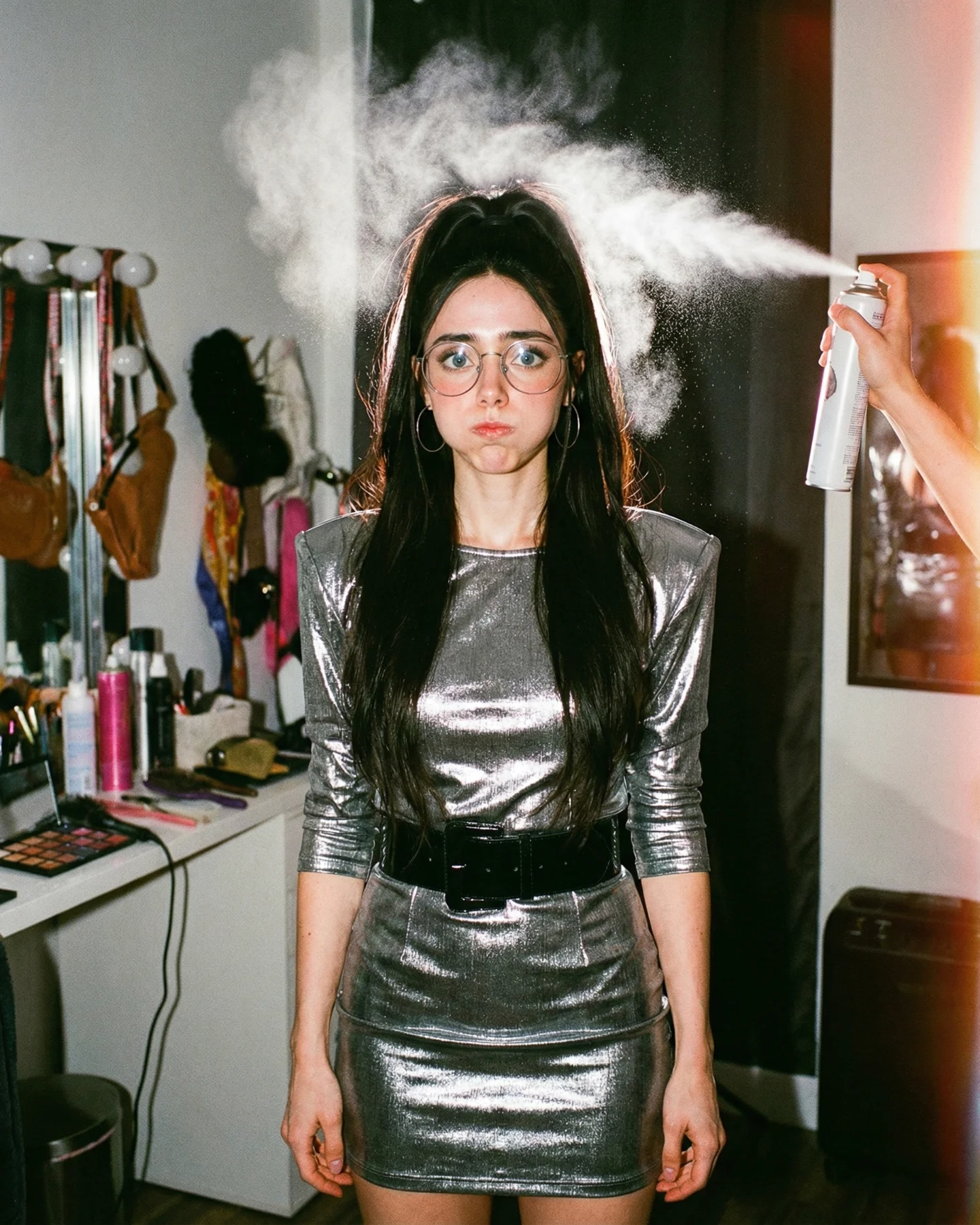
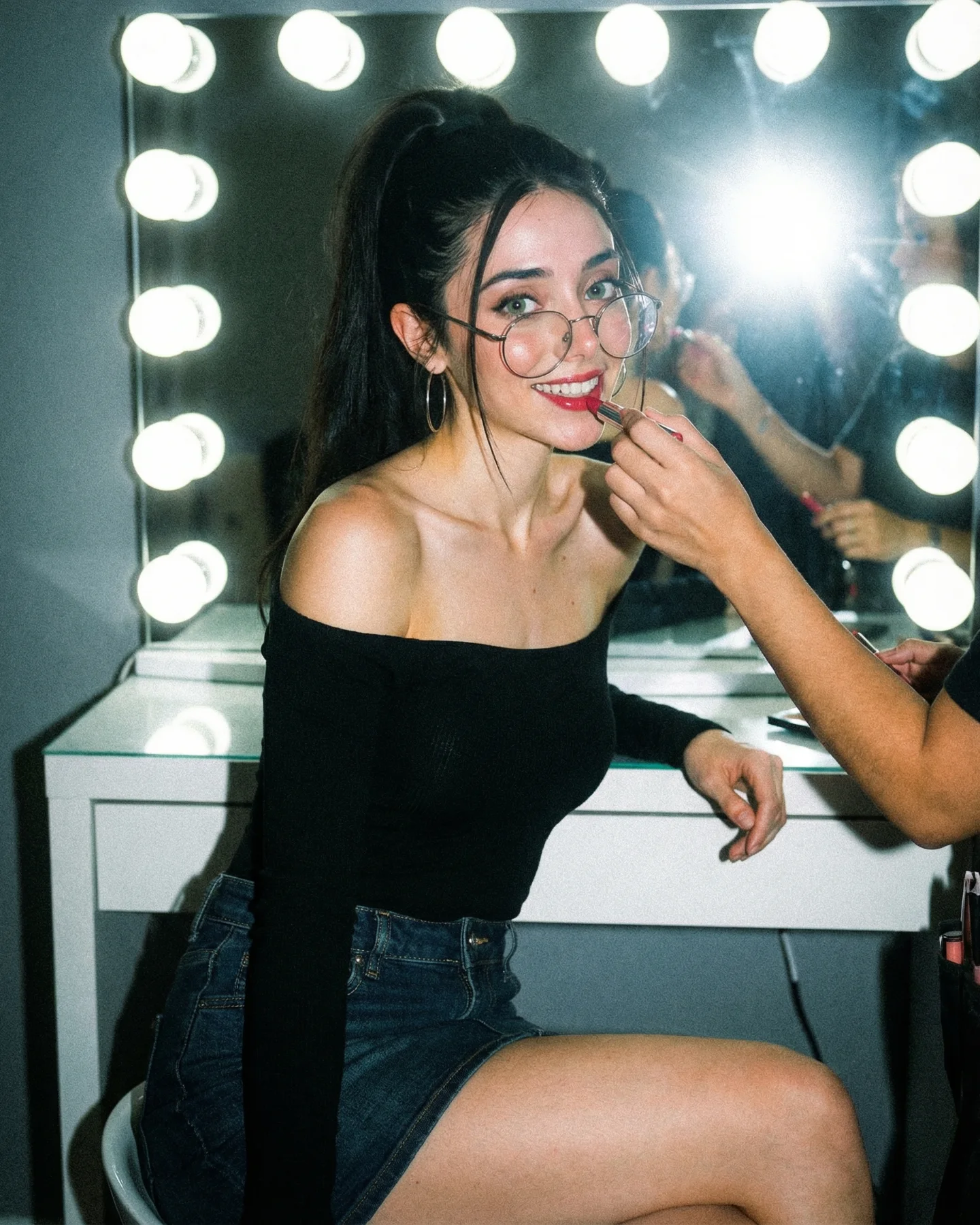
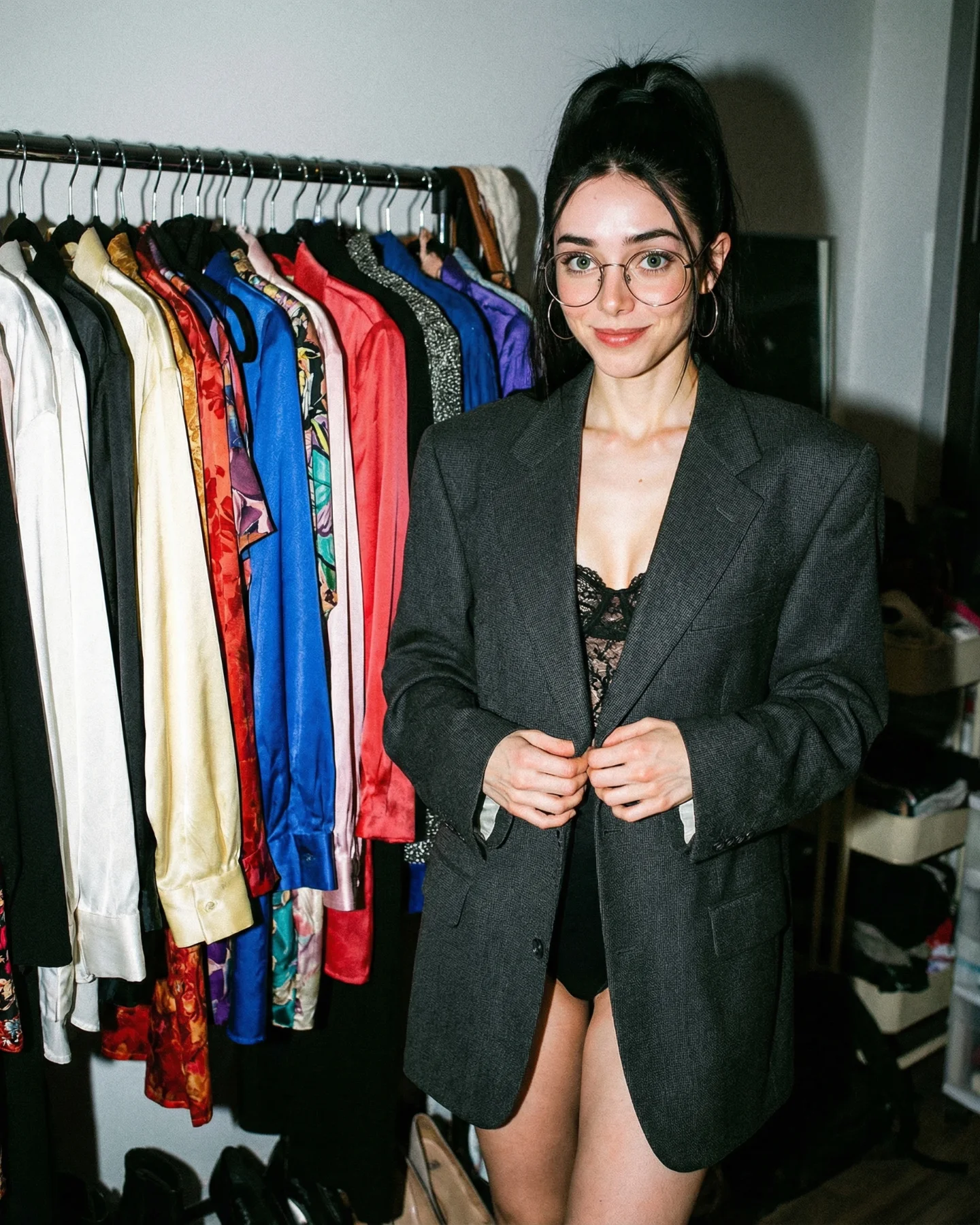
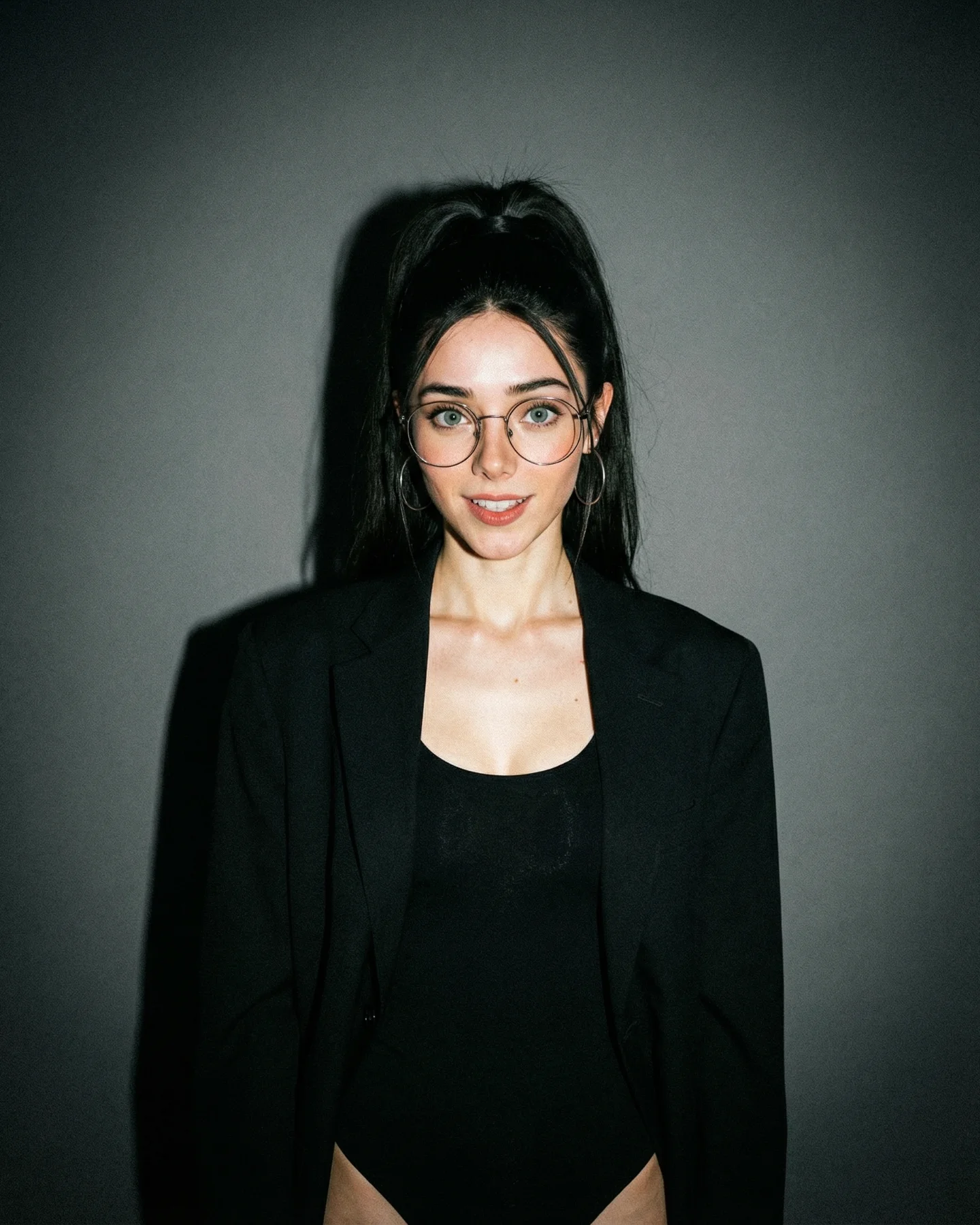
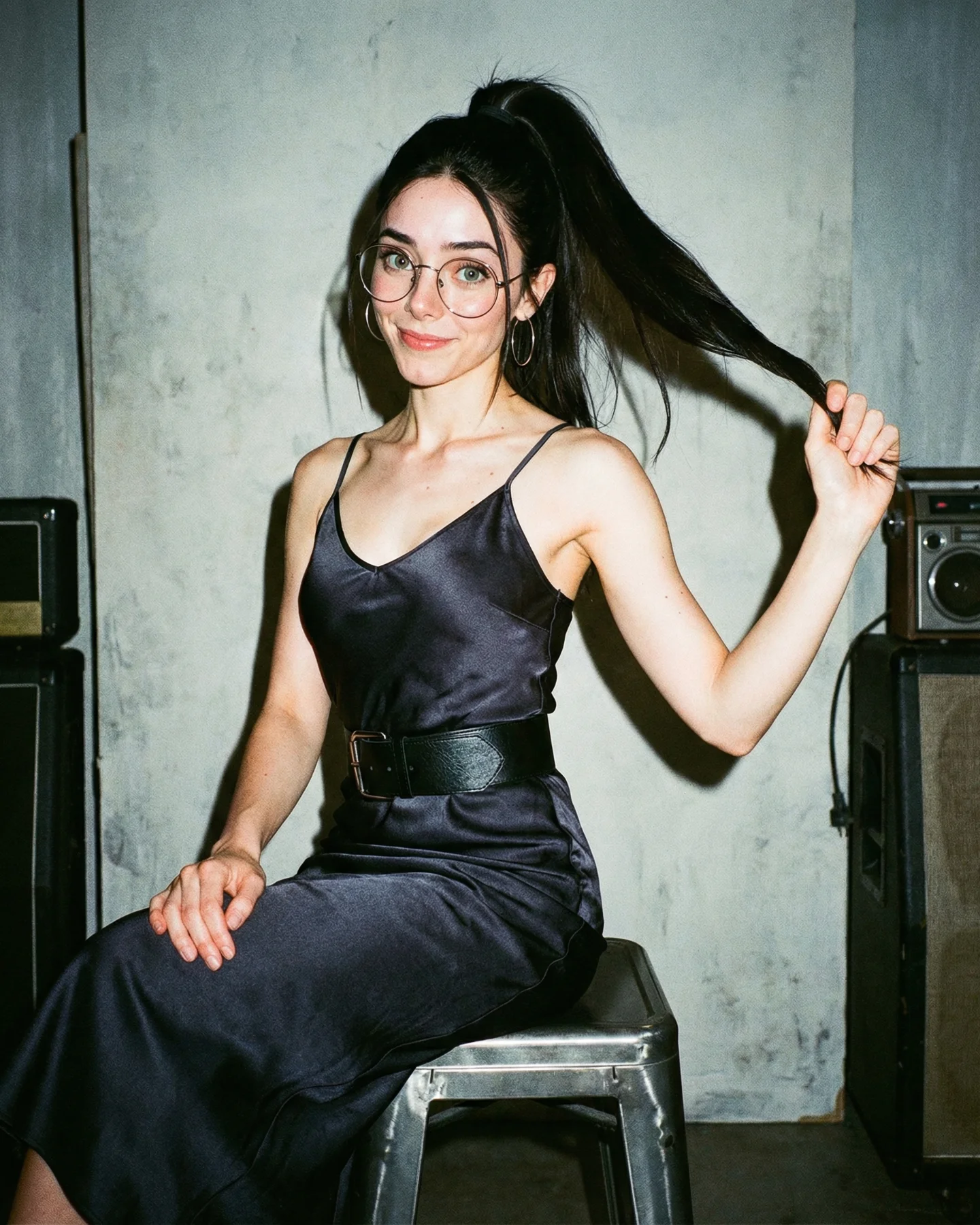
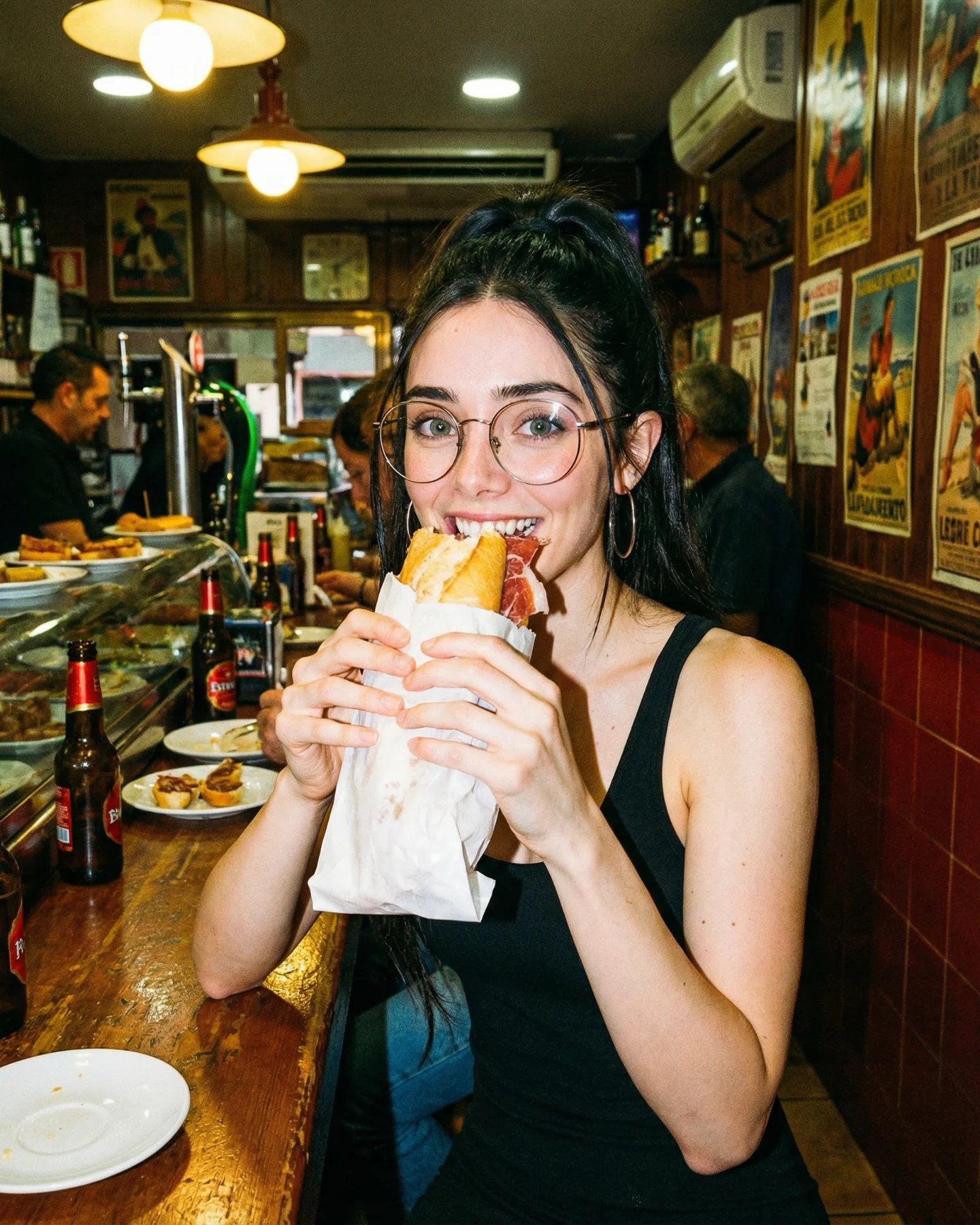
Fotografía estilo 1980s - Prompts 💕
Os dejo por aquí una colección de prompts de imágenes al estilo de los años 80 🫶🏽
La IA que usé para crear este tipo de imágenes es Nano Banana Pro 🙊
Feliz vacaciones a todos, espero que lo paséis genial con la familia y amigos 🥰
Comenta "ARIA" si quieres los prompts y te los mando por mensaje 💌
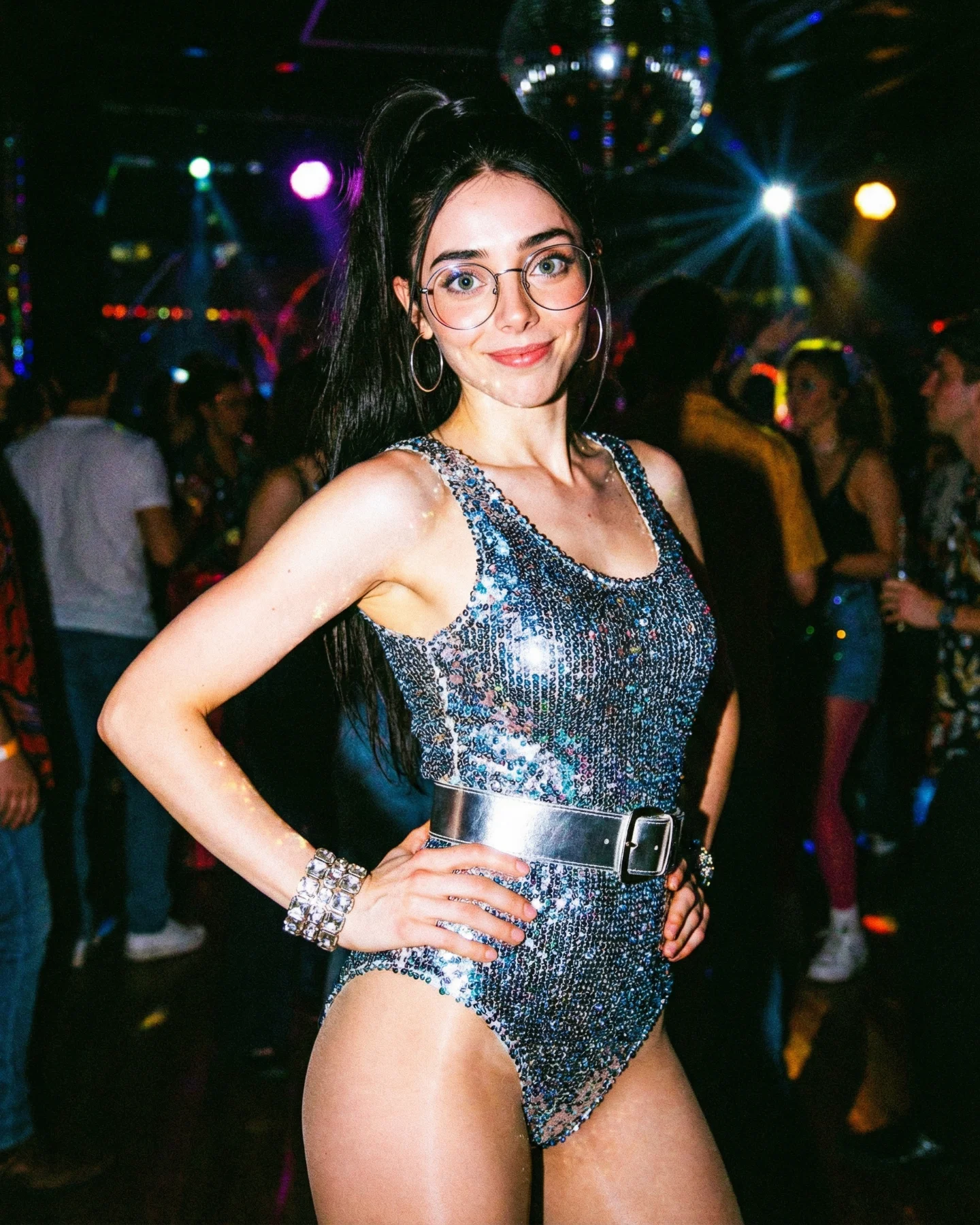
How soy_aria_cruz Made This 1980s Disco Club Photo AI and How to Recreate It
This image works because it takes the 1980s brief in the right direction. Instead of overloading the frame with clichés, it chooses one unmistakable code and pushes it hard: silver sequins under direct club flash. That alone sells the era fast. The disco ball, crowd, and colored lights then support the idea without fighting it. The result feels more like a real nightlife memory than a costume exercise.
The subject’s styling also helps keep the image usable for modern creators. The glasses, high ponytail, and relaxed expression make the frame feel personal rather than theatrical. That balance matters. A retro image performs better when the decade shows up through camera language and materials, while the person still feels contemporary enough for viewers to imagine themselves in the frame.
Why this image has strong stop power
The first reason is flash discipline. The camera flash makes the sequins explode visually while holding the face clear and readable. That gives the image a strong focal hierarchy: face first, outfit second, environment third. In a busy club scene, that order is what keeps the photo from becoming noise.
The second reason is confidence without motion blur. Many nightlife images try to prove energy through chaos. This one does the opposite. The subject stands still and centered while the club stays alive around her. That creates a strong anchor inside the frame. Viewers get both glamour and atmosphere without losing visual clarity.
Signal
Evidence (from this image)
Mechanism
Replication Action
Sequined hero texture
Silver one-piece catches flash across the full body
Reflective surfaces make the outfit instantly legible in dark environments
Choose one high-sparkle material and let it become the main period signal
Centered confidence pose
Hands on hips and direct body orientation toward camera
Stable posture makes the image easy to read even with a busy background
Use a strong static pose when the environment already provides motion and noise
Real club context
Disco ball, blurred dancers, colored lights, dark room
Adds social proof and time-place specificity
Keep 3-4 nightlife markers in the background without making them compete with the subject
Direct-flash realism
Subject is bright while the club falls into darker color pockets
Makes the image feel like an authentic event photo, not a set piece
Prompt event flash and allow ambient colored lighting to remain secondary
Aesthetic read: why the retro mood feels believable
The strongest choice is that the retro reference comes through material and lighting more than costume excess. The silver belt, sequins, and disco ball are enough to point to the decade. Nothing else needs to scream. That restraint is why the image feels believable. It looks like someone at a party, not someone wearing “the 80s” as a joke.
The second good decision is background softness. The clubgoers are visible enough to prove the space is active, but they never compete for the frame. That lets the subject remain iconic. For AI prompts, this is critical. If the crowd becomes too sharp or too dominant, the picture stops being a portrait and starts becoming a messy scene report. This image keeps the difference clear.
Observed
Why it matters for the look
How to recreate it
Direct flash on sequins and skin
Creates high-energy nightclub realism
Use strong frontal event flash instead of soft beauty lighting
Disco ball above the subject
Gives instant nightlife period context
Add one overhead disco marker rather than many themed props
Blurred social background
Supports the portrait without distracting from it
Keep clubgoers visible but secondary and slightly soft
Wide metallic waist belt
Reinforces silhouette and decade coding
Use one bold accessory that reads clearly under flash
Silver-blue palette with dark room
Makes the scene feel shiny and nocturnal without color chaos
Limit the palette to metallics, skin tones, and a few cool club-light accents
Best-fit uses and where it transfers
Retro-themed nightlife prompts: this is a strong example because the image reads vintage through camera logic and material choices, not parody.
Party and celebration content: it works well for year-end, disco, throwback, or glam-event posting because the scene already communicates occasion.
Prompt-sharing for “decade aesthetics”: it is useful because it shows how to translate an era into one strong portrait rather than a full costume tableau.
Series content around club moods: the same structure can be reused across disco, 90s dance floor, Y2K party, or festival-afterparty images.
This approach is weaker if the flash gets softened or if the outfit stops being reflective. It also loses clarity when too many themed props are added. The image depends on one dominant texture and one dominant pose.
Three transfer recipes
Keep: direct flash, sequined hero garment, real club background. Change: the era flavor from 80s disco to 90s clubwear or Y2K metallic nightlife while preserving the event-photo feel. Slot template:{single subject} {flash-lit reflective outfit} {dance-floor background} {period-coded accessory}
Keep: centered confidence pose and secondary crowd blur. Change: the main garment from bodysuit to mini dress, jumpsuit, or metallic two-piece depending on brand voice. Slot template:{confident party pose} {hero texture} {nightclub environment} {one overhead venue cue}
Keep: disco ball, dark room, and direct flash realism. Change: the color family and silhouette to fit a more glamorous, sporty, or playful nightlife niche. Slot template:{club portrait} {sparkle material} {background dancers} {strong flash separation}
Prompt technique breakdown
To recreate this style reliably, separate the prompt into lighting system, hero garment, crowd treatment, and venue markers. If those parts are blended too vaguely, the model often produces either a studio fashion shot or a chaotic club scene with no focal point.
Prompt chunk
What it controls
Swap ideas (EN, 2–3 options)
1980s disco club event photo with direct flash
Era mood and photographic behavior
retro nightlife snapshot; flash-lit dance-floor portrait; analog disco event photo
woman in silver sequin bodysuit with metallic belt
Hero wardrobe and instant period signal
sparkly one-piece; reflective disco look; metallic glam club outfit
hands on hips, confident centered pose
Subject readability and posture stability
strong club pose; direct body stance; confident party posture
colored spotlights; low-lit dance room; small stage-light flares
glasses, hoop earrings, high ponytail
Subject identity continuity
recognizable face markers; personal accessory cues; simple glam identity anchors
Remix steps that keep the portrait effective
Lock three things first: flash behavior, reflective outfit texture, and nightclub background grammar. Those are the backbone of the frame. After that, change only one layer at a time. If you alter the venue, garment, and pose simultaneously, the image often loses its clean retro-nightlife read.
Baseline run: keep the disco ball, direct flash, and centered hands-on-hips pose.
Identity run: refine glasses, smile level, ponytail shape, and jewelry so the subject feels specific.
Wardrobe run: tune sequin density, belt width, and silhouette until the era signal is immediate.
Mood run: adjust crowd softness, spotlight color, and background darkness without weakening the flash realism.
If the result becomes too editorial, reduce beauty language and increase event-photo bluntness. If it becomes too chaotic, simplify the crowd and strengthen the subject pose. The best version feels like a real night out that just happens to look iconic.