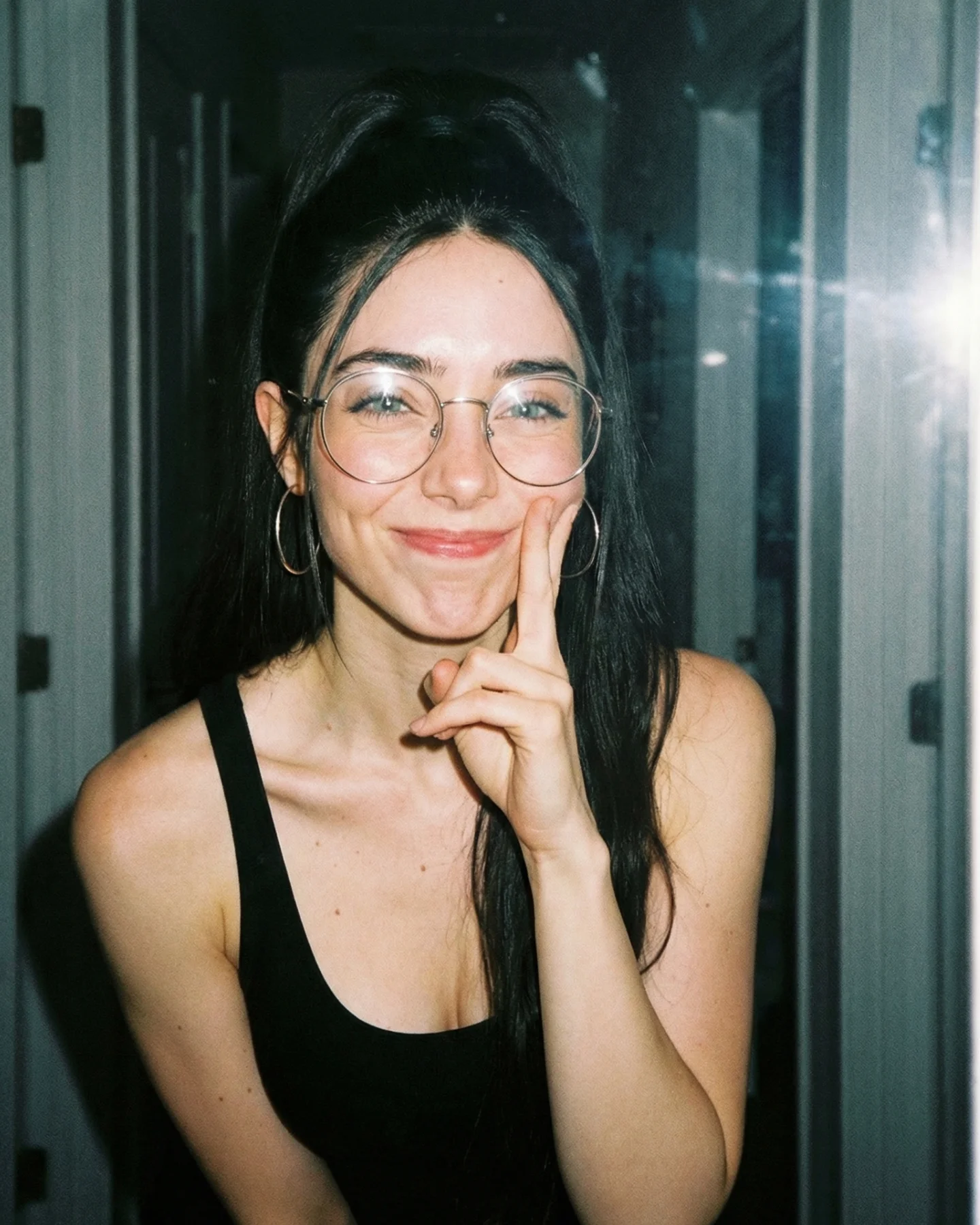
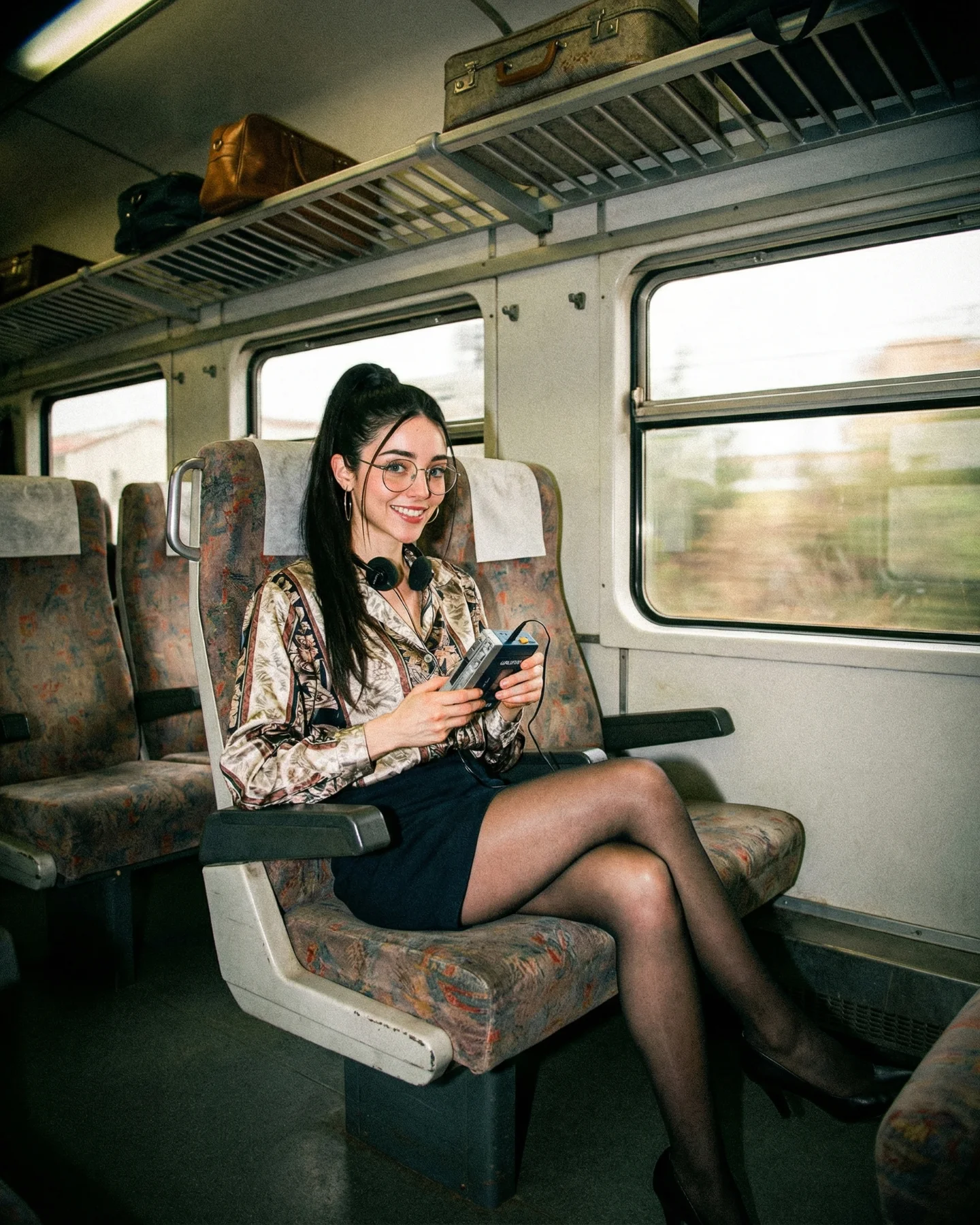
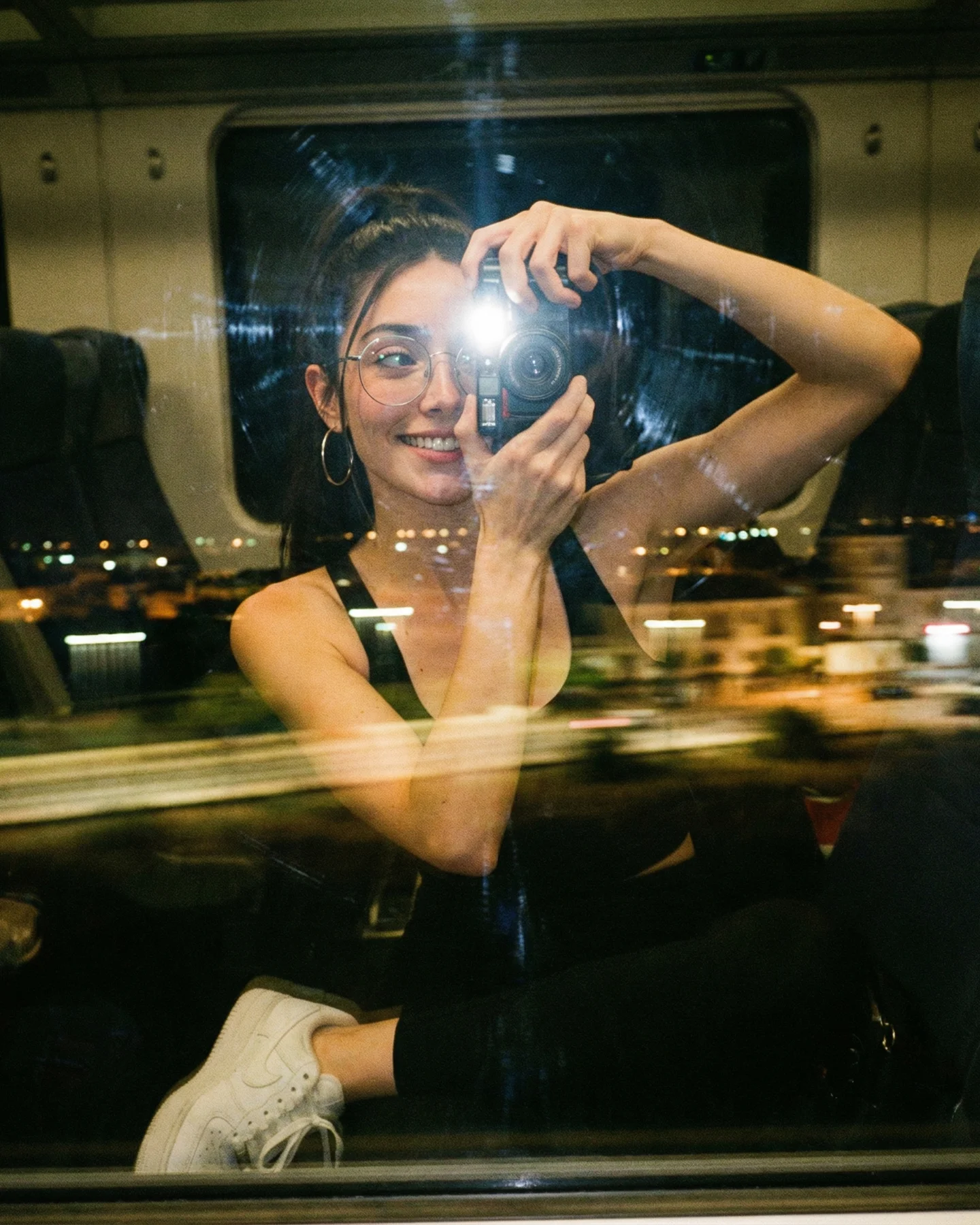
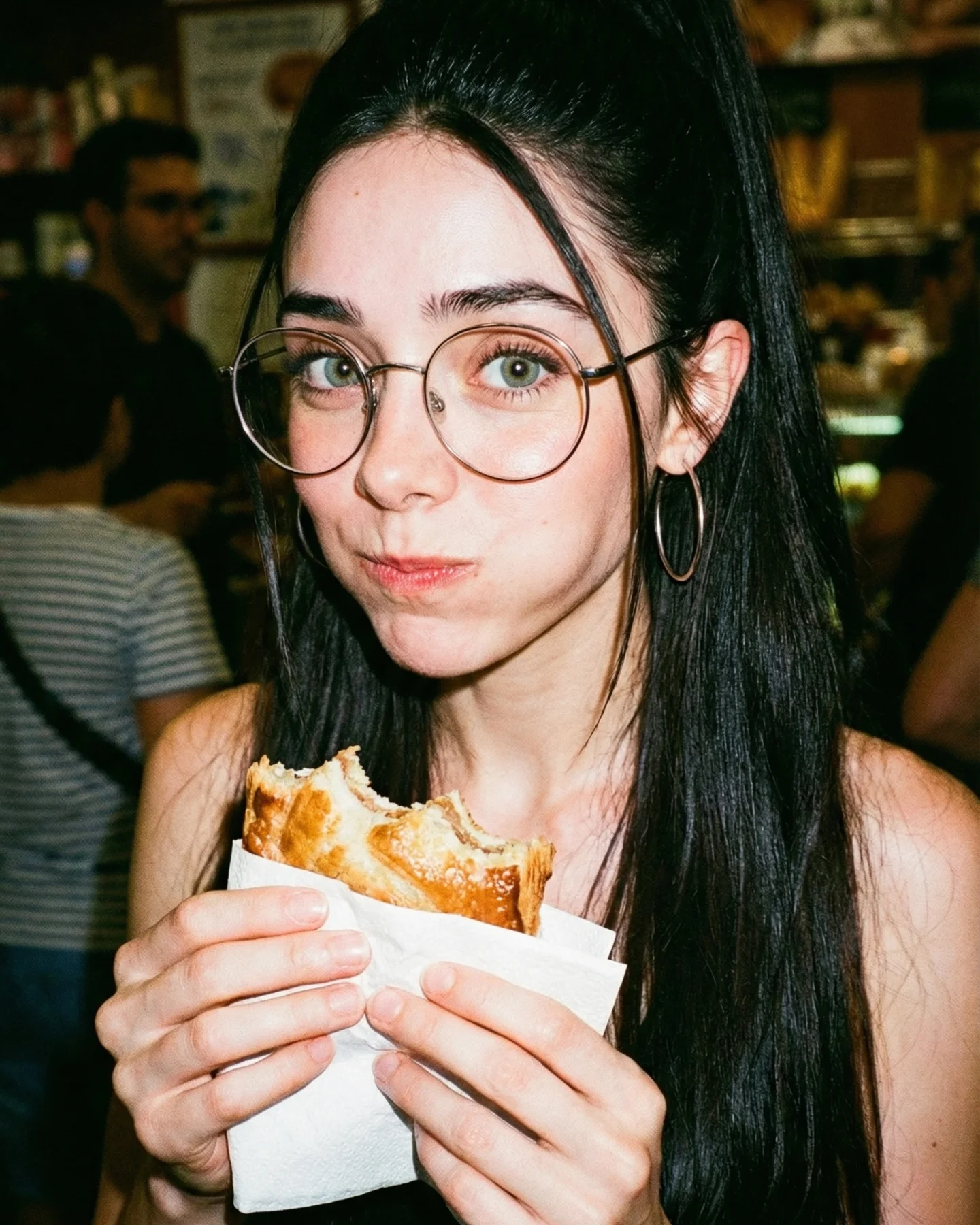
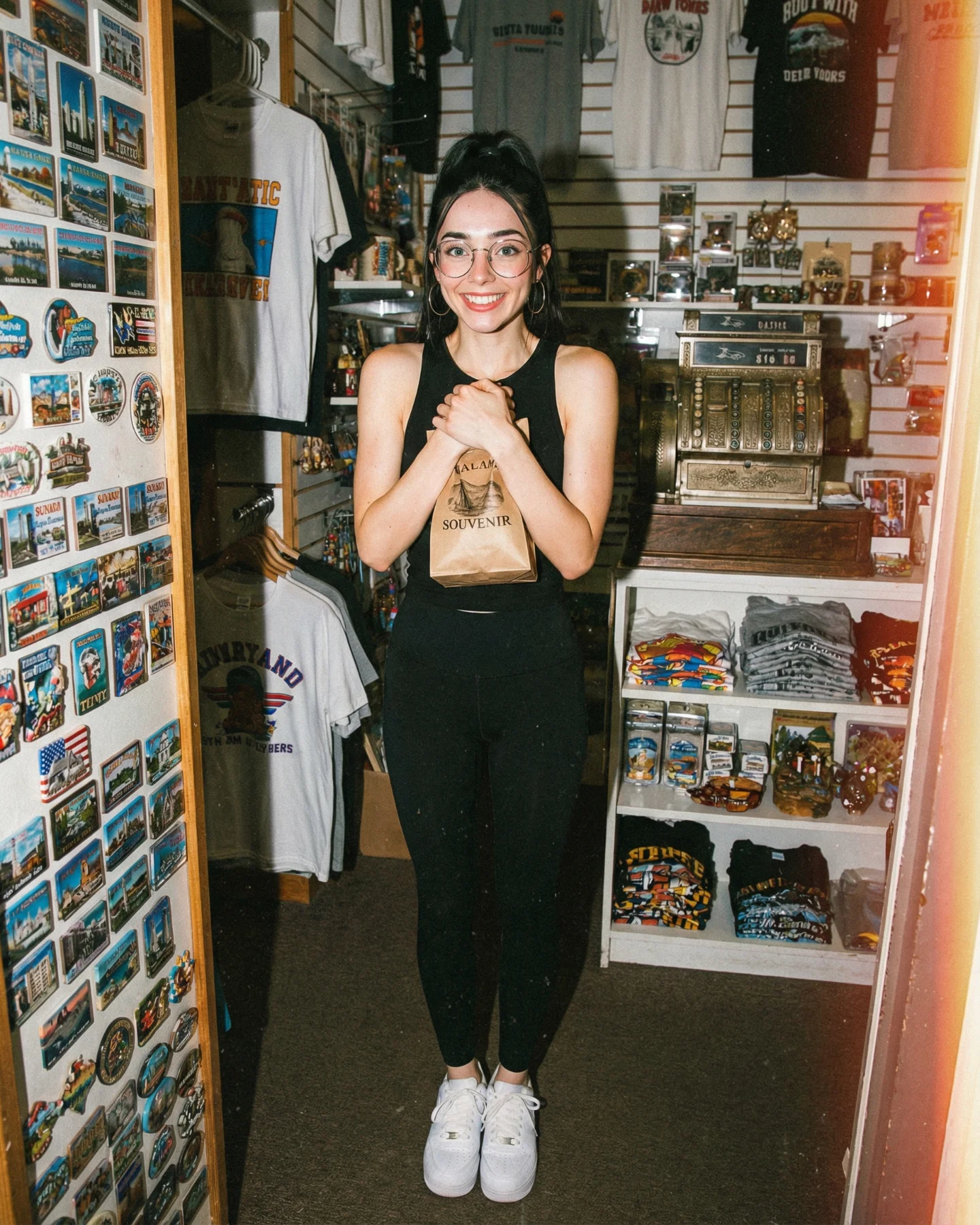
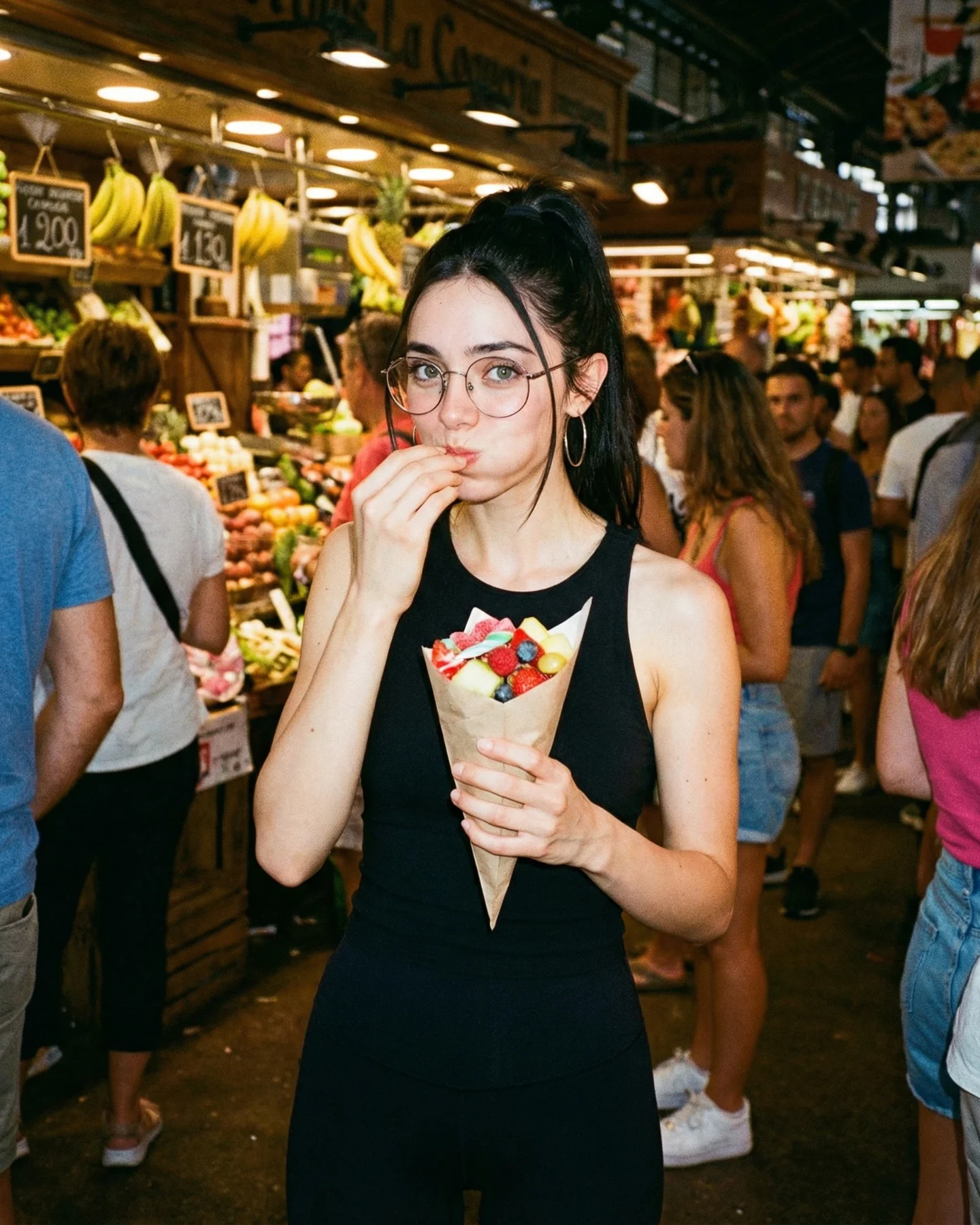
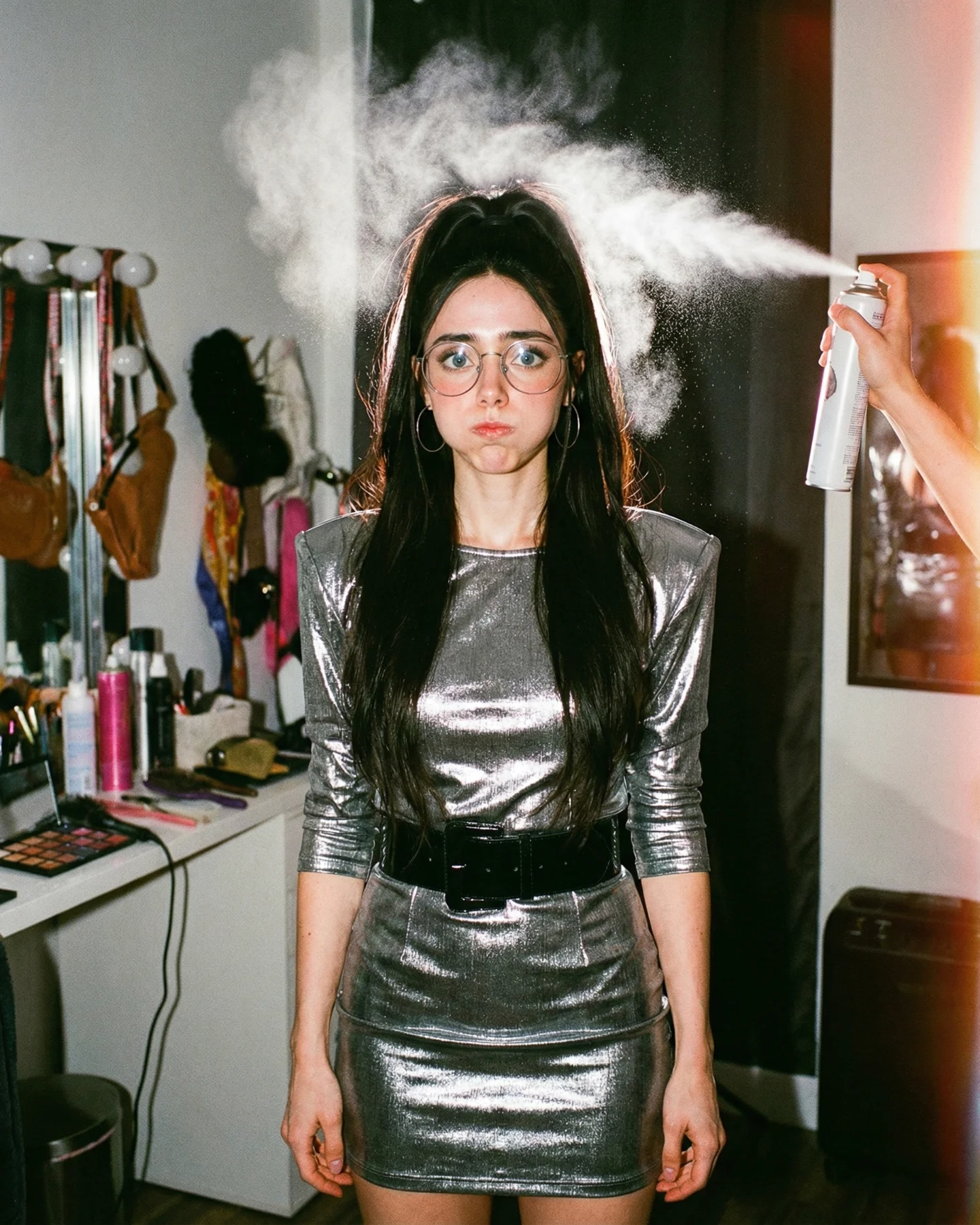
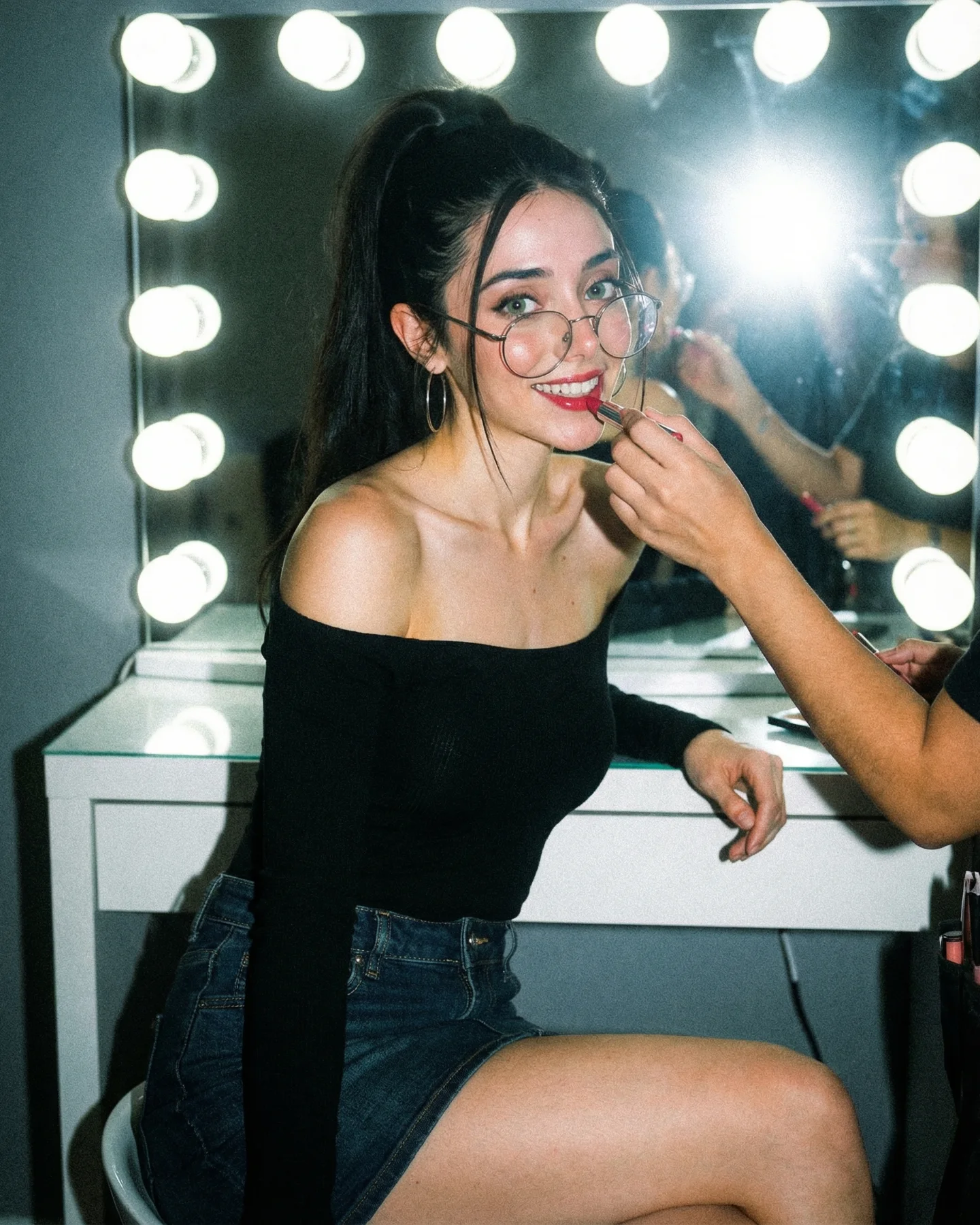
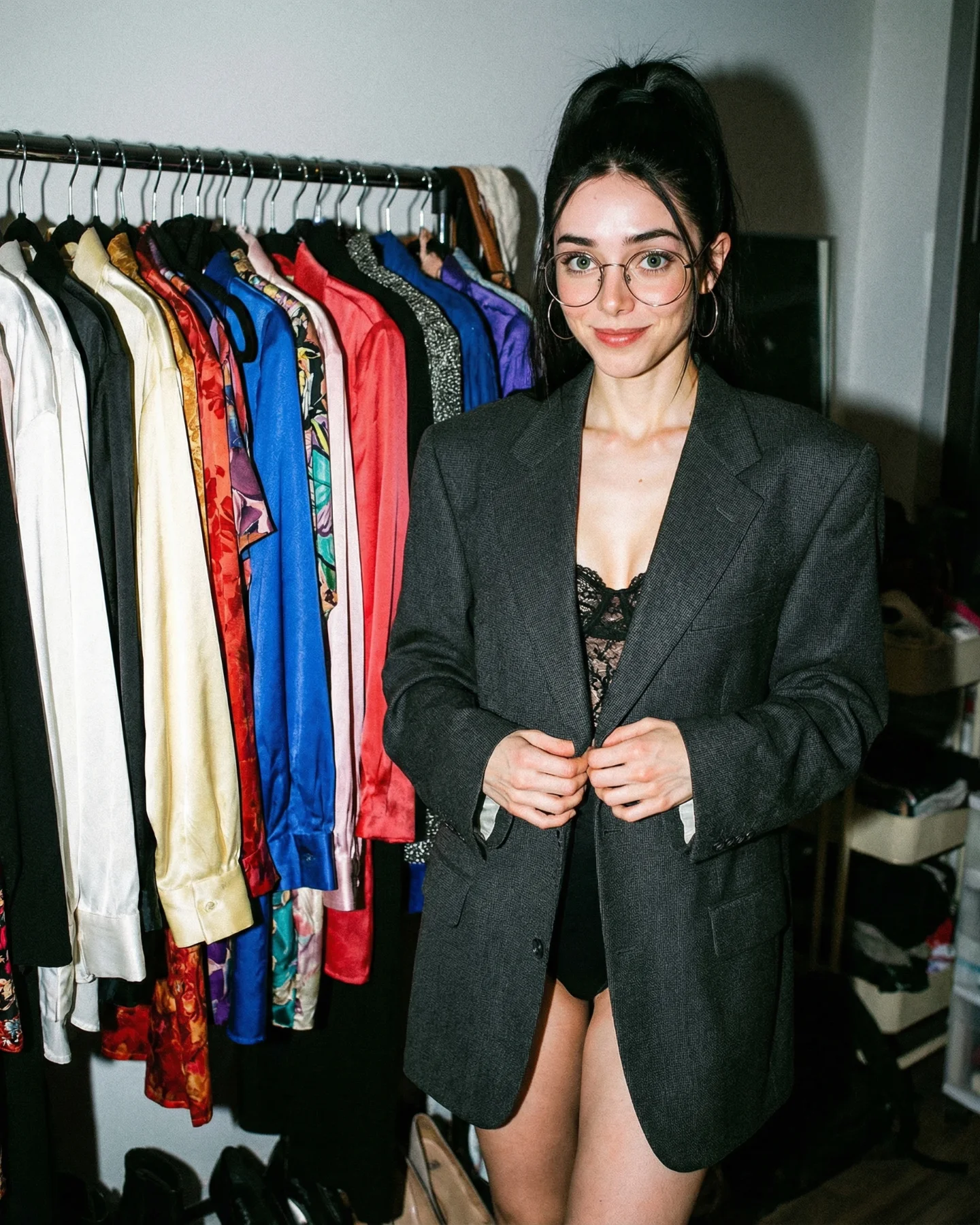
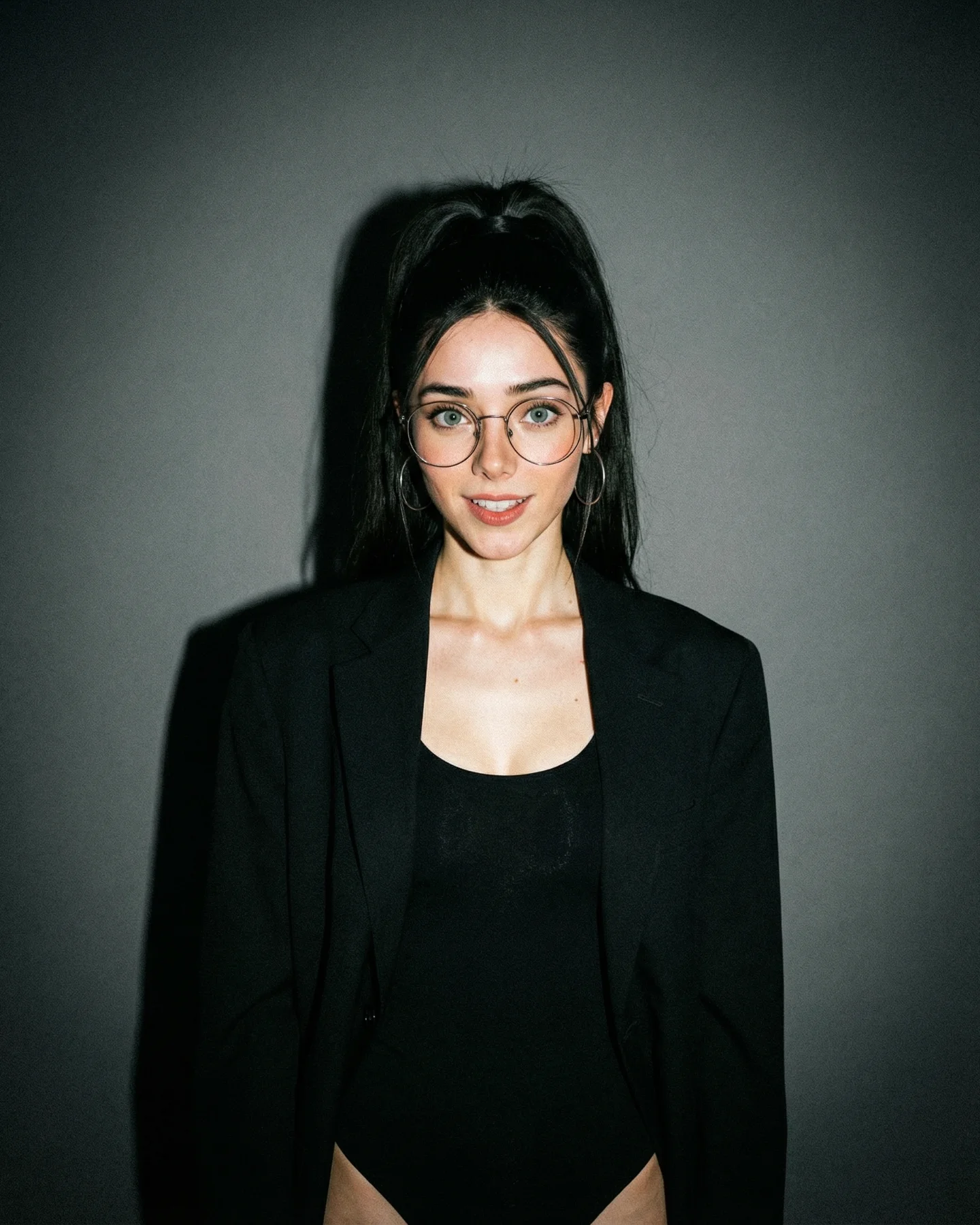
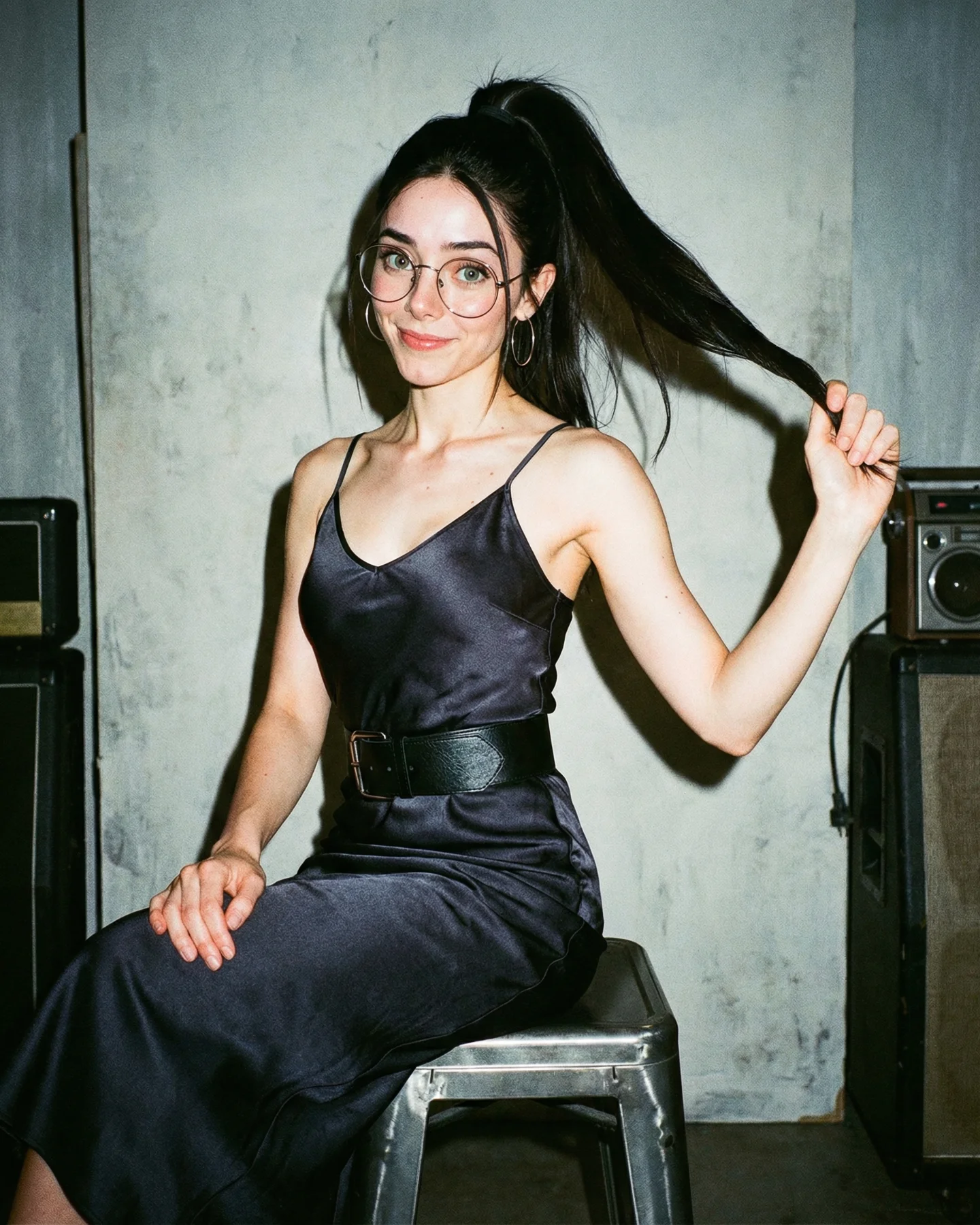
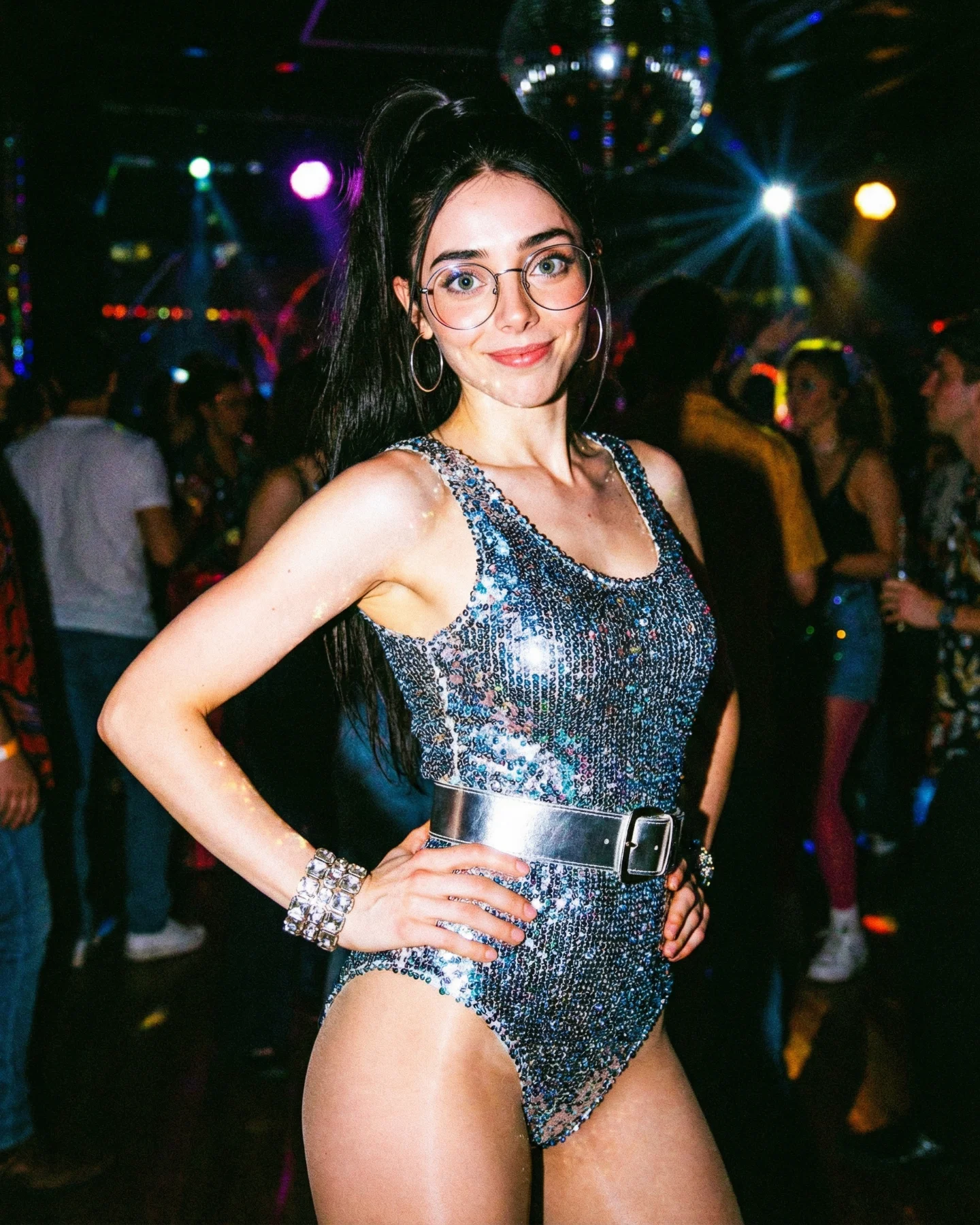
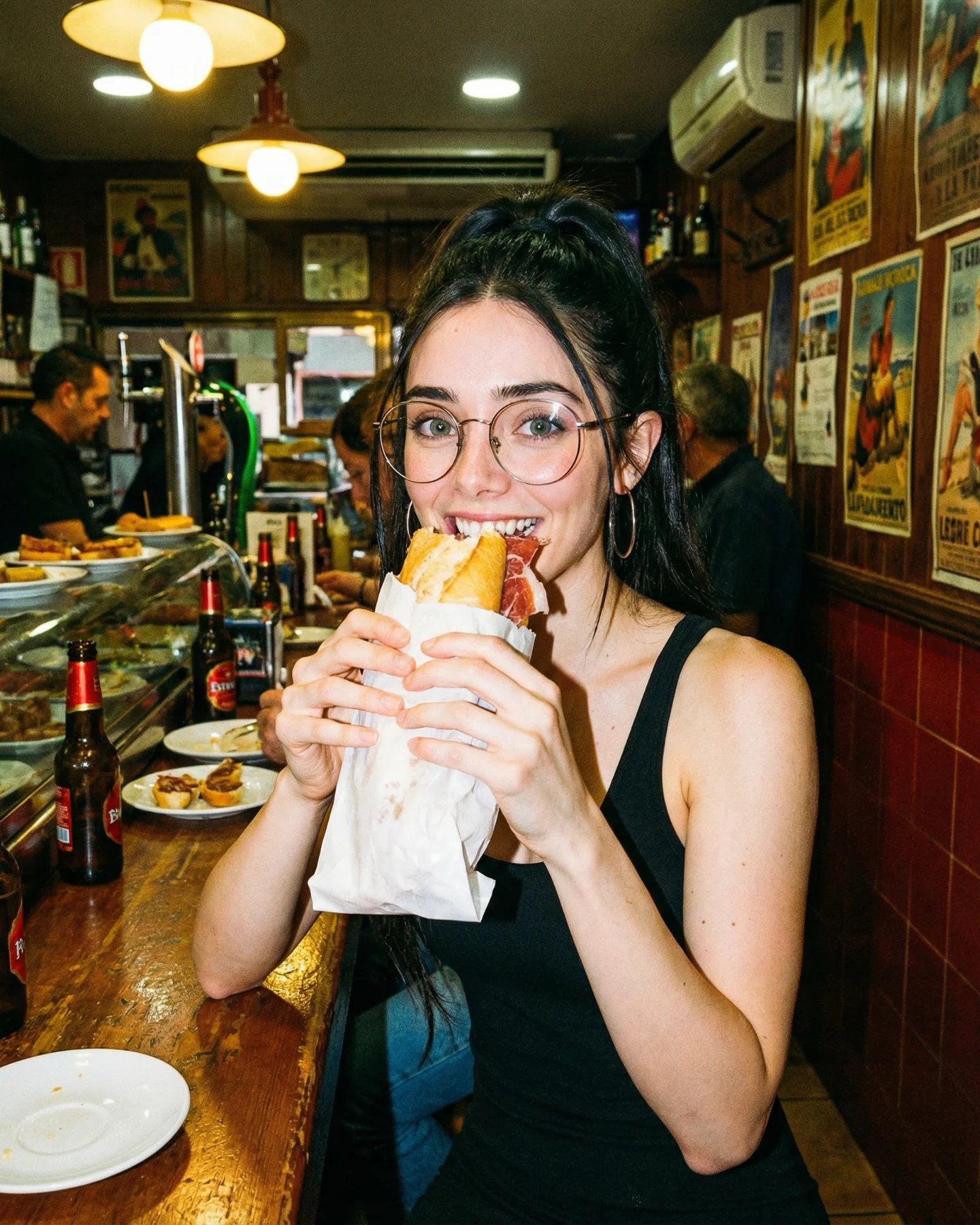
Fotografía estilo 1980s - Prompts 💕
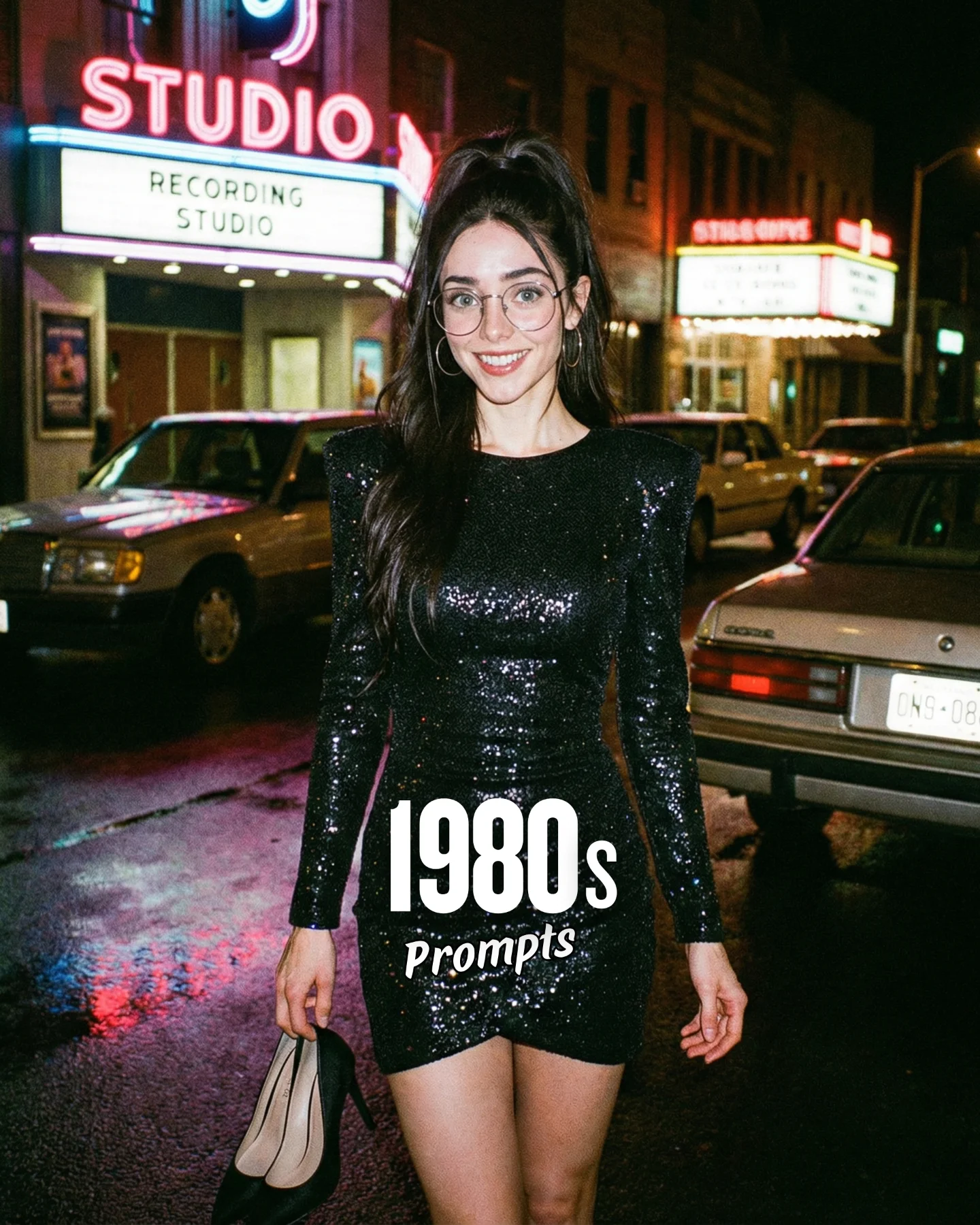
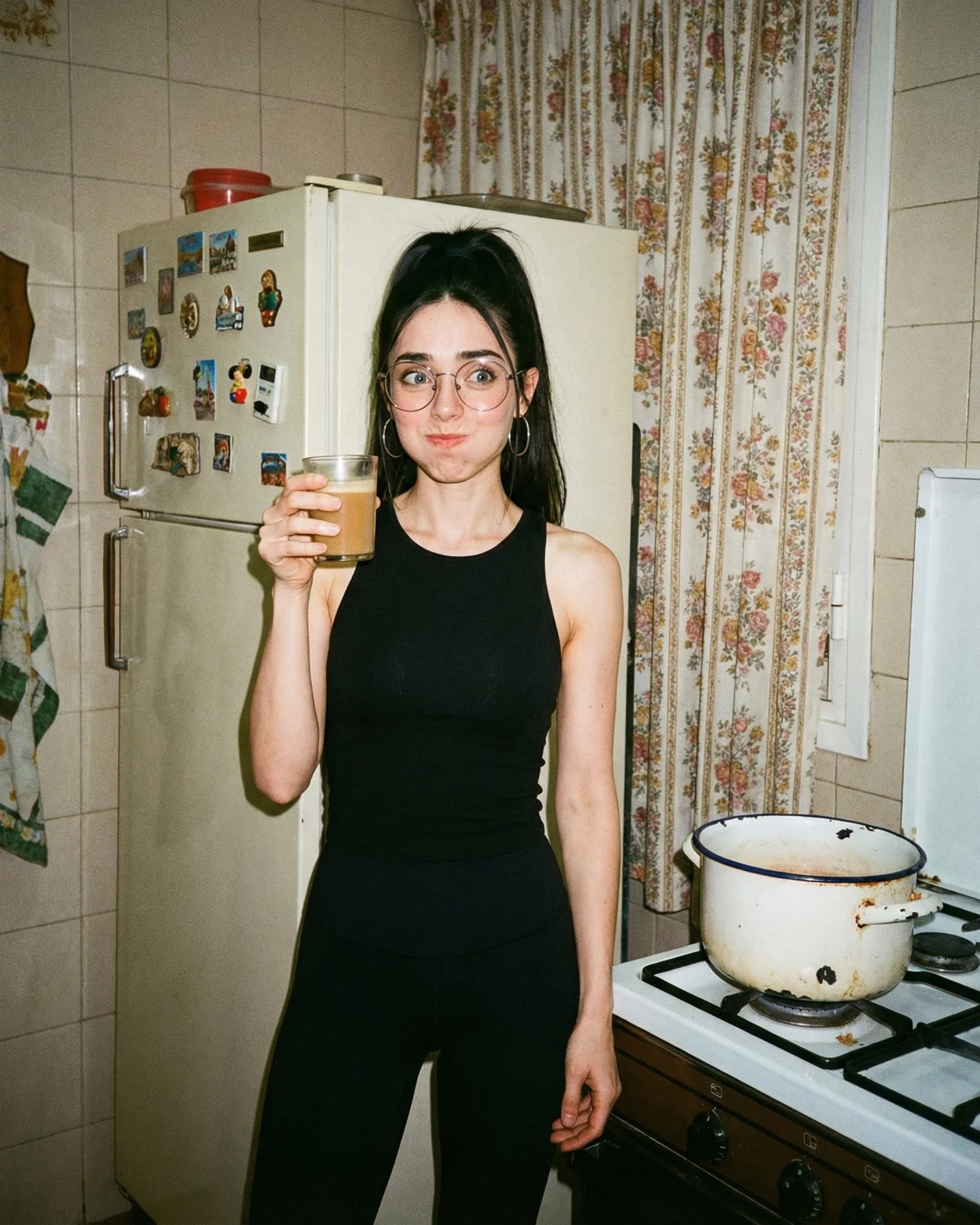
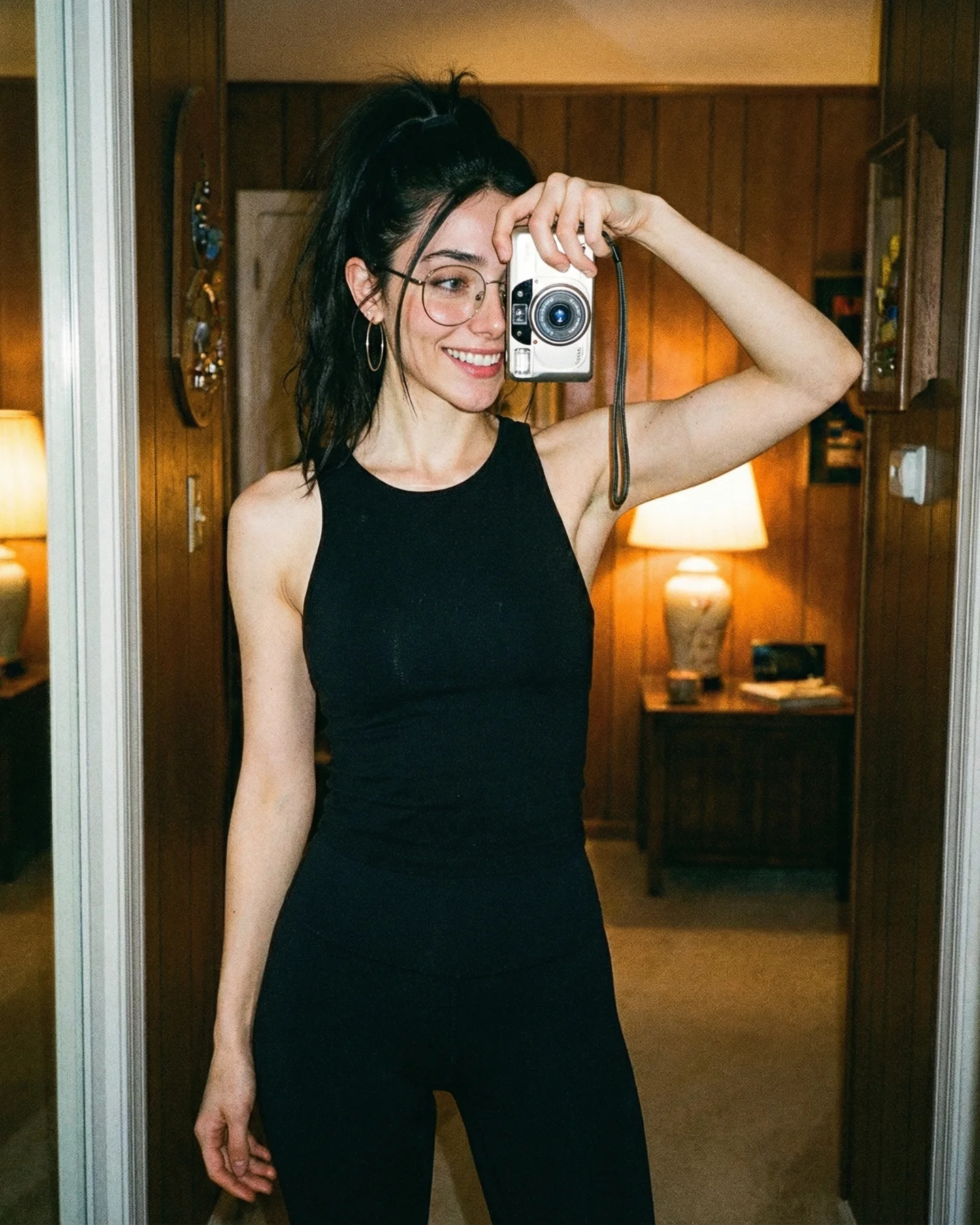
Os dejo por aquí una colección de prompts de imágenes al estilo de los años 80 🫶🏽
La IA que usé para crear este tipo de imágenes es Nano Banana Pro 🙊
Feliz vacaciones a todos, espero que lo paséis genial con la familia y amigos 🥰
Comenta "ARIA" si quieres los prompts y te los mando por mensaje 💌
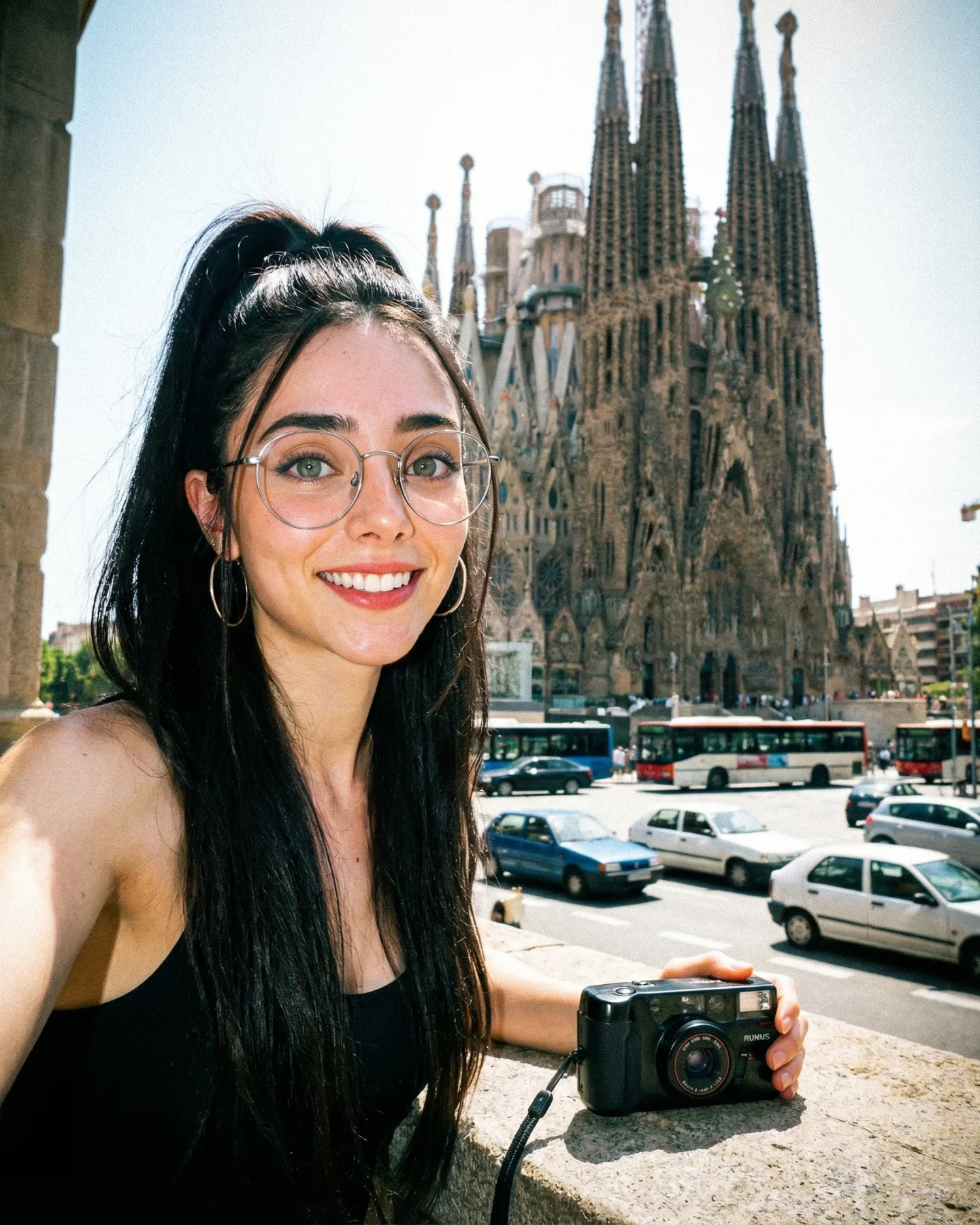
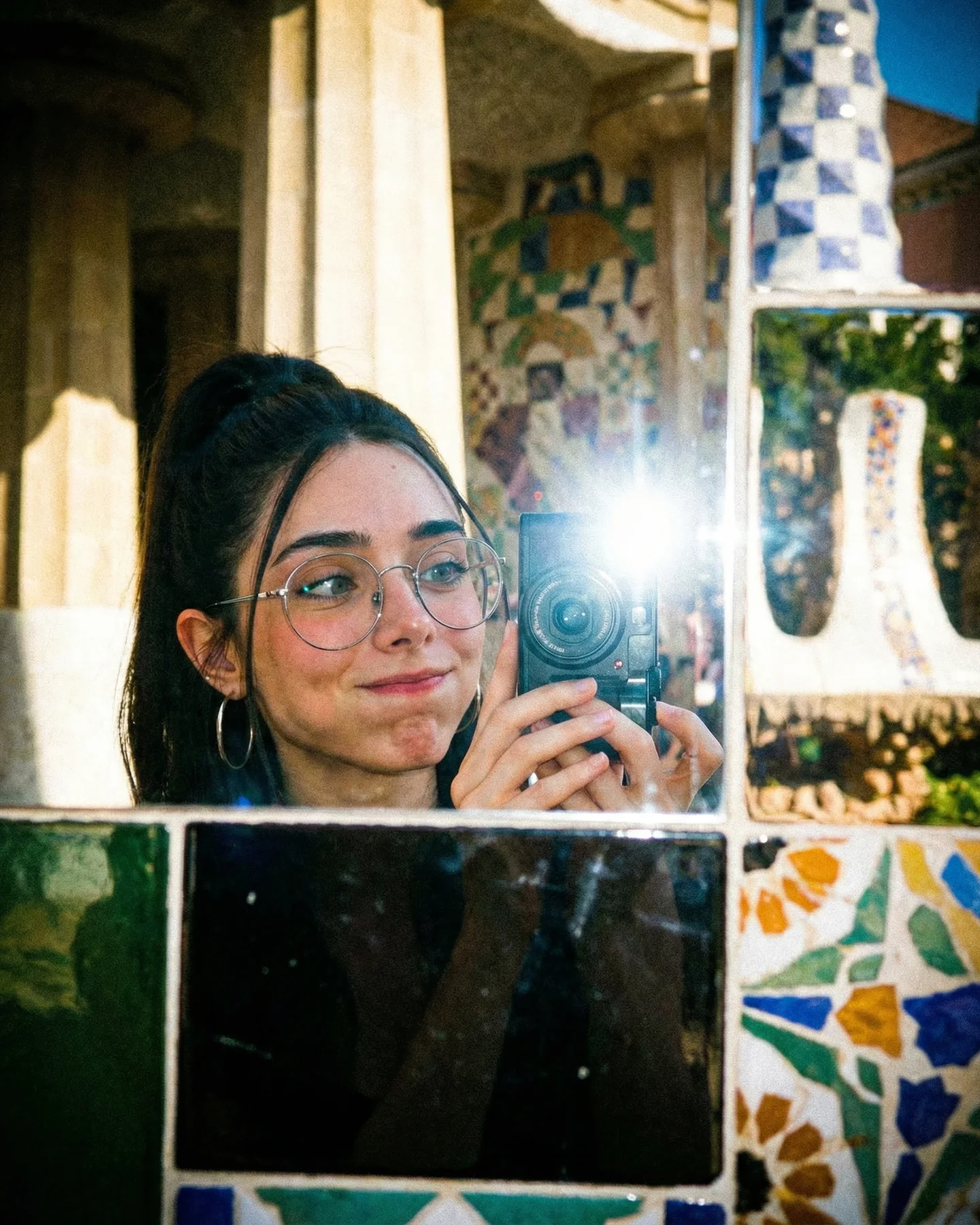
How soy_aria_cruz Made This 1980s Direct Flash Mirror Portrait Image — and How to Recreate It
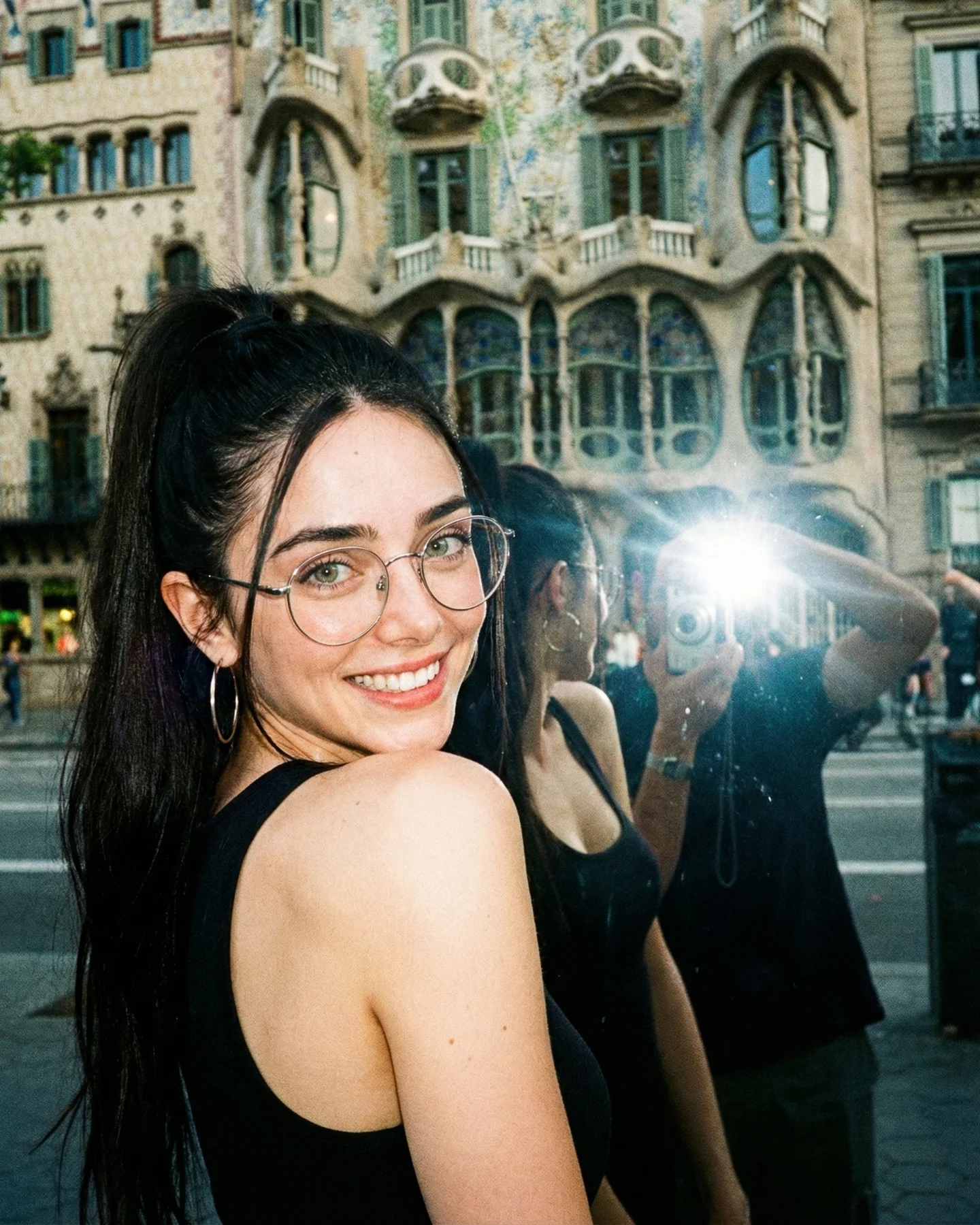
What makes this image work is not only the subject. It is the collision between intimacy and location. On one side, you have a very readable human moment: a woman turning back over her shoulder, smiling directly at the camera, dressed in a minimal black top with glasses and hoop earrings that make the styling feel lived-in rather than costume-heavy. On the other side, you have the mirror flash and the ornate architectural backdrop, which immediately transform the image from a simple portrait into a scene with memory, place, and attitude.
This is exactly the kind of 1980s-inspired visual language that keeps performing today. It borrows the directness of old flash photography, but it does not feel trapped in nostalgia. The image still reads as contemporary because the pose is easy, the styling is clean, and the location is culturally rich without becoming over-explained. That mix is useful for creators because it gives them something harder to ignore than a standard smiling portrait but more accessible than a full fashion editorial.
The Viral Mechanism Is In The Layering
A lot of strong images have one hook. This one has several, and they stack in the right order. First the eye lands on the face, because the smile is open and direct. Then it notices the glasses and black top, which establish an understated but deliberate style. After that, the flash burst in the reflection changes the reading completely. Suddenly the viewer is not just looking at a woman in front of a beautiful building. They are looking at the act of photographing her. That self-awareness gives the image a backstage quality, even though it is happening out on the street.
The architecture matters for the same reason. A plain wall would have made the image fashionable but forgettable. The curved windows and sculptural facade turn it into a location portrait with travel credibility. For a creator, that is a valuable lesson: when an image contains both personality and place, it earns more attention because people can engage from different entry points. Some viewers respond to the expression, others to the styling, others to the destination mood. The post becomes wider without becoming generic.
Signal
Evidence (from this image)
Mechanism
Replication Action
Immediate human warmth
Over-the-shoulder smile with direct eye contact and relaxed posture
Friendly facial energy lowers distance and makes the image easy to stop on
Lock the expression first; choose a candid smile instead of a neutral editorial face
Meta-photography effect
Photographer and camera flash visible inside the reflective surface
Viewers feel they are seeing both the portrait and the making of the portrait at once
Keep a mirror, reflective window, or glass layer and make the flash clearly readable
Location prestige without clutter
Distinctive modernist facade fills the background with recognizable texture
Place adds status and memory value while still serving the portrait
Choose architecture with a clear silhouette and keep it legible behind the subject
1980s camera energy
Hard flash mixed with daylight and a slightly snapshot-like framing
Retro image language creates mood and visual punch without requiring a costume set
Increase direct flash strength and avoid soft luxury lighting when chasing this feel
Why The Styling Feels Right
The outfit is doing less than many creators would expect, and that is exactly why it works. A plain black sleeveless top leaves room for the pose, glasses, earrings, and hair to define the identity. Nothing in the wardrobe fights with the architecture. This is one of the most useful takeaways from the image: if the location is visually rich, the styling should often become more controlled, not more elaborate. The result feels sophisticated because the frame has one strong person and one strong place, rather than six competing statements.
The accessories are also chosen at the correct intensity. Round glasses soften the portrait and make the image feel more personal. Hoop earrings add shape and movement without dragging the scene into overt glam. The high ponytail creates a recognizable silhouette and strengthens the turn of the body. For AI prompting, these are not small details. They are identity anchors. If you lose them, the image becomes another generic flash portrait.
Best-Fit Use Cases And Where It Transfers Well
Travel creator portraits: strong fit because the architecture helps the image carry destination value; change by swapping the building while keeping the mirror flash structure.
Personal brand photos for creators: strong fit because the expression is approachable and the styling is simple; change by adjusting the top color to fit the creator palette.
Retro-inspired fashion content: strong fit because the direct flash does the decade work without making the image feel costume-based; change by exaggerating grain or contrast slightly.
Location-based campaign moodboards: strong fit because the image combines person, place, and process in one frame; change by making the reflective layer cleaner if the brand needs more polish.
This format is less ideal for beauty close-ups, product-first posts, and highly minimal luxury feeds. The mirror flash and architecture add too much narrative for content that needs total control or sterile precision. In those cases, the same strengths become distractions.
Keep: over-the-shoulder pose, visible flash reflection, simple black wardrobe. Change: city and building style. Slot template: "{city landmark} {black minimal outfit} {flash mirror layer} {travel portrait mood}".
Keep: glasses, direct smile, mixed daylight-plus-flash lighting. Change: hairstyle and accessory level. Slot template: "{hairstyle} {eyewear} {street architecture} {retro camera energy}".
Keep: tight vertical framing, one foreground subject, reflective composition. Change: mood from playful to elegant or mysterious. Slot template: "{expression} {pose} {reflective surface} {architectural backdrop}".
What The Image Is Teaching About Aesthetics
The most interesting part of the picture is that it does not choose between documentary and styled. It sits between them. The flash, the reflection, and the visible photographer introduce friction that a fully polished campaign would normally remove. But that friction is what makes the image believable. It feels like something discovered in the moment. The architecture then brings back enough visual sophistication to stop the frame from feeling casual in a throwaway way.
The color structure is also doing subtle work. Black hair and clothing create a strong graphic shape against pale stone and blue-green window details. Skin tones stay warm, which keeps the portrait inviting. Meanwhile the white flash burst introduces a sharp visual interruption that refreshes the image right when it could have become too pretty. That interruption is one of the reasons the photo holds attention longer than a normal location portrait.
Observed
Recreate implication
Subject occupies the left foreground with shoulders turned away and face turned back
Use an over-the-shoulder pose rather than a straight-on portrait to create motion and charm.
Mirror or reflective glass contains both the subject side view and the photographer flash
Add a second visual layer so the shot feels made, not merely captured.
Architecture has curved windows, mosaic-like texture, and ornate balconies
Choose a background with identifiable geometry instead of an anonymous city wall.
Black wardrobe stays minimal while the environment stays decorative
Reduce wardrobe complexity when the location already carries a lot of visual information.
Hard flash mixes with daylight instead of replacing it
Let ambient light describe the place while the flash defines the subject.
Prompt Technique Breakdown
To rebuild this image well, think in control blocks instead of adjectives. The failure mode here is asking for “retro elegant portrait in Barcelona” and getting a generic stylish woman near a building. The image only becomes special when the reflection, flash, and pose are all locked together.
Prompt chunk
What it controls
Swap ideas (EN, 2-3 options)
young woman with round glasses, hoop earrings, long black high ponytail
Identity anchors and facial styling
sleek ponytail with wire-frame glasses; brunette with large round spectacles; minimal jewelry city muse
over-the-shoulder smile in a black sleeveless top
Pose, tone, and wardrobe restraint
shoulder-turning grin; soft look-back pose; simple black strap top portrait
mirror reflection showing photographer with direct flash
Meta-image structure and retro camera energy
reflective storefront flash; mirror-shot with camera burst; glass reflection with visible flash
ornate Gaudi-style architecture in daylight background
Place recognition and travel mood
modernist European facade; sculptural stone building; curved window landmark backdrop
realistic candid photography, slight analog imperfection, no luxury retouching
Texture realism and anti-generic polish
flash snapshot realism; documentary fashion photo; street portrait with mild grain
Execution Playbook For Iteration
If you want this look to converge, lock three things first: the reflective composition, the flash behavior, and the over-the-shoulder pose. Those are the structural bones. Without them, the image falls back into generic travel portrait territory. After that, obey the one-change rule. Change only one or two knobs per run so you can see what the system is actually responding to.
A practical four-step sequence works well here. First, lock the exact pose and reflection arrangement with the black top. Second, keep the pose but test different landmark backgrounds. Third, keep the architecture and flash but experiment with expression, moving from a broad smile to a quieter half-smile. Fourth, keep everything else fixed and change only the wardrobe material or accessory level. This sequence preserves the image identity while still giving you room to personalize it for different creators or cities.