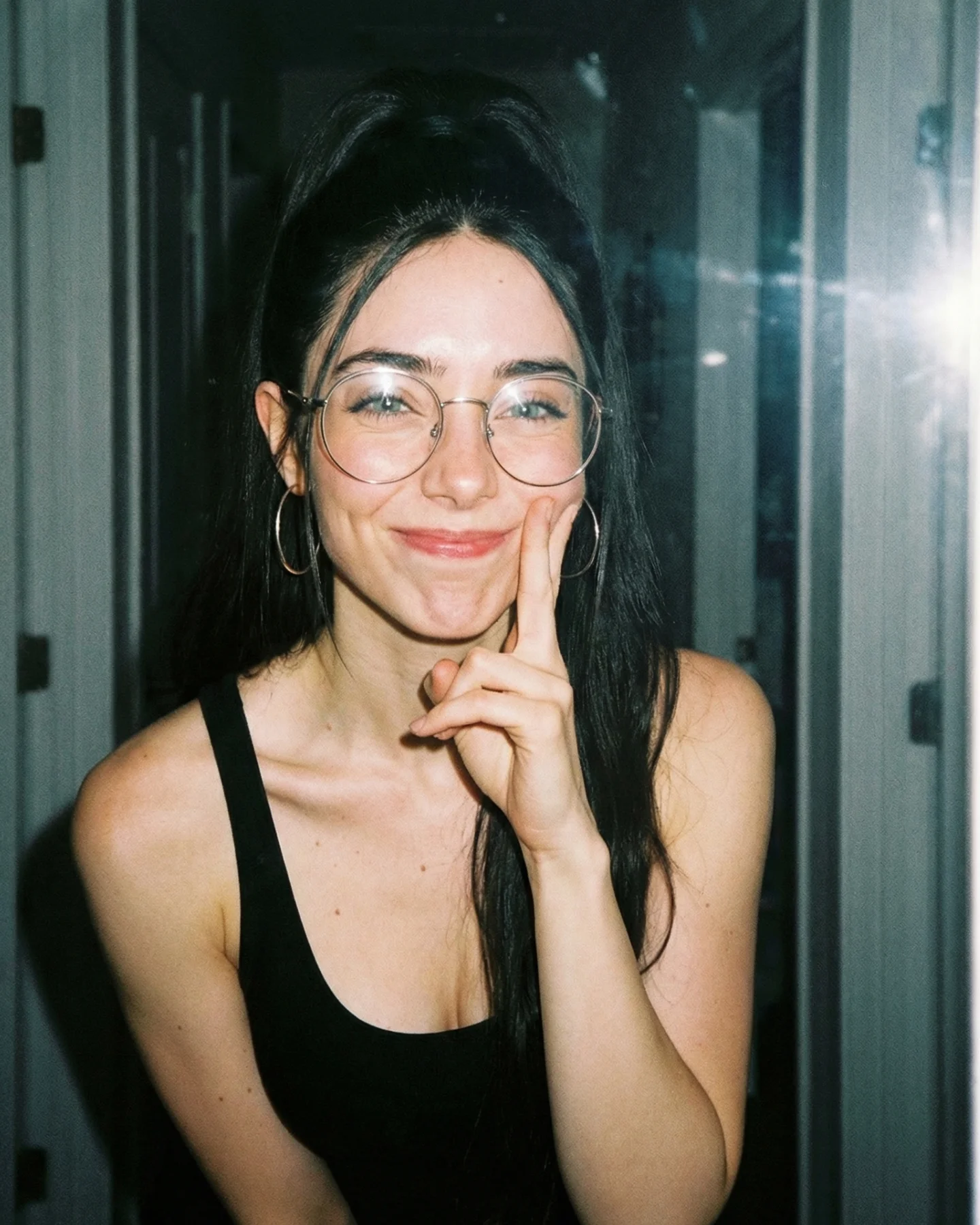
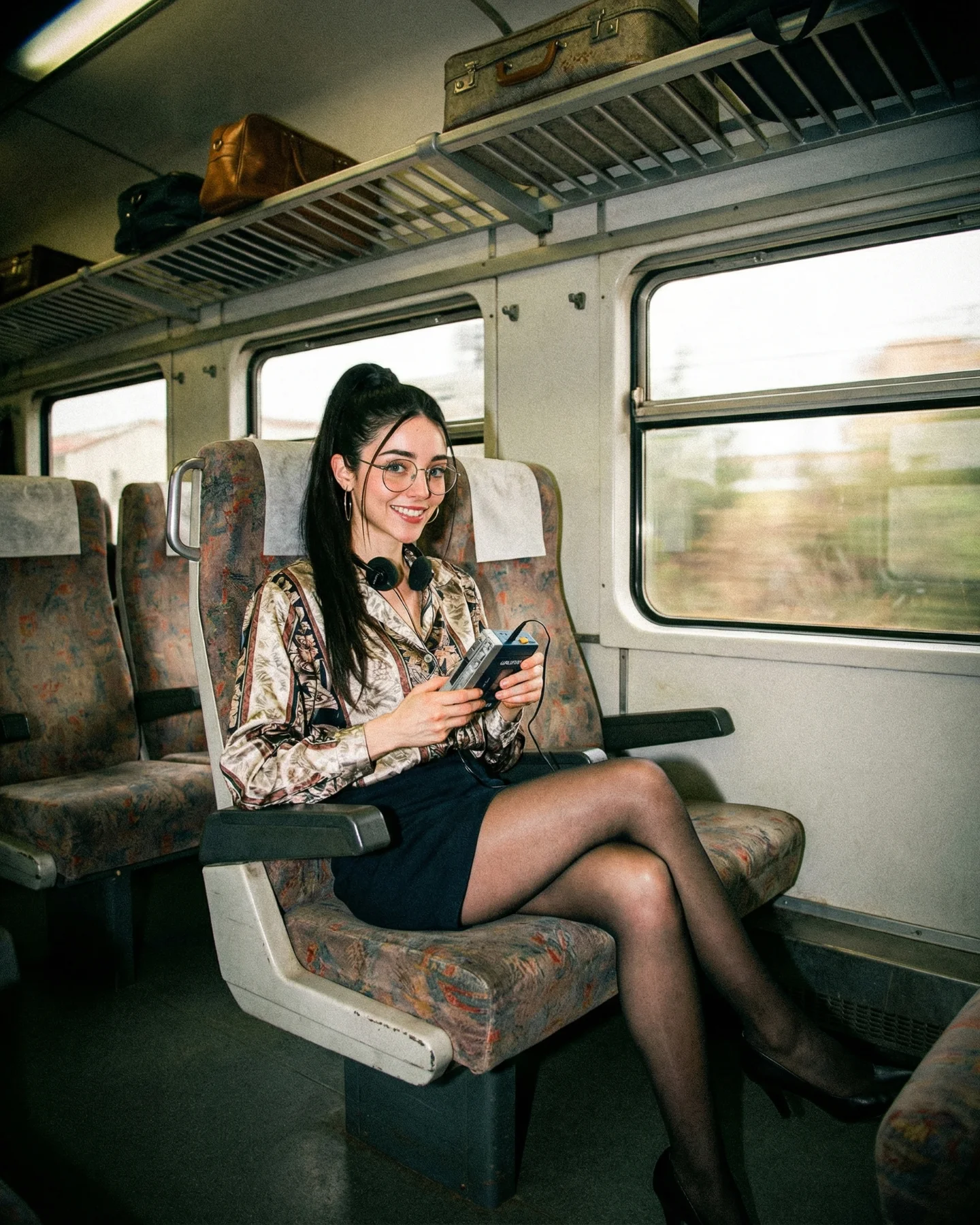
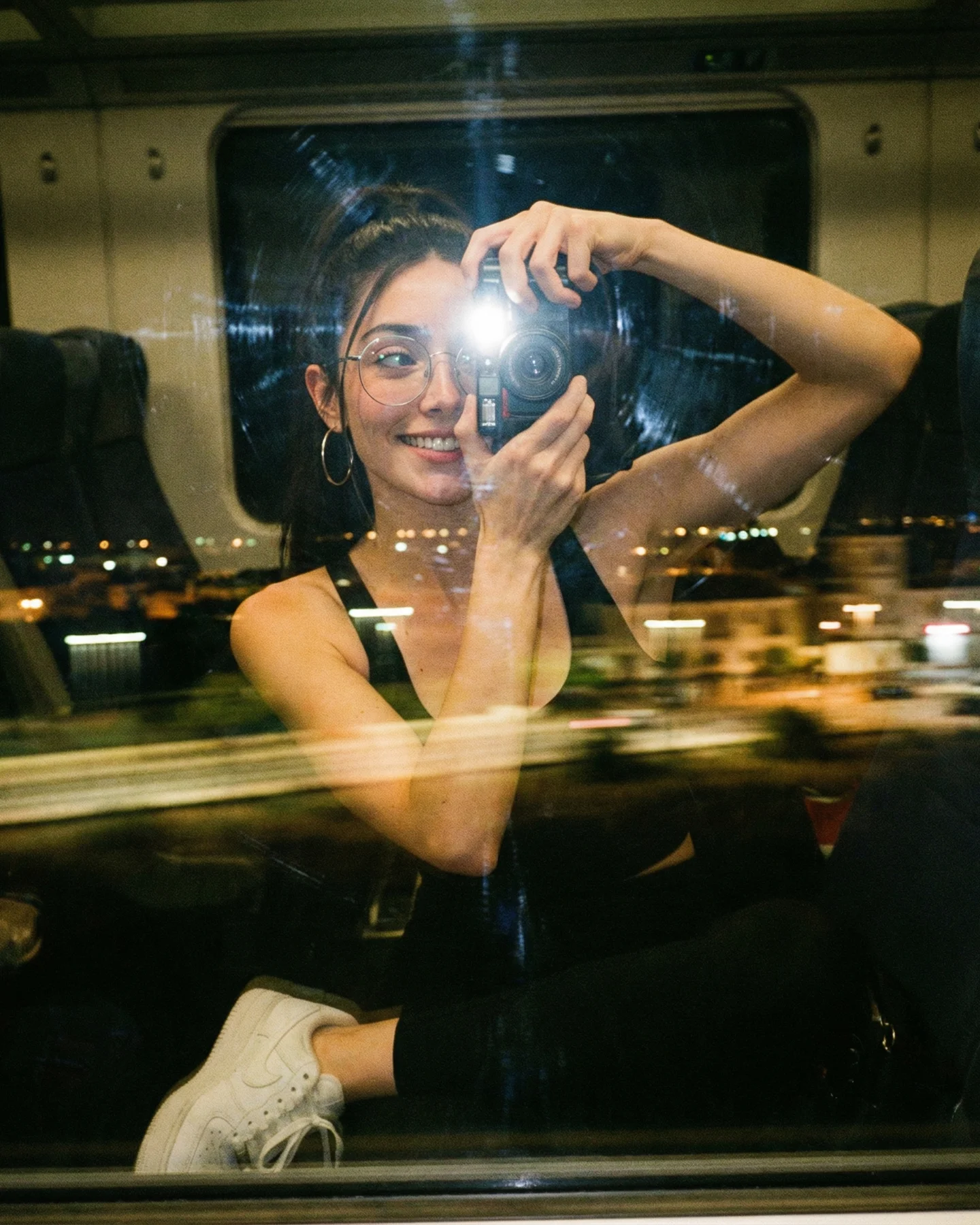
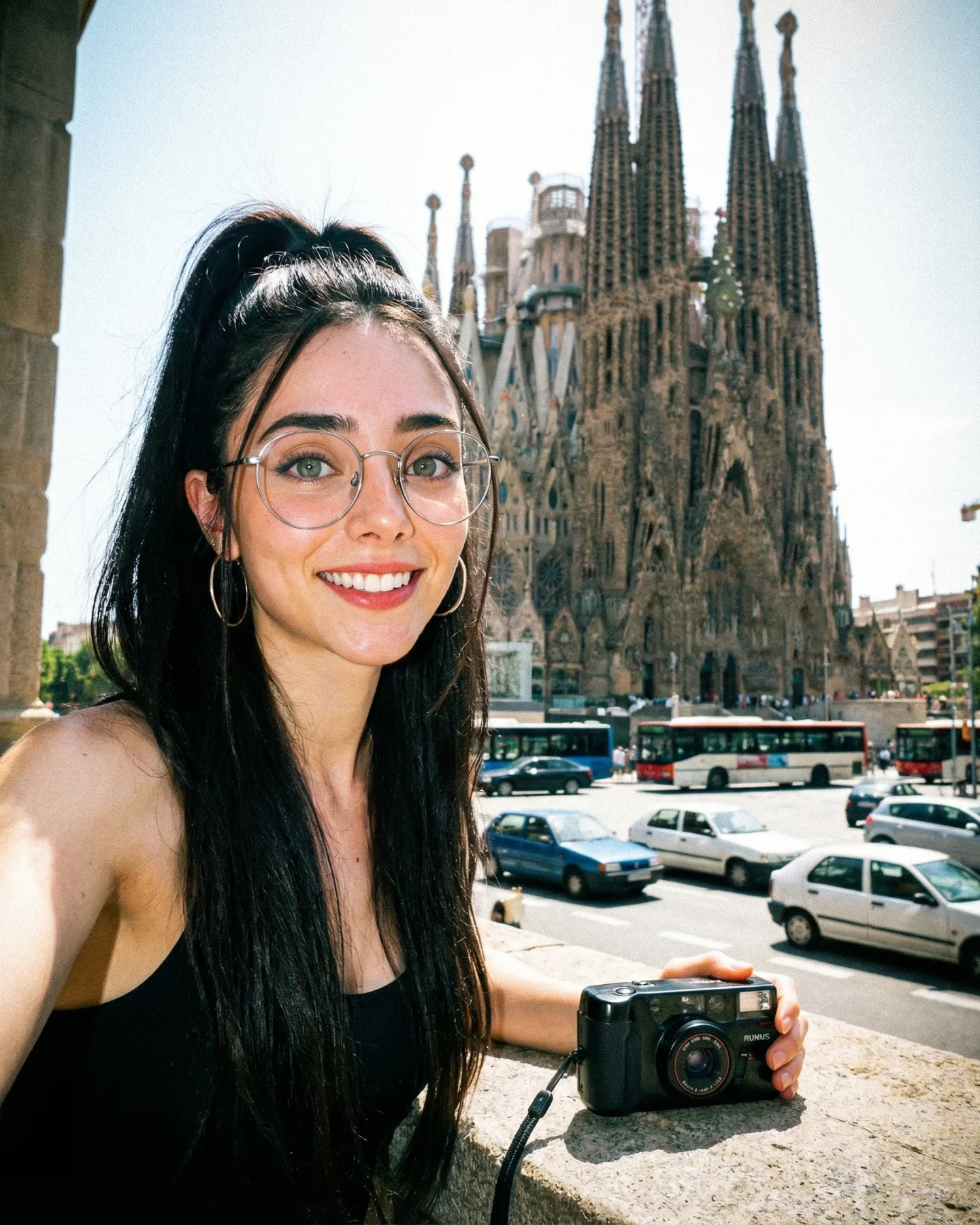
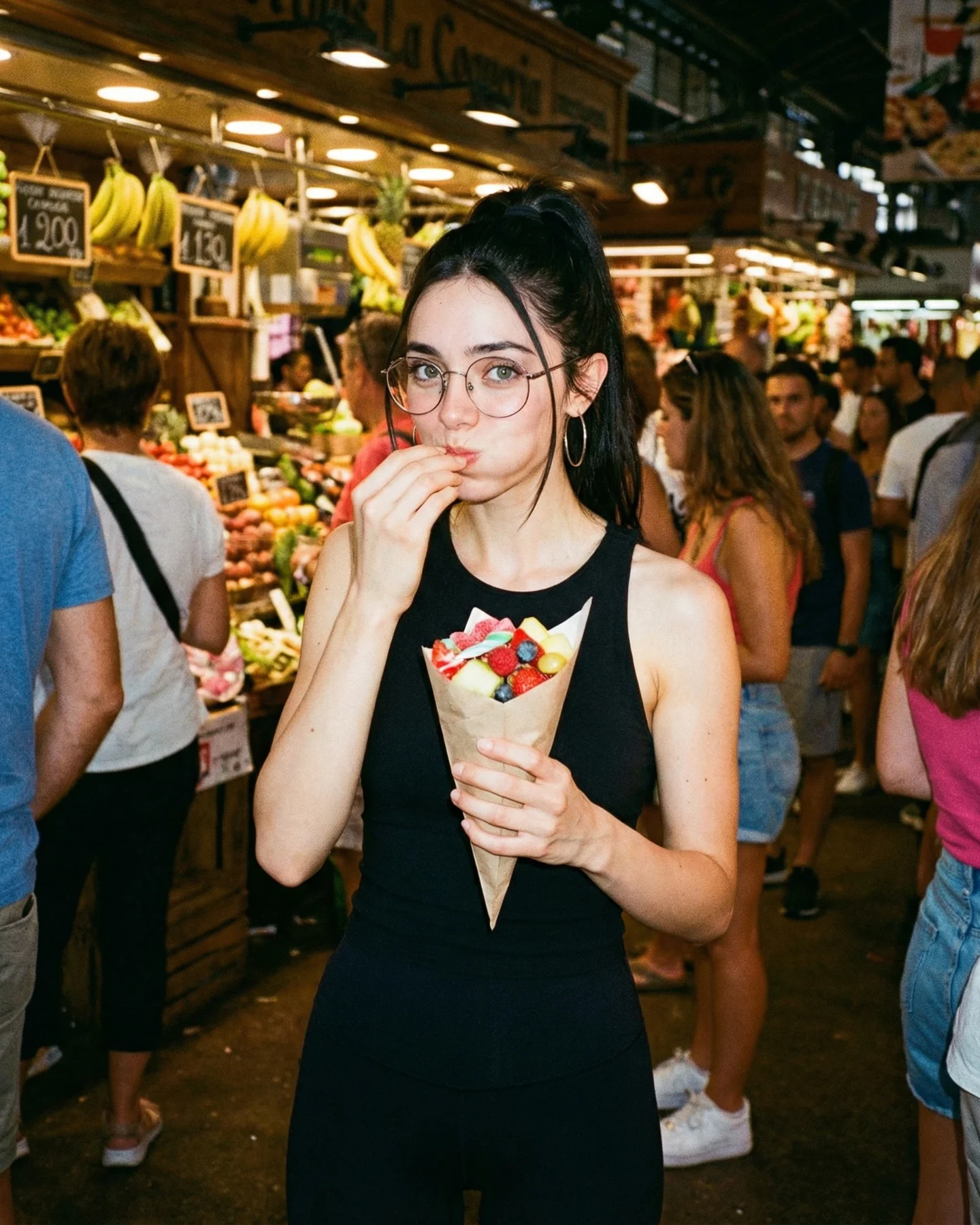
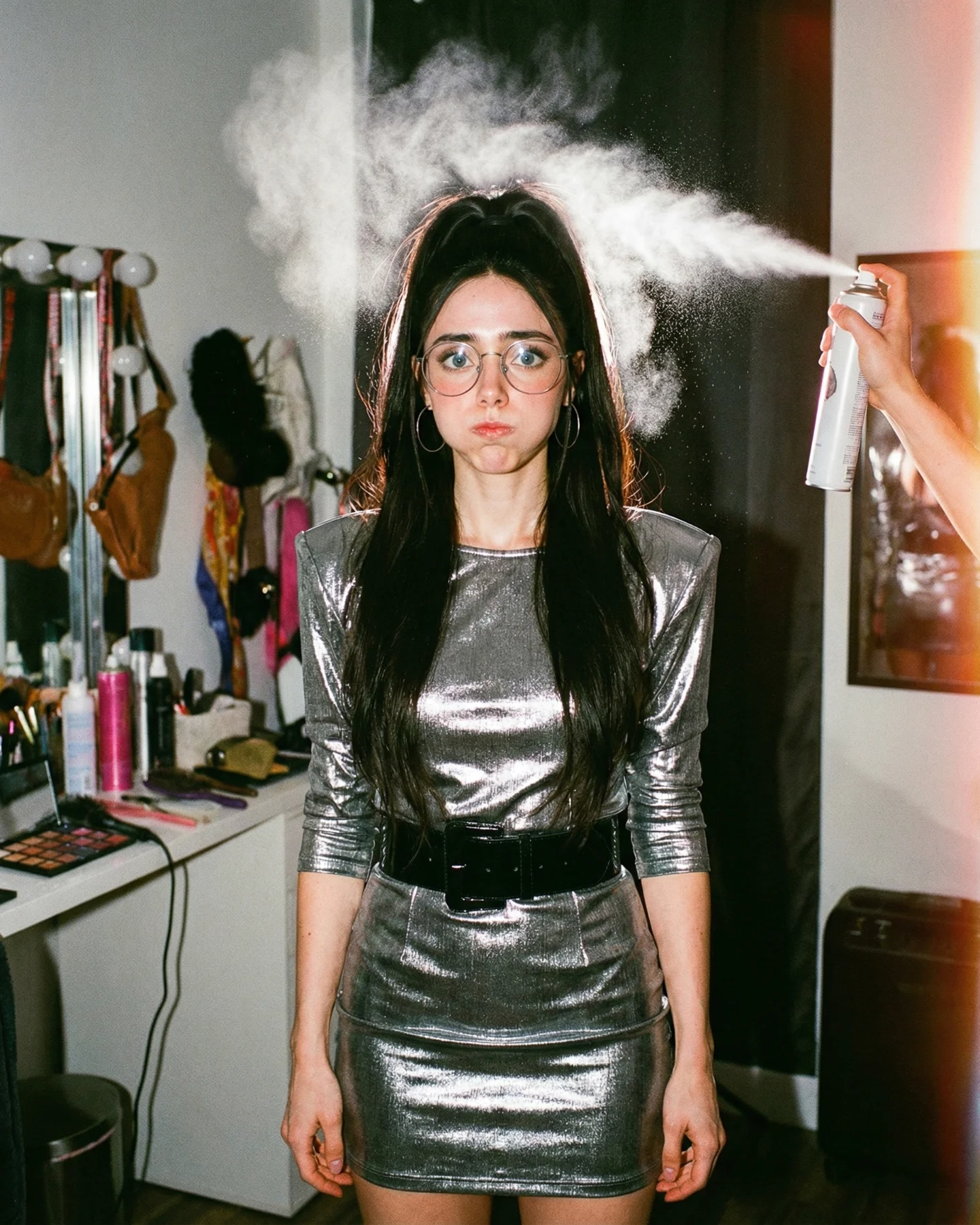
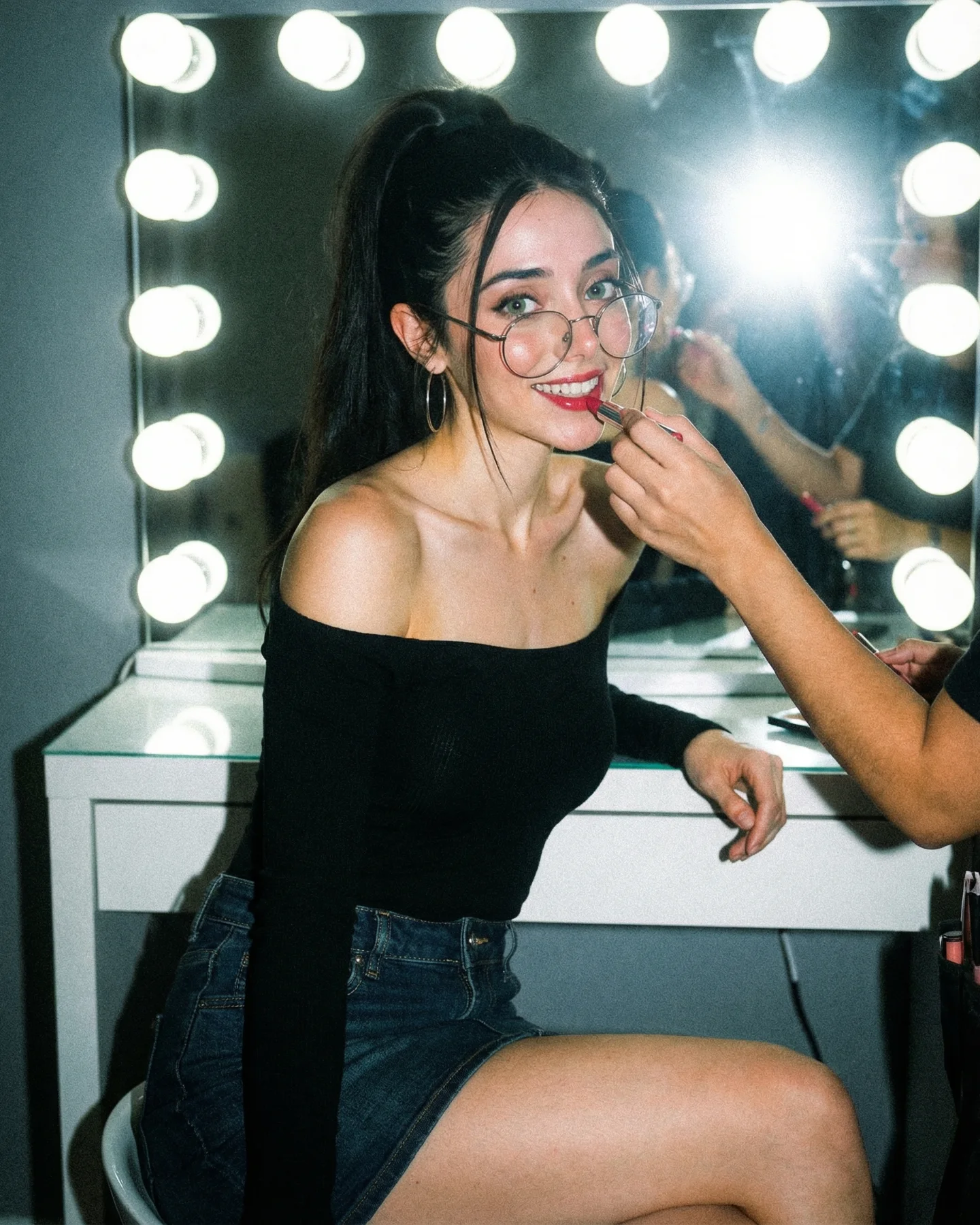
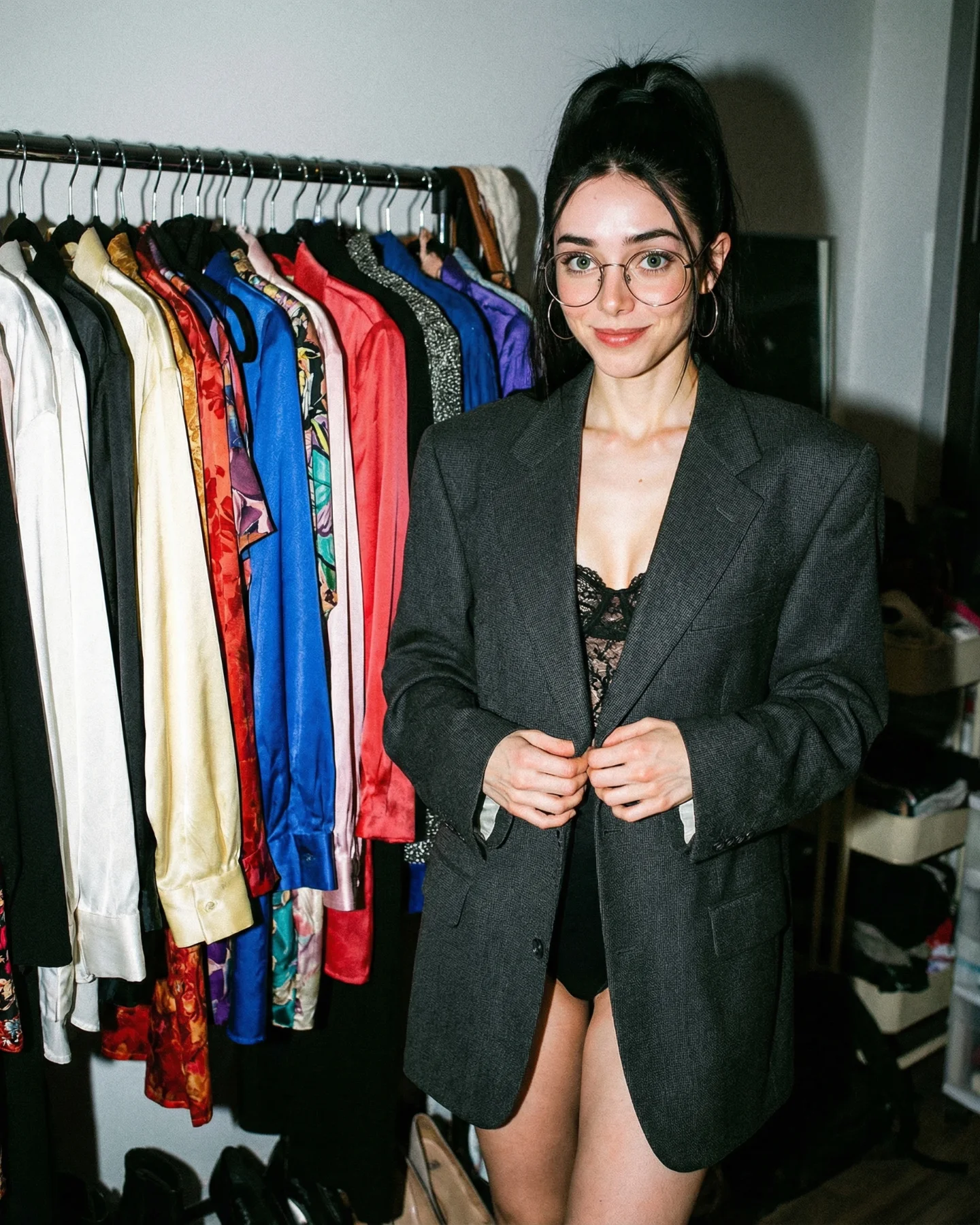
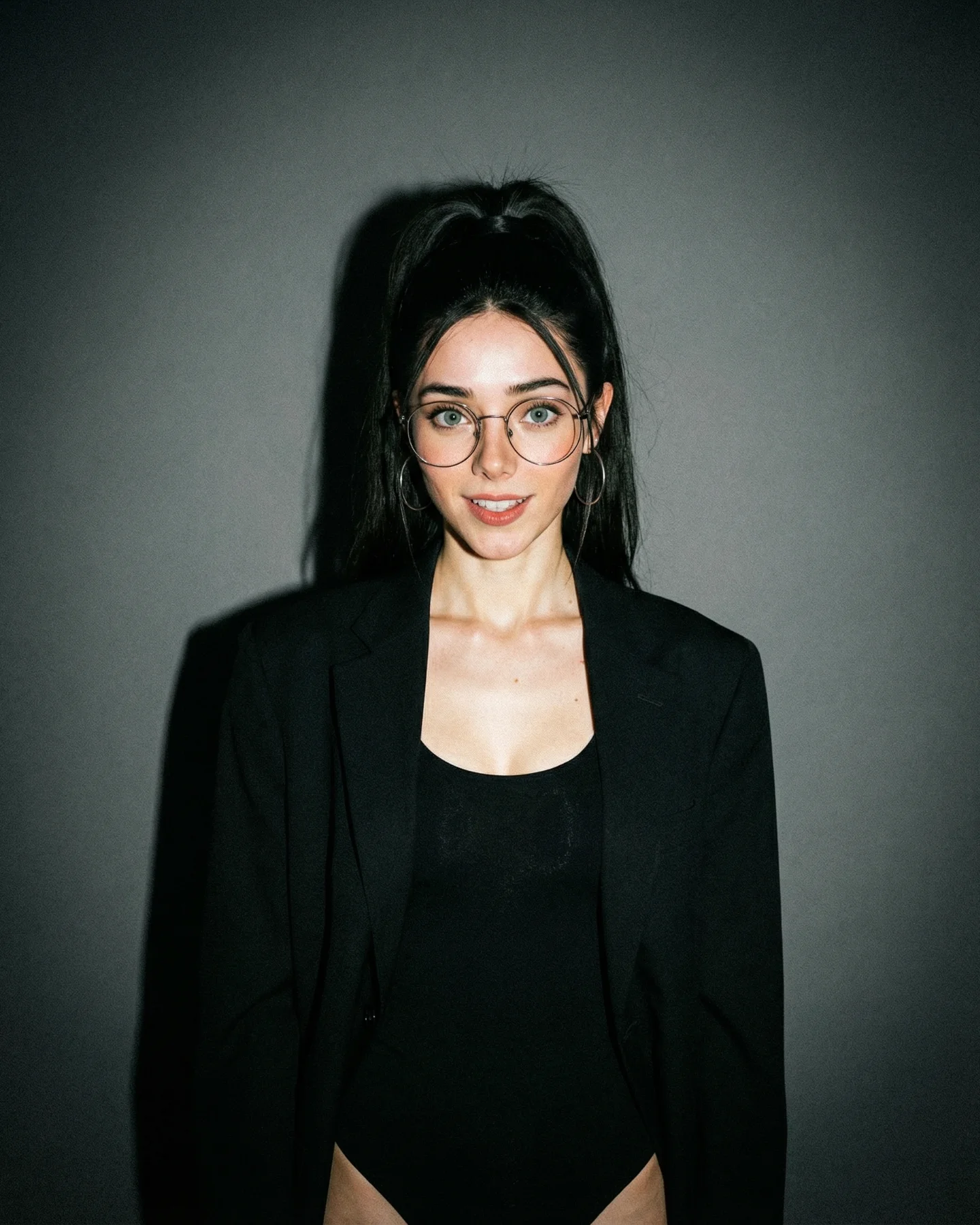
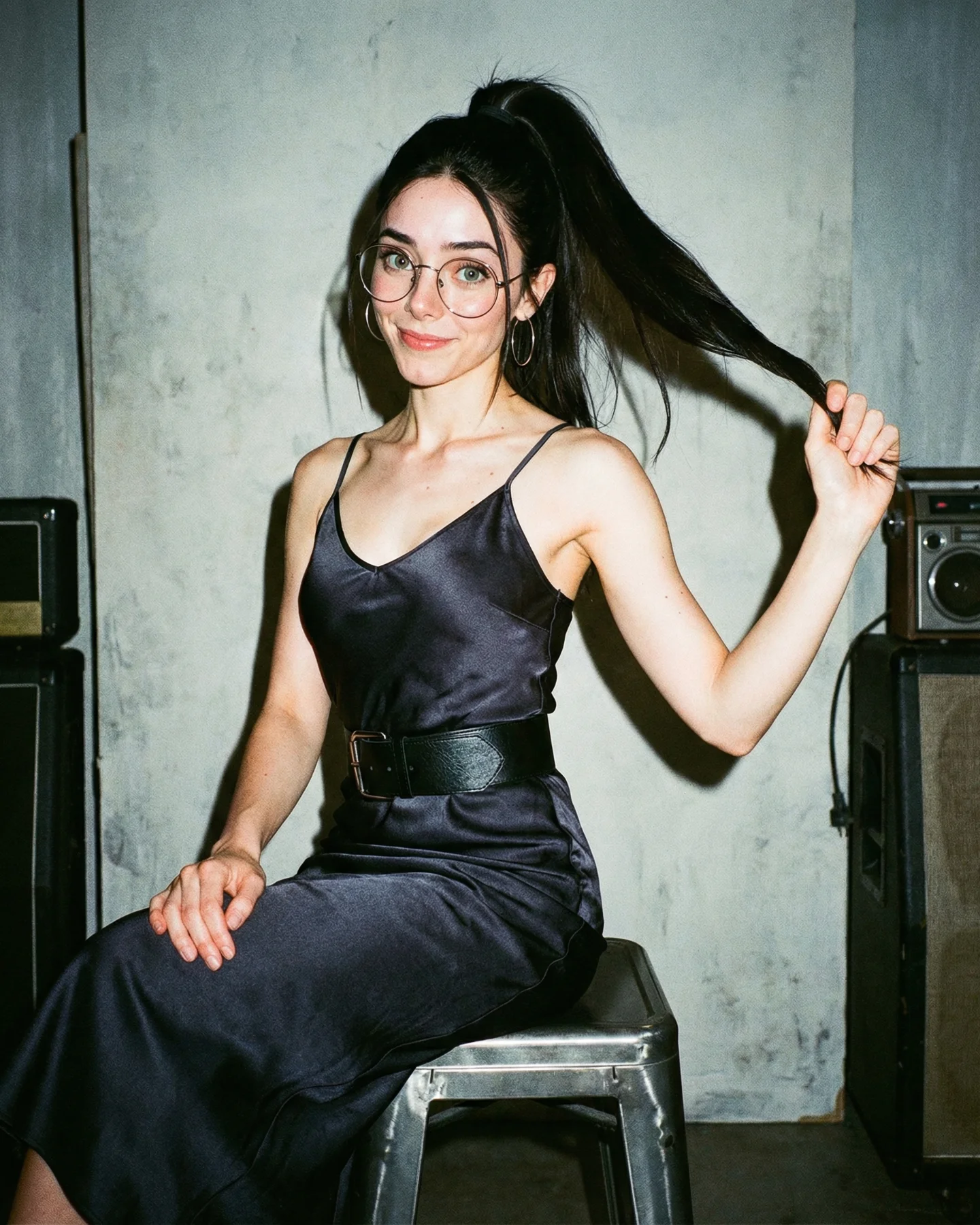
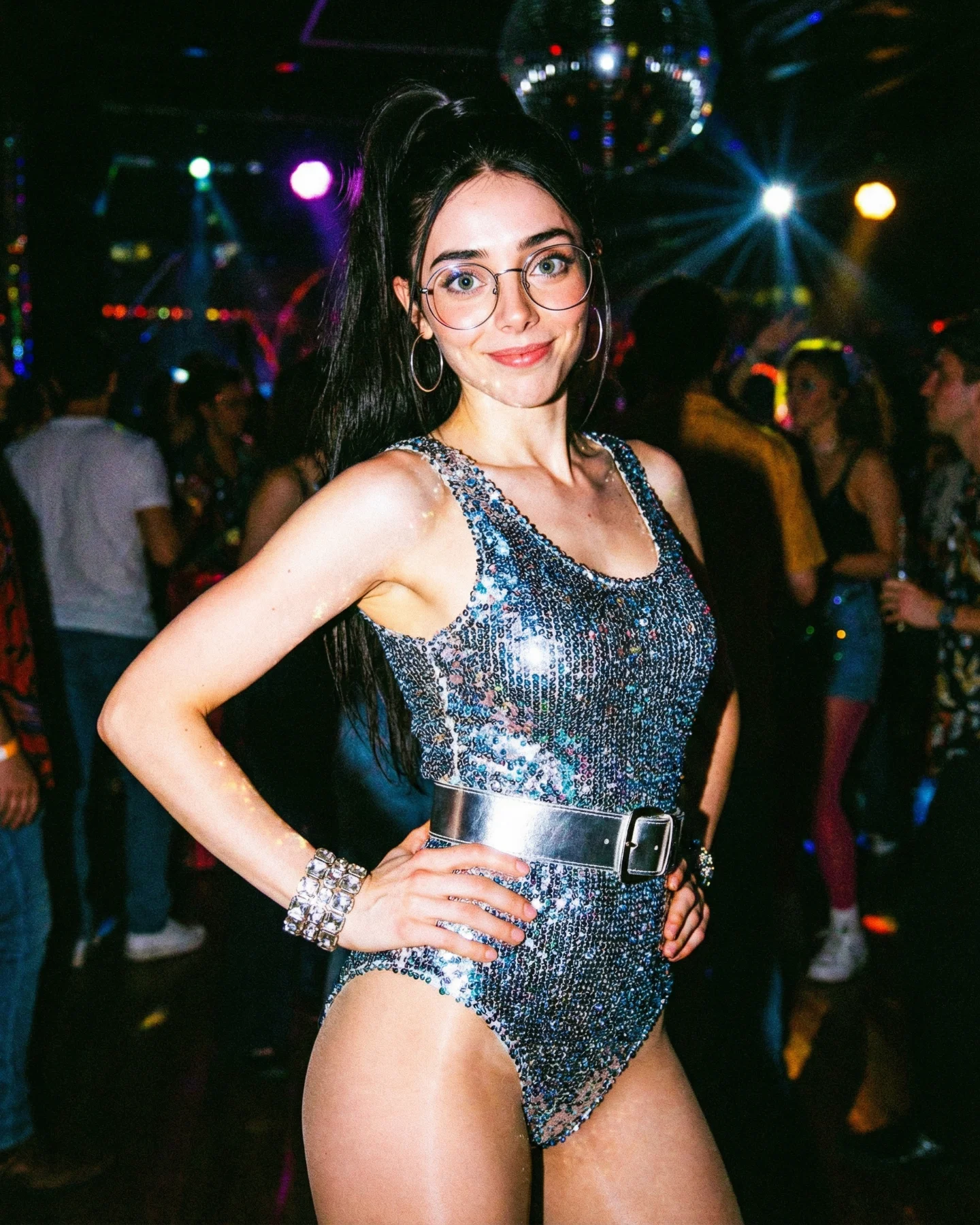
Fotografía estilo 1980s - Prompts 💕
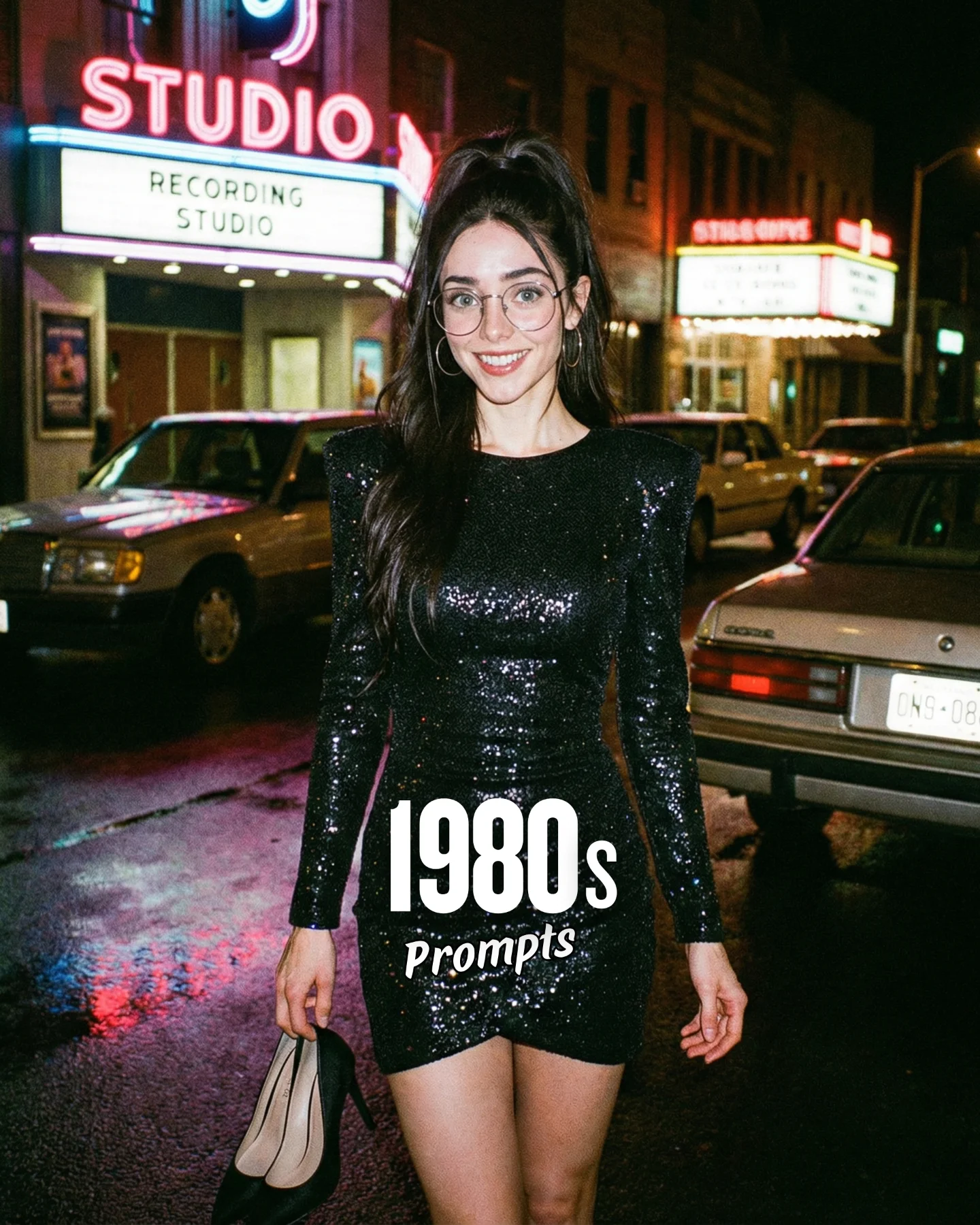
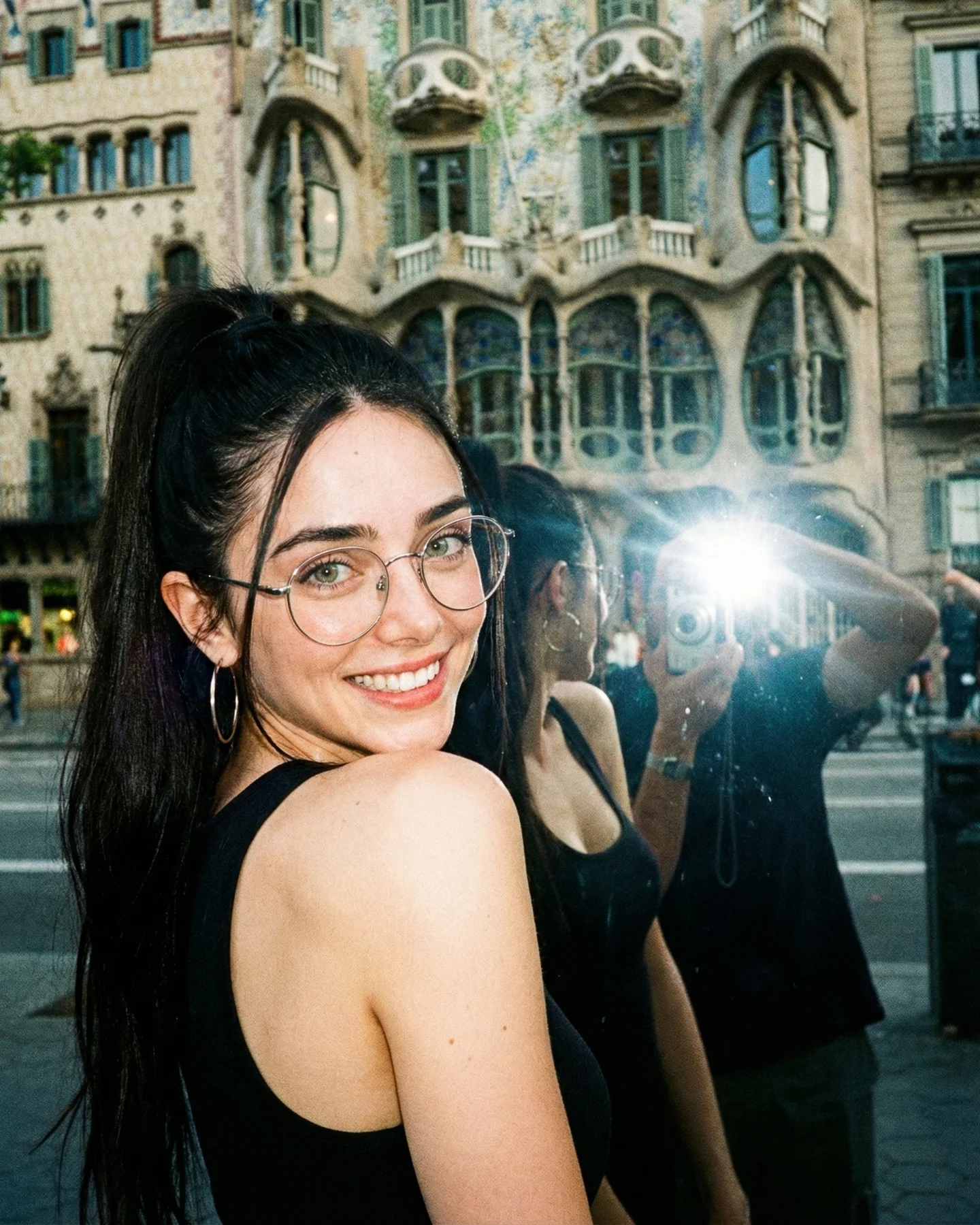
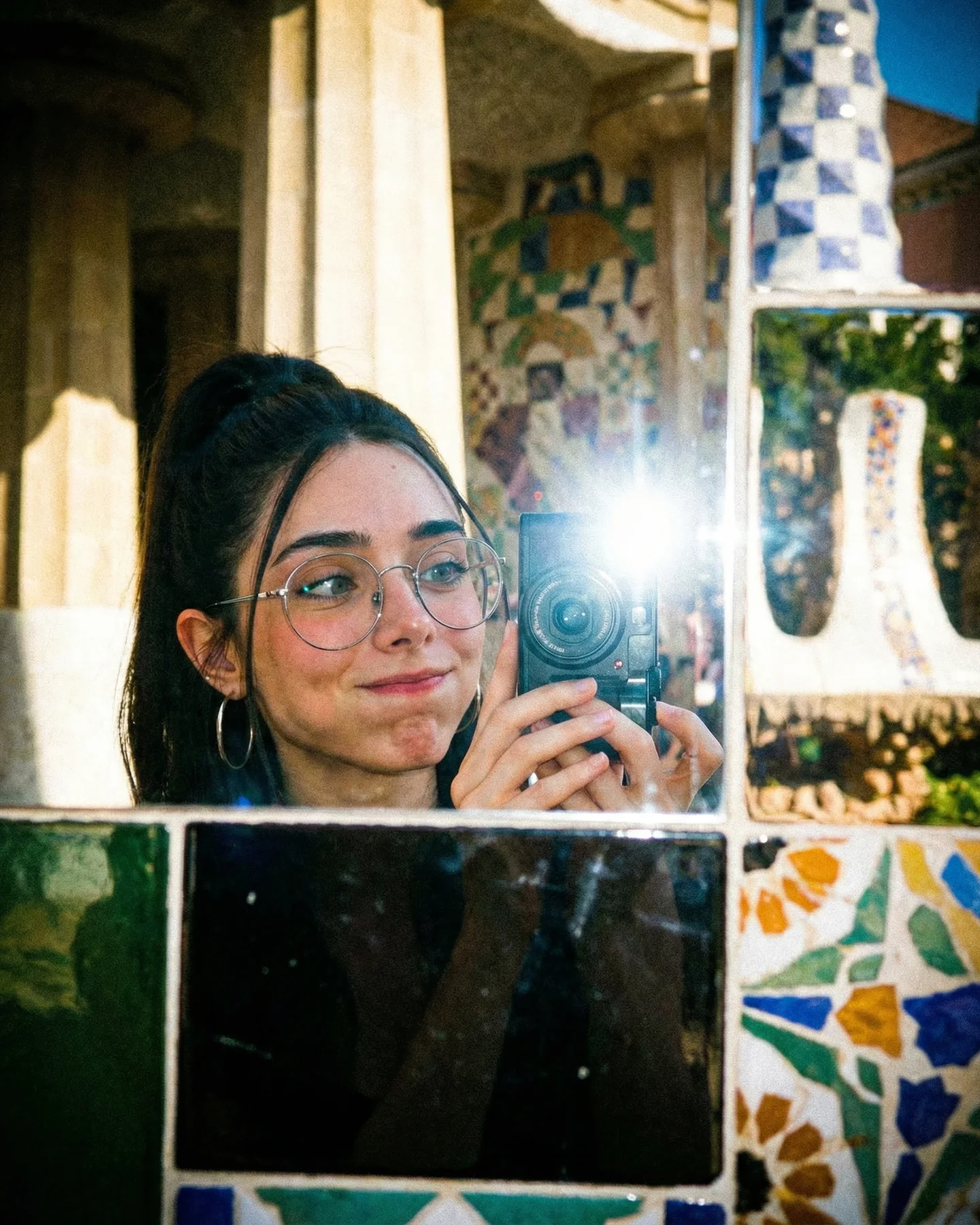
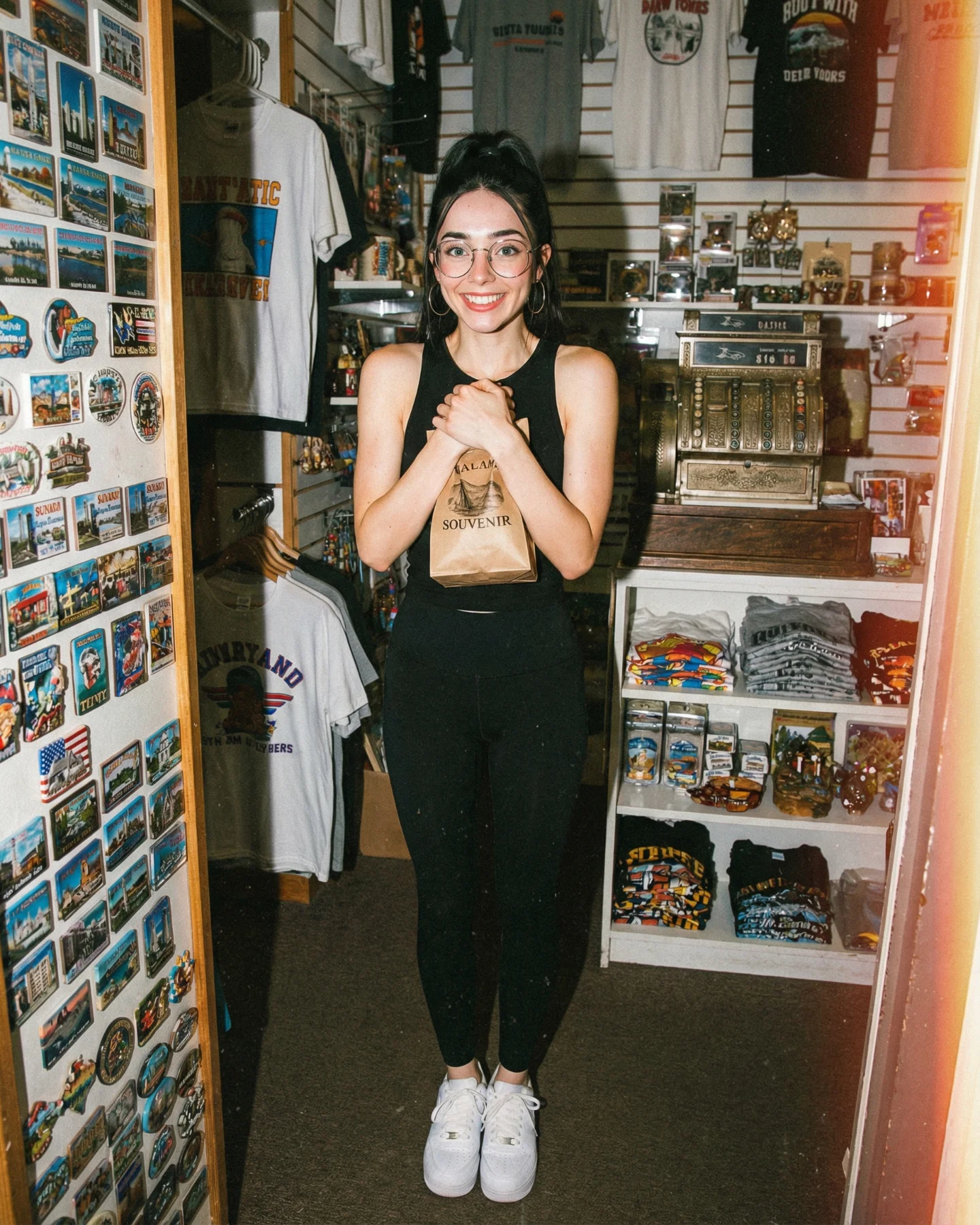
Os dejo por aquí una colección de prompts de imágenes al estilo de los años 80 🫶🏽
La IA que usé para crear este tipo de imágenes es Nano Banana Pro 🙊
Feliz vacaciones a todos, espero que lo paséis genial con la familia y amigos 🥰
Comenta "ARIA" si quieres los prompts y te los mando por mensaje 💌
How soy_aria_cruz Made This 1980s Bar Snapshot AI Portrait - and How to Recreate It
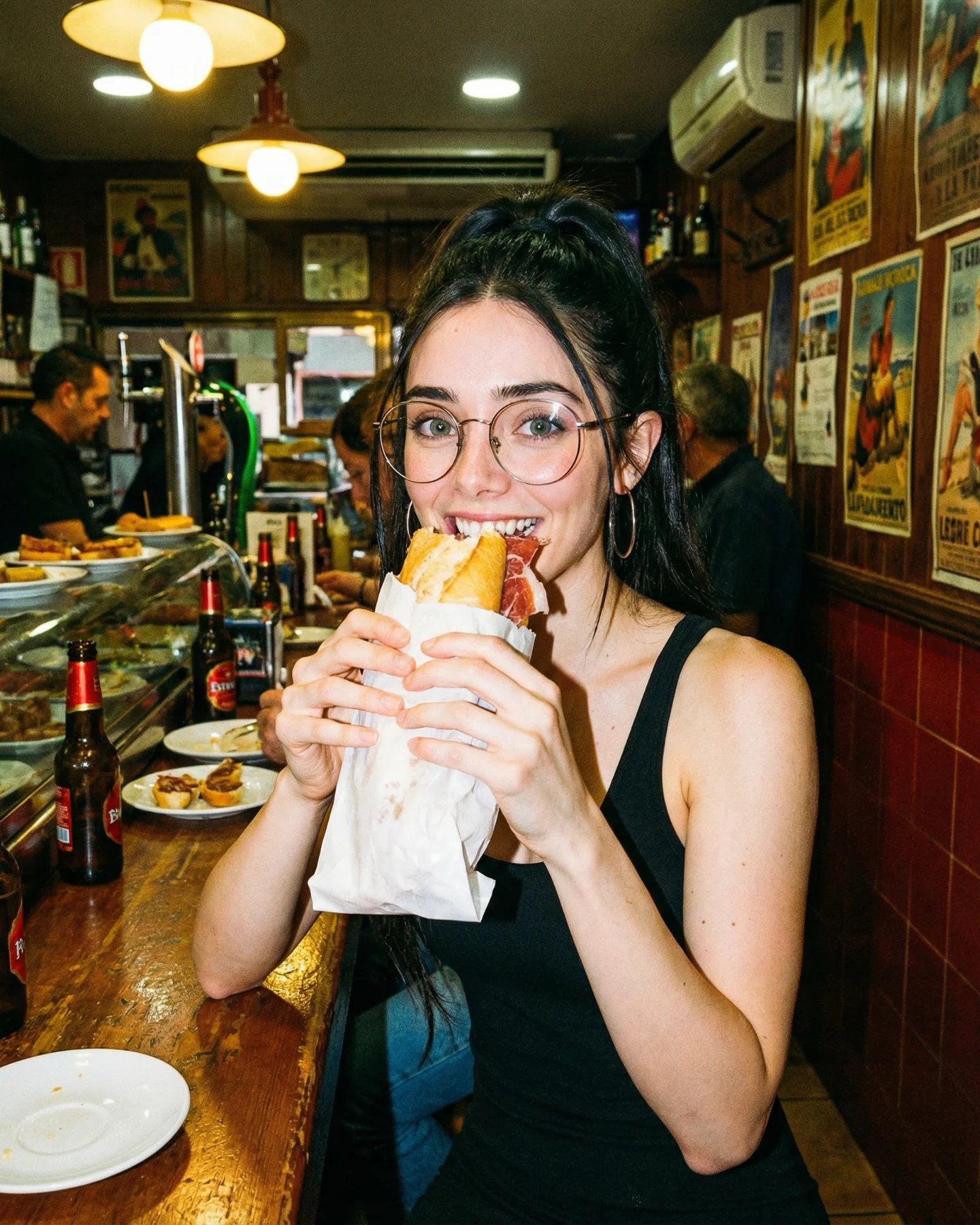
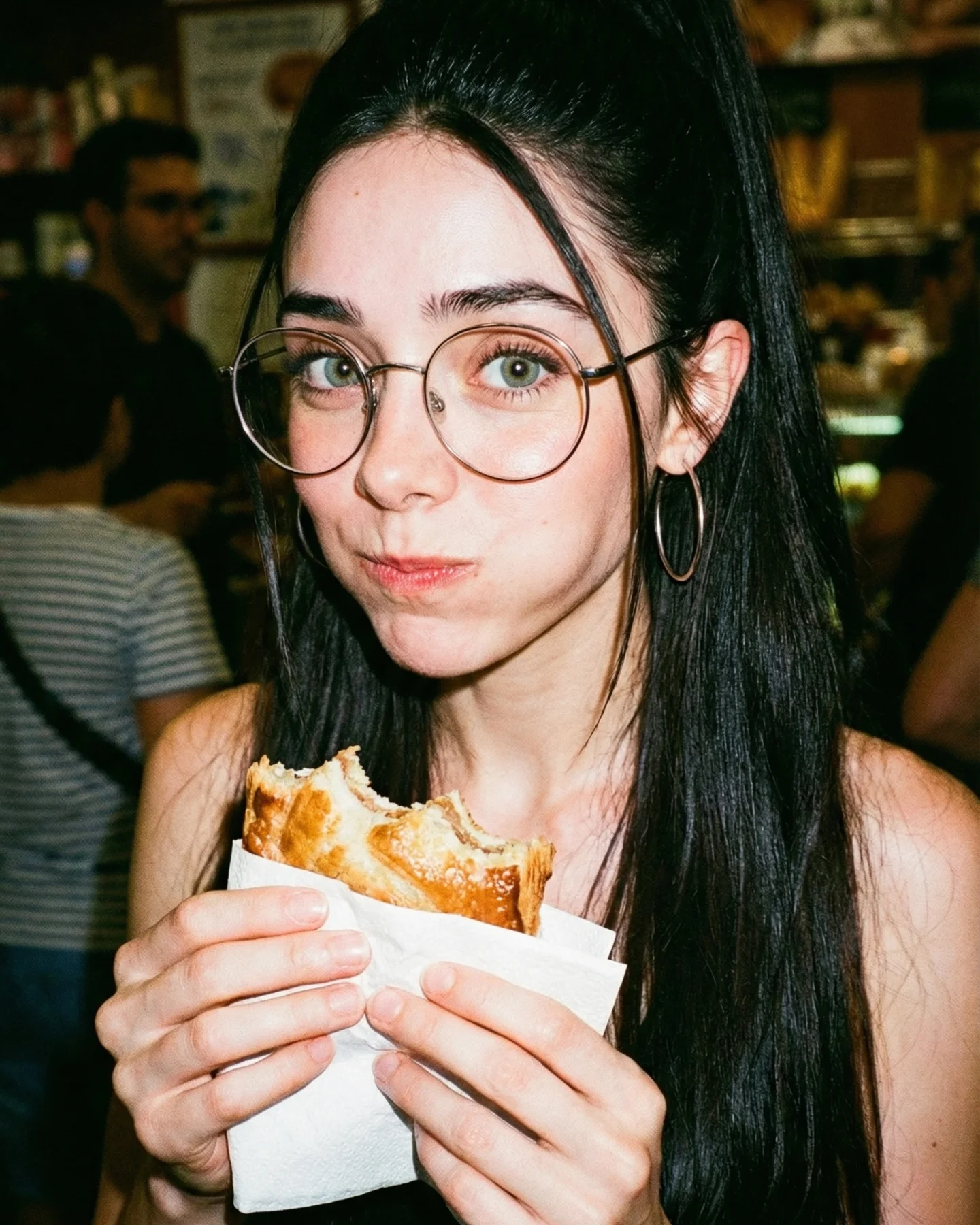
The strongest retro images do not only recreate fashion or color. They recreate behavior. That is what makes this one work. It captures a real social action, eating at the bar, instead of staging the subject as a static style icon. Because of that, the decade feeling becomes more believable and more human.
The caption frames the post as part of an 1980s image collection, and this image adds an important angle to that theme. It proves that “retro” is not only neon streets and dramatic outfits. It can also be a noisy little bar, a sandwich in hand, a direct-flash camera, and a room full of posters. That range makes the prompt set more useful for creators.
Why the image likely connected with viewers
The first reason is behavioral realism. A person mid-bite at a bar instantly feels like a memory. There is almost no distance between the viewer and the scene because the action is ordinary, specific, and socially recognizable.
The second reason is environmental density. Beer bottles, plates, posters, lights, and other customers all work together to make the room feel real. None of those details alone would carry the image, but together they create the texture of a place people can imagine themselves inside.
The third reason is the direct flash. That flash makes the image feel like it came from a personal archive instead of a styled restaurant shoot. For retro content, that distinction matters a lot. The image needs to feel found, not built.
Signal
Evidence (from this image)
Mechanism
Replication Action
Everyday action
The subject is caught mid-bite holding a large sandwich with both hands
Specific behavior makes the image feel like a true memory rather than a concept sketch
Prompt one ordinary real-world action instead of a static pose
Room texture
Posters, beer bottles, plates, and patrons make the bar feel occupied and lived in
Dense environmental cues create authenticity and increase dwell time
Use 4 to 6 small room details to support the era rather than relying on one hero prop
Flash-photo credibility
The subject is brightly lit against a warmer, dimmer bar background
Snapshot lighting cues old personal photography more effectively than cinematic grading alone
Use on-camera-flash language whenever the goal is archive-like realism
Accessible retro framing
The black tank top and candid smile keep the image easy to read despite the busy room
Simple subject styling lets the environment carry the retro signal
Keep the wardrobe straightforward when the room is already rich with information
Where this style works best
This format works especially well for retro lifestyle prompt packs, food-and-place storytelling posts, analog memory moodboards, and creator content that wants to feel social instead of theatrical. It is also useful for showing that decade aesthetics can live inside ordinary environments.
Best fit: 1980s lifestyle prompt sets. Why fit: the image expands the decade beyond fashion cliches. What to change: keep the candid behavior and swap the location or food type.
Best fit: retro food-memory content. Why fit: the sandwich and bar setting create instant familiarity. What to change: rotate the meal and venue while preserving the flash-photo structure.
Best fit: creator moodboard series. Why fit: the scene feels human and replayable, not over-designed. What to change: keep the close bar-counter framing and test different urban interiors.
Best fit: tutorial examples for realism. Why fit: the image is good for explaining how props, behavior, and lighting create authenticity. What to change: pair it with notes on environment density and flash balance.
This style is less ideal for high-fashion retro editorials, minimal restaurant branding, or polished food advertising. The appeal here is messier and more social. If you clean it up too much, the period feeling collapses.
Three transfer recipes are especially useful. Keep the direct-flash camera language, the candid mid-action behavior, and the dense room detail. Change the venue. A diner version can swap the bar for chrome counters and milkshakes. A pizza-shop version can replace the sandwich with a folded slice and checkerboard tiles. A late-night coffee-bar version can keep the crowded counter but trade beer bottles for espresso cups and pastries. Slot template: {casual social action} at {retro venue type} with {food prop} under {direct flash snapshot lighting}.
The aesthetic lessons worth borrowing
The best decision here is putting the food in the center of the behavior, not the composition. The sandwich matters because it gives the subject something real to do. That kind of small action is often more effective than a more dramatic pose.
Another smart move is using the left side of the frame for bar depth. Plates and bottles create a visual runway into the room, while the subject stays easy to read on the right. That balance makes the image feel busy but not chaotic.
The posters on the wall also do subtle but important work. They tell the viewer this is a place with history, not a generic restaurant set. That is exactly the kind of low-level detail that makes retro imagery feel inhabited.
Observed
Why it matters
How to recreate it
Mid-bite sandwich action
Creates a genuine memory texture and casual intimacy
Give the subject a food action that feels unposed and familiar
Wooden bar counter with bottles and plates
Adds spatial depth and believable use
Build one active surface in the foreground to ground the scene
Poster-covered walls
Reinforce a sense of place and age
Use visual ephemera to suggest history without needing explicit date markers
Direct frontal flash
Makes the image feel pulled from a personal archive
Use crisp front light and warmer ambient background contrast
Simple black top against a busy room
Keeps the subject readable despite environmental complexity
Dress the subject simply when the setting is already full of signals
Prompt technique breakdown
To recreate this style reliably, separate the prompt into social action, food object, venue texture, flash behavior, and room density. Many retro prompts focus too much on colors and not enough on what people are actually doing.
Prompt chunk
What it controls
Swap ideas (EN, 2-3 options)
Action block
Creates behavior-driven realism
mid-bite sandwich, lifting a drink, laughing at the counter
Food block
Adds specificity and local texture
bocadillo sandwich, pizza slice, pastry on paper wrap
Keep the creator recognizable across retro settings
round glasses, high ponytail, hoop earrings
A practical remix sequence
Baseline lock first: keep the candid eating action, keep the bar-counter environment, and keep the direct-flash snapshot treatment. Those three choices create most of the image's value. After that, change only one or two controls per generation.
Run 1: solve the sandwich scale, hand placement, and eye contact until the scene reads instantly as a social memory.
Run 2: refine bottle placement, poster density, and warm ambient lighting without changing the main action.
Run 3: test one venue swap while preserving the same candid flash-photo grammar.
Run 4: build a retro-lifestyle series by keeping the composition style stable and rotating only food prop and room type.
The larger lesson is that strong nostalgia often hides inside ordinary behavior. This image succeeds because it uses a simple human action to carry a whole decade mood. That is far more durable than a retro filter on a generic pose.