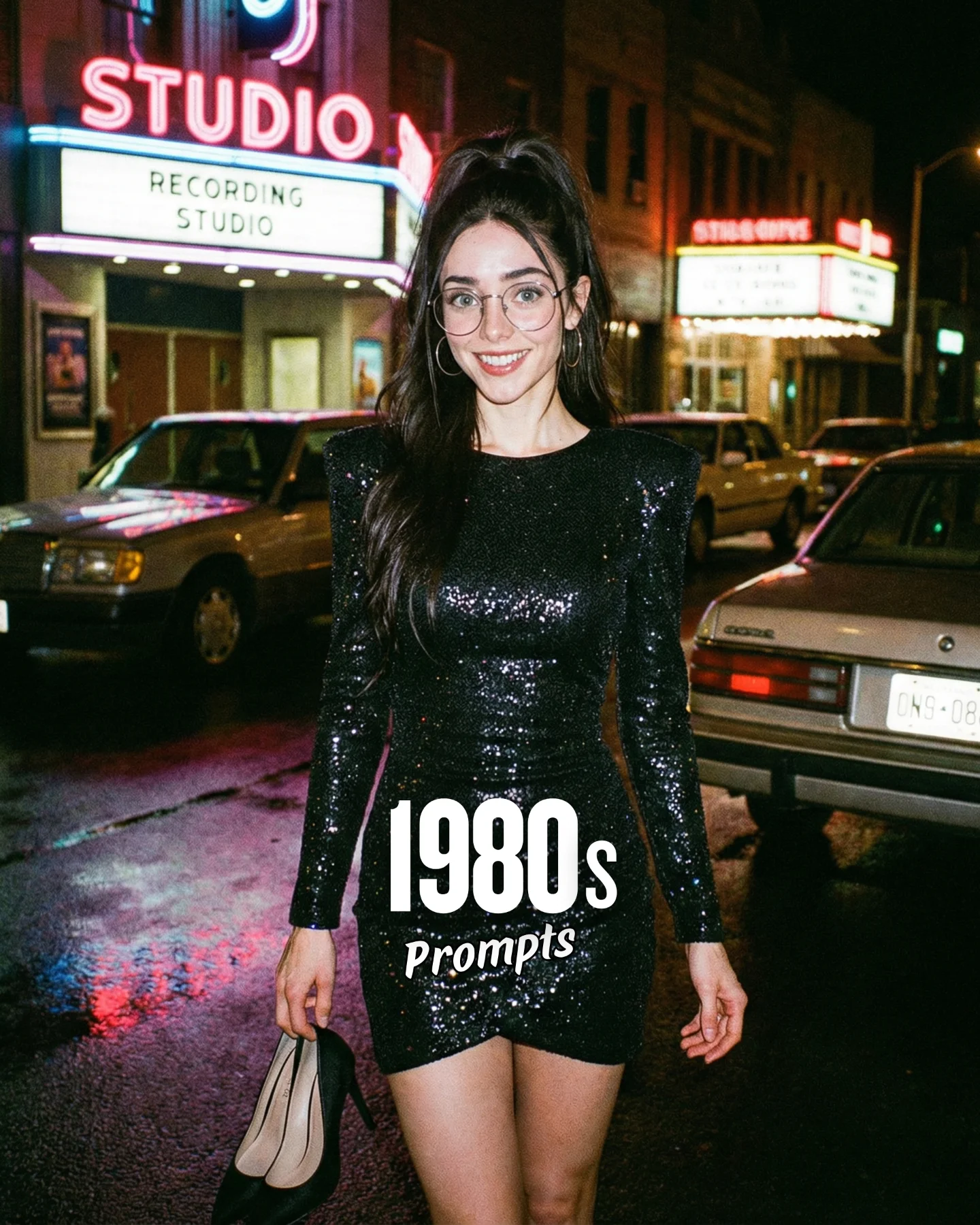
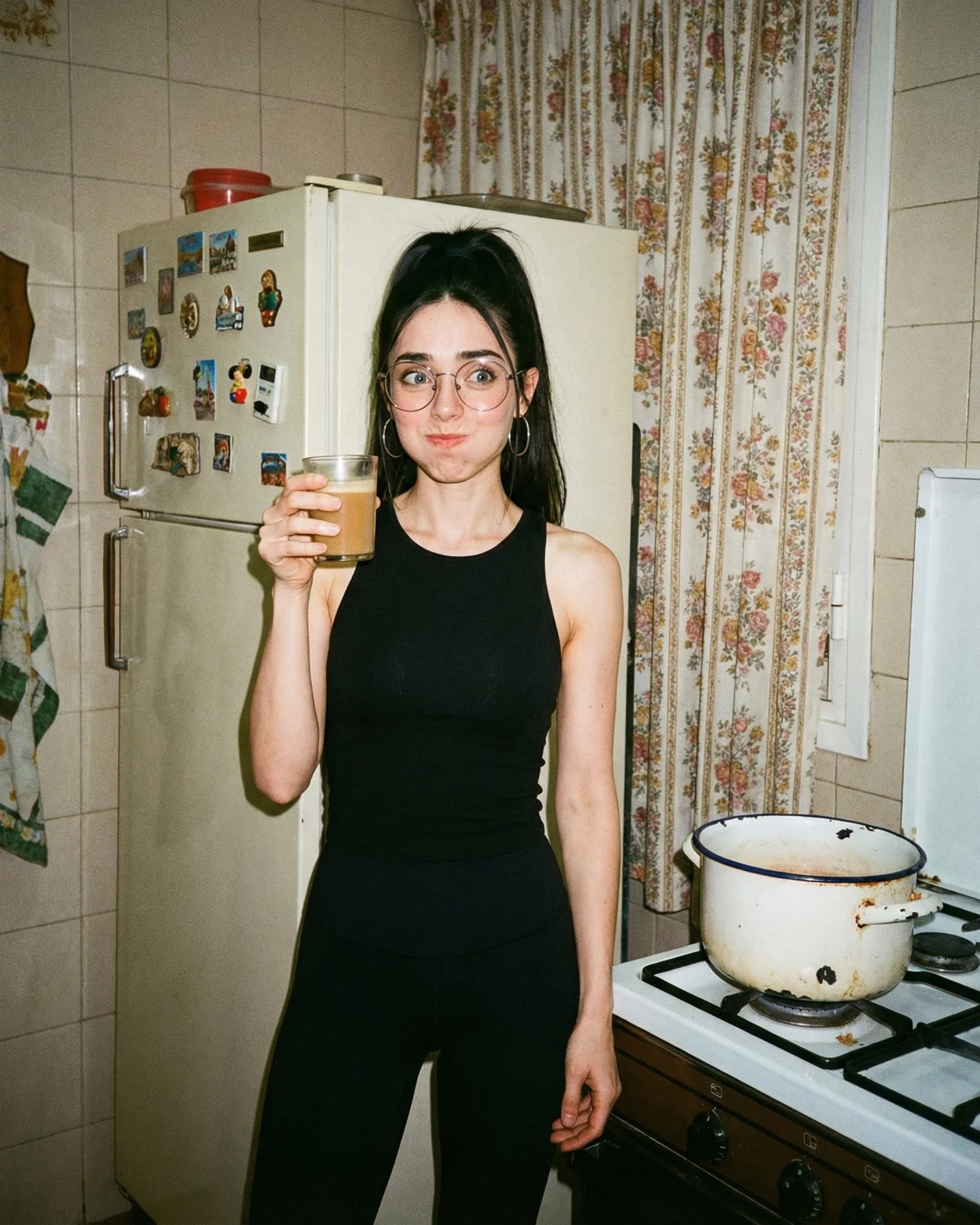
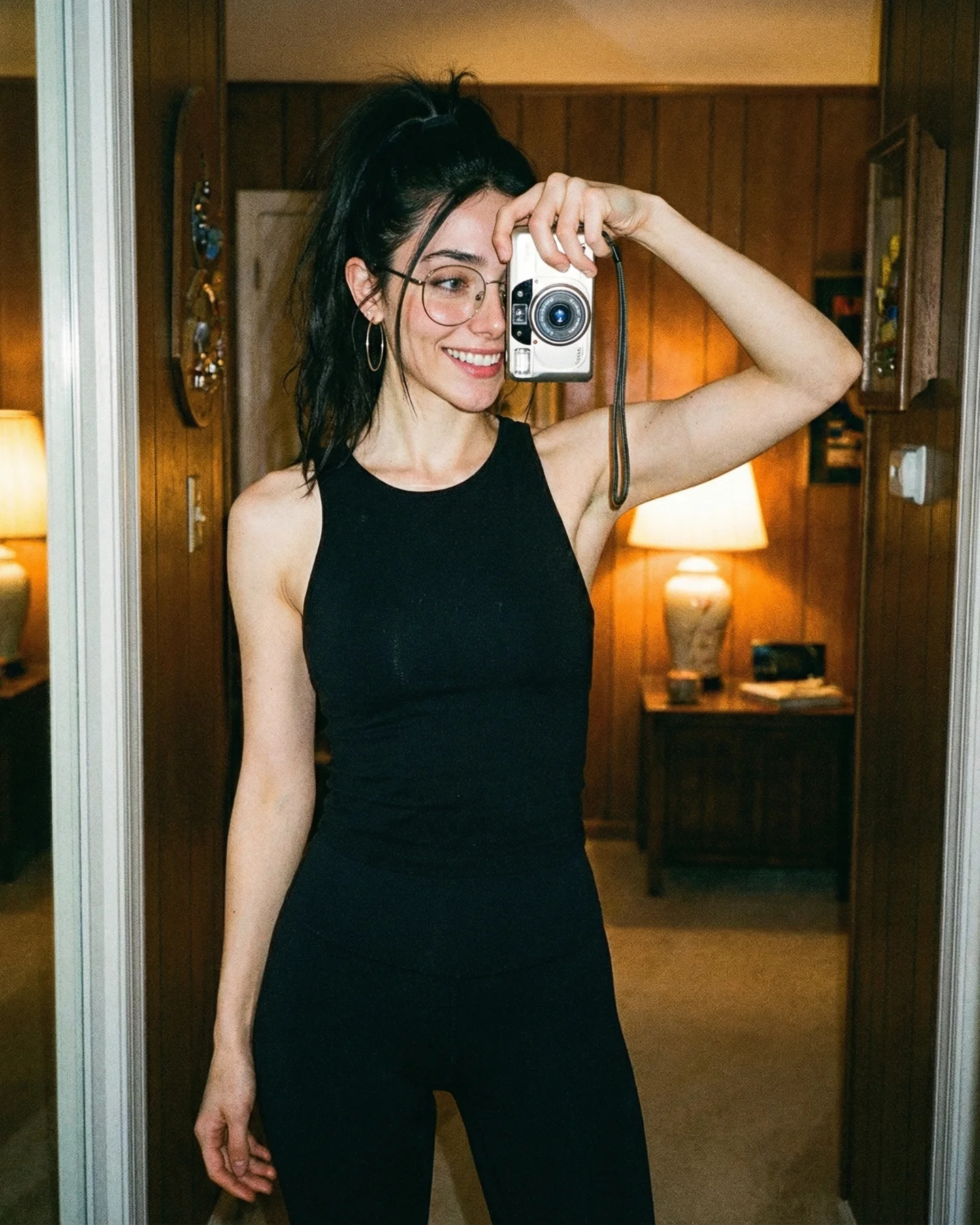
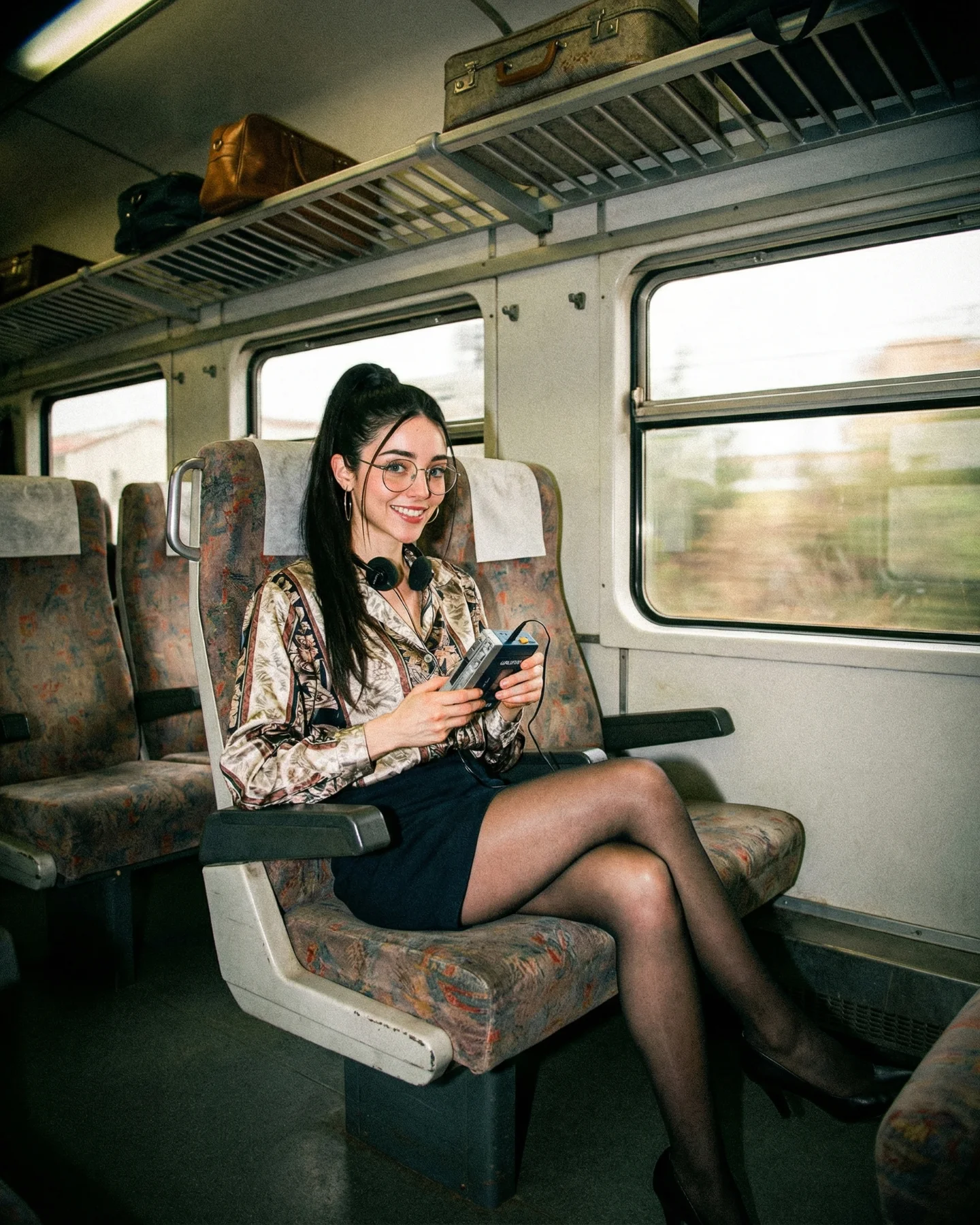
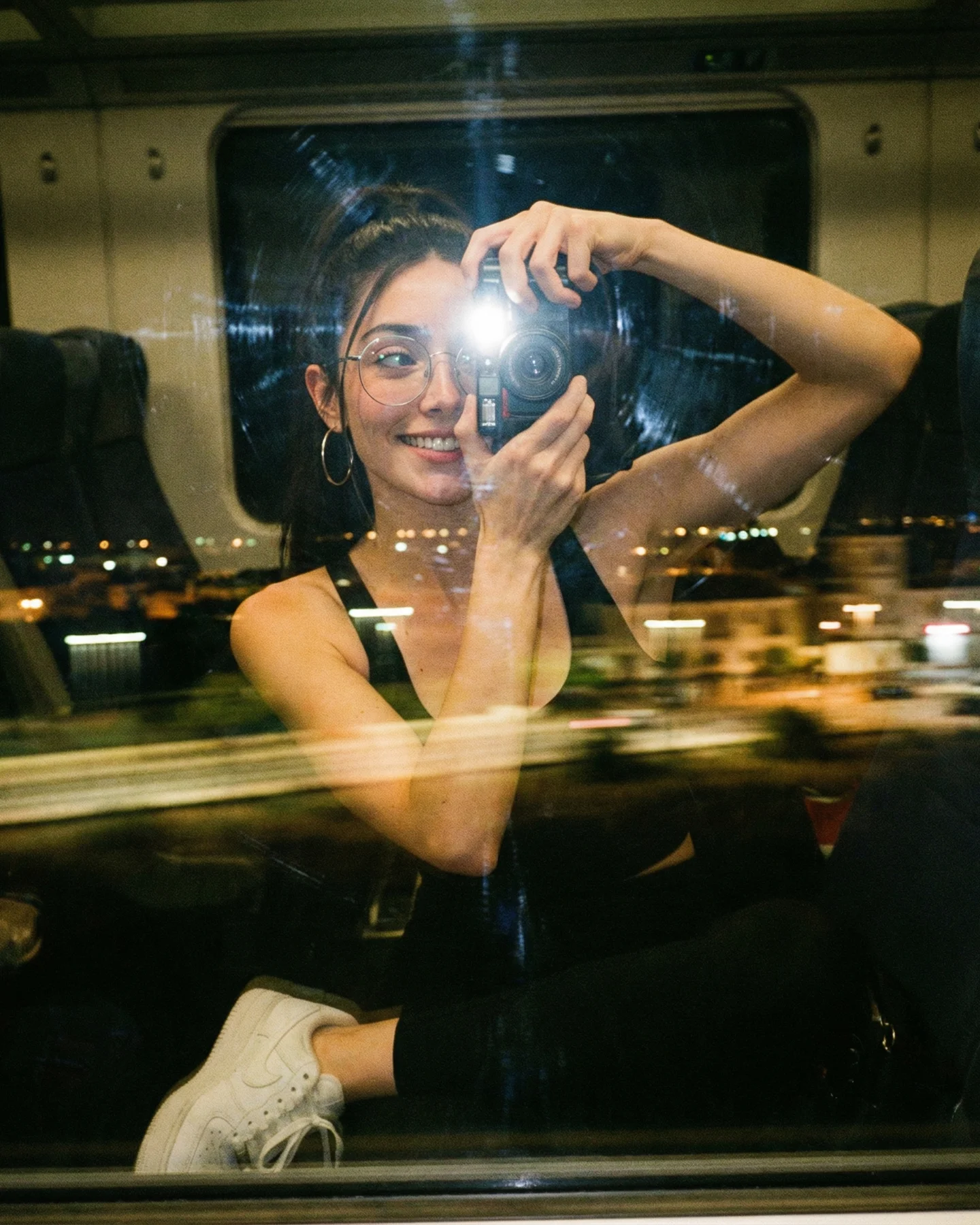
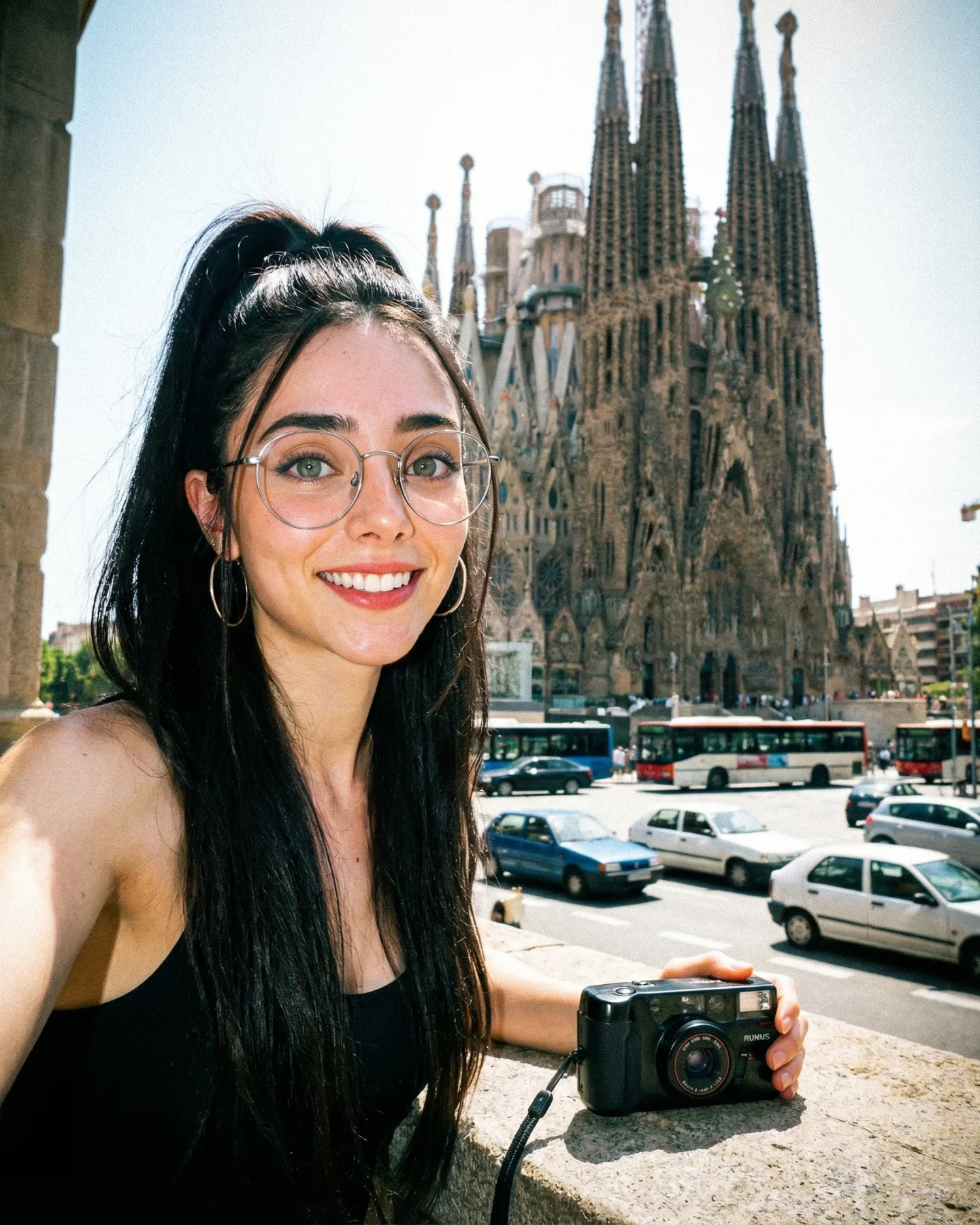
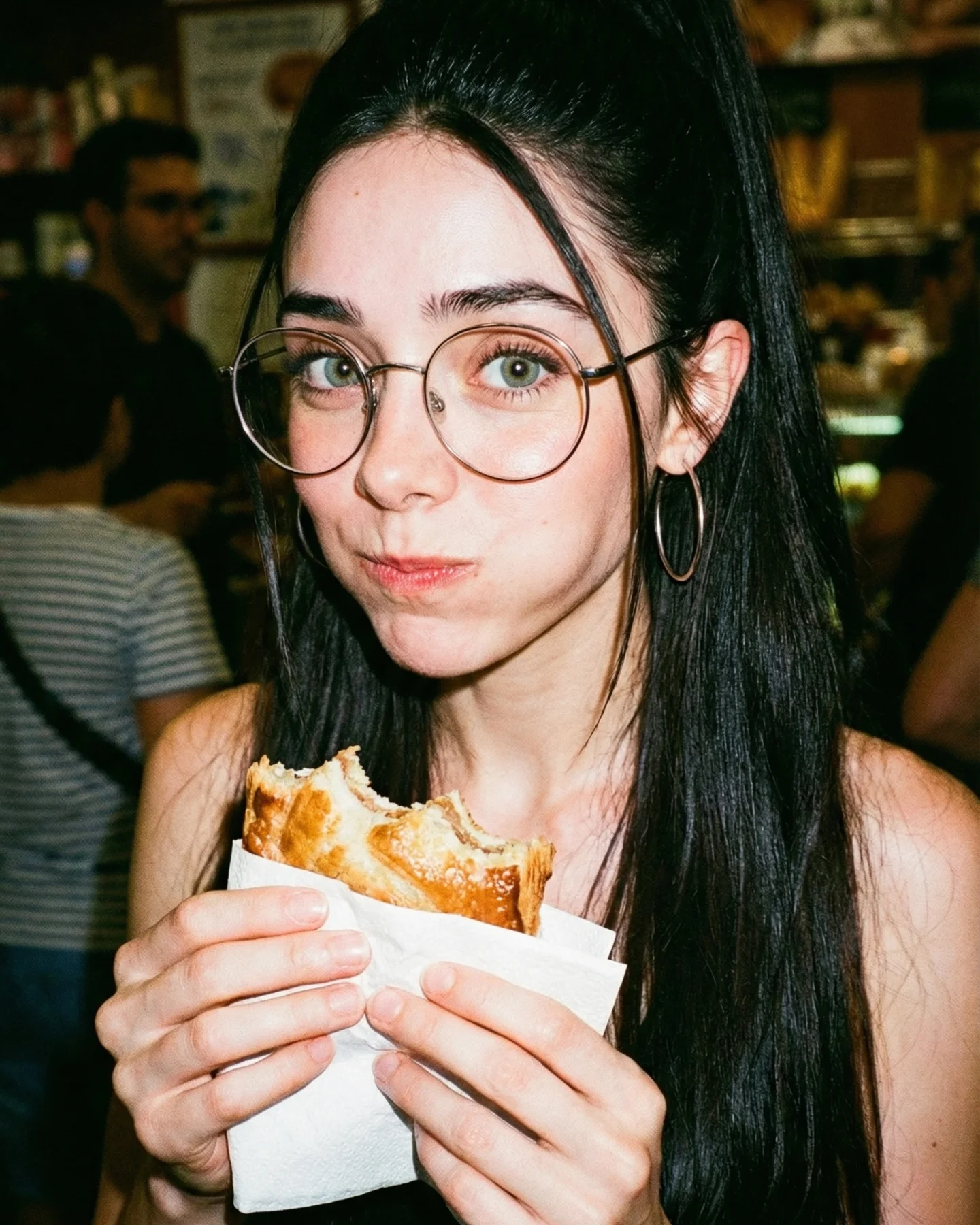
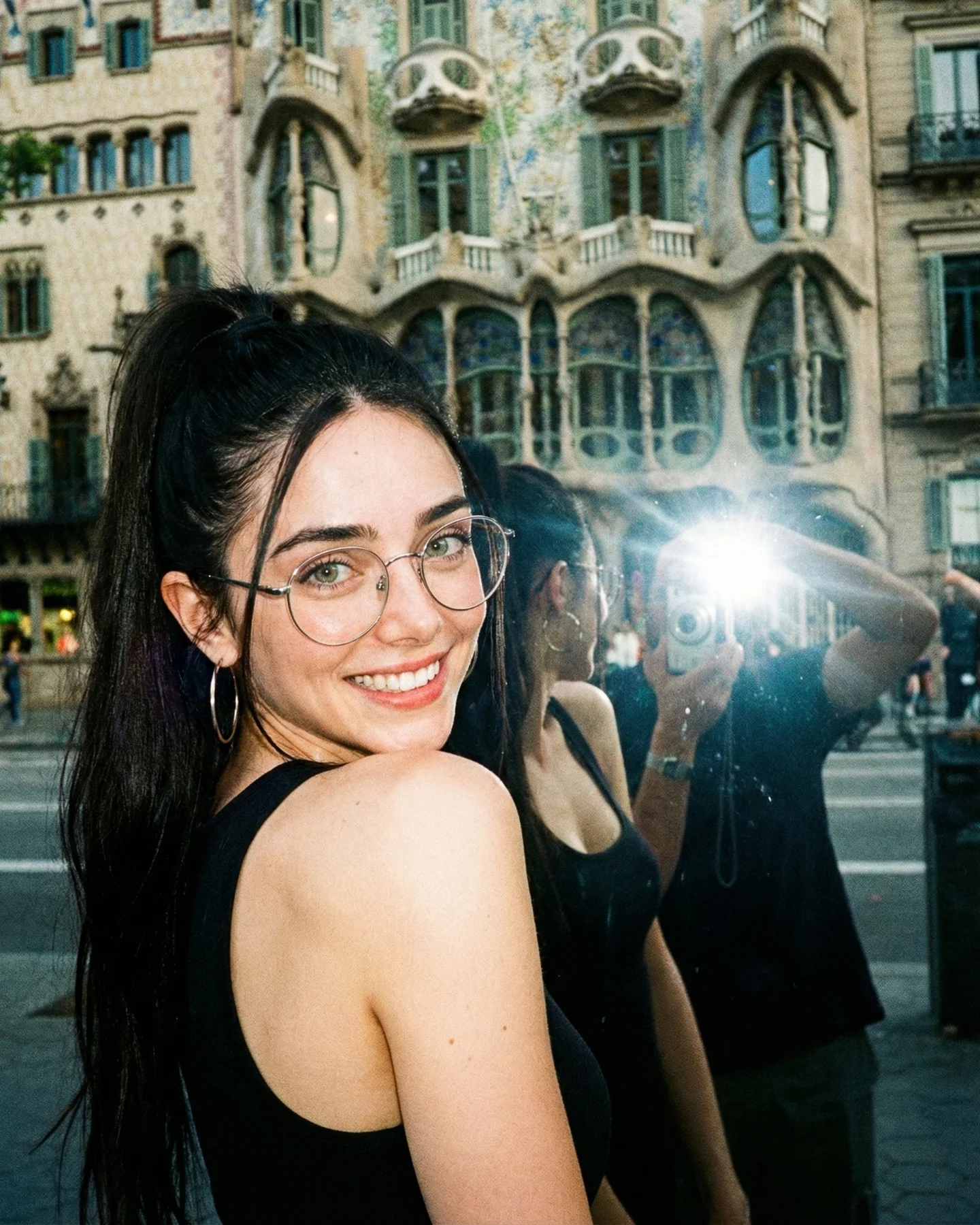
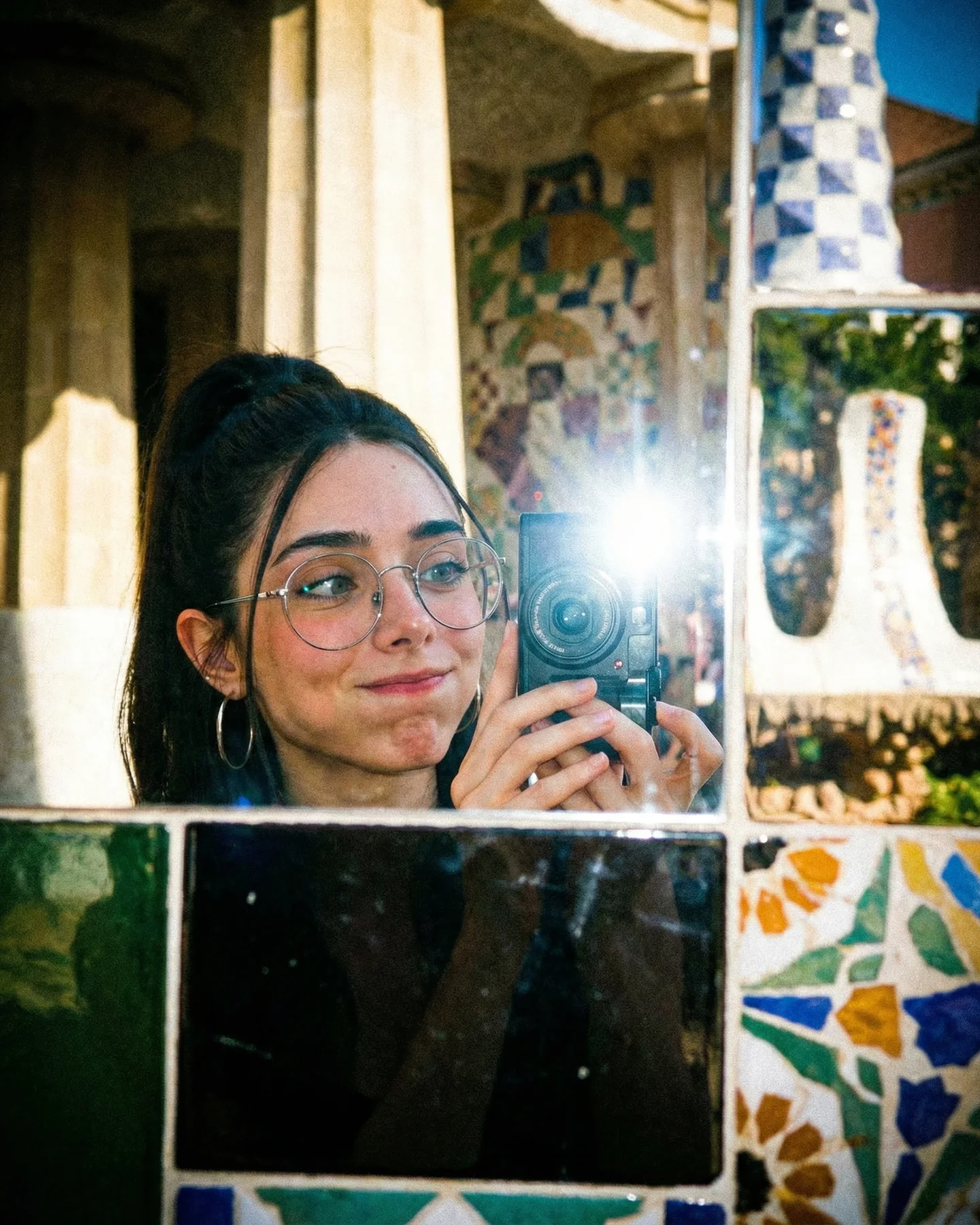
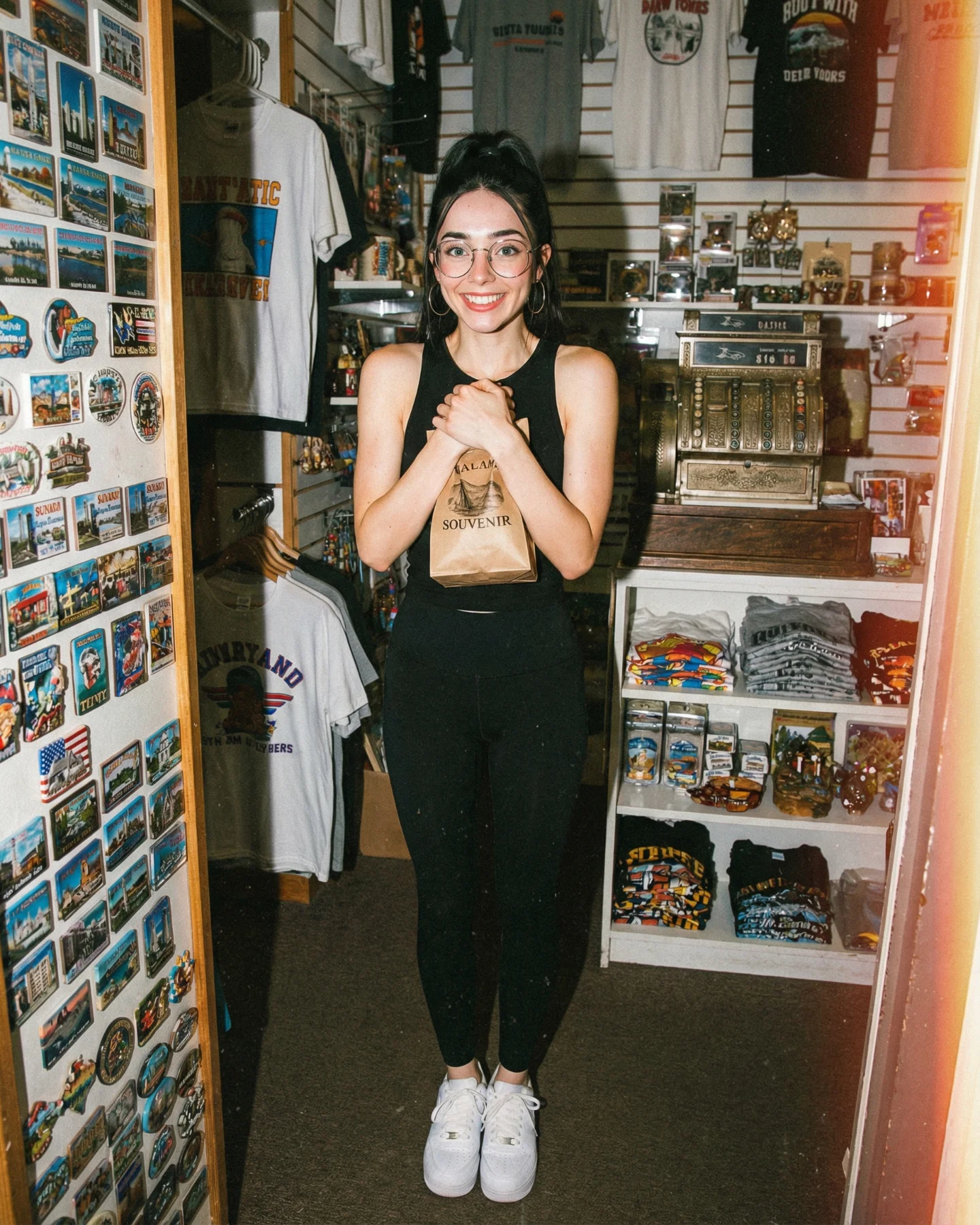
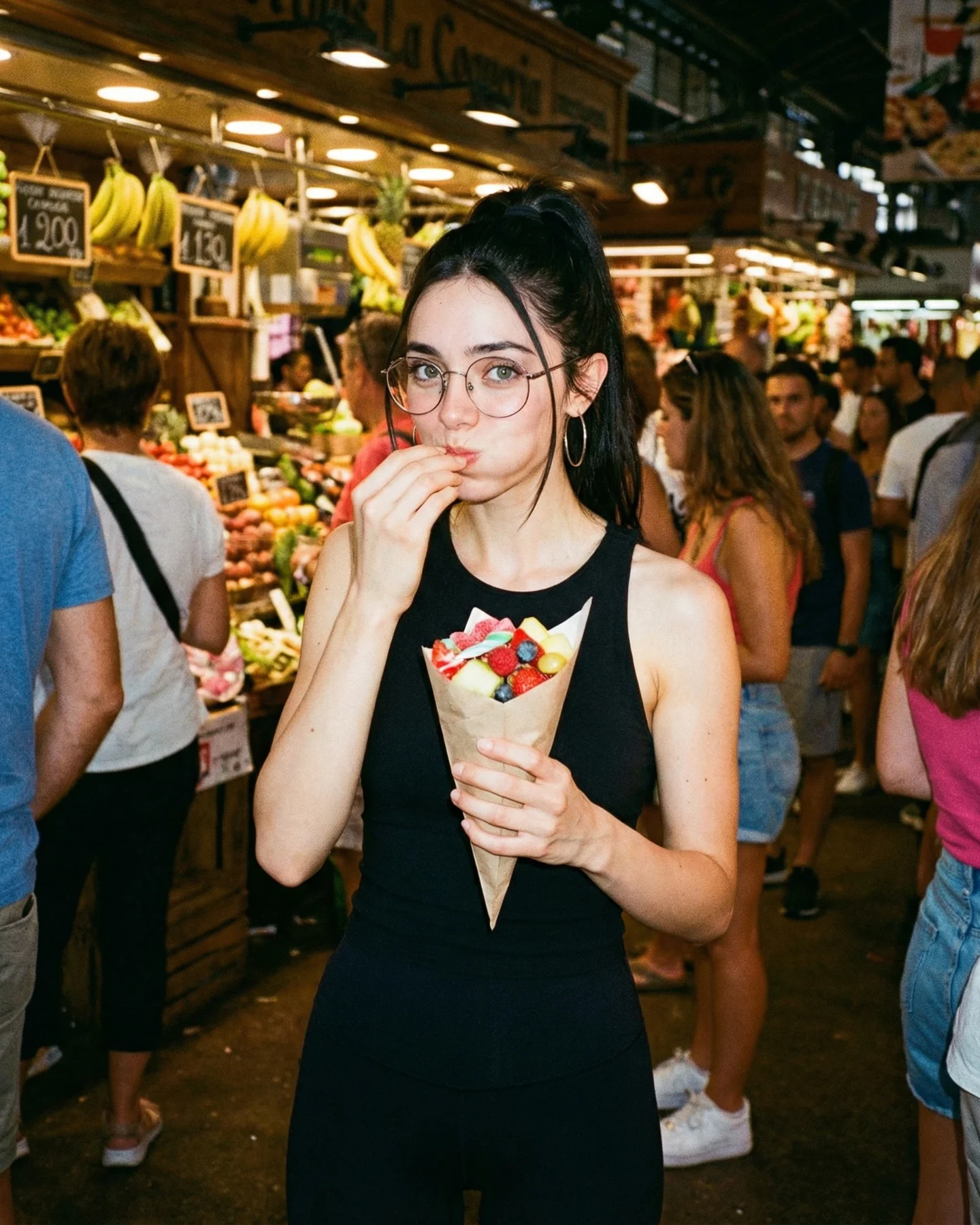
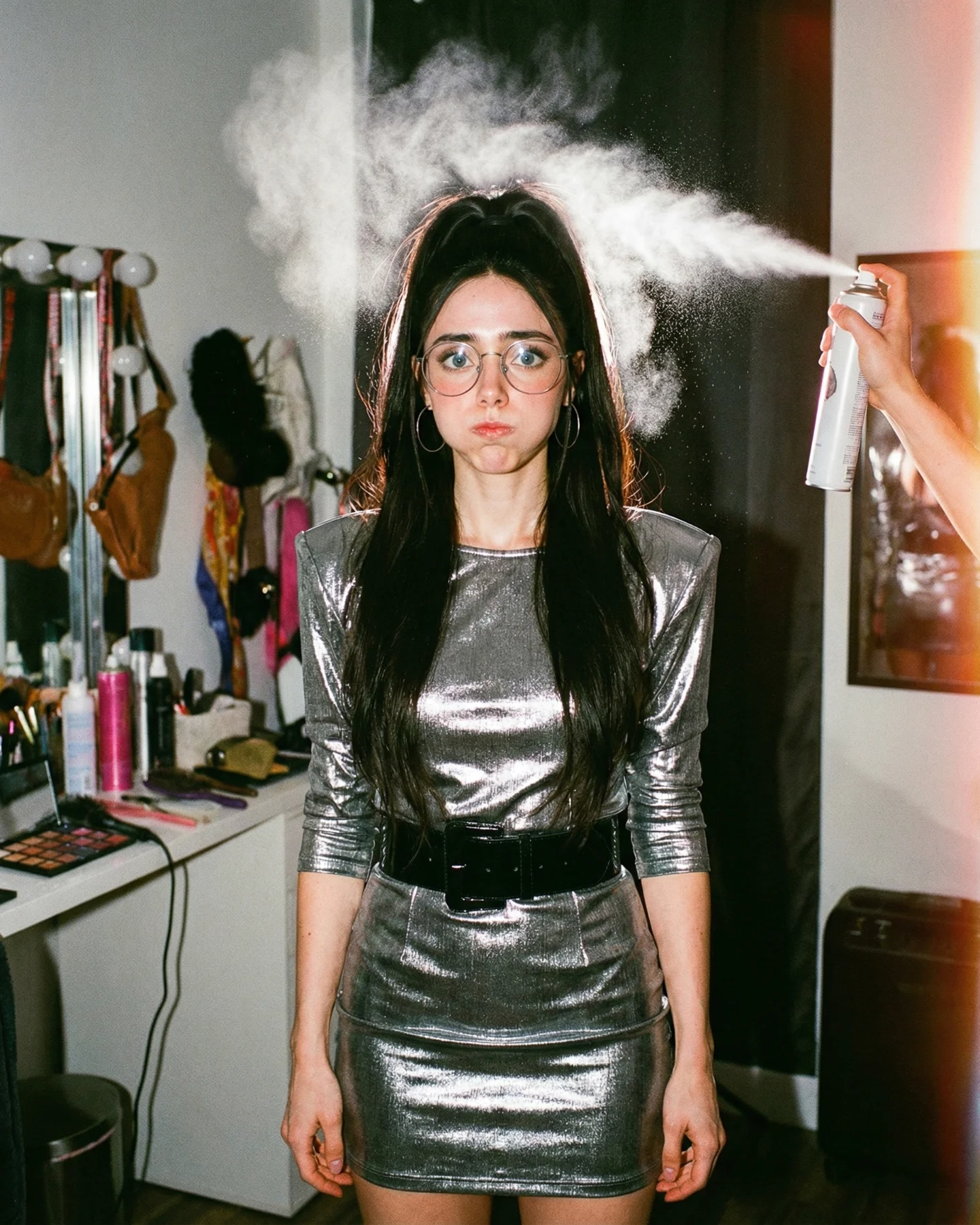
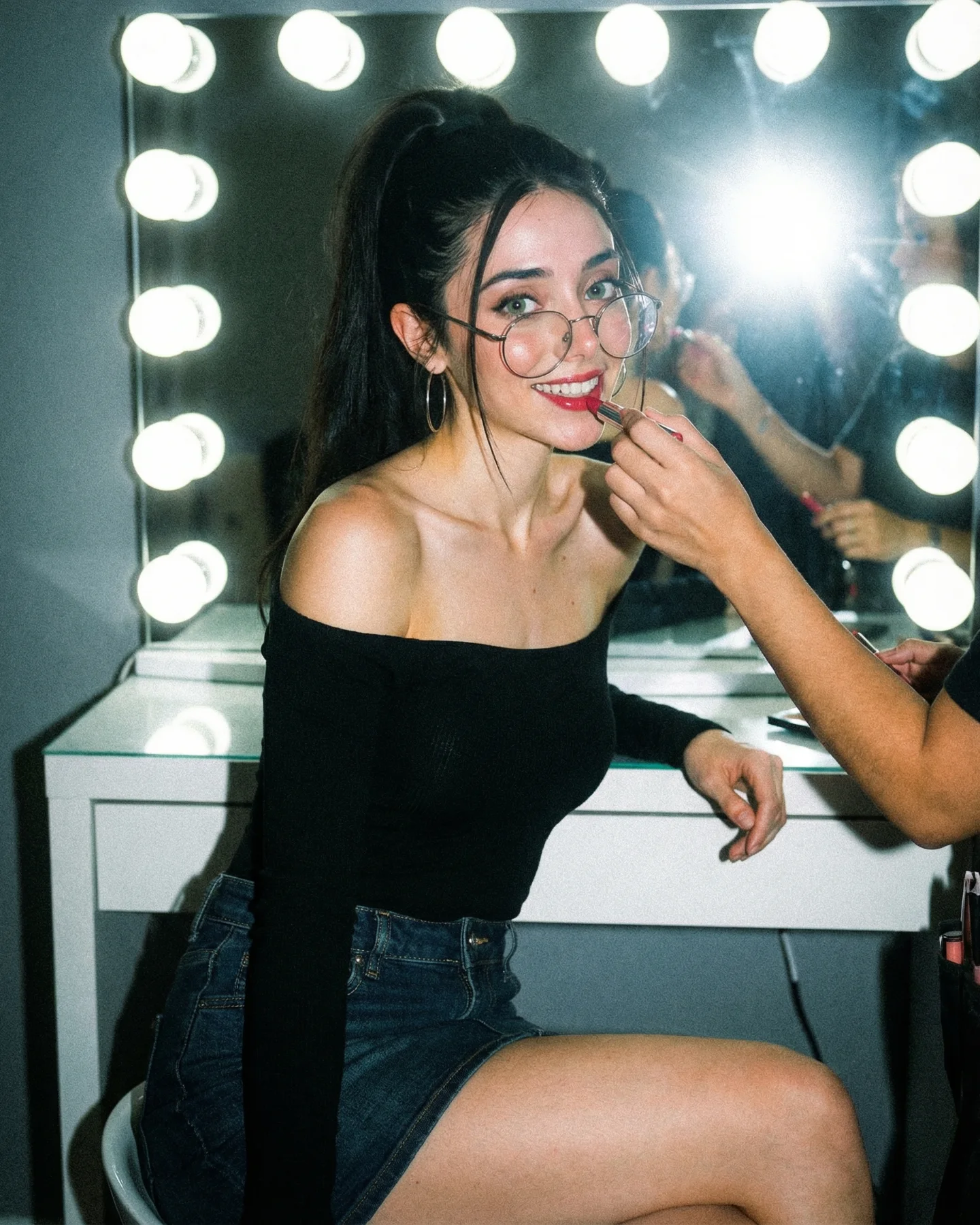
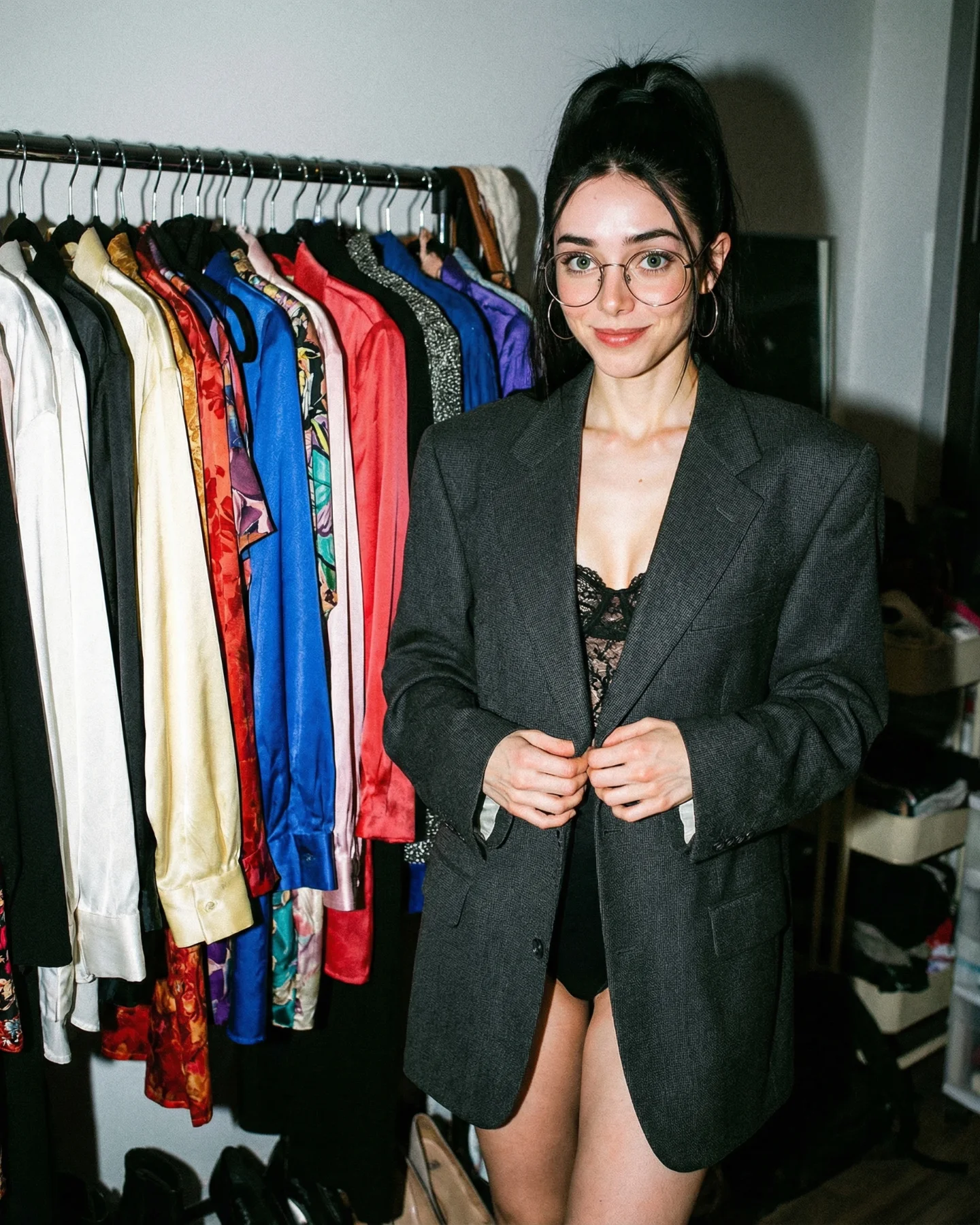
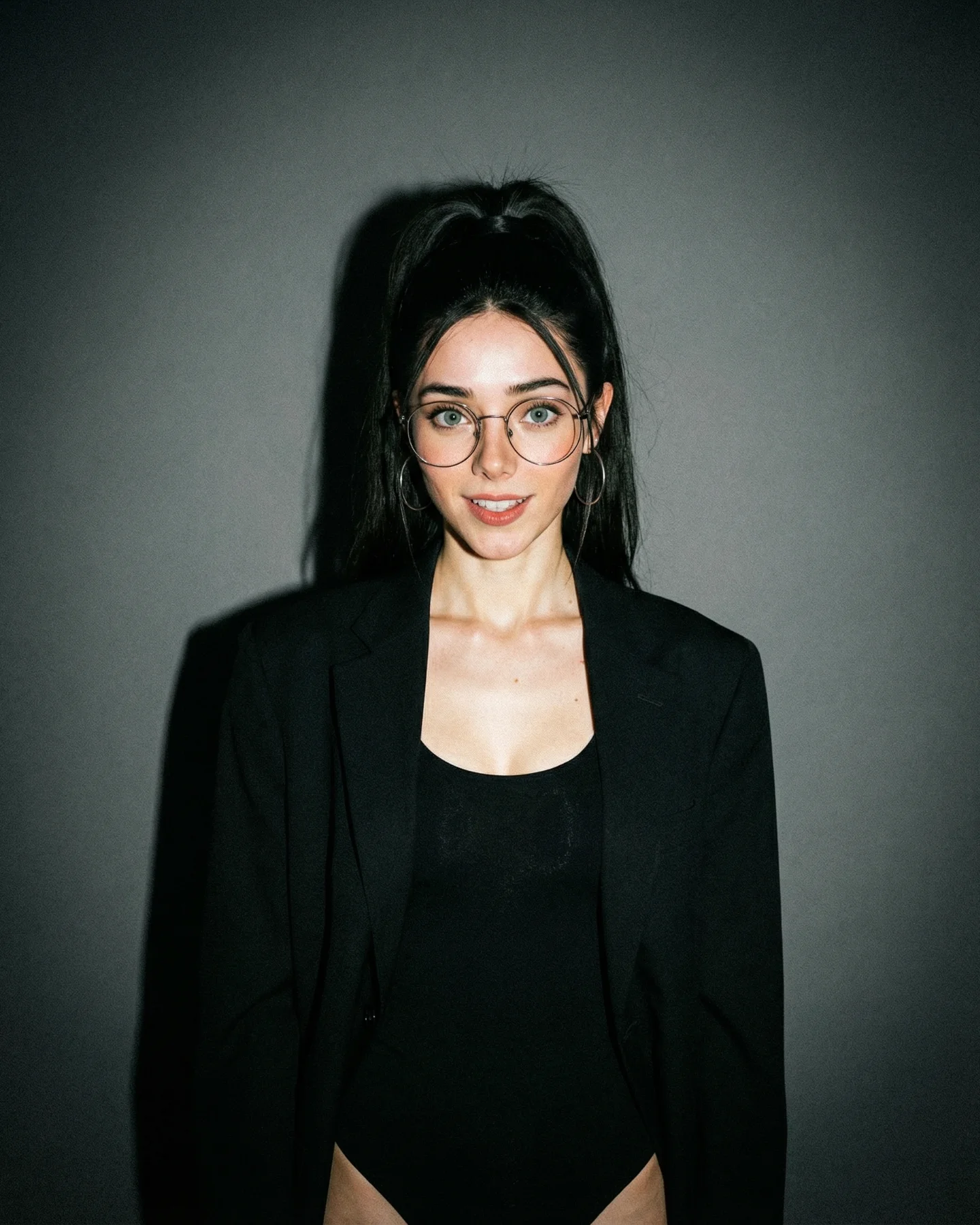
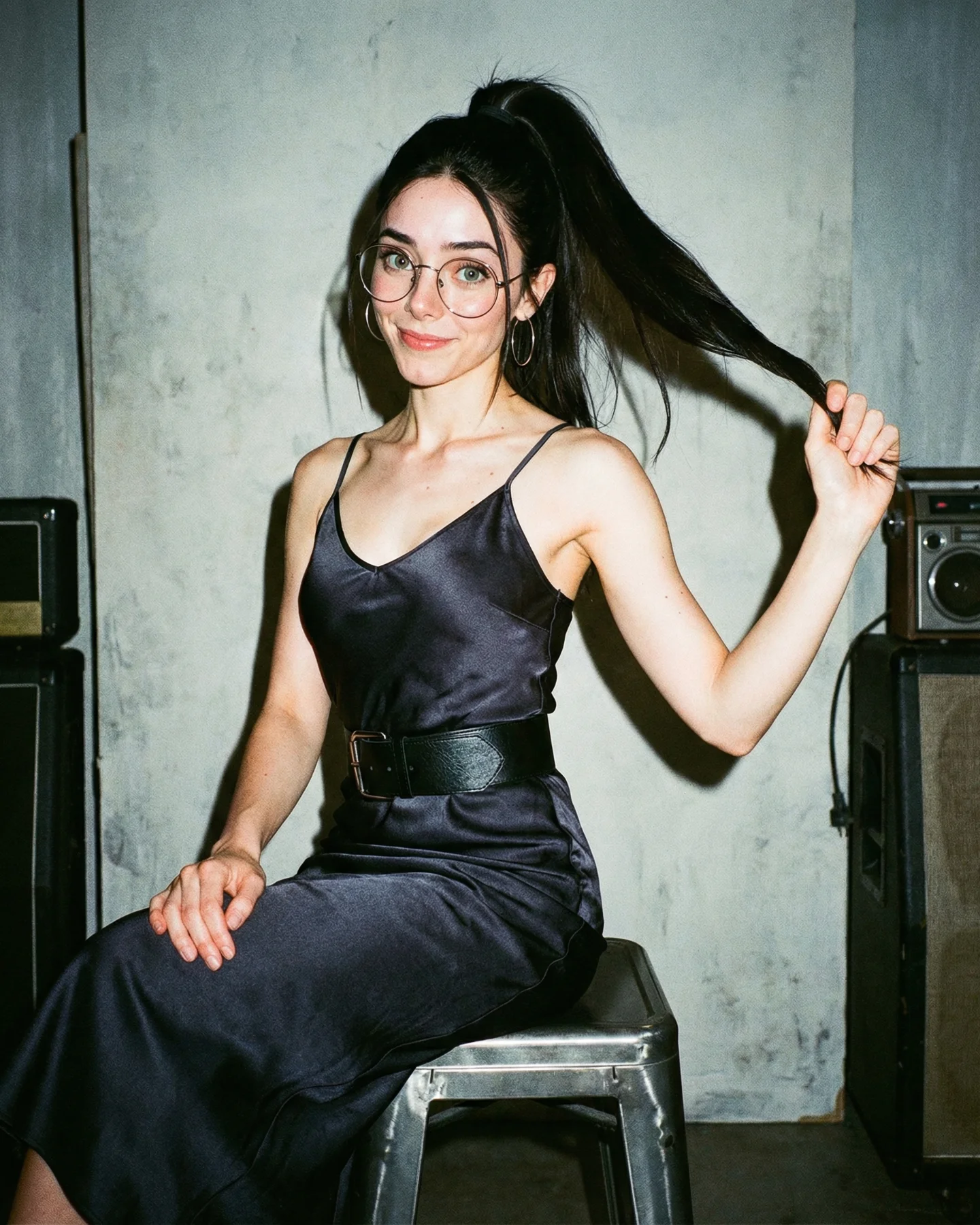
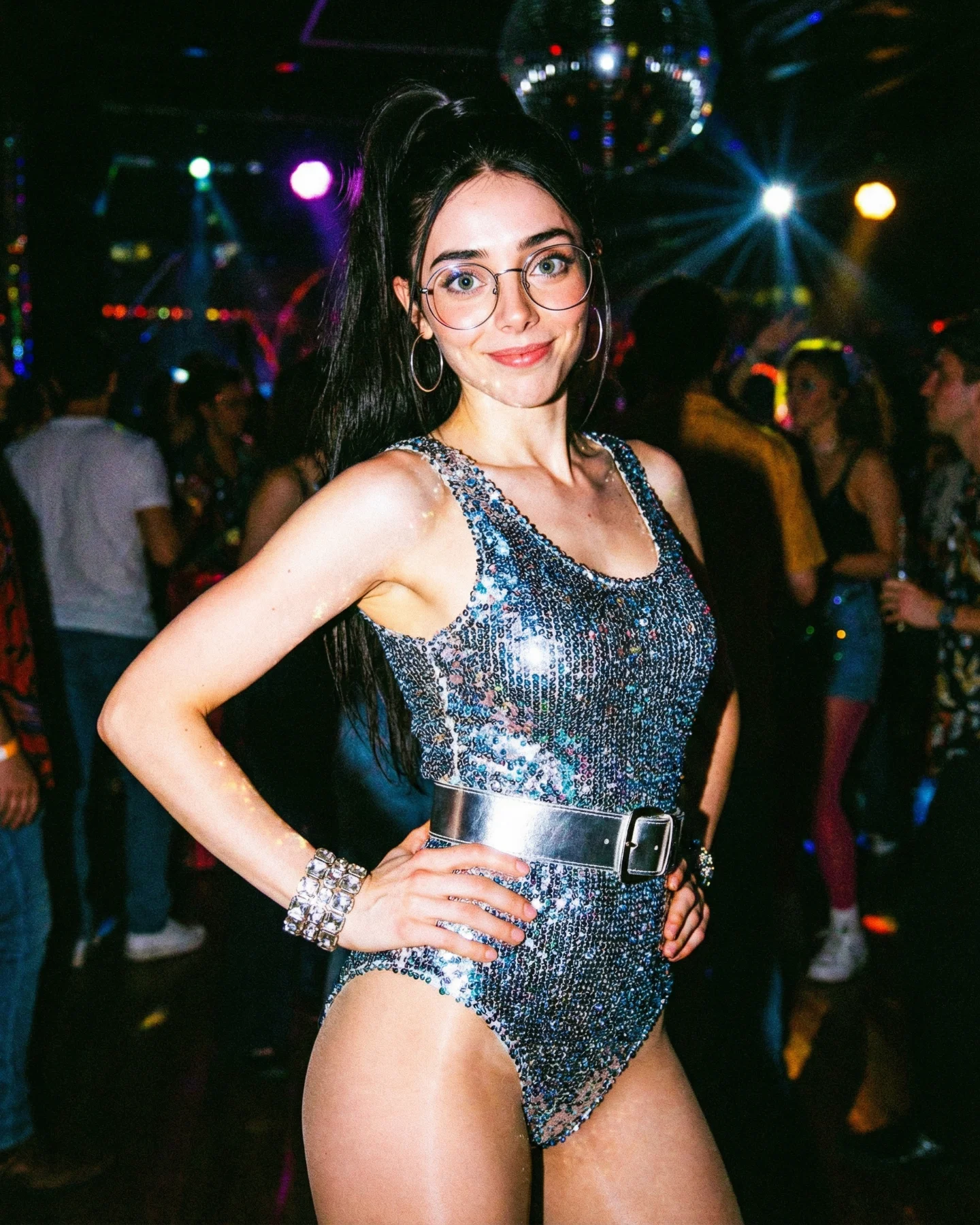
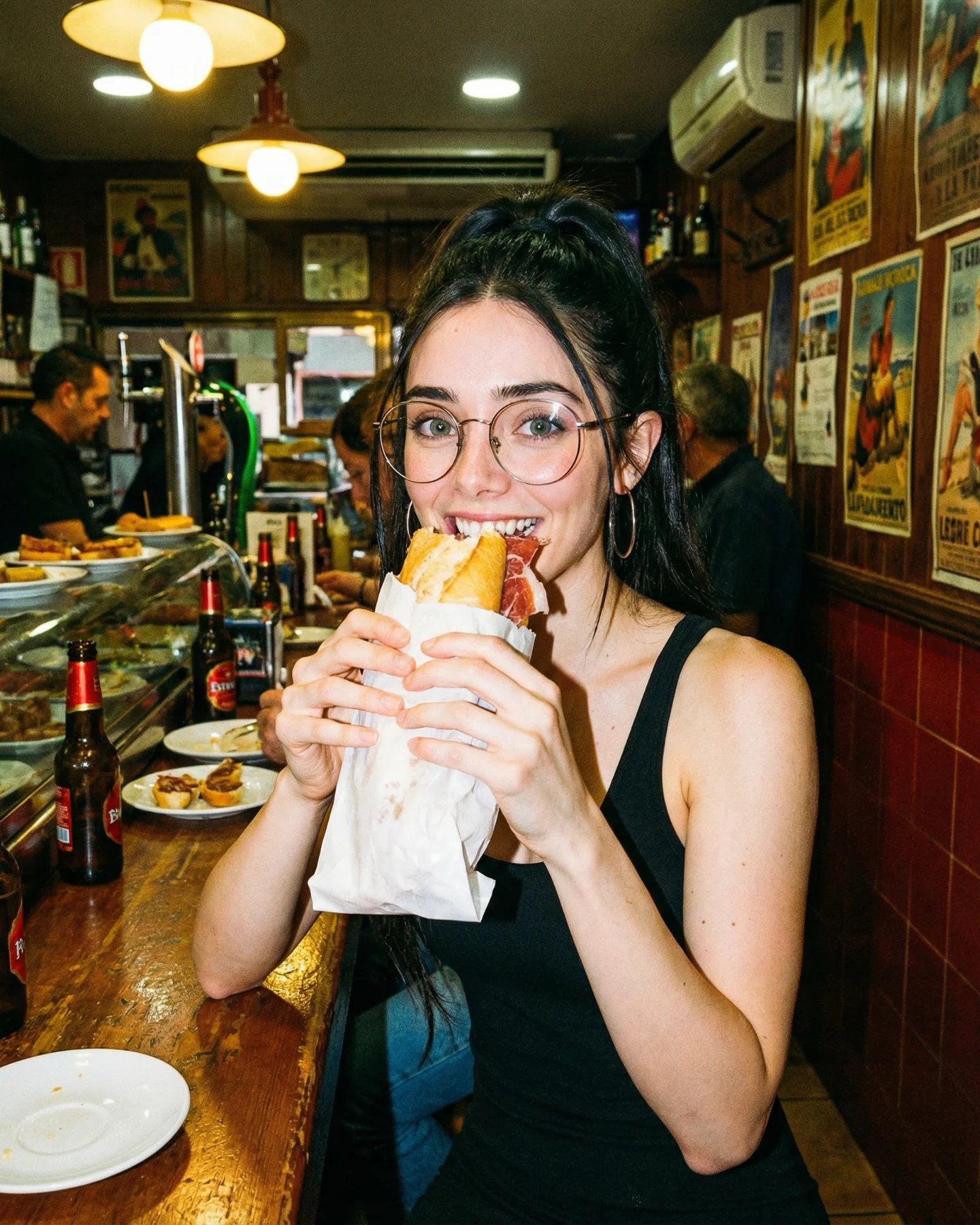
Fotografía estilo 1980s - Prompts 💕
Os dejo por aquí una colección de prompts de imágenes al estilo de los años 80 🫶🏽
La IA que usé para crear este tipo de imágenes es Nano Banana Pro 🙊
Feliz vacaciones a todos, espero que lo paséis genial con la familia y amigos 🥰
Comenta "ARIA" si quieres los prompts y te los mando por mensaje 💌
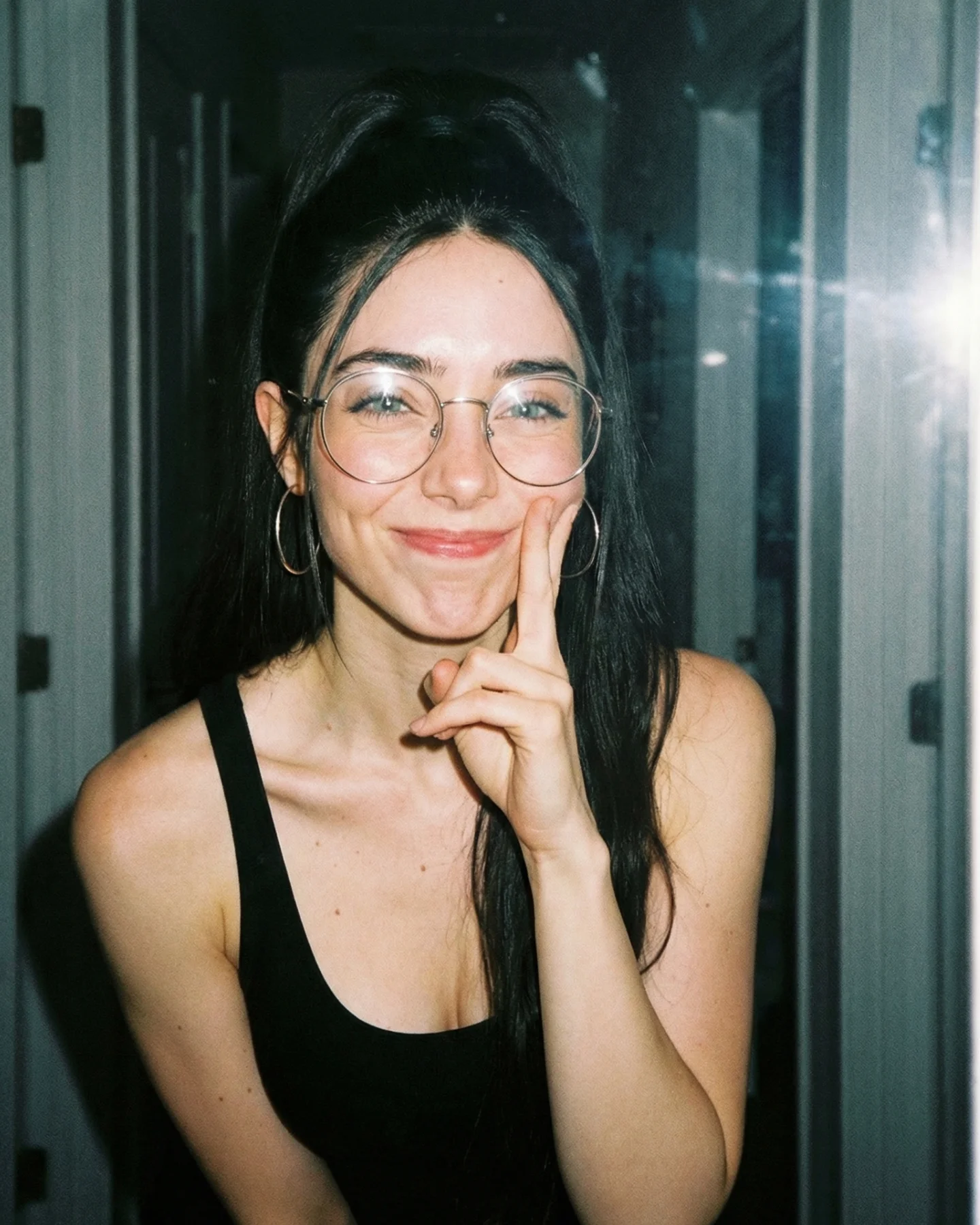
Why soy_aria_cruz's 1980s Hallway Flash Portrait Photo Went Viral — and the Formula Behind It
This image works because it understands that retro feeling does not come from costume alone. The subject is dressed very simply in a black tank top, but the direct flash, narrow hallway, close framing, and gentle cheek-touch pose do the heavy lifting. That is why the photo feels more convincing than many “80s-inspired” images that rely on obvious styling clichés. It captures the emotional texture of an old snapshot rather than just borrowing the decade’s props.
The glasses and soft smile are also important. They keep the portrait personal and approachable. Instead of looking like a concept exercise, the image feels like a real person caught in a private, affectionate moment. That balance between stylization and sincerity is exactly what makes this kind of picture strong for social media and prompt-sharing content.
Why this retro portrait holds attention
The first reason is honesty. The flash is blunt, the hallway is plain, and the composition is close. Nothing is trying too hard to impress. That stripped-down realism gives the image credibility, and credibility matters when you are aiming for nostalgia. Viewers trust retro aesthetics more when they feel a little imperfect and a little intimate.
The second reason is emotional specificity. The subject is not simply smiling at the camera. The cheek-touch gesture softens the frame and gives it a small piece of body language that viewers can remember. In feed terms, that matters a lot. A tiny gesture is often what separates a generic portrait from one that feels like a moment.
Signal
Evidence (from this image)
Mechanism
Replication Action
Direct-flash nostalgia
Bright frontal light, hallway falloff, visible flare on the right
Immediately triggers point-and-shoot memory language
Use direct on-camera flash and allow the background to fall into darker neutrality
Minimal styling
Simple black tank top and modest accessories
Lets the photo feel real rather than costume-driven
Reduce wardrobe complexity and put the retro burden on lighting and framing
Personal body-language cue
Two fingers resting against the cheek
Creates softness and memorability without staged glamour
Choose one small gesture that feels candid and human
Domestic environment
Narrow hallway with plain walls and dim depth
Makes the image intimate and believable
Use a home or apartment corridor rather than a styled set
Aesthetic read: what makes the retro effect believable
The most convincing detail is the way the flash behaves. It lights the face clearly, catches the lenses, and leaves the hallway behind her darker and flatter. That unevenness is exactly what old snapshots often looked like. Modern creators sometimes overcorrect and try to make retro photos too perfect. This image avoids that trap. It keeps the roughness that gives memory its visual signature.
The second strength is restraint in the palette. Almost everything sits in black, skin tones, and neutral wall tones. That helps the viewer focus on expression and light rather than decoration. For prompt work, this is useful because it shows that nostalgia does not need bright gimmicks. Sometimes a single lighting choice and a domestic location can do more than a whole rack of themed wardrobe.
Observed
Why it matters for the look
How to recreate it
Frontal flash with limited ambient support
Creates the unmistakable snapshot feel
Use a direct flash setup and keep the room itself relatively dim
Narrow hallway framing
Adds intimacy and slight visual pressure around the subject
Place the portrait in a corridor or tight interior rather than an open room
Simple black outfit
Keeps the image timeless and avoids costume parody
Choose plain dark clothing with one or two small accessory cues
Gentle cheek-touch pose
Introduces warmth without theatrical posing
Use one small hand gesture near the face
Soft expression behind large glasses
Makes the portrait feel personal and recognizable
Preserve one strong face-shape or accessory marker across variations
Best-fit uses and where the format transfers
Retro-style portrait prompts: this is a strong example because it builds decade feeling through camera language instead of costume stereotypes.
Personal-brand lifestyle content: the image feels intimate, making it useful for creators who want closeness rather than spectacle.
Prompt-sharing for home-friendly shoots: it shows that a strong portrait can come from a simple hallway with the right flash treatment.
Series content exploring decades or film-photo moods: the same setup can be reused across other eras by changing only hair, grain, or wardrobe emphasis.
This approach is weaker if the lighting is softened too much or if the background becomes too decorated. It also loses power when the gesture becomes too posed, because the emotional credibility of the image depends on smallness and ease.
Three transfer recipes
Keep: direct flash, close hallway framing, minimal wardrobe. Change: the decade flavor through hairstyle, grain, and makeup while preserving the domestic snapshot logic. Slot template:{subject expression} {direct flash portrait} {simple home corridor} {one personal gesture}
Keep: glasses, cheek-touch softness, and intimate crop. Change: the environment to a bedroom doorway, kitchen corridor, or apartment entrance for slightly different domestic moods. Slot template:{close portrait} {retro flash feel} {plain indoor setting} {minimal styling}
Keep: one central subject and one blunt lighting system. Change: the outfit to satin slip, cardigan, or camisole depending on the brand tone while keeping the snapshot realism intact. Slot template:{single subject} {vintage point-and-shoot lighting} {neutral palette} {home-photo intimacy}
Prompt technique breakdown
To recreate this style reliably, separate the prompt into lighting behavior, environment scale, gesture, and wardrobe simplicity. If those ideas are mixed together too loosely, the model often produces a polished modern portrait instead of a believable flash snapshot.
Prompt chunk
What it controls
Swap ideas (EN, 2–3 options)
1980s direct-flash snapshot portrait
Camera language and nostalgic tone
retro point-and-shoot photo; vintage flash candid; home snapshot aesthetic
young woman with round glasses, hoop earrings, high ponytail
Identity and recognizability
smart-cute portrait cue; glasses-centered styling; simple face-marker set
two fingers resting on cheek, gentle smile
Emotional softness and memorability
cheek-touch pose; shy amused gesture; small candid hand cue
narrow hallway with dim ambient light
Environmental intimacy
apartment corridor; home hallway; tight indoor passage
simple black tank top
Wardrobe restraint
plain dark camisole; minimal sleeveless top; understated outfit anchor
Start by locking three things: direct flash, domestic corridor, and minimal styling. Those are the backbone of the image. After that, change only one layer at a time. If you start adding louder wardrobe and stronger color and more decorative props all at once, the retro honesty disappears quickly.
Baseline run: keep the flash blunt, the hallway plain, and the subject centered close to camera.
Identity run: refine glasses, smile shape, and hair volume until the person feels consistent and memorable.
Gesture run: adjust finger placement and expression subtlety rather than chasing bigger poses.
Mood run: tune grain, flare, and ambient darkness to shift between softer nostalgia and harsher snapshot realism.
If the result becomes too fashion-like, remove styling language and bring back the everyday hallway. If it becomes too dull, strengthen the flash bloom and the facial expression, not the wardrobe. The best version feels like an accidentally beautiful private photo rather than a fully art-directed shoot.