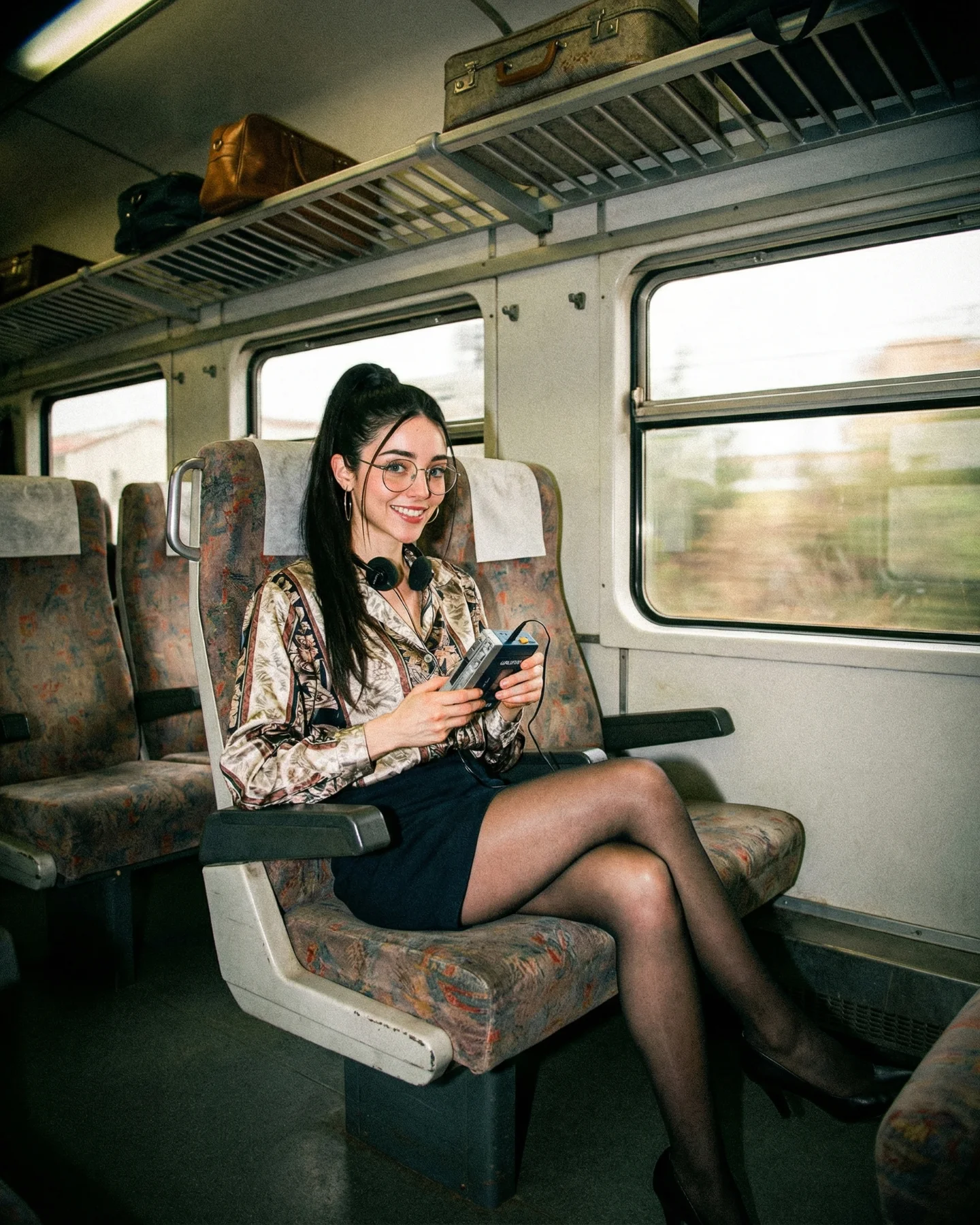
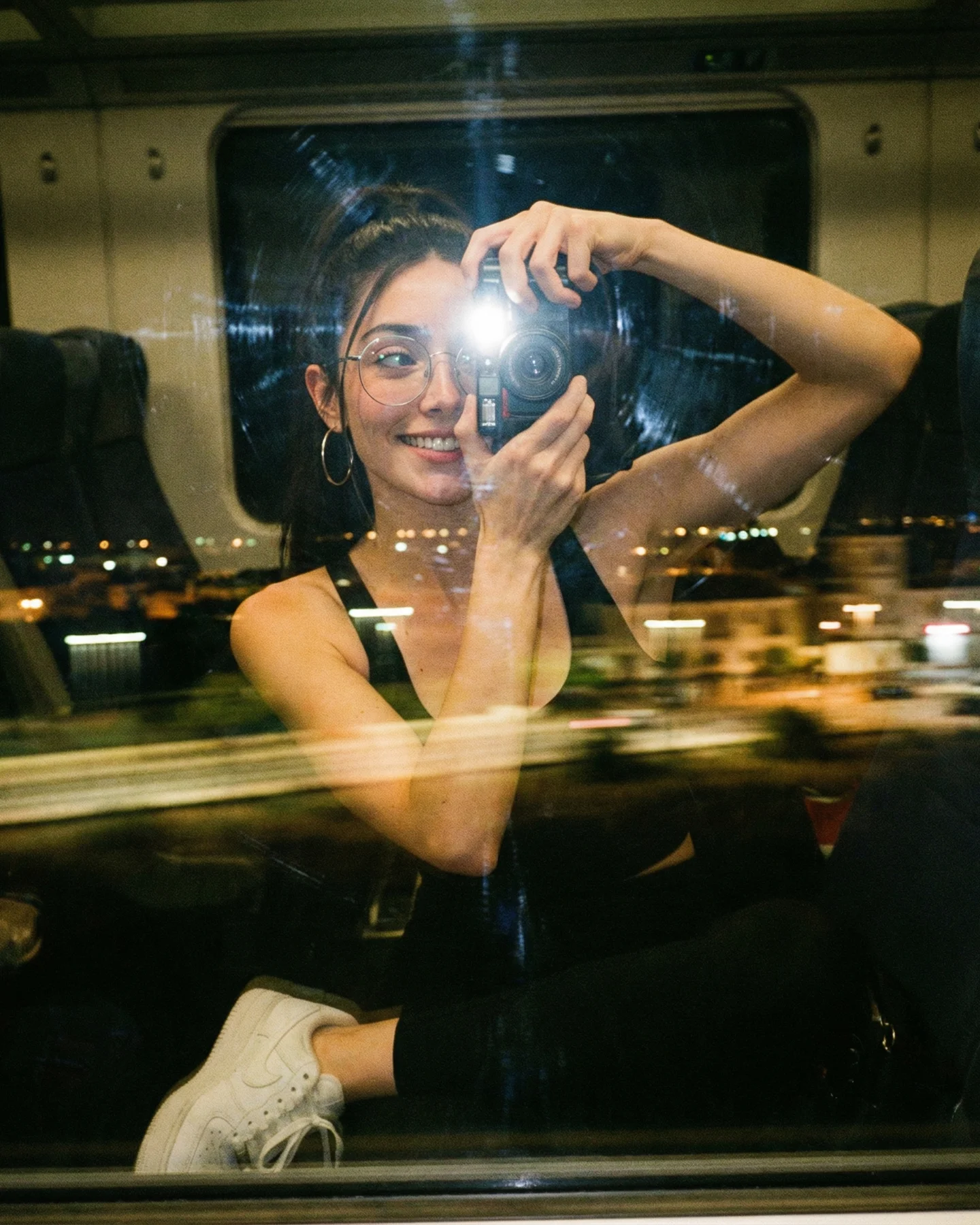
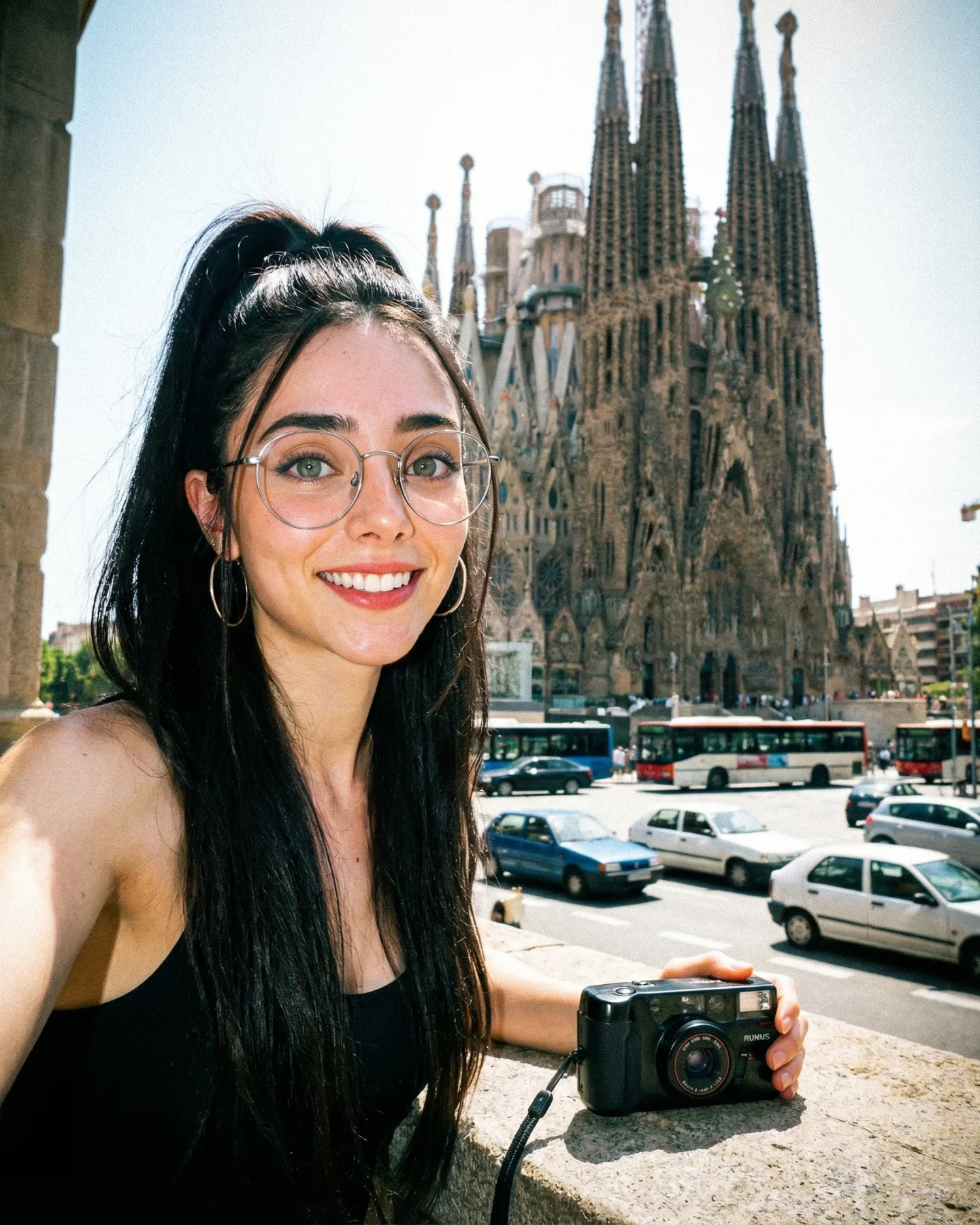
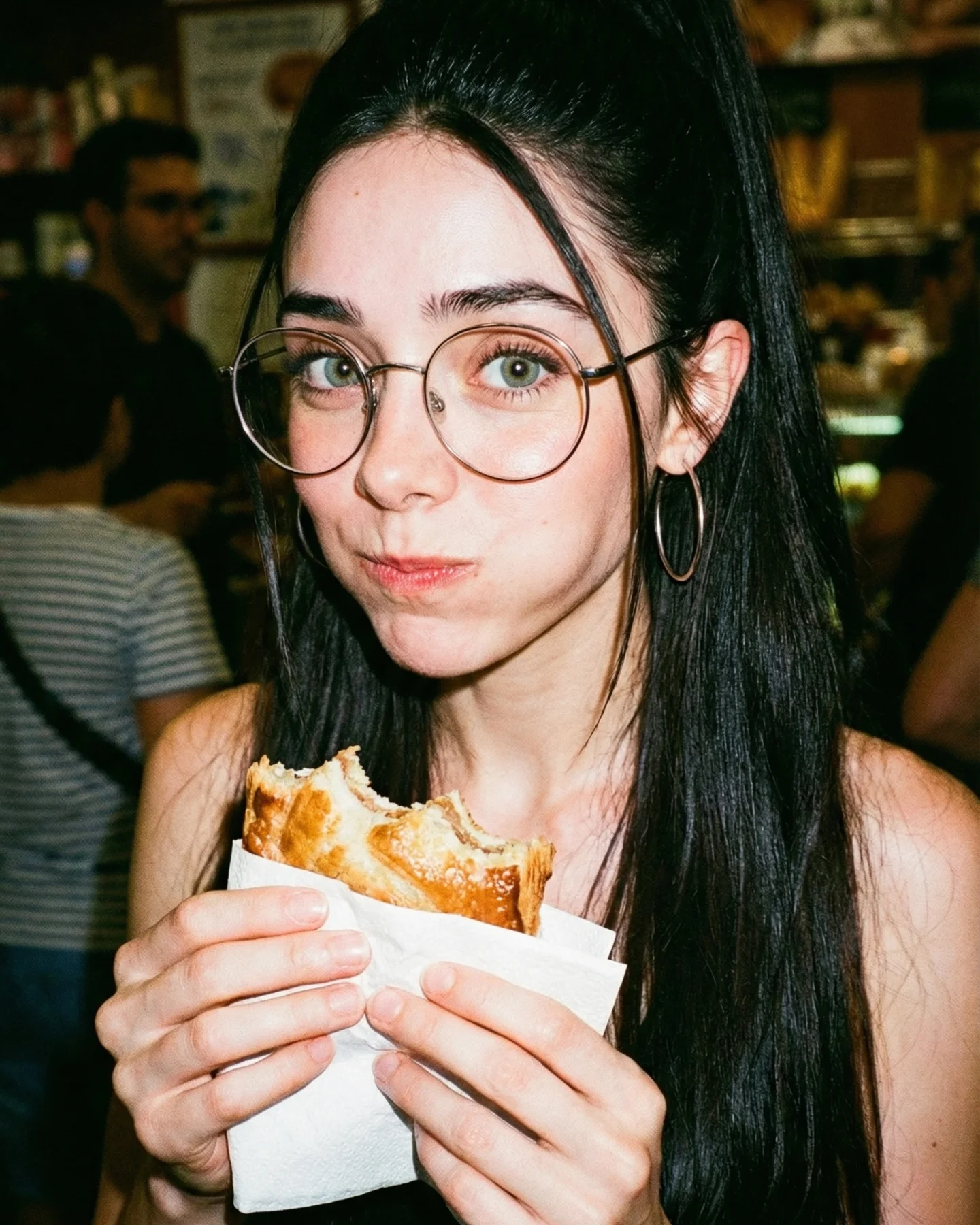
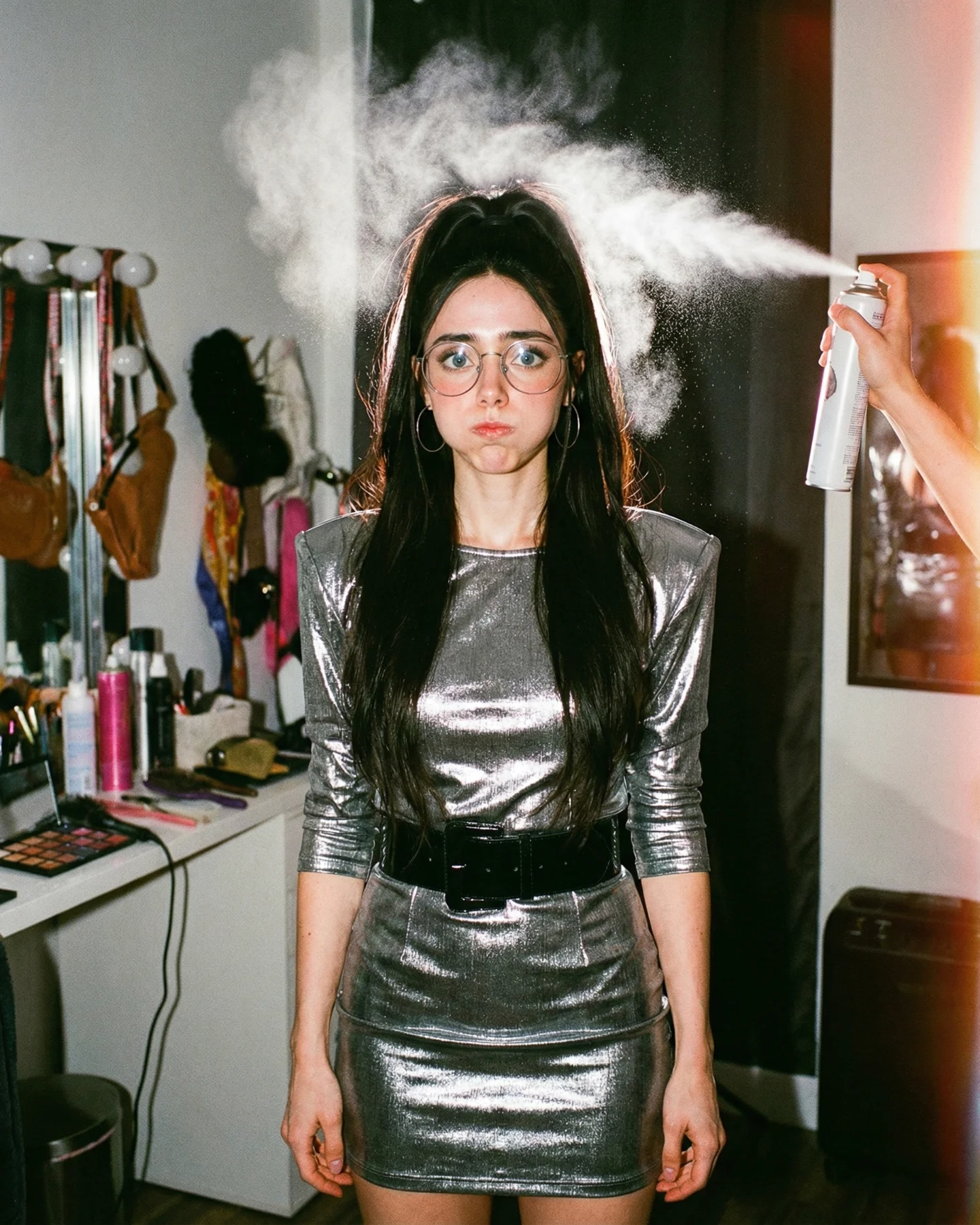
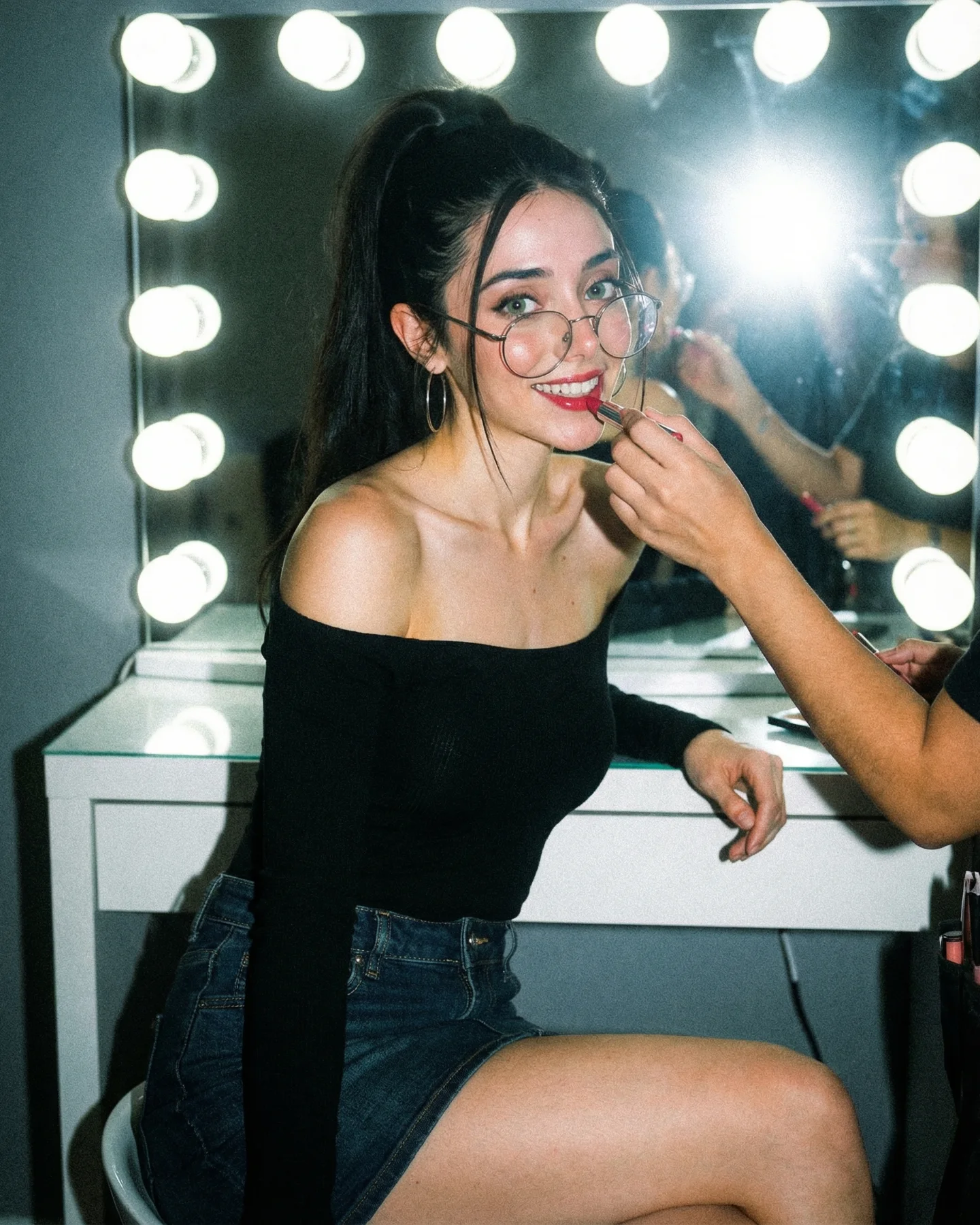
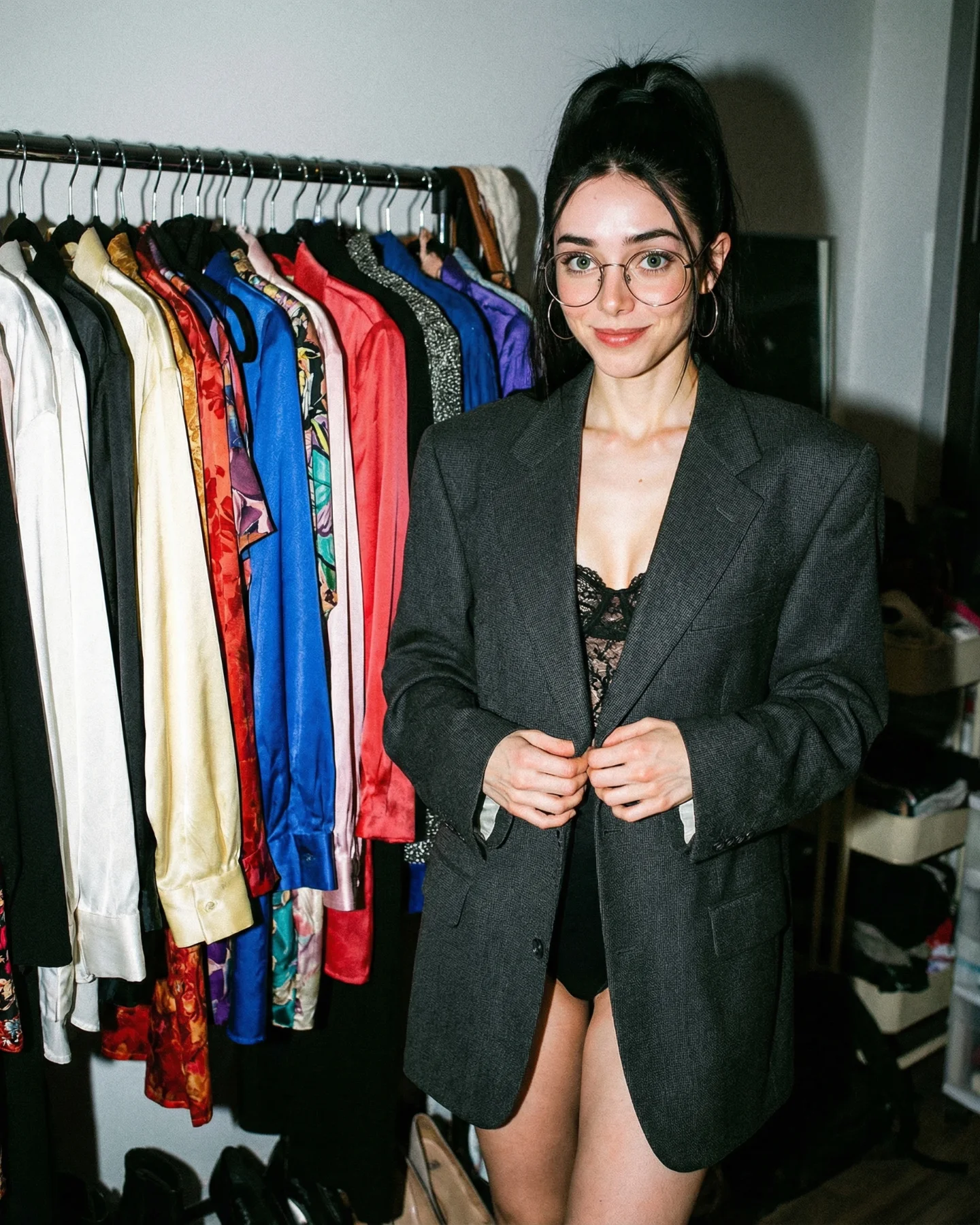
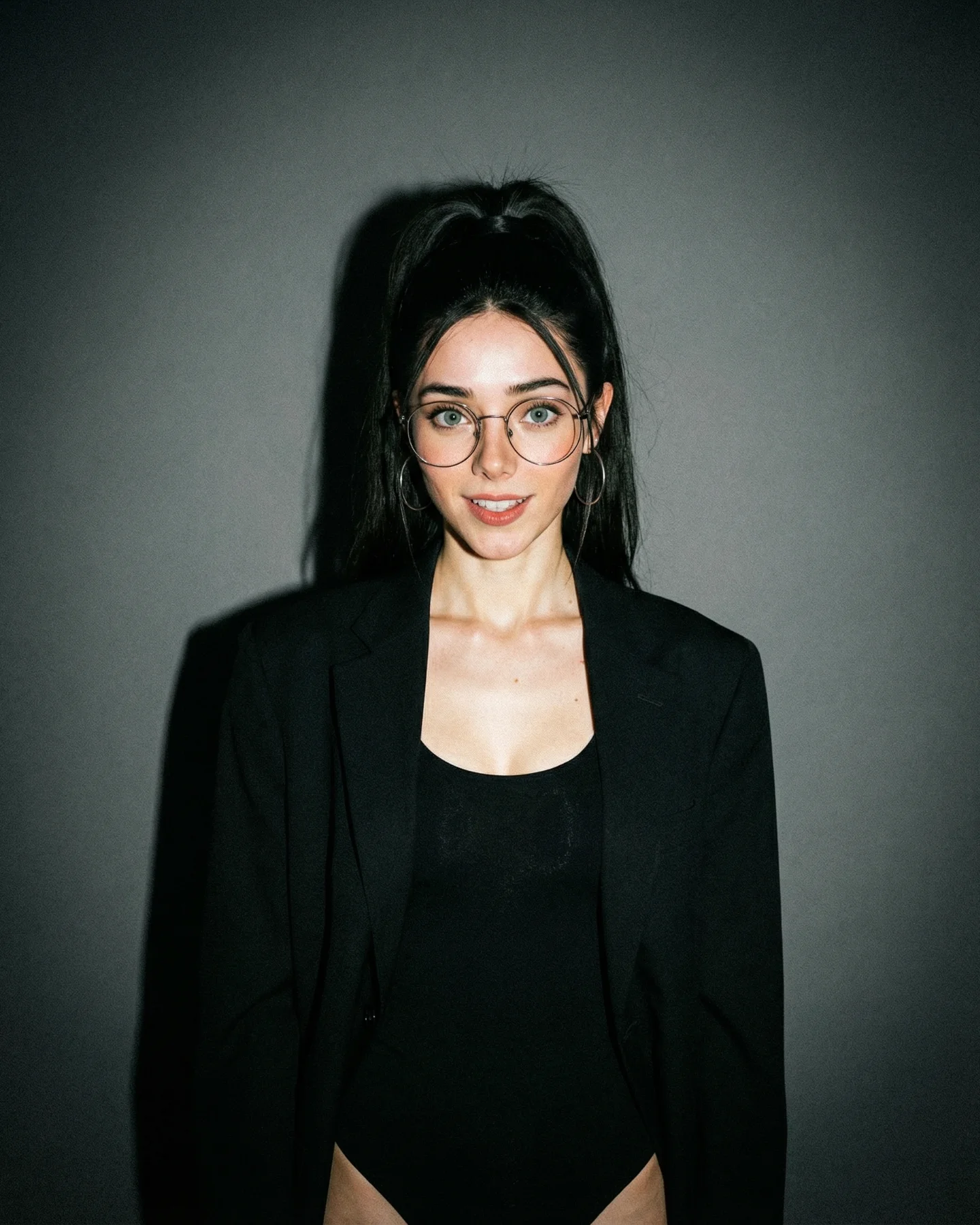
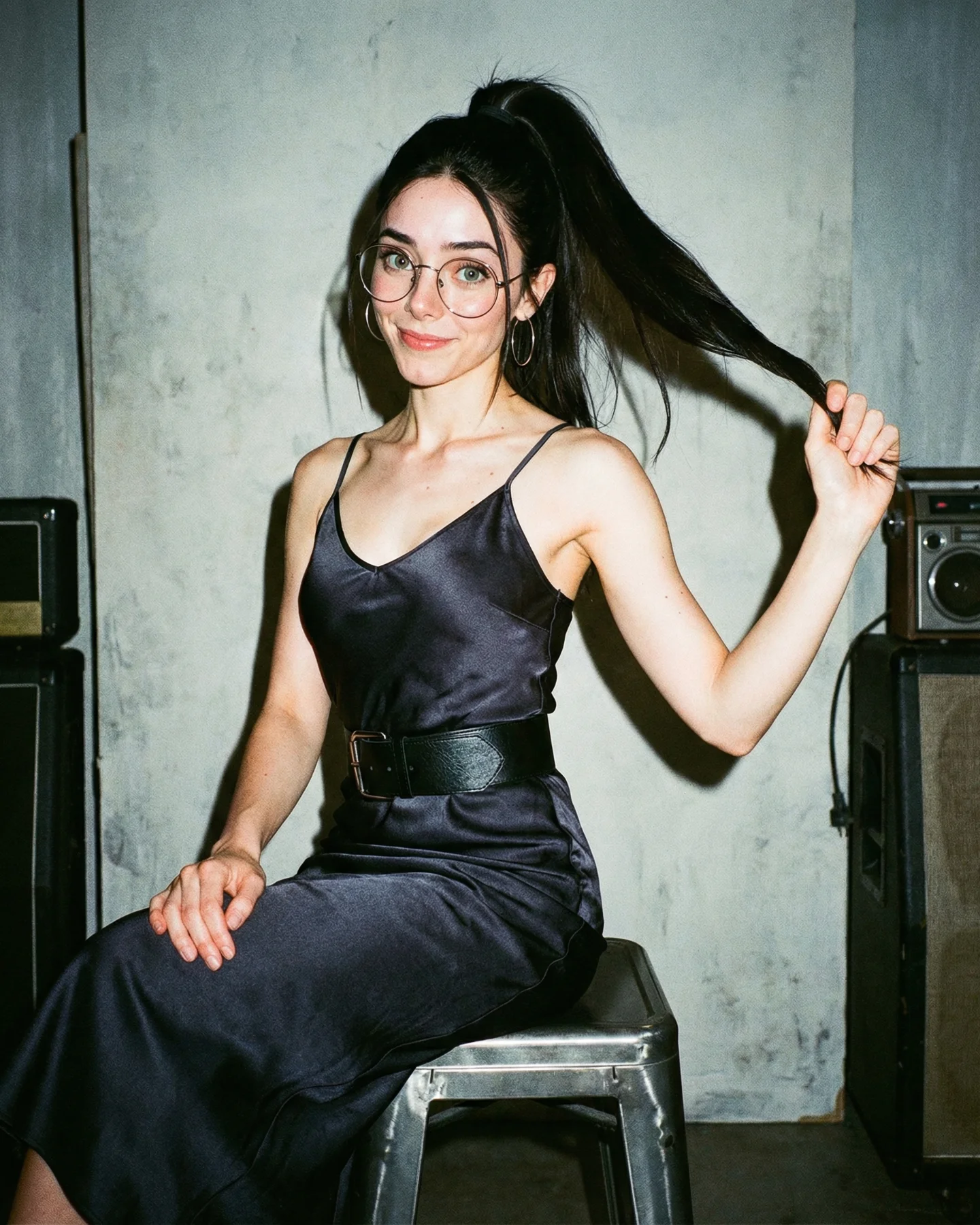
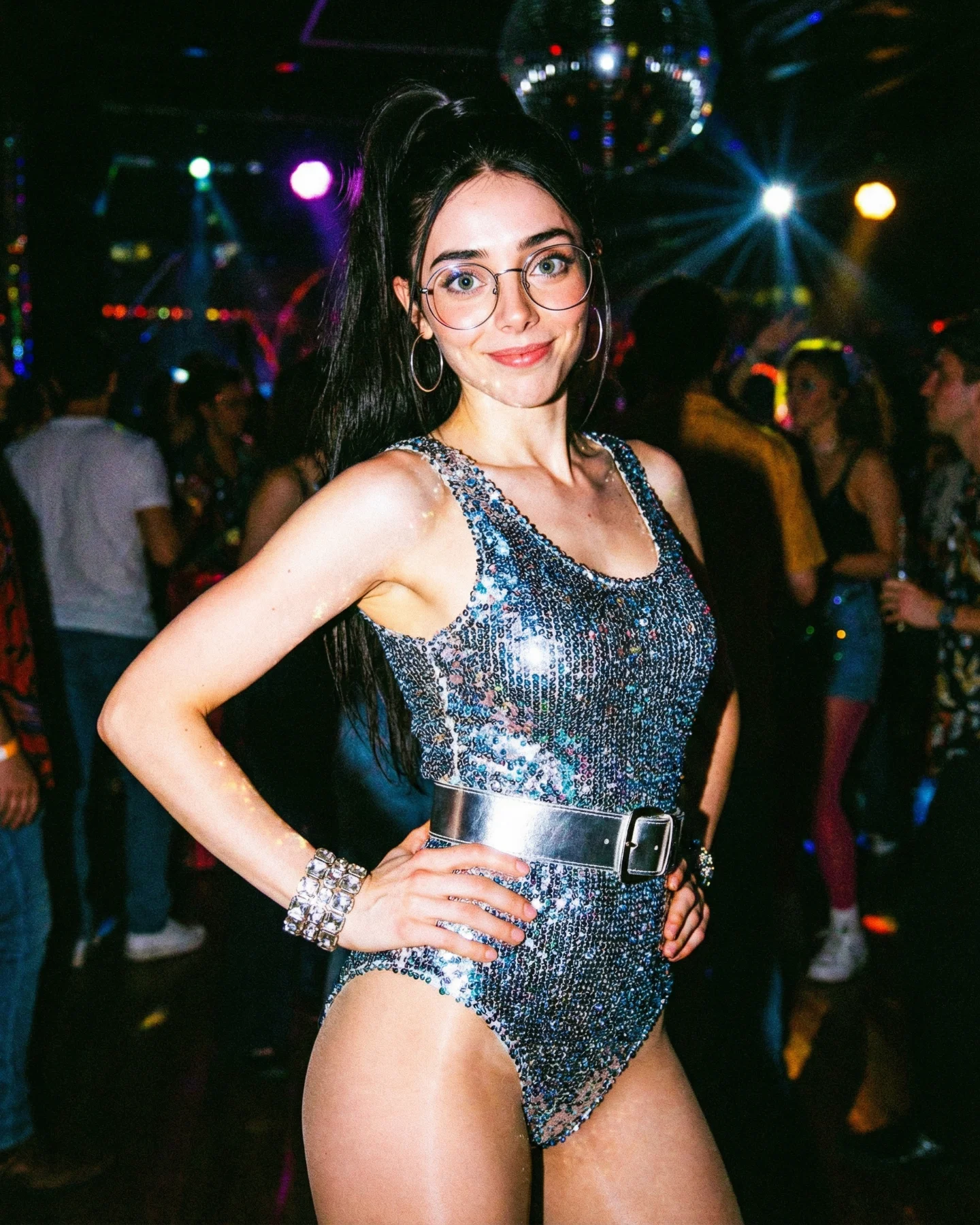
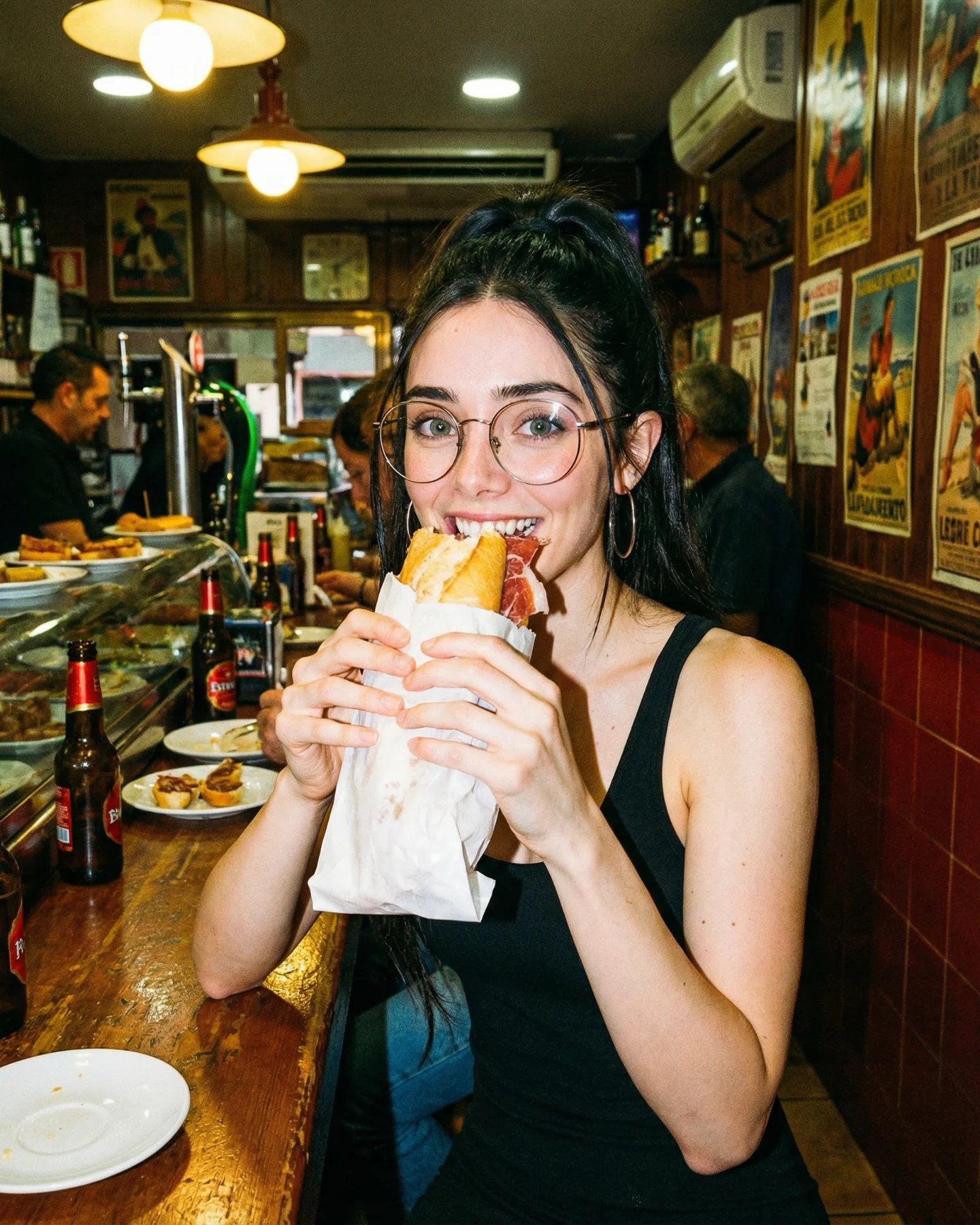
Fotografía estilo 1980s - Prompts 💕
Os dejo por aquí una colección de prompts de imágenes al estilo de los años 80 🫶🏽
La IA que usé para crear este tipo de imágenes es Nano Banana Pro 🙊
Feliz vacaciones a todos, espero que lo paséis genial con la familia y amigos 🥰
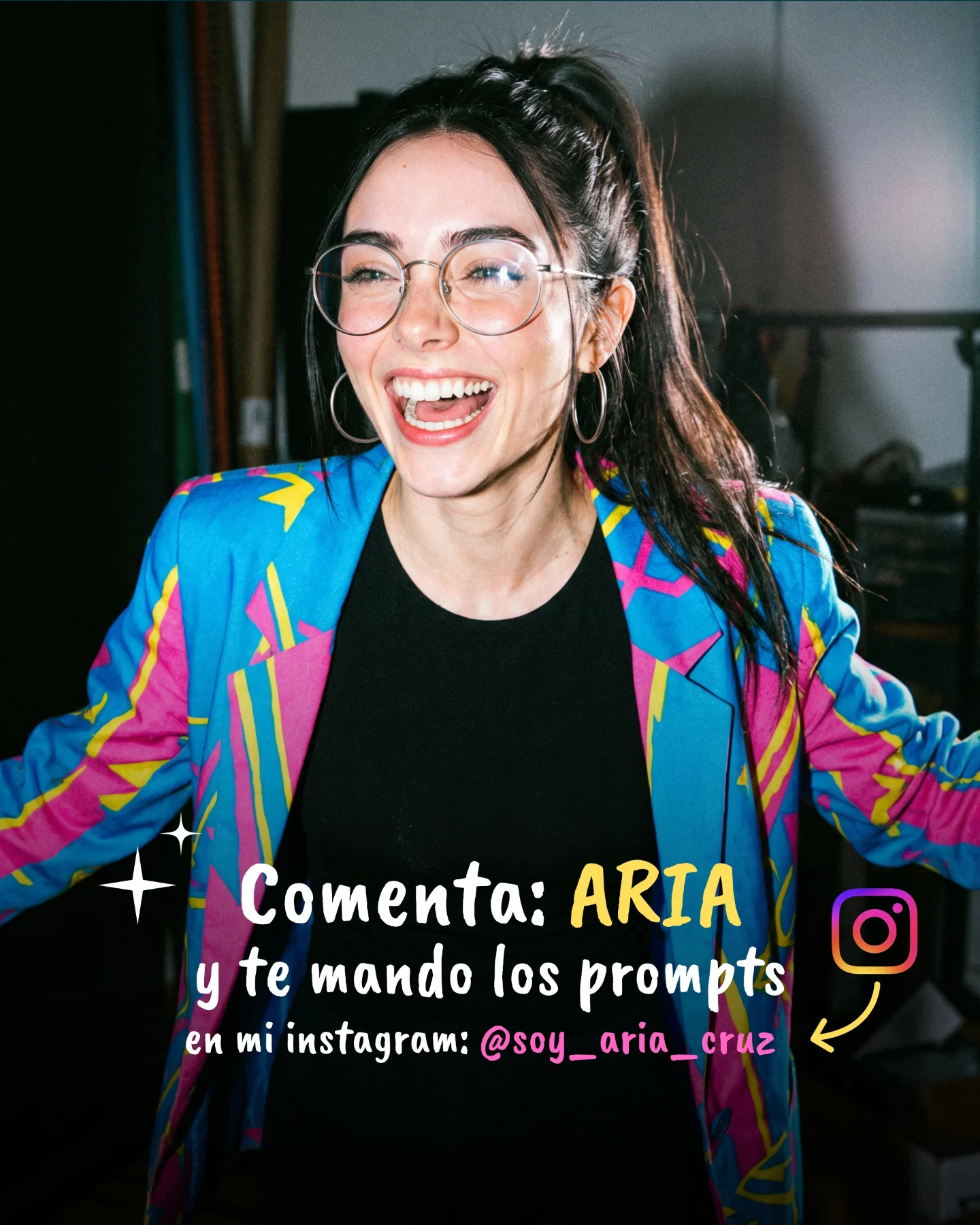
Comenta "ARIA" si quieres los prompts y te los mando por mensaje 💌
How soy_aria_cruz Made This Eighties Neon Street AI Portrait — and How to Recreate It
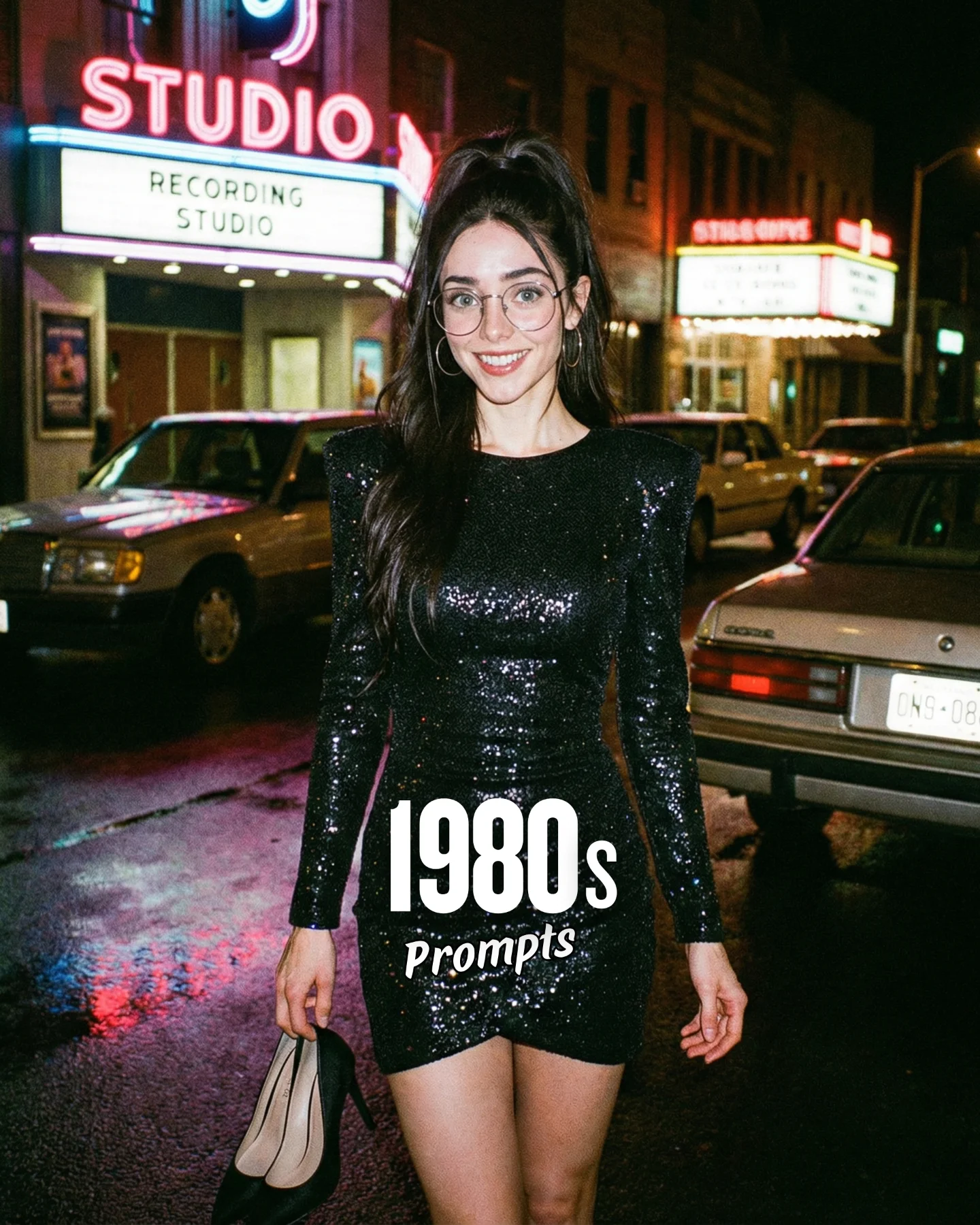
Retro content fails when it treats nostalgia as a filter instead of a world. This image works because it does the opposite. It builds a complete retro environment around the subject: neon marquee signs, wet asphalt, older cars, structured dress silhouette, and a street that feels like it belongs to another media era. The result is not “modern photo with vintage colors.” It feels like a scene with its own time logic.
The caption context supports that reading. The creator is presenting a collection of 1980s-style prompts and explicitly references the tool used to make them. That positions the image as both aesthetic sample and learning asset. For viewers, that combination is powerful: the image satisfies visually and also promises reproducibility.
Why the image likely performed well
The first strength is instant era coding. The viewer does not have to guess what “retro” means here. The marquee, the cars, the sequined silhouette, and the wet neon street all point in the same direction. That clarity matters because nostalgia posts lose power when the reference system is too vague.
The second strength is glamour without excess. The black dress is dramatic, but it is not trying to compete with the city. It works with the environment, not against it. This keeps the image fashionable while still allowing the street to do a lot of the storytelling.
The third strength is text integration. The bold “1980s Prompts” overlay turns the image into a packaged content asset rather than just a portrait. That is useful for creator posts because it immediately tells the viewer what kind of series or freebie they are looking at.
Signal
Evidence (from this image)
Mechanism
Replication Action
Complete era environment
Neon studio signage, older sedans, and wet night street all reinforce the same decade fantasy
Consistency across multiple cues makes the retro premise believable
Define era through location, objects, and wardrobe together, not just color grade
Fashion-aligned silhouette
The sequined dress has a strong 1980s shoulder shape without becoming a costume parody
Era styling reads clearly while staying attractive to modern viewers
Use one or two iconic fashion cues and keep the rest clean
Reflective street drama
Wet pavement mirrors the neon palette and deepens the scene
Reflections amplify mood and make the environment feel cinematic
Prompt wet ground whenever your retro concept relies on neon lighting
Content packaging
The overlaid “1980s Prompts” text turns the image into a series cover
Clear packaging improves clickability and content comprehension
Add integrated text only after the visual mood is already strong on its own
Where this style works best
This approach is strongest for retro prompt packs, visual-style tutorials, nostalgic carousel covers, and creator pages that want to explore decade aesthetics in a clear, repeatable way. It is also well suited to save-driven content because viewers can imagine adapting the same template to other eras.
Best fit: decade-themed prompt giveaways. Why fit: the image communicates the style lesson immediately. What to change: keep the world logic and swap the decade cues methodically.
Best fit: series covers for AI style collections. Why fit: the overlay text and environment already behave like a branded thumbnail. What to change: update only the sign language, cars, and wardrobe silhouette.
Best fit: nostalgic moodboards. Why fit: the street scene carries enough atmosphere to stand alone. What to change: tune the grain, signage, and color palette to the chosen era.
Best fit: creator education posts. Why fit: the image provides easy talking points about set dressing, wardrobe, and lighting. What to change: pair it with prompt chunks and era-specific control notes.
This style is less ideal for minimalist branding, intimate portraiture, or product-detail marketing. The image's strength comes from environmental storytelling. Without that, much of the retro value disappears.
Three transfer recipes are especially useful. Keep the wet street, the full-body fashion pose, and the strong venue signage. Change the era. A 1970s version can replace the marquee and cars with warmer sodium light and flared silhouettes. A 1990s version can swap the theater street for a video-store neon frontage with denim and leather. A retro-futurist version can keep the wet pavement and signage but push the typography and color palette toward synthwave. Slot template: {era cue set} + {street venue signage} + {fashion silhouette} + {wet reflective pavement} + {integrated text label}.
The aesthetic lessons worth borrowing
The best decision here is the commitment to place. The subject is not floating in nostalgia. She belongs to a block, a street, and a nightlife economy. That is what makes the image feel cinematic rather than merely styled.
Another smart move is the use of black sequins. The dress reflects just enough colored light to join the environment, but it still acts like a stable dark anchor in the middle of a busy scene. That keeps the eye from getting lost.
The marquee signs do more than add decoration. They set the tonal register. “Studio” and “Recording Studio” immediately suggest music, nightlife, and a specific kind of retro urban aspiration. That is a highly efficient storytelling device.
Observed
Why it matters
How to recreate it
Neon marquee signs with readable venue language
Anchor the decade and make the street feel real
Use one or two era-appropriate signs with simple readable wording
Wet road reflecting colored light
Adds cinematic depth and mood
Place colored reflections in the lower third to support the full-body pose
Vintage sedans parked behind the subject
Reinforce time period without dominating the scene
Use background vehicles as supporting evidence, not hero props
Structured shoulder sequin dress
Delivers decade styling in a single silhouette cue
Choose one fashion shape that signals the era immediately
Large bottom text integrated into the portrait
Turns the image into a clickable creator asset
Reserve clean lower-center space for a bold but simple label treatment
Prompt technique breakdown
To reproduce this style reliably, separate the prompt into era cues, venue signage, wardrobe silhouette, street conditions, and packaging text. Most retro prompts fail because creators over-describe color and under-describe infrastructure.
Prompt chunk
What it controls
Swap ideas (EN, 2-3 options)
Era block
Defines the historical reference system
1980s nightlife, 1970s disco street, 1990s downtown neon
structured sequin mini dress, velvet power suit, leather party look
Street-conditions block
Adds atmosphere and reflection
wet pavement, neon puddles, post-rain shine
Background-prop block
Supports the decade without stealing focus
older sedans, vintage taxis, analog storefront windows
Packaging-text block
Turns the image into a usable content card
bold decade title, series label, style pack teaser
A practical remix sequence
Baseline lock first: keep the neon street environment, keep the full-body fashion pose, and keep the wet reflective pavement. Those three choices create most of the image's value. After that, change only one or two controls per run.
Run 1: solve the marquee sign, parked cars, and wet-road reflections until the decade reads instantly.
Run 2: refine dress sparkle, shoulder structure, and low-light skin rendering without changing the street logic.
Run 3: test one decade swap while preserving the same environment structure and full-body composition.
Run 4: build a style-series system by keeping the composition stable and rotating only era-specific signage, wardrobe, and overlay wording.
The larger lesson is that retro AI content becomes persuasive when it recreates infrastructure, not just mood. This image gets that right. It offers a whole world, not only a color treatment, and that is why it feels stronger than most decade-inspired posts.