How soy_aria_cruz Made This 1980s Direct Flash AI Portrait — and How to Recreate It
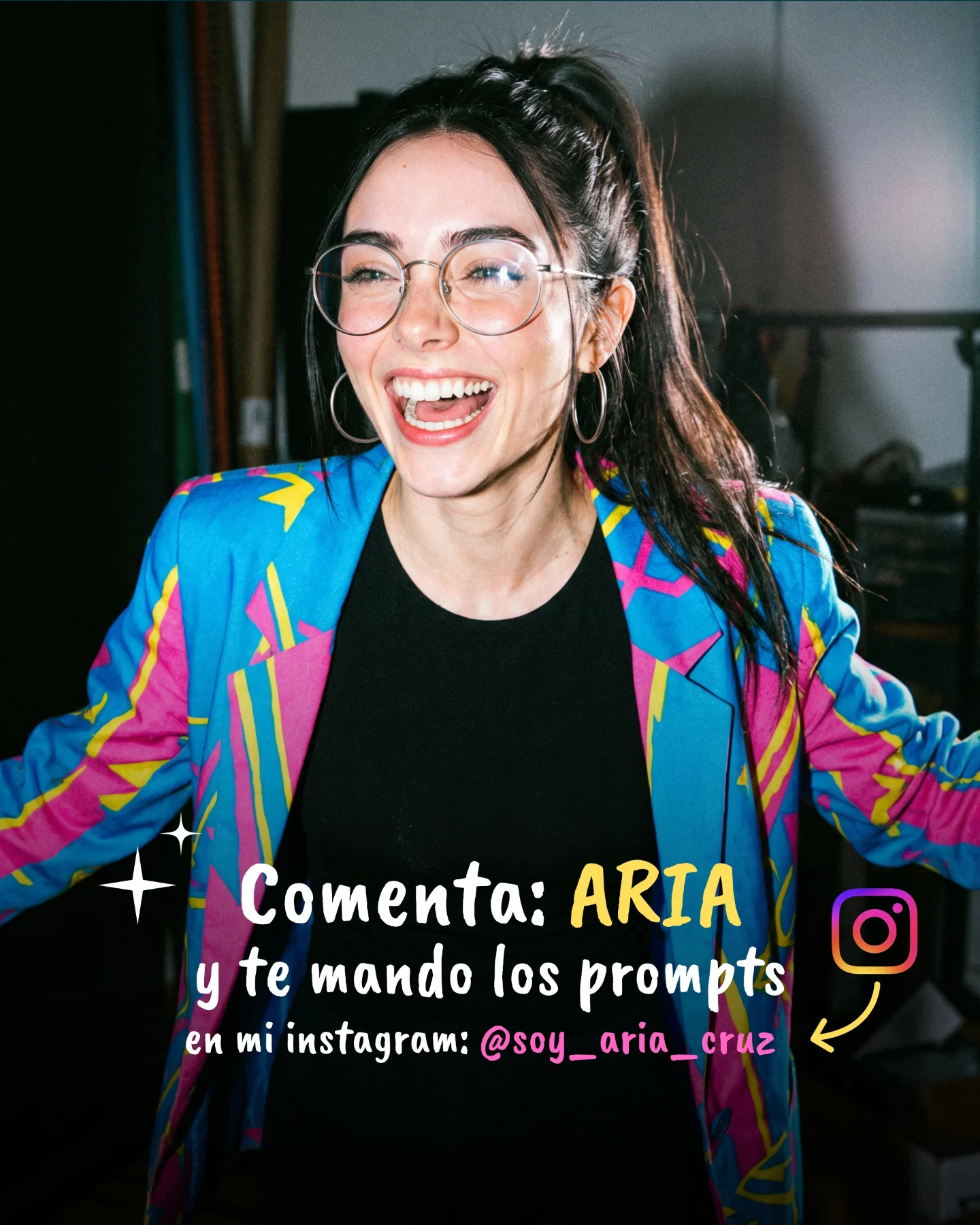
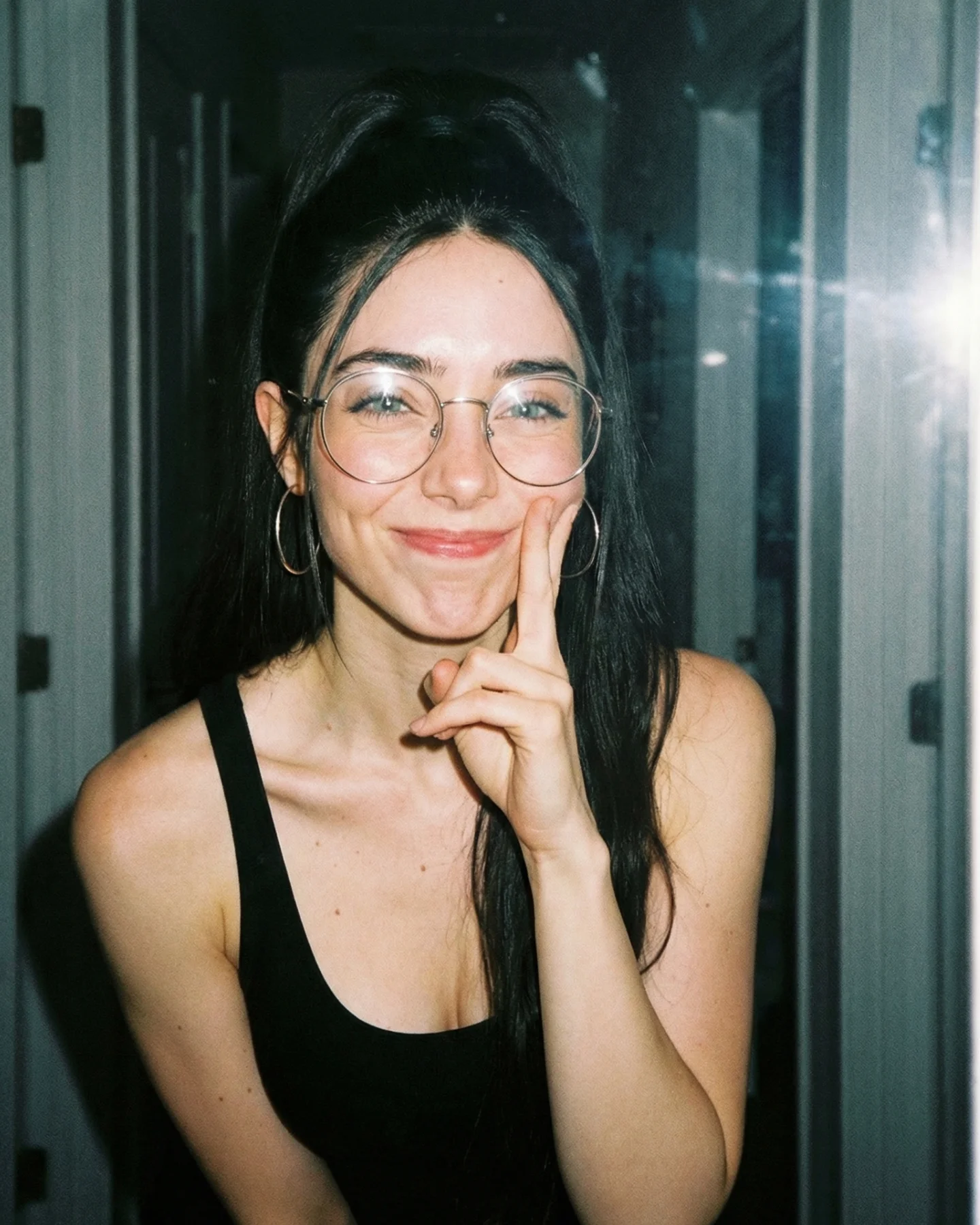
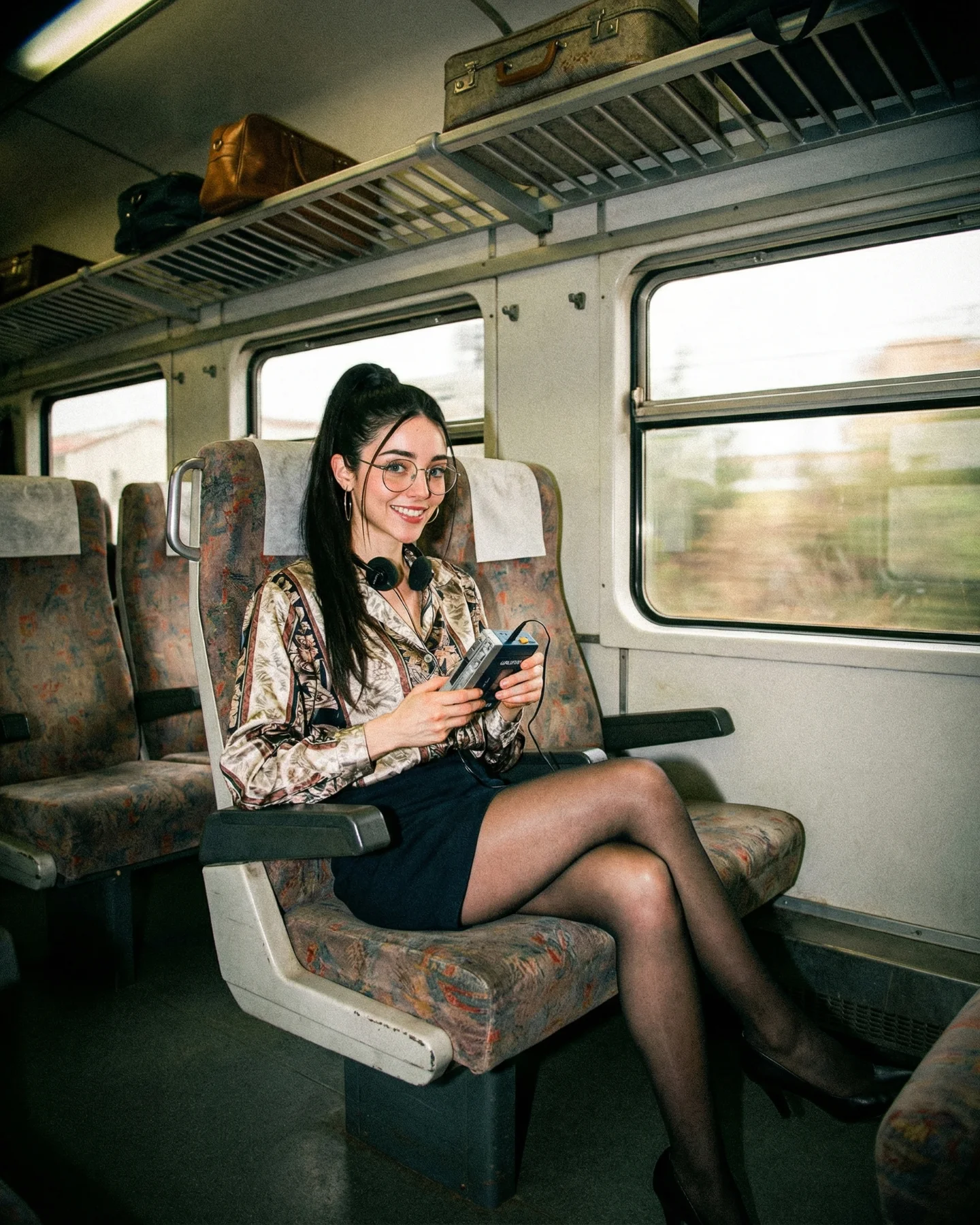
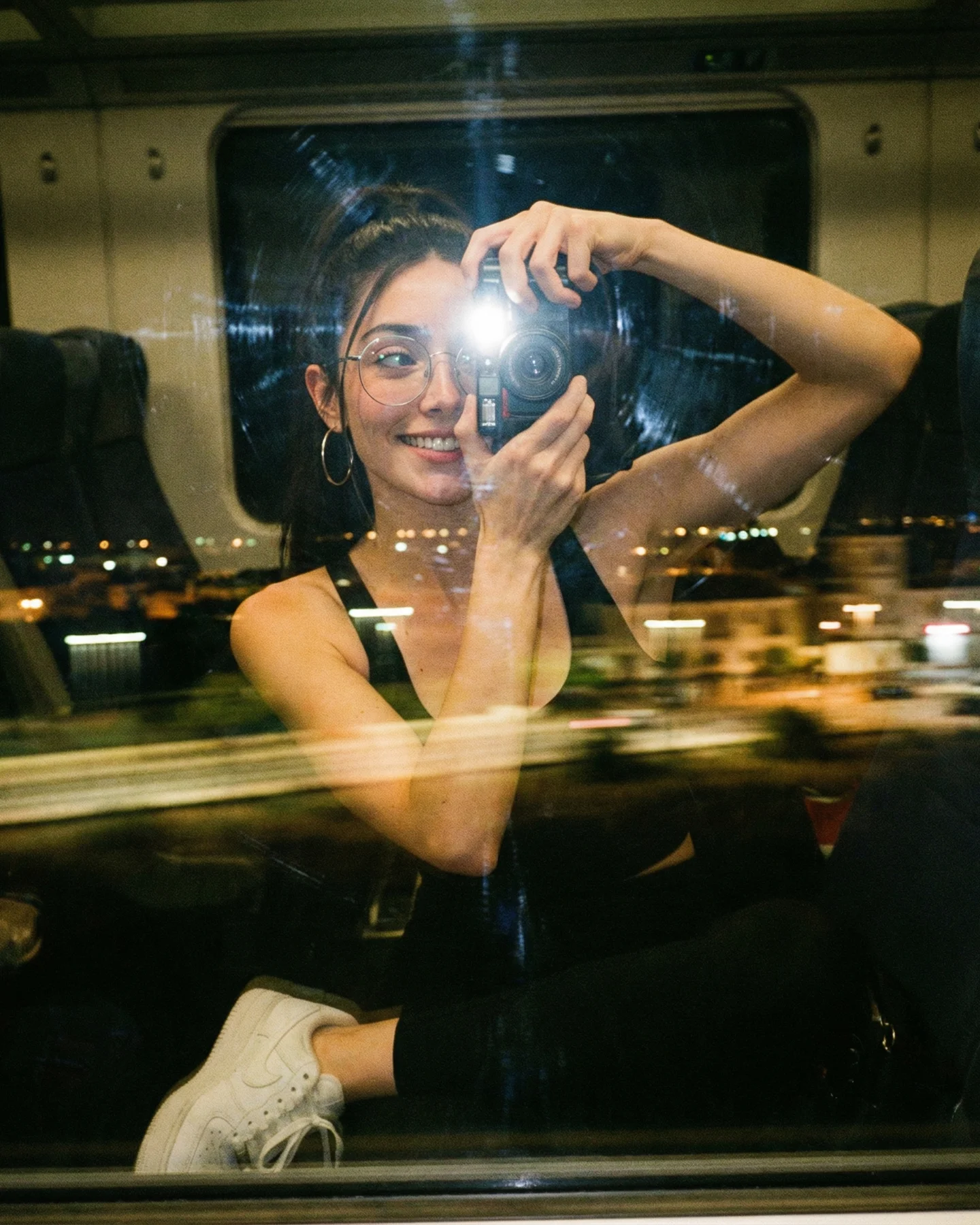
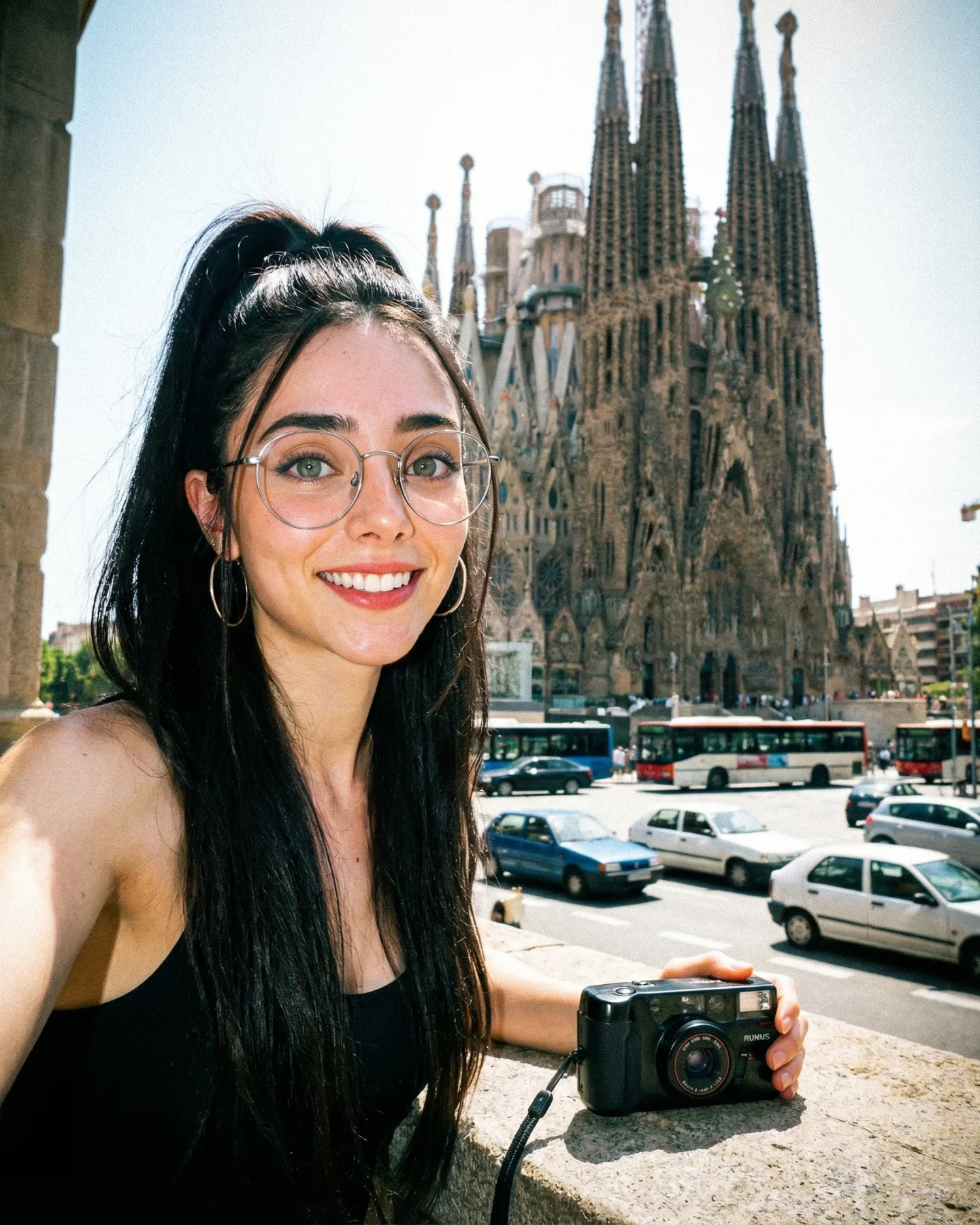
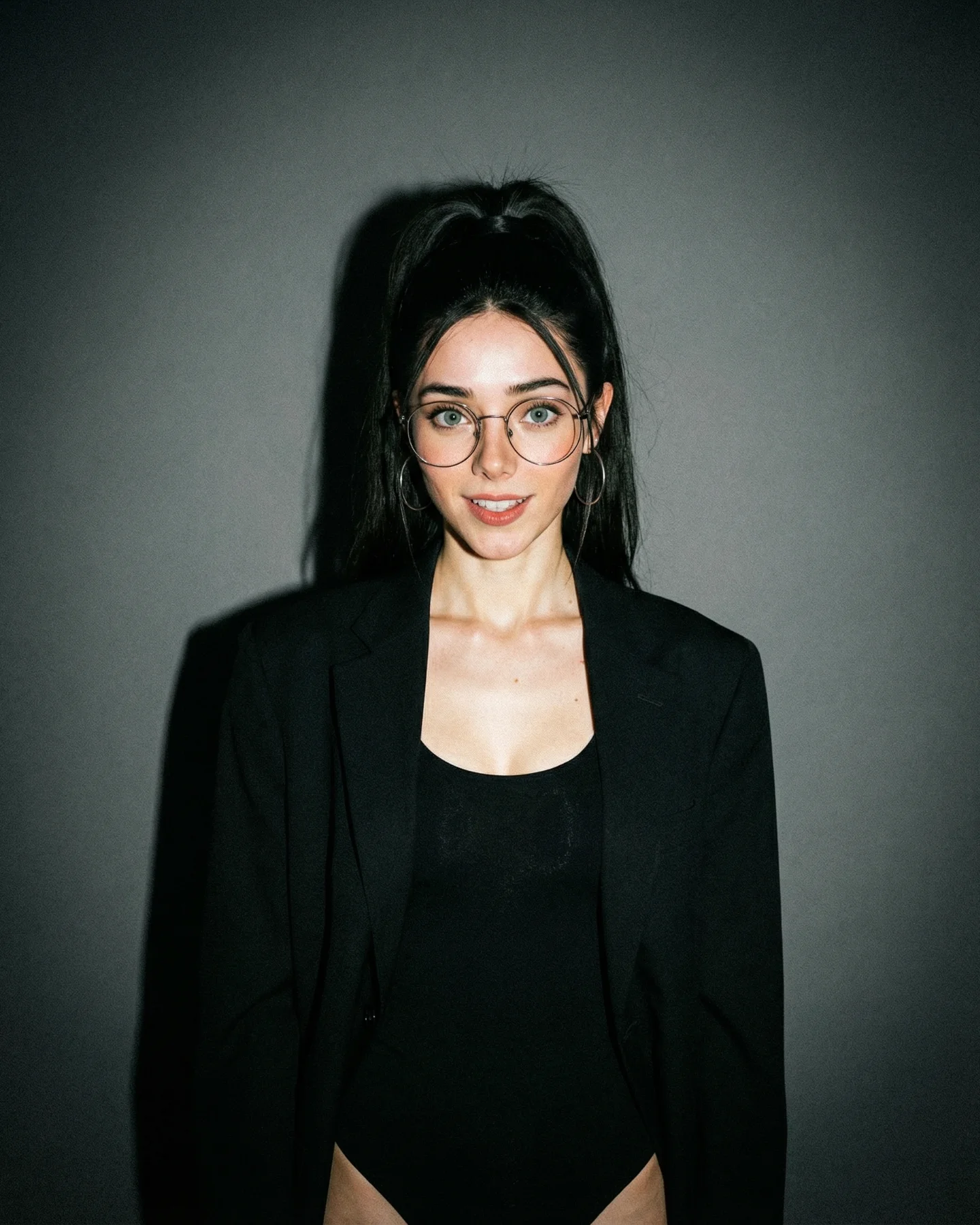
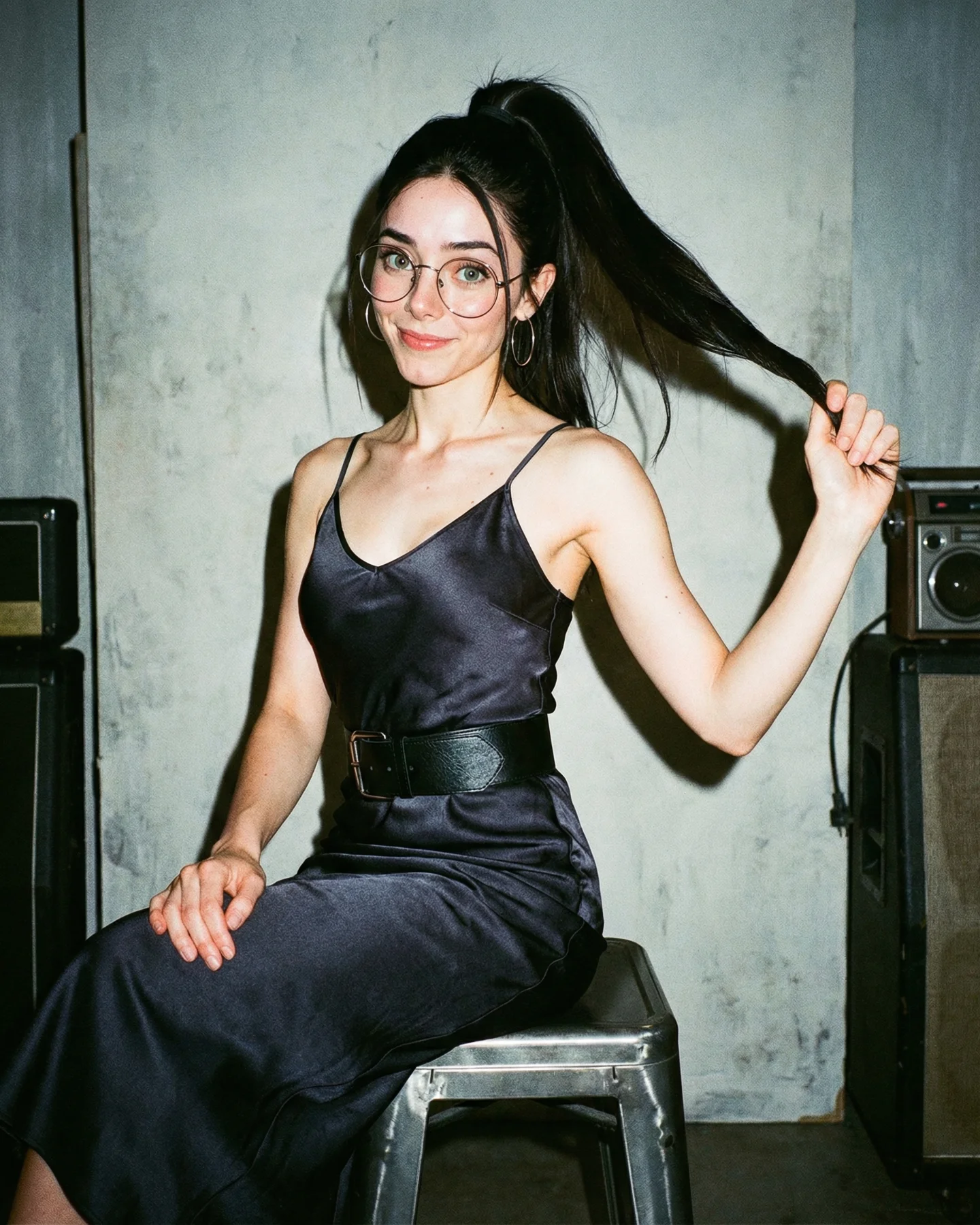
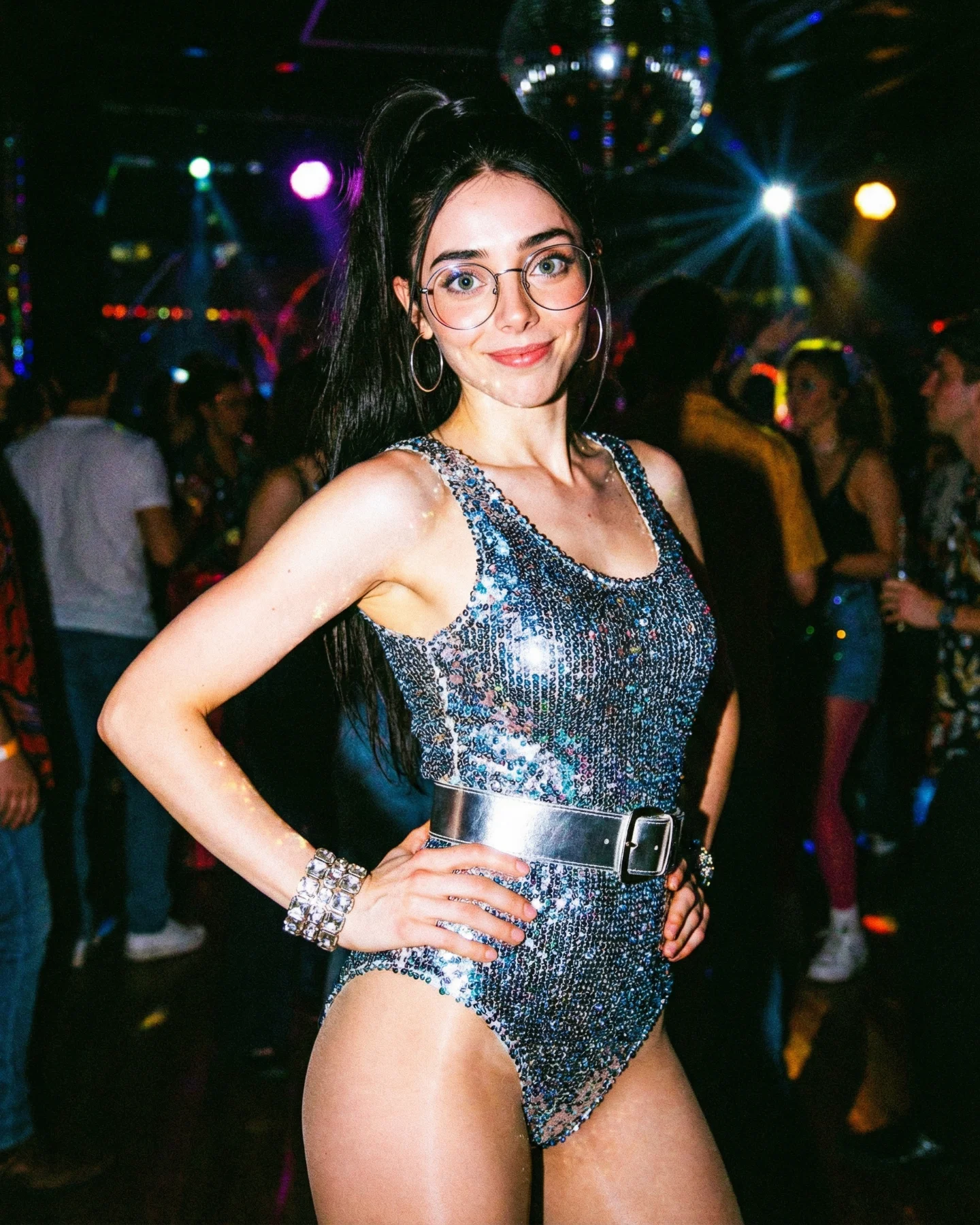
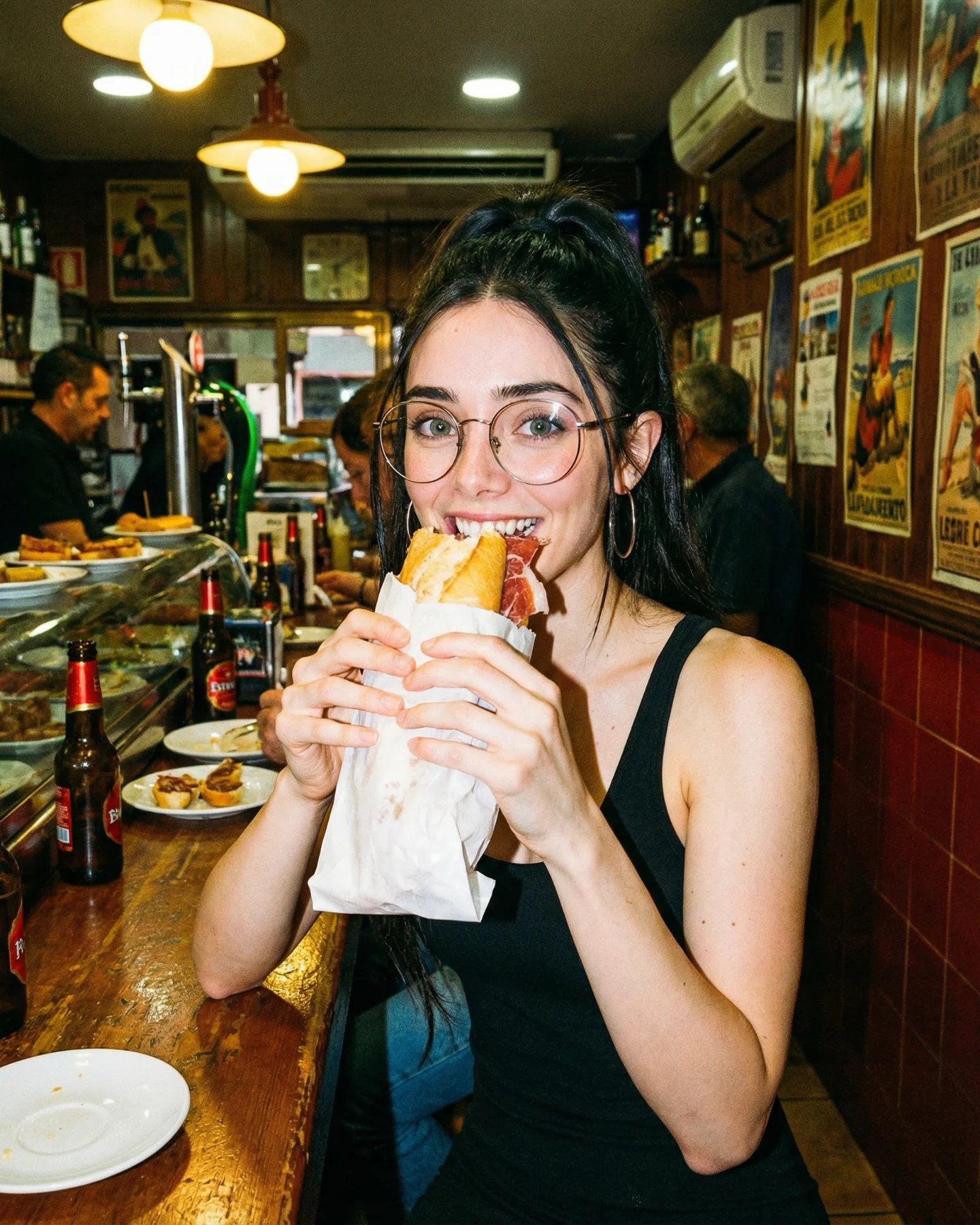
This image direction distills a very specific kind of retro charisma: the high-energy candid portrait that feels half editorial, half nightlife snapshot. It works because the wardrobe is loud, the expression is completely unguarded, and the flash does not flatter in a modern polished way. Instead, it freezes a real moment. That tension between fashion and spontaneity is exactly what makes this visual language so reusable for creators, photographers, stylists, and prompt designers.
Why This Look Reads So Fast
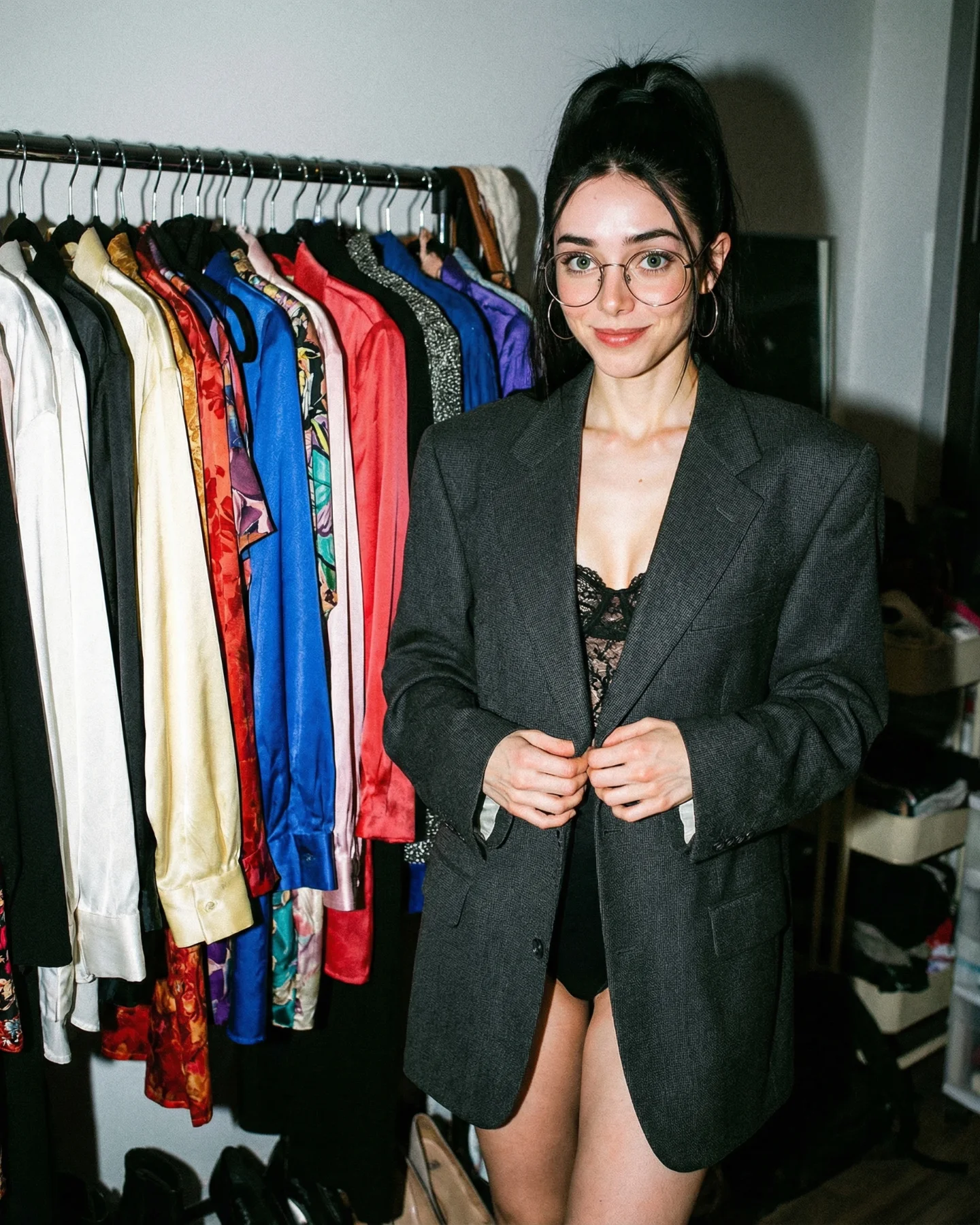
The first thing the eye catches is the blazer. The oversized silhouette and sharp geometric color blocking immediately communicate an 80s influence without needing a themed set or nostalgic props. Cyan, magenta, yellow, and black create a punchy visual structure that does the historical work on its own. The second thing that lands is the laughter. An open-mouth candid expression breaks the feeling of a posed fashion portrait and replaces it with personality. Together, those two elements make the image feel memorable within a fraction of a second.
The direct flash is the third ingredient. It creates a clean, frontal burst of light that flattens some depth while increasing visual impact. That is important because the wardrobe is already highly graphic. Softer lighting would turn the frame into a tasteful retro portrait, but hard flash turns it into a cultural reference. It pushes the image closer to club photography, behind-the-scenes editorial captures, and spontaneous personal archives from the late twentieth century.
The Emotional Tone
Even though the styling is bold, the emotional tone is relaxed rather than intimidating. The subject is not posed as a distant icon. She is caught mid-laugh, leaning into the unpredictability of a real encounter with the camera. That makes the image feel social and human. It suggests confidence without coldness. For prompt work, that distinction matters because retro fashion imagery can easily drift into stiff costume language. A candid expression protects the scene from becoming theatrical.
There is also a useful contrast between the dark background and the vivid outfit. The environment stays quiet, so the viewer reads the person first. This keeps the image grounded in portraiture instead of turning it into a set-design exercise. If you want a result that feels authentic, this is a strong strategy: let the wardrobe and facial expression carry the narrative while the background simply supports separation and mood.
Core Visual Ingredients
| Element |
Role In The Image |
Why It Matters |
| Oversized geometric blazer |
Primary retro signal |
Establishes the decade and gives the image immediate graphic identity. |
| Round glasses and hoop earrings |
Accessory anchors |
They sharpen the character styling without overcomplicating the frame. |
| Open candid laughter |
Emotional hook |
Prevents the image from feeling costume-like or overly posed. |
| Direct on-camera flash |
Lighting signature |
Creates the snapshot realism associated with archive and nightlife imagery. |
| Dark minimal background |
Visual control |
Keeps attention locked on face, outfit, and attitude. |
What Makes It Useful For Prompt Design
This kind of portrait is practical because it depends on a few strong signals instead of a long list of decorative details. You do not need a neon set, a vintage car, or a themed room to communicate the period. The image can be built from wardrobe, accessories, expression, and flash behavior alone. That makes it efficient for generation systems that handle characters and clothing more reliably than complex environments.
It is also flexible across use cases. You can steer the same foundation toward a magazine editorial, a music-promo portrait, a backstage model test, a party snapshot, or a personal style study. The core structure remains stable: bold jacket, direct flash, candid expression, dark background. Then you vary details like age, hairstyle, crop, or color balance to move the output toward your target.
How To Preserve Authenticity
The main risk with this aesthetic is over-cleaning it. Many image systems want to beautify the subject, smooth the skin, soften the lighting, and stylize the wardrobe into contemporary fashion photography. That is the wrong direction here. The appeal comes from immediacy. The flash should feel obvious. The shadows should be a little hard. The smile should feel mid-motion rather than elegantly arranged. Tiny imperfections make the portrait believable.
Another common failure is treating the 80s reference too literally. You do not need every possible retro cue in one frame. If you stack teased hair, neon props, dramatic makeup, patterned wallpaper, and exaggerated accessories all at once, the image becomes parody. A better approach is selective specificity. Use one dominant clothing statement, a couple of supporting accessories, and documentary-style flash. That is enough to make the decade legible.
Best Use Cases
This prompt direction is especially strong for creators building retro fashion references, visual moodboards for music content, social posts about era-specific styling, and blog content about analog portrait aesthetics. It can also support campaign ideation for thrift fashion, eyewear, beauty brands with archival energy, and editorial concepts that need personality instead of luxury polish.
Because the portrait is expressive, it also works well as a teaching example. It demonstrates how styling, emotion, and lighting can do more than environment. For teams developing prompt libraries, this is a useful template for any decade-inspired portrait where the goal is to feel real rather than cinematic.
Remix Directions
If you want variations without losing the core identity, begin by changing only one axis at a time. You can keep the blazer shape but shift the palette toward red and cobalt. You can keep the direct flash and wardrobe intensity but swap laughter for a skeptical smirk. You can keep the candid emotion and dark background while changing the subject to a male musician, a stylist, or a teen magazine character. Controlled remixing preserves the successful structure.
Another useful variation is to adjust the camera crop. A tighter head-and-shoulders composition increases intimacy and makes the glasses, smile, and flash more dominant. A looser waist-up crop gives the jacket more authority and turns the image into a stronger fashion statement. Both are valid, but they communicate differently. Choosing the crop early helps the rest of the prompt stay coherent.
Prompting Notes For Better Results
When writing the generation prompt, it helps to describe the subject in concrete physical terms before naming the aesthetic. Mention the ponytail, round glasses, hoop earrings, black top, oversized geometric blazer, and laughing expression first. Then define the environment as dark and minimal. Then add the direct-flash 35mm snapshot feeling. This order encourages the system to build the human subject correctly before applying the style layer.
It is equally important to reject the wrong signals. Excluding social media overlays, logos, and interface elements keeps the image focused on the scene itself rather than the source post. Excluding illustration, soft beauty lighting, and over-retouched skin protects the analog realism. Negative constraints are not just cleanup tools here; they are part of preserving the cultural texture of the final result.
Final Takeaway
This portrait works because it understands that retro impact does not come from collecting references. It comes from clarity. One unforgettable jacket, one honest laugh, one hard flash, one dark background. That is enough to create an image that feels alive, referential, and usable. For manual prompt libraries, it is exactly the kind of source worth preserving because it translates well across many outputs without losing its character.