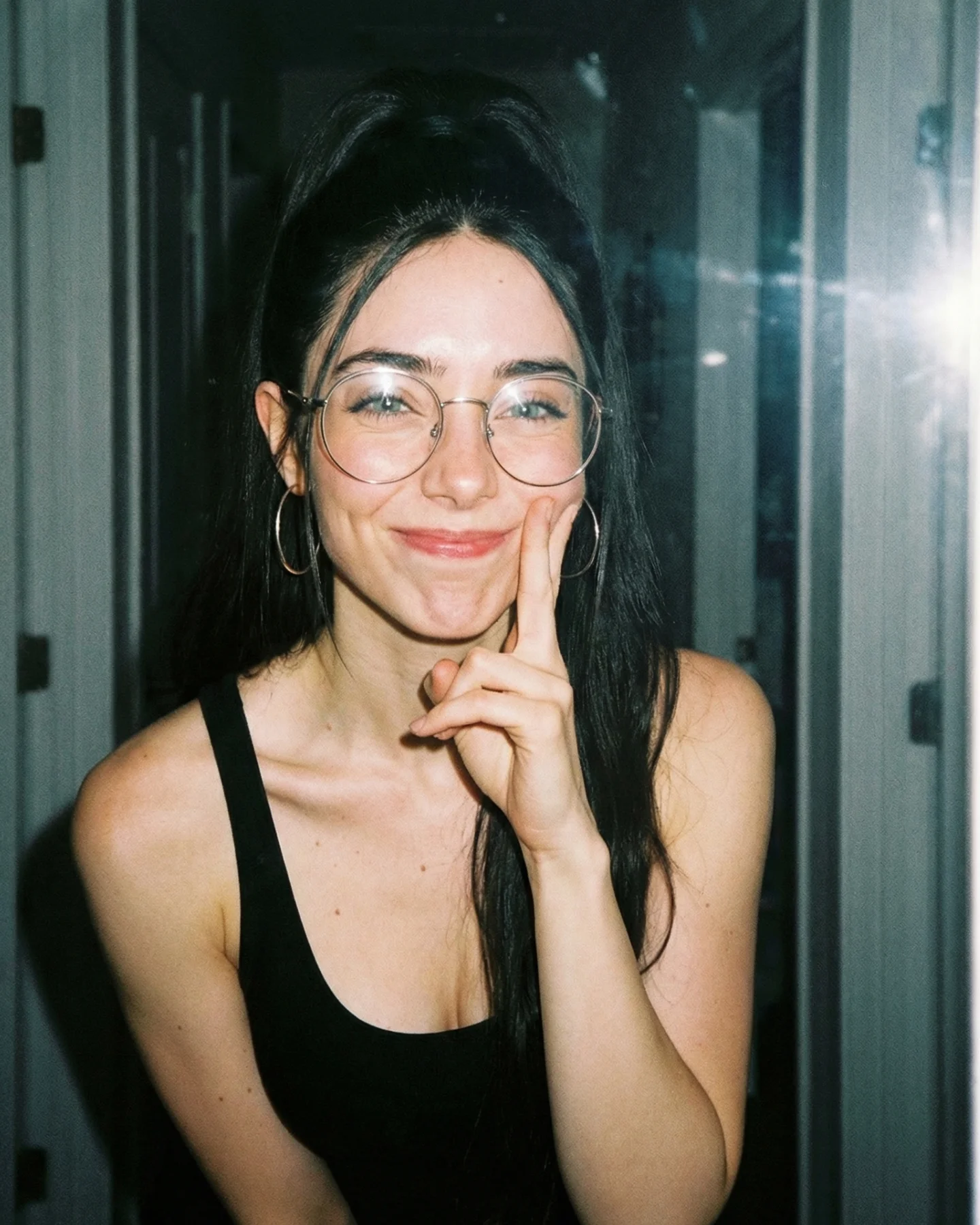
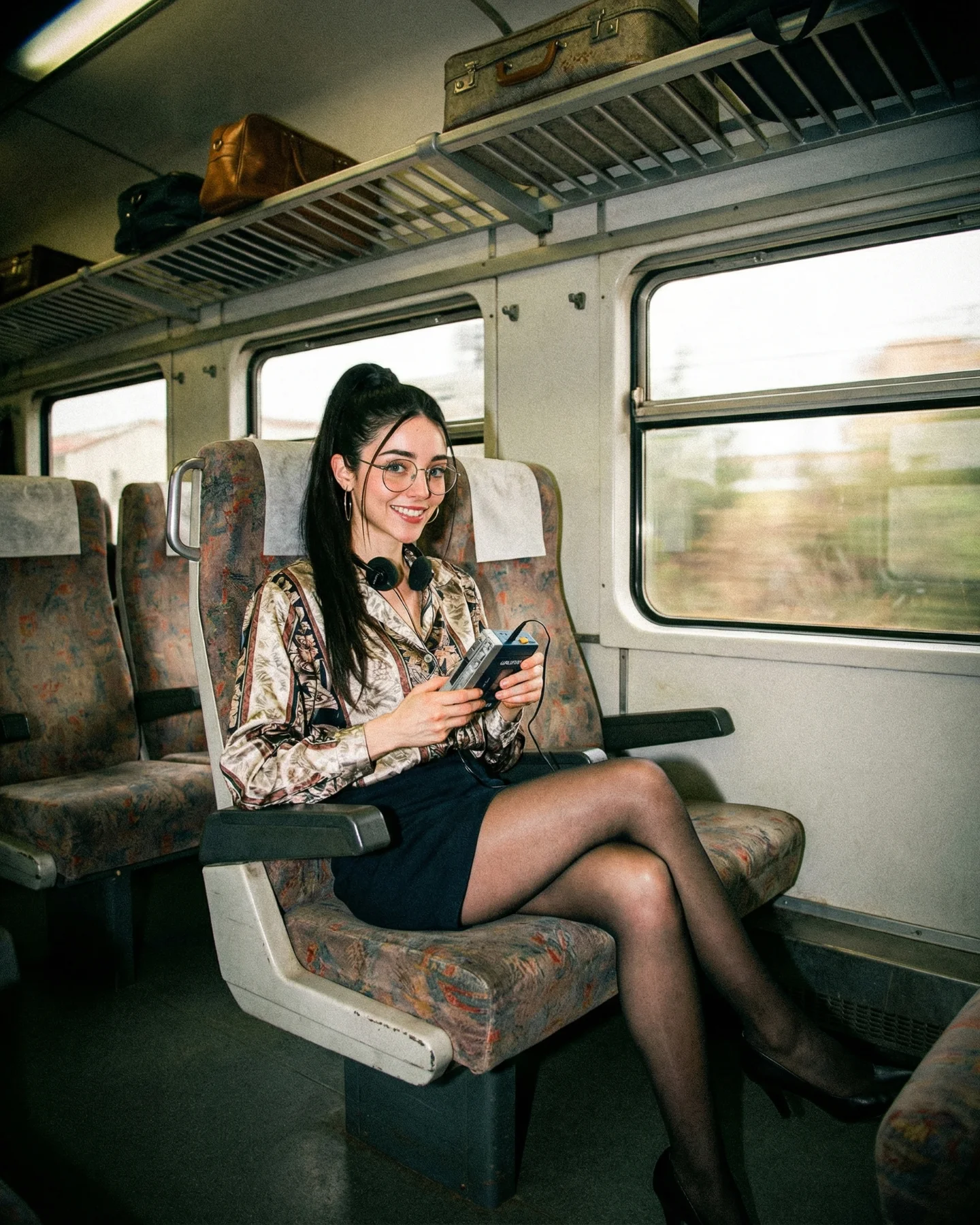
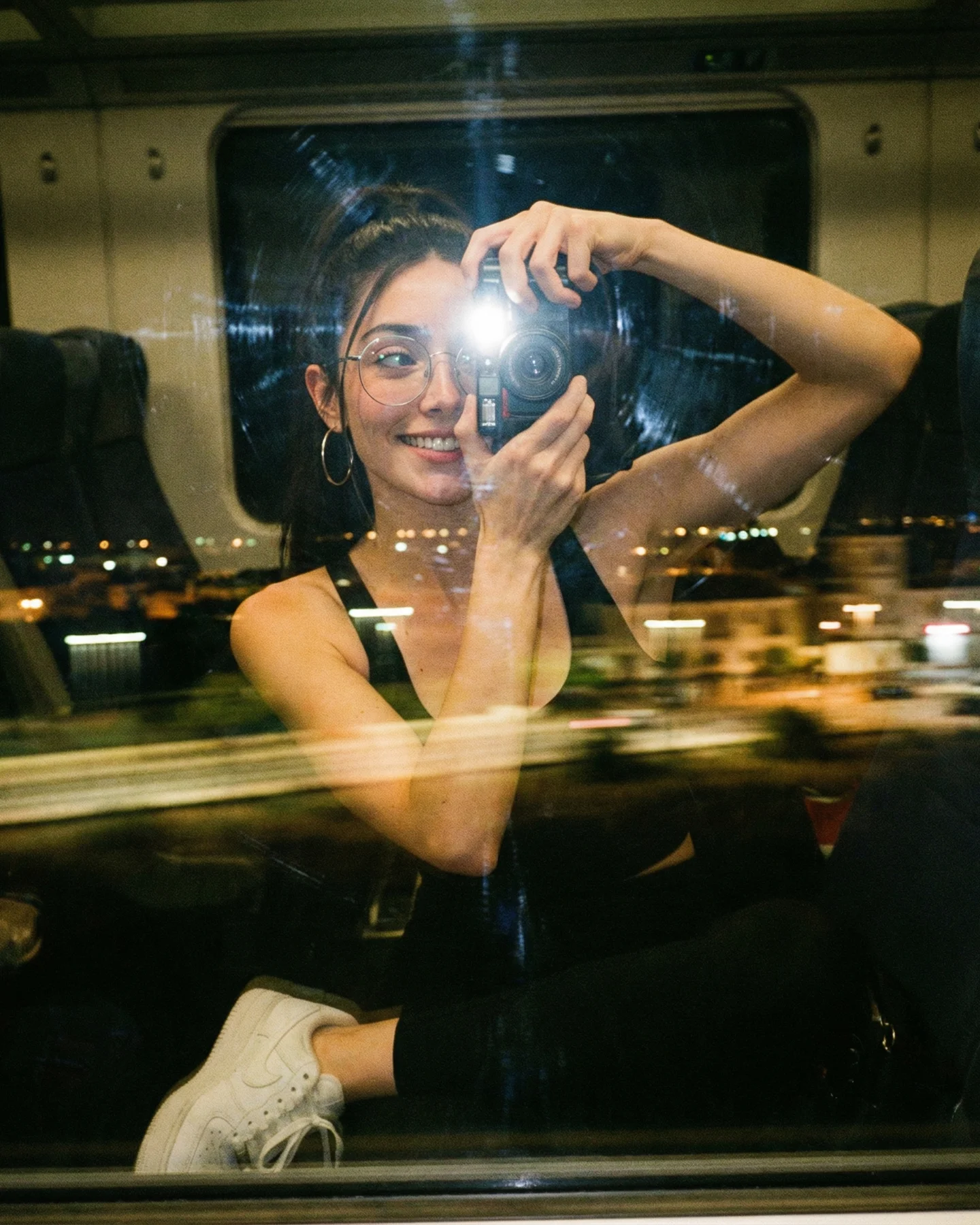
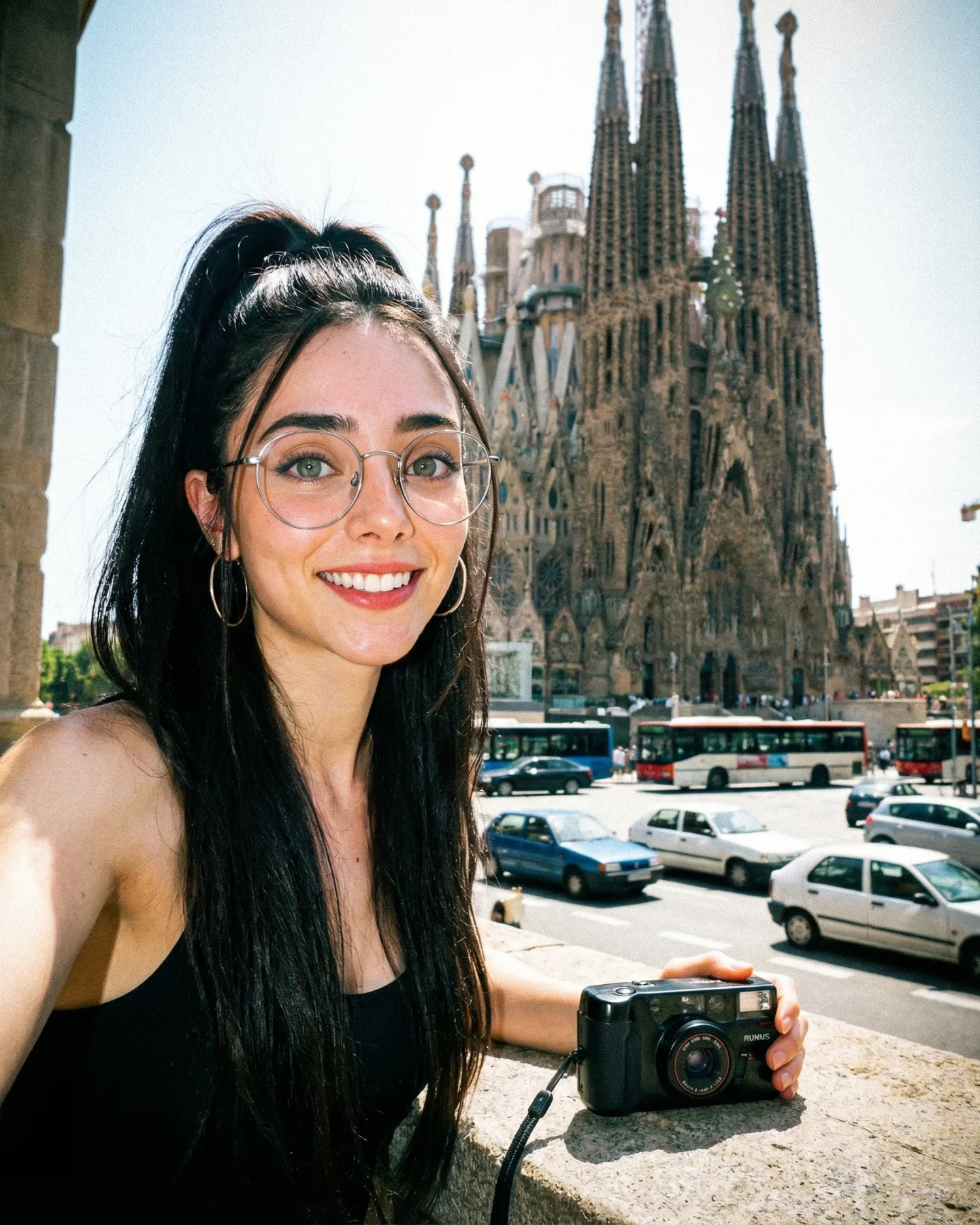
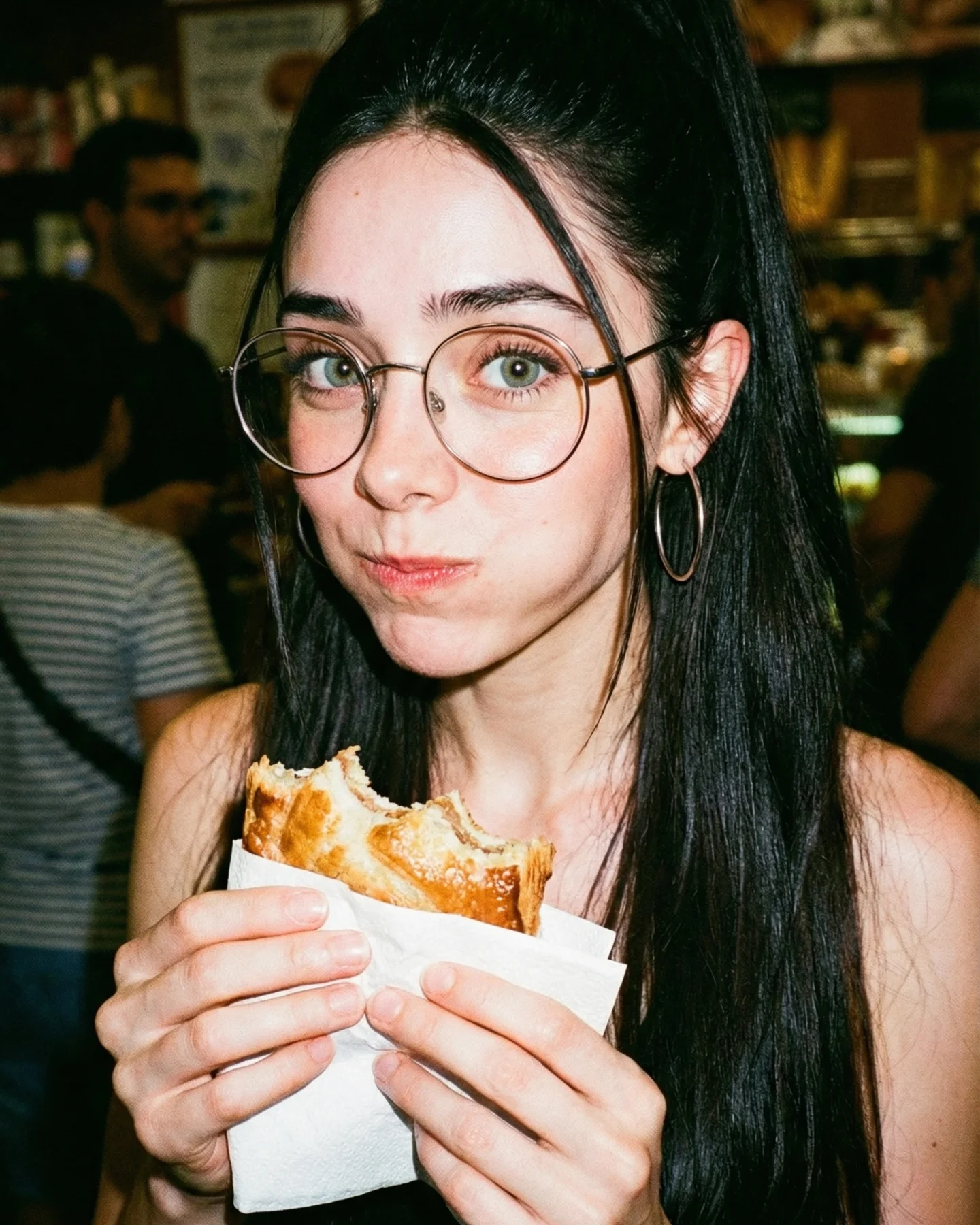
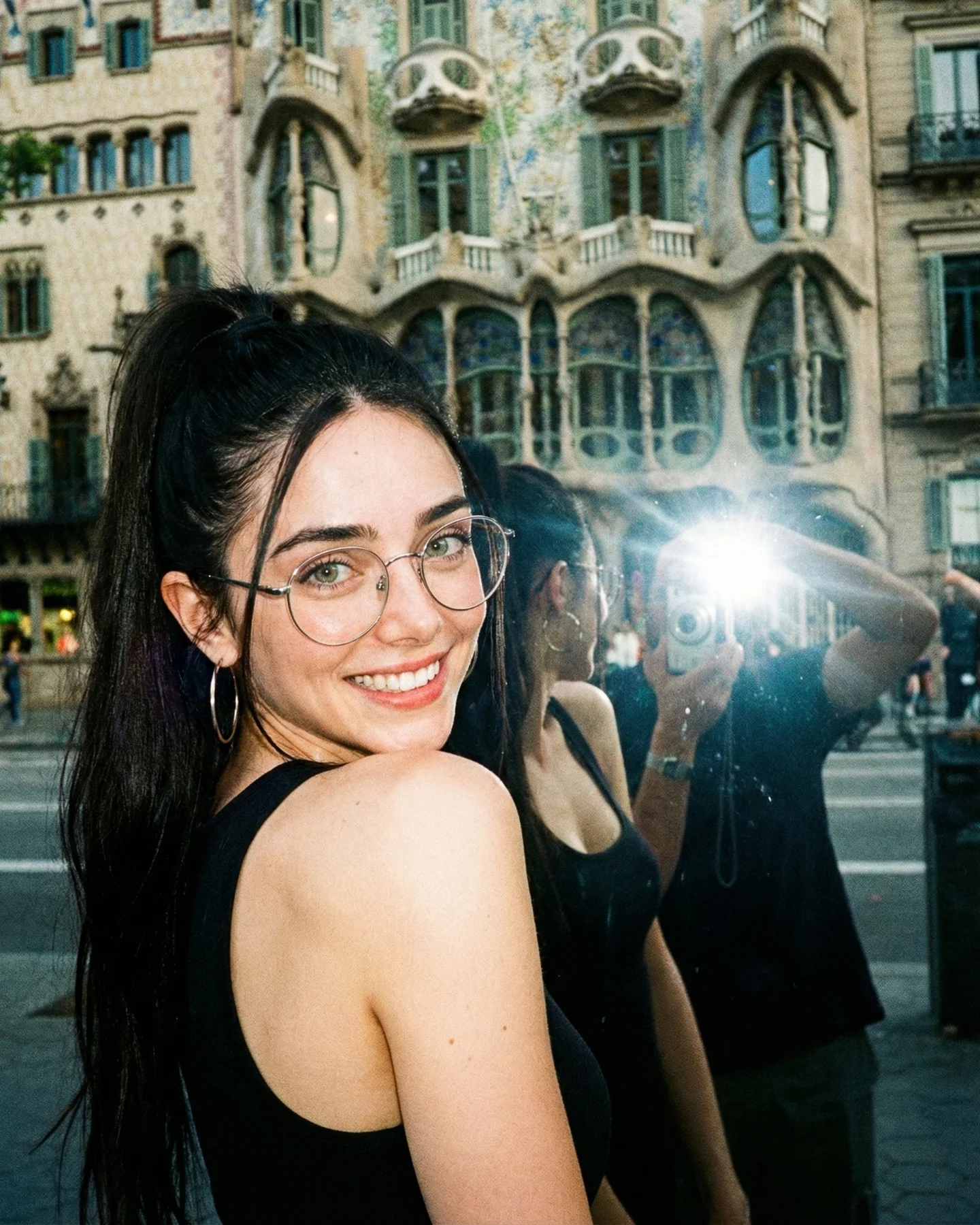
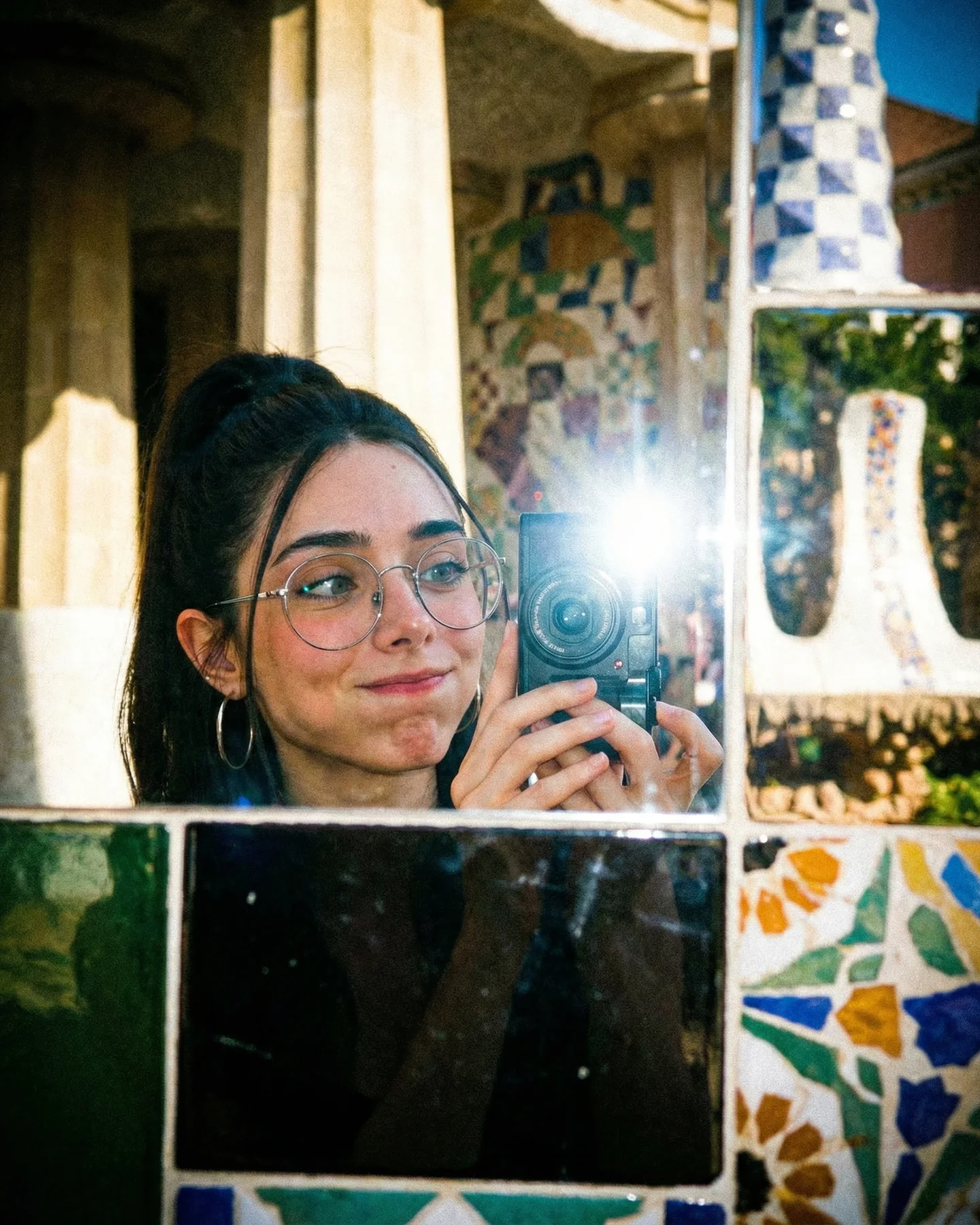
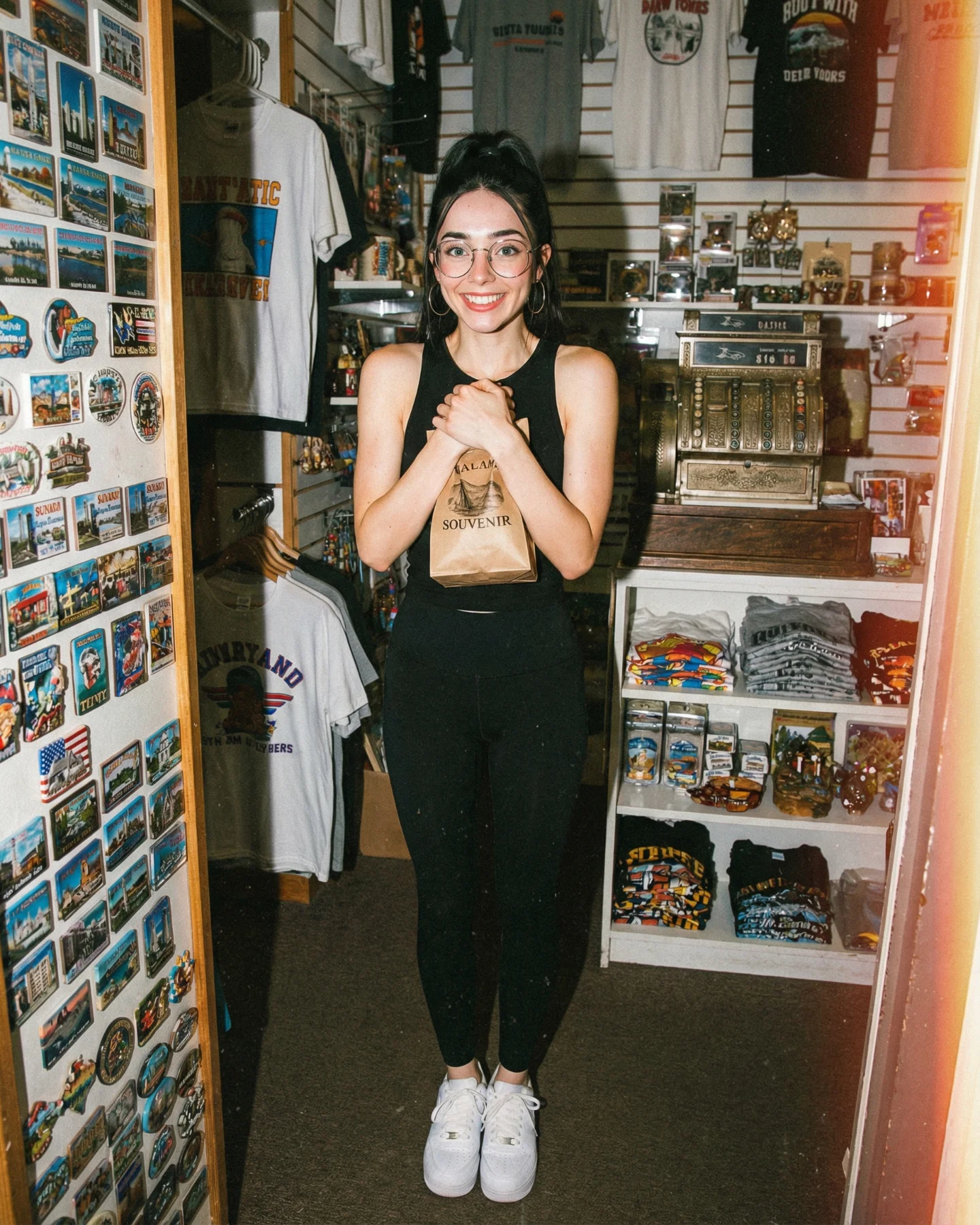
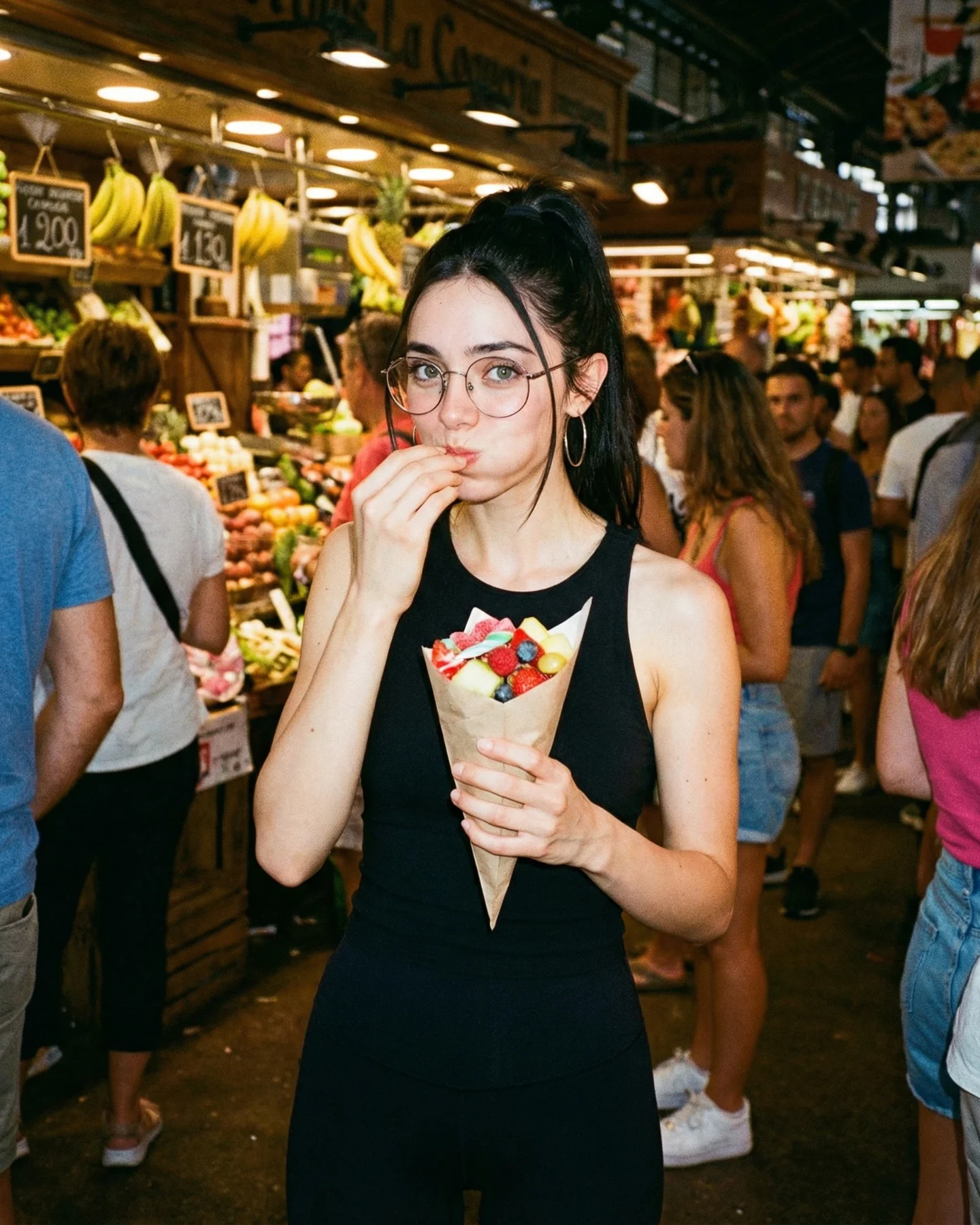
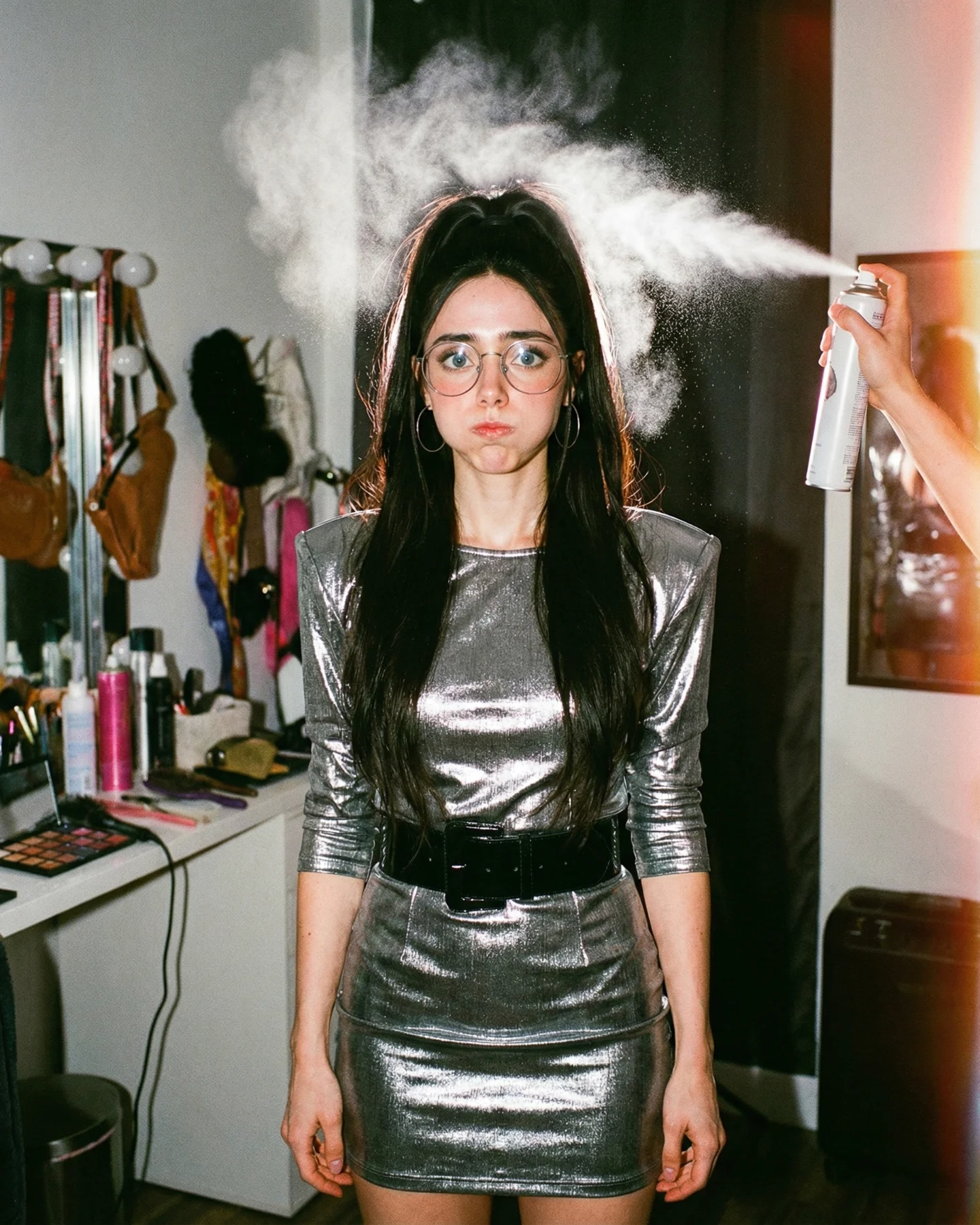
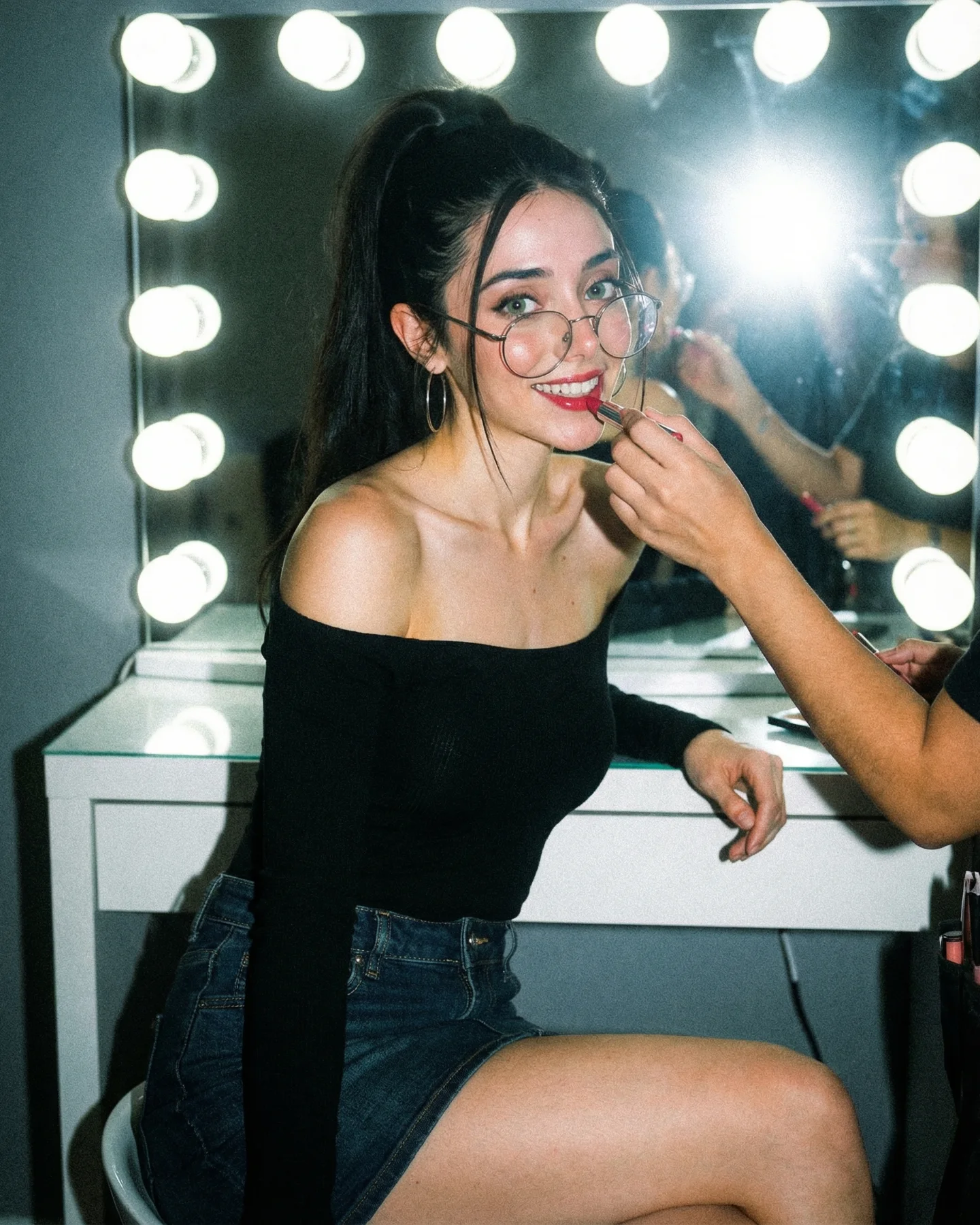
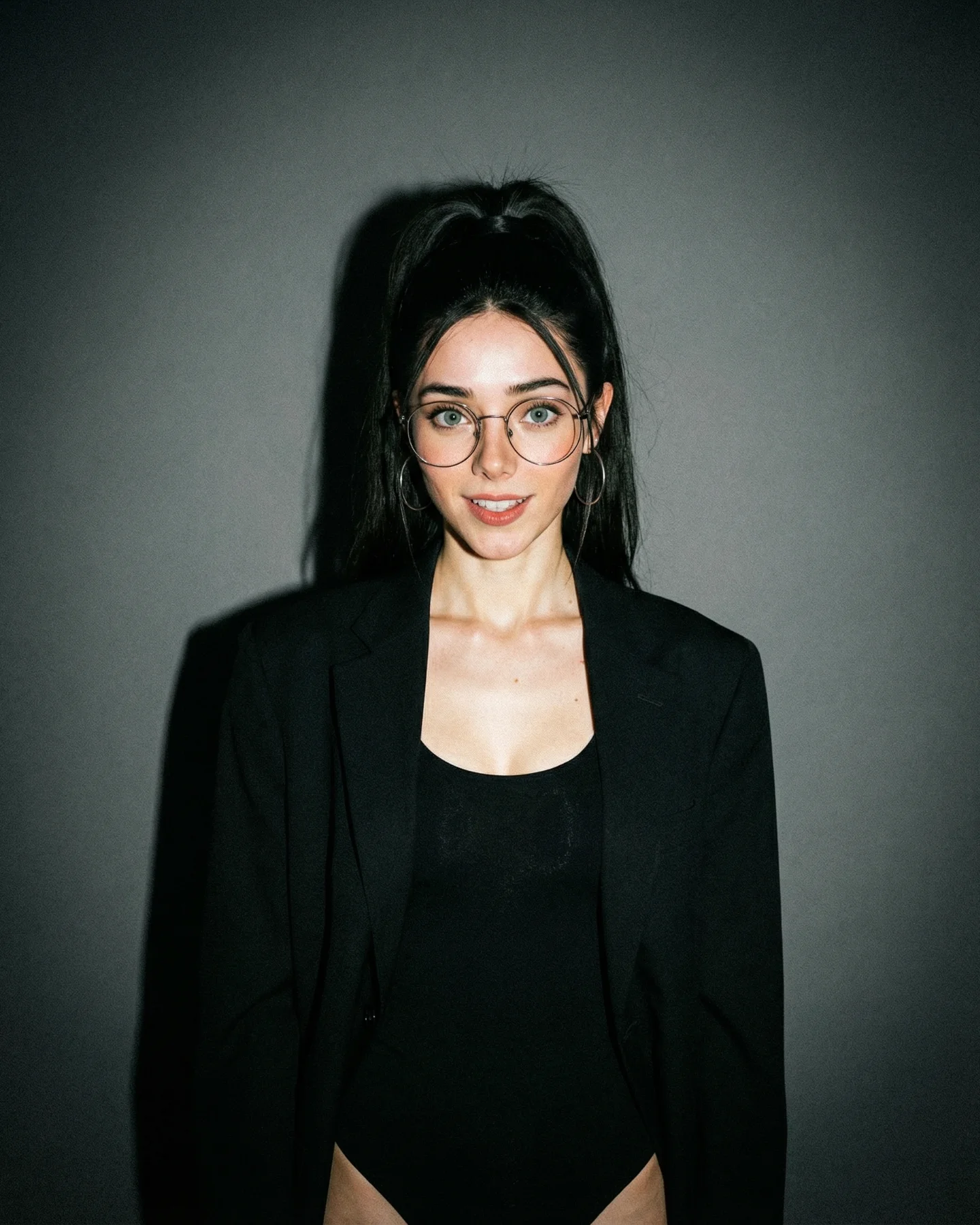
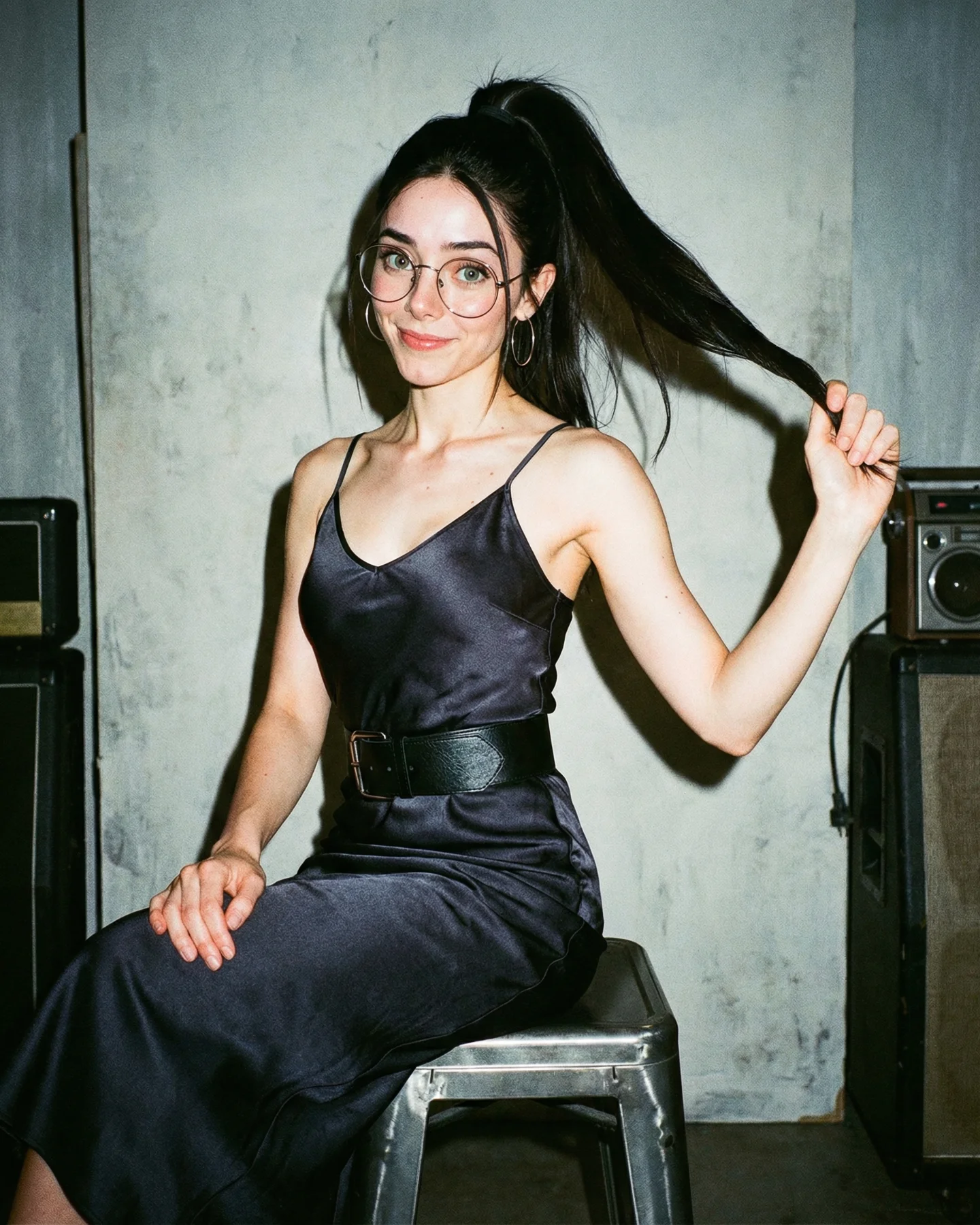
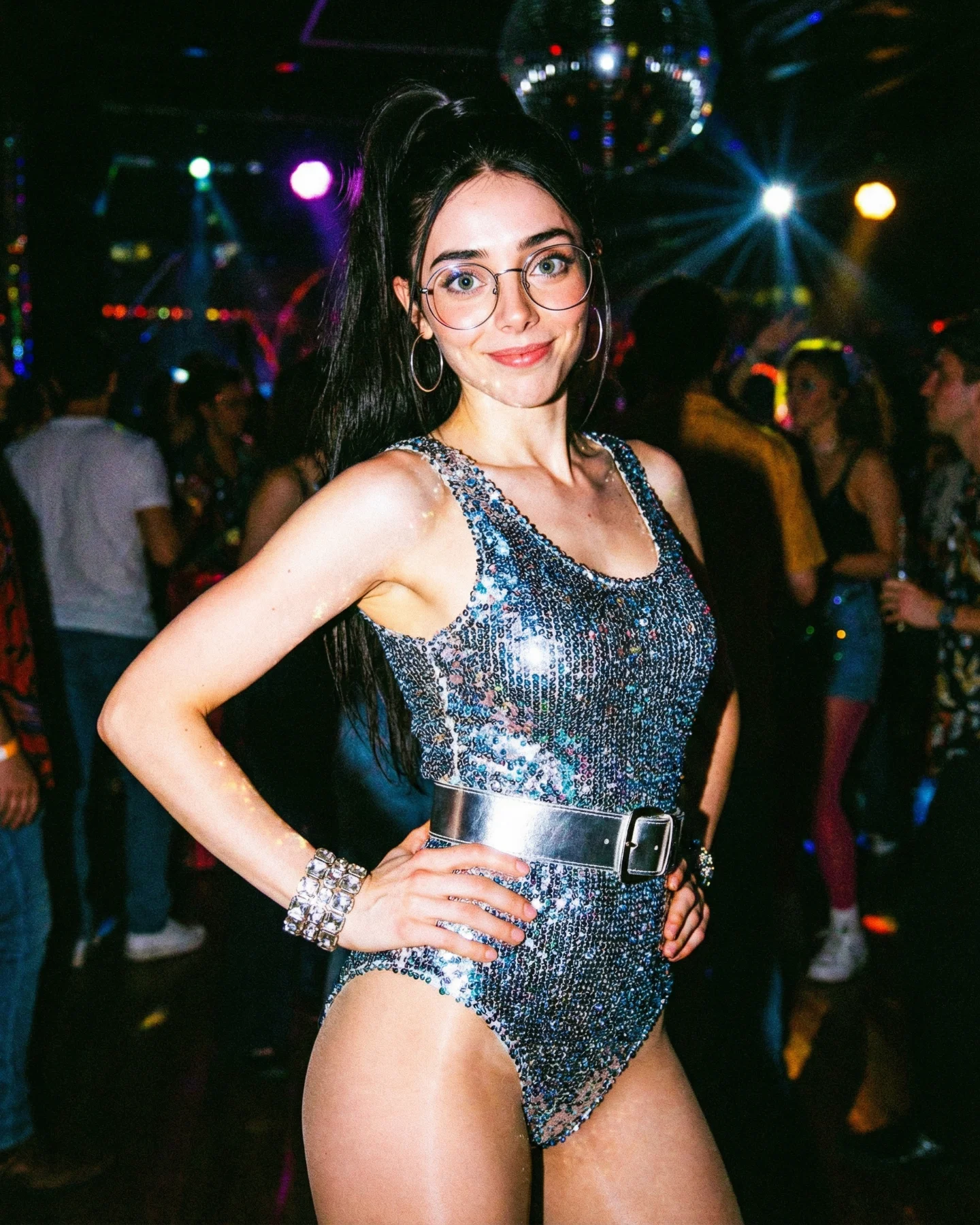
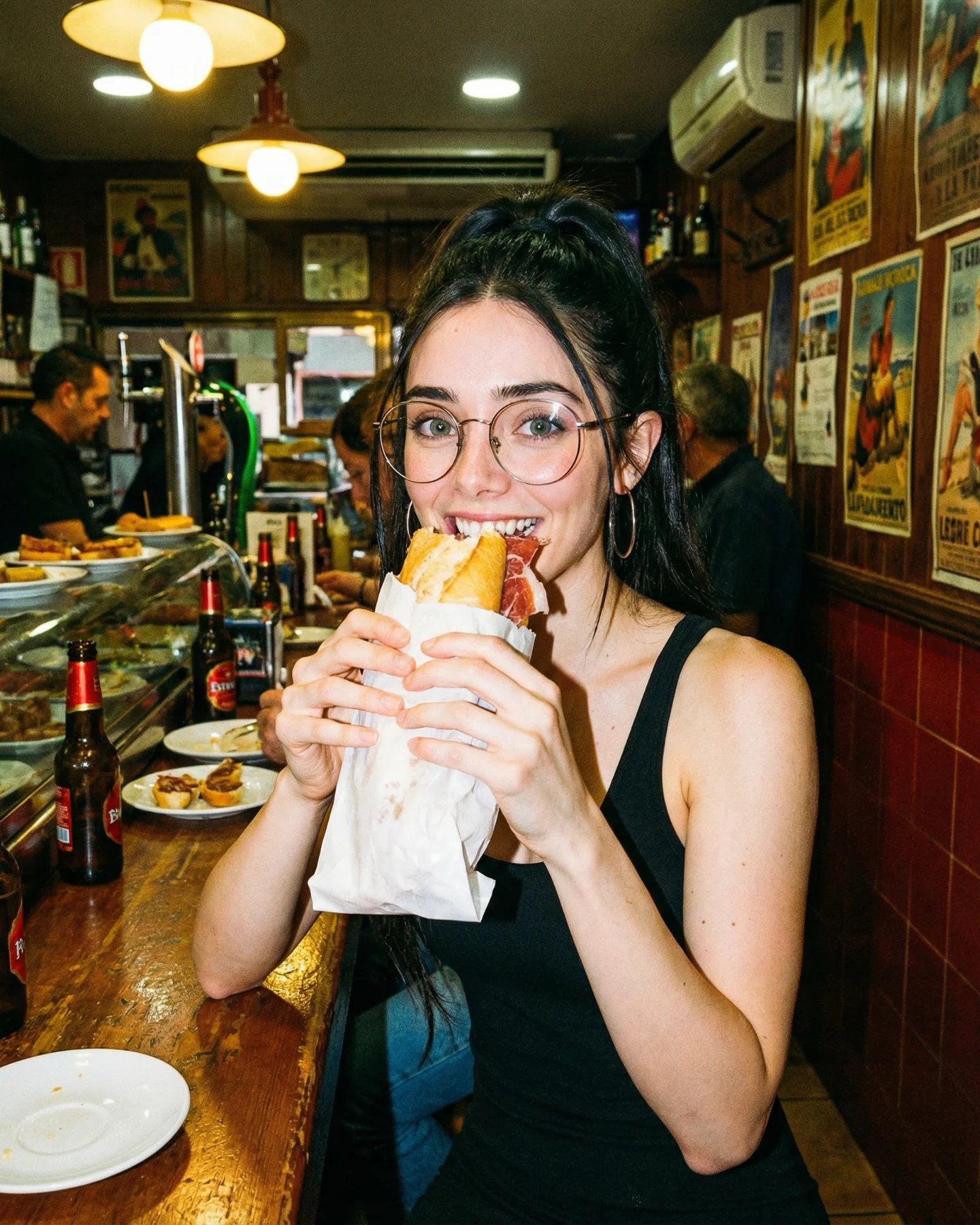
Fotografía estilo 1980s - Prompts 💕
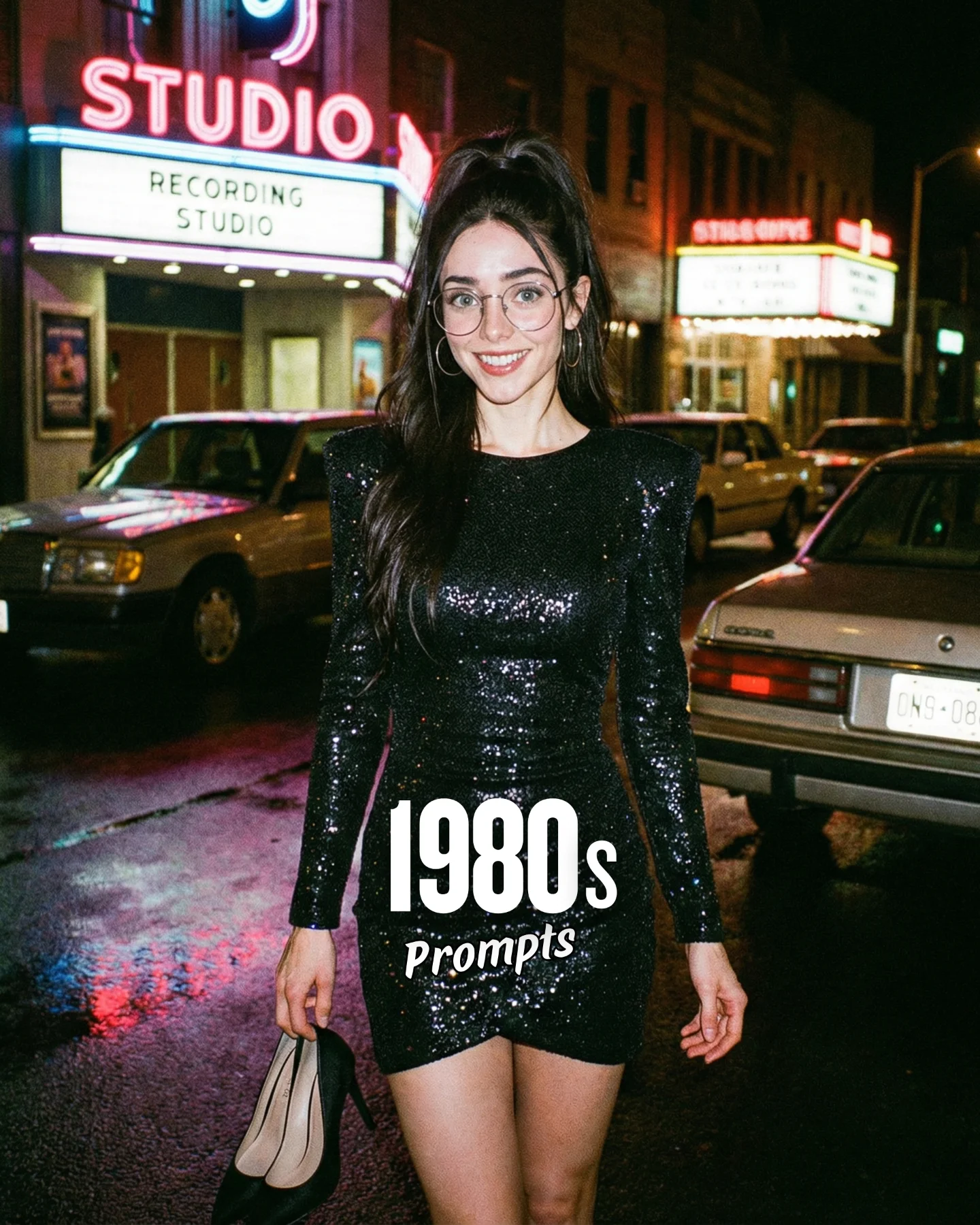
Os dejo por aquí una colección de prompts de imágenes al estilo de los años 80 🫶🏽
La IA que usé para crear este tipo de imágenes es Nano Banana Pro 🙊
Feliz vacaciones a todos, espero que lo paséis genial con la familia y amigos 🥰
Comenta "ARIA" si quieres los prompts y te los mando por mensaje 💌
How soy_aria_cruz Made This Eighties Wardrobe AI Portrait — and How to Recreate It
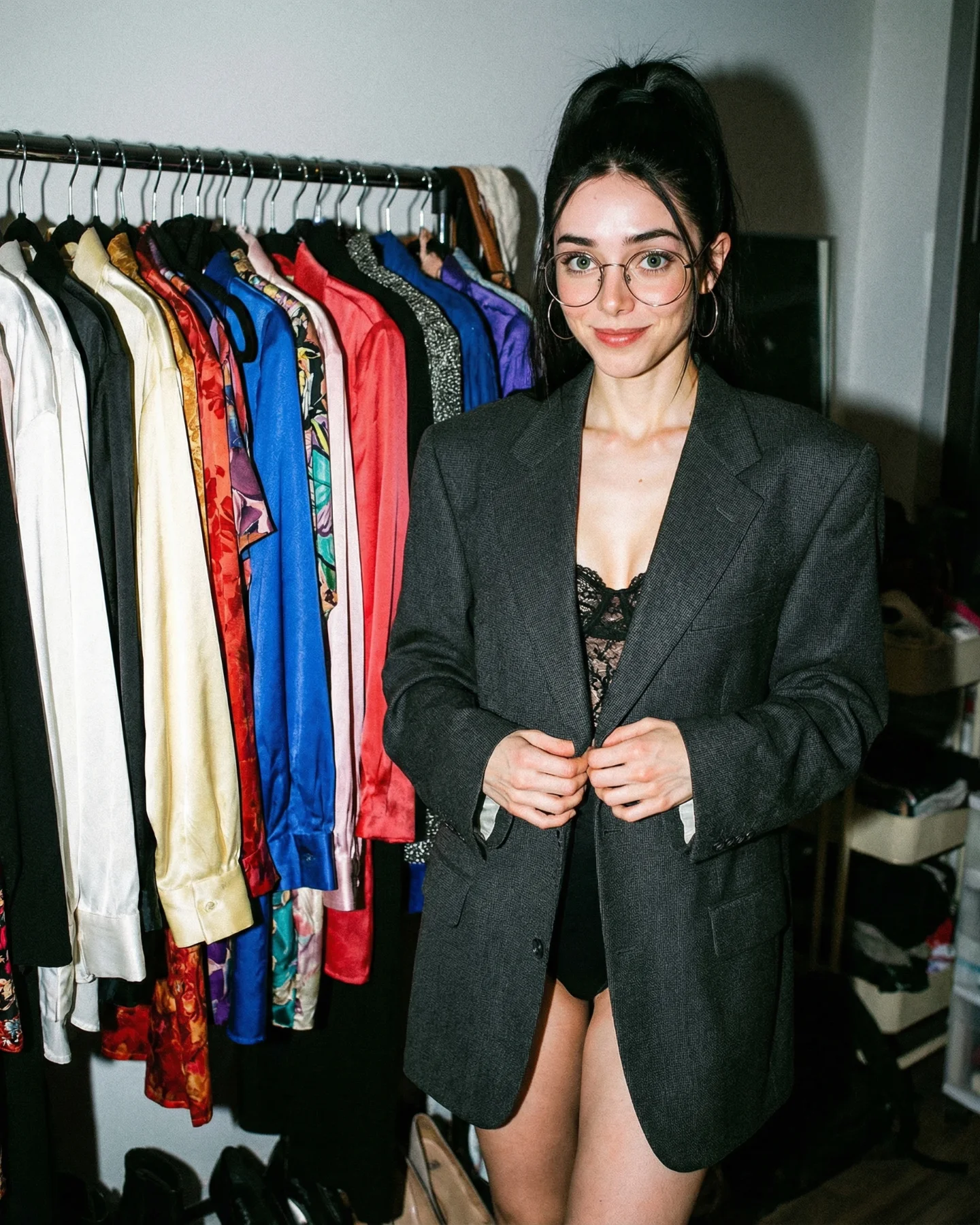
Retro fashion imagery becomes believable when it captures not only the clothes, but the context around the clothes. This image understands that. It is not a polished catwalk recreation. It is a fitting-room moment: oversized blazer, lace underlayer, crowded garment rack, direct flash, and a room that feels actually used. That is why it works.
The caption frames the image as part of an 1980s-style prompt collection, which makes the wardrobe logic especially important. Viewers are not just being shown one outfit. They are being invited into a whole fashion world. The clothing rack on the left is doing almost as much storytelling work as the blazer itself.
Why the image likely performed well
The first reason is that the outfit reads instantly. The oversized shoulders and charcoal blazer are enough to signal the decade, even before the eye moves to the other garments. Strong silhouette cues are often more effective than overloading the frame with many period accessories.
The second reason is environmental truth. The clothing rack, storage clutter, and simple room make the image feel like a discovery rather than a concept. That is important for retro content. If the setting becomes too polished, the illusion of found memory breaks.
The third reason is the direct-flash treatment. Flash photography is one of the fastest ways to evoke old personal archives, fitting-room references, and nightlife-era fashion snaps. Here it gives the image just enough roughness to feel archival without becoming ugly.
Signal
Evidence (from this image)
Mechanism
Replication Action
Instant silhouette cue
The blazer has broad shoulders and an oversized fit associated with 1980s styling
Strong shape communicates era faster than small details
Lock one iconic garment silhouette before adding supporting props
Context-rich wardrobe setting
The rack of colorful clothes makes the scene feel like a real dressing space
Environmental evidence makes the retro concept more believable
Include one dense wardrobe element to imply a fuller fashion world
Direct-flash authenticity
The lighting is flat, frontal, and snapshot-like instead of editorial
Flash cues personal archive photography and lowers the sense of artificial polish
Use compact-camera or on-camera-flash language instead of studio-light language
Private-moment intimacy
The subject appears mid-adjustment rather than fully posed for a campaign
Casual posture makes the image feel personal and replayable
Prompt a try-on action or small adjustment gesture rather than a perfect model pose
Where this style works best
This format works especially well for fashion-era prompt packs, wardrobe concept posts, styling tutorials, and creator content built around aesthetic reconstruction. It is also strong for moodboards that need to feel discovered, not produced.
Best fit: retro fashion prompt sets. Why fit: the image teaches silhouette, setting, and lighting in one frame. What to change: rotate the hero garment while preserving the fitting-room context.
Best fit: wardrobe-story posts. Why fit: the rack of clothes makes the image feel like one chapter of a larger style system. What to change: vary color families or garment types while keeping the same camera behavior.
Best fit: AI tutorial covers. Why fit: the image is easy to explain in terms of flash, silhouette, and room realism. What to change: simplify the left-side clothing density if the platform layout is busy.
Best fit: creator brand styling series. Why fit: the glasses and hair keep the subject recognizable across theme changes. What to change: preserve 2 personal identity markers while swapping the decade or garment.
This style is less ideal for luxury editorial campaigns, minimal showroom branding, or polished e-commerce content. Its power comes from wardrobe intimacy and archive-like realism. If you remove the room, the image becomes much less interesting.
Three transfer recipes are especially useful. Keep the direct-flash photo language, the oversized hero garment, and the visible clothing rack. Change the era or styling lane. A 1990s version can swap the blazer for a leather trench and bias-cut slip dress. A 1970s version can replace the rack colors with earth tones and flared silhouettes. A backstage runway version can keep the flash and wardrobe context while shifting to garment bags, heels, and makeup tables. Slot template: {era-defining hero garment} + {visible wardrobe rack} + {private fitting-room setting} + {direct flash snapshot treatment}.
The aesthetic lessons creators should notice
The strongest choice here is placing the fashion inside a practical room. That one move turns the image from costume into style evidence. It feels like the subject is trying on a decade, not acting in one.
Another smart decision is color placement. The blazer stays dark and grounded while the rack carries the brighter reds, blues, and satins. That keeps the subject visually stable while still telling the viewer this is a fashion world full of excess and options.
The direct flash is also crucial. Without it, the image might read as contemporary fashion content. With it, the whole frame shifts toward memory, thrift-store archive, backstage fitting, and personal-photo realism.
Observed
Why it matters
How to recreate it
Broad-shoulder oversized blazer
Delivers the decade cue quickly and clearly
Use one exaggerated but wearable silhouette as the main era marker
Colorful wardrobe rack on the left
Expands the world beyond a single outfit
Fill one side of the frame with hanging garments in strong period colors
Black lace underlayer
Adds contrast and makes the look feel private rather than formal
Use one intimate fabric detail beneath a structured outer layer
Direct flash and plain wall
Create archive-like realism and remove over-styling
Keep the background simple and let the flash do the era work
Hands adjusting the blazer
Makes the image feel mid-moment instead of fully staged
Prompt one small garment-adjustment action to soften the pose
Prompt technique breakdown
To recreate this style reliably, split the prompt into hero silhouette, underlayer texture, wardrobe context, room realism, and flash behavior. Many retro fashion prompts fail because they describe only the clothes and forget the conditions under which those clothes would actually be photographed.
Prompt chunk
What it controls
Swap ideas (EN, 2-3 options)
Hero-garment block
Sets the decade immediately through shape
oversized blazer, power suit jacket, velvet structured coat
closet corner, dressing room, bedroom styling space
Flash block
Defines the retro-photo realism
direct compact-camera flash, point-and-shoot flash, harsh frontal snapshot light
Identity markers
Preserve creator recognition within the styling theme
round glasses, high ponytail, hoop earrings
A practical remix sequence
Baseline lock first: keep the oversized blazer silhouette, keep the visible clothing rack, and keep the direct-flash snapshot look. Those three choices create most of the image's value. After that, change only one or two controls per generation.
Run 1: solve the blazer fit, shoulder shape, and hands-on-jacket pose until the era reads clearly.
Run 2: refine flash behavior, lace texture, and garment colors on the rack without changing the room layout.
Run 3: test one era swap while preserving the same fitting-room grammar and flash treatment.
Run 4: build a wardrobe-series system by keeping the composition stable and rotating only the hero garment and rack color story.
The broader lesson is that retro fashion becomes credible when it looks like it was lived in, sorted through, tried on, and photographed quickly. This image understands that, and that is why it feels richer than a simple decade costume portrait.