
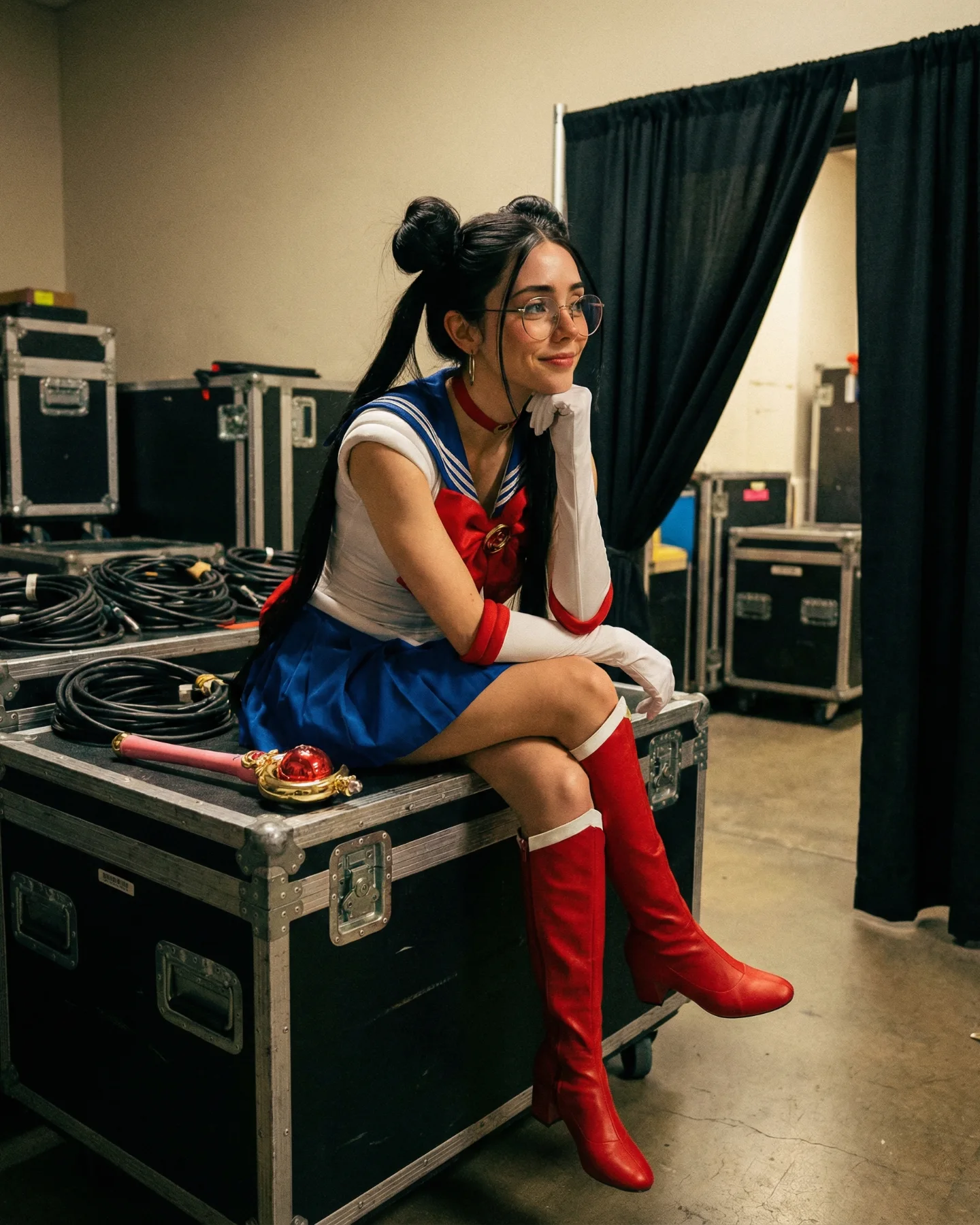
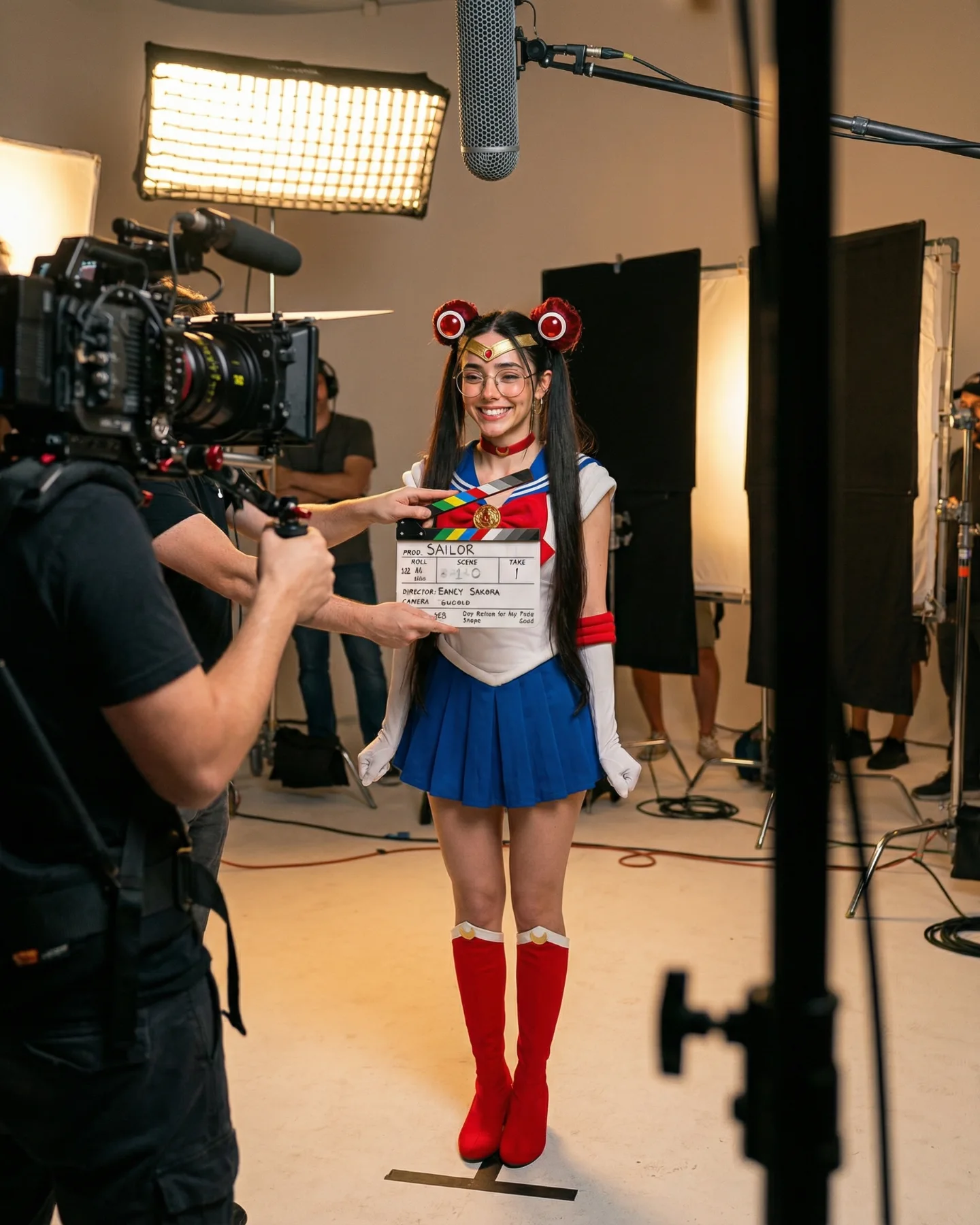
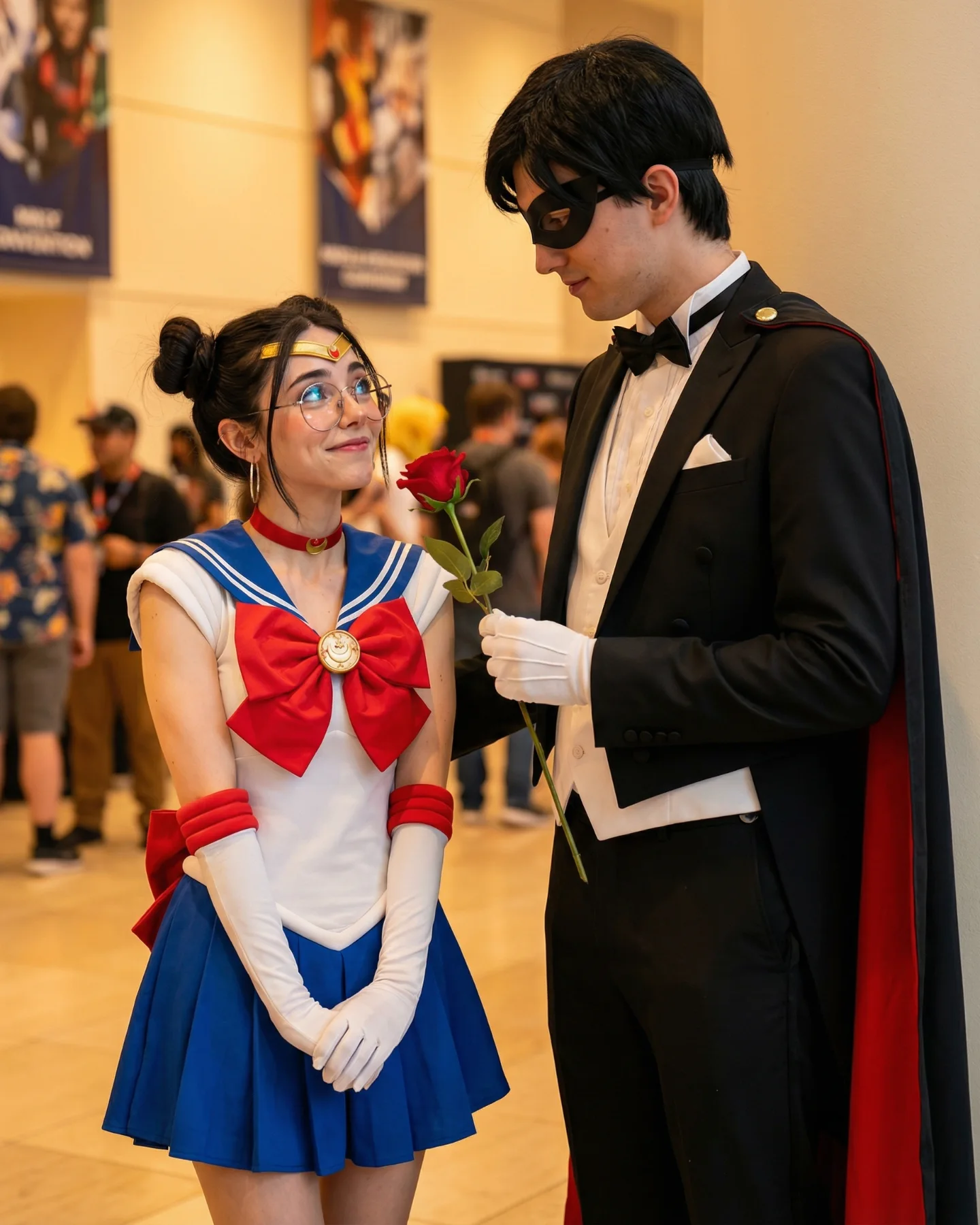
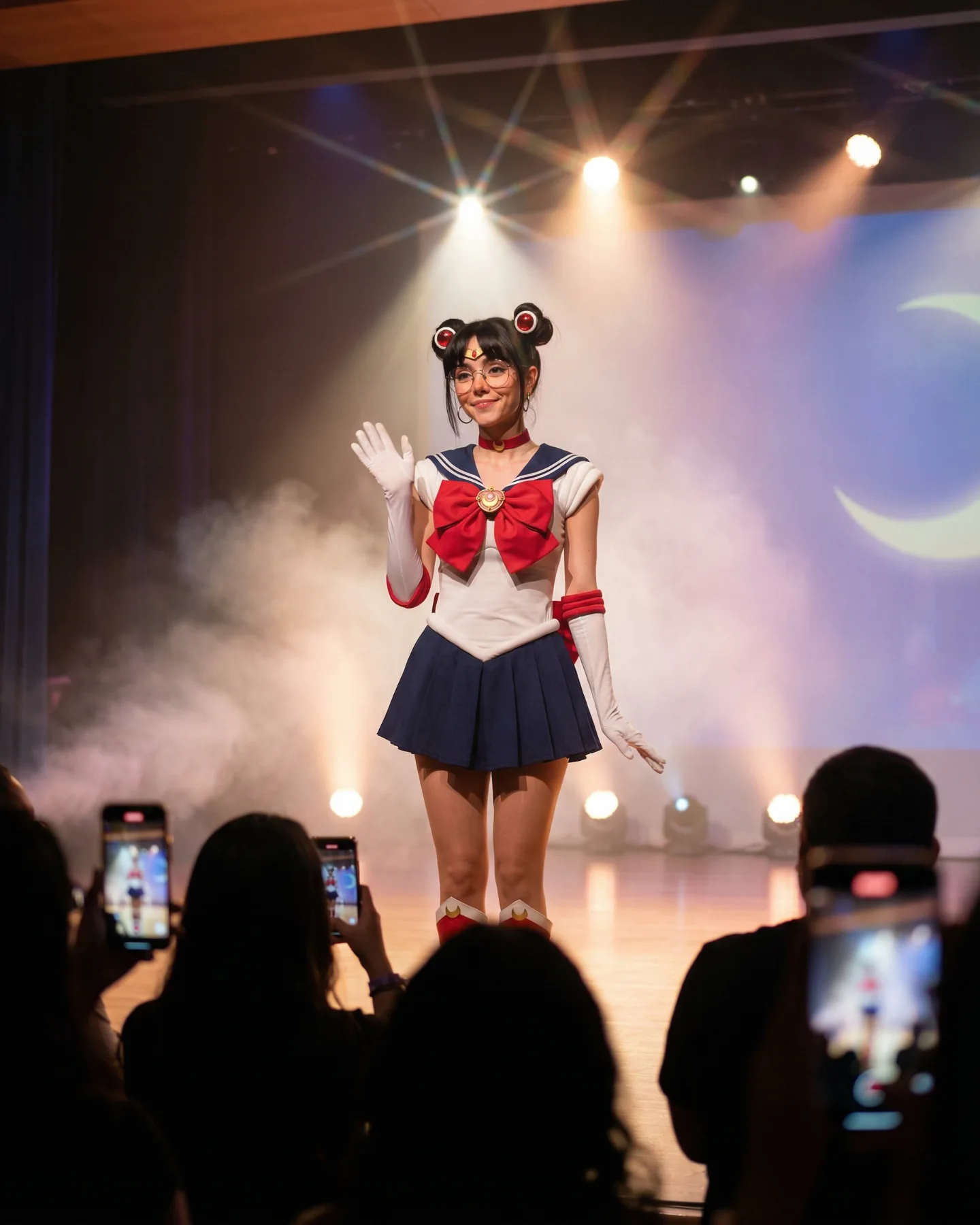

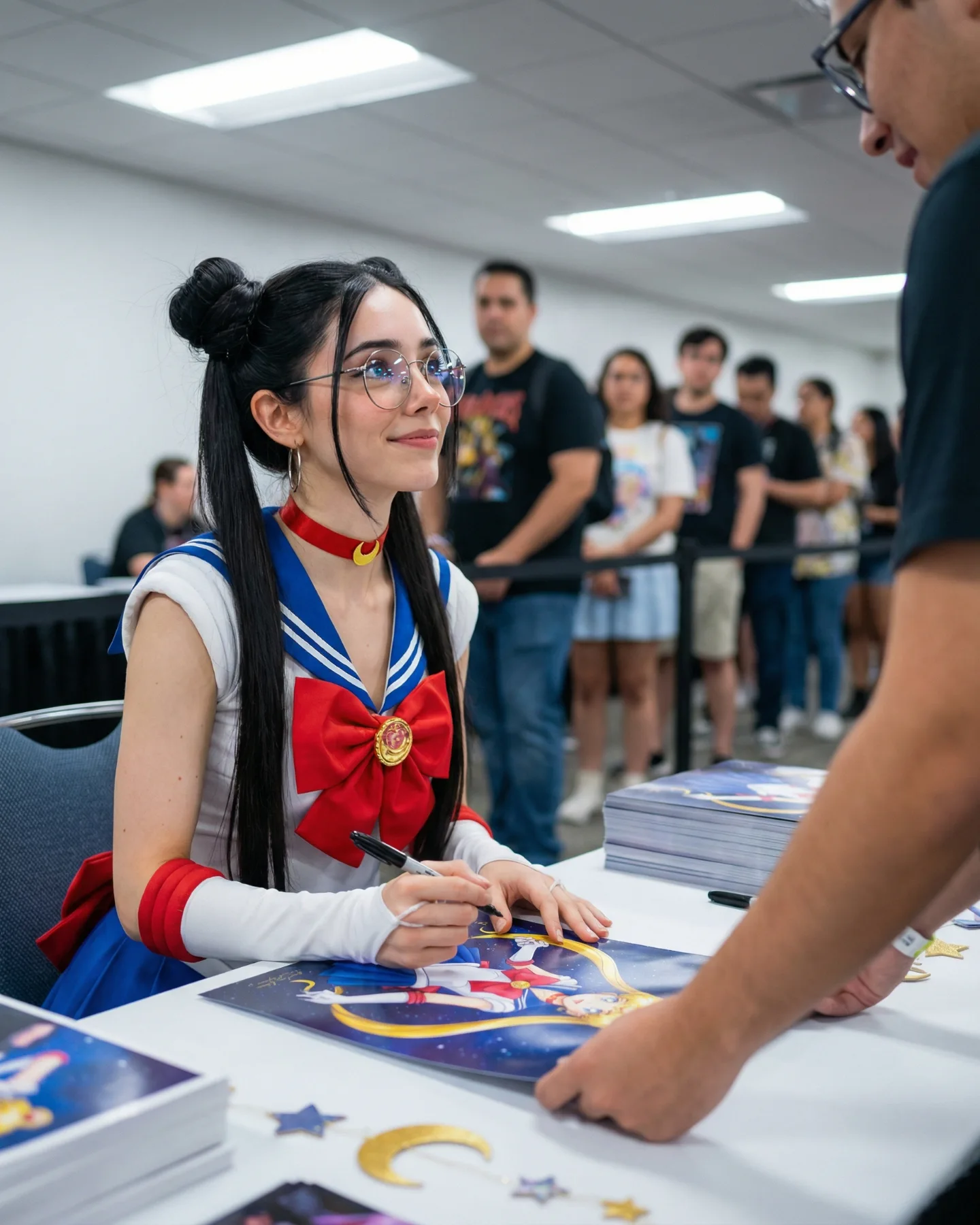

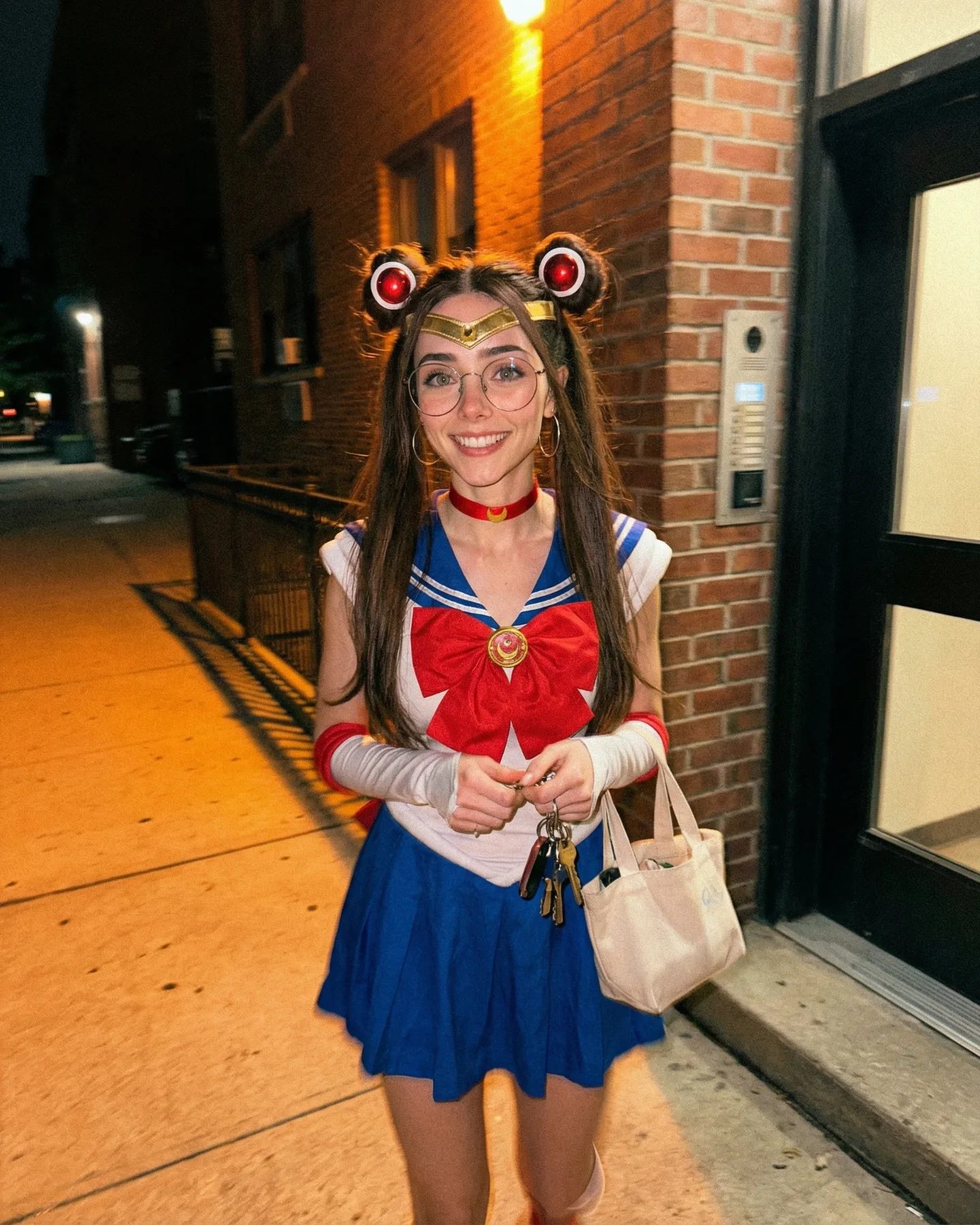
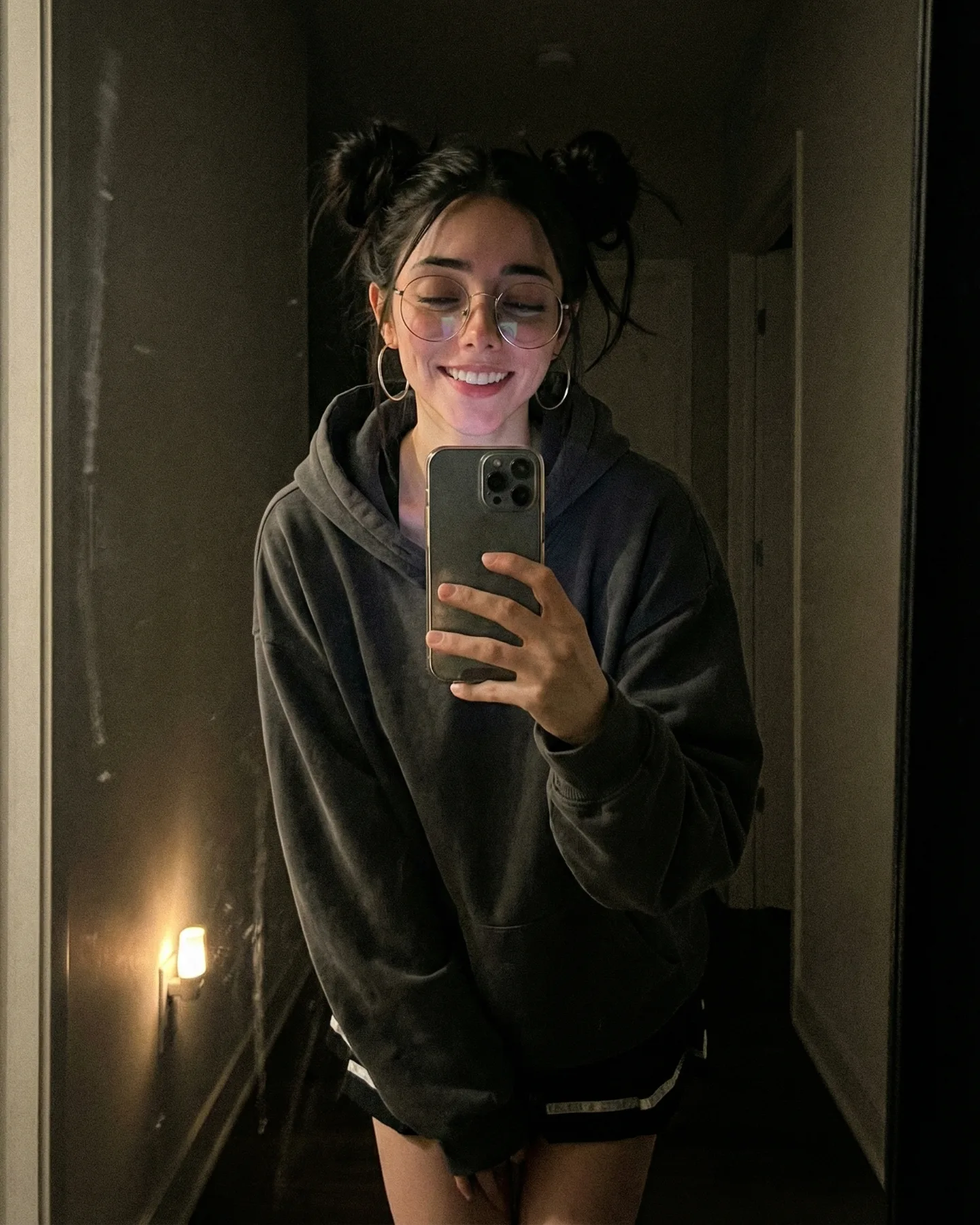


Sailor Moon 🌙💕 Como muchos me habéis pedido un Cosplay de Sailor Moon, aquí tenéis una pequeña secuencia 🙊 Si quieres los prompts comenta "ARIA" y te lo paso por mensajes 💌
Sailor Moon 🌙💕 Como muchos me habéis pedido un Cosplay de Sailor Moon, aquí tenéis una pequeña secuencia 🙊 Si quieres los prompts comenta "ARIA" y te lo paso por mensajes 💌
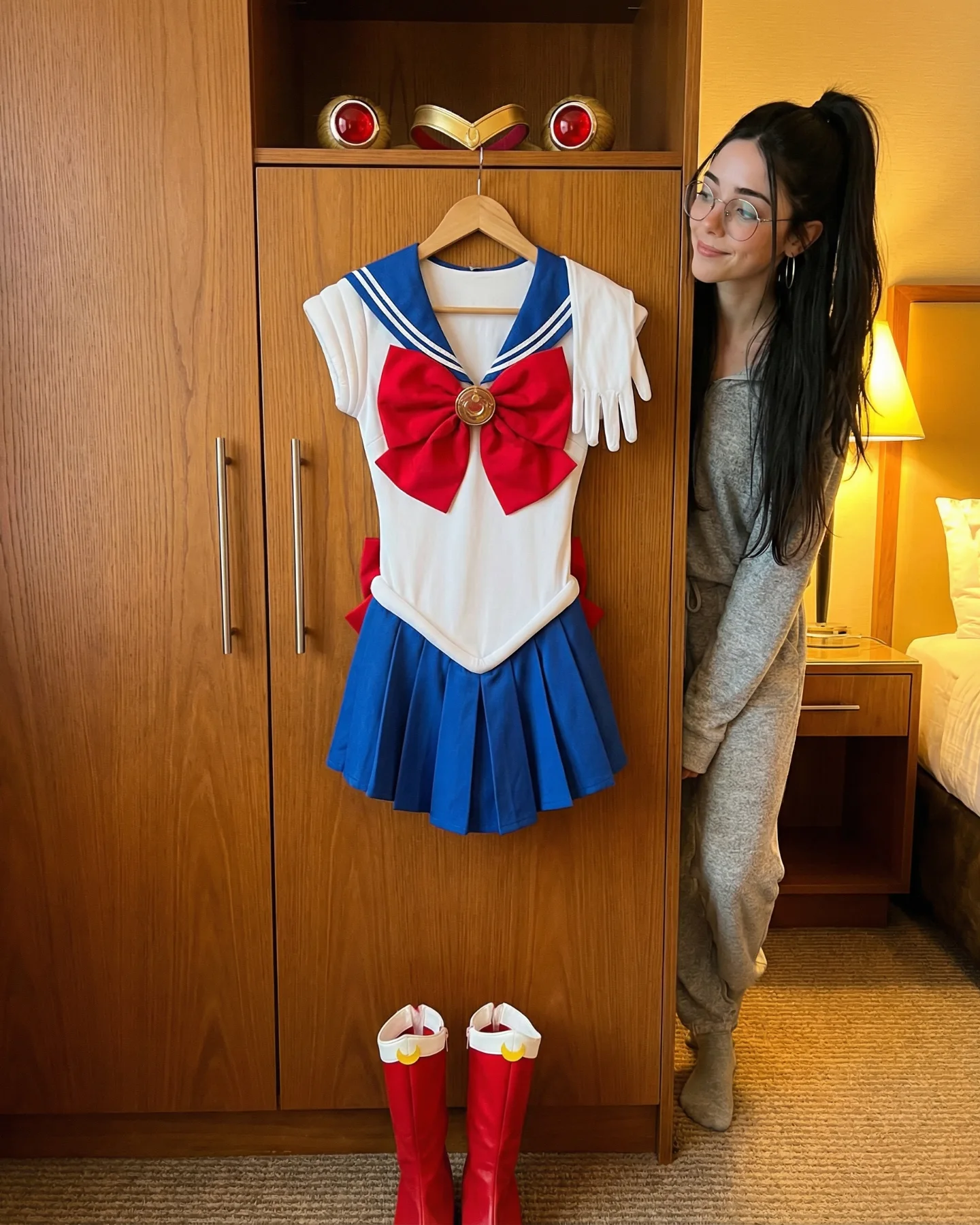
This image works because it captures the anticipation before transformation rather than the transformation itself. The costume is fully visible, neatly staged, and instantly recognizable, but the subject is still in her gray lounge set, smiling at it from the side. That single decision changes the emotional meaning of the frame. It becomes a preparation story instead of just a cosplay reveal.
For creators, this is a strong content move because anticipation often feels more intimate than the final polished look. Viewers get a sense of process, personality, and planning. They are not only seeing what the character looks like. They are seeing the moment right before someone becomes the character, and that creates a different kind of attachment.
The biggest strength is narrative clarity. The viewer reads the scene immediately: costume laid out, accessories organized, woman about to get ready. That story is simple, but it is much richer than a flat outfit display. It invites imagination. People mentally complete what happens next, which increases engagement because the image feels like the opening frame of a sequence.
The second strength is contrast between everyday self and fantasy self. The cozy gray loungewear humanizes the scene, while the bright red-blue-white costume introduces aspiration and fandom recognition. That contrast is emotionally useful. It makes the image feel accessible instead of intimidating. Viewers can imagine themselves doing the same ritual with their own favorite look or character.
| Signal | Evidence (from this image) | Mechanism | Replication Action |
|---|---|---|---|
| Before-state storytelling | Woman remains in gray loungewear while the costume is fully laid out | Preparation scenes feel personal and sequence-driven | Show the moment before dressing up instead of only the final transformation |
| Recognizable fandom coding | Red bow, blue collar, pleated skirt, gloves, tiara, boots | Fast character recognition increases audience interest | Lay out all iconic costume components clearly and in one frame |
| Organized visual hierarchy | Accessories on top, dress in center, boots at bottom, subject at side | Makes the frame easy to scan and satisfying to read | Arrange the scene top-to-bottom so each item has a clear role |
| Cozy room context | Wood wardrobe, bedside lamp, bed edge, carpet | Domestic warmth balances the high-recognition costume | Use a real room and let one or two everyday objects make the scene feel lived-in |
The strongest visual choice is the wardrobe acting as a stage. It provides a clean vertical surface where every costume piece can be arranged logically. That makes the image feel intentional without becoming commercial. The room is tidy, but it still feels private, which is exactly the balance you want for process content.
The second strong move is the warm light. The bedside lamp softens the scene and stops it from looking like a product catalog. The costume remains bright, but the room still feels relaxed and approachable. For prompt work, this is a useful lesson: when the outfit is already carrying the visual intensity, the room should usually provide calm structure instead of extra drama.
| Observed | Why it matters for the look | How to recreate it |
|---|---|---|
| Top-to-bottom outfit layout | Creates immediate readability and a satisfying visual rhythm | Place head accessories above, main garment in center, footwear at the bottom |
| Warm bedroom lighting | Makes the process feel personal instead of commercial | Use bedside-lamp warmth and gentle room light rather than bright showroom lighting |
| Gray loungewear on the subject | Strengthens the “before” contrast with the colorful costume | Keep the person in simple neutral clothing when the costume is the hero object |
| Wood furniture background | Supports the cozy domestic tone | Use warm-toned furniture to make bright costume colors pop naturally |
| Side peek pose | Adds personality without distracting from the outfit layout | Have the subject enter from the edge of the frame rather than center-stage |
This approach is weaker if the room becomes cluttered or if the costume pieces are not organized clearly. It also loses impact if the subject moves too close to center, because the costume display needs to remain the dominant visual read.
{costume displayed} {casual wearer nearby} {cozy room} {before-the-reveal mood}{hero outfit layout} {supporting accessories} {one person in neutral clothes} {soft domestic lighting}{preparation scene} {main look centered} {personality gesture at frame edge} {room warmth}To recreate this style reliably, separate the prompt into outfit layout, subject state, room context, and warm-light behavior. If those layers blur together, the model often produces either a plain catalog shot or a full cosplay portrait with no process story.
| Prompt chunk | What it controls | Swap ideas (EN, 2–3 options) |
|---|---|---|
| full Sailor Moon-inspired costume displayed on wardrobe | Main fandom recognition and object hierarchy | laid-out cosplay set; full outfit prep display; character costume arranged neatly |
| woman in gray loungewear smiling beside it | Before-state narrative and human presence | pre-getting-ready moment; casual self before transformation; cozy prep pose |
| tiara, gloves, and boots placed in clear positions | Accessory completeness and scan flow | top-and-bottom prop rhythm; organized cosplay kit; full costume breakdown in one frame |
| warm bedroom or hotel room with bedside lamp | Domestic mood and realism | cozy room setup; soft interior prep scene; lived-in getting-ready environment |
| wardrobe centered, subject peeking from side | Compositional clarity | side-entry human cue; centered outfit hero; process-story framing |
| bright costume colors against wood furniture | Visual contrast and readability | red-blue-white costume pop; warm wood backdrop; clean color separation |
Lock three things first: the centered outfit layout, the subject staying in casual clothes, and the warm room context. Those are the backbone of the frame. After that, change only one layer at a time. If you change both the room and the costume and the subject state, the image usually loses the “before” narrative that makes it special.
If the result becomes too much like a shop display, bring back more human presence and softer room cues. If it becomes too much like a portrait, re-center the costume and reduce the subject’s dominance. The best version feels like a quiet, exciting moment right before the transformation begins.