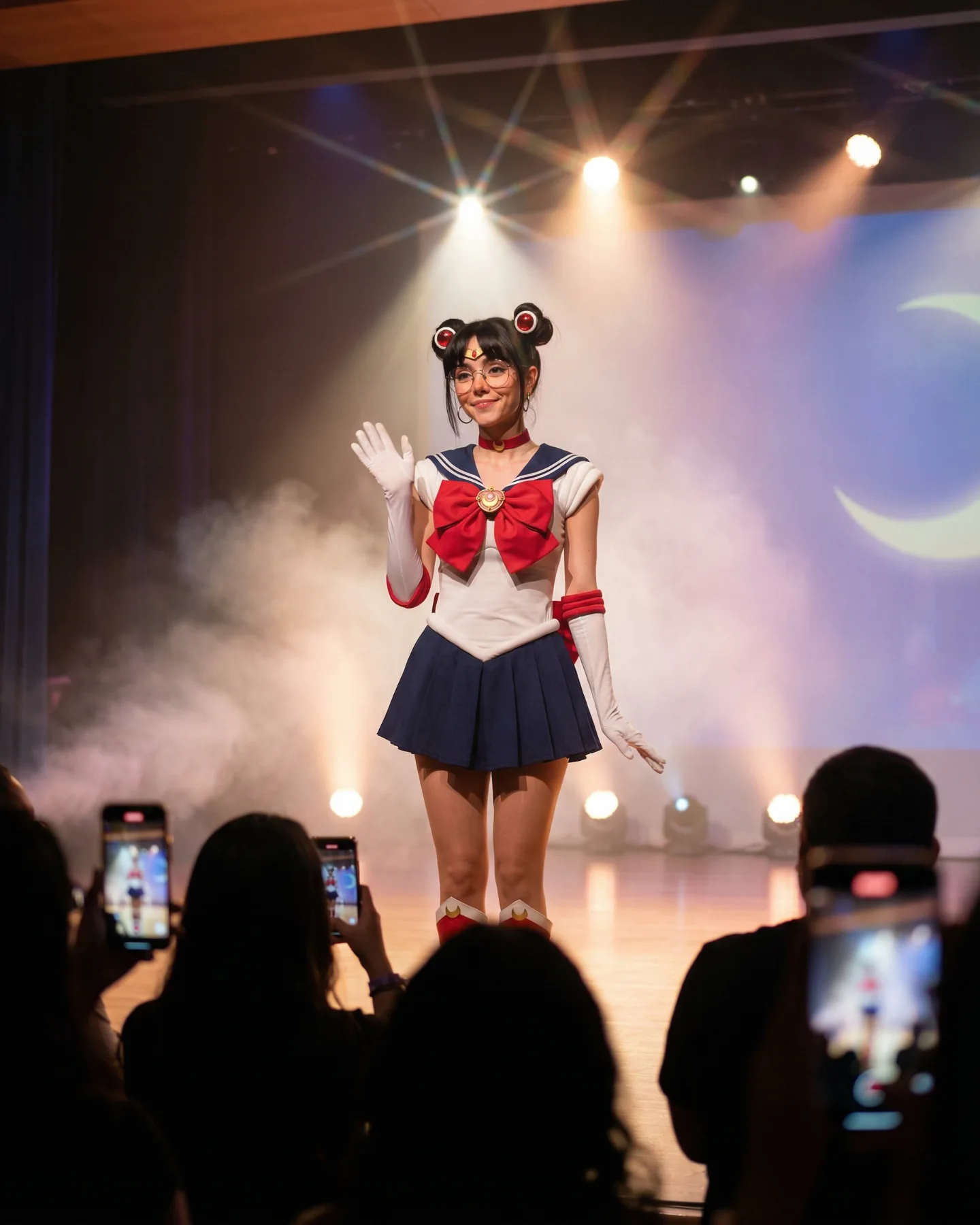
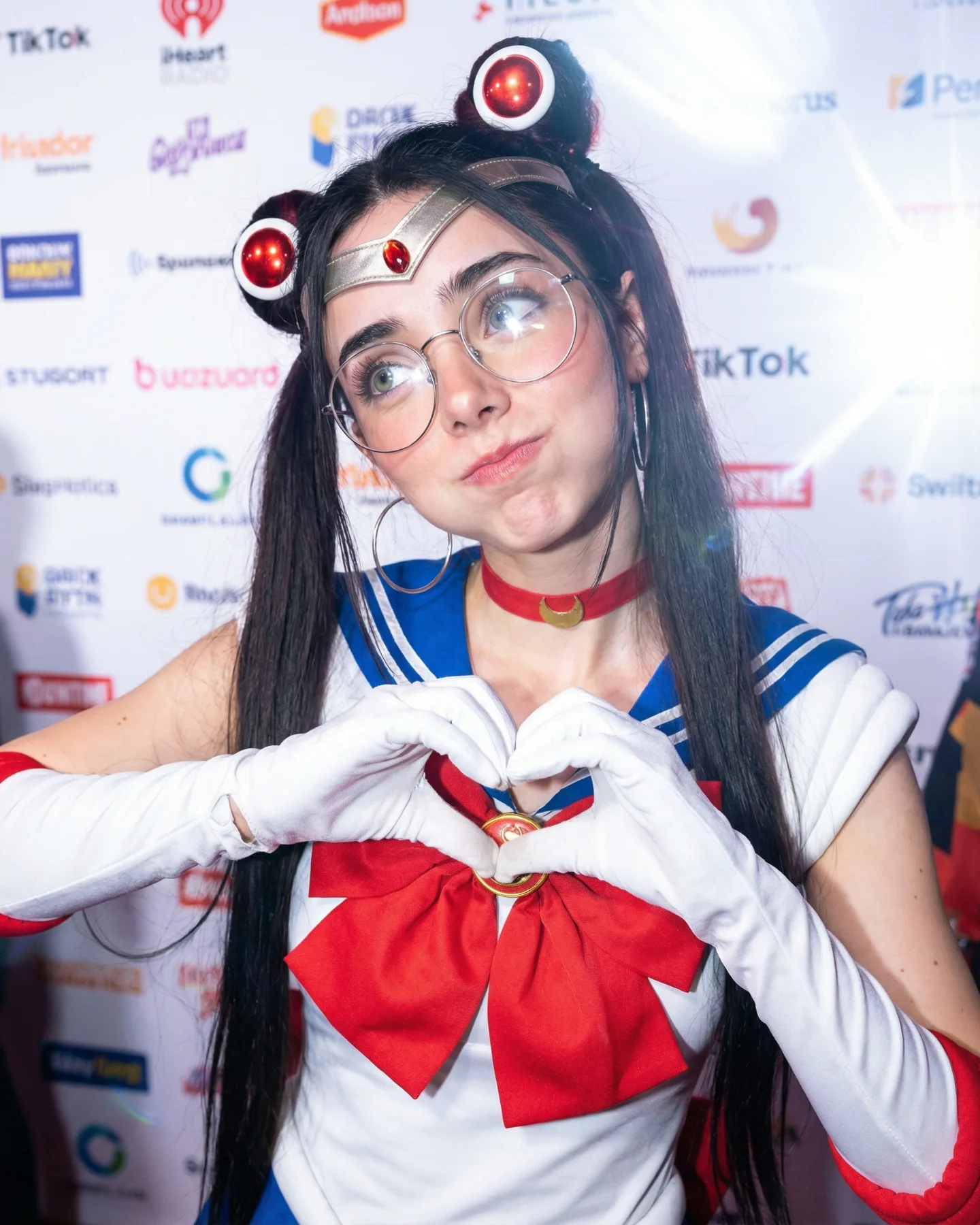
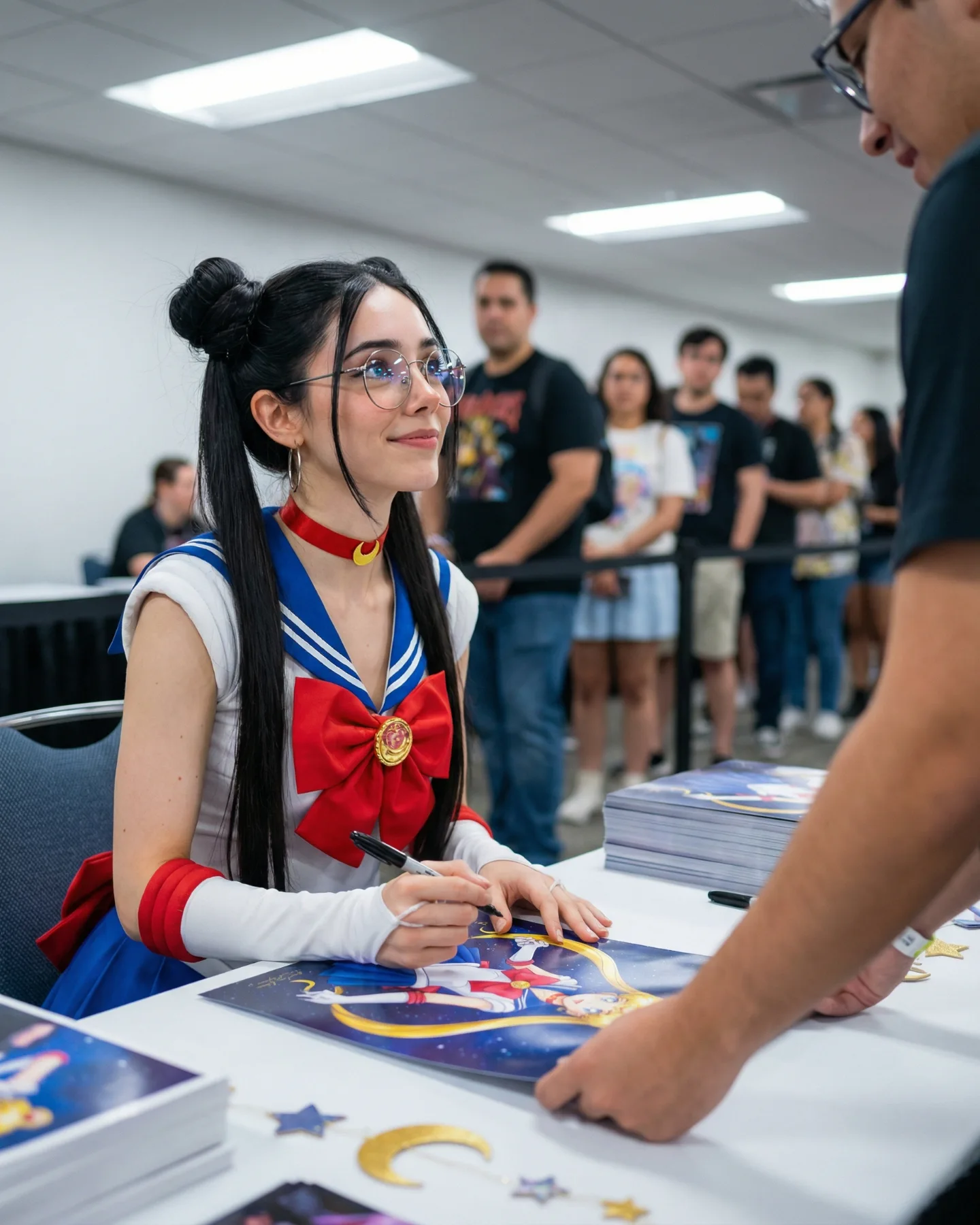
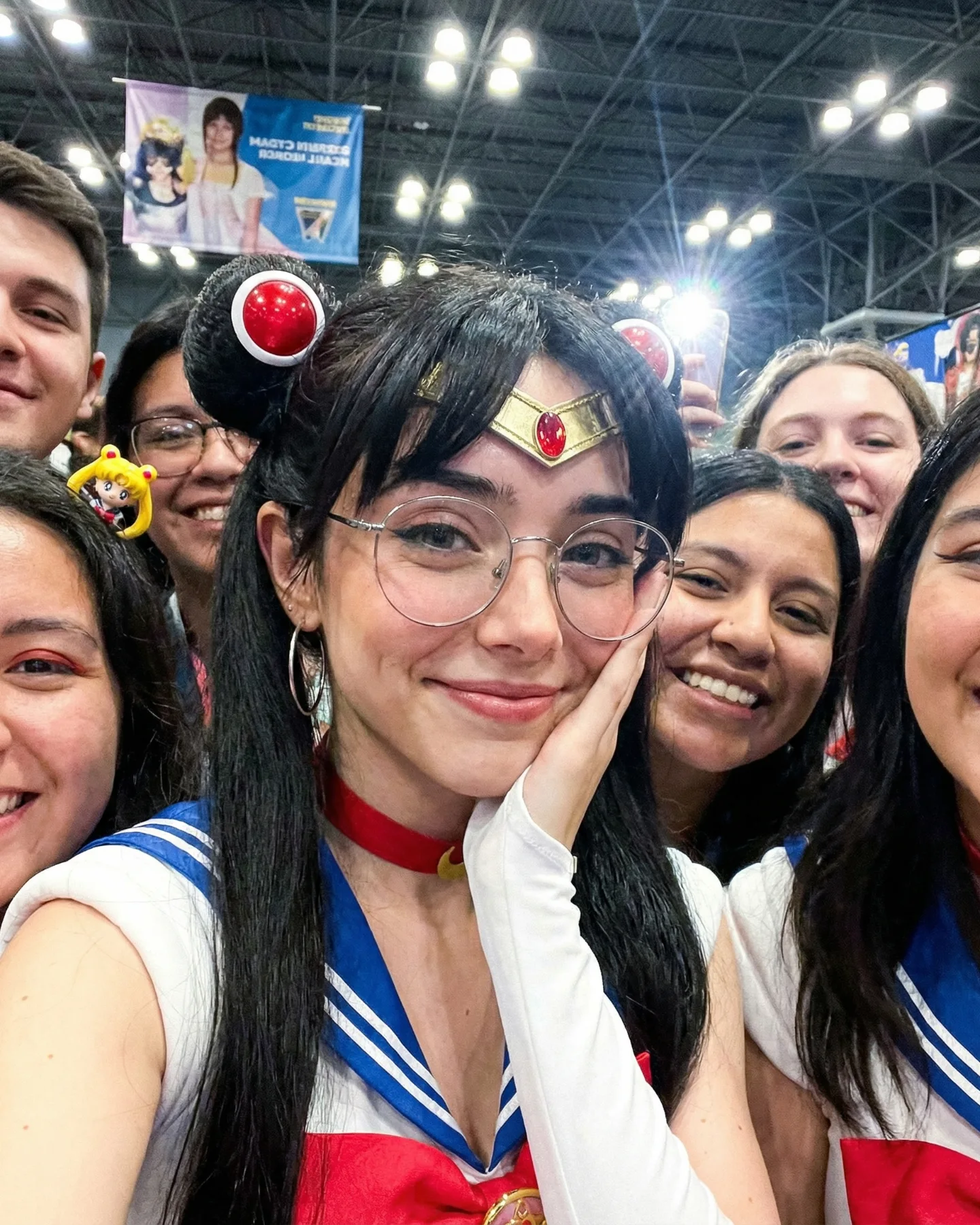
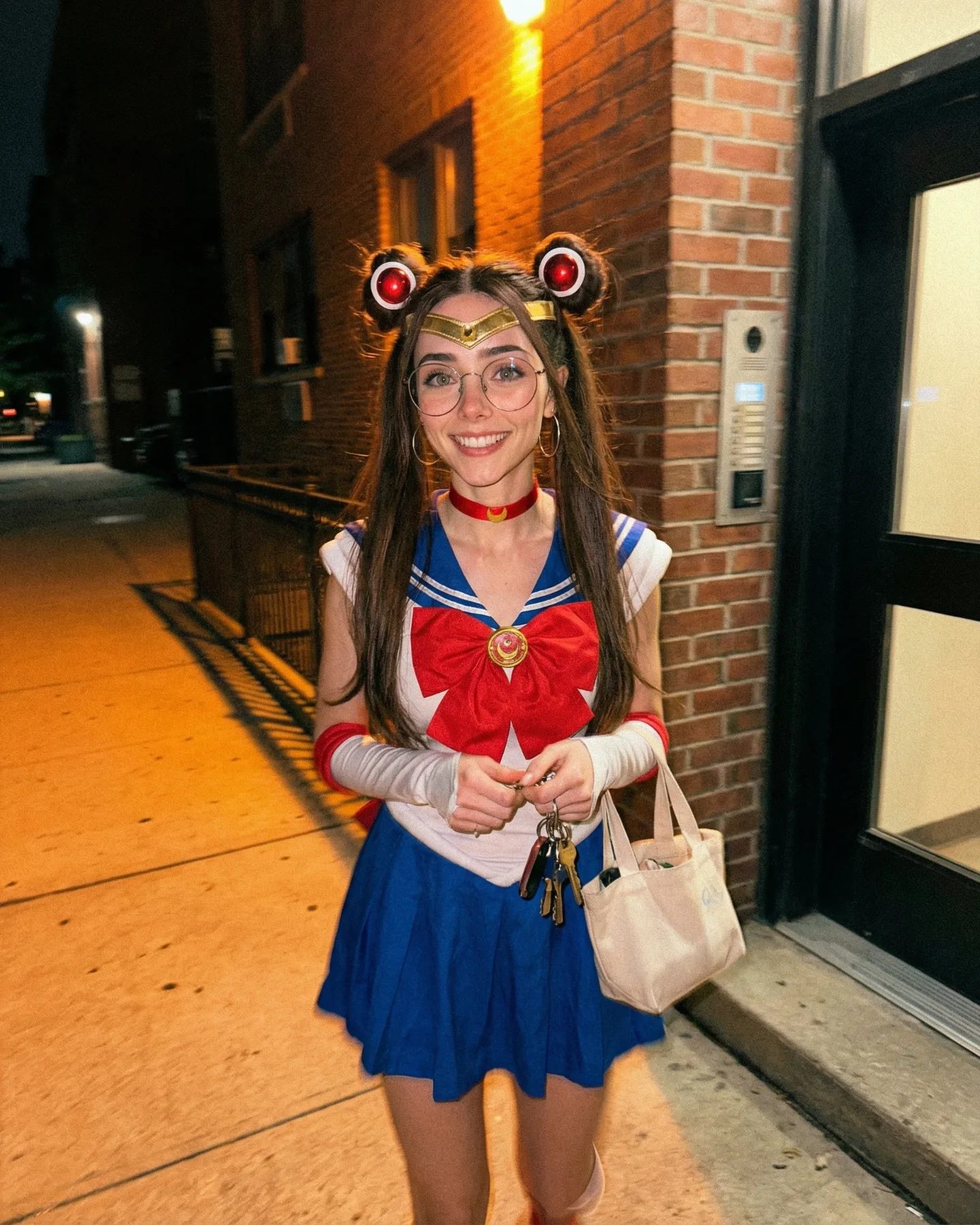
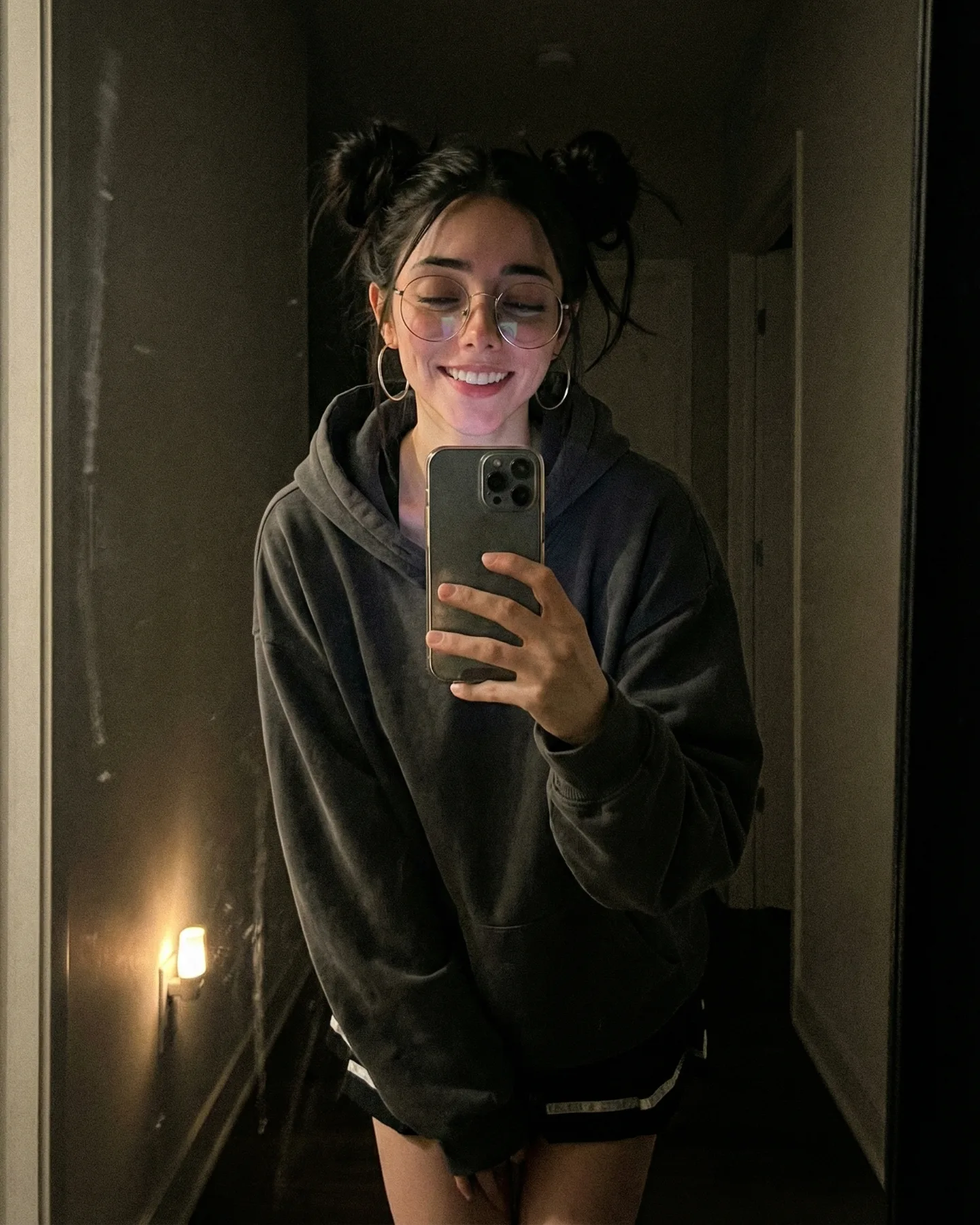

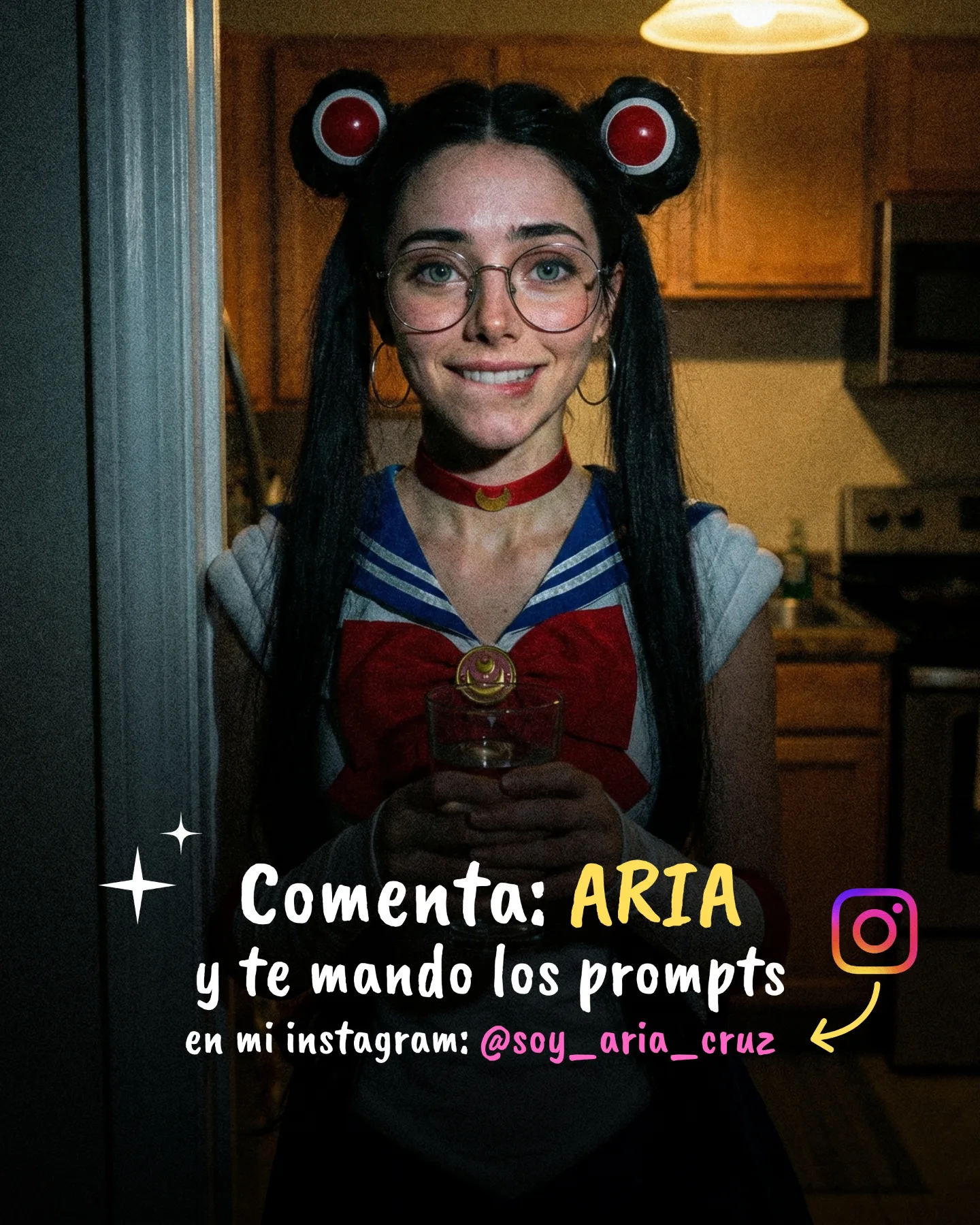
Sailor Moon 🌙💕 Como muchos me habéis pedido un Cosplay de Sailor Moon, aquí tenéis una pequeña secuencia 🙊 Si quieres los prompts comenta "ARIA" y te lo paso por mensajes 💌
Sailor Moon 🌙💕 Como muchos me habéis pedido un Cosplay de Sailor Moon, aquí tenéis una pequeña secuencia 🙊 Si quieres los prompts comenta "ARIA" y te lo paso por mensajes 💌
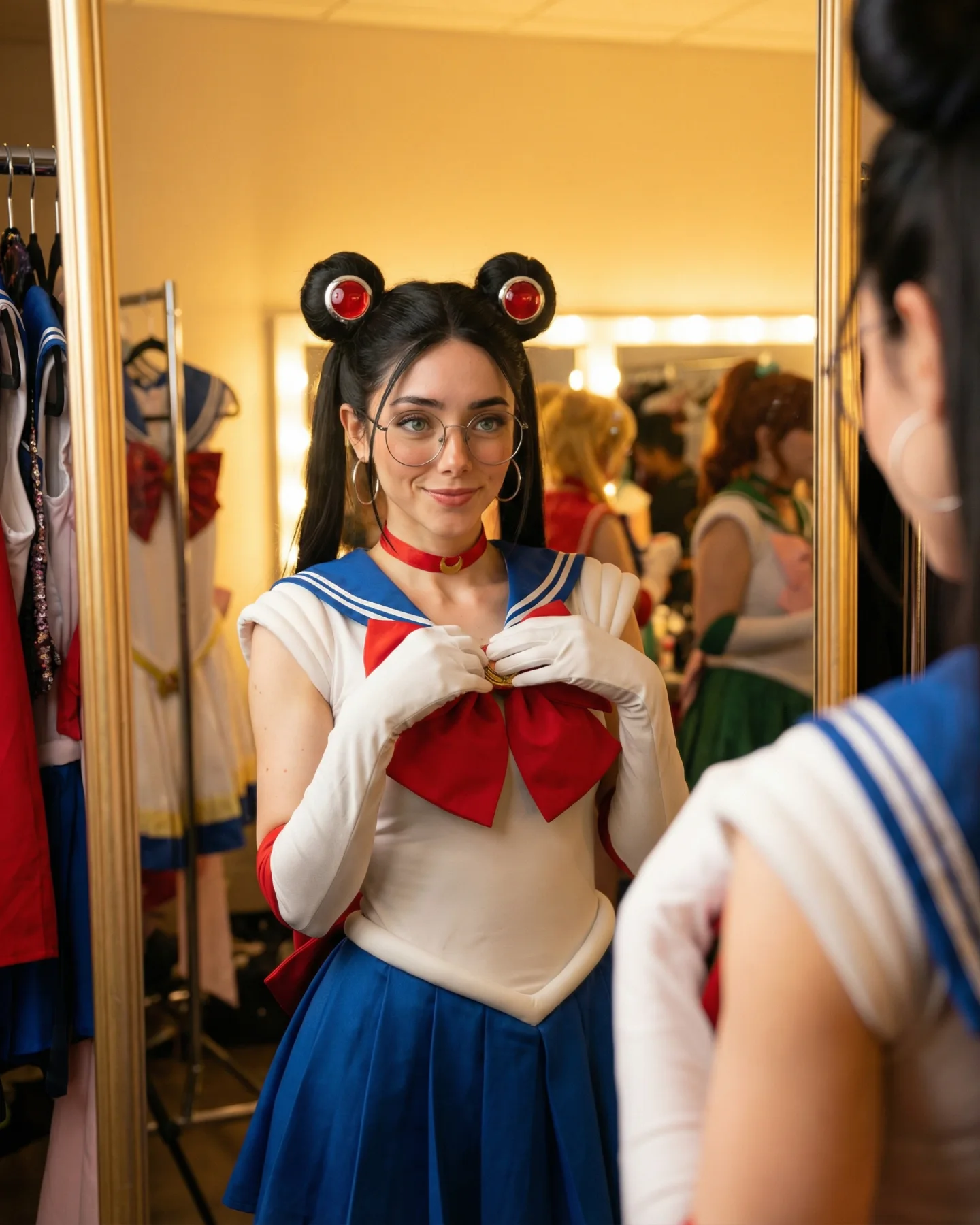
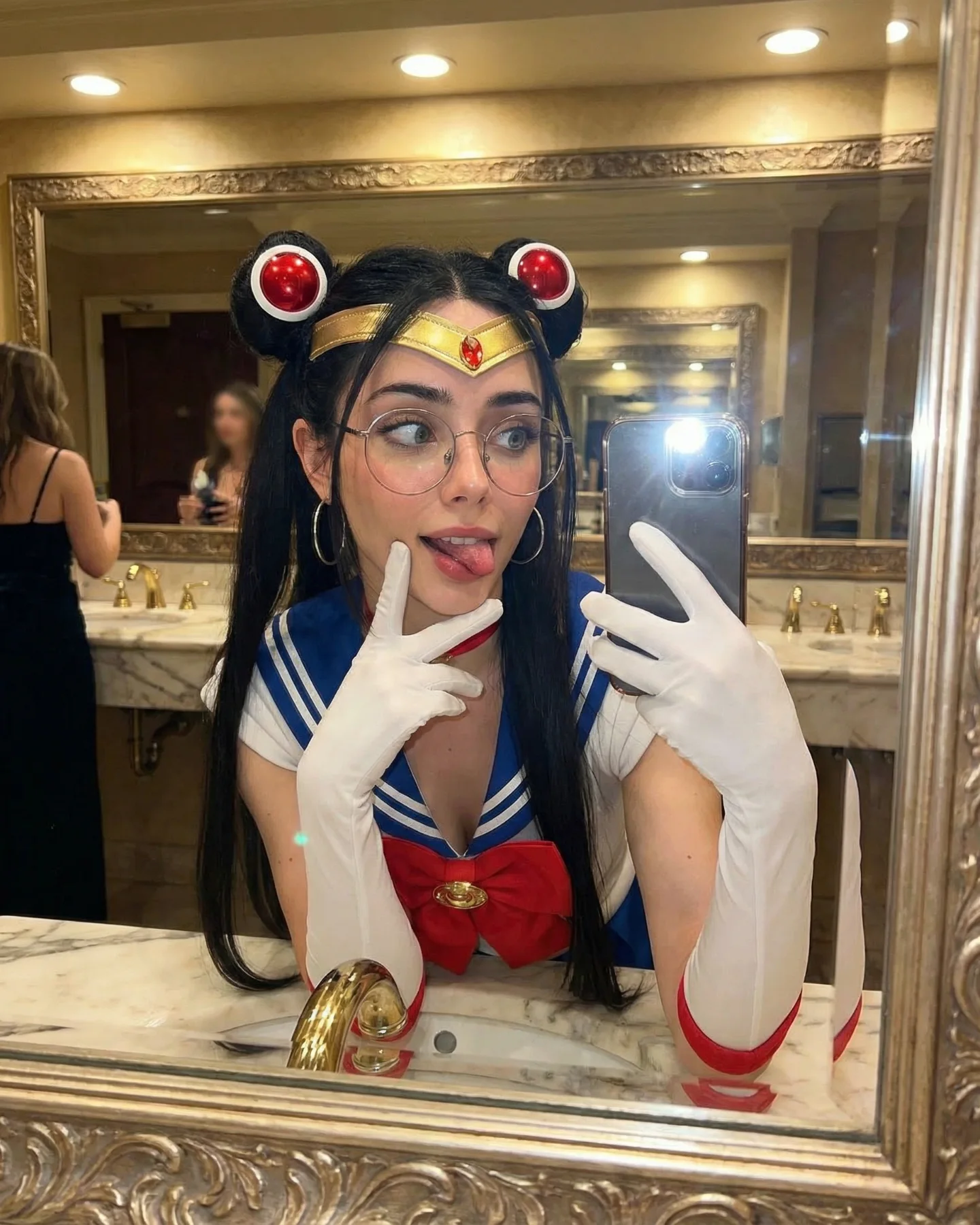
This image works because it focuses on preparation rather than performance. Instead of showing a dramatic pose, it captures the quiet moment of becoming the character. That makes the cosplay feel more personal and more believable. It is not just about the costume. It is about the person inside it.
The mirror is especially important because it reinforces that idea of transformation. We are seeing someone look at herself while adjusting details, which makes the image feel intimate and self-aware. That behind-the-scenes quality is what gives it warmth.
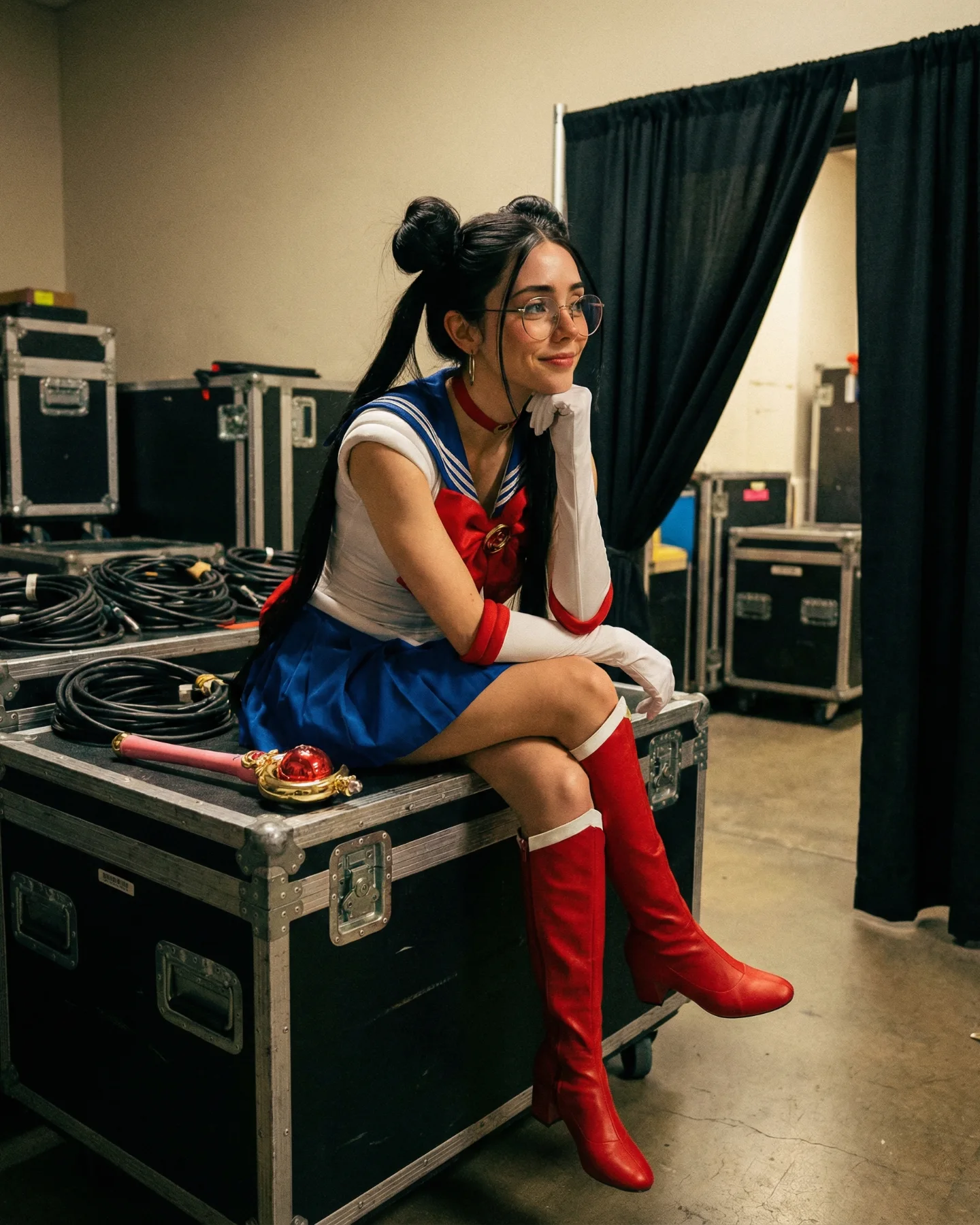
The dressing room setting adds a lot of value because it grounds the fantasy in reality. Costume racks, warm bulbs, and practical backstage space tell you this is a lived moment, not an imaginary anime world. That realism makes the cosplay feel more human and emotionally accessible.
This is a useful prompt lesson: if a character concept is very recognizable, sometimes the strongest choice is to place it in a real transitional environment rather than in a fully themed fantasy setting. That creates more story with less exaggeration.
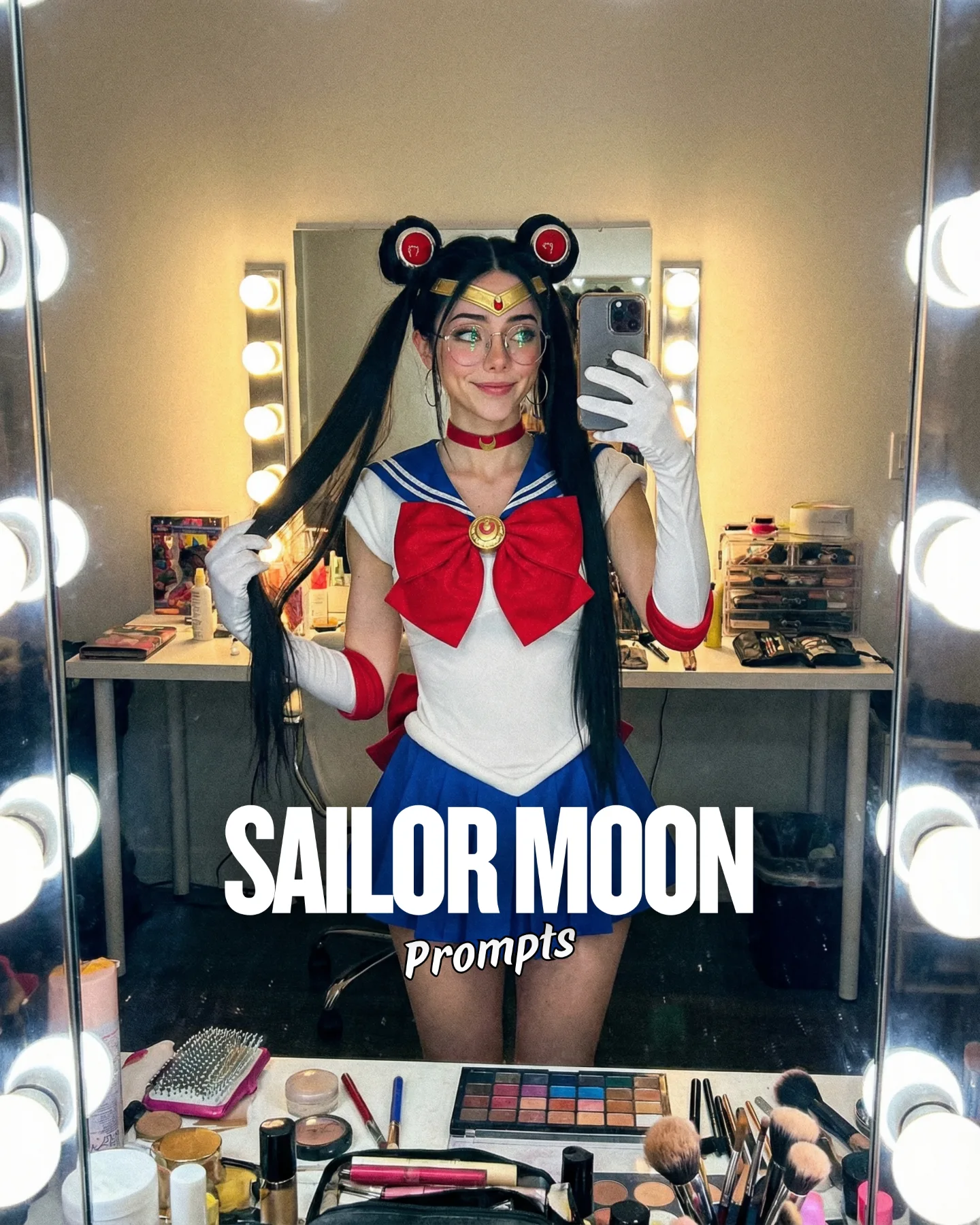
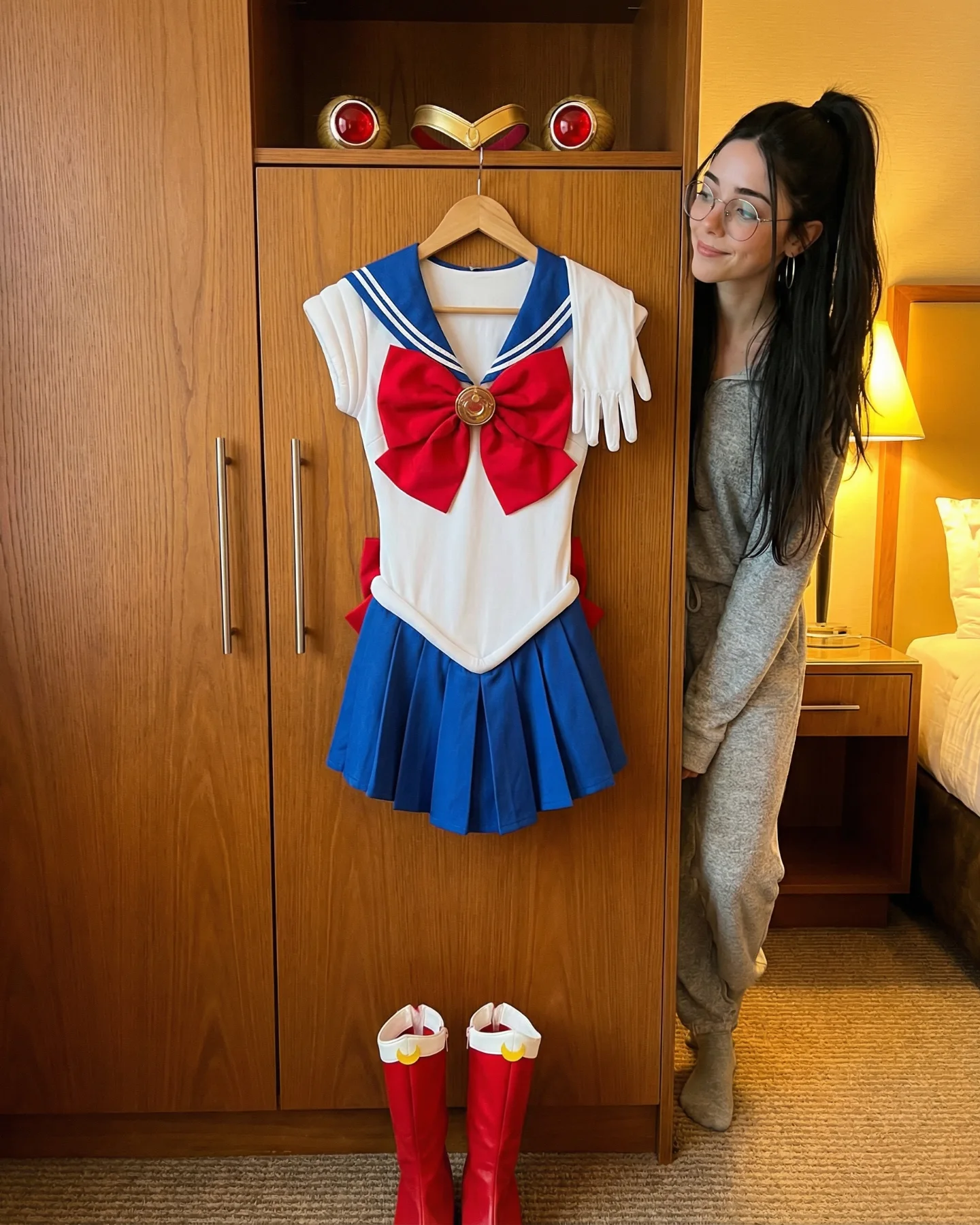
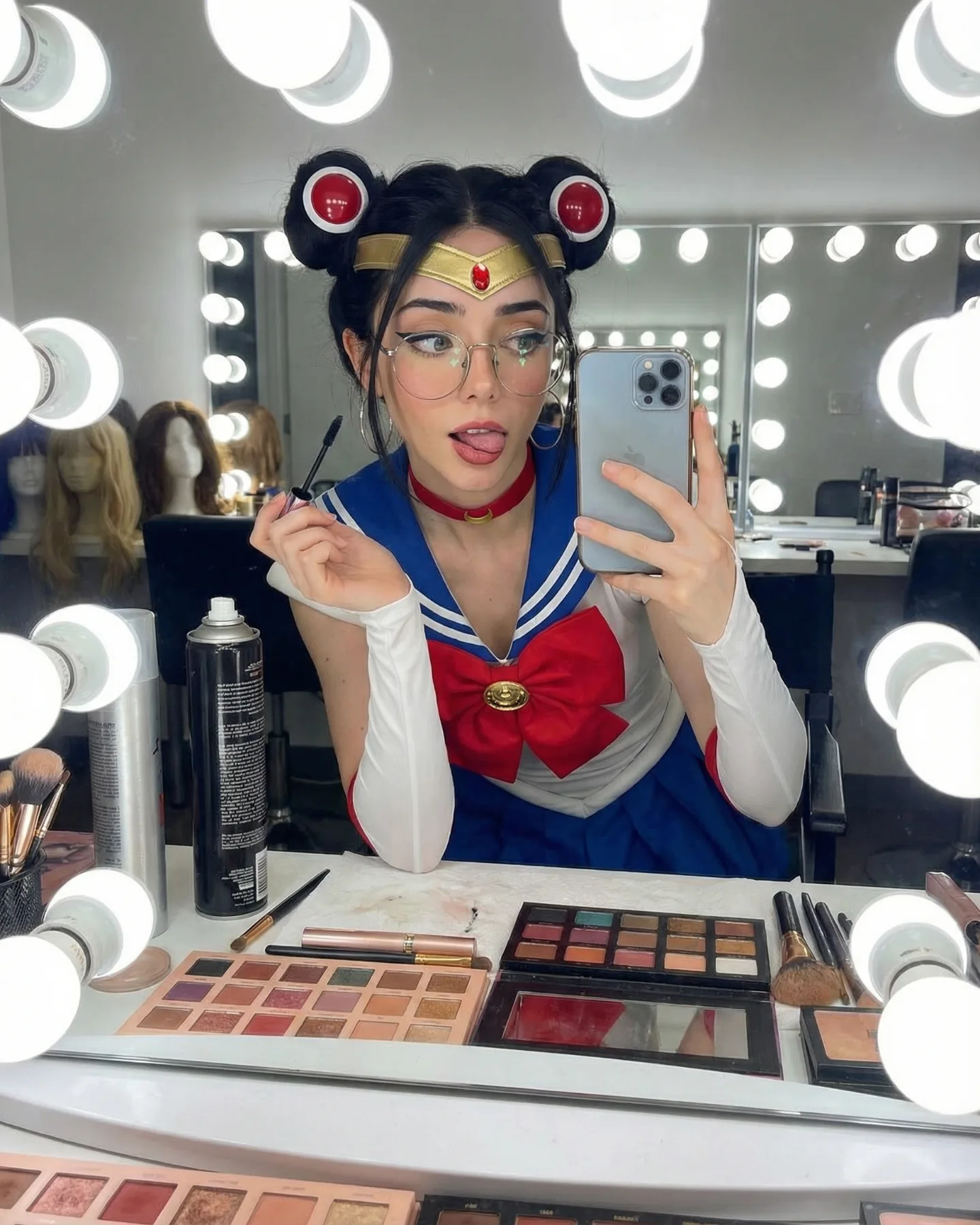
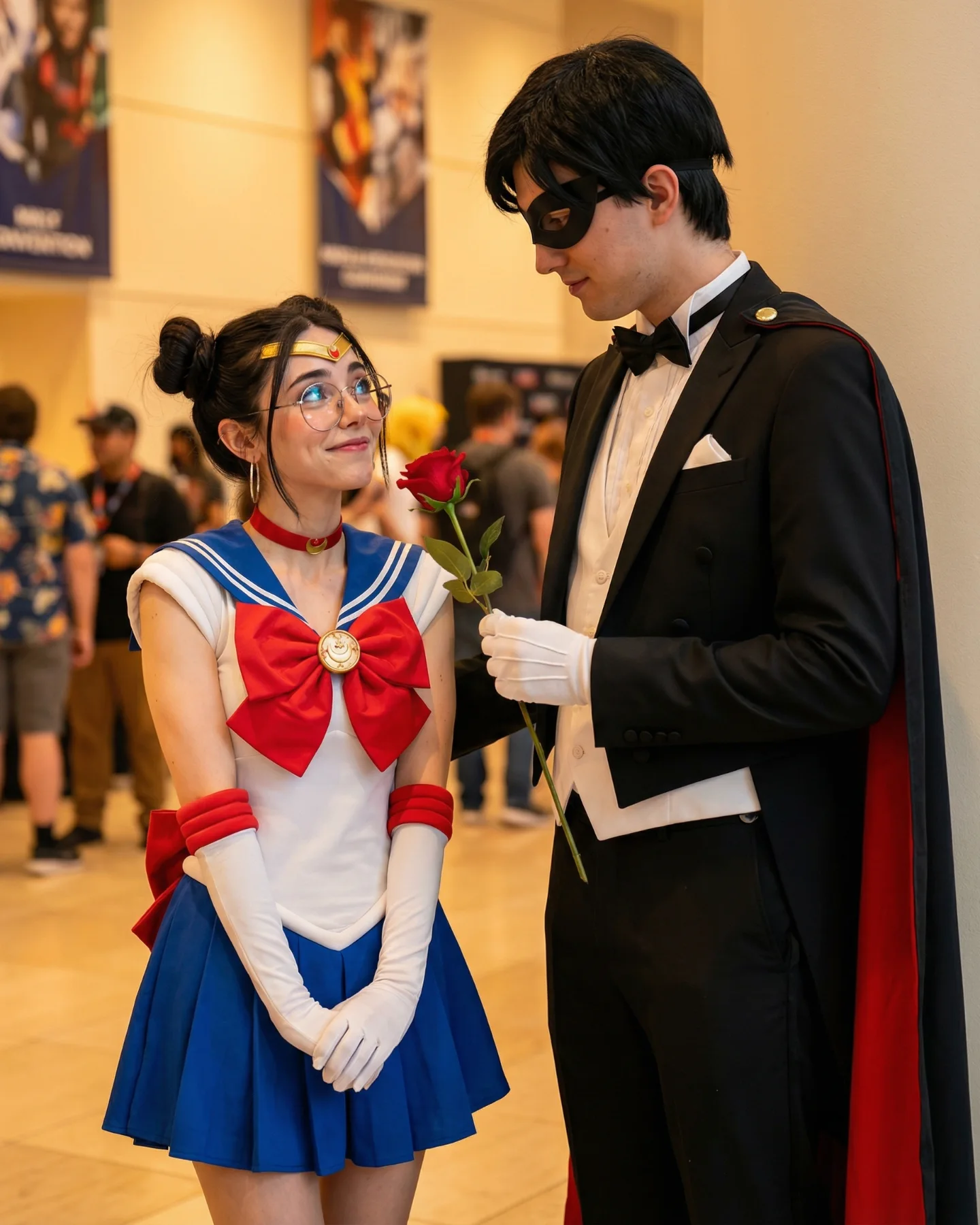
The costume works because the key Sailor Moon signals are all present: the blue sailor collar, red bow, pleated skirt, gloves, choker, and iconic hair silhouette. Those details make the reference instantly readable. At the same time, the glasses and personal styling keep the image from feeling like a generic convention photograph.
That balance is important. The cosplay needs to be recognizable, but it also needs to feel like a specific person inhabiting it. That is where the glasses and the natural expression help a lot.
The warm vanity-style light is the right decision because it supports the dressing-room narrative. Cool moonlight or magical effects would push the image into fan-art territory. Warm mirror light keeps the scene tactile, practical, and emotionally immediate. It also makes the colors of the costume richer and more inviting.
This shows how lighting can determine whether a cosplay image feels like backstage reality or full fantasy. Here, reality is the stronger choice because it makes the nostalgia more intimate.
To recreate this image well, the prompt should mention the mirror, the hands adjusting the bow, the warm dressing-room bulbs, and the visible costume racks. If you only describe a Sailor Moon cosplay portrait, the output may become too posed or too convention-generic. The preparation moment is the heart of the image.
It also helps to keep the mood words focused on nostalgic, warm, backstage, and character-prep. This should feel like an affectionate tribute, not a parody or a fully staged theatrical tableau.
This prompt direction works well for cosplay creator content, backstage costume imagery, nostalgic anime-inspired shoots, and prompt libraries built around preparation moments rather than final performance. It is especially effective when you want a fan-culture image to feel personal and sincere.
It is also a strong reminder that mirrors can add story without adding complexity. A simple reflected glance can make a costume image feel much deeper and more human.