
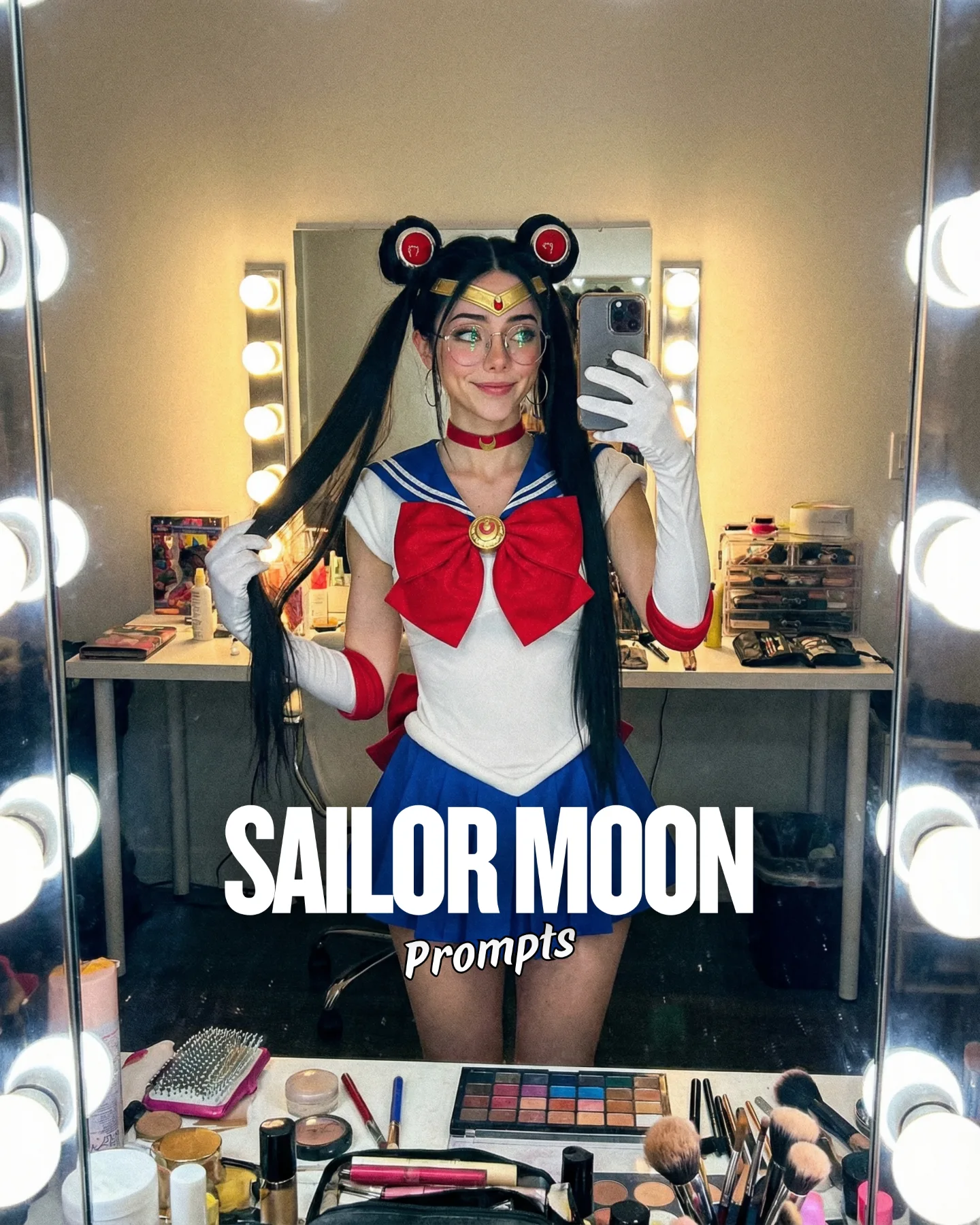
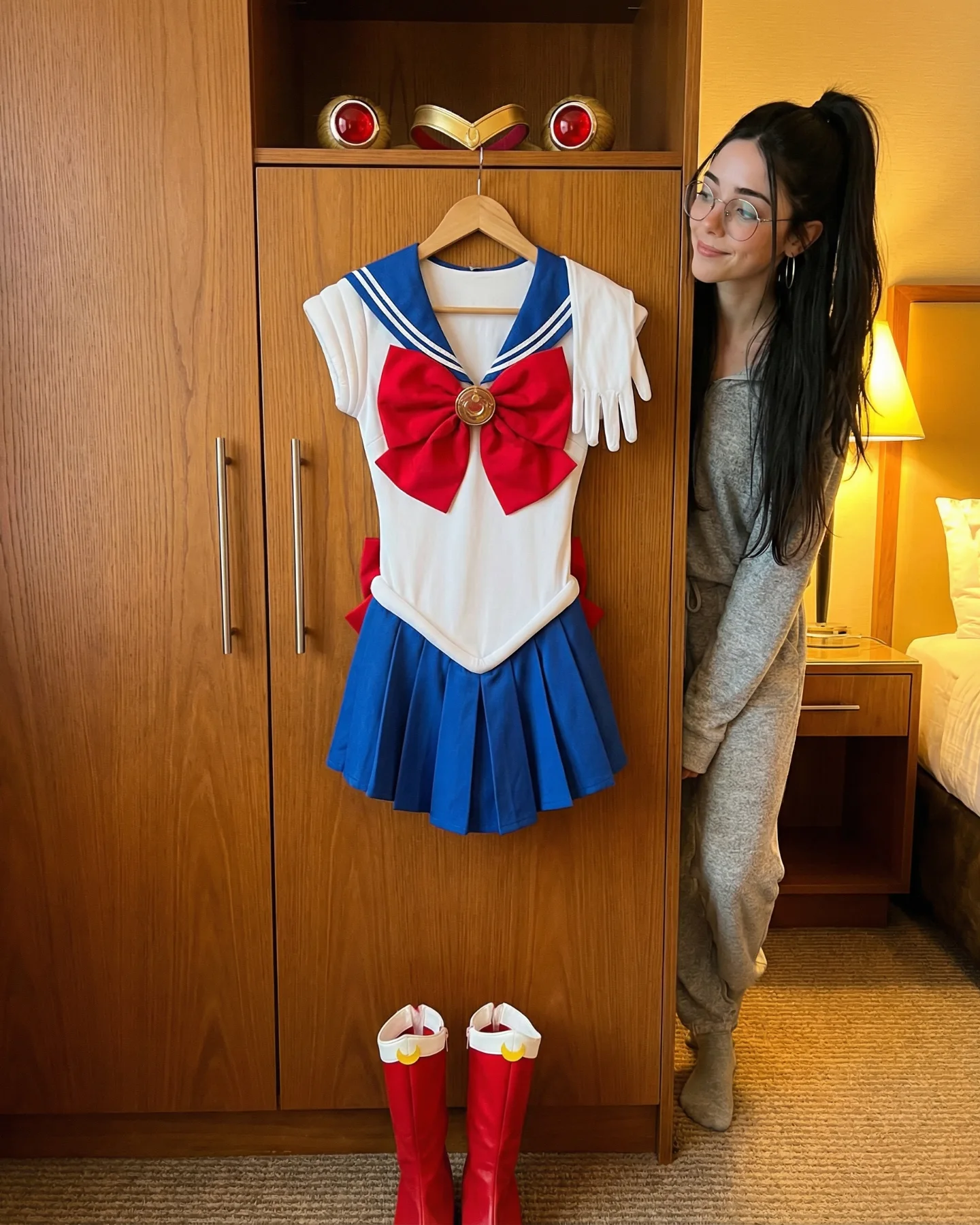













Sailor Moon 🌙💕 Como muchos me habéis pedido un Cosplay de Sailor Moon, aquí tenéis una pequeña secuencia 🙊 Si quieres los prompts comenta "ARIA" y te lo paso por mensajes 💌
Sailor Moon 🌙💕 Como muchos me habéis pedido un Cosplay de Sailor Moon, aquí tenéis una pequeña secuencia 🙊 Si quieres los prompts comenta "ARIA" y te lo paso por mensajes 💌
This image works because it feels genuinely private without becoming empty. The frame is extremely simple: one face, one pillow, one blanket, one bedside lamp. But then a small whimsical detail changes the reading completely. The moon wand on the nightstand introduces personality and a hint of fandom, which gives the portrait a soft narrative layer instead of leaving it as a generic cozy selfie. That is a strong content lesson. Tiny props can do a lot when the emotional tone is already clear.
The other reason it holds attention is that the camera stays close. The viewer is not looking at a room. They are looking at a feeling. The pillow, blanket, and warm lamplight build a cocoon around the face, which makes the image calm, safe, and highly saveable. For creators, this kind of warmth often performs well because it feels intimate without asking for dramatic styling.
The strongest part of the image is its emotional precision. It is not trying to be glamorous, comedic, or overtly styled. It is simply cozy, and every detail supports that goal. The glasses, the soft smile, the warm lamp, and the plush textures all point in the same direction. That consistency makes the image feel honest, which is often more effective than bigger production.
The moon wand is also doing important work. It prevents the image from fading into generic comfort content. Instead, it suggests personality, taste, and maybe even a little fandom nostalgia. That is a useful reminder for creators: one very specific side prop can make a soft portrait much more searchable and much more rememberable.
| Signal | Evidence (from this image) | Mechanism | Replication Action |
|---|---|---|---|
| Texture-driven comfort | Soft pillow, plush blanket, and upholstered headboard surround the subject | Layered comfort textures make the viewer feel the mood physically | Use at least three soft materials in frame when building a bedtime portrait |
| Warm practical light | The bedside lamp creates a clear amber glow from one side | Practical lamp light feels more believable and intimate than generic fill light | Light the scene with one visible lamp and let it define the emotional temperature |
| Personal quirk | A pink crescent-moon wand sits on the nightstand | One unexpected object gives the portrait identity and shareable specificity | Add one small character prop that hints at fandom, ritual, or personal taste |
| Close emotional access | The face is framed tightly against the pillow with a soft smile | A close crop increases tenderness and reduces distraction | Move the camera near bed level and crop in until the feeling becomes the subject |
This setup is less ideal for energetic fashion posts, product-first beauty campaigns, or wide interior design content. The power of the image comes from closeness and tenderness. If you pull back too far or overload it with styling, the intimacy disappears.
Transfer recipe one: Keep the warm bedside lamp, the tight pillow crop, and one specific prop. Change the prop to a book, headphones, or a plush toy while preserving the same emotional softness. Slot template: {bedside setting} {cozy styling} {small personal prop} {late-night calm}.
Transfer recipe two: Keep the glasses, close crop, and warm texture layering. Change the room materials or bedding colors to shift the vibe from nostalgic to modern while keeping the same tenderness. Slot template: {soft bedroom corner} {face close-up} {comfort textures} {quiet intimacy}.
Transfer recipe three: Keep the intimate framing and practical lamp source. Change the subject styling from casual bedtime to subtle themed makeup or character hints while leaving the bedroom logic intact. Slot template: {warm lamp-lit bed scene} {personal styling detail} {signature bedside object} {gentle mood}.
The picture is strong because it limits itself to a very small emotional vocabulary and uses it well. Everything is rounded, soft, and warm: the pillow, the buns, the lamp glow, the blanket folds, even the smile. That visual consistency makes the scene feel cohesive. Nothing sharp or cold enters the frame to interrupt it.
The composition also helps by placing the subject between two emotional anchors: the lamp on one side and the pillow on the other. One gives warmth, the other gives softness. The face becomes the bridge between them. For creators, this is a practical lesson in small-space composition: when working close, every object needs a simple role.
| Observed | Recreate |
|---|---|
| Face framed by pillow and blanket at very close range | Use bedding as foreground structure, not just background context |
| Single warm lamp source visible in frame | Let the practical light remain visible so the mood feels motivated and believable |
| One whimsical bedside object adds identity | Place a small prop near the lamp that hints at the subject’s taste or inner world |
| Soft smile with glasses and undone hair buns | Keep expression and grooming natural so the portrait stays intimate instead of performative |
| Prompt chunk | What it controls | Swap ideas (EN, 2–3 options) |
|---|---|---|
| woman lying in bed with glasses, cheek against a white pillow | Core intimacy and facial framing | half-covered under duvet; curled beside pillow; close bedside headshot |
| warm bedside lamp and wooden nightstand | Room mood and practical-light realism | vintage lamp; sconces; warm fairy lamp on side table |
| pink crescent-moon wand on the table | Personality marker and fandom cue | book stack; headphones; plush charm |
| beige blanket and upholstered headboard | Texture richness and comfort feel | knit throw; linen duvet; quilted headboard |
| double mini buns with round glasses | Character readability and softness | messy bun; loose braid; soft waves with glasses |
| tight warm close-up with no flash | Emotional proximity and gentle rendering | slightly wider bed crop; cooler dawn light; candlelike amber shadow |
Lock three things first: the warm practical lamp, the close pillow framing, and the single personal prop. Those are the structural pieces that keep the image from becoming a generic bed selfie. If any one of them goes missing, the emotional precision weakens fast.
The repeatable takeaway is simple: soft bedroom portraits become more memorable when one tiny object reveals something specific about the person inside the comfort.