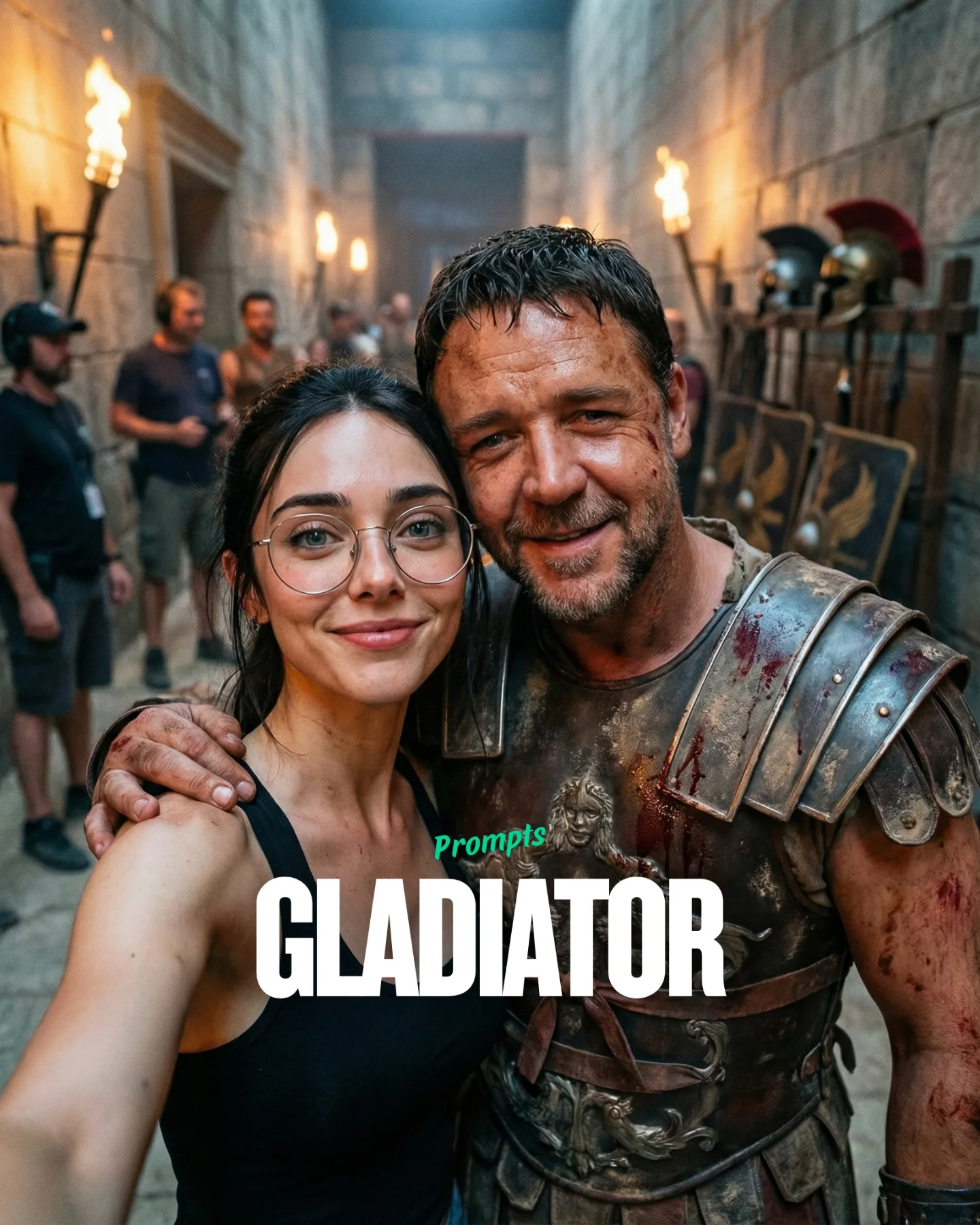
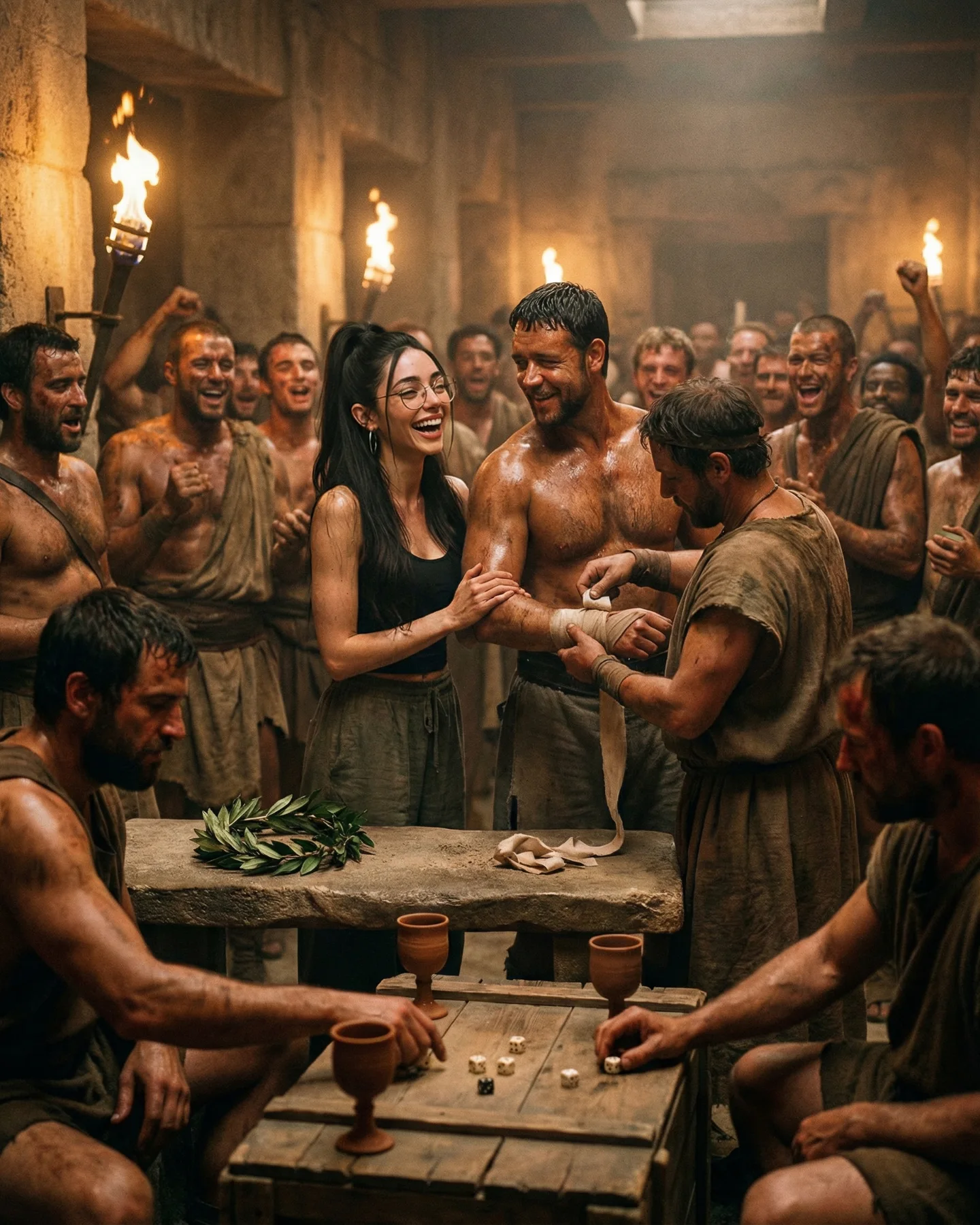
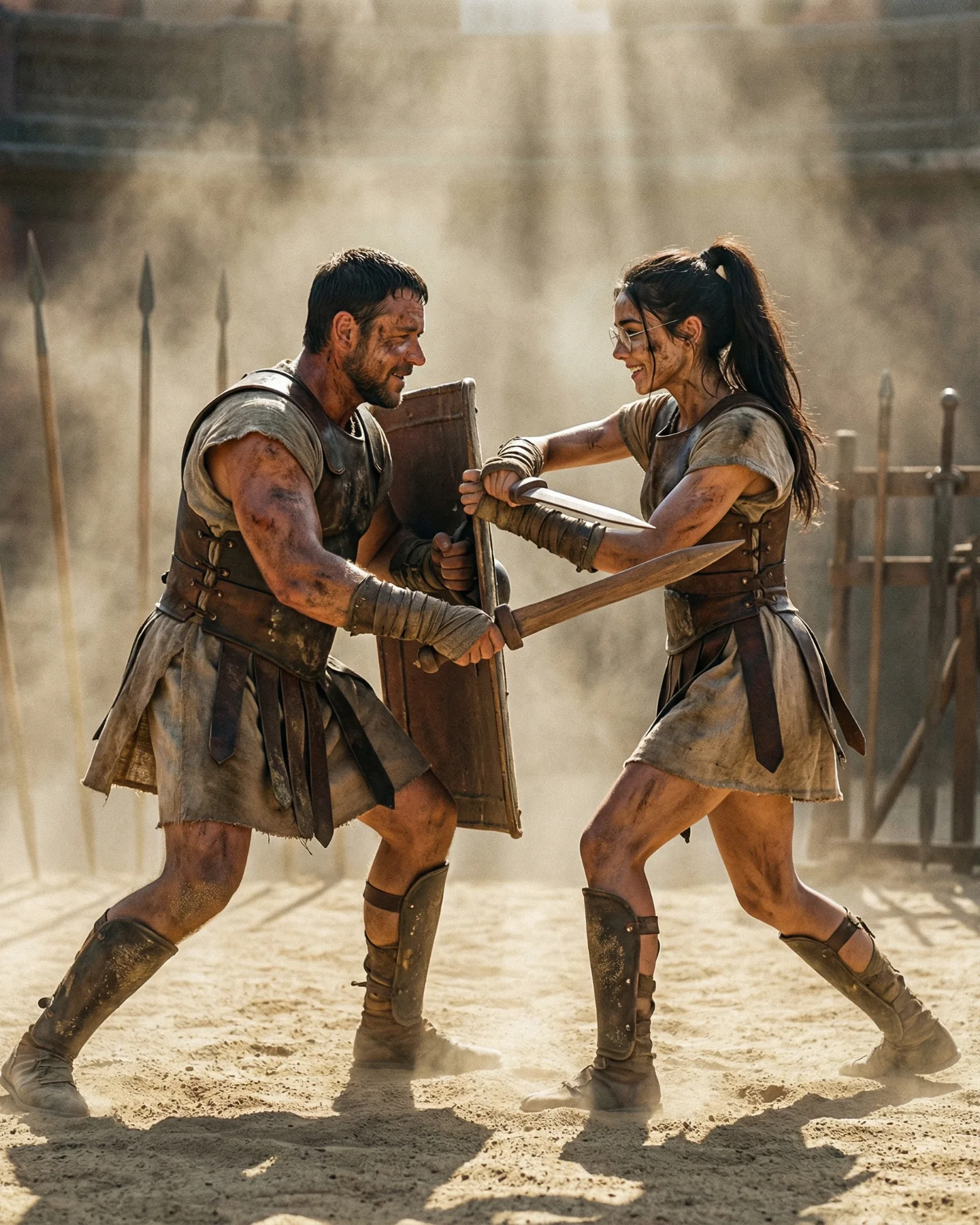
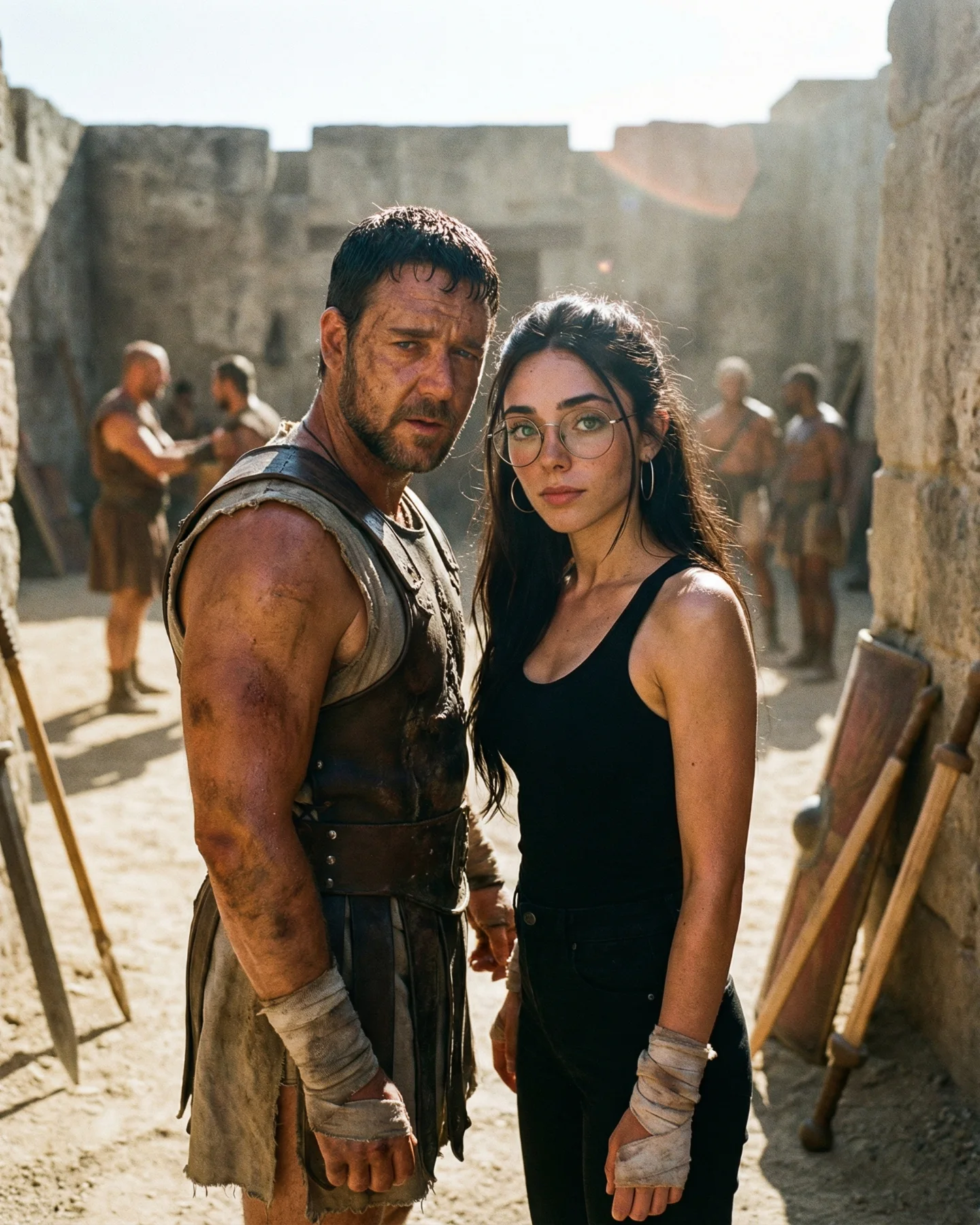
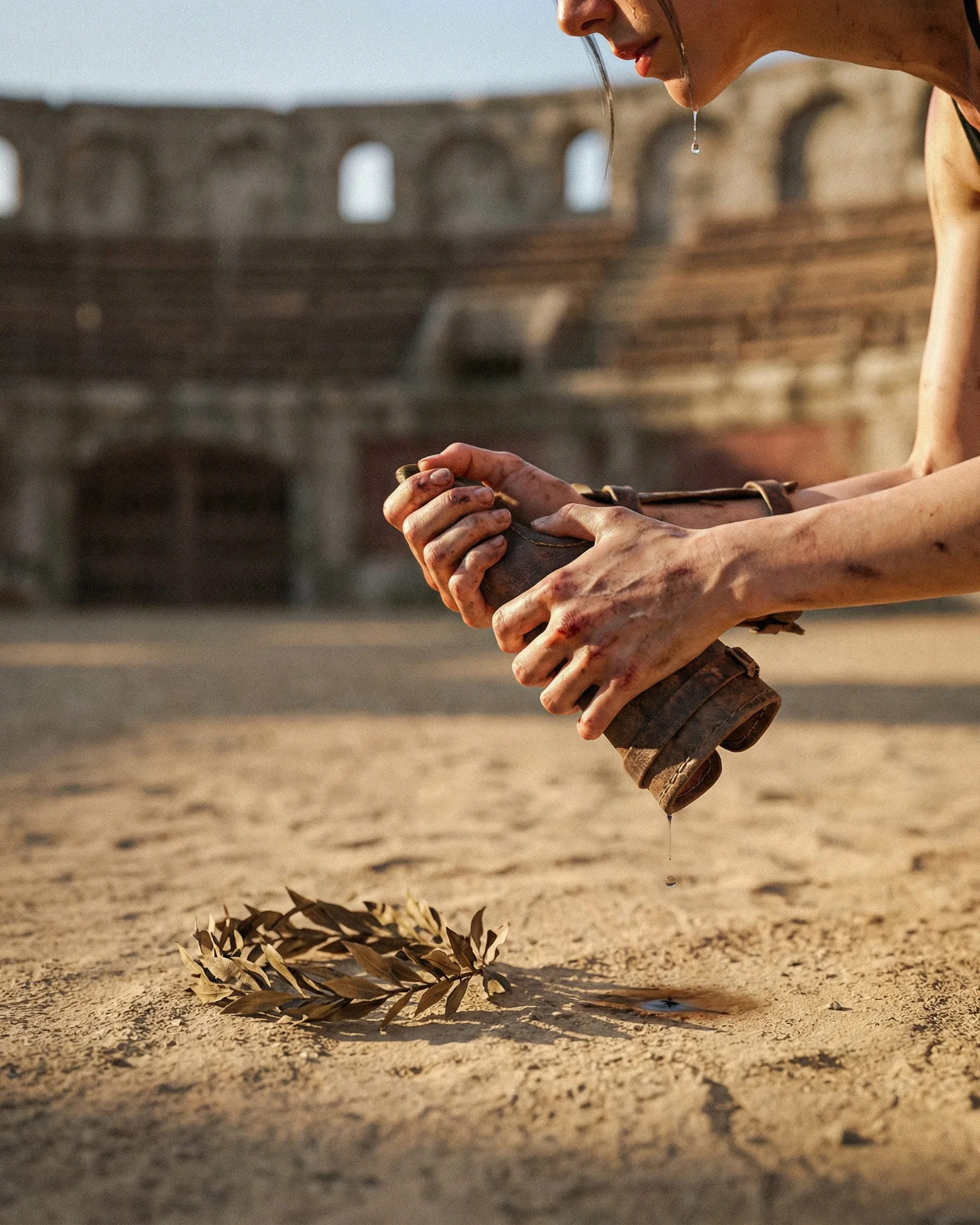
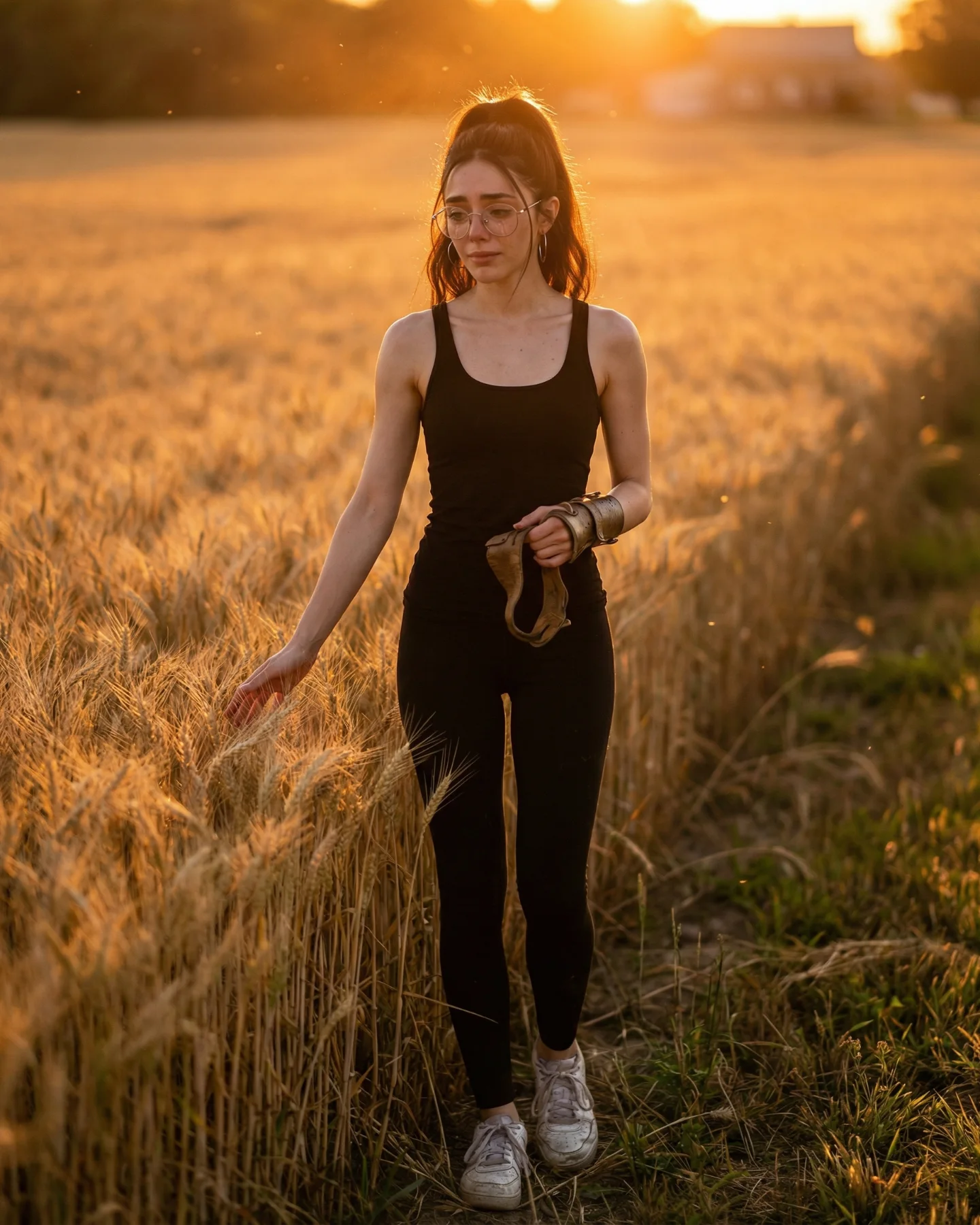
Prompts de GLADIATOR 🥹💕
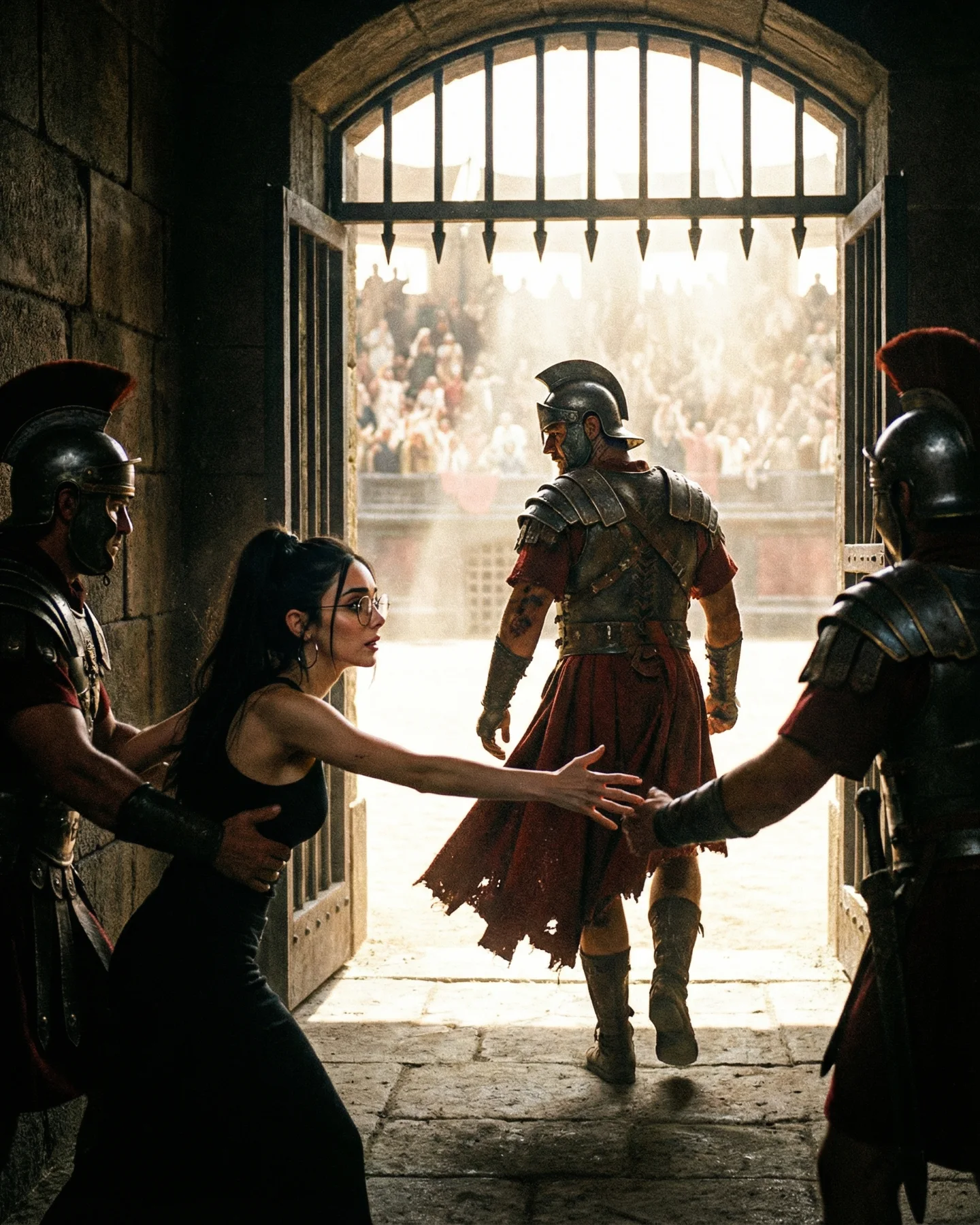
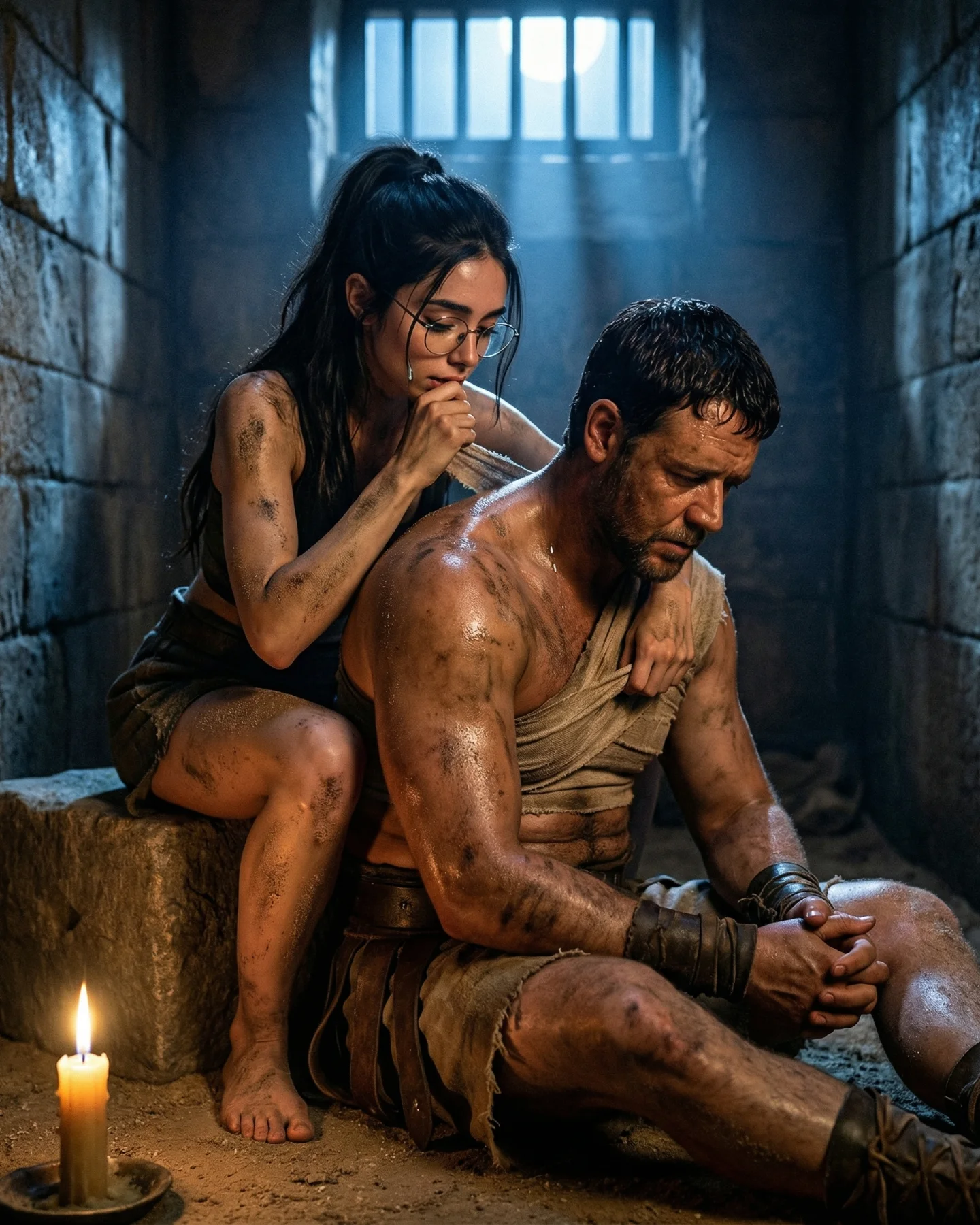
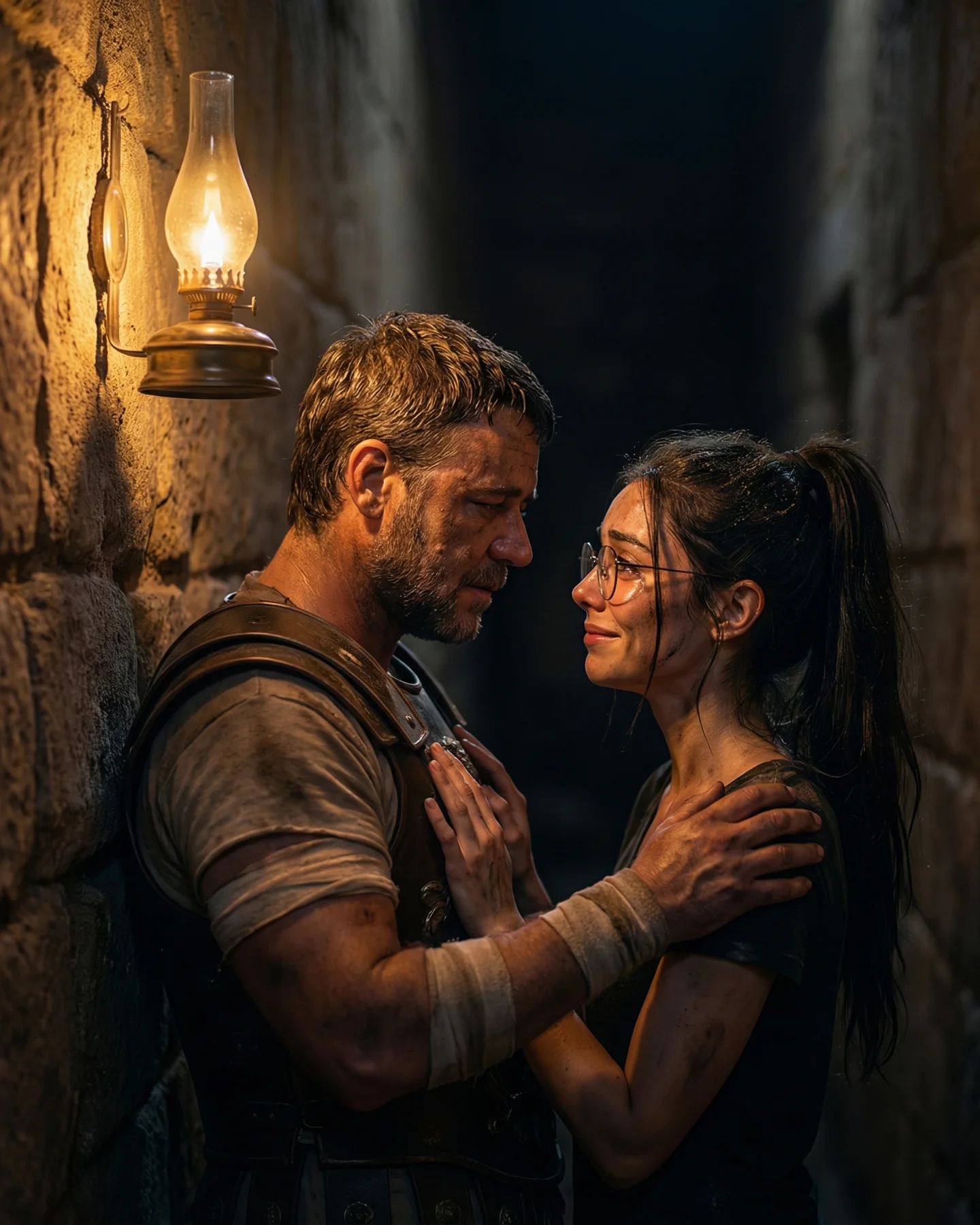
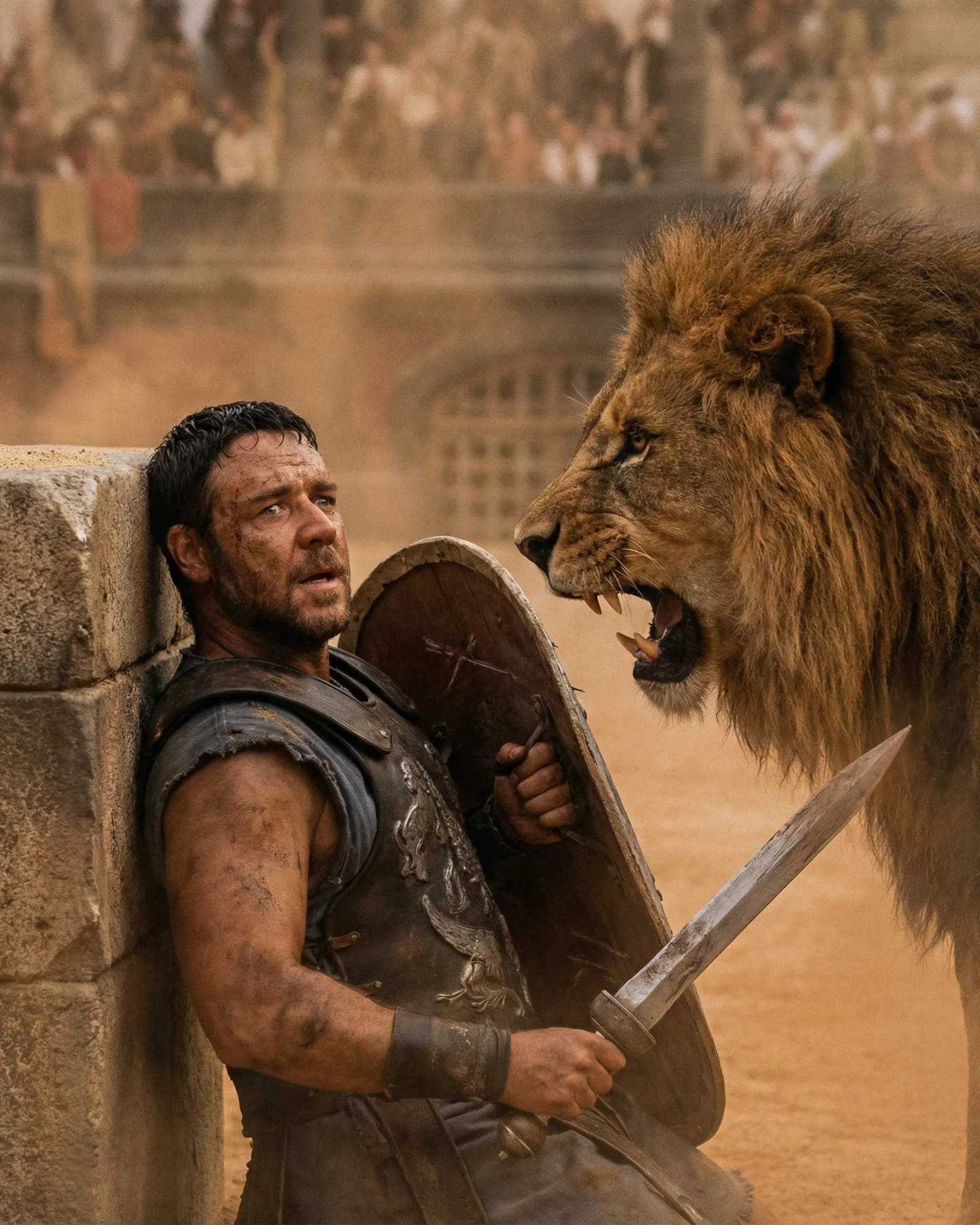
Os dejo una pequeña secuencia de fotos y vídeos que nunca ha existido de la película de Gladiator 🙊
Lo mejor de todo es que con todos los avances de la IA ahora todos podemos crear nuestra propia película o versión alternativa 🎬
Y como siempre os dejo los prompts si comentáis "ARIA" ❤️🩹💌
Case Snapshot
This short “Gladiator” AI video works like a fake movie insert: a glasses-wearing young woman in black runs directly toward the camera through a dusty Roman-arena-style set, with a bright archway behind her and a blurred crowd on both sides, creating a highly saveable “alternate film scene” format that gives indie creators a clear recipe for making cinematic pseudo-franchise clips without needing a full battle sequence.
What You're Seeing
The scene sells a movie world with very few ingredients
You only need sand, dust, stands, stone architecture, and one strong central runner to make the viewer think “epic arena movie.” That economy is a big reason the clip works for AI generation.
The subject choice is unusual in a good way
She is not dressed like a literal Roman fighter. She looks more like a modern girl dropped into an ancient arena. That contrast gives the video a slightly surreal alternate-universe quality, which makes it feel more shareable than a generic costume reenactment.
The glasses are a smart identity anchor
Action clips often become visually anonymous. Here the round glasses make the runner more memorable and instantly recognizable from frame to frame.
The camera language is pure forward urgency
The whole clip is basically one frontal run toward camera. That is simple, but it works because the viewer feels the subject closing distance every second. It gives the scene momentum without asking the model to solve complicated spatial choreography.
Dust is doing the cinematic heavy lifting
The kicked-up sand behind her legs gives the motion more scale and drama. It turns a basic run cycle into something that feels like a survival or escape moment from a larger story.
The background is grand but soft
The stands and stone archway clearly suggest an arena, but they stay blurred enough that the model can focus on the subject. That is exactly how you want an AI “movie fragment” shot to behave.
The black outfit helps the hero silhouette
Against the pale sand and light stone, the dark clothing gives her a strong vertical shape. That makes the shot readable even on a small phone screen.
Shot-by-shot breakdown
Time range
Visual content
Shot language
Lighting and color tone
Viewer intent
00:00-00:01 (estimated)
Runner appears centered in a dusty arena with bright arch behind
Frontal cinematic run shot
Dusty daylight, warm sand-and-stone palette
Hook with instant “movie scene” readability
00:01-00:02 (estimated)
She advances, arms pumping, dust trailing behind
Forward urgency, stable centered framing
Soft atmospheric haze and bright arch contrast
Prove motion and maintain chase energy
00:02-00:03 (estimated)
Expression becomes more strained, body larger in frame
Cinematic tracking intensity rises
Warm beige highlights across dust and stone
Increase drama and emotional stakes
00:03-00:04 (estimated)
Hero run beat with clear face and outfit detail
Tighter frontal action shot
Background stays blurred and epic-looking
Deliver the strongest film-fragment frame
00:04-00:05 (estimated)
Final close run toward camera through dust
Centered dramatic finish
Same dusty daylight lock
Encourage replay by ending mid-momentum
Why It Went Viral
The concept offers instant fan-fiction value
The caption says this is a sequence that “never existed” from Gladiator. That idea is incredibly effective because it invites viewers to imagine alternate versions of famous films without needing copyright-heavy scene recreation.
The post taps into a big creative fantasy
People love the idea that AI can let anyone make their own version of a movie. This clip embodies that dream in a compact, understandable way: one runner, one arena, one cinematic moment.
The format is creator-friendly
It is much easier to recreate one high-quality action insert than an entire historical battle. That practical accessibility makes the post useful to indie creators, not just entertaining to casual viewers.
Platform view: why this performs
The video is readable in the first frame, emotionally intense, and tied to a known film reference. It also doubles as prompt bait because viewers can imagine making their own “never happened in the movie” scenes.
Five testable viral hypotheses
Observed evidence: the caption explicitly frames the clip as an invented Gladiator scene. Mechanism: recognizable IP context lowers explanation cost and raises curiosity. Replication: reference a well-known cinematic world while keeping the shot original.
Observed evidence: the runner is centered and advancing in every frame. Mechanism: constant forward motion increases retention. Replication: use simple, aggressive directional movement in short AI clips.
Observed evidence: dust trails amplify scale. Mechanism: atmospheric particles make motion feel more epic. Replication: choose environments where movement naturally leaves a visual trace.
Observed evidence: the glasses create a memorable modern-person-in-epic-world contrast. Mechanism: one unexpected detail makes the shot stick in memory. Replication: add a distinctive identity marker instead of copying the source aesthetic too literally.
Observed evidence: the clip ends before resolution. Mechanism: unresolved action encourages replay and discussion. Replication: end on motion, not on a settled pose.
Prompt Breakdown
The trick is to imply the movie, not restage the movie
You do not need swords, emperors, or giant battle setups. One believable arena corridor run already triggers the Gladiator association if the architecture and dust are right.
Why the runner should stay central
Center framing gives the clip focus and lets the environment act like a tunnel around the subject. It is one of the simplest ways to make a short scene feel cinematic.
Why this is better than trying full crowd combat
Big historical action scenes create too many failure points. A single-character chase fragment captures the same mood with far better AI reliability.
How to Recreate It
Step 1: Pick a film world, not a literal shot remake
Think “in the world of Gladiator” rather than “copy this exact movie scene.” That keeps the result more original and more achievable.
Step 2: Lock one strong character
Give the subject clear anchors like glasses, ponytail, outfit color, and body type so she survives the action pass.
Step 3: Use one obvious environment cue
For this clip it is the arena archway and sandy floor. Those are enough to do most of the world-building.
Step 4: Choose a single directional action
Running straight toward camera is ideal because it gives tension without introducing complex choreography.
Step 5: Add atmosphere that reacts to motion
Dust is perfect here because it scales the shot up and makes each step feel heavier.
Step 6: Keep the camera grammar simple
One frontal tracking idea is enough. Do not ruin the shot by adding cuts or wild angle changes in five seconds.
Step 7: Pull the cover from the strongest mid-run frame
The thumbnail should show clear face, dust, and arena context at once. That is the promise of the whole video.
Step 8: Package it as a prompt collection
Historical-alt-movie content performs better when viewers know they can recreate their own version after reading the caption.
Growth Playbook
Three opening hook lines
This Gladiator-style AI shot never existed, and that is exactly why it works.
One fake movie fragment can be more powerful than a whole AI trailer if the scene is clear enough.
Dust, an archway, and one strong runner are enough to sell a cinematic world.
Four caption templates
Hook: “An AI Gladiator scene that never happened.” Value: “I built it as a short cinematic fragment instead of a full battle.” Question: “What film world should I reinterpret next?” CTA: “Comment ARIA and I'll send the prompts.”
Hook: “This is how I like using AI for movie-style content.” Value: “One strong moment beats ten weak shots.” Question: “Would you watch a whole series like this?” CTA: “Save this if you want to recreate the look later.”
Hook: “The easiest way to fake epic scale is atmosphere.” Value: “Dust plus architecture did most of the work here.” Question: “Should I make a darker version next?” CTA: “Tag someone building AI film concepts.”
Hook: “AI is finally good enough for believable lost-scene experiments.” Value: “At least in short fragments like this one.” Question: “Which classic movie would you remix?” CTA: “DM keyword for the full prompt pack.”
Hashtag strategy
Broad: #AIVideo, #AIFilm, #CinematicAI. These connect to the broad AI filmmaking audience.
Mid-tier: #GladiatorPrompt, #AIMovieScene, #PromptDesign, #AIWorkflow. These target creators making pseudo-film clips.
Niche long-tail: #ArenaRunPrompt, #AlternateMovieSceneAI, #GladiatorStyleVideo, #DustyCinematicPrompt. These fit the exact concept viewers would try to search or save.
FAQ
Why use a fake movie fragment instead of a full trailer?
Because one short believable moment is much easier for AI to nail than a long sequence of mixed shots.
What are the most important visual anchors here?
The arena archway, kicked-up dust, and centered runner do most of the storytelling.
Should the character wear full Roman costume?
Not necessarily, because a modern-in-ancient-world contrast can make the clip more memorable.
Why does frontal running work so well in short AI clips?
It creates immediate momentum while keeping the motion logic simple enough for the model to preserve.
How do I stop dust from looking fake?
Keep it as a soft atmospheric trail behind the feet instead of making it a giant dramatic explosion.
Is this better for Reels or for longer-form video?
It works best as a Reel because the idea is one saveable cinematic moment, not a complete story.