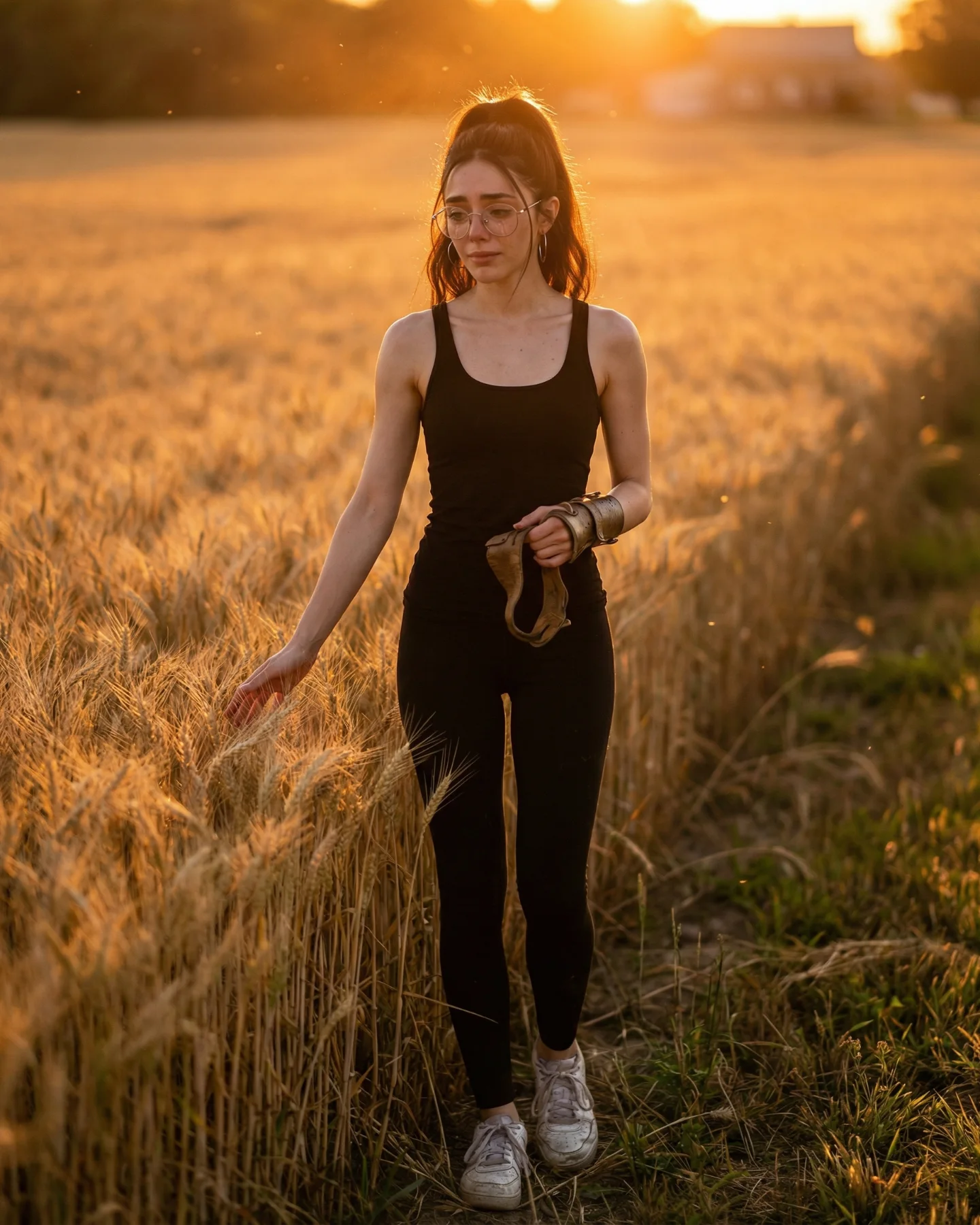
Prompts de GLADIATOR 🥹💕
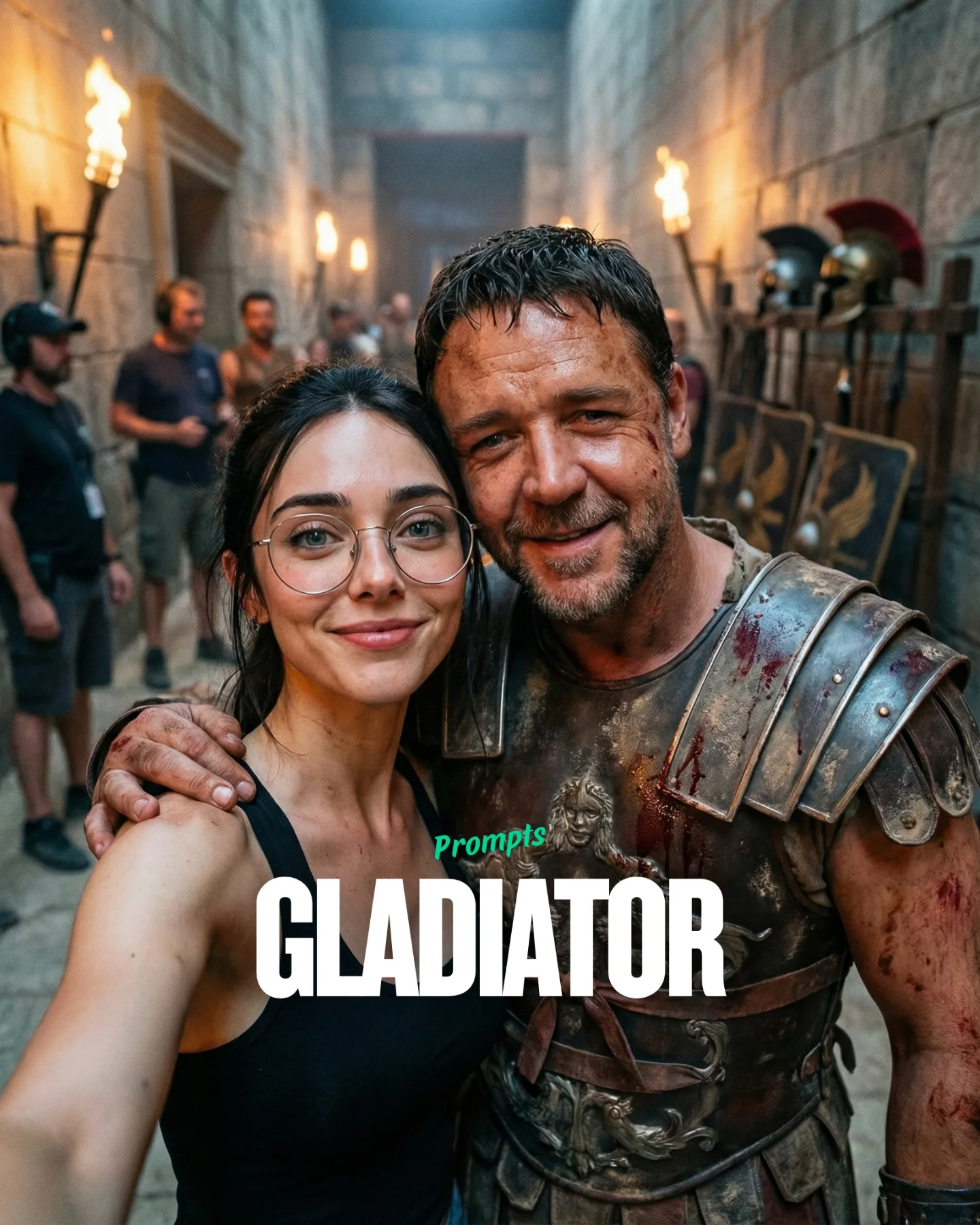
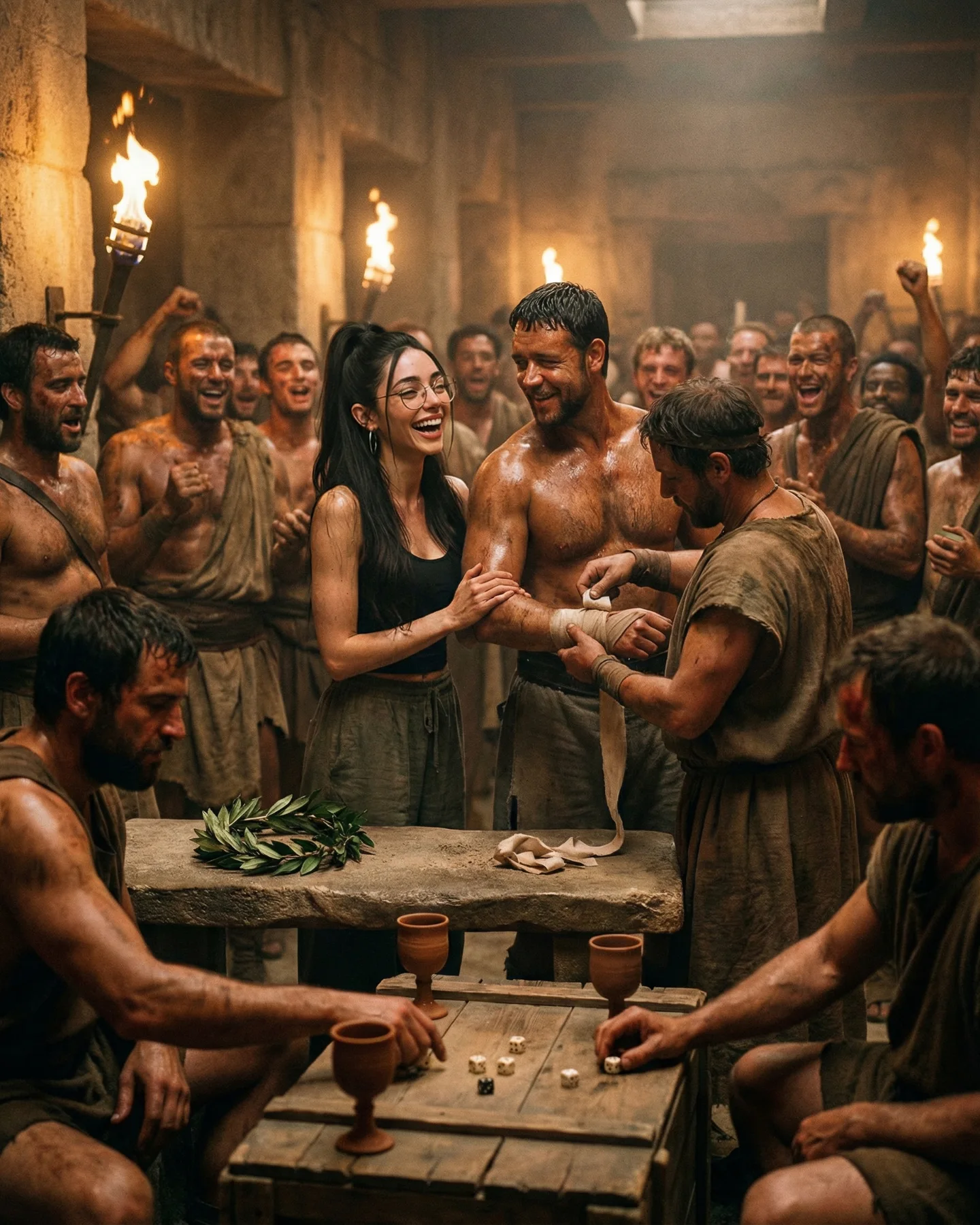
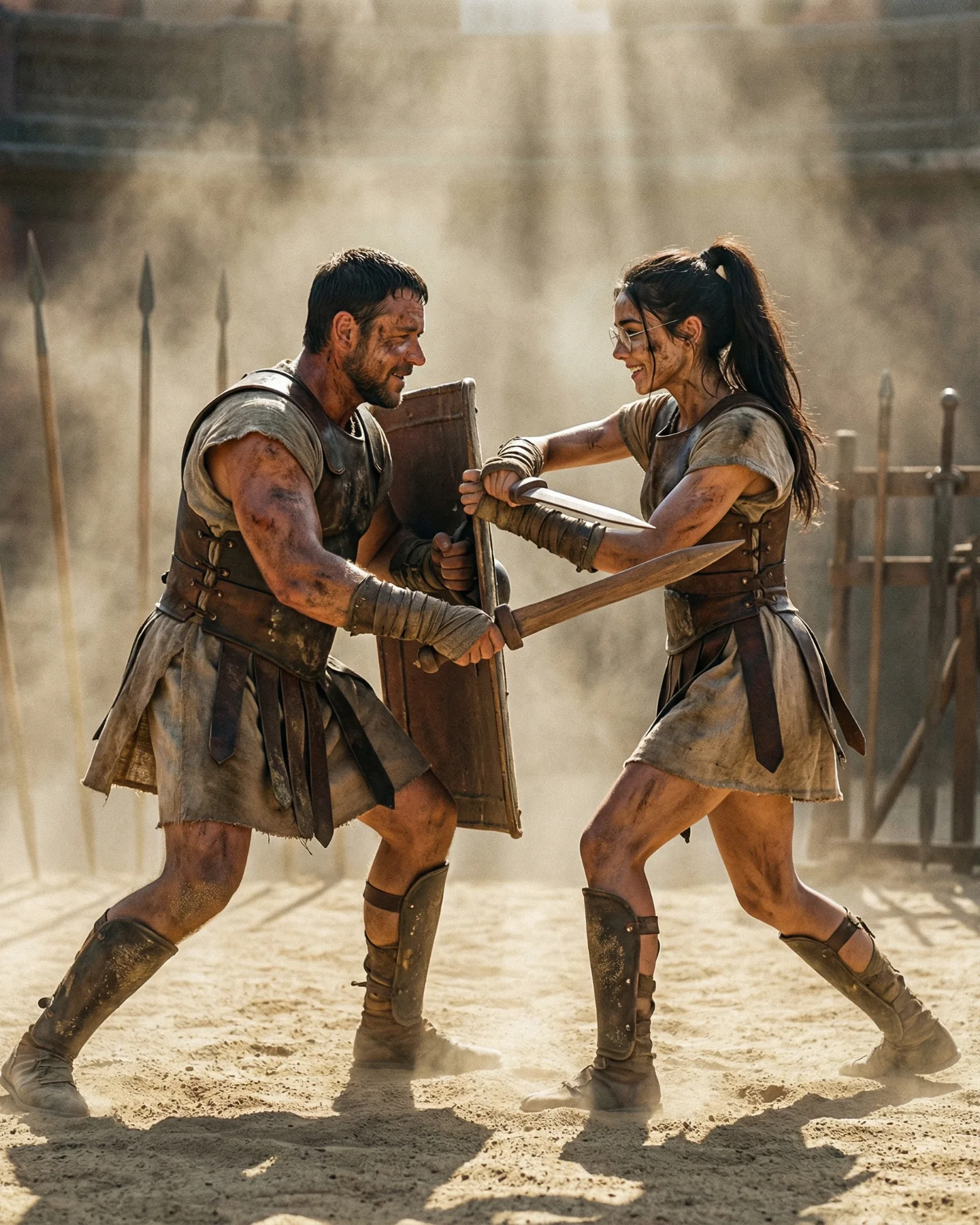
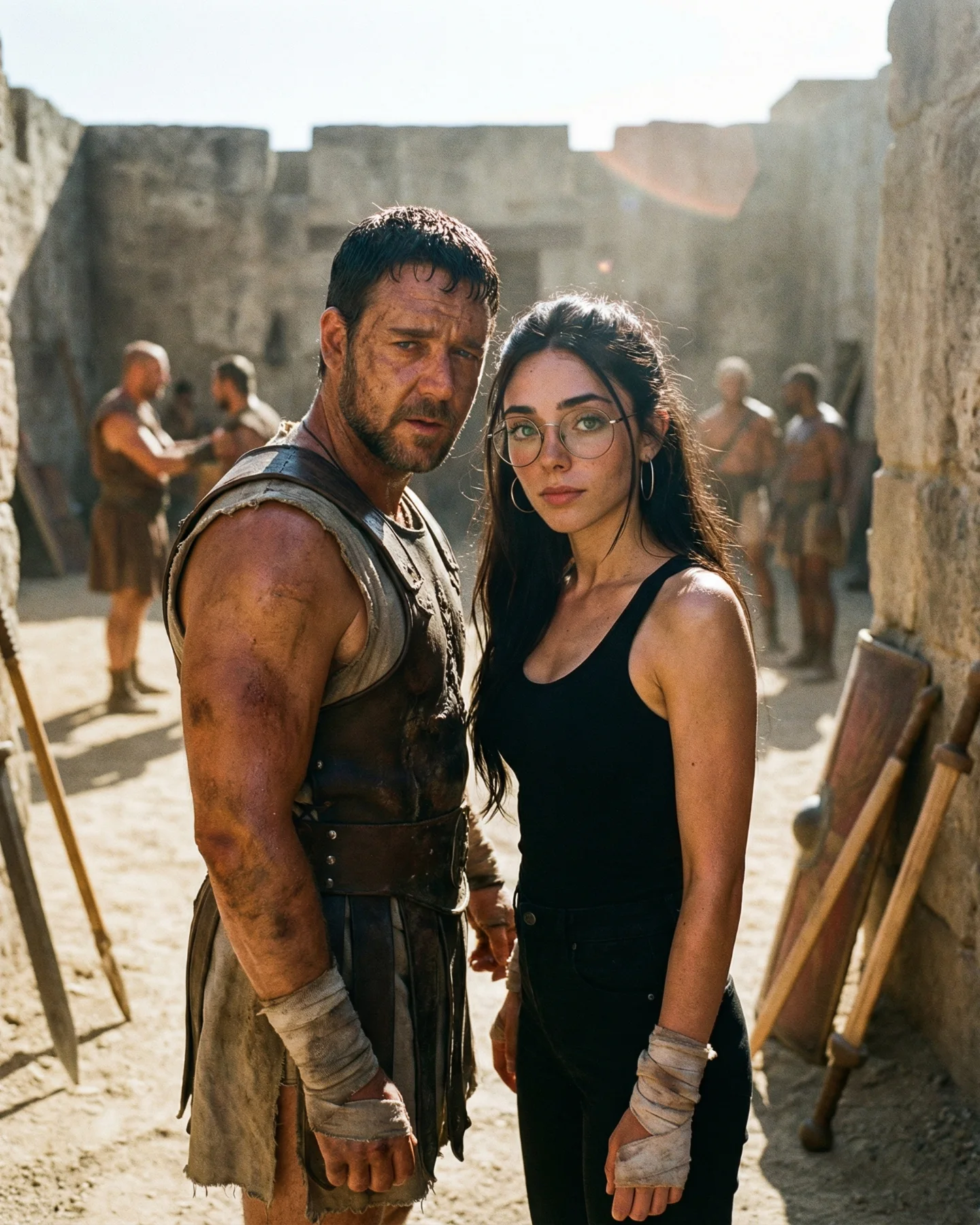
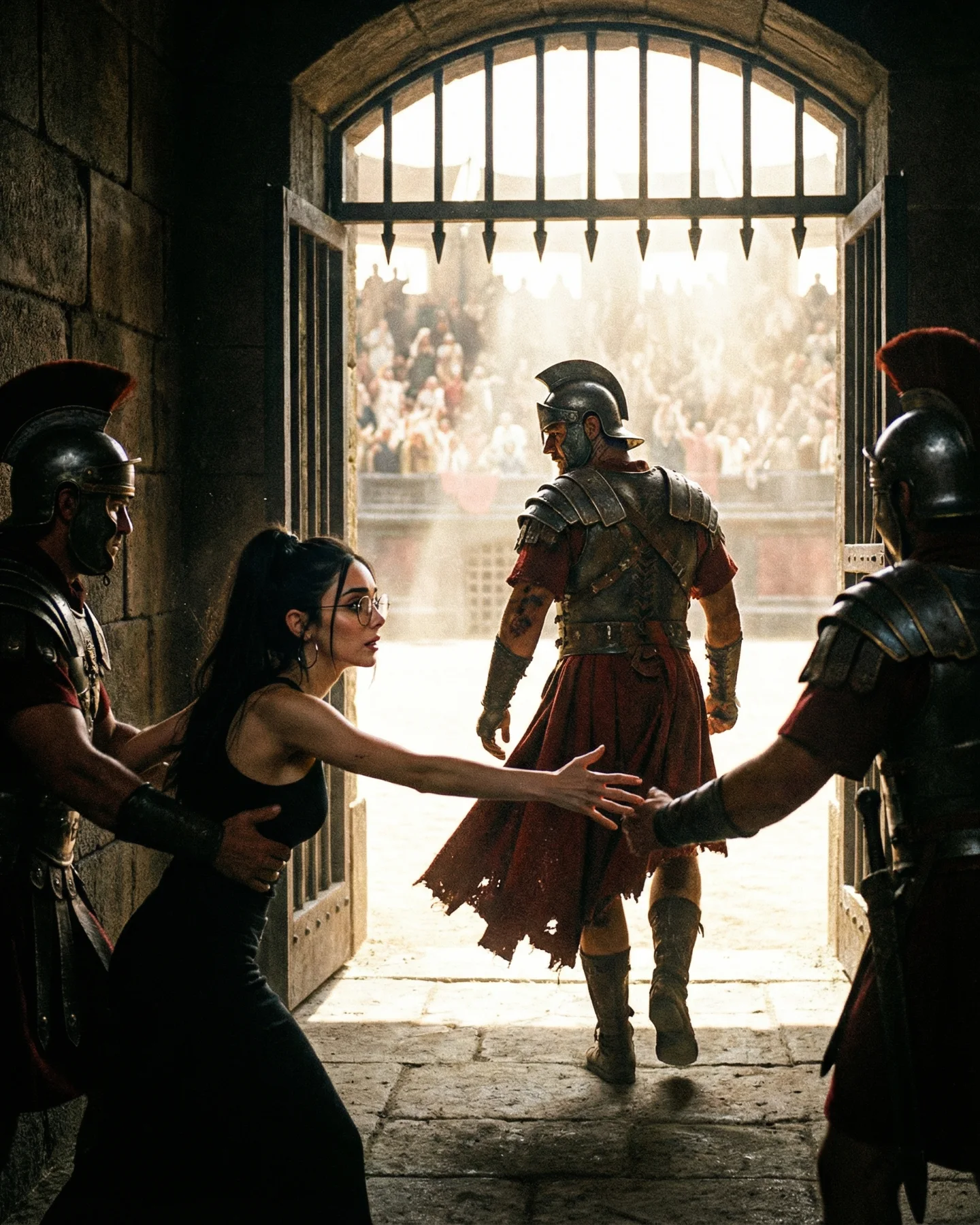
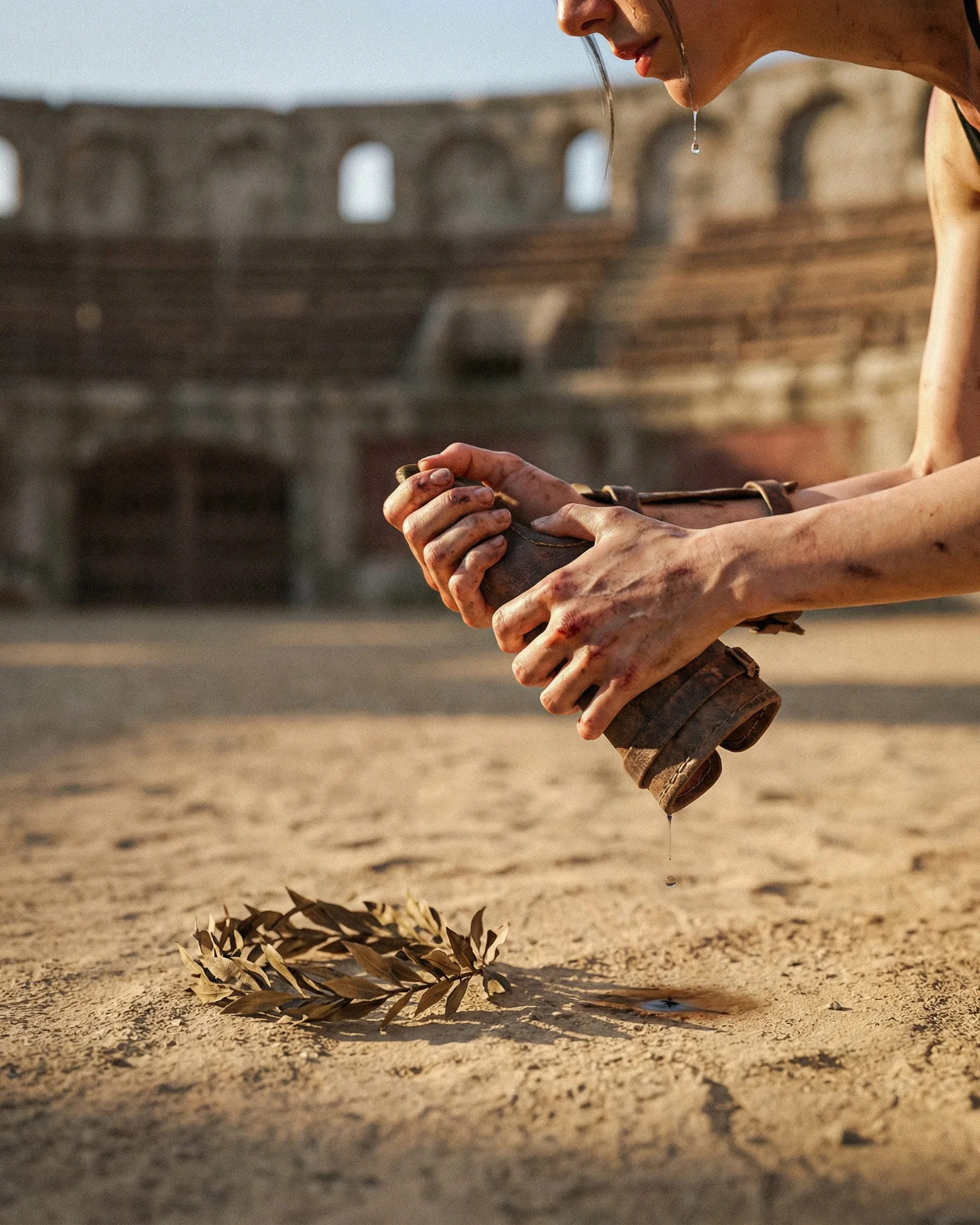
Os dejo una pequeña secuencia de fotos y vídeos que nunca ha existido de la película de Gladiator 🙊
Lo mejor de todo es que con todos los avances de la IA ahora todos podemos crear nuestra propia película o versión alternativa 🎬
Y como siempre os dejo los prompts si comentáis "ARIA" ❤️🩹💌
Why soy_aria_cruz's Gladiator Oil Lamp Alley Embrace Scene Went Viral — and the Formula Behind It
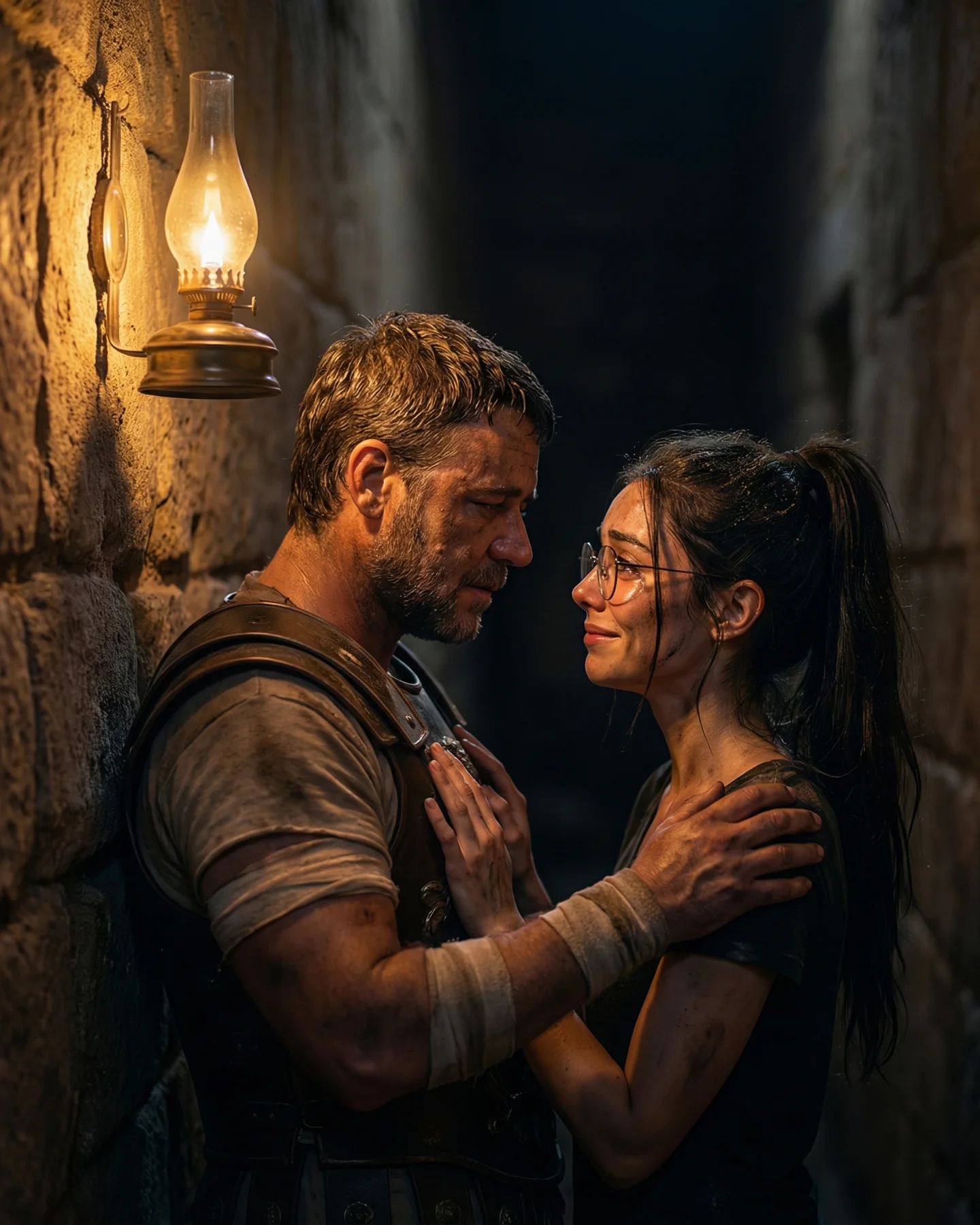
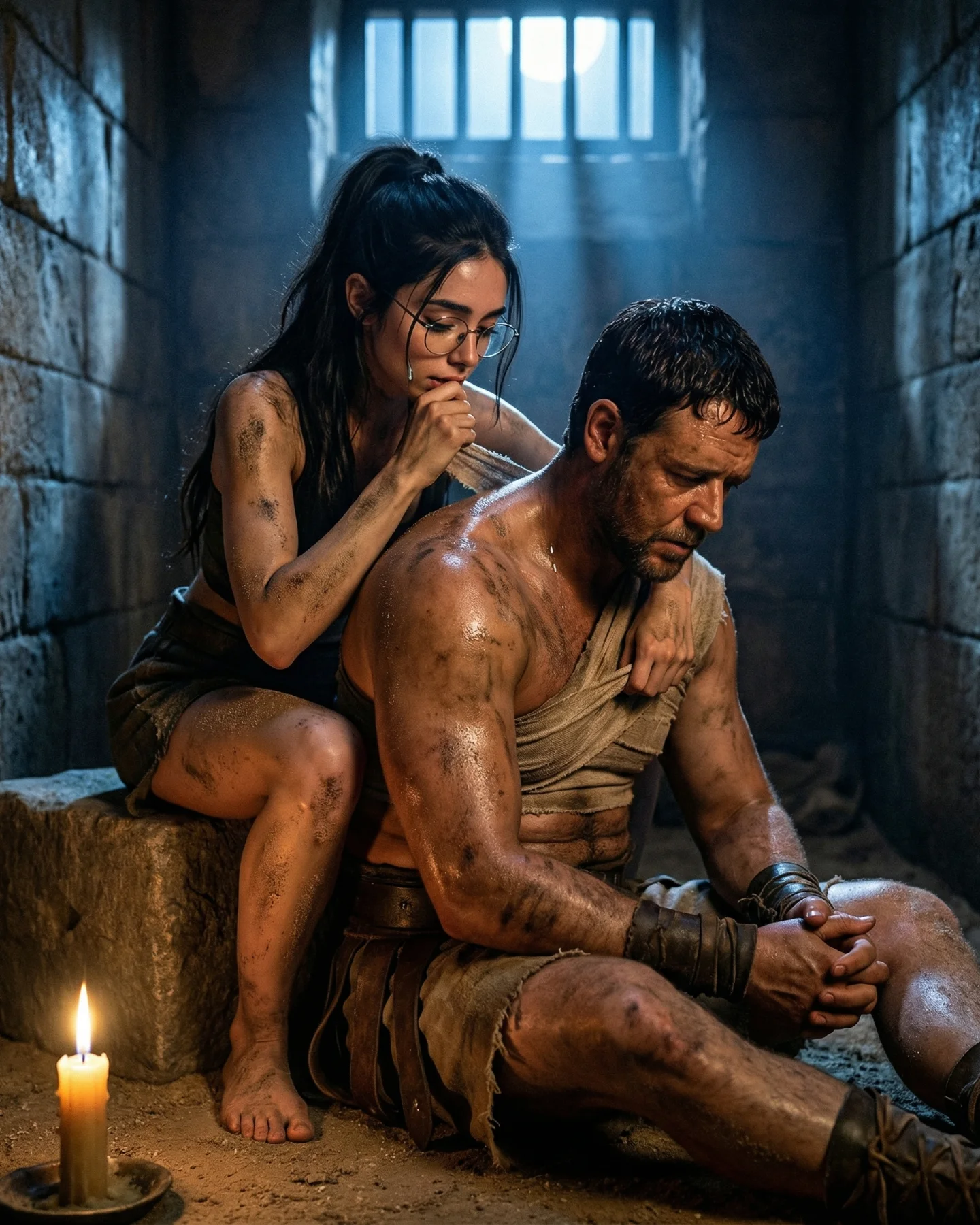
What makes this image memorable is that it borrows the emotional weight of a historical epic without needing a battle. The frame is narrow, almost claustrophobic, and that is exactly why the moment lands. Instead of wide spectacle, the scene gives us a private pause: two people pressed into a dark stone alley, one warm oil lamp doing all the narrative work. For creators, this is a useful reminder that “cinematic” does not always mean bigger. Sometimes it means smaller, tighter, and more emotionally legible.
The visual hook comes from contrast. The male figure carries all the signals of struggle: worn leather armor, wrapped forearm, dirt on the face, tired posture. The woman brings the opposite energy: softness, stillness, a face that reads relief before it reads romance. That friction is what makes the frame scroll-stopping. It feels like a scene from the middle of a story, not a generic costume portrait. Viewers pause because they want to know what happened one minute before and what happens next.
Another reason this image feels strong is that the lamp is not just decoration. It is a story device. The warm flame anchors the whole composition, lights the stone wall, shapes the skin, and explains the intimacy of the scene. With one practical light source, the frame feels believable and designed at the same time. A lot of AI historical images fail because they flood everything evenly. This one works because it lets darkness keep part of the story hidden.
Signal
Evidence (from this image)
Mechanism
Replication Action
Emotional contrast
Battle-worn armor meets a calm, affectionate face-to-face pose
Pair one “hard” character code with one soft relational gesture
Motivated light
Single oil lamp on the left wall explains the warm highlights
Believable lighting makes the scene feel like a film still instead of a render test
Lock one practical light source in the prompt and let shadows stay deep
Constrained setting
Narrow alley, dark background, no extra props
Limited space pushes attention onto faces and hands
Use a tight corridor or doorway instead of an open set when emotion is the point
Where this look fits best
Historical-drama prompt pages where you want emotion instead of action, because the wardrobe already carries the era.
Character relationship studies, because hands, eye-lines, and distance do more work here than a complicated background.
Creator education about practical-light prompting, because one lamp explains the entire grade.
Movie-inspired remake content, because it feels adjacent to a known world without needing exact scene duplication.
Where it is less ideal: high-energy trailer covers, broad fantasy worldbuilding, or posts that need lots of environmental detail. This image wins through concentration, not scale.
If you want to transfer the idea, keep the narrow composition, the single warm light, and the emotional pause. Change the genre shell around it. A sci-fi version could replace the lamp with a corridor warning light. A noir version could swap armor for a wet trench coat. A medieval romance version could keep the stone walls but change the costume language. Slot template: {genre pair} in a {tight corridor} under one {practical light}, holding a quiet post-conflict moment.
What the image is doing aesthetically
The strongest aesthetic decision is compression. The walls are close, the subjects are close, and the color palette is compressed into warm amber and deep blue-black. That means every small human detail matters more: the hand on the chest, the fabric wrap, the glasses, the slight smile. The image also uses texture very intelligently. Rough stone, worn leather, frayed cloth, and loose hair strands all keep the frame from feeling too clean. Historical images need friction; otherwise they collapse into costume cosplay.
It also understands restraint. There is no sword lifted to camera, no grand pose, no giant set piece behind them. By refusing those obvious signals, the frame gains credibility. It feels like a stolen in-between moment, which is often the exact quality creators need when they want an image to feel “from a movie” rather than “about a movie.”
Observed
Why it matters
Single warm side light from upper left
Creates believable motivation and carves faces cleanly
Very limited palette of amber, stone brown, and shadow blue
Keeps the mood unified and filmic
Hands clearly visible between the two characters
Turns the frame into a relationship moment, not just a portrait
Shallow depth with darkness behind the pair
Prevents the corridor from competing with the emotion
Worn costume texture and facial dirt
Stops the image from feeling like polished cosplay
Prompt blocks worth controlling on purpose
Prompt chunk
What it controls
Swap ideas (EN)
battle-worn gladiator armor, wrapped forearm, dirt on face
Lock these three things first: the practical lamp placement, the narrow corridor composition, and the hand-to-chest interaction. Those are the identity anchors. After that, change only one or two variables at a time.
Baseline run: keep the exact alley, lamp, and pose until the intimacy reads clearly.
Second run: adjust only costume age and wear if the historical texture feels too polished.
Third run: change only the emotional temperature, for example from relieved to fearful or from tender to grieving.
Fourth run: port the same structure into another genre shell while preserving the one-light corridor logic.
If the image starts drifting, the first thing to correct is usually not the face. It is the environment discipline. Once extra lights, wider space, or unnecessary props appear, the frame stops feeling like a cinematic confession and turns back into generic fantasy content.