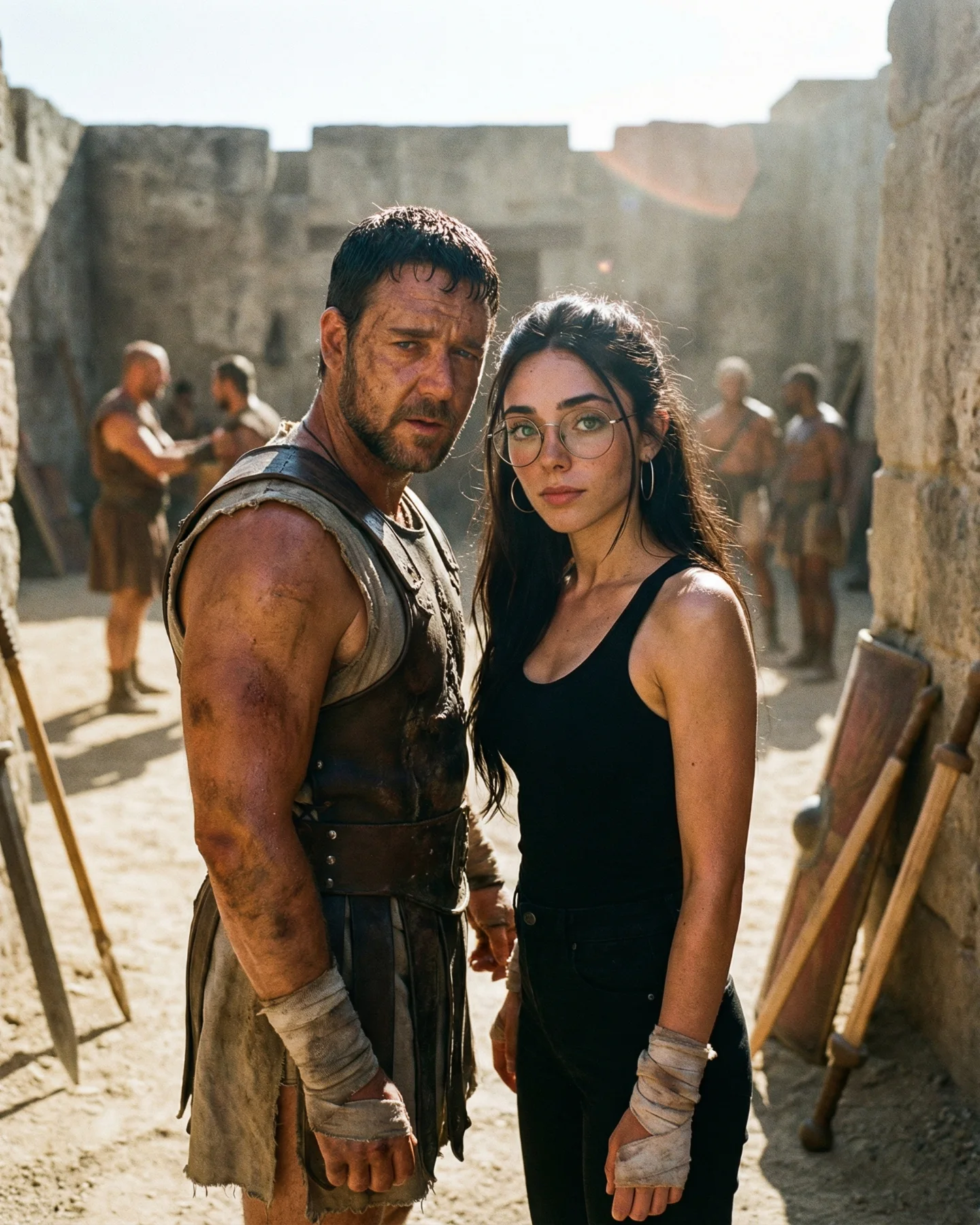
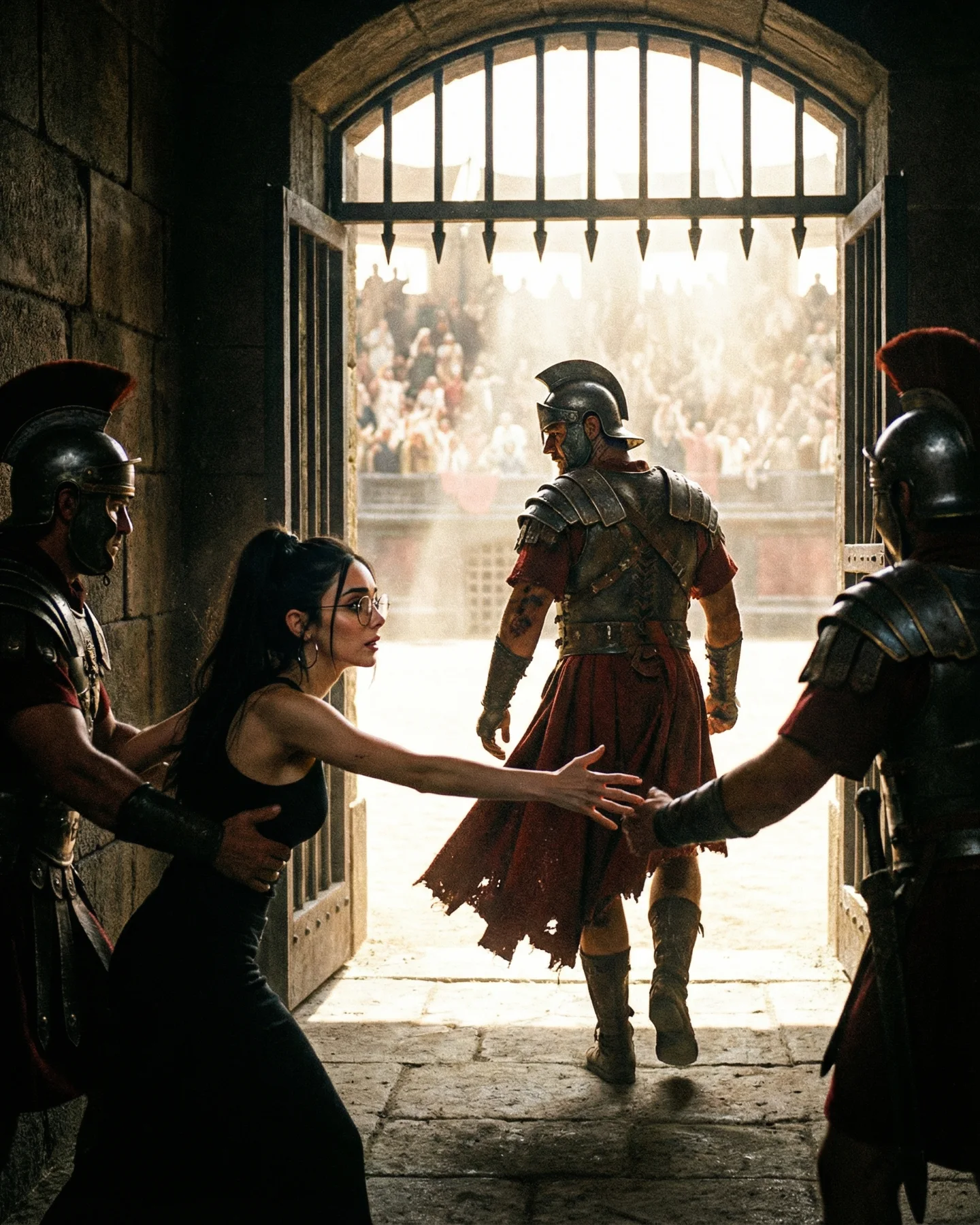
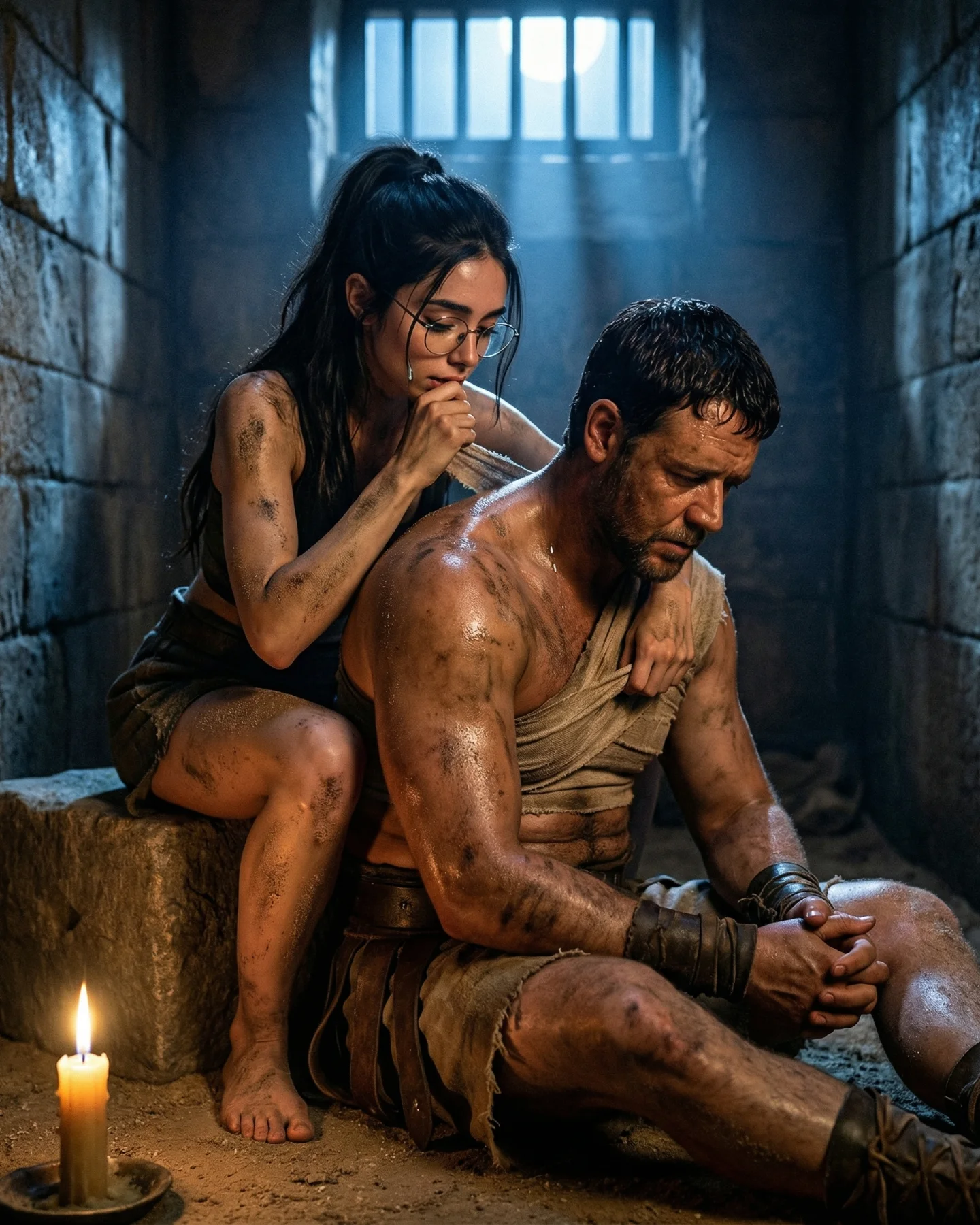
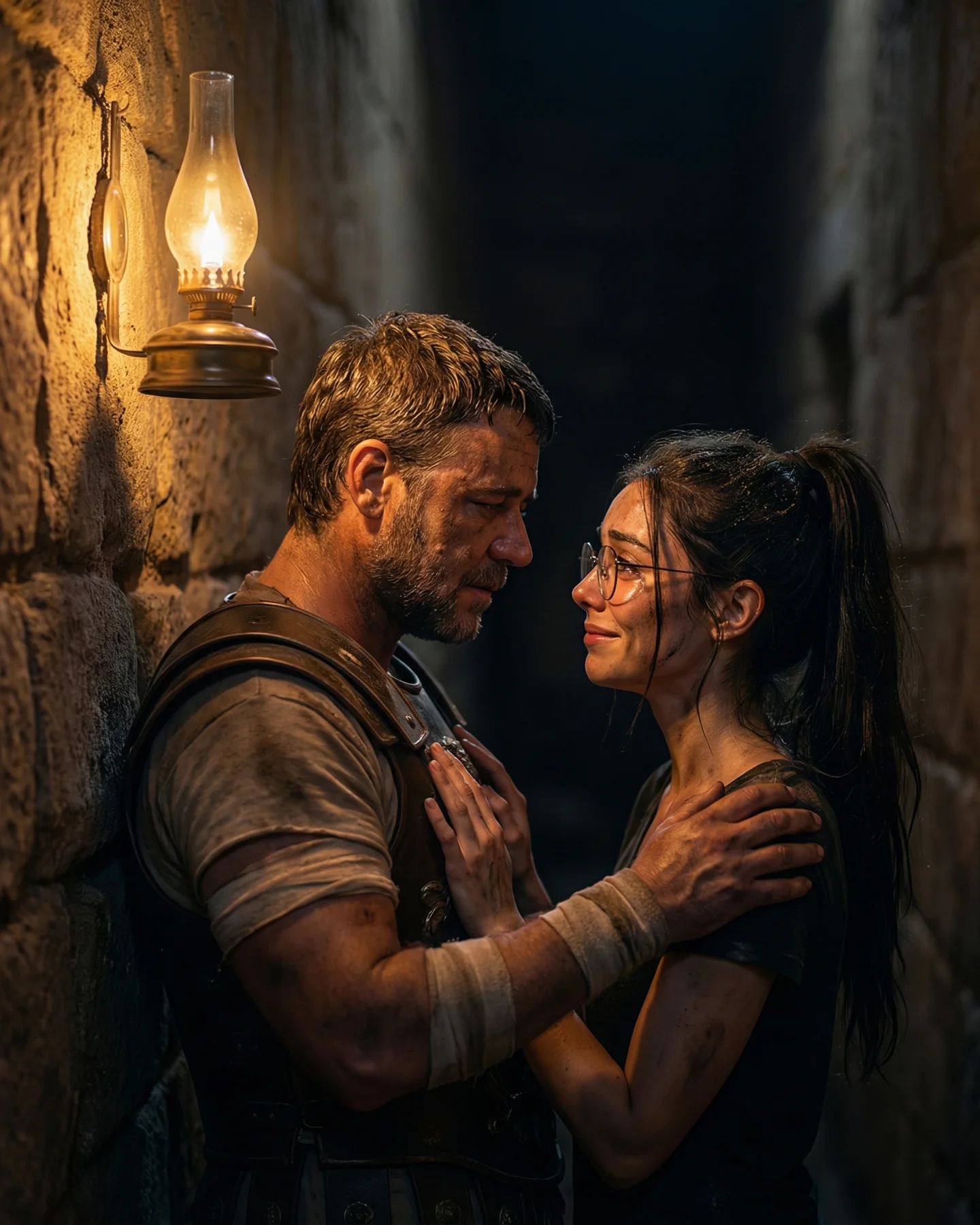
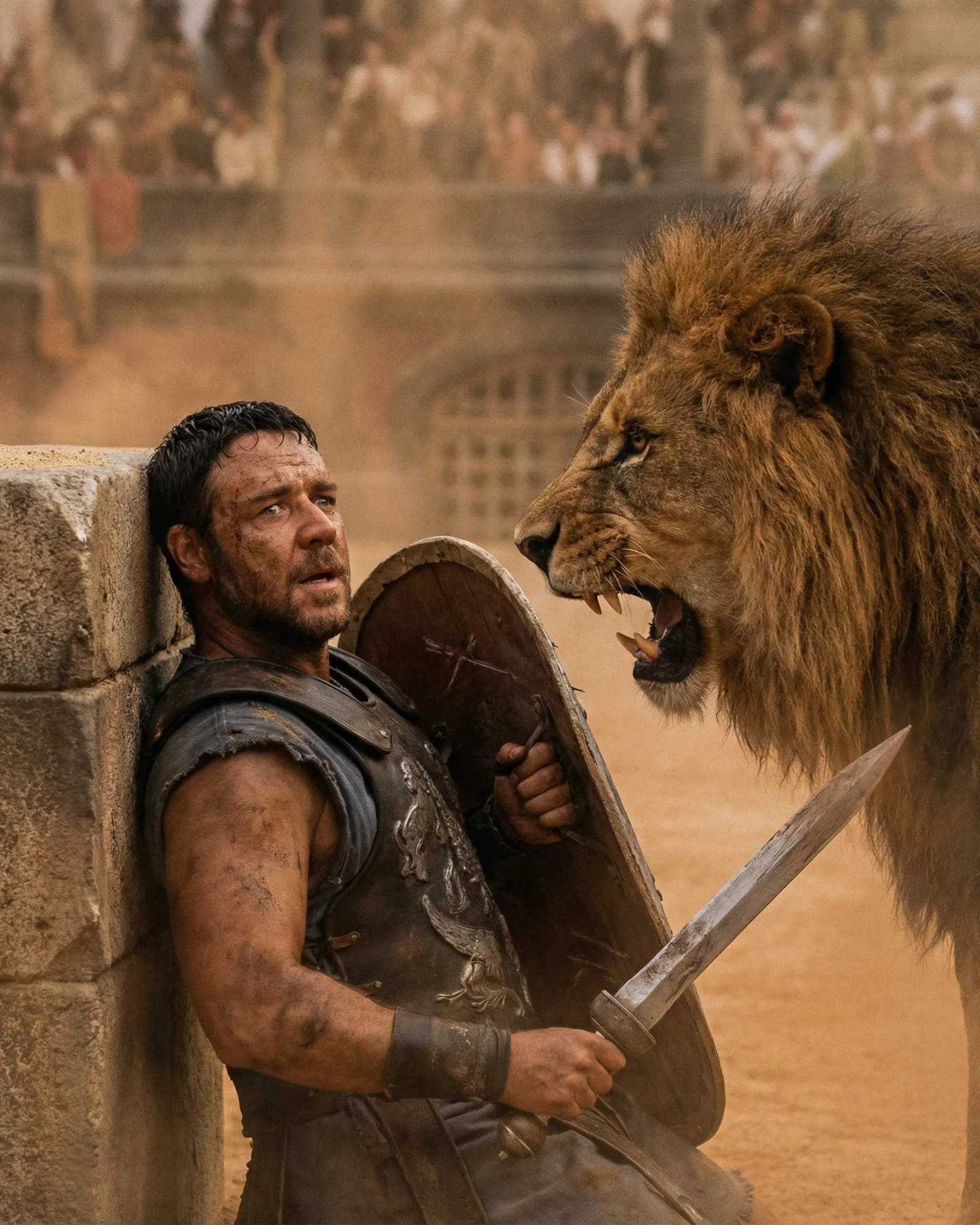
Prompts de GLADIATOR 🥹💕
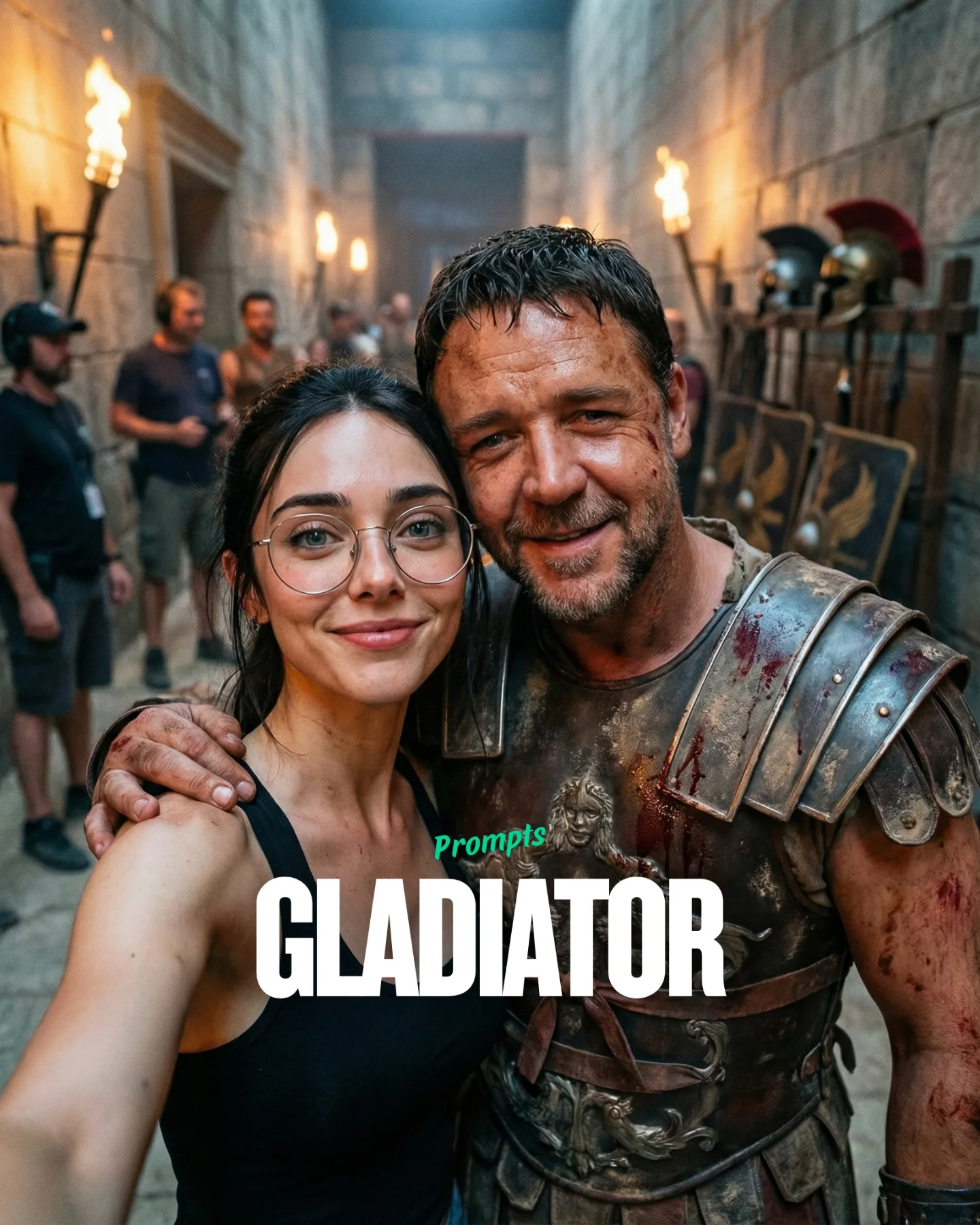
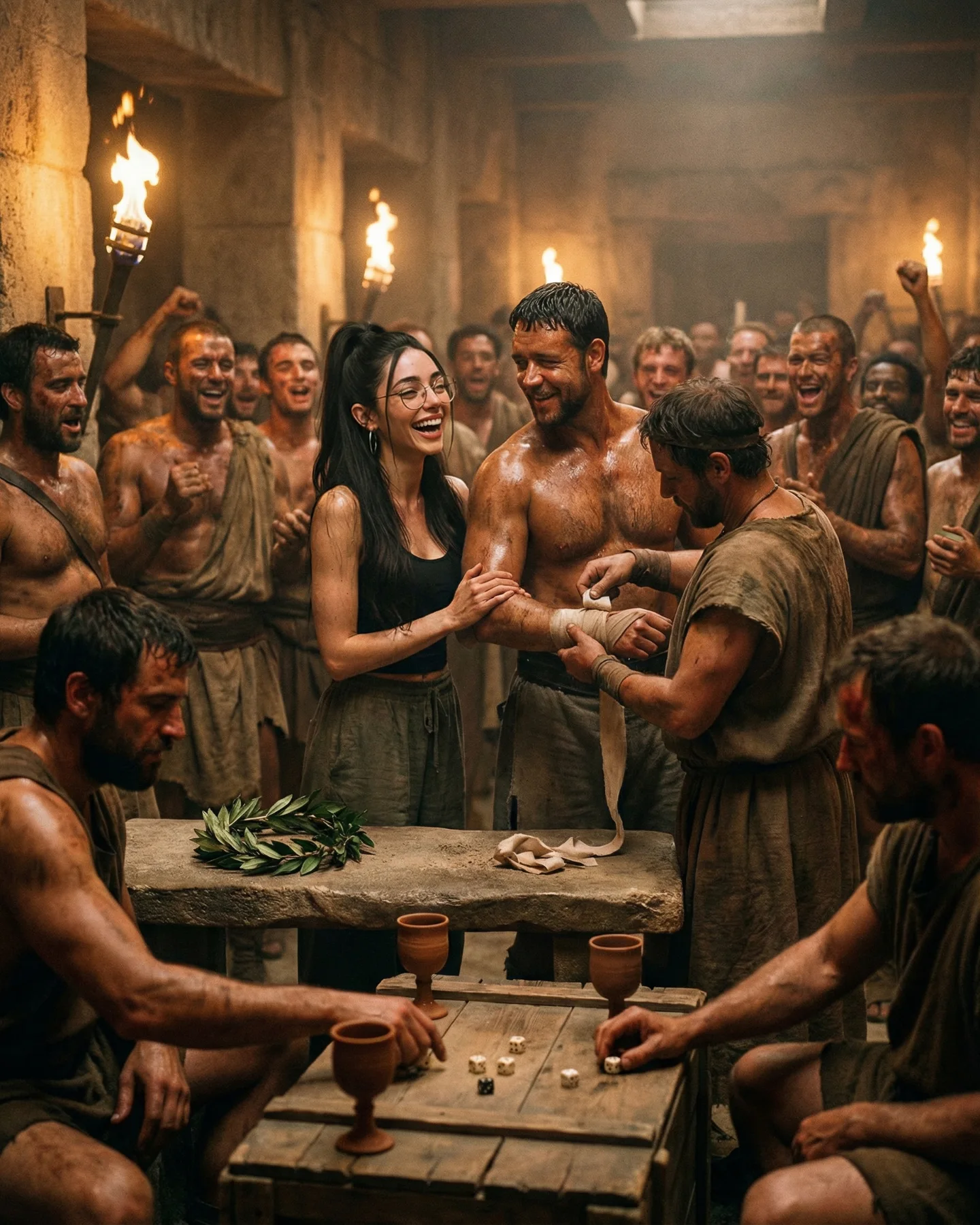
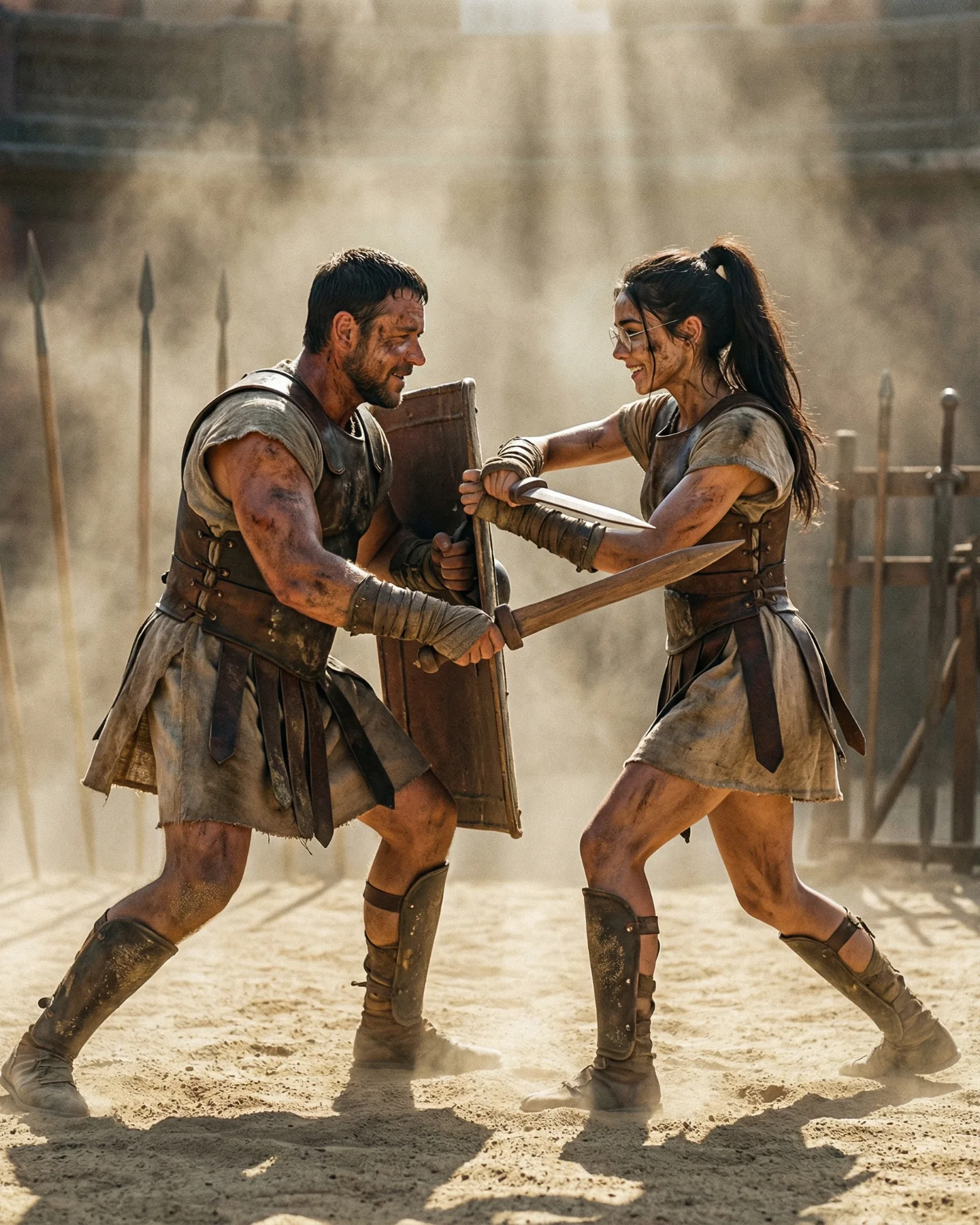
Os dejo una pequeña secuencia de fotos y vídeos que nunca ha existido de la película de Gladiator 🙊
Lo mejor de todo es que con todos los avances de la IA ahora todos podemos crear nuestra propia película o versión alternativa 🎬
Y como siempre os dejo los prompts si comentáis "ARIA" ❤️🩹💌
How soy_aria_cruz Made This Gladiator Movie Homage AI
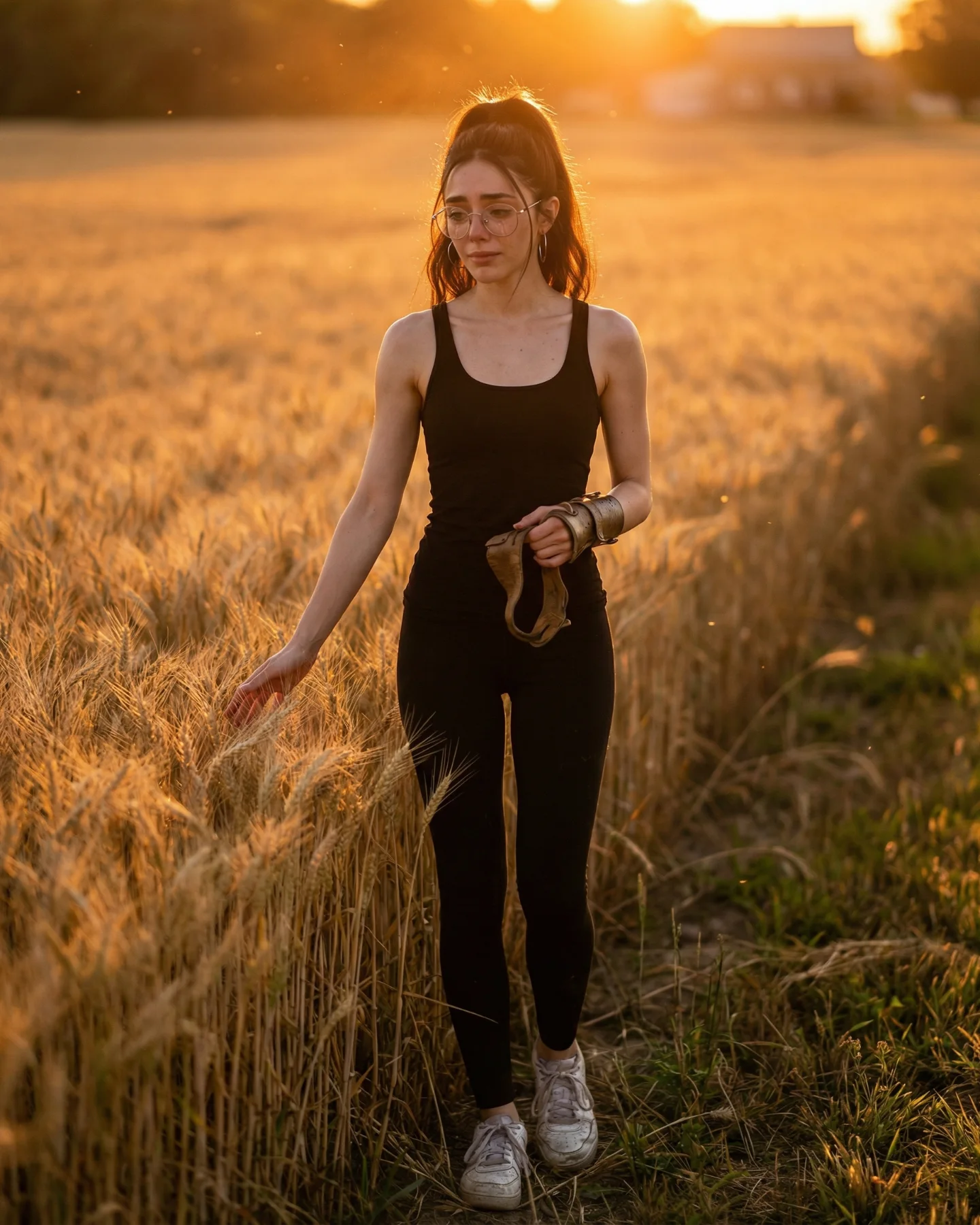
This image is effective because it refuses the obvious version of Gladiator. There is no coliseum, no sword, no dust cloud, no shouting crowd. Instead, the frame goes somewhere much quieter: a wheat field at sunset, a restrained costume hint, and a solitary walk. That choice makes the reference feel less like cosplay and more like memory.
For creators, this is a strong reminder that adaptation does not always mean literal recreation. Sometimes the most interesting way to reinterpret a film is to keep its emotional residue and change the visual setting. Here, the residue is longing, fatigue, and reflection. The field becomes a place to hold those feelings without needing any direct battle imagery.
The wheat is doing more than providing a pretty background. It functions as emotional language. It slows the image down, softens the body, and gives the frame a sense of return or aftermath. That is especially useful for cinematic prompt work, because many creators over-rely on dramatic props when a landscape can often do more subtle work.
Signal
Evidence (from this image)
Mechanism
Replication Action
Emotional translation
Gladiator-inspired cue moved into a calm wheat-field setting
Changing the scene while preserving the emotional tone makes the homage feel original
Extract the emotional core of the reference before choosing the environment
Minimal iconography
Single bracer, dark fitted clothes, restrained body language
A few controlled cues can carry the franchise without costume overload
Use 1-2 signature details instead of full literal wardrobe replication
Landscape as story tool
Backlit wheat, long path, distant farmhouse, solitary walk
The environment communicates grief, memory, and peace without direct exposition
Choose one location that can perform emotional work on its own
Where this format transfers best
This approach works especially well for film reinterpretations, cinematic quiet-moment pages, alternative-movie prompts, and creator posts that want to feel poetic rather than plot-heavy. It is also ideal for SEO teaching because it shows how to build a recognizable homage without copying the exact scene. It is less suitable for action-driven benchmark posts, because the image deliberately trades spectacle for atmosphere.
Best fit: reflective film homages. Why it fits: the image turns a famous story into mood and memory. What to change: preserve the emotional tone while changing the setting.
Best fit: poetic creator carousels. Why it fits: viewers read the frame as feeling-first rather than lore-first. What to change: keep the composition simple and the light emotionally decisive.
Best fit: prompt lessons about symbolic adaptation. Why it fits: it proves you can carry a film with very few direct props. What to change: lock one recognizable accessory and one high-signal landscape.
Not ideal: direct action comparisons. Reason: the frame intentionally avoids kinetic spectacle.
Not ideal: costume-detail showcases. Reason: the wardrobe is deliberately minimal.
Three transfer recipes work especially well. Keep the emotional residue, one iconic accessory, and one landscape that carries feeling. Change the film reference, the season, and the body gesture. Template one: {film-inspired emotional aftermath} expressed through {symbolic landscape} and {minimal signature prop}. Template two: {solitary walk} in {light-rich environment} carrying {one franchise cue}. Template three: {reference world} translated into {quiet contemplative scene} instead of direct action.
What the image teaches aesthetically
Aesthetically, the image works because the black outfit is allowed to be plain. That plainness gives the wheat and sunlight room to do most of the visual storytelling. If the wardrobe were more decorative, the field would lose some of its emotional authority. The minimal styling is what makes the frame feel sincere.
The backlight is the other major decision. It turns the wheat into a glowing surface and creates a soft halo around the subject’s hair and shoulders. That kind of lighting is ideal for memory-based imagery because it feels less literal and more reflective, without needing overt effects.
Observed
Why it matters
Golden wheat field surrounding a narrow walking path
Creates both emotional softness and directional movement
One hand brushing the grain while walking
Adds tactile connection and slows the image into a feeling, not a pose
Simple black clothing with a single bracer
Keeps the homage recognizable but understated
Strong warm backlight around hair and shoulders
Transforms the scene from literal countryside into cinematic memory space
Prompt technique breakdown
Prompt chunk
What it controls
Swap ideas (EN)
solitary walk through wheat field
Main emotional movement and pace
standing still in tall grass, kneeling in barley field, walking through olive grove
single forearm bracer
Franchise memory cue without heavy costume load
weathered shoulder guard, leather belt relic, cloth hand wrap
golden-hour backlight
Nostalgia and memory-driven atmosphere
dawn haze, overcast softness, late-afternoon side light
black minimal outfit
Visual restraint and silhouette clarity
sand tunic, gray travel cloak, dark sleeveless dress
distant rural structure
World grounding and scale hint
tree line, ruined farmhouse, low hills on horizon
How to iterate without losing the quiet power
Lock three things first: the wheat-field path, the minimal symbolic accessory, and the golden-hour backlight. Then change one variable at a time. A strong sequence is:
Start with the current version: solitary walk, hand touching wheat, black outfit, bracer, warm sunset.
Keep the field and light fixed and test only the emotional expression.
Keep the expression fixed and vary the one franchise cue or fabric styling.
Only after that, move the same emotional logic into a different landscape.
This order matters because the image wins by reduction. If too many dramatic elements are added at once, the whole point of the reinterpretation disappears.