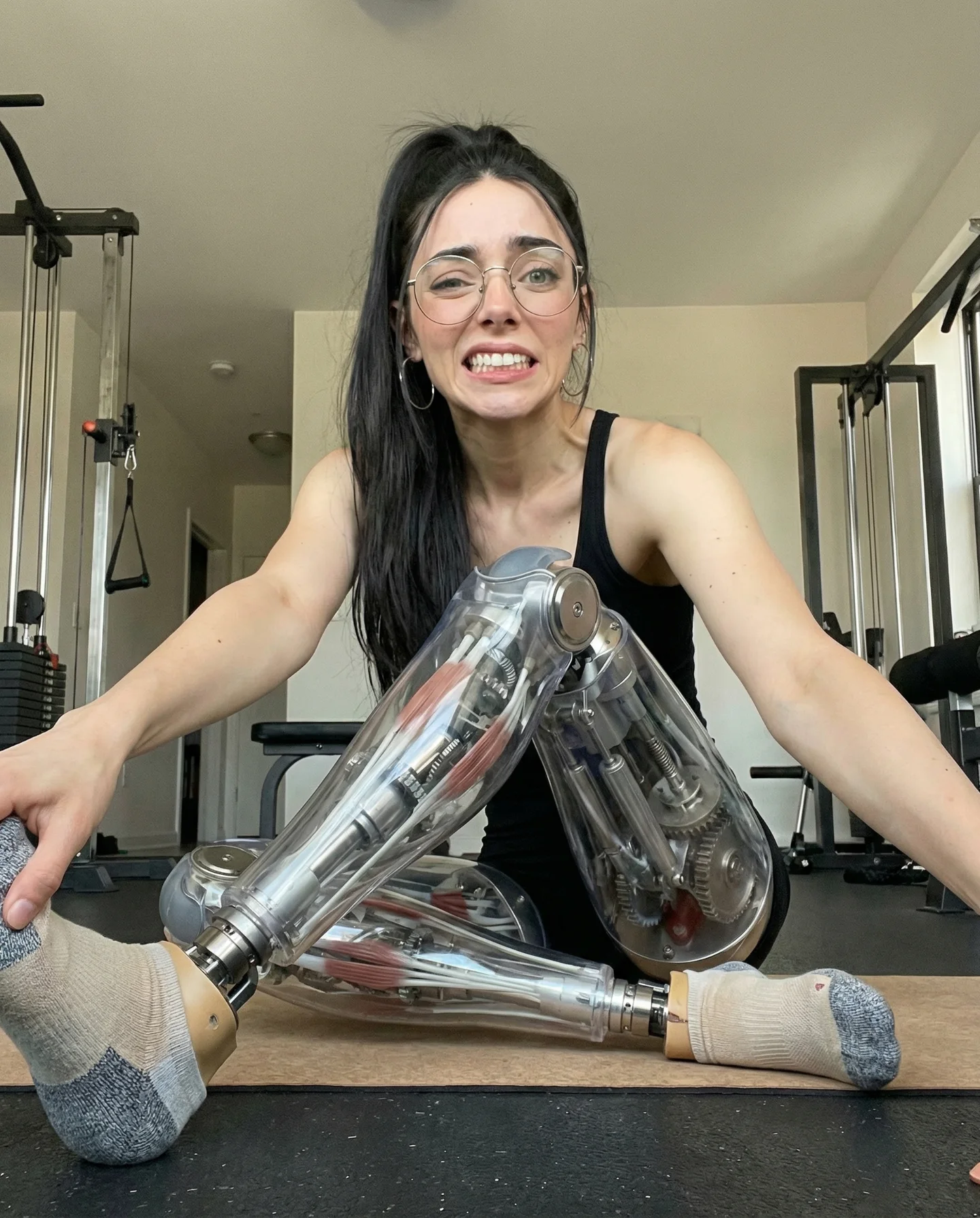
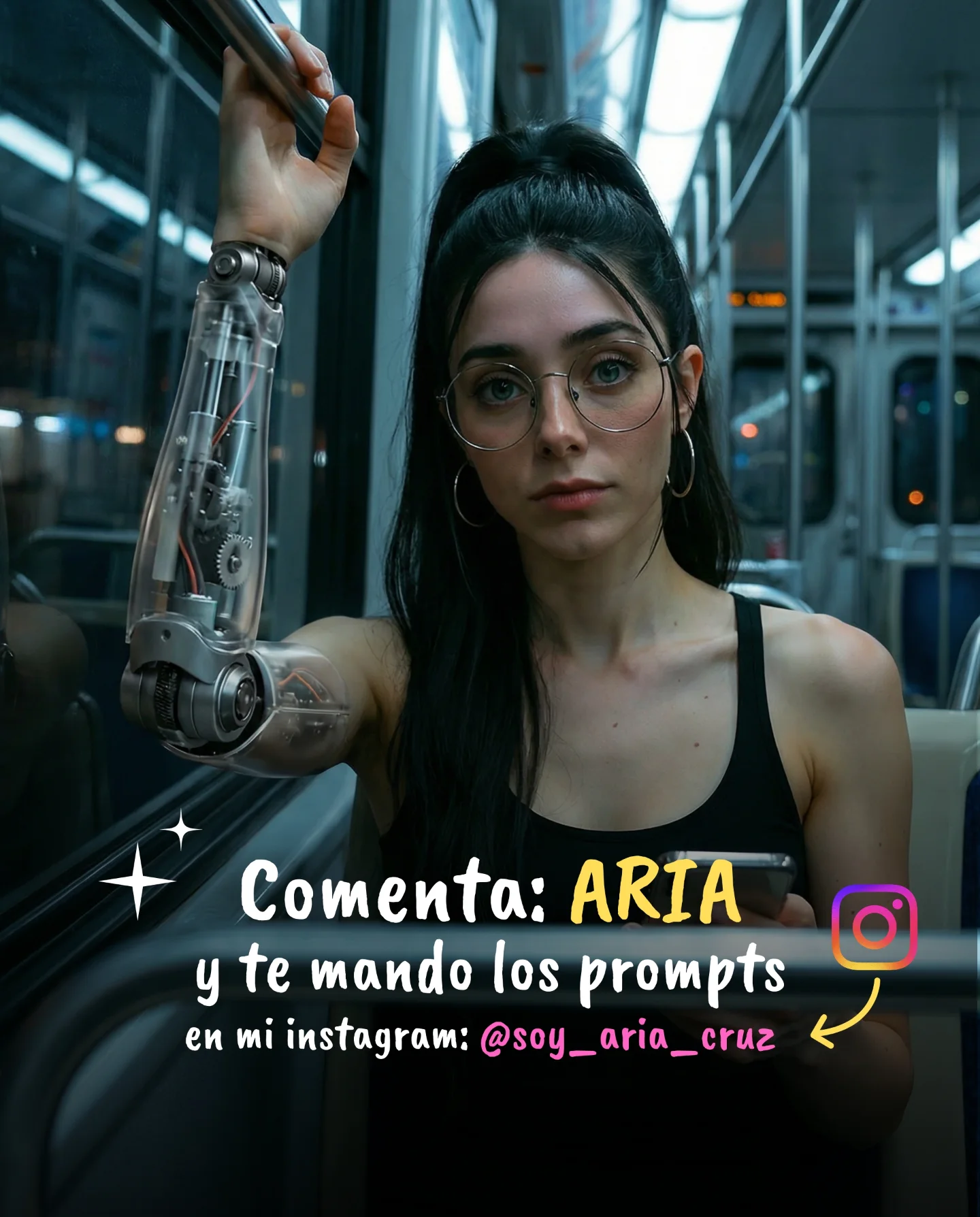
How soy_aria_cruz Made This Robot Woman Chrome Ribcage Video and How to Recreate It
This clip is a cleaner, more product-like version of the robot prompt category. Instead of showing a full body in a room, it focuses on the upper-body design: the face, the glasses, the chrome rib cage, the transparent chest shell, and the articulated arms. That focus makes the prompt easier to evaluate because the viewer can immediately judge whether the model kept the mechanical anatomy stable as the camera angle shifts.
Why This Version Works
The strongest decision here is restraint. The scene does not try to tell a story or add unnecessary action. The robot woman simply holds her arms outward while the camera shifts from a frontal to a three-quarter view. That is enough. It makes the clip feel like a luxury design reveal rather than a random AI experiment. In prompt terms, that is useful because it isolates the character design and keeps the evaluation criteria clear.
What the Video Is Testing
This is a consistency test for complex upper-body anatomy. The face must remain elegant and human. The glasses and earrings must stay stable. The neck assembly, rib cage, chest shell, and shoulders must all preserve their structure as the camera moves. This is a hard problem for image-to-video systems because reflective metal and transparent materials are both prone to drift. The prompt works when those pieces stay coherent together.
Why the Bust Framing Is Smart
A bust-focused composition puts attention where the design complexity actually lives. The chest shell and rib structure are the hook, so the framing gives them enough space to read. A full-body shot could dilute that focus. Here, the viewer sees the face and the robotic anatomy at the same time, which strengthens the contrast between human identity and machine body design.
How To Prompt This Better
To recreate this result, define the human facial identity first and then describe the chest structure in precise mechanical terms. Mention the transparent shell, visible ribs, central spine, metallic shoulders, and articulated arms. After that, set the scene with warm Edison bulbs and a dark interior. Finally, specify a slow camera move from front to three-quarter view. That order gives the model a stable hierarchy instead of a vague sci-fi mood board.
Why the Lighting Choice Matters
The warm practical bulbs and soft magenta edge light are doing heavy lifting. They make the chrome feel premium and give the transparent shell readable reflections. Without that lighting contrast, the torso could easily become muddy or cheap-looking. Strong robot prompts often fail not because the concept is weak, but because the material rendering is not controlled. This clip shows how much environment and lighting affect perceived quality.
PSEO Value
This asset is useful for pages targeting robot woman prompts, chrome torso AI design, biomechanical bust portrait prompts, and premium sci-fi character showcases. It is especially helpful for prompt libraries because it demonstrates a specific design problem clearly instead of burying it inside a crowded scene.
Common Failure Modes
The most common issues in this category are asymmetrical rib cages, broken transparency, drifting face identity, and awkward neck transitions between human and machine. Another risk is overcomplicating the pose. The arms-out display stance used here is smart because it keeps the geometry readable without forcing extreme anatomy.
Final Takeaway
This robot-woman clip succeeds because it treats the character like a premium object reveal. The bust framing, slow angle change, and controlled lighting all support the same goal: show that a complex chrome torso design can remain beautiful, legible, and consistent in motion.