How soy_aria_cruz Made This Robot Woman AI Video — and How to Recreate It
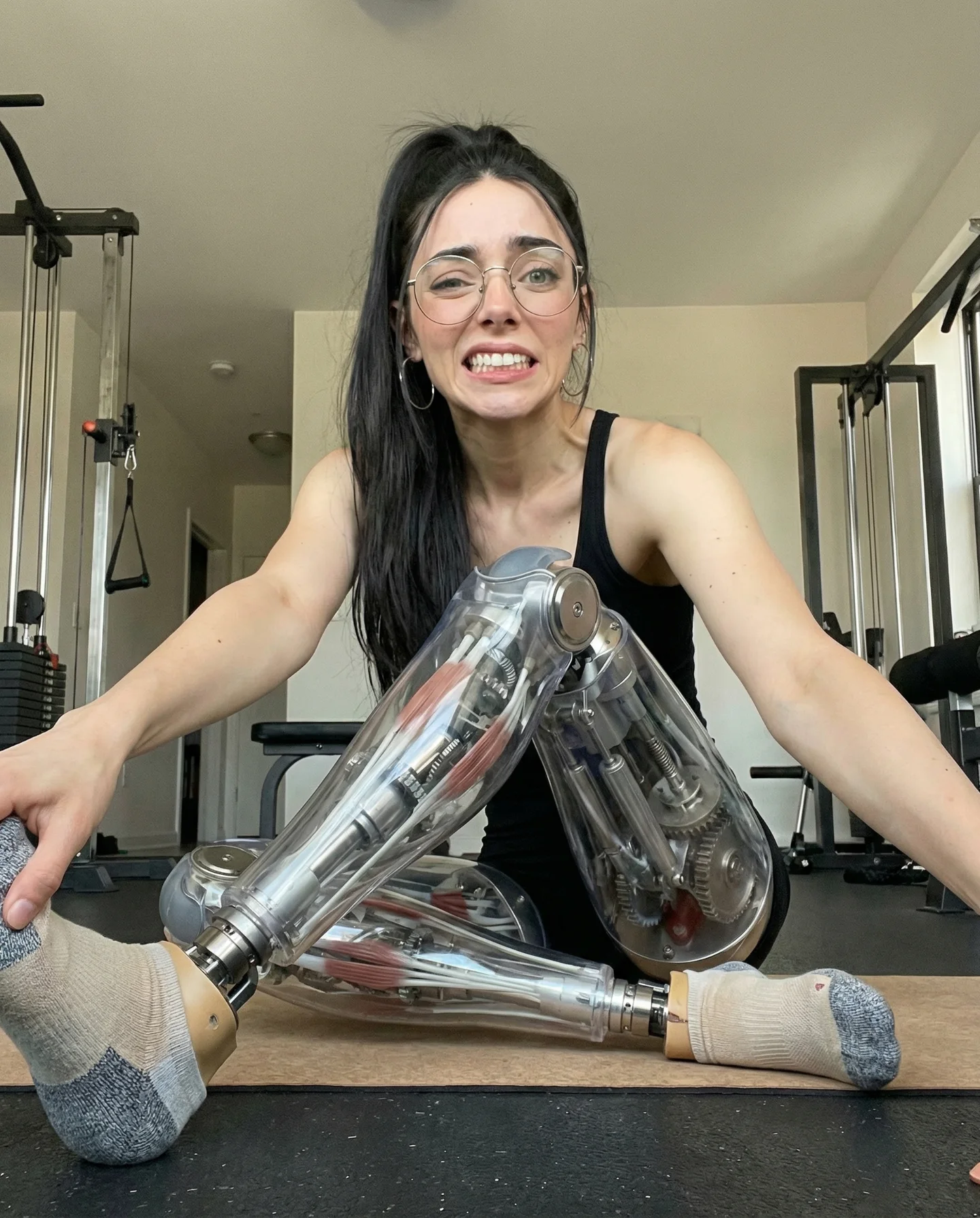
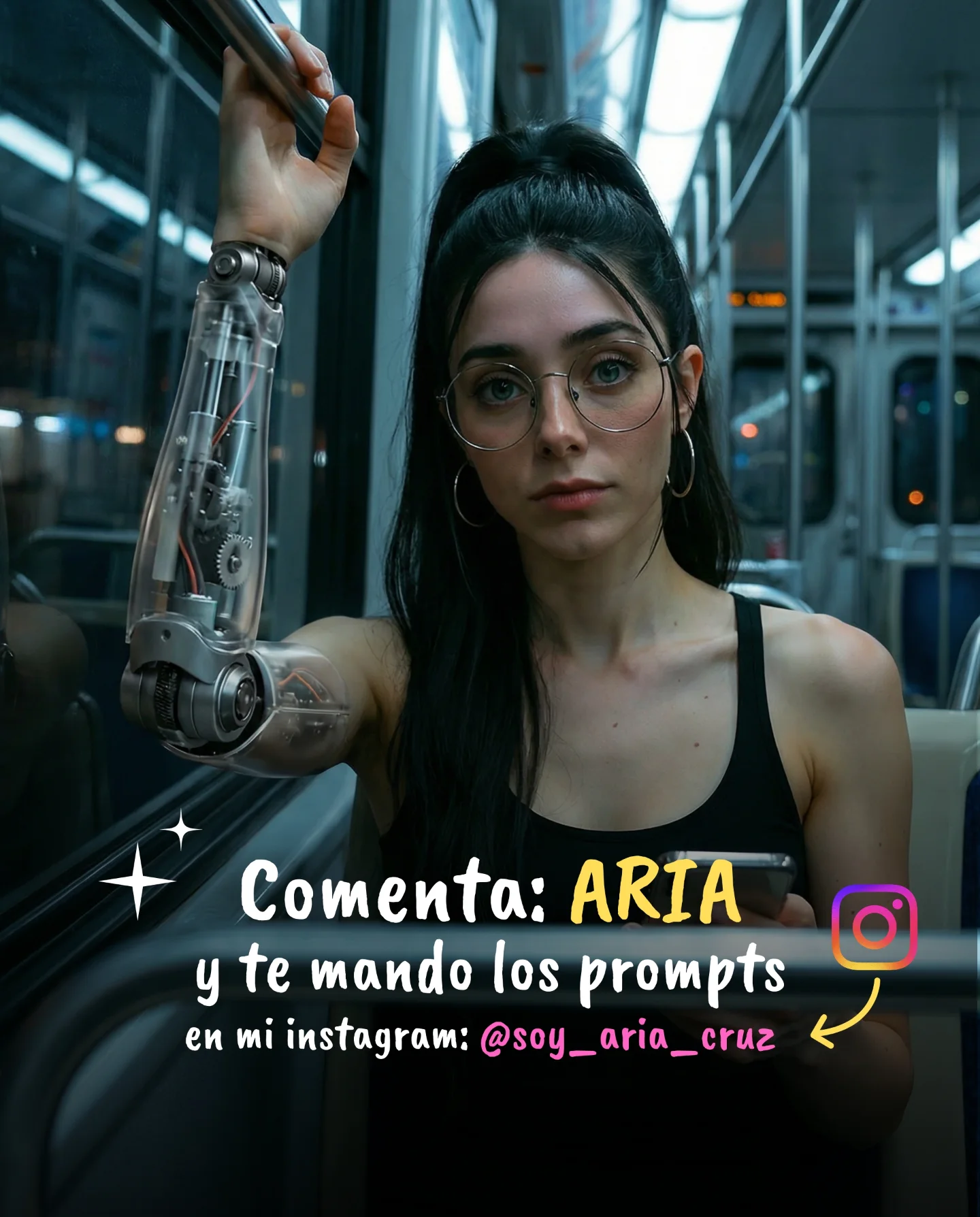
This video works because it takes a very strange character concept and presents it with restraint. The subject is a humanoid robot woman with a realistic brunette head and a fully exposed chrome skeleton body. That could easily become grotesque or messy, but the scene is framed as a premium interior character showcase instead. The warm Edison bulbs, soft apartment background, and slow camera movement make the result feel designed rather than chaotic.
Why This Character Design Is Effective
The strongest part of the clip is the contrast between the human face and the mechanical body. The face is calm, beautiful, and familiar. The body is skeletal, metallic, and obviously artificial. That contrast creates the hook. Viewers immediately understand that this is not a standard robot render. It is a hybrid prompt built around identity and mechanical anatomy at the same time. This kind of clear visual contradiction is excellent for social content because it stops the scroll quickly.
At the same time, the design avoids turning into horror. There is no gore, no damaged flesh, and no shock tactics beyond the conceptual contrast itself. That makes the clip much more reusable for prompt libraries, futuristic fashion content, and AI character case studies.
What the Video Is Actually Testing
The caption frames the Reel as a prompt-sharing post, and the video confirms that. This is really a prompt quality test for multi-angle consistency. The camera starts near the front of the character and then moves gradually toward a side profile. That shift matters because many AI character concepts look great from one angle and fall apart when the perspective changes. A robot skeleton body is especially difficult because the ribs, spine, pelvis, and arm joints must all stay coherent as the view rotates.
This makes the clip useful beyond pure inspiration. It becomes a practical example of how to evaluate whether a character prompt is truly stable or only impressive in a single frozen frame.
Why the Warm Interior Matters
The apartment setting is a smart choice. A cold laboratory would have been the obvious background, but it would also feel generic. By placing the robot woman in a warm dining-room environment with hanging Edison bulbs and a sofa in the background, the creator gives the concept a more editorial tone. The environment says this is a designed aesthetic object, not a science-fiction cliché. That makes the output feel more distinctive and more useful for a creator audience.
The warm lights also help the metal body read properly. Chrome skeleton structures can look flat or muddy under poor lighting. Here, the amber bulbs and slight magenta edge light create reflections that separate the ribs, limbs, and pelvis clearly. Good prompt results depend on this kind of lighting choice.
How To Prompt a Result Like This
The prompt needs to lock two different forms at once: the human identity and the mechanical anatomy. Start by defining the brunette head, the ponytail, the hoop earrings, and the calm editorial expression. Then describe the body as a polished exposed chrome skeleton from the neck down, including visible ribs, spine, pelvis, and arm structures. Finally, specify the apartment environment, warm practical lights, wooden table, and slow camera orbit. That sequence gives the model a stable hierarchy.
If you start with broad language like “beautiful robot woman,” the result will usually become vague. The quality here comes from being specific about where the human ends and where the mechanical design begins. Prompt clarity is doing most of the work.
Why Angle Movement Is So Important
The camera movement is subtle, but it is the whole point. A frontal still frame could hide a lot of design problems. The slow move toward profile exposes whether the rib cage has real depth, whether the spine remains centered, and whether the face stays attached convincingly to the robotic neck structure. This is exactly the type of motion that reveals whether a concept is robust enough for video rather than only image generation.
For creators building AI character pages, this is valuable because it turns a character design into a repeatable benchmark. The question becomes simple: can the design survive a camera orbit without breaking?
Common Failure Modes for This Kind of Prompt
The biggest risk is anatomical collapse. Ribs may duplicate, hands may deform, or the pelvis may shift shape between angles. Another frequent problem is tonal confusion. If the prompt is too dark or too aggressive, the output drifts into horror instead of elegant sci-fi. There is also the risk that the human face and metal body do not integrate properly, leaving the neck transition awkward or visibly broken.
This clip avoids most of those problems by keeping the motion slow, the environment controlled, and the design language clear. That is a useful lesson for anyone building advanced AI character prompts.
SEO and Tutorial Value
This asset can support search topics such as robot woman prompt, female android skeleton body AI image, multi-angle cyber character video, biomechanical fashion AI prompt, and Kling prompt for robot consistency. That makes it strong material for prompt libraries and programmatic SEO pages. The subject is memorable, and the motion test adds educational value beyond aesthetics.
Final Takeaway
This robot-woman video succeeds because it combines a highly specific character concept with a disciplined presentation. The warm interior makes the chrome skeleton feel stylish instead of grotesque, and the slow angle change proves the design can hold together across perspective shifts. For prompt education and AI character inspiration, that is exactly the kind of example worth documenting.