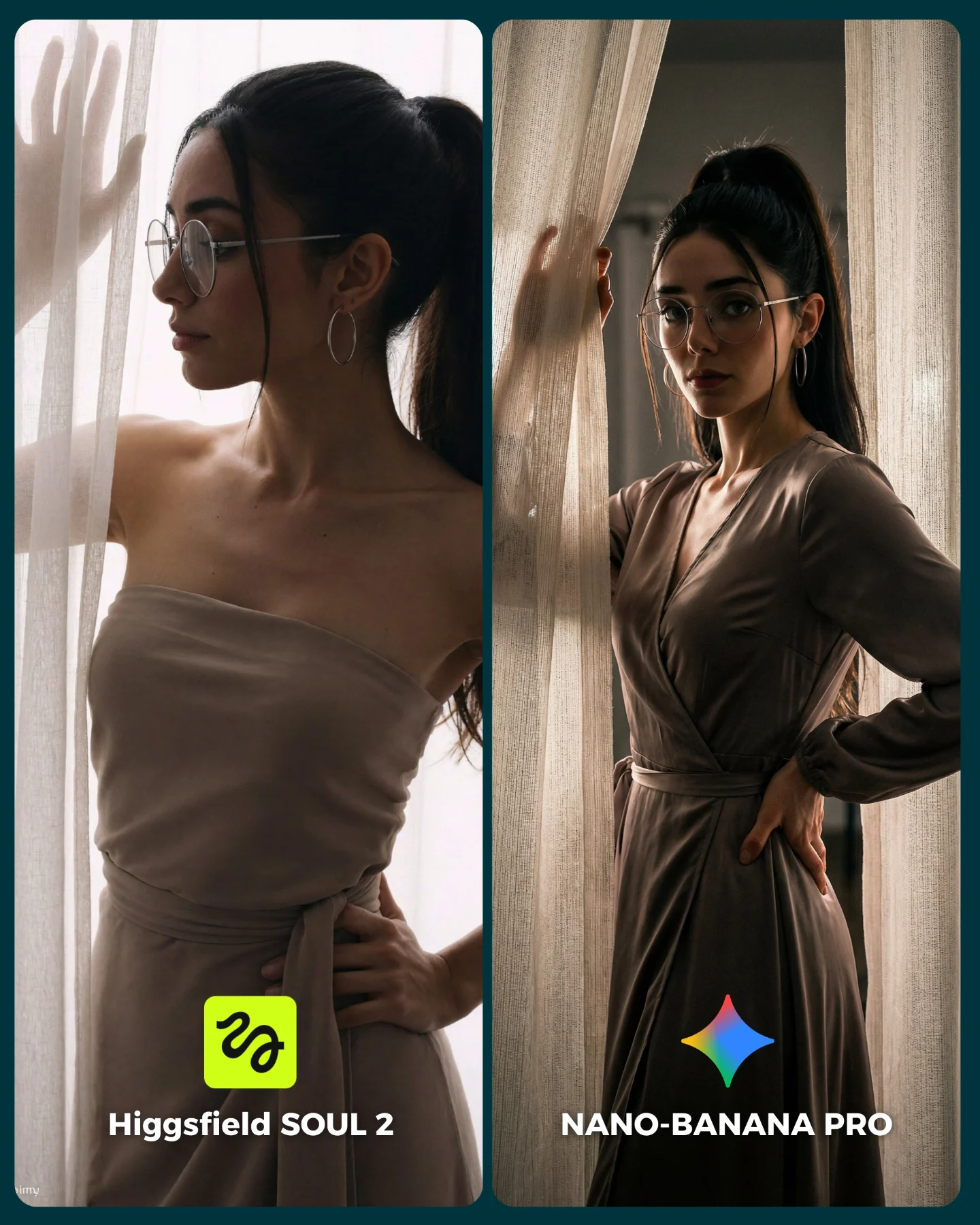
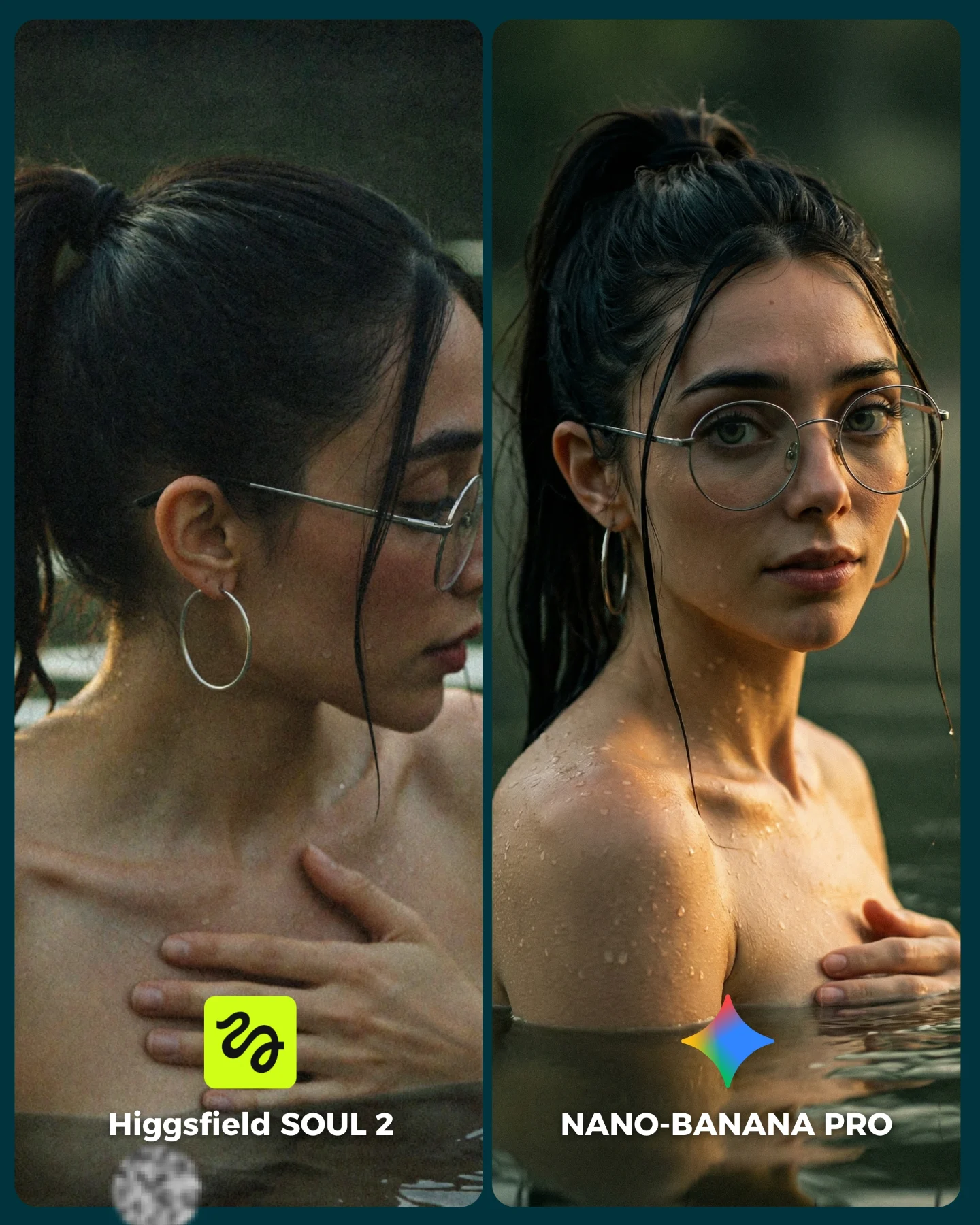
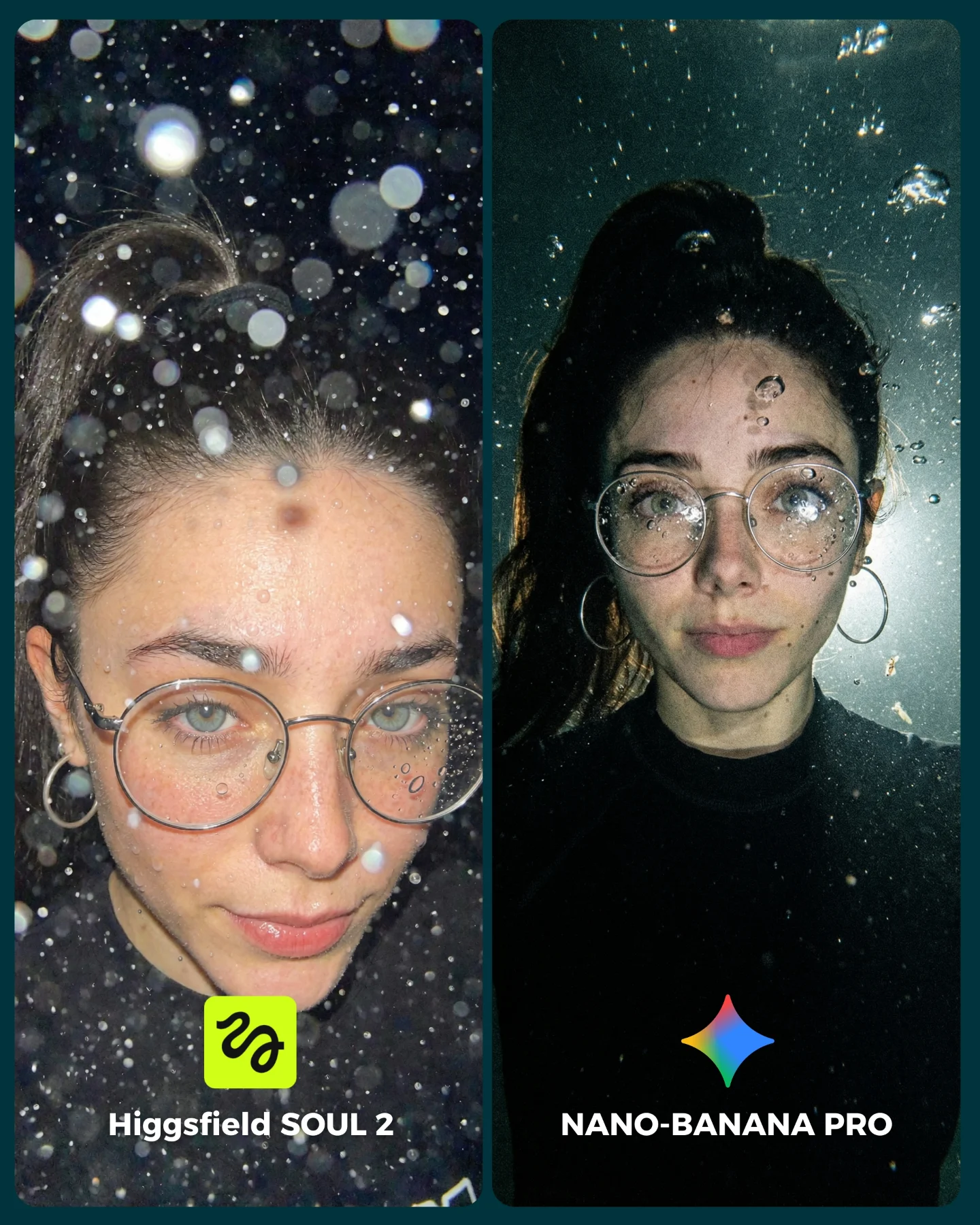
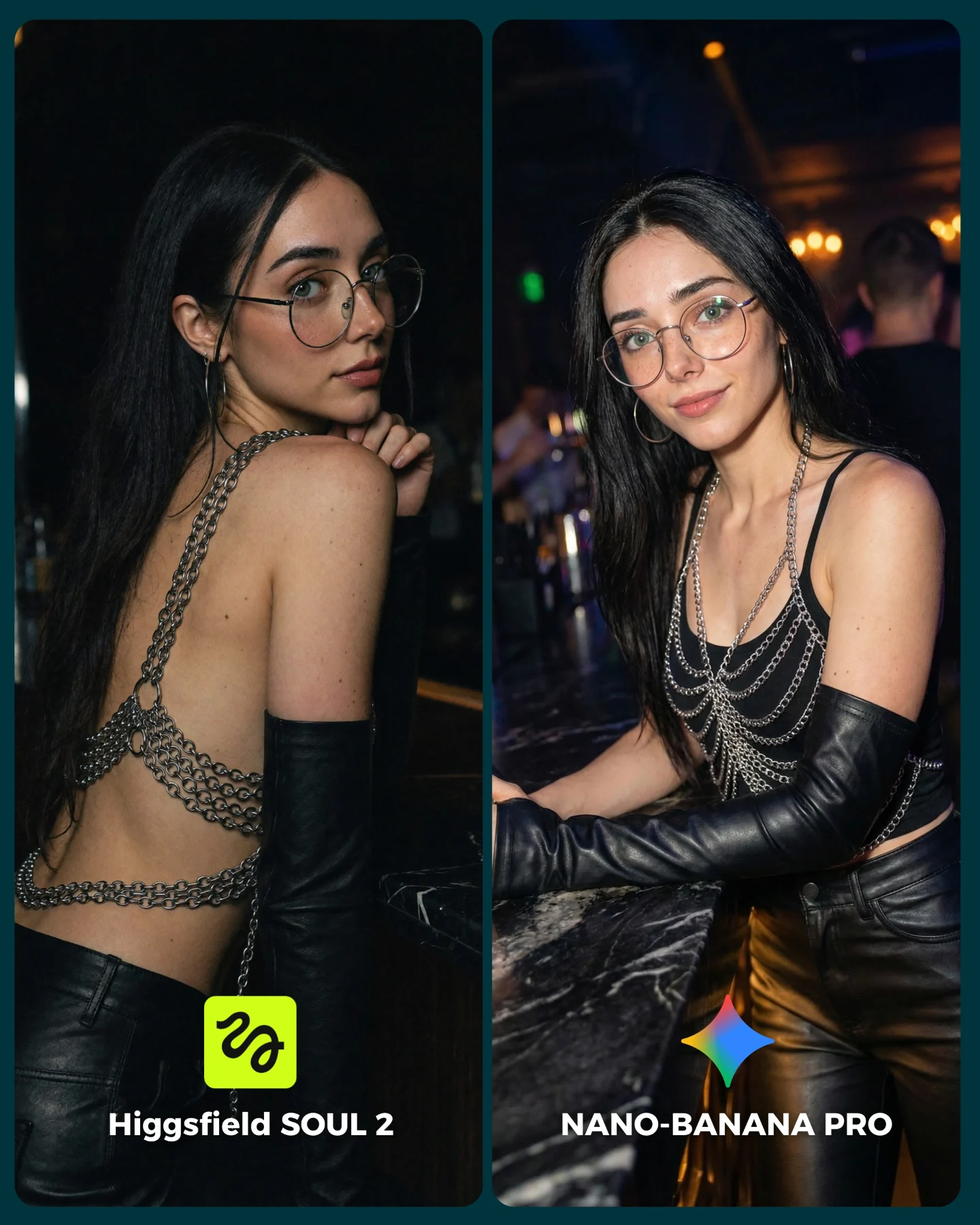
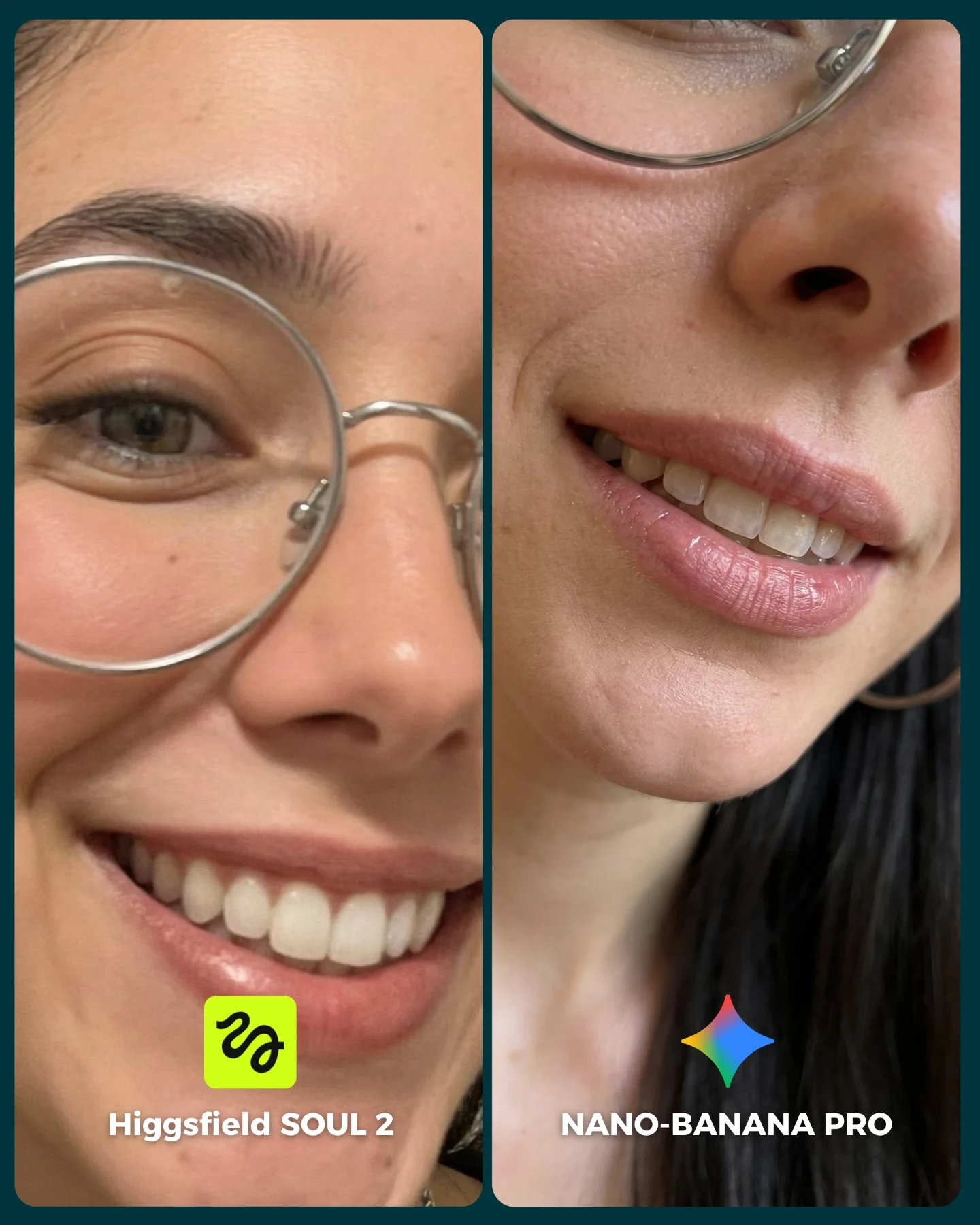
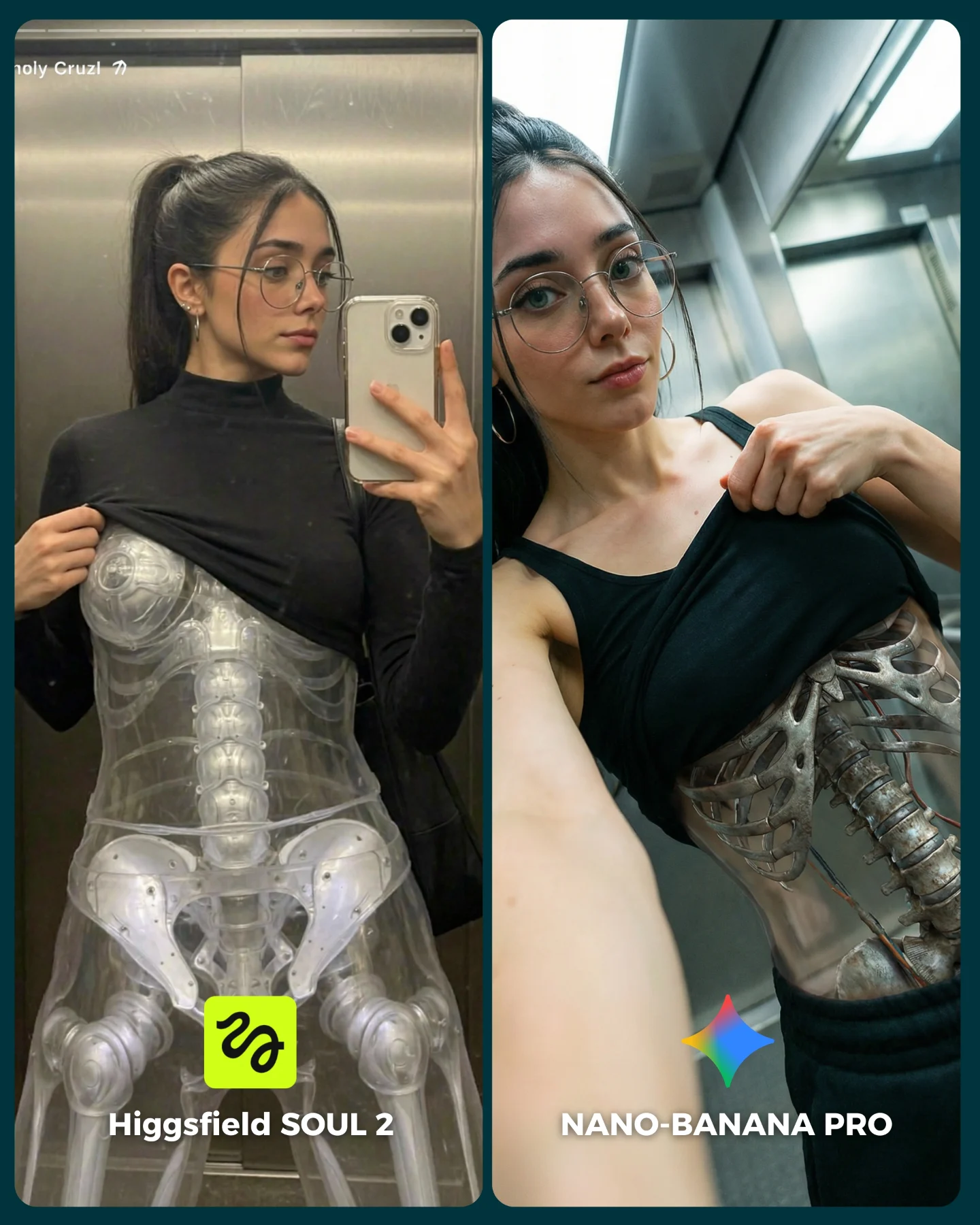
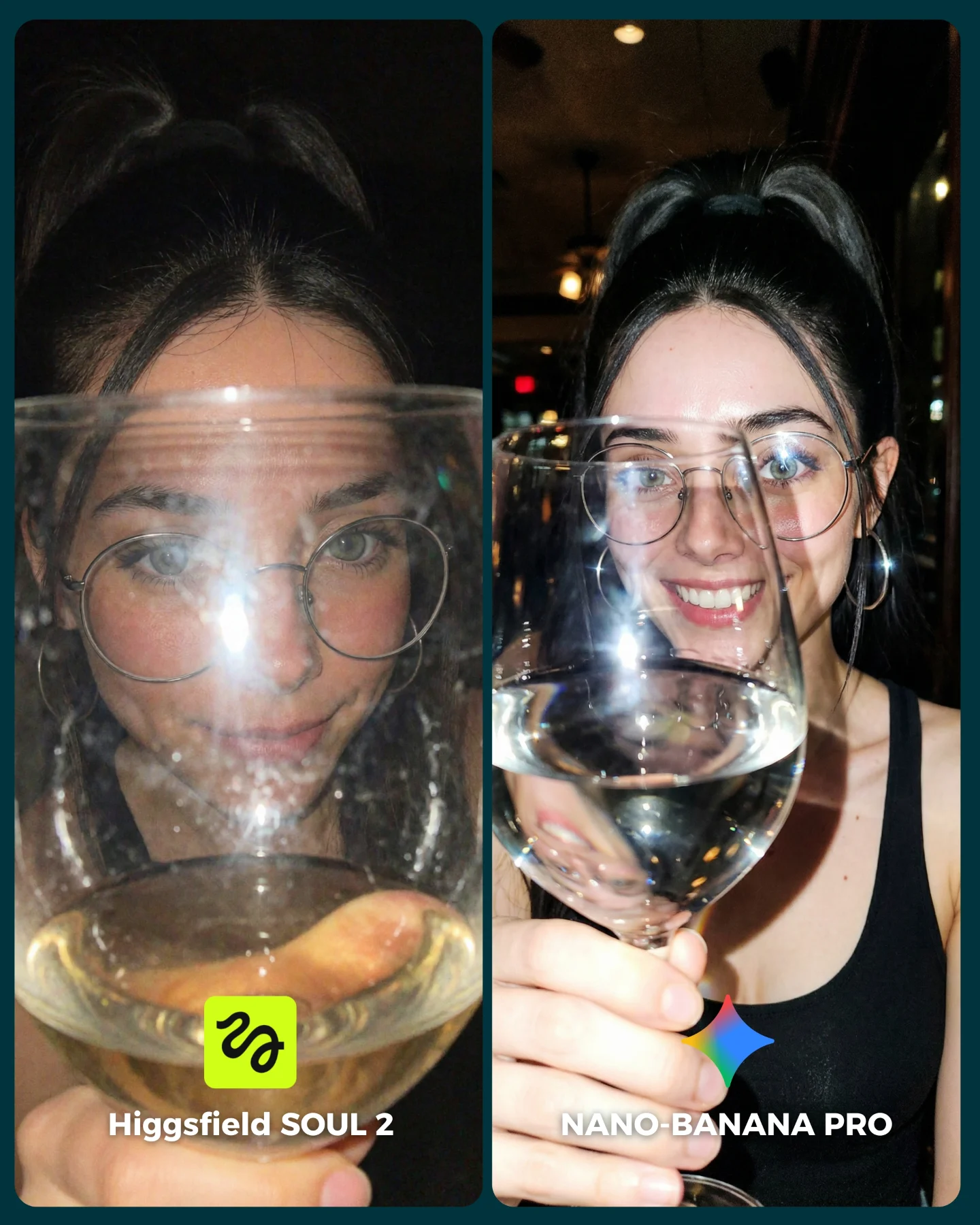
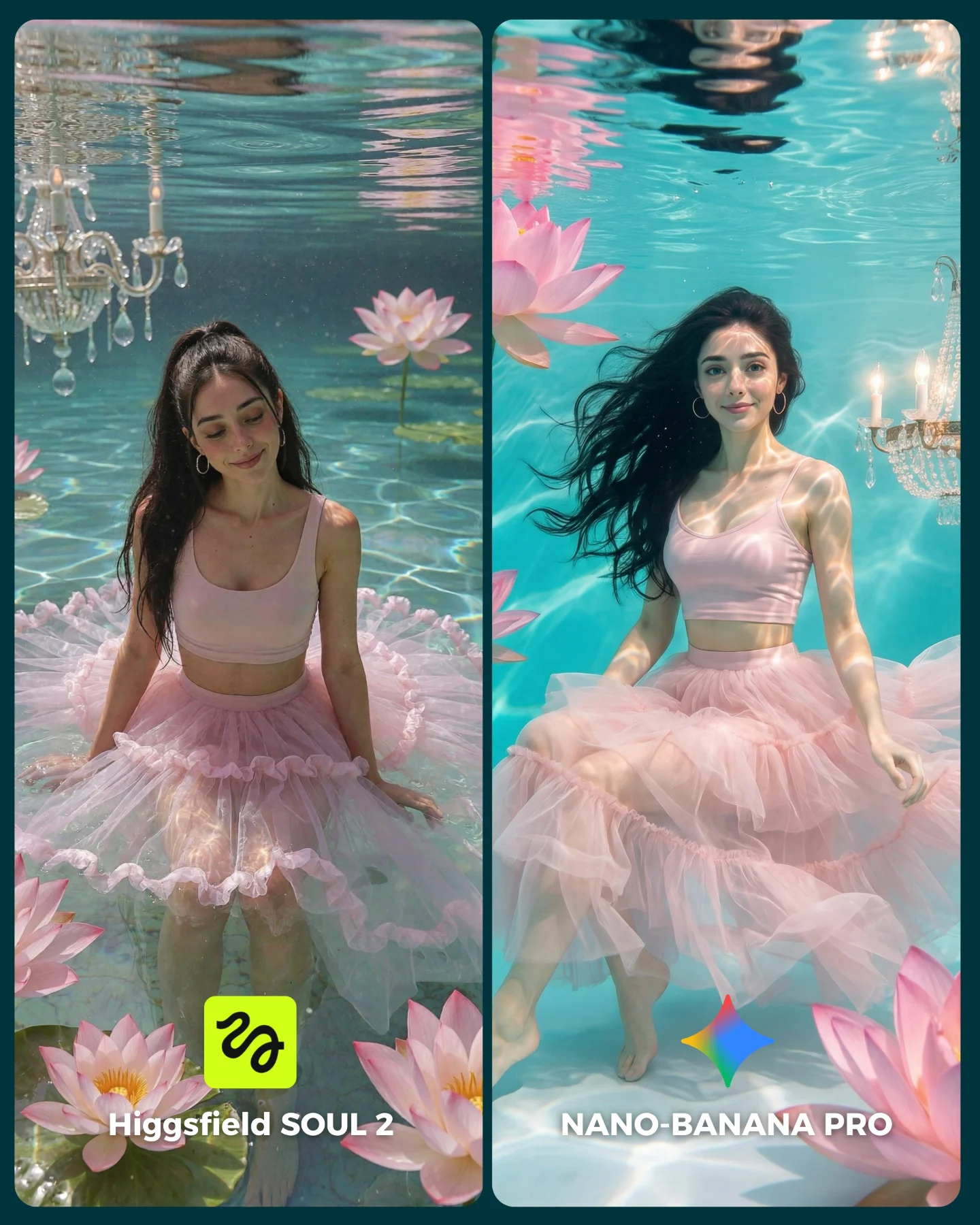
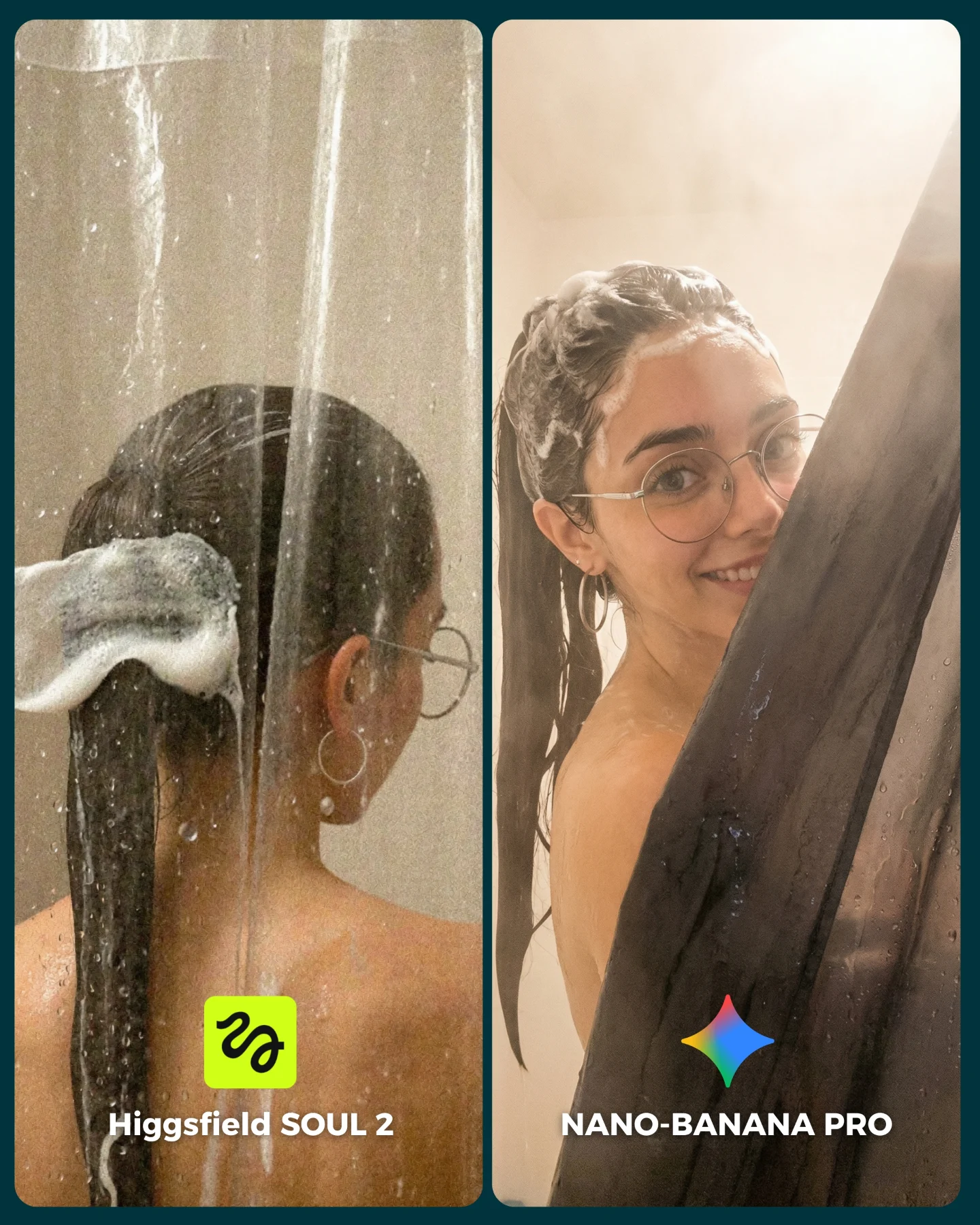
SOUL 2 Vs. Nano Banana Pro 💥
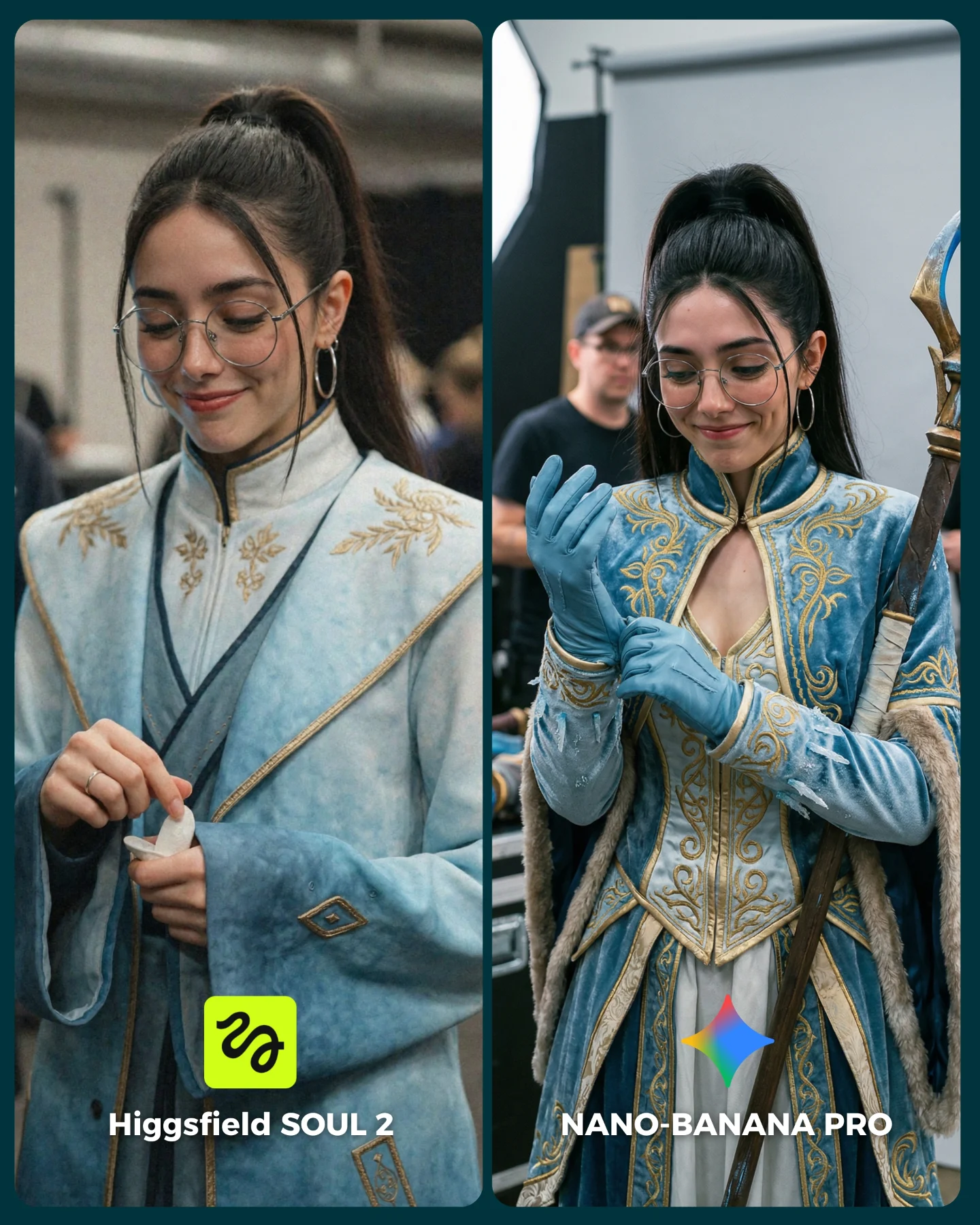
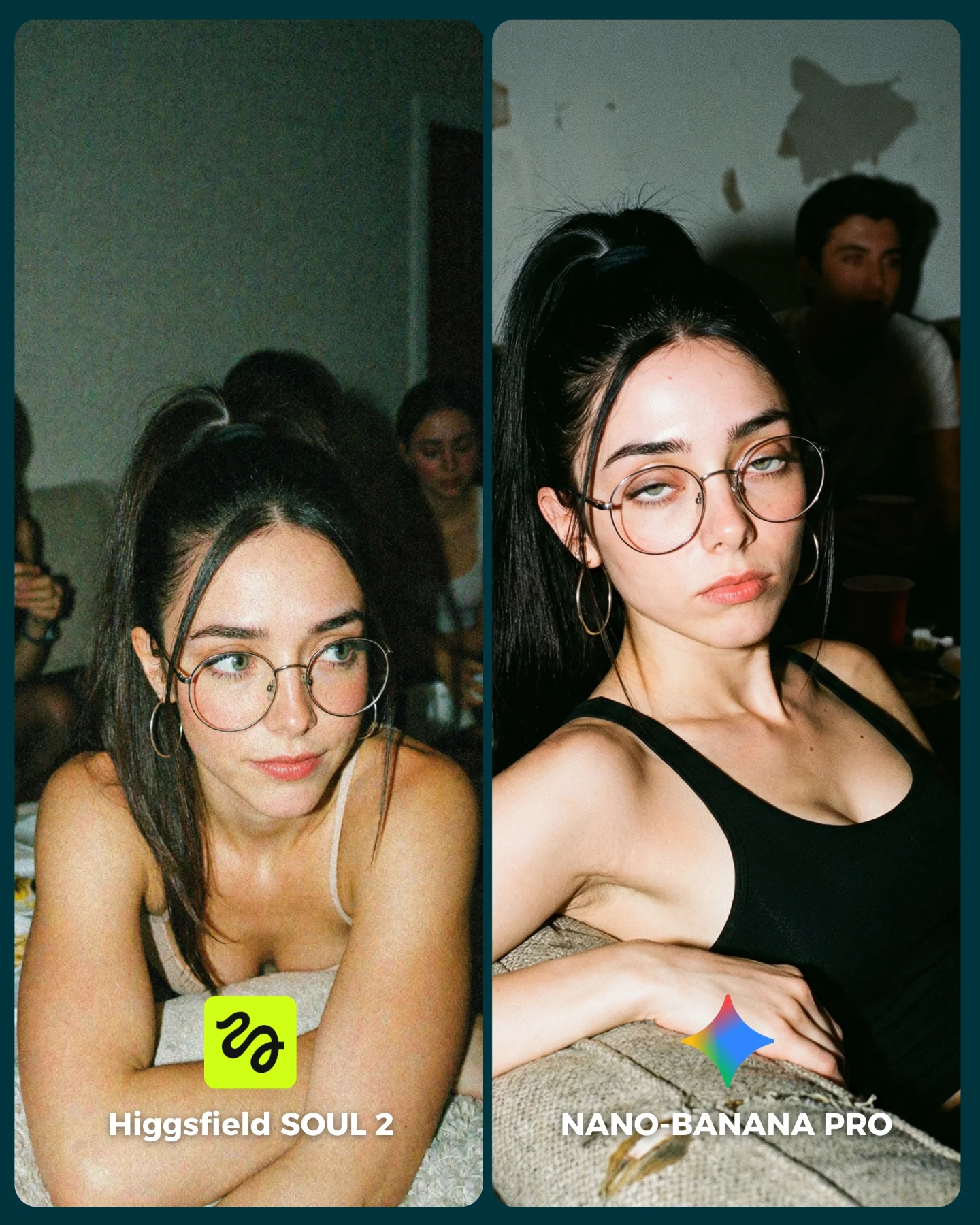
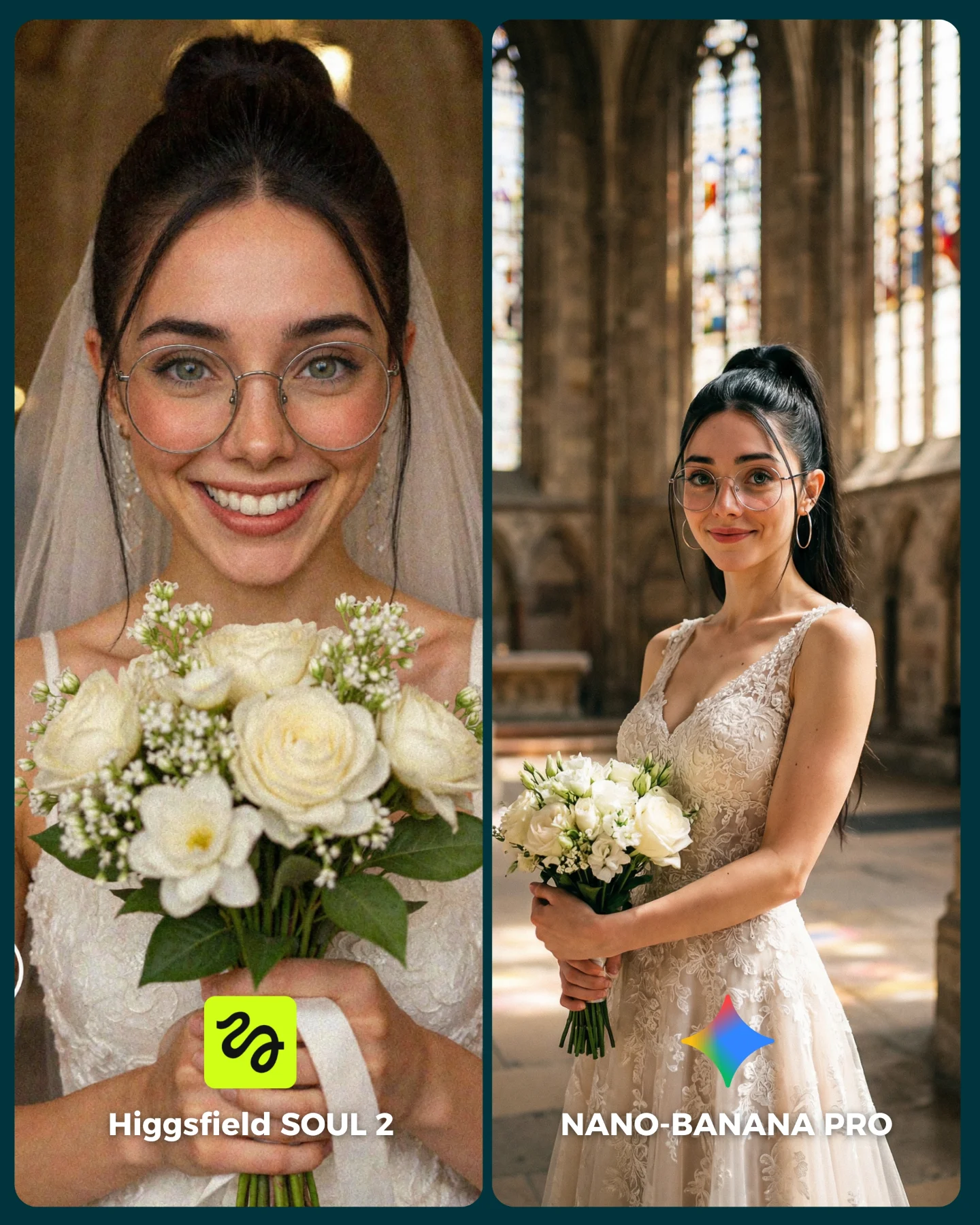
Higgsfield ha lanzado su nuevo generador de imágenes SOUL 2 ⚡ Puedes subirle hasta 80 imágenes de referencia de tu personaje para mantener mejor la constancia 👀
Y para compararlo bien, lo he puesto a prueba junto a Nano Banana Pro que hasta el momento es mi generador de imágenes favorito 💕
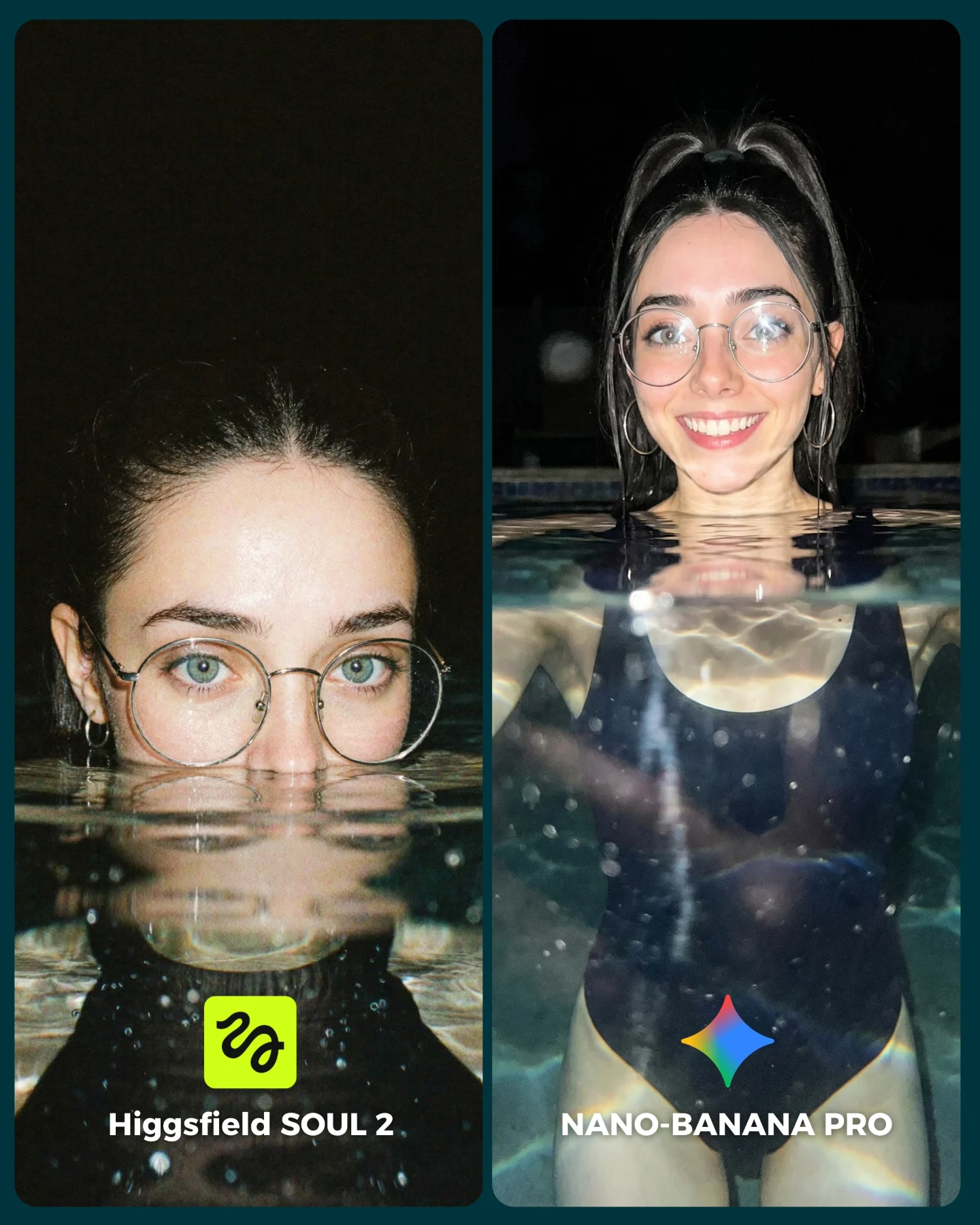
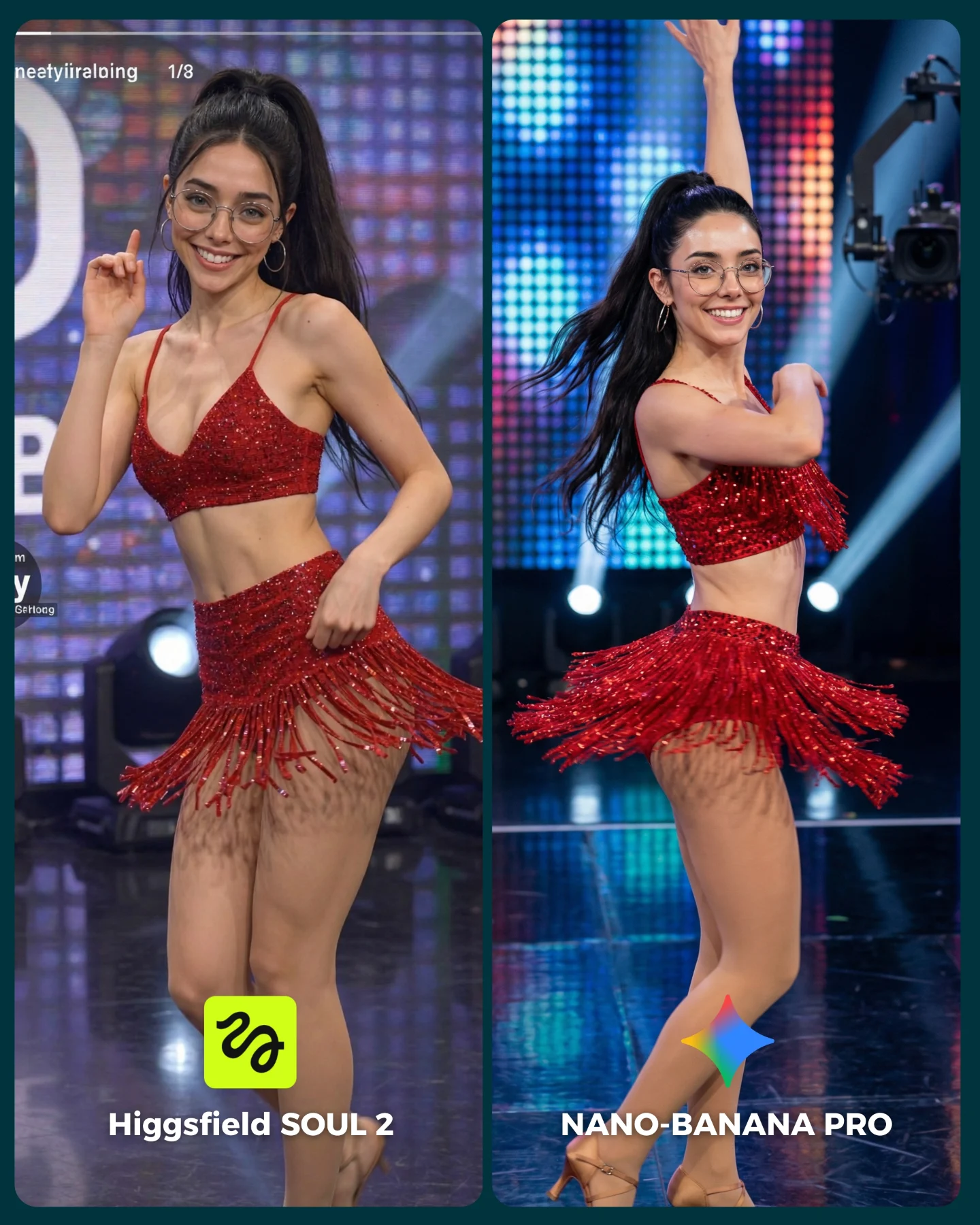
La verdad es que hay algunos resultados de SOUL 2 que me han sorprendido bastante... No está nada mal, pero sigo prefiriendo Nano Banana para la mayoría de las ocasiones 😅
Os dejo algunas imágenes que he generado y espero leer vuestras opiniones en comentarios 💌 Y si quieres los prompts de todas las imágenes comenta "ARIA" y te los mando por mensaje!
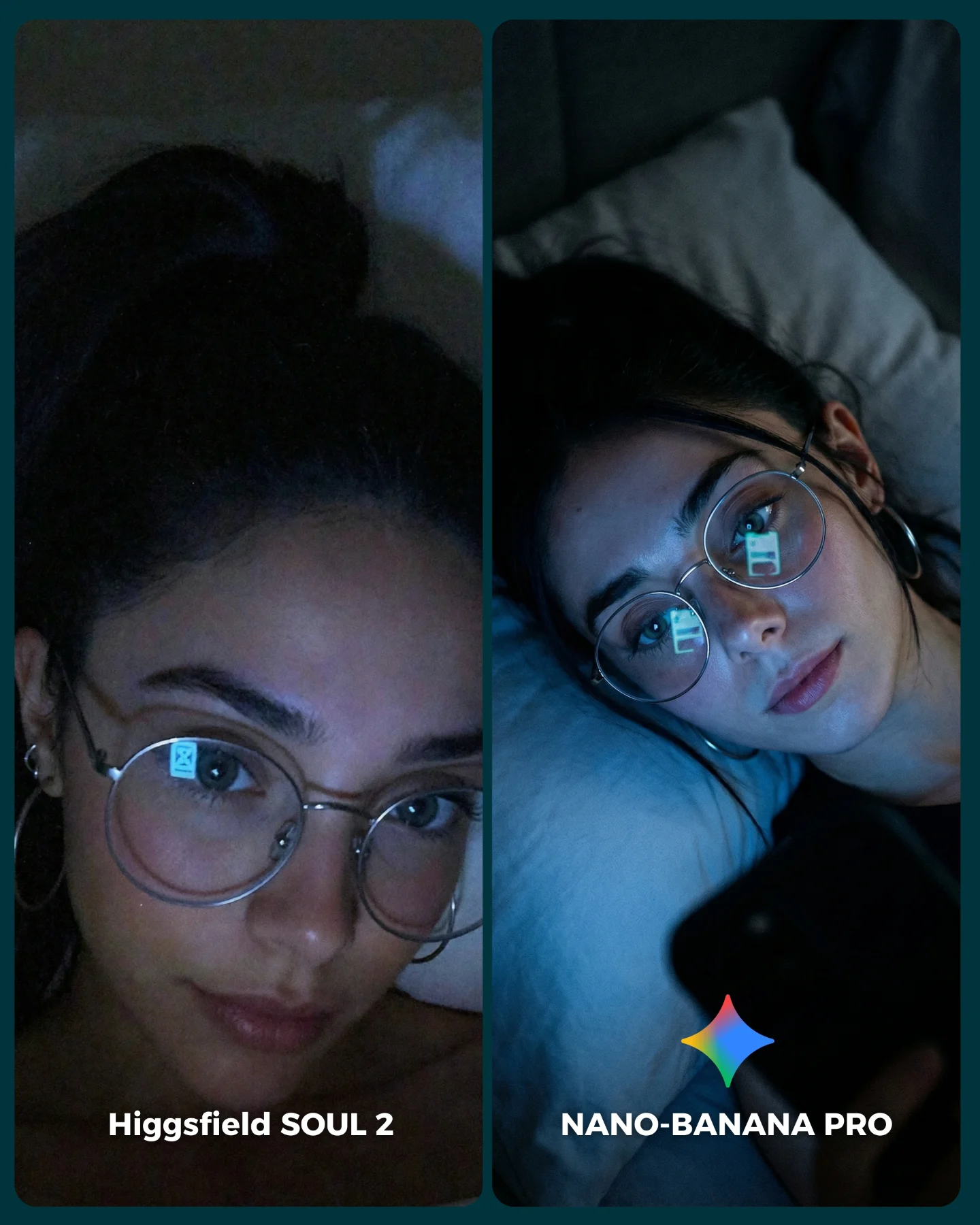
How soy_aria_cruz Made This Upside Down Bed Portrait AI Portrait and How to Recreate It
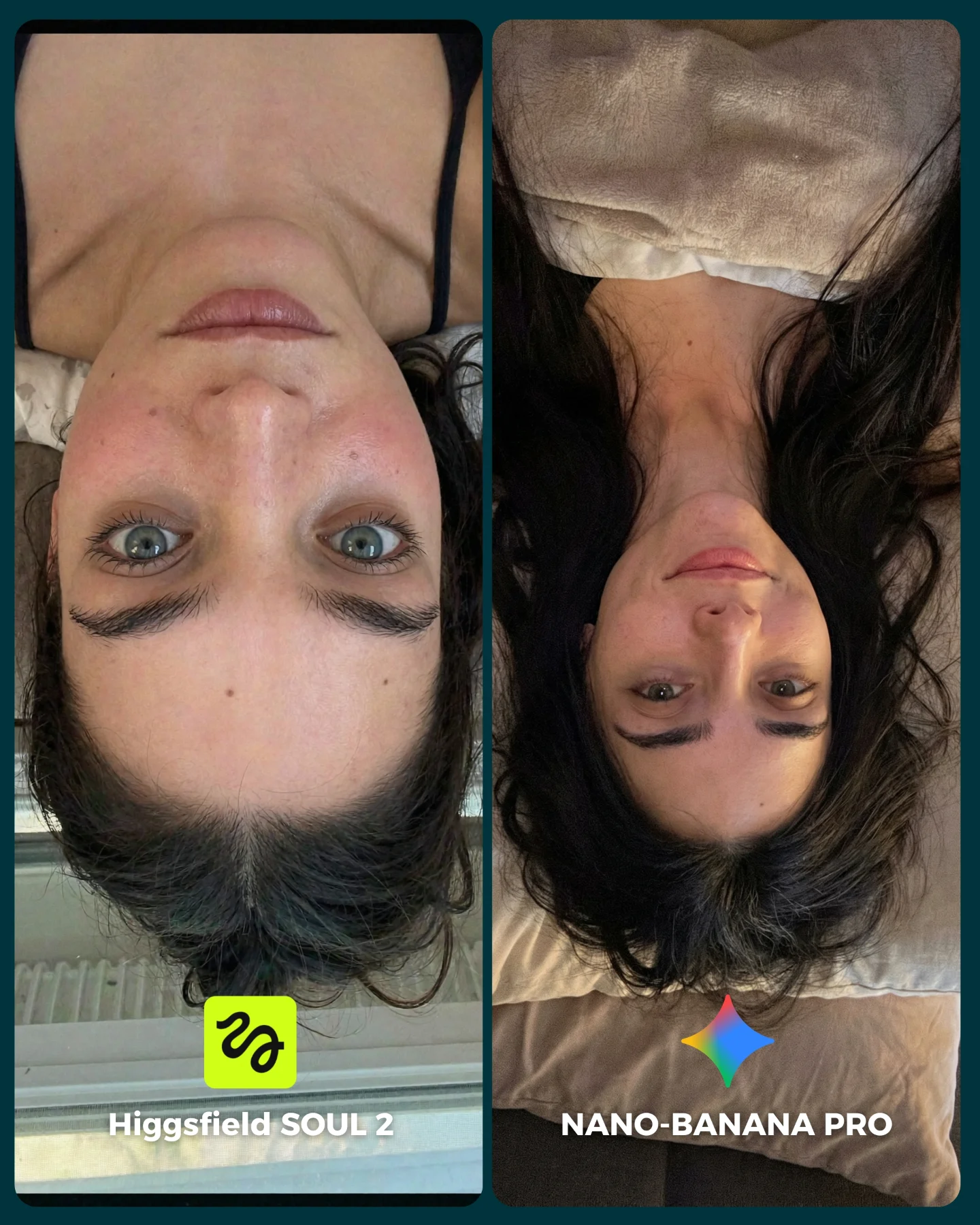
One of the easiest ways to pressure-test an image model is to remove its comfort zone. Most portrait models are trained to succeed on the same handful of familiar framings: upright faces, flattering angles, clear directional light, and ordinary camera posture. This image breaks that rhythm in a very simple way. It keeps the portrait quiet and natural, but flips the entire viewing orientation. That alone is enough to reveal whether the model still understands facial structure and believable composition.
What makes the comparison work is that it stays emotionally minimal. There is no heavy styling or loud concept to distract from the real challenge. The subject is just lying on a pillow, hair spread out, looking calmly into the camera. Because the idea is so restrained, the viewer can pay attention to what actually matters: eye alignment, nose structure, hair behavior against the bedding, skin tone consistency, and whether the scene still feels like a real overhead photo rather than an awkwardly rotated face.
This is also a very useful benchmark for creators working with AI characters. Identity can drift more easily once the usual portrait cues are scrambled. A model that keeps a believable face in a non-standard orientation is much more trustworthy for broader storytelling. That is why this type of test is more valuable than it first appears.
Why The Comparison Works
Signal
Evidence (from this image)
Mechanism
Replication Action
Unusual orientation
The face is shown upside down relative to the viewer in both panels
Non-standard framing quickly exposes whether the model really understands facial geometry
Use rotated or overhead viewpoints when you want to test structural consistency
Quiet setting
Pillow, bedding, loose hair, and no extra props
A simple environment forces the comparison to live or die on portrait realism alone
Strip away extra scene complexity when testing one narrow visual challenge
Hair as a realism test
Dark hair spreads naturally across the pillow instead of sitting in a perfect shape
Loose hair against fabric creates small physical cues that weak outputs often mishandle
Prompt natural hair spread and soft bedding interaction instead of neat styling
Direct left-right contrast
The right panel feels calmer and more naturally integrated into the bedding
Viewers can sense improvement without needing technical language
Keep the concept constant and let one side win through coherence, not exaggeration
The reason this is socially effective is that it feels simple enough to understand instantly, but strange enough to make people look twice. That is a strong combination. The viewer first notices the inversion, then starts inspecting the realism. A benchmark that earns a second look is much more likely to generate discussion.
Best Use Cases For This Format
This comparison style is best for portrait realism tests, identity-consistency benchmarks, and prompt education around composition. It is especially useful when you want to show that a model can handle more than standard beauty angles.
Identity consistency checks: ideal for proving a character still looks like the same person in unconventional framing.
Portrait realism benchmarks: useful when comparing how different models handle low-drama, intimate portrait scenes.
Prompt teaching content: strong for explaining why composition pressure matters as much as lighting or texture pressure.
Model launch comparisons: effective when a tool claims stronger coherence and you want a subtle but meaningful proof point.
It is less suited to high-energy feed content, product-heavy visuals, or cinematic world-building. This format is narrow on purpose. Its value comes from precision, not spectacle.
Transfer recipe 1 Keep: same bed setting, same subject, same upside-down orientation. Change: only the model or version. Slot template (EN): {same woman} lying on a pillow, overhead upside-down portrait comparison, left {model A}, right {model B}
Transfer recipe 2 Keep: quiet portrait mood. Change: the physical pressure point, such as messy hair, side light, or tighter crop. Slot template (EN): overhead bed portrait of {subject}, testing {detail variable}, split comparison layout
Transfer recipe 3 Keep: top-down intimacy and simple bedding. Change: the environment to sofa, bath towel, or grass for other texture interactions. Slot template (EN): {subject} viewed from above, lying in {surface setting}, minimal portrait realism comparison
The Aesthetic Read
The image feels stronger than a generic face comparison because the bedding gives the portrait a real physical context. The pillow and hair are not just background elements. They create orientation and weight. If those details feel wrong, the face feels wrong too. That is part of what makes the benchmark useful: it tests not only the subject, but the subject’s relationship to a surface.
The best panel also understands stillness. Nothing in the frame is trying too hard. The color palette is soft, the expression is neutral, and the lighting stays even. That allows tiny realism cues to matter more. A lot of portrait comparisons fail because they are overloaded with mood. Here, the lack of drama is the point.
Another subtle strength is that the crop is intimate without becoming distorted. The face remains believable even in this overhead, rotated presentation. That is a sign of better internal image logic, and viewers can feel that even if they would never describe it in those terms.
Observed
Why it matters
How to recreate
Upside-down viewing orientation
Creates an immediate compositional challenge
Keep the subject lying on a pillow and present the image inverted to the viewer
Loose hair spread over bedding
Adds realism through natural contact with the surface
Prompt softly fanned hair rather than rigid styling
Neutral beige bedding
Keeps the environment believable and non-distracting
Use cream, taupe, or beige linen textures
Calm direct gaze
Lets the viewer judge structure and coherence without emotional exaggeration
Keep the expression quiet and lips closed
Tighter left crop, looser right crop
Creates a visible structural difference while keeping the concept constant
Let one panel emphasize the face and the other give slightly more context
Prompt Blocks To Control
Prompt chunk
What it controls
Swap ideas (EN, 2-3 options)
same woman lying on a bed, viewed from above
Locks the core physical setup
same woman on a sofa; same man on a towel; same subject lying in grass
image remains upside down to the viewer
Creates the key compositional test
rotated side portrait; diagonal head framing; inverted mirror-like composition
dark hair spread on pillow
Adds natural texture and contact realism
wet hair on towel; curls spread on linen; short hair against wool blanket
soft indoor light and beige bedding
Builds a subtle, non-distracting realism stage
cool morning window light; warm hotel bedding; cloudy daylight bedroom
left slightly weaker, right more coherent
Makes the benchmark conclusion visible
left flatter right richer; left softer right clearer; left less dimensional right more natural
embedded model labels with icons
Turns the comparison into native social content
Base / Pro; Version 1 / Version 2; Model A / Model B
What to lock first
Lock the upside-down orientation, the bedding interaction, and the identity cues first. Those three details define whether the comparison feels honest.
How To Iterate On This Test
Baseline Lock: keep the same subject, the same overhead bed setup, and the same inverted presentation. Then vary only one challenge at a time, such as model version, crop tightness, hair behavior, or lighting nuance.
Run 1: stabilize the face and eye alignment in both panels.
Run 2: refine hair spread and pillow interaction while keeping the pose unchanged.
Run 3: test a different crop width or slight expression shift without changing orientation.
Run 4: build a series around non-standard portrait framings such as top-down, mirror-floor, or diagonal bed compositions.
The strength of this format is that it teaches viewers a more sophisticated kind of comparison. They stop judging only by sharpness and start noticing whether the portrait still feels physically and compositionally true. That is a better benchmark standard.