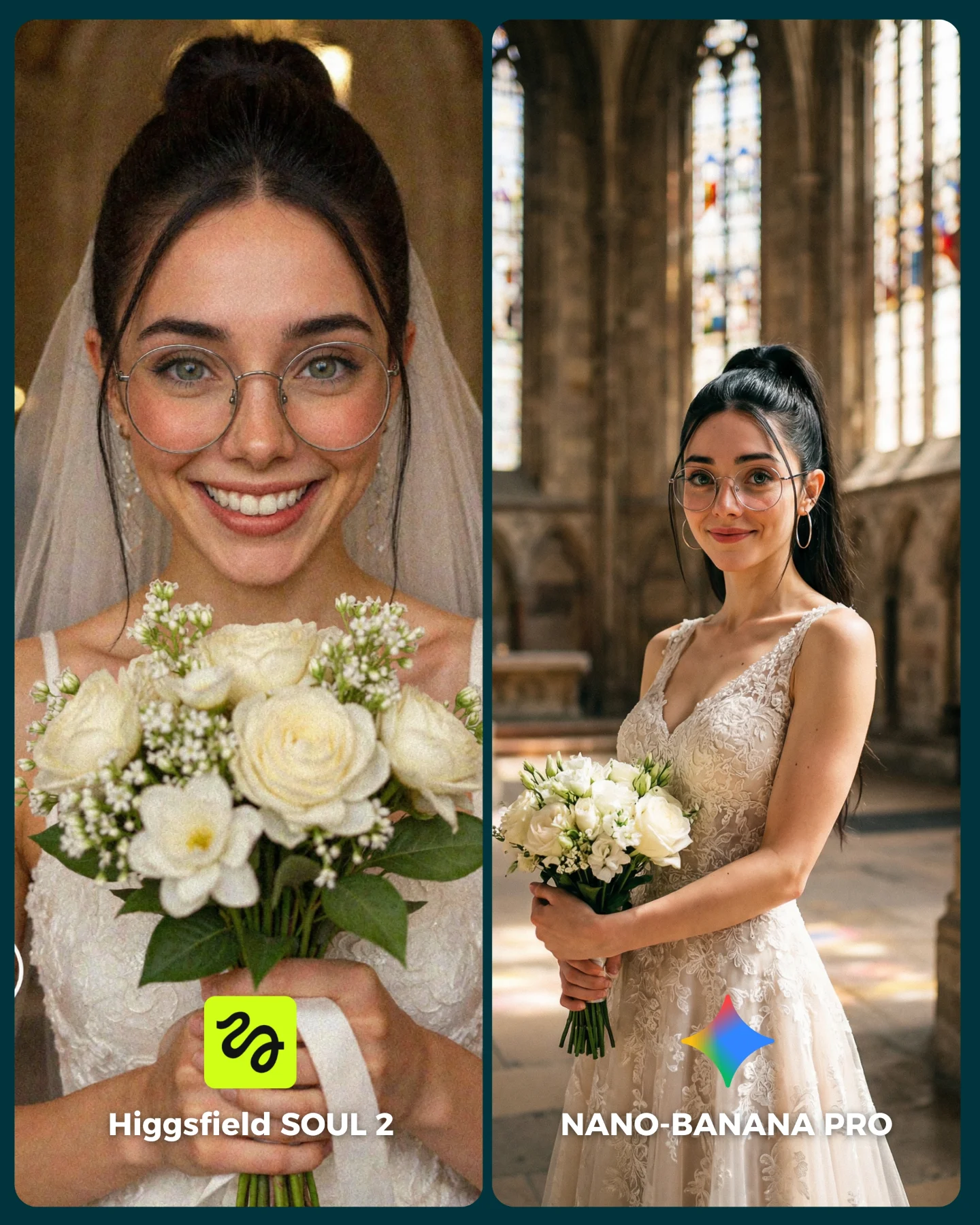
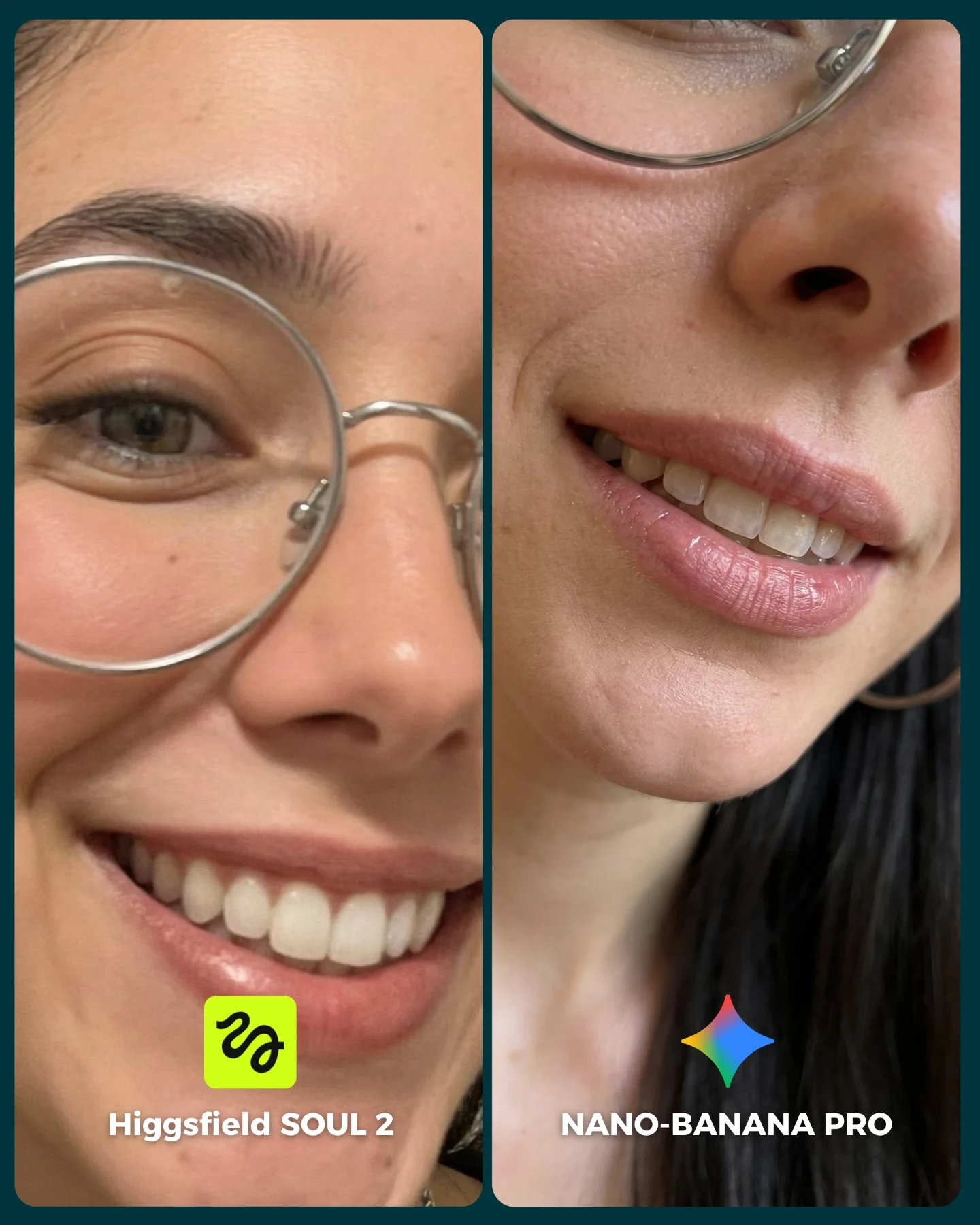
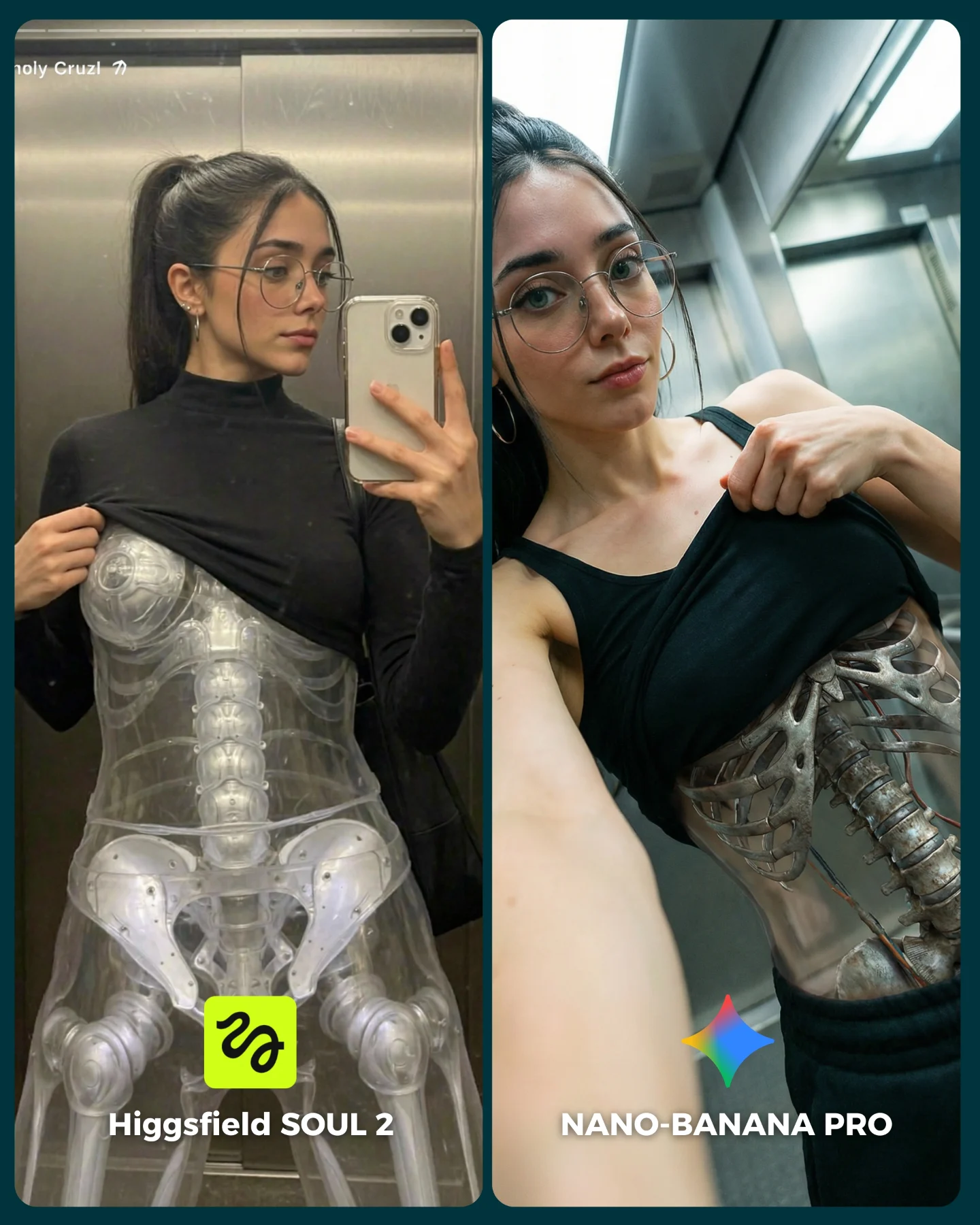
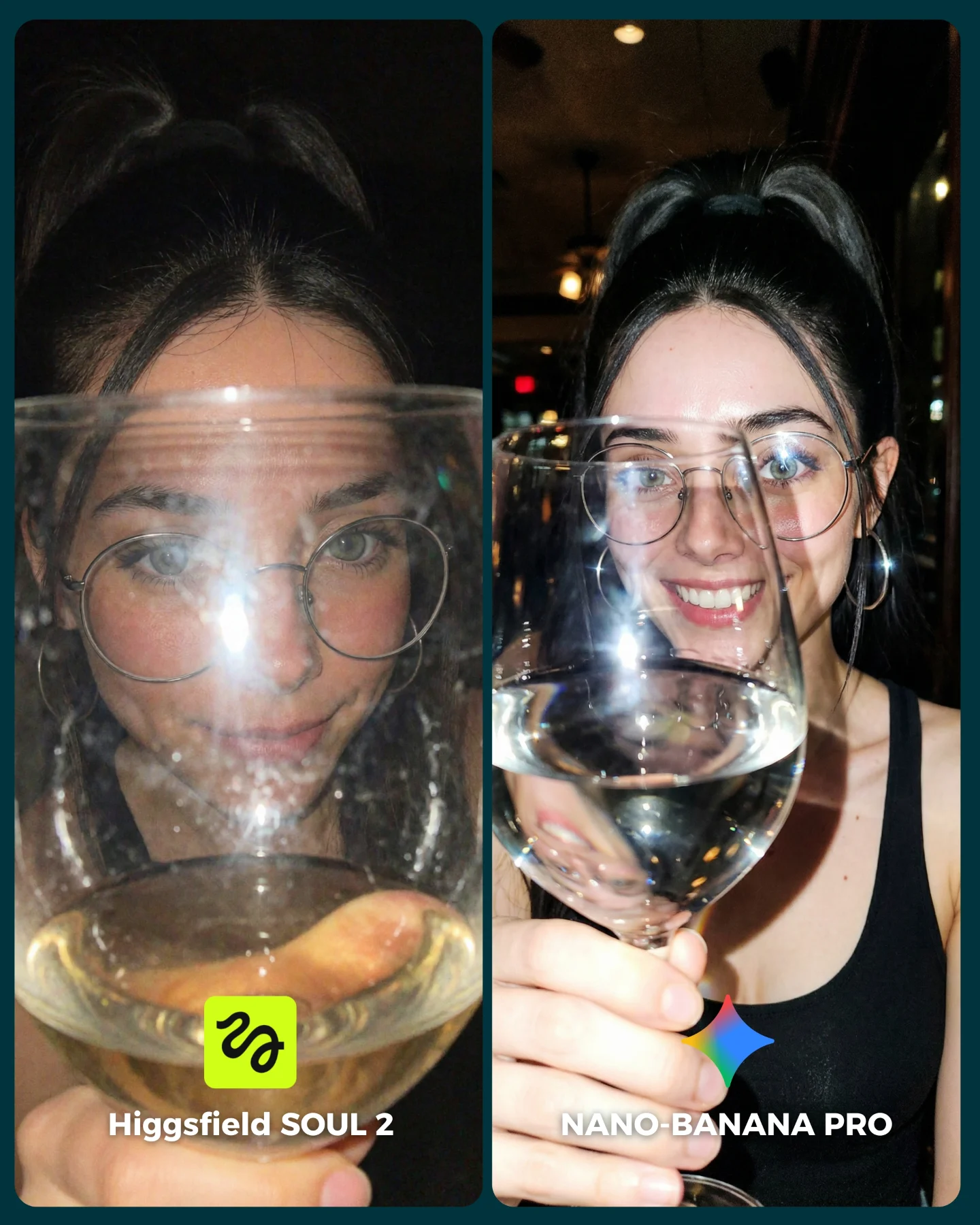
SOUL 2 Vs. Nano Banana Pro 💥
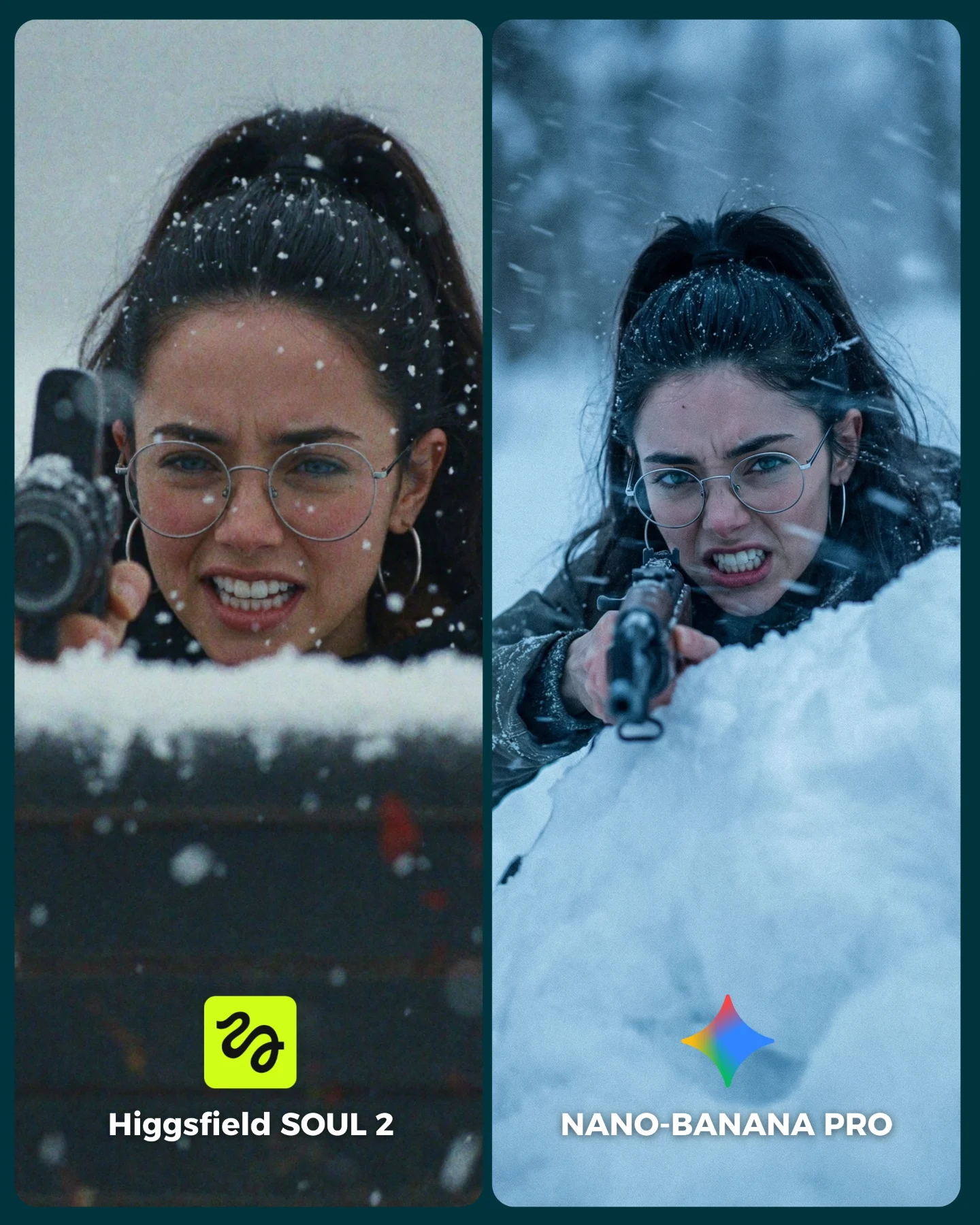
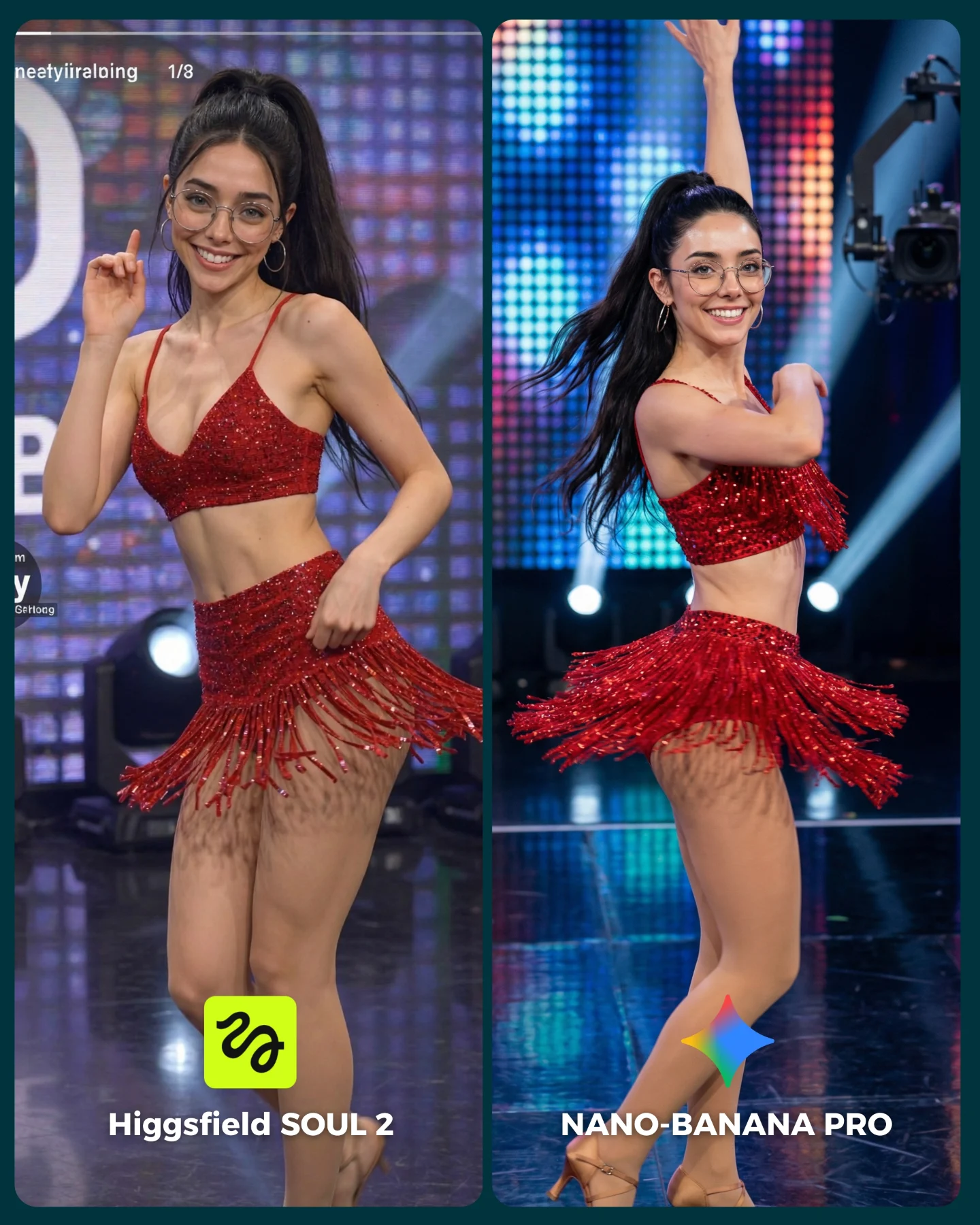
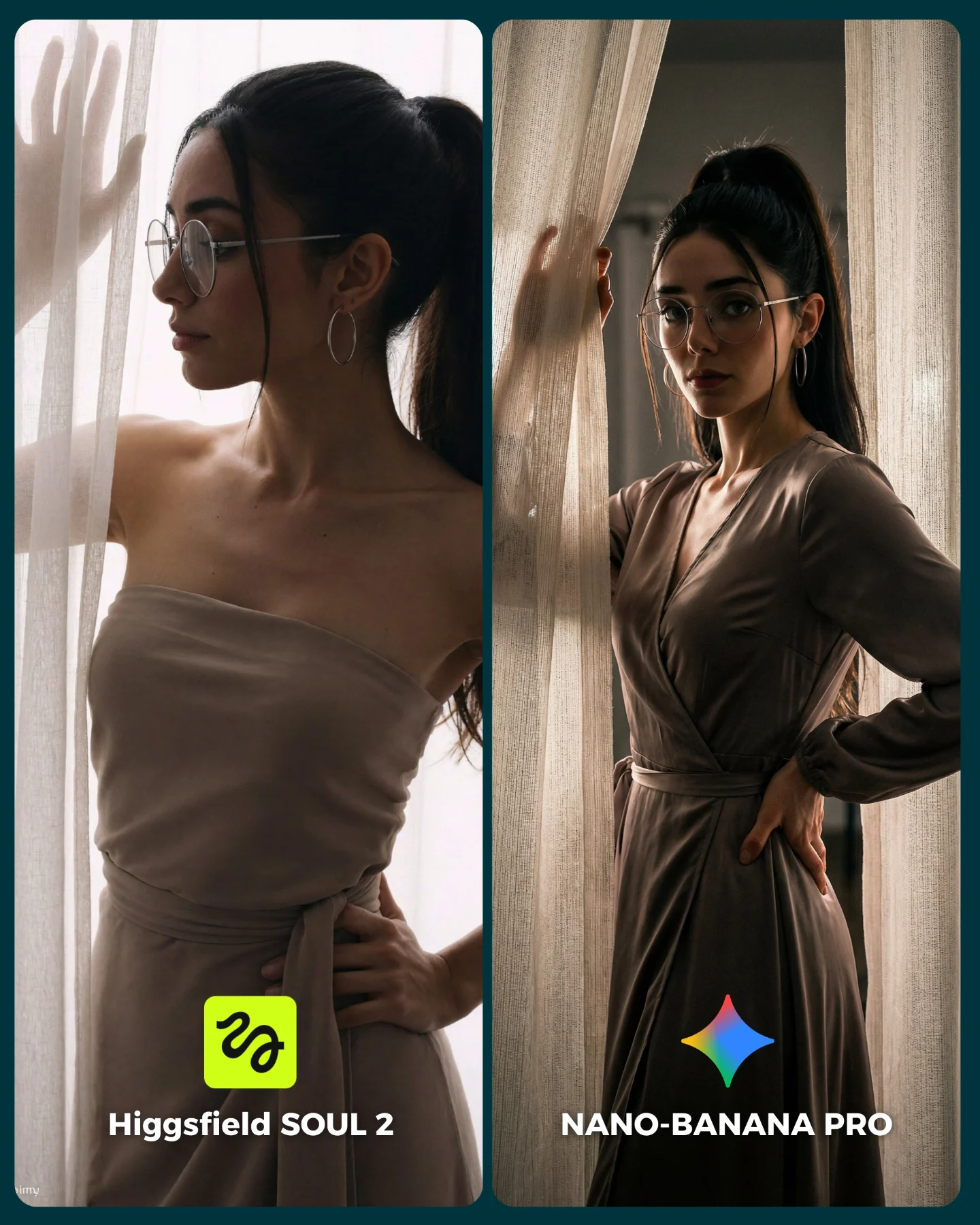
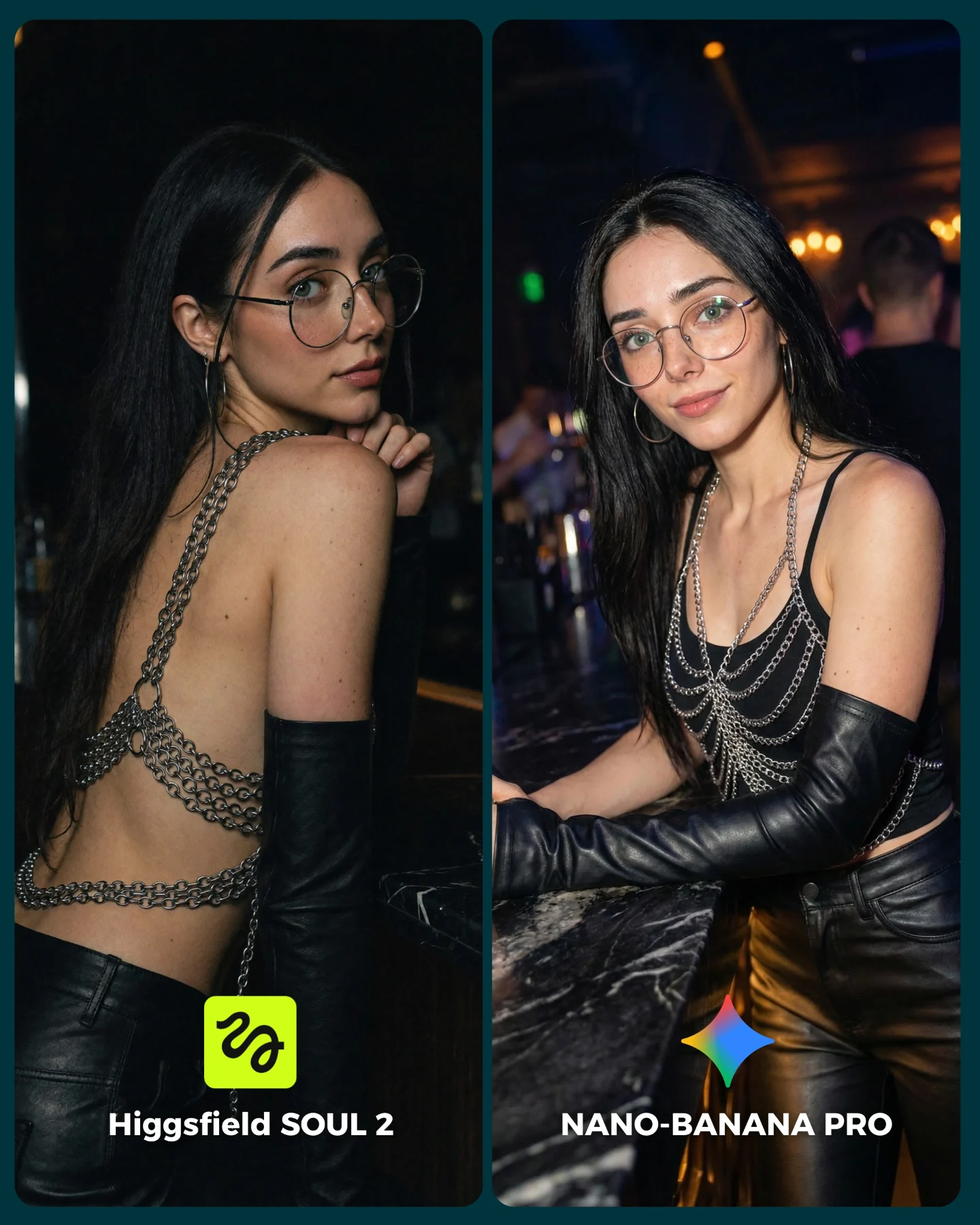
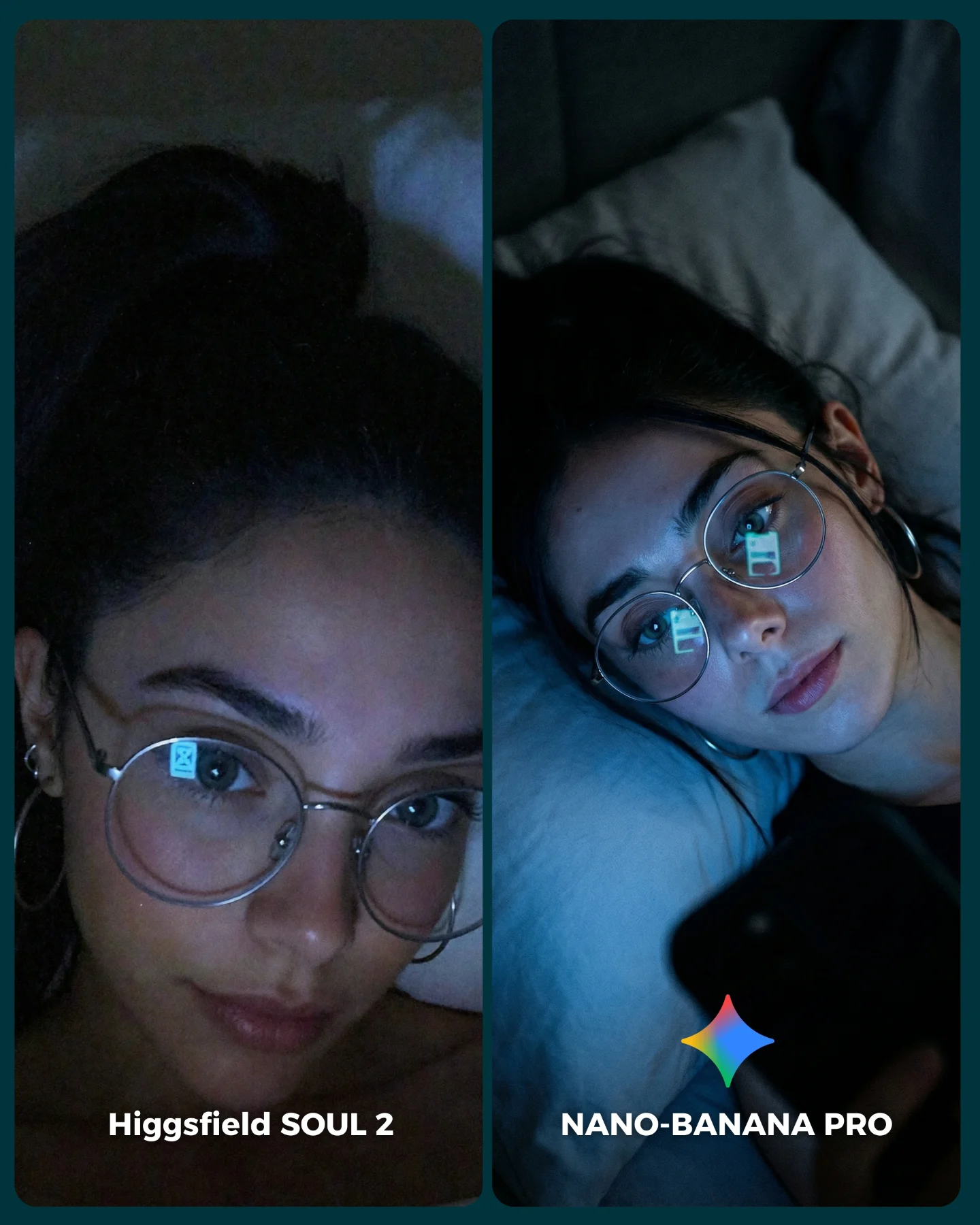
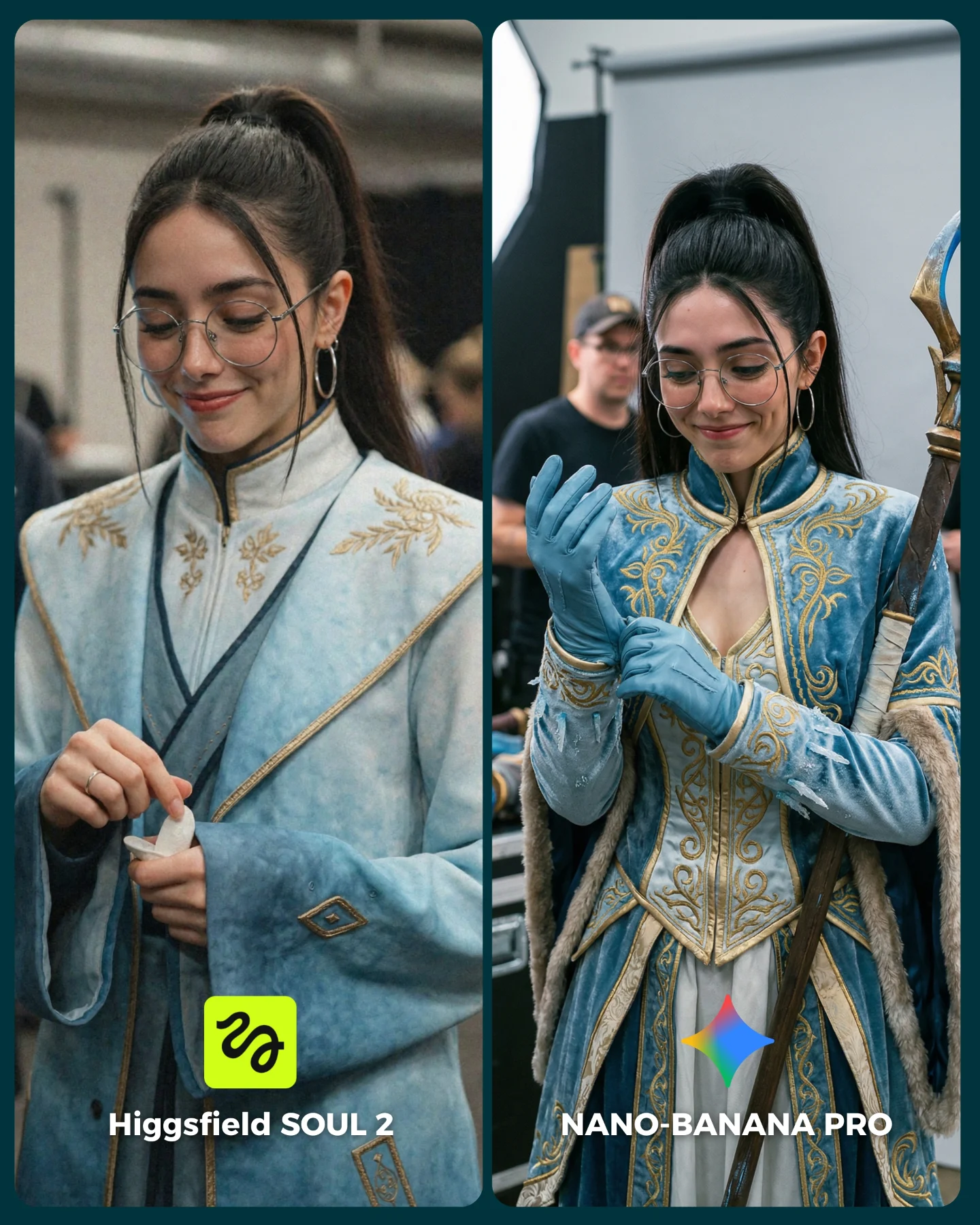
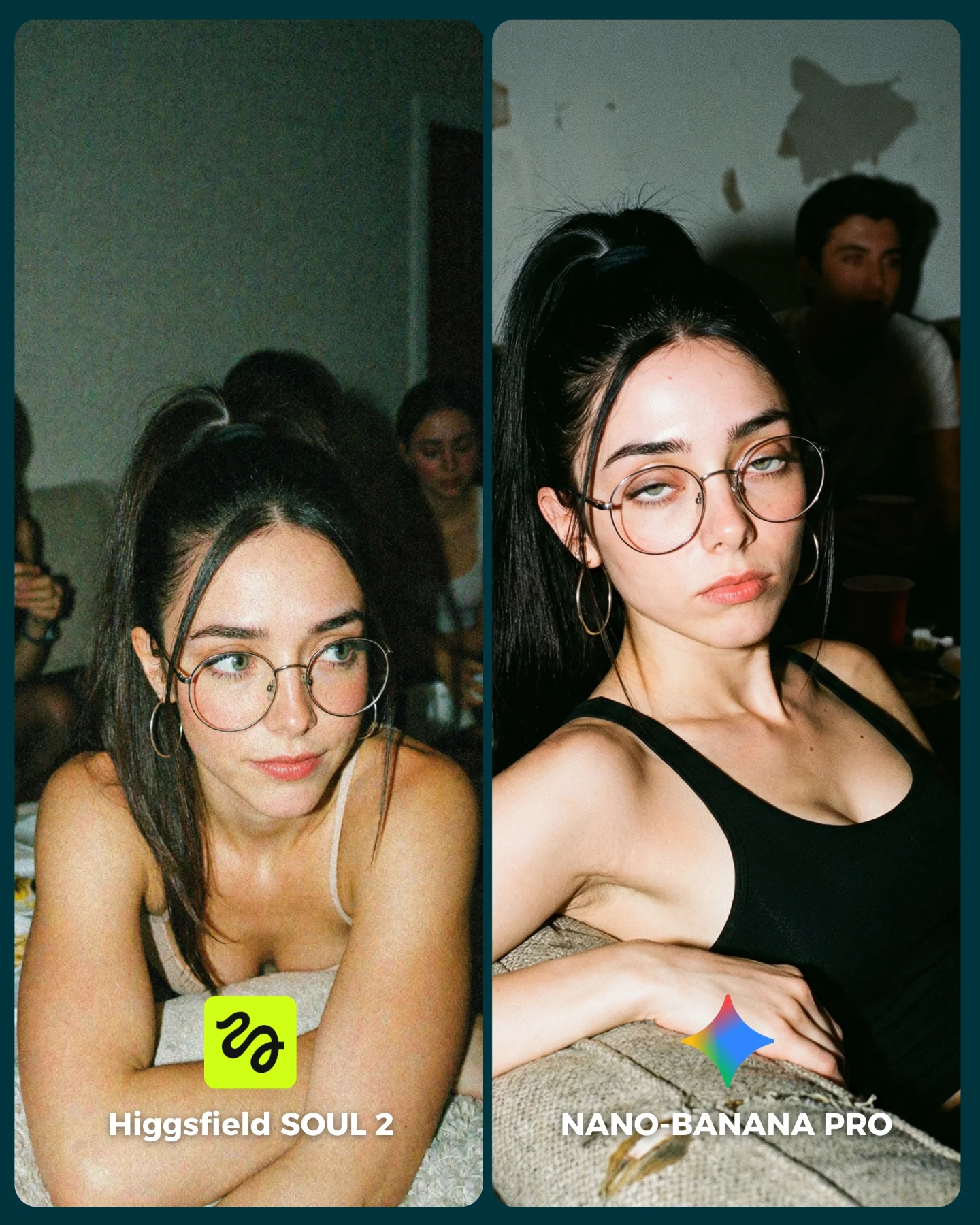
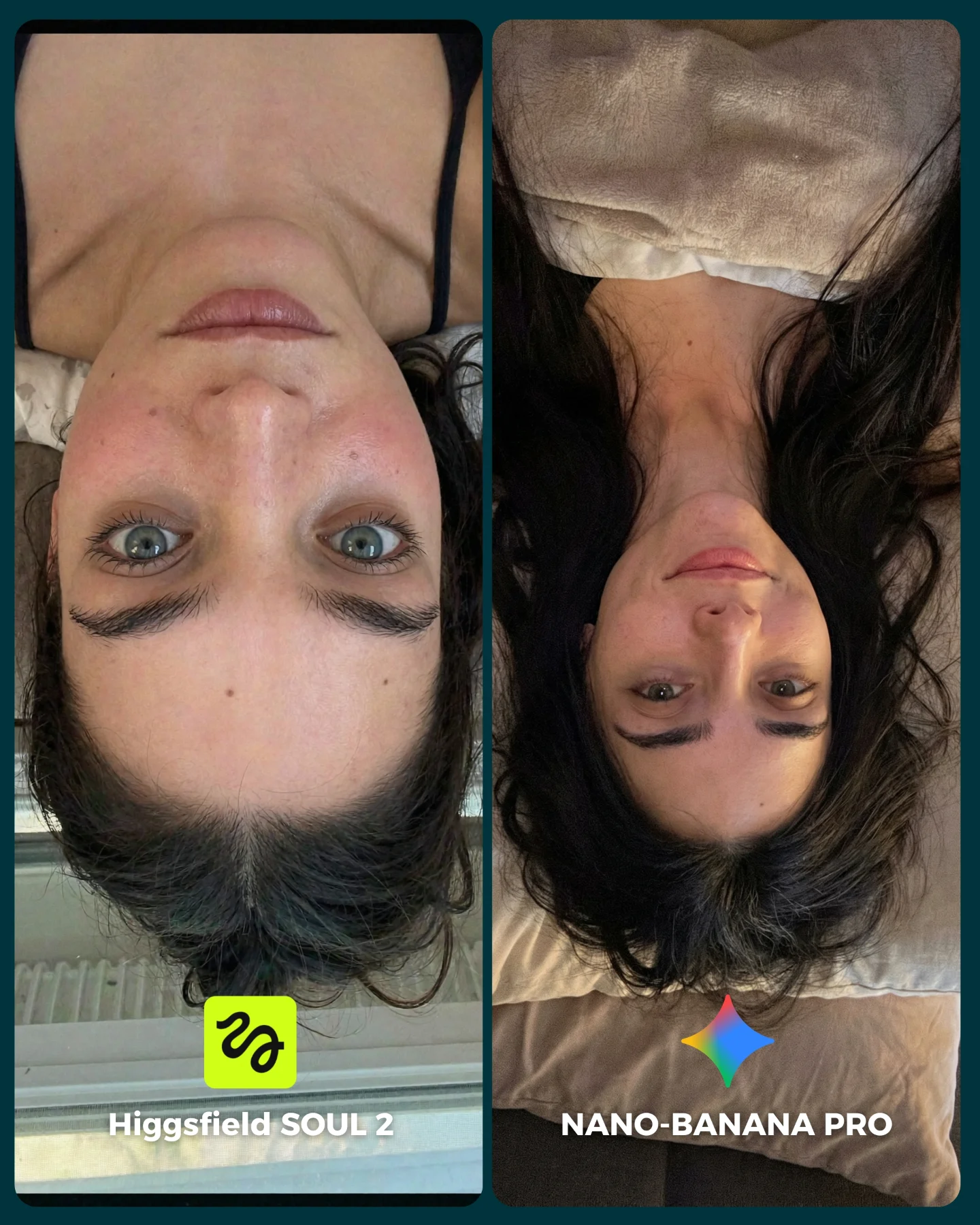
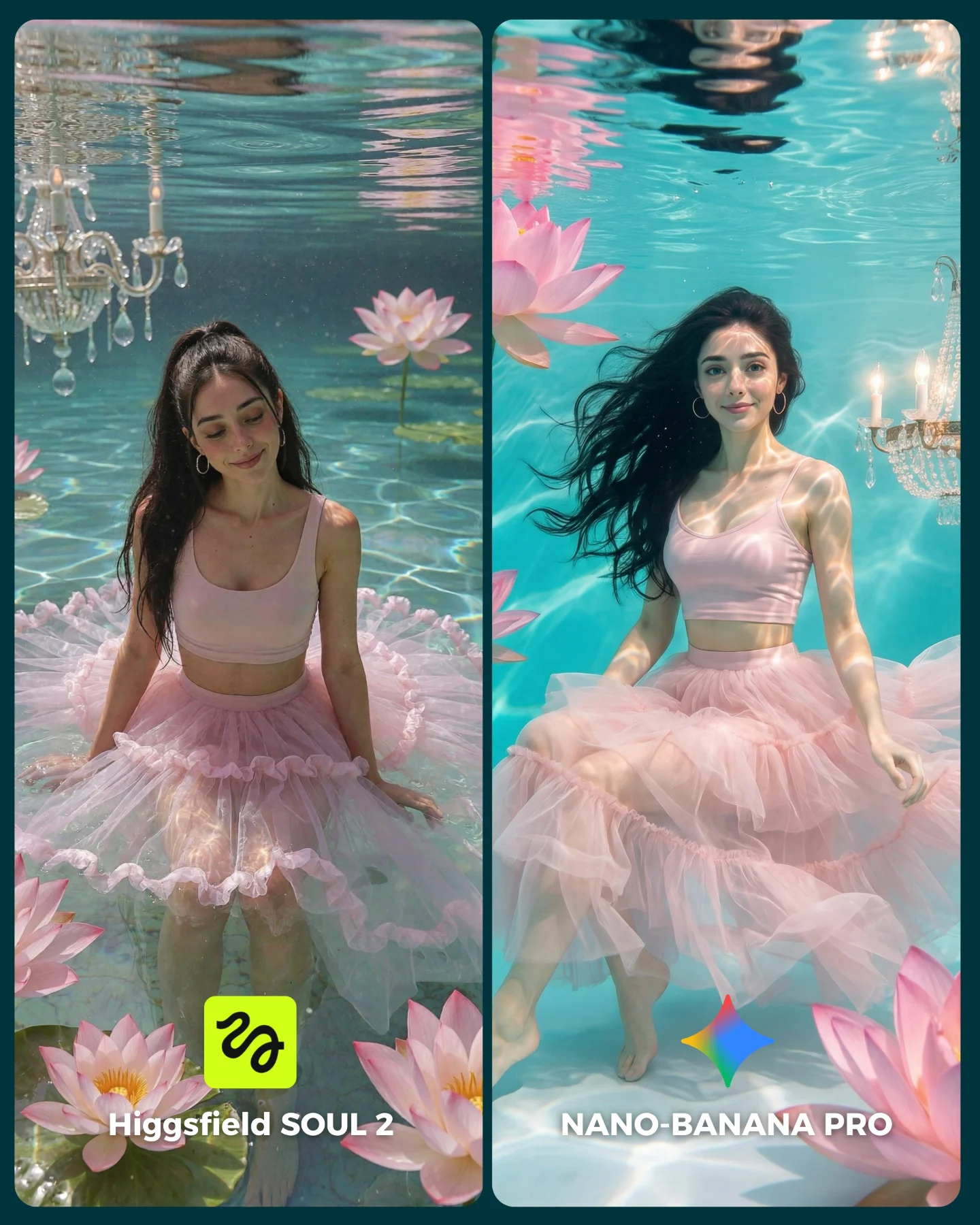
Higgsfield ha lanzado su nuevo generador de imágenes SOUL 2 ⚡ Puedes subirle hasta 80 imágenes de referencia de tu personaje para mantener mejor la constancia 👀
Y para compararlo bien, lo he puesto a prueba junto a Nano Banana Pro que hasta el momento es mi generador de imágenes favorito 💕
La verdad es que hay algunos resultados de SOUL 2 que me han sorprendido bastante... No está nada mal, pero sigo prefiriendo Nano Banana para la mayoría de las ocasiones 😅
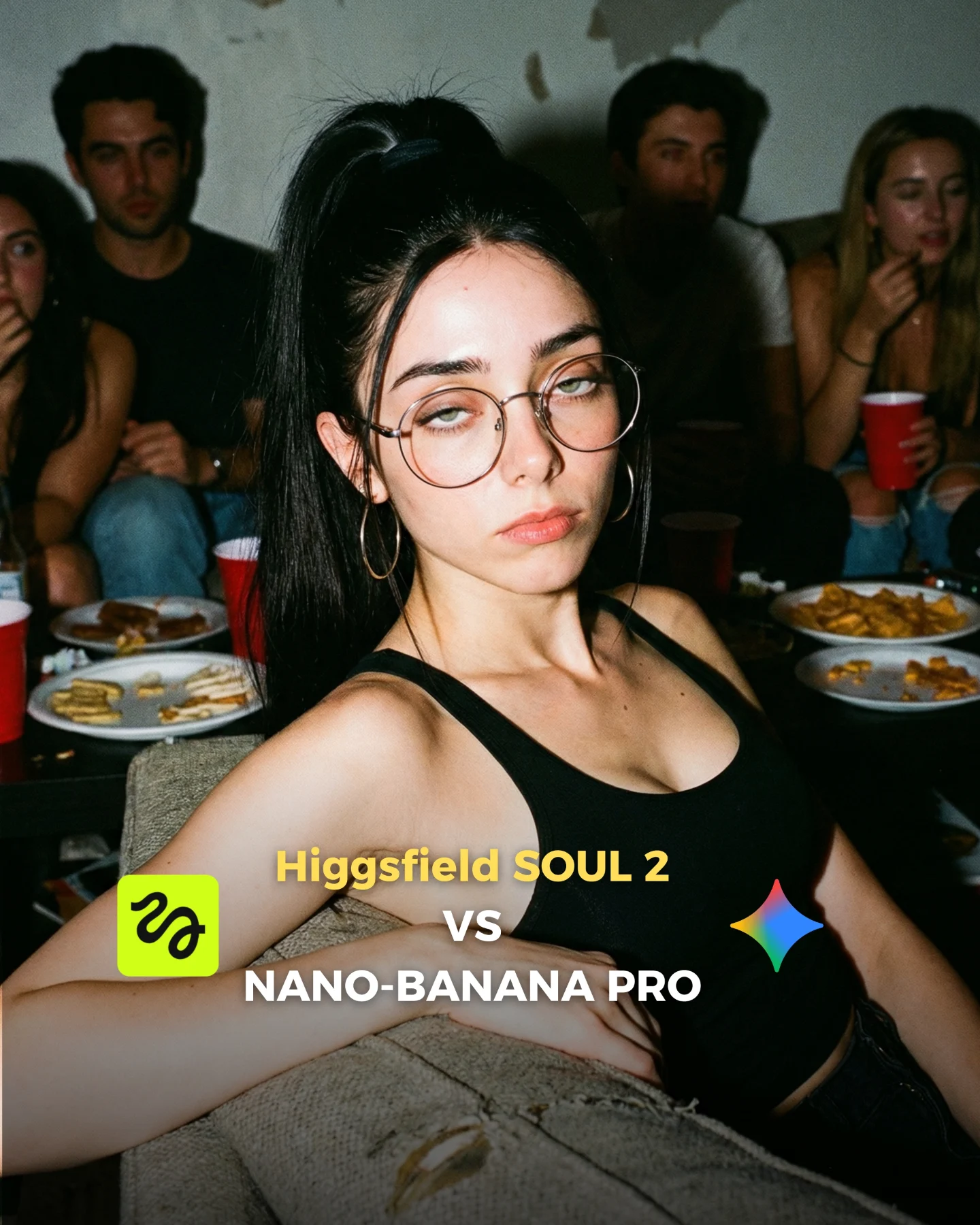
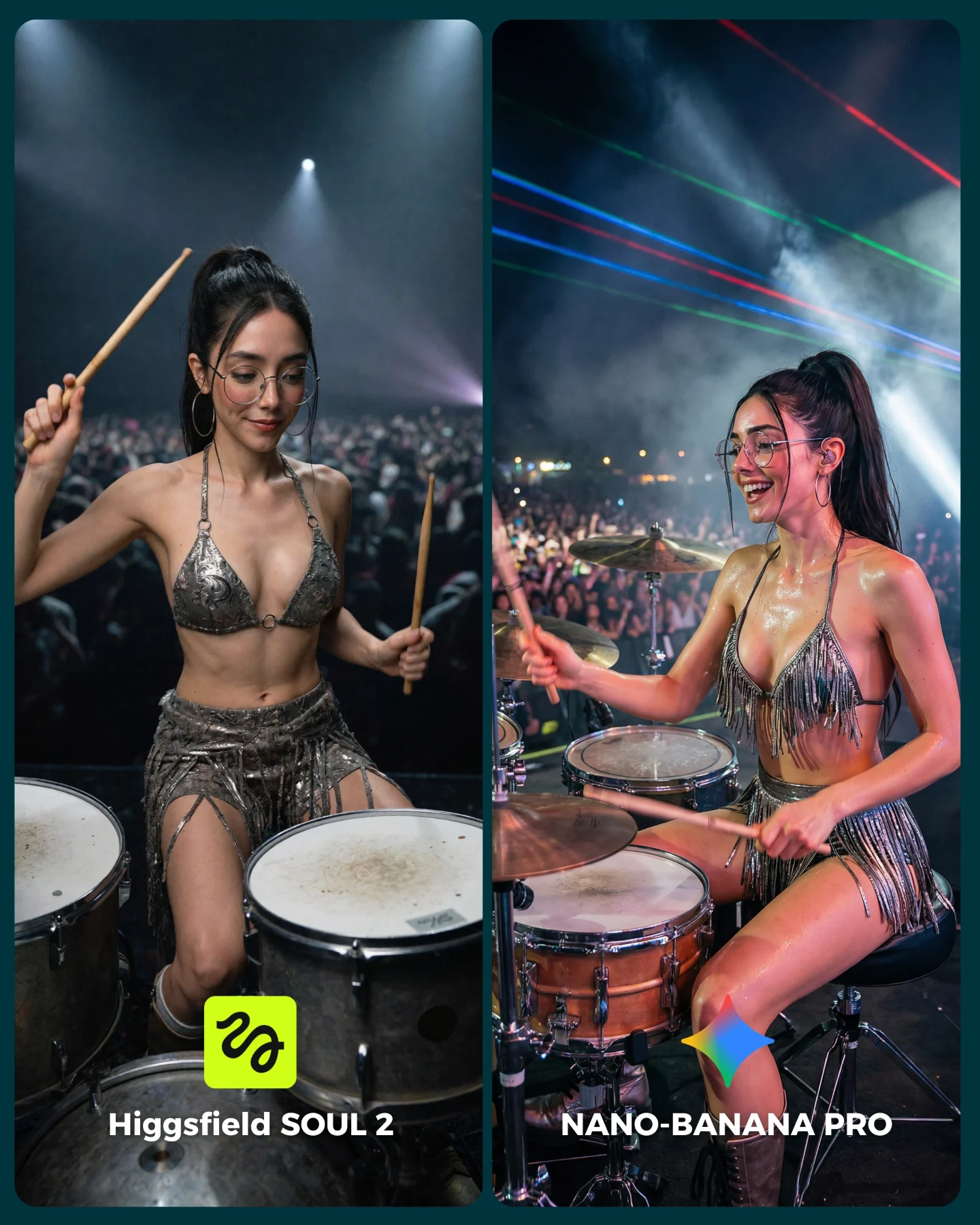
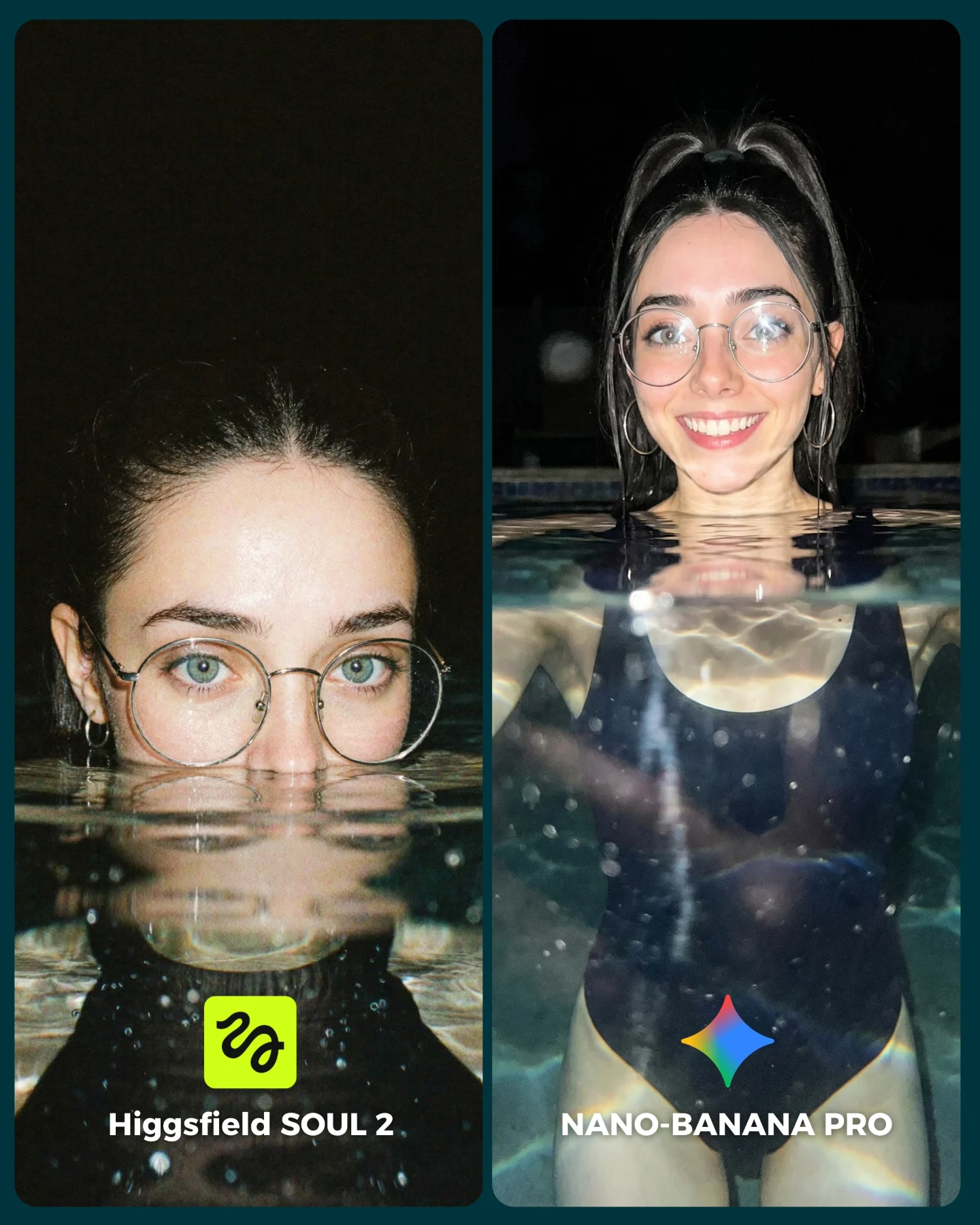
Os dejo algunas imágenes que he generado y espero leer vuestras opiniones en comentarios 💌 Y si quieres los prompts de todas las imágenes comenta "ARIA" y te los mando por mensaje!
How soy_aria_cruz Made This SOUL 2 vs Nano Banana Wet Portrait AI Art — and How to Recreate It
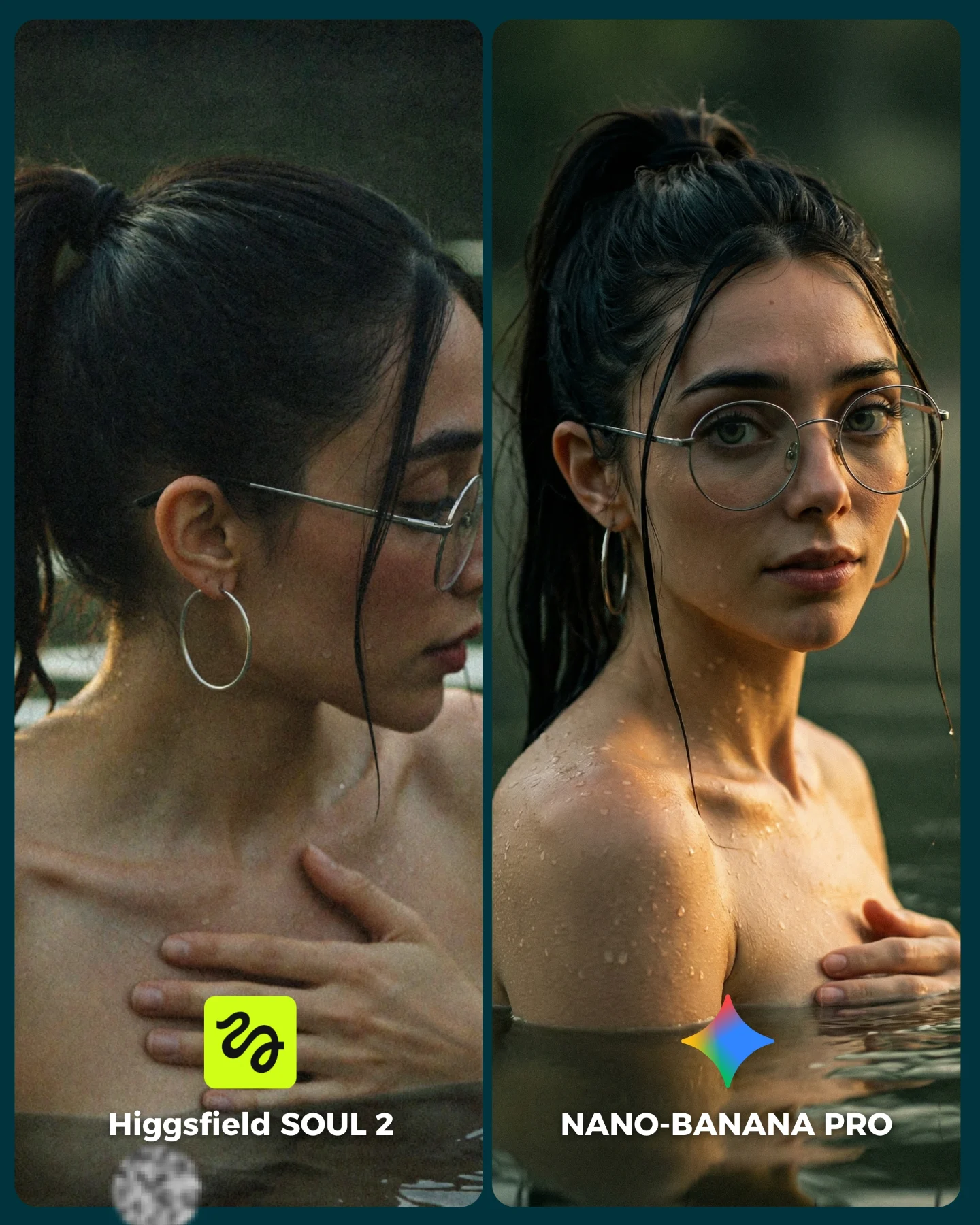
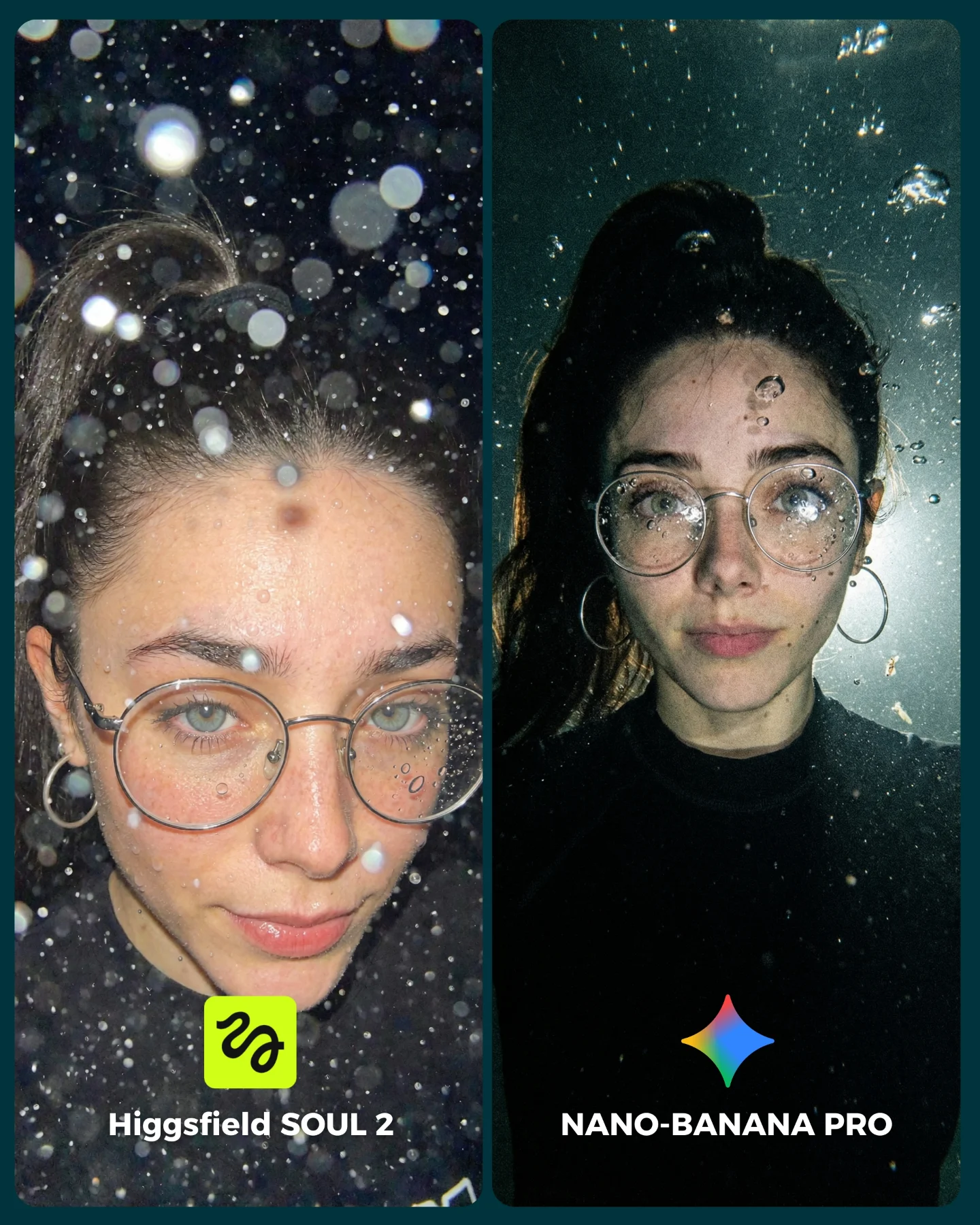
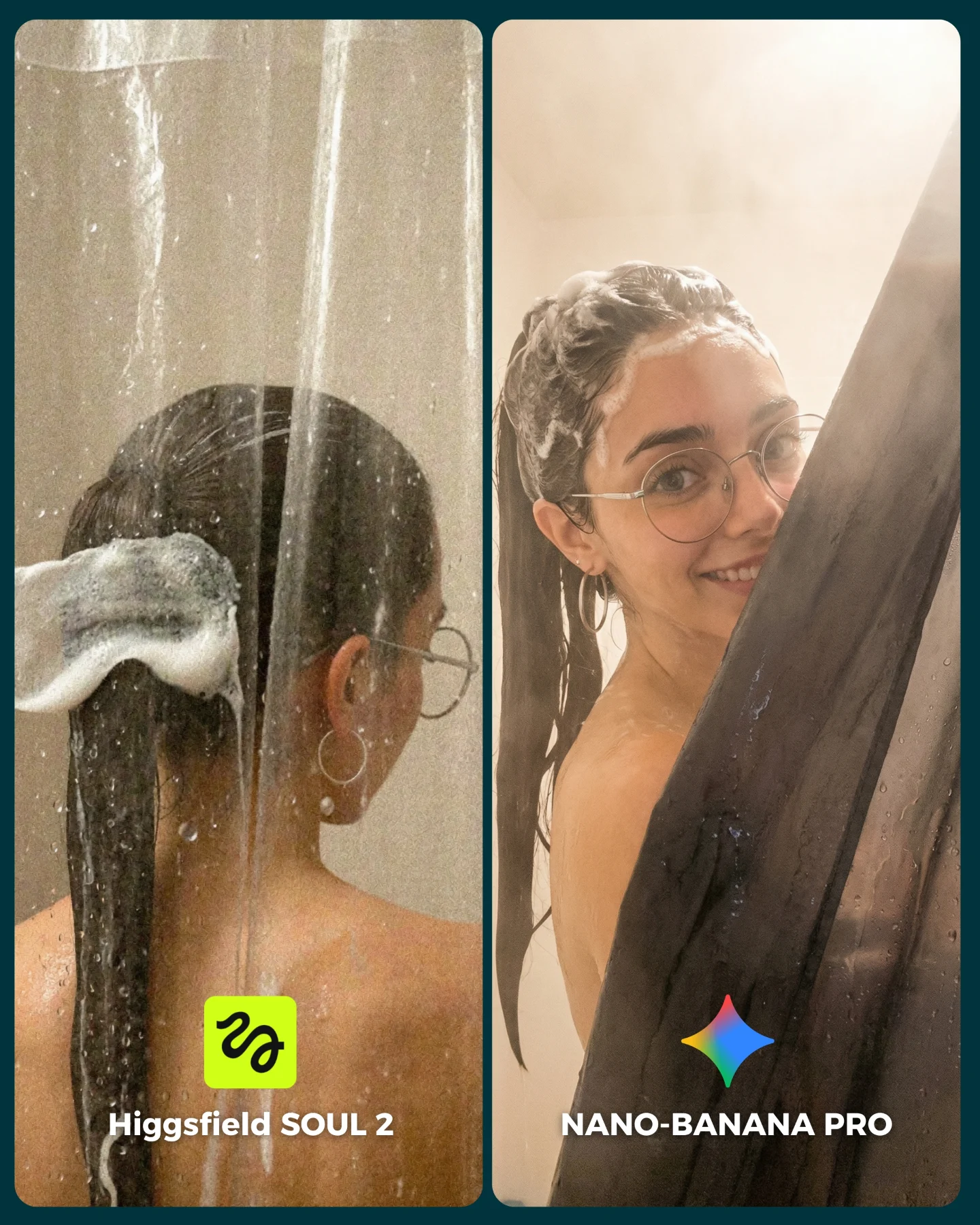
Water is one of the fastest ways to expose whether an image model really understands realism or is only good at clean beauty portraits. Once you add droplets, damp skin, wet hair strands, reflections on glasses, and a soft natural background, the model has to coordinate many subtle surfaces at the same time. That is exactly why this comparison works. It is not loud, but it is demanding.
The strongest decision here is the mood. Instead of turning the prompt into glossy swimwear imagery, the creator keeps the frame intimate and restrained. The subject is chest-deep in water, the expression stays quiet, and the background remains soft and natural. That restraint is useful because it prevents glamour styling from hiding rendering flaws. Viewers can focus on what matters: skin detail, water logic, facial coherence, and identity continuity.
This is also a smart benchmark for AI influencers specifically. A lot of models can preserve identity in a dry, front-lit portrait. Fewer can do it once the hair is wet, the skin has droplets, the lighting is softer, and the face is partly obscured by reflections and strands. So the comparison is not just about beauty. It is about whether the character still feels like the same person under pressure.
Why The Comparison Reads So Clearly
Signal
Evidence (from this image)
Mechanism
Replication Action
Wet-surface stress test
Droplets on skin, damp hair strands, waterline at the chest, reflective glasses
Moisture creates multiple subtle realism challenges in one image
Use water, rain, or dew whenever you want to benchmark fine realism control
Identity under pressure
Same glasses, same ponytail, same hoop earrings, same face shape in both panels
The audience can judge model quality instead of wondering if it is the same person
Lock accessories and hairstyle before comparing versions
Quiet background
Soft green blur behind the subject with no distracting props
Minimal environment forces attention back to the face and skin
Reduce background clutter when the benchmark focus is portrait fidelity
Immediate emotional readability
The expression is calm and human, not over-stylized
A believable emotional tone makes technical quality easier to trust
Prompt a neutral or introspective expression instead of a dramatic beauty pose
The comparison also benefits from the left-right structure itself. The left side is not bad enough to feel unserious. It is close enough to make the decision interesting. But the right side feels more settled, more dimensional, and more post-ready. That is exactly the kind of gap you want in a benchmark post. Too little difference and there is no conversation. Too much difference and the comparison feels staged.
Where This Format Transfers Best
This kind of image is strongest for realism comparisons, beauty-detail benchmarks, AI influencer identity tests, and prompt education around difficult surfaces. It is especially useful when your audience already cares about whether a model can handle subtle physical realism.
Portrait realism comparisons: ideal for testing whether a model can keep skin and eyes believable under moisture.
AI influencer continuity tests: useful for proving the same character survives wet-hair and low-contrast scenarios.
Prompt education content: strong when teaching creators how to judge more than just sharpness or prettiness.
Model launch evaluations: effective when a new tool claims improved realism and you need a focused proof point.
It is less useful for bold fashion storytelling, travel scenery, or product-oriented content where the environment is the main hero. This format works because it is narrow and controlled. Its job is not to entertain with complexity. Its job is to reveal whether a face still feels human in a difficult state.
Transfer recipe 1 Keep: same identity, same water setting, same side-by-side layout. Change: only the model or prompt discipline. Slot template (EN): {same woman} chest-deep in water, wet skin realism comparison, left {version A}, right {version B}
Transfer recipe 2 Keep: wet portrait pressure. Change: the type of moisture, such as rain-soaked street portrait, dewy greenhouse portrait, or steam-filled bath portrait. Slot template (EN): {subject} in {moisture scenario}, same identity in two panels, realism benchmark graphic
Transfer recipe 3 Keep: quiet mood and close crop. Change: the realism challenge, such as freckles, smudged makeup, or stronger glasses condensation. Slot template (EN): {same portrait setup} testing {detail variable}, side-by-side comparison with clear labels
The Aesthetic Read
The image feels expensive because it is soft without being vague. The lighting is gentle, but the subject still has structure. You can read the brow line, the lips, the shape of the glasses, and the contour of the shoulders. That balance matters. Weak wet portraits often lose too much definition and start feeling mushy. Better ones preserve form while keeping the mood calm.
The water droplets do a lot of work here. They are not just decoration. They create tiny points of realism across the skin, and they help the viewer judge whether the model understands how moisture interacts with light. The same is true for the loose strands of hair. Small details like that often separate believable outputs from generic beauty renders.
There is also a compositional benefit to the simple hand placement. It keeps the pose modest and grounded, and it gives the portrait a human sense of self-protection rather than a performative glamour pose. That one gesture helps the image feel intimate instead of staged.
Observed
Why it matters
How to recreate
Droplets visible on shoulder and face
Creates a realistic moisture test that is easy to judge
Explicitly prompt water droplets and damp skin sheen
Glasses still worn in water
Adds a difficult reflective transparency element
Keep simple round glasses in both panels
Soft green natural background
Lets the portrait breathe without competing for attention
Use blurred foliage or soft outdoor color instead of hard scenery
Quiet neutral expression
Makes the benchmark feel human and believable
Avoid smiling glamour or exaggerated emotional direction
Right panel more front-facing
Helps the stronger result feel clearer and more direct
Let the winning panel reveal the eyes more openly
Prompt Blocks To Control
Prompt chunk
What it controls
Swap ideas (EN, 2-3 options)
same woman chest-deep in water
Locks the realism test scenario
same woman in rain; same woman in steam; same woman after swimming
round glasses, hoop earrings, high ponytail
Preserves identity continuity across panels
clear frames and braid; nose ring and wet bangs; slick bun and thin chain necklace
wet skin droplets and damp hair strands
Introduces the key realism pressure
misty condensation; rain droplets; dewy skin with fine moisture
soft natural green background
Creates calm atmosphere and focus
blurred forest edge; hot spring greenery; soft riverbank bokeh
left slightly flatter, right more lifelike
Makes the benchmark conclusion visible
left softer right clearer; left weaker eye detail right stronger; left less dimensional right richer
embedded model labels
Turns the benchmark into feed-native content
Base / Pro; Model A / Model B; Prompt 1 / Prompt 2
What to lock first
Lock the identity markers, the waterline composition, and the droplet realism first. Those are the details that make the comparison feel honest.
How To Iterate On This Benchmark
Baseline Lock: keep the same face, the same quiet water setup, and the same side-by-side format. Then change only one realism variable at a time, such as the model, the skin-texture instruction, or the type of moisture challenge.
Run 1: stabilize the face, glasses, and hoop earrings across both outputs.
Run 2: increase the clarity of droplets and damp hair while keeping the background unchanged.
Run 3: test a related moisture scenario like rain or steam with the same portrait logic.
Run 4: if the series grows, compare other subtle realism pressure points like freckles, condensation, or low-light skin tone handling.
The reason this format works is that it teaches the audience to look for believable detail rather than broad visual style. That makes it more useful and more discussion-worthy than a generic pretty portrait showdown.