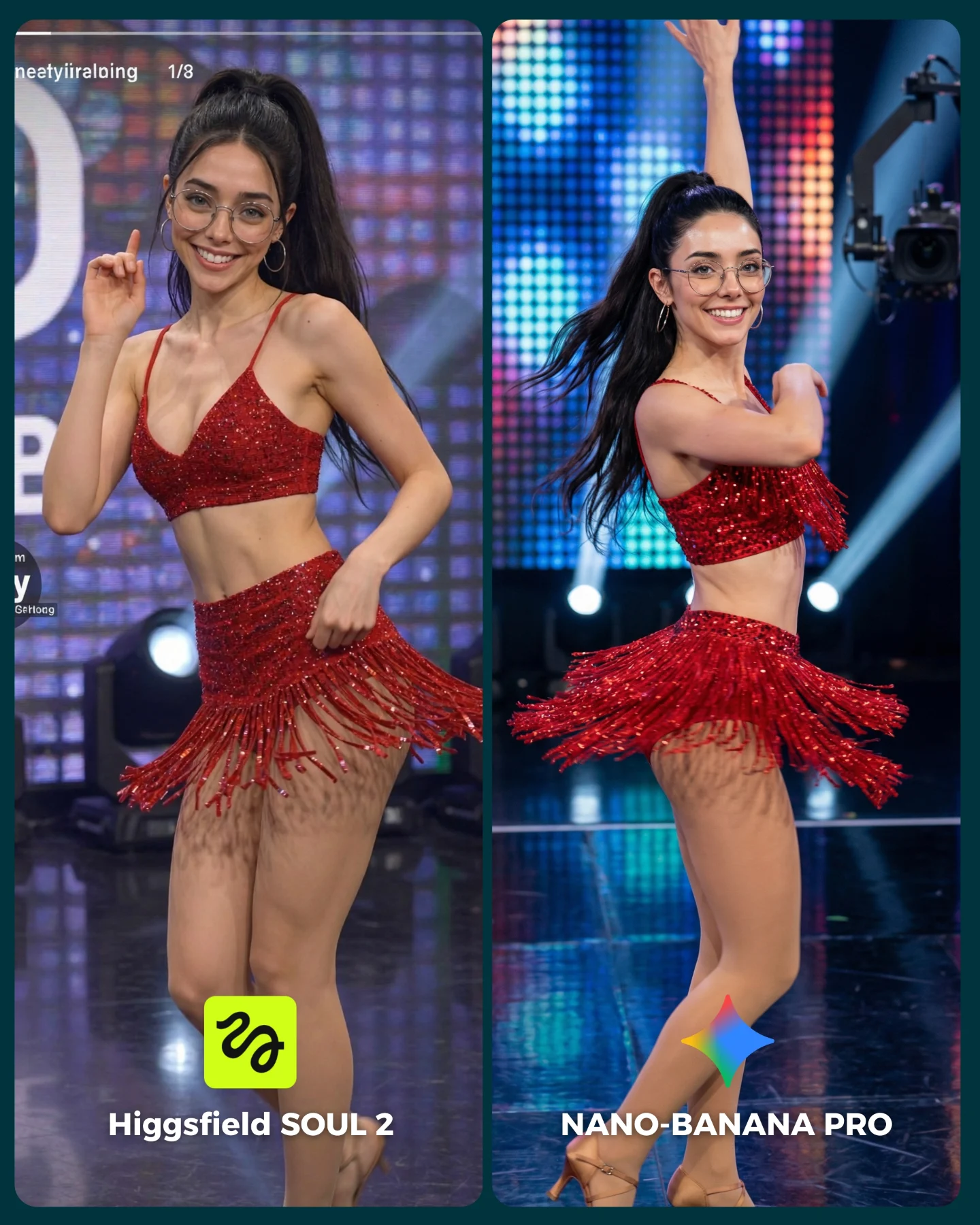
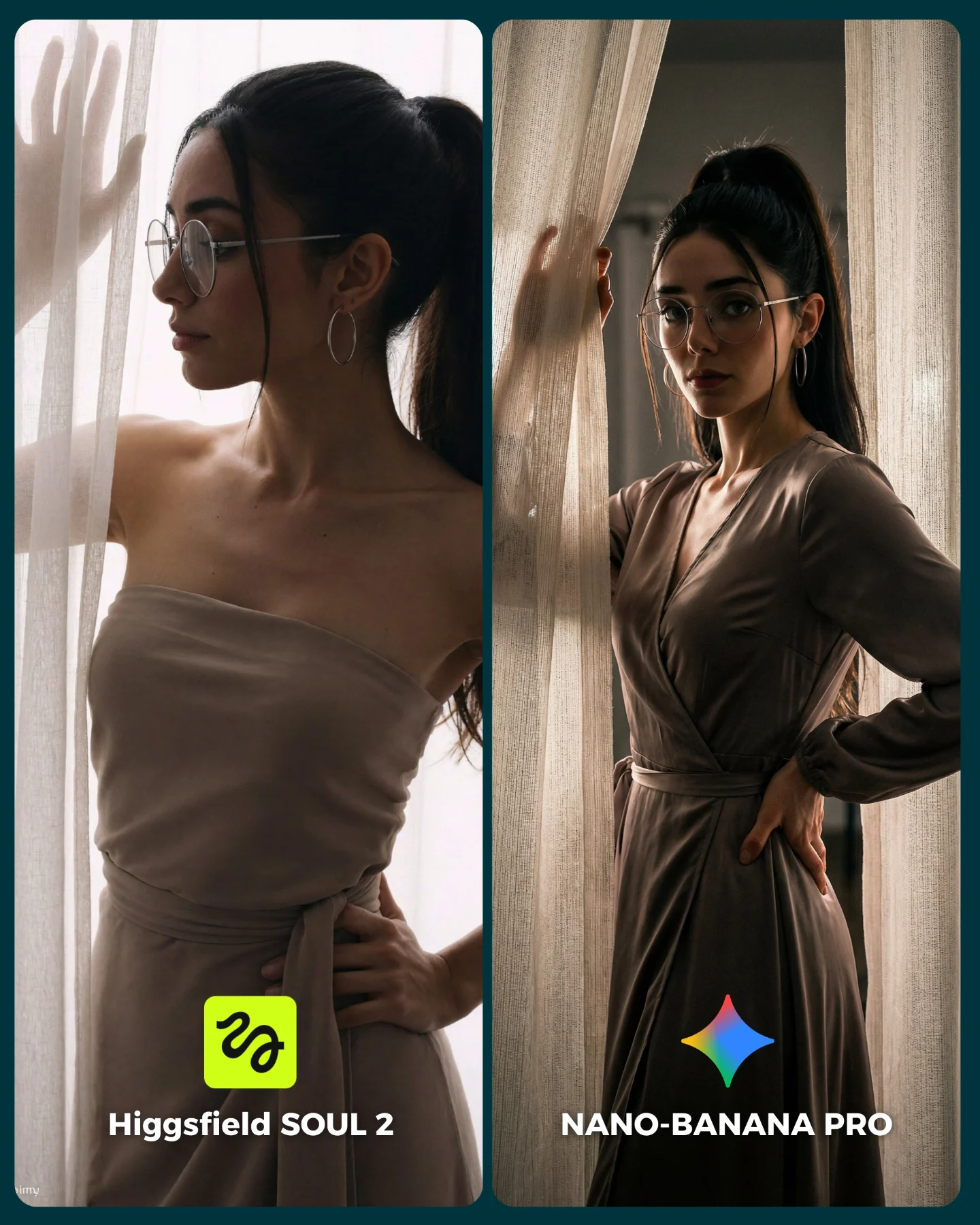
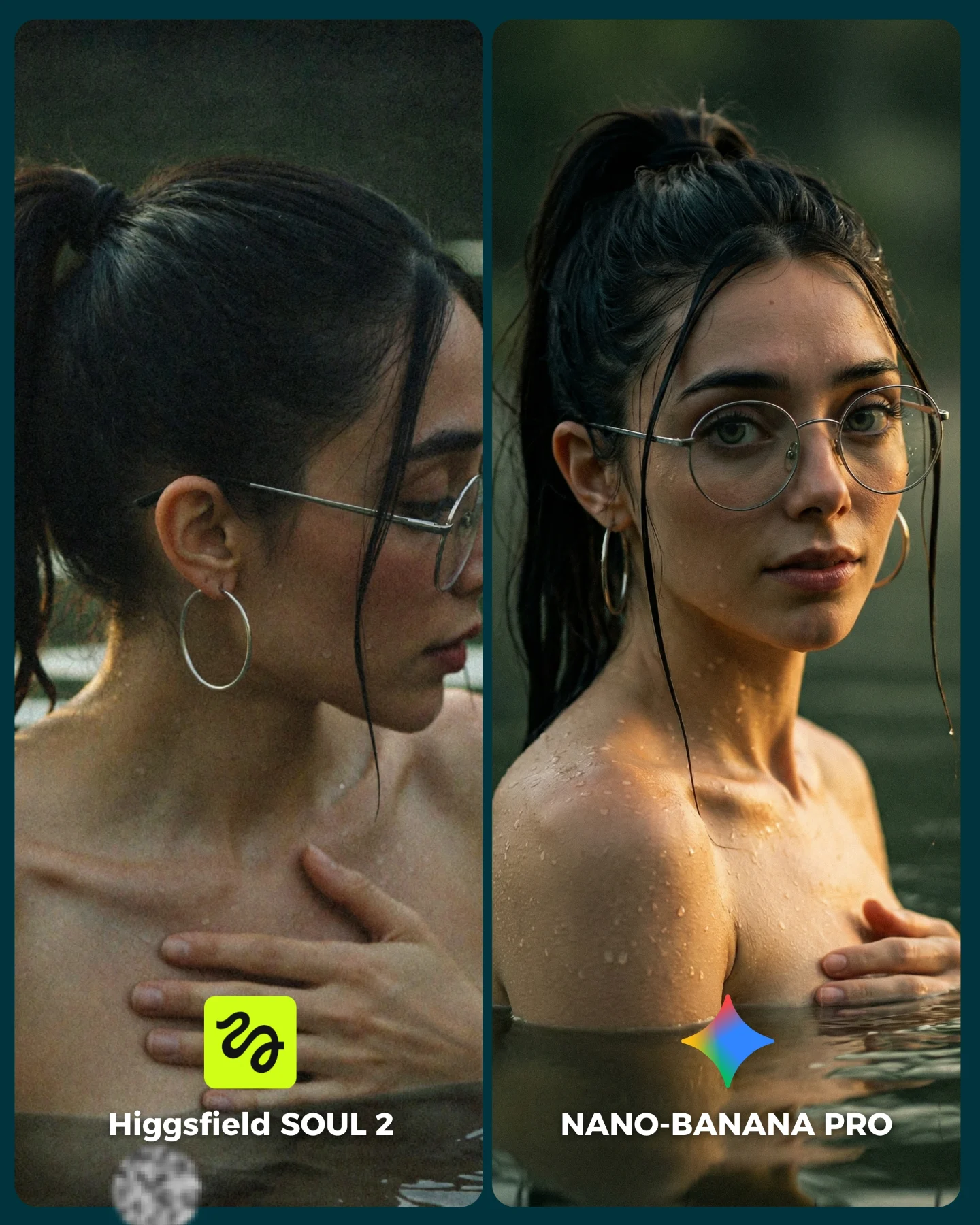
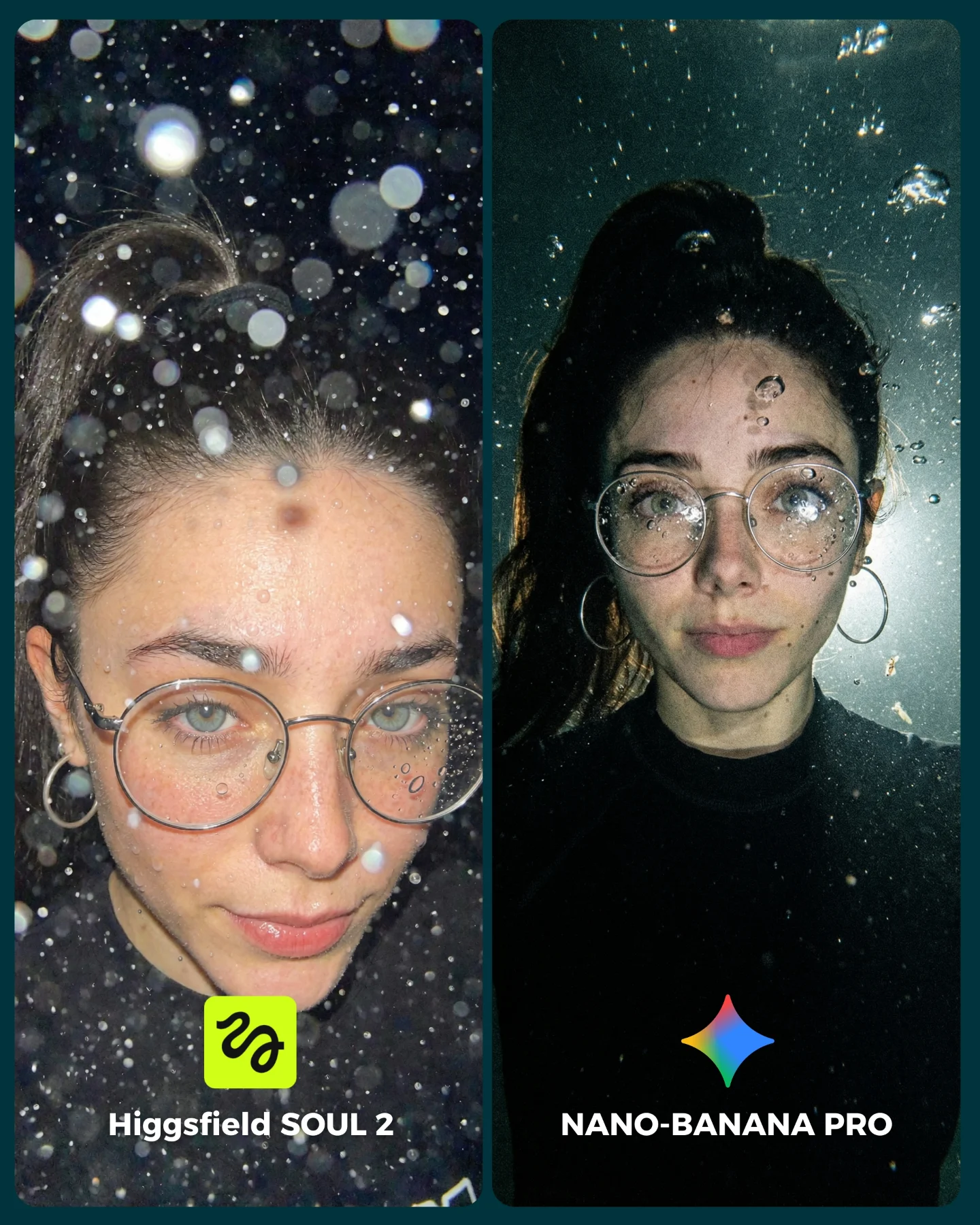
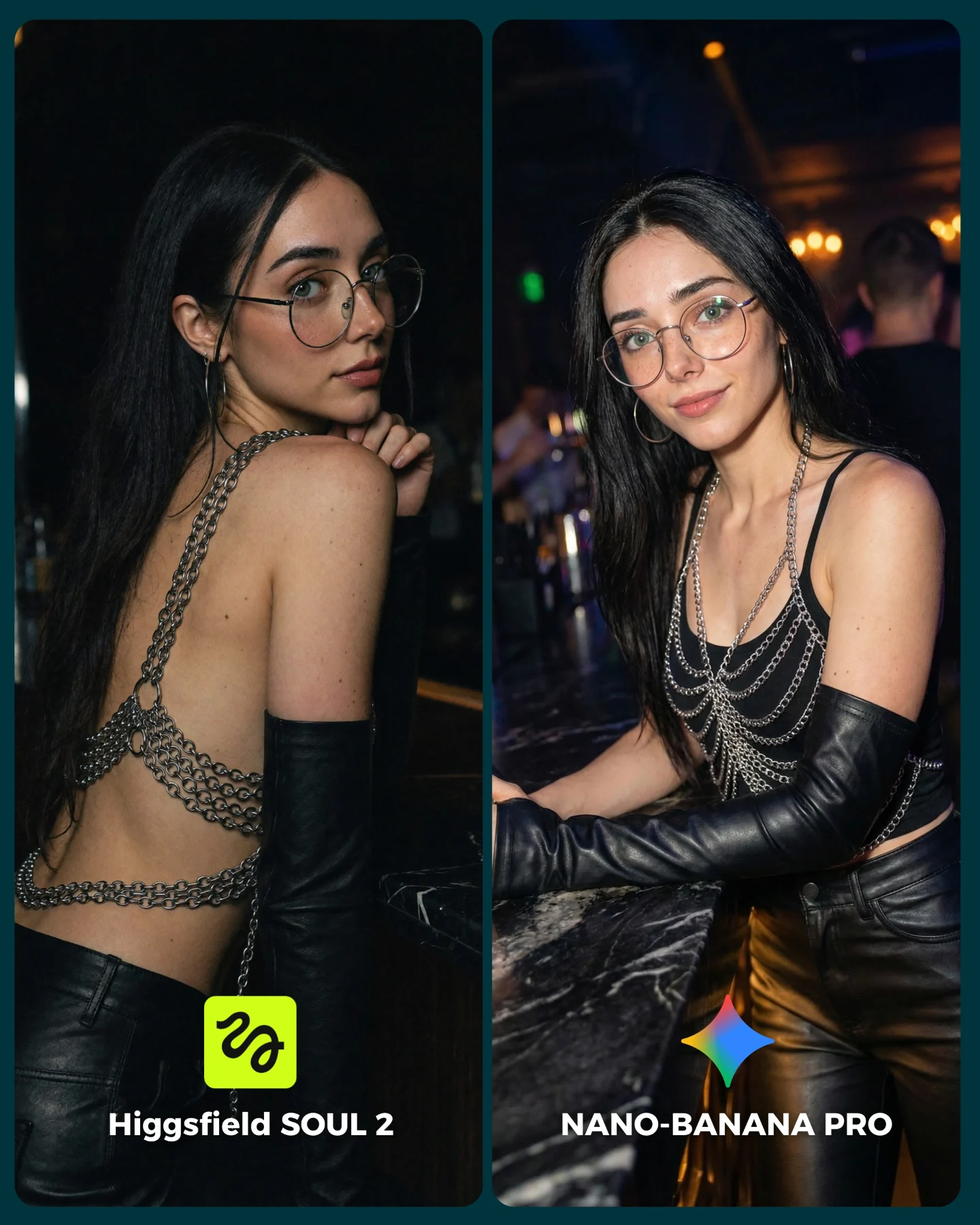
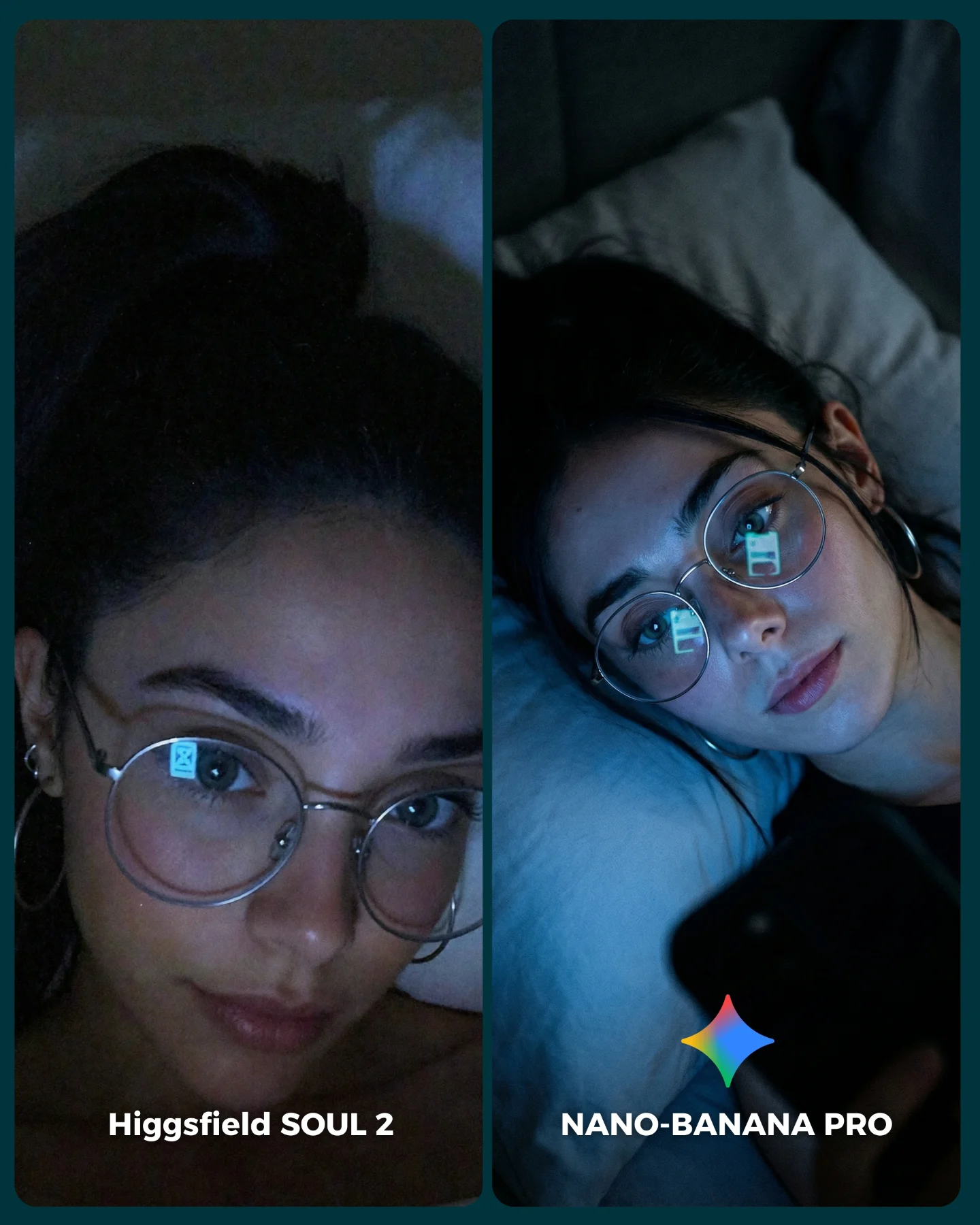
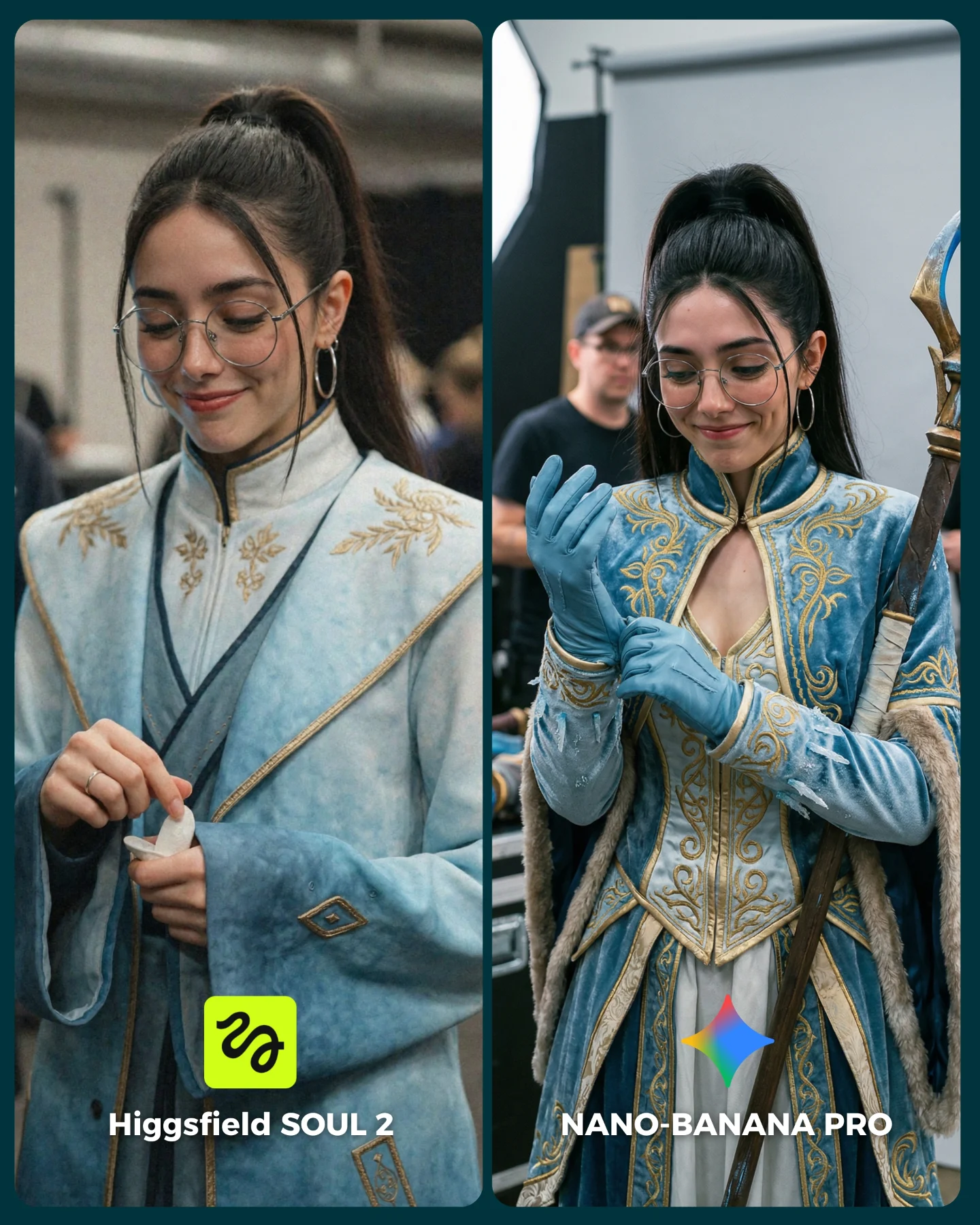
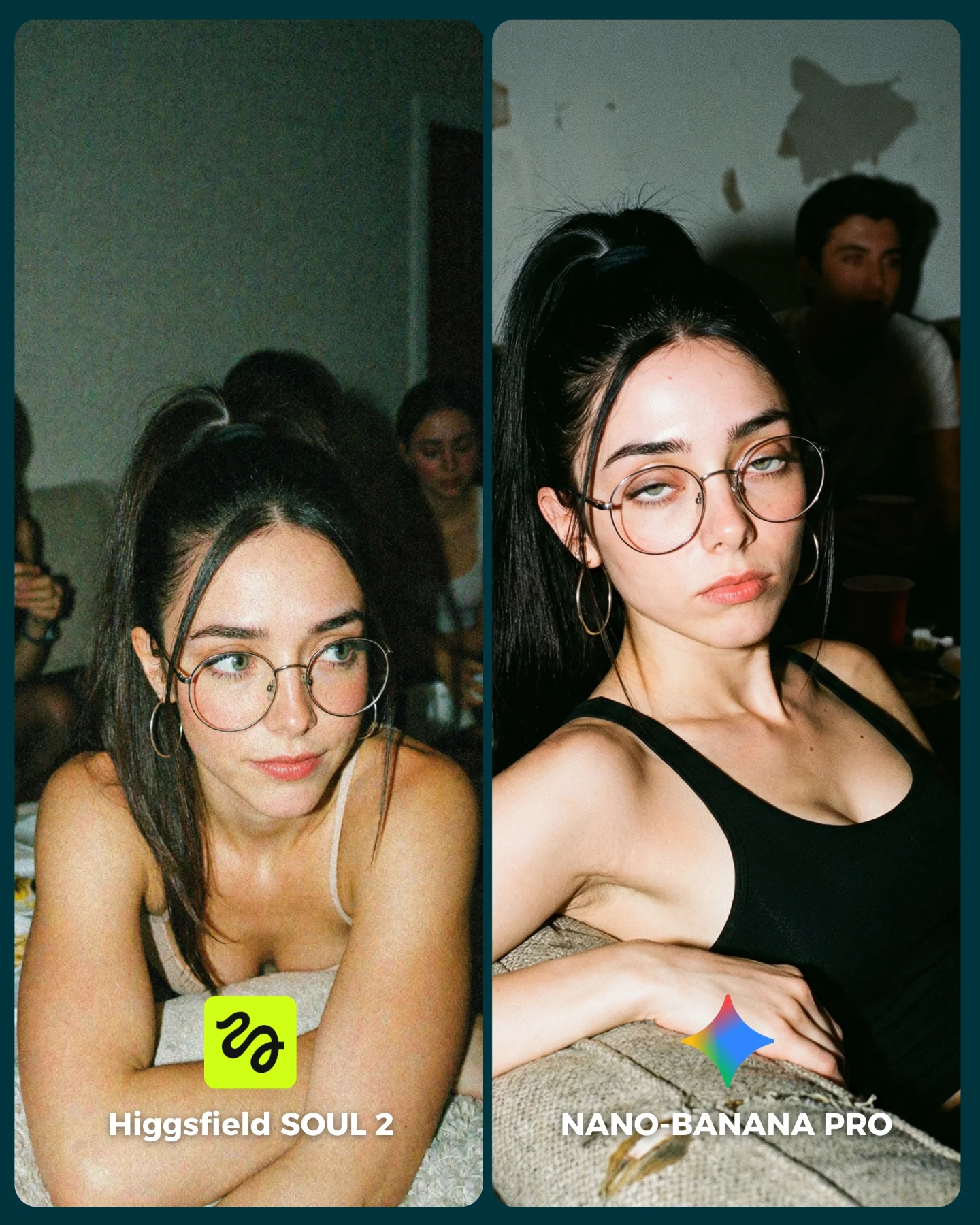
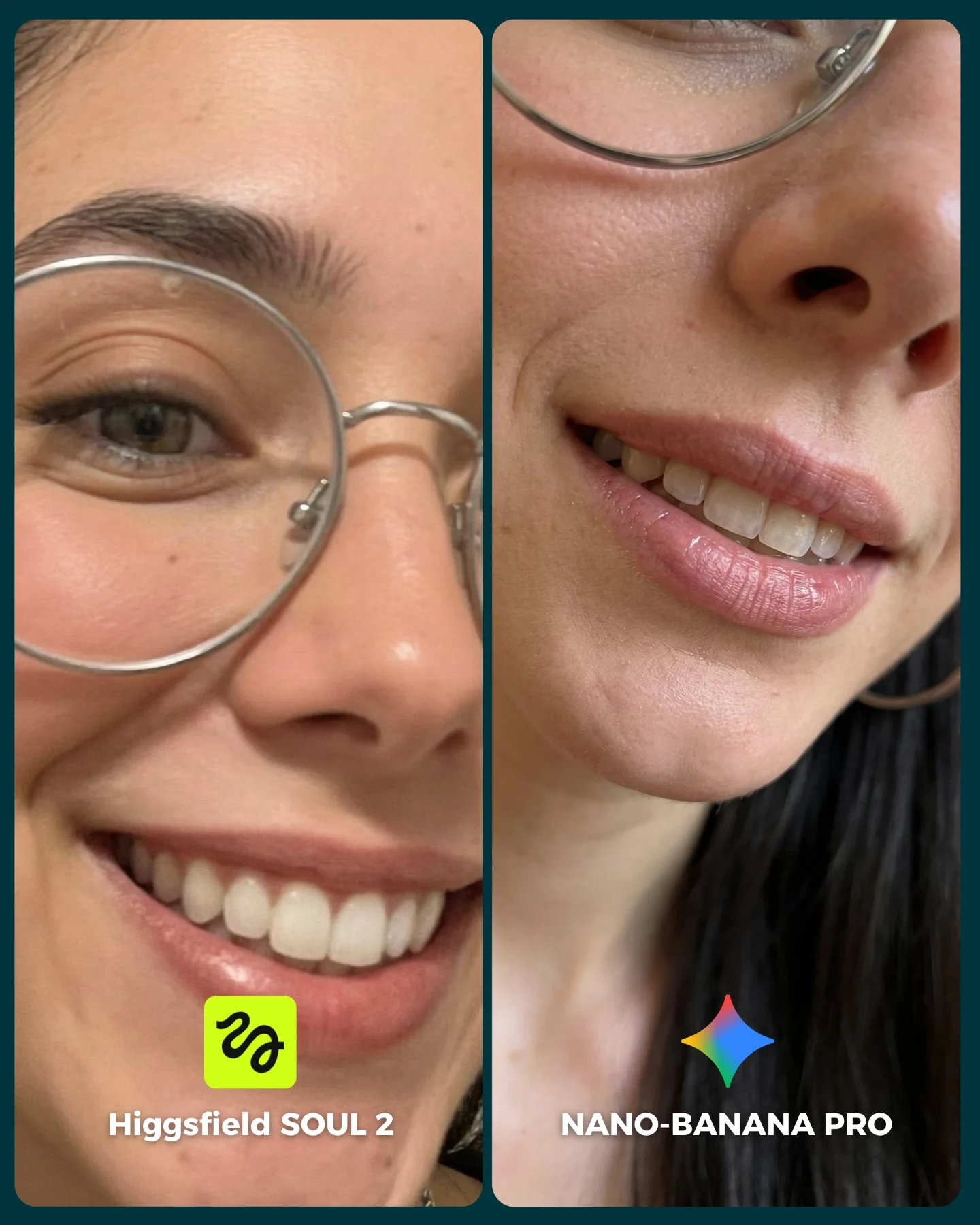
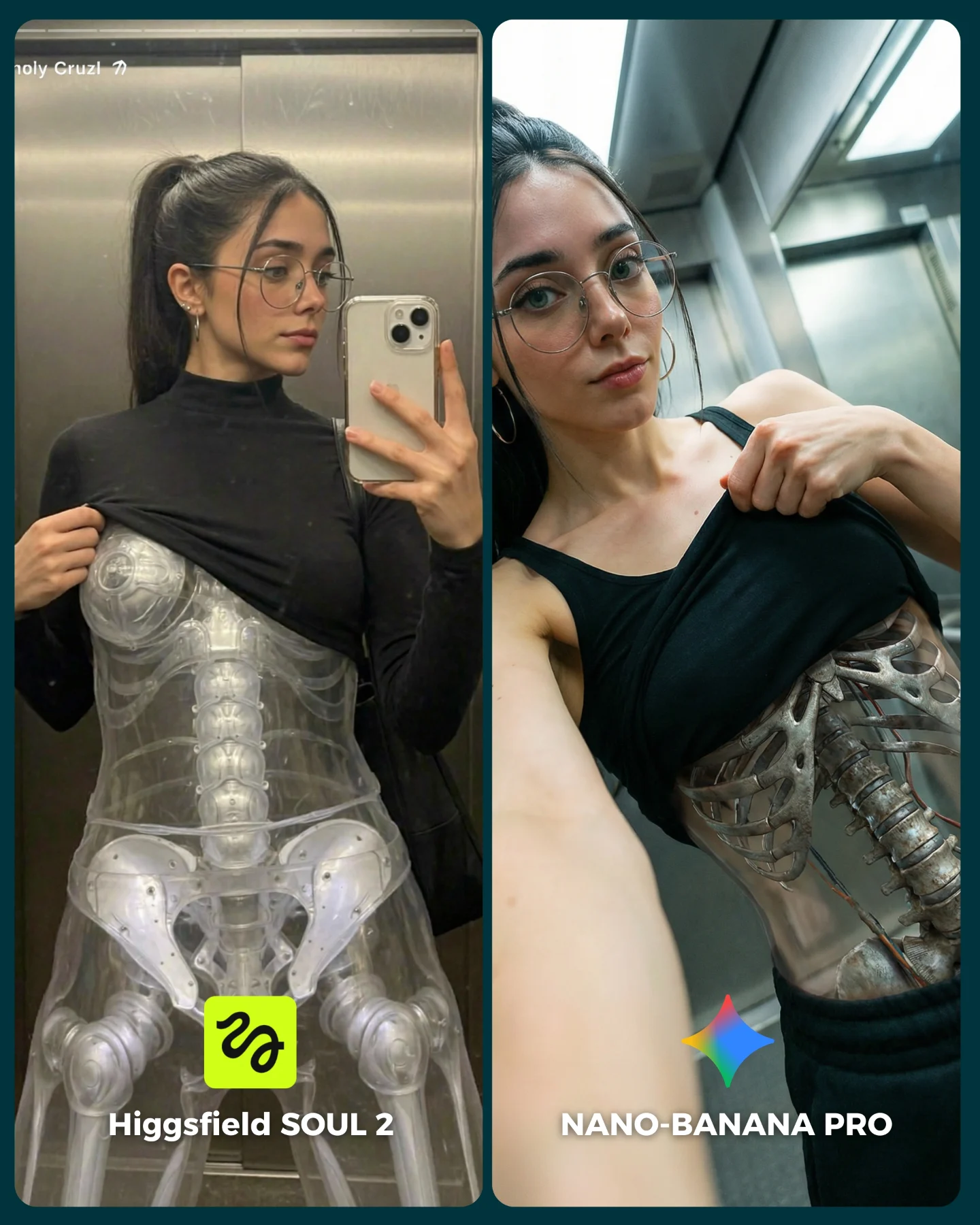
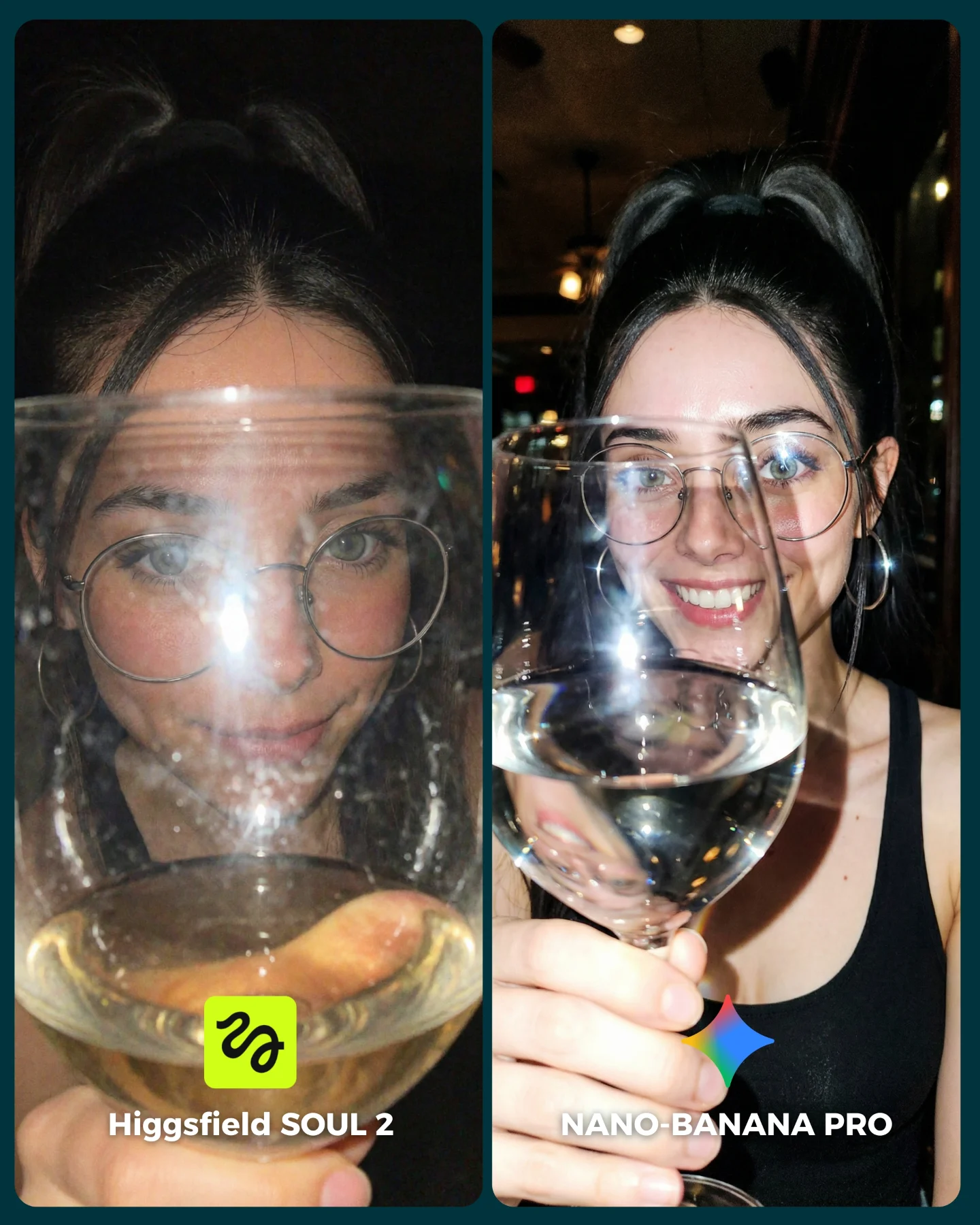
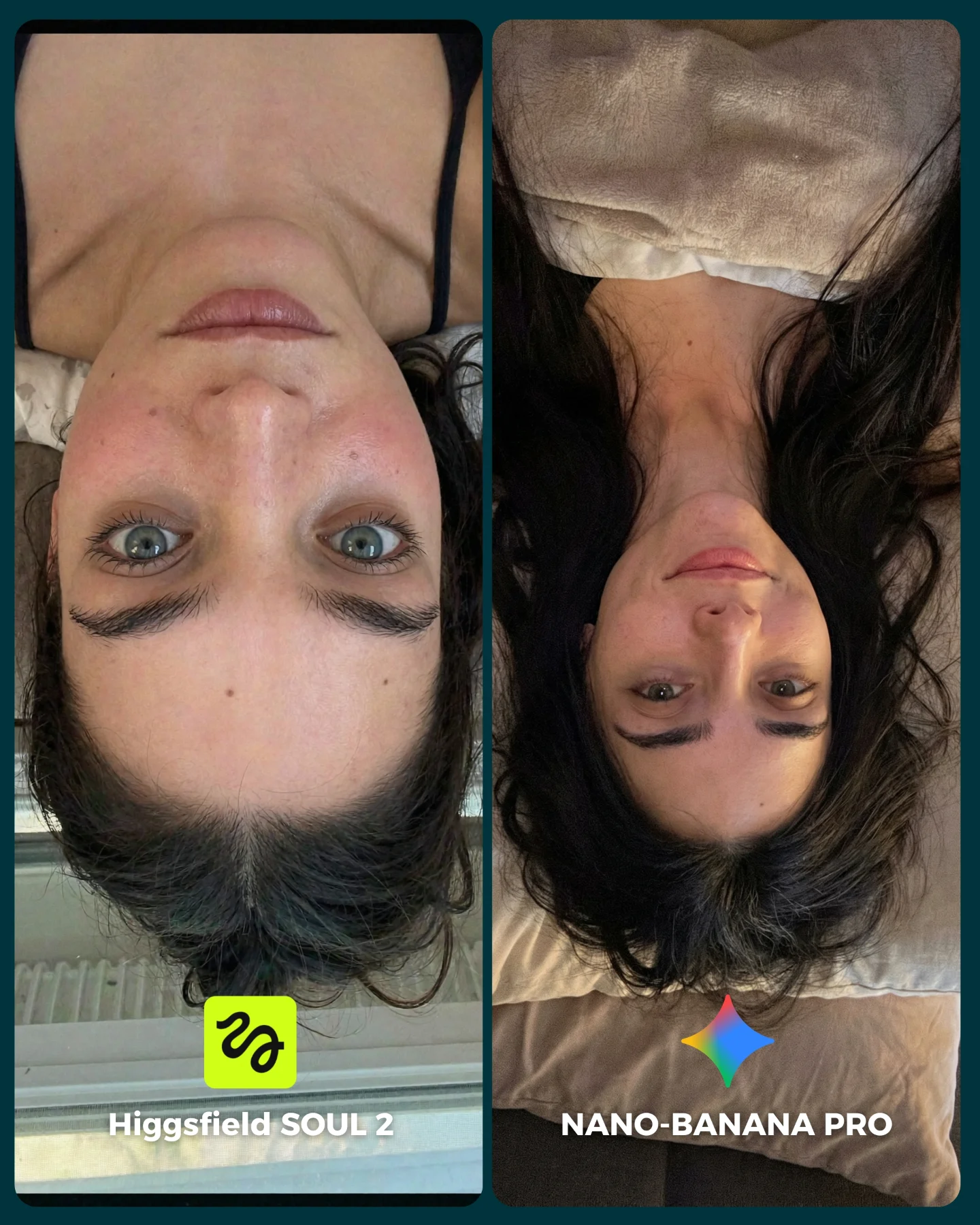
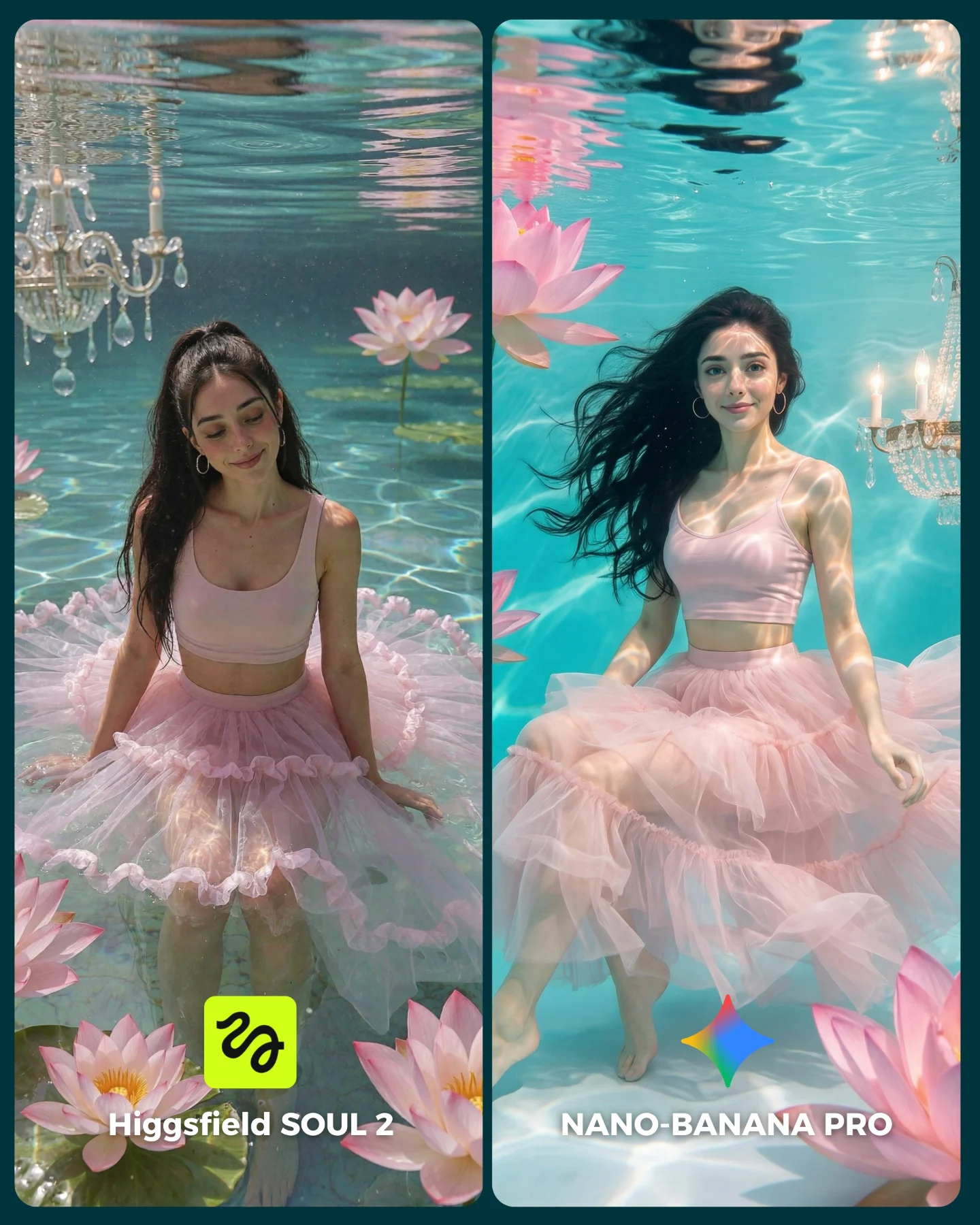
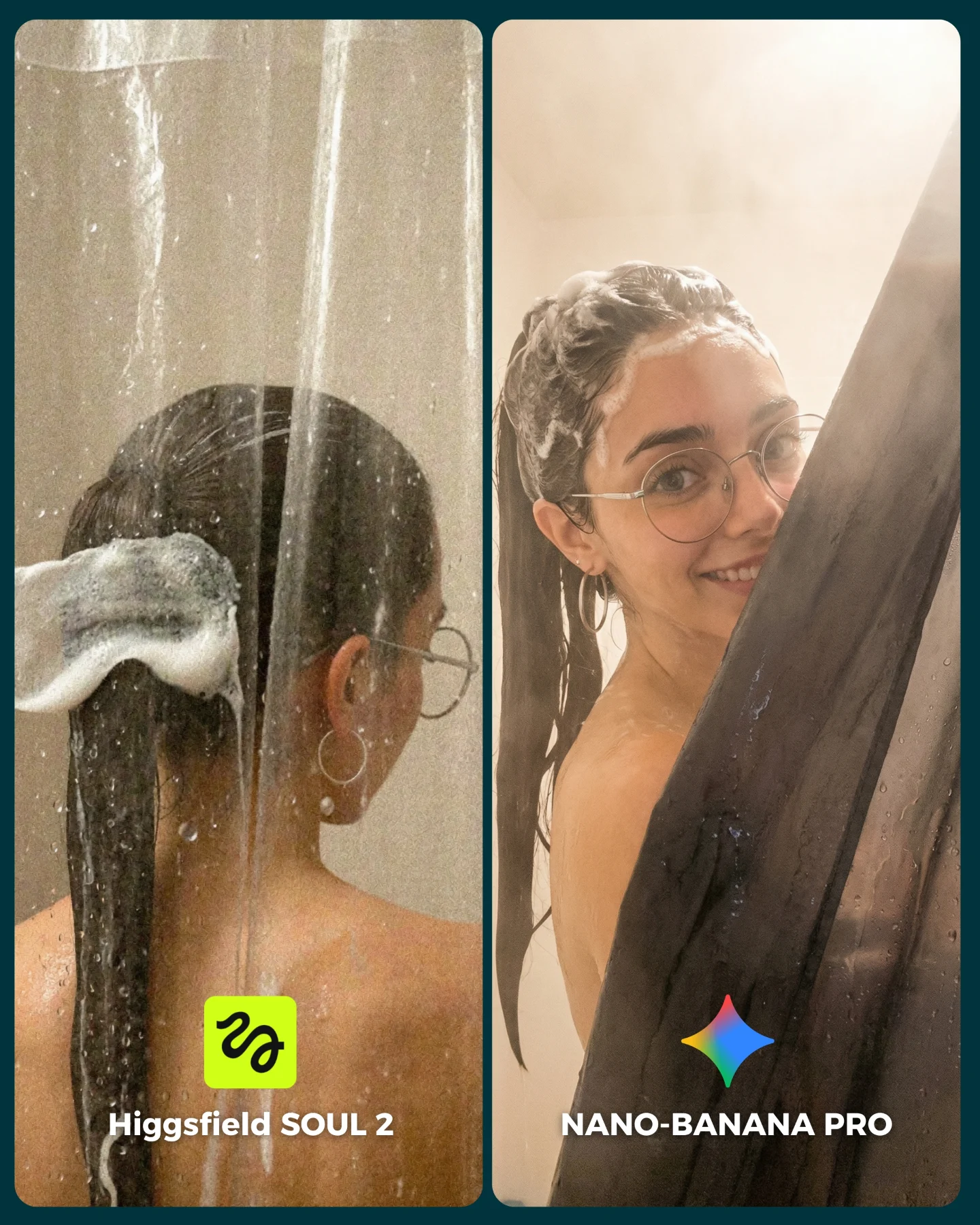
SOUL 2 Vs. Nano Banana Pro 💥
Higgsfield ha lanzado su nuevo generador de imágenes SOUL 2 ⚡ Puedes subirle hasta 80 imágenes de referencia de tu personaje para mantener mejor la constancia 👀
Y para compararlo bien, lo he puesto a prueba junto a Nano Banana Pro que hasta el momento es mi generador de imágenes favorito 💕
La verdad es que hay algunos resultados de SOUL 2 que me han sorprendido bastante... No está nada mal, pero sigo prefiriendo Nano Banana para la mayoría de las ocasiones 😅
Os dejo algunas imágenes que he generado y espero leer vuestras opiniones en comentarios 💌 Y si quieres los prompts de todas las imágenes comenta "ARIA" y te los mando por mensaje!
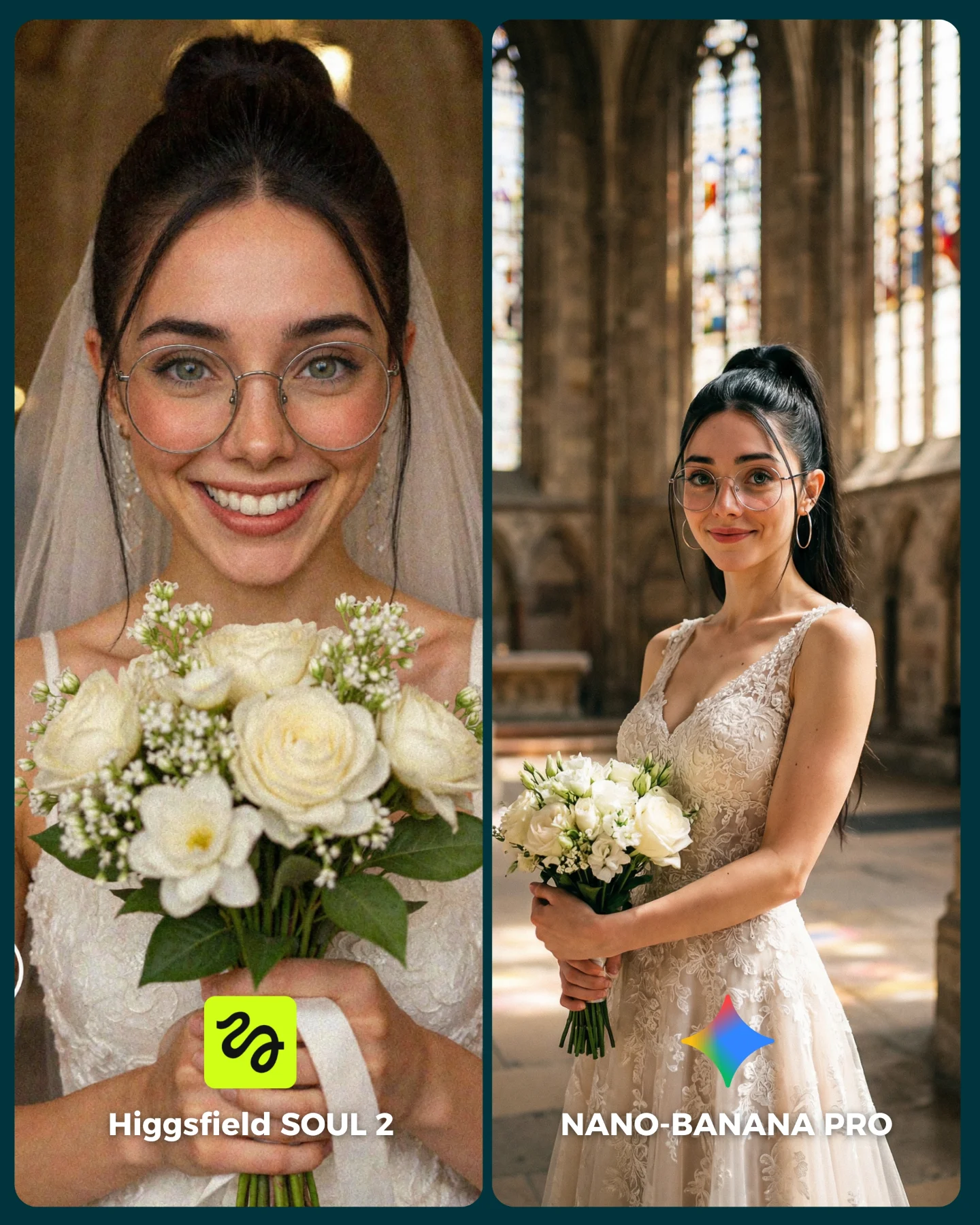
Why soy_aria_cruz's SOUL 2 vs Nano Banana Wedding Comparison Went Viral
This image works because it compares two models on a category where people notice mistakes instantly. Wedding imagery has almost no tolerance for sloppy rendering. The face has to stay beautiful but recognizable. The lace has to read as fabric rather than texture noise. The bouquet has to feel fresh and structured. The church interior has to look reverent, not generic. That makes the comparison immediately meaningful.
The format also benefits from emotional clarity. Unlike technical product shots, bridal imagery comes with strong cultural expectations. Viewers already know what a convincing wedding portrait should feel like. So when two versions are placed side by side, even a casual audience can judge elegance, realism, and atmosphere without needing any explanation.
Why This Format Performs
The strongest part of the composition is the framing contrast. The left panel gives intimate bridal warmth through the bouquet-forward close-up. The right panel expands into a full portrait, allowing the dress silhouette and cathedral scale to carry more of the mood. Together, the two views create a richer benchmark than either image could achieve alone.
The second reason it performs is identity persistence through styling changes. Bridal images often erase recognizable character traits by smoothing everything into a generic beauty ideal. Here the glasses, hoop earrings, and dark hair structure remain visible. That matters. It turns the bride from a generic template into the same creator identity placed inside a wedding world.
Signal
Evidence (from this image)
Mechanism
Replication Action
Luxury cue density
Lace, veil, bouquet, stained glass, and warm stone architecture all reinforce the bridal setting.
Wedding scenes depend on layered elegance, not one single prop.
Stack several complementary bridal signals instead of relying only on the dress.
Identity retention
The glasses and facial structure remain visible in both versions.
Viewers trust the comparison more when the same person clearly survives the restyling.
Keep one or two distinctive personal markers locked across both panels.
Framing variety
One panel is close and floral, the other is wider and architectural.
The comparison feels richer because it tests both beauty portrait and environmental portrait modes.
Vary crop scale while keeping subject identity and overall styling stable.
Romantic but readable lighting
The warm window light flatters skin and lace without washing out detail.
Soft luminous lighting supports the fantasy of a wedding while preserving evaluation clarity.
Ask for cathedral window light, not hard flash or dark dramatic contrast.
Best Use Cases and Transfers
This pattern is excellent for model-vs-model bridal tests, wedding prompt packs, romantic style comparisons, and creator content that places a stable identity into ceremonial aesthetics. It also transfers well to gala fashion, period costume portraits, red-carpet styling, and luxury interior portraiture, because the same principles of elegance and identity preservation apply.
Best for wedding prompt evaluation: viewers care about fabric, florals, and atmosphere, so quality differences are obvious.
Best for premium-style creator content: the scene feels aspirational without losing the person at the center.
Best for save-worthy inspiration posts: bridal comparisons naturally attract bookmarking and opinion comments.
Best for identity consistency tests: formal styling makes it easy to see whether the model preserves signature features.
It is less suited for documentary wedding storytelling, crowded reception scenes, or rebellious editorial bridal fashion. This image is controlled, elegant, and benchmark-driven. It is not trying to show the chaos of a real wedding day.
Not ideal for candid reportage: the composition is too polished and deliberate.
Not ideal for edgy avant-garde styling: the mood here is classical rather than disruptive.
Not ideal for group portrait complexity: side-by-side comparison works best with one stable central subject.
Three Transfer Recipes
Bridal consistency benchmark. Keep: one bride, bouquet, formal dress, church setting, two panel scales. Change: bouquet species, neckline, veil length, cathedral mood. Slot template (EN): {same bride in two wedding portrait panels} {close floral portrait plus wider church portrait} {glasses or signature identity markers preserved} {luxury bridal benchmark graphic}
Formalwear comparison test. Keep: repeated identity and split-screen packaging. Change: wedding dress into gala gown, opera look, or awards-night styling. Slot template (EN): {same elegant subject rendered twice} {formal outfit with textured fabric} {architectural interior backdrop} {version labels inside the frame}
The left panel feels soft and immediate because the bouquet occupies so much of the frame. Flowers in the foreground create emotional warmth before the viewer even registers the label. The right panel feels more aspirational because the dress and cathedral verticals give the subject status and scale. That pairing is smart. It lets one version sell intimacy and the other sell grandeur.
The glasses are again doing unusually important work. Bridal imagery often erases them in favor of a more conventional fantasy. Keeping them here makes the comparison more memorable and more useful. It proves that a formal beauty prompt can remain personalized rather than defaulting into a generic bridal face.
Observed
Why it matters for recreation
Close-up bouquet dominating the left portrait
The floral mass creates immediate wedding readability and softens the close crop.
Veil visible behind the head on the left
The veil adds ceremonial authenticity without overwhelming the face.
Wider standing dress silhouette on the right
The second panel proves the styling works beyond a beauty crop.
Tall stained-glass windows in the background
The church setting feels specific and premium rather than generic.
Warm skin tones and soft stone light
The overall mood stays romantic and flattering, which is critical for wedding imagery.
Prompt Technique Breakdown
To recreate this well, you need to prompt both for bridal detail and for benchmark structure. If you only ask for a bride in a church, you will get one image. If you only ask for a model comparison, you may lose the wedding richness. The prompt needs to define the split-screen shell, then fill it with luxury bridal cues and identity markers.
Prompt chunk
What it controls
Swap ideas (EN, 2-3 options)
two vertical bridal comparison panels with a dark teal frame
Lock the split-screen structure first. Then stabilize the face, glasses, and hair. After that, build the bridal world through dress texture, bouquet shape, veil placement, and church light. The architecture should support the bride, not dominate her.
Run 1: establish the two-panel benchmark with a close bouquet portrait on the left and a wider church portrait on the right.
Run 2: correct facial identity markers so the same woman is clearly recognizable in both bridal renders.
Run 3: refine lace, veil translucency, bouquet petals, and hand placement until the formal styling feels premium.
Run 4: tune the cathedral light and background blur so the environment feels sacred and warm without distracting from the bride.
If the image feels too generic, strengthen the personal markers before adding more decoration. Extra lace and flowers do not solve identity drift. Recognizability does.