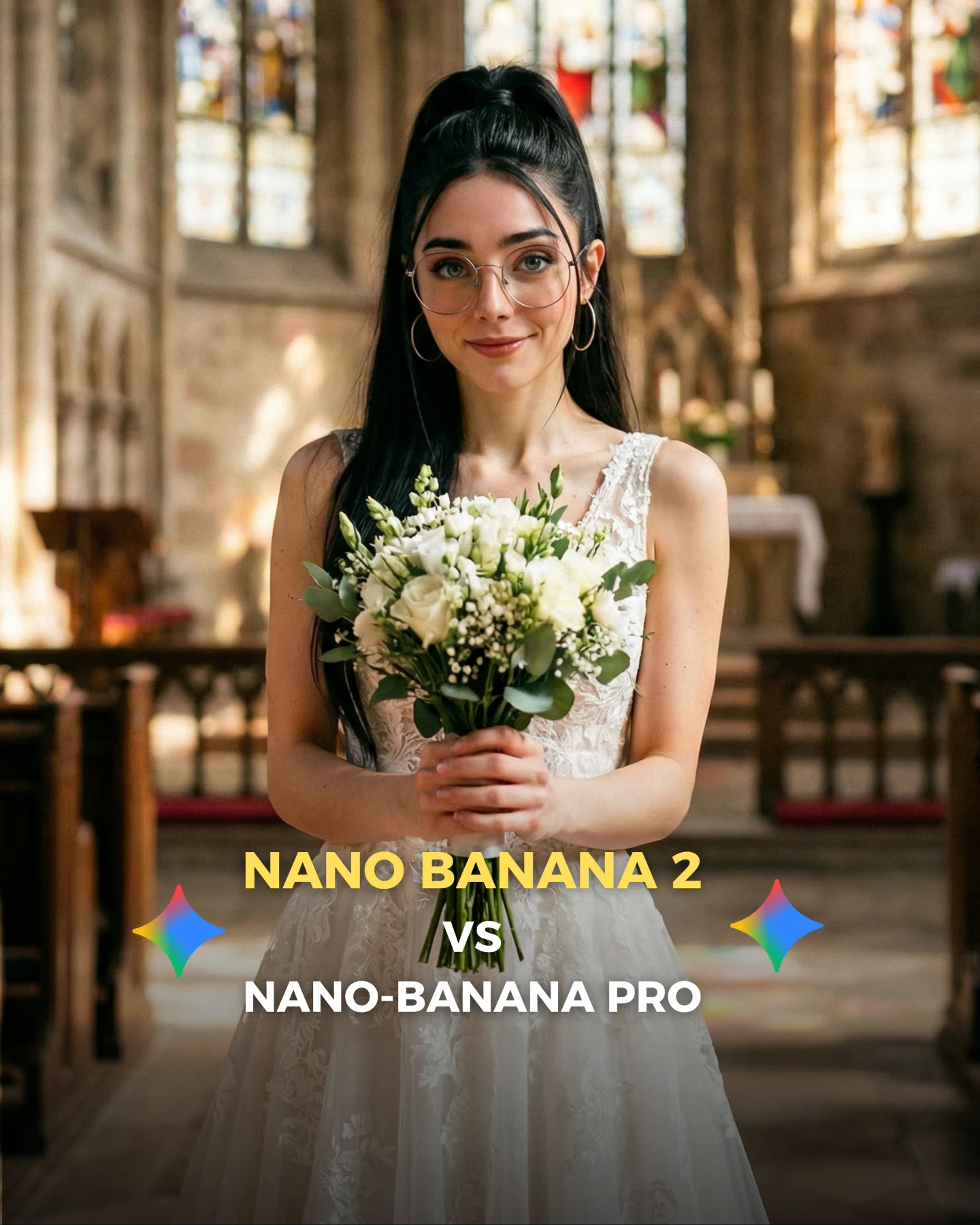
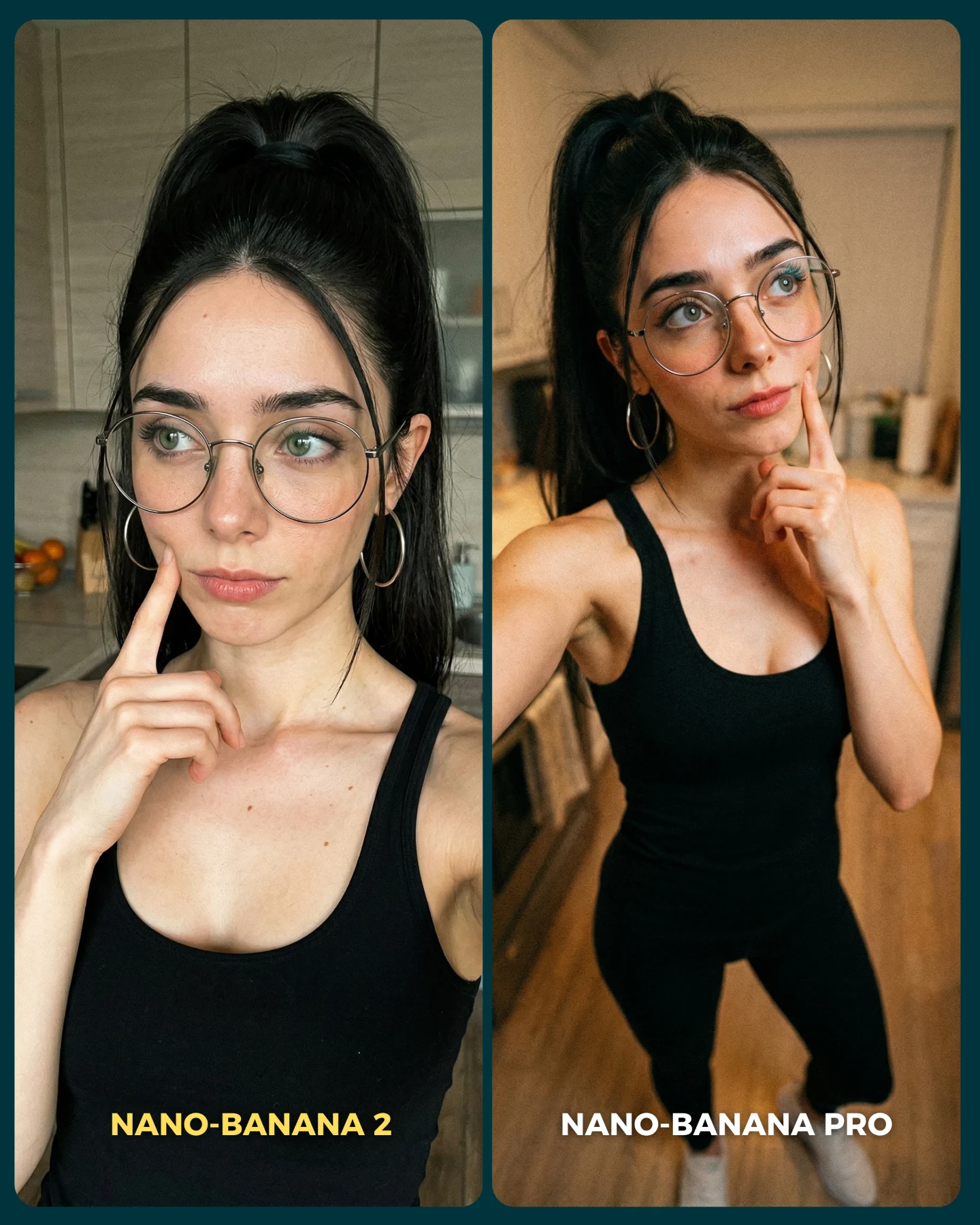
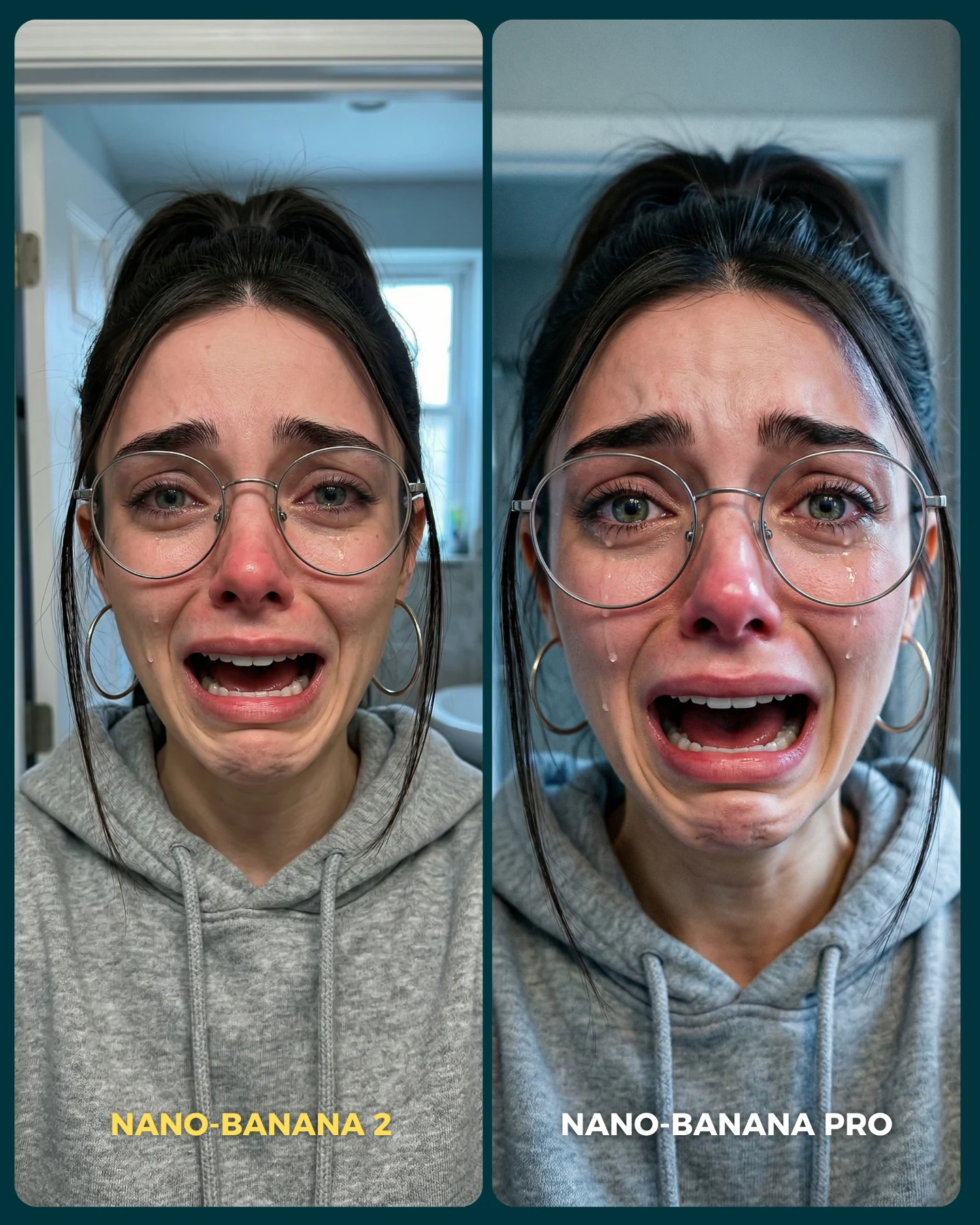
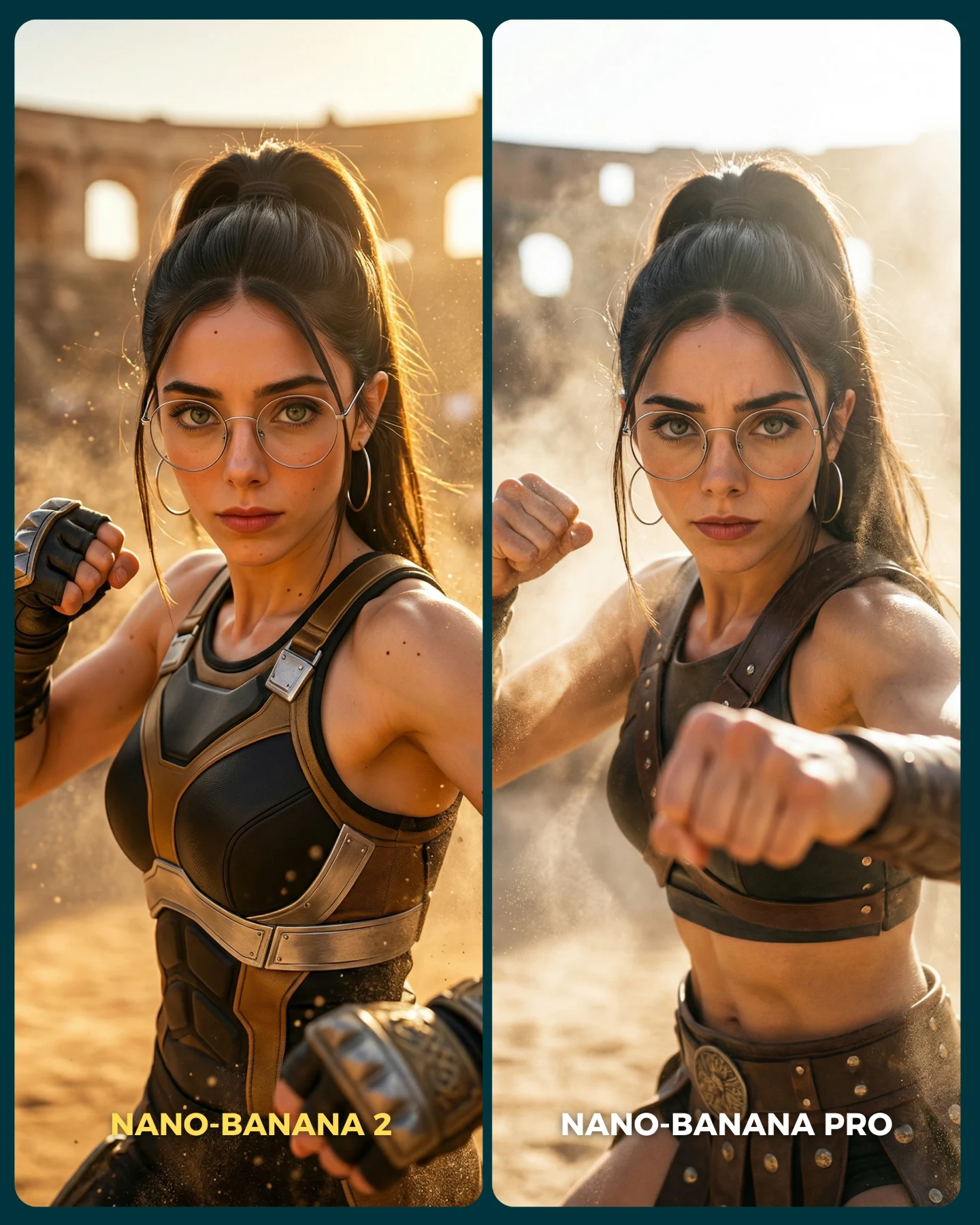
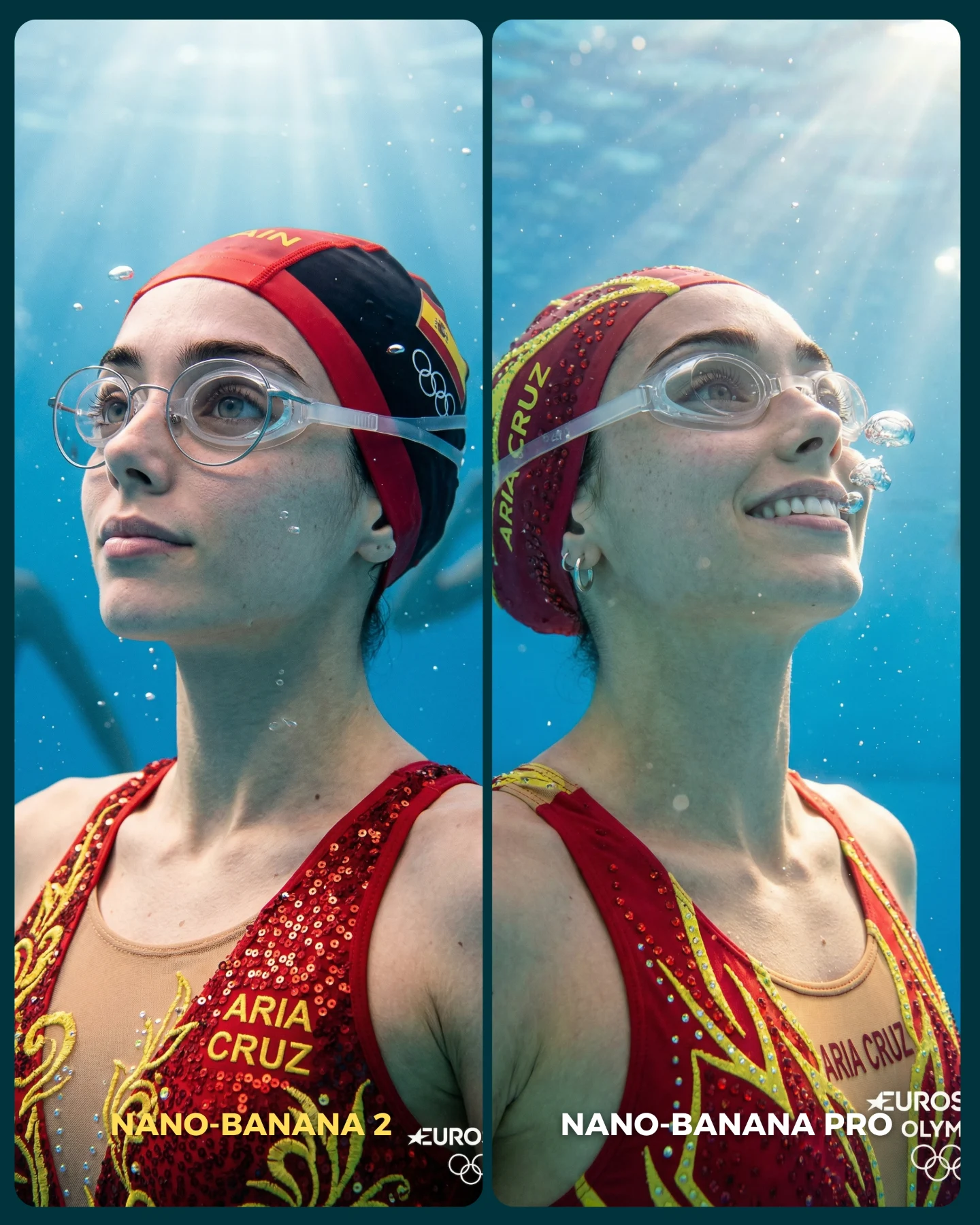
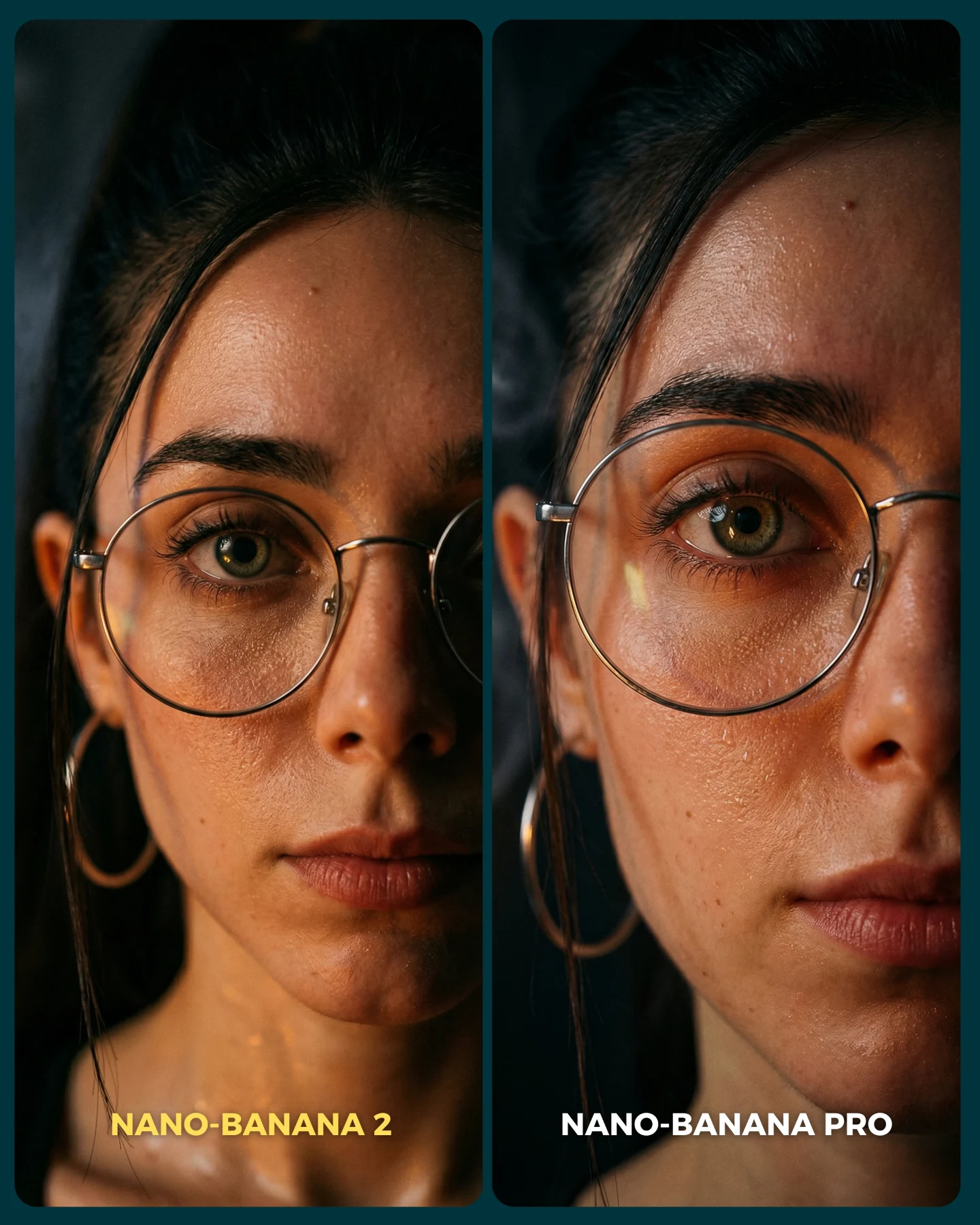
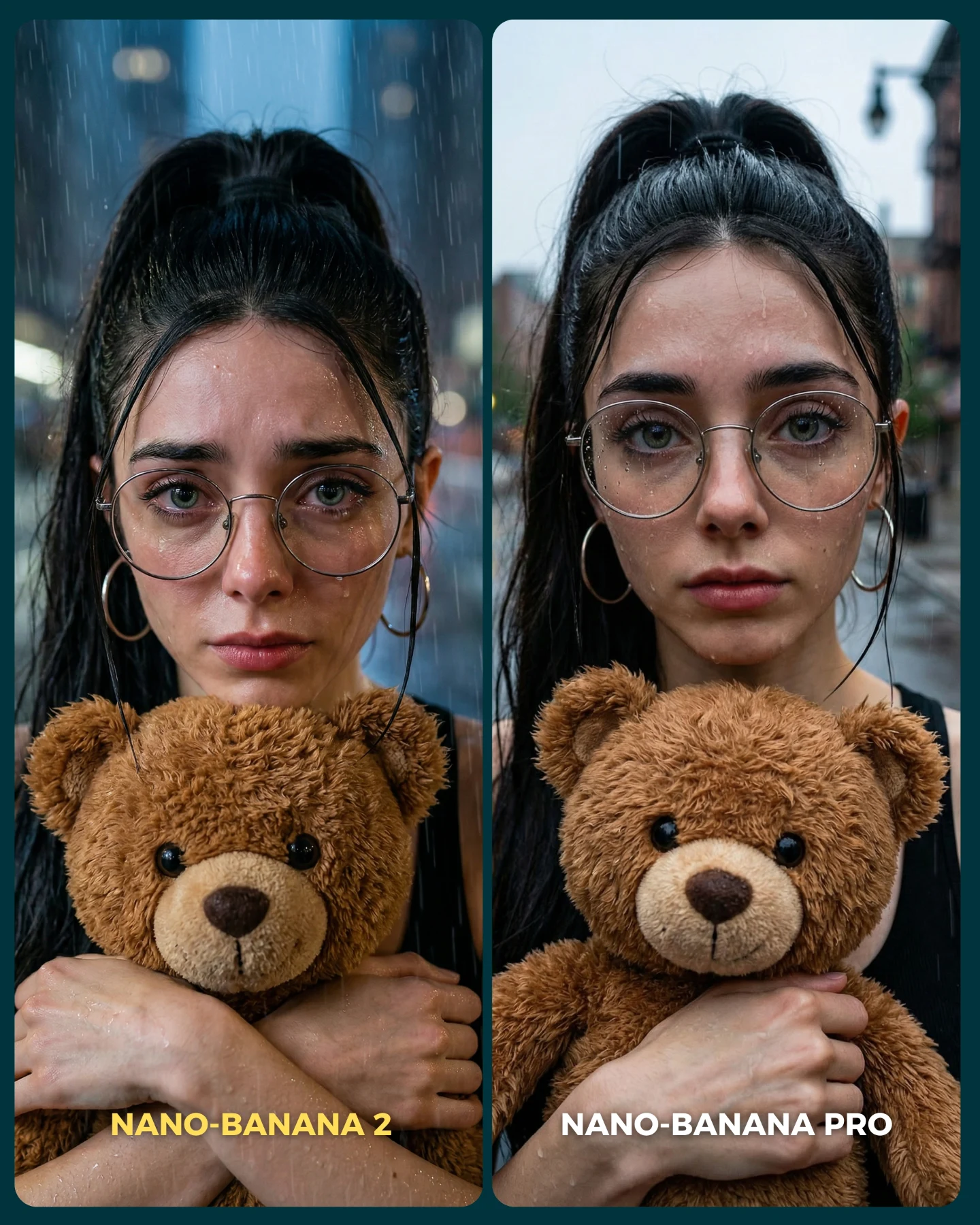
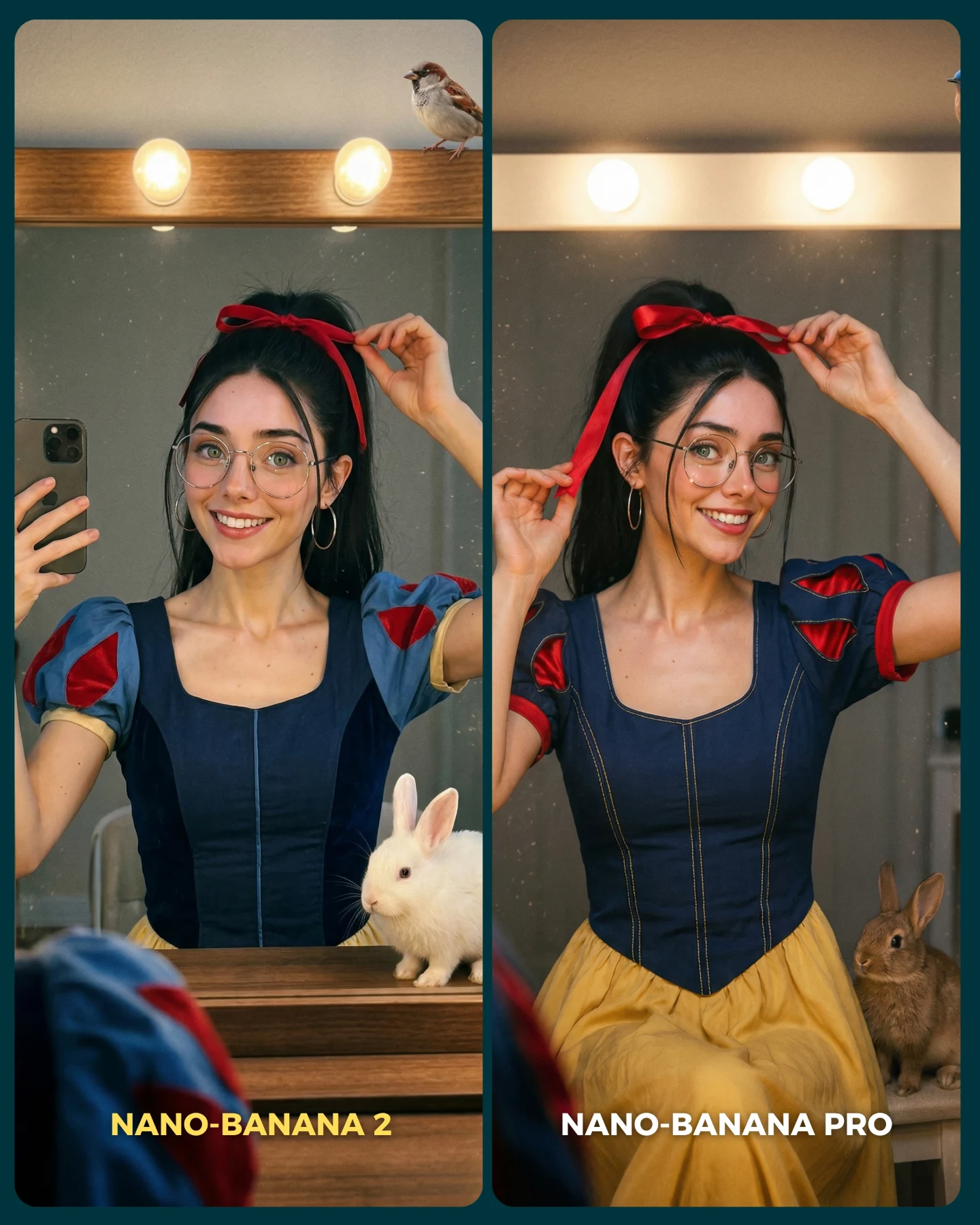
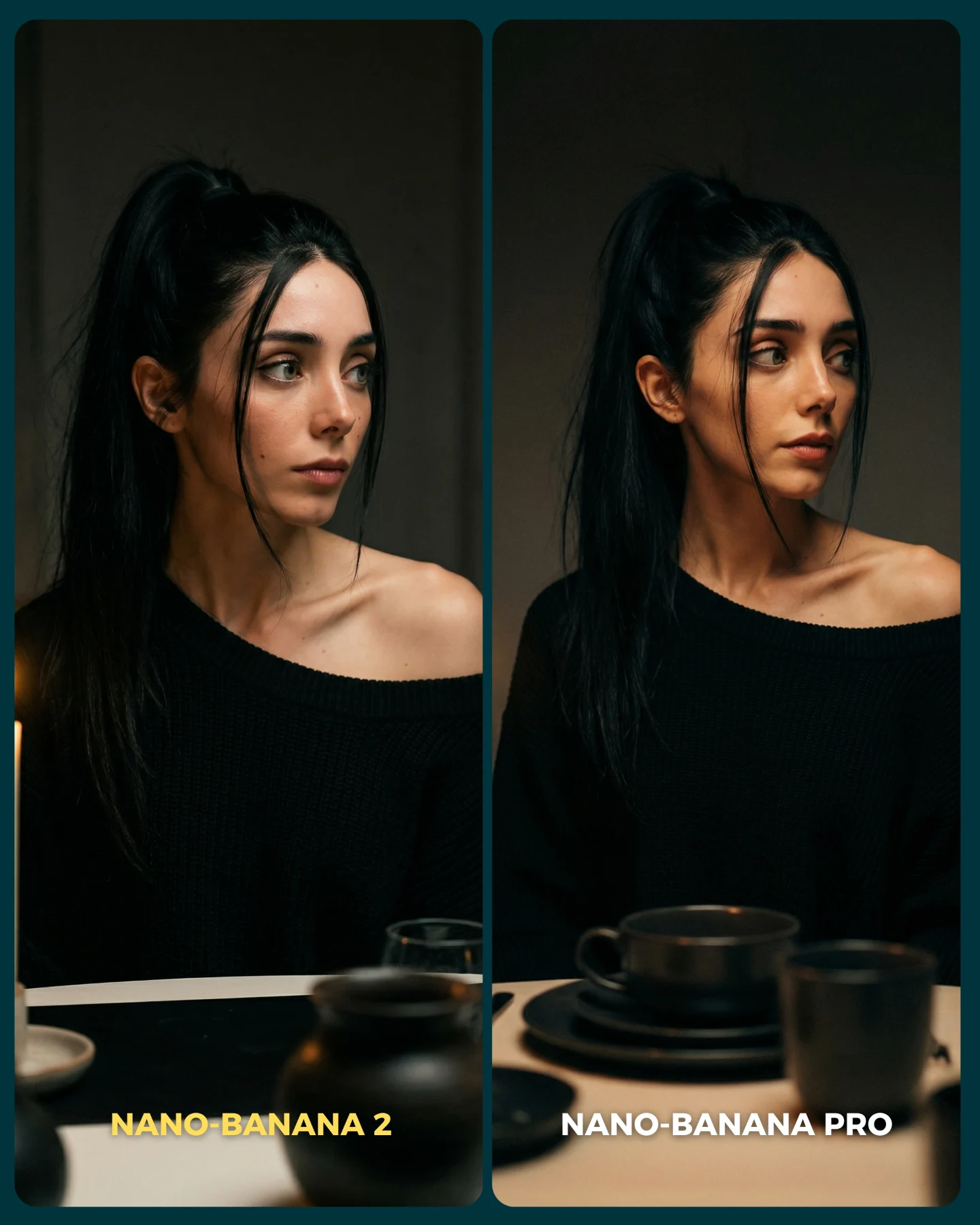
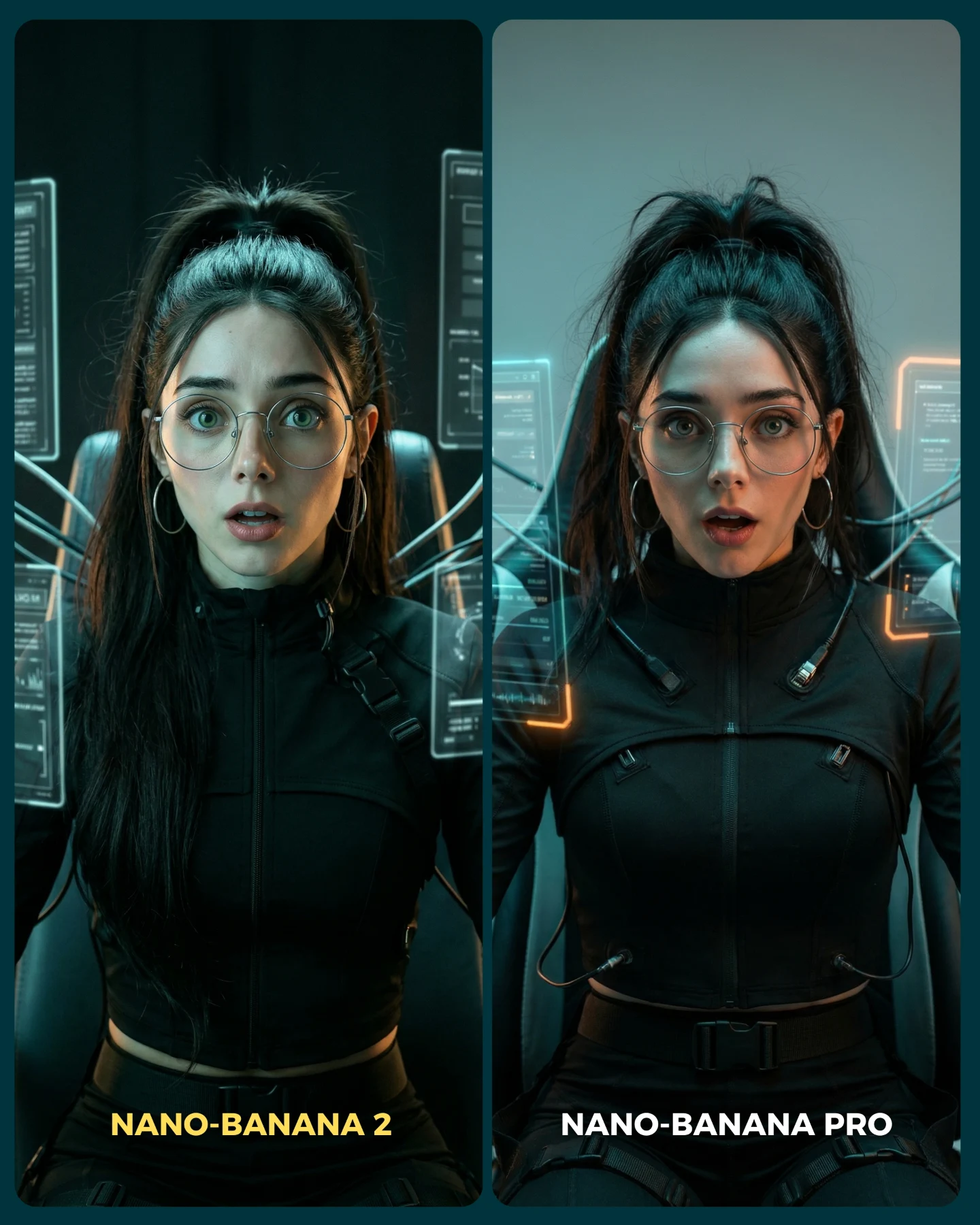
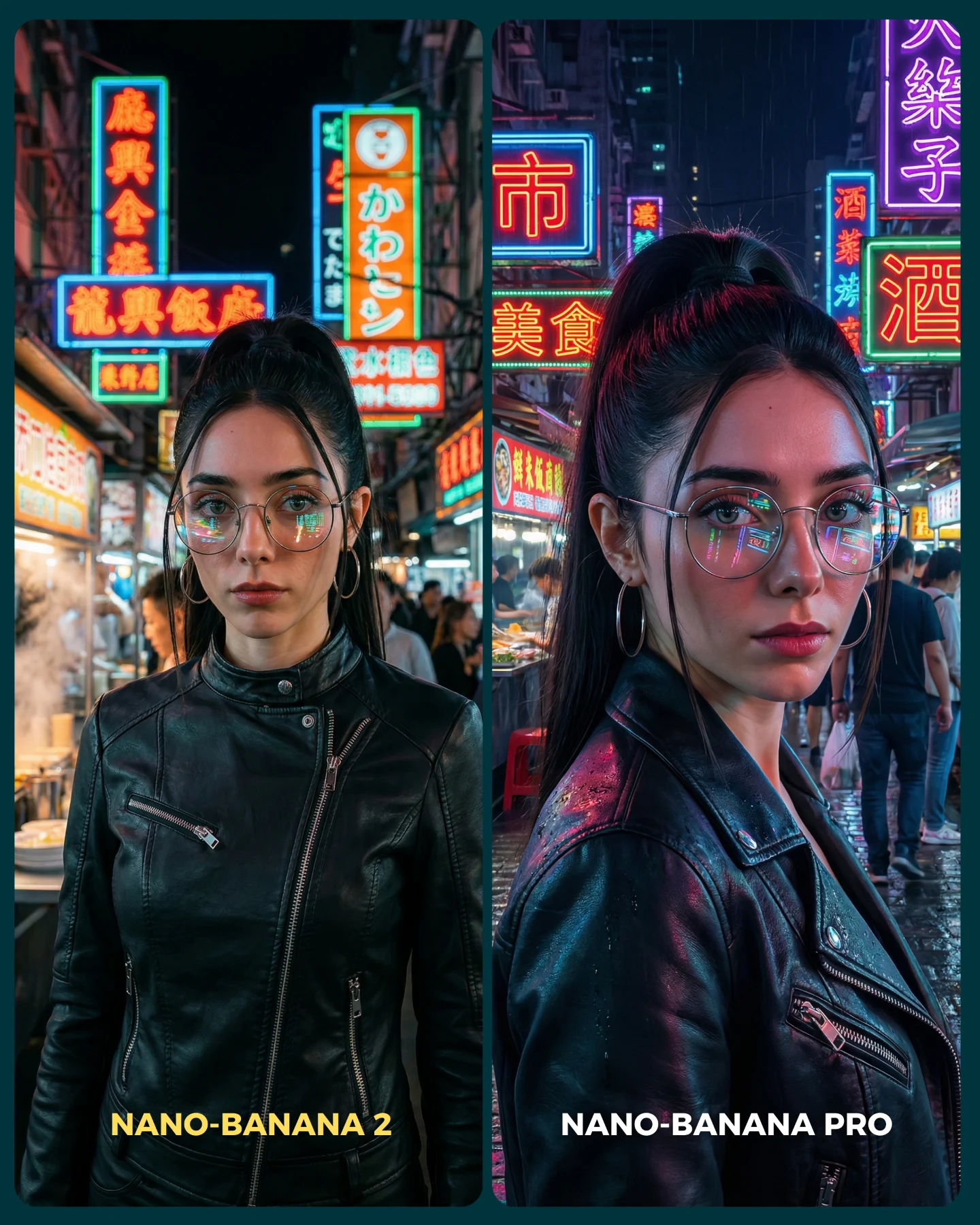
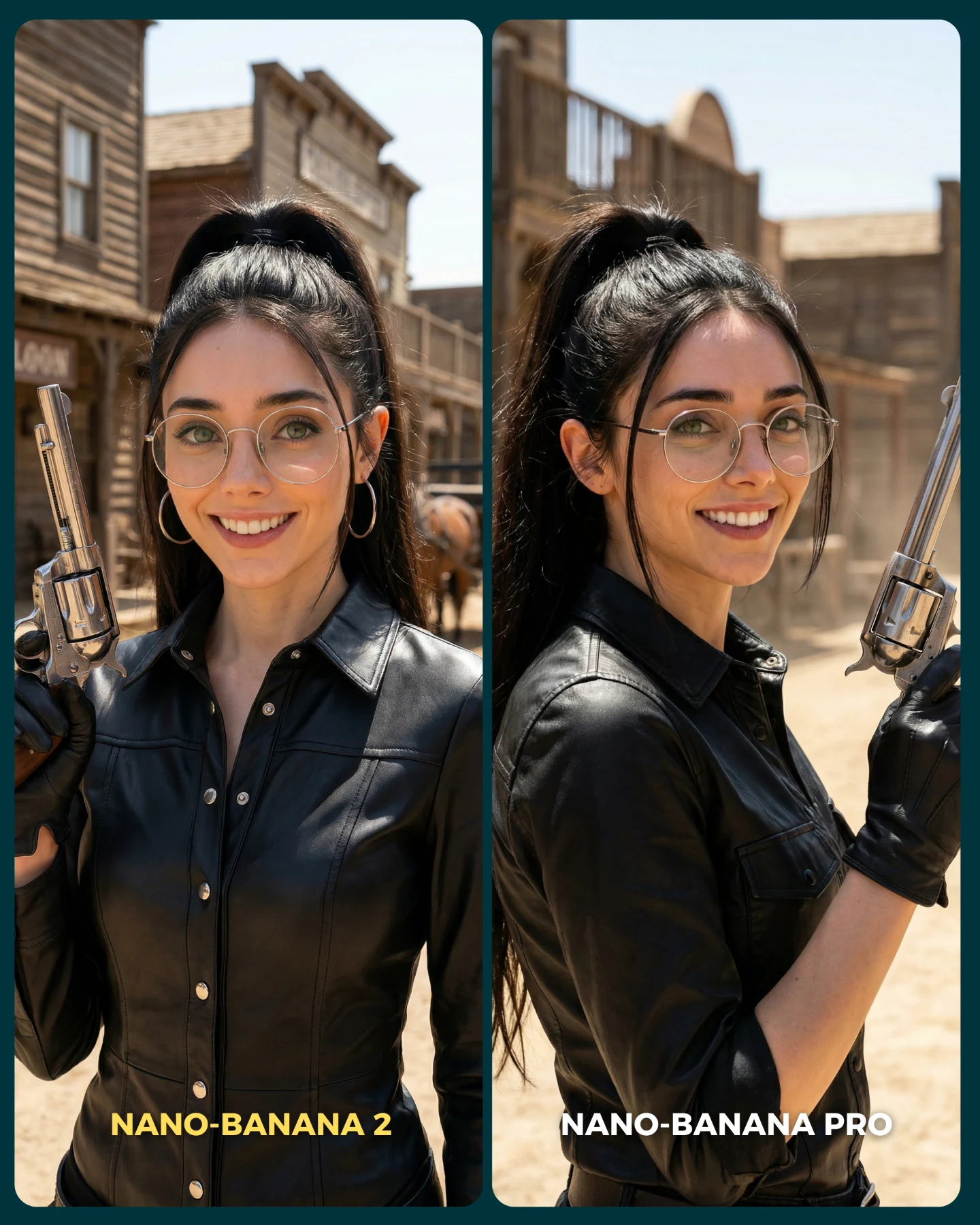
Nano Banana 2 Vs. Nano Banana PRO 💥
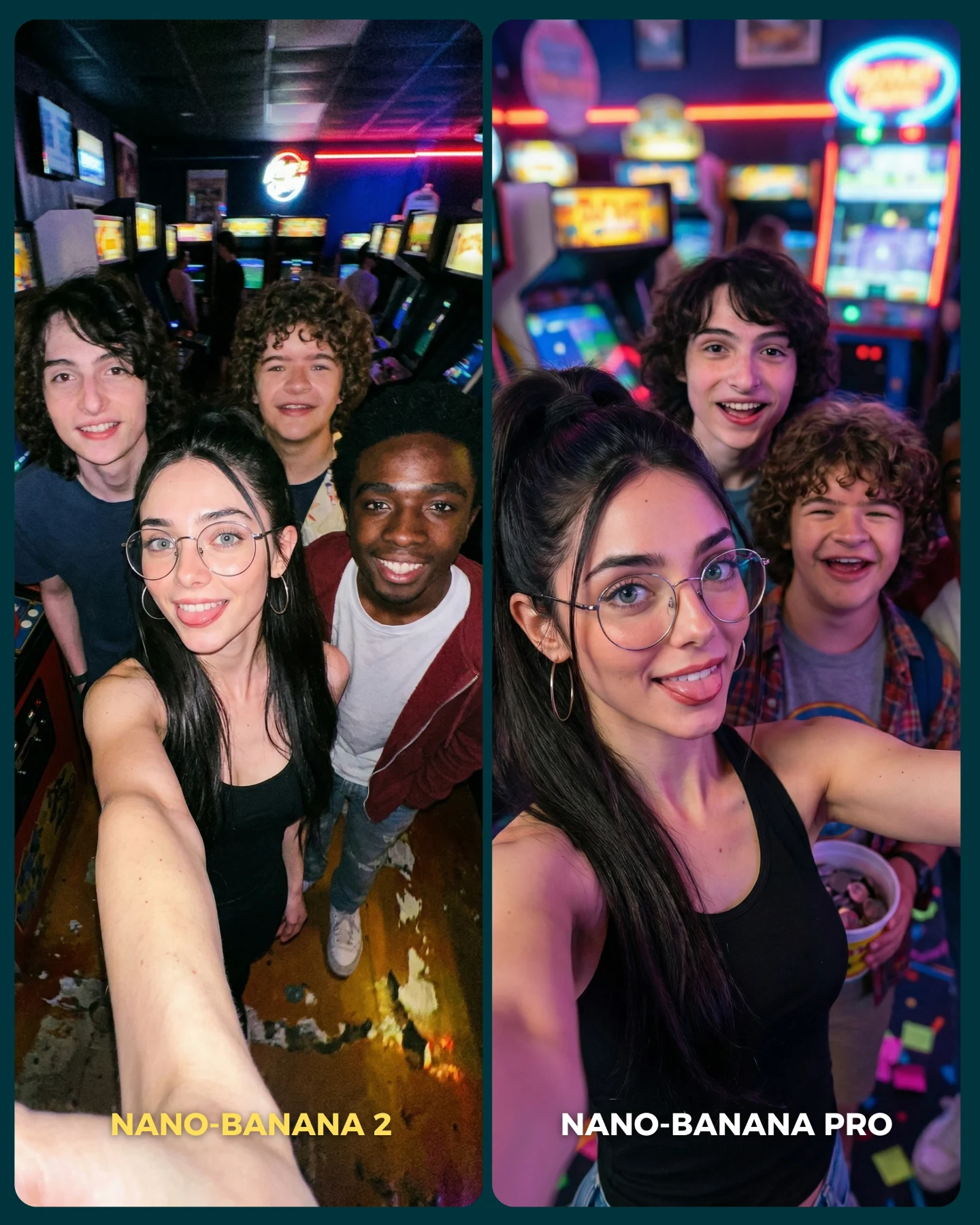
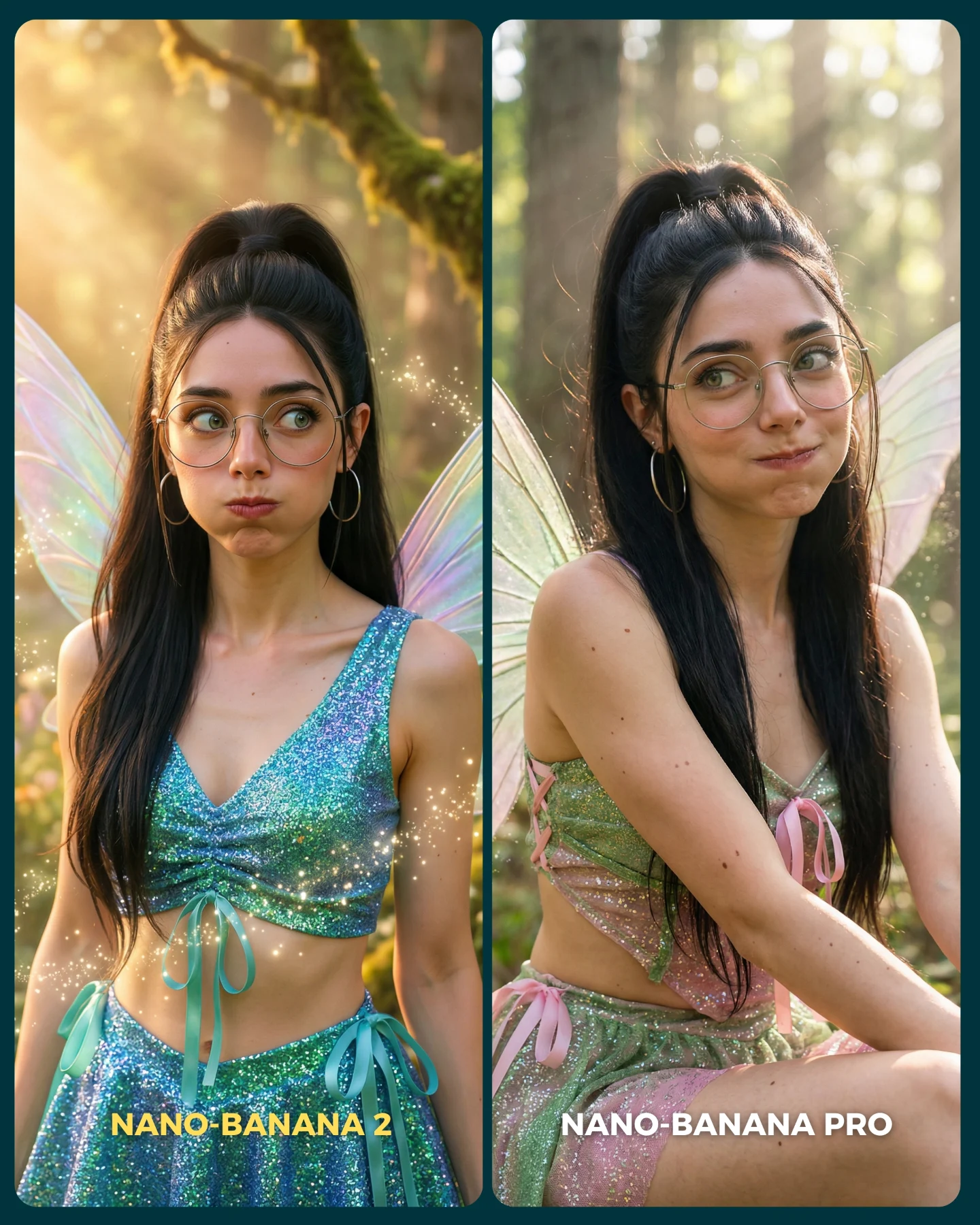
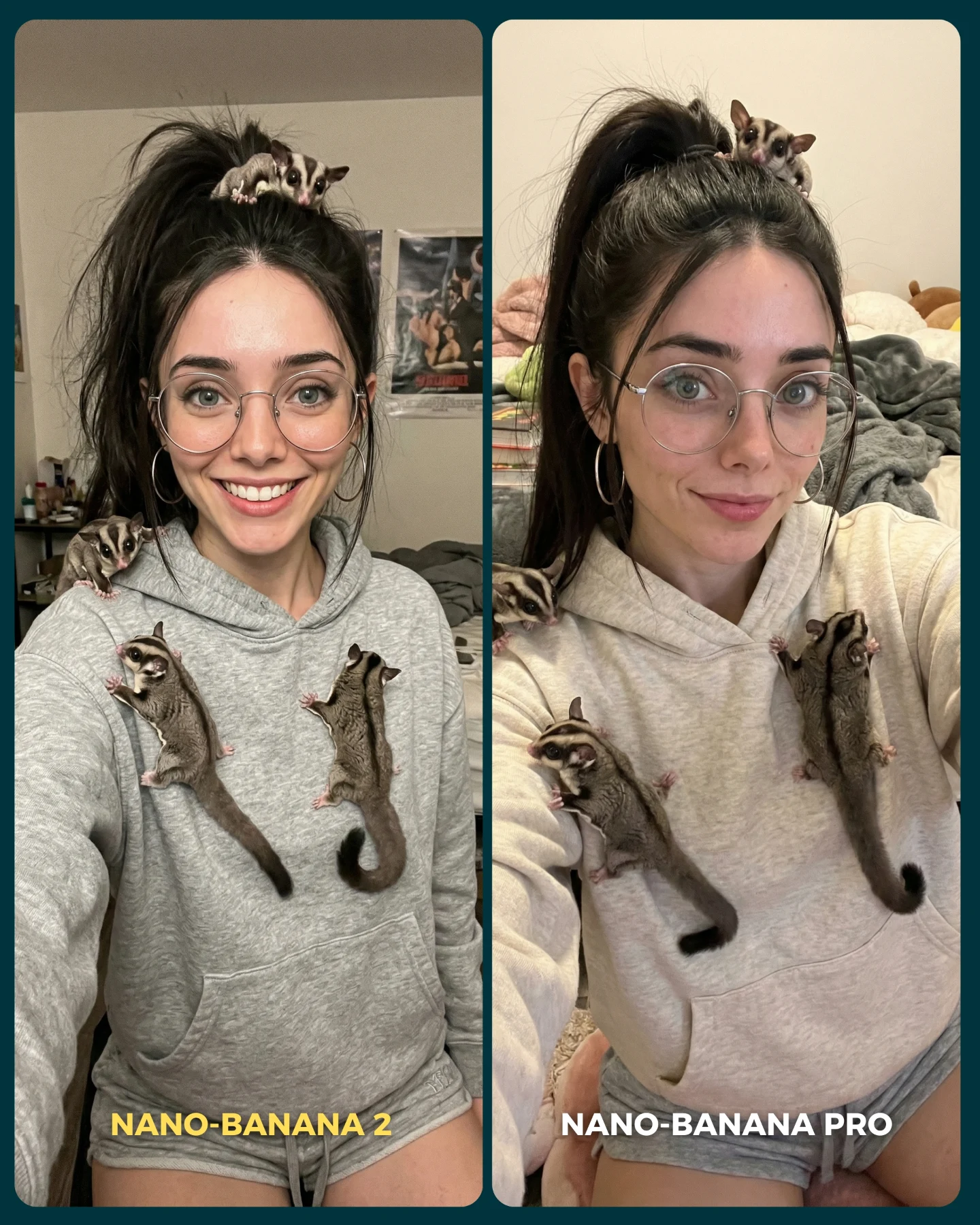
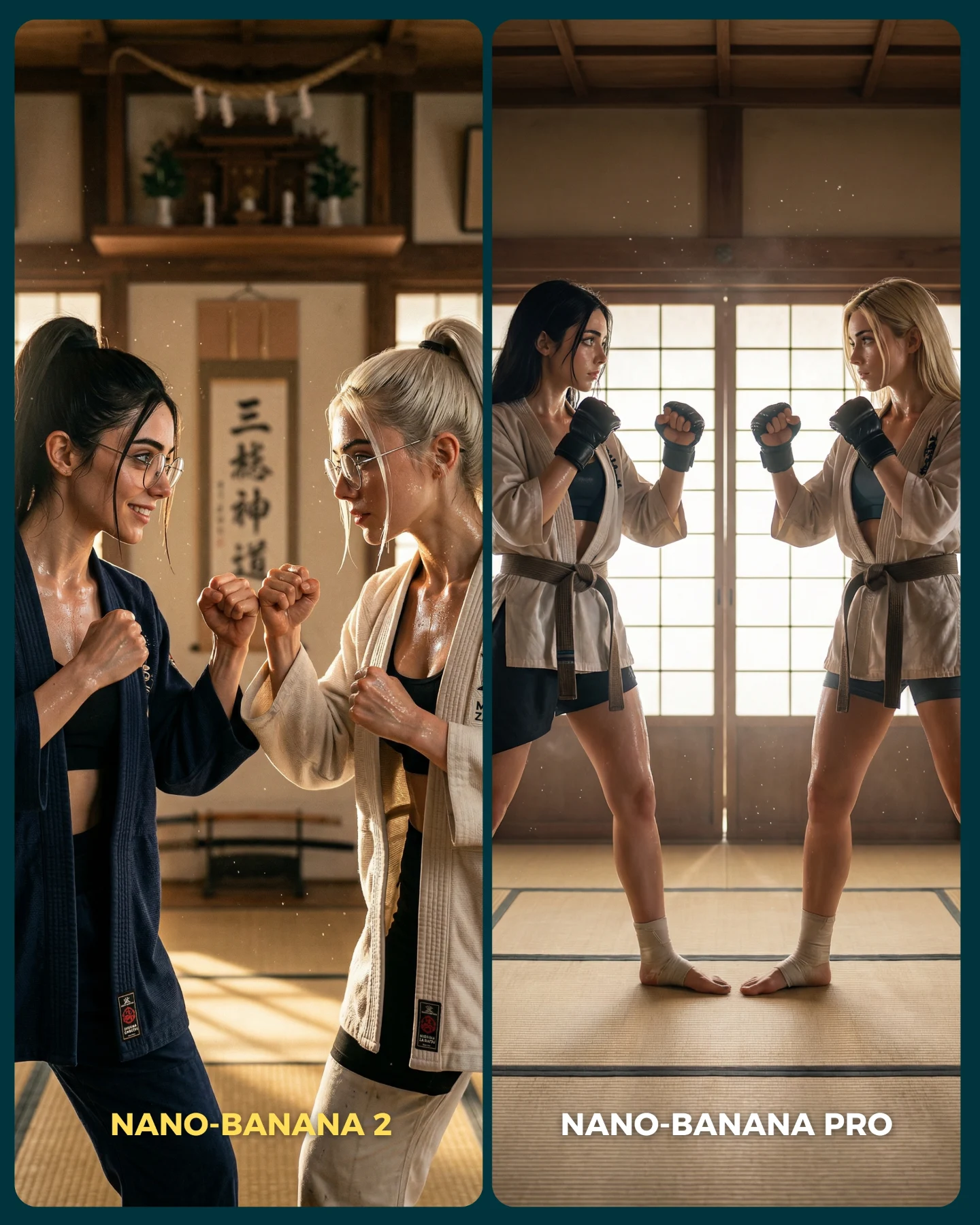
Google acaba de lanzar un nuevo generador de imágenes... Lleva un 2 pero no significa que sea mejor que el Pro 👀 (No es Nano Banana Pro 2)
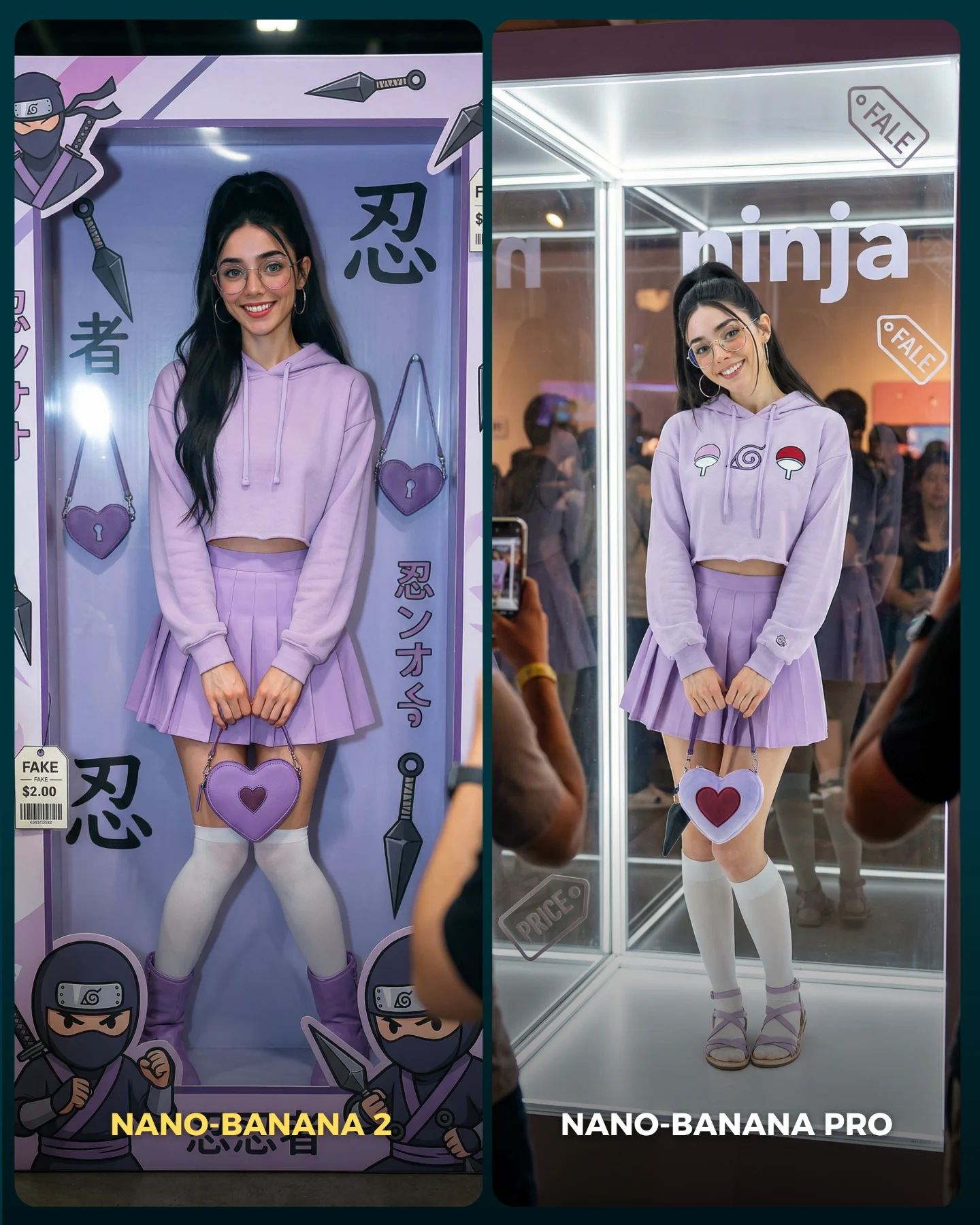
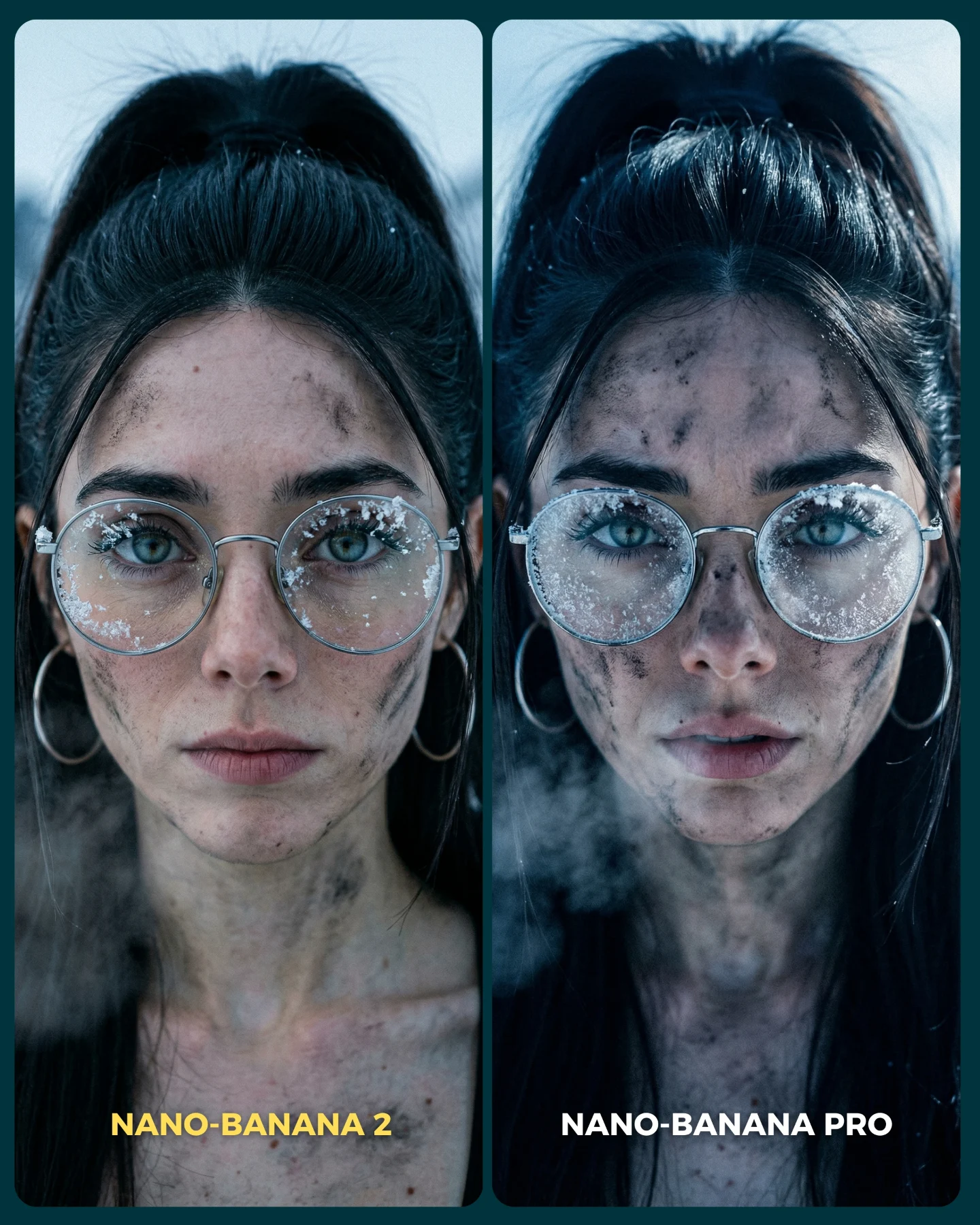
Para ponerlo realmente a prueba, las imágenes que he seleccionado para testearlo son todas las que Nano Banana Pro me daba "poco realistas"
Tras ver los resultados... Sigo pensando que la versión Pro lo hace mejor que la nueva 😅 Pero si es verdad que en algunas ocasiones no es así!
Igualmente quiero escuchar tu opinión al respecto 💌 Y comenta "ARIA" si quieres que te pase los prompts de todas las imágenes 💕
How soy_aria_cruz Made This Nano Banana Rain Angel AI Art — and How to Recreate It
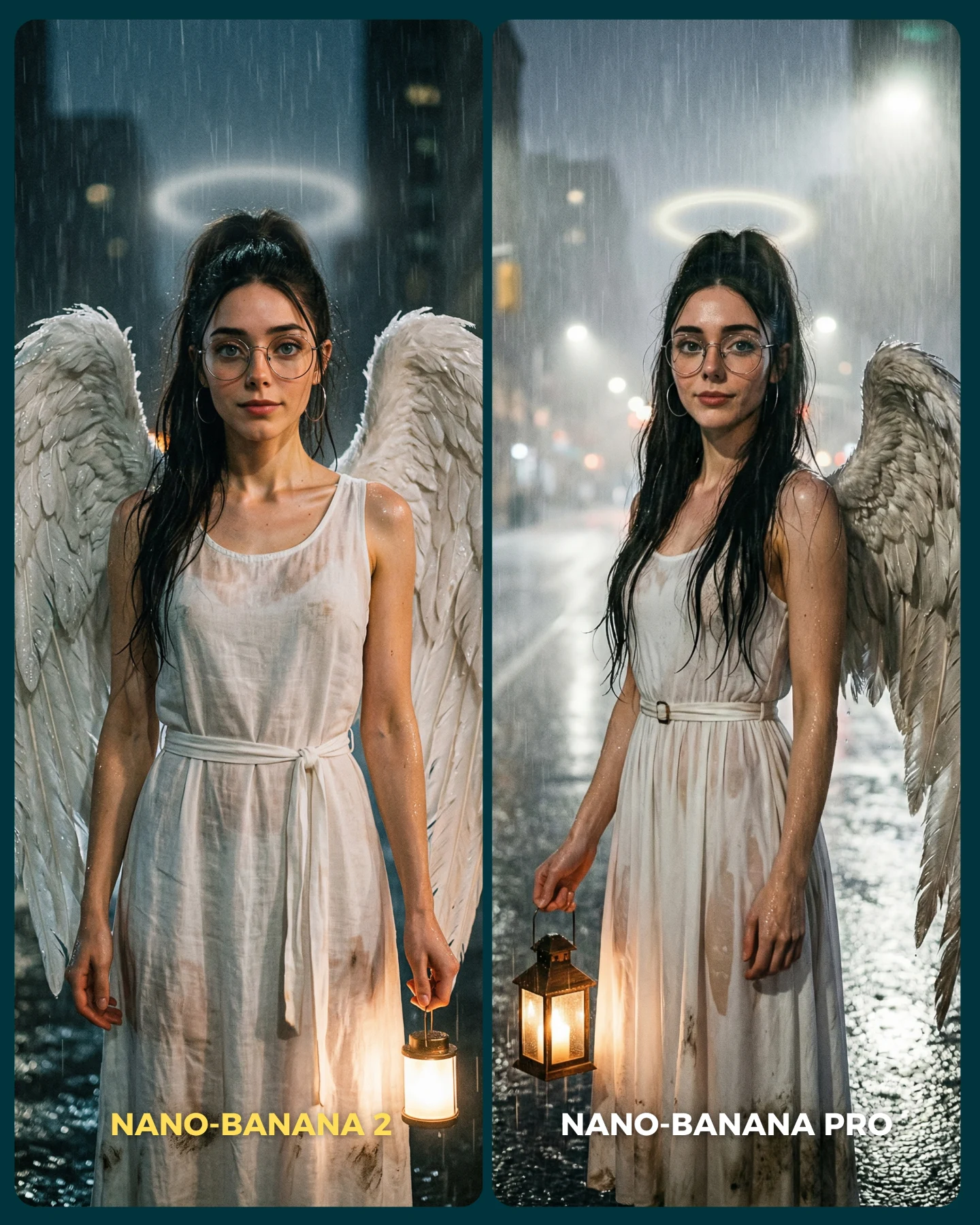
This image works because it is not selling a vague fantasy mood. It stages a very specific test: the same wet-night angel portrait, held under almost identical conditions, then shown side by side so creators can feel the difference in realism without guessing what changed. For small creators, that matters. A comparison like this turns taste into something operational. You can look at the hair, the fabric cling, the wing texture, the lantern glow, and immediately understand where an image model either keeps the illusion intact or starts to flatten it.
What makes the post sticky is the tension between contrast and familiarity. The subject is simple enough to read in a second: one woman, white dress, wings, halo, rain, city street. But the execution adds enough friction to reward a longer look. Wet cloth is hard. Feathers are hard. Night reflections are hard. Round glasses in rain are hard. Viewers do not need technical language to recognize that these are the places where realism usually breaks, so the image quietly invites them into a quality judgment loop.
There is also a social hook built directly into the visual. Because the two panels are so close, the audience starts doing free labor for the post: zooming in, comparing skin texture, checking anatomy, deciding which version feels more cinematic. That is why this kind of image travels well. It gives the viewer a job, and that job is easy to start but hard to finish quickly.
What The Image Is Signaling At A Glance
Signal
Evidence (from this image)
Mechanism
Replication Action
Controlled A/B tension
Two near-identical angel portraits are split into left and right panels with explicit model labels.
Comparison creates instant curiosity and encourages viewers to inspect details instead of scrolling past.
Keep the scene fixed and only compare one variable at a time, then label the outputs clearly inside the frame.
Hard-mode realism cues
Rain-soaked fabric, wet hair, feathers, halo glow, glasses, and reflective asphalt all appear together.
When multiple failure-prone details survive in one frame, viewers read the image as technically impressive.
Choose 3-4 difficult texture problems in the same prompt and lock them before adding extra styling.
Warm-vs-cool lighting drama
The lantern throws amber light into a mostly blue-gray rainy street scene.
Color contrast increases emotional legibility and gives the eye a clear focal anchor.
Pair one warm practical light with a cooler ambient environment and avoid adding more competing color families.
Mythic symbol, everyday setting
An angel figure stands in an ordinary city street rather than a fantasy temple or cloudscape.
Familiar context makes the image easier to understand while the symbolic subject keeps it memorable.
Place surreal subjects inside realistic environments so the concept feels shareable, not overbuilt.
Why The Visual Reads As Premium Instead Of Generic
The strongest aesthetic choice here is restraint. The frame does not chase ten ideas at once. It stays with a narrow palette, a centered pose, and a stable portrait lens feel. That gives the rain room to matter. It gives the halo room to read as shape instead of gimmick. It gives the wings room to feel tactile rather than decorative. A lot of fantasy portraits fail because every element shouts. This one wins by keeping most elements disciplined and letting only a few features carry the magic.
Notice how the composition protects clarity. The subject fills most of the frame, the background remains soft, and the practical lantern light creates a warm anchor near the lower body. That matters because the image is asking the viewer to compare quality, not decode chaos. The cleaner the visual hierarchy, the easier it is for a creator to reuse the recipe in another niche.
Observed
Why it matters for recreation
Directional but soft frontal light on the face
Keeps the portrait flattering while preserving rain mood.
Very limited palette: white, blue-gray, amber
Stops the fantasy concept from turning noisy or synthetic.
Subject fills roughly 65% of each panel height
Protects emotional connection and keeps feather texture readable.
Wet pavement reflections and misty bokeh behind
Adds depth and a believable night-street atmosphere.
Simple wardrobe with one strong prop
The lantern gives narrative weight without cluttering the scene.
Where This Look Fits Best
AI model comparison posts: Perfect when you want viewers to inspect realism differences. Keep the scene identical and only vary the model or prompt strength.
Fantasy portrait promotion: Works well for creators selling presets, prompts, or editing taste because the concept feels cinematic but still reproducible.
Seasonal story-led content: Strong for rainy-night, melancholic, or guardian-angel narratives. Change the weather intensity before changing the core silhouette.
High-emotion thumbnail tests: The halo and wings read fast even on small screens. Keep the face large and the background subdued.
Not ideal
Busy commerce mockups: The emotional mood is too dominant if the real goal is product clarity.
Comedic meme formats: The solemn lighting and centered pose reduce comic elasticity.
Hyper-minimal branding systems: The wings, rain, and lantern create too much narrative density for ultra-clean corporate visuals.
Three transfer recipes
Urban saint portrait. Keep: rain, centered portrait lens, warm lantern contrast. Change: wings to a long coat, halo to a subway sign glow, dress to streetwear. Slot template: {city night scene} {wardrobe} {handheld practical light} {quiet heroic mood}
Luxury editorial remake. Keep: wet hair, limited palette, shallow depth, direct gaze. Change: halo to backlit signage, lantern to clutch or perfume bottle, wings to dramatic coat silhouette. Slot template: {fashion location} {editorial wardrobe} {hero prop} {cool-warm lighting mix}
Game character reveal. Keep: full-body stance, reflective ground, restrained color system. Change: modern city to ruined alley, white dress to armor fabric blend, halo to floating glyph ring. Slot template: {world setting} {character outfit} {symbolic accessory} {cinematic rain atmosphere}
Prompt Technique Breakdown
Prompt chunk
What it controls
Swap ideas (EN, 2-3 options)
young woman with round glasses, oversized white feather wings, glowing halo
Defines the instantly legible silhouette and iconography.
silver crown glow; folded black wings; no halo but backlit sign ring
rain-soaked sleeveless white dress with tied waist, wet hair clinging to skin
Controls vulnerability, realism, and fabric behavior.
Treat this style like a controlled convergence exercise. The first job is not to invent more. The first job is to stop drift. Lock the composition, the lighting direction, and the lens feel before touching costume, setting, or symbolism. If those three move at once, the image loses the exact premium tension that makes the original comparison useful.
Baseline lock
Centered full-body portrait in a vertical frame
Cool rainy ambience with one warm practical light
Moderate portrait-lens compression with soft background blur
One-change rule sequence
Run 1: lock the subject, wings, halo, dress, rain, and lantern until anatomy and mood are stable.
Run 2: adjust only the environment density, increasing or decreasing background bokeh and mist.
Run 3: adjust only wardrobe texture, deciding whether you want cotton, silk, or editorial satin behavior under rain.
Run 4: adjust only the symbolic layer, swapping halo or wings for a different mythic cue while preserving the same lens and light logic.
Useful reminder for remixing
If the image starts looking fake, do not add more adjectives. Reduce palette variety, simplify the background, and reassert one believable light source.