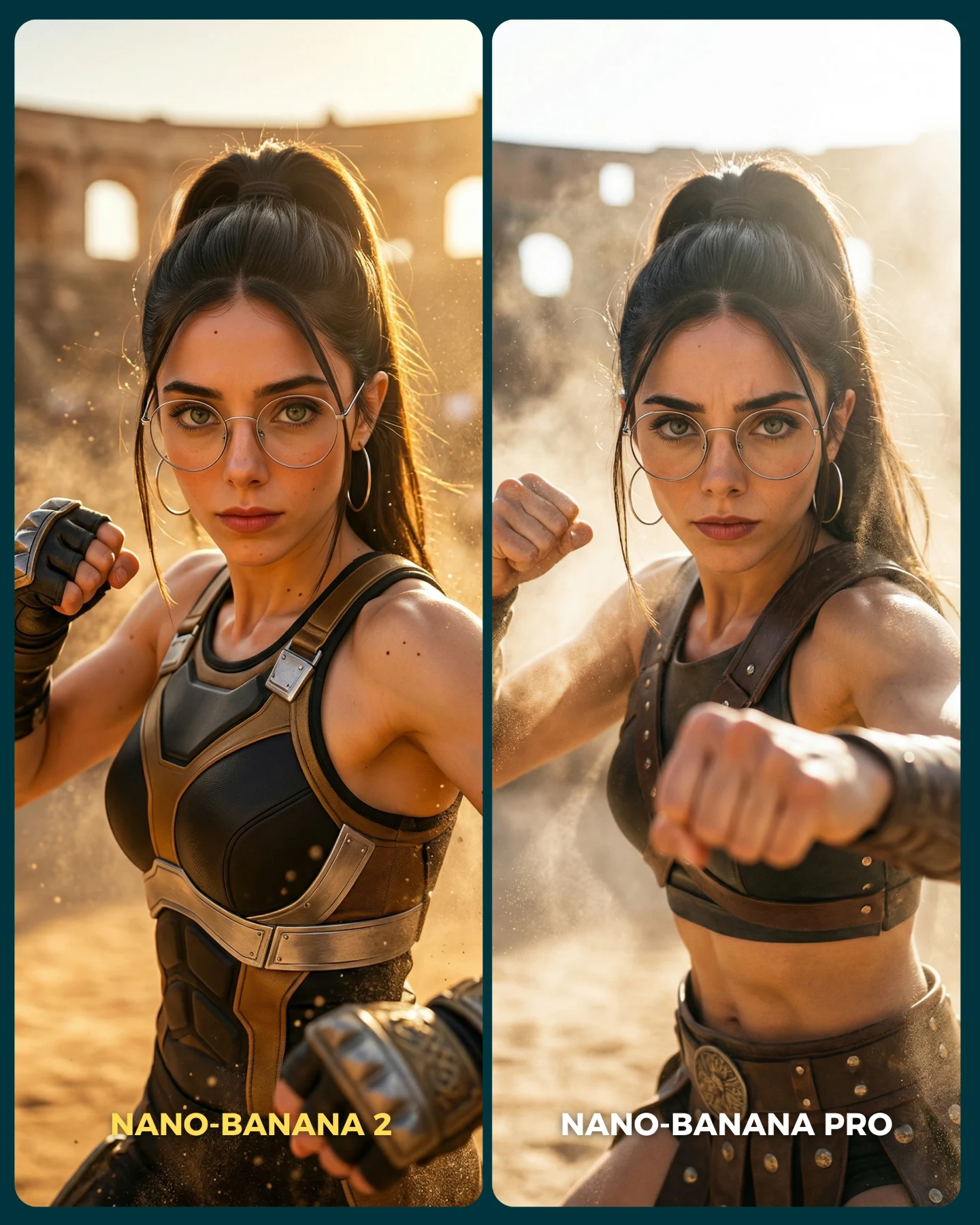
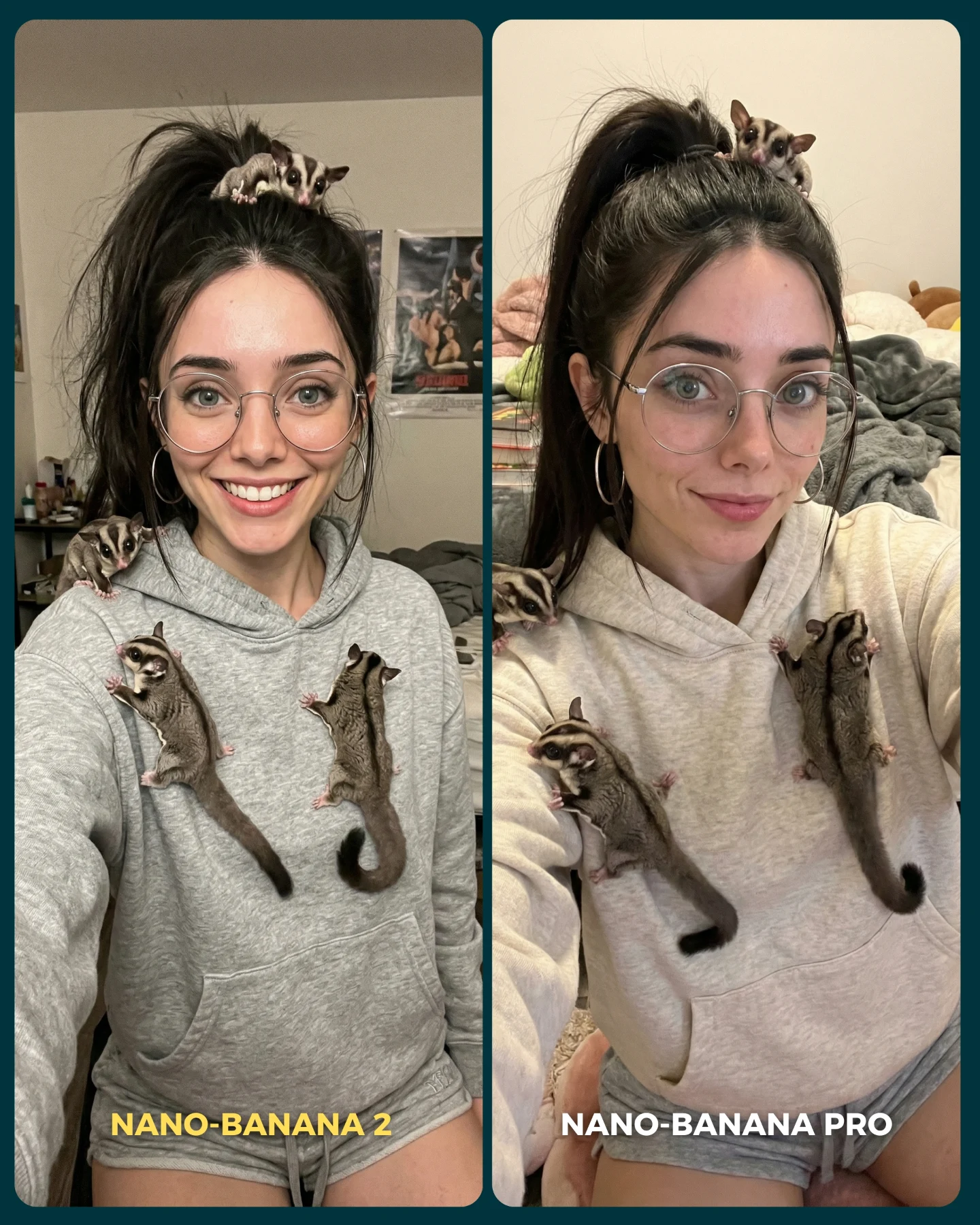
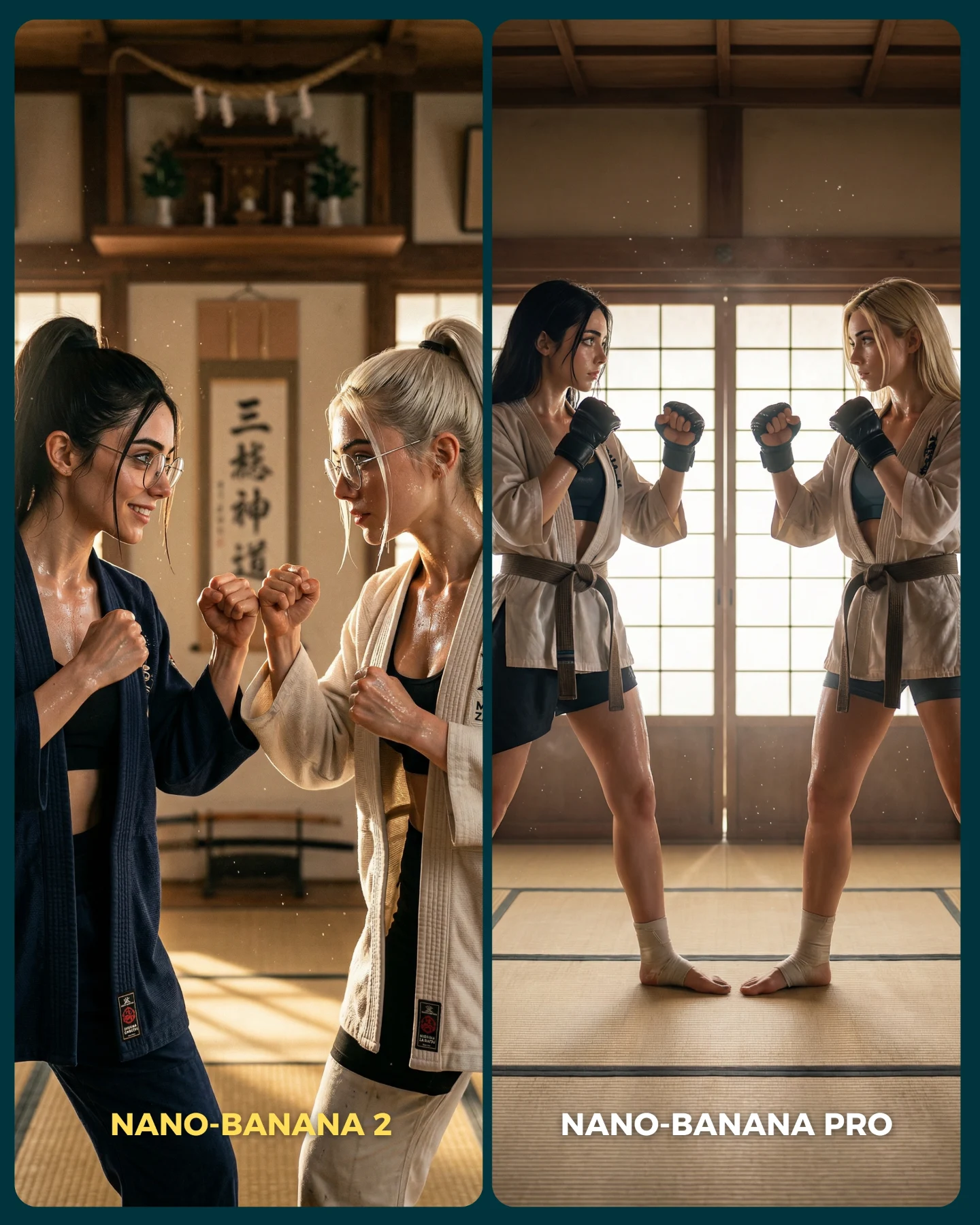
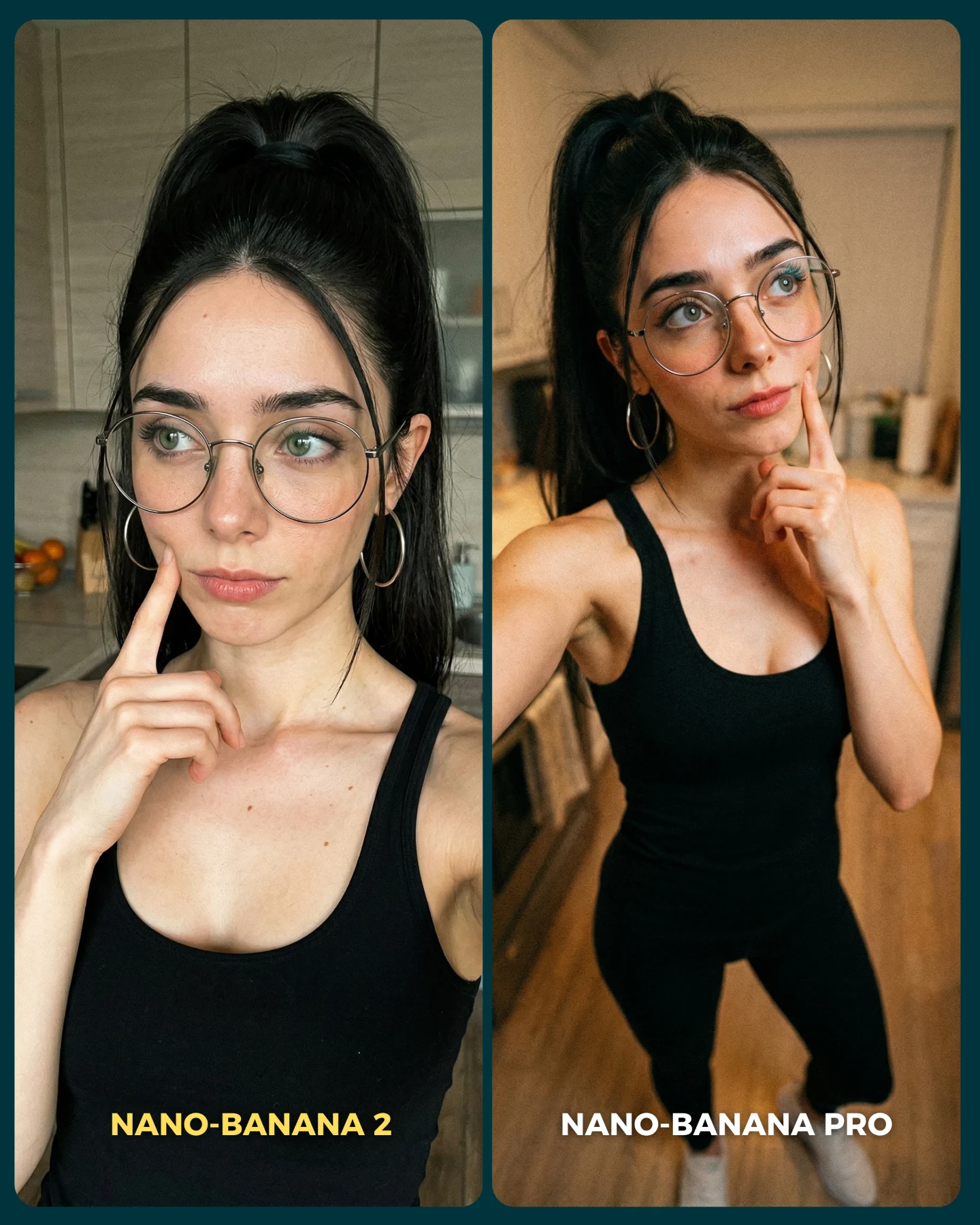
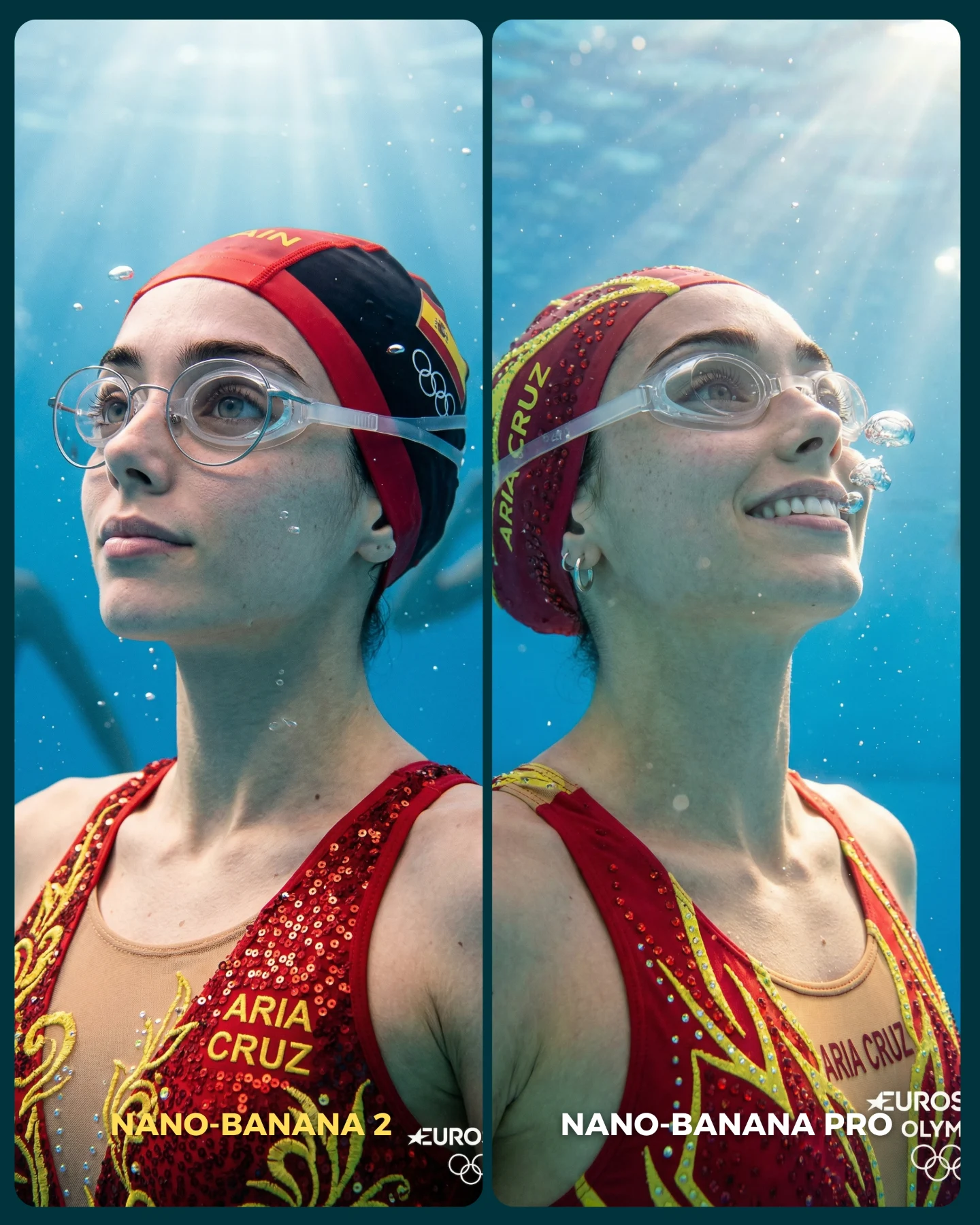
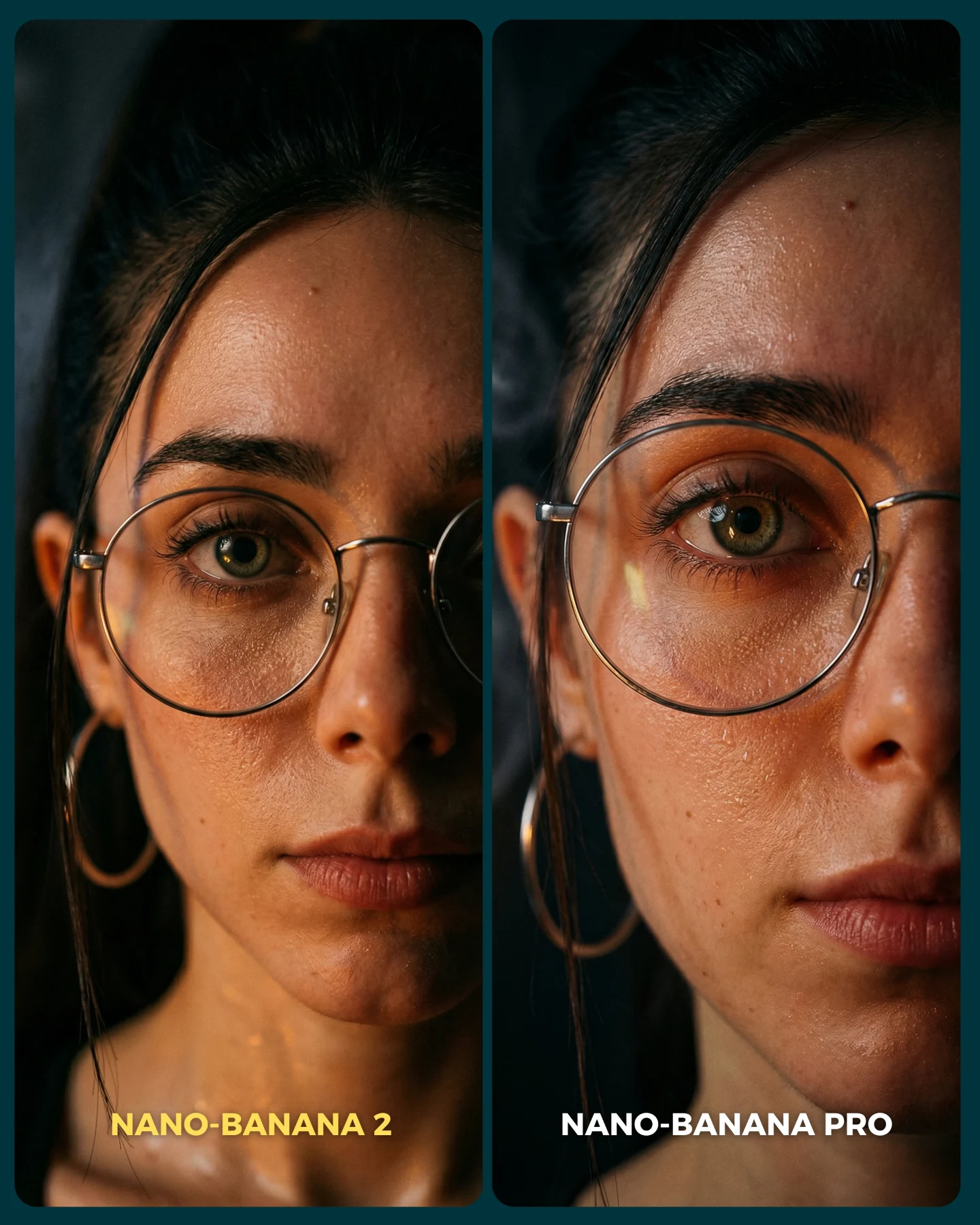
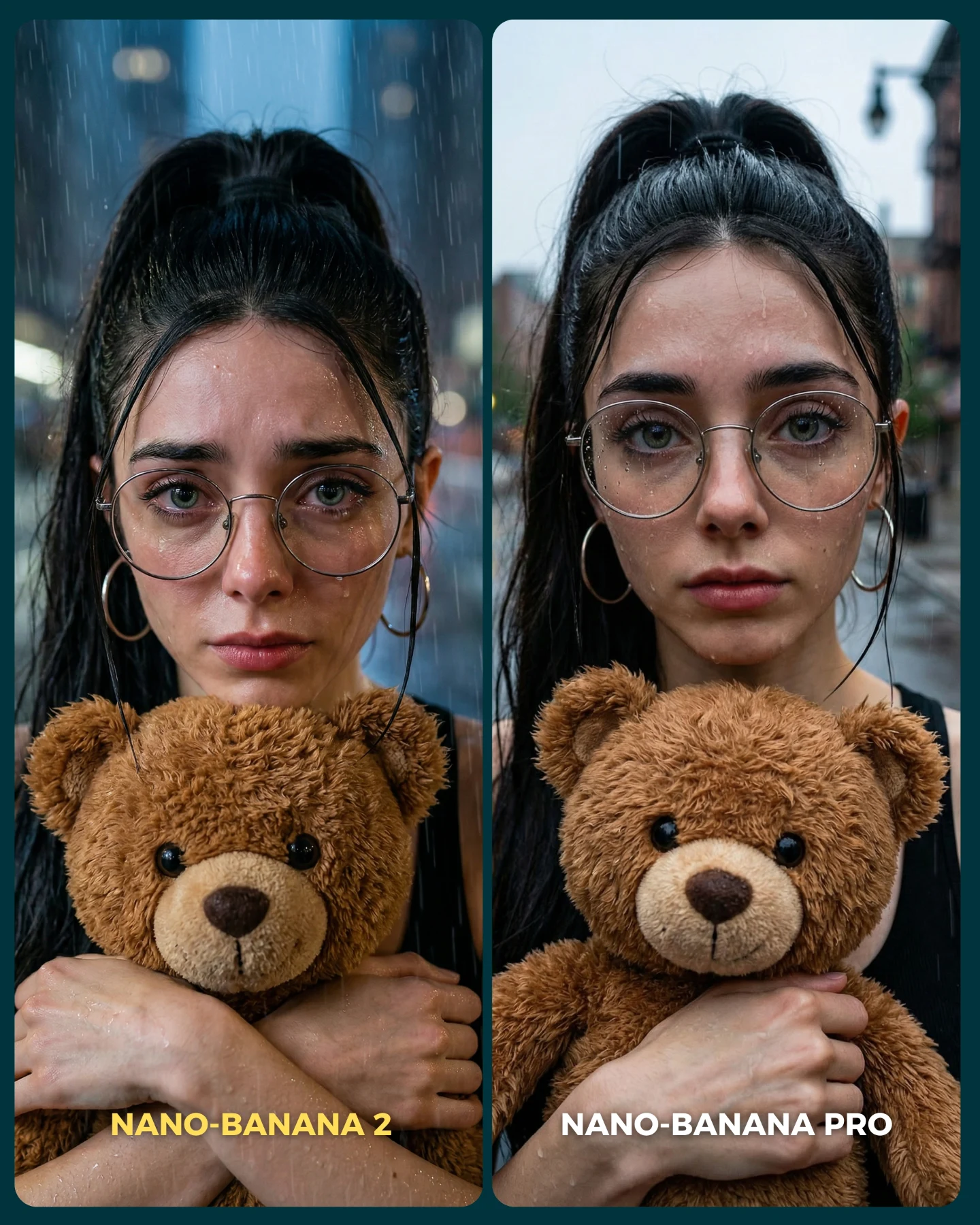
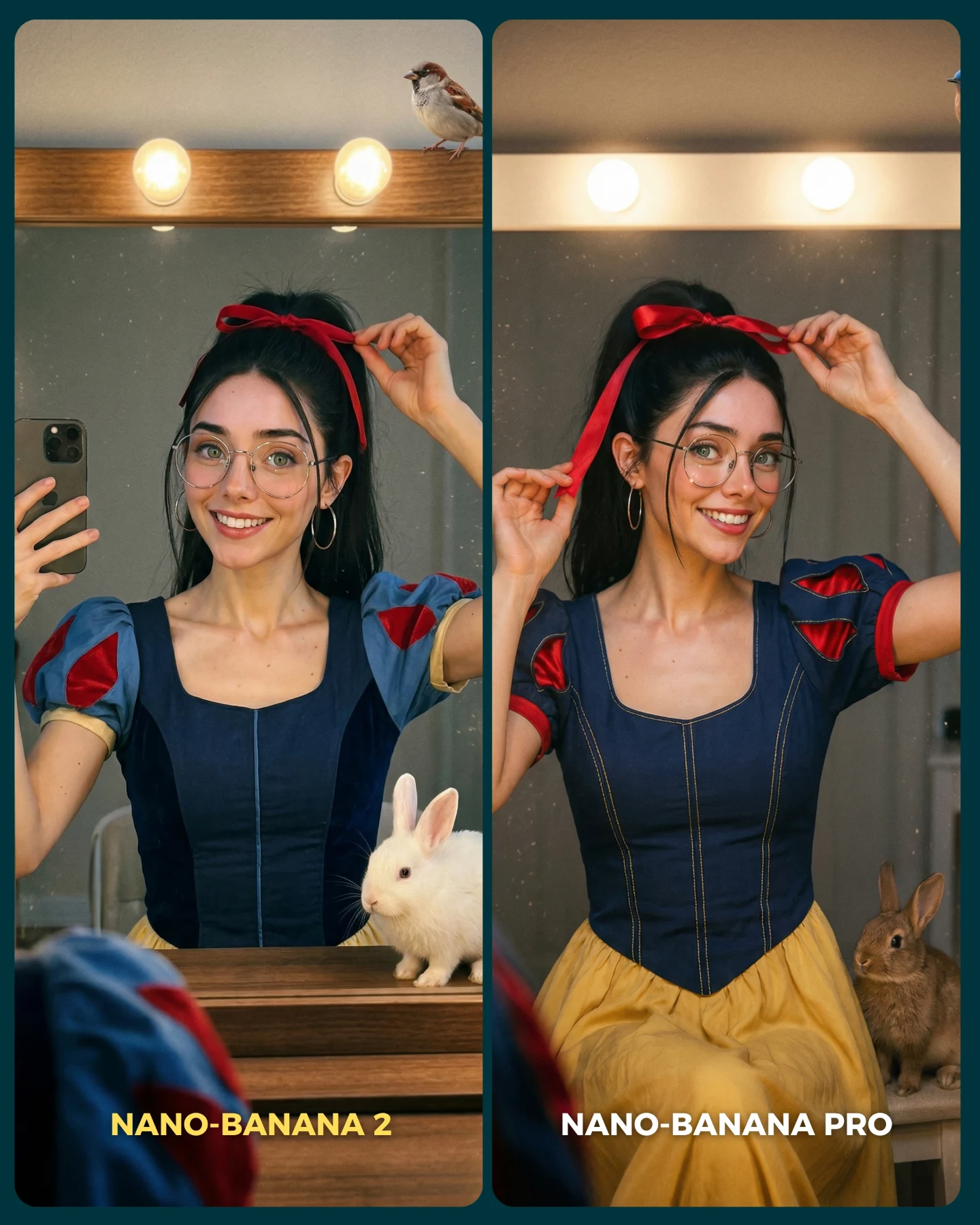
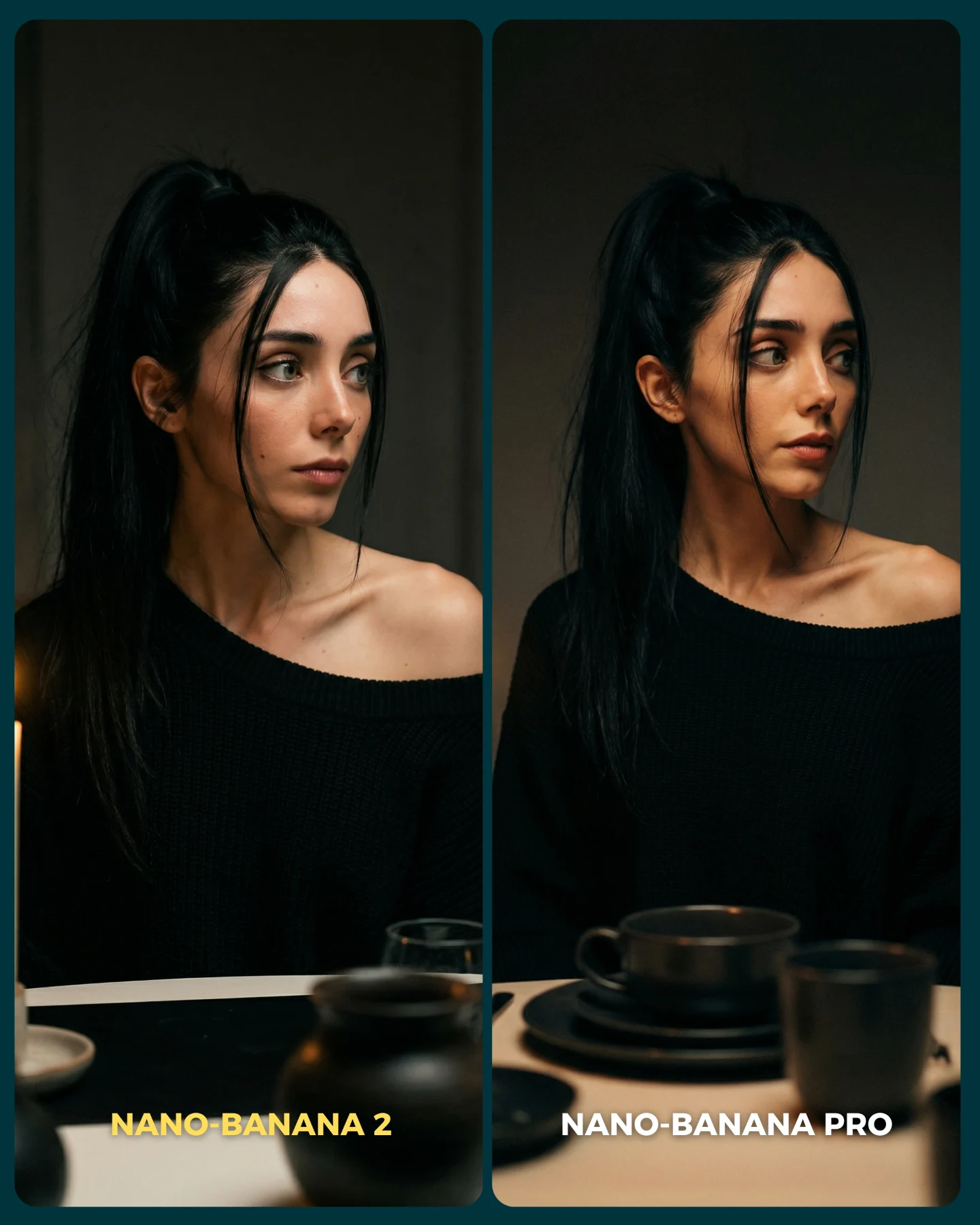
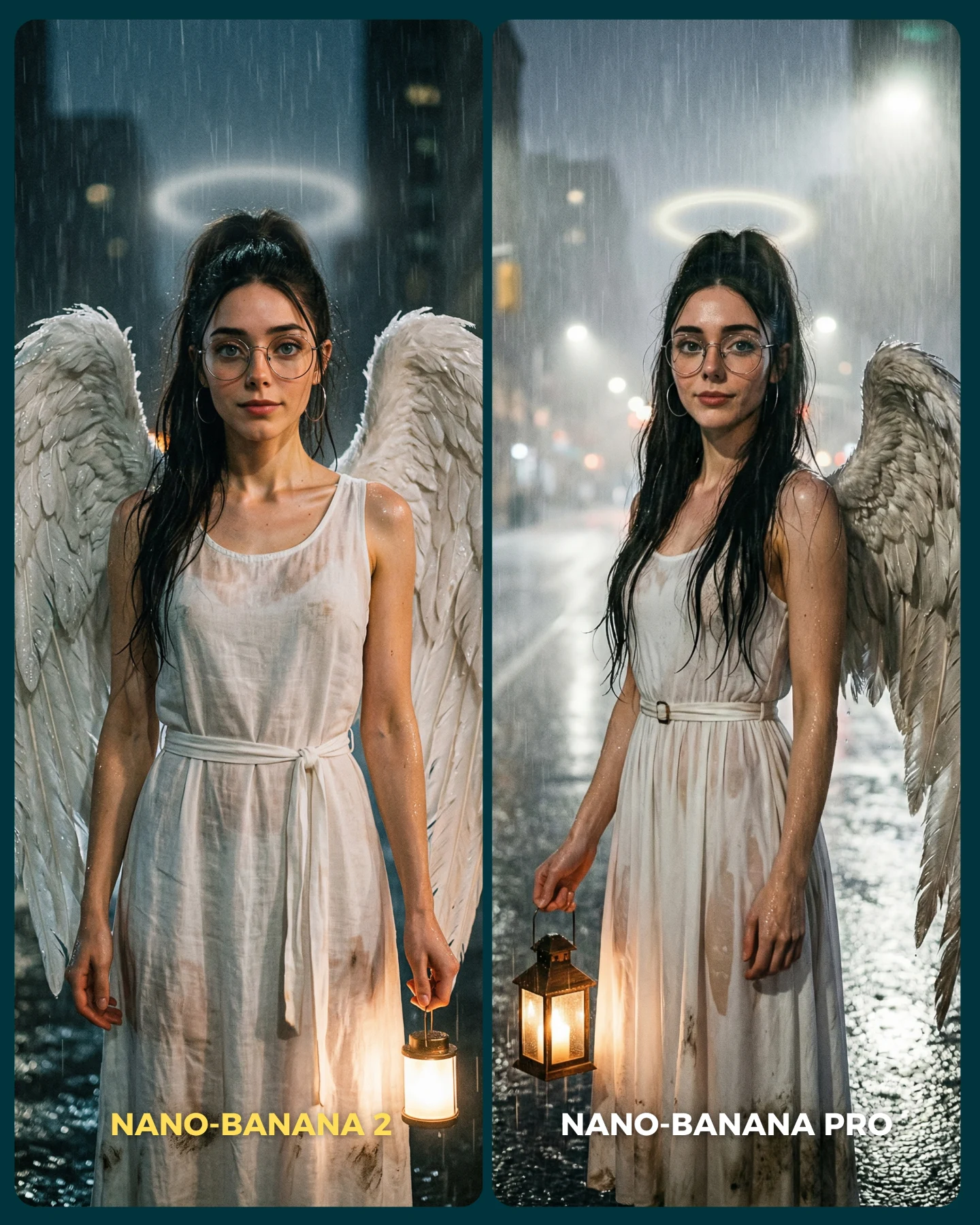
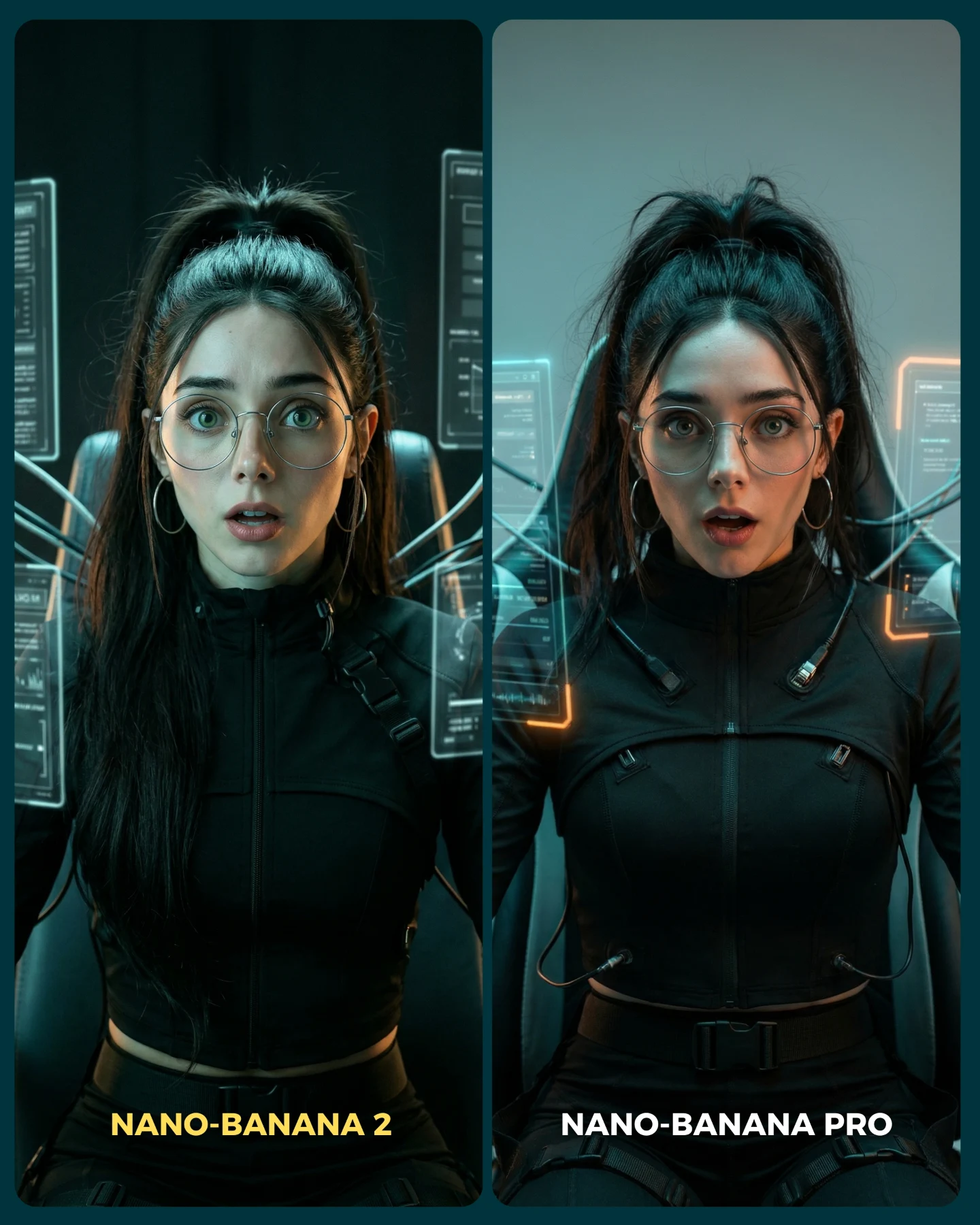
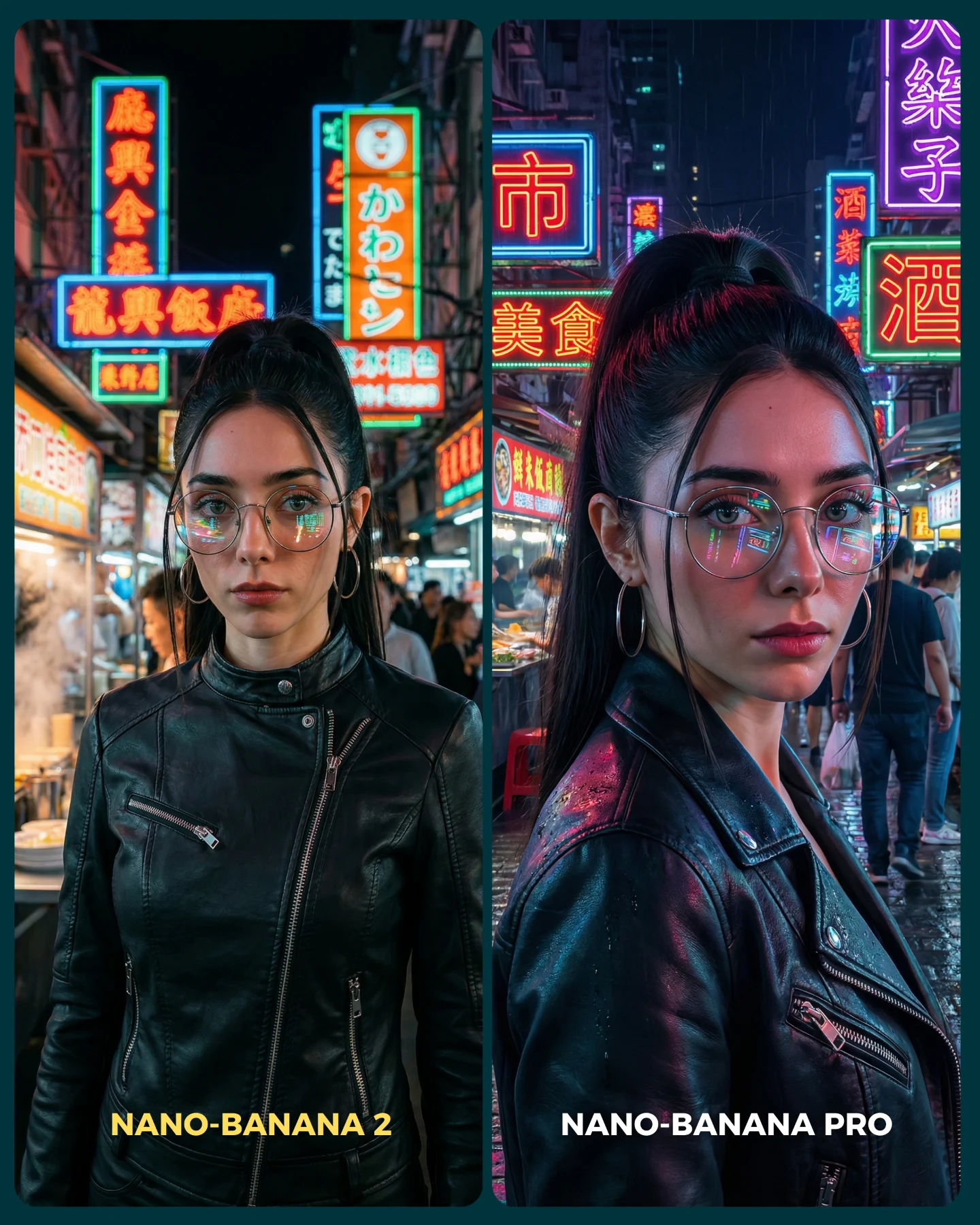
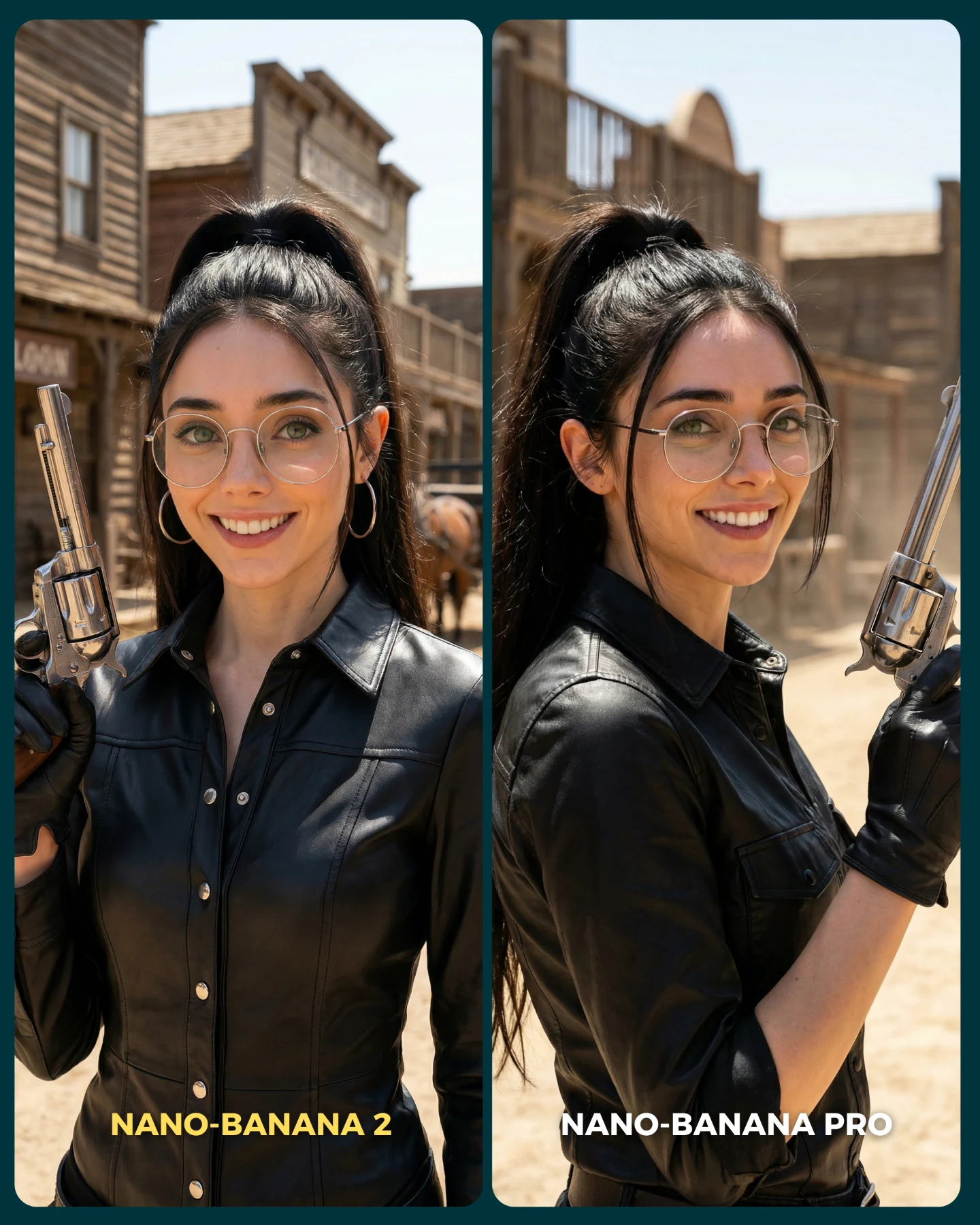
This image is a very strong example of how to turn model evaluation into native social content. The frame is not only showing a warrior-style portrait. It is showing a controlled comparison between two render systems using one exact concept: same woman, same arena, same armor language, same combat stance. That control is what gives the image credibility. The audience can immediately compare realism, dust handling, lighting depth, and material response without needing a technical explanation.
For creators, that is the real lesson. If you want people to care about model quality, the test itself has to be visually dramatic. A dusty arena fighter is a good benchmark because the scene stresses multiple hard things at once: hands close to camera, face clarity, backlight, atmospheric particles, armor materials, and motion tension. It is not just a cool scene. It is a useful stress test disguised as content.
How soy_aria_cruz Made This Arena Fighter AI Portrait and How to Recreate It
The image works because it gives viewers a job. They are invited to inspect the details and decide which version feels more believable. The combat stance adds urgency, while the warm arena palette gives the frame instant cinematic energy. This is why the post can attract both casual viewers and prompt-focused creators. One group reacts to the intensity. The other group studies the rendering differences.
| Signal | Evidence (from this image) | Mechanism | Replication Action |
|---|
| High-stress scenario | Close fists, dust haze, warm rim light, and armor textures all appear in one frame. | Difficult rendering conditions make model differences more visible and more interesting to discuss. | Choose test scenes with particles, hands, skin, and materials interacting at once. |
| Identity lock | The same woman with the same glasses, hair, and outfit appears in both panels. | Consistency removes noise from the comparison and focuses attention on output quality. | Keep the hero subject and outfit identical across all test variants. |
| Cinematic stakes | The arena, dust, and fighter pose create instant narrative tension. | Dramatic context makes technical comparison feel like entertainment instead of lab work. | Wrap your benchmark inside a compelling visual world that people would stop for anyway. |
Best uses and transfer ideas
This format is ideal for realism testing, character consistency testing, and side-by-side benchmark content aimed at creators who care about image fidelity. It also transfers well to fantasy, sports, sci-fi, and fashion-action scenes where model differences tend to surface fast.
- Best fit: model-vs-model realism tests. Why it fits: difficult environmental details reveal strengths and weaknesses quickly. What to change: keep subject and pose fixed while varying only the renderer.
- Best fit: prompt education posts. Why it fits: the frame gives you a concrete example to discuss hands, particles, and lighting realism. What to change: add breakdown commentary in the caption, not in the image.
- Best fit: fantasy character benchmark sets. Why it fits: armor, dust, and emotional intensity create a robust repeatable template. What to change: swap historical world or costume family while keeping the comparison method stable.
- Not ideal: soft lifestyle content. Reason: the whole frame pushes viewers into evaluation and confrontation mode.
- Not ideal: product catalog content. Reason: the visual narrative is too dominant and the split-screen format dilutes product focus.
Transfer recipe one: keep the same split-screen fight portrait logic; change the setting from coliseum to cyber arena; slot template: {same hero} {same pose} {stylized version} vs {realistic version}. Transfer recipe two: keep the same female warrior and warm dust test; change the theme to post-apocalyptic boxer; slot template: {combat portrait} {dust atmosphere} {model A} vs {model B}. Transfer recipe three: keep the side-by-side benchmark method; change the wardrobe from gladiator armor to tactical sports gear; slot template: {same athlete} {same close stance} {clean render} vs {high-realism render}.
Aesthetic reading
The strongest aesthetic decision is the use of golden dust as both atmosphere and proof point. Dust is not only decoration here. It helps the right panel show depth, light interaction, and physical realism. The left panel still works visually, but it feels more simplified. That difference is exactly what makes the comparison effective. A viewer can read it without being told what to look for.
The second key move is preserving the glasses. That is a smart detail because eyewear is often a failure point in image generation, especially in action scenarios with strong light and hand movement. Keeping the glasses in both panels turns them into a fidelity marker. The same is true of the fists near the lens. This composition is doing testing work through style choices.
| Observed | Why it matters for recreation |
|---|
| Two equal action portraits with matching pose family | This keeps the A/B test fair and easy to scan. |
| Warm dusty coliseum background | Atmosphere adds cinematic tension and exposes realism differences. |
| Round glasses retained in both panels | Eyewear acts as a subtle but important fidelity checkpoint. |
| Bronze-black armor with visible structure and straps | Material complexity helps separate flatter renders from richer ones. |
| One fist pushed toward the camera | Foreground anatomy creates urgency and increases rendering difficulty. |
Prompt technique breakdown
If you want to remake this image, do not prompt “beautiful female warrior” and hope the comparison appears on its own. The split-screen test architecture must be explicit. After that, lock the identity markers and the combat geometry. Only then should you vary realism treatment between the left and right sides.
| Prompt chunk | What it controls | Swap ideas (EN, 2–3 options) |
|---|
| side-by-side two-panel benchmark image | Comparison structure and social readability | A/B render test; split-screen quality comparison; dual-panel model showdown |
| same woman with glasses in both panels | Identity continuity and fairness of the test | same fighter repeated; same avatar in both outputs; identical heroine across models |
| bronze-black arena fighter armor | Character role and material complexity | gladiator-inspired battlewear; dark leather combat kit; cinematic warrior harness |
| dusty sunlit stone coliseum | Environmental drama and realism stress conditions | ancient arena haze; desert combat stadium; ruined stone battleground |
| one fist toward camera, one fist guarding | Action intensity and anatomical benchmark | boxing-ready stance; close combat pose; guarded punch portrait |
Execution playbook
Lock three things first: the two-panel format, the same-woman identity, and the exact combat stance. Those are your invariants. Then use the one-change rule. First run: structure only, making sure both panels align. Second run: refine dust and arena realism only. Third run: refine armor materials only. Fourth run: refine facial intensity and hand anatomy only.
- Baseline: lock split-screen layout, hero identity, glasses, and punching pose.
- Iteration 2: change only environmental haze, dust, and backlight quality.
- Iteration 3: change only armor texture and strap realism.
- Iteration 4: change only facial expression or fist proximity without moving the overall pose family.
This workflow matters because benchmark images fail when too many variables move at once. Stability makes the model differences legible.