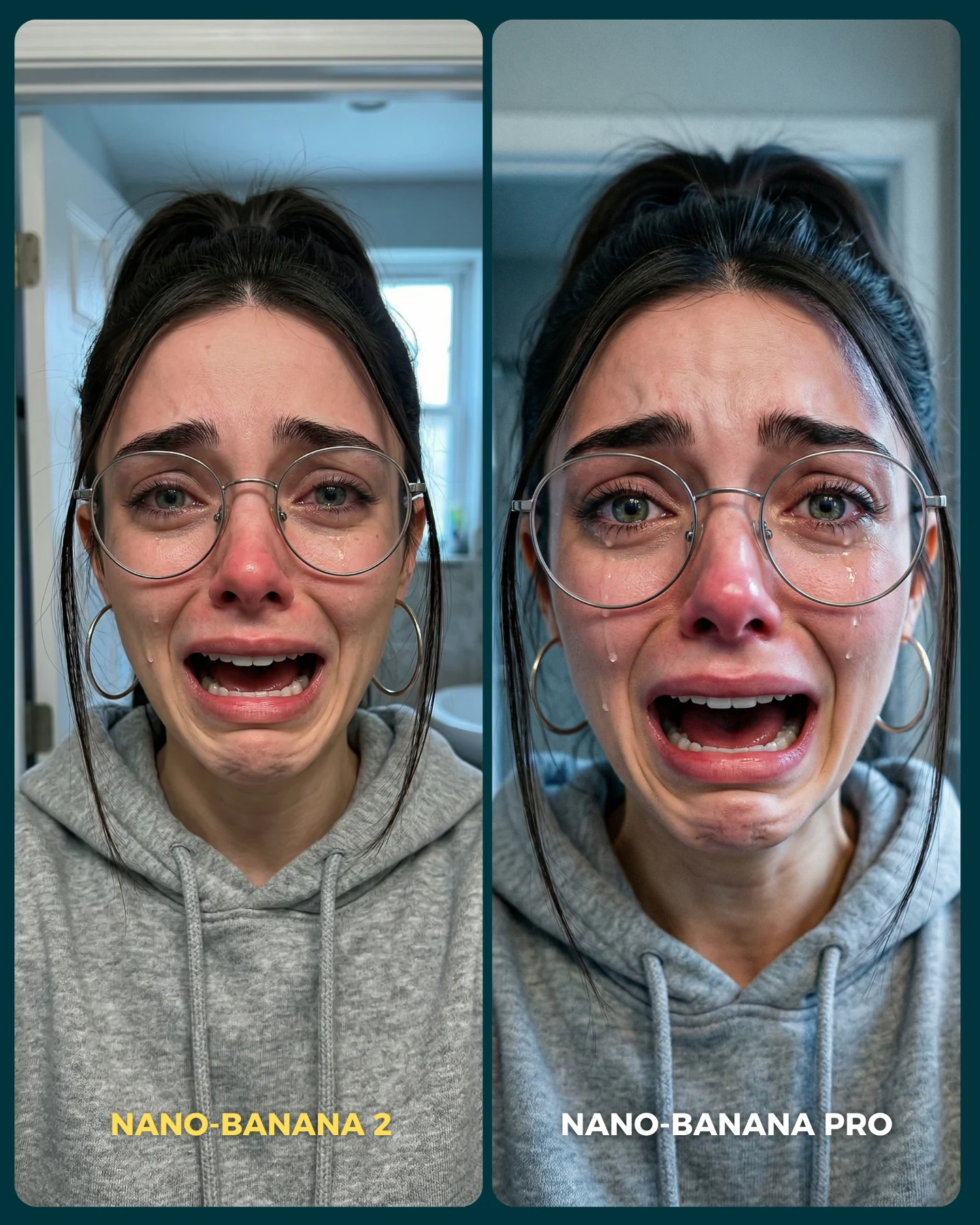
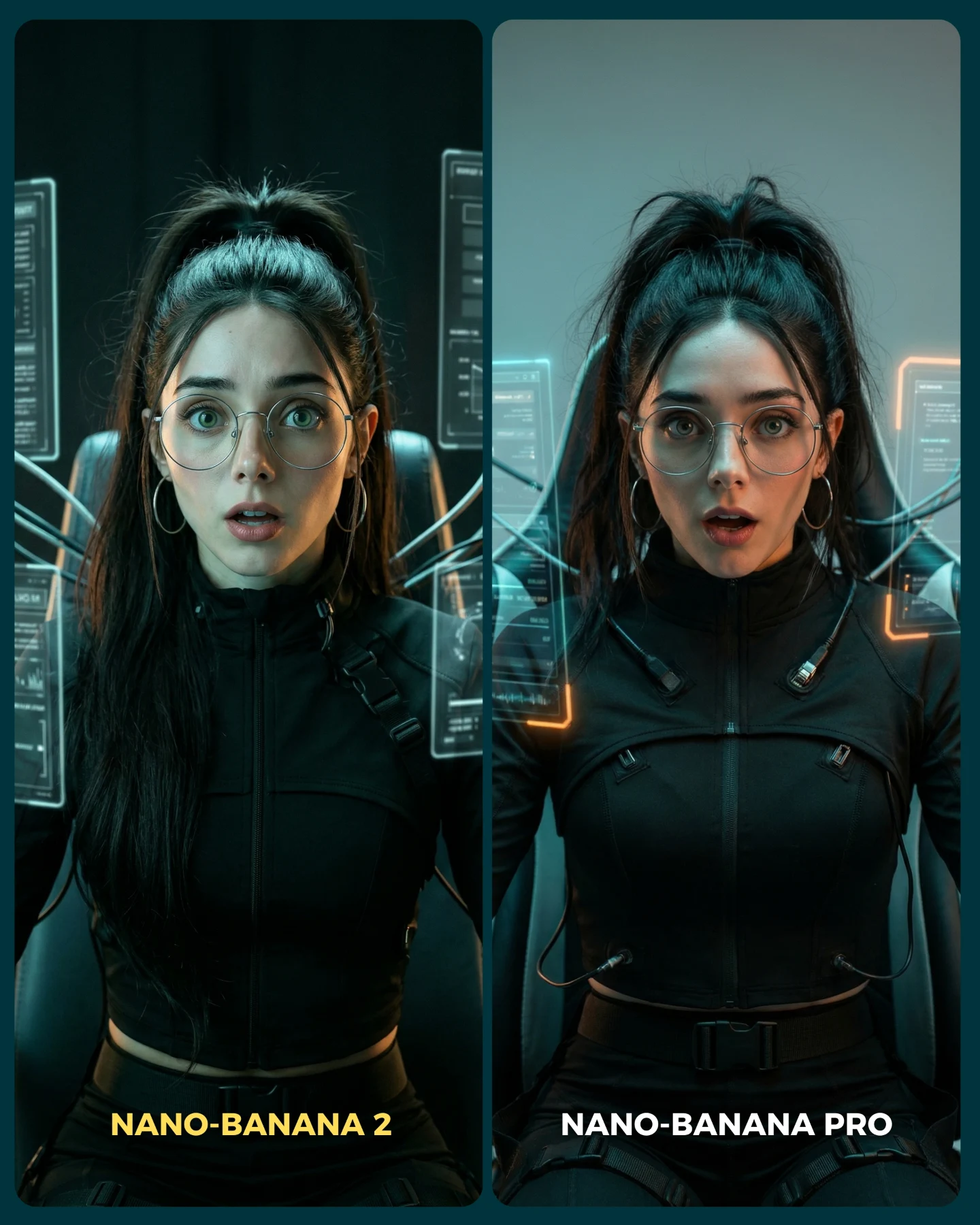
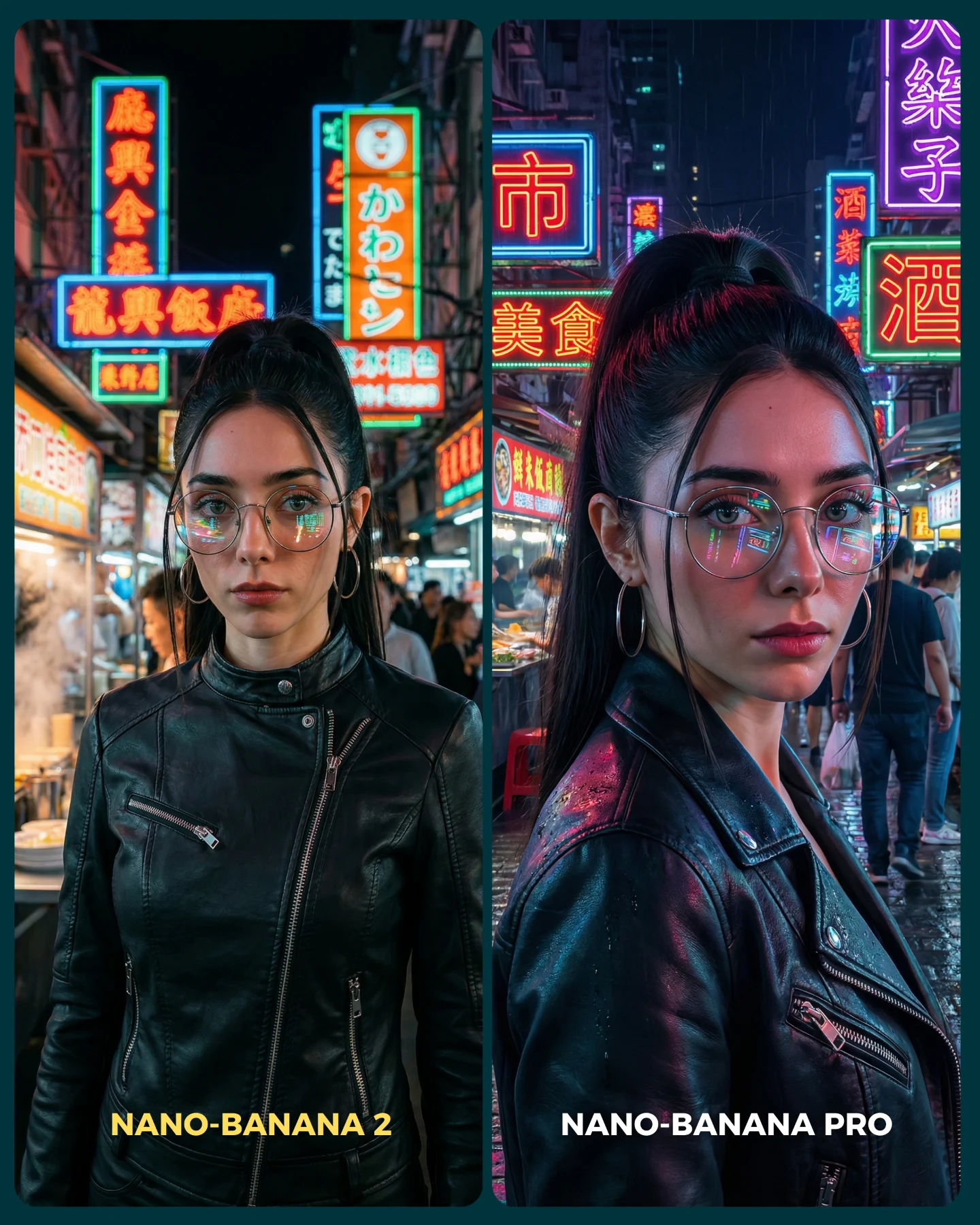
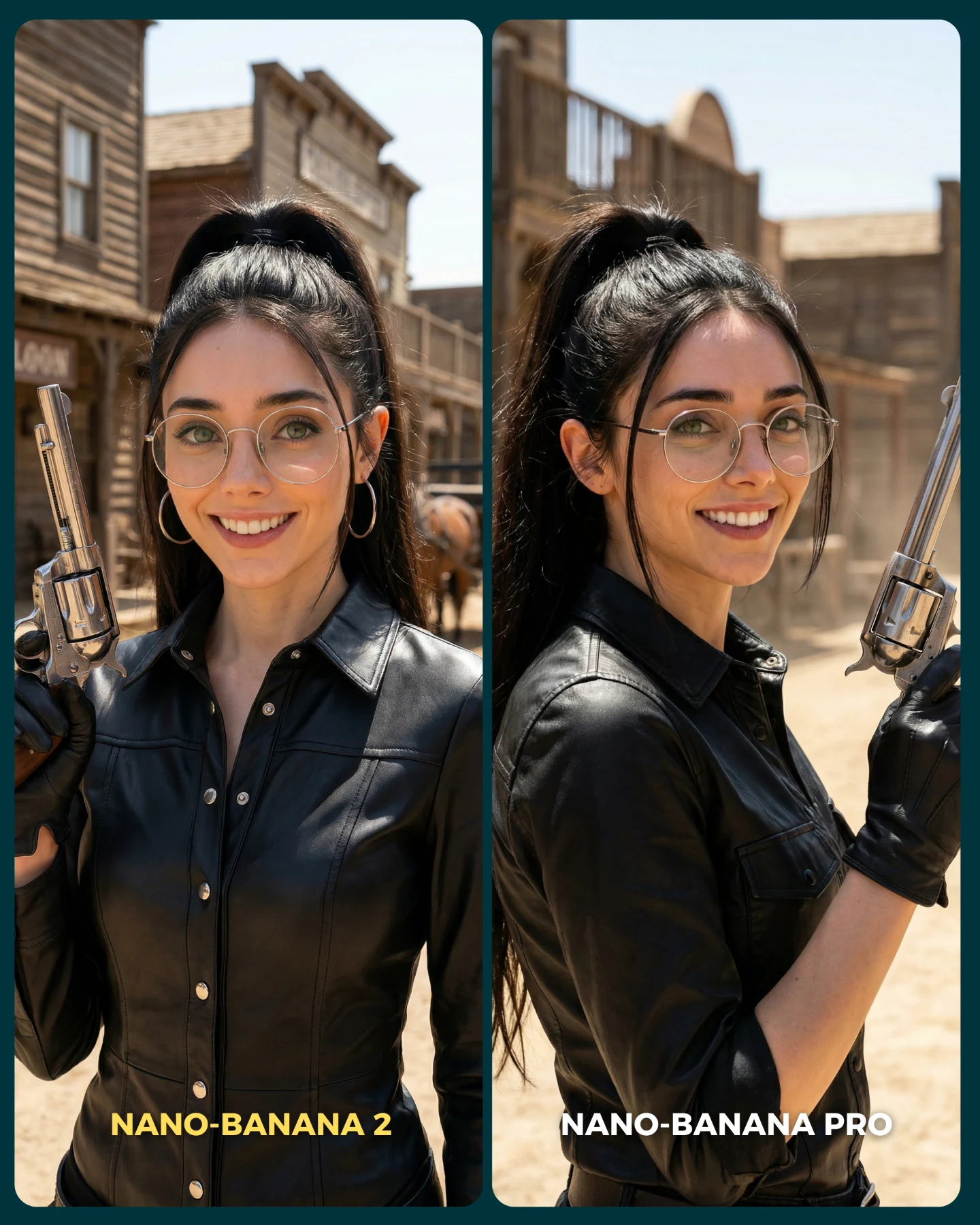
How soy_aria_cruz Made This Nano Banana 2 vs Nano Banana Pro AI Art — and How to Recreate It
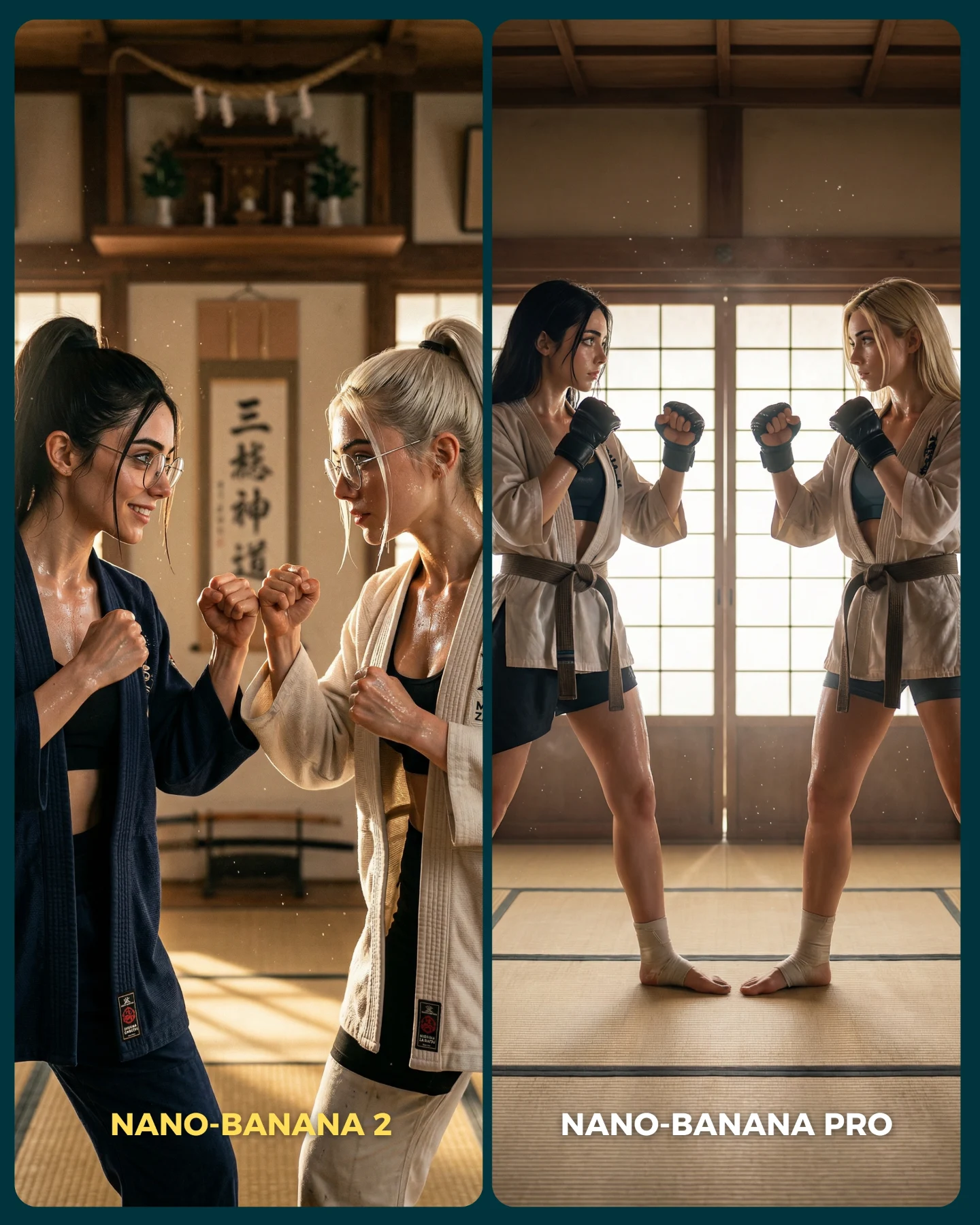
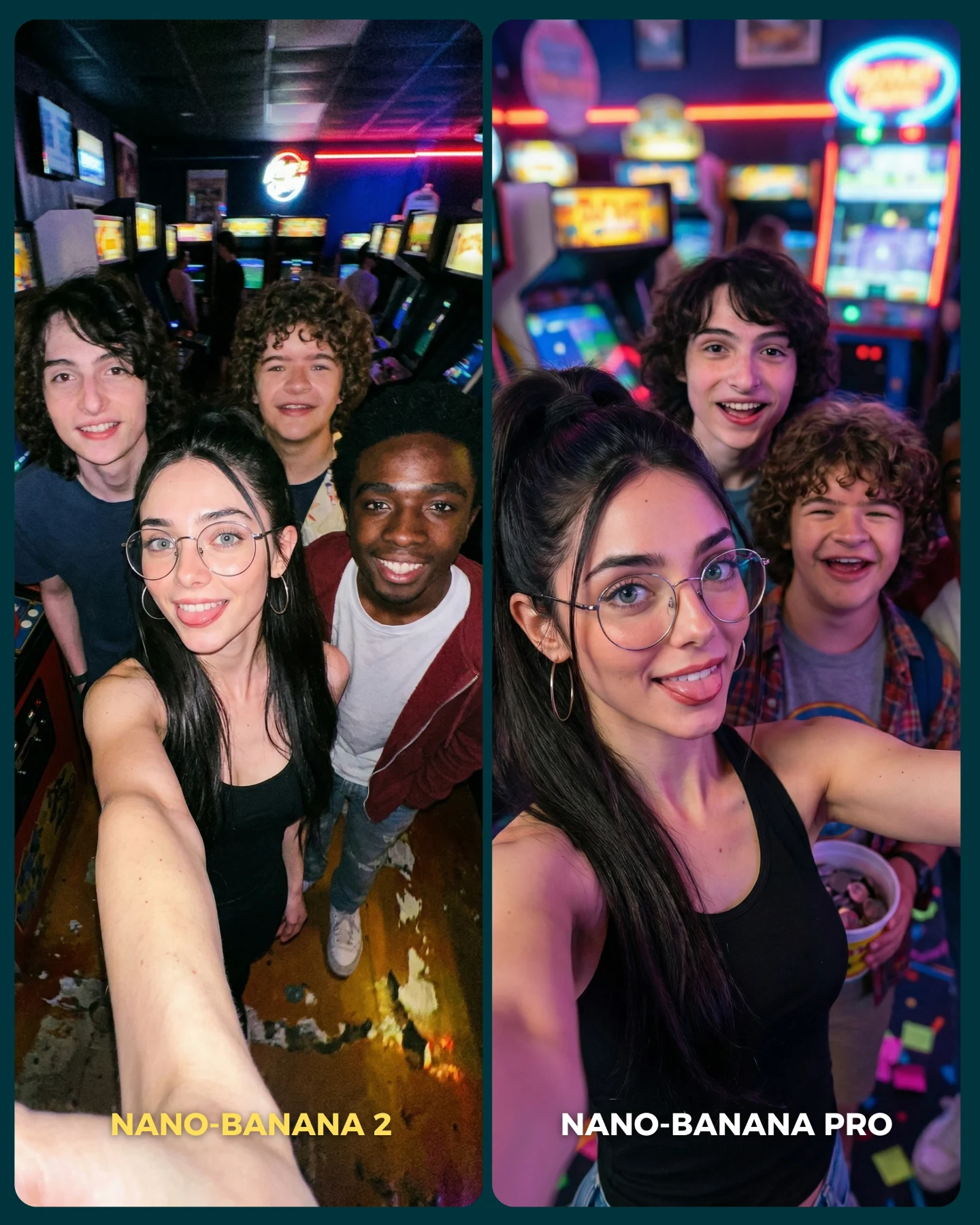
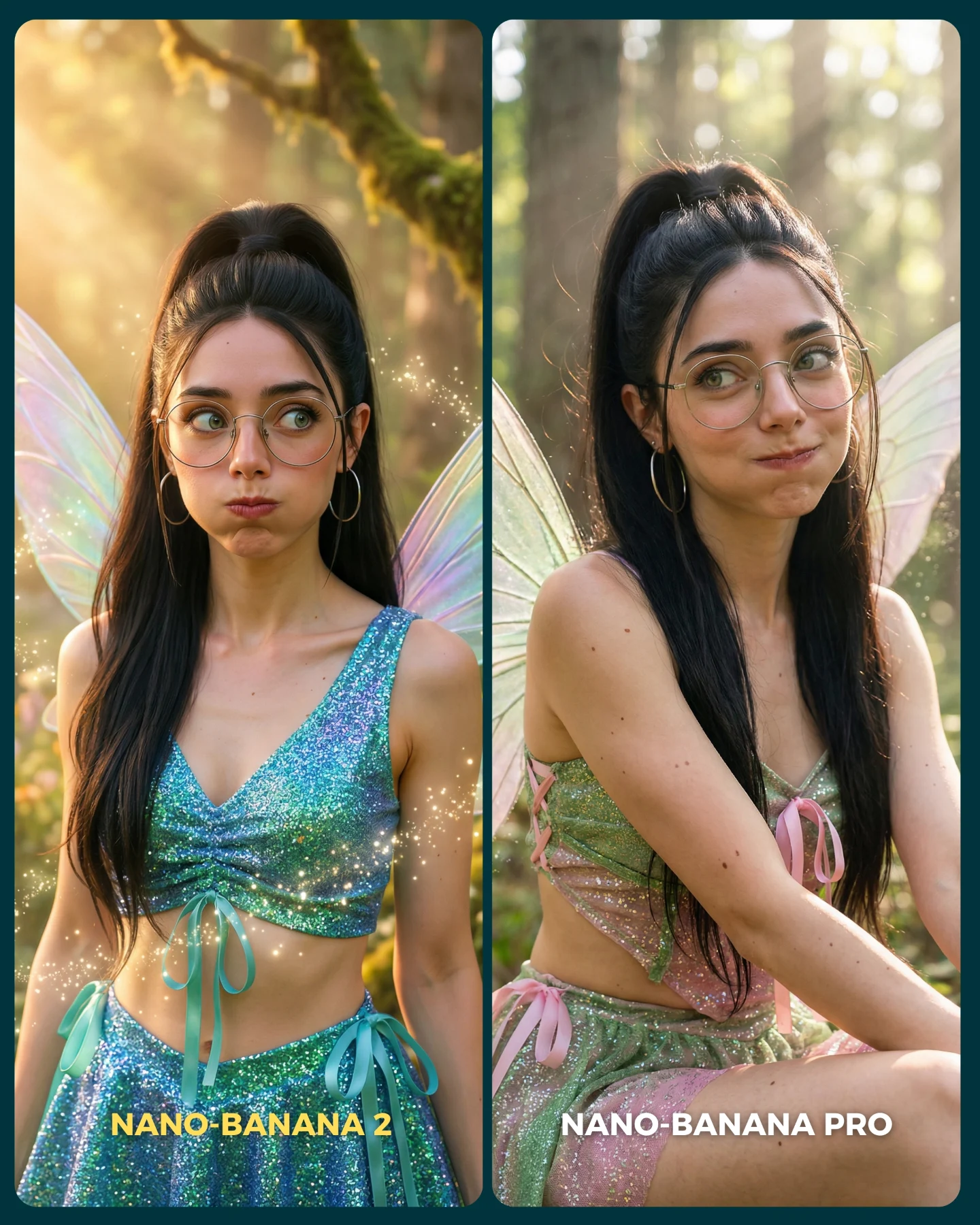
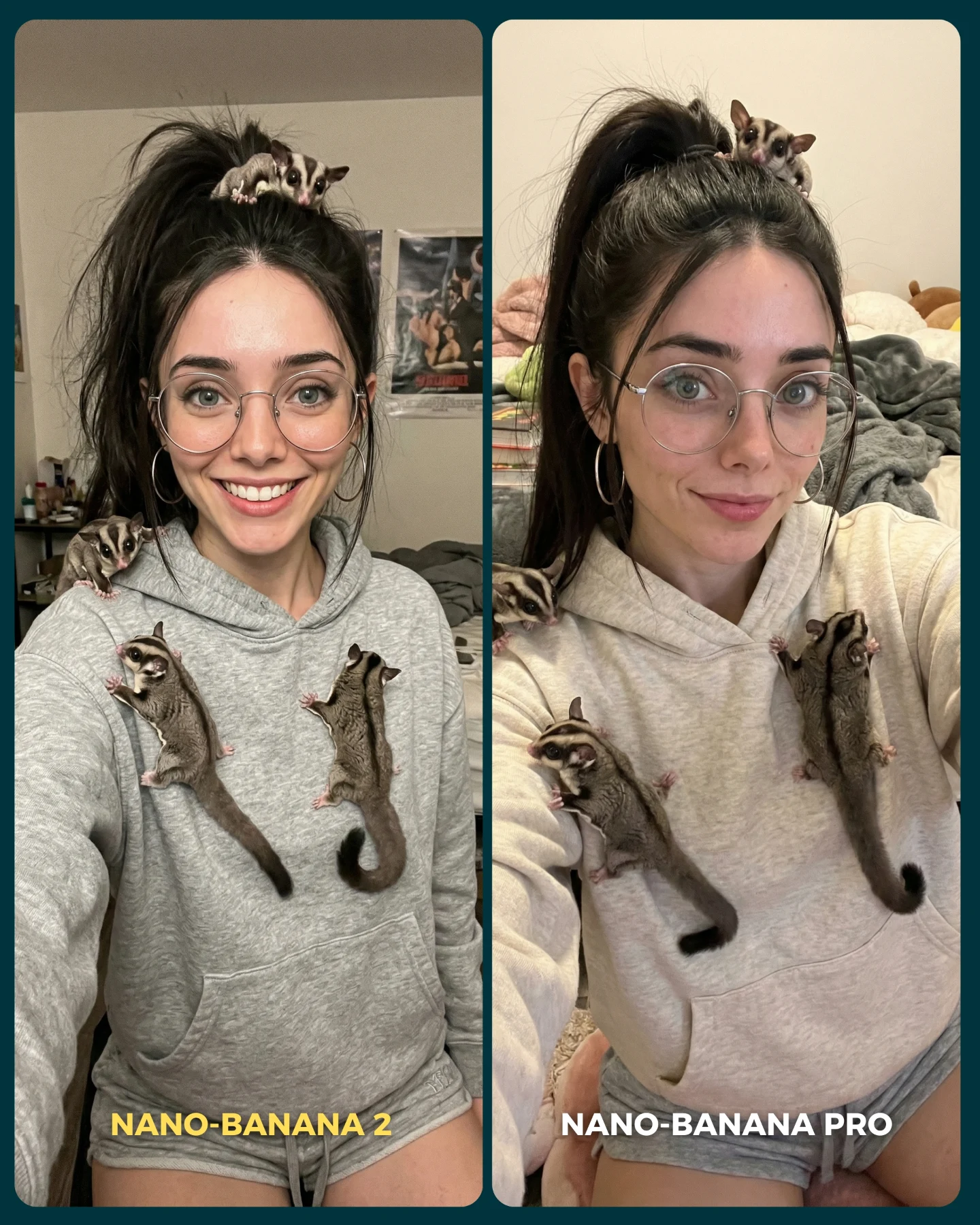
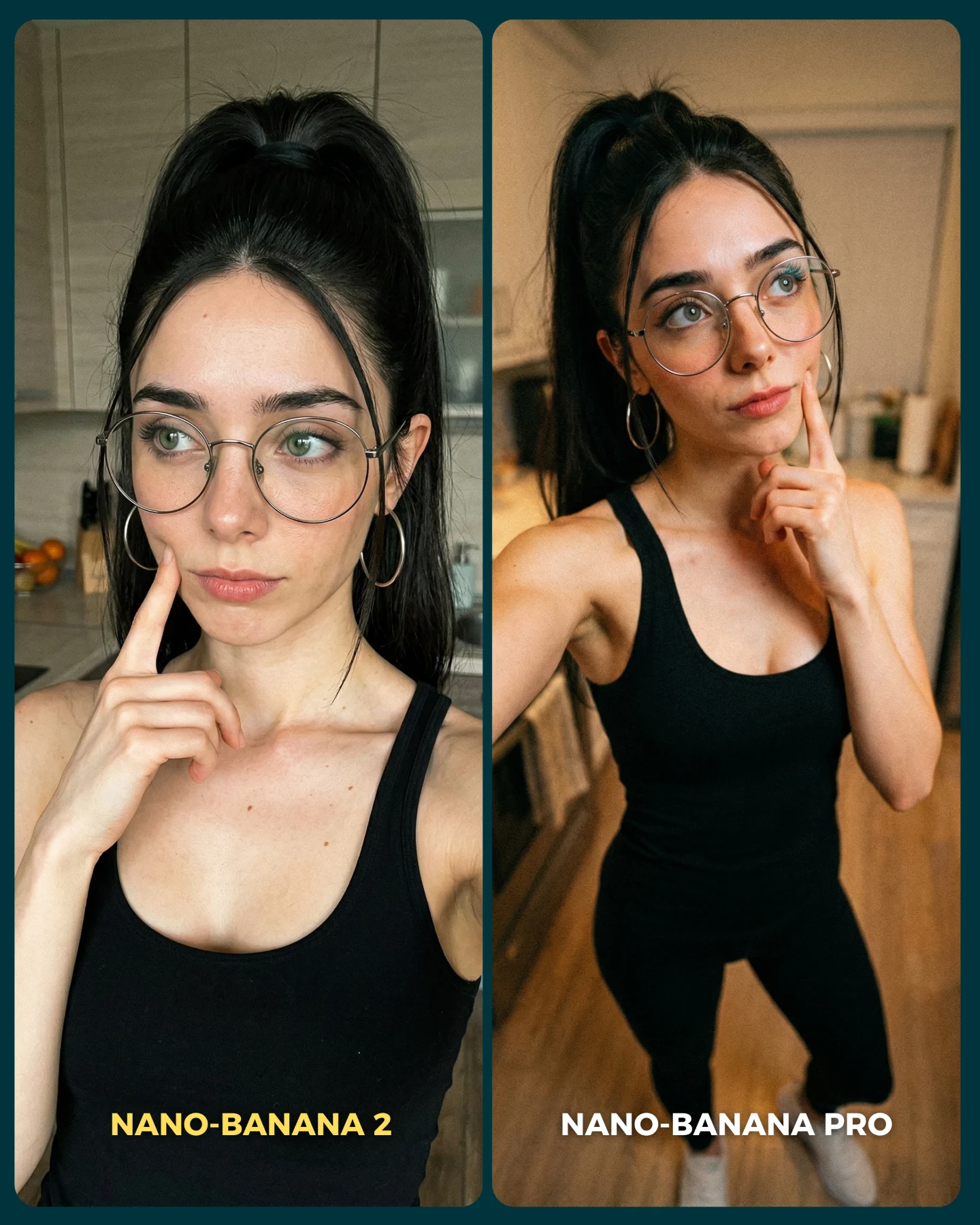
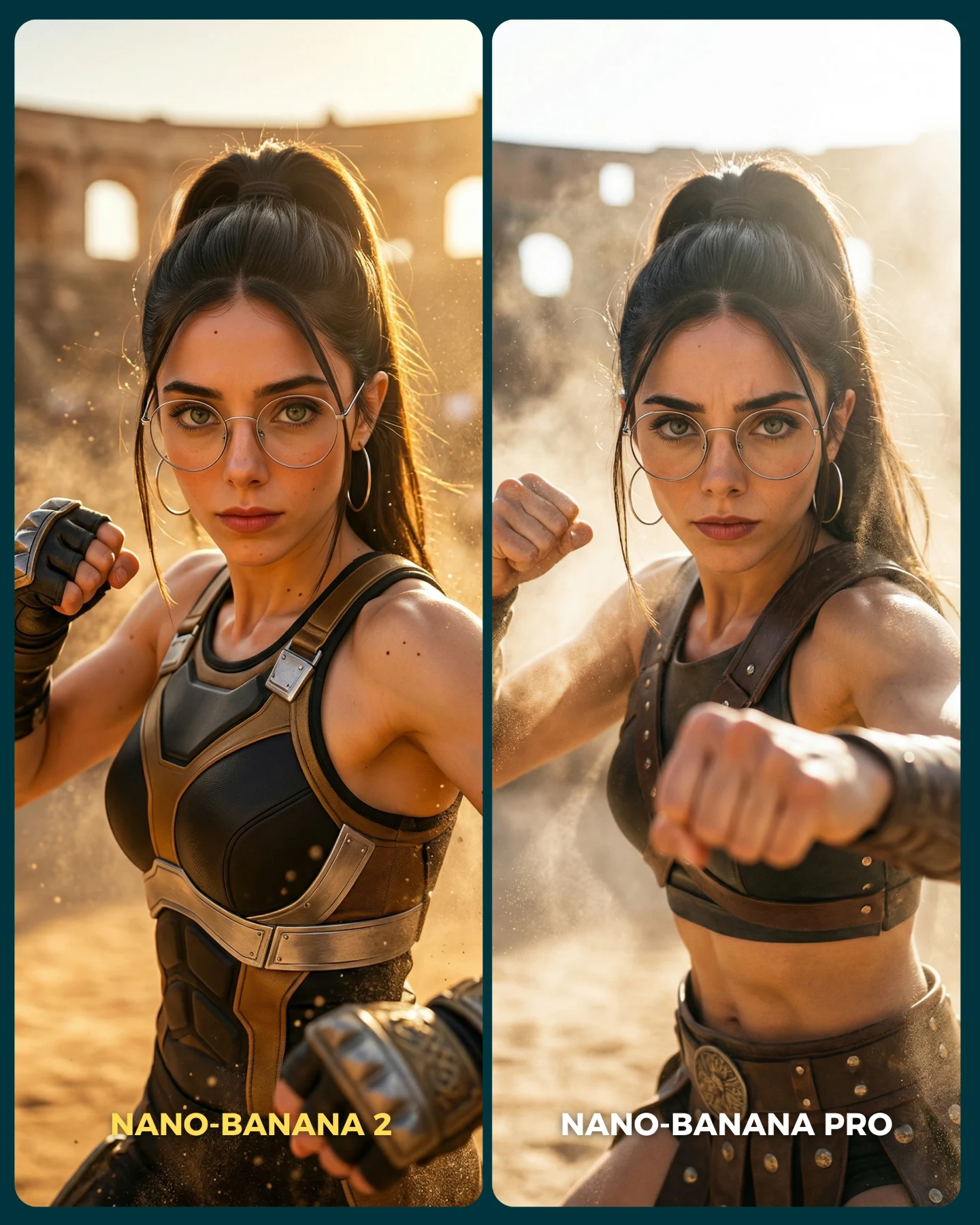
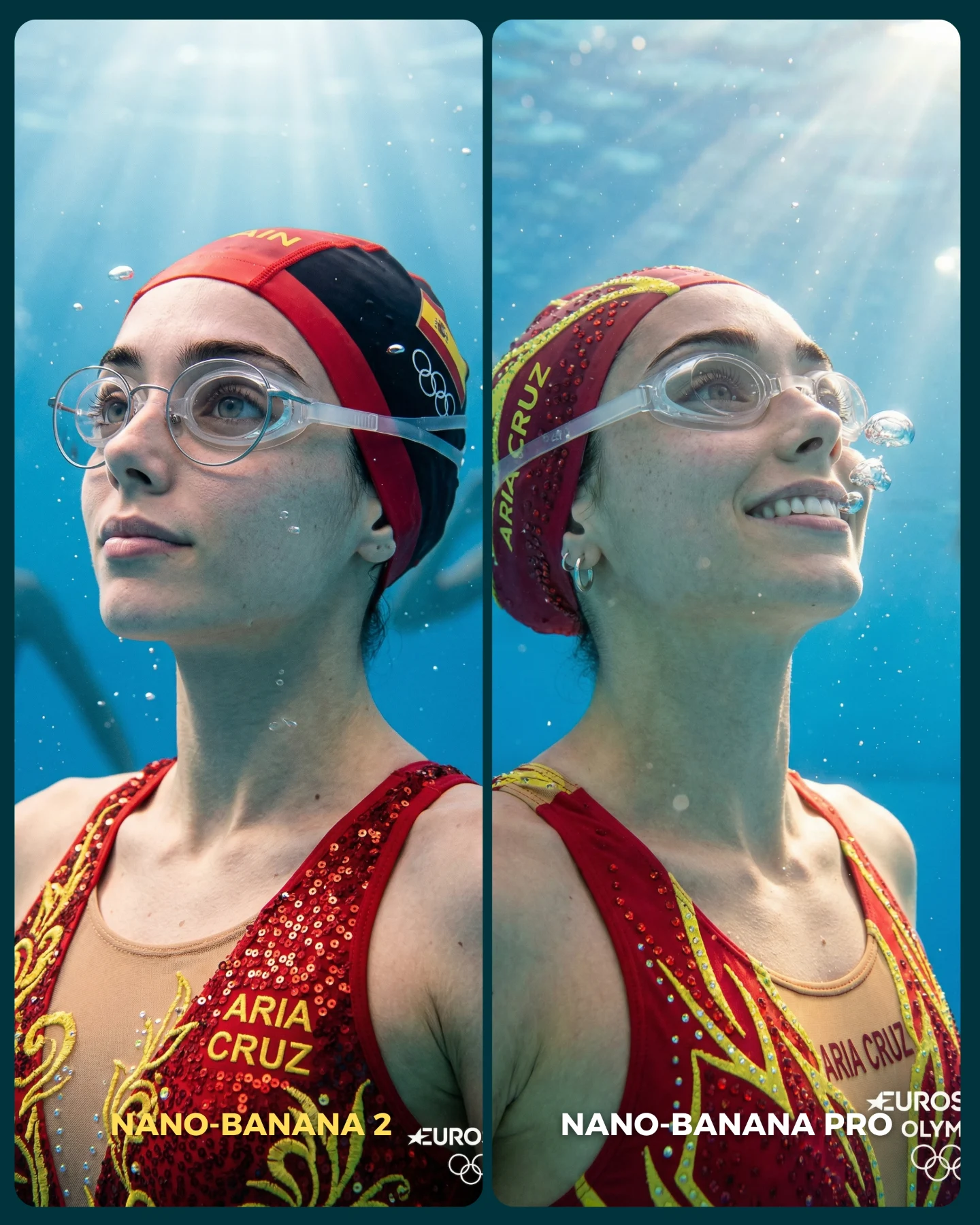
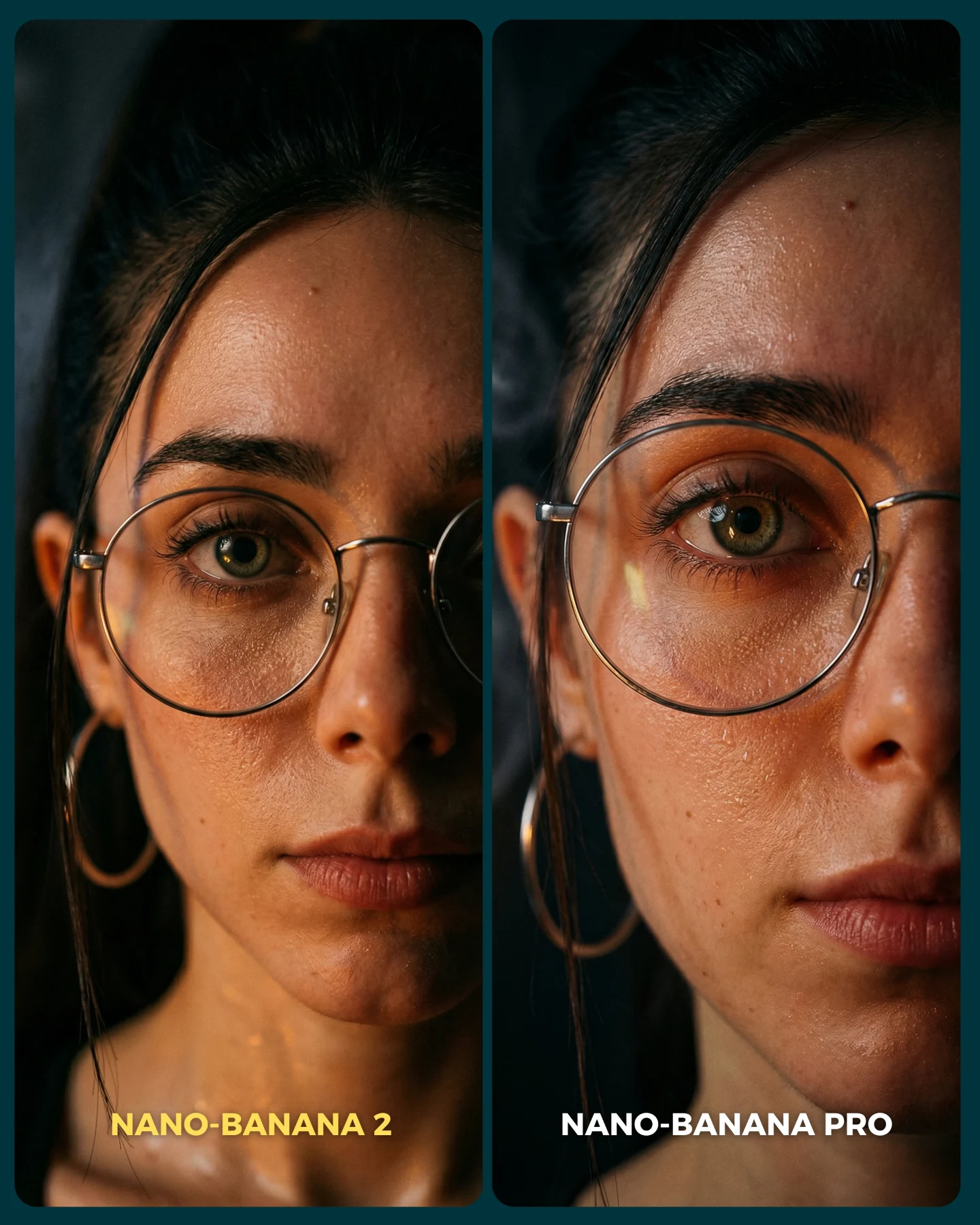
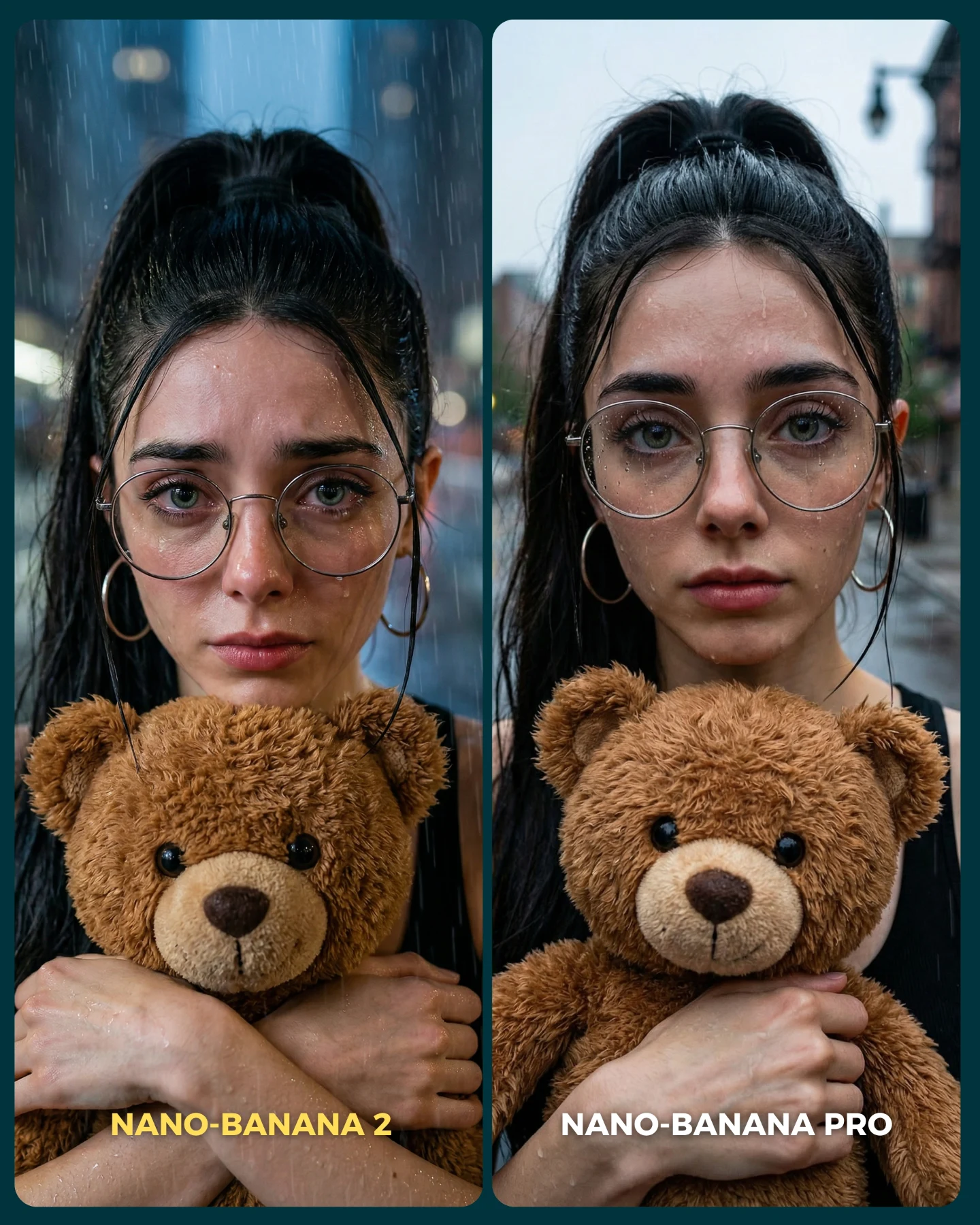
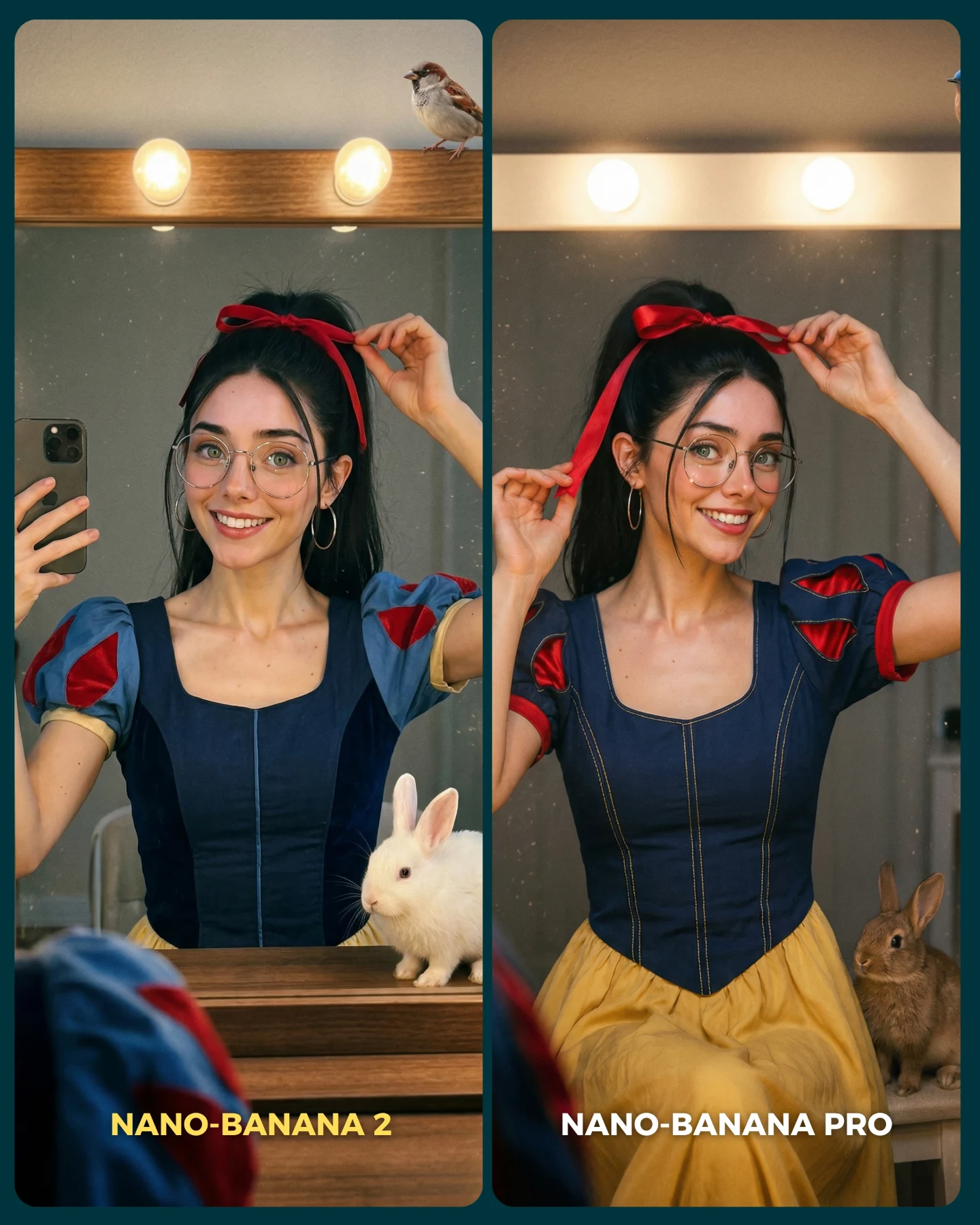
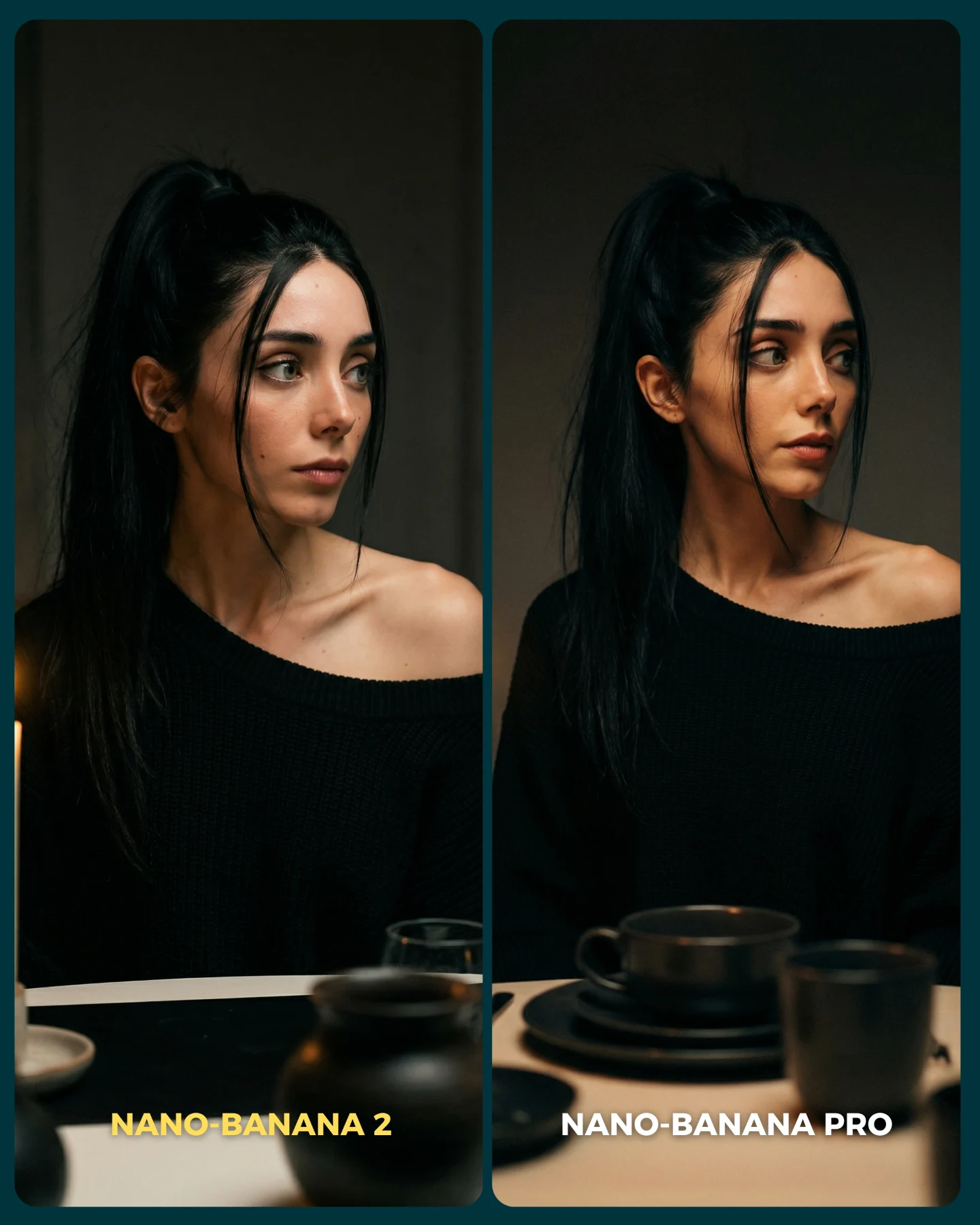
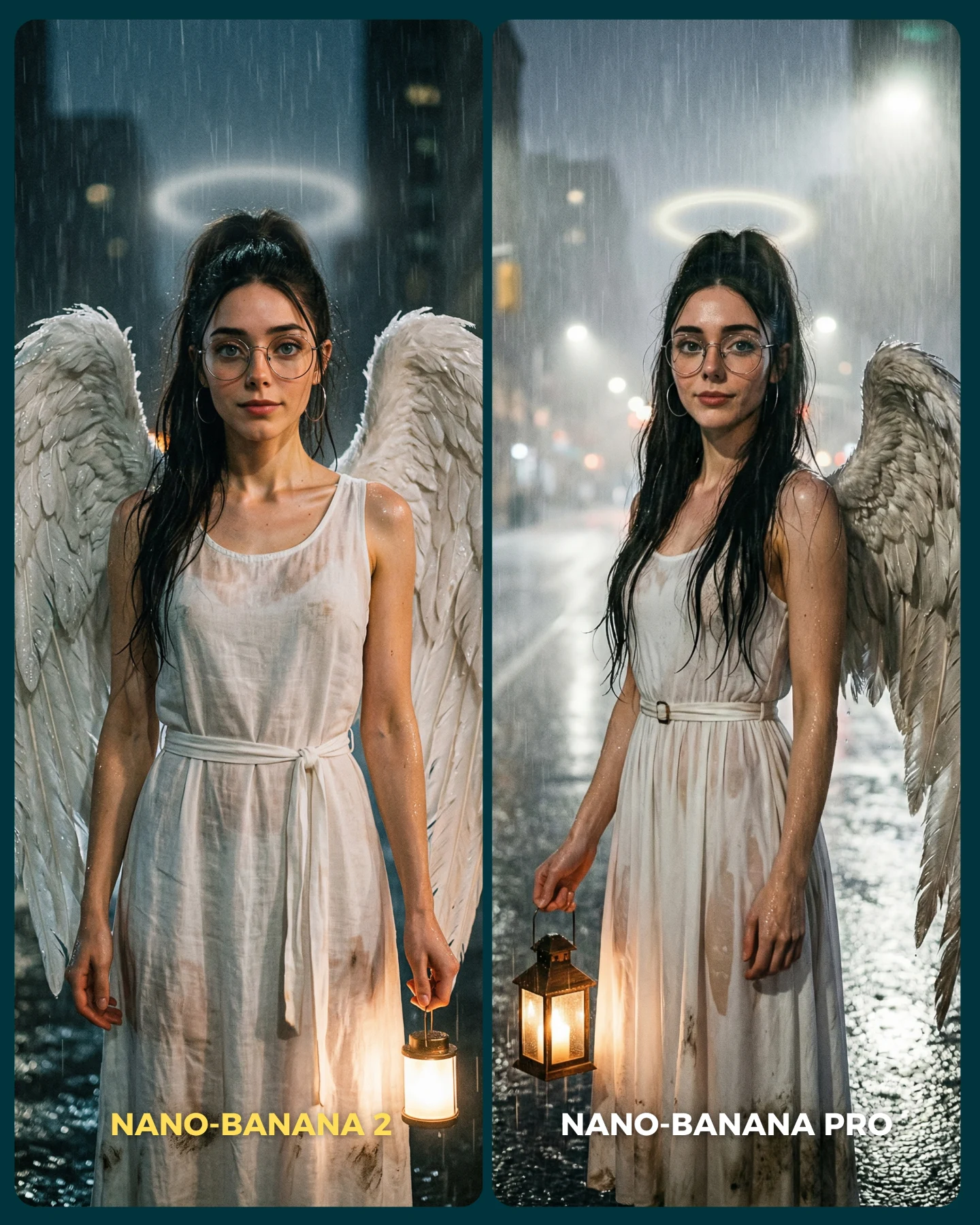
This post succeeds because it does not ask the viewer to imagine the difference between two models. It shows the difference immediately. The split-screen structure gives the audience a built-in decision to make, and decisions are naturally engaging. The moment a person sees two labeled panels, they begin comparing lighting, anatomy, mood, realism, and pose consistency without needing instructions.
The martial-arts theme also helps. Sparring images are strong test cases because they expose where a model is convincing and where it drifts. Hands, stance, body spacing, costume structure, and depth relationships all matter. That makes this kind of visual especially effective for a creator who wants to prove she is not just posting pretty images, but actually running image-generation tests with visible stakes.
Why the comparison format boosts engagement
The most important mechanism here is forced evaluation. A normal single image can earn admiration, but a labeled A-versus-B image invites opinion. Opinion drives comments. The caption reinforces that by asking viewers which version performs better. That is a smart loop: the image gives viewers a reason to compare, and the caption gives them a reason to answer.
The image also balances sameness and difference well. Both panels live in the same dojo universe, but they are framed differently. The left side feels tighter and more intimate, while the right side feels more complete and spacious. That allows the comparison to feel meaningful instead of redundant. You are not just looking at two copies. You are looking at two interpretations of the same brief.
| Signal | Evidence (from this image) | Mechanism | Replication Action |
|---|
| Instant debate structure | Two labeled panels: NANO-BANANA 2 and NANO-BANANA PRO | People naturally choose sides and comment their preference | Use clear A/B labeling directly inside the image |
| Meaningful test scene | Martial-arts sparring exposes pose, anatomy, spacing, and fabric realism | The audience can evaluate model quality through visible details | Pick scenarios where technical differences are easy to notice |
| Shared universe, different execution | Same dojo mood across both panels but different framing and finish | The comparison feels fair rather than random | Keep the concept stable while changing only model output |
Where this style is strongest
This format is ideal for AI creators testing new models, prompt writers documenting results, and education-style posts that want comments without sounding like homework. It is especially useful when the content goal is not just aesthetic appeal, but also visible judgment.
- Model comparison posts: The split-screen format turns technical evaluation into an easy social interaction.
- Prompt education: Viewers can see how one scene behaves across different generators or settings.
- Comment-driven content: Opinion prompts work better when the visual already frames a decision.
- Series branding: Repeating this side-by-side structure can build a recognizable testing format.
It is less ideal for soft storytelling, personal lifestyle posts, or singular hero images where the goal is immersion. Here the goal is comparison clarity, and everything in the frame supports that job.
Three transfer recipes
- Fashion comparison: Keep the split-screen structure and equal labeling, then test the same editorial look across two image models. Slot template:
{shared concept} {panel A model result} {panel B model result} {clear bottom labels} - Creature realism test: Keep the same prompt subject and environment, then compare fur, anatomy, and lighting between generators. Slot template:
{test scenario} {left model interpretation} {right model interpretation} {A/B branding} - Cinematic scene benchmark: Keep the same emotional brief, but compare framing and realism quality across versions. Slot template:
{cinematic prompt brief} {version A} {version B} {comparison title}
Aesthetic read: why this comparison still feels polished
The strongest creative choice is that the image does not sacrifice beauty for utility. Both panels are still visually attractive. Warm sunlight, tatami texture, robe folds, and clean female silhouettes keep the comparison from feeling dry. That matters because educational content travels farther when it still feels desirable.
The left panel creates tension through proximity. The right panel creates credibility through full-body stance. Together they cover both emotional and technical evaluation. That is why the image can attract two kinds of viewers at once: people who care about the vibe, and people who care about the model quality.
| Observed | Why it matters |
|---|
| Warm dojo light with visible haze | Adds cinematic appeal while keeping the environment consistent |
| Close framing on the left, wider framing on the right | Makes the two outputs feel meaningfully distinct |
| Strong wardrobe continuity across both panels | Keeps the comparison anchored to the same concept |
| Readable bottom labels | Turns the image into a debate-ready content asset |
| Female sparring theme | Tests anatomy, fabric, mood, and realism in one scene |
Prompt technique breakdown
If you want this style to work, treat the image like a benchmark board, not a normal portrait. The comparison logic has to be visible. That means the layout, labels, and scene consistency matter just as much as the character styling.
| Prompt chunk | What it controls | Swap ideas (EN, 2-3 options) |
|---|
| two-panel vertical comparison image | The A/B test structure and comment-friendly format | before-vs-after layout; three-panel comparison; split-screen benchmark cover |
| same dojo sparring concept across both panels | Fairness and thematic stability | same runway scene; same fantasy portrait brief; same product still life |
| left panel tighter, right panel wider | Variation in evaluation angle without changing the whole concept | portrait vs full-body; close-up vs environment shot; detail crop vs hero frame |
| warm cinematic sunlight and haze | Beauty and consistency across the benchmark | cool moody daylight; rainy-window atmosphere; smoky gym light |
| bold bottom labels naming each version | Readable debate framing | Model A vs Model B; v1 vs v2; baseline vs pro |
How I would iterate this
Baseline lock the split layout, the shared dojo concept, and the bottom labels first. If those are unstable, the image stops working as a benchmark. After that, refine one layer at a time: first the fighter poses, then the costume realism, then the light quality, then the panel-to-panel framing difference.
A simple four-step sequence would be: run one to solve the overall two-panel board, run two to fix pose consistency in both sparring setups, run three to improve robe folds and hand anatomy, and run four to tune text readability and atmospheric polish. That keeps the image from becoming a generic collage.
The growth lesson is straightforward: comparisons outperform lectures when the answer is visible in the image. This post does that well. It makes technical evaluation feel like a social game.