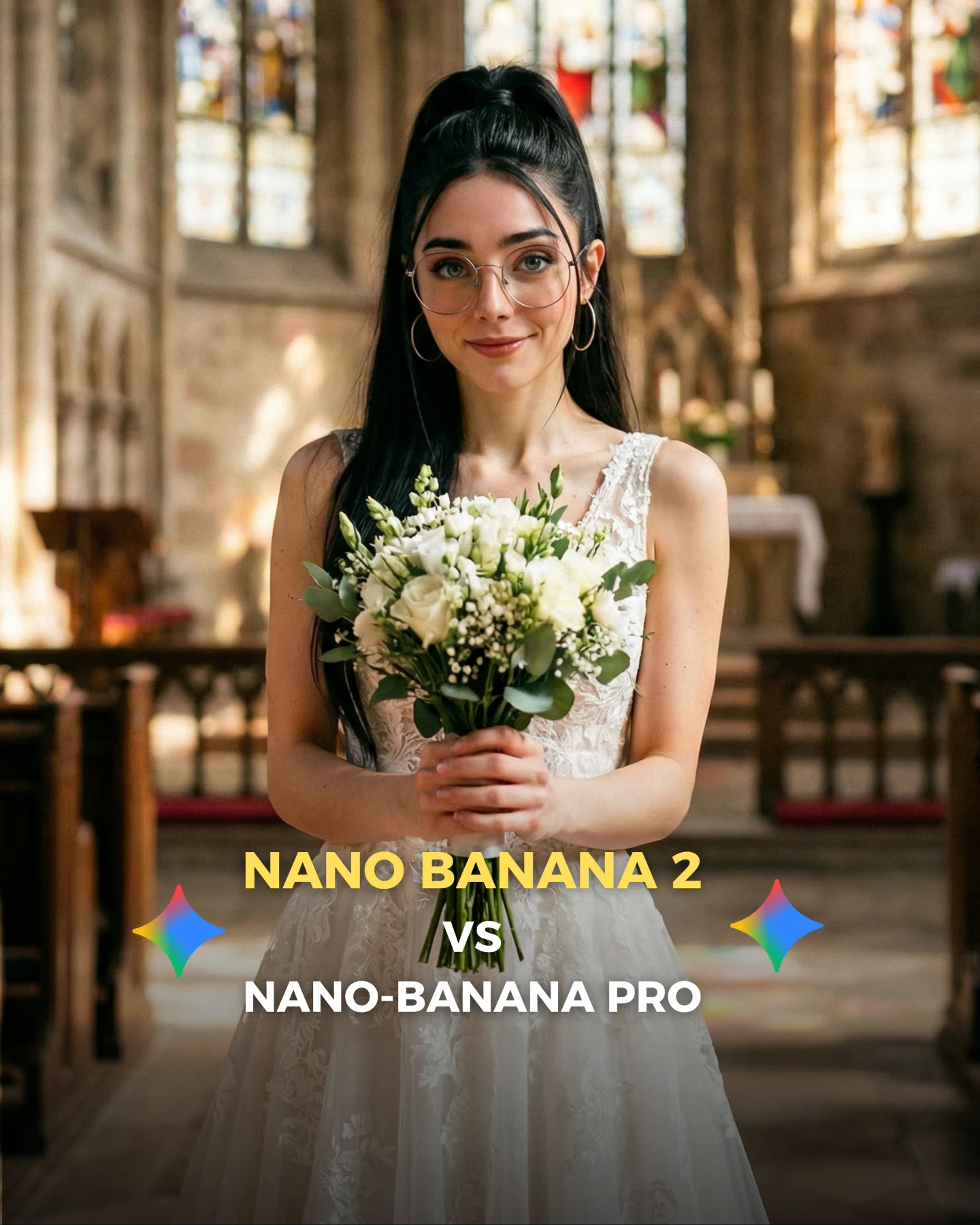
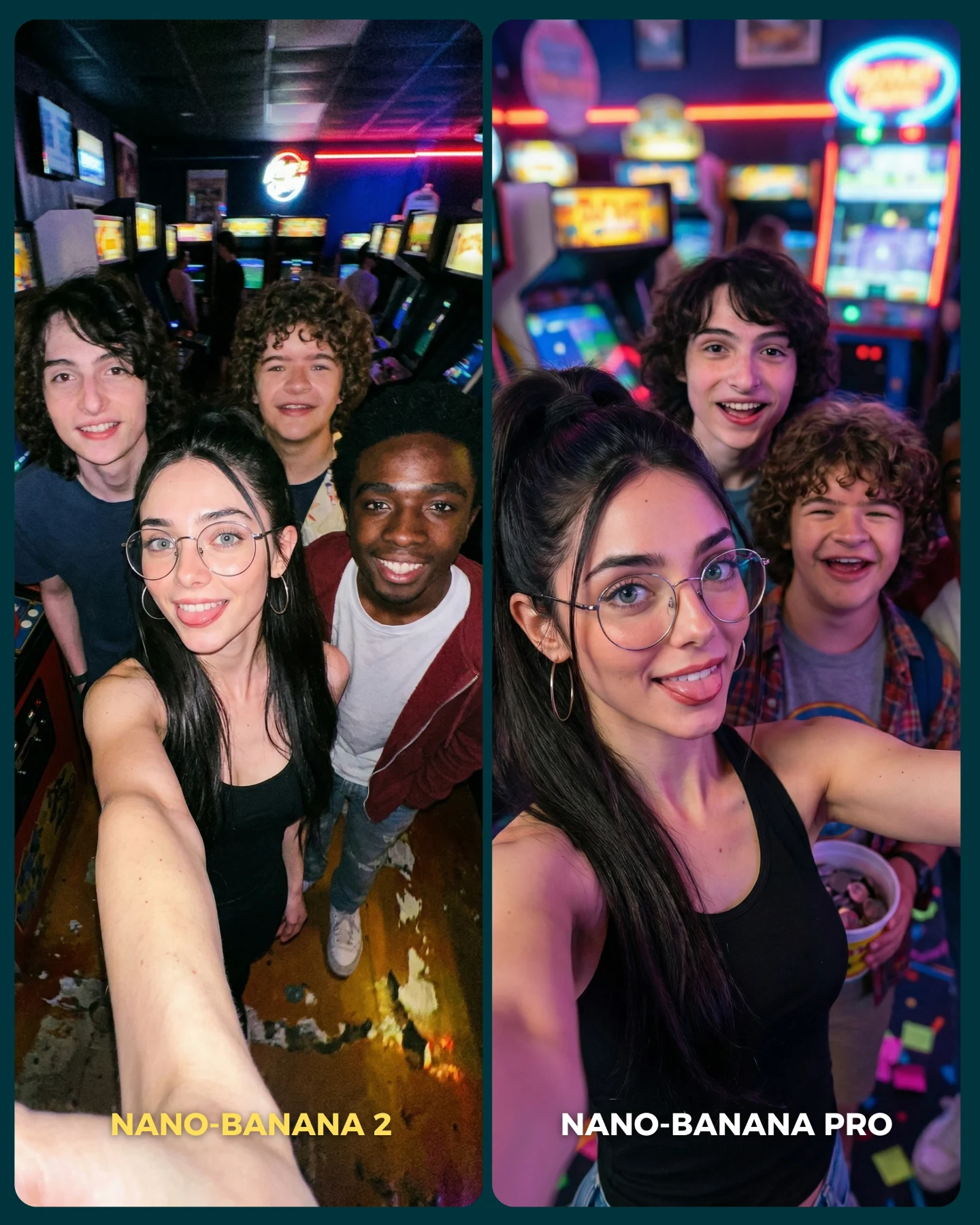
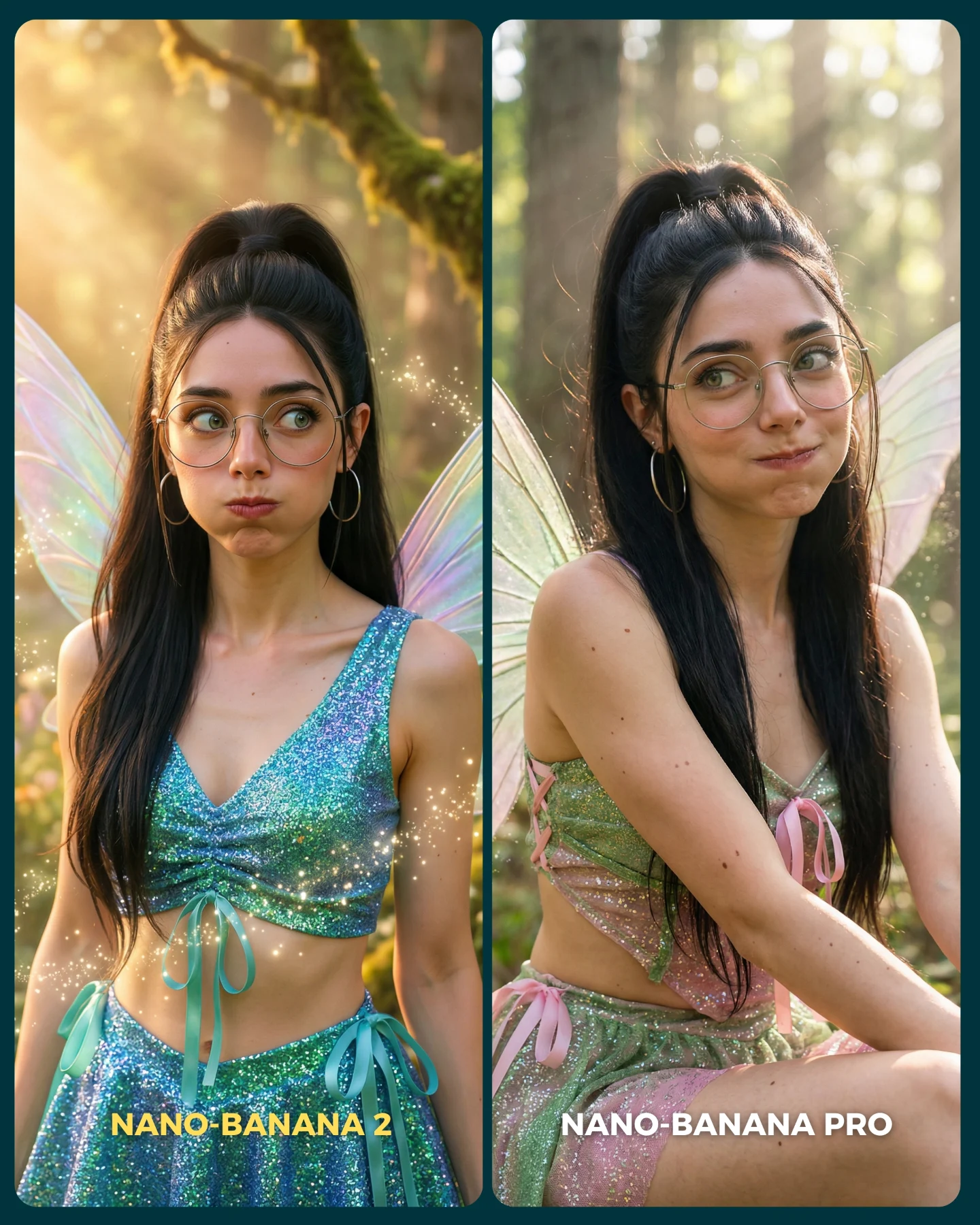
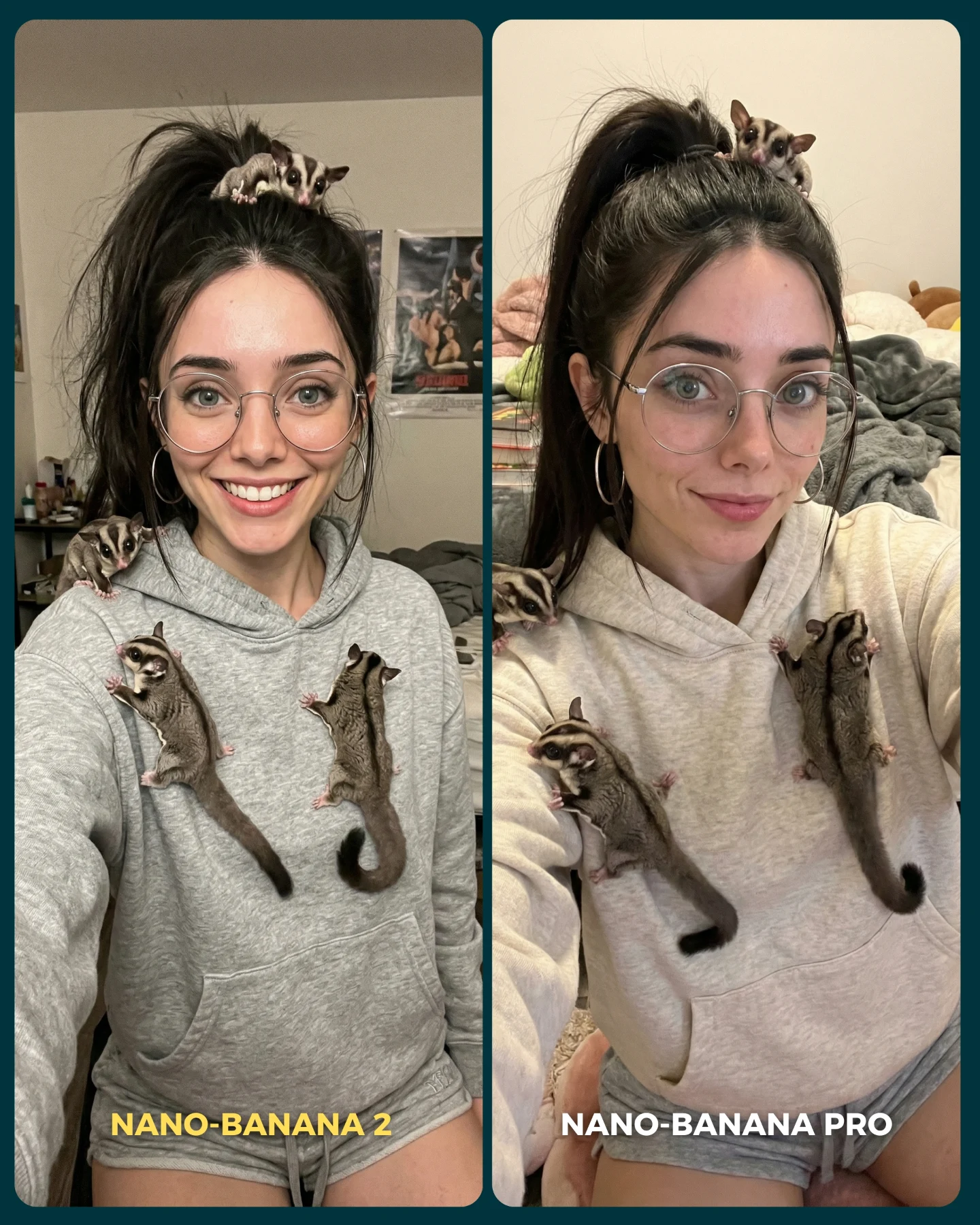
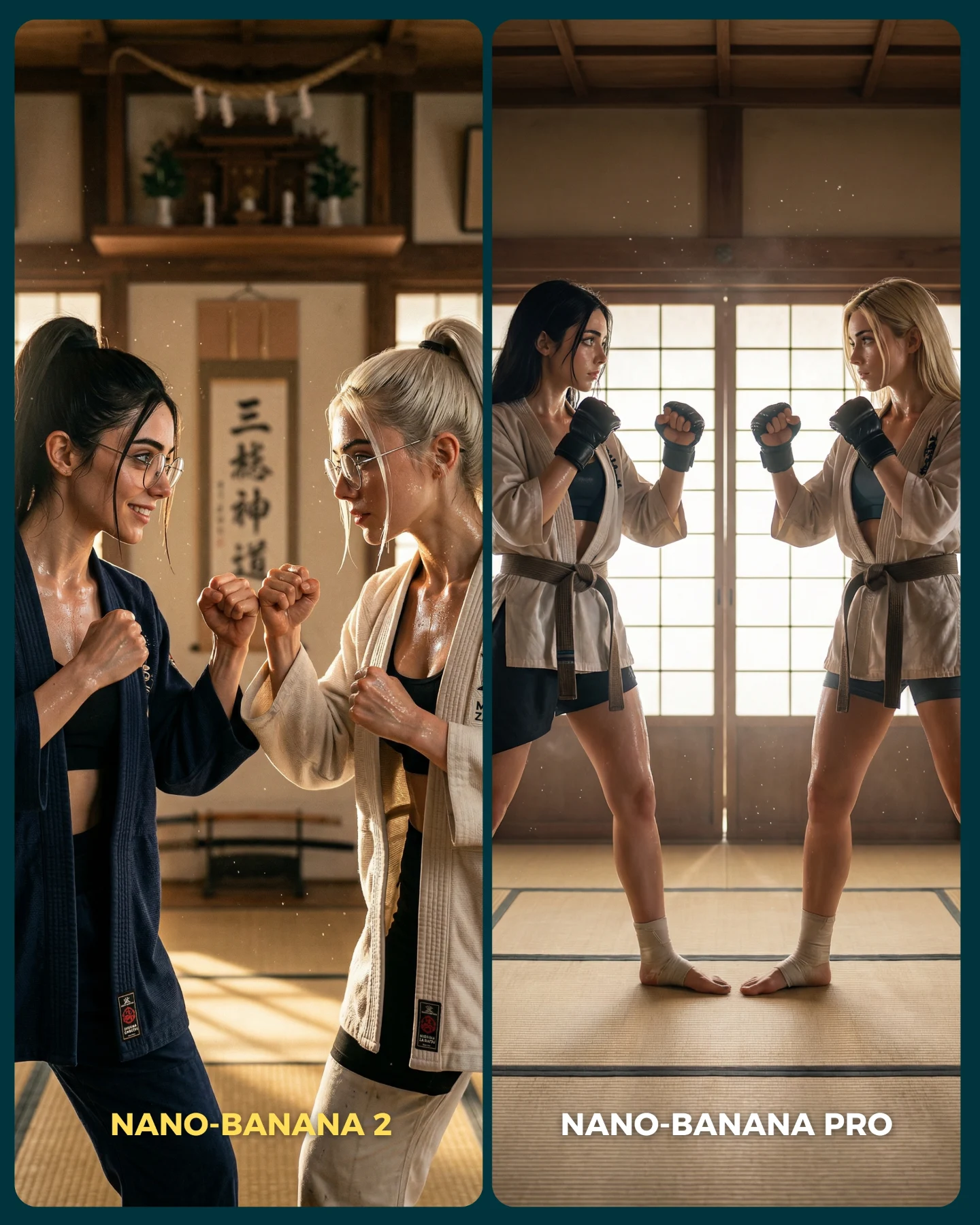
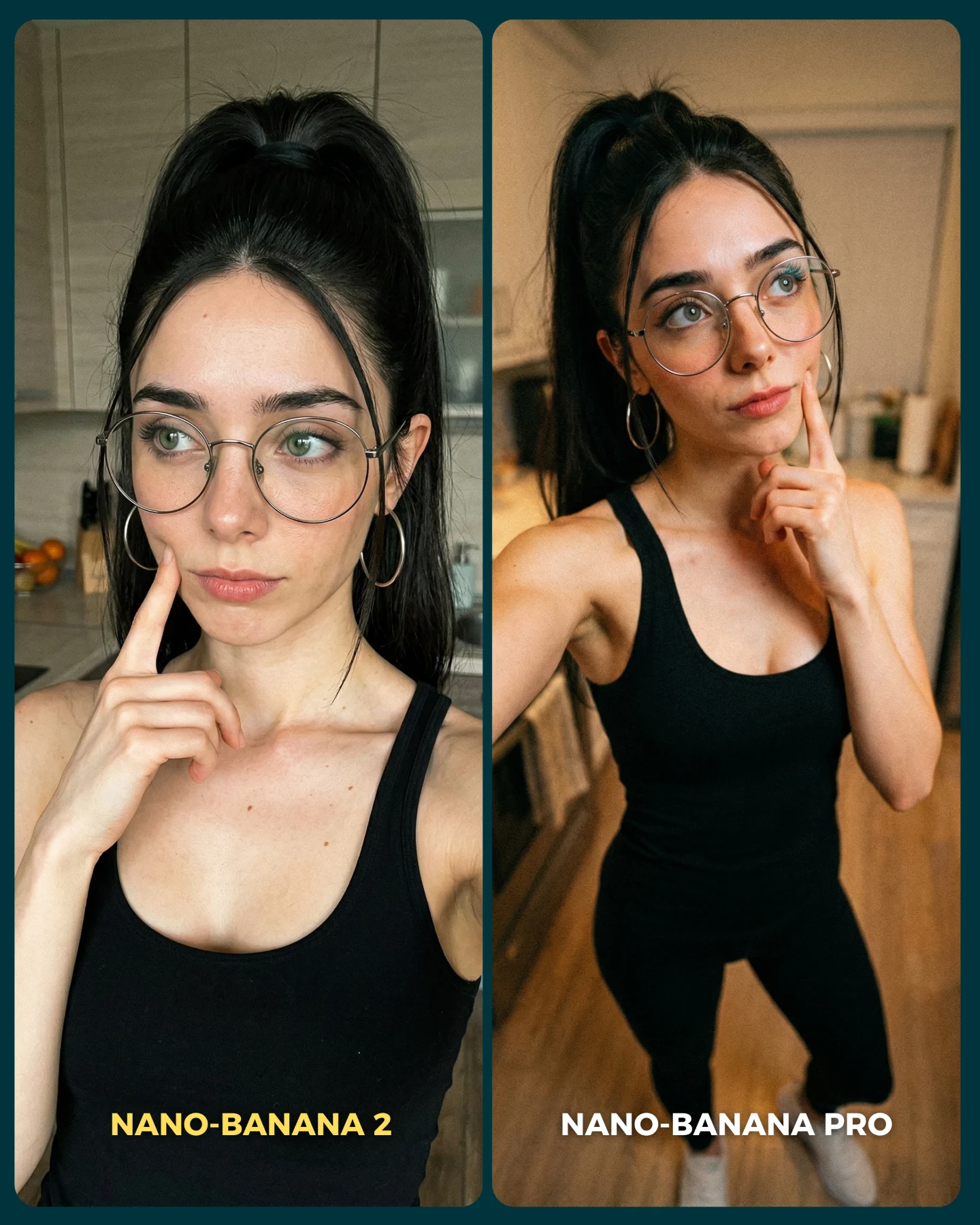
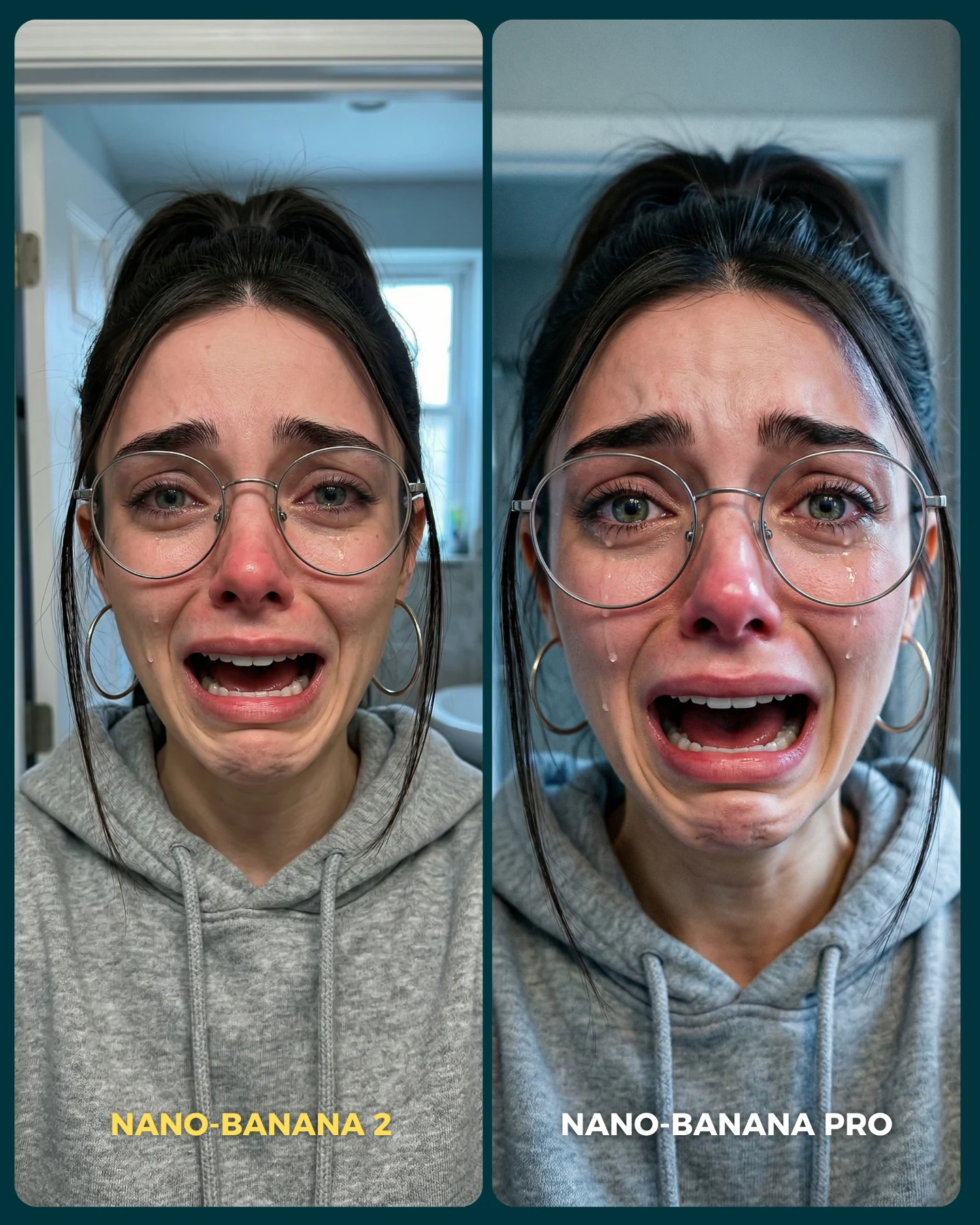
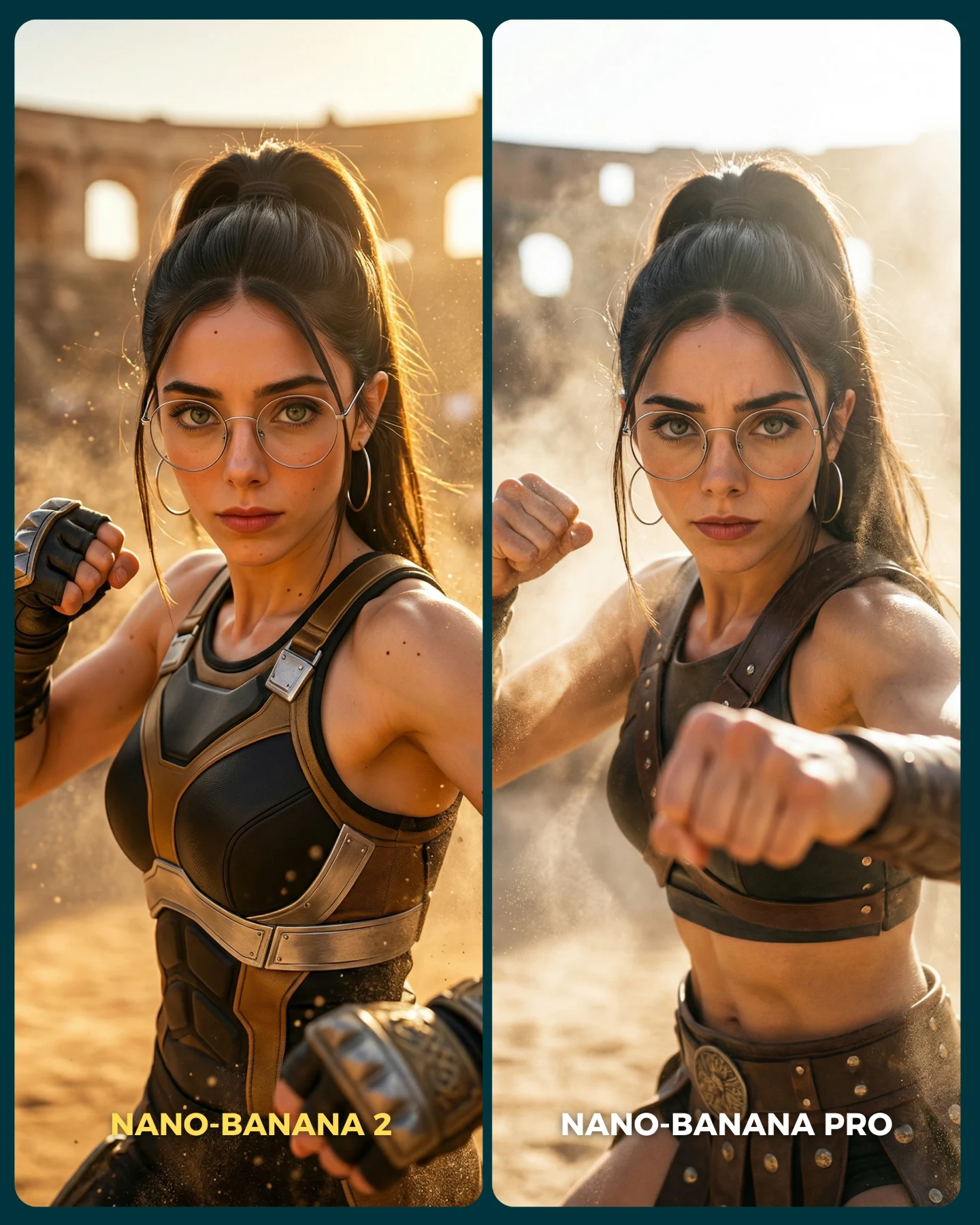
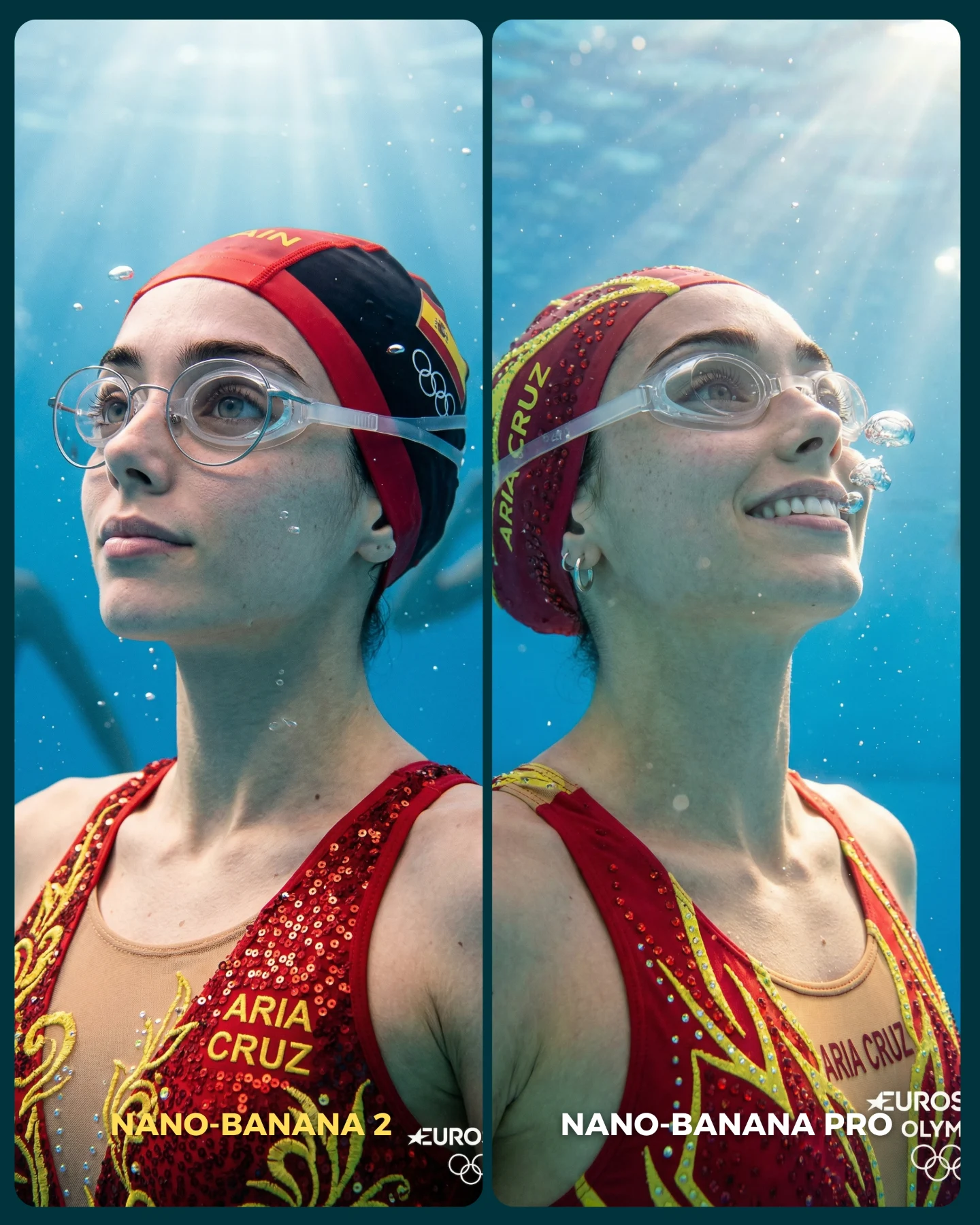
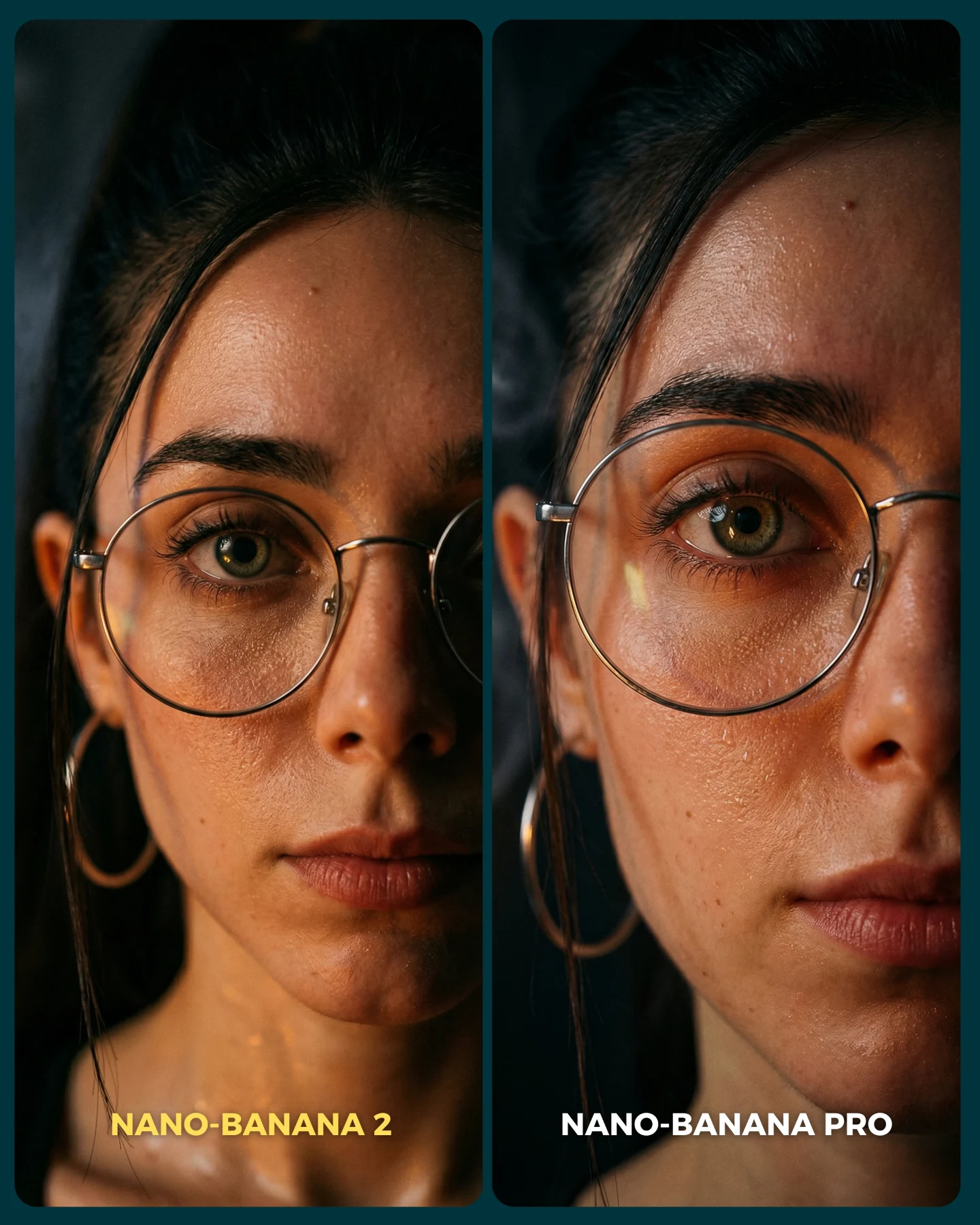
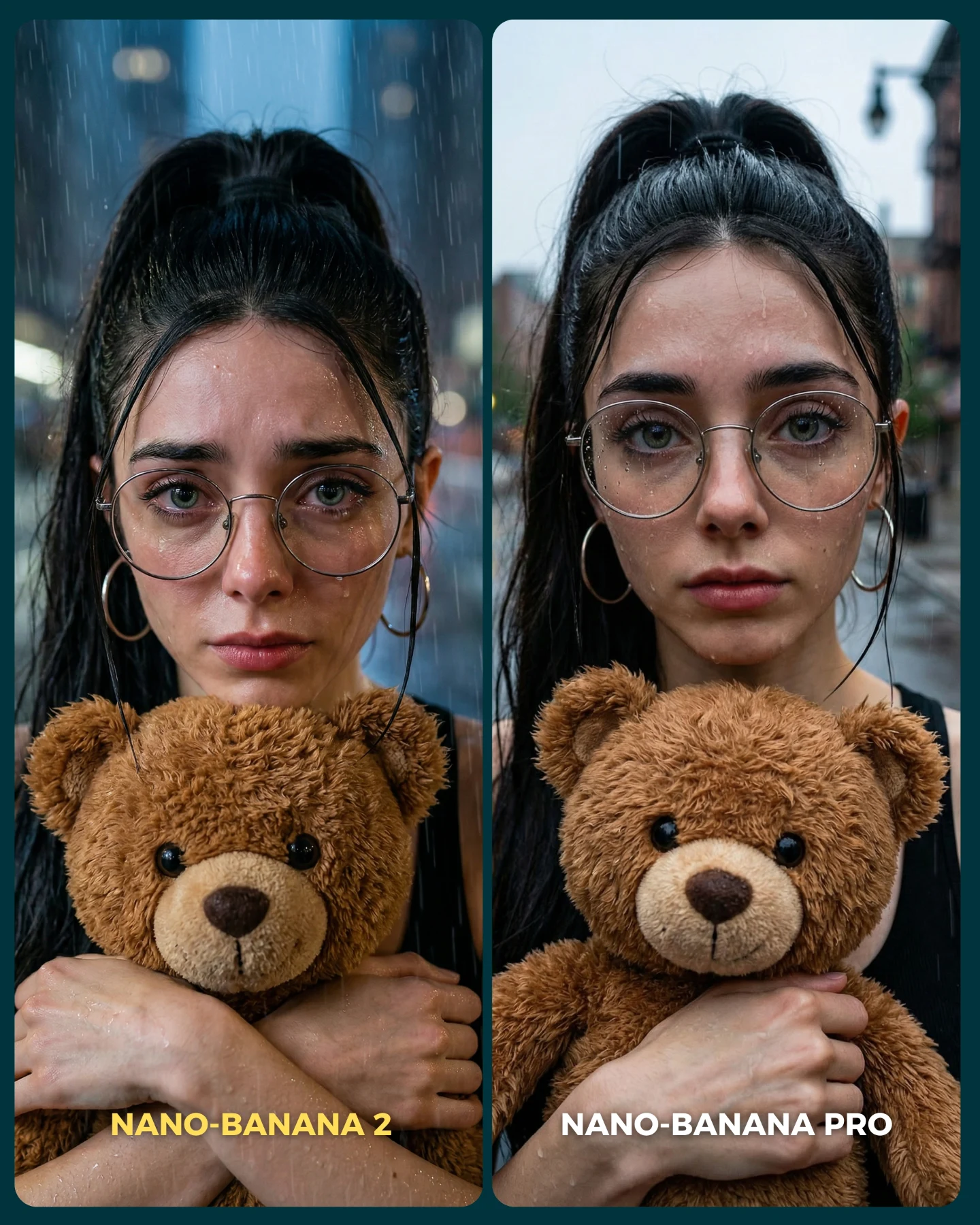
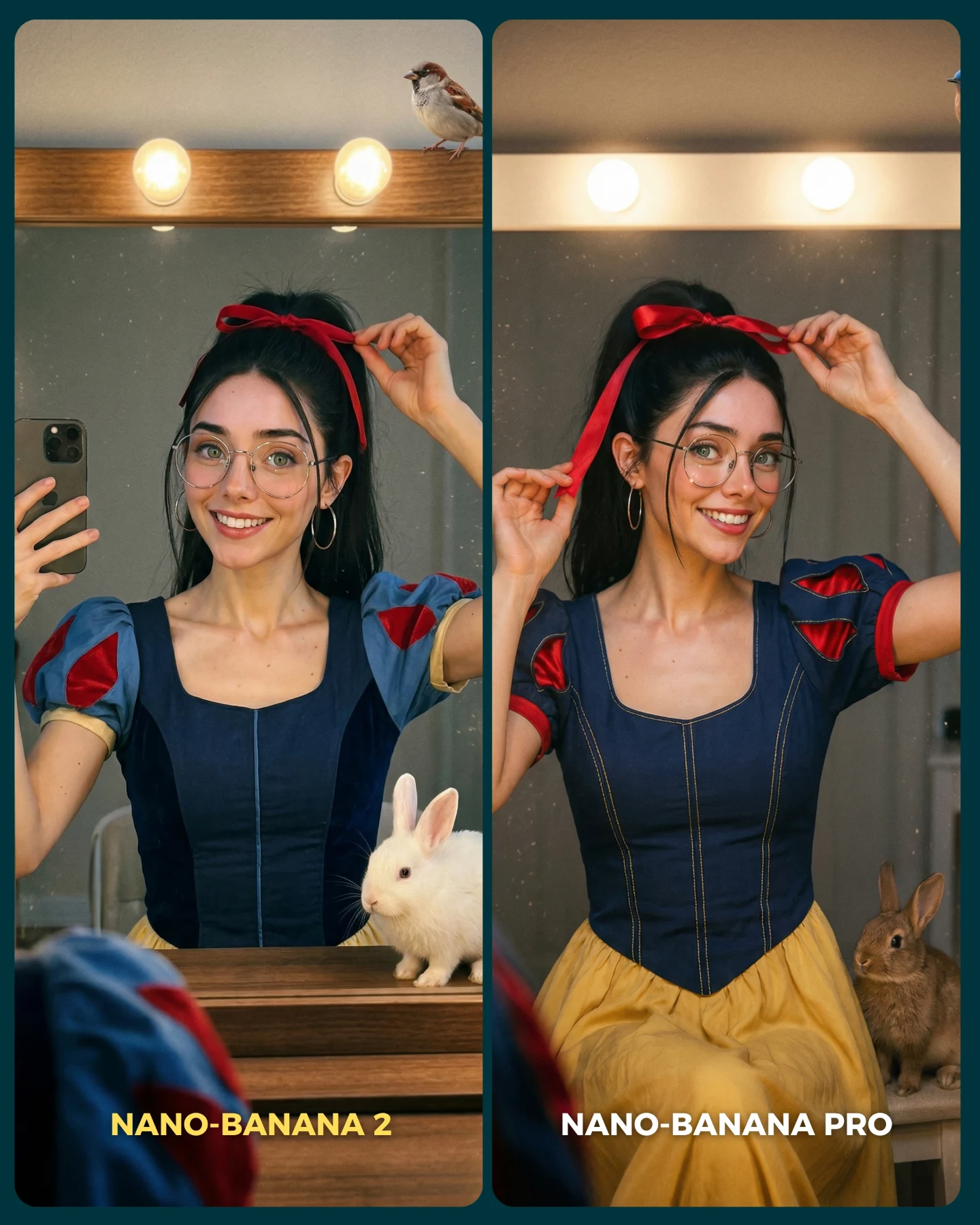
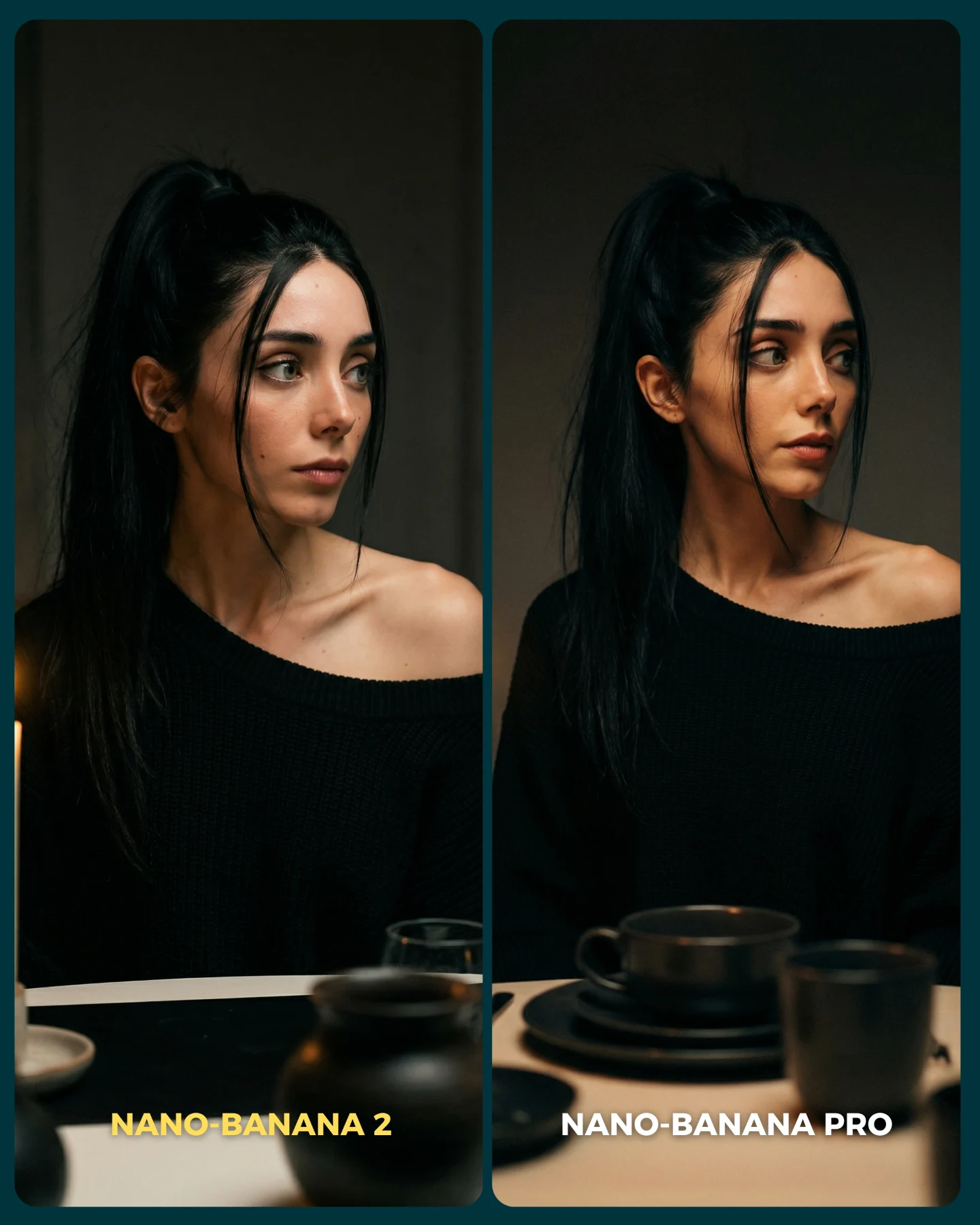
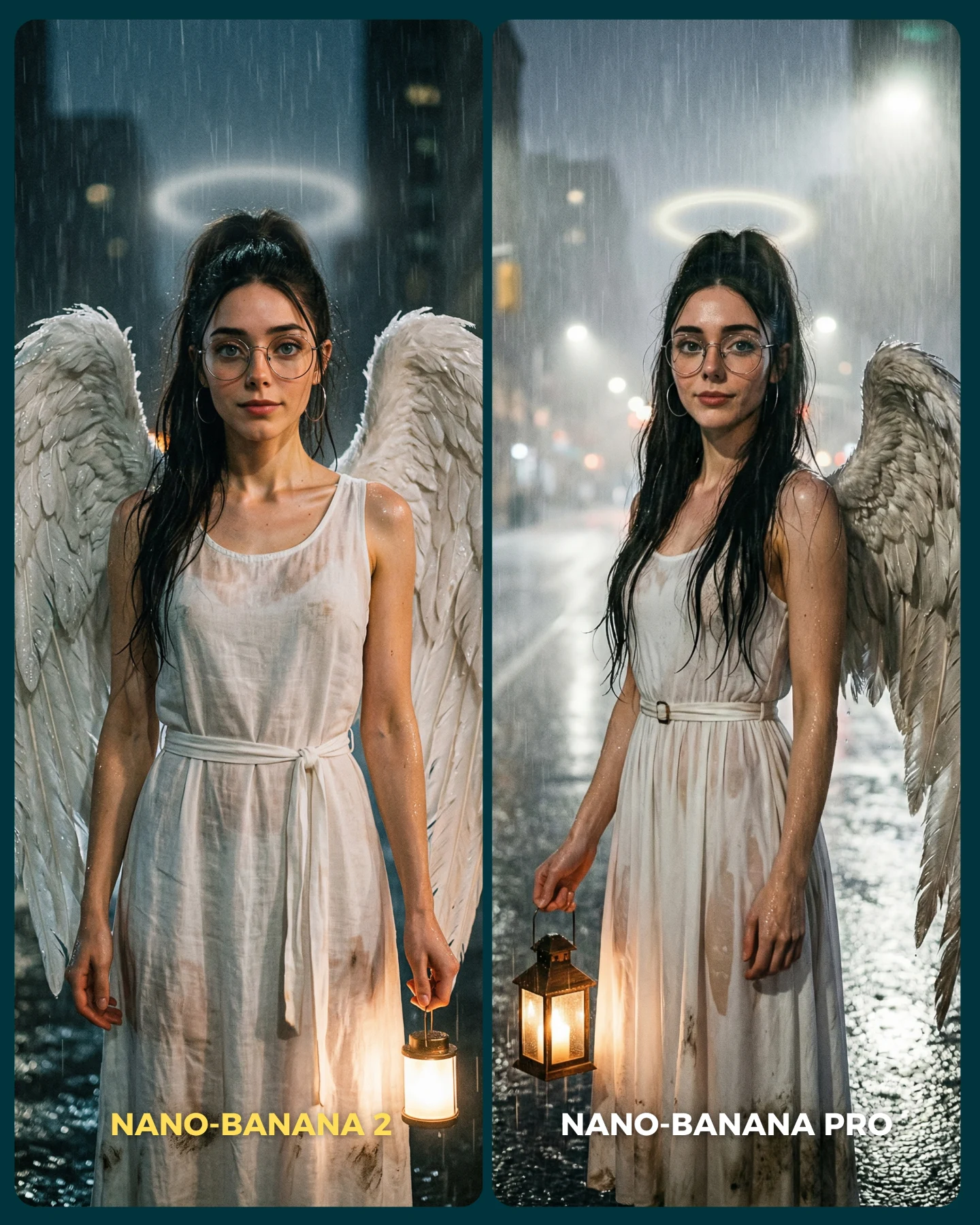
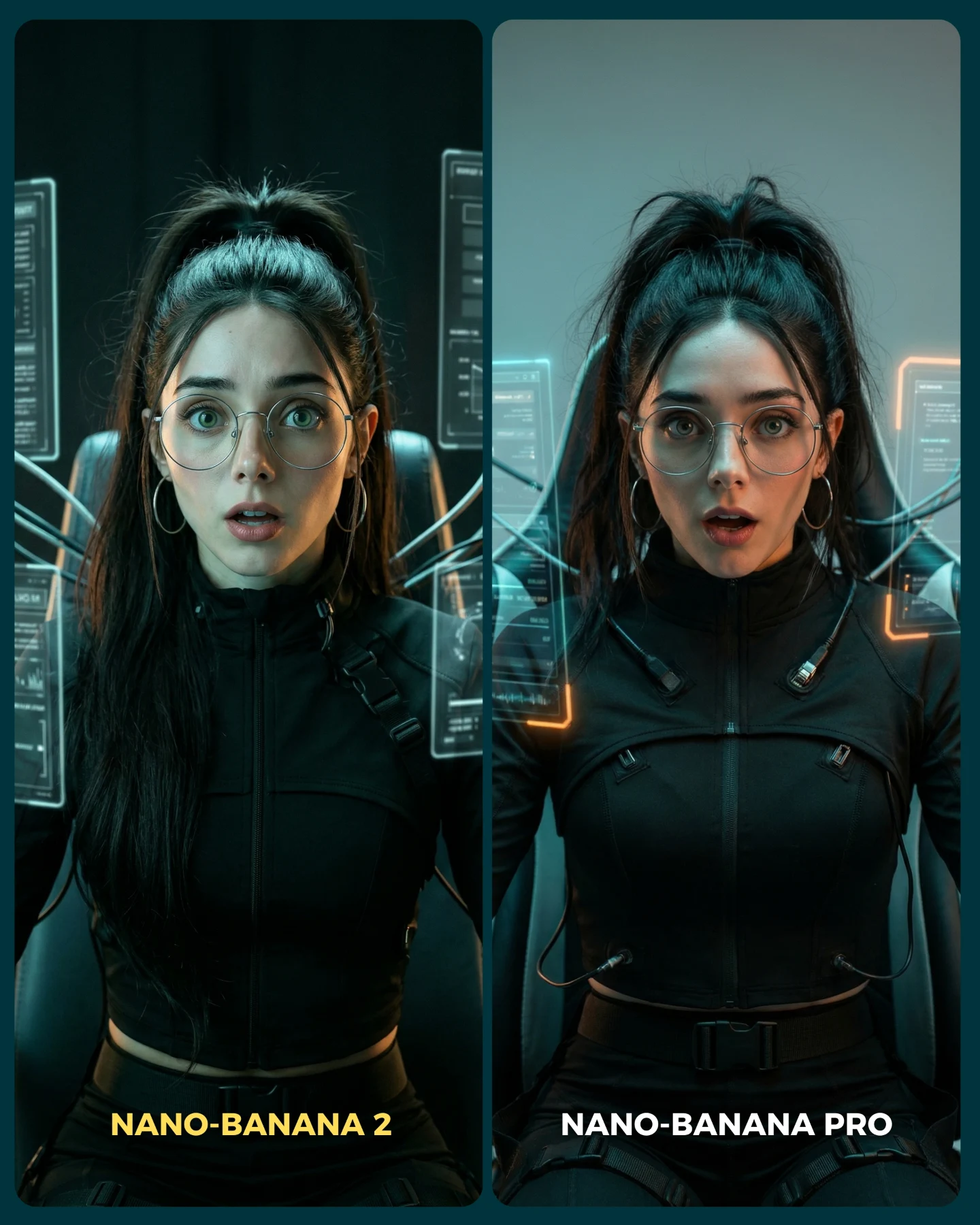
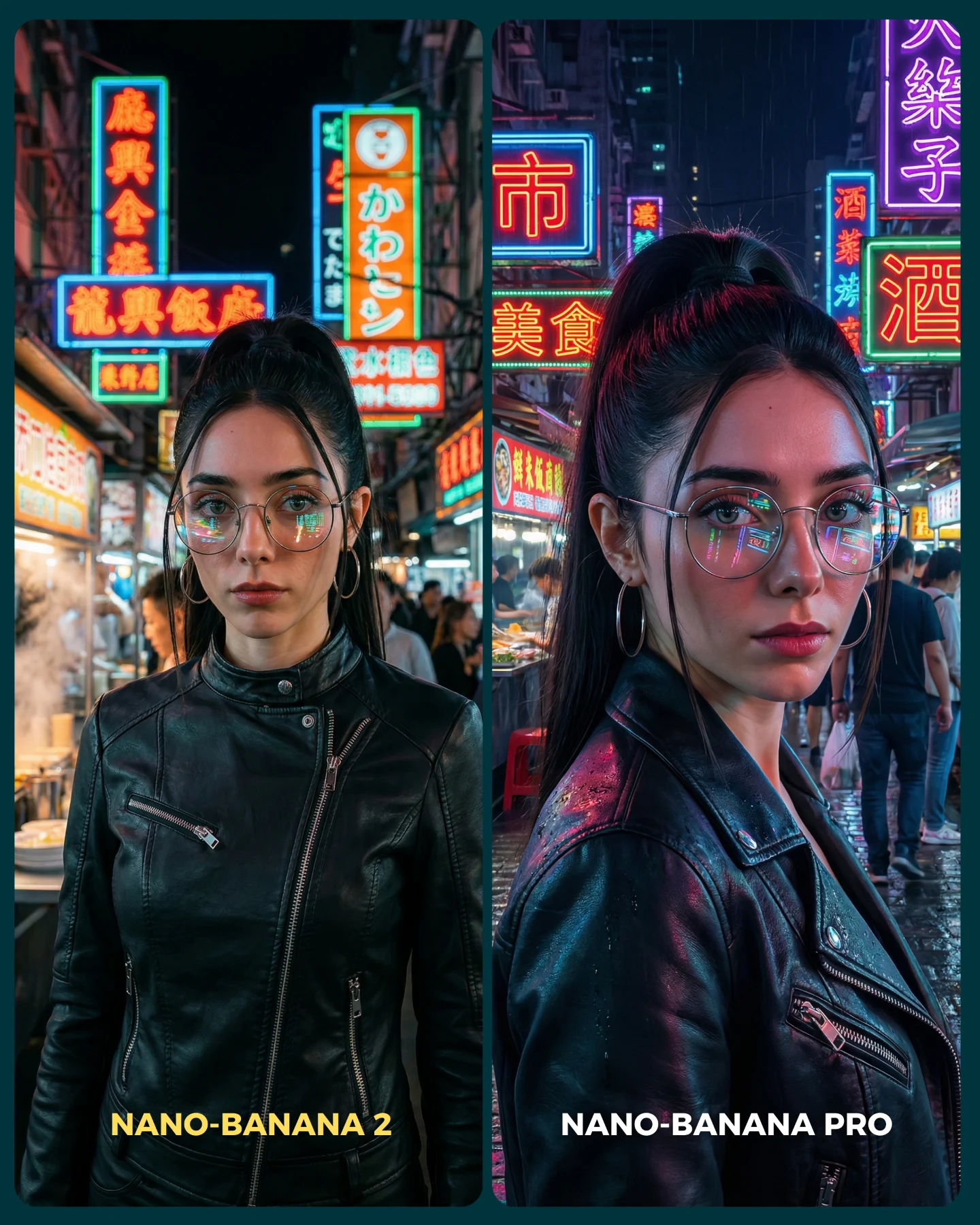
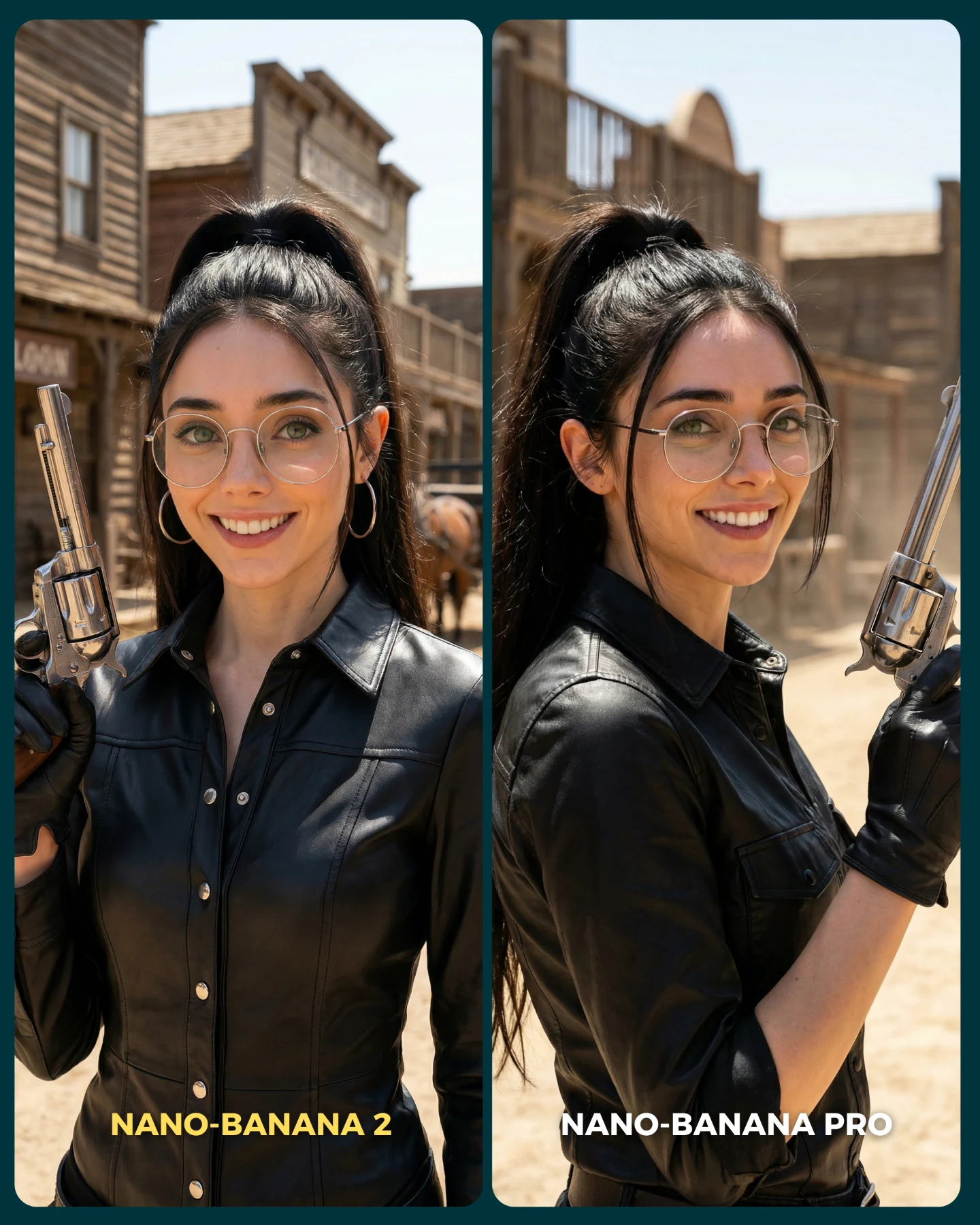
Nano Banana 2 Vs. Nano Banana PRO 💥
Google acaba de lanzar un nuevo generador de imágenes... Lleva un 2 pero no significa que sea mejor que el Pro 👀 (No es Nano Banana Pro 2)
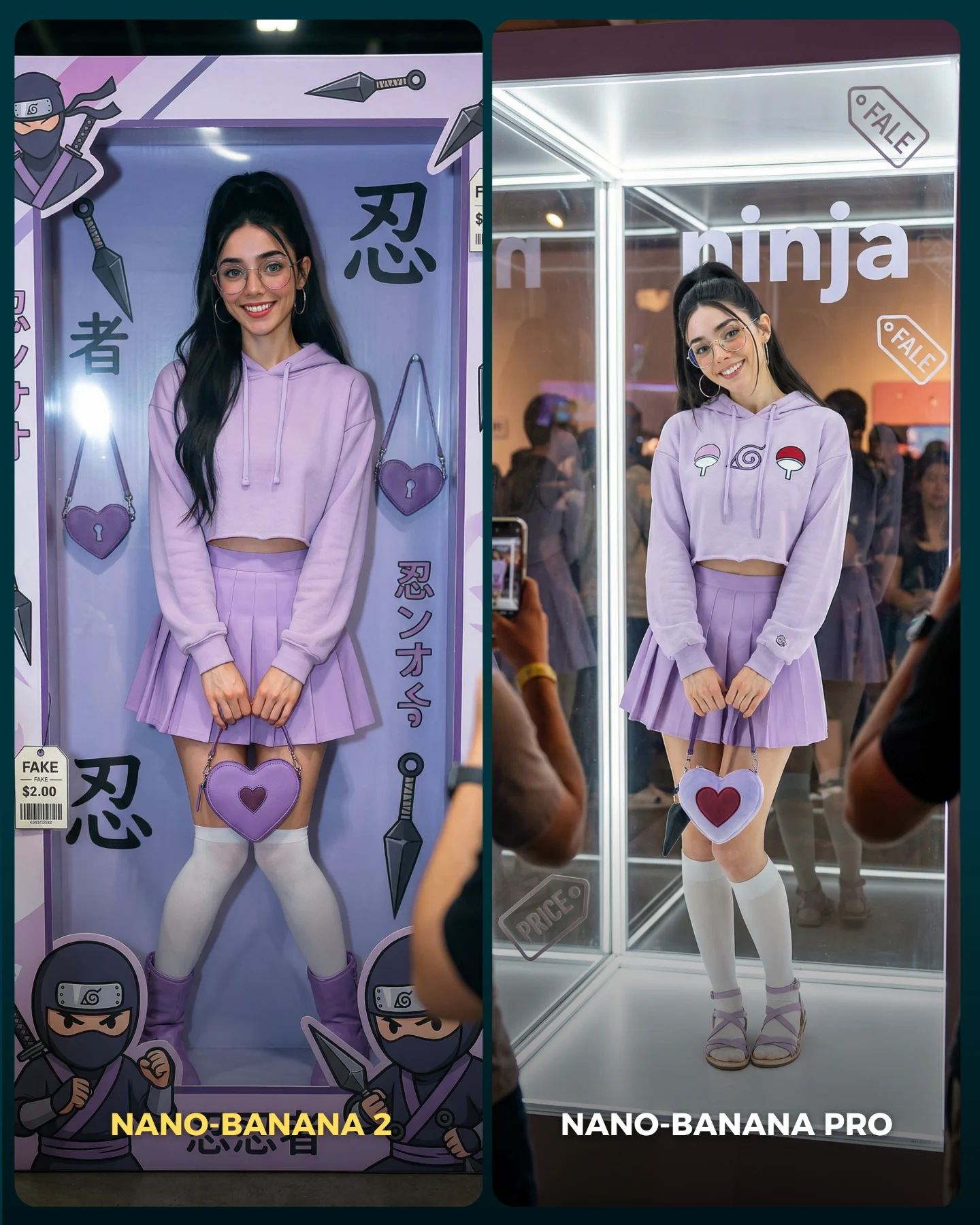
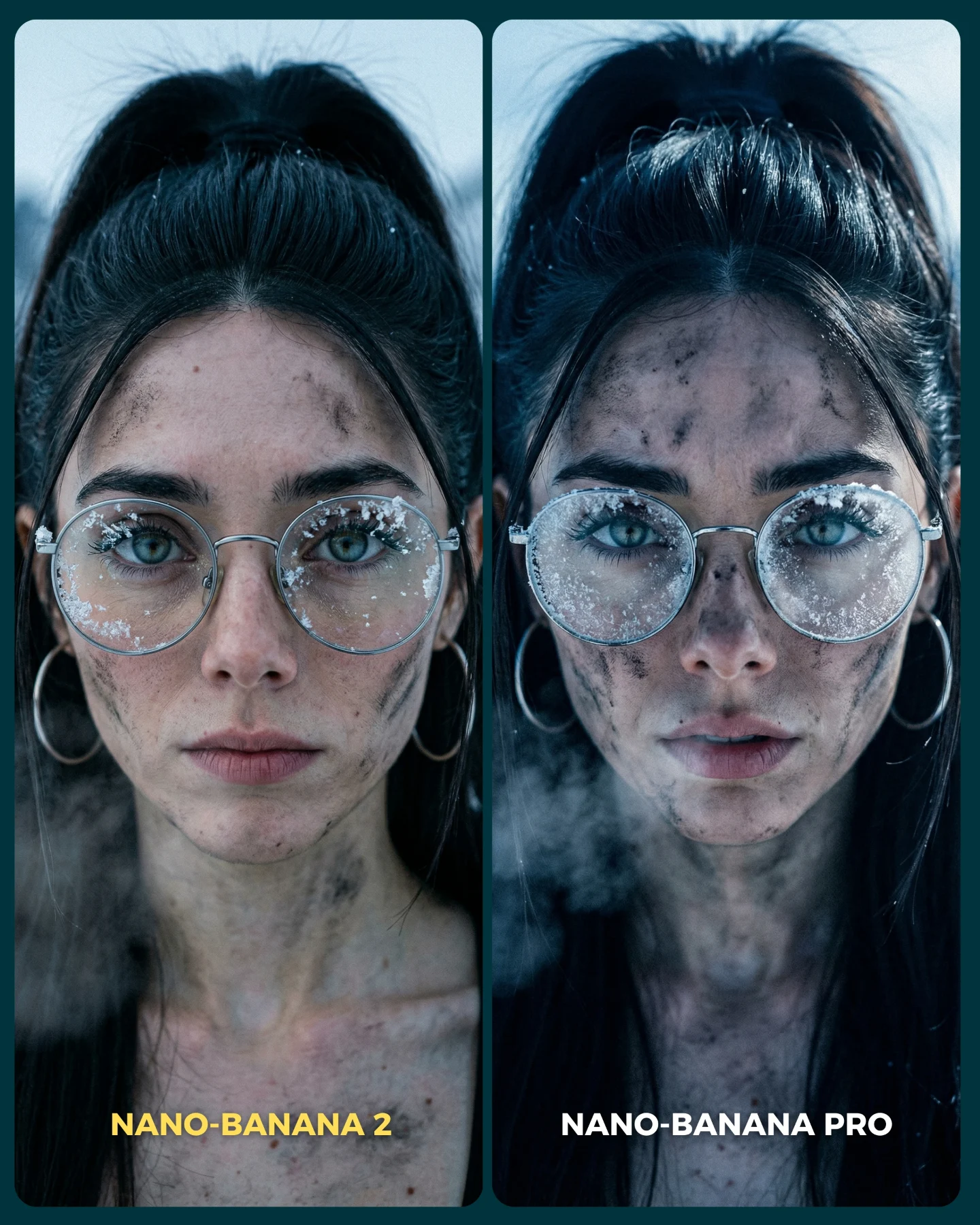
Para ponerlo realmente a prueba, las imágenes que he seleccionado para testearlo son todas las que Nano Banana Pro me daba "poco realistas"
Tras ver los resultados... Sigo pensando que la versión Pro lo hace mejor que la nueva 😅 Pero si es verdad que en algunas ocasiones no es así!
Igualmente quiero escuchar tu opinión al respecto 💌 Y comenta "ARIA" si quieres que te pase los prompts de todas las imágenes 💕
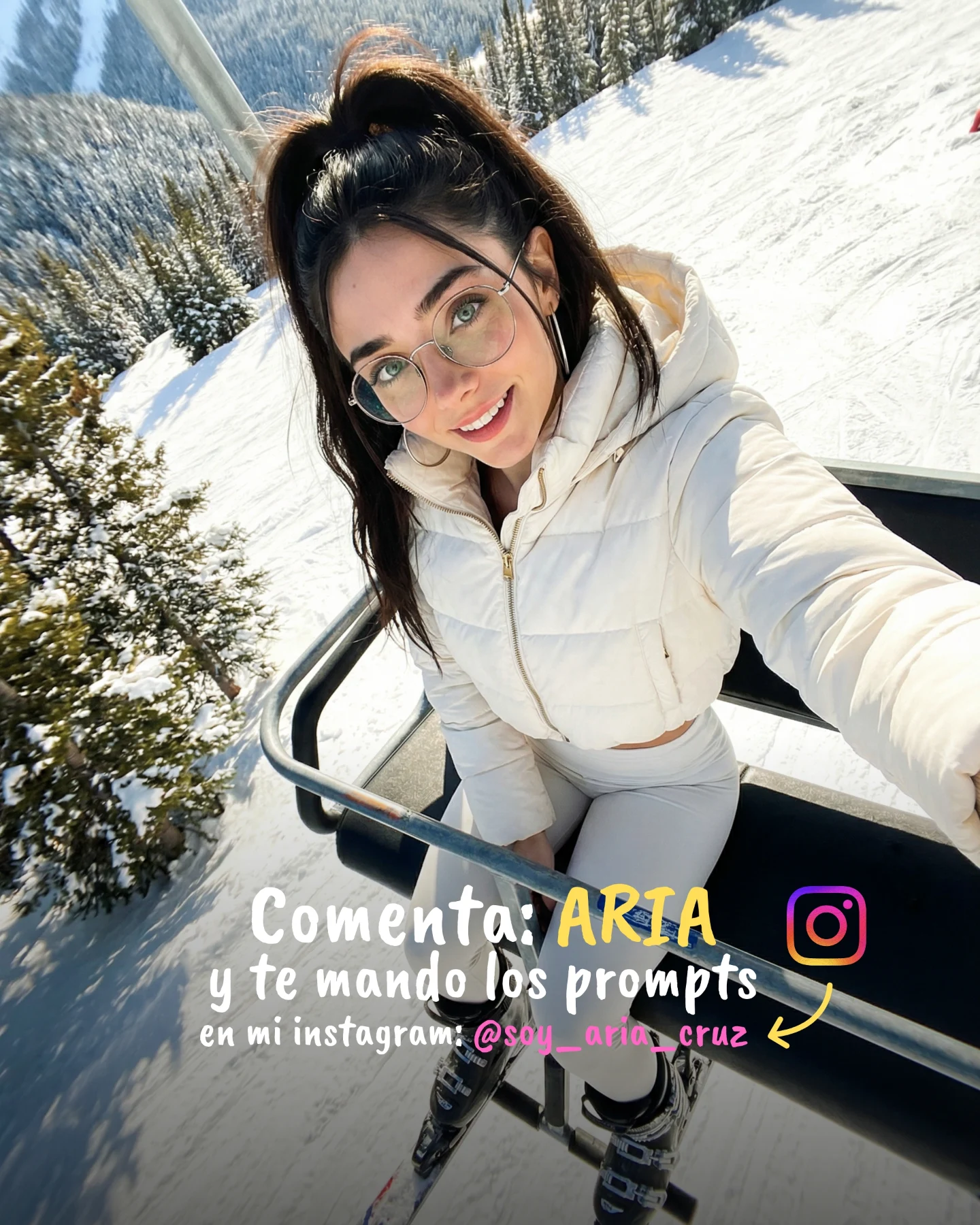
How soy_aria_cruz Made This Nano Banana Ski Selfie AI Art — and How to Recreate It
This image succeeds because it merges three highly useful creator signals into one frame: travel aspiration, sports context, and selfie intimacy. The snowy mountain setting gives the post scale. The ski outfit and chairlift bar make the sport legible instantly. The phone-angle perspective keeps the content feeling personal instead of editorial. That combination is hard to fake well, which is exactly why it works as a compelling prompt example.
It also carries a practical conversion layer. The lower CTA text asking viewers to comment “ARIA” does not feel random. It sits naturally inside the open snow space and uses the image’s brightness to stay readable. That is an important lesson for creators: a prompt showcase performs better when the visual already leaves room for an interaction ask.
Why this image can hold attention
The main growth mechanism is perspective. Chairlift selfies feel dynamic even when the subject is sitting still because the viewer senses height, motion, and exposure through the angle alone. The extended-arm camera view makes the audience feel like they are inside the lift with her, which is much more immersive than a standard posed ski portrait.
The second mechanism is winter clarity. Snow scenes are unforgiving. If the outfit, glasses, face, and gear still read well against all that brightness, the image feels clean and premium. That visual cleanliness helps the CTA work because the frame is already easy to scan.
Signal
Evidence (from this image)
Mechanism
Replication Action
Immersive perspective
Wide-angle selfie from the chairlift with visible bar and skis
The viewer feels physically placed inside the experience
Use a first-person or arm-extended angle when you want travel-sport content to feel immediate
Fast sport recognition
Ski boots, lift seat, snow slope, and white outfit all agree on the same story
Clear category cues reduce confusion and improve scroll-stop speed
Lock 3-4 unmistakable sport markers before adding aesthetic flourishes
Bright visual cleanliness
Snowy background gives the CTA and face strong separation
Clean contrast improves both beauty and readability
Place overlays only where the underlying image already offers visual breathing room
Identity consistency under stress
Glasses, ponytail, and facial resemblance survive a difficult outdoor selfie setup
Viewers trust AI influencer content more when identity holds across complex contexts
Keep your signature identity markers stable while changing environment and sport
Where this format fits best
This style works especially well for AI influencer sports tests, winter travel prompt packs, lifestyle-sports crossover content, and creator pages that want to look adventurous without losing a personal tone. It is not just about skiing. It is about proving that an AI persona can stay recognizable in bright, gear-heavy outdoor situations.
Sports prompt libraries: use it to demonstrate how to keep a face consistent in high-reflection winter scenes.
Travel creators: adapt the same selfie structure to lifts, gondolas, mountain viewpoints, or snowy transit moments.
AI influencer testing: preserve the same glasses and hairstyle while rotating through different sports environments.
Conversion-driven posts: reserve lower-frame snow space for a comment CTA or prompt unlock hook.
It is less useful when you need calm studio precision or very detailed product close-ups. The strength here is experience-first storytelling, not technical product demonstration.
Three transfer recipes
Keep: wide-angle arm-extended selfie and clear sport markers. Change: the sport environment. Slot template: "{creator} taking a selfie during {sport} with visible {gear marker} and landscape context".
Keep: bright environmental backdrop and CTA space. Change: wardrobe palette and season. Slot template: "travel-sport selfie with open lower frame for a short comment CTA".
Keep: personal face-forward framing. Change: transport mechanism. Slot template: "selfie on a {lift / cable car / chair / ride} inside a {terrain type} adventure setting".
Aesthetic read: why the image feels crisp
The strongest visual decision is the all-white outfit against the snow. On paper that sounds risky, but it works because the dark hair, glasses, boots, and chairlift hardware create enough anchor points. Instead of disappearing into the background, the subject feels integrated into the environment while still staying legible.
The second aesthetic advantage is the travel angle. The image is not composed like a static ski catalog shot. It feels like a real moment captured mid-ride. That difference matters because audiences save prompts they can imagine turning into content, not just prompts that look like ads.
Observed
Recreate
Why it matters
Wide-angle chairlift selfie
Keep the arm-extended camera logic visible in the body perspective
It makes the image feel native to social media instead of staged
Bright snow with dark evergreen contrast
Use winter scenery that provides both openness and depth cues
The face and outfit stay readable while the background still feels scenic
Visible boots and skis
Show enough lower-body gear to confirm the sport immediately
Gear cues increase believability and reduce ambiguity
Minimal but clear lower-third CTA
Place copy over clean snow areas, not over the face or gear
Readable CTAs feel integrated when the composition leaves them space
Signature face markers remain intact
Preserve glasses, ponytail, and expression across outdoor conditions
Identity continuity is what makes repeat creator content stronger
Prompt technique breakdown
If you want to recreate this kind of image, break it into four systems: identity, sport markers, selfie geometry, and snow-light behavior. Most weak versions fail because they get only one or two of those systems right.
Prompt chunk
What it controls
Swap ideas (EN, 2-3 options)
identity lock
Whether the creator still looks like herself in a bright winter context
"round glasses and high ponytail", "same smiling face", "consistent influencer features"
winter sport markers
Immediate category recognition
"chairlift seat and bar", "ski boots and skis", "snow slope and evergreen trees"
selfie geometry
Personal immersion and social-native feel
"extended arm selfie", "wide-angle front-camera look", "travel selfie from above the lap"
snow-light control
Whether the image looks crisp or washed out
"bright snow bounce on face", "cool outdoor light with warm skin", "clean winter daylight"
"handwritten Spanish CTA", "highlighted keyword in yellow", "small Instagram icon and handle"
Execution playbook
Lock three things first: the chairlift seat, the wide-angle selfie perspective, and the visible ski gear. Those are the structural proof points. Once they are stable, refine the face, then the snow-light balance, then the CTA.
Run 1: establish the selfie angle with one arm extended and chairlift hardware clearly visible.
Run 2: correct the white ski outfit, boots, and ski placement so the sport reads instantly.
Run 3: tune the face identity under bright snow reflection, especially glasses and eye detail.
Run 4: place the lower CTA only after the image already feels clean and legible.
The one-change rule matters because winter scenes can break quickly. If you change face identity, snow exposure, gear, and background all at once, you lose the ability to diagnose what made the image weaker. Keep the environment fixed and iterate the sensitive layers one by one.
Quick creator takeaway
Outdoor sports prompts feel stronger when the audience can tell exactly where the camera is and why the shot would be taken that way. This image does that well.